Astrologers in Myanmar believe the country’s future after the elections is not so much discerned from ballot boxes as it is read in the alignment of the stars, the secrets of sacred geometry, and the fires of hidden black magic rituals, in a country where belief in the unseen world remains deeply rooted in popular culture.
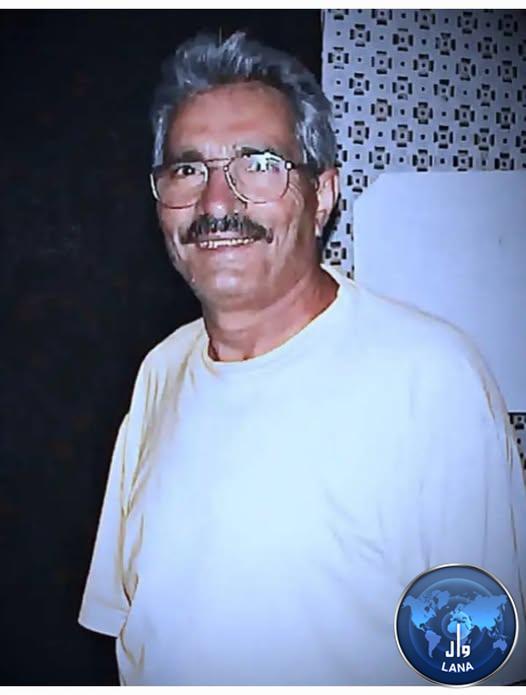
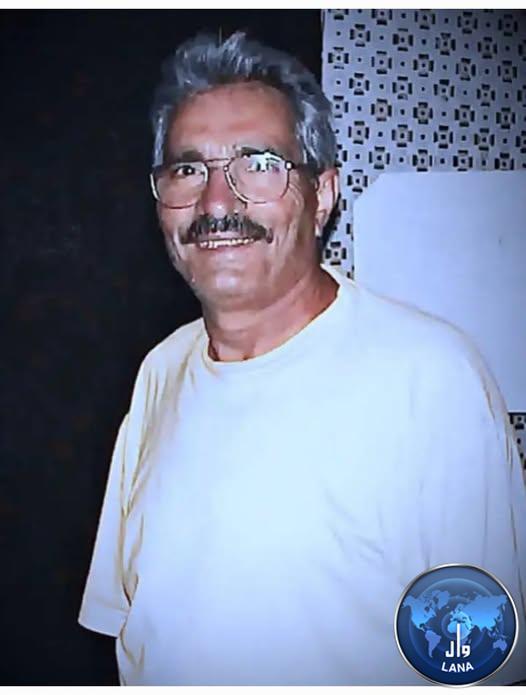
Since the ruling military council announced parliamentary elections for December 28, a large number of clients of astrologer Lin Nyo Taryar have been feeling the same doubts. He says: “The question most people ask is clear: when will the situation in Myanmar improve?”
The military portrays the upcoming elections as an attempt at reconciliation in a country exhausted by civil war since the 2021 coup, but international observers see it as a maneuver to legitimize military rule. The expected election result at the end of January remains unclear and could be influenced by “Yadaya,” a set of rituals believed to determine fate.
Lin Nyo Taryar says: “In times of hardship, people turn to astrology and Yadaya to draw strength and faith. What they really want is a safe and peaceful future.”
Candles and Knives
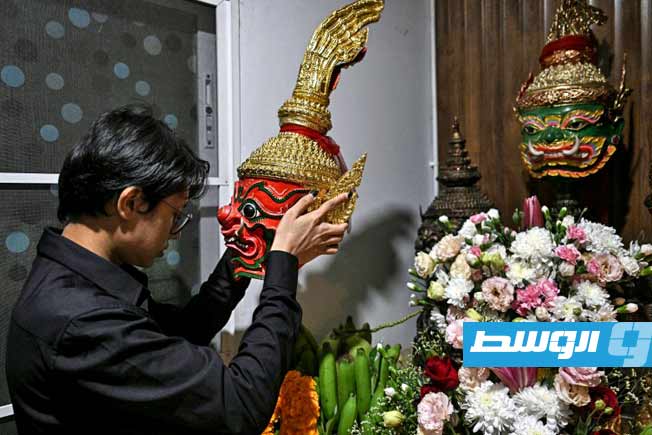
The path of the 30-year-old astrologer has never been safe; when protests erupted following the coup, which he claims to have predicted, he cursed military leader Min Aung Hlaing and called on his colleagues via social media to do the same. Due to rituals he performed using candles and knives arranged in the shape of a star, he was imprisoned for two years in the notorious Insein prison in Yangon.
Since his release, he has been living in Bangkok, Thailand, and communicates online with his clients who remain in Myanmar, where their culture is heavily influenced by supernatural traditions linked to Buddhism. A large number of palm readers gather around temples, alchemy trainees attempt to turn mercury into gold, while telecommunications companies promote astrologers who can be consulted by phone.
– The military council in Myanmar prepares for elections by ‘ending the state of emergency’
– Hundreds of Catholics celebrate All Saints’ Day in Myanmar
– The tradition of Burmese puppetry defies crises
A professor who has studied Burmese mysticism says: “They are dealing with many problems,” adding, “I believe it’s related to a lack of development in the country; there isn’t much to rely on.” He continues: “On one hand, there is a state of doubt and weakness, and on the other, there is an ancient mix of spells, remedies, and hidden knowledge rooted in the consciousness of the Burmese people for thousands of years.”
Buttered Rice and Power Superstitions
Politics is not immune to inherited beliefs; former military leader Ne Win, based on possibly misunderstood astrological advice, decided to switch traffic flow from the left to the right. In 1987, he also issued a new currency with denominations based on the number ‘nine,’ a lucky number, which confused consumers.
The current leader, Min Aung Hlaing, who may remain in power after the elections under a civilian government, is known for following secret superstitions. The country’s most famous astrologers predict that people born on a Tuesday under the ‘Leo’ sign, like Min Aung Hlaing and the imprisoned former leader Aung San Suu Kyi, will achieve success and overcome difficulties.
The astrologer says: “They will enjoy good health and privileges,” and advises them to place “buttered rice” on an altar dedicated to Buddha. Min Thin Kyaw from Yangon, referring to Roman zodiac charts, says: “Myanmar’s potential is promising for the next year.” The septuagenarian adds: “But for a prediction to be completely successful, three factors must come together: time, place, and the individual.”
</figure
Myanmar
Myanmar, also known as Burma, is a Southeast Asian nation with a rich history centered on powerful Buddhist kingdoms like the Pagan Empire. Its cultural landscape is dominated by thousands of ancient temples and pagodas, most famously at the Bagan Archaeological Zone. The country endured British colonial rule and decades of military governance before a complex transition toward democracy in the 21st century.
Insein prison
Insein Prison is a large, historically notorious correctional facility located in Yangon, Myanmar, originally built by the British colonial administration in the late 19th century. It became internationally known for its harsh conditions and for housing numerous political prisoners, including pro-democracy activists, both during the colonial era and under subsequent military regimes.
Yangon
Yangon, formerly known as Rangoon, served as the capital of Myanmar until 2006 and remains its largest city. It is most famous for the stunning Shwedagon Pagoda, a gilded stupa believed to enshrine relics of four Buddhas and a site of pilgrimage for centuries. The city’s colonial-era downtown area also reflects its history as a major British administrative center in the 19th and early 20th centuries.
Bangkok
Bangkok is the capital and largest city of Thailand, founded in 1782 by King Rama I as the capital of the Rattanakosin Kingdom. It is renowned for its ornate temples and palaces, such as Wat Arun and the Grand Palace, which reflect its deep historical and cultural significance as the nation’s political and spiritual center.
Thailand
Thailand is a Southeast Asian nation with a rich history as the only country in the region never colonized by a European power, formerly known as Siam until 1939. Its culture is deeply influenced by Theravada Buddhism, which is central to its many ornate temples, traditional festivals, and daily life.
Buddhism
Buddhism is a major world religion and philosophy that originated in ancient India around the 5th century BCE, founded by Siddhartha Gautama, who became known as the Buddha or “Enlightened One.” Its core teachings focus on understanding suffering and achieving liberation through practices like meditation, ethical conduct, and wisdom. Over centuries, it spread across Asia and evolved into diverse schools such as Theravada, Mahayana, and Vajrayana.
Ne Win
Ne Win was a Burmese military officer and politician who served as the country’s leader from 1962 to 1988, first as Chairman of the Revolutionary Council and later as President. His rule was defined by the implementation of the “Burmese Way to Socialism,” a policy of isolation and nationalization that led to significant economic decline and political repression.
Min Aung Hlaing
Min Aung Hlaing is a senior military officer in Myanmar, not a place or cultural site. He has served as the Commander-in-Chief of the country’s armed forces since 2011 and became the de facto head of state following a military coup in February 2021. His leadership has been defined by the military’s long-standing political involvement and a recent period of significant domestic conflict and international scrutiny.
Aung San Suu Kyi
Aung San Suu Kyi is a Burmese politician, diplomat, and Nobel Peace Prize laureate who became the international symbol of peaceful resistance for democracy in Myanmar. She co-founded the National League for Democracy and spent nearly 15 years under house arrest by the country’s military junta before later serving as State Counsellor. Her legacy has become complex and controversial due to her defense of Myanmar’s military against accusations of genocide targeting the Rohingya Muslim minority.
Buddha
The Buddha, or Siddhartha Gautama, was a spiritual teacher and the founder of Buddhism who lived in ancient India around the 5th century BCE. After attaining enlightenment, he spent his life teaching the path to liberation from suffering, forming the core doctrines of one of the world’s major religions.