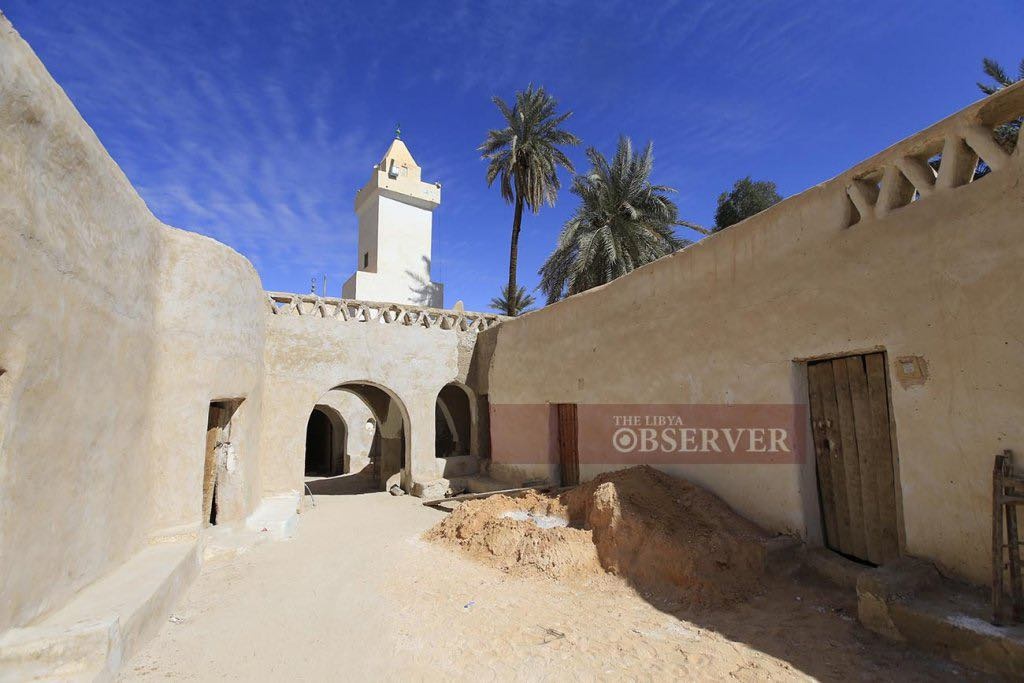
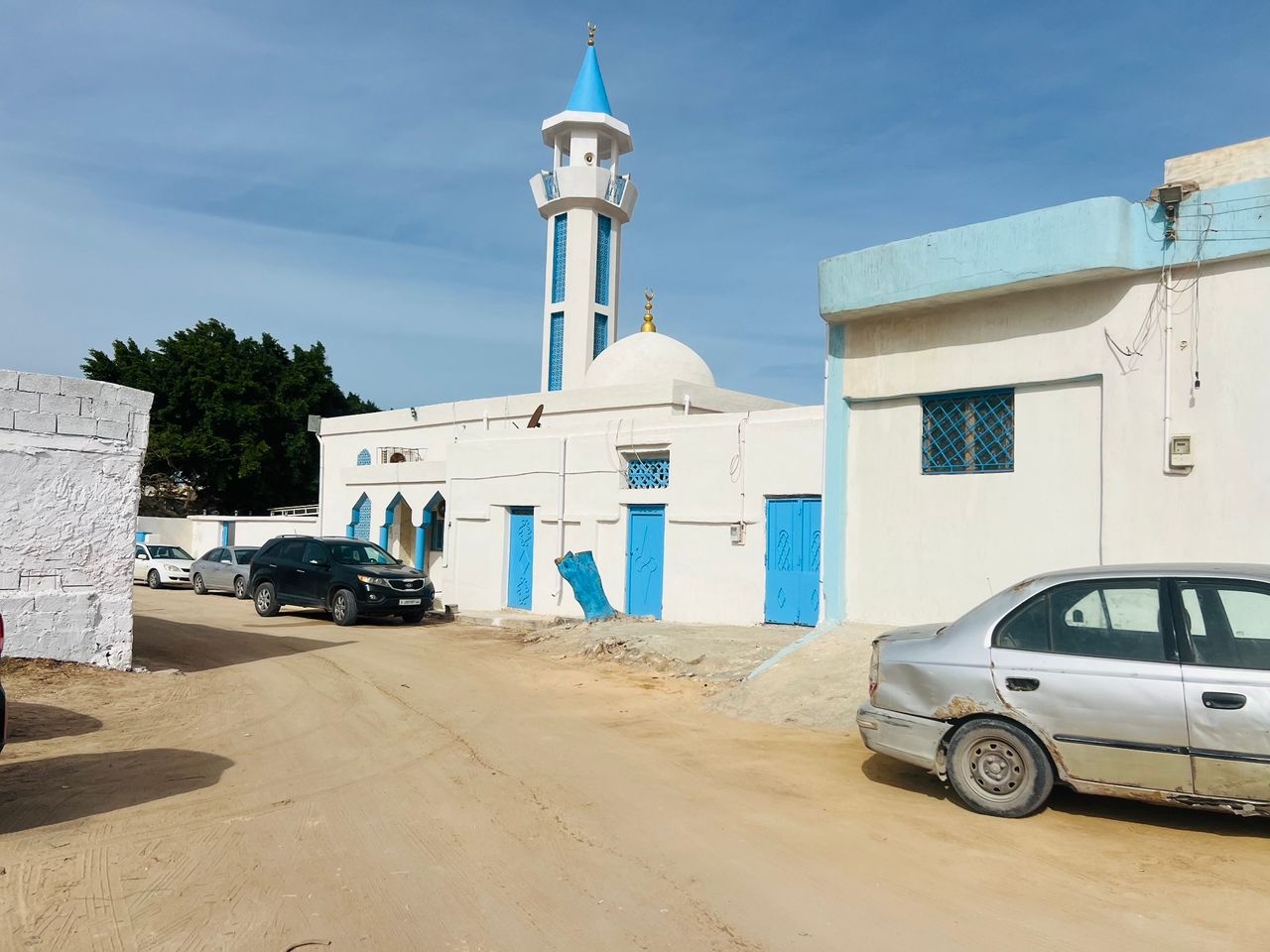
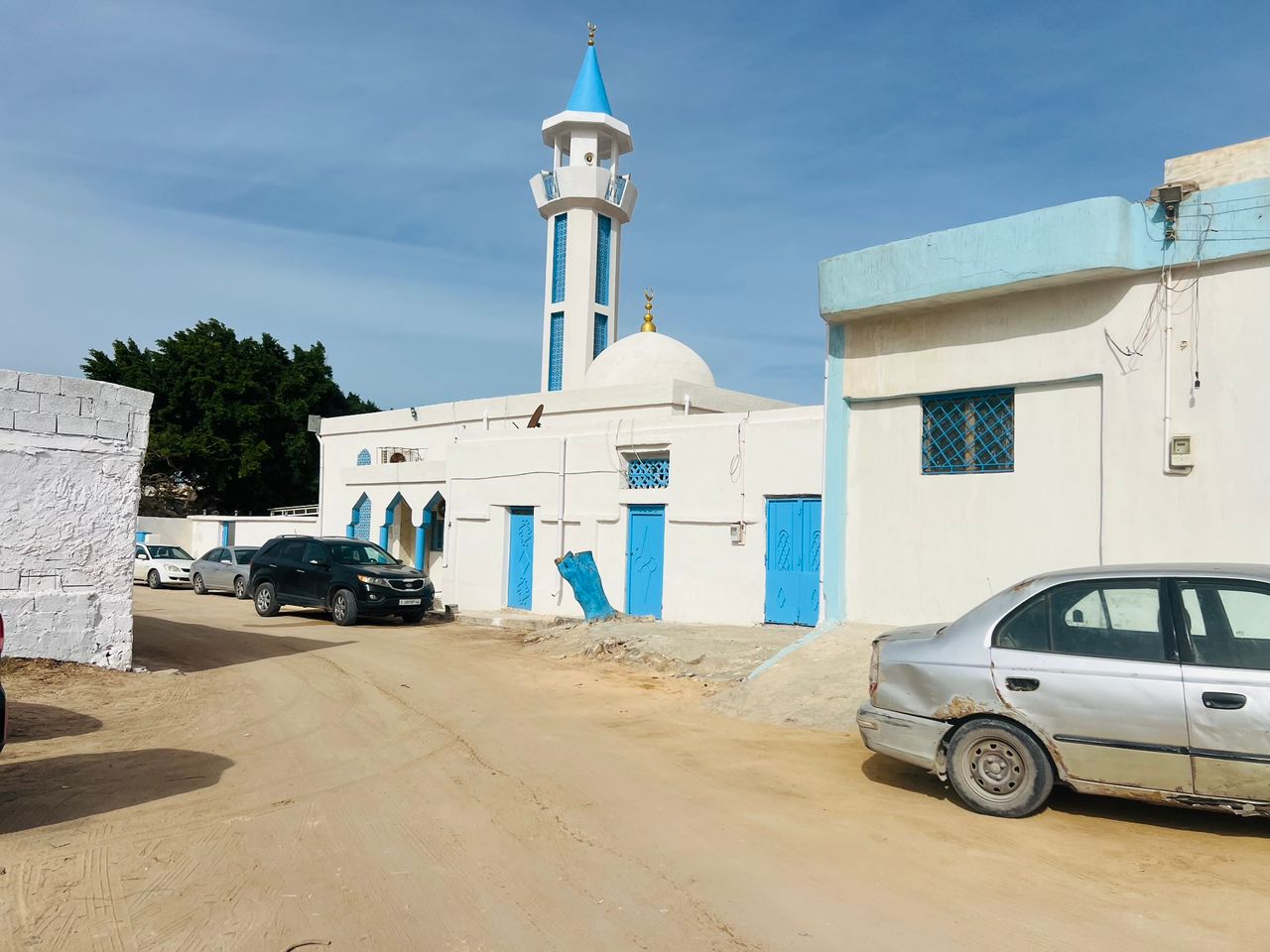
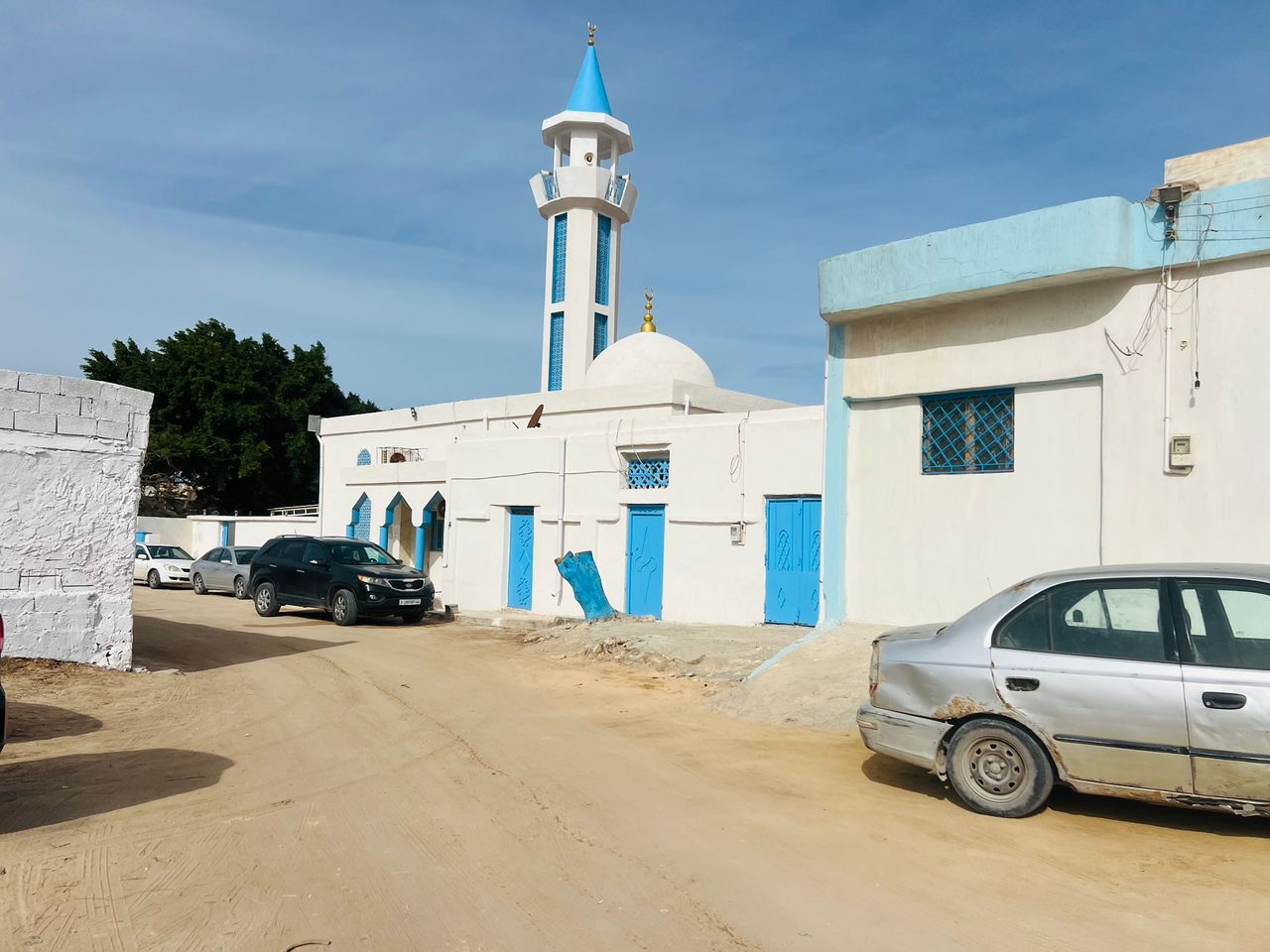
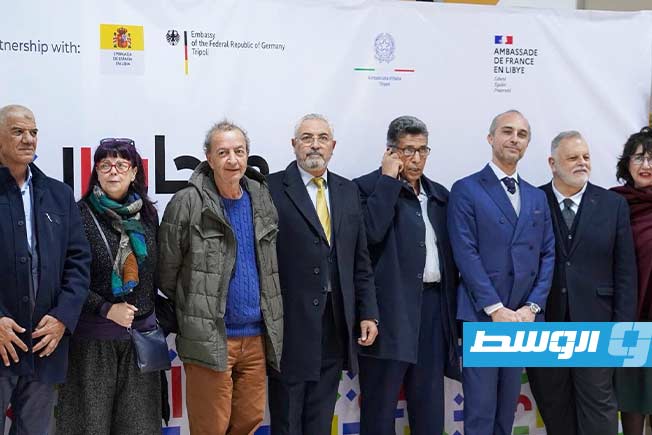
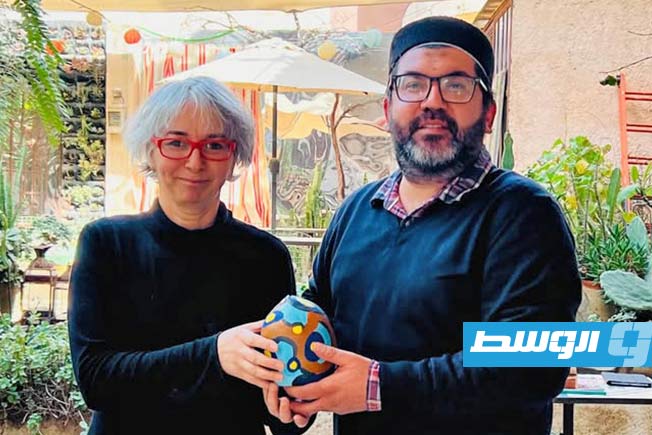
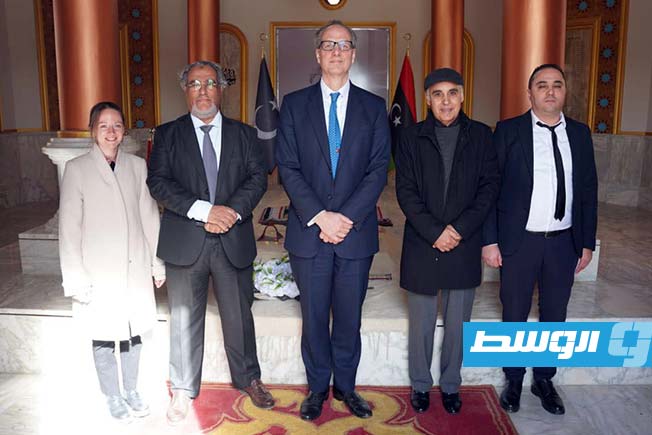
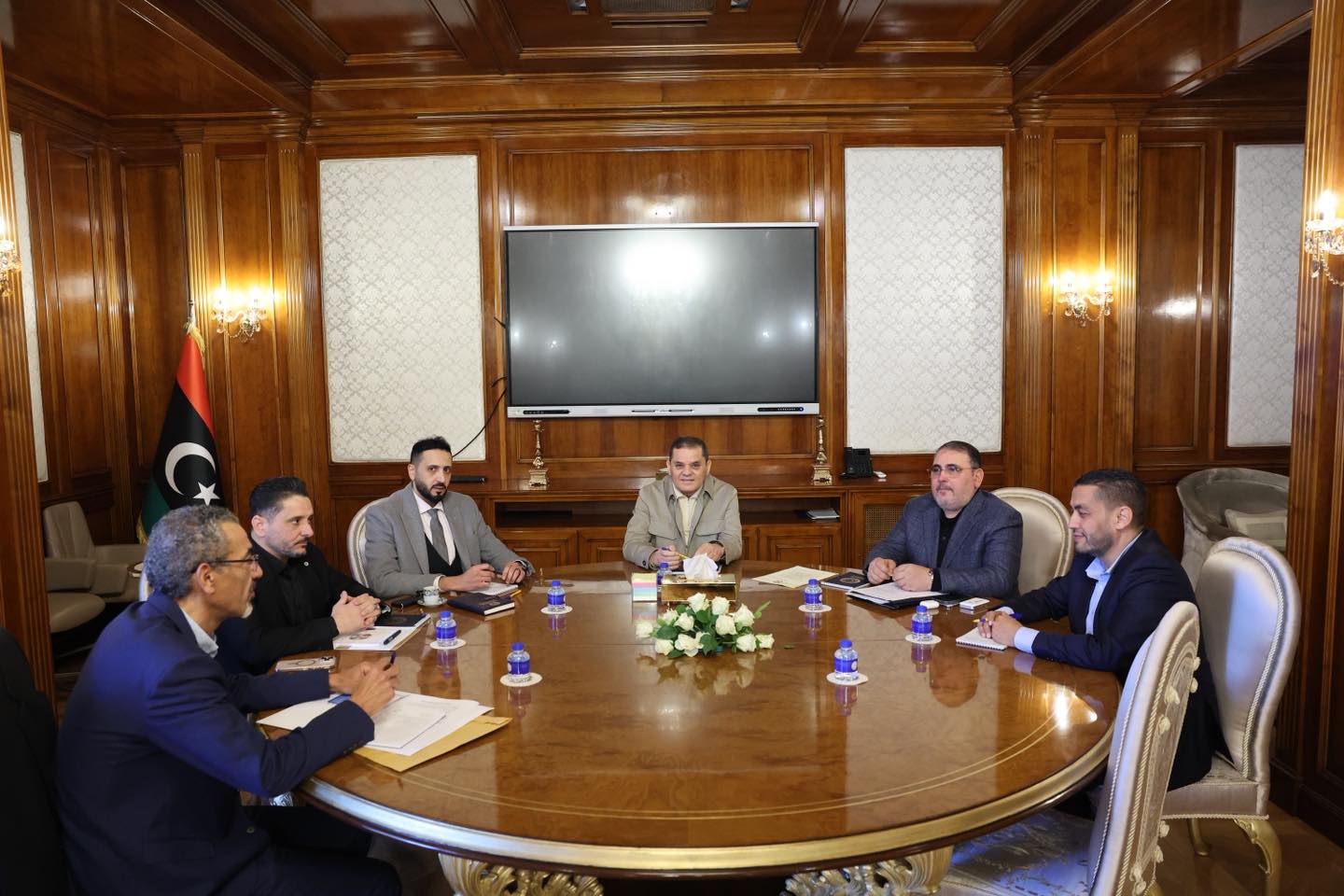
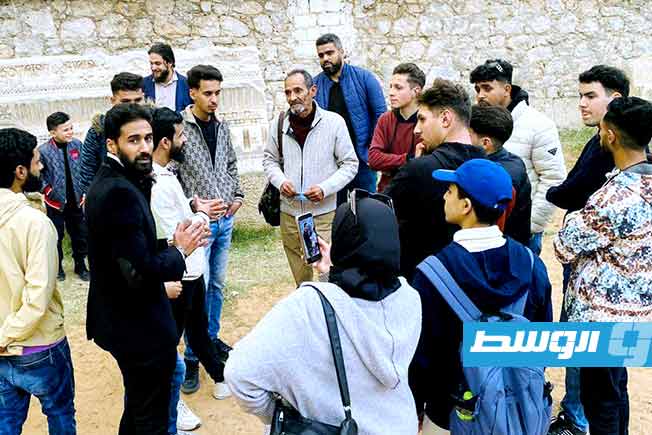
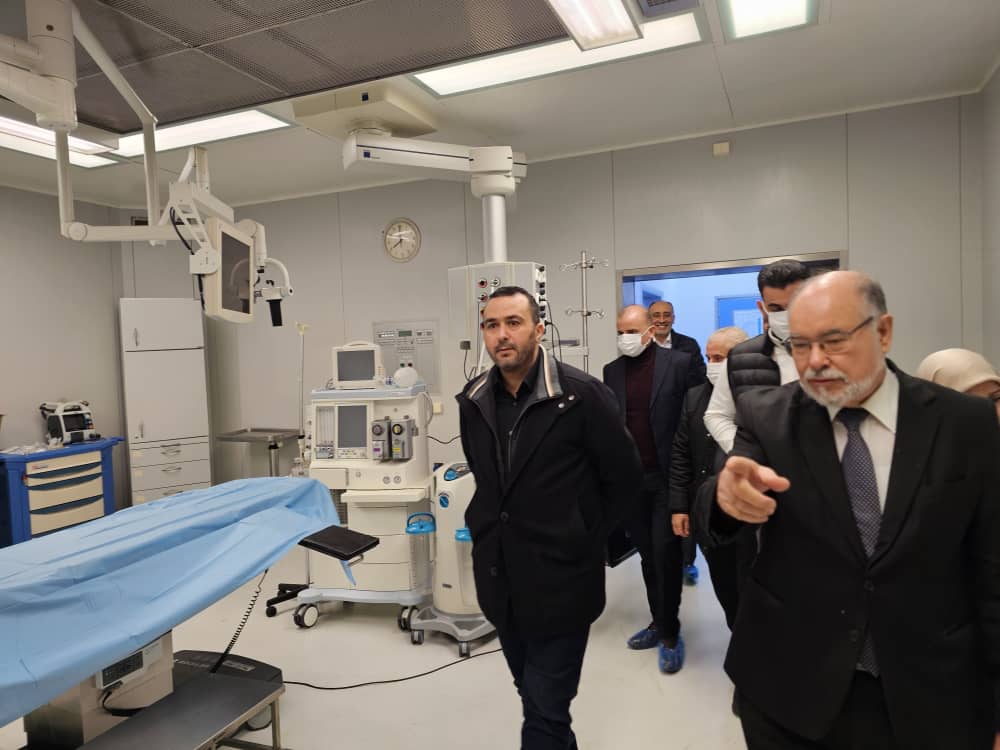
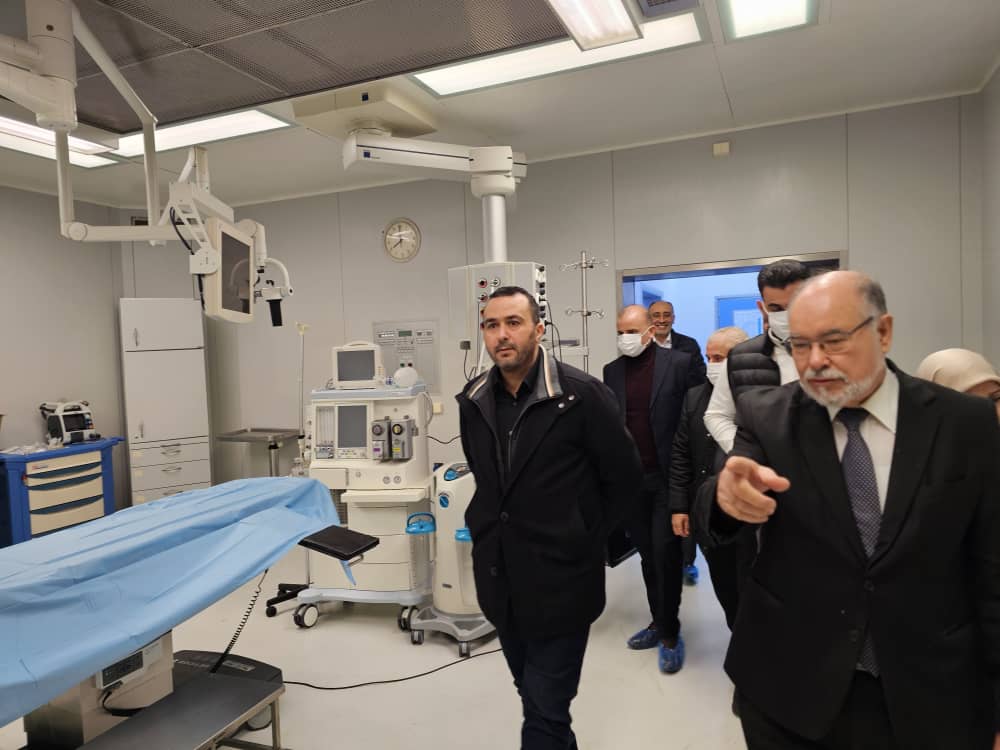
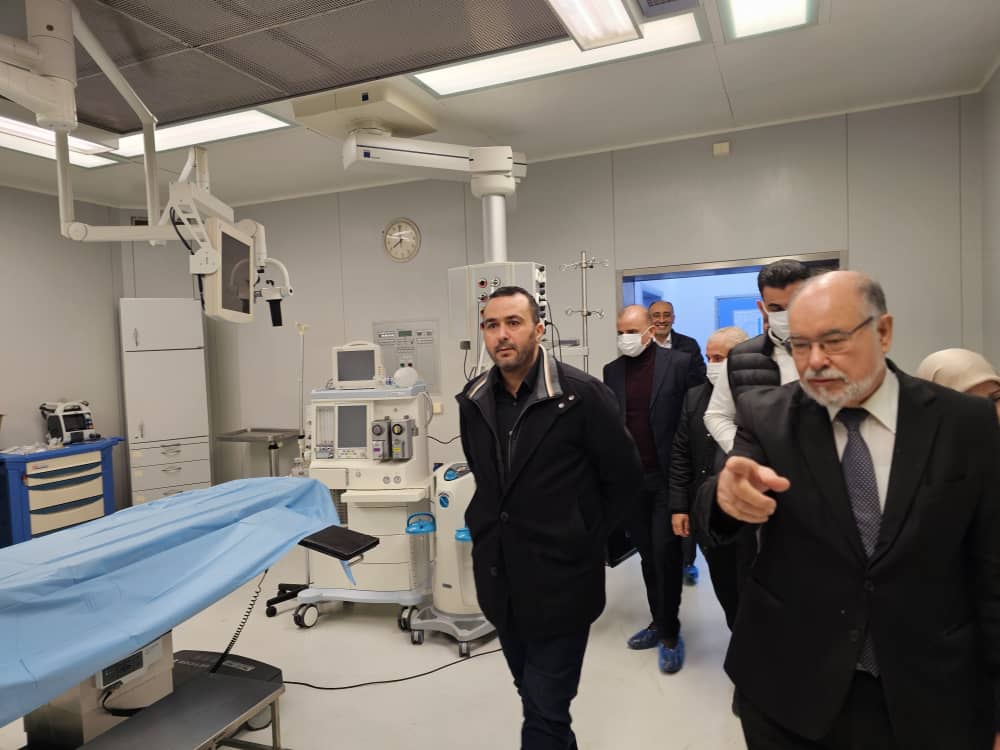
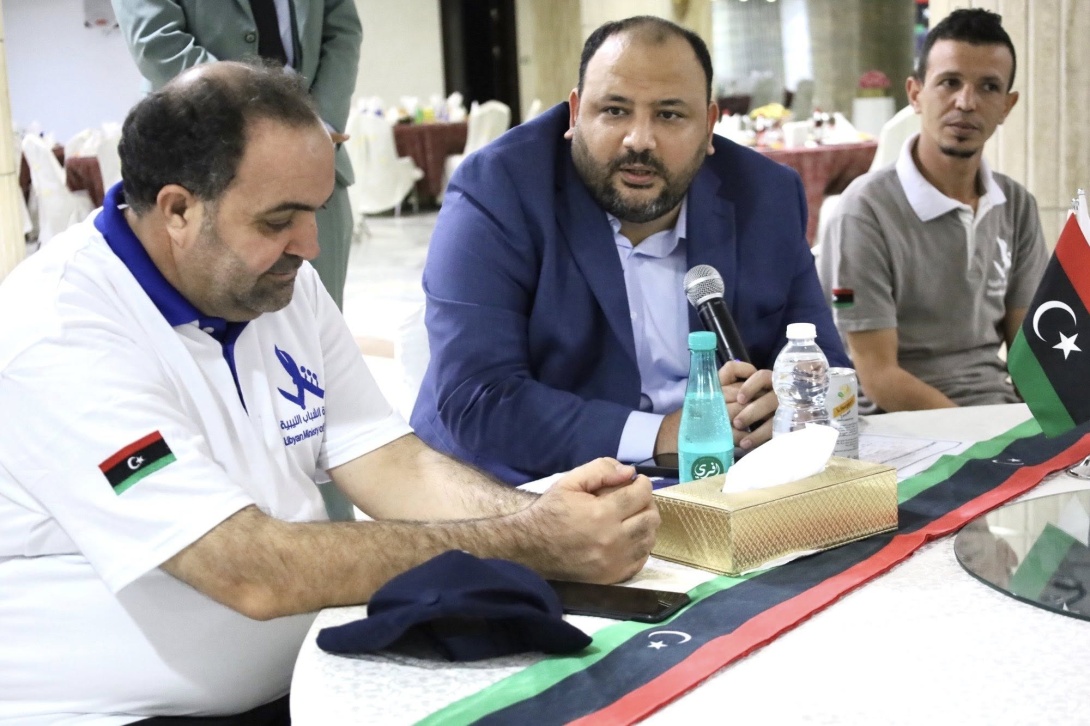
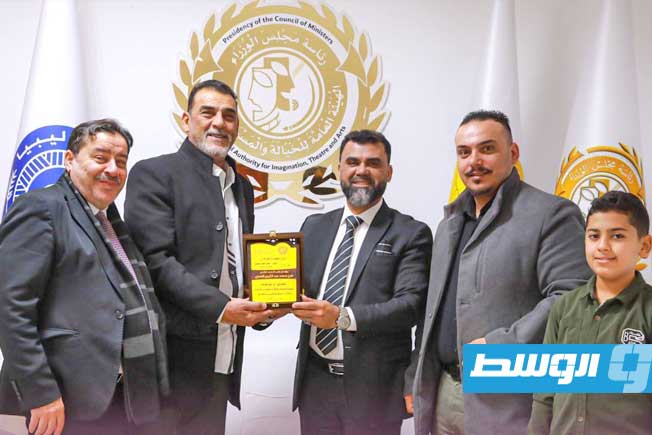
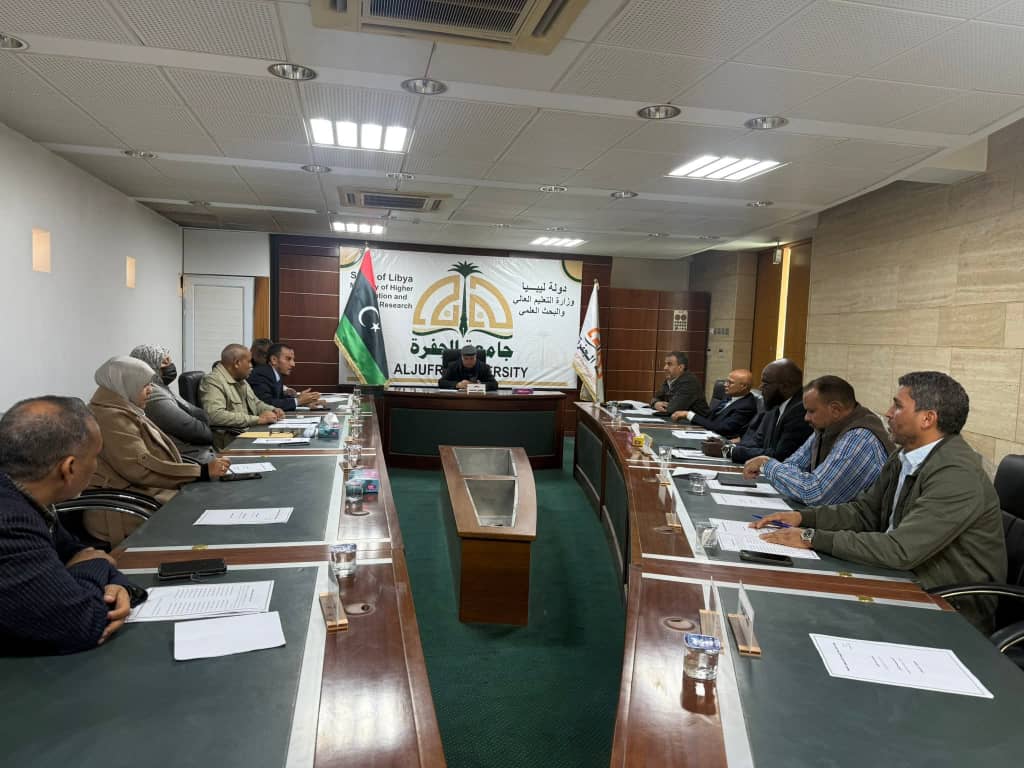
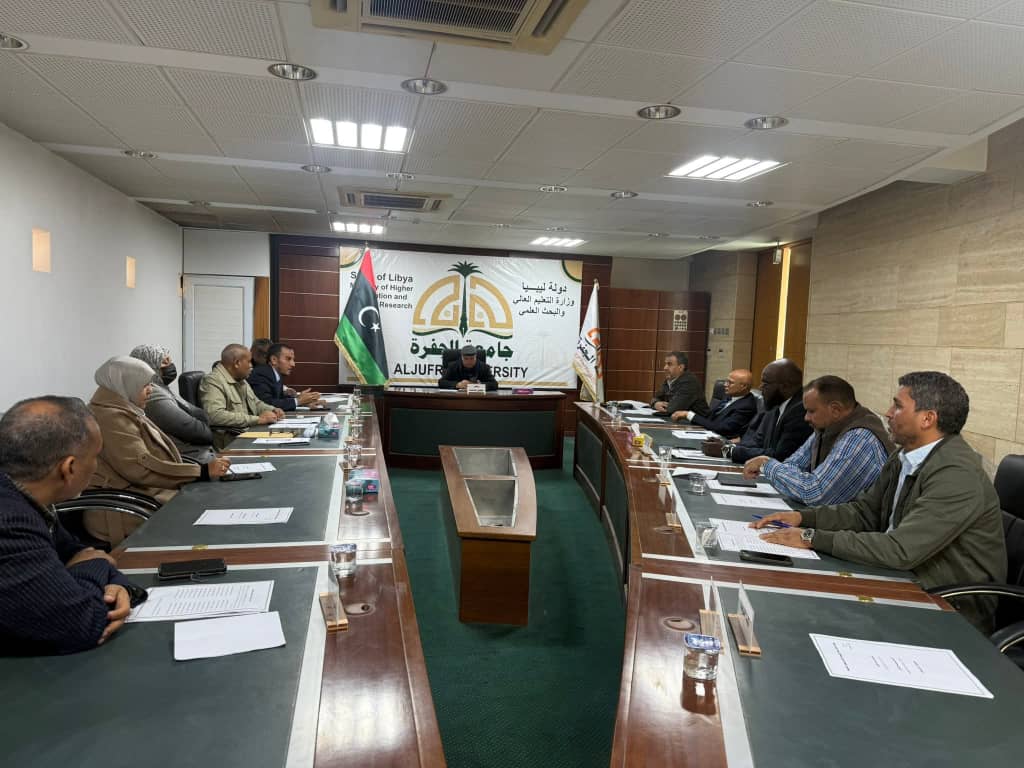
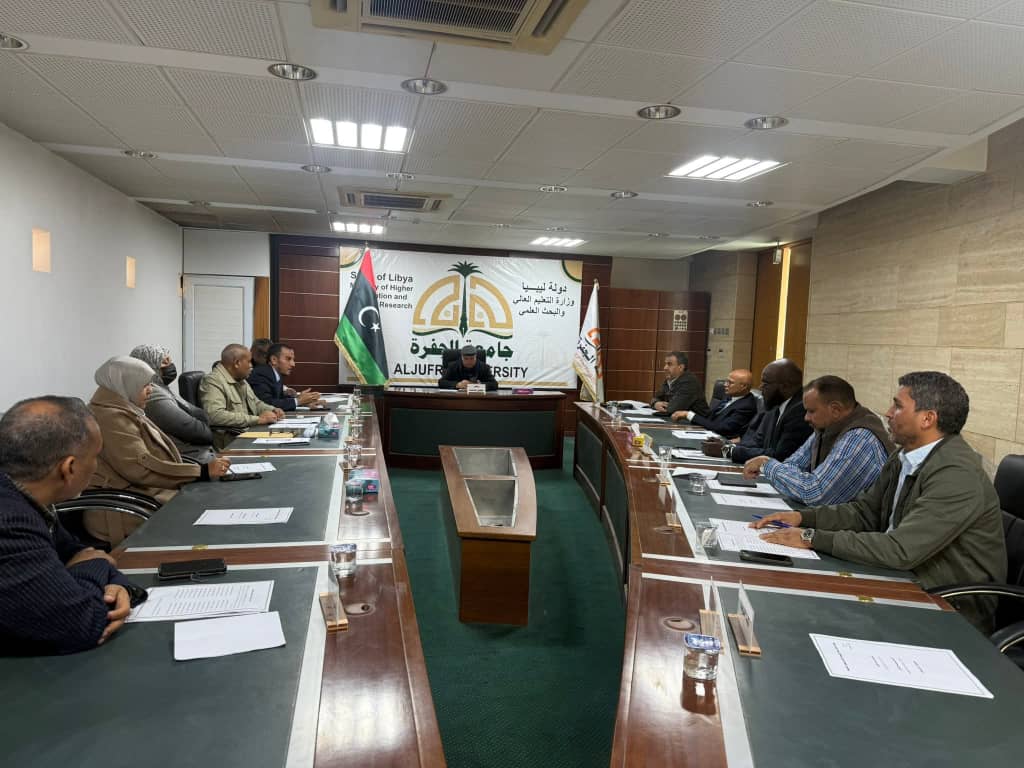
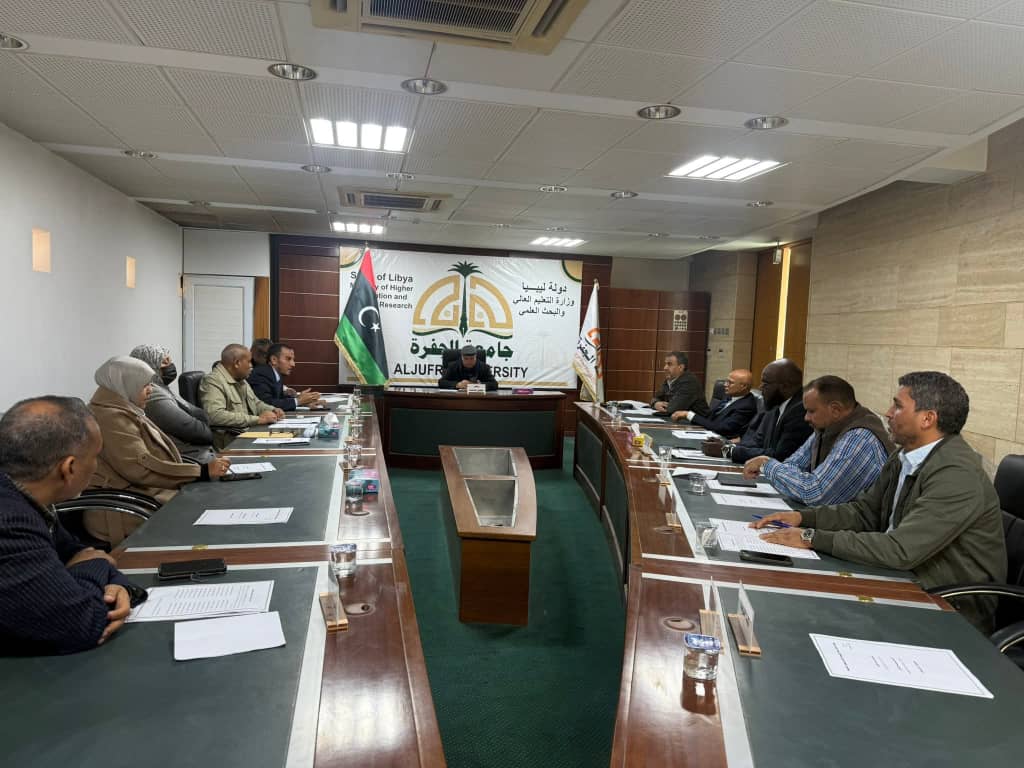
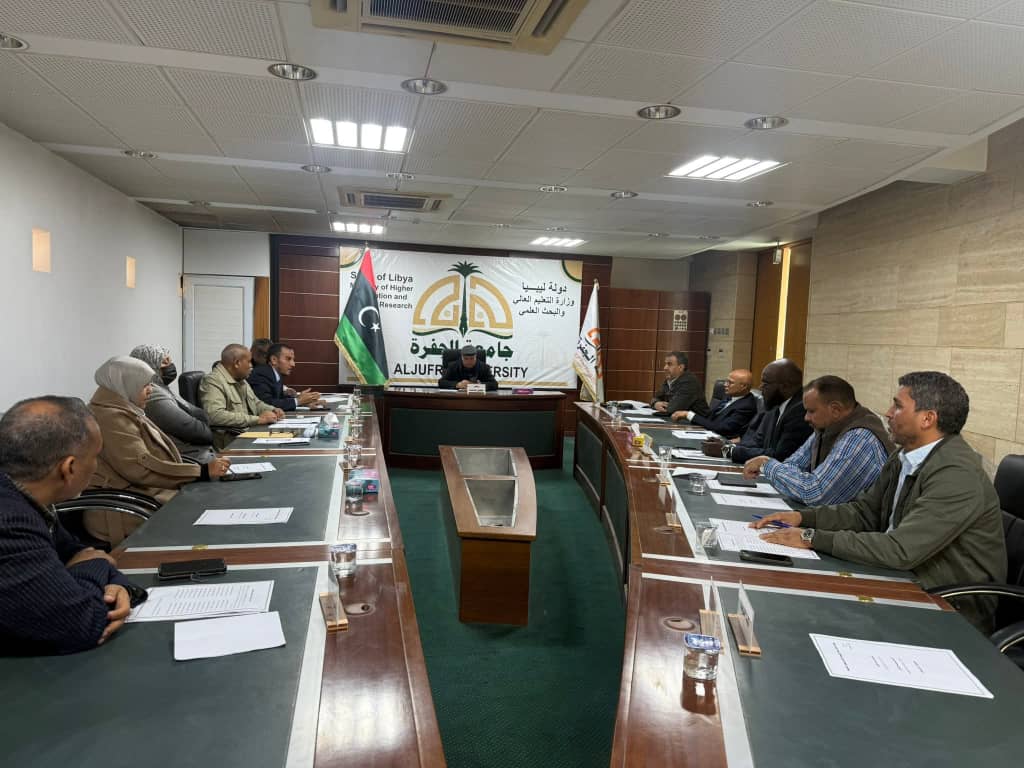
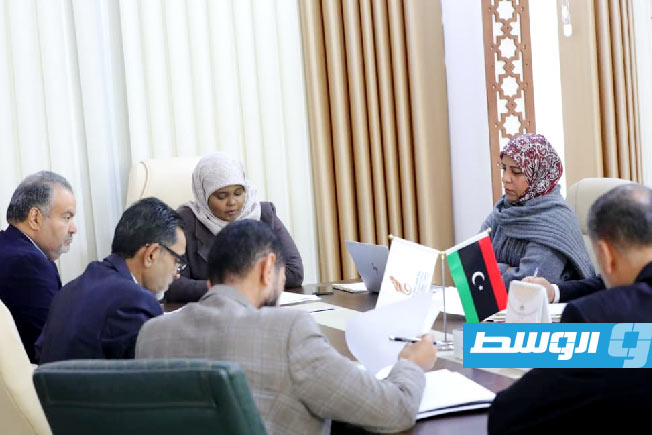
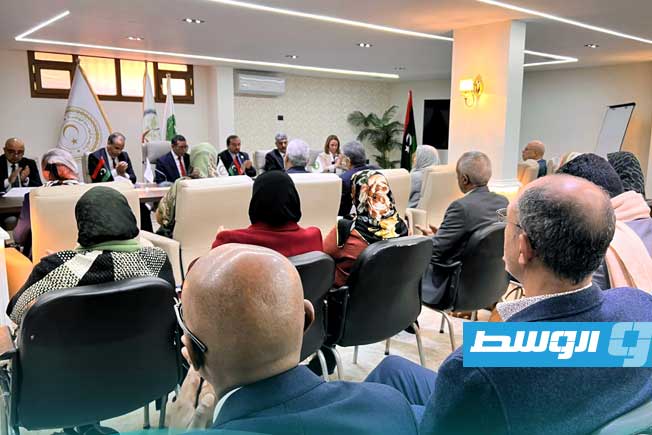
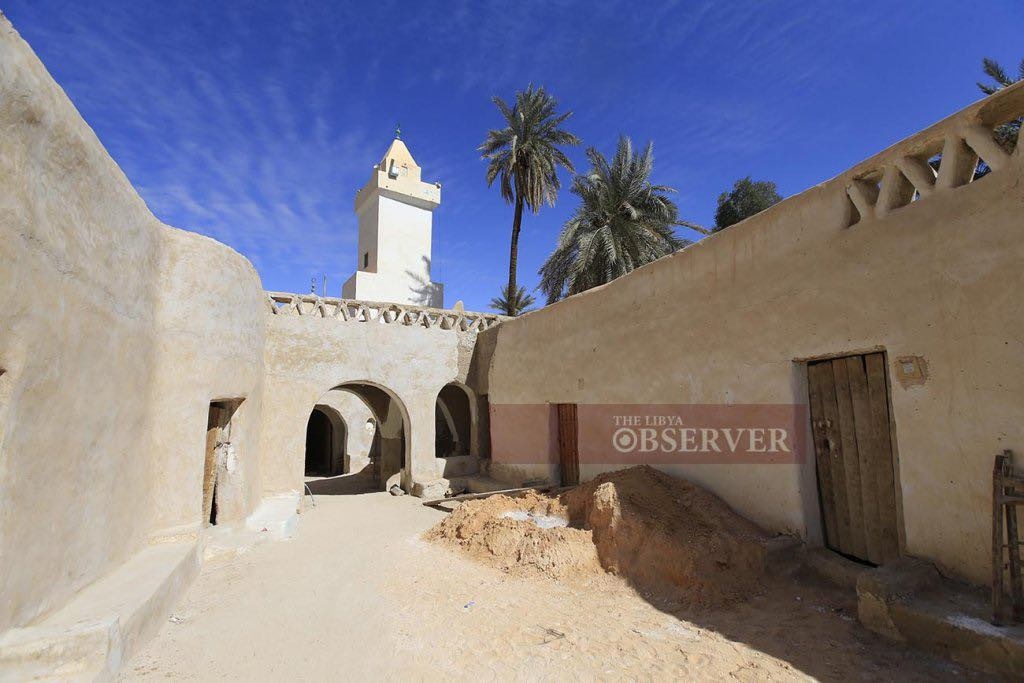
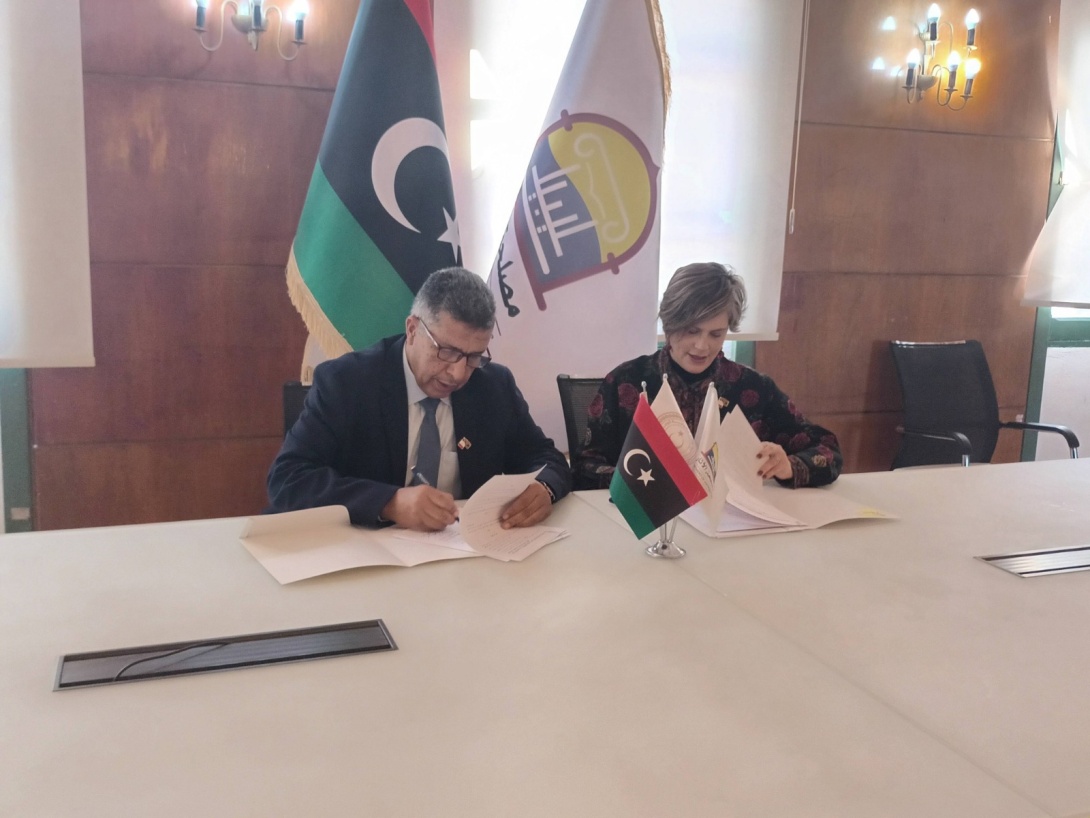
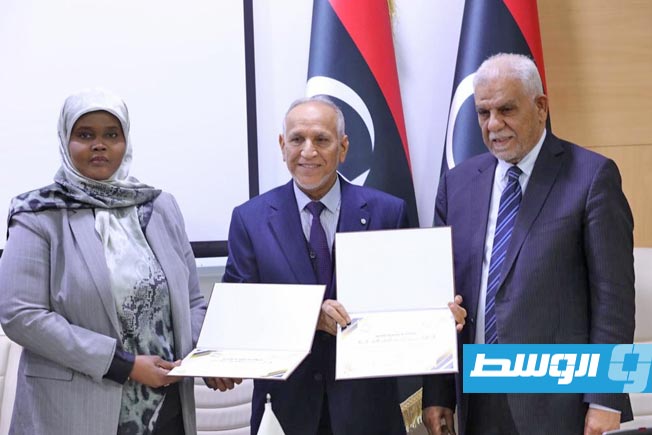
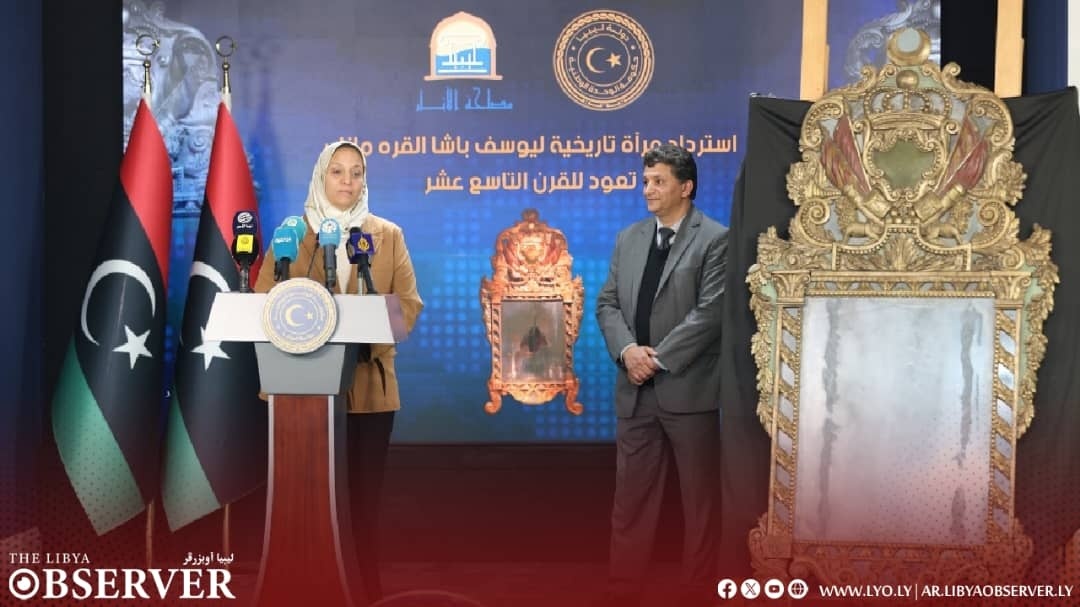
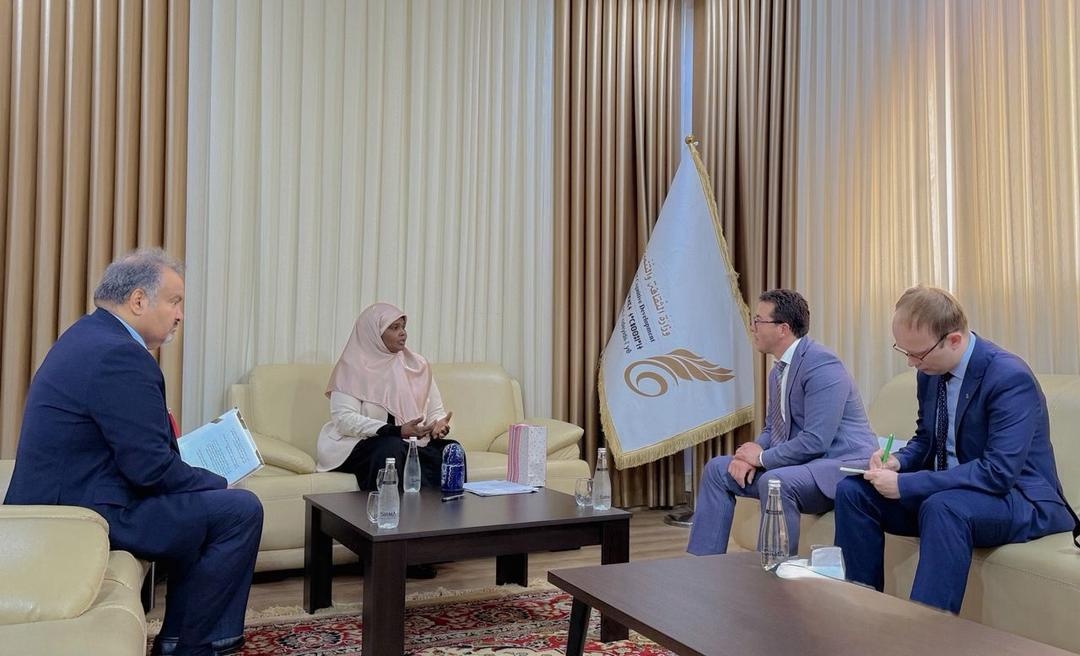
The Minister of Tourism and Traditional Industries has signed a cooperation agreement with the head of the Ghadames Development and Reconstruction Authority to follow up on UNESCO’s recommendations for removing the historic city of Ghadames from the World Heritage in Danger list.
The agreement also covers the implementation of the “Ghadames Charter” and new land-use regulations designed to preserve the ancient desert city — often referred to as the “Pearl of the Desert” — and to promote sustainable tourism.
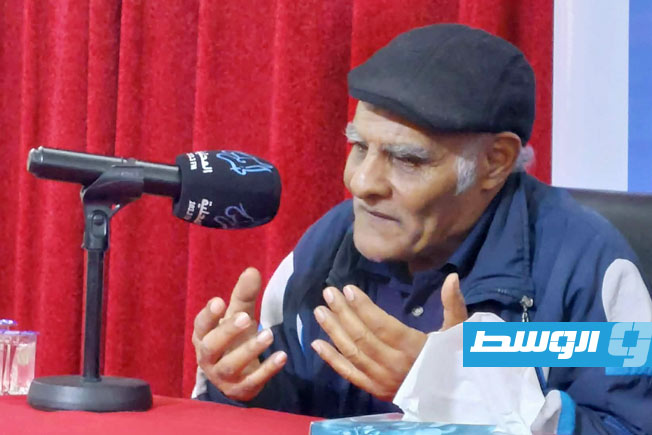
The Minister told local news that the move strengthens cooperation with the UN Development Programme (UNDP) to implement UNESCO’s recommendations on the protection and management of Ghadames as a World Heritage Site.
The plan includes updated boundary mapping, the establishment of a buffer zone, and a comprehensive strategy for sustainable tourism in and around the city.
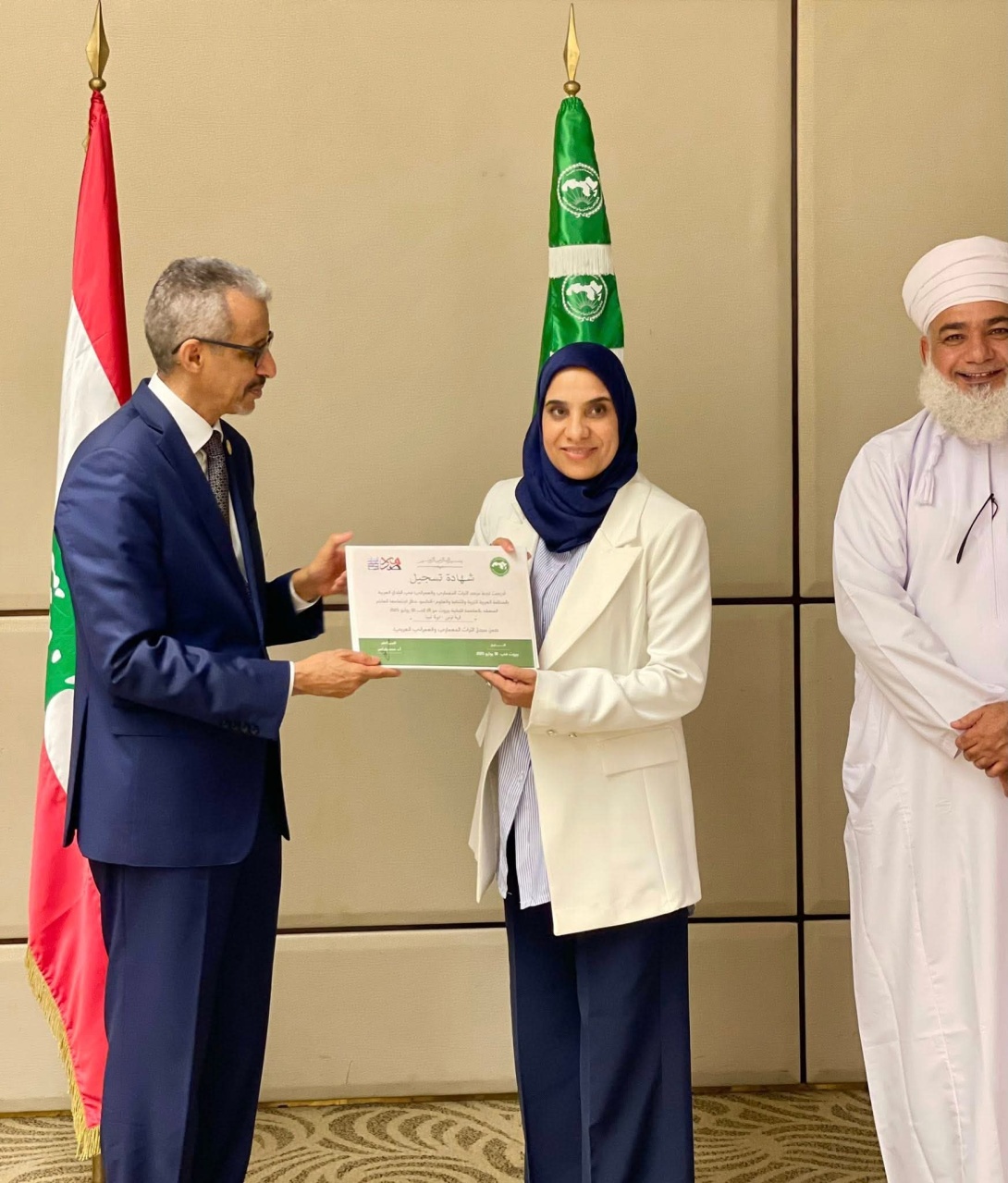
The signing coincided with national celebrations marking Ghadames’s official removal from the UNESCO danger list — one of five Libyan heritage sites previously classified as at risk. It also celebrated the inclusion of Tunin village, near Ghadames, in the Register of Architectural and Urban Heritage in Arab Countries, supervised by ALECSO and the Arab League.
The Minister urged residents and elders of Libya’s other four endangered heritage cities to follow Ghadames’s example, noting that local cooperation with civil society and national institutions played a key role in achieving this milestone.
It was added that government efforts alone were insufficient, calling for collective action to remove all Libyan heritage sites from the danger list.
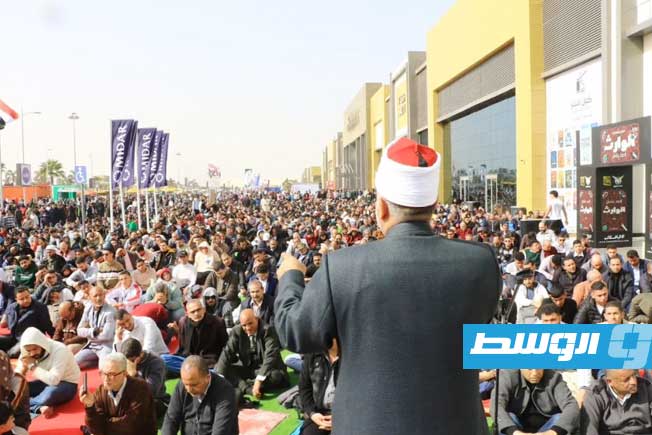
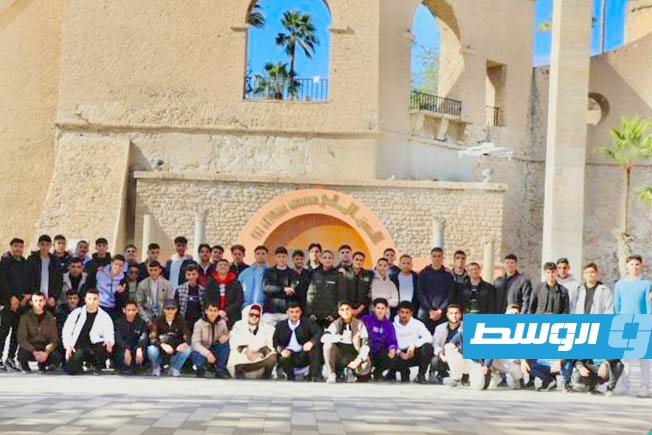
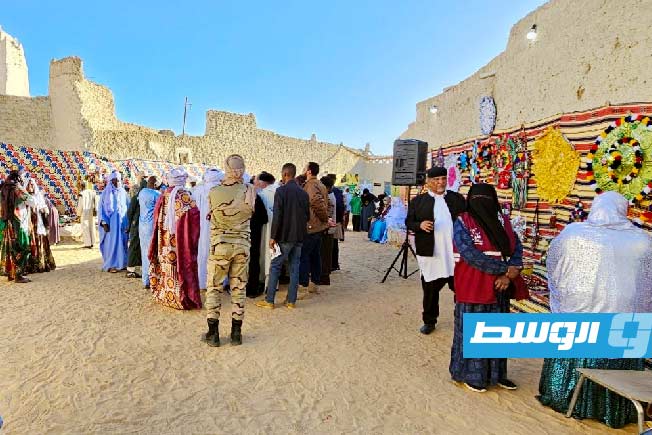
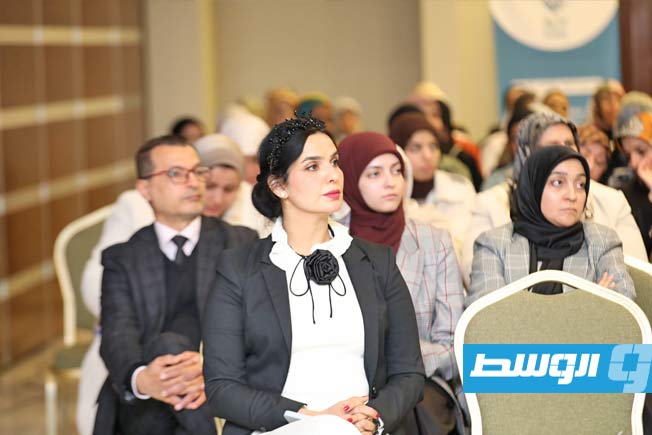
The announcement came during the Days of Ghadames for Shopping and Heritage festival, attended by government officials and large crowds from across Libya and neighbouring countries.
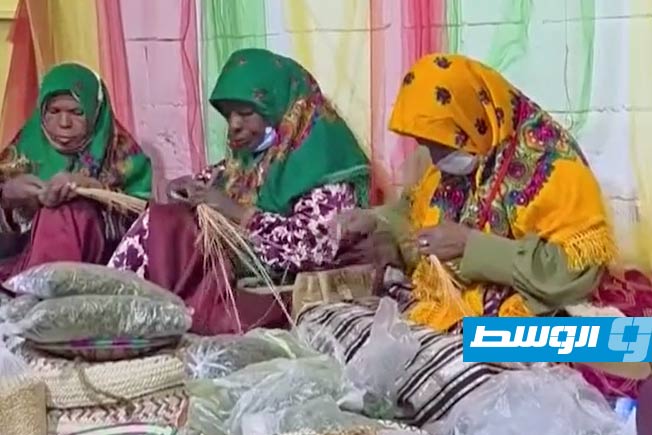
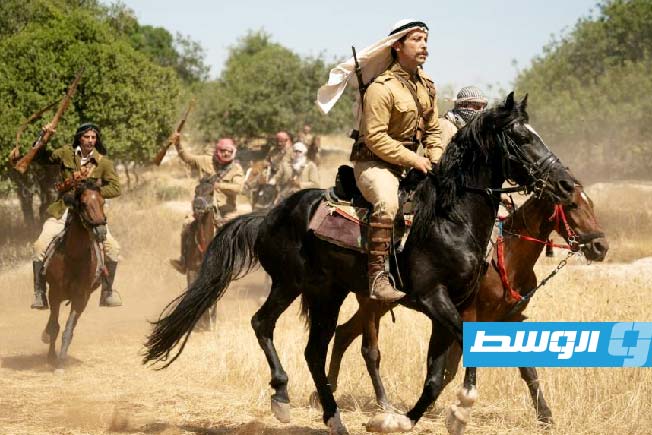
The three-day event featured traditional markets, craft exhibitions, Tuareg tribal performances, horseback shows, and excursions to the region’s sand dunes — all aimed at reviving local heritage and boosting tourism in the area.
Ghadames
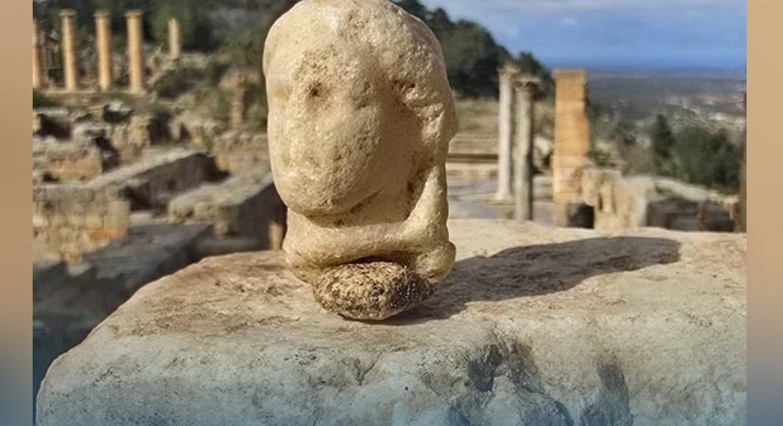
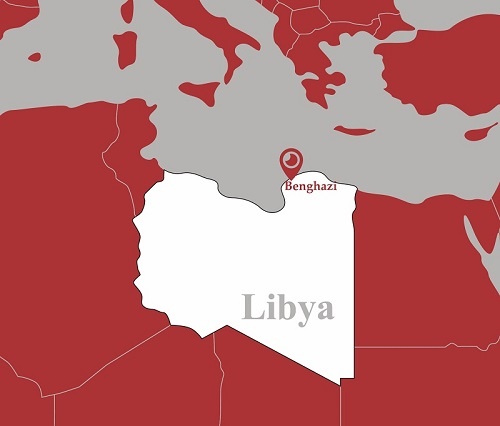
Ghadames is an ancient oasis town in western Libya, known as the “Pearl of the Desert,” with a history of settlement dating back over two millennia. Its unique, pre-Saharan architecture features multi-story mudbrick houses and a network of covered alleyways designed for communal living and climate control. Recognized for its cultural significance, the old town was designated a UNESCO World Heritage Site in 1986.
UNESCO
UNESCO, or the United Nations Educational, Scientific and Cultural Organization, is a specialized agency of the UN founded in 1945 to promote world peace and security through international collaboration in education, the sciences, culture, and communication. It is best known for its World Heritage program, which identifies, protects, and preserves cultural and natural heritage sites around the globe considered to be of outstanding value to humanity.
World Heritage in Danger list
The World Heritage in Danger list is a designation by UNESCO for sites on the World Heritage List that are threatened by serious and specific dangers, such as armed conflict, natural disasters, or unchecked urban development. Its purpose is to highlight sites in peril and mobilize international support for their safeguarding. For example, historic locations like the Old City of Jerusalem and natural areas like the Tropical Rainforest Heritage of Sumatra have been included to spur conservation efforts.
Ghadames Charter
The Ghadames Charter is a historic agreement established in the 14th century among the main tribal families of Ghadames, Libya. It served as a customary legal framework to manage resources, resolve disputes, and ensure peaceful coexistence in the oasis city. This charter is considered a foundational document for local governance and social organization in the ancient desert community.
Pearl of the Desert
“Pearl of the Desert” is a common nickname for the ancient city of Palmyra in Syria, which was a major cultural and trading hub at the crossroads of several civilizations. Its well-preserved ruins, including grand colonnades and temples, reflect a unique blend of Greco-Roman, Persian, and local influences from its peak in the 1st to 3rd centuries AD.
UN Development Programme
The United Nations Development Programme (UNDP) is the UN’s global development network, established in 1965 to help countries eradicate poverty and achieve sustainable development. It works in over 170 countries and territories, focusing on areas such as democratic governance, climate resilience, and crisis recovery.
UNDP
The United Nations Development Programme (UNDP) is a global development network established in 1965 by the UN General Assembly. It works in over 170 countries and territories to eradicate poverty, reduce inequalities, and build resilience to crises and shocks.
World Heritage Site
A World Heritage Site is a landmark or area designated by UNESCO for having cultural, historical, scientific, or other form of significance. The program was established in 1972 through the World Heritage Convention to identify and protect sites of outstanding universal value for future generations. These sites, such as the Great Wall of China or the Galápagos Islands, represent the collective heritage of humanity.
Tunin village
Tunin village is a traditional settlement located in the mountainous region of northern Vietnam, primarily inhabited by the H’mong ethnic group. It is known for its preserved cultural practices, terraced rice fields, and distinctive stilt-house architecture. The village’s history is rooted in centuries-old agricultural traditions and the migration patterns of the H’mong people within Southeast Asia.
Register of Architectural and Urban Heritage in Arab Countries
The Register of Architectural and Urban Heritage in Arab Countries is a UNESCO-led initiative established to document and protect significant historic sites across the Arab world. It serves as an inventory that highlights the region’s diverse architectural heritage, from ancient monuments to traditional urban settlements, to promote their conservation and raise awareness of their cultural value.
ALECSO
ALECSO, or the Arab League Educational, Cultural and Scientific Organization, is a specialized institution of the Arab League founded in 1970 and headquartered in Tunis. Its primary mission is to coordinate and promote collaboration among Arab states in the fields of education, culture, and science to support development and preserve Arab cultural heritage.
Arab League
The Arab League, formally the League of Arab States, is a regional organization founded in Cairo in 1945 to promote political and economic cooperation among its member countries. Its founding members were Egypt, Iraq, Jordan, Lebanon, Saudi Arabia, and Syria, with the goal of coordinating policies and safeguarding the independence of Arab states.
Days of Ghadames for Shopping and Heritage festival
The Days of Ghadames for Shopping and Heritage festival is an annual cultural event held in the ancient oasis city of Ghadames, Libya. It celebrates the city’s rich history as a UNESCO World Heritage site and former Saharan trade hub by promoting traditional crafts, music, and local products. The festival aims to preserve the unique heritage of the “Pearl of the Desert” while stimulating the local economy.
Tuareg
The Tuareg are a historically nomadic Berber people primarily inhabiting the Sahara Desert across several North African nations. They are known for their distinct indigo-dyed clothing, intricate silver jewelry, and a long history as traders and caravan guides, with a traditional society organized into confederations led by noble clans. Their history includes resistance against various colonial powers and post-colonial governments, often centered on struggles for autonomy and control over ancestral lands.