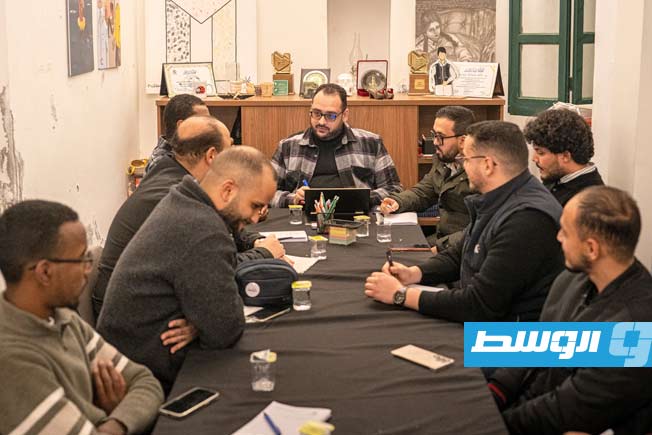
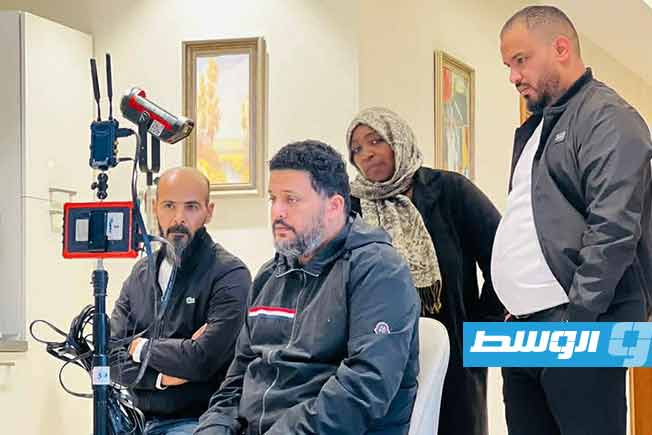
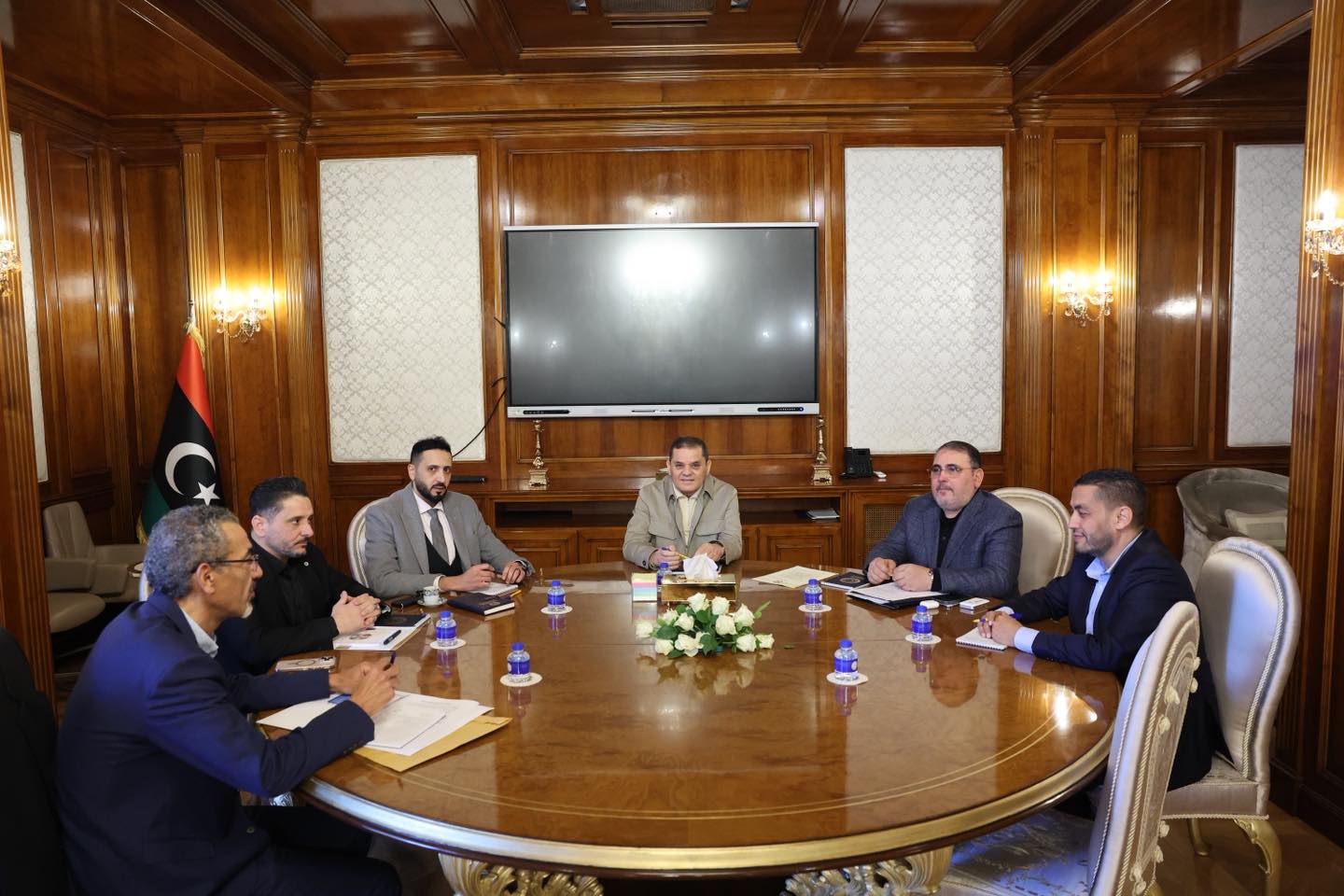
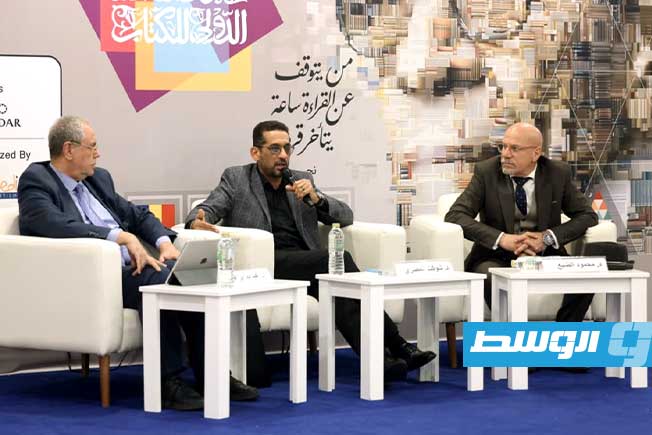
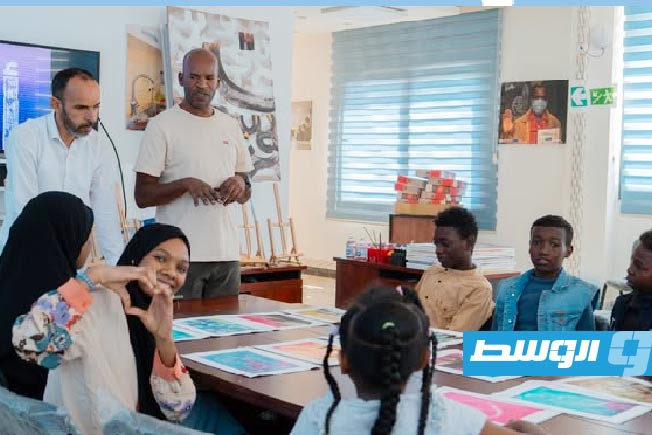
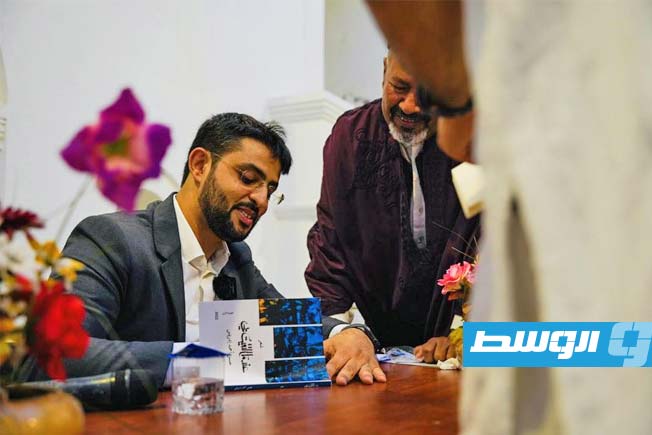
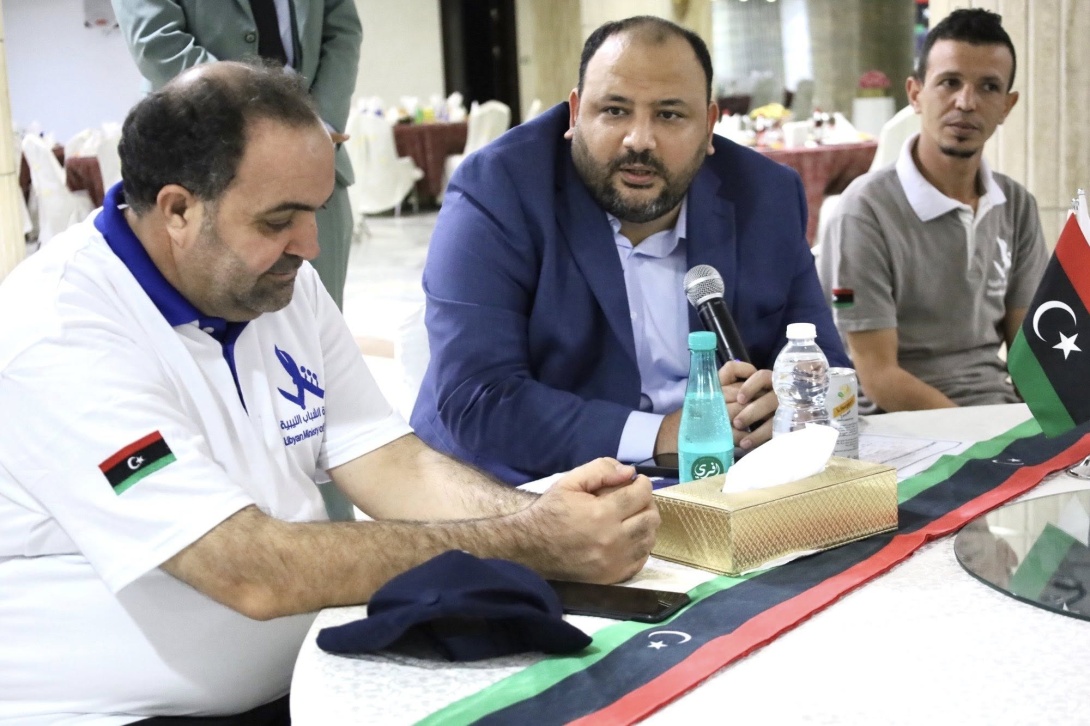
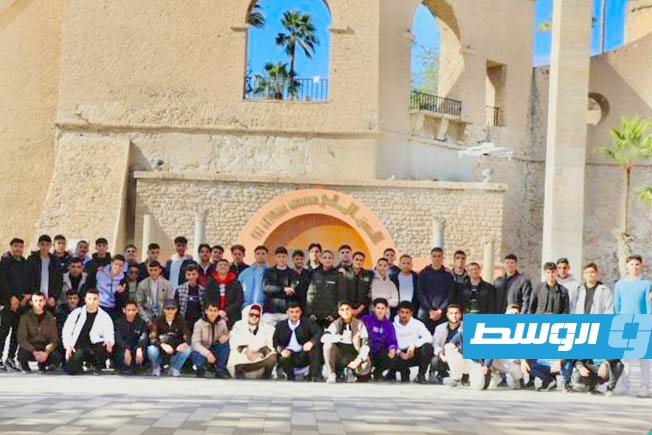
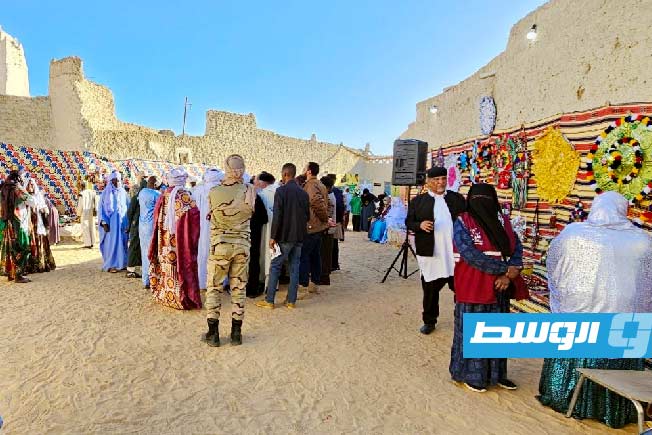
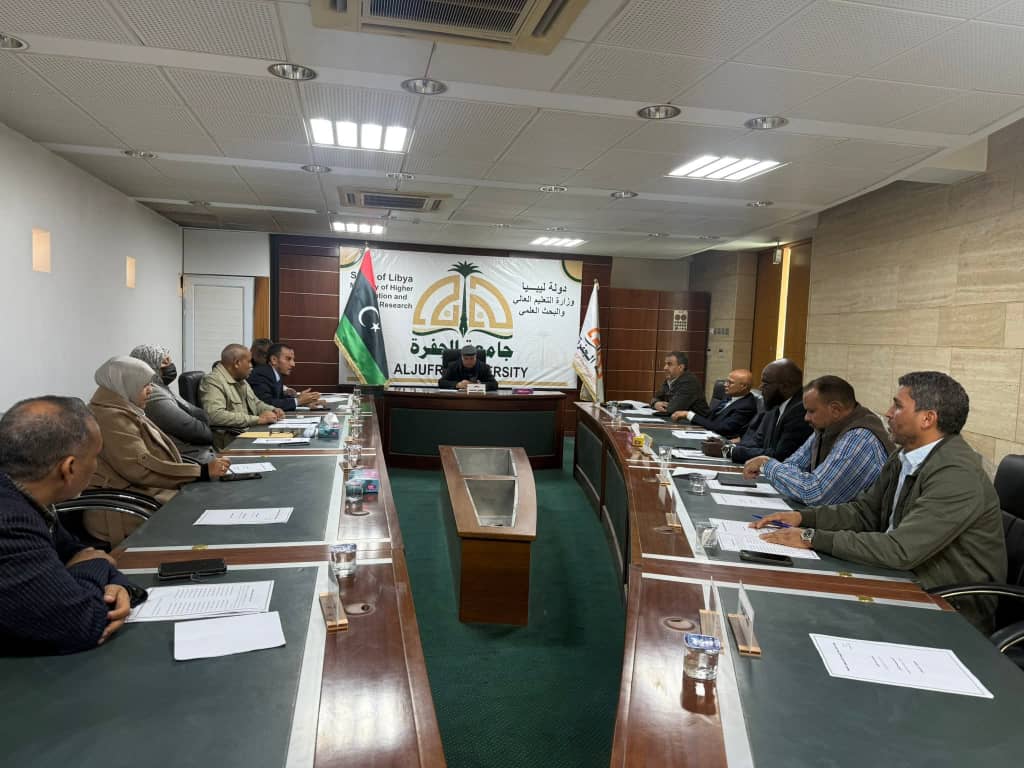
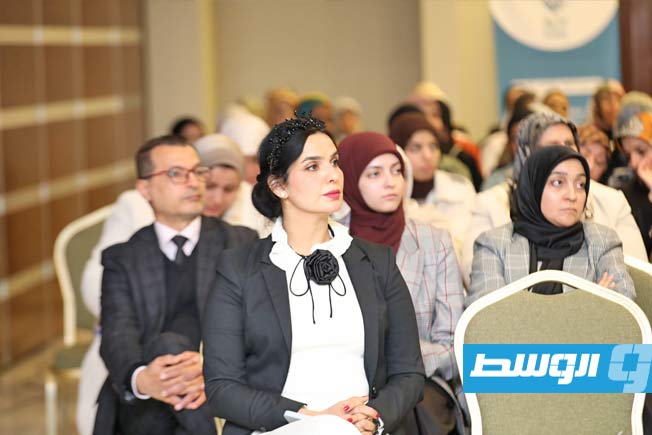
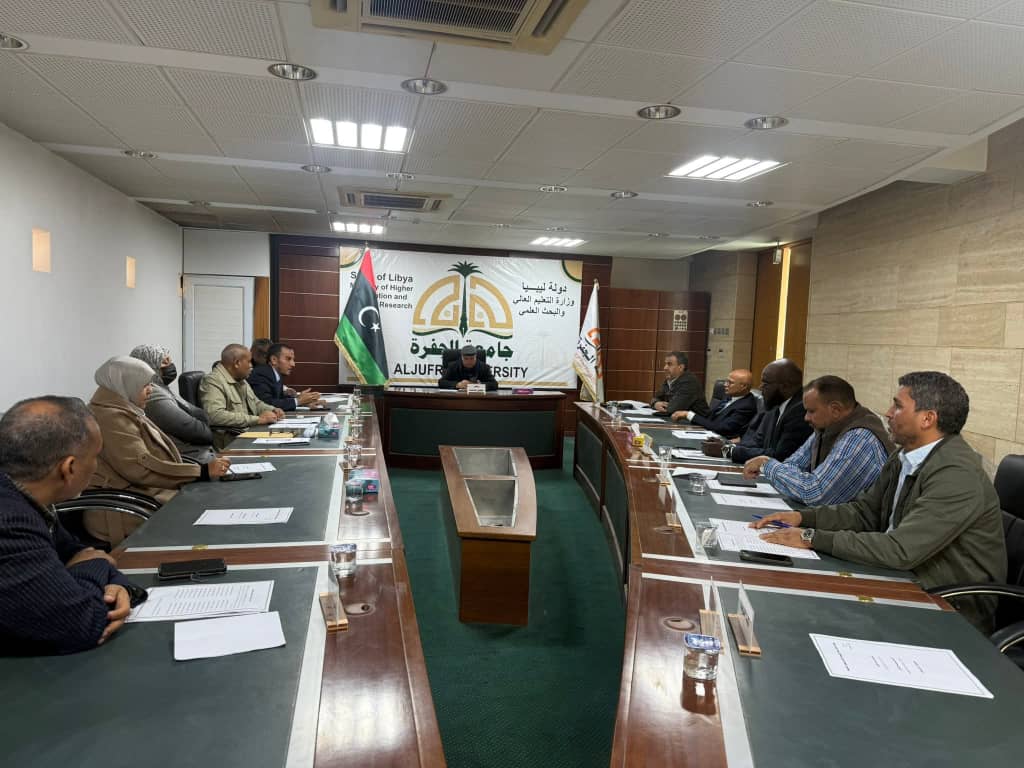
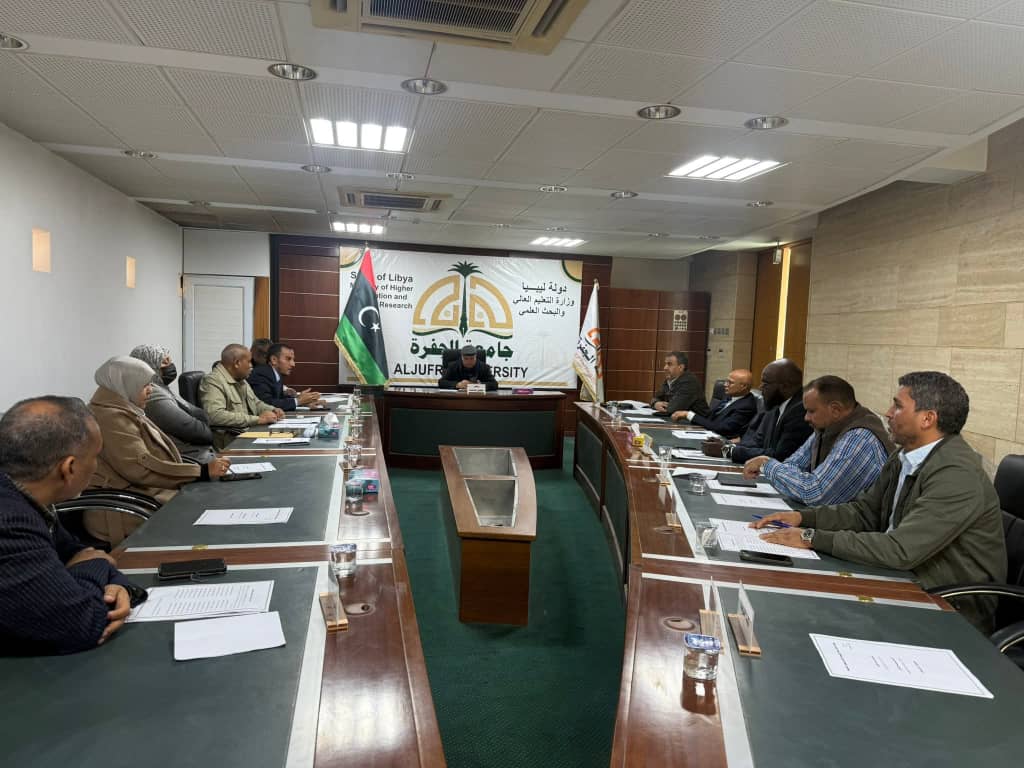
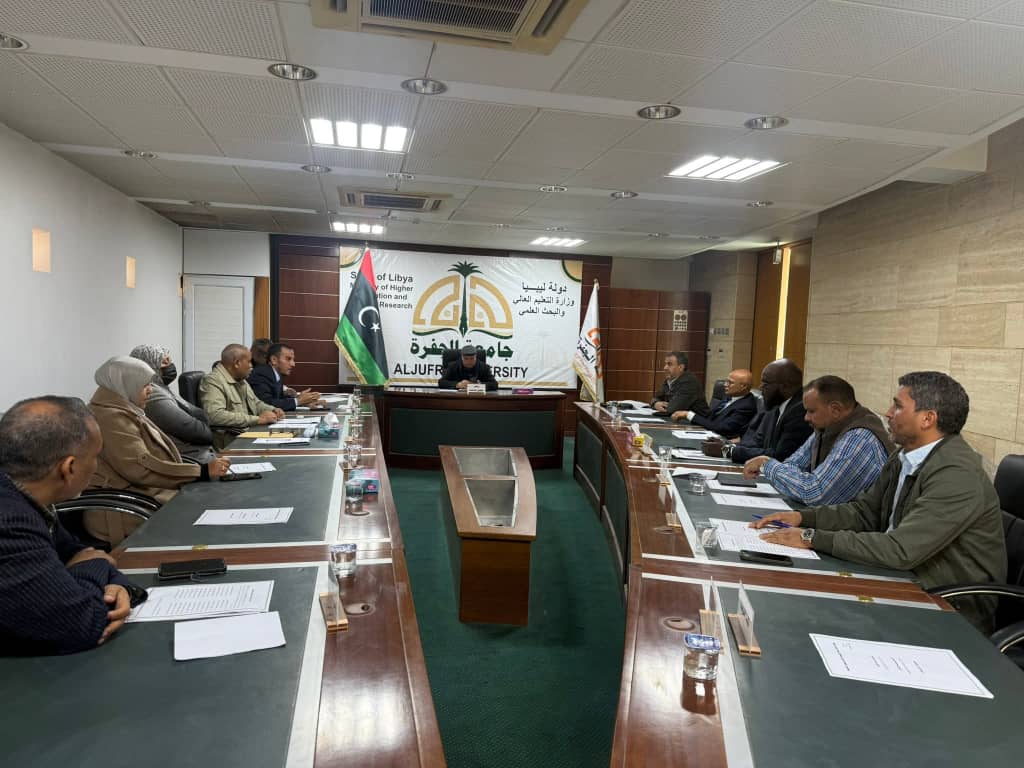
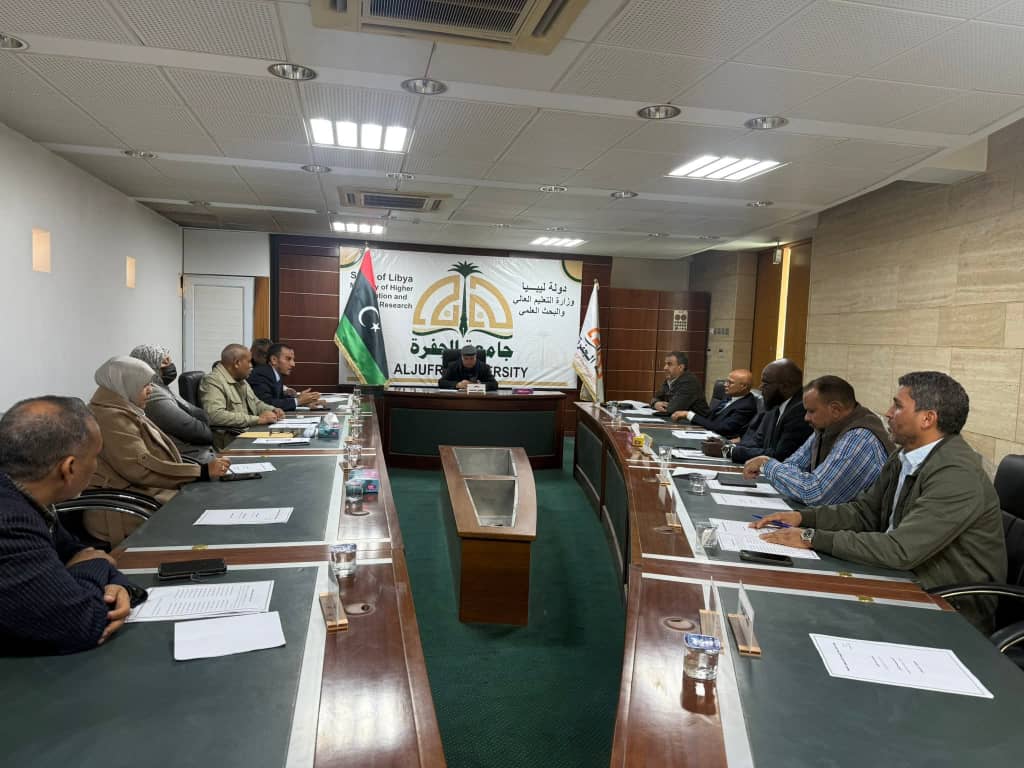
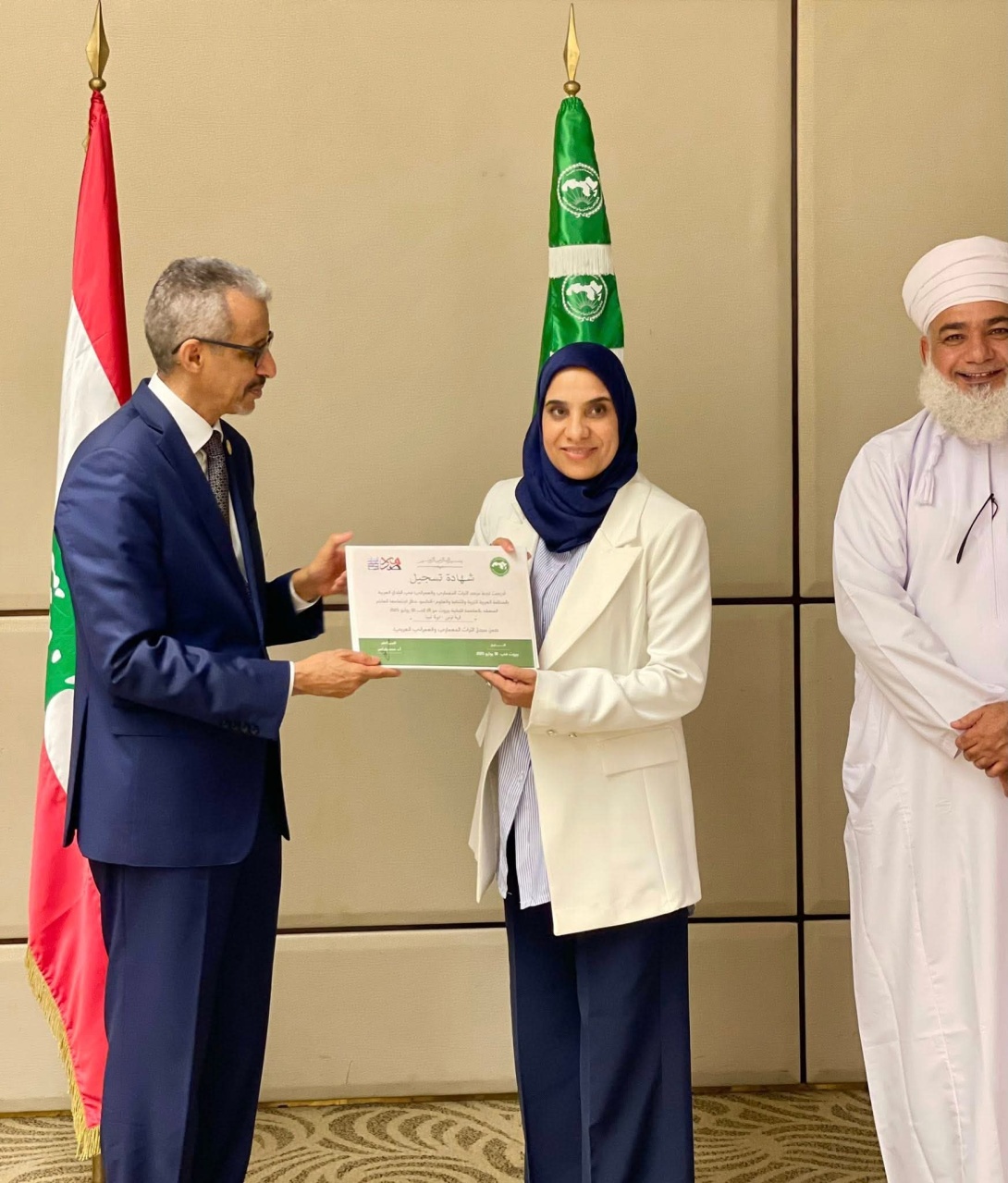
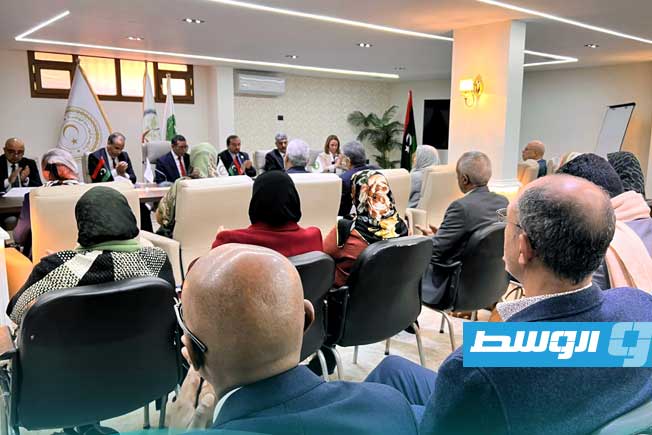
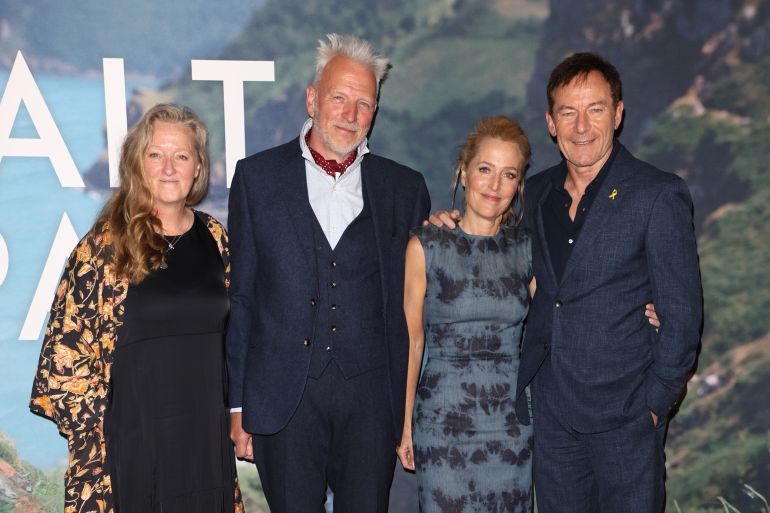
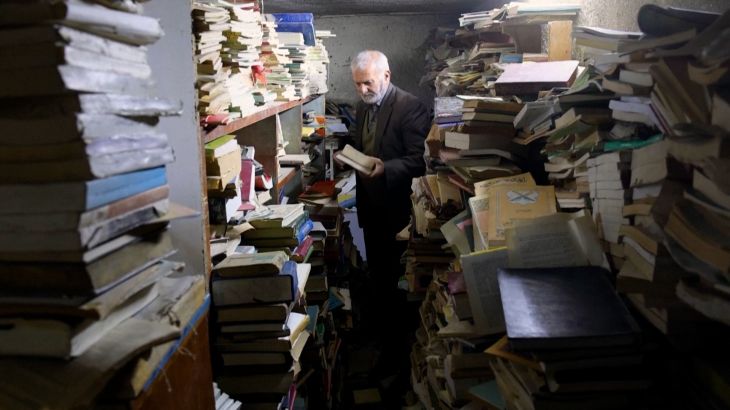
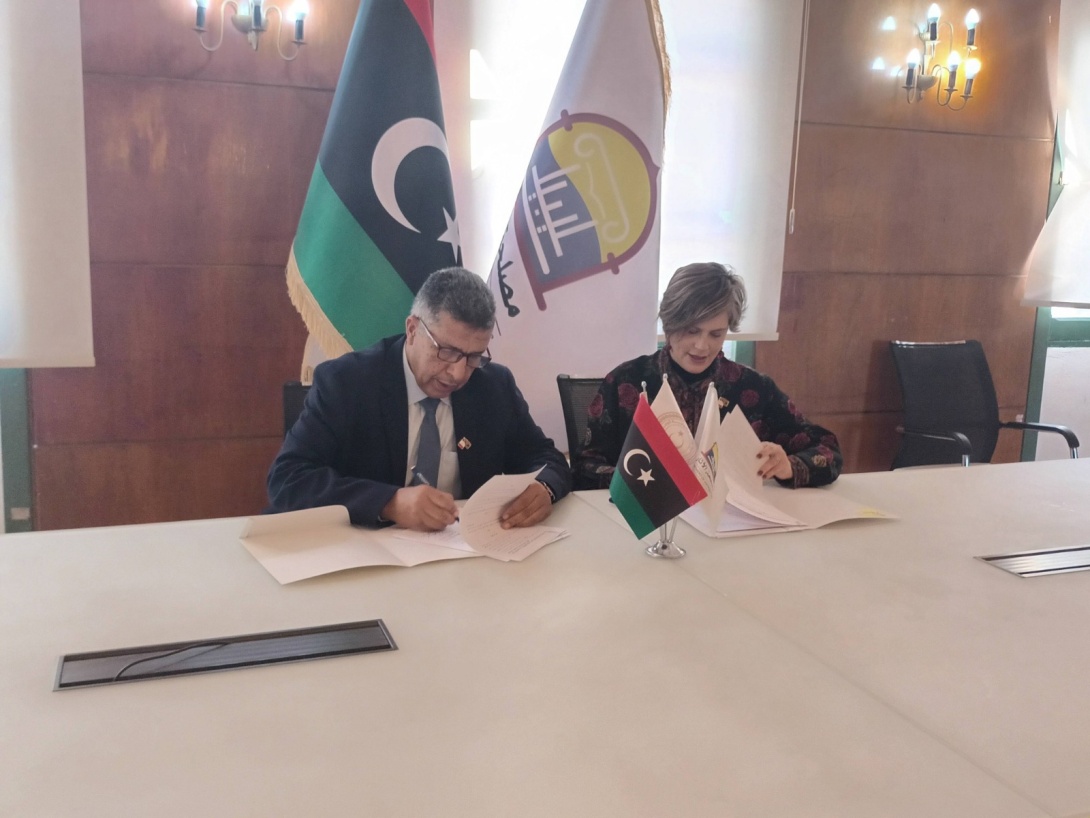
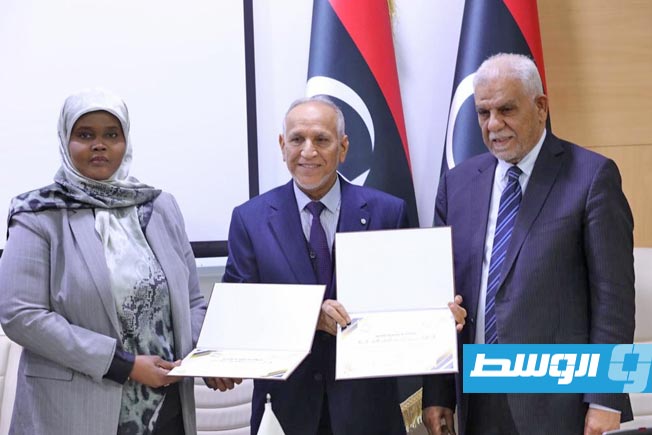
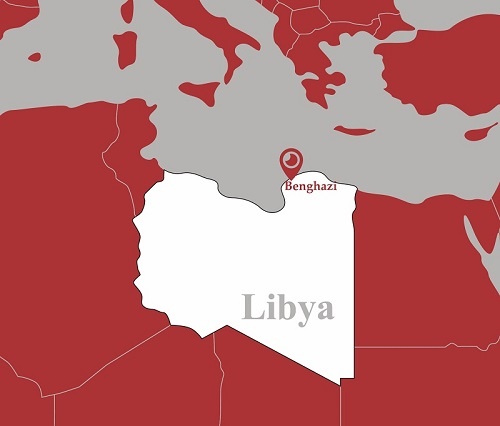
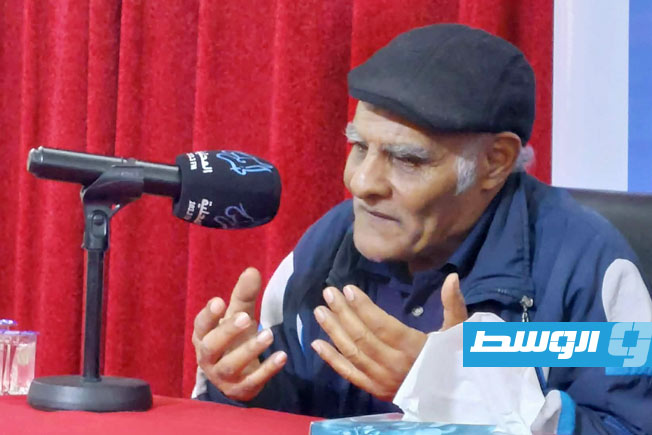
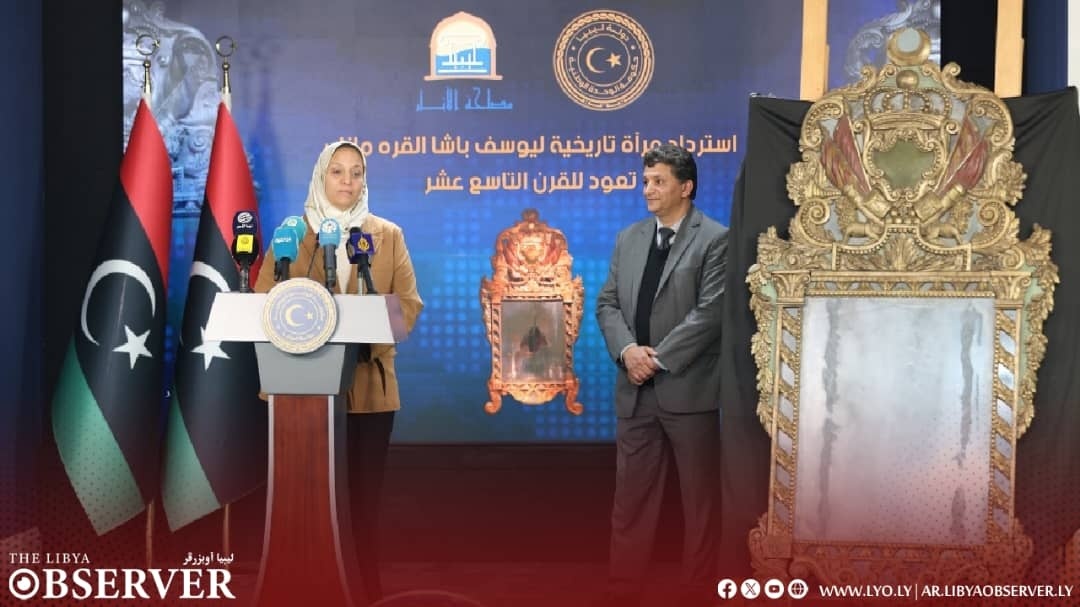
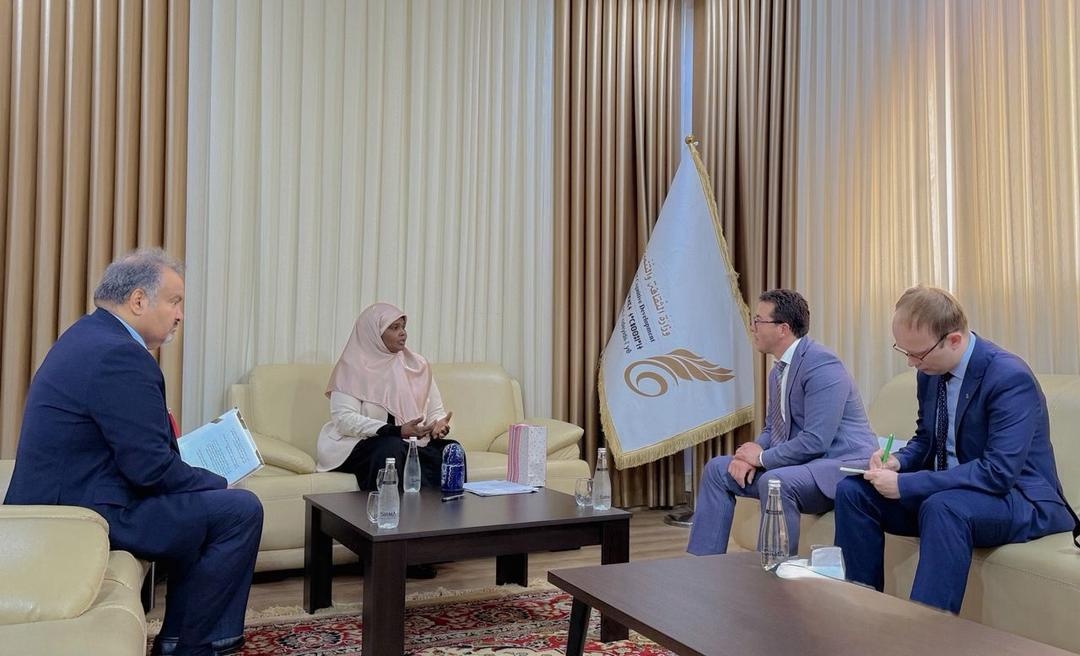
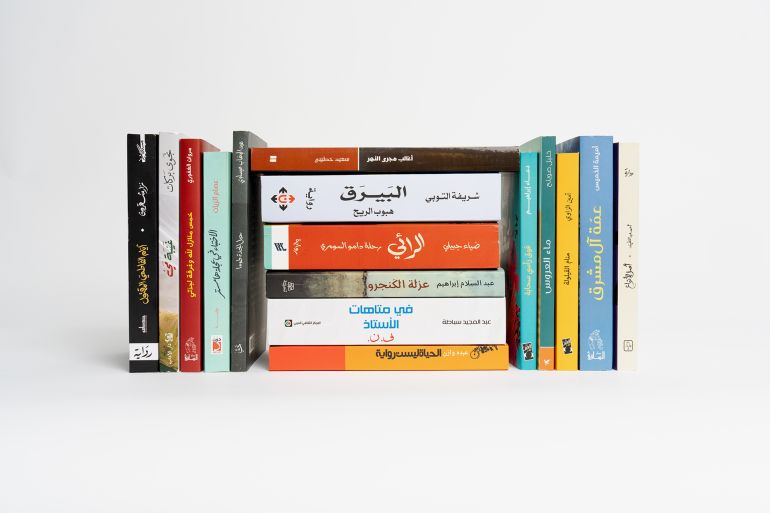
Tripoli – December 18, 2025 – The Libyan Arabic Language Academy organized a celebration in Tripoli on Thursday to mark World Arabic Language Day, in cooperation with the High Council of State and the Ministry of Culture and Knowledge Development.
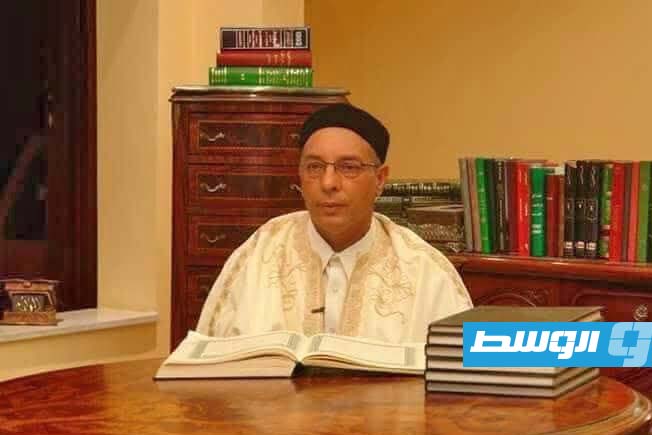
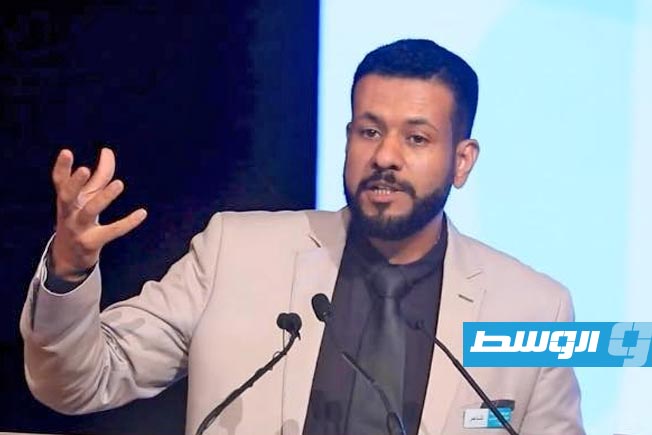
The head of the Arabic Language Academy stated that the world celebrates World Arabic Language Day on this eighteenth of December, reminding celebrants of the distinguished status of this noble language in human civilizational history.
He added that the matter is not limited to the Arabic language’s superiority over other languages in its linguistic roots and the discipline of its fundamental rules, but also in its many other qualities, including its capacity for derivation and expansion, its structure based on a logic that aids in learning and applying it, and the abundance of its texts extending from the pre-Islamic era and the subsequent Islamic periods.
He further noted that celebrating the Arabic language is a celebration of the Holy Quran, whose meanings reside in its precise vocabulary and encompass its worldly and otherworldly details and purposes. It is also a celebration of the noble Sunnah, the immortal Islamic heritage, and the beliefs, legislation, knowledge, and sciences derived from it. Thus, the Arabic language is sacred to Muslims as it is the tongue of their religion, representing their past and present, and signifying their future—a service no other language has provided, regardless of its power of communication and expression.
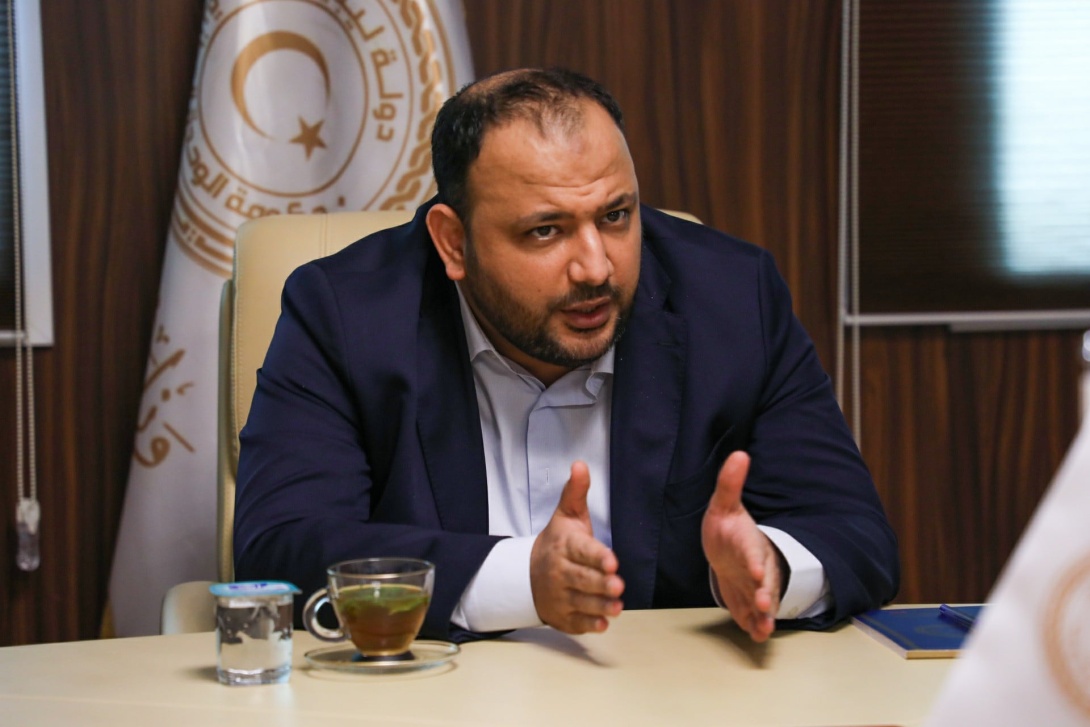
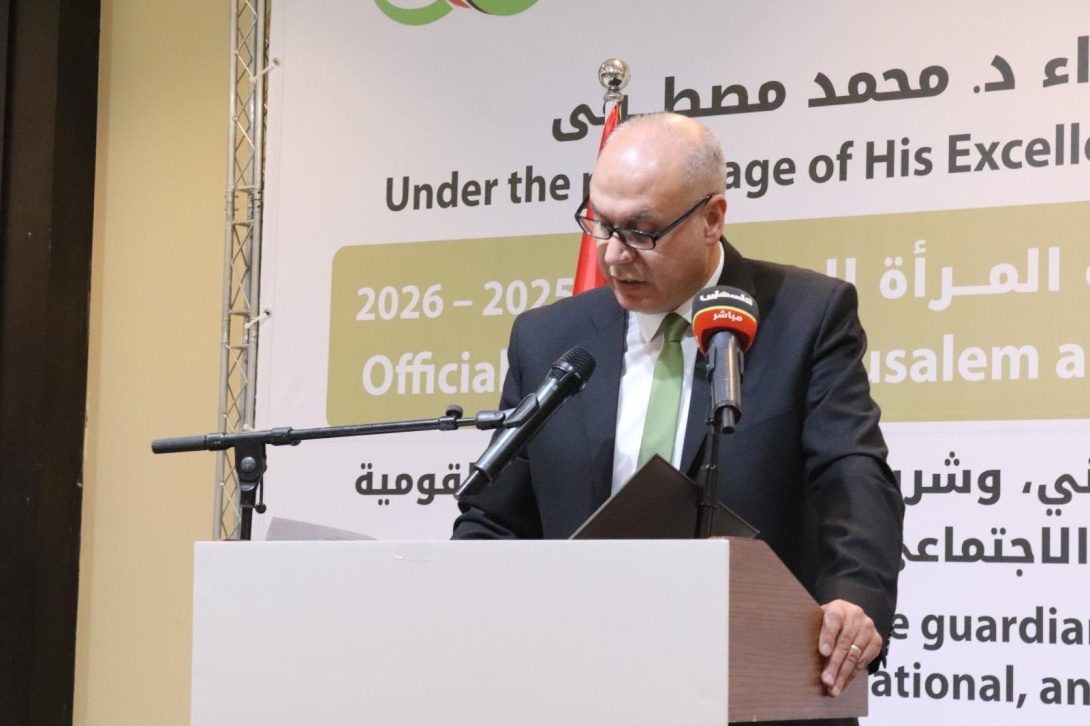
For his part, the Deputy President of the High Council of State said the Council was honored to host this activity organized by the Arabic Language Academy in cooperation with the Ministry of Culture to revive World Arabic Language Day. He emphasized that the language faces many challenges in this era, including cultural expansion resulting from modern inventions, artificial intelligence, and digital means, stressing the importance of not being negligent with our Arabic language, which is a pillar of our identity.
In turn, the Minister of Culture and Knowledge Development stated that they are participating today with their partners, the Arabic Language Academy and the High Council of State, to celebrate World Arabic Language Day, the language of “Dhad,” the language of the Quran. This is a language we take pride in as an Islamic nation worldwide, and with which God honored us by revealing His Holy Book.
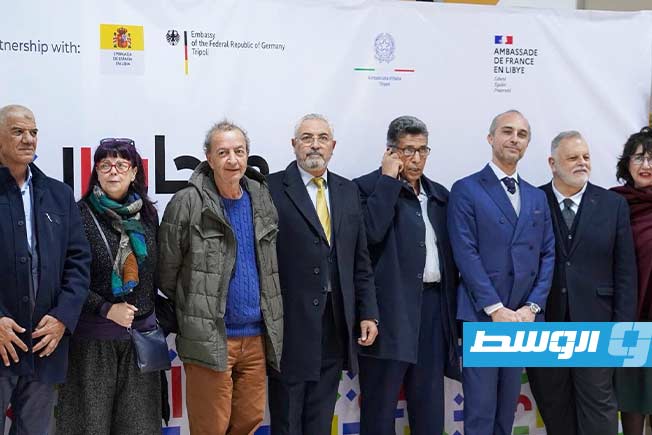
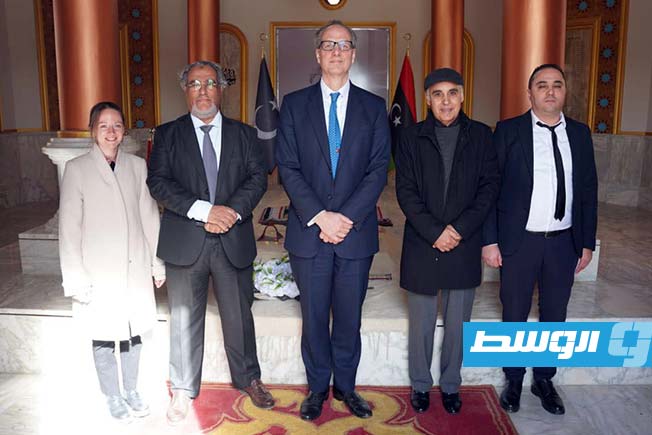
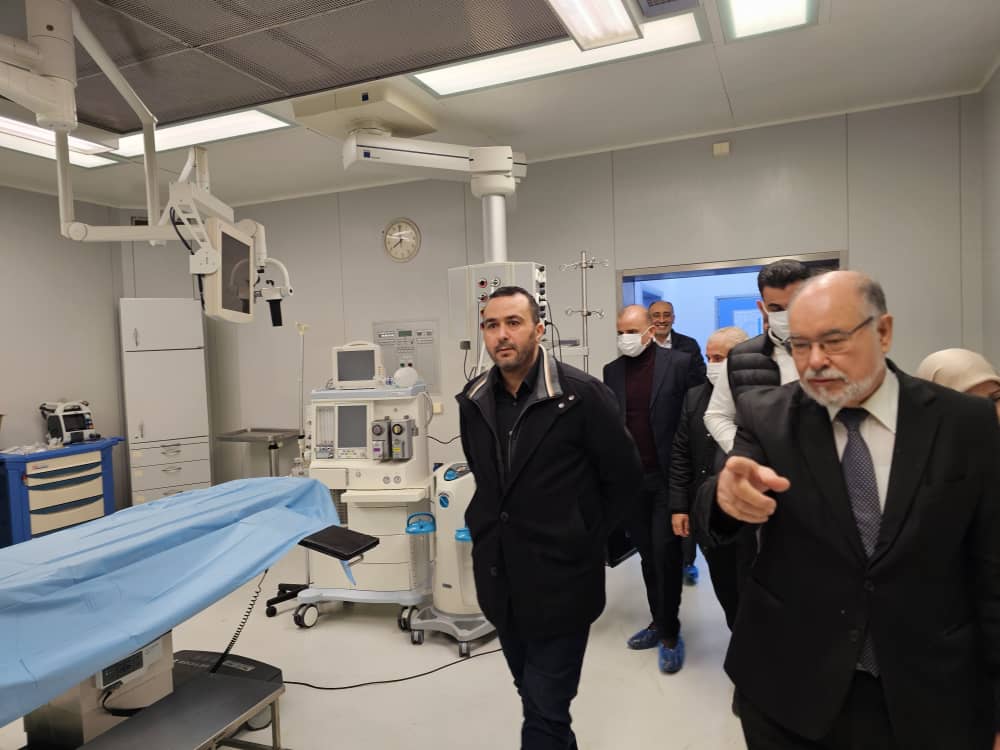
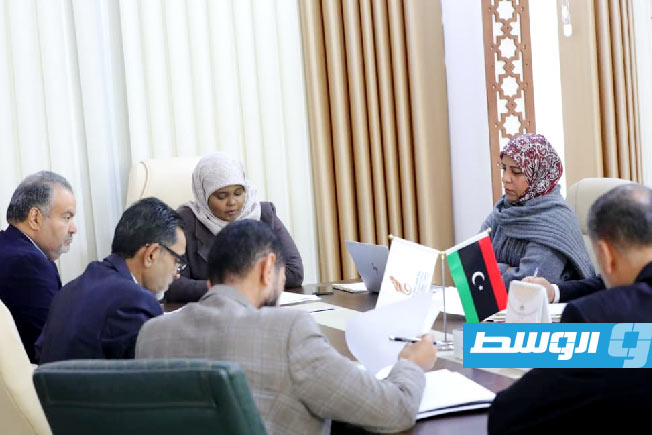
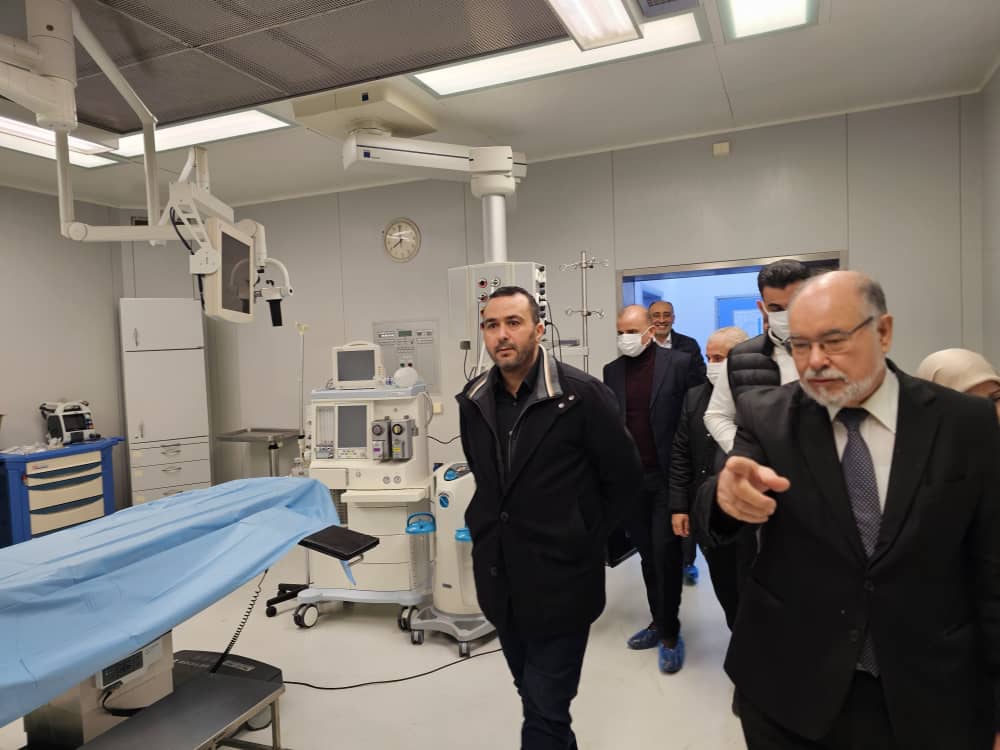
The celebration was attended by the Deputy President of the High Council of State, a representative from the Presidency of the Council of Ministers, the head of the Council’s Anti-Corruption Committee, the Minister of Culture and Knowledge Development, the director of the Islamic Call Society, representatives from the Administrative Control Authority, and the Tunisian Embassy.
Tripoli
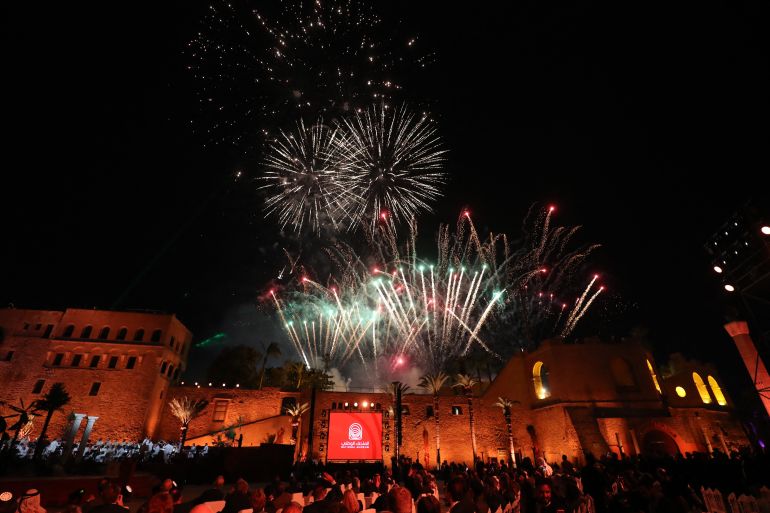
Tripoli is the capital and largest city of Libya, located on the country’s Mediterranean coast. Historically, it was founded by the Phoenicians in the 7th century BC and has since been ruled by the Romans, Arabs, Ottomans, and Italians, which is reflected in its diverse architecture like the ancient Red Castle (Assaraya al-Hamra).
Libyan Arabic Language Academy
The Libyan Arabic Language Academy is a scholarly institution established in 1994 in Tripoli, dedicated to the preservation and study of the Arabic language, with a particular focus on its Libyan dialects and heritage. Its work involves linguistic research, publishing, and organizing cultural events to promote the Arabic language within the national context.
World Arabic Language Day
World Arabic Language Day is observed annually on December 18th, a date chosen by the United Nations in 2012 to coincide with the day in 1973 when Arabic was adopted as an official UN language. The day celebrates the Arabic language’s immense historical and cultural contributions to humanity, recognizing its role as a pillar of global cultural diversity and a means of scientific and philosophical discourse throughout history.
High Council of State
The High Council of State is a governmental body in Libya, established as part of the 2015 Libyan Political Agreement. It was designed to serve as an advisory and consensus-building authority, representing a broad spectrum of Libyan society and political factions during the country’s transitional period following the 2011 revolution.
Ministry of Culture and Knowledge Development
The Ministry of Culture and Knowledge Development is a government body in the United Arab Emirates, established to oversee the nation’s cultural, artistic, and intellectual sectors. It was formed in 2016 to promote cultural preservation, support creative industries, and foster a knowledge-based economy in line with the UAE’s strategic vision.
Holy Quran
The Holy Quran is the central religious text of Islam, believed by Muslims to be the verbatim word of God as revealed to the Prophet Muhammad through the angel Gabriel over a period of approximately 23 years, beginning in 610 CE. It serves as the primary source of Islamic law, theology, and spiritual guidance, and its compilation into a single book was completed shortly after the Prophet’s death.
Sunnah
Sunnah refers to the traditions and practices of the Prophet Muhammad, which alongside the Quran form the primary sources of Islamic law and guidance. It encompasses his sayings, actions, and silent approvals, meticulously compiled by scholars in collections known as Hadith. The history of preserving the Sunnah began with the Prophet’s companions and evolved into a rigorous science of authentication in the centuries following his death.
Islamic heritage
Islamic heritage encompasses the vast cultural, artistic, and intellectual legacy of the Islamic world, spanning over 1,400 years. It includes architectural marvels like mosques and madrasas, as well as contributions to science, philosophy, and literature that flourished from the 7th century onward. This heritage reflects the diverse societies across the Middle East, North Africa, and beyond that were shaped by Islamic faith and civilization.
Council of Ministers
The Council of Ministers is the principal executive and administrative body of the European Union, responsible for proposing legislation and implementing decisions. It originated in 1958 as the Council of the European Economic Community, evolving through various treaties to become a key institution representing the member states’ governments in the EU’s legislative process.
Council’s Anti-Corruption Committee
The Council’s Anti-Corruption Committee is an internal governmental body typically established to oversee and investigate corruption allegations within a council or legislative assembly. Its history is generally tied to specific national or local efforts to enhance transparency and accountability in public institutions, often formed in response to political scandals or public demand for cleaner governance.
Islamic Call Society
The Islamic Call Society is a Libyan organization founded in 1970 with the aim of promoting Islamic education and missionary work internationally. It has historically focused on translating Islamic texts, building mosques and schools, and conducting outreach, particularly in Africa and Asia.
Administrative Control Authority
The Administrative Control Authority is an Egyptian government body established in 1964, primarily tasked with combating corruption and ensuring administrative integrity within state institutions. It operates under the supervision of the presidency and focuses on monitoring, investigating, and prosecuting cases of financial and administrative misconduct.
Tunisian Embassy
The Tunisian Embassy is the official diplomatic mission representing the Republic of Tunisia in a foreign country, facilitating bilateral relations and providing consular services. Its establishment and history are tied to the diplomatic recognition of Tunisia’s independence from France in 1956, with embassies subsequently opening in capital cities worldwide to foster international cooperation.