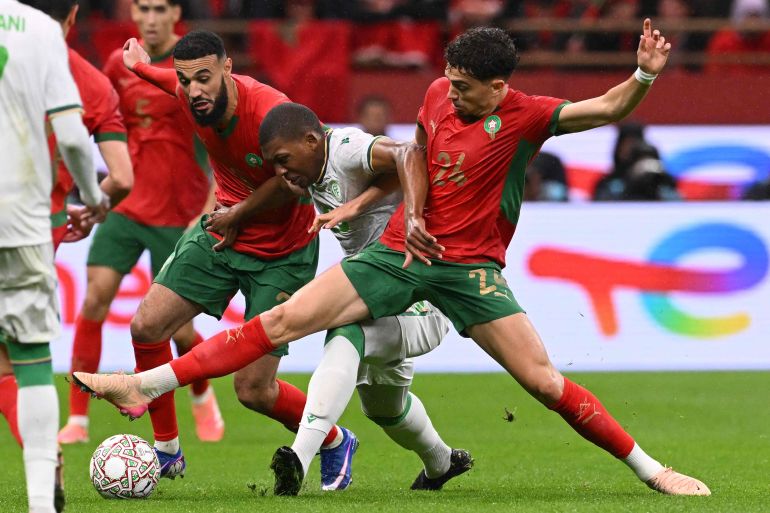
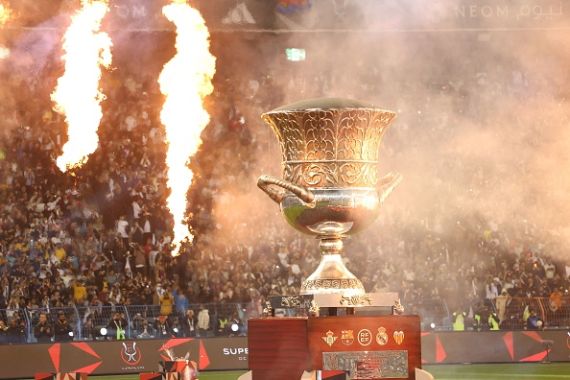
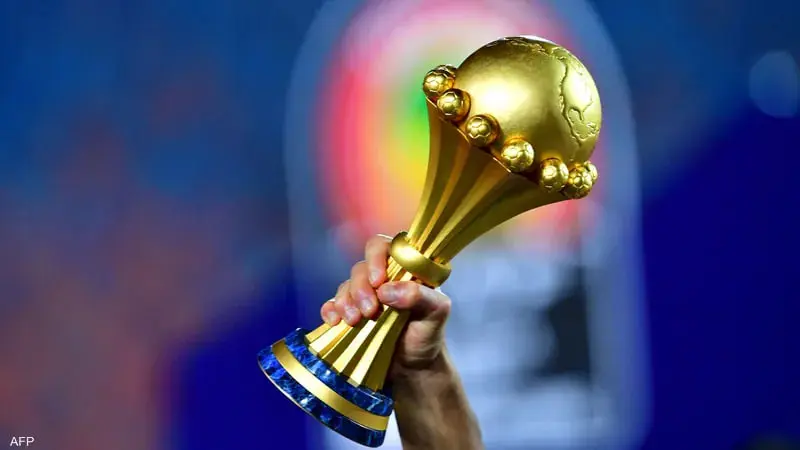
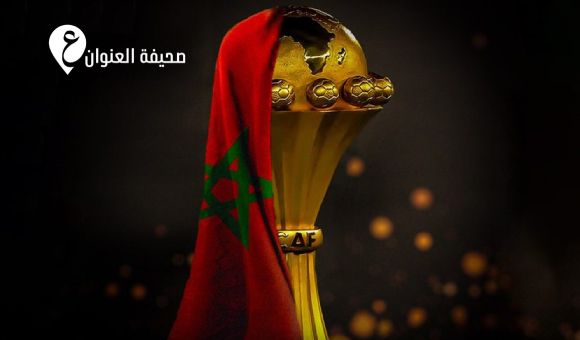
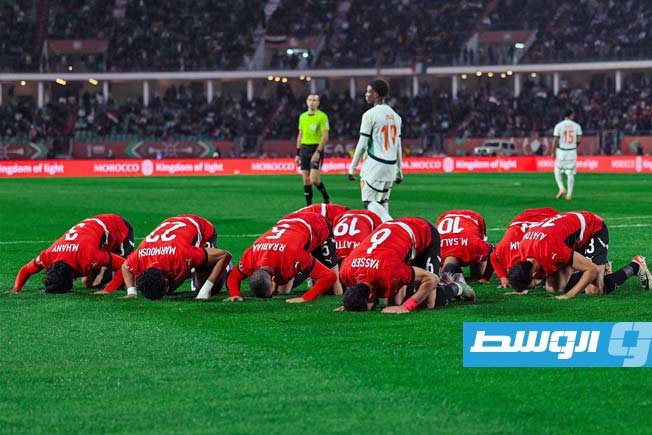
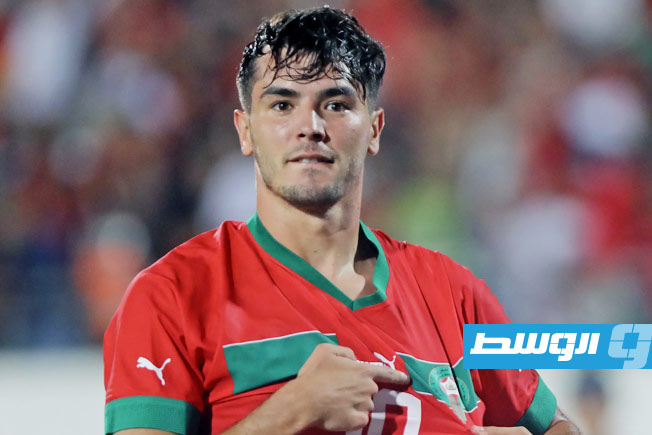
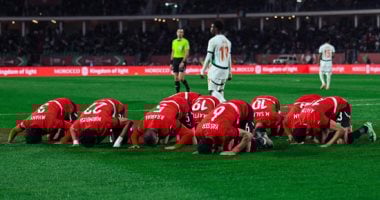
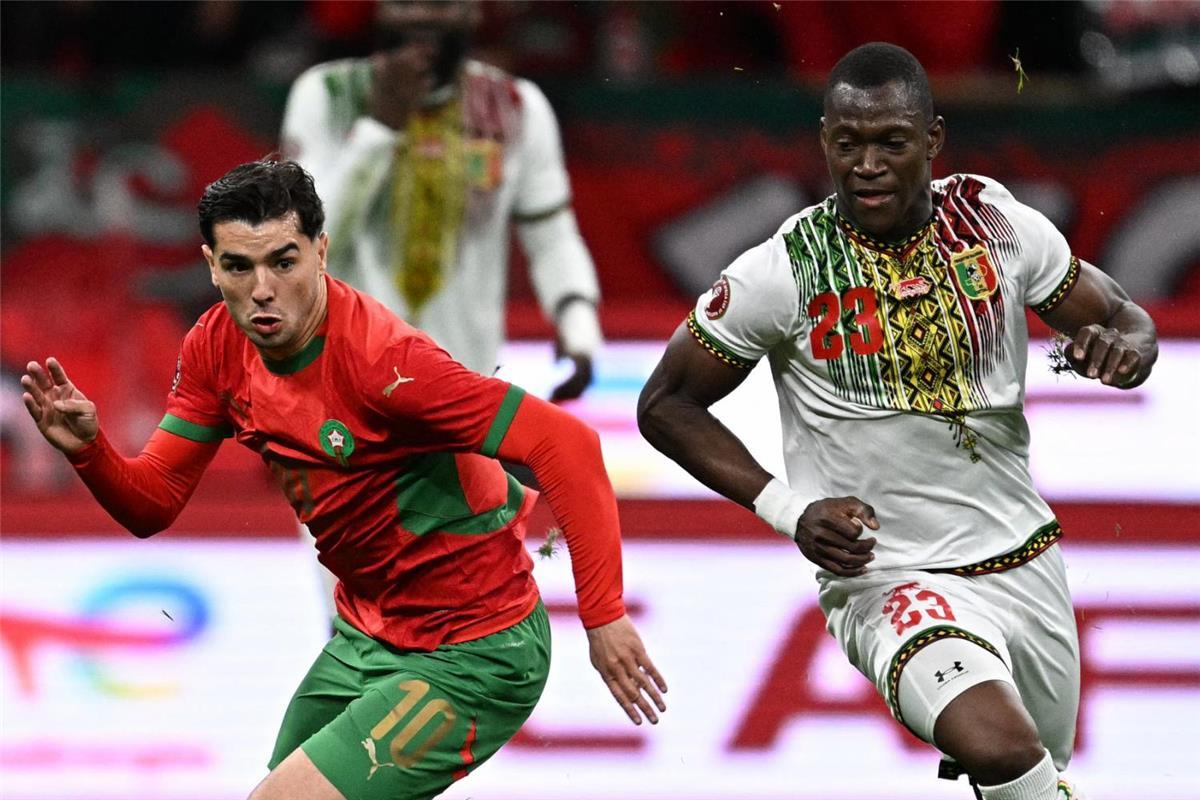
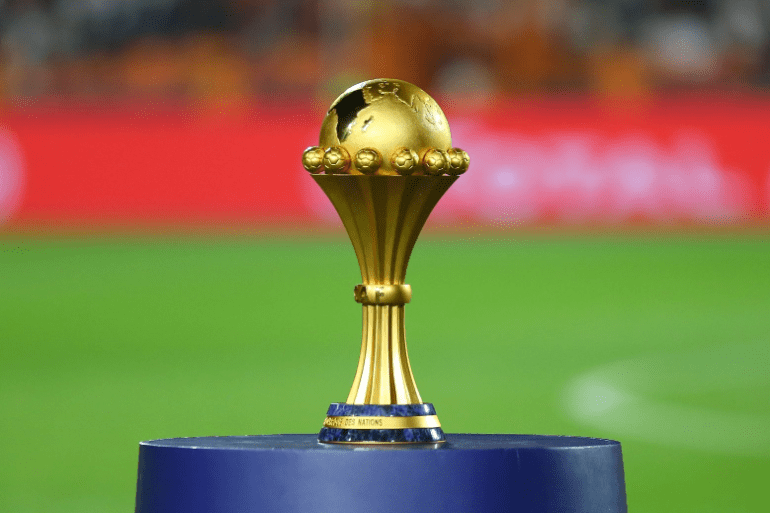
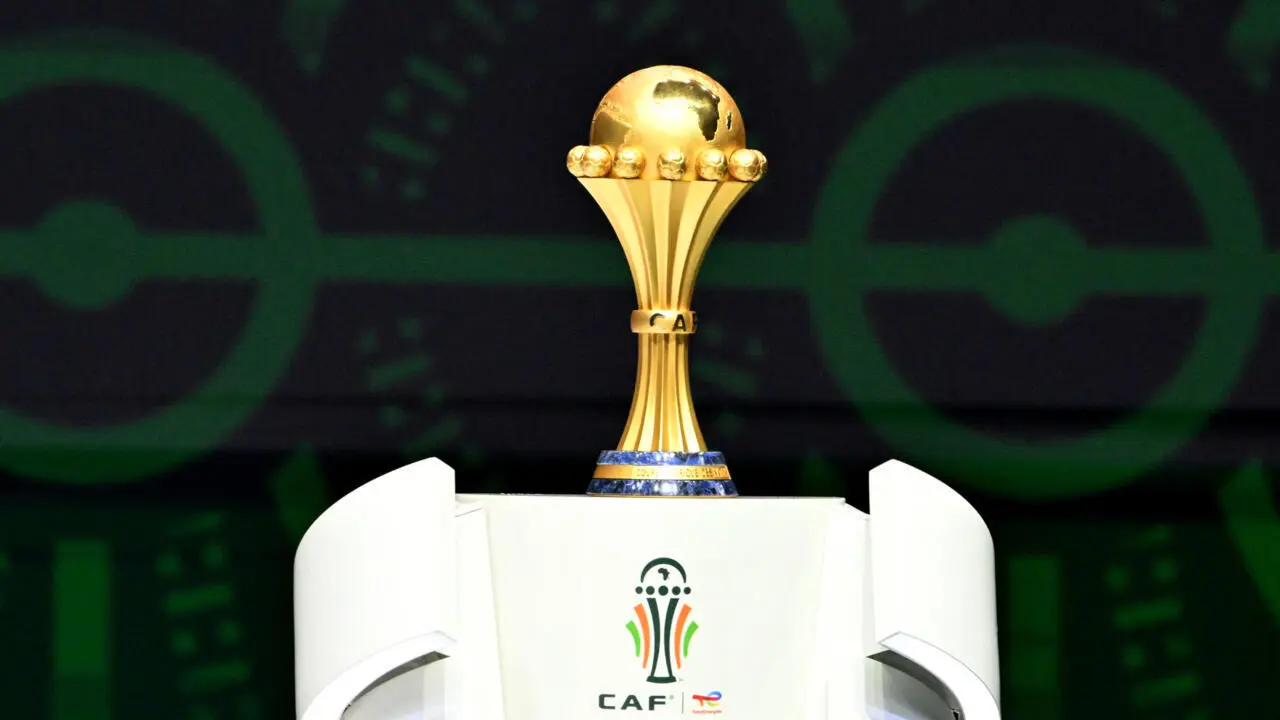
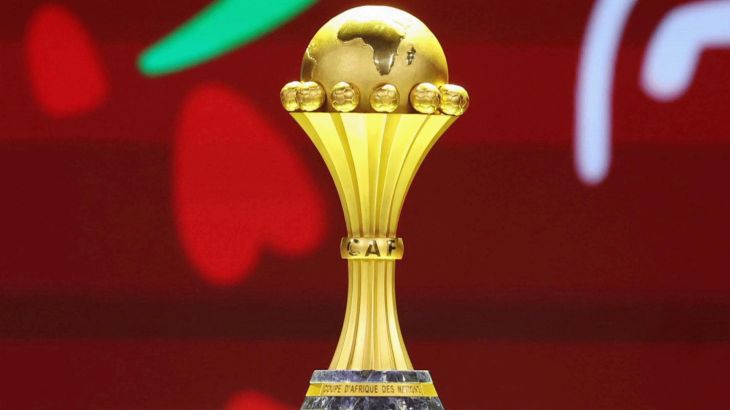
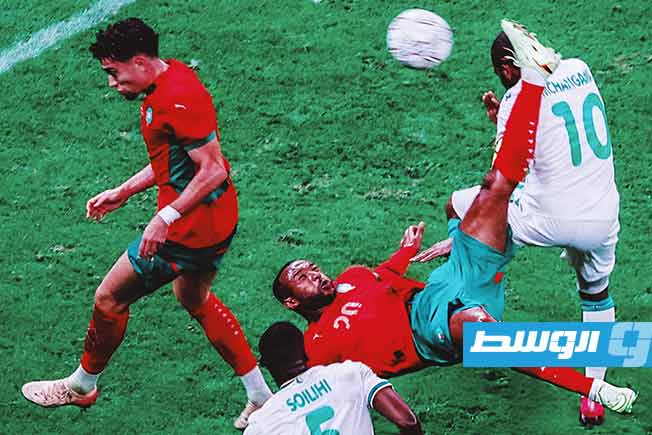
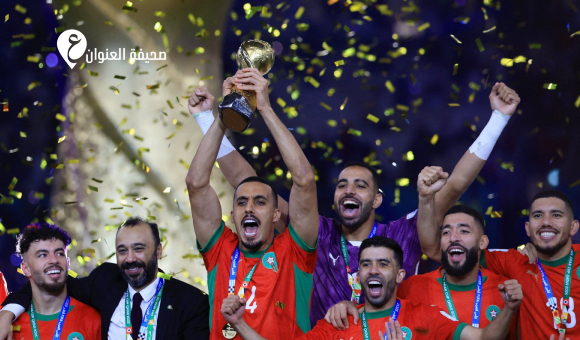
Despite the long and storied history of Moroccan football at both club and national team levels, its prominent presence in World Cup tournaments—crowned by its fourth-place finish in the most recent 2022 World Cup—alongside continental titles won by its leading clubs and stars, and its qualification for twenty African Cup of Nations tournaments, the title of the Africa Cup of Nations has been absent from Moroccan football’s trophy cabinet for nearly half a century. Specifically, since the Moroccan national team’s first and only triumph in the Africa Cup of Nations, held in the Ethiopian capital Addis Ababa in March 1976.
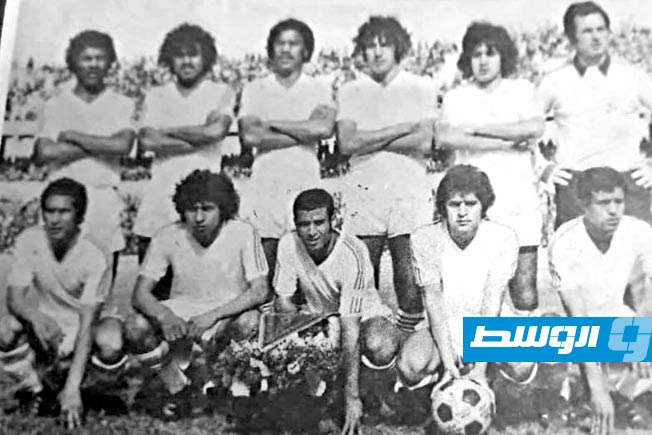
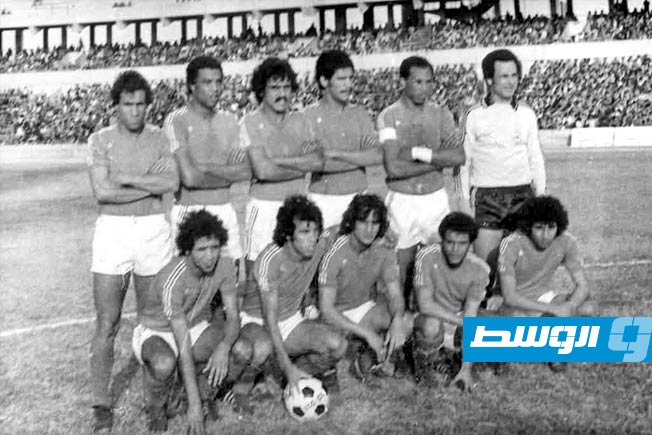
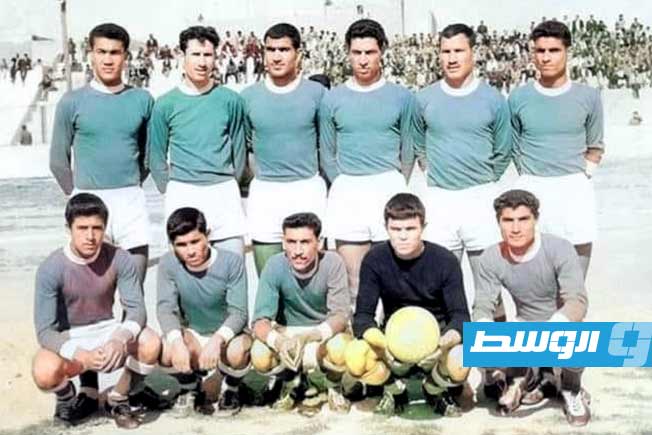
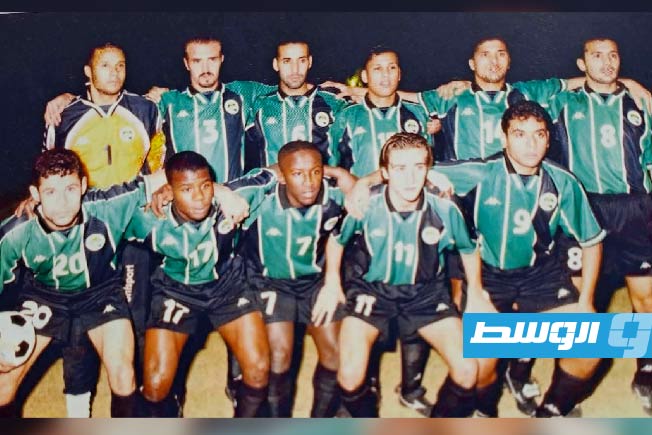
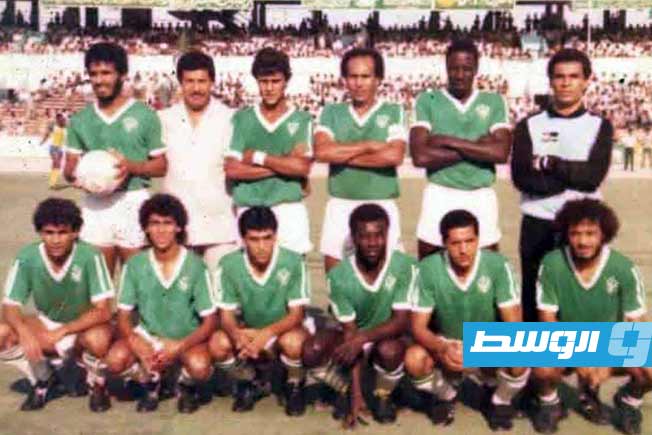
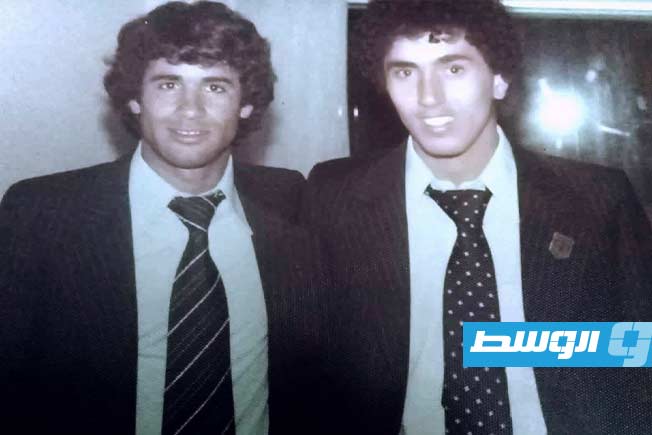
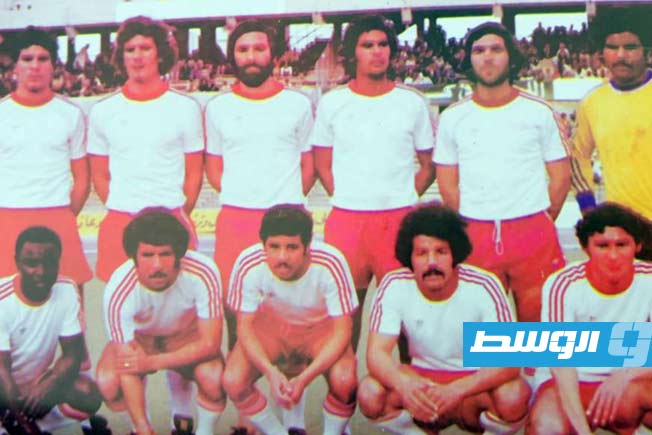
This major achievement was accomplished by a generation featuring the giant goalkeeper Hazzaz, the legendary historical scorer Ahmed Faras, Abdelmajid Dhalmi, and Asila. This golden and exceptional generation visited the Libyan city of Benghazi twice. The first time was just a few months before their African title victory, when they played an official international match against the Libyan national football team as part of the qualifiers for the 1975 Olympic Games.
Morocco Qualifies for the Olympics from Libya
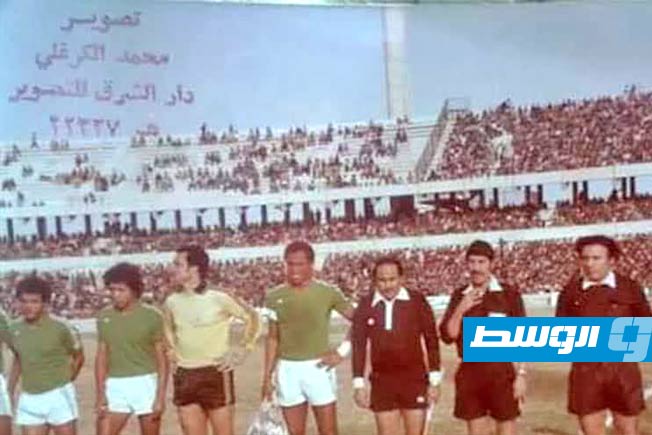
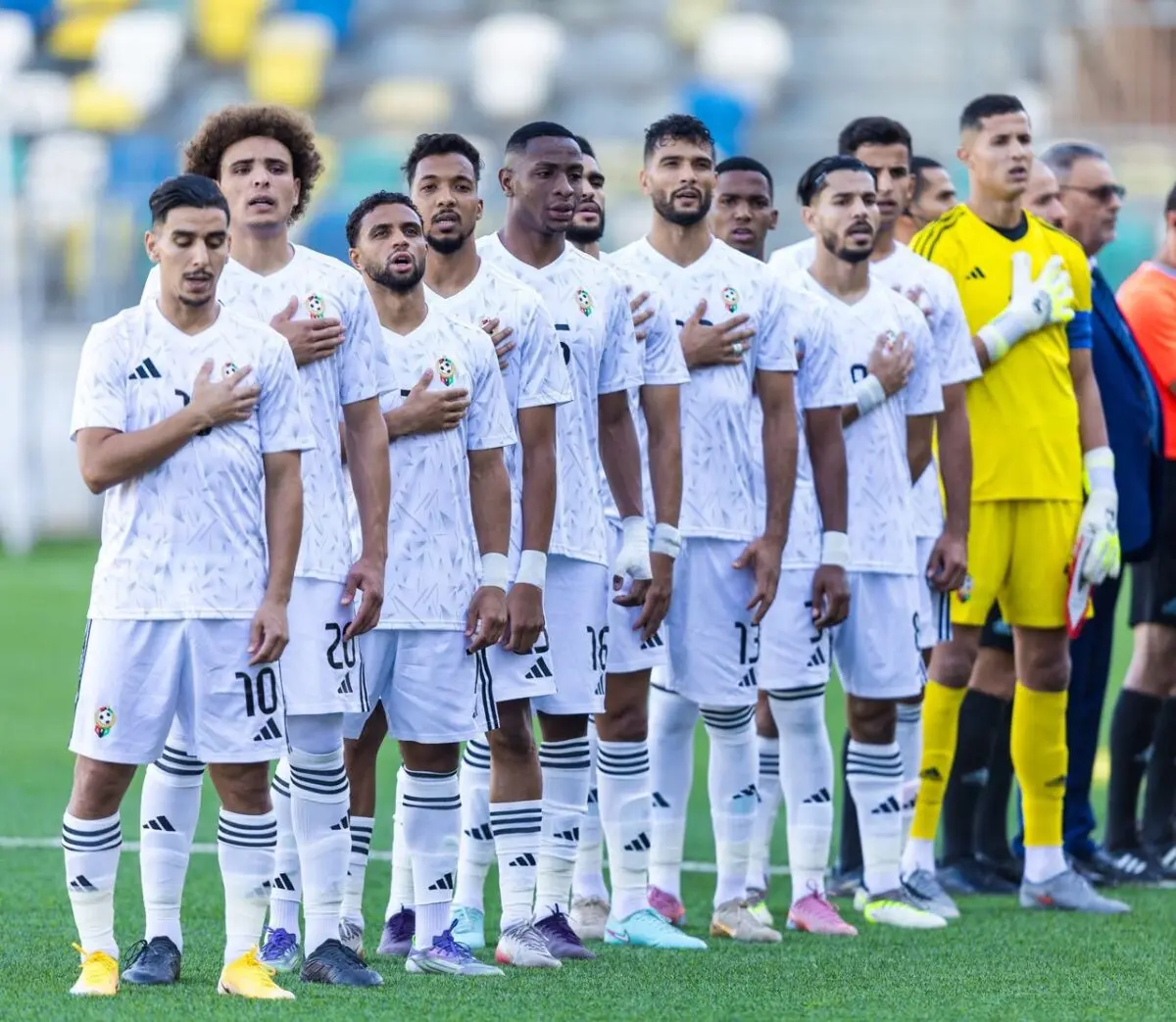
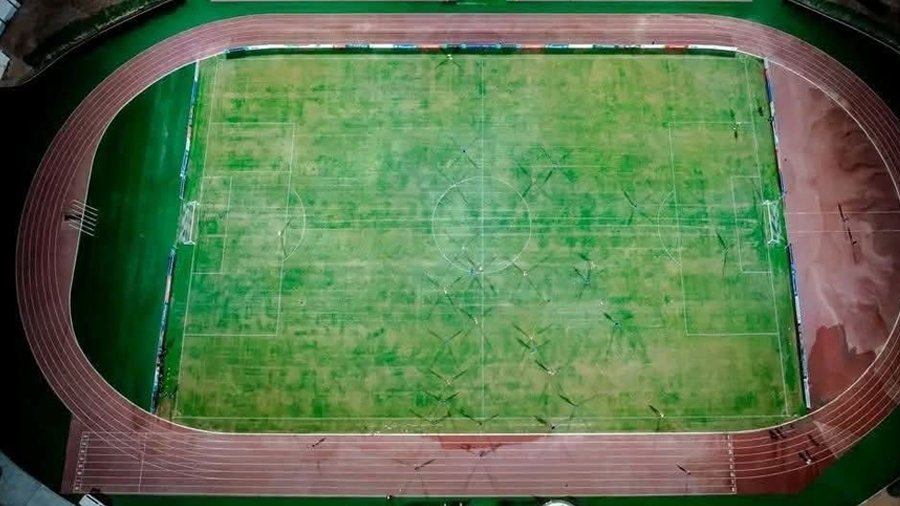
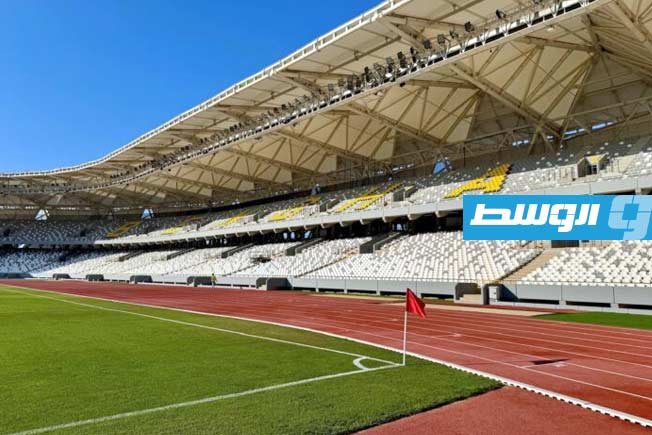
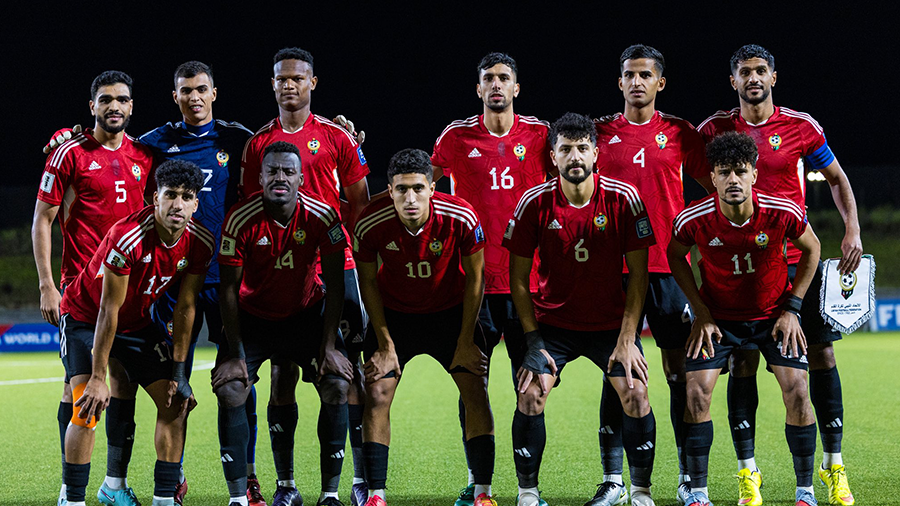
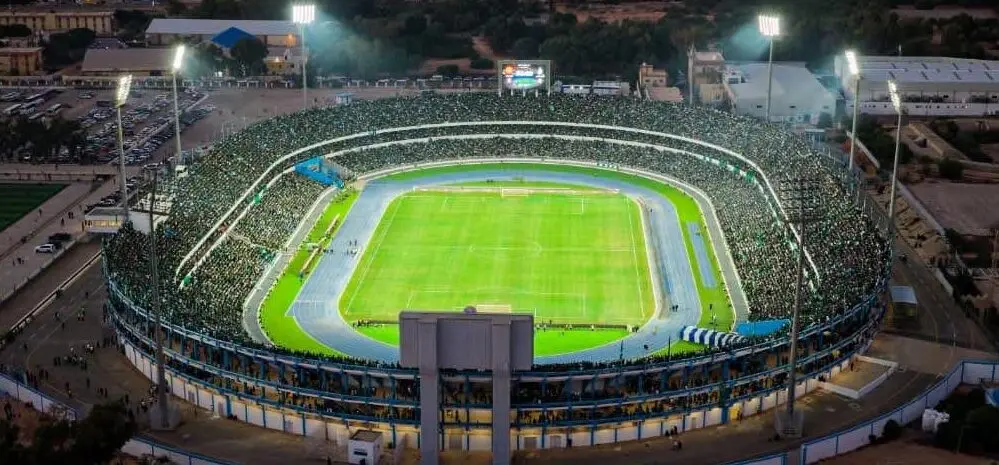
This match was the second leg. After the first leg, held at the Stade d’Honneur in Casablanca on March 25, 1975, which ended in a 2-1 victory for Morocco (with the Libyan goal scored by their captain, Al-Hashmi Al-Bahloul), the “Atlas Lions” surprised the “Mediterranean Knights” in the return leg at Benghazi’s City Sports Stadium by managing to secure a 1-0 win and qualify at the expense of the Libyan team.
This golden Moroccan generation returned for a second visit to Benghazi to relive their memories at this stadium, dazzle the Libyan sports audience, and showcase the skills of its stars in an international friendly exhibition match held in early 1978, where the Moroccan team won 1-0.
– The national team aims to win the Africa Cup of Nations
–
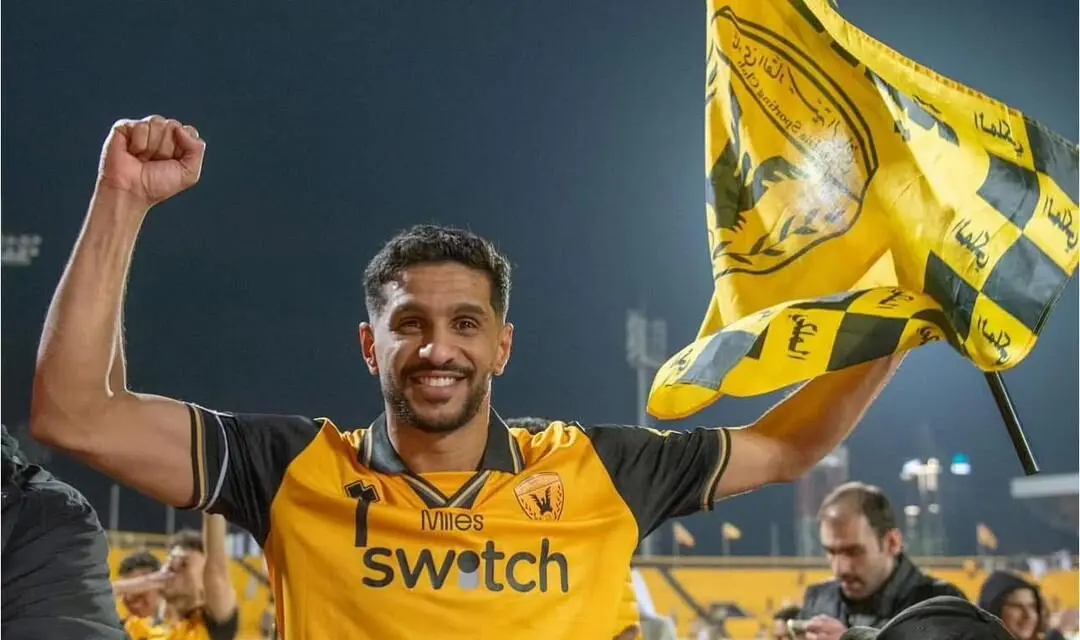
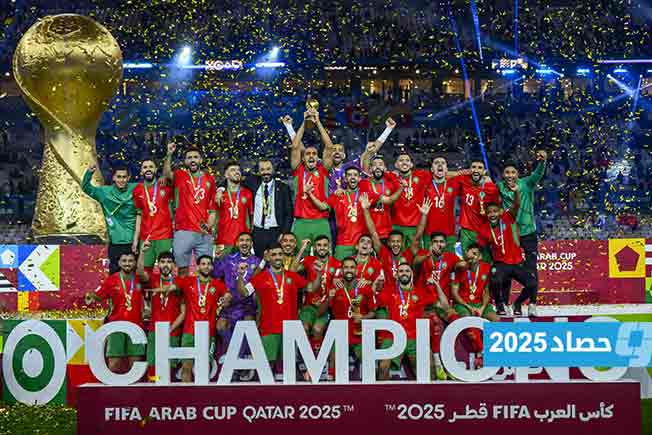
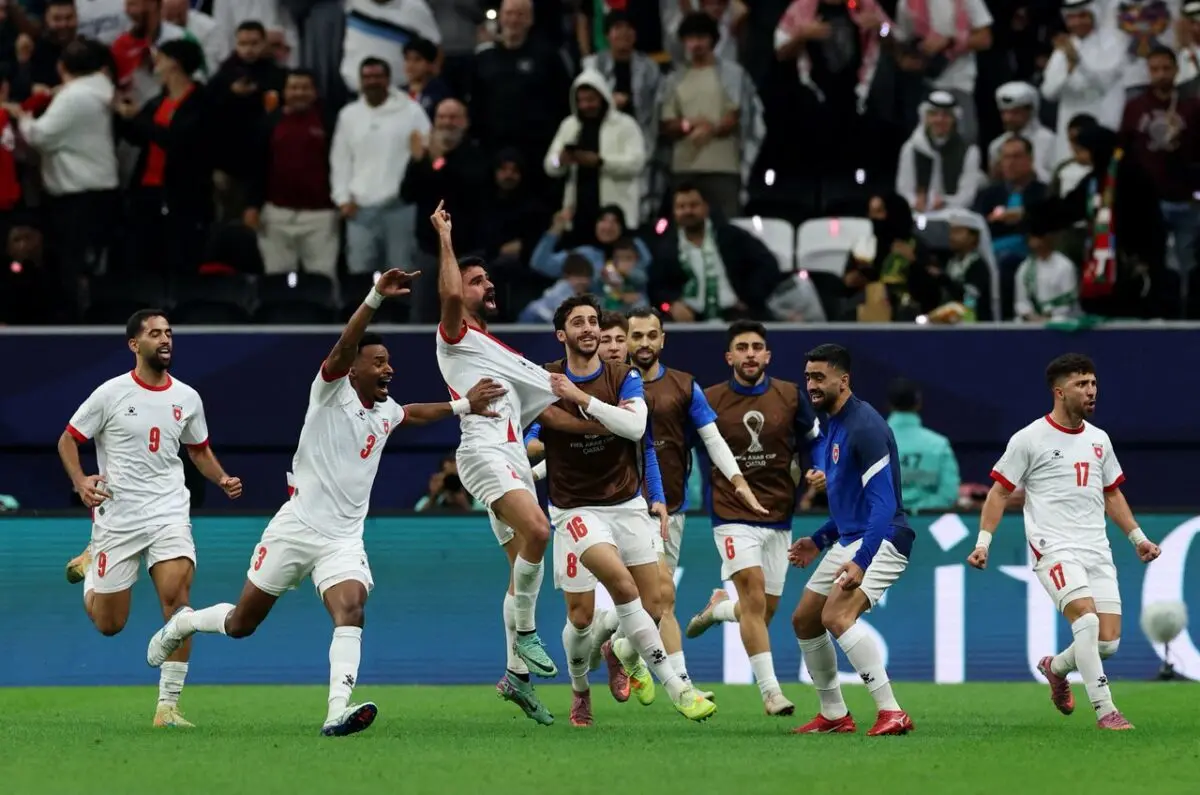
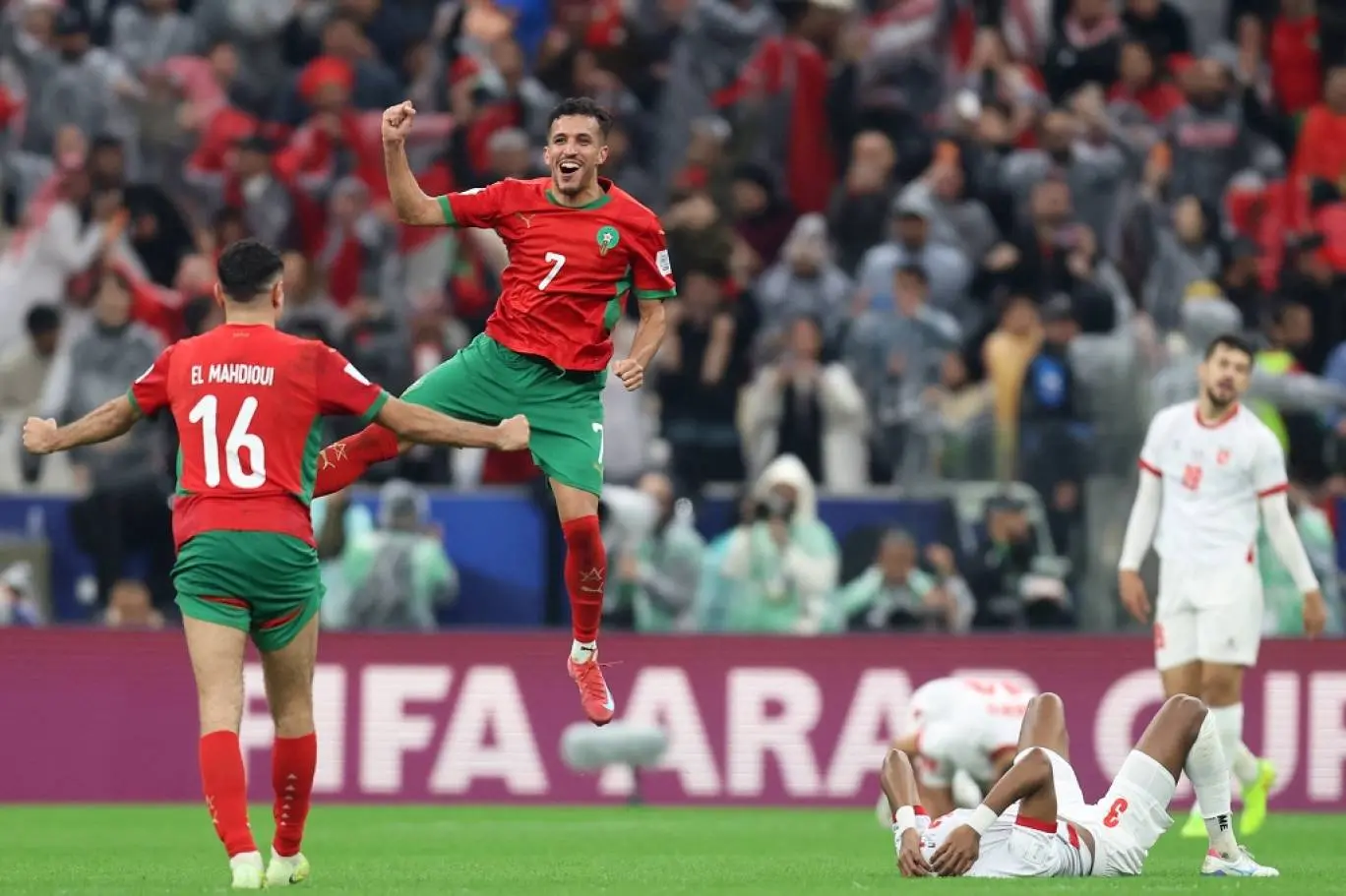
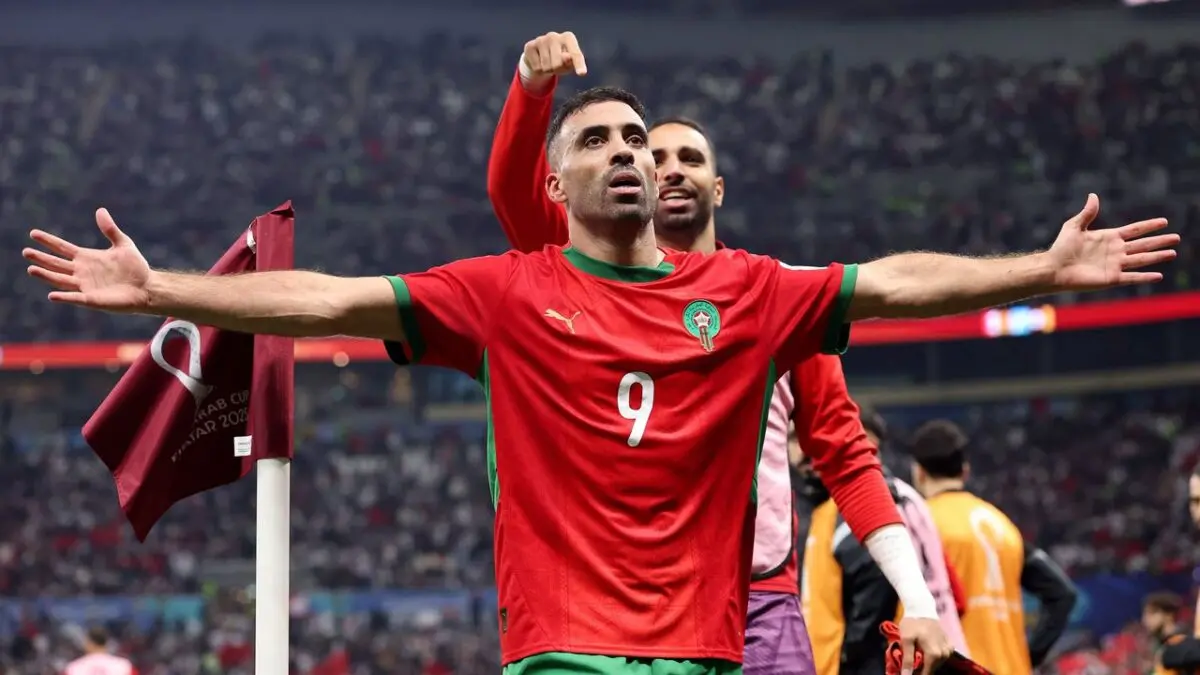
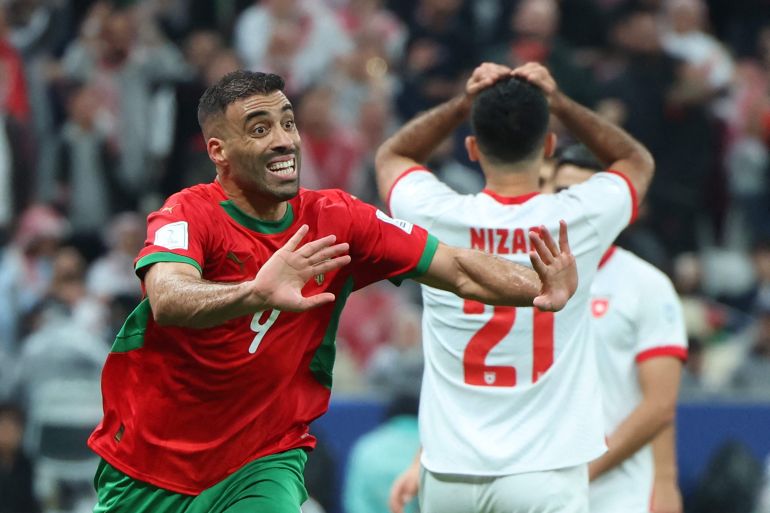
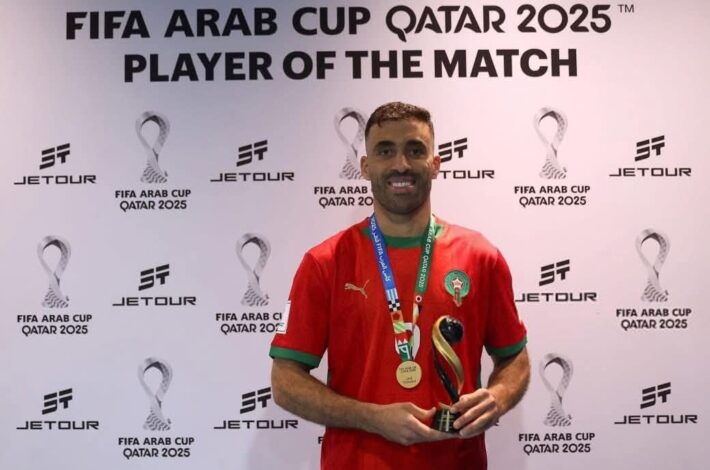
Abdulrazak Hamdallah retires internationally after winning the Arab Cup
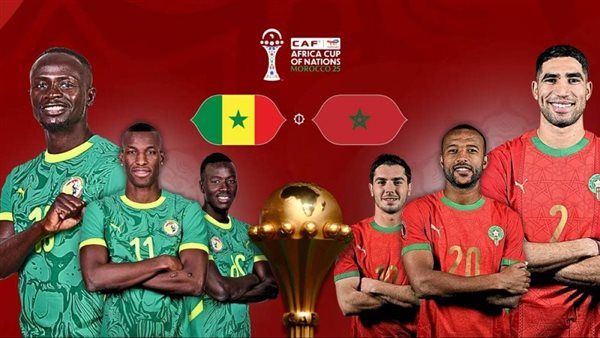
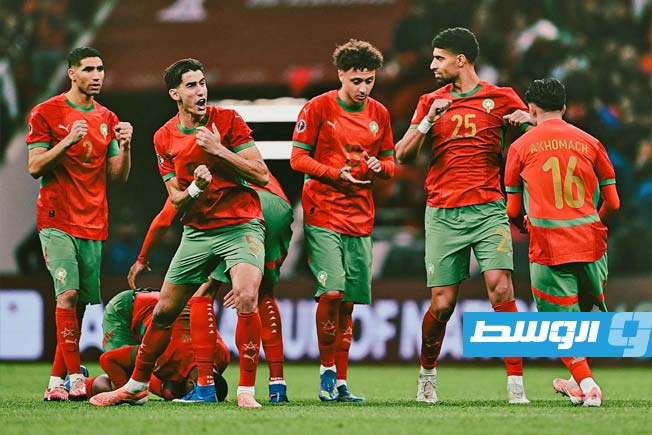
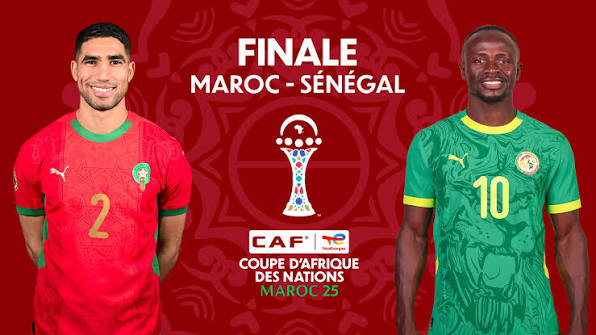
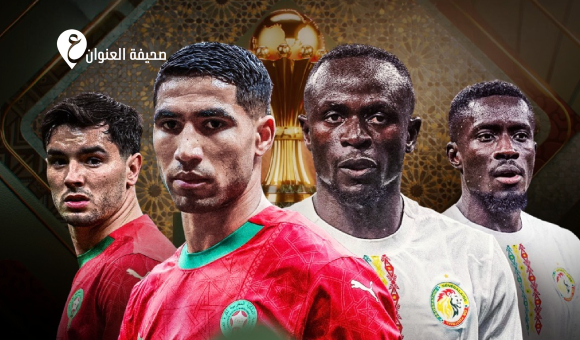
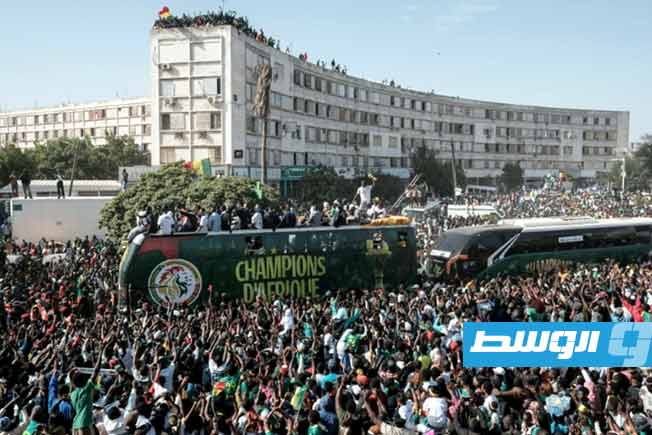
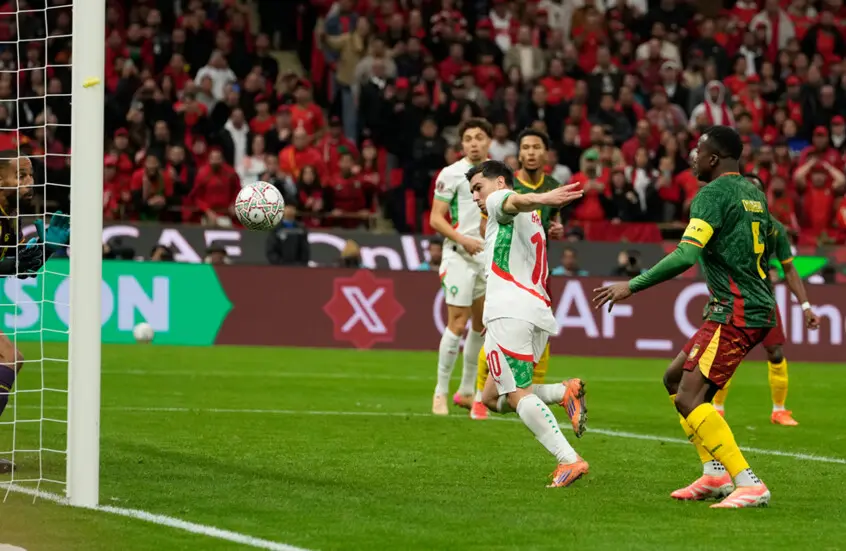
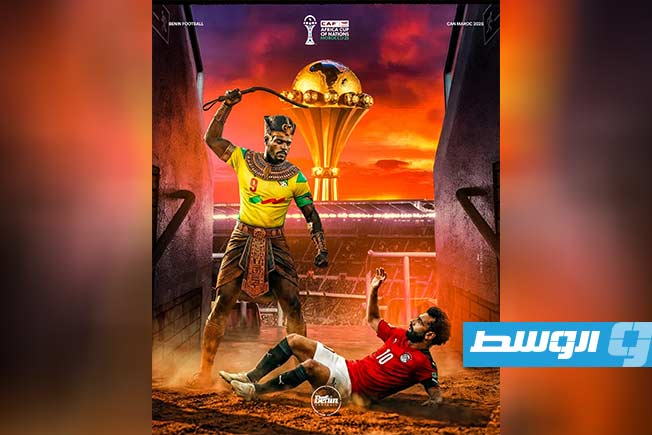
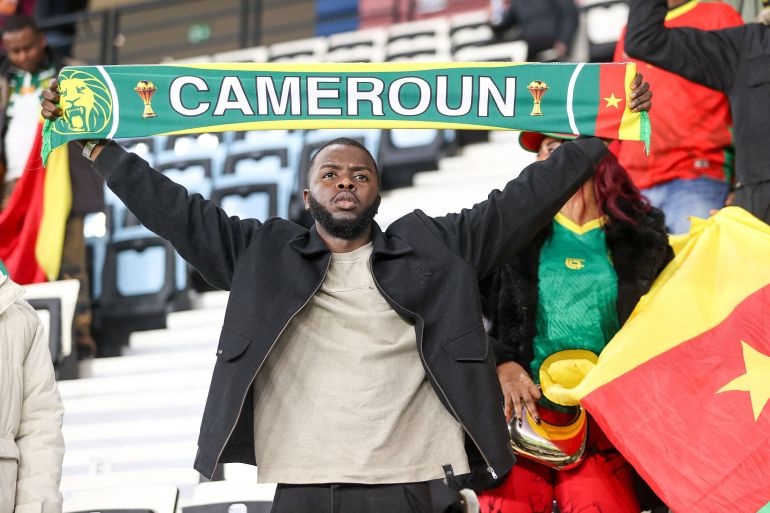
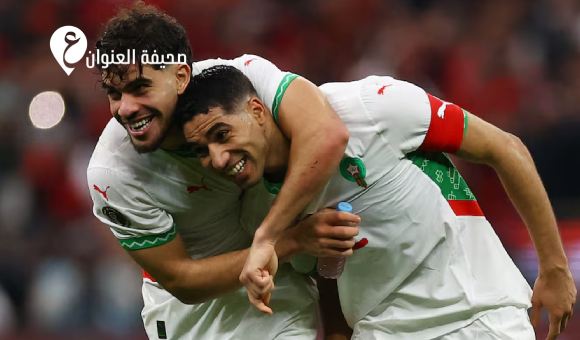
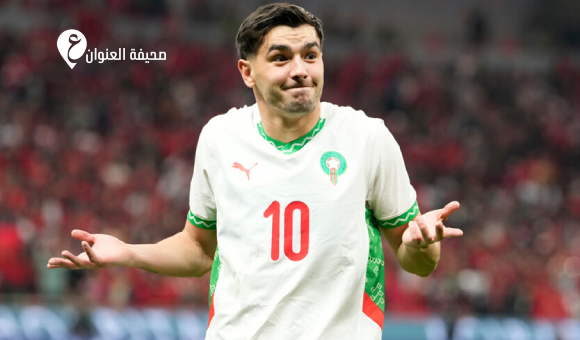
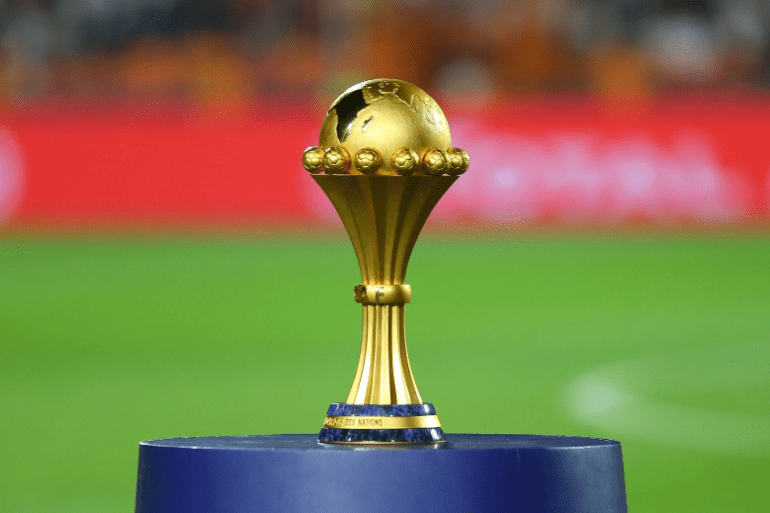
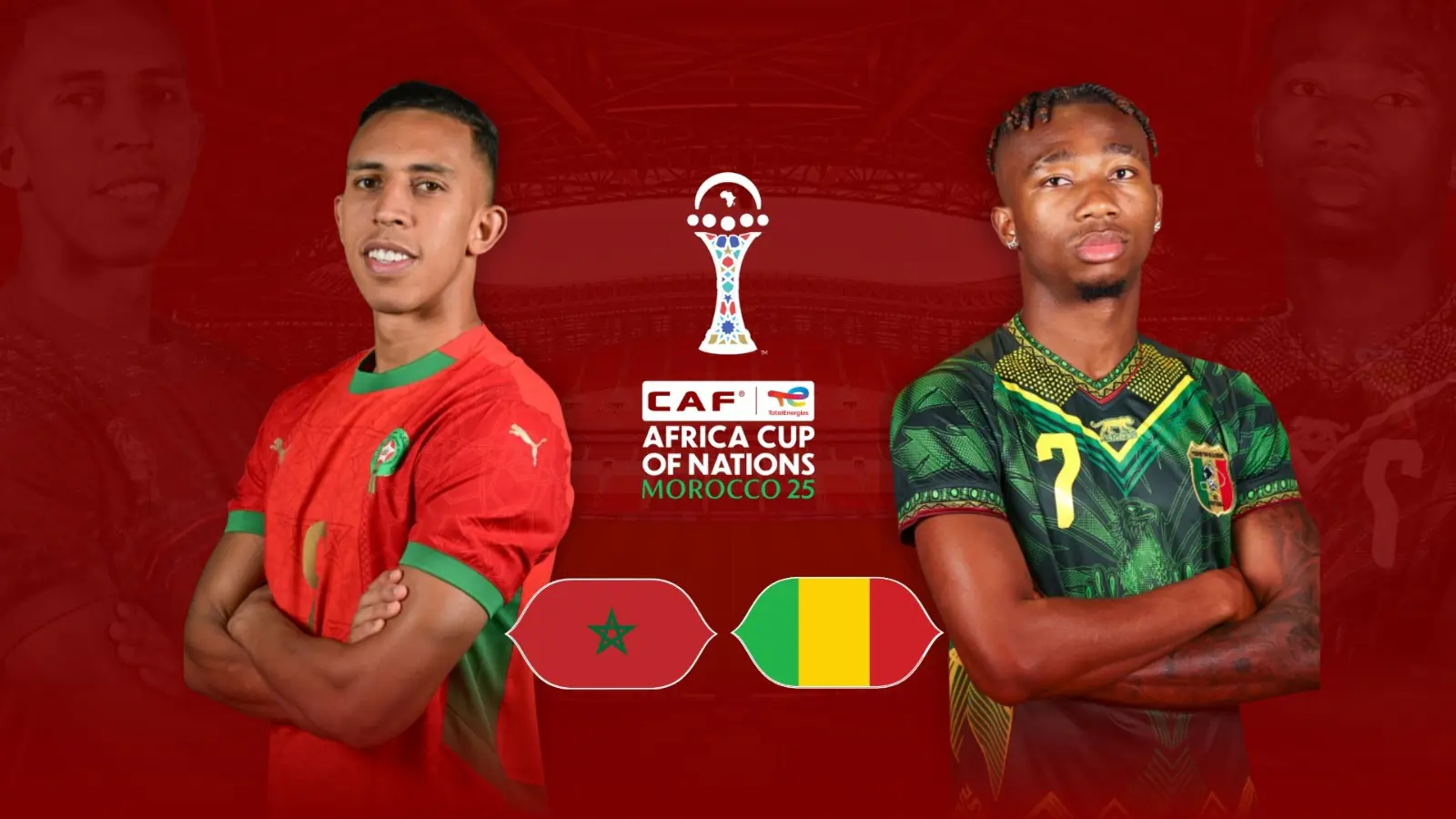
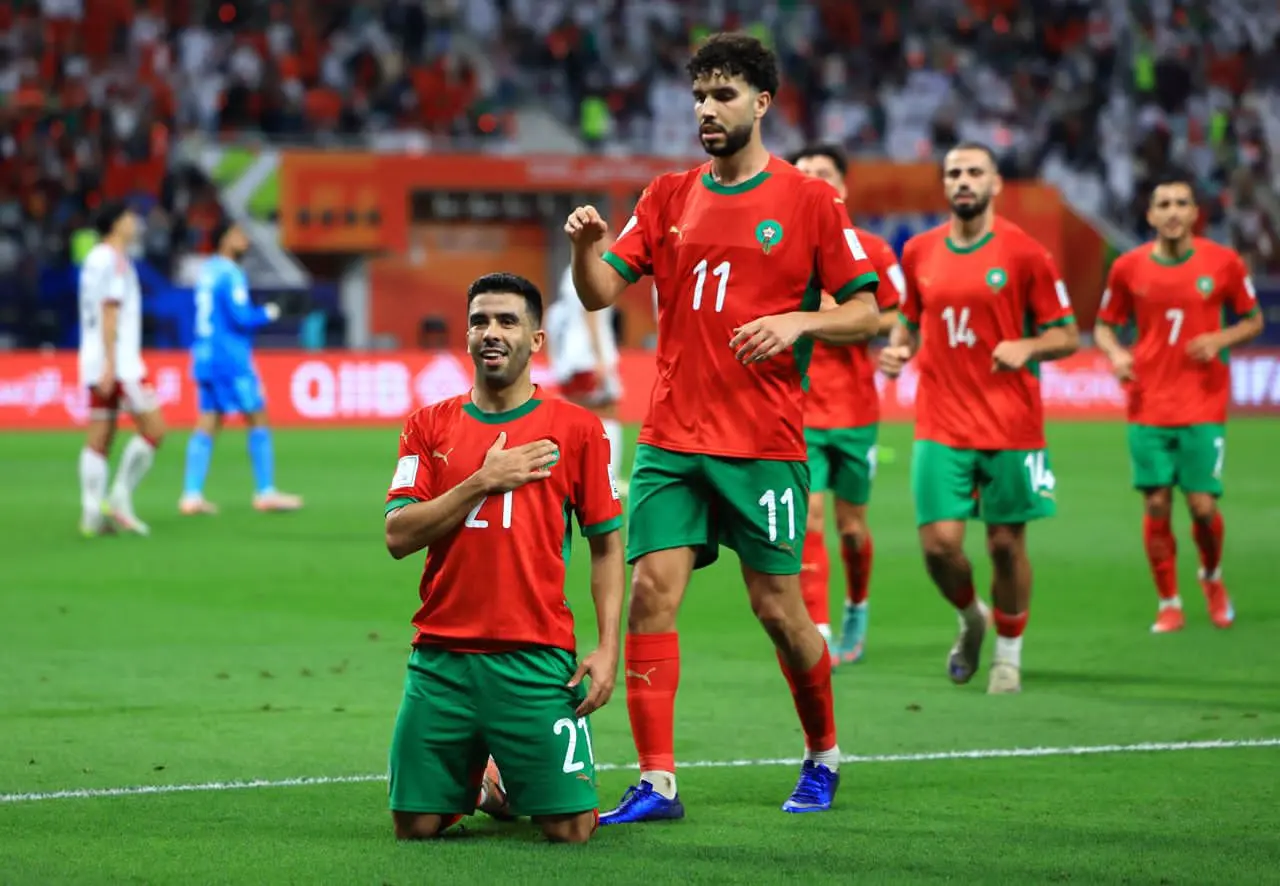
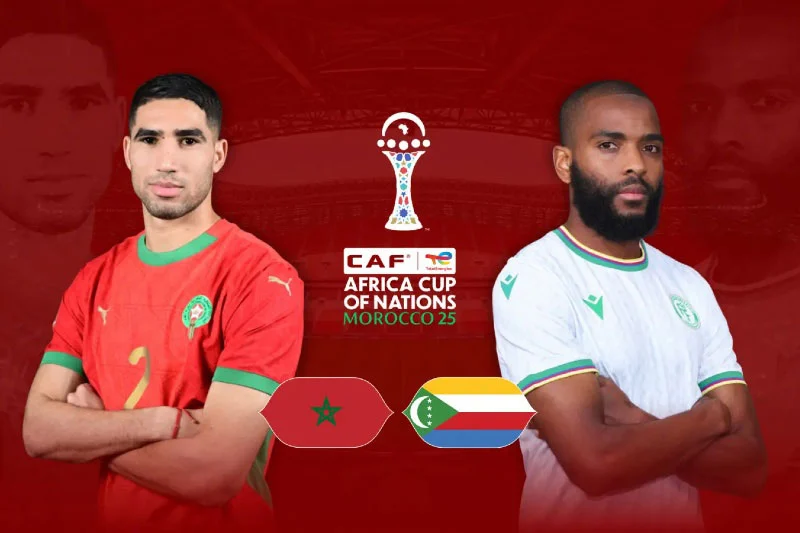
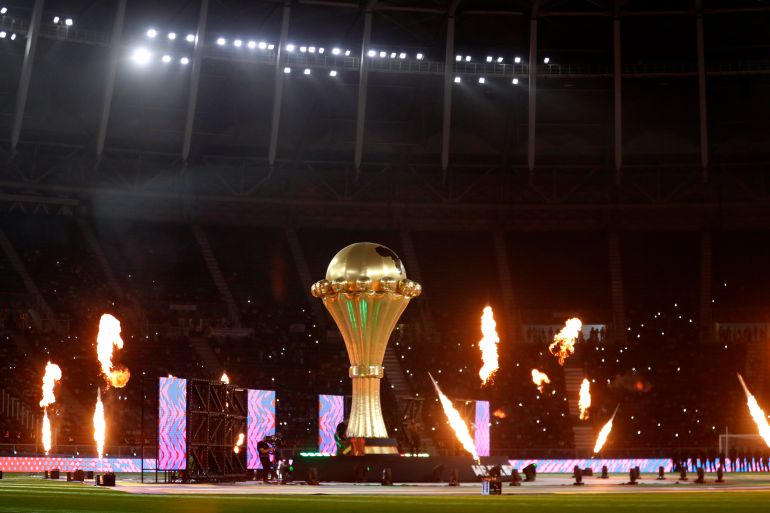
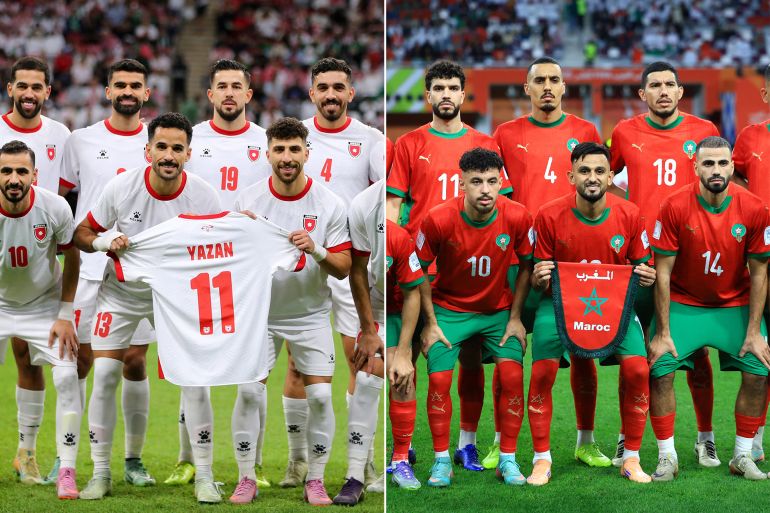
During the Africa Cup of Nations tournament, hosted in Morocco for the second time in its history starting tomorrow, Sunday, the Moroccan national team’s goal will be to reconcile with its fans by clinching its second African title. This comes after its failure to win the title when it hosted the tournament in 1988 on its home soil, with the title going to the Cameroonian team while the “Atlas Lions” finished in fourth place.
Morocco
Morocco is a North African country with a rich history shaped by indigenous Amazigh (Berber) cultures, Arab influence from the 7th century, and successive dynasties like the Almoravids and Almohads. Its cultural sites, such as the ancient city of Fez and the Koutoubia Mosque in Marrakech, reflect this blend of Arab, Islamic, and Amazigh heritage. The country is also known for its historic medinas, Saharan landscapes, and the imperial cities that served as capitals under different ruling dynasties.
Benghazi International Stadium
Benghazi International Stadium is a multi-purpose sports venue located in Benghazi, Libya, which opened in 1964. It has historically served as a major venue for football matches and large public events, but has suffered significant damage during periods of conflict in the city, particularly during the 2011 Libyan Civil War and subsequent fighting.
World Cup
The FIFA World Cup is an international football tournament first held in 1930 in Uruguay. Organized by FIFA, it takes place every four years and has grown into the world’s most widely viewed sporting event, showcasing national teams from across the globe.
Africa Cup of Nations
The Africa Cup of Nations (AFCON) is the premier international men’s football competition in Africa, first contested in 1957. It was founded to unite African nations through sport and has grown from three initial participants to a major global tournament featuring 24 national teams.
Ethiopian capital Addis Ababa
Addis Ababa, the capital of Ethiopia, was founded in 1886 by Emperor Menelik II and became the empire’s permanent capital. It is a major diplomatic hub, hosting the headquarters of the African Union, and is known for its mix of modern high-rises and historic sites like the Holy Trinity Cathedral.
Libyan city of Benghazi
Benghazi is a major port city in eastern Libya, historically serving as a key trade hub. It played a central role in the 2011 Libyan Civil War as the birthplace of the uprising against Muammar Gaddafi. The city has ancient roots, with Greek foundations as the colony of Euesperides in the 6th century BC.
Stade d’Honneur
The Stade d’Honneur is a multi-purpose stadium in the city of Oran, Algeria. It was originally constructed in 1927 during the French colonial period and was later renovated and expanded to host events like the 1975 Mediterranean Games. Today, it serves as a major venue for football matches and athletic competitions.
Casablanca
Casablanca is Morocco’s largest city and a major economic hub, originally settled by Berbers and later developed under French colonial rule in the 20th century. It is renowned for its modern Art Deco architecture and the monumental Hassan II Mosque, one of the world’s largest mosques, which was completed in 1993 and built partially over the Atlantic Ocean.
Benghazi’s City Sports Stadium
Benghazi’s City Sports Stadium is a major sports venue in Benghazi, Libya, historically known for hosting football matches and large public events. It was notably inaugurated in the 1960s and has since been a central hub for athletics and gatherings in the city.
Cameroonian team
The Cameroonian national football team, known as the Indomitable Lions, is the men’s senior national team of Cameroon and one of Africa’s most successful sides. Founded in 1959, they made history in 1990 by becoming the first African team to reach the FIFA World Cup quarter-finals and have won the Africa Cup of Nations five times.