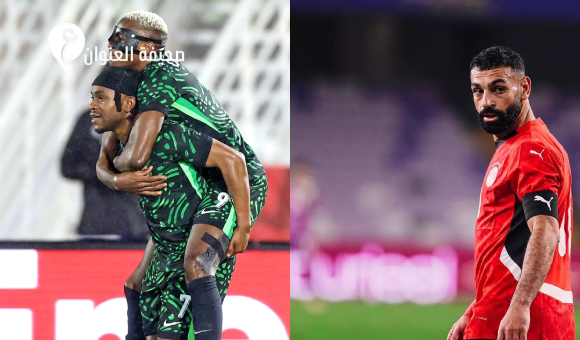
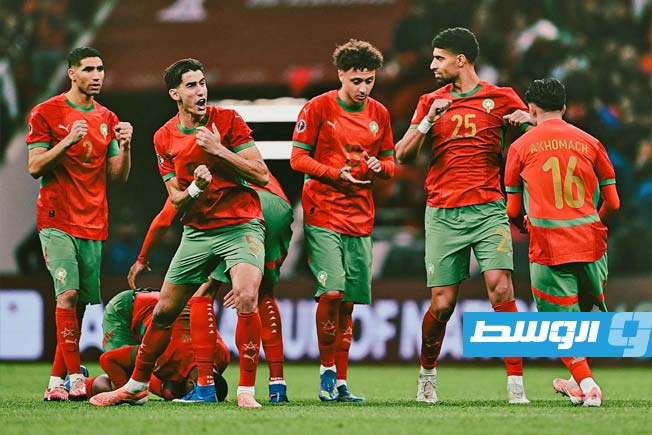
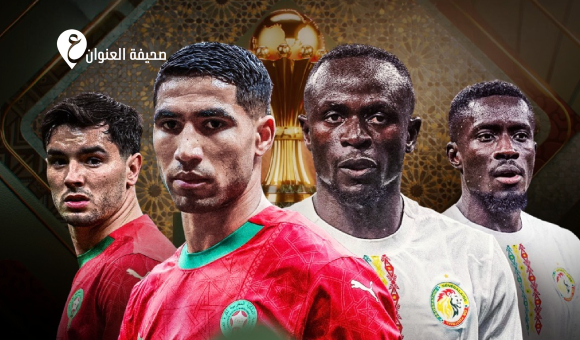
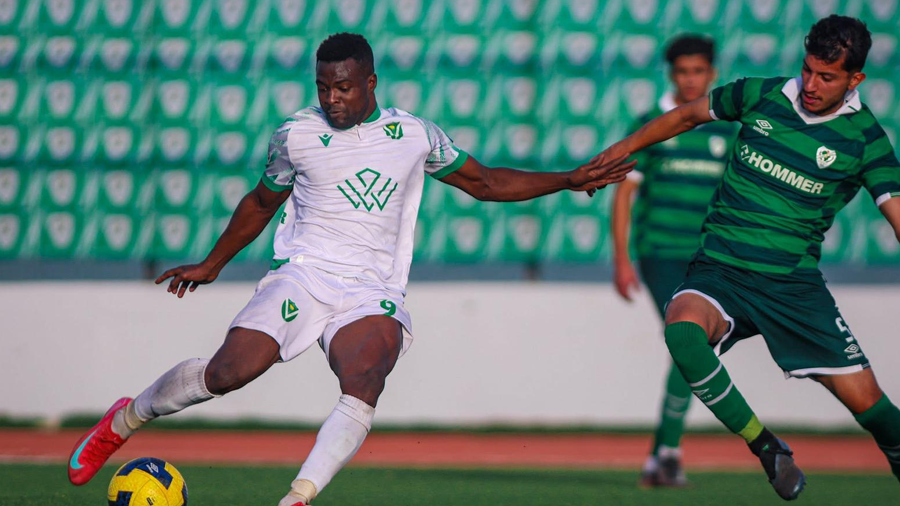
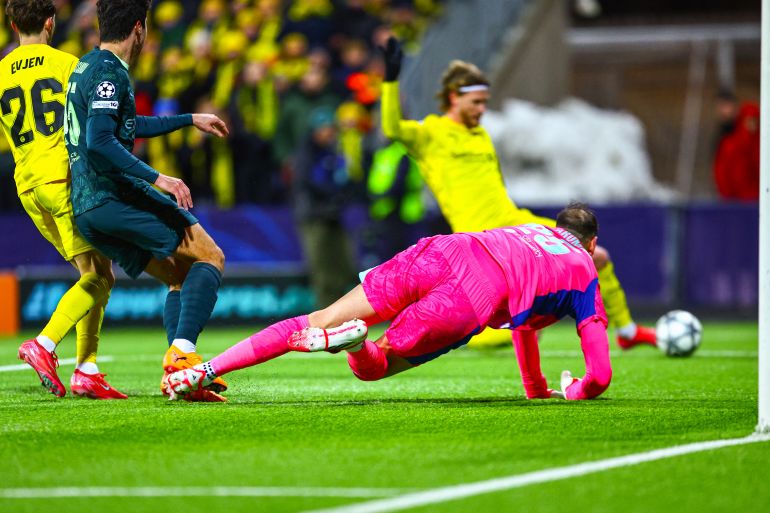
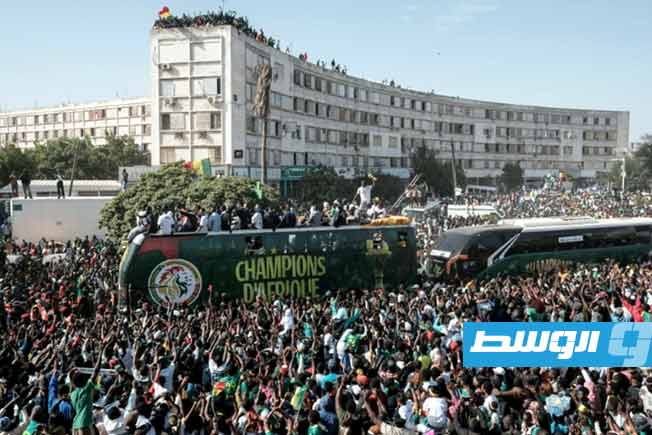
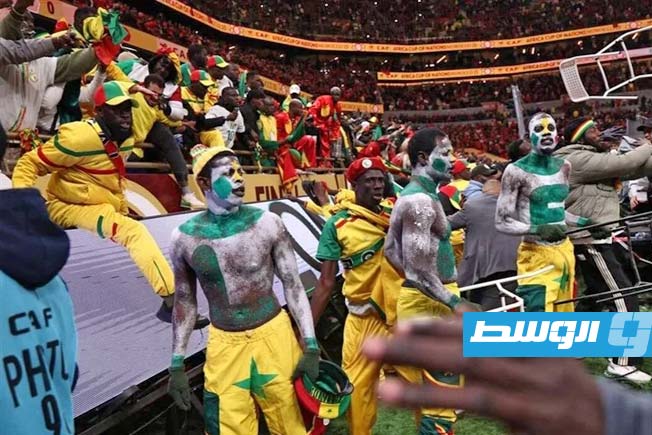
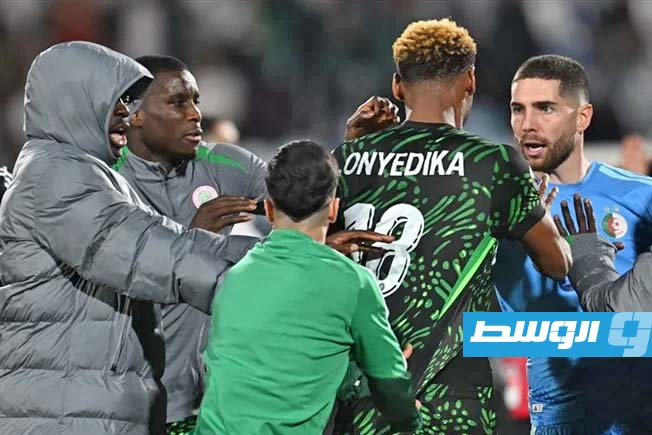
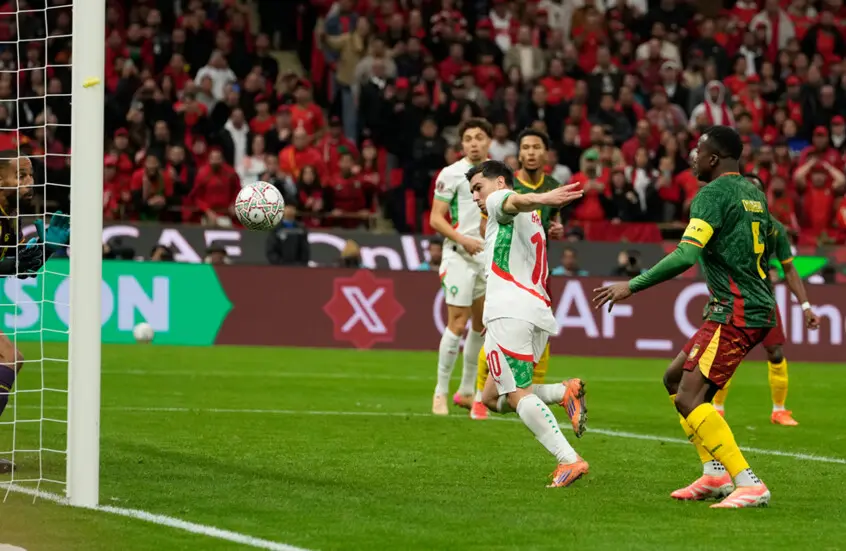
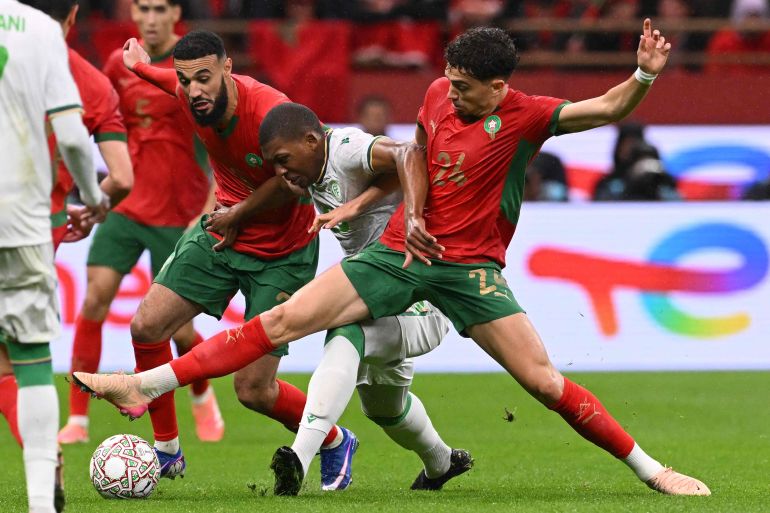
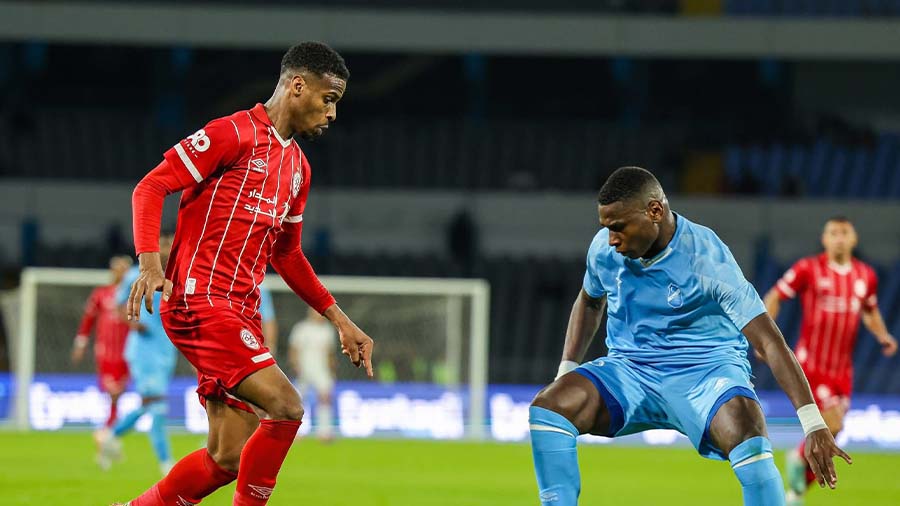
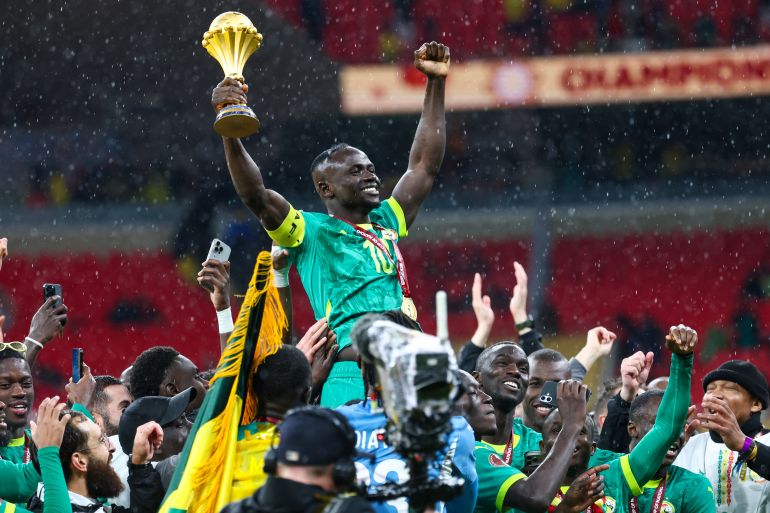
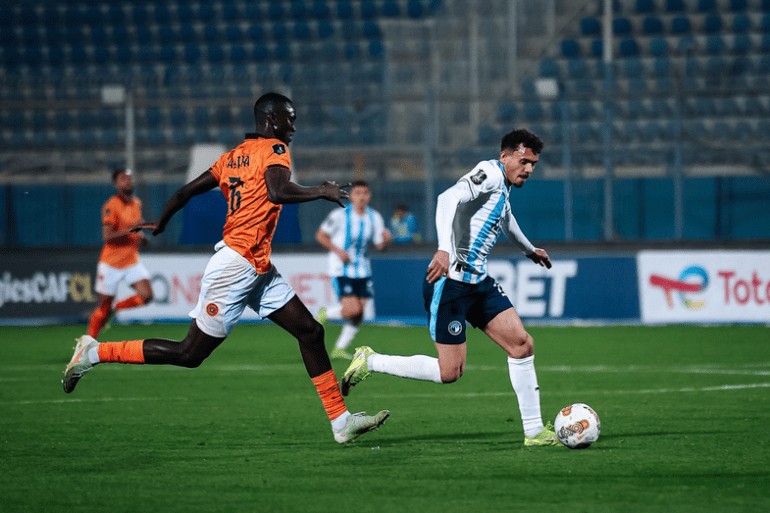
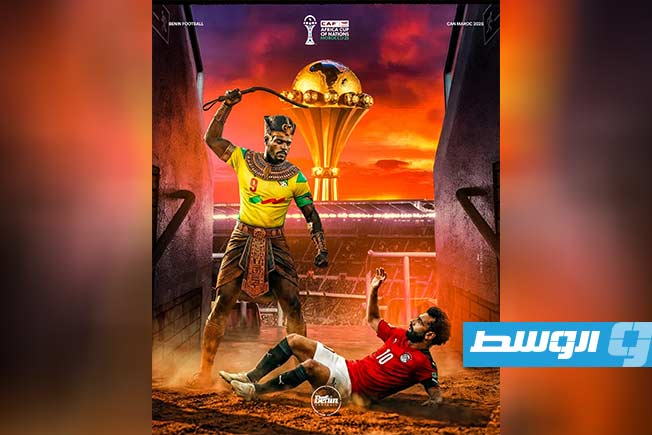
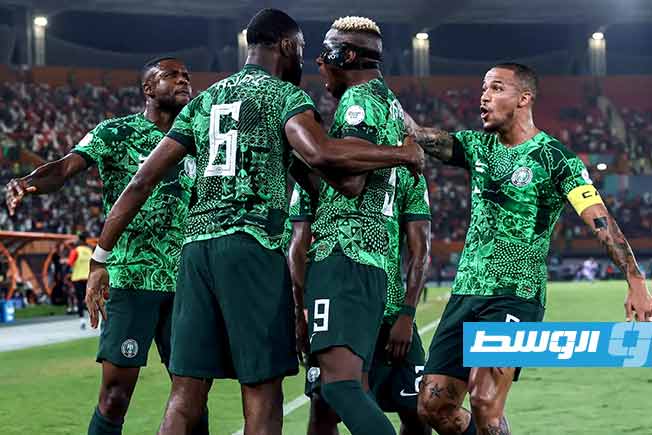
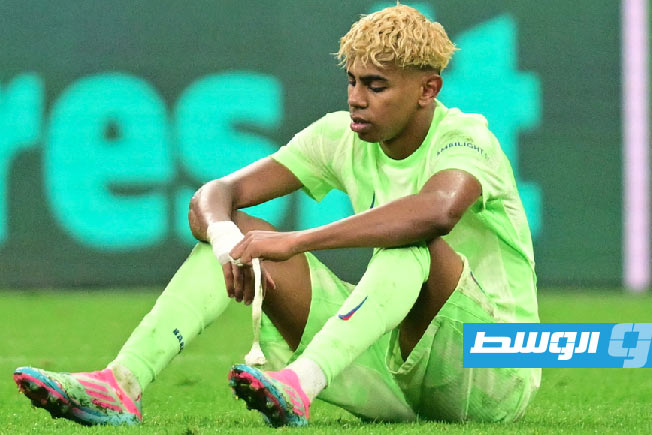
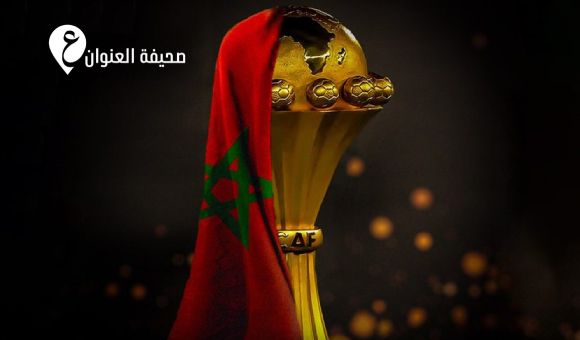
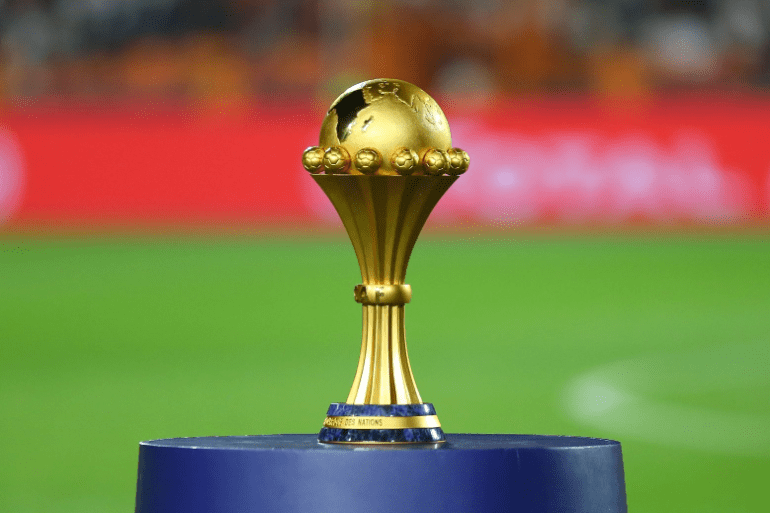
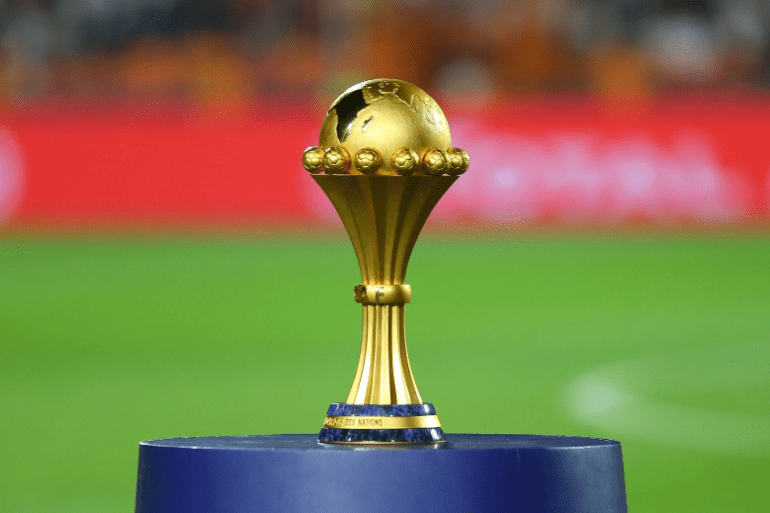
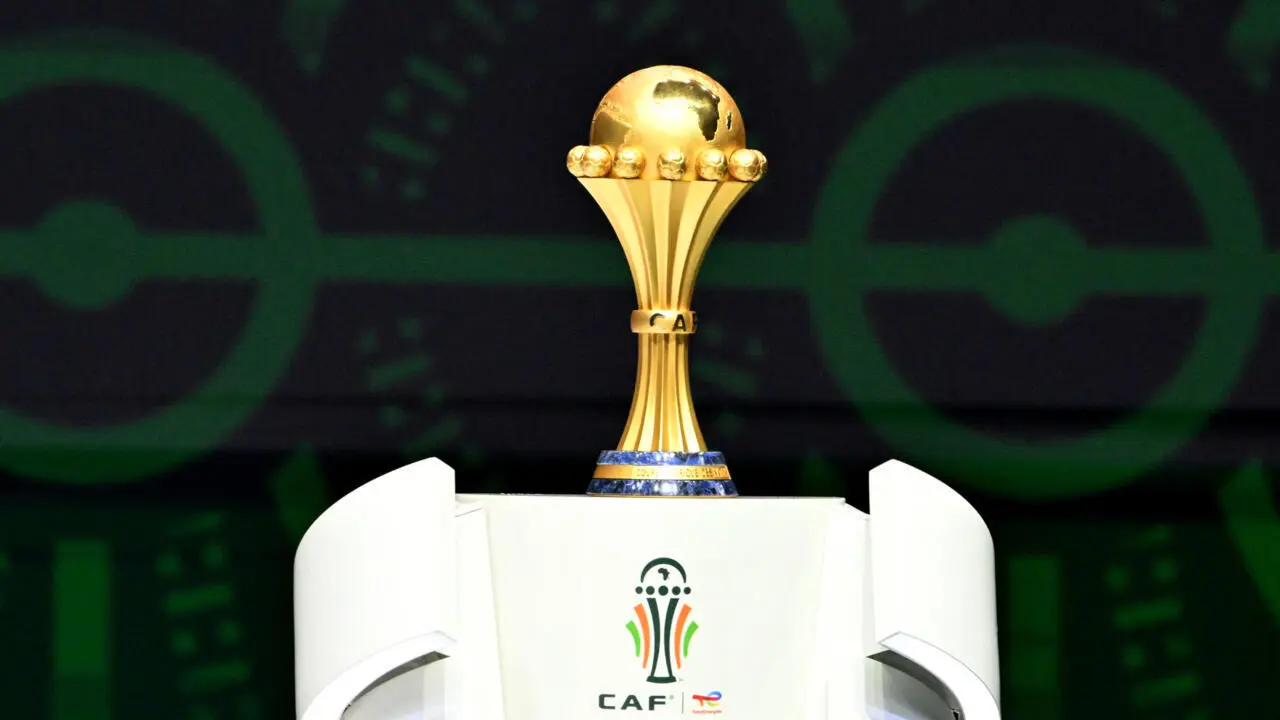
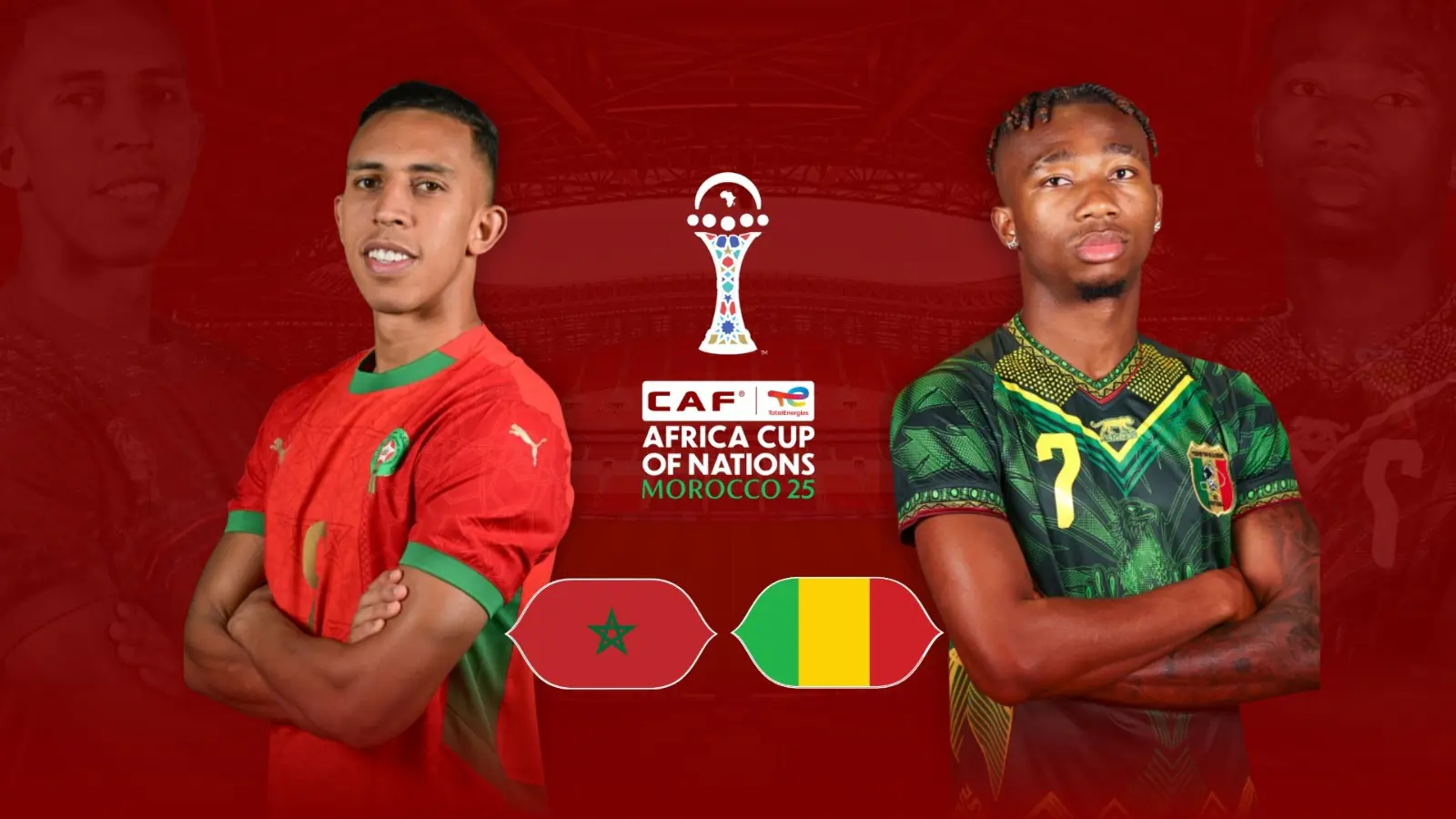
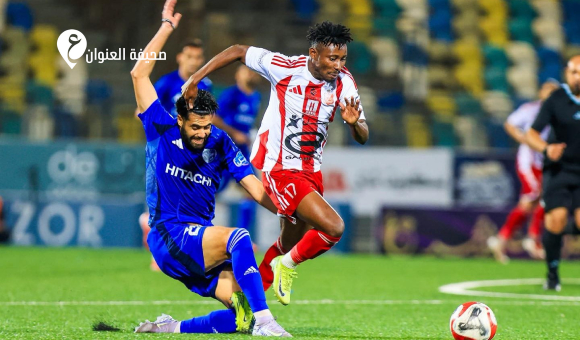
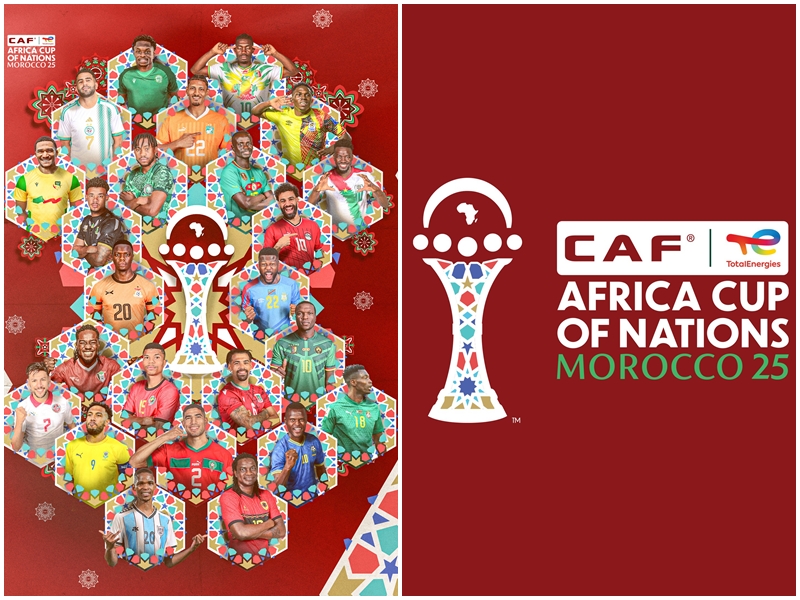
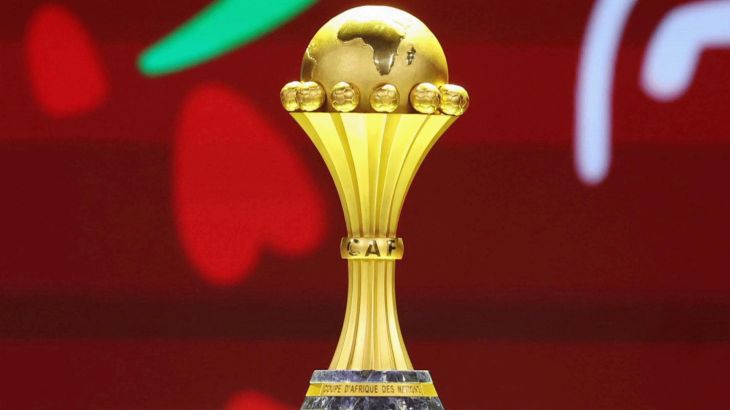
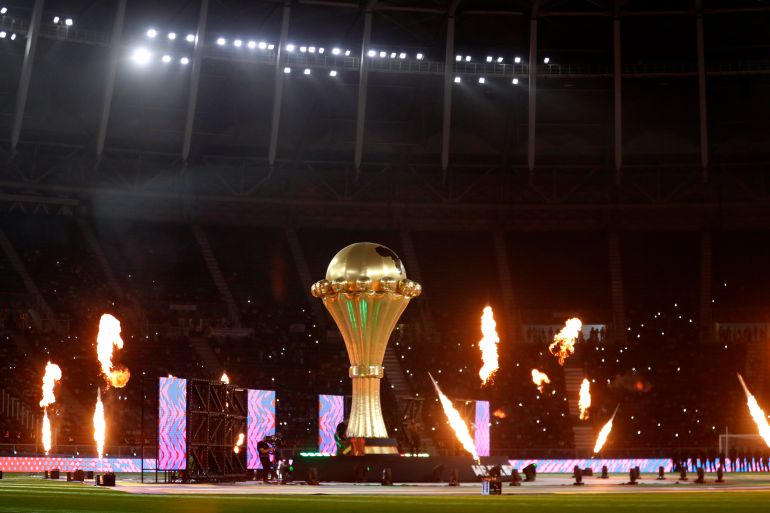
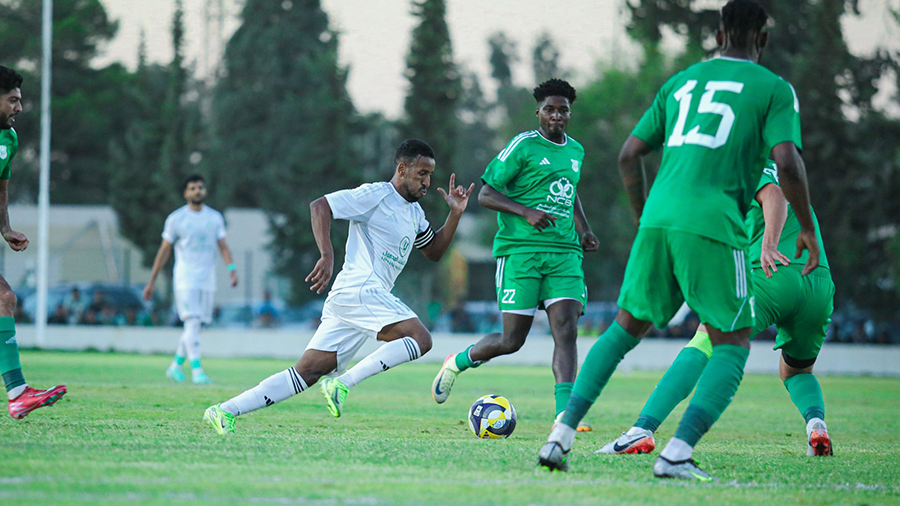
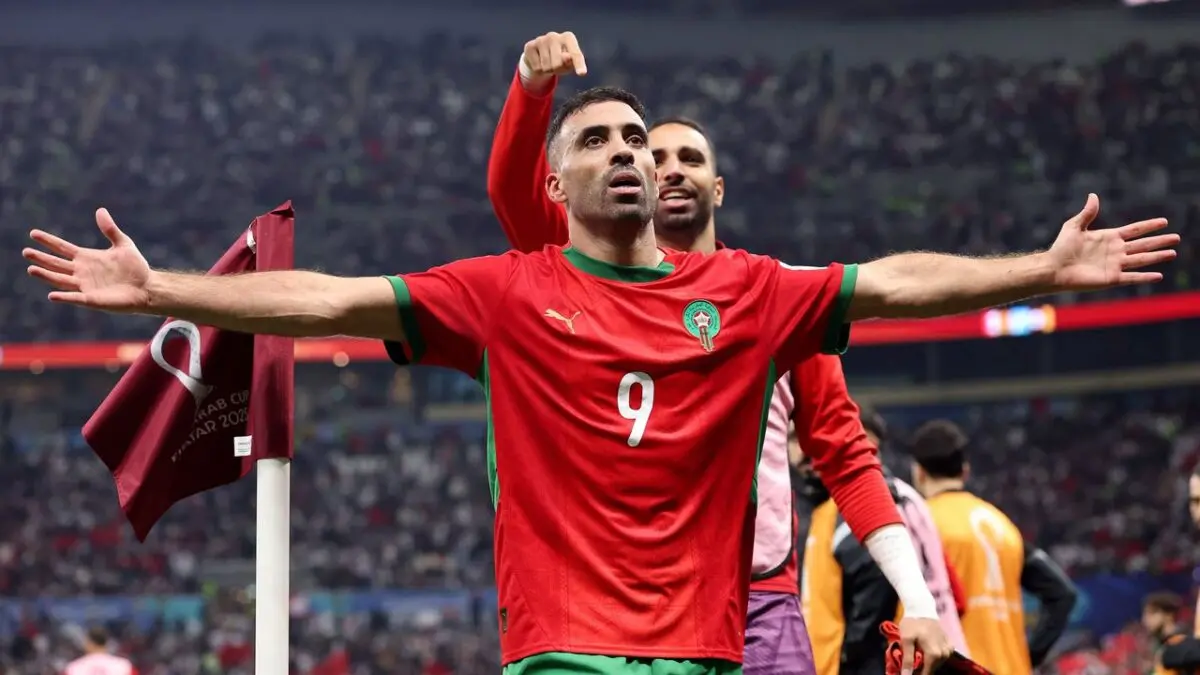
Rabat, December 20, 2025 – The 35th edition of the Africa Cup of Nations football tournament kicks off tomorrow, Sunday. The Kingdom of Morocco is hosting the tournament from December 21 until January 18, with 24 teams from the continent participating.
After 37 years since its last hosting, Morocco welcomes the continental event for the second time in its history. The tournament will be the focus of African football fans, enjoying wide public and media attention as the continent’s premier competition held every two years.
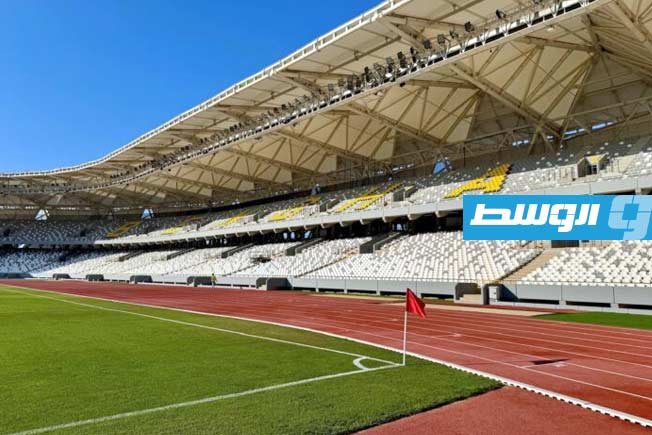
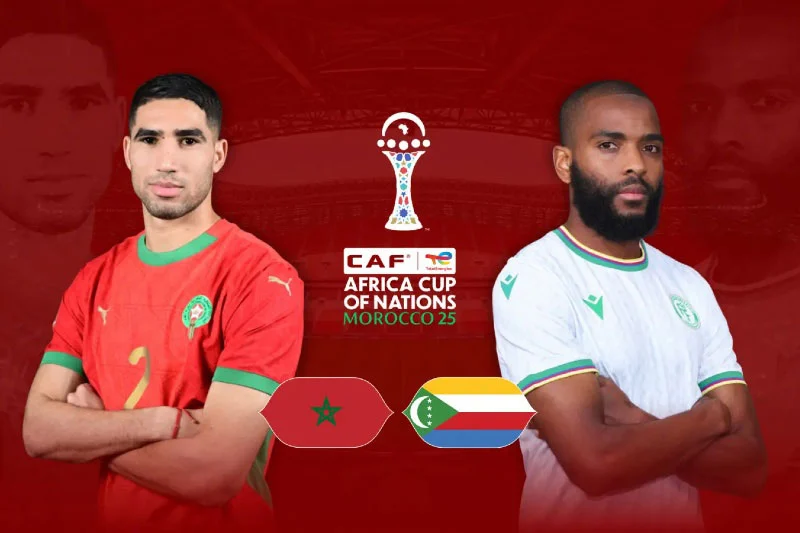
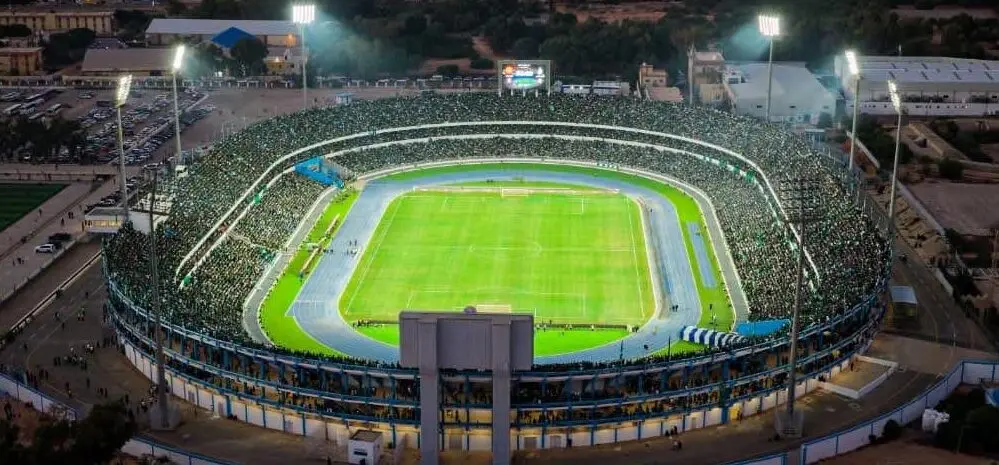
The opening match will take place tomorrow evening, Sunday, December 21, at 9:00 PM Libya time, at the Prince Moulay Abdellah Stadium in the capital, Rabat. The host nation, Morocco, will face Comoros, which is participating in the tournament for the second time in its history. The competition will continue until January 18, the date of the final match and the crowning of the continent’s champion in the same capital.
The 2025 Africa Cup of Nations edition holds special significance due to Morocco’s distinguished organization, modern sports infrastructure that meets international standards, and the notable development in the technical level of African national teams. The increasing number of professional players in major global leagues adds a strong competitive character to the tournament.
The 24 participating teams have been divided into six groups, with four teams in each group, as follows:
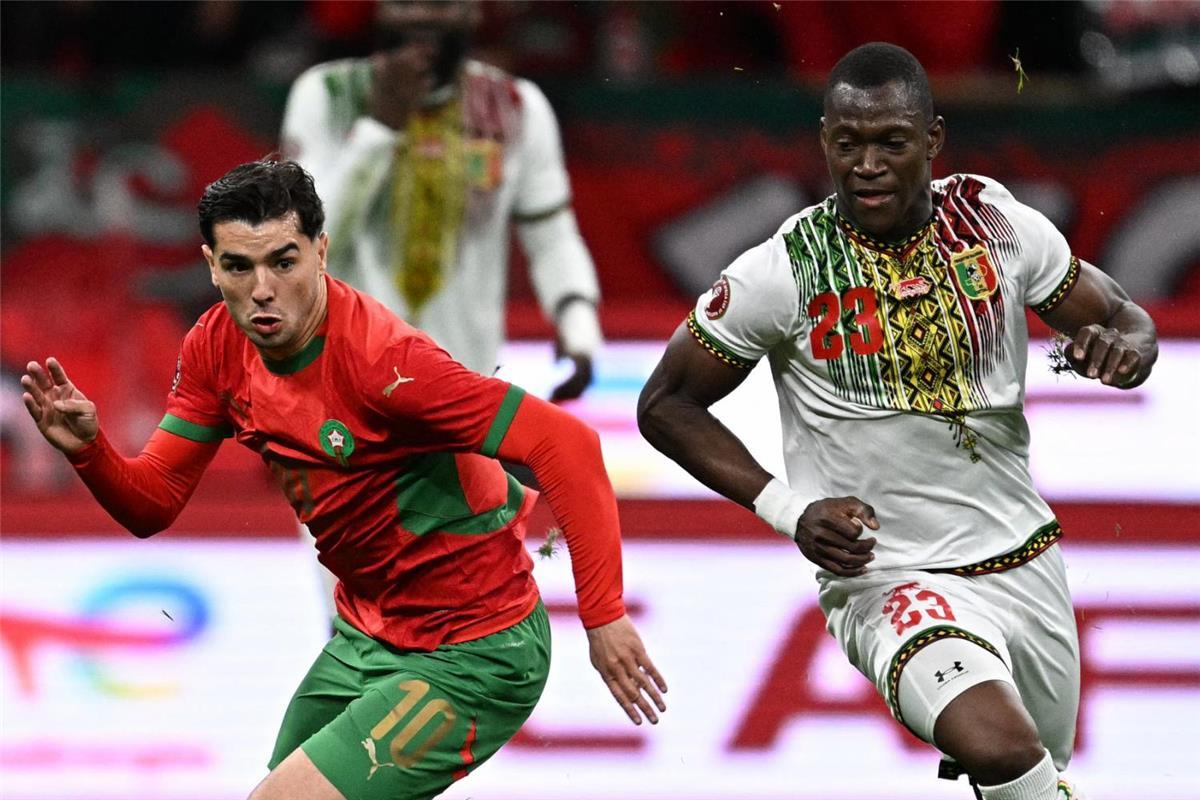
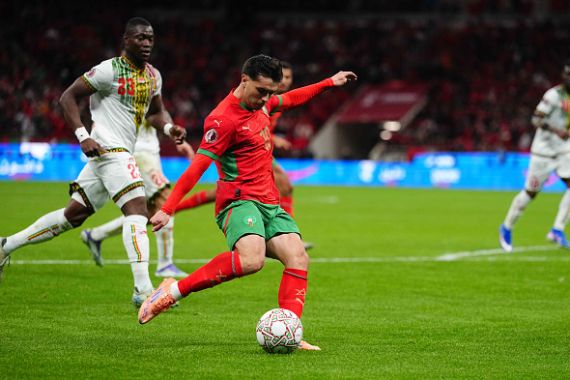
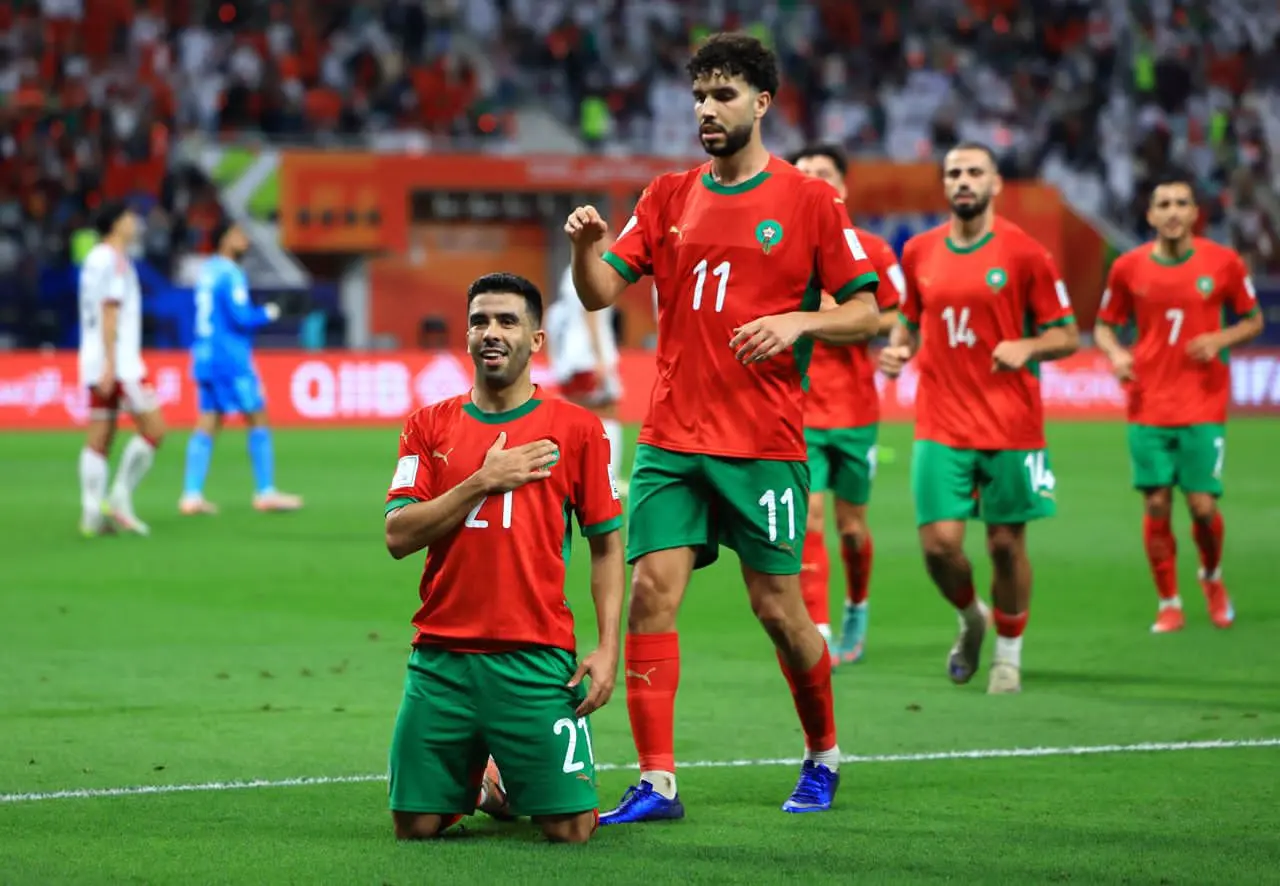
Group One: Morocco, Mali, Zambia, Comoros.
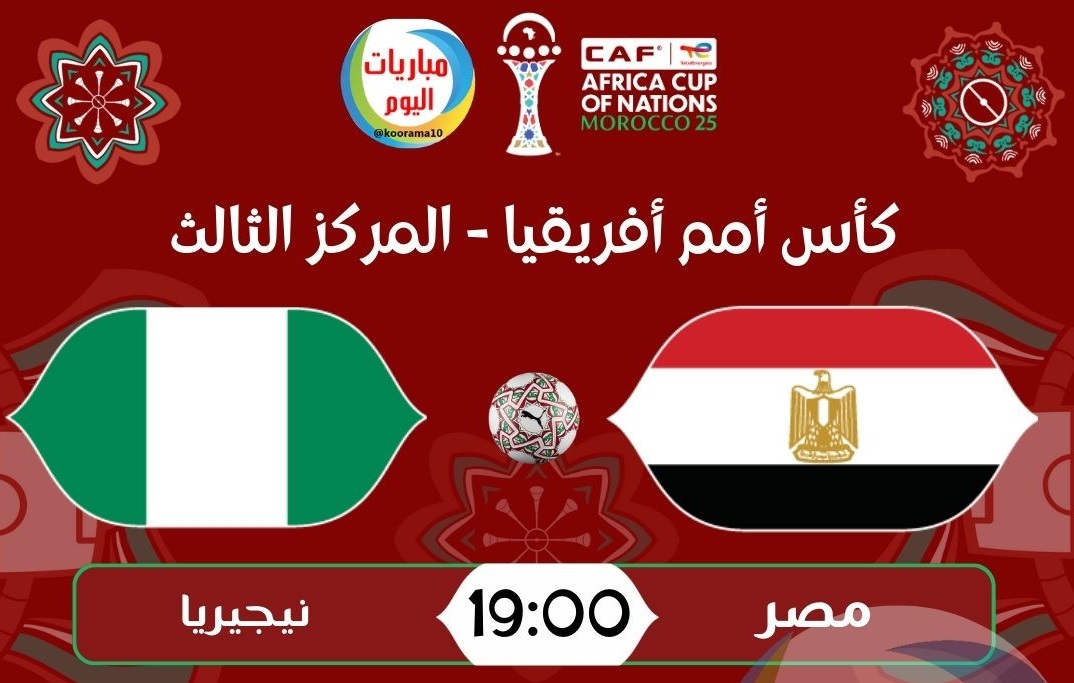
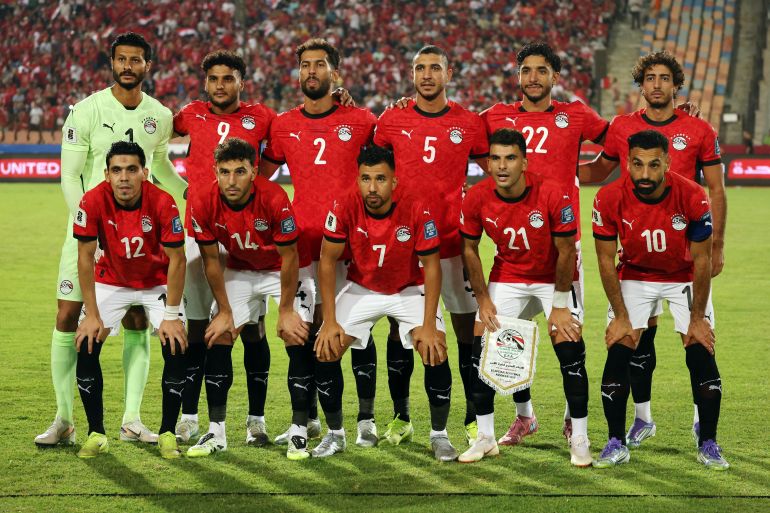
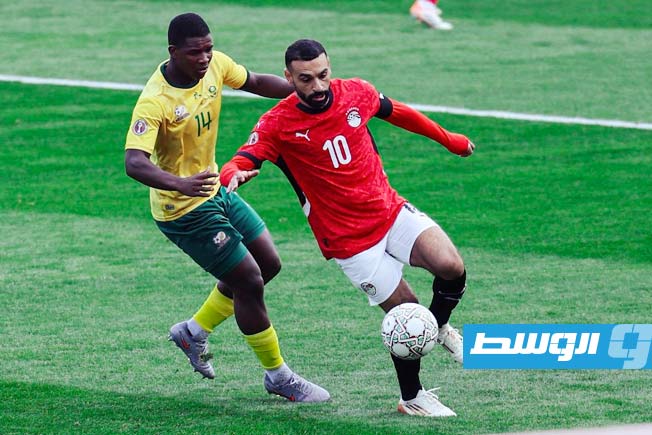
Group Two: Egypt, South Africa, Angola, Zimbabwe.
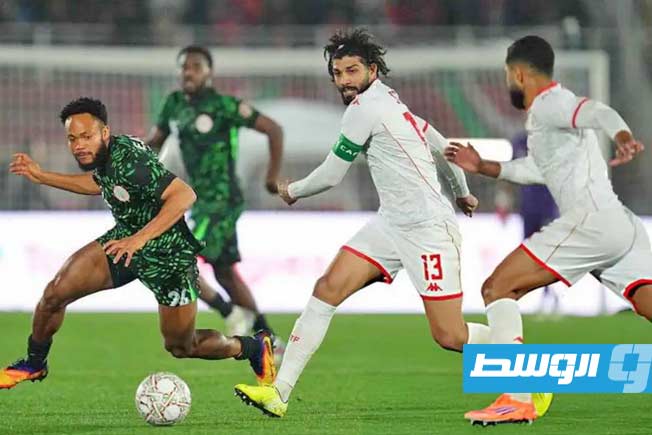
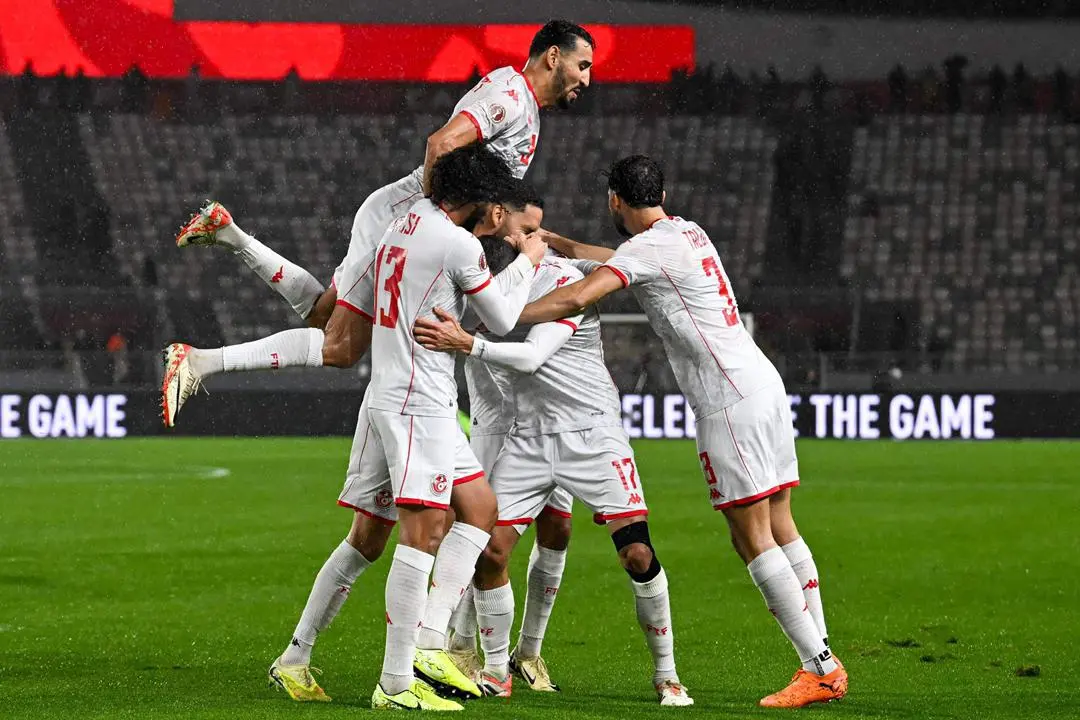
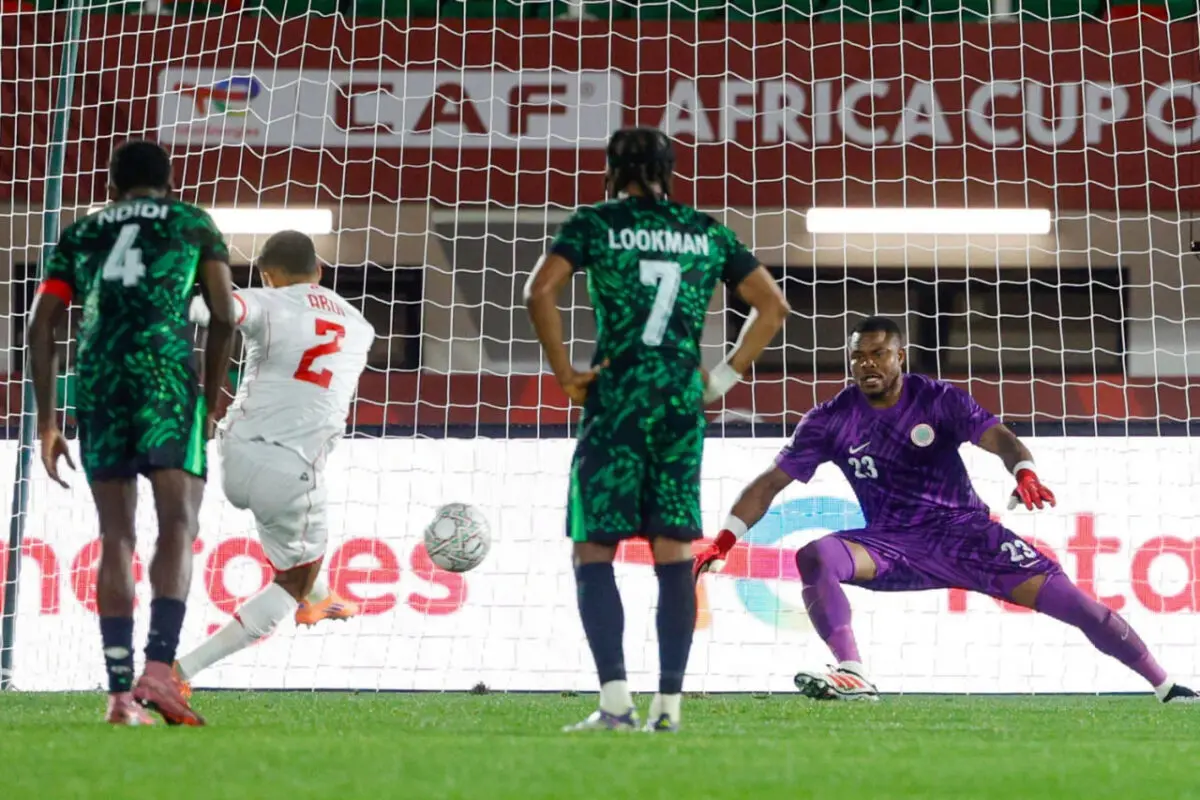
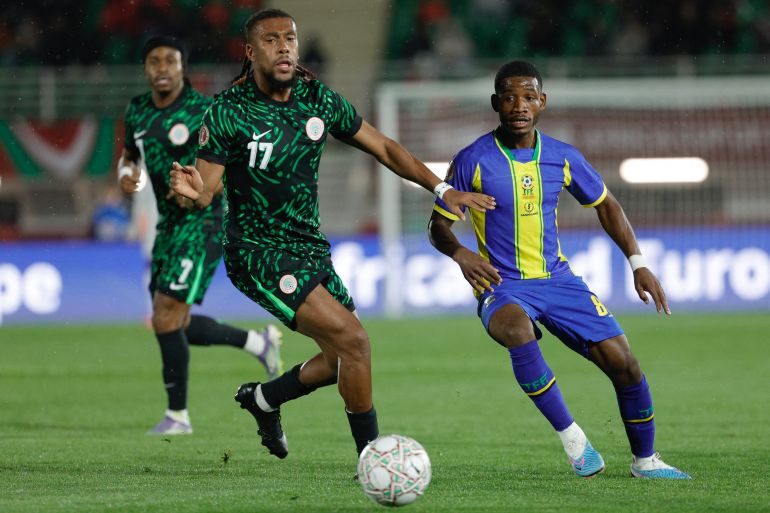
Group Three: Nigeria, Tunisia, Uganda, Tanzania.
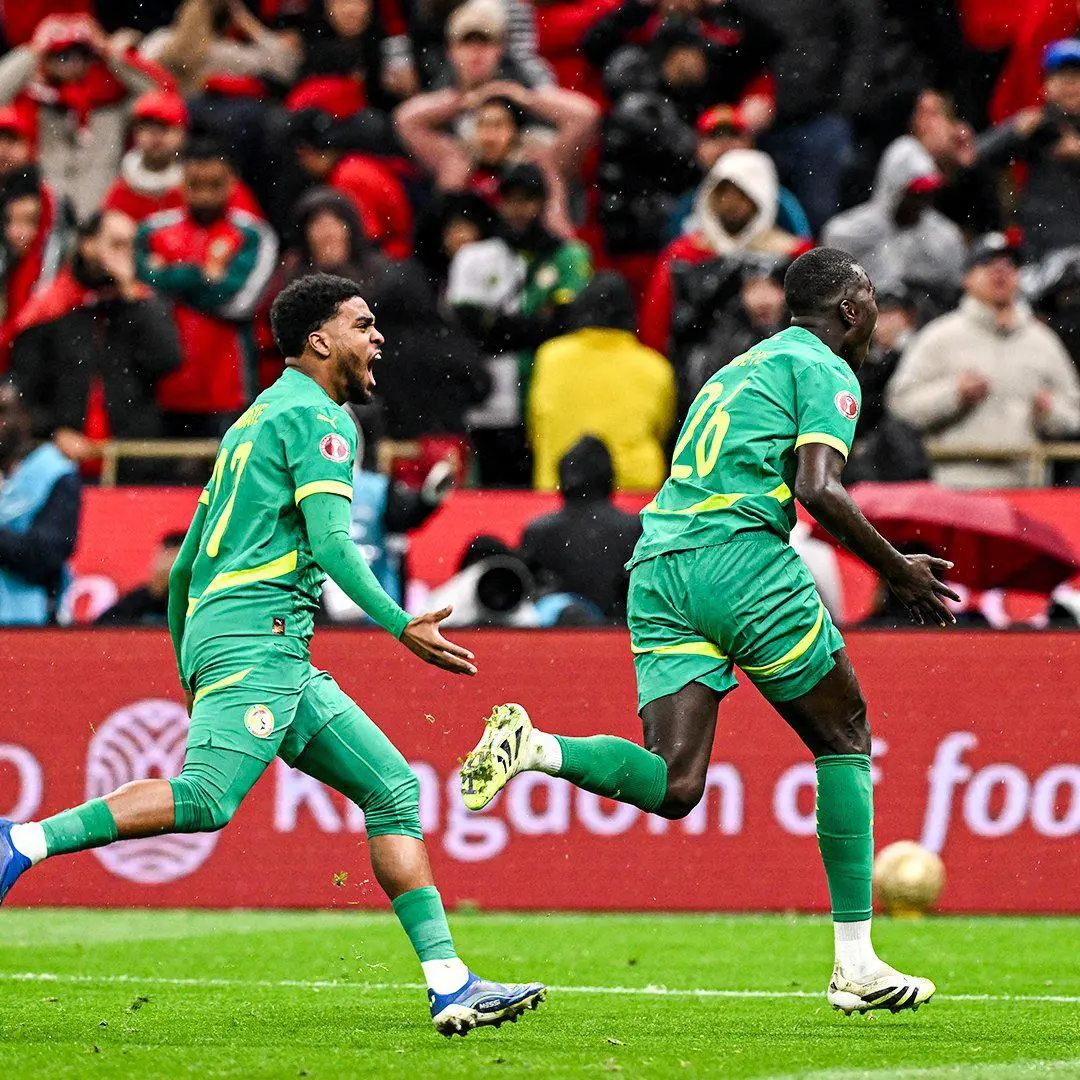
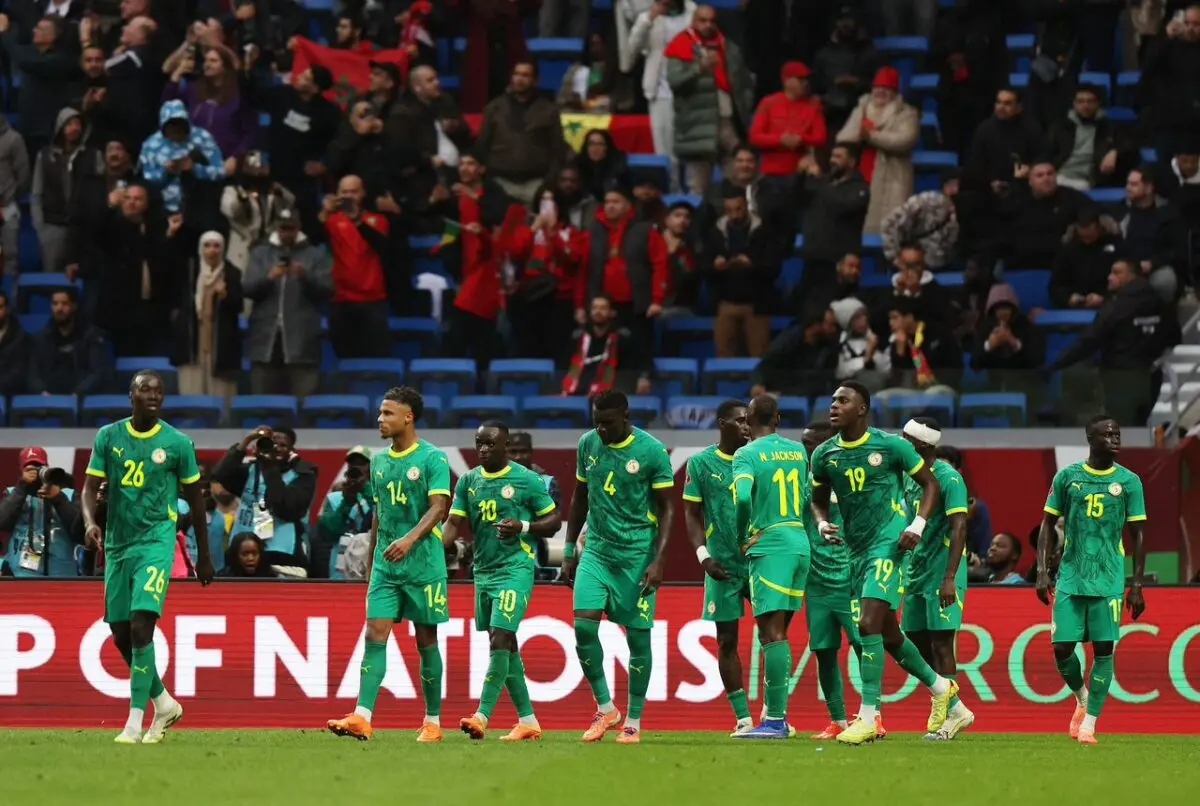
Group Four: Senegal, Democratic Republic of the Congo, Benin, Botswana.
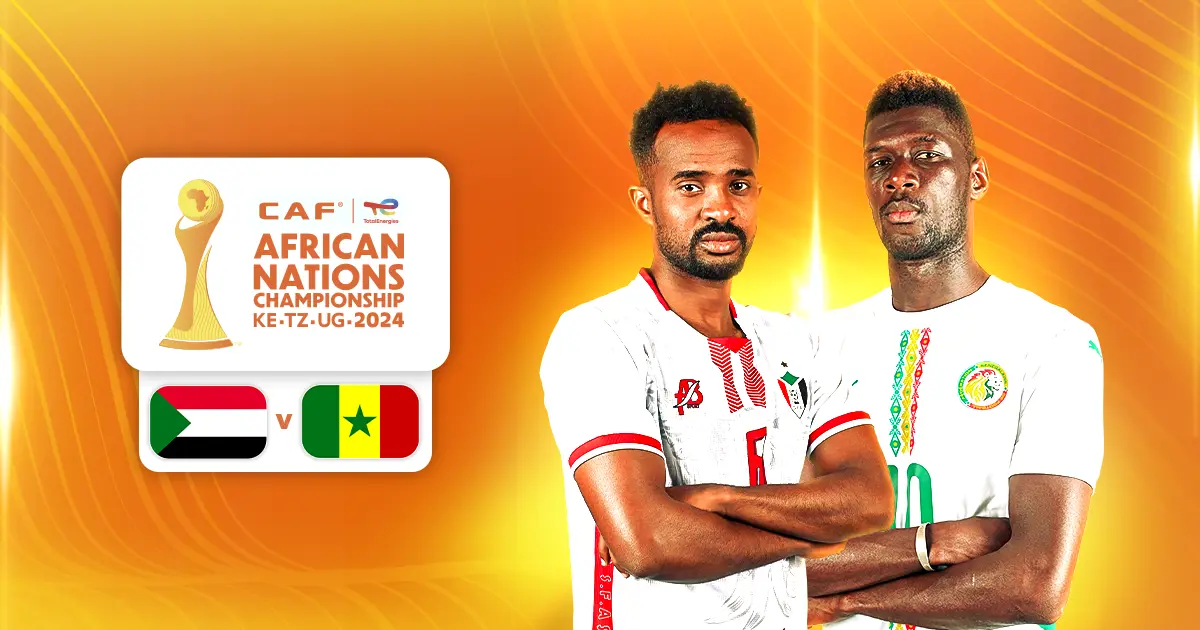
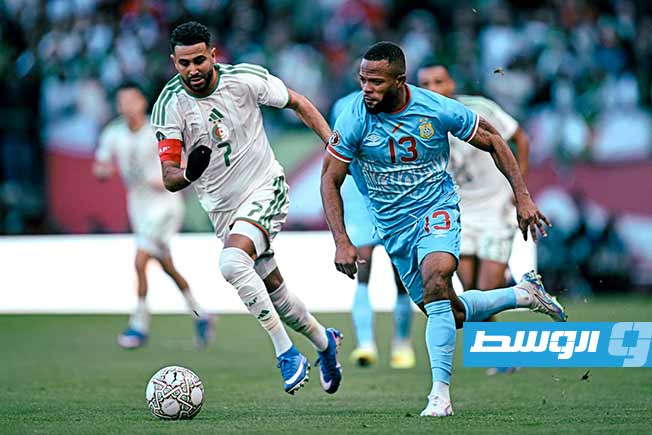
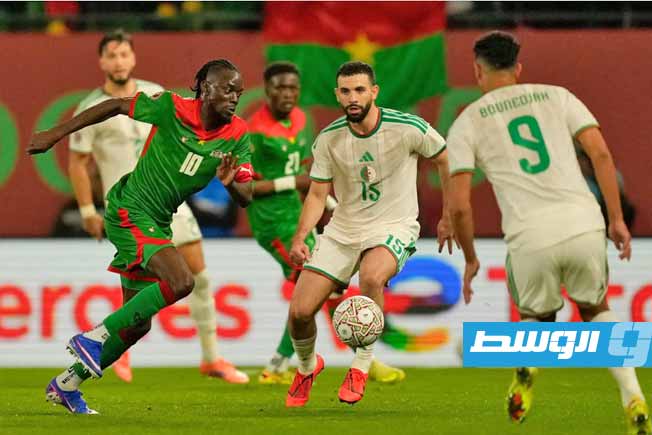
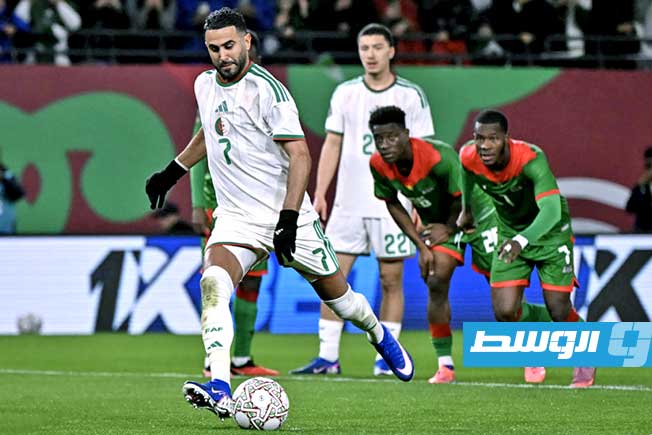
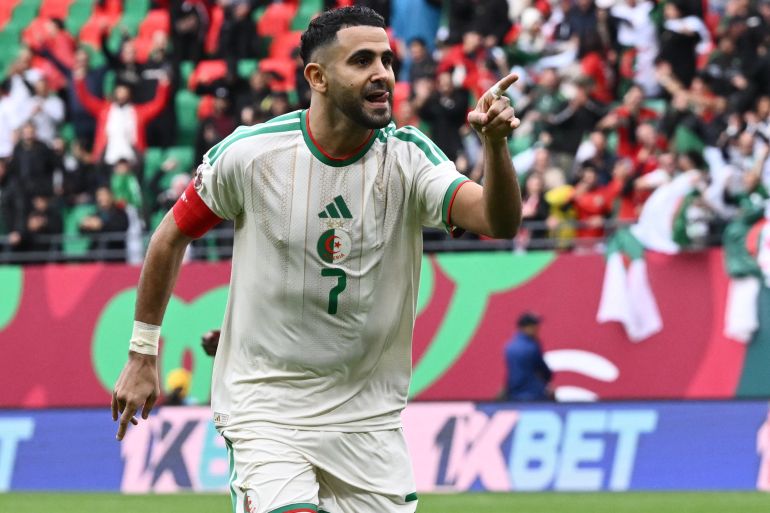
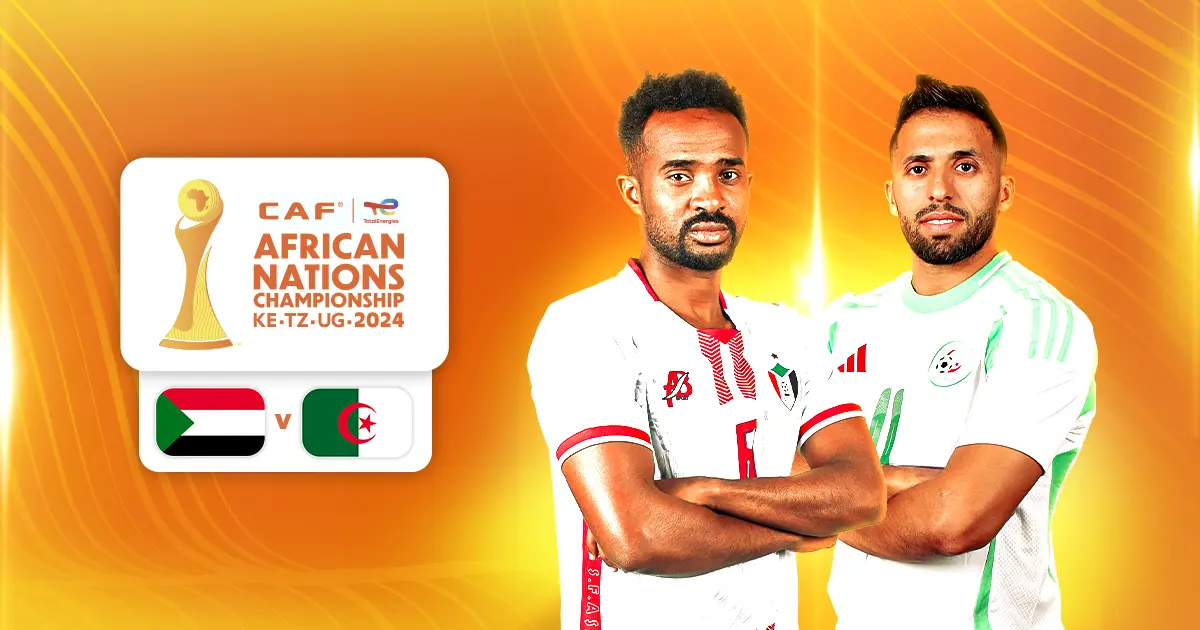
Group Five: Algeria, Burkina Faso, Equatorial Guinea, Sudan.
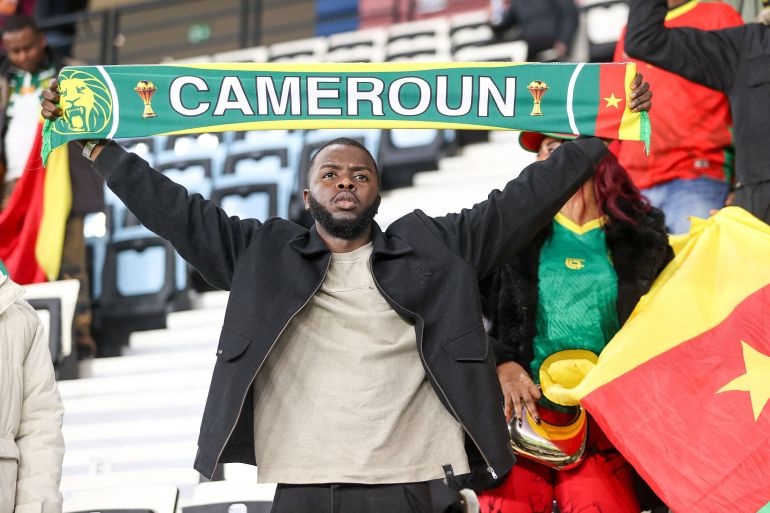
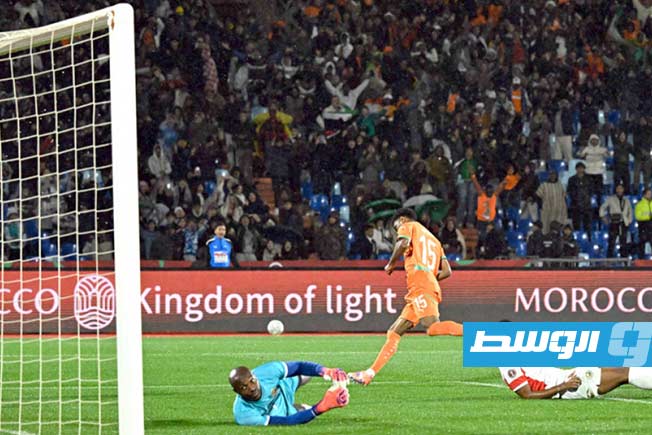
Group Six: Ivory Coast, Cameroon, Gabon, Mozambique.
Strong and exciting competitions are anticipated in this edition, given the close levels of the teams and their ambition to win the continental title.
Rabat
Rabat is the capital city of Morocco, founded in the 12th century by the Almohad Caliphate as a ribat (fortified monastery). It is now a modern political and administrative center, recognized as a UNESCO World Heritage site for its well-preserved historic quarters, including the Hassan Tower and the Chellah necropolis.
Africa Cup of Nations
The Africa Cup of Nations (AFCON) is the premier international men’s football competition in Africa, first contested in 1957. It was founded to unite African nations through sport during a period of decolonization and has since grown into a major global sporting event held every two years.
Kingdom of Morocco
The Kingdom of Morocco is a North African nation with a rich history shaped by indigenous Amazigh (Berber) cultures, successive Arab dynasties, and influences from European colonial powers. It gained independence from France in 1956 and is known for its historic imperial cities, such as Marrakech and Fez, which feature well-preserved medieval architecture.
Morocco
Morocco is a North African country with a rich history shaped by indigenous Amazigh (Berber) cultures, Arab influence from the 7th century, and successive dynasties like the Almoravids and Almohads. Its cultural sites, such as the ancient city of Fez and the Koutoubia Mosque in Marrakech, reflect this blend of Arab, Islamic, and Amazigh heritage. The country’s historic medinas, kasbahs, and varied landscapes from the Sahara Desert to the Atlas Mountains are central to its identity.
Prince Moulay Abdellah Stadium
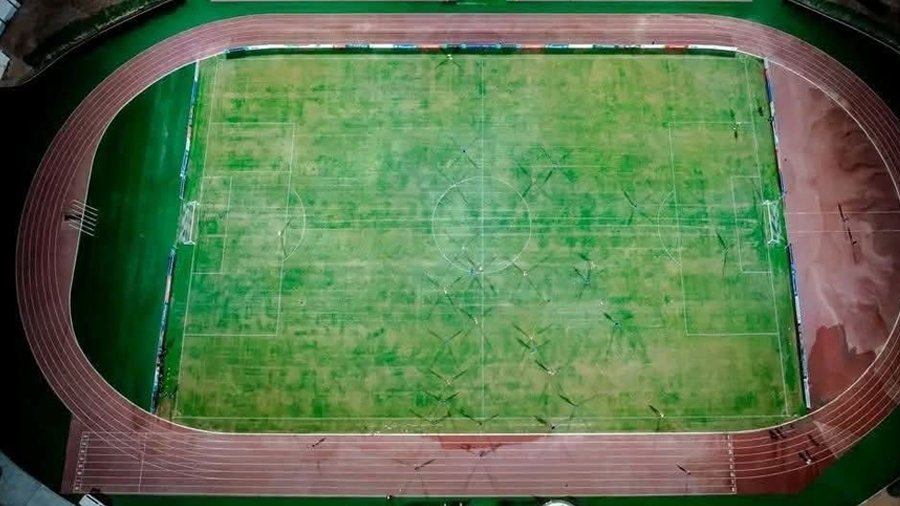
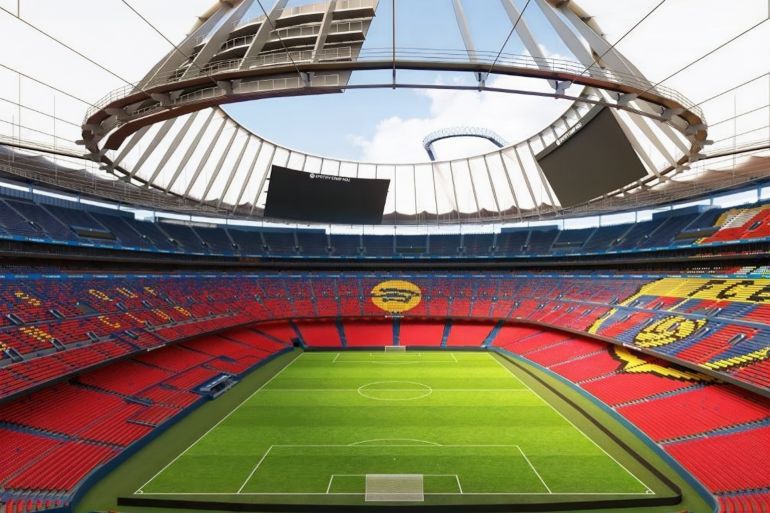
Prince Moulay Abdellah Stadium is a major sports venue in Rabat, Morocco, named after Prince Moulay Abdellah, the brother of King Hassan II. It was originally constructed in 1983 and later renovated to host the 2019 African Games, serving as a key site for football matches and athletic competitions.
Comoros
The Comoros is an archipelago nation in the Indian Ocean, formed by volcanic activity and historically settled by a mix of African, Arab, and Malagasy peoples. It became a key hub in Indian Ocean trade routes, leading to the establishment of sultanates and the spread of Islam, which remains central to its culture. After a period as a French colony, the Comoros declared independence in 1975 but has since experienced significant political instability.
Mali
Mali is a West African nation historically renowned as the heart of the medieval Mali Empire, a major center of Islamic scholarship and trade in the 13th-16th centuries. Today, it is home to significant UNESCO World Heritage Sites, including the ancient cities of Timbuktu and Djenné, though these cultural treasures have faced threats from conflict and environmental degradation.
Zambia
Zambia is a landlocked country in southern Africa, historically home to various Bantu-speaking kingdoms before becoming a British protectorate known as Northern Rhodesia. It gained independence in 1964 and is renowned for its vast natural resources and attractions like Victoria Falls, one of the world’s largest waterfalls.
Egypt
Egypt is home to one of the world’s oldest civilizations, with a recorded history spanning over 5,000 years and famed for its pharaonic monuments like the Pyramids of Giza and the Sphinx. Its rich cultural legacy includes significant contributions to writing, architecture, and religion, later influenced by Greco-Roman, Coptic Christian, and Islamic periods following its conquests. Today, its ancient sites along the Nile River continue to be major global archaeological and tourist destinations.
South Africa
South Africa is a country located at the southern tip of the African continent, known for its diverse cultures, languages, and dramatic landscapes. Its modern history is profoundly shaped by colonialism and the institutionalized racial segregation of apartheid, which ended in 1994 with the establishment of a democratic government. The nation is celebrated for its transition and as the home of iconic sites like Robben Island and Table Mountain.
Angola
Angola is a country in southwestern Africa with a rich history shaped by powerful pre-colonial kingdoms like Kongo and Ndongo, followed by centuries of Portuguese colonization until it gained independence in 1975. Its cultural sites include the Fortress of São Miguel in Luanda, a historic Portuguese fort, and the Tundavala Fissure, a dramatic natural landscape. The nation’s culture reflects a blend of indigenous traditions and Portuguese influences, particularly in music, dance, and cuisine.
Zimbabwe
Zimbabwe is a country in southern Africa, named after the ancient city of Great Zimbabwe, a stone ruin from the 11th to 15th centuries that was the capital of a major trading empire. The modern nation gained independence from British colonial rule in 1980 after a prolonged liberation struggle.
Nigeria
Nigeria is a West African country with a rich history shaped by ancient kingdoms like the Nri and Benin, British colonial rule, and independence in 1960. It is Africa’s most populous nation and a major cultural hub, renowned for its diverse ethnic groups, vibrant music, film industry (Nollywood), and literary traditions.
Tunisia
Tunisia is a North African country with a rich history shaped by ancient civilizations, including the Phoenicians, Romans, and Arabs. Its cultural sites, such as the ruins of Carthage and the medina of Tunis, reflect this diverse heritage. The country gained independence from France in 1956 and is known as the birthplace of the Arab Spring pro-democracy movement in 2010-2011.
Uganda
Uganda is a landlocked East African nation known for its diverse landscapes, including the source of the Nile River and mountain gorilla habitats. Its history includes powerful pre-colonial kingdoms like Buganda, followed by British colonization until independence in 1962, and a subsequent period of political turmoil. Today, it is recognized for its rich cultural heritage and wildlife tourism.
Tanzania
Tanzania is an East African nation known for its rich cultural heritage and significant historical sites, such as the ancient port of Kilwa Kisoani, a UNESCO World Heritage Site that was a major Swahili trading center from the 9th century. It is also home to natural landmarks like Mount Kilimanjaro and the Serengeti, with its history deeply shaped by indigenous cultures, Arab trade, European colonization, and its 1961 independence.
Senegal
Senegal is a West African nation known for its rich cultural heritage, shaped by historic kingdoms like the Jolof Empire and later French colonial rule until independence in 1960. It is renowned for its vibrant music, art, and religious traditions, as well as significant sites such as Gorée Island, a UNESCO World Heritage site that memorializes the Atlantic slave trade.
Democratic Republic of the Congo
The Democratic Republic of the Congo, located in Central Africa, is a vast country with a complex history marked by the pre-colonial Kingdom of Kongo, its brutal exploitation as the personal property of King Leopold II of Belgium in the late 19th century, and a difficult transition to independence in 1960 followed by periods of conflict and instability. It is culturally rich and home to diverse ethnic groups, with significant sites like the Virunga National Park, a UNESCO World Heritage site known for its mountain gorillas.
Benin
Benin refers to both the modern West African nation and the historic Kingdom of Benin, which was a major pre-colonial power centered in what is now southern Nigeria. The kingdom, famous for its sophisticated bronze and ivory artworks, flourished from the 13th to the 19th century before being incorporated into the British Empire. The modern Republic of Benin, formerly known as Dahomey, gained independence from France in 1960.
Botswana
Botswana is a landlocked country in Southern Africa known for its stable democracy and significant diamond wealth, which transformed it from one of the world’s poorest nations at independence in 1966 to an upper-middle-income economy. It is globally renowned for its pristine wilderness areas, including the Okavango Delta and Chobe National Park, which are central to its cultural identity and tourism.
Algeria
Algeria is a North African country with a rich history shaped by ancient Berber kingdoms, Roman rule, and centuries of Ottoman influence. It gained independence from France in 1962 after a prolonged and brutal war of liberation. The nation’s cultural heritage is prominently displayed at sites like the Roman ruins of Timgad and the Casbah of Algiers, a UNESCO World Heritage site.
Burkina Faso
Burkina Faso is a landlocked West African nation whose modern borders were largely shaped by French colonial rule, gaining independence in 1960. The country is historically significant as the heart of the Mossi Kingdoms, which date back to the 11th century and were known for their complex political structures and resistance to external conquest. Its name, meaning “Land of Honest People,” was adopted in 1984 under President Thomas Sankara.
Equatorial Guinea
Equatorial Guinea is a small Central African nation consisting of a mainland region and several islands, including Bioko where the capital, Malabo, is located. It gained independence from Spain in 1968 and has since been characterized by its significant oil reserves, discovered in the 1990s, and long periods of authoritarian rule.
Sudan
Sudan, located in Northeast Africa, is home to ancient civilizations, most notably the Kingdom of Kush, which ruled from the city of Meroë and once conquered Egypt. Its modern history was marked by a long civil war, leading to the secession of South Sudan in 2011, and it contains significant archaeological sites like the pyramids at Meroë.
Ivory Coast
The Ivory Coast, officially known as Côte d’Ivoire, is a West African nation whose history includes powerful pre-colonial kingdoms, French colonization from the late 19th century, and independence in 1960. A major cultural site is the Basilica of Our Lady of Peace in Yamoussoukro, which is one of the largest churches in the world and was completed in 1989 during the presidency of Félix Houphouët-Boigny.
Cameroon
Cameroon, located in Central Africa, is a culturally diverse nation often called “Africa in miniature” due to its varied geography and over 250 ethnic groups. Its modern history began as a German colony in 1884, later being divided into French and British administrative territories after World War I before achieving independence and unification in 1960 and 1961.
Gabon
Gabon is a country on the west coast of Central Africa, historically inhabited by Pygmy peoples and later Bantu tribes, with a colonial past under French rule from which it gained independence in 1960. It is known for its significant biodiversity, protected in national parks like Loango, and its economy has long been driven by oil exports.
Mozambique
Mozambique is a country in Southeast Africa with a rich history shaped by Bantu-speaking peoples, Arab trade, and Portuguese colonization, which lasted from the 16th century until independence in 1975. Its cultural heritage includes Swahili coastal towns, Portuguese-influenced architecture, and diverse traditions in music, dance, and art. Notable historical sites include the Island of Mozambique, a UNESCO World Heritage site that was the former Portuguese colonial capital.