A recent research study published on Wednesday revealed a sharp and unprecedented rise in the environmental cost of artificial intelligence technologies during 2025. The rapid expansion in the use of these systems has led to the release of massive amounts of carbon dioxide emissions, equivalent to the output of the entire city of New York.
The study showed that the environmental impact of AI has reached record levels; its greenhouse gas emissions were estimated to be equivalent to more than 8% of the total emissions of the global aviation sector.
The repercussions are not limited to the carbon footprint but extend to water resources, where the water consumption associated with these technologies exceeded the total global demand for “bottled water,” a precedent that raises concerns among experts about resource sustainability.
According to estimates, the carbon footprint of AI could reach about 80 million tons of carbon dioxide this year, while water consumption is estimated at about 765 billion liters, which exceeds previous estimates for all data centers combined by one-third.
Energy Consumption on the Scale of Cities and Airports
In a related context, warnings have been issued that data centers dedicated to AI consume electricity equivalent to that used by massive aluminum smelters, with expectations that this consumption will double by 2030.
These figures have been described as evidence that the public is bearing the environmental burden on behalf of the “world’s richest companies.” It was noted that a single giant data center facility can emit emissions equivalent to several international airports, with plans to build between 100 and 200 new facilities in the United Kingdom alone. The largest of these, located in the city of “Blyth,” is expected to produce 180,000 tons of carbon annually.
– A single query via an AI model consumes less energy than watching television for nine seconds.
– The AI sector is exploring ways to reduce energy consumption.
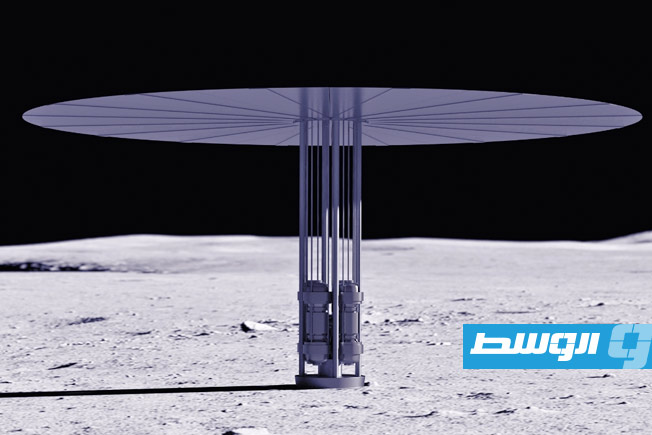
– Major technology companies are betting on nuclear power to meet their electricity appetite.
Concerns are escalating internationally about this “technological grip.” In India, which is investing heavily in data centers, experts fear reliance on massive diesel generators as a backup source, adding a “huge carbon burden” to the national grid.
Criticism has been leveled at the limited environmental disclosures by technology companies. For example, one major company did not account for the water consumption required to generate electricity when evaluating one of its AI systems. Although the company announced it had successfully reduced some emissions by 12%, it acknowledged that achieving its climate goals has become more complicated due to the huge surge in the use of chatbots during 2025.