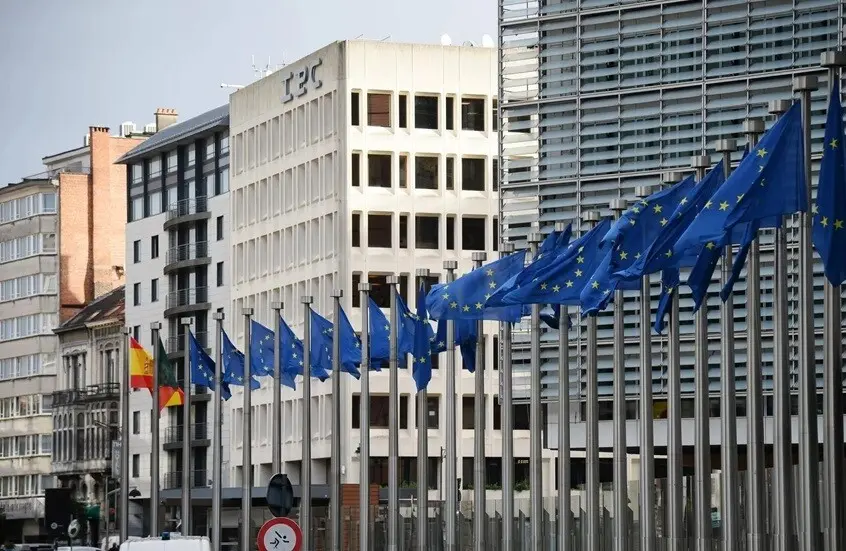
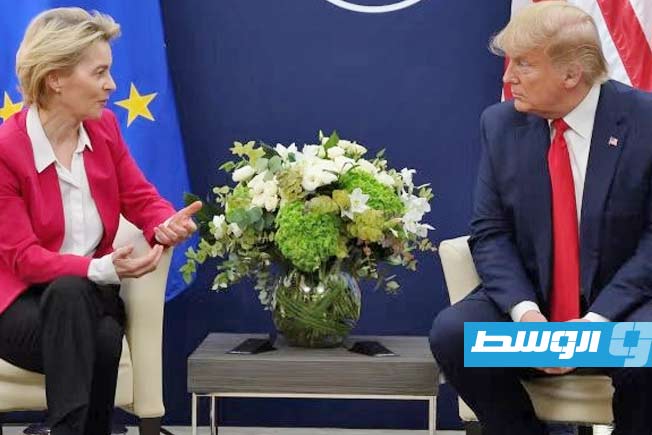
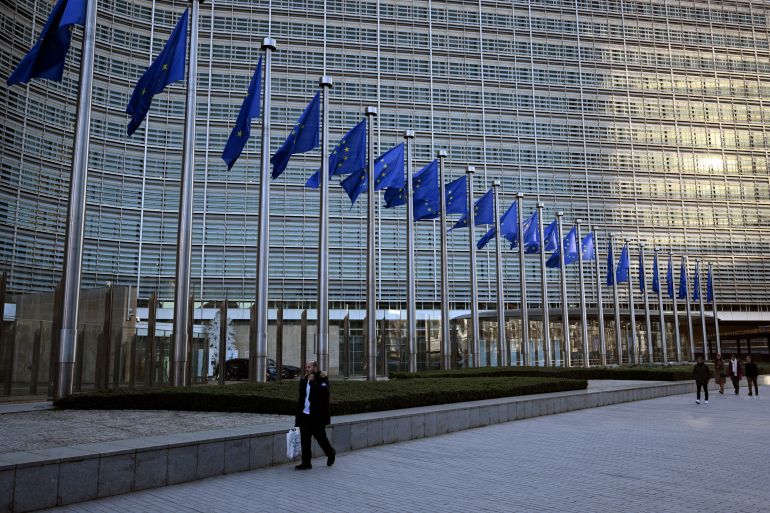
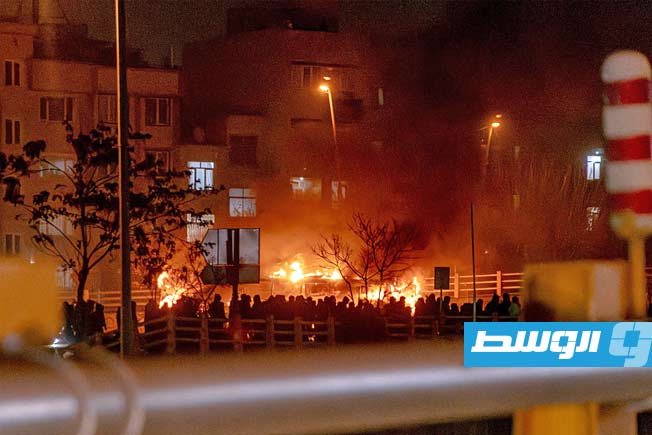
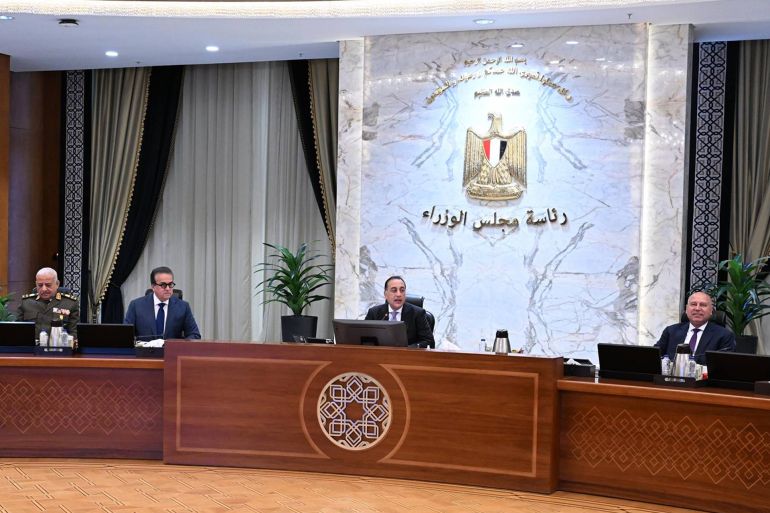
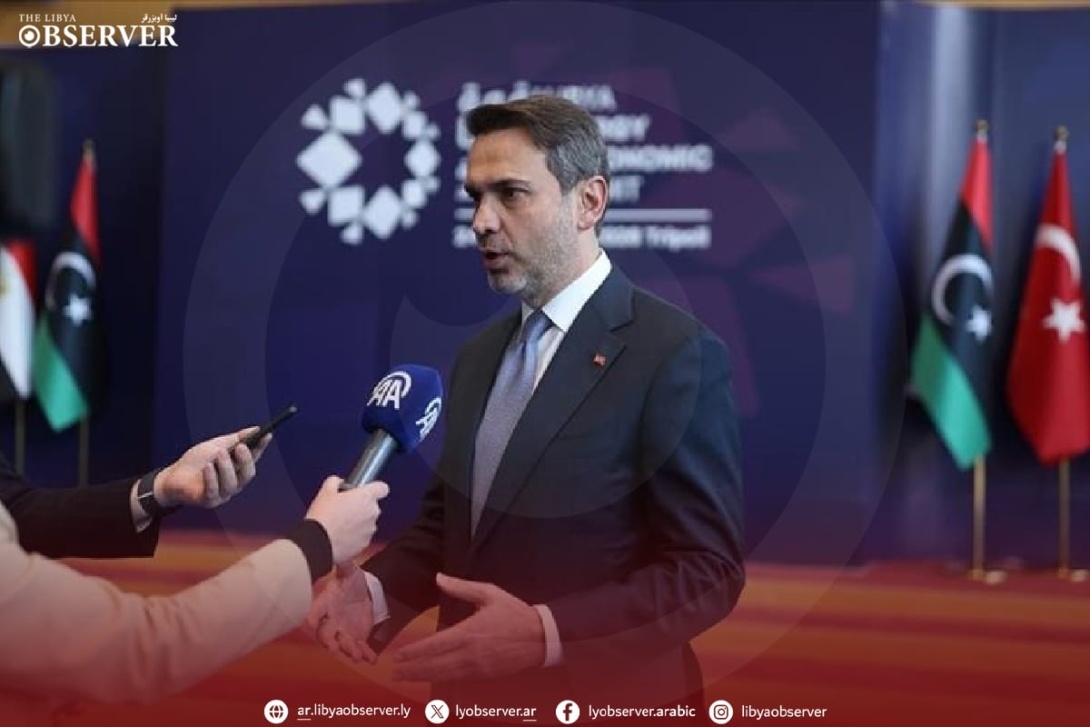
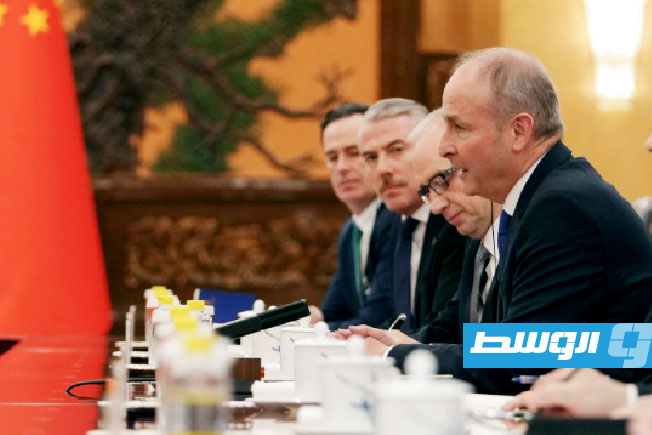
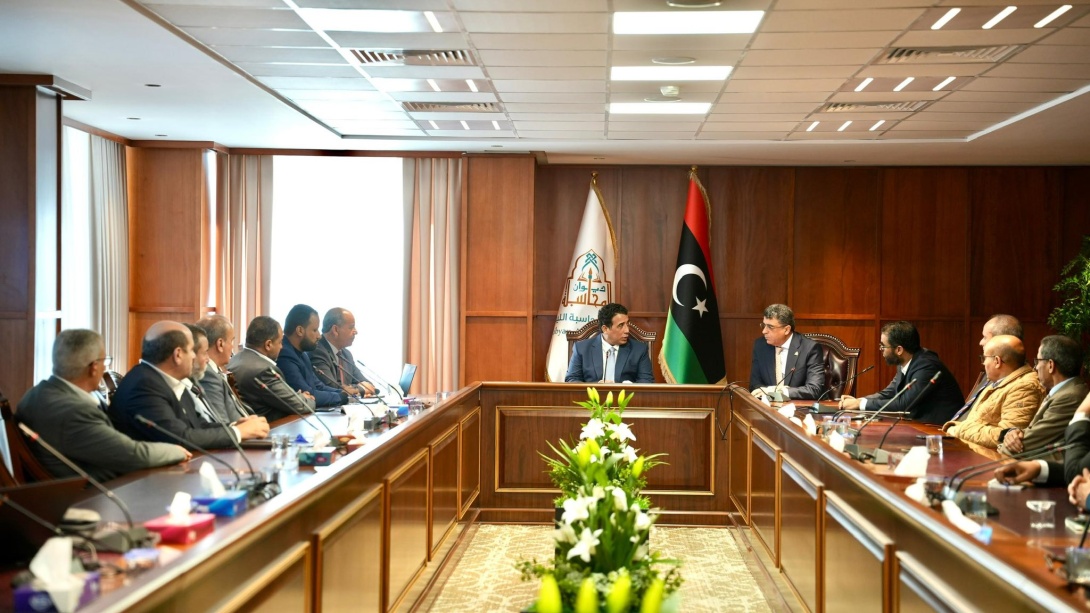
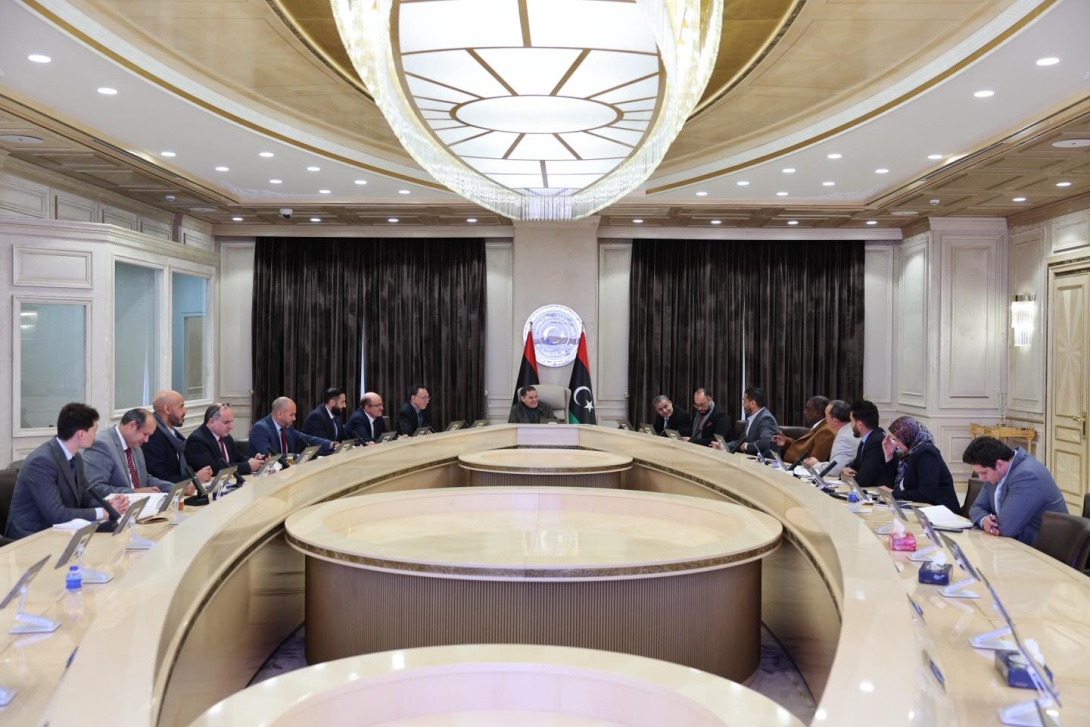
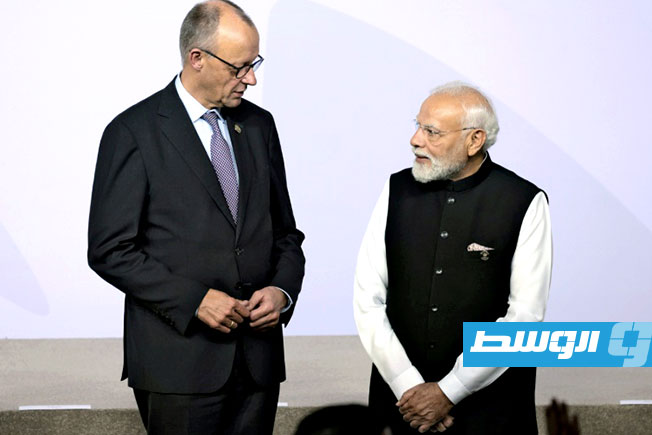
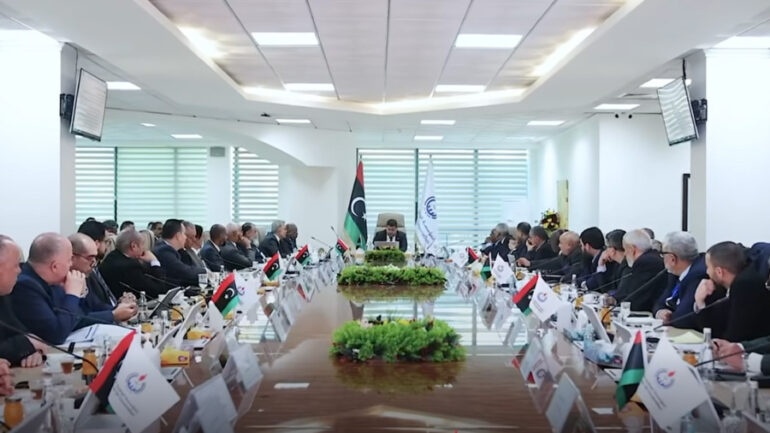
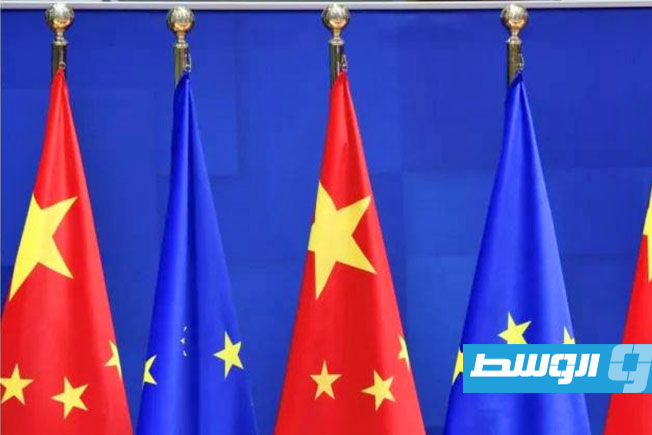
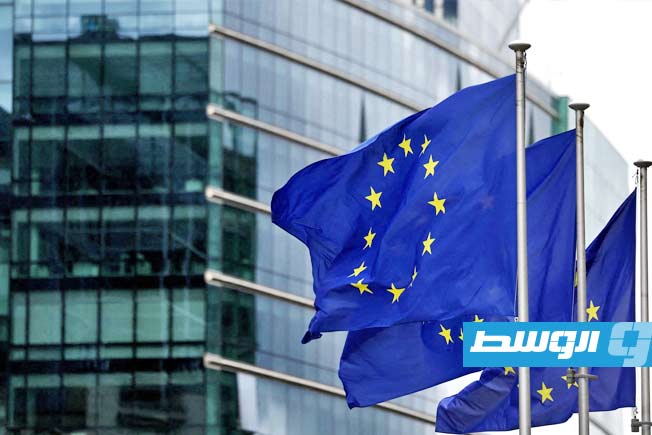
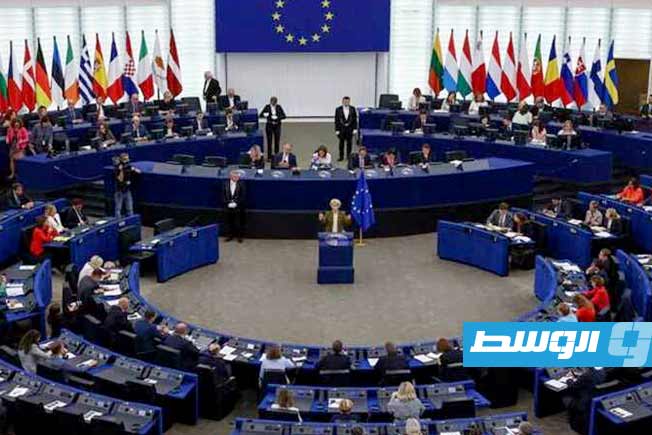
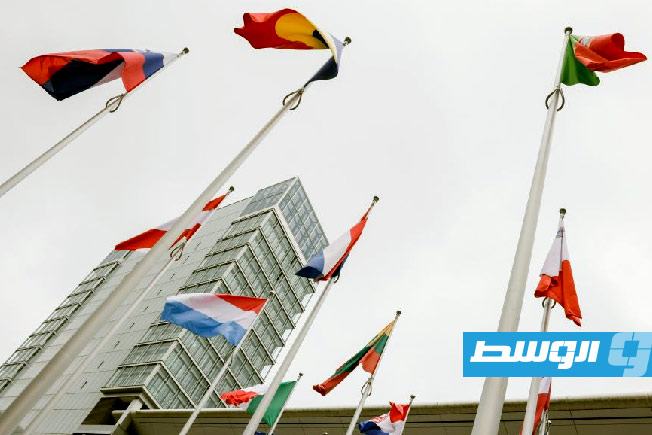
The European Union summit in Brussels, which began on December 18, concluded without reaching a decision on seizing frozen Russian assets. Global media described this move as a “failure, political division, and a collapse of European leadership.”
It was confirmed upon arrival that the summit would not end until the issue of funding for Ukraine was resolved, with one of the options being the seizure of Russian assets under the cover of a “compensation loan” scheme.
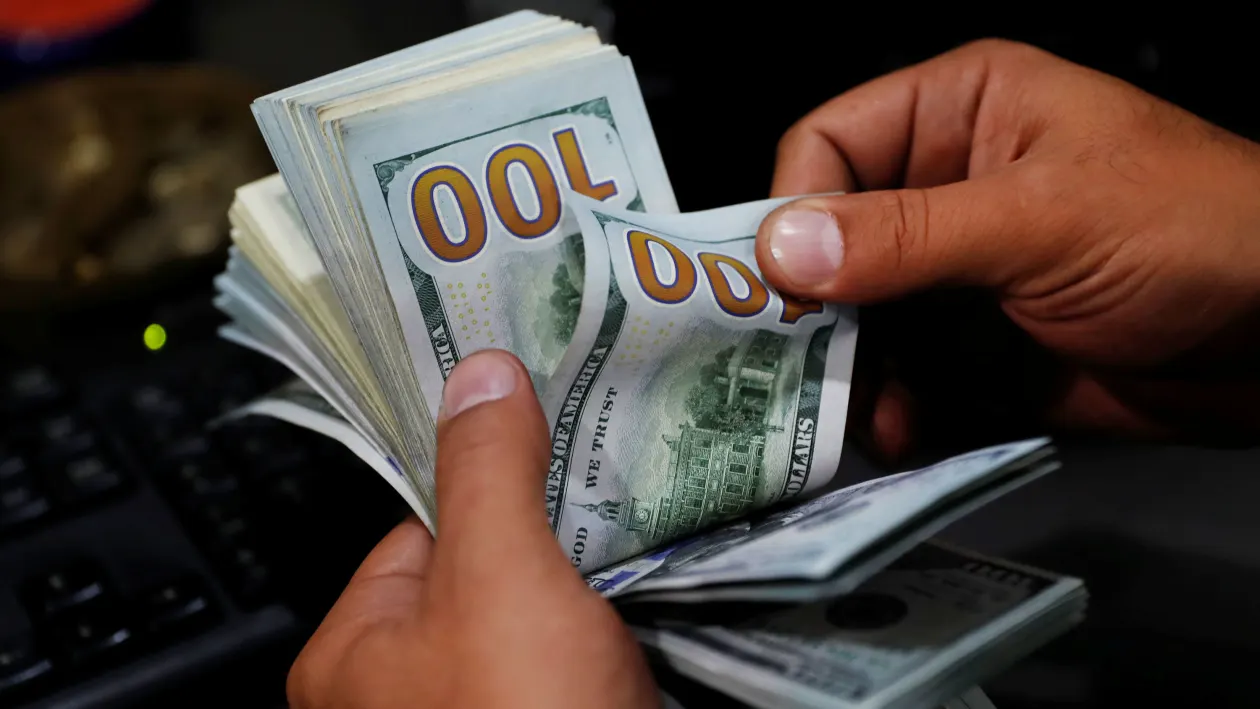
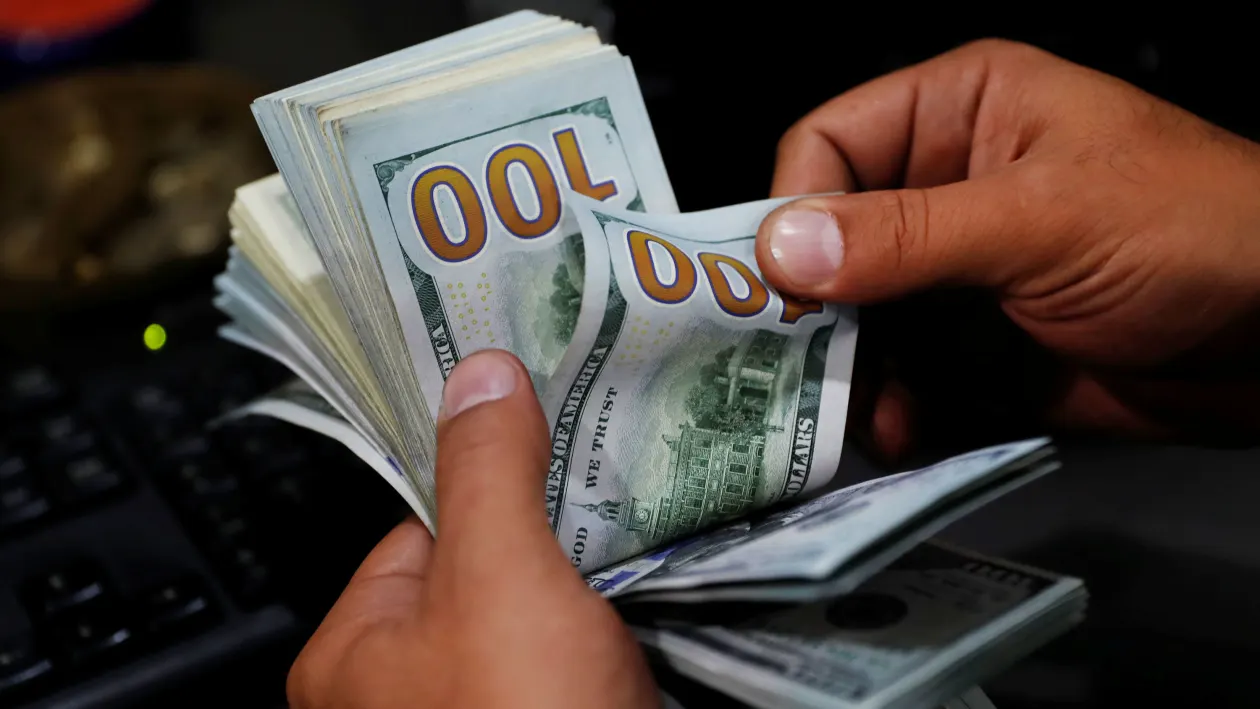
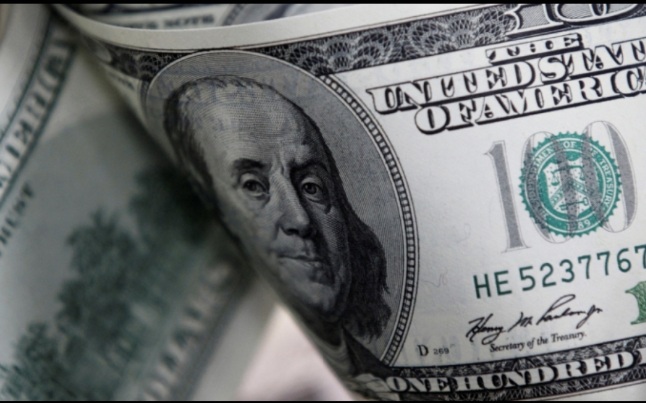
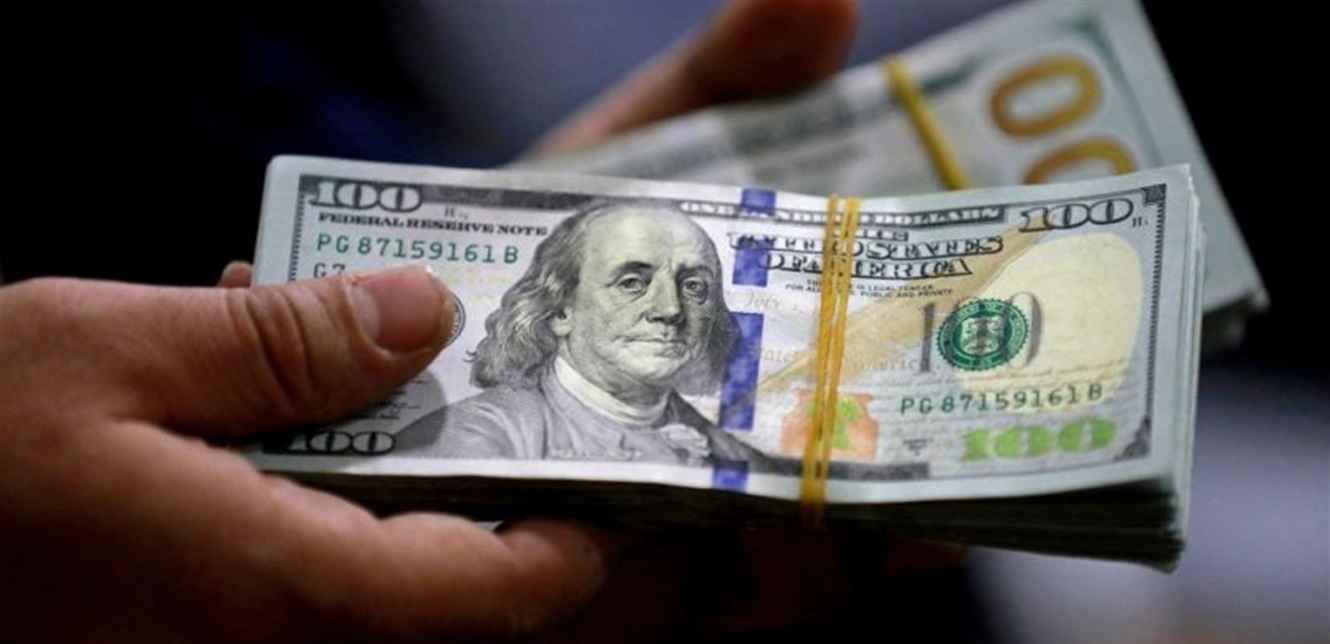
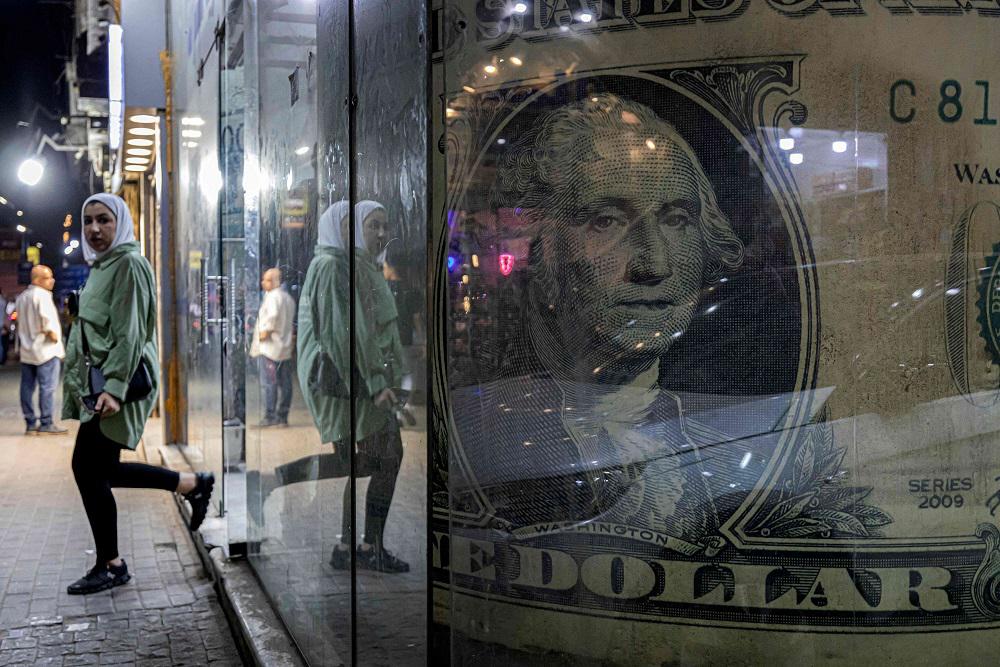
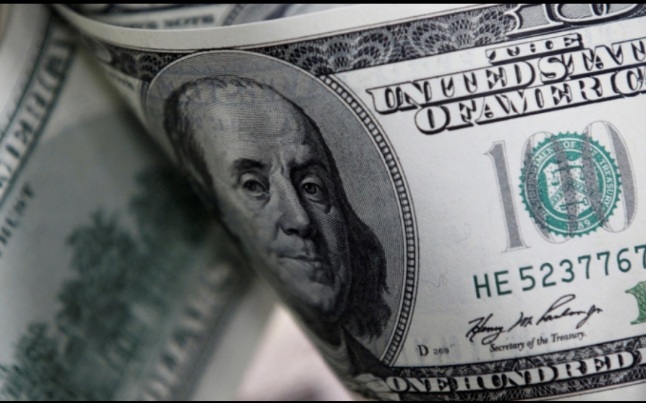
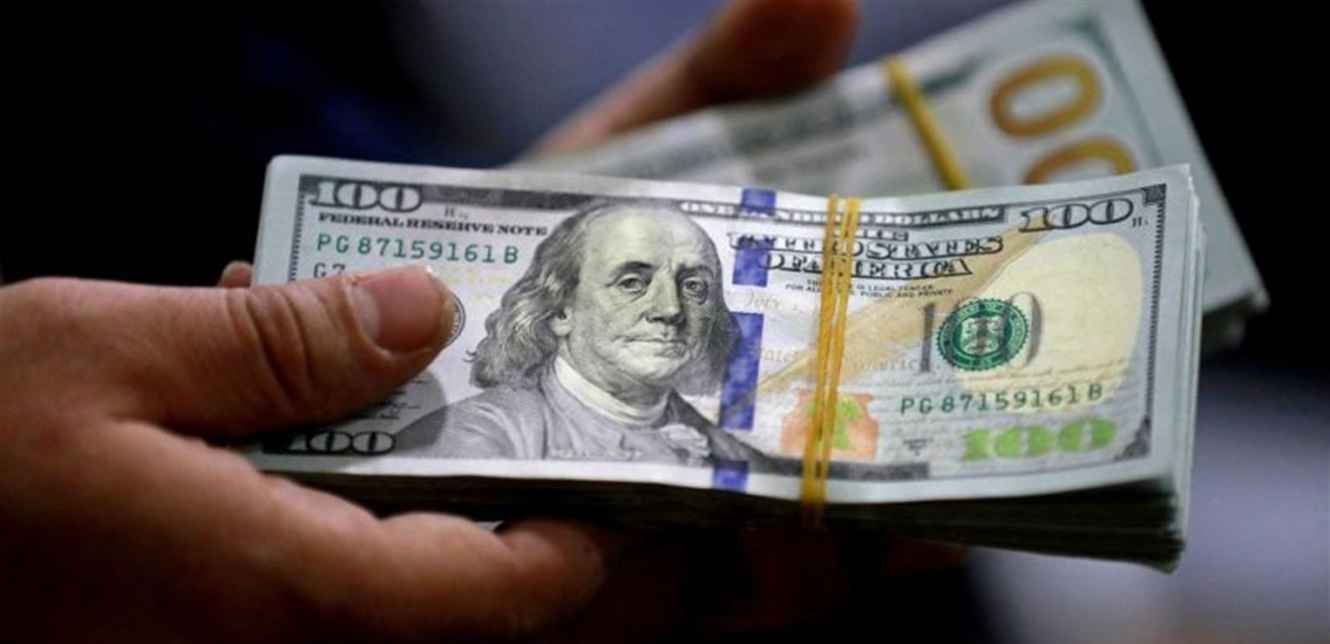
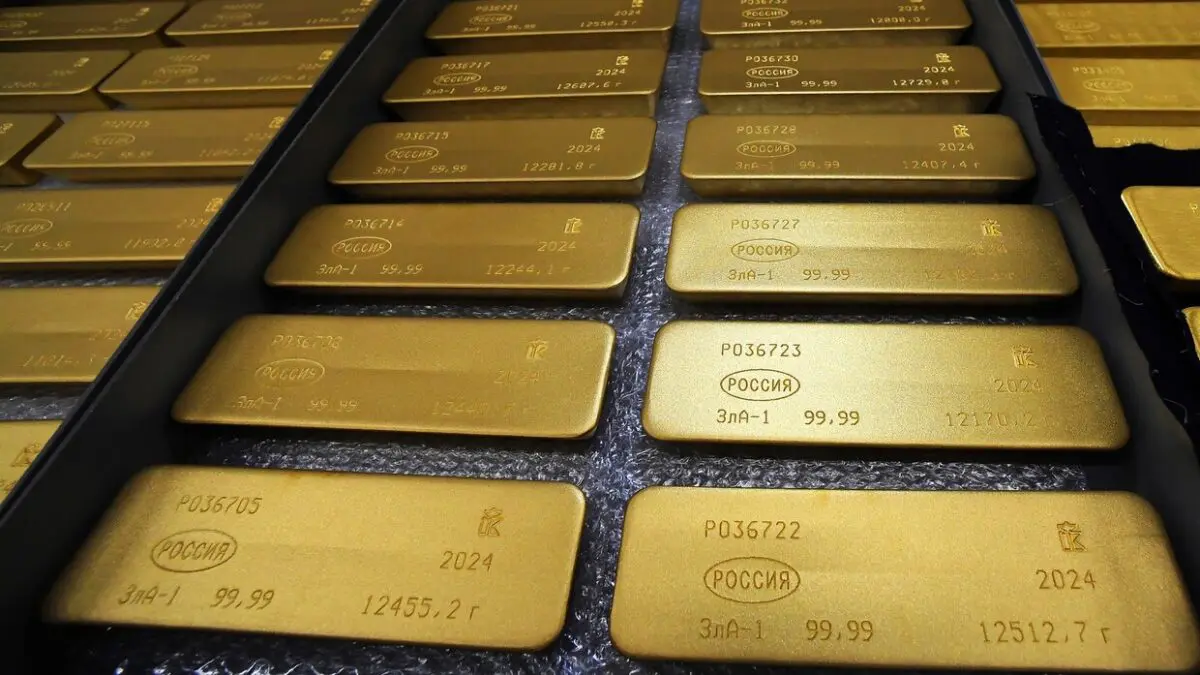
However, leaders ended the summit on Friday evening and decided to grant Ukraine an interest-free loan of 90 billion euros through the EU’s collective loan mechanism, while keeping the frozen Russian assets untouched without any seizure.
Media highlighted the decision as a political blow, as leaders were unable to implement the plan that had been promoted.
The decision was described as a “political collapse” for European leadership, while it was noted that future loan repayments from Russian assets are “not guaranteed,” and the summit simply postponed solving the problem.
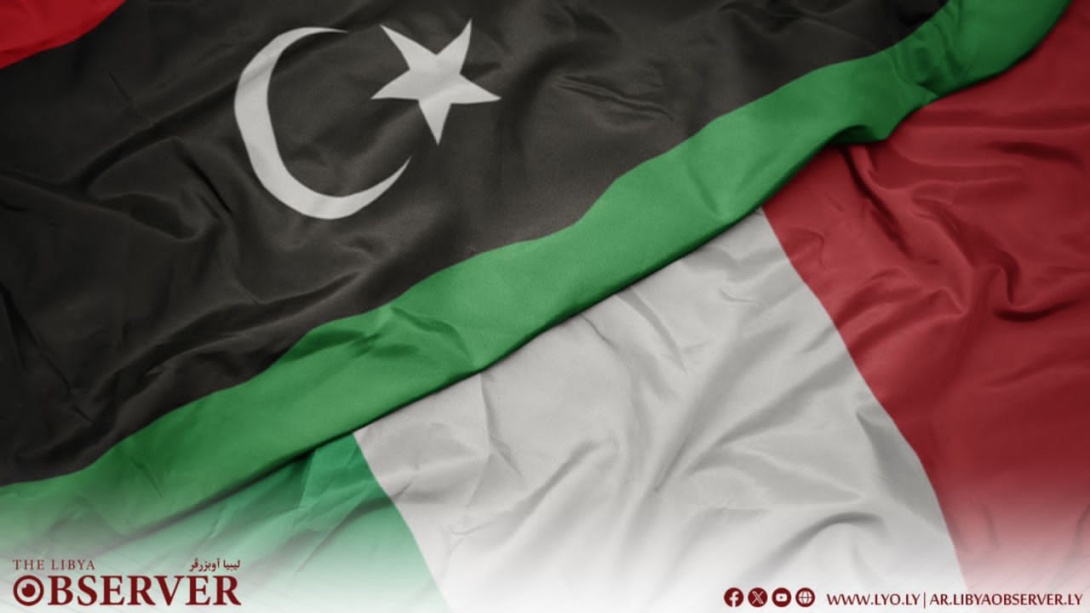
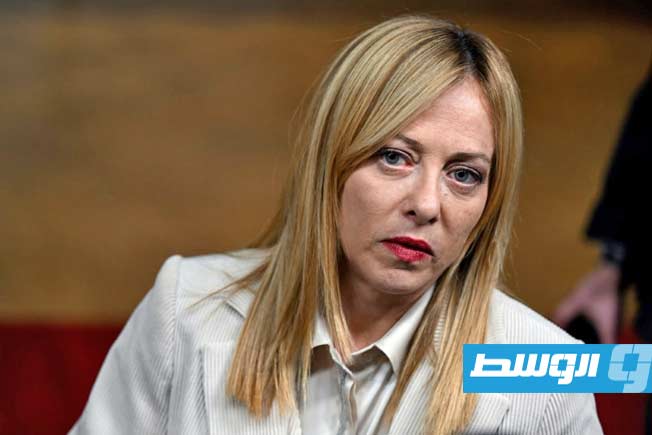
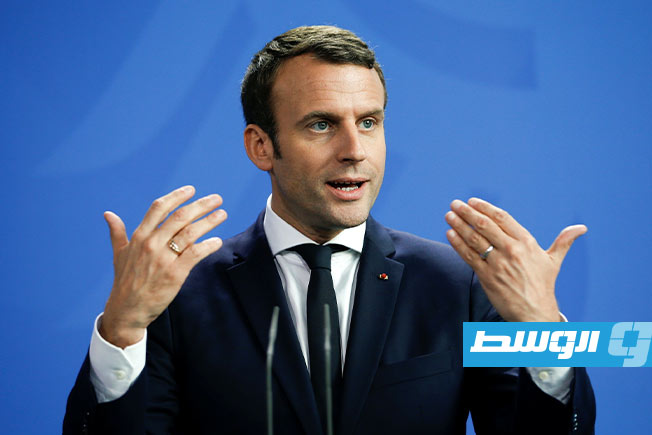
It was reported that France and Italy played a key role in discussing the plan, with the Italian Prime Minister being the “main obstacle” to seizure, while the French President expressed doubts about his parliament’s support for the plan, which contributed to complicating the project.
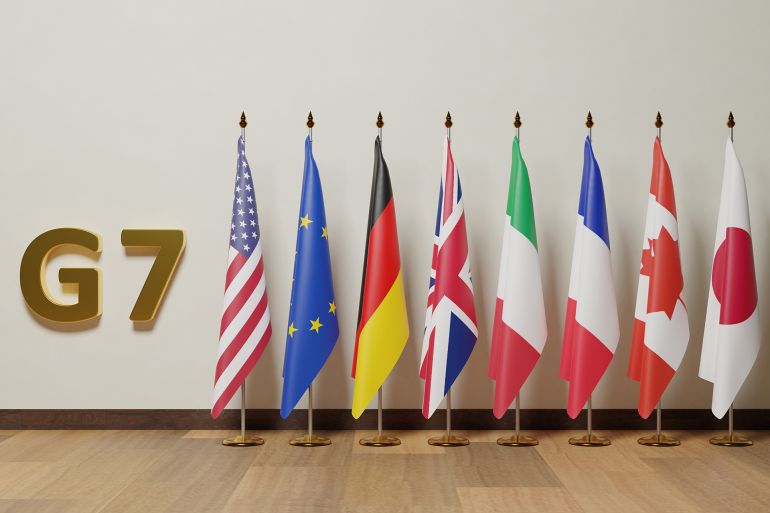
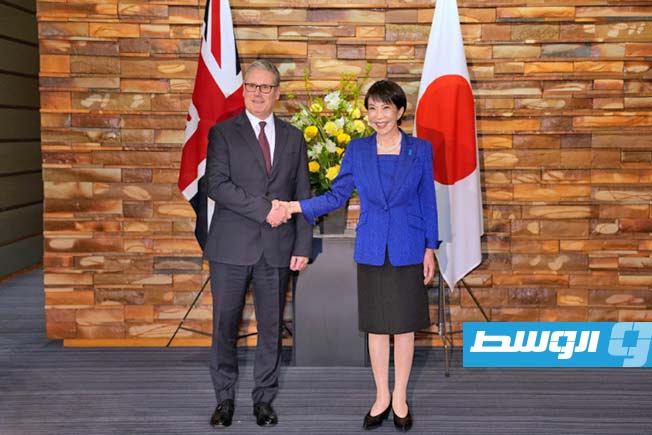
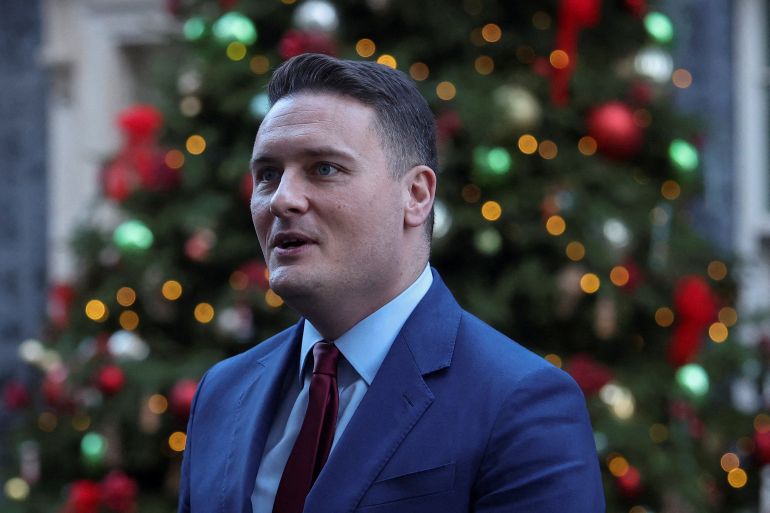
In contrast, the British government announced its refusal to take any unilateral action to seize Russian assets, confirming continued cooperation with the G7 and the European Union to provide financial support to Ukraine.
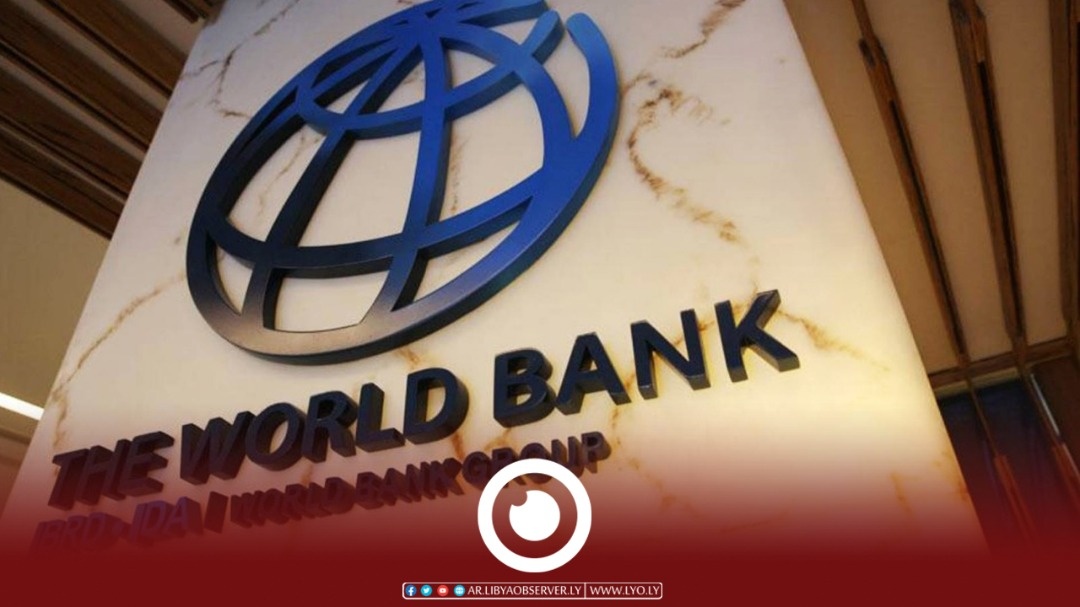
London decided to provide credit guarantees worth $2 billion through the World Bank in early 2026, along with a commitment to allocate £3 billion annually to support Ukraine militarily until 2030.
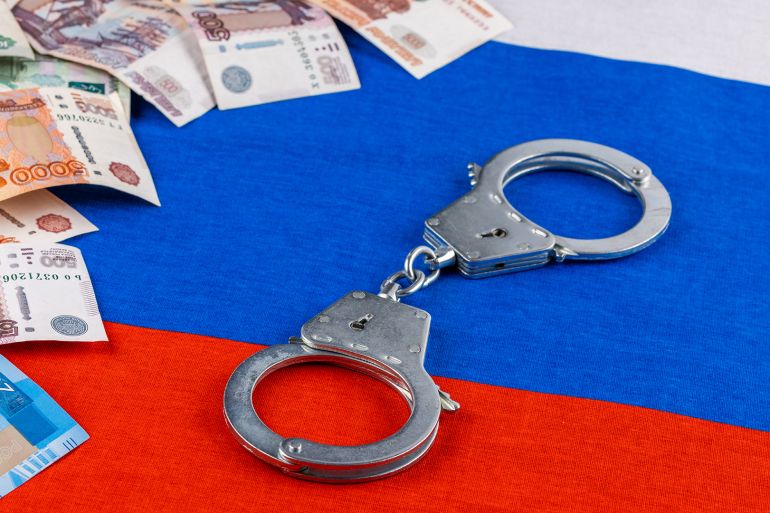
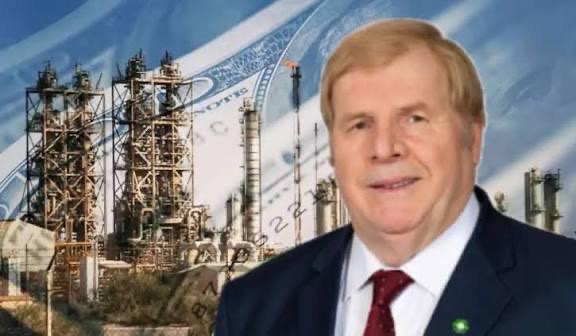
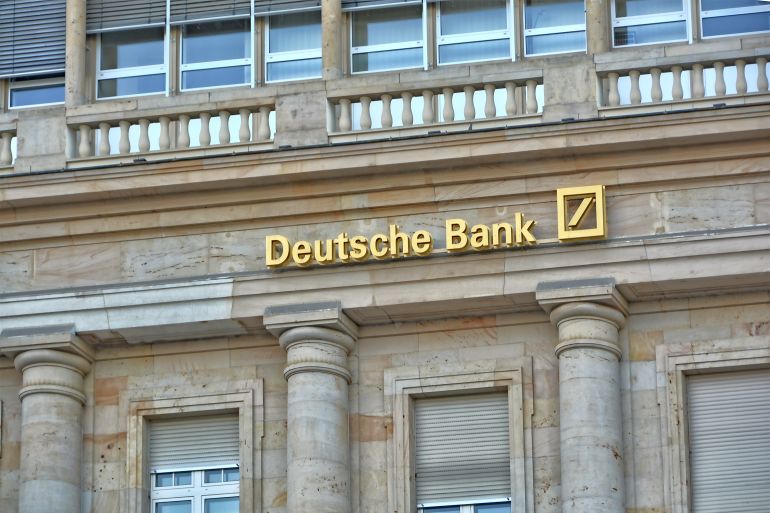
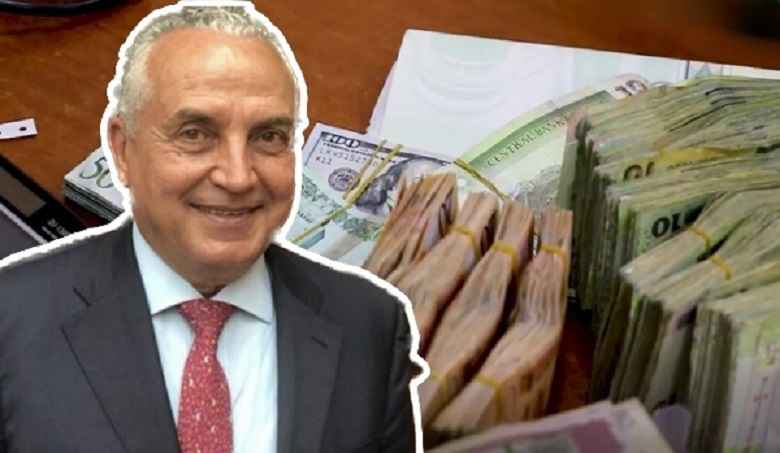
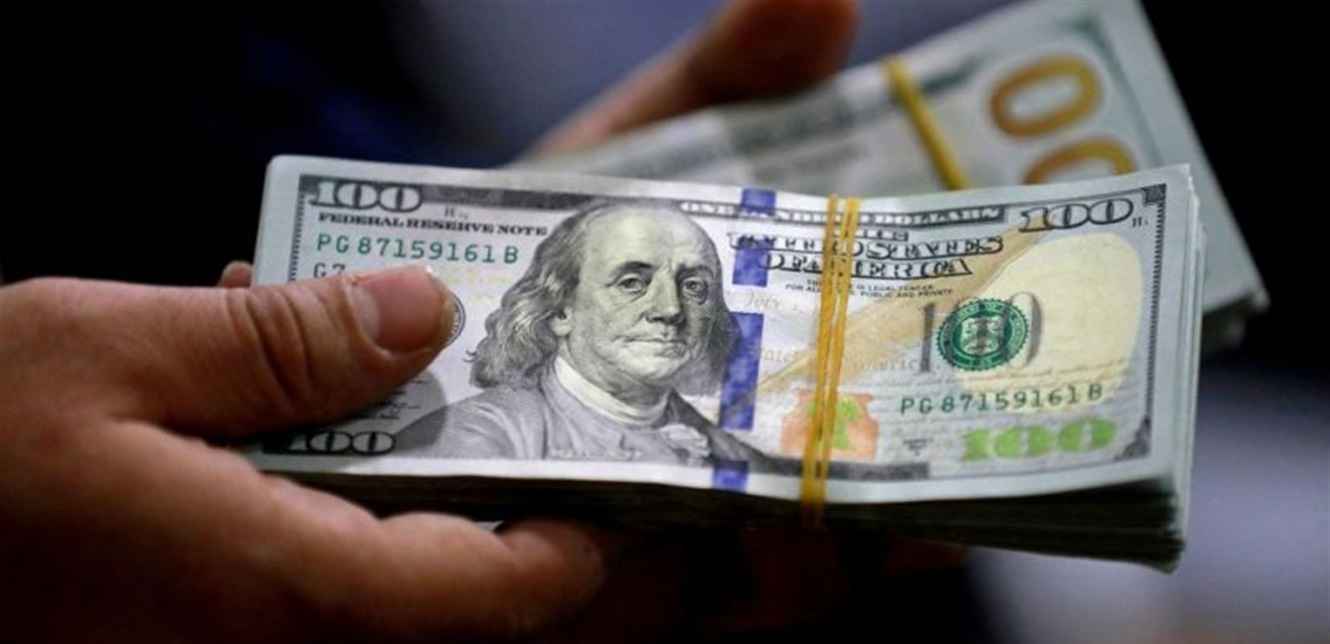
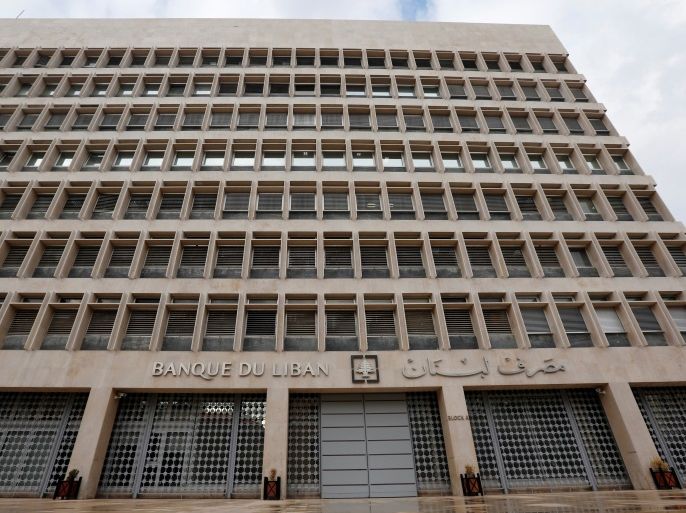
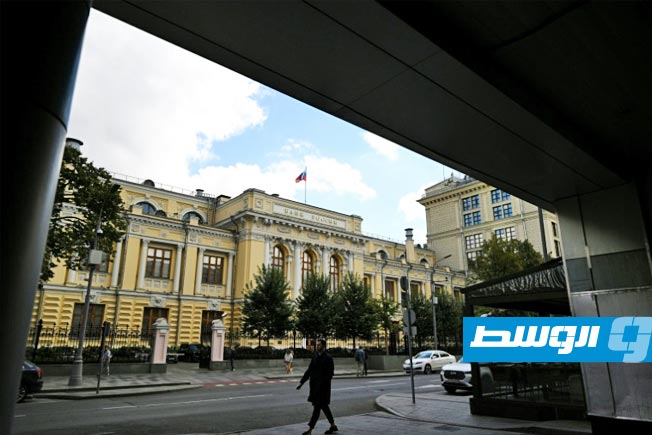
These developments come after the Russian Central Bank filed a lawsuit against the Belgian “Euroclear” platform, which holds approximately 180 billion euros in frozen assets, warning that any decision to seize assets “undermines the fundamental pillar of the international financial system’s operation.”
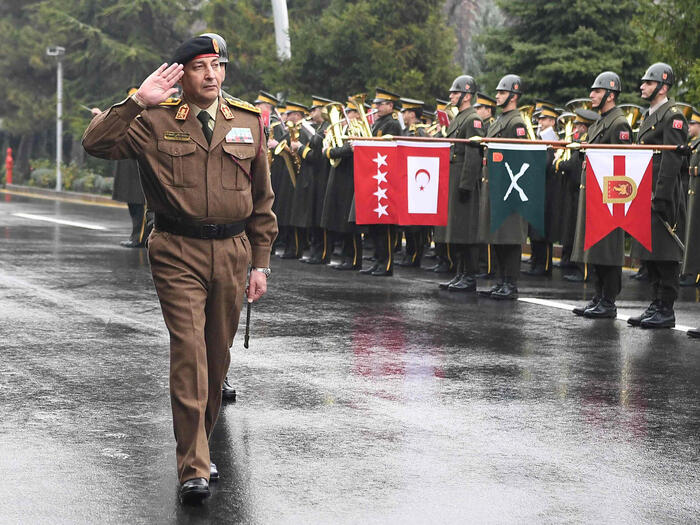
In a separate move, Russia announced the termination of a number of military agreements with Germany, Poland, Norway, and other Western countries, as part of a reassessment of its commitments in line with its national interests.
The agreements include military cooperation established during the 1990s, including memoranda of understanding and bilateral agreements with Britain, Romania, Denmark, the Netherlands, Croatia, Belgium, and the Czech Republic.
Regarding the Ukrainian crisis, a warning was issued about the necessity for Ukraine to be prepared for the war to continue into 2026, confirming that a peaceful settlement has not yet been achieved and that fighting may extend into the winter.
Meanwhile, a plan to settle the crisis was announced, confirming continued support for Ukraine, while a firm stance was reiterated based on the outcomes of last summer’s summit.
European Union
The European Union (EU) is a political and economic union of 27 European countries, founded after World War II to foster economic cooperation and prevent future conflict. It has evolved from the European Coal and Steel Community in 1951 into a major supranational entity with a single market, a common currency used by 20 members, and shared policies on various issues.
Brussels
Brussels is the capital city of Belgium and the de facto administrative capital of the European Union. Its history dates back to a 10th-century fortress settlement, and it grew into a major commercial center during the medieval period, later becoming a hub for international politics and diplomacy in the 20th century. The city is renowned for its Grand Place, a UNESCO World Heritage site, and its mix of Gothic and Art Nouveau architecture.
Ukraine
Ukraine is a country in Eastern Europe with a rich history dating back to the medieval state of Kyivan Rus. It has experienced periods of independence as well as rule by various empires, before regaining its sovereignty in 1991 following the dissolution of the Soviet Union. The nation is known for its distinct cultural traditions, Orthodox Christian heritage, and significant agricultural and industrial regions.
Russia
Russia is the world’s largest country by area, spanning Eastern Europe and Northern Asia. Its history is marked by the rise and fall of the Kievan Rus’, the Tsardom of Russia, the Russian Empire, and the Soviet Union, before becoming the Russian Federation in 1991. It is renowned for its vast landscapes, rich cultural heritage in literature, music, and art, and influential historical figures.
France
France is a Western European country with a rich history dating back to ancient Gaul, later evolving through monarchy, revolution, and empire to become a modern republic. It is globally renowned for its influential art, philosophy, cuisine, and landmarks like the Eiffel Tower and the Palace of Versailles.
Italy
Italy is a country in Southern Europe with a rich cultural history that dates back to the Roman Empire, which was one of the largest and most influential civilizations of antiquity. It later became the birthplace of the Renaissance, a period of immense artistic and intellectual achievement centered in cities like Florence and Rome. Today, Italy is renowned for its historic landmarks, artistic treasures, and profound influence on Western culture, law, and art.
British government
The British government is the executive authority of the United Kingdom, operating under a constitutional monarchy and a parliamentary democracy. Its modern structure, centred on the Prime Minister and Cabinet, evolved from historical institutions like the monarchy and Parliament, with its foundations significantly shaped by events such as the Glorious Revolution of 1688.
London
London is the capital of the United Kingdom, a major global city founded by the Romans as Londinium nearly 2,000 years ago. Its long history is reflected in landmarks like the Tower of London, Westminster Abbey, and the modern London Eye, showcasing its evolution from a Roman settlement to a preeminent financial and cultural centre.
World Bank
The World Bank is an international financial institution founded in 1944 at the Bretton Woods Conference to help rebuild nations after World War II. Its primary mission has since evolved to focus on providing loans, grants, and expertise to developing countries for projects aimed at reducing poverty and fostering sustainable economic development.
Russian Central Bank
The Russian Central Bank, originally established in 1860 as the State Bank of the Russian Empire, is the country’s primary monetary authority. It was re-founded in its current form in 1990 following the dissolution of the USSR, tasked with issuing currency, protecting the ruble’s stability, and overseeing the national banking system.
Belgian Euroclear platform
The Belgian Euroclear platform is a leading financial services company specializing in the settlement of securities transactions, founded in Brussels in 1968. It was originally created to settle trades in the then-growing Eurobond market and has since evolved into a critical global infrastructure for clearing and settling domestic and international securities.
Germany
Germany is a country in Central Europe with a complex history, having been a collection of states for centuries before unifying in 1871. It was a central power in both World Wars, and its post-World War II division into East and West Germany symbolized the Cold War, before reunifying in 1990. Today, it is a leading economic and political force in the European Union, known for its rich cultural heritage in philosophy, music, and science.
Poland
Poland is a Central European country with a rich and complex history, marked by its establishment as a unified state in the 10th century, a period of great power during the Polish-Lithuanian Commonwealth, and its resilient survival through partitions and 20th-century occupations. Its cultural heritage is reflected in numerous UNESCO World Heritage sites, including the historic centers of Kraków and Warsaw, and the profound legacy of figures like composer Frédéric Chopin and scientist Marie Curie.
Norway
Norway is a Nordic country in Northern Europe known for its dramatic fjords, Viking heritage, and modern prosperity. Its history includes the Viking Age (circa 800–1050 AD), a long union with Denmark and later Sweden, and full independence achieved in 1905. Today, it is a constitutional monarchy celebrated for its natural beauty and high standard of living.
Britain
Britain is a sovereign island nation in northwestern Europe with a long and influential history, including the Roman occupation, the formation of the United Kingdom, and the vast British Empire. Its modern culture and political systems have been profoundly shaped by this past, from its constitutional monarchy and parliamentary democracy to its global linguistic and cultural impact.
Romania
Romania is a country in Southeastern Europe, historically formed from the principalities of Moldavia, Wallachia, and Transylvania. It is renowned for its preserved medieval towns, the Carpathian Mountains, and the legend of Count Dracula associated with Bran Castle.
Denmark
Denmark is a Scandinavian country in Northern Europe with a rich history dating back to the Viking Age, when it was a major seafaring power. Today, it is known as a modern constitutional monarchy and is famous for its design, social welfare model, and historical sites like Kronborg Castle, the setting of Shakespeare’s *Hamlet*.
Netherlands
The Netherlands, a country in Northwestern Europe, is historically known for its extensive water management systems, including iconic windmills and dikes, which have been used for centuries to reclaim land from the sea. Its rich cultural heritage is marked by the Dutch Golden Age of the 17th century, a period of immense wealth, artistic achievement with masters like Rembrandt and Vermeer, and global trade dominance through the Dutch East India Company.
Croatia
Croatia is a country in Southeast Europe with a rich history shaped by Roman, Venetian, Ottoman, and Austro-Hungarian influences, gaining independence from Yugoslavia in 1991. Its cultural sites include the well-preserved Roman-era Diocletian’s Palace in Split and the historic city of Dubrovnik, a UNESCO World Heritage site known for its medieval walls.
Belgium
Belgium is a Western European country known for its rich cultural heritage and complex history, having been part of various European powers before gaining independence in 1830. It is famous for its medieval towns, Renaissance architecture, and as the headquarters of the European Union and NATO. The nation is culturally divided between the Dutch-speaking Flemish region in the north and the French-speaking Wallonia region in the south.
Czech Republic
The Czech Republic is a Central European country formed in 1993 after the peaceful dissolution of Czechoslovakia. Its history is deeply rooted in the medieval Kingdom of Bohemia, a significant power within the Holy Roman Empire, and its lands feature numerous historic castles, spa towns, and the well-preserved capital city of Prague.