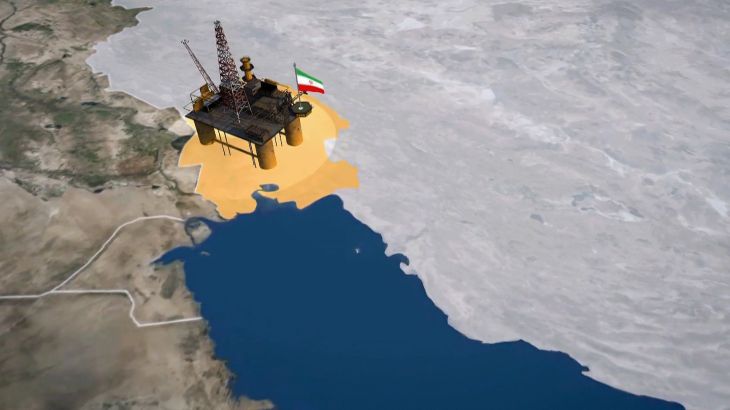
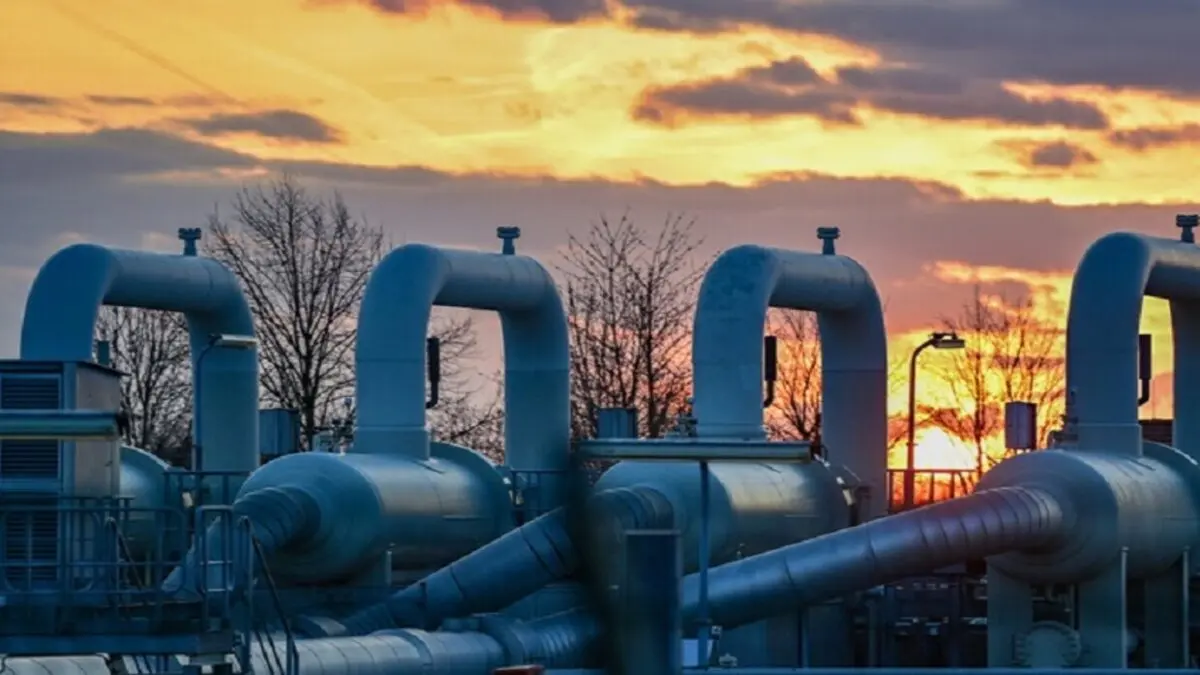
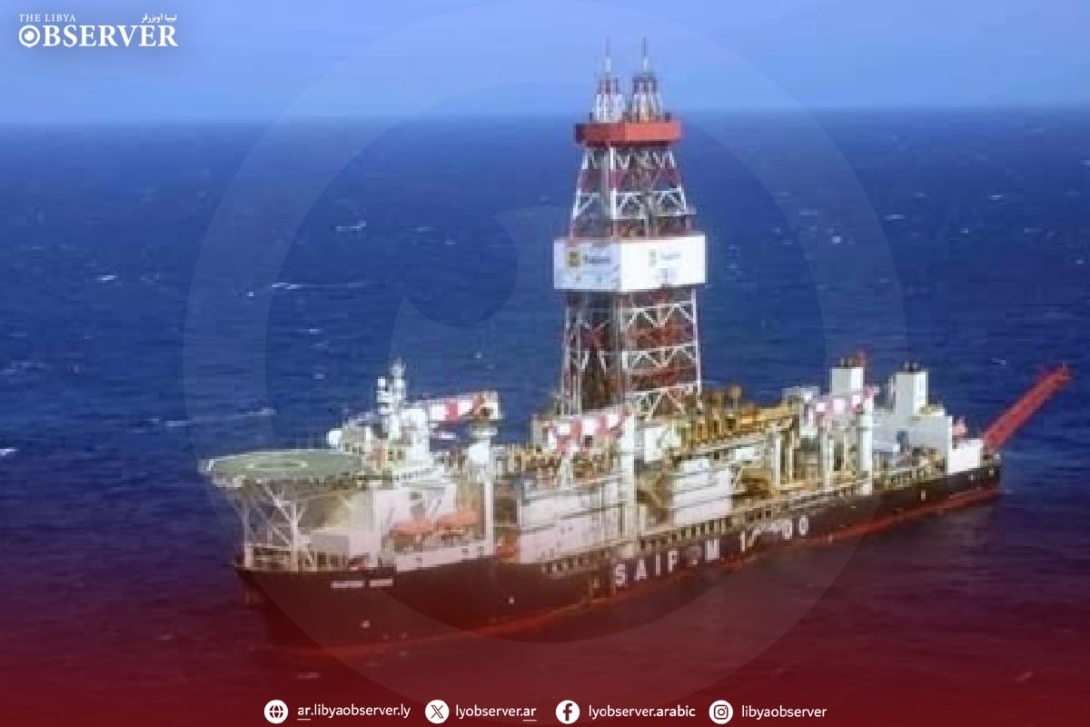
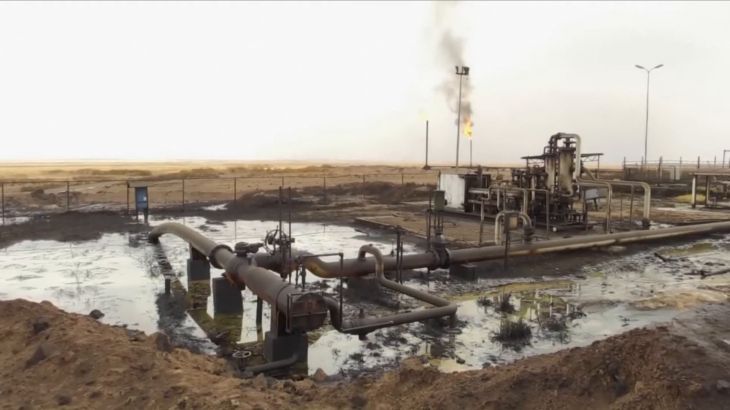
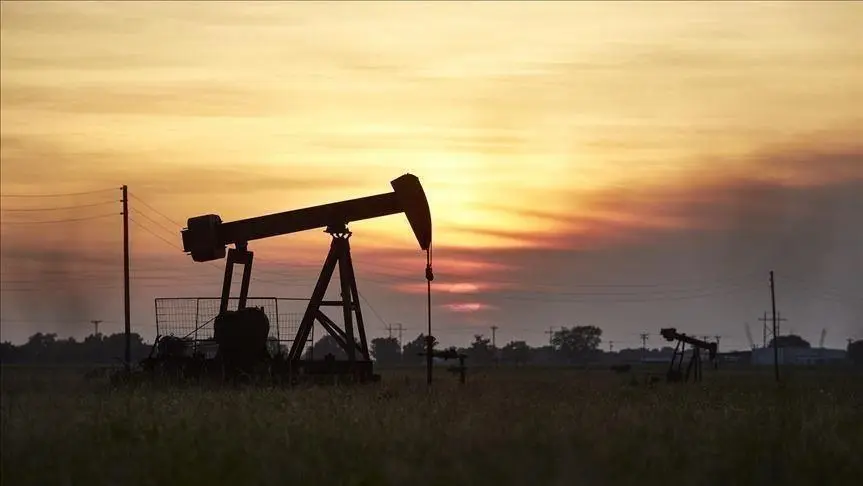
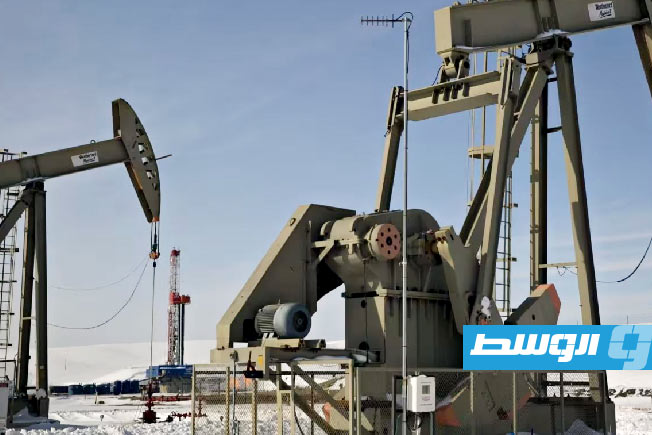
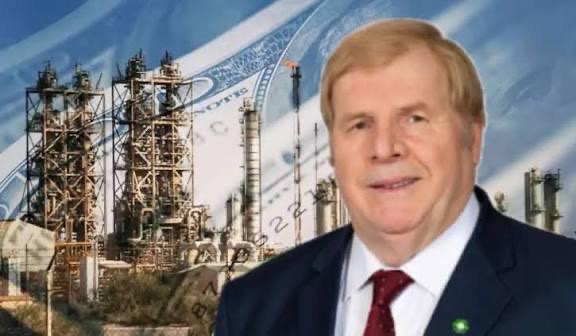
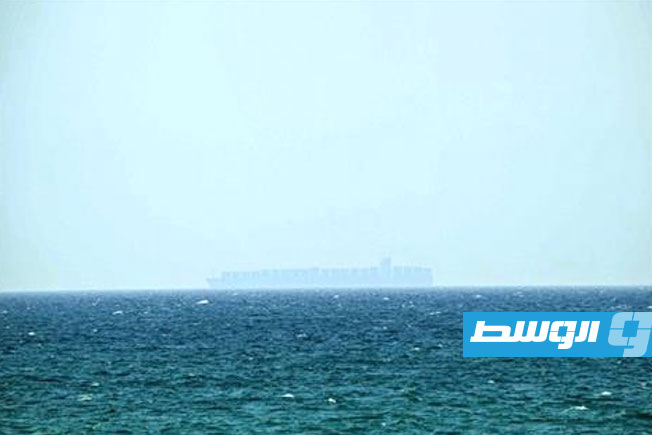
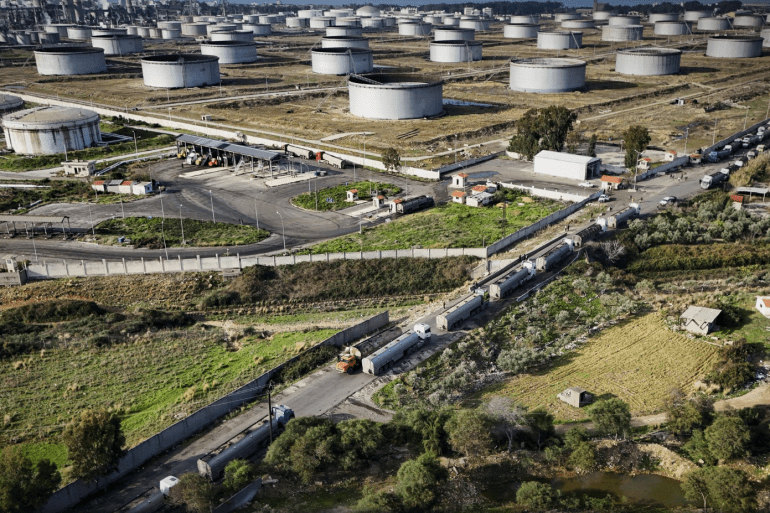
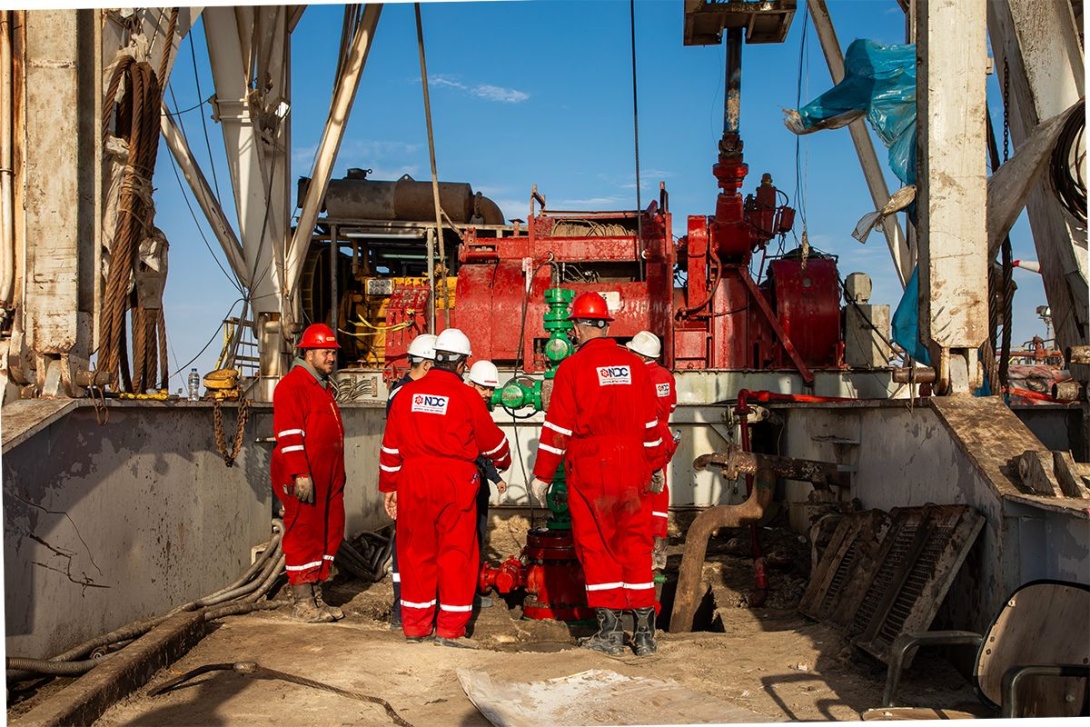
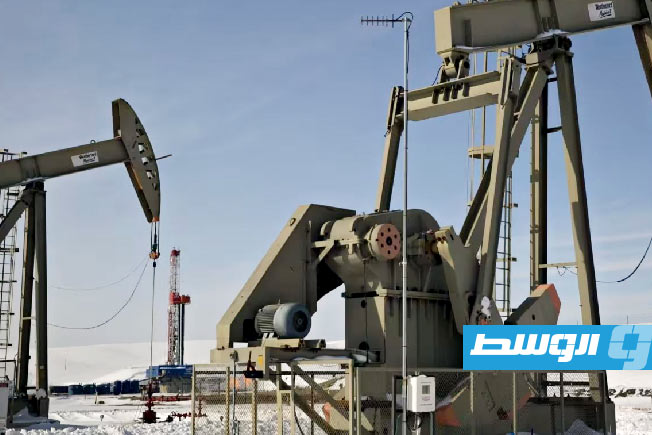
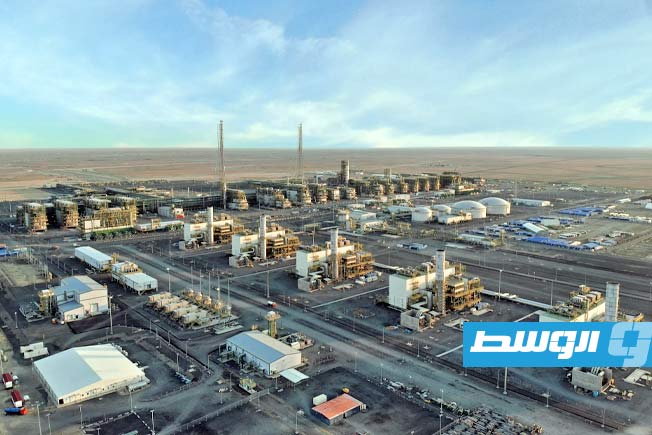
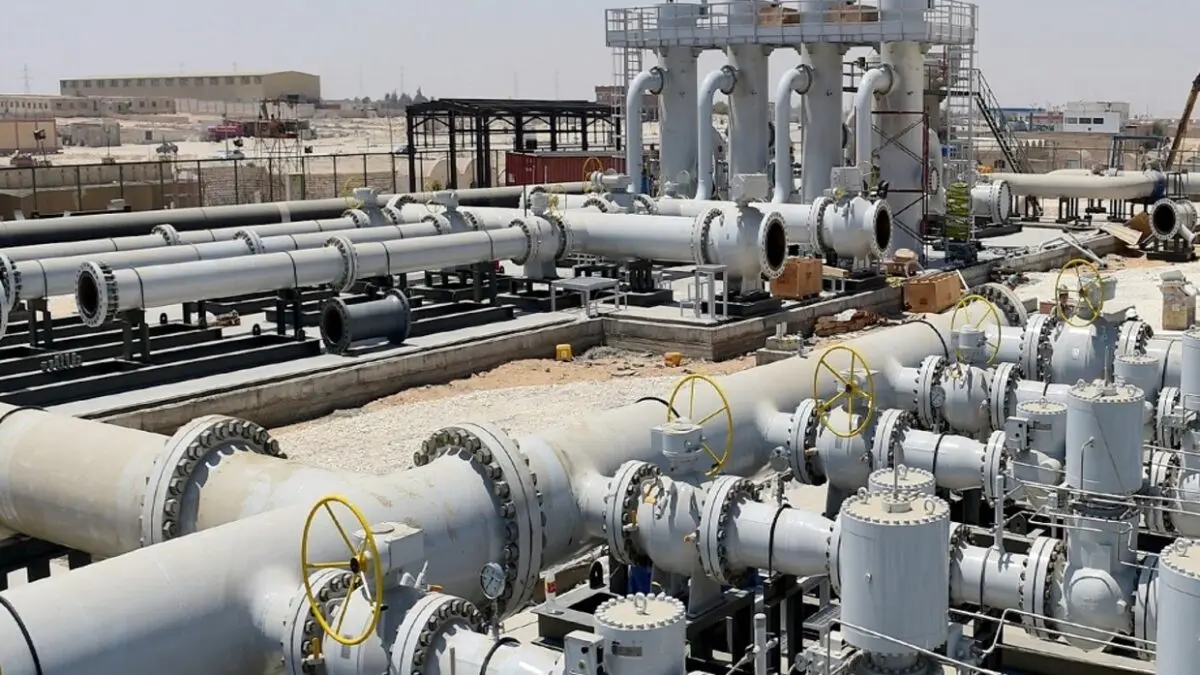
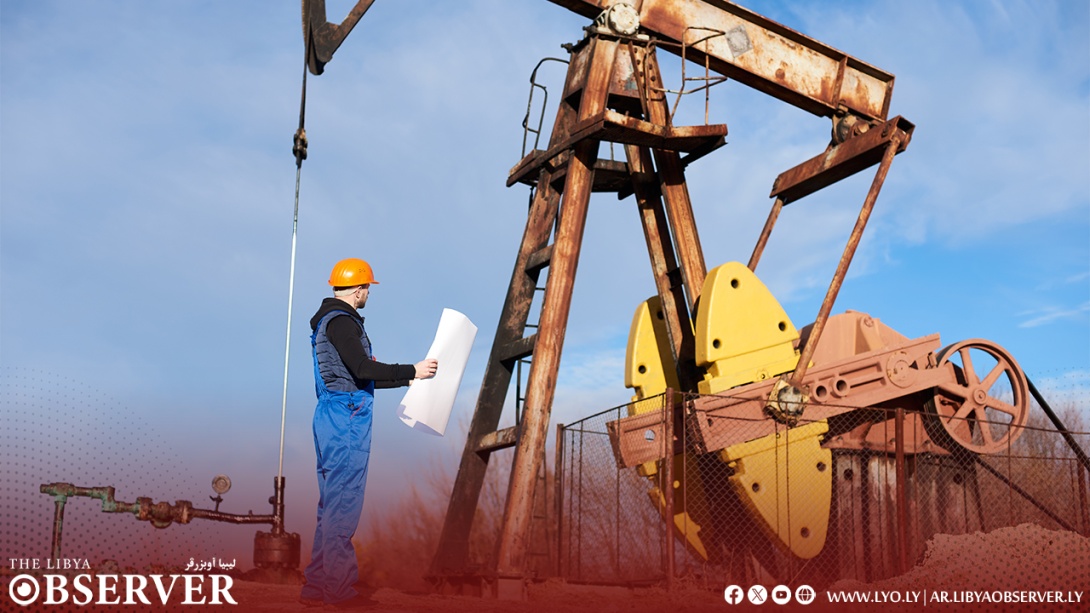
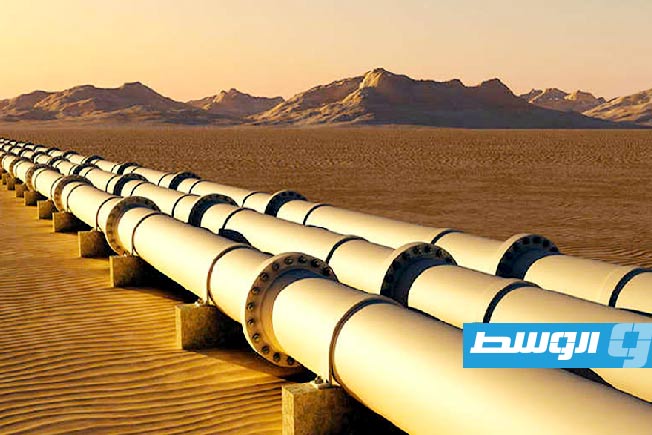
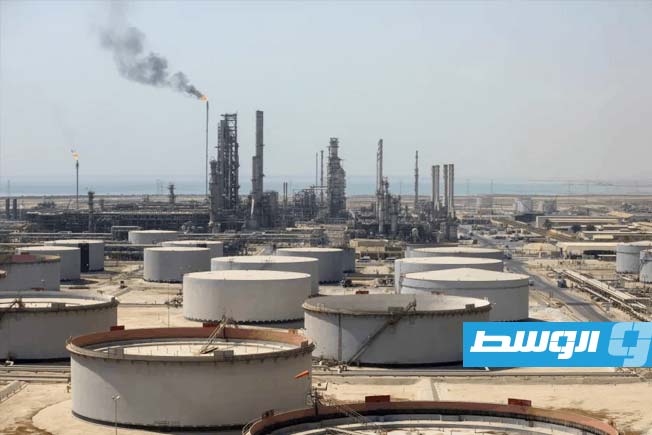
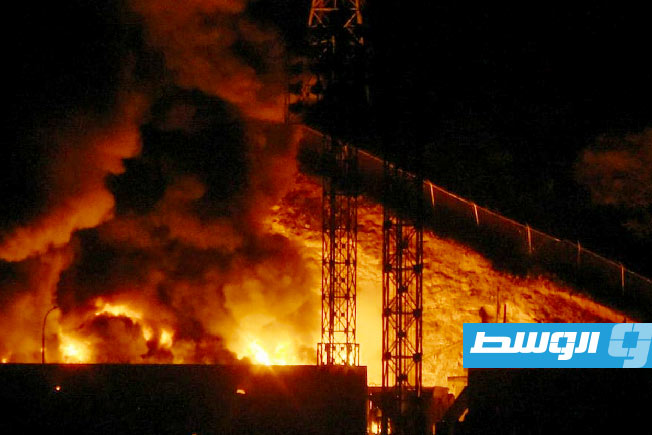
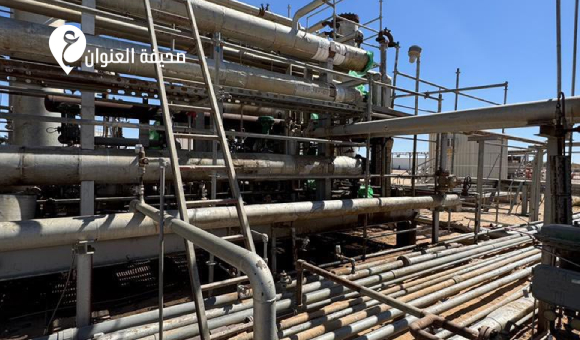
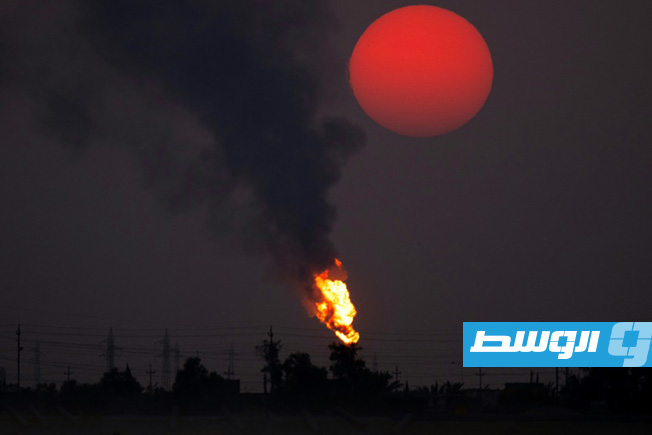
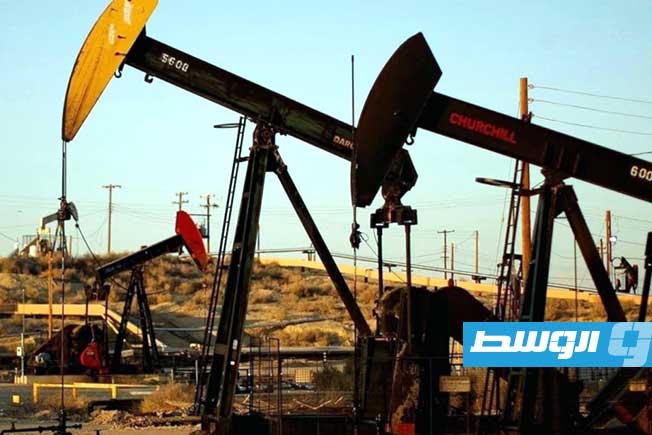
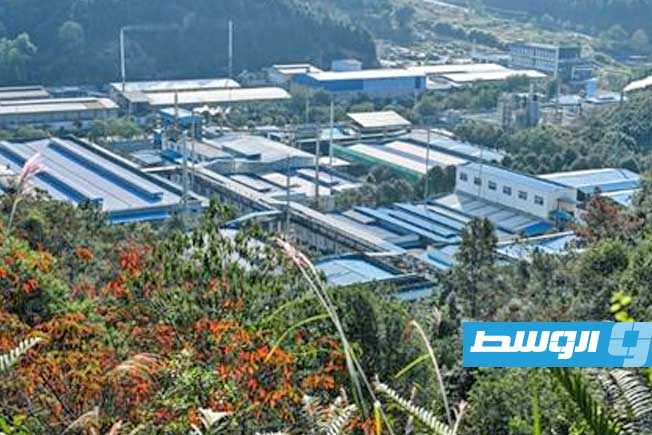
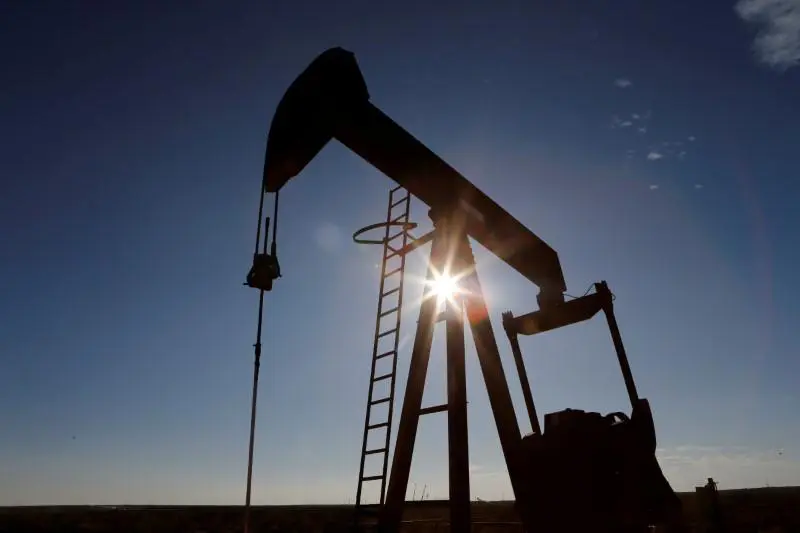
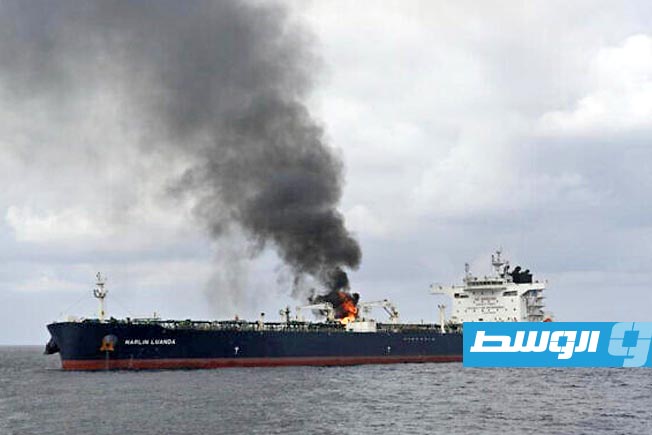
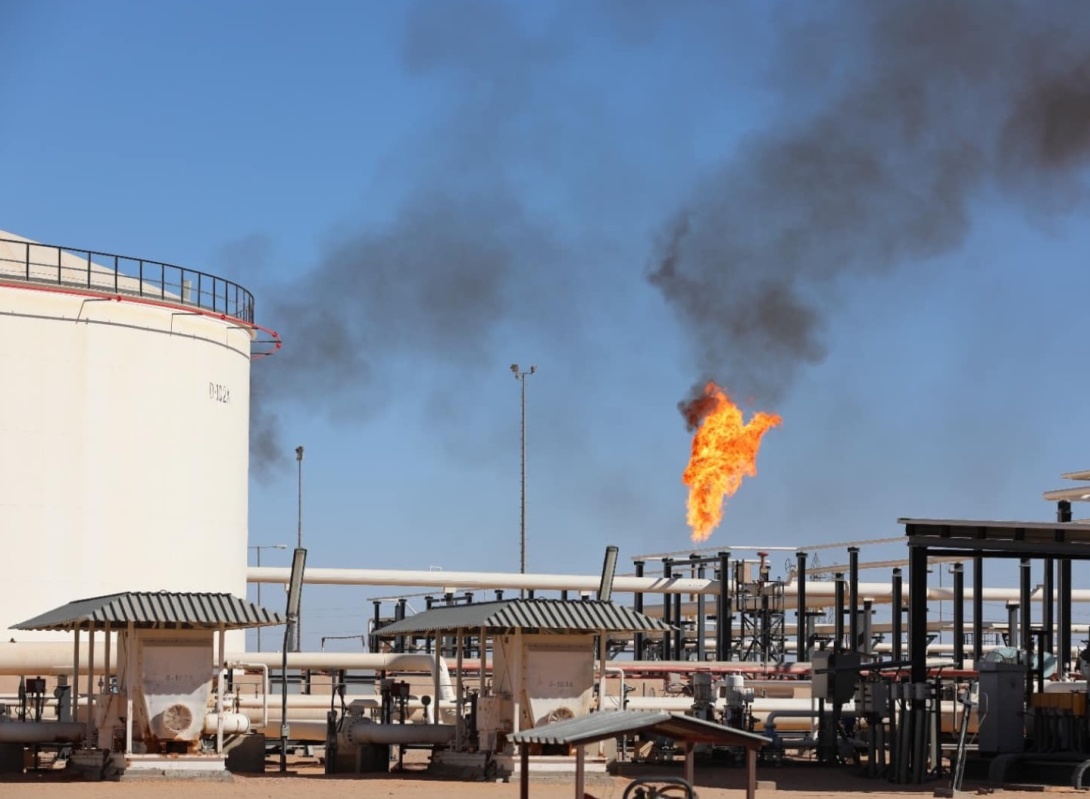
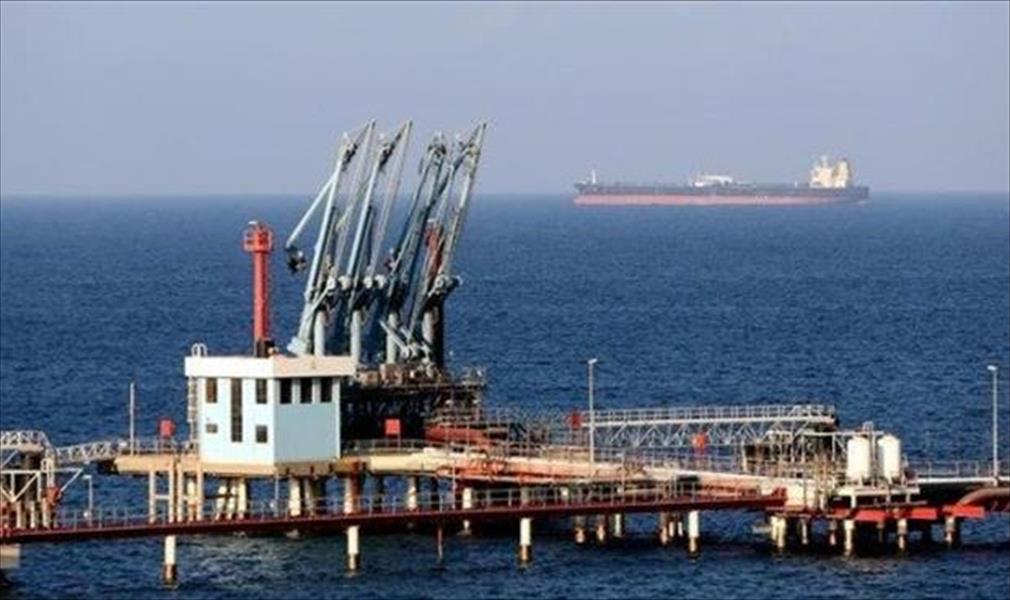
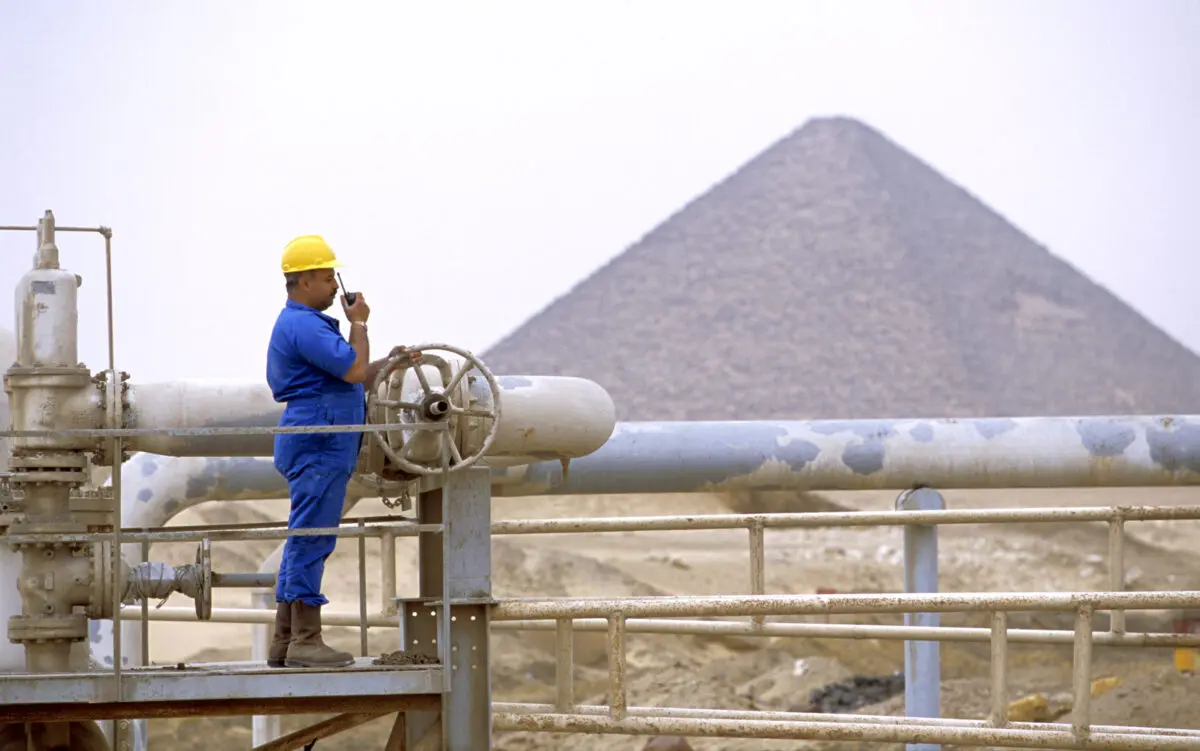
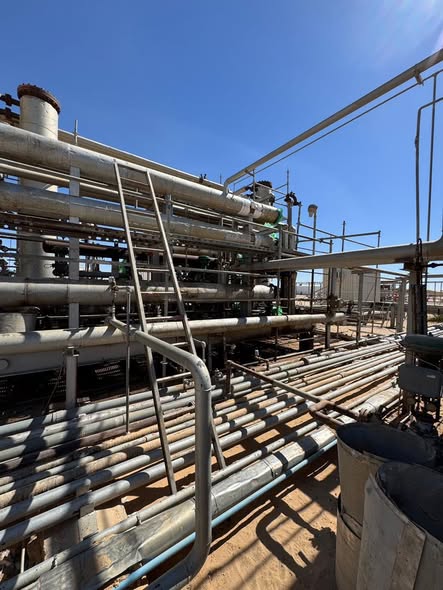
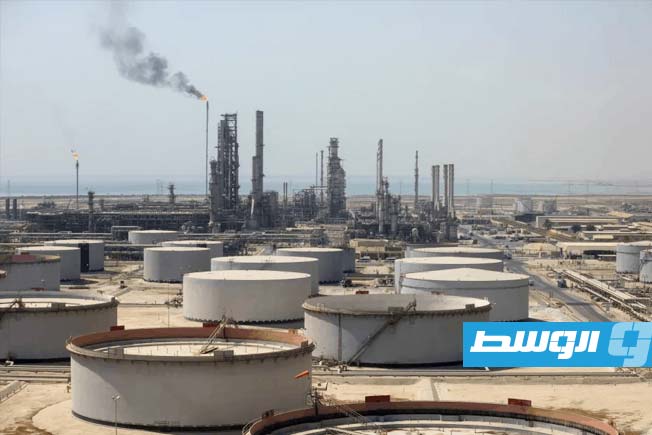
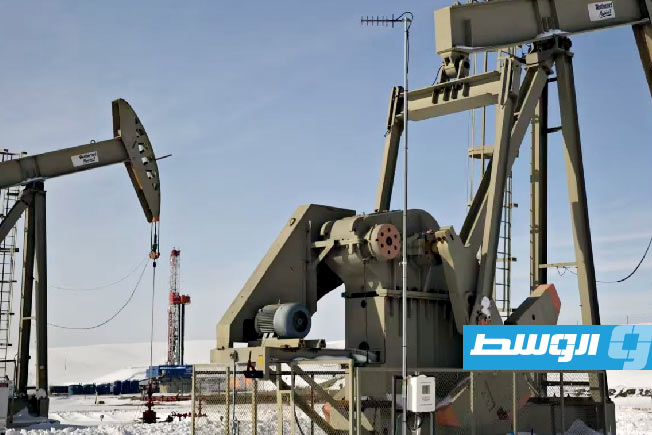
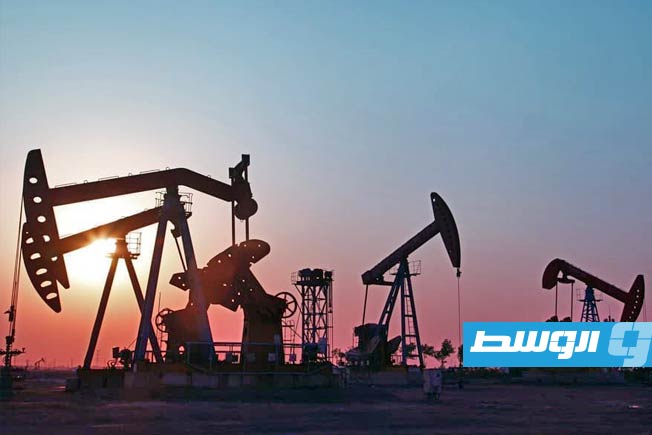
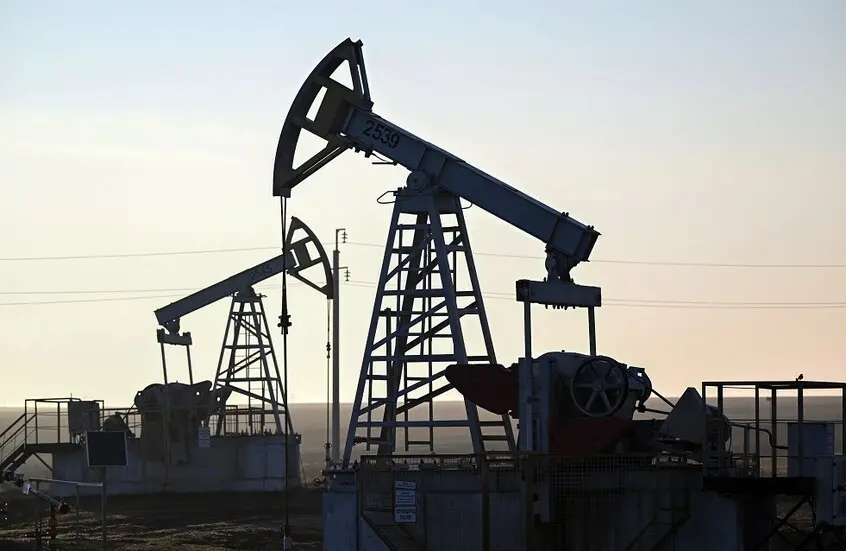
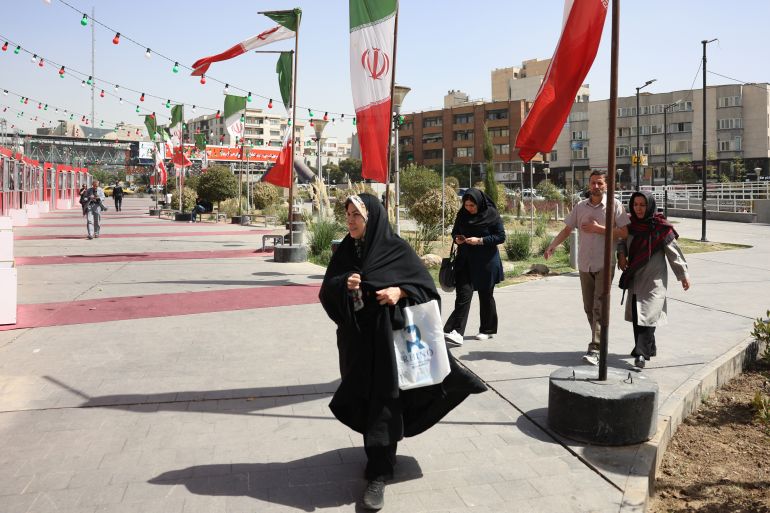
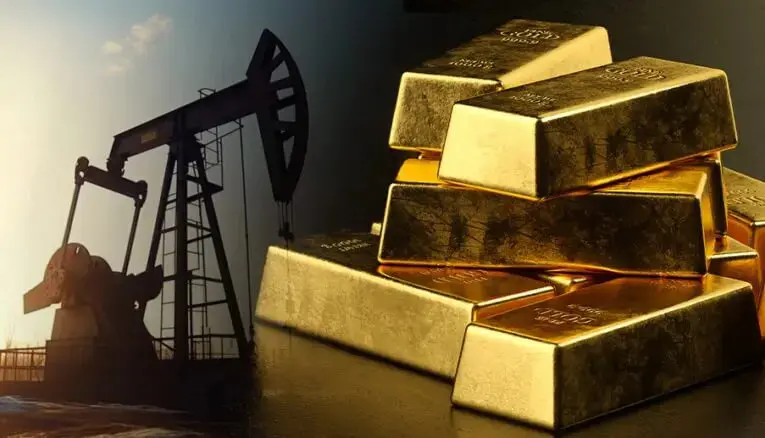
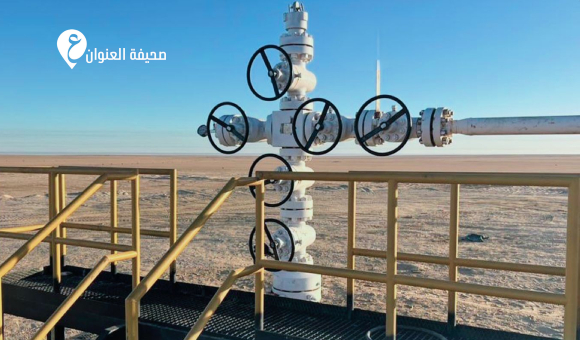
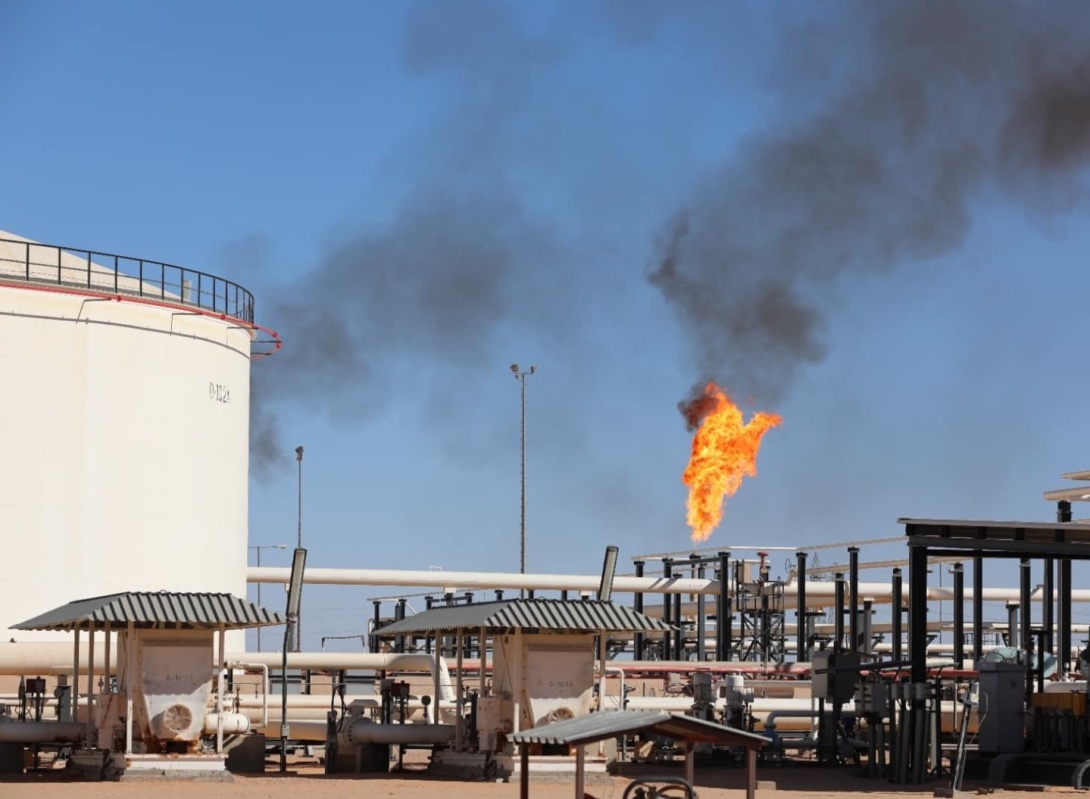
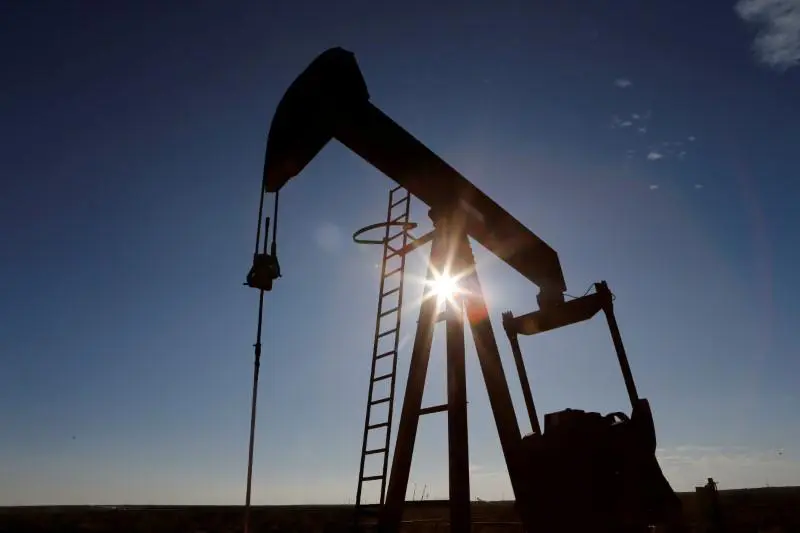
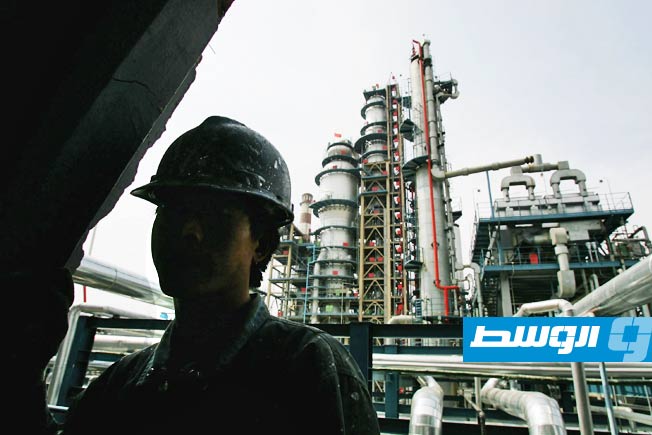
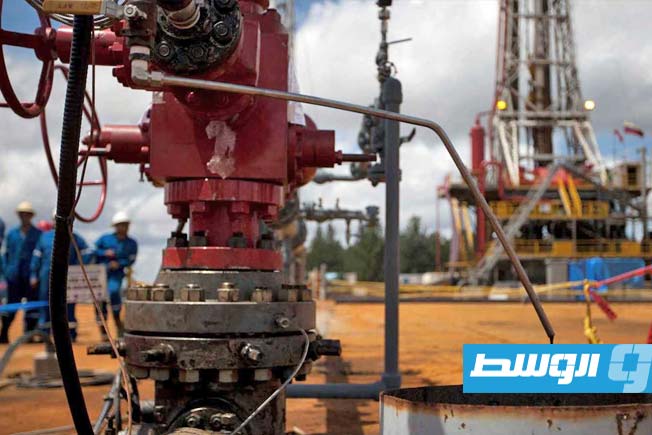
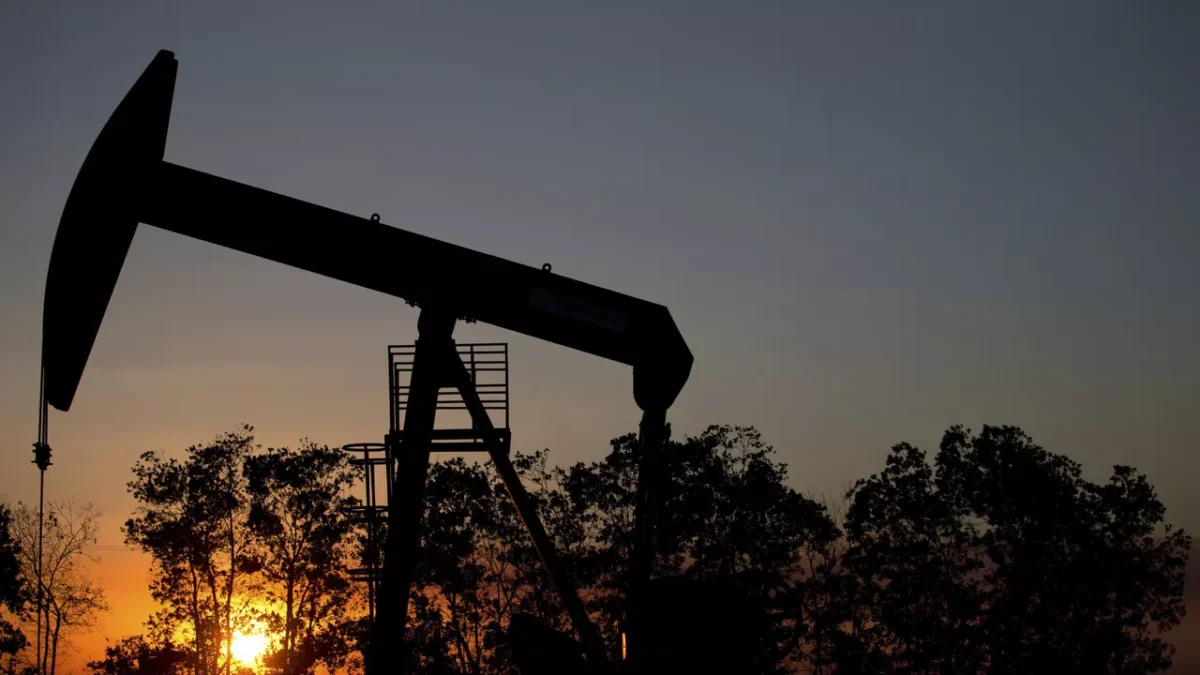
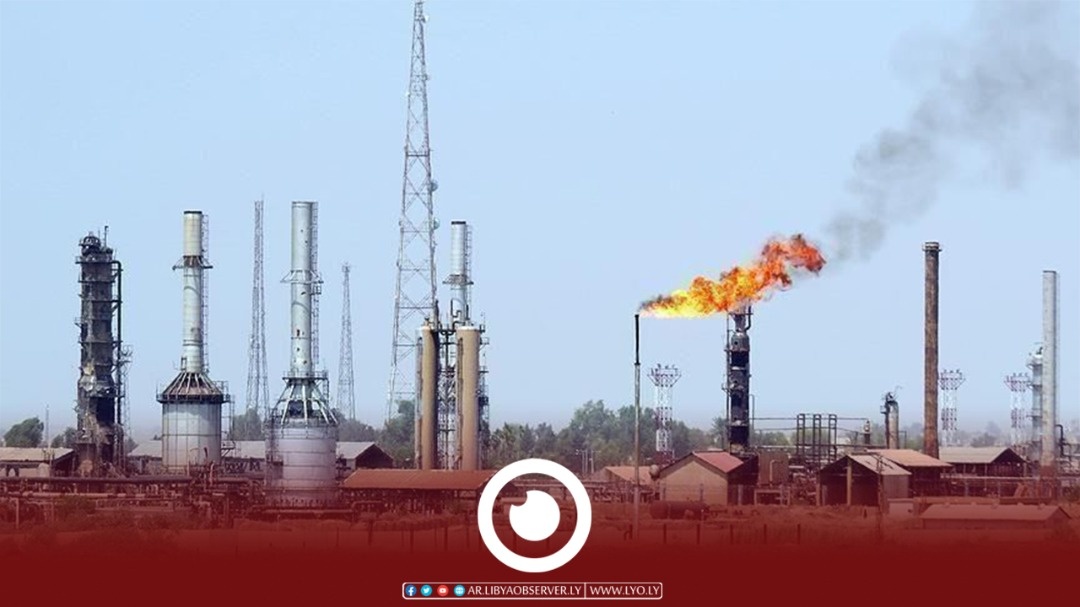
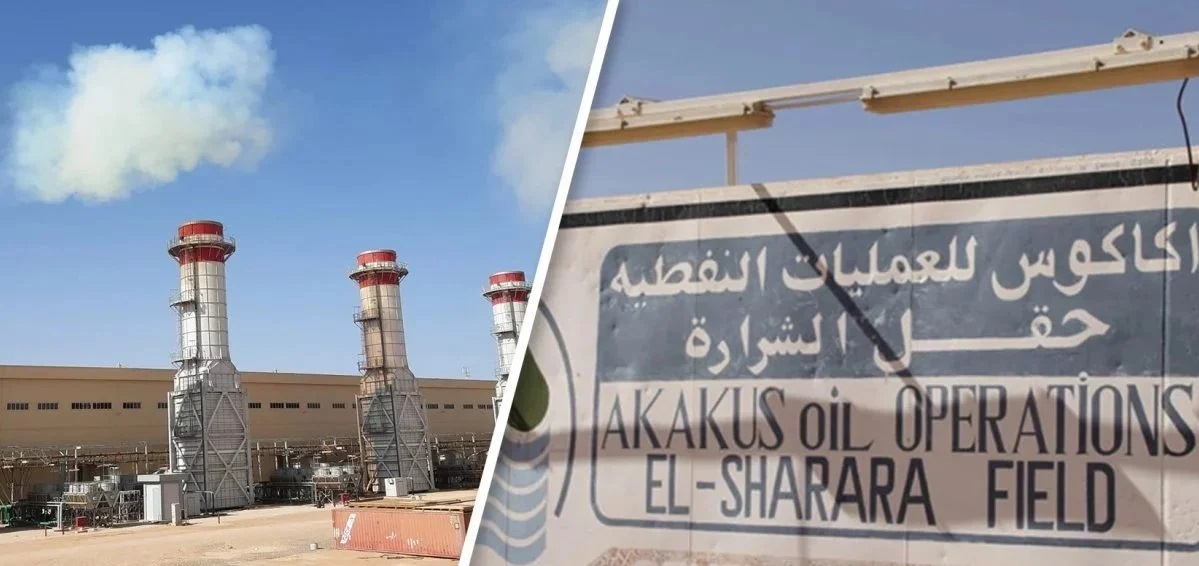
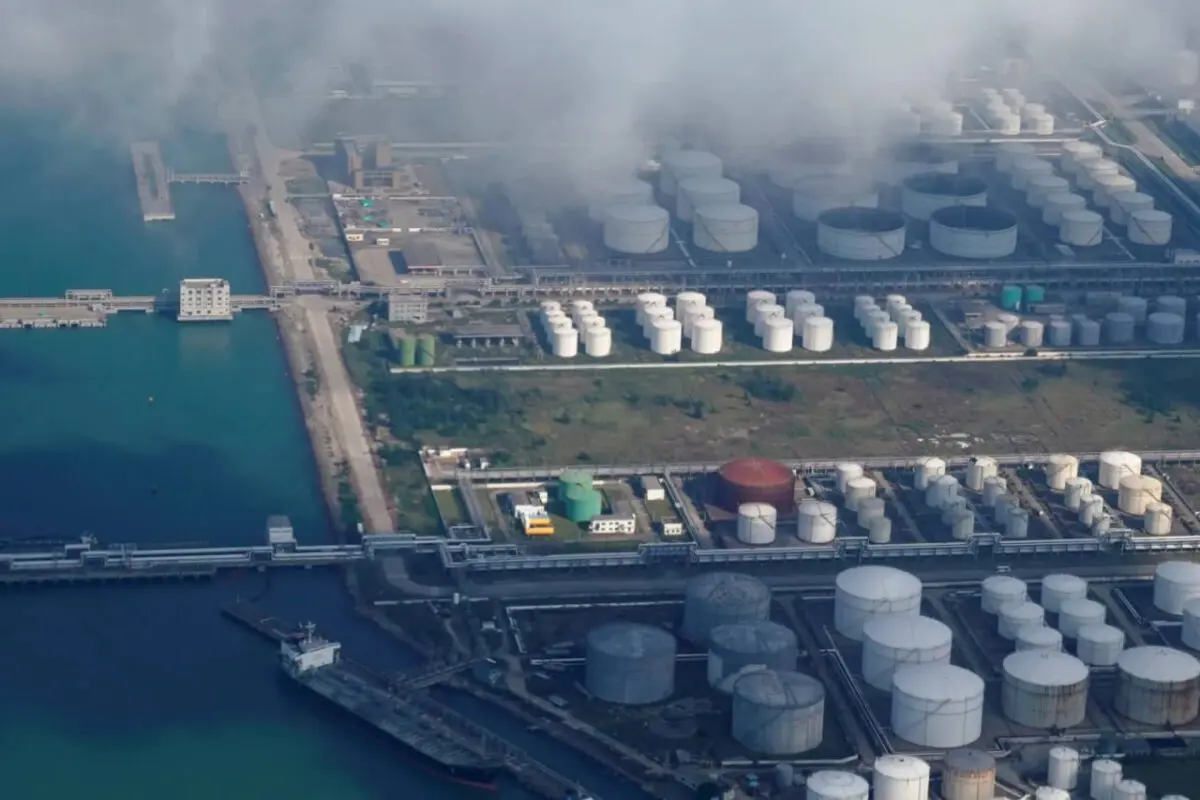
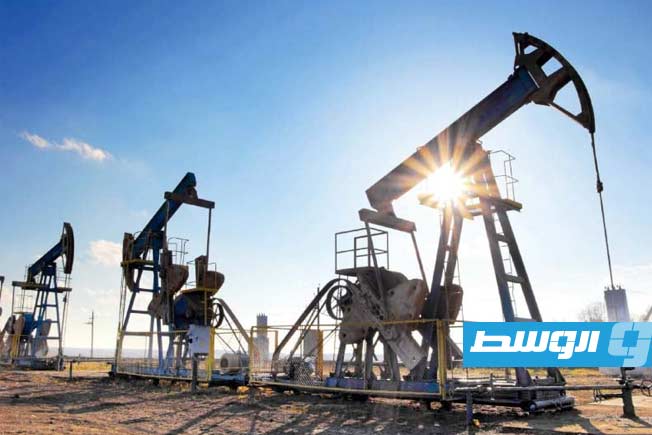
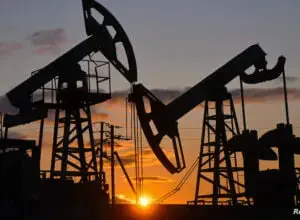
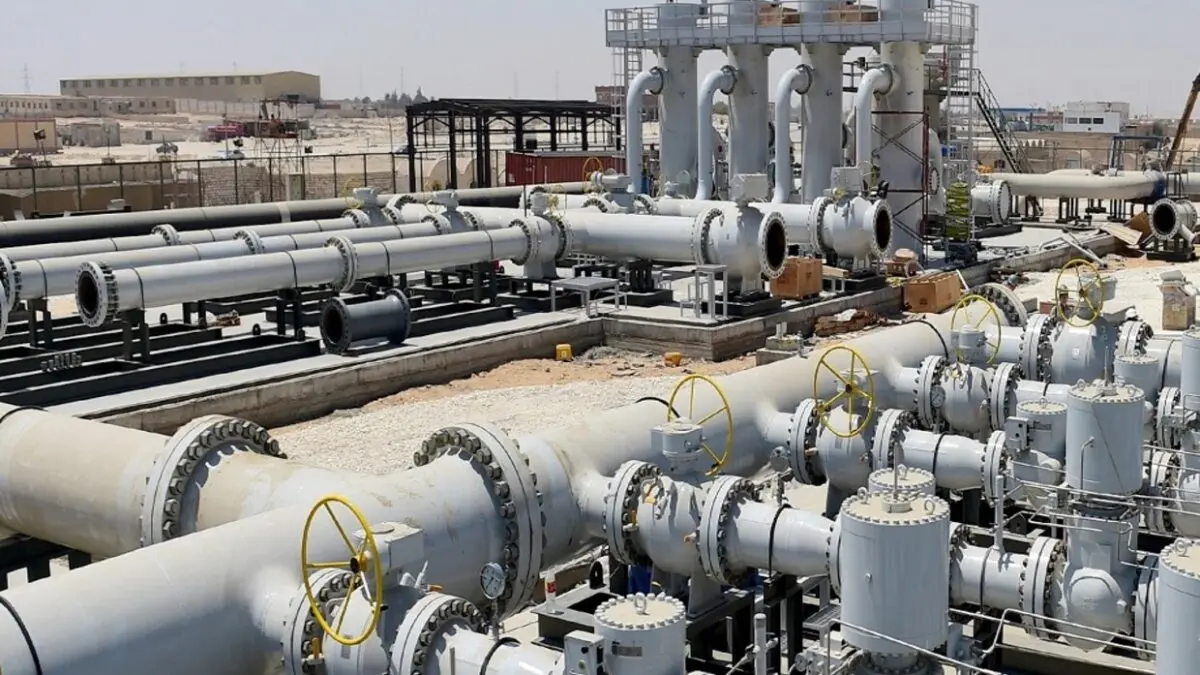
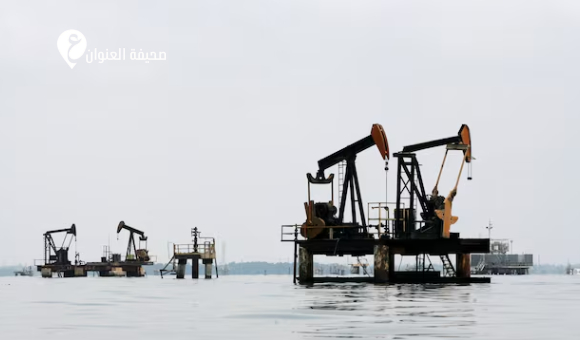
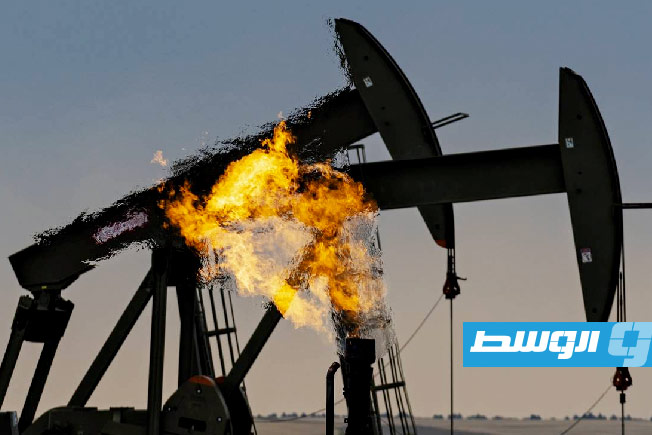
The country possesses numerous oil production and refining facilities, which produce more than 3 million barrels of crude per day, but it faces many obstacles in exporting this production due to American sanctions.
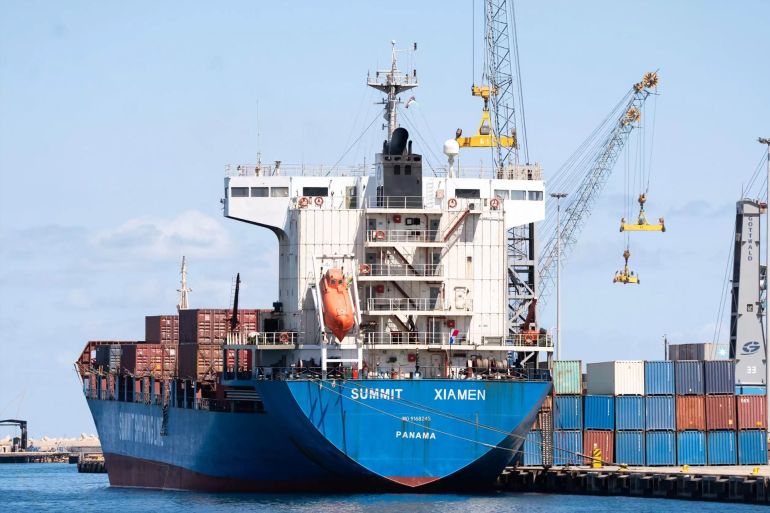
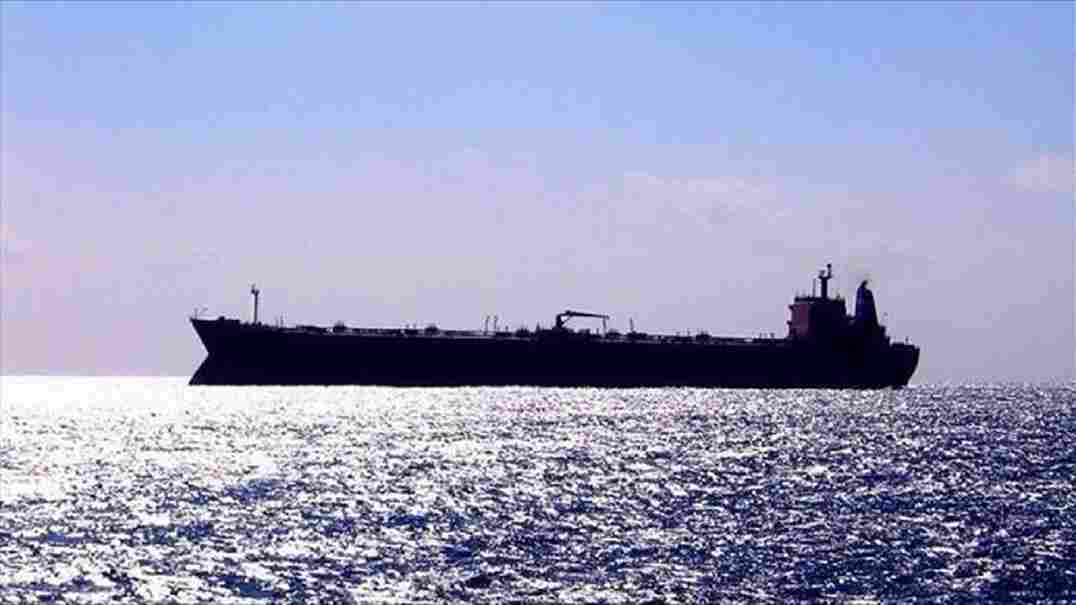
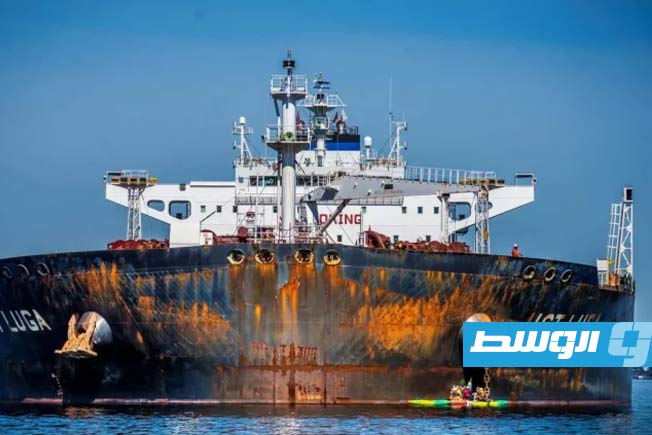
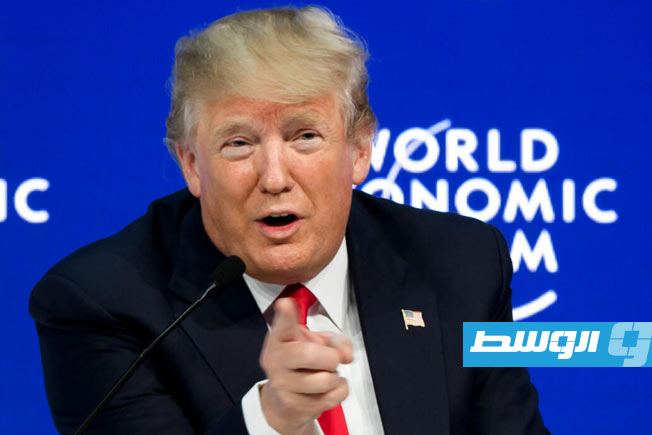
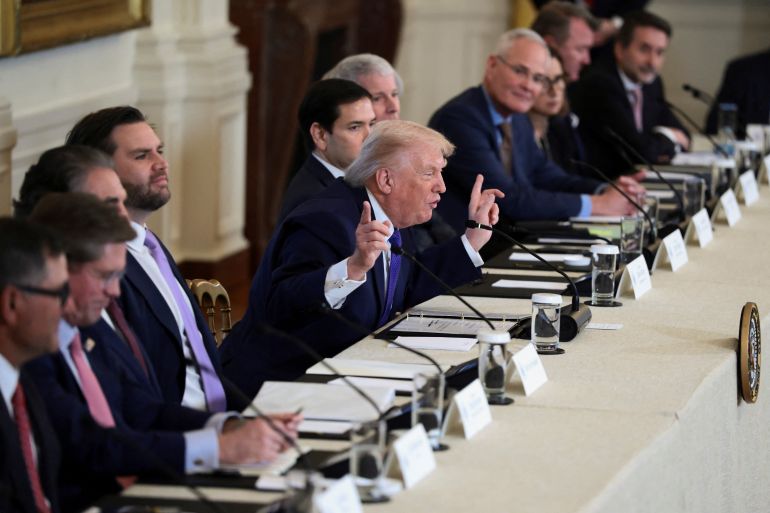
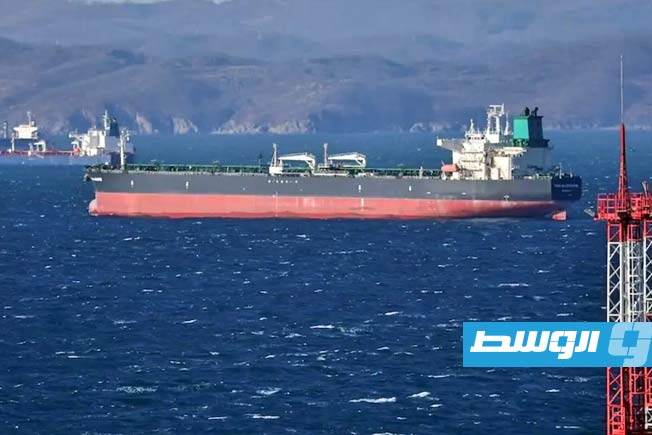
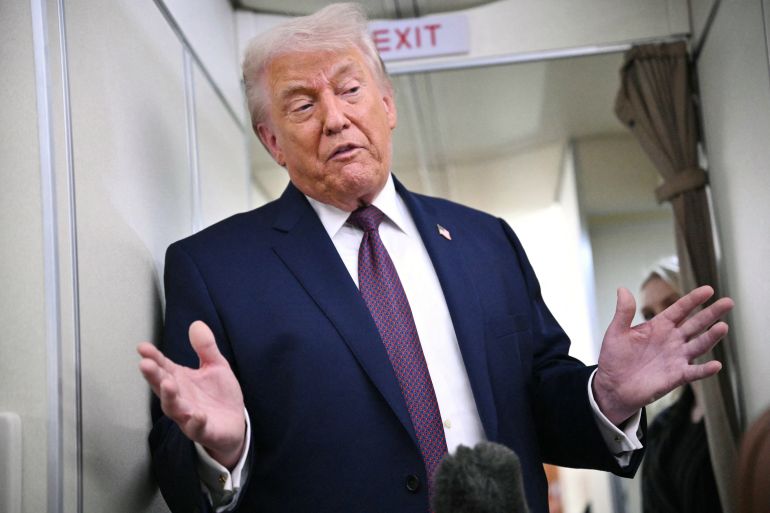
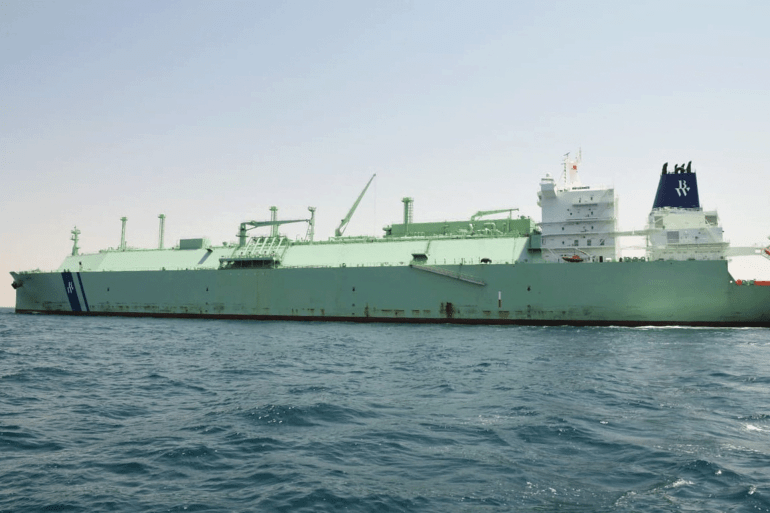
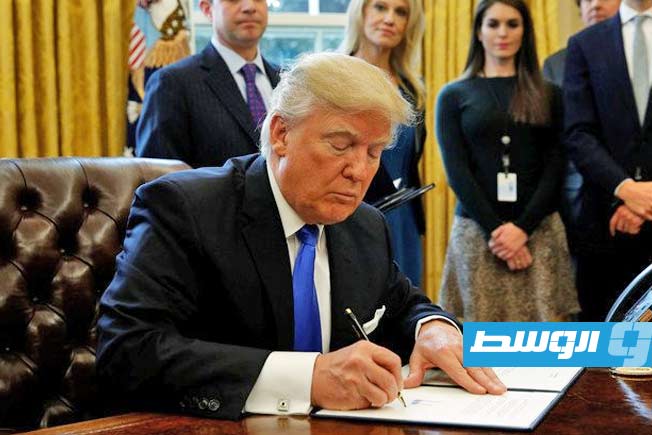
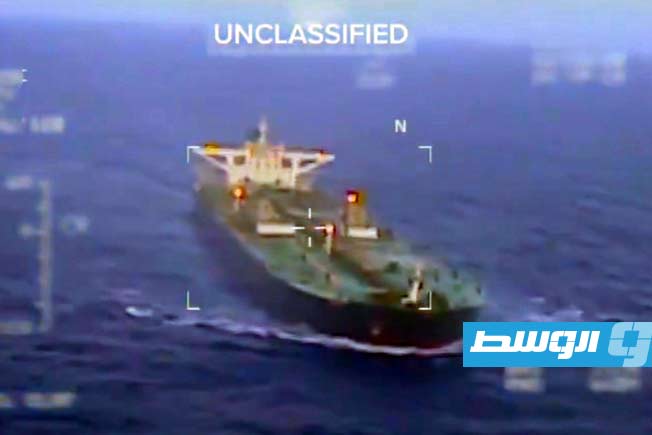
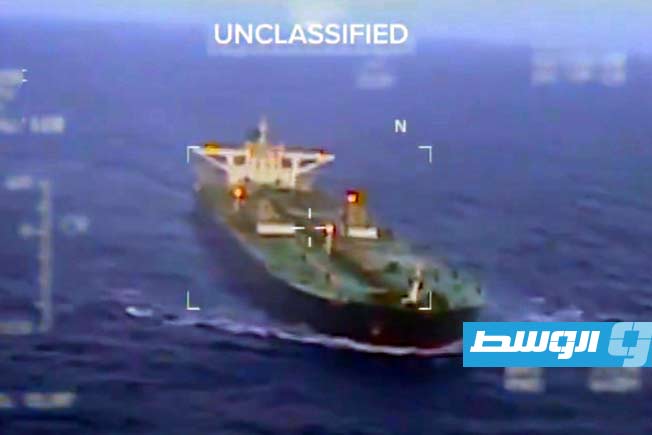
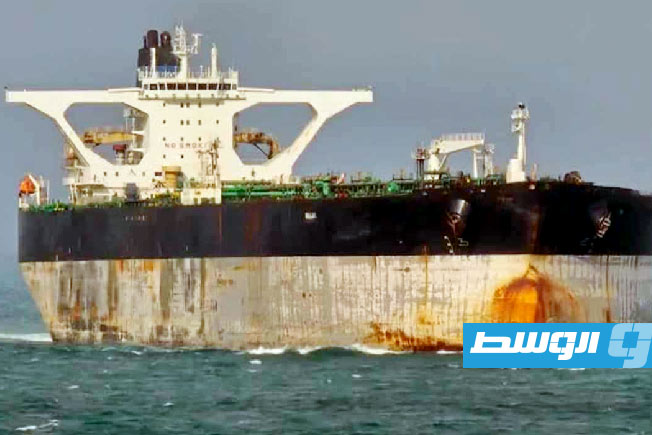
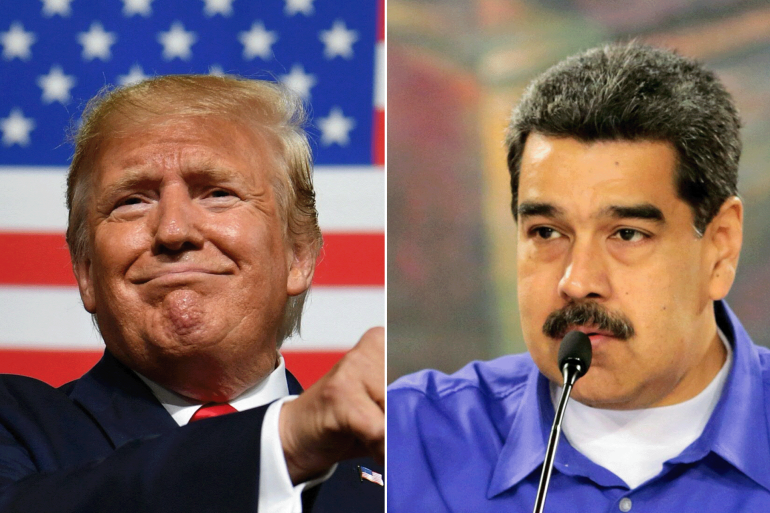
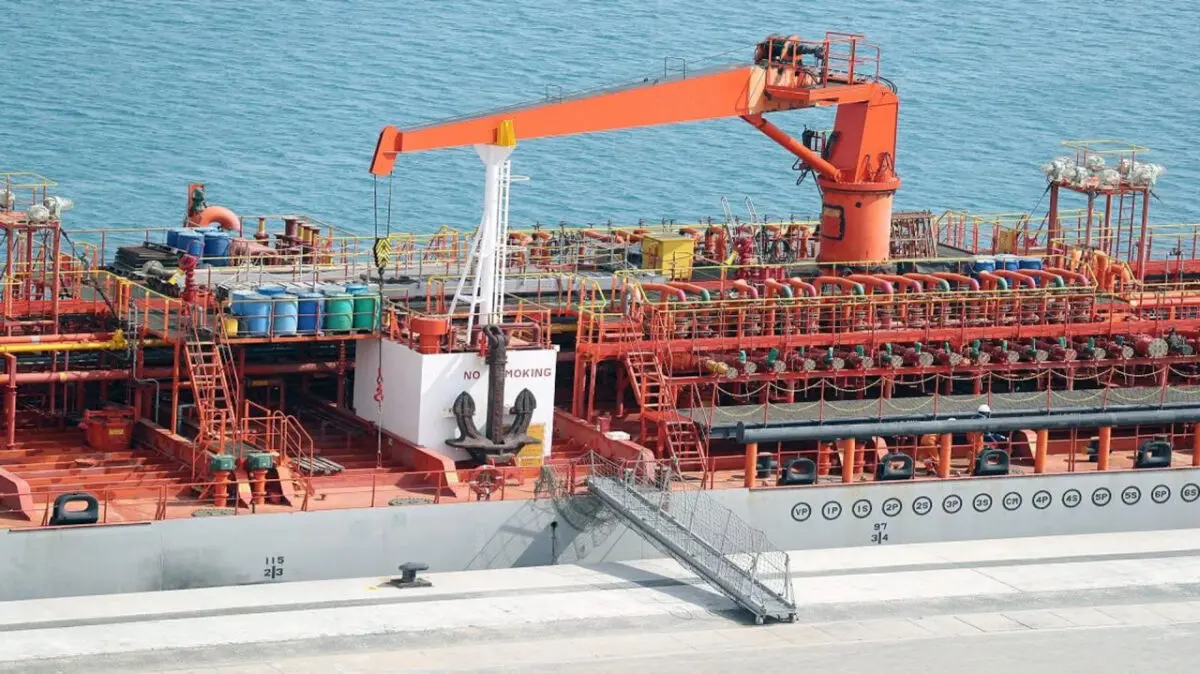
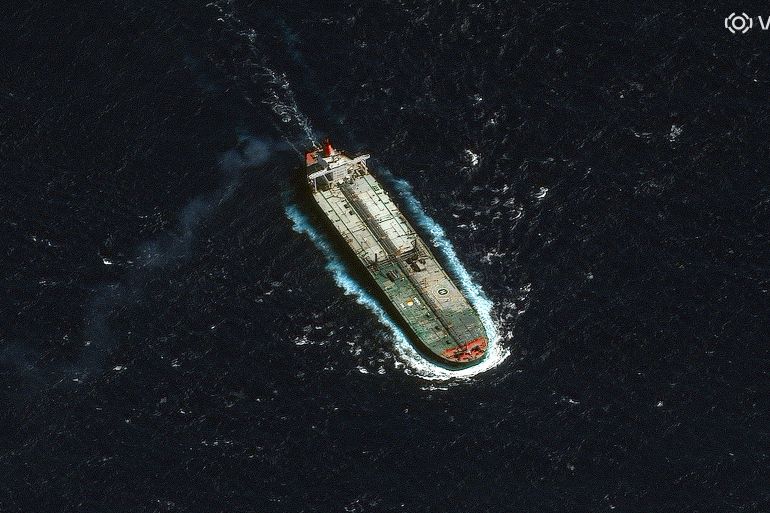
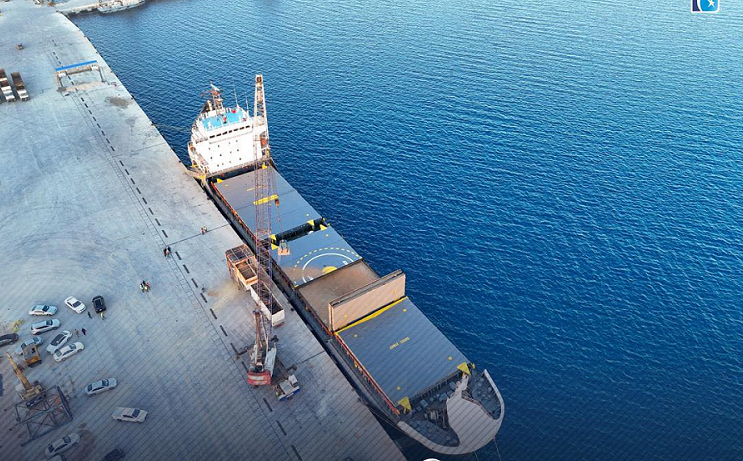
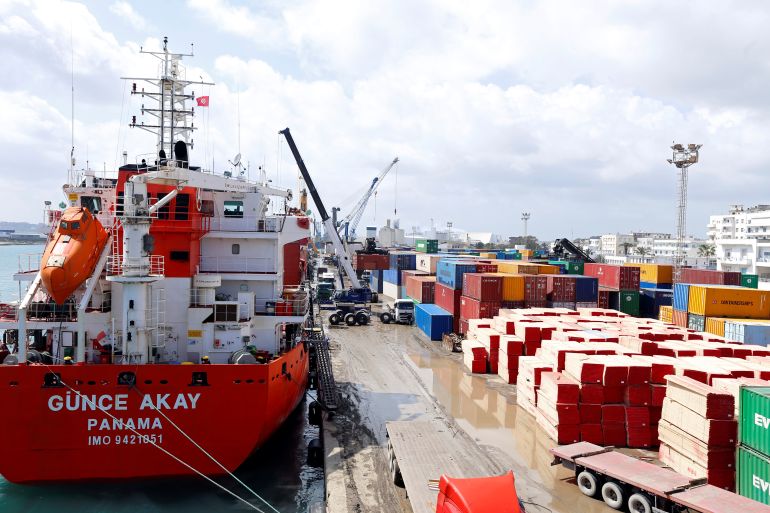
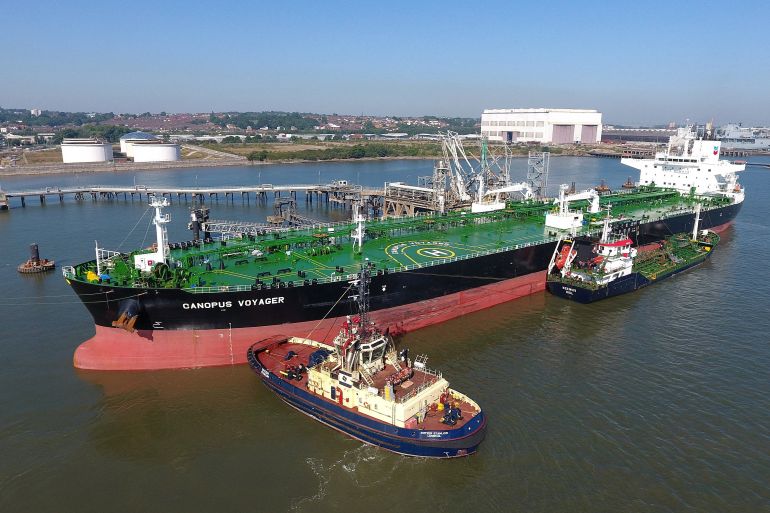
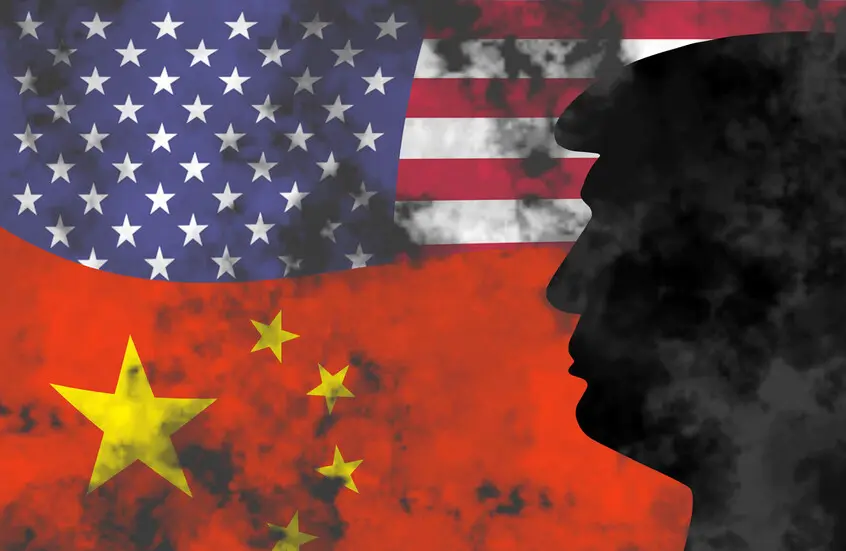
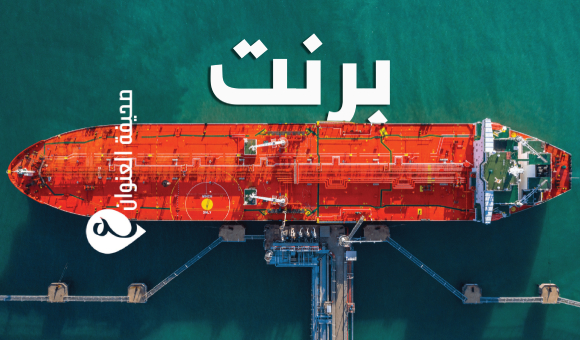
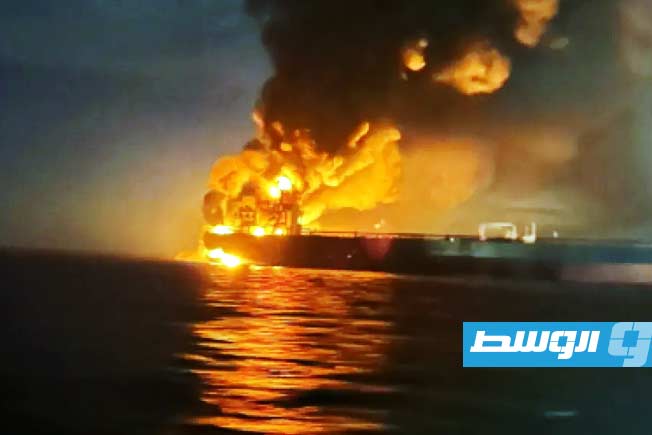
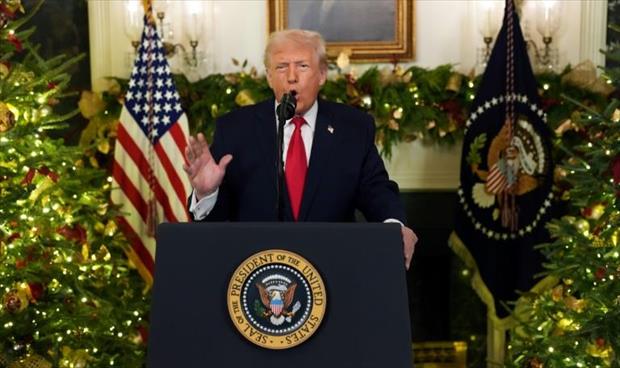
The administration of the U.S. President recently imposed sanctions on 29 ships and ship management companies, which it stated operate as part of a “shadow fleet,” which Washington says the Iranian government relies on to circumvent sanctions on its oil sales.
The U.S. Treasury Department said the targeted ships and companies transported products worth hundreds of millions of dollars “through deceptive shipping practices,” affirming that it “will continue to deprive the Iranian regime of the oil revenues it uses to fund its military and armament programs.”
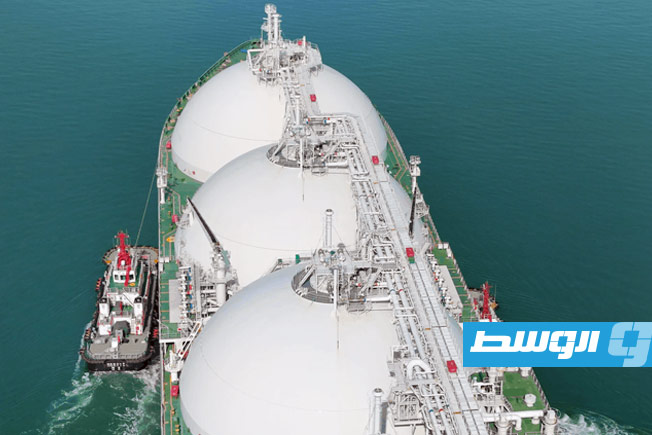
According to an intelligence report, the “shadow fleet” refers to ships that transport sanctioned oil, typically consisting of older vessels with obscure ownership that sail without comprehensive insurance coverage.
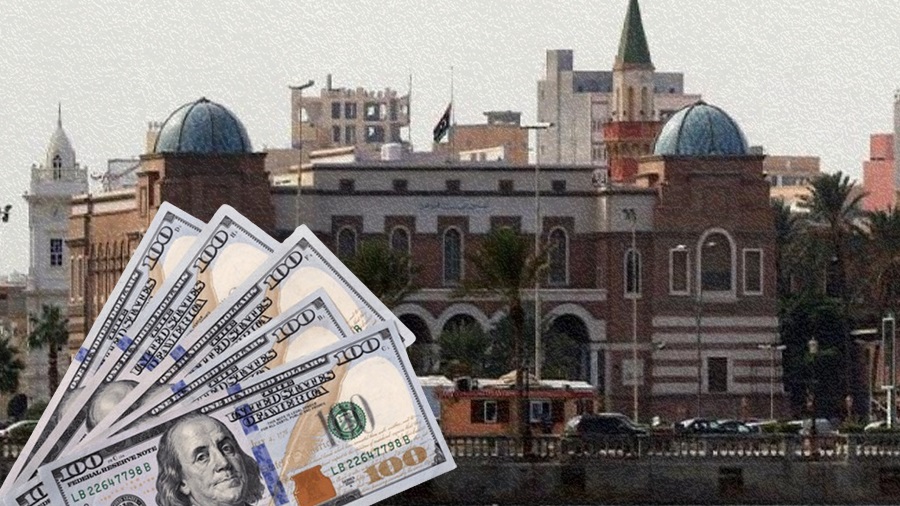
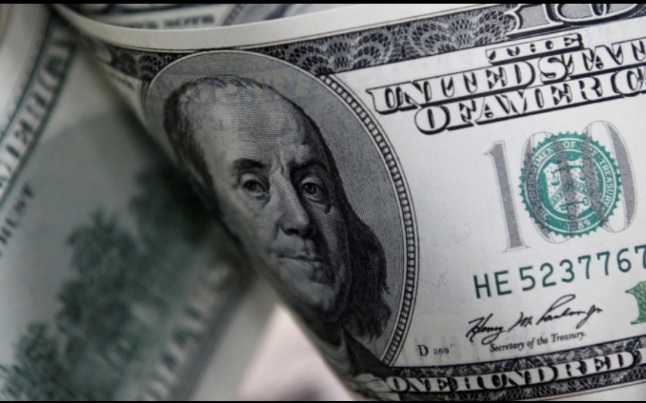
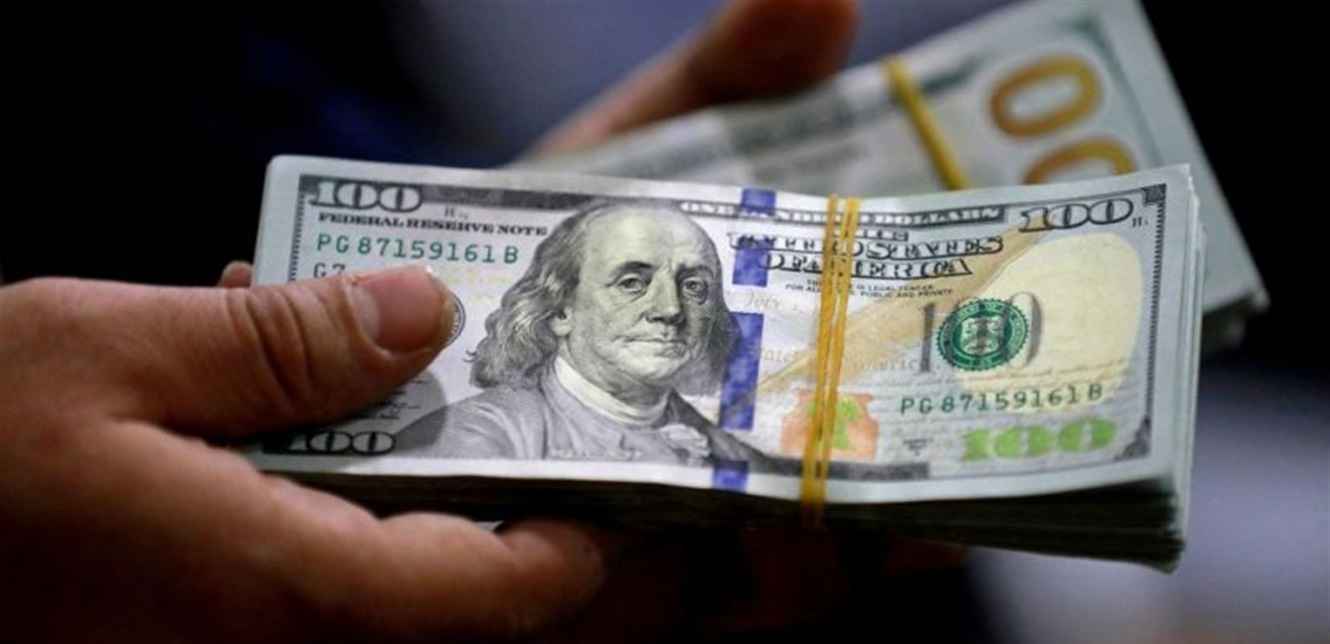
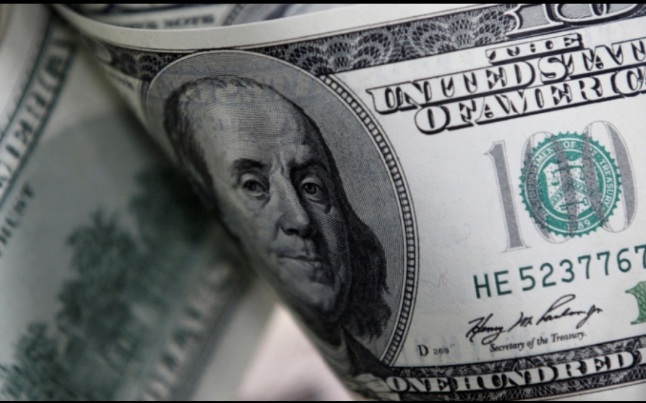
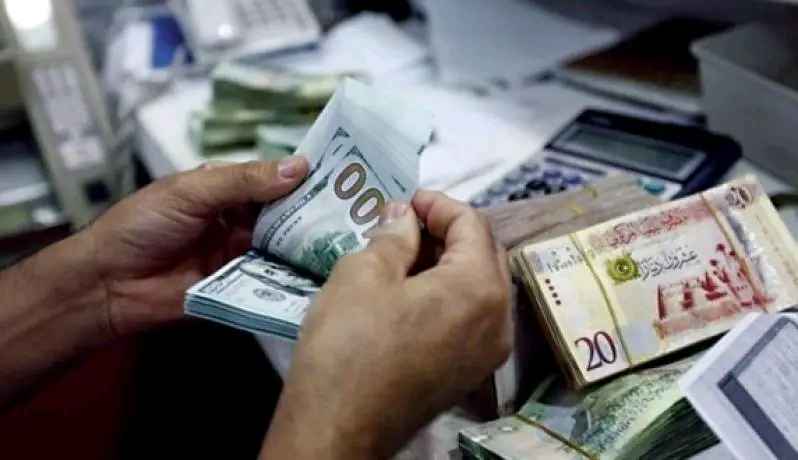
Data from the Organization of the Petroleum Exporting Countries (OPEC) indicates that Iran’s oil revenues reached $46 billion last year.
Iranian Oil Facilities
Iran has numerous oil facilities, led by the Ahvaz field, the world’s third-largest oil field, which produces 750,000 barrels per day, according to data from the Iranian Oil Ministry.
There is also the Azadegan field, Iran’s second-largest oil field, which produces 500,000 barrels per day, and the Marun field in the Khuzestan region in the southwest, which also produces half a million barrels per day, with reserves of 46 billion barrels.
The Aghajari field, also in Khuzestan, is considered Iran’s fifth-largest oil field and produces 200,000 barrels per day, with estimated crude reserves of 28 billion barrels.
At the Abadan refinery in Khuzestan, 500,000 barrels per day are produced from 5 oil fields in the region. Additionally, 375,000 barrels per day are produced at the Isfahan refinery, and 250,000 barrels at the Tehran capital refinery, which includes 3 fields.
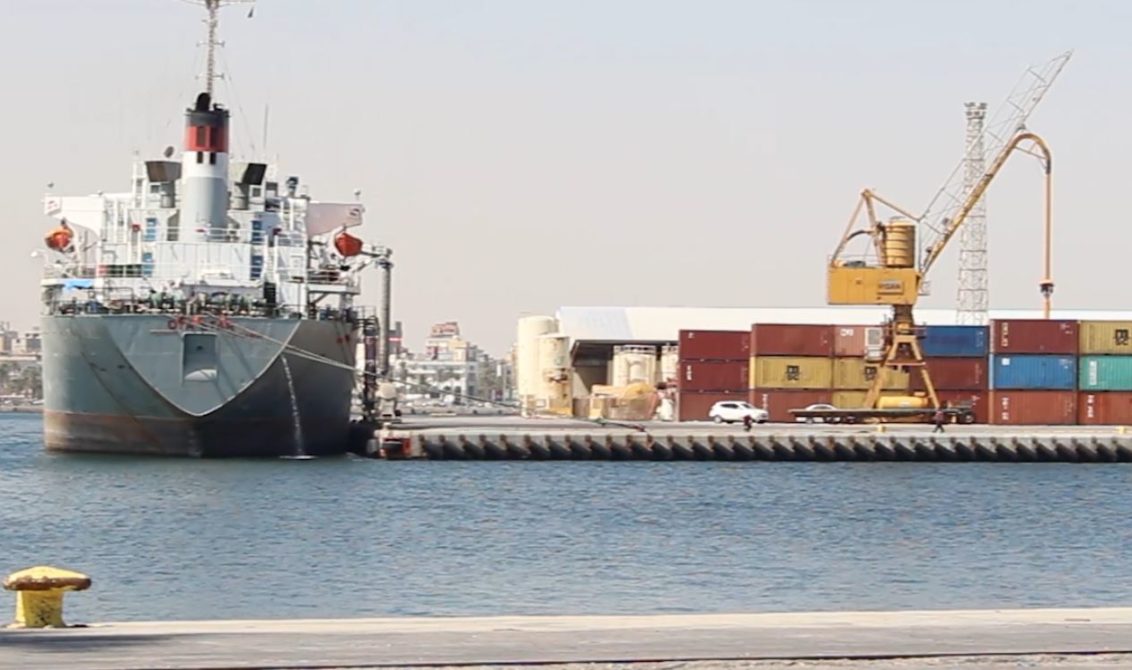
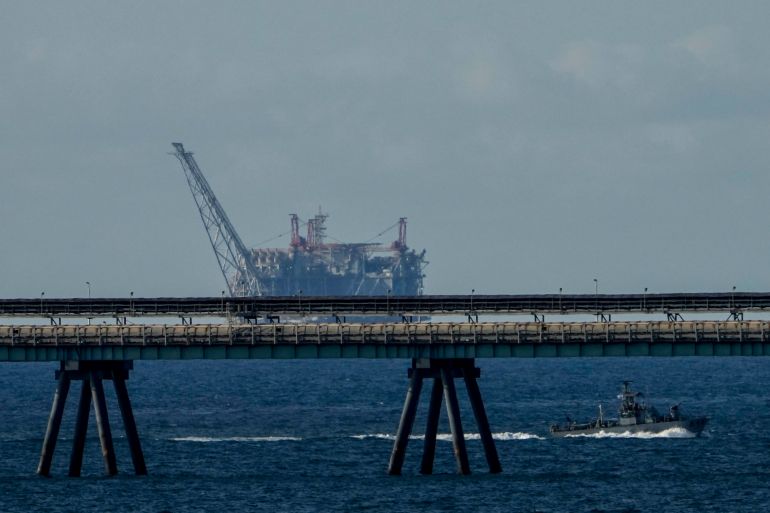
90% of Iranian crude is exported via the Kharg Island port in the Arabian Gulf, while 600,000 barrels of refined oil are exported daily via the Bandar Abbas port.
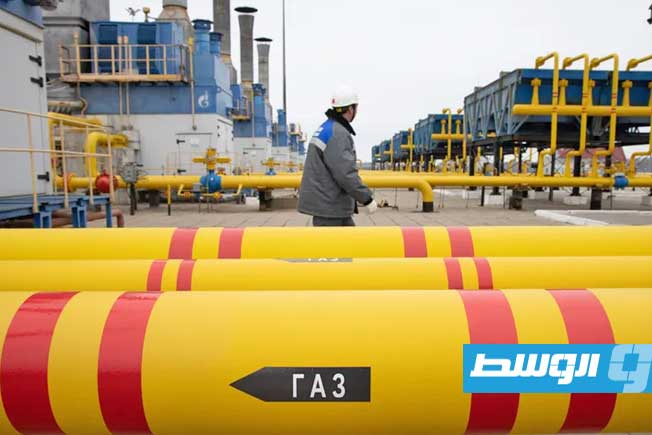
In addition to oil, 30 million cubic meters of gas are exported daily via the Asaluyeh port.
Iran
Iran, historically known as Persia, is home to one of the world’s oldest continuous civilizations, with a recorded history spanning thousands of years and empires such as the Achaemenid and Sassanian. Its rich cultural heritage is exemplified by iconic sites like Persepolis and Isfahan’s Naqsh-e Jahan Square, reflecting profound contributions to art, architecture, and science. The modern Islamic Republic was established in 1979 following a revolution that transformed the nation’s political system.
United States
The United States is a federal republic founded in 1776 following the American Revolution, which established its independence from Great Britain. Its history includes westward expansion, a civil war over slavery, and its emergence as a global superpower in the 20th century. The nation is defined by its diverse population, democratic institutions, and significant cultural influence worldwide.
Washington
Washington, D.C., is the capital city of the United States, founded in 1790 following the ratification of the U.S. Constitution. It was established as a federal district through the Residence Act and named after the first U.S. president, George Washington. The city is renowned for its iconic national monuments, museums, and as the seat of the federal government.
U.S. Treasury Department
The U.S. Department of the Treasury is a federal executive department established by Congress in 1789 to manage the government’s revenue. It is responsible for producing currency, collecting taxes, and advising on economic policy, with its history deeply intertwined with the nation’s financial development from Alexander Hamilton’s tenure as the first Secretary.
Organization of the Petroleum Exporting Countries (OPEC)
The Organization of the Petroleum Exporting Countries (OPEC) is an intergovernmental organization founded in 1960 by Iran, Iraq, Kuwait, Saudi Arabia, and Venezuela. Its primary purpose is to coordinate and unify petroleum policies among member countries to secure fair and stable prices for oil producers.
Ahvaz field
The Ahvaz field is a major oil field located in southwestern Iran, near the city of Ahvaz. It was discovered in 1958 and has been a cornerstone of Iran’s petroleum industry, playing a significant role in the country’s economic development.
Azadegan field
The Azadegan field is a major oil field located in southwestern Iran, near the border with Iraq. It was discovered in 1999 and is considered one of the world’s largest oil fields, with development divided between Iranian and international companies. Its history has been significantly shaped by geopolitical tensions and shifting international partnerships.
Marun field
Marun field is a historical site in Iran, believed to be the location of the Battle of Marun in 642 CE, a decisive conflict during the Muslim conquest of Persia. Today, it serves as a commemorative area and a point of interest for those studying early Islamic history in the region.
Khuzestan
Khuzestan is a province in southwestern Iran, historically known as the heartland of the ancient Elamite civilization and later as a core region of the Persian Achaemenid Empire. It is home to significant archaeological sites like Susa and Chogha Zanbil, and its vast oil reserves have made it a crucial economic center for modern Iran.
Aghajari field
The Aghajari oil field is located in southwestern Iran and was discovered in 1938, becoming one of the country’s most significant onshore oil-producing areas. Its development was historically managed by the Anglo-Iranian Oil Company and it played a key role in Iran’s petroleum industry throughout the 20th century.
Abadan refinery
The Abadan Refinery, located in Iran, was completed in 1912 and was once the largest oil refinery in the world. It played a crucial strategic role in global energy supply throughout the 20th century, though it suffered significant damage during the Iran-Iraq War in the 1980s.
Isfahan refinery
The Isfahan Oil Refinery, located in Iran, is one of the country’s largest and oldest refineries, originally established with Soviet technical assistance in the late 1970s. It plays a critical role in Iran’s domestic fuel production and the broader petrochemical industry of the Isfahan region.
Tehran
Tehran is the capital and largest city of Iran, officially becoming the capital in 1786 under the Qajar dynasty. It serves as the country’s political, economic, and cultural center, home to significant sites like the Golestan Palace, a former Qajar royal residence and a UNESCO World Heritage Site.
Kharg Island
Kharg Island is an Iranian island in the Persian Gulf, historically used as a trading port. It gained significant strategic importance in the 20th century due to the construction of major oil export terminals, making it one of the world’s largest crude oil shipping points. The island and its facilities were heavily damaged during the Iran-Iraq War in the 1980s but were later rebuilt.
Arabian Gulf
The Arabian Gulf, also known as the Persian Gulf, is a historically significant body of water in Western Asia that has served as a major trade route for millennia, connecting Middle Eastern civilizations with the wider world. Its coastal regions were home to ancient cultures like Dilmun and later became central to the pearl trade and the modern global oil industry.
Bandar Abbas
Bandar Abbas is a major port city in southern Iran, located on the Strait of Hormuz. Historically a fishing village, it gained prominence in the 17th century when Shah Abbas I expelled the Portuguese and developed it as a strategic Persian Gulf trade hub. Today, it remains a vital center for commerce and naval operations.
Asaluyeh
Asaluyeh is a city in southern Iran, located in Bushehr Province along the Persian Gulf coast. It is primarily known as the industrial and energy hub for the massive South Pars/North Dome gas field, the world’s largest natural gas field. While the area has ancient roots, its modern development and significance are almost entirely tied to the gas industry projects that began there in the late 1990s.