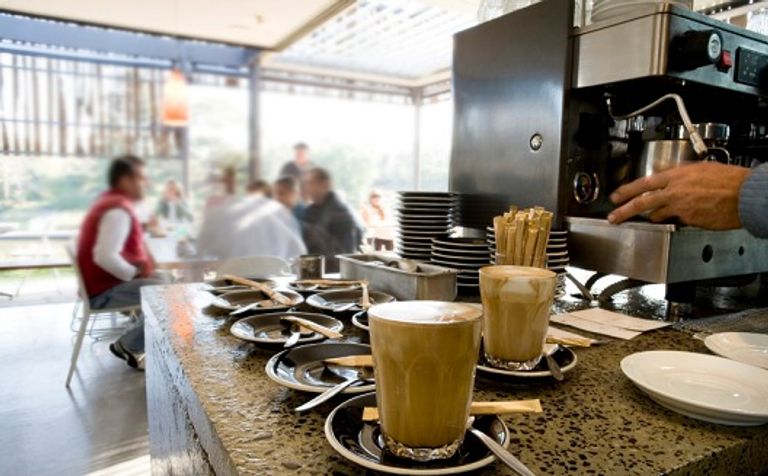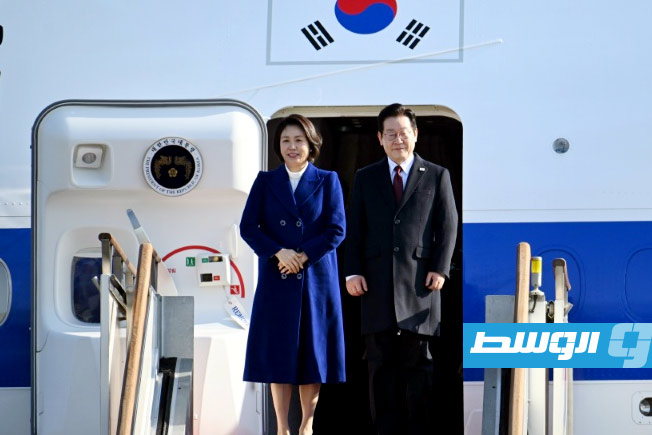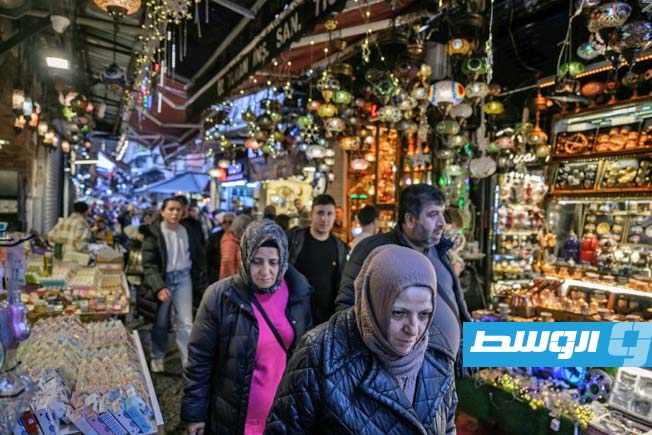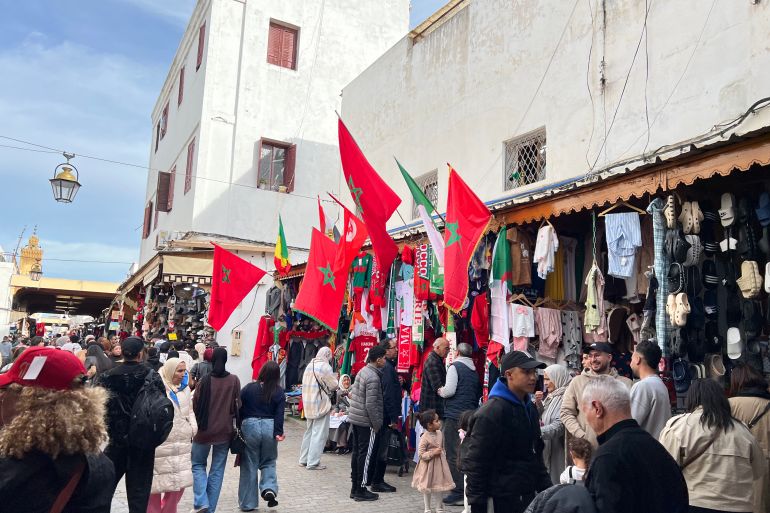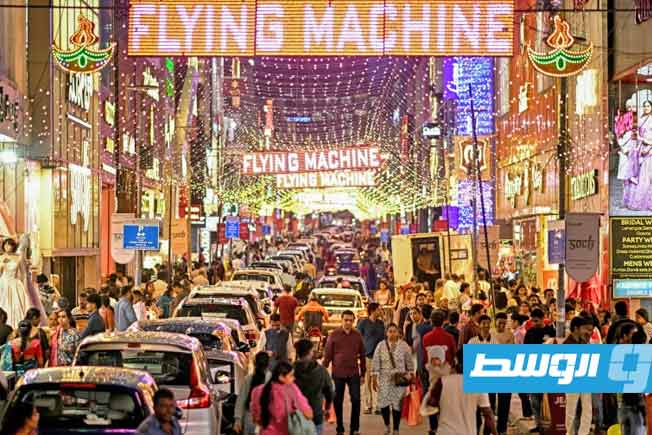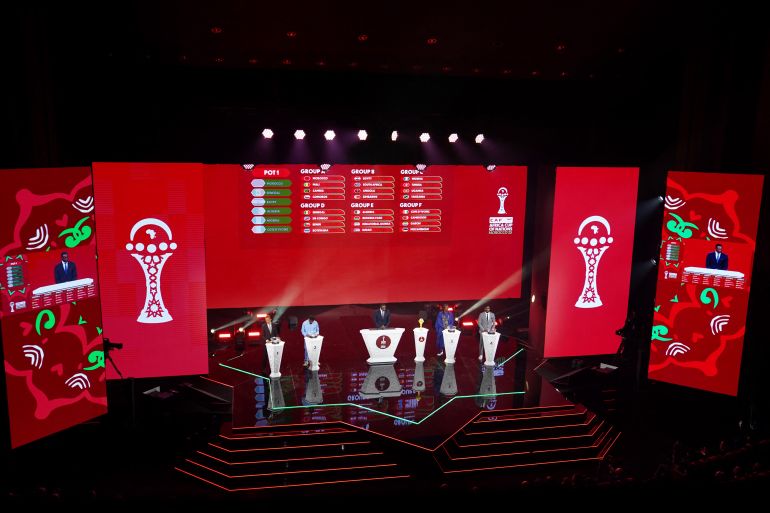
– At midnight, the lights in the capital Rabat’s cafes will not go out as usual. The chairs will remain full, and customer traffic will continue until 2 a.m., following the implementation of a decision to extend working hours on December 17, on the occasion of Morocco hosting the Africa Cup of Nations football tournament.
The pace of this activity is expected to increase with the start of the football cup competitions tomorrow, Sunday, hosted by 6 Moroccan cities over 29 days.
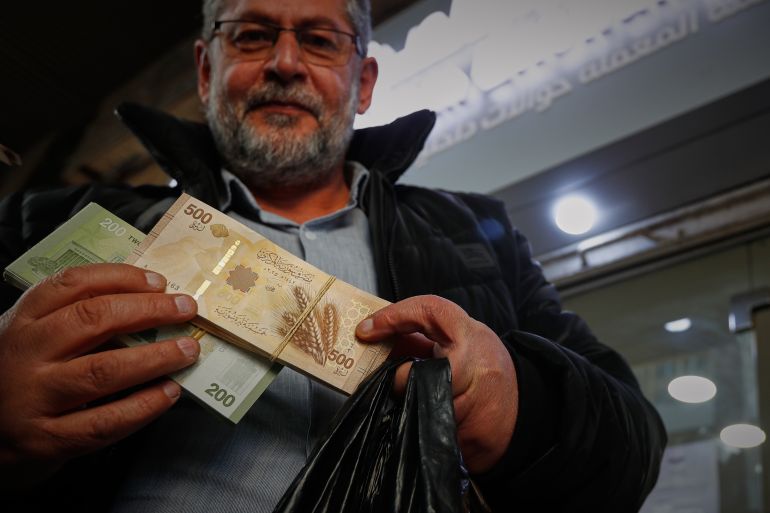
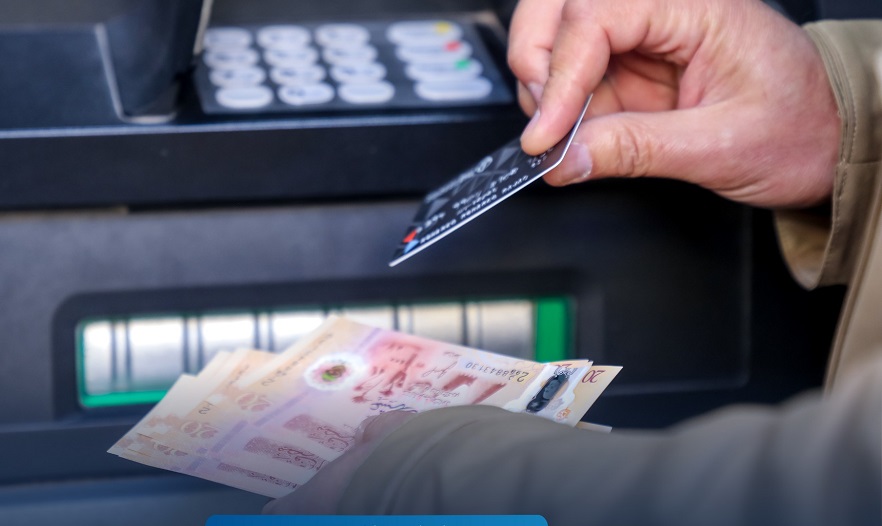
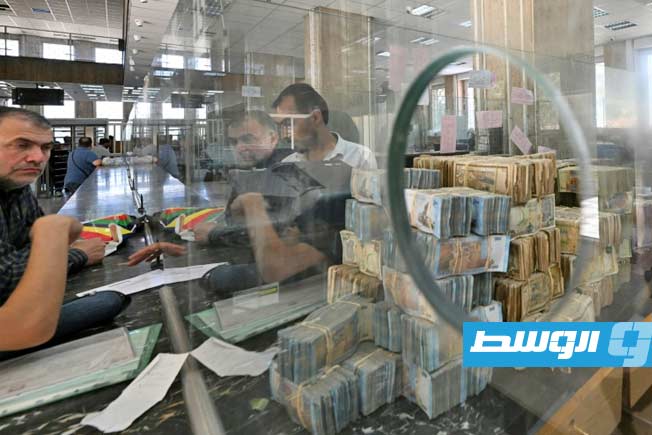
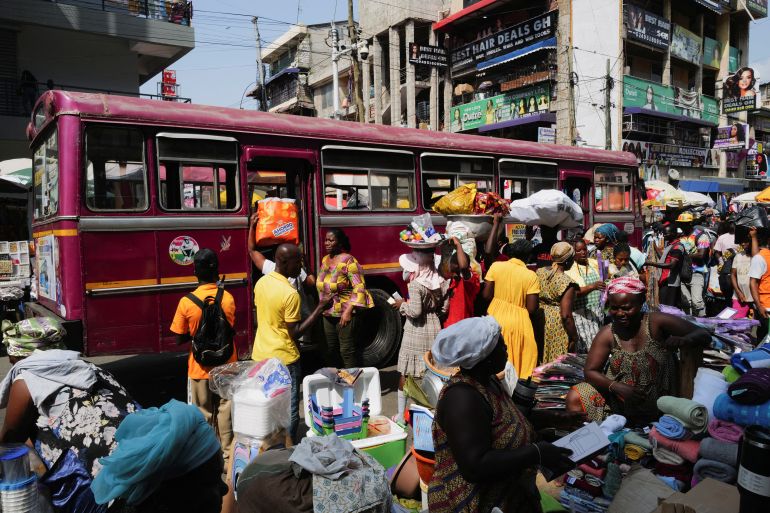
For many Moroccans, the “two extra hours” do not just mean a longer time window for consumption, but represent an actual re-injection of liquidity into the daily economic cycle. Restaurants are working longer hours, urban transport is more active, there is additional labor, and the services market is preparing for an unprecedented peak. Football is thus transforming from a popular passion into a tangible engine of growth in the details of daily life.
The TotalEnergies Africa Cup of Nations Morocco 2025 constitutes a pivotal milestone, not only in the history of the financial resources of the Confederation of African Football (CAF), but also in the volume of direct and indirect economic revenues Morocco is expected to reap from hosting this continental event.
Financial Boom
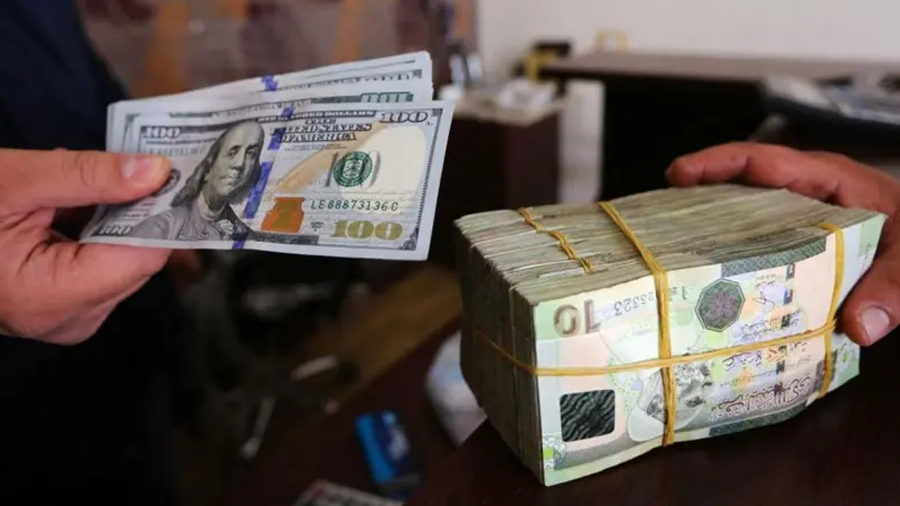
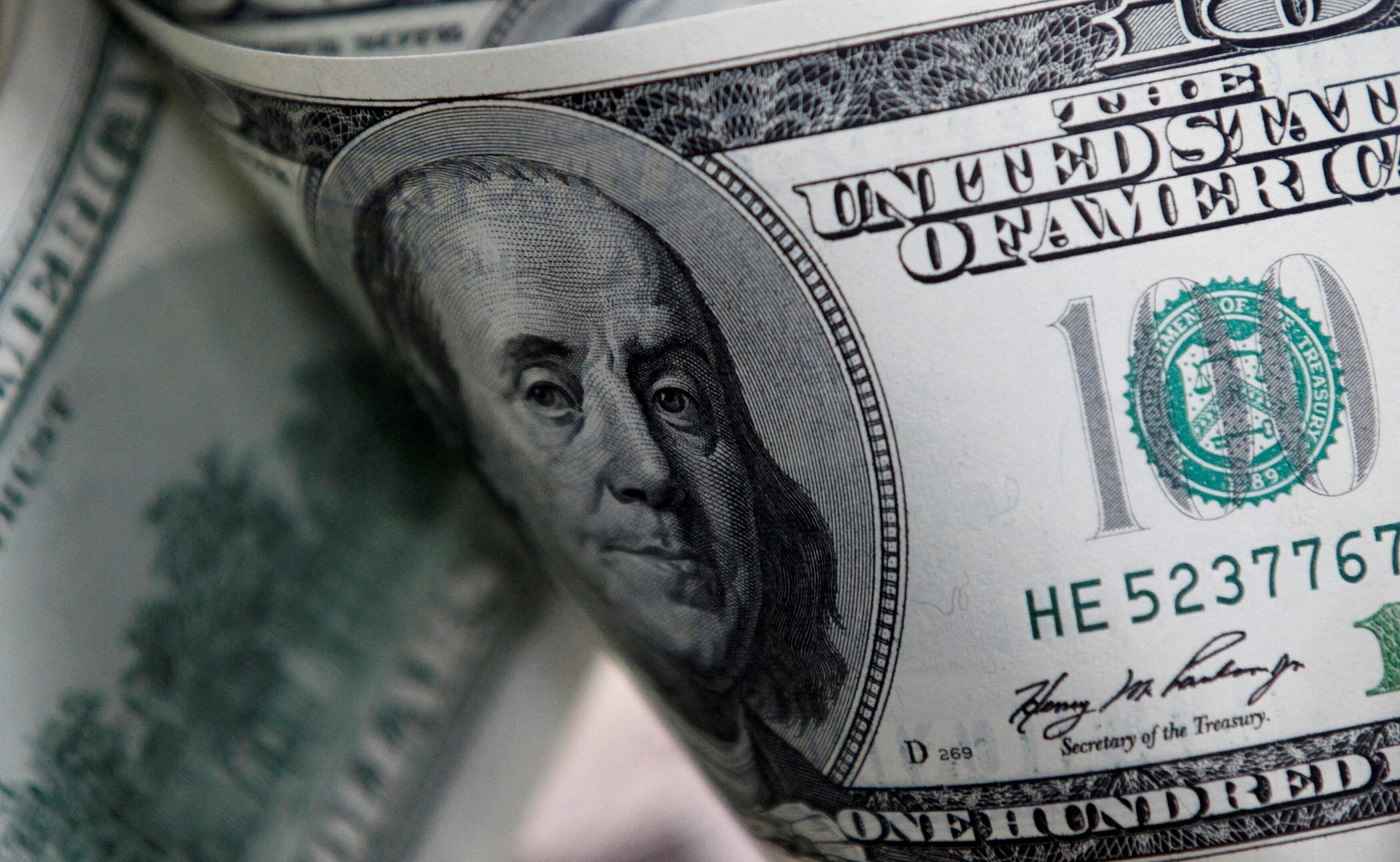
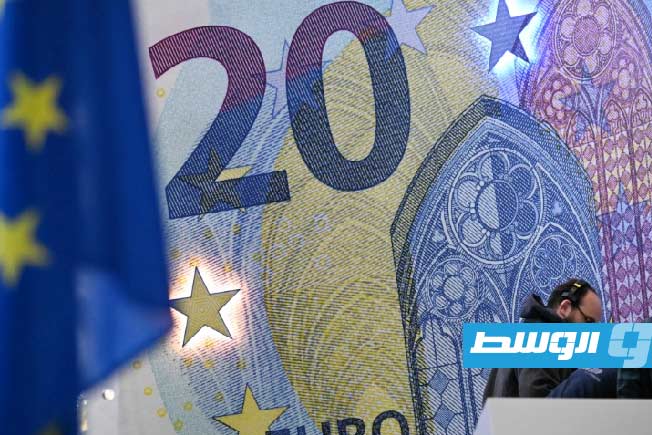
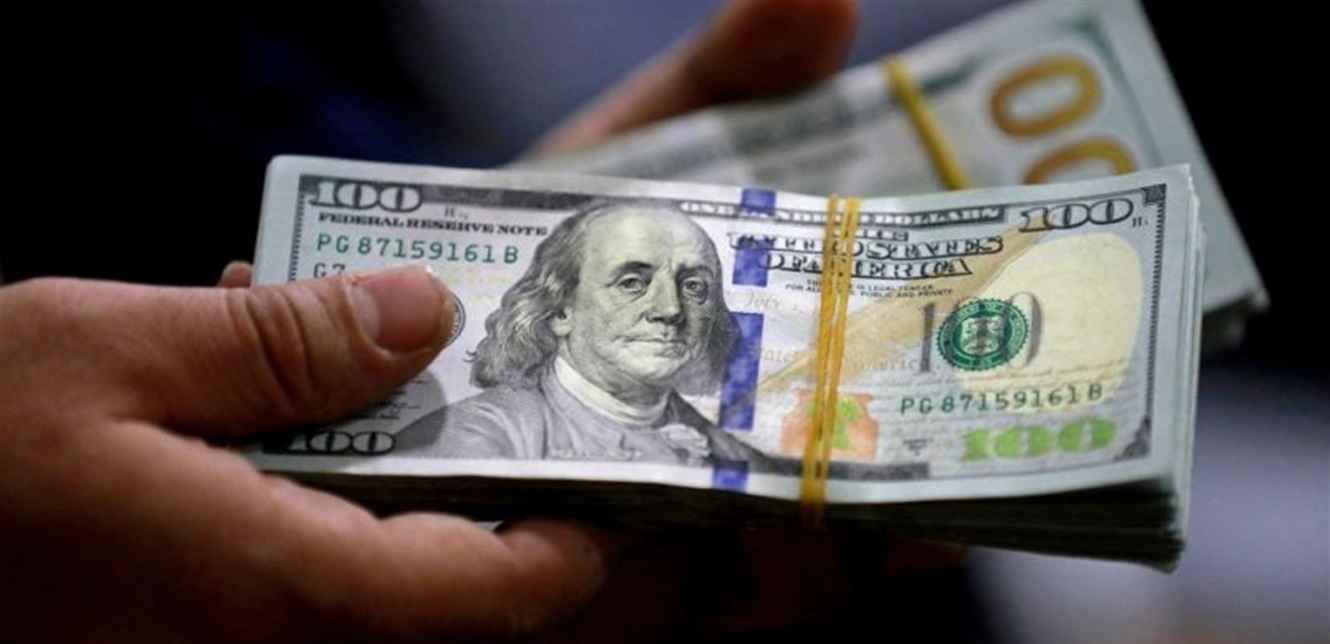
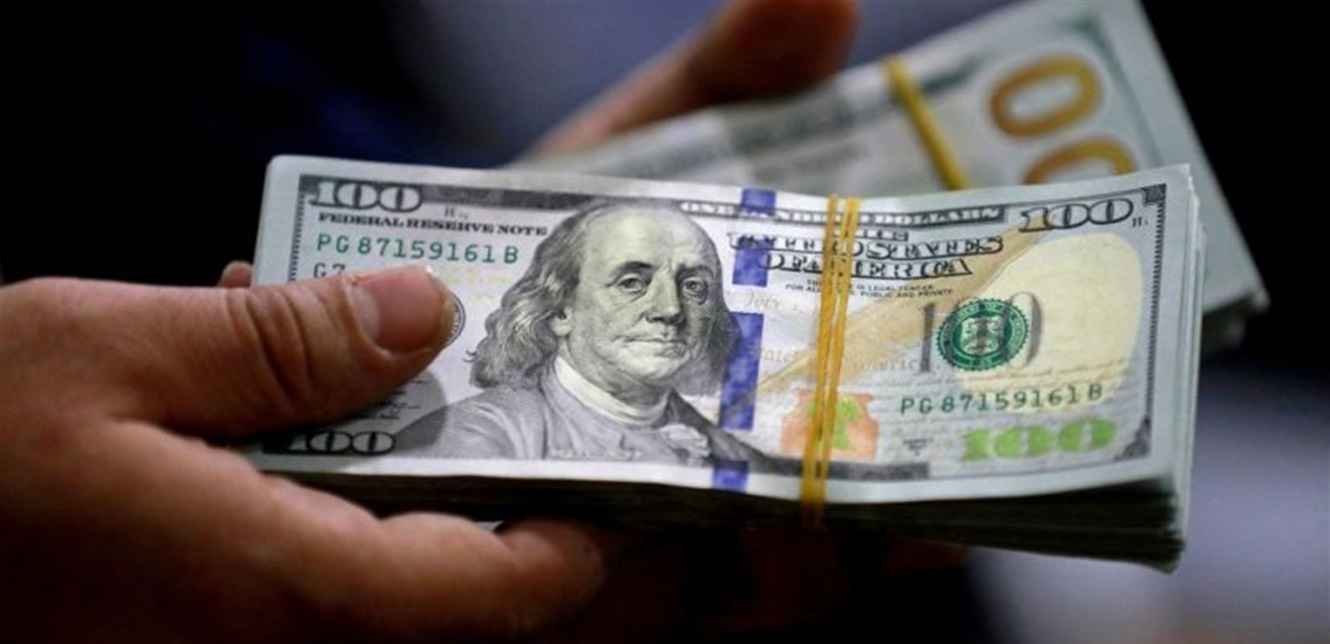
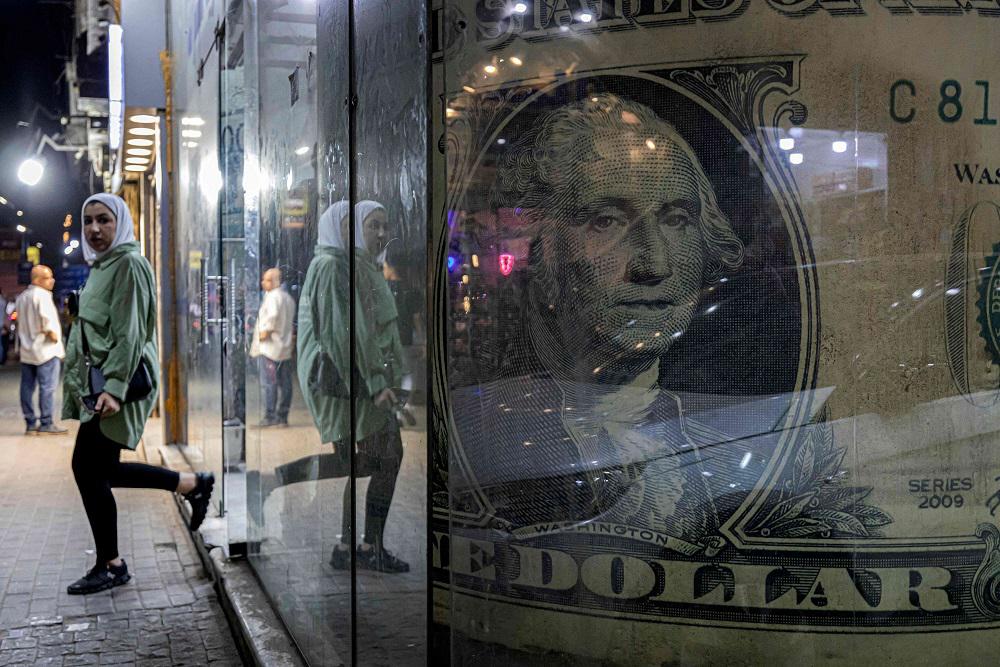
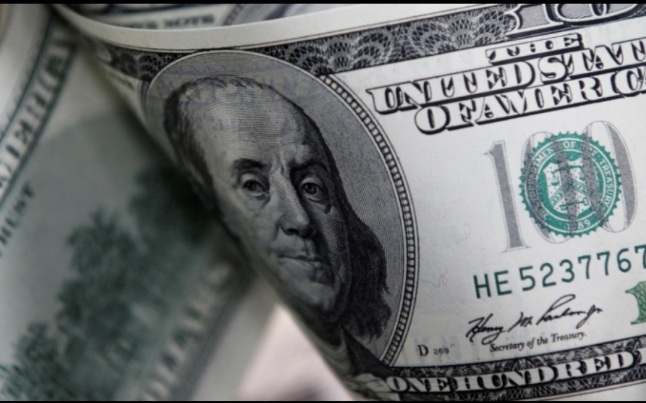
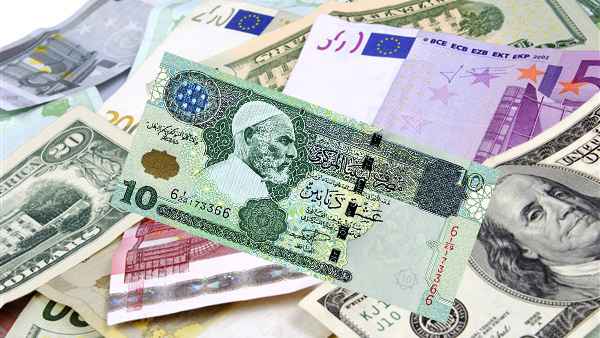
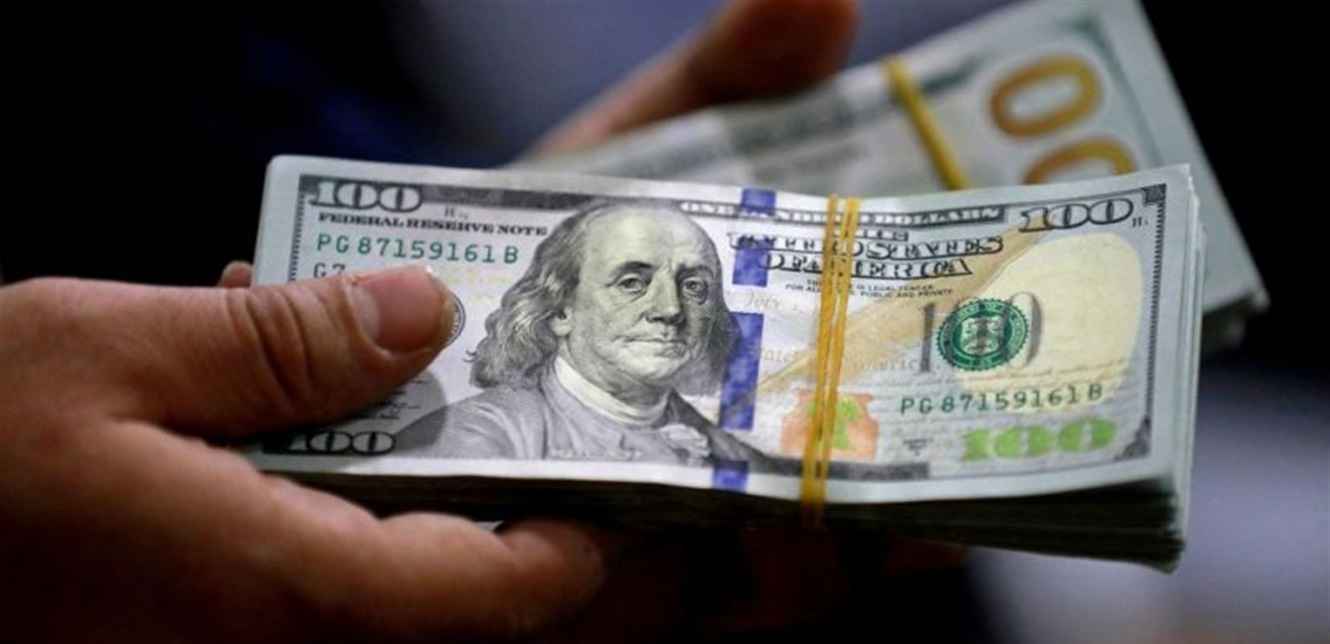
According to official data issued by the Confederation of African Football (CAF), the total revenue for the 2025-2026 fiscal year is expected to reach approximately 3.1 billion dirhams (312.8 million dollars), an increase of nearly 88% compared to the 2023-2024 cycle.
This leap is reflected in the Moroccan economy through increased broadcasting rights and advertising revenues, an influx of spending by fans and official delegations, as well as tax revenues related to transport, accommodation, and services.
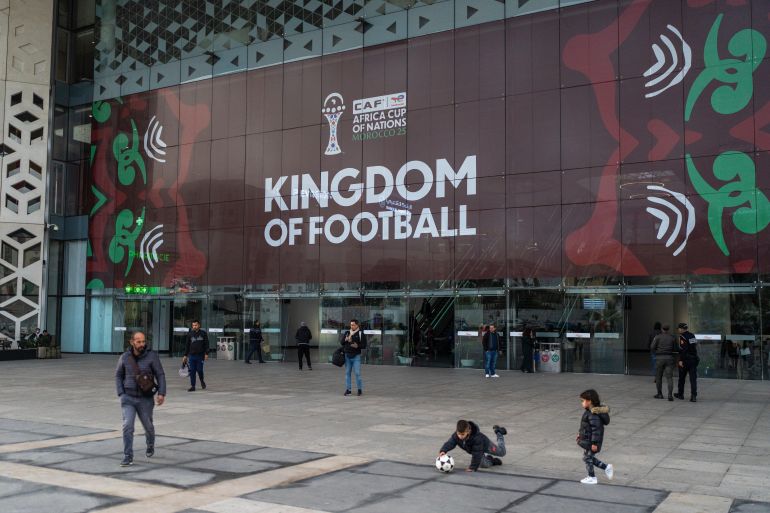
According to CAF officials, this increase reflects the unprecedented commercial appeal of this edition of the tournament, both in terms of broadcasting rights, sponsorship, and fan attendance.
In this context, the Secretary General of the Confederation of African Football, from Rabat, confirms that “the Morocco 2025 edition will be the best in the history of the tournament and will break records both sportingly and financially,” noting that “more than one million tickets have been sold so far.”
This confidence is inseparable from the volume of investments Morocco has pumped into sports and non-sports infrastructure, which has led to the tournament being classified as a global event. It is expected that around 1.5 million fans will visit Morocco, including about 100,000 from Europe and other Western markets, as highlighted by an expert from the Moroccan Institute for Strategic Intelligence.
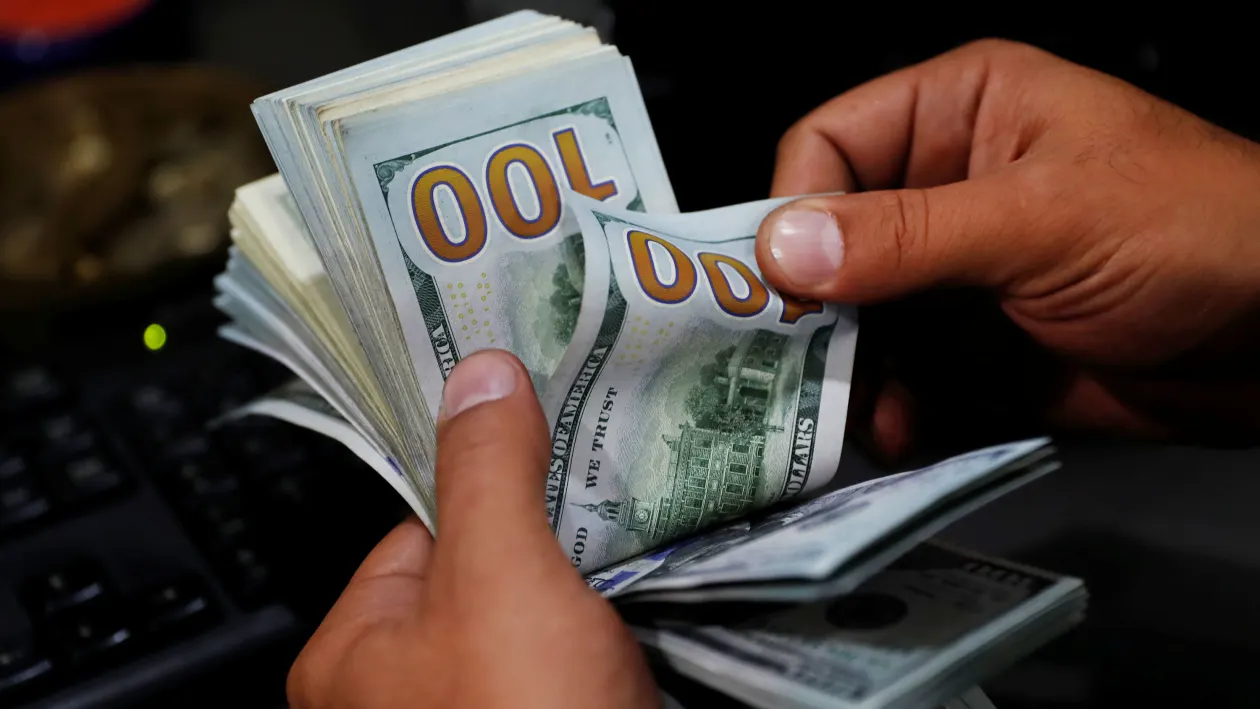
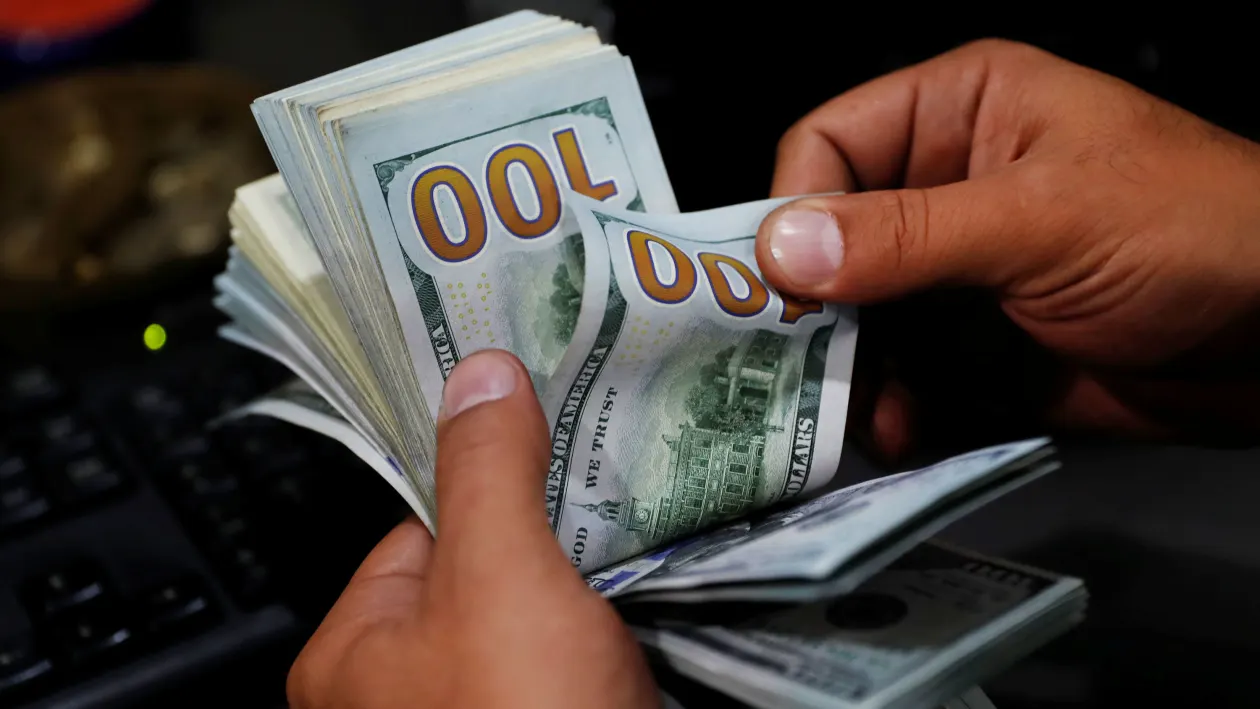
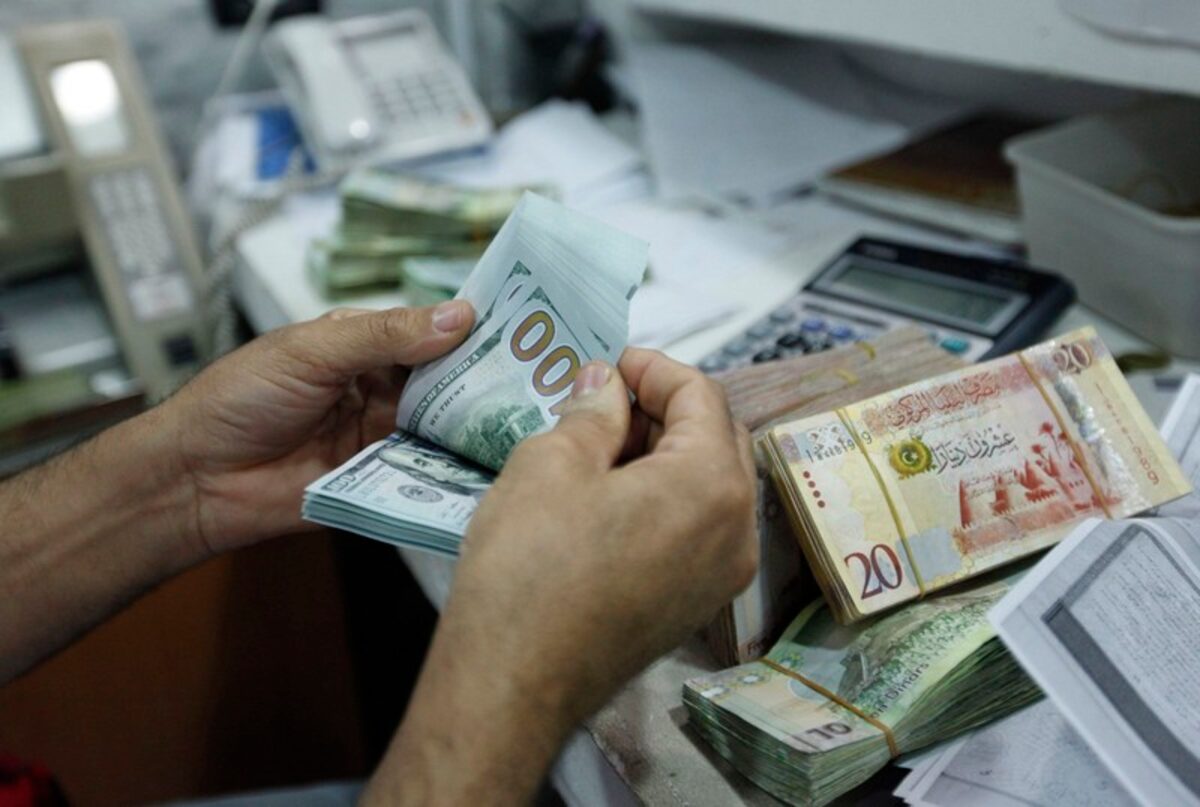
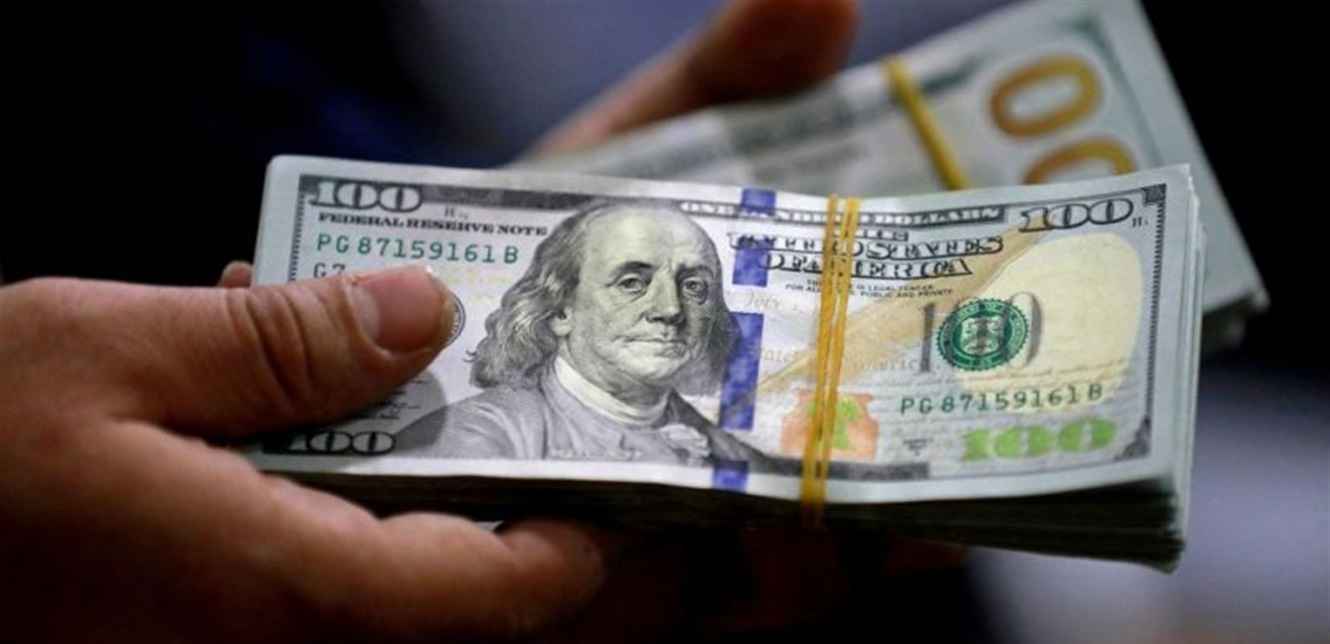
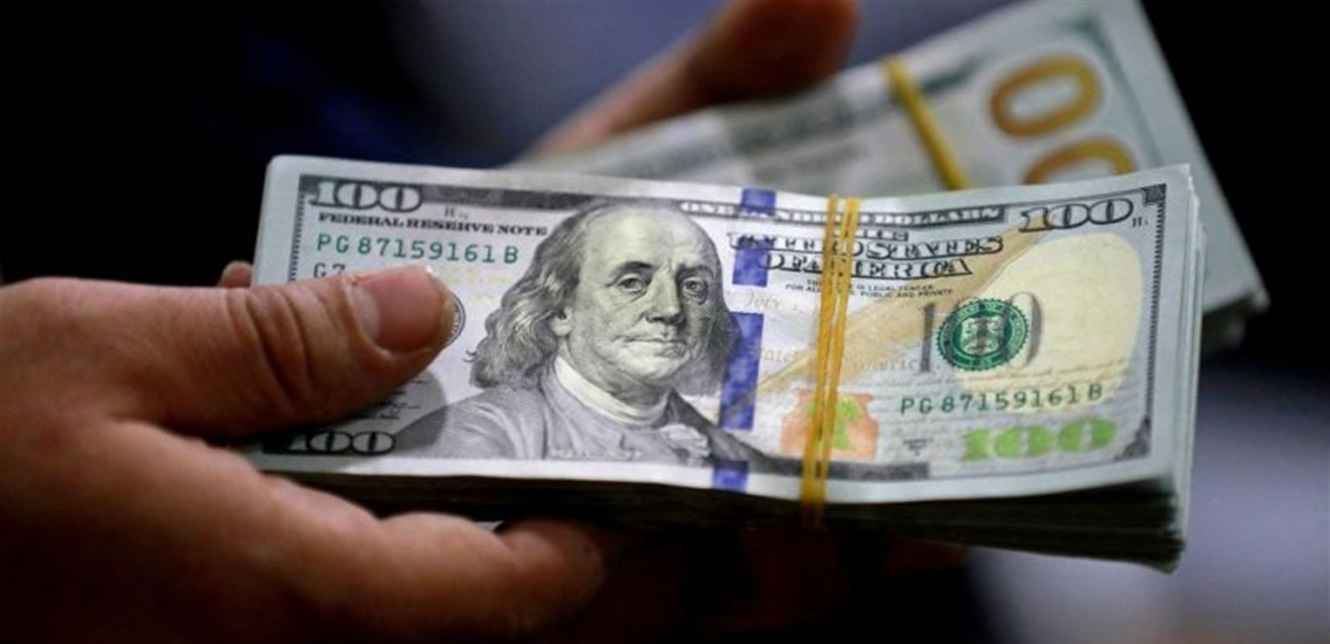
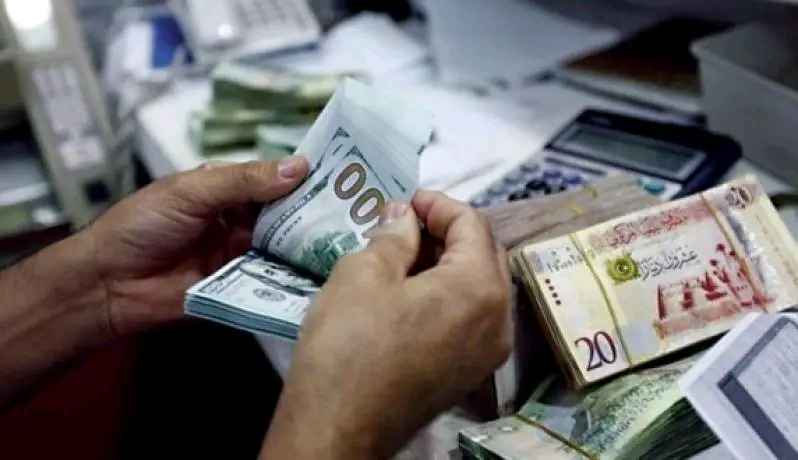
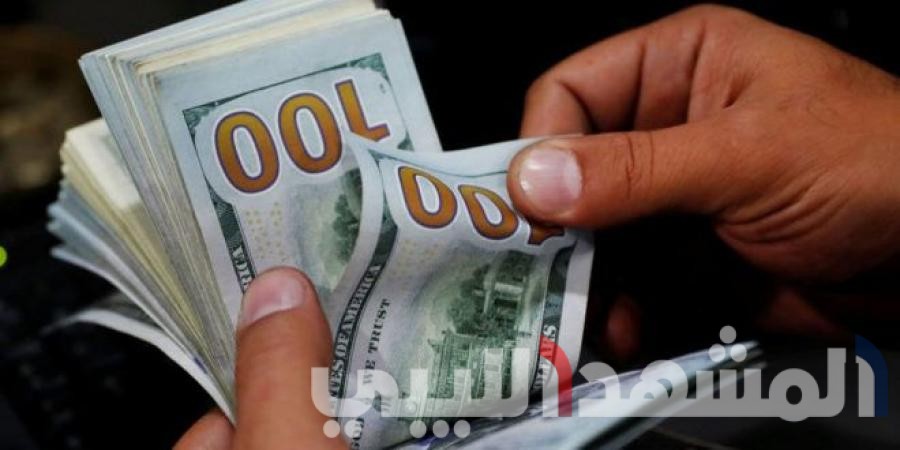
The expert adds that the spending rate of these fans varies according to markets, but the average spending exceeds 10,000 dirhams (one thousand dollars) per person, covering travel tickets, accommodation, match tickets, meals, and commercial activities. This means total revenues could reach 12 billion dirhams (one billion dollars).
Non-Traditional Financing
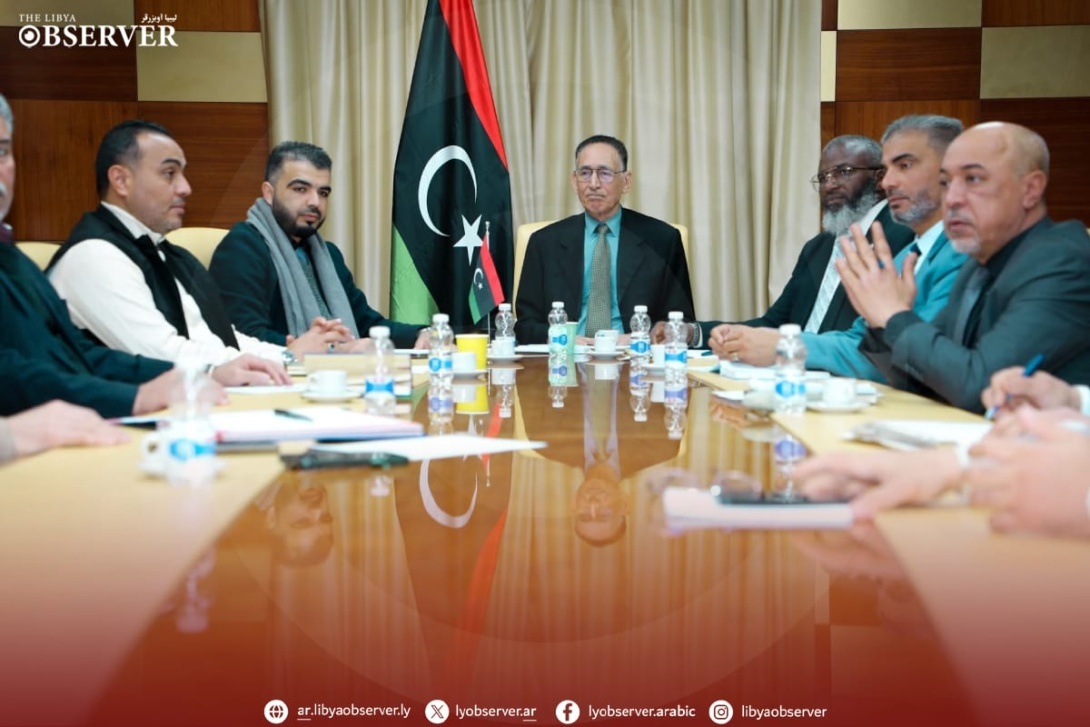
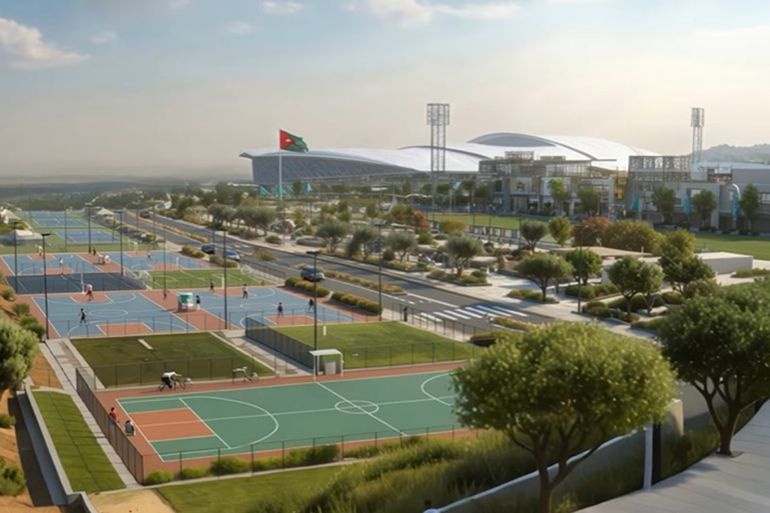
In its preparations to host the Africa Cup of Nations, Morocco chose to break away from the traditional logic based on direct public spending. The Minister Delegate in charge of the Budget revealed the mobilization of investments approaching 150 billion dirhams (15 billion dollars), including the rehabilitation of stadiums and infrastructure.
This model relies on a cost recovery mechanism over a period of nearly 20 years (a deferred payment system) through the “Deposit and Management Fund,” which alleviates pressure on the general budget and establishes a logic of productive investment, rather than merely temporary spending linked to the event, according to observers.