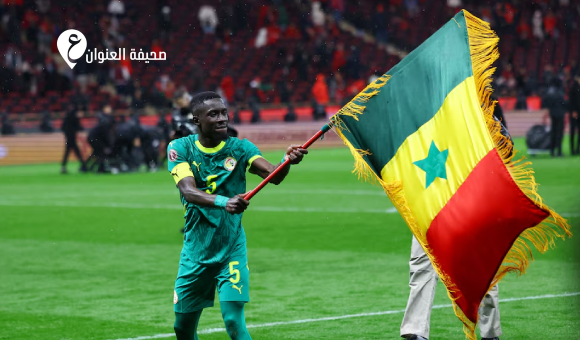
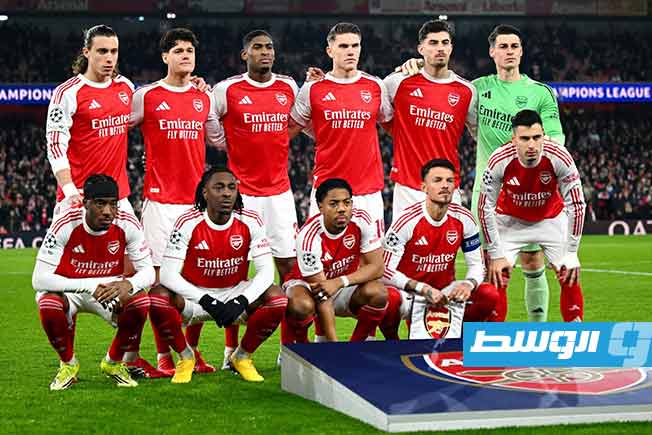
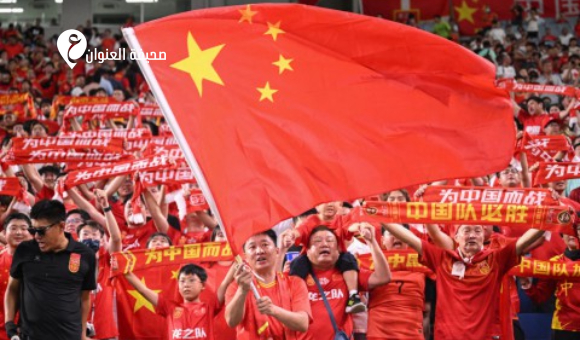
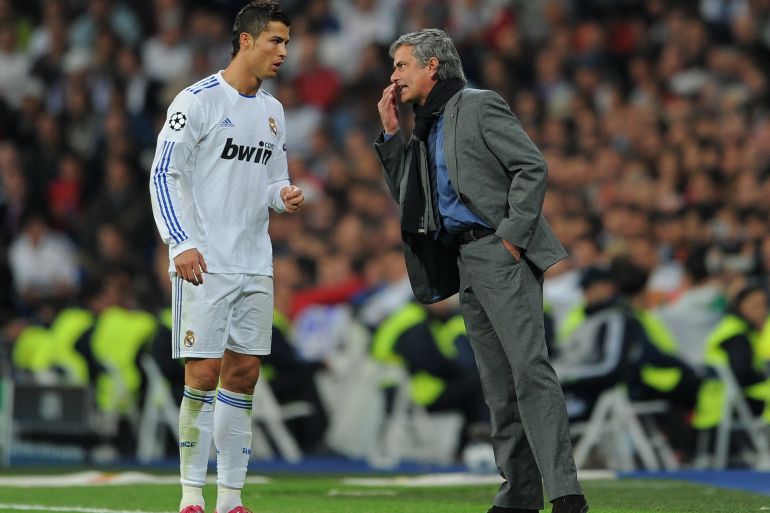
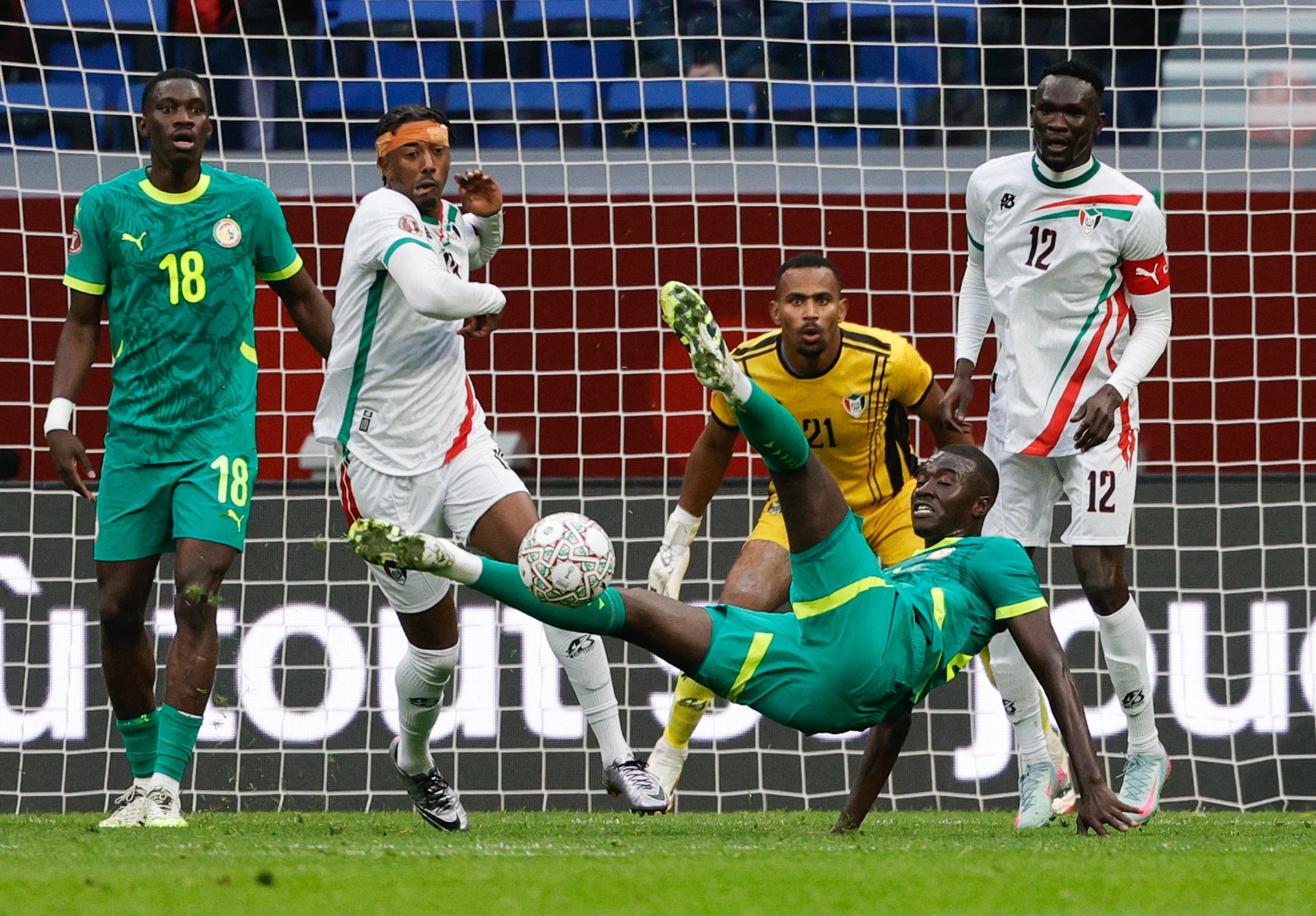
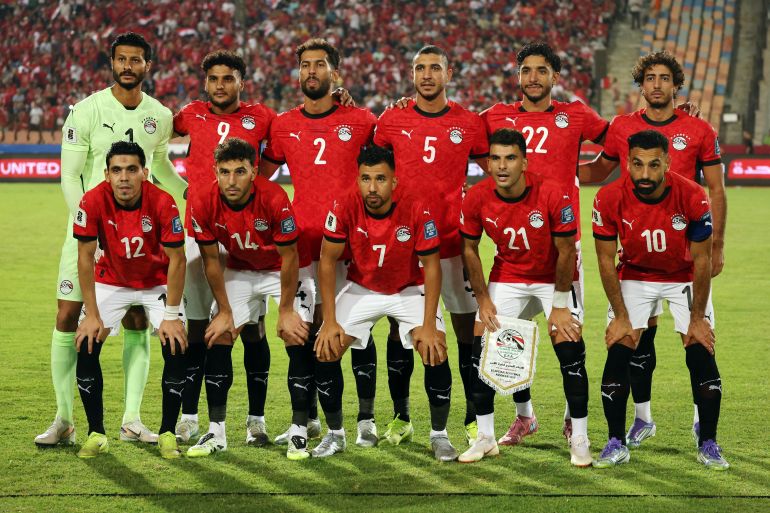
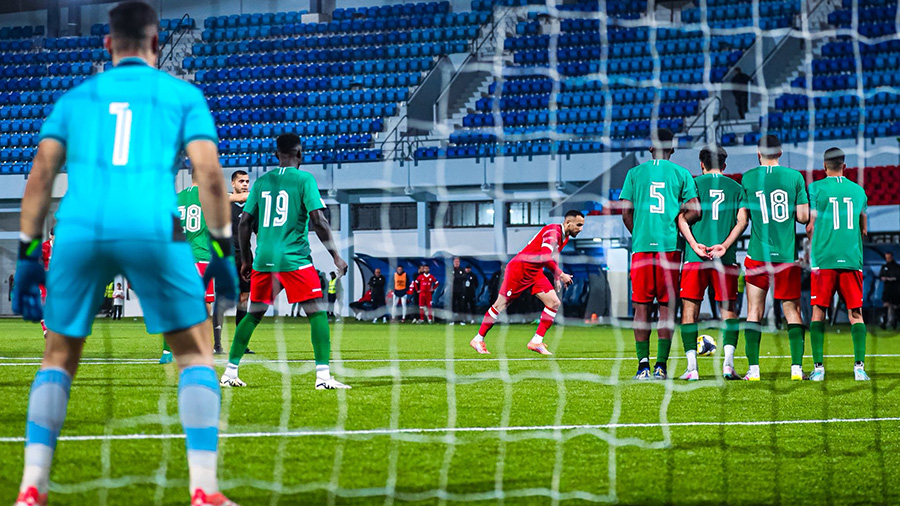
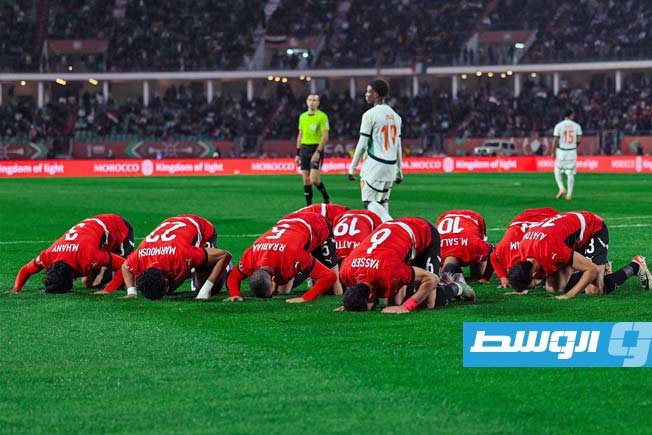
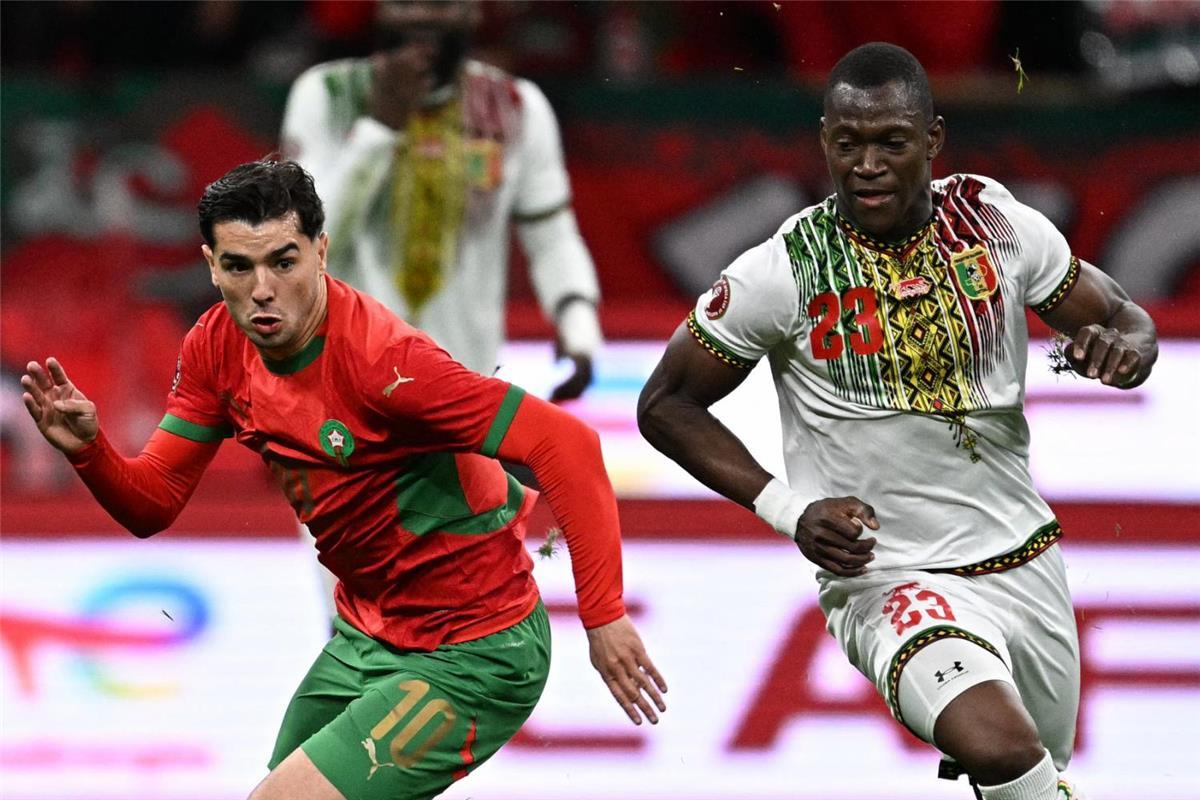
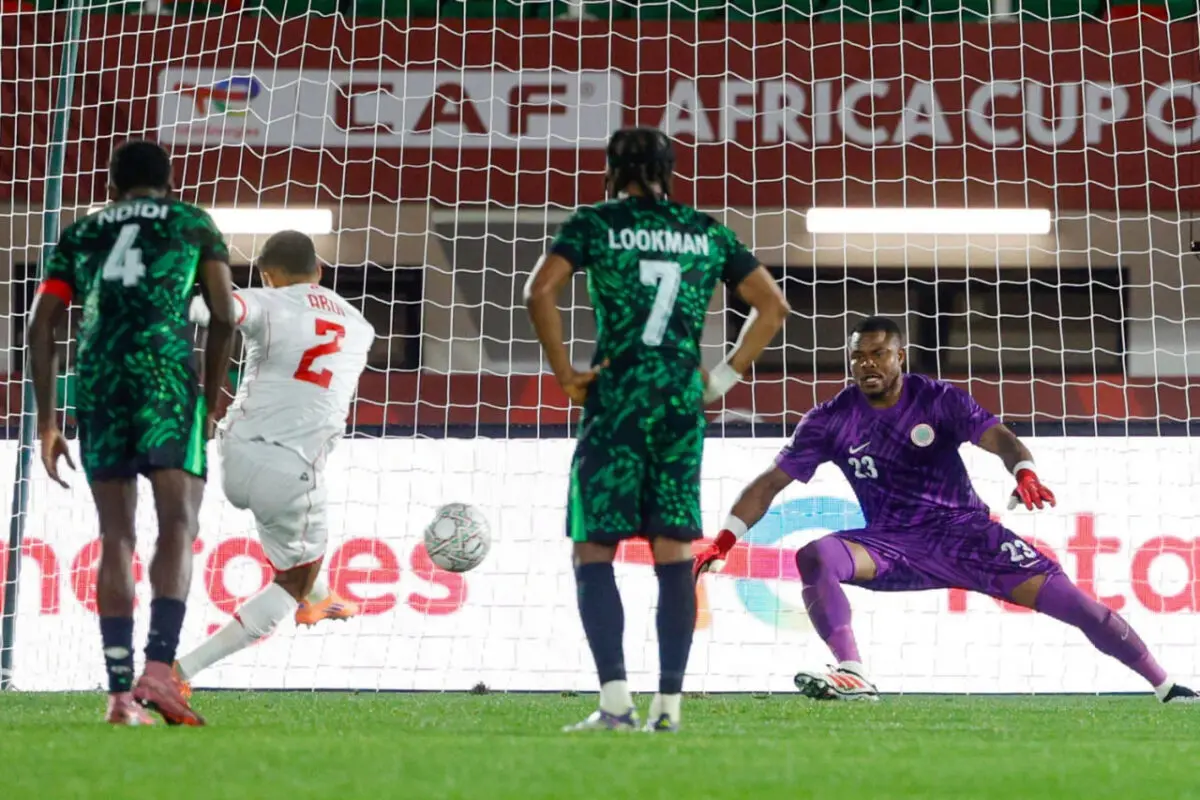
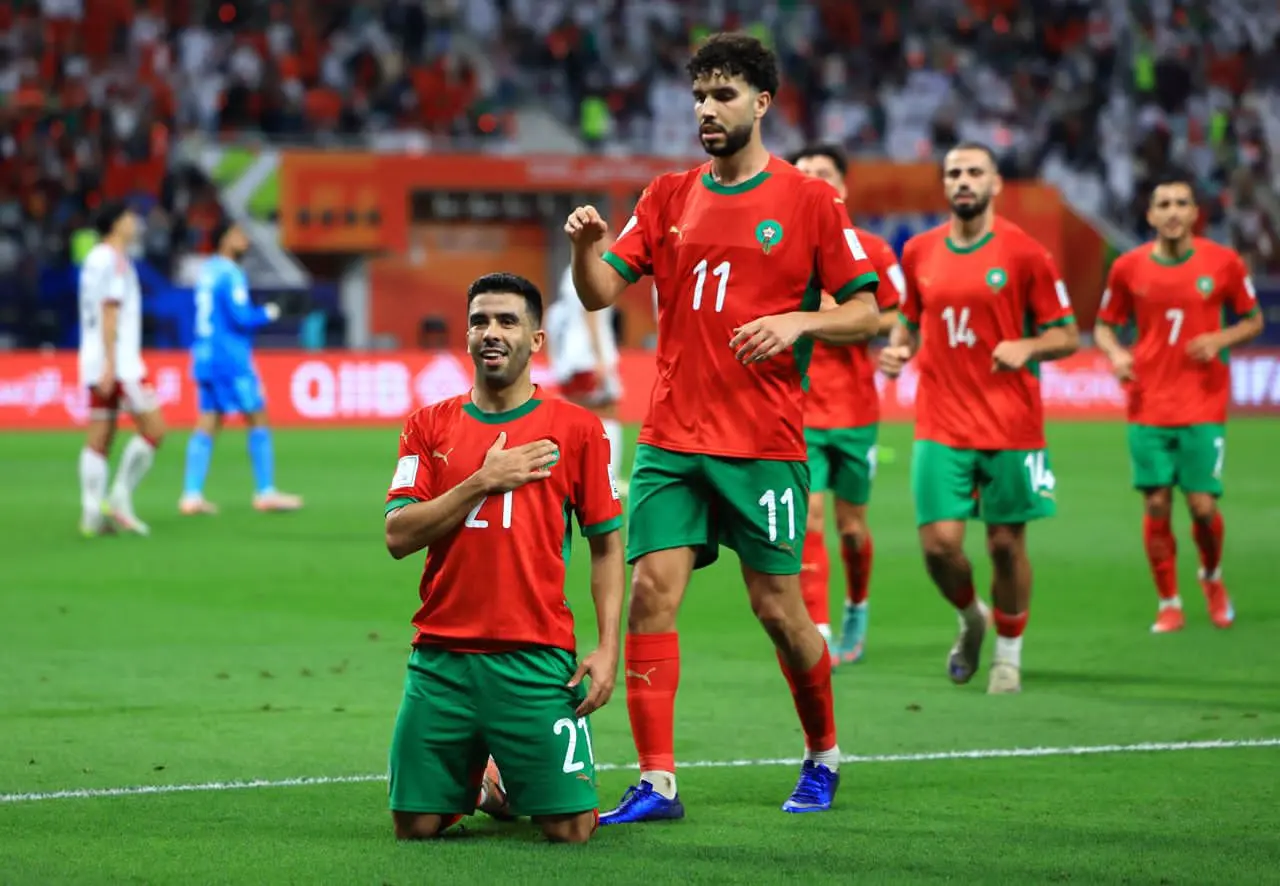
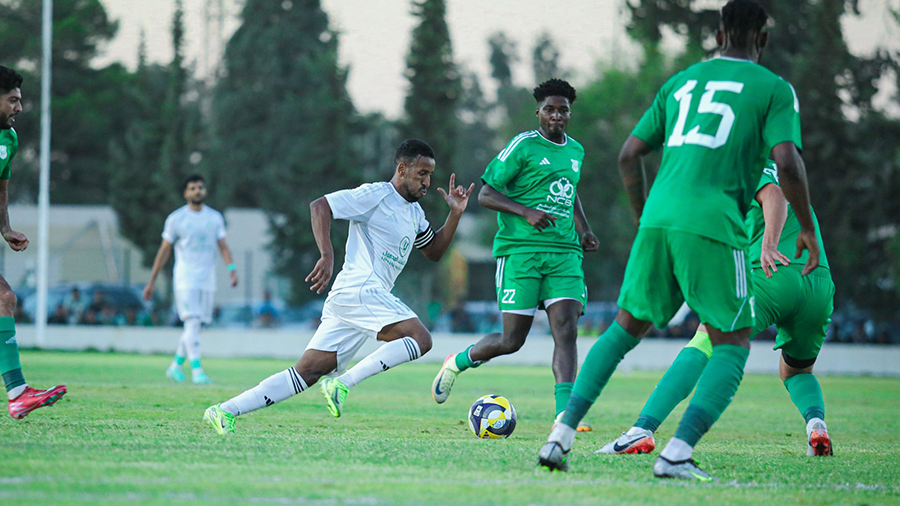
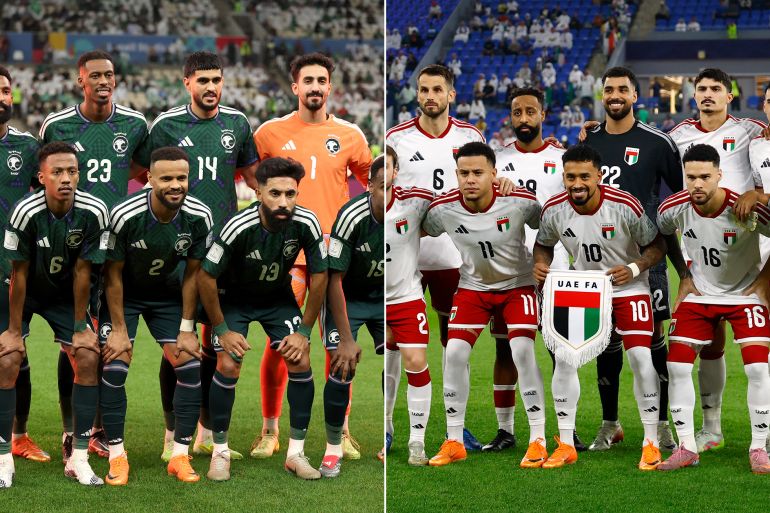
The massive increase in ticket prices for the 2026 World Cup has sparked outrage among football fans worldwide, following FIFA’s announcement of prices that exceeded all expectations, reaching up to a 500% increase compared to the Qatar 2022 World Cup.
FIFA announced ticket prices for group stage matches ranging from $140 to $2,735, while knockout stage tickets range from $190 to $8,680 for the final match. Tickets can be resold on the official platform with a 30% commission going to FIFA.
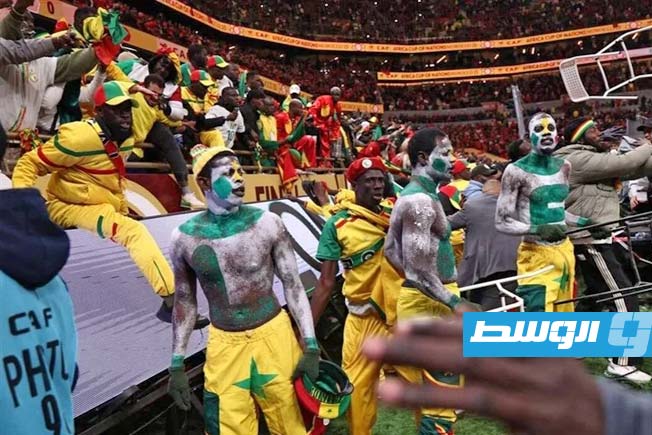
European football fan organizations have accused FIFA of betraying the fans, calling for a halt to the sale of the highest-priced tickets and a review of prices to respect the global traditions of the World Cup. The England supporters’ group “Free Lions” endorsed the statement, while the Scottish Football Supporters Association called on national federations to hold FIFA accountable.
FIFA explained that the price increase is due to the first-time implementation of a dynamic pricing policy, a strategy used in North American sports and entertainment events where prices change based on demand for matches. A FIFA spokesperson defended this model as being in line with market practices.
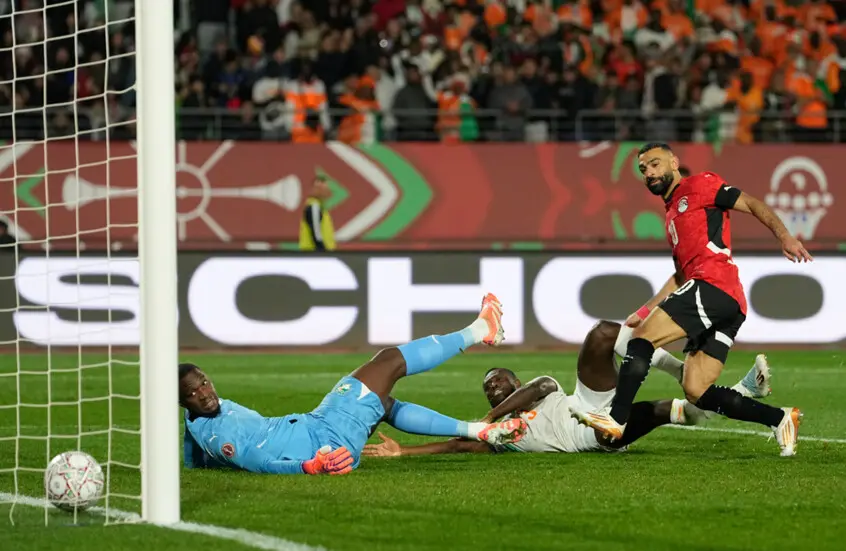
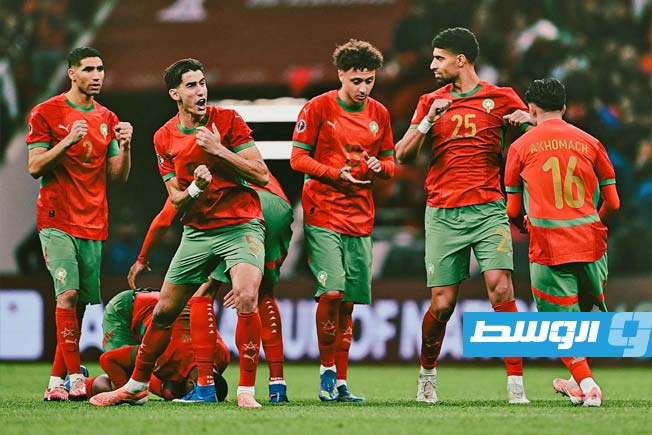
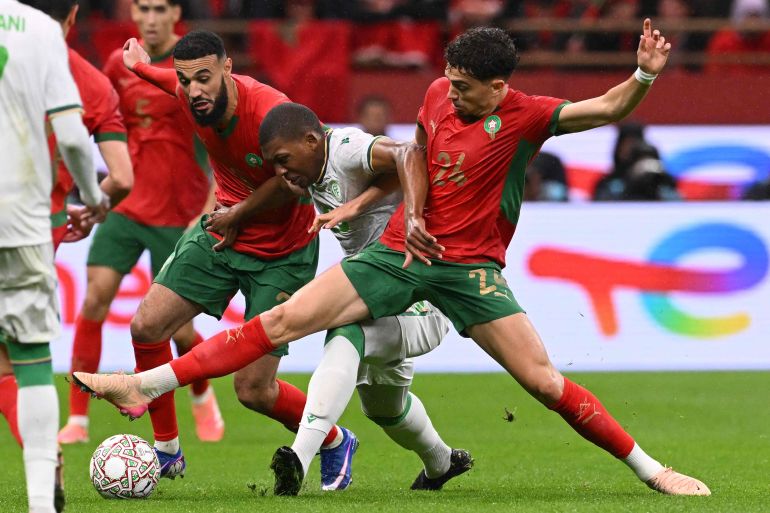
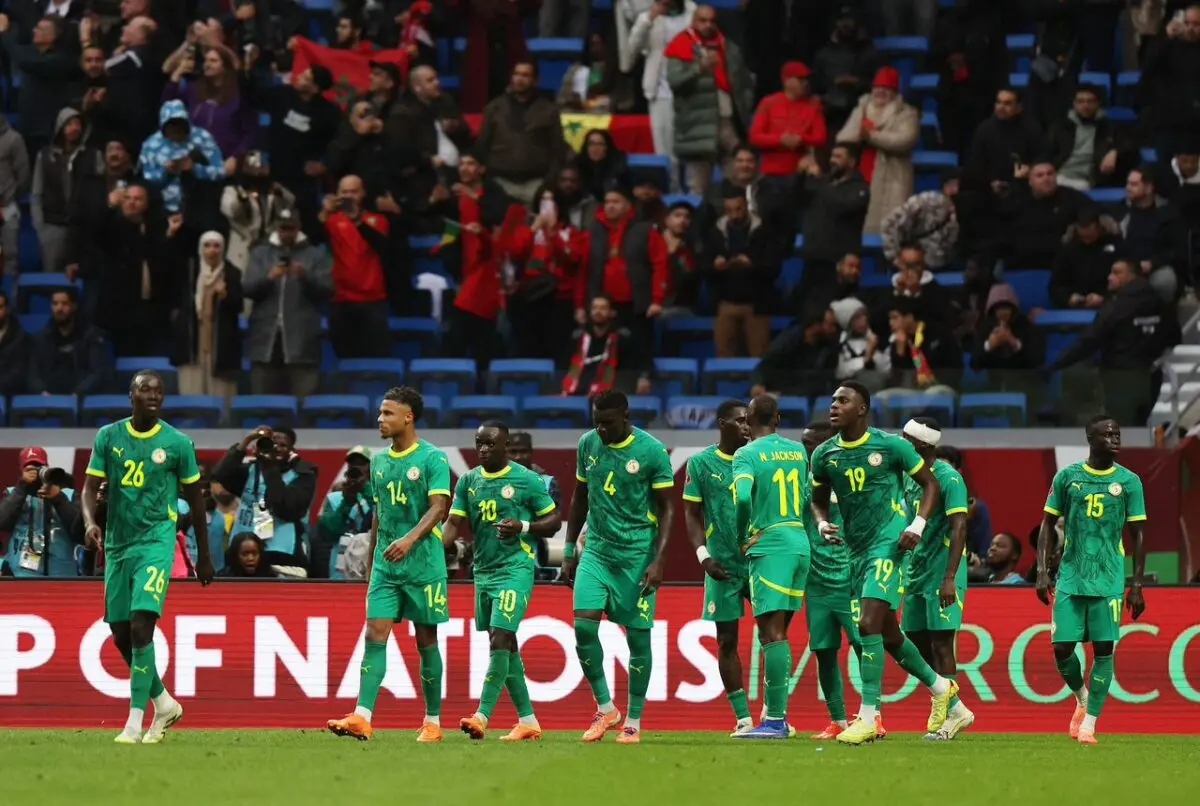
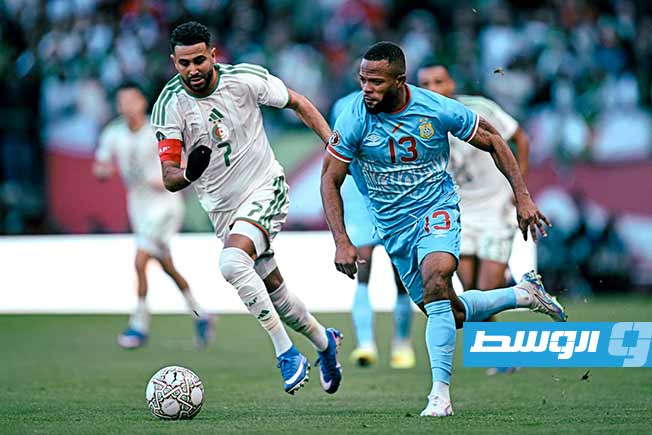
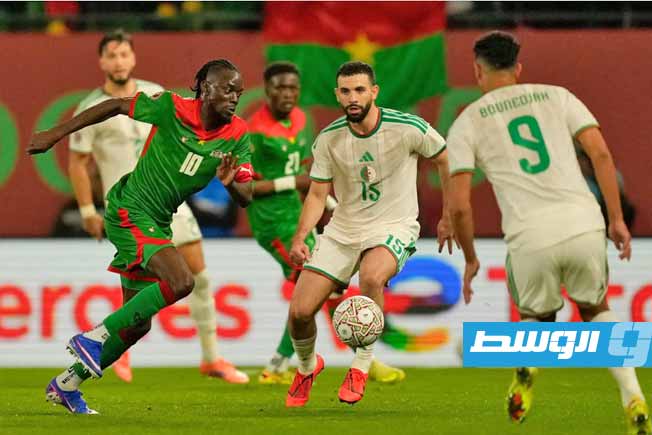
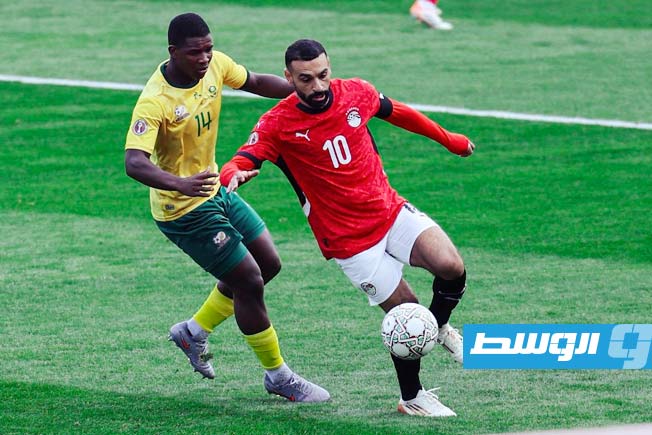
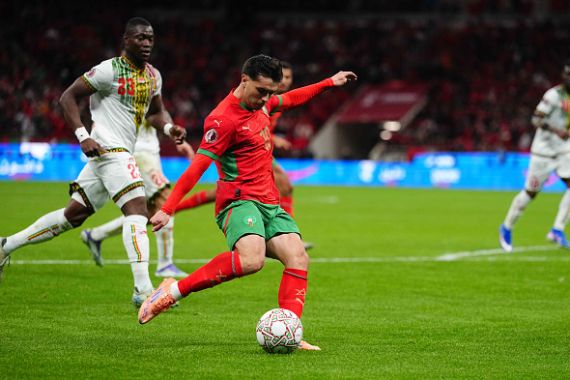
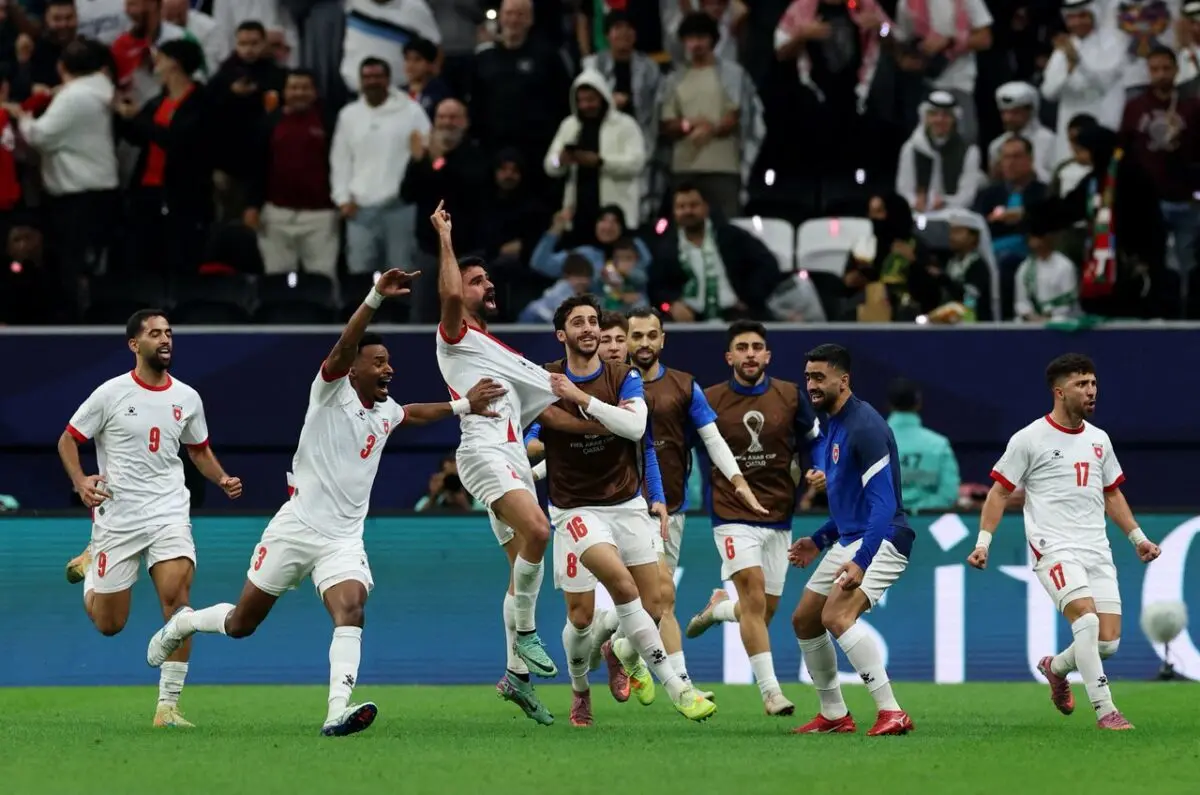
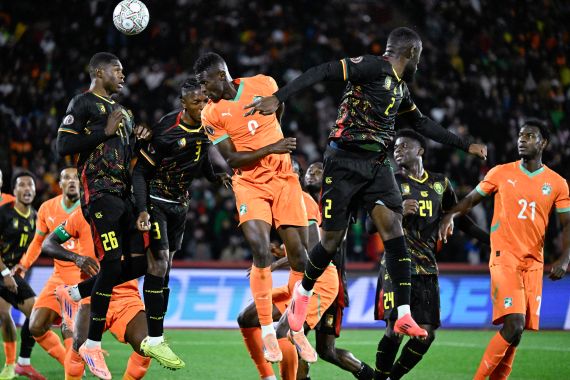
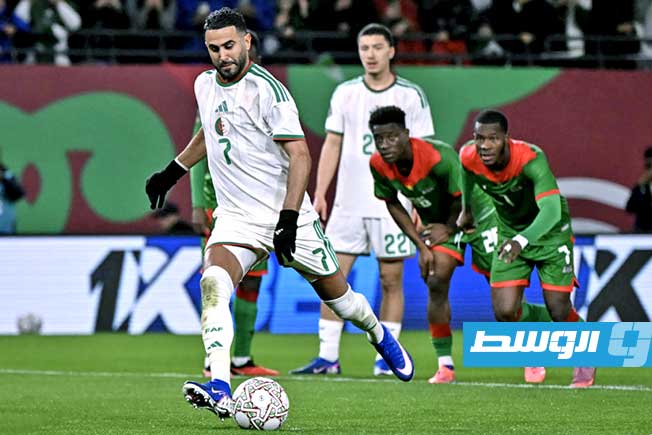
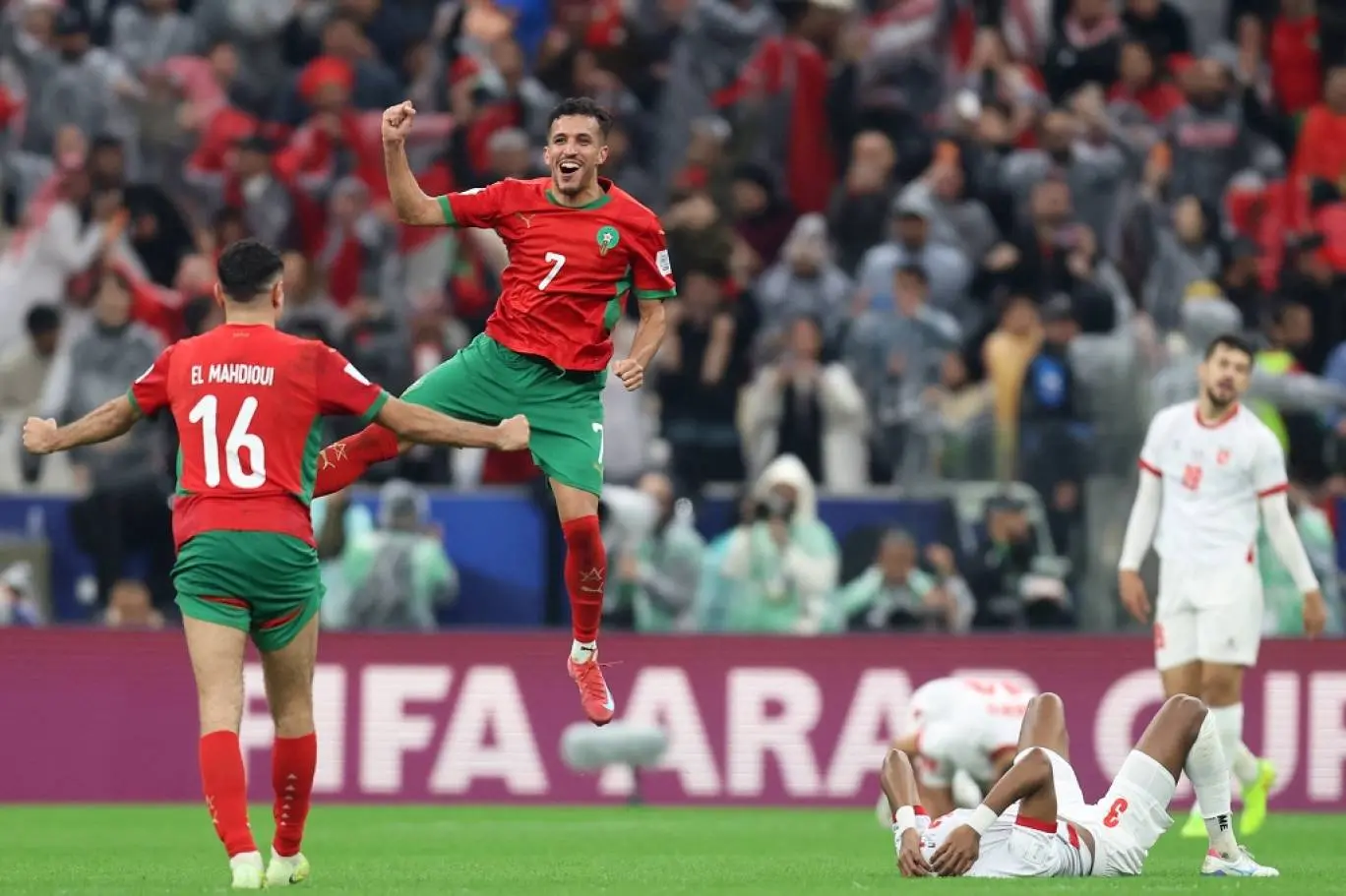
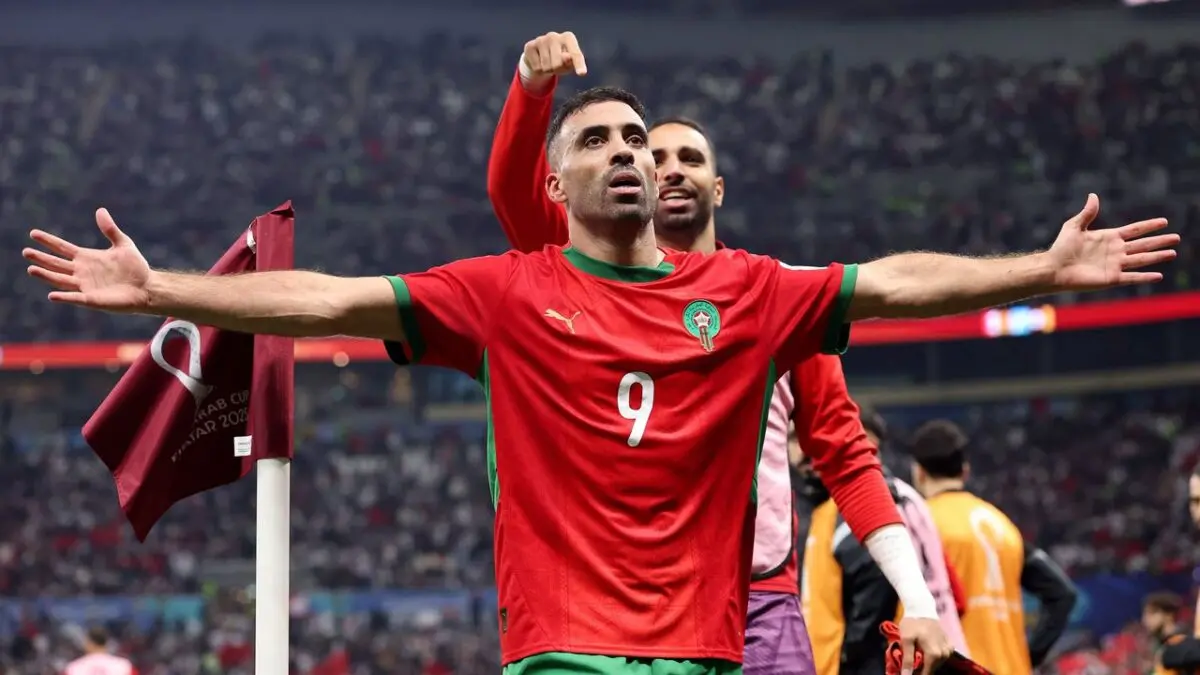
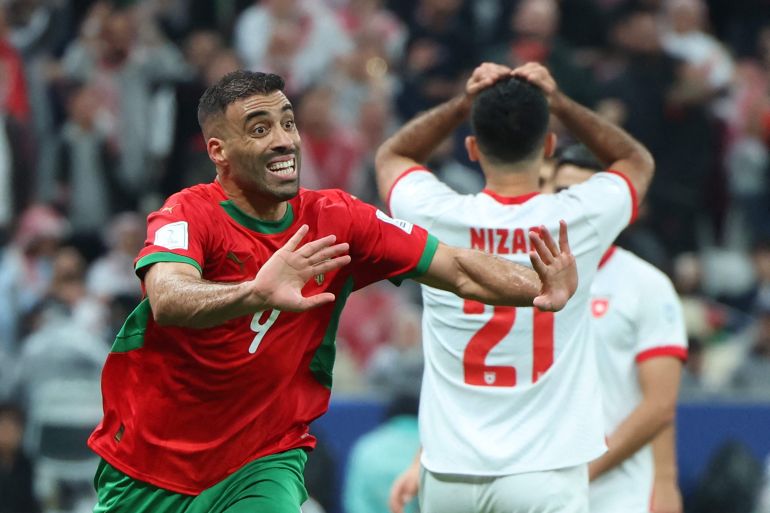
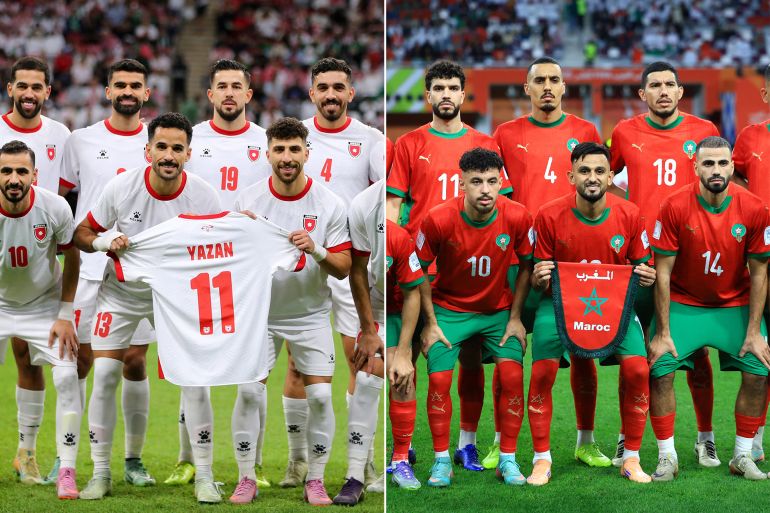
The tournament opens on June 11 with a match between Mexico and South Africa and concludes on July 19 with the final at MetLife Stadium in New Jersey. It will feature 48 teams, including seven Arab national teams: Egypt, Tunisia, Morocco, Algeria, Saudi Arabia, Qatar, and Jordan.
2026 World Cup
The 2026 FIFA World Cup will be the first tournament to feature 48 teams and will be jointly hosted by 16 cities across the United States, Canada, and Mexico. This marks the first time the World Cup will be hosted by three nations, with Mexico becoming the first country to host the men’s tournament three times.
FIFA
FIFA, or the Fédération Internationale de Football Association, is the international governing body for association football, founded in Paris in 1904. It organizes major global tournaments, most notably the FIFA World Cup, which began in 1930 and has become the world’s most widely viewed sporting event.
Qatar 2022 World Cup
The 2022 FIFA World Cup was the first edition of the tournament to be held in the Middle East, hosted by Qatar. It was notable for being the most expensive World Cup in history and for its unique timing, being held in November and December to avoid the extreme summer heat.
Europe
Europe is a continent with a rich and complex history, shaped by ancient civilizations like Greece and Rome, the transformative Middle Ages, the Renaissance, and periods of both empire and devastating conflict. Culturally, it is renowned for its diverse array of artistic movements, architectural styles, and philosophical traditions, which have had a profound global influence. Today, it is home to numerous UNESCO World Heritage Sites and is politically organized in part by the European Union, a unique supranational entity promoting cooperation among many of its nations.
England
England is a country within the United Kingdom with a rich history dating back to ancient settlements, including Roman occupation and the formation of the Anglo-Saxon kingdoms. It later became a central power in the British Empire and was the birthplace of the Industrial Revolution, profoundly influencing global politics, culture, and economics. Its cultural landmarks range from prehistoric sites like Stonehenge to iconic institutions such as the Houses of Parliament and Westminster Abbey.
Free Lions
“Free Lions” refers to a cultural and political movement among the Amazigh (Berber) people in Libya, particularly active after the 2011 revolution. It advocates for the recognition of Amazigh identity, language, and rights within the country, drawing on a history of indigenous presence in North Africa that long predates Arabization. The movement’s name symbolizes a push for autonomy and cultural preservation in the post-Gaddafi era.
Scottish Football Supporters Association
The Scottish Football Supporters Association (SFSA) is a national organization founded in 2015 to represent the interests of fans across Scottish football. It was established to give supporters a collective voice in the governance and future direction of the game, advocating for issues such as affordability, safe standing, and fan ownership.
North America
North America is a continent comprising countries such as Canada, the United States, and Mexico, with a human history spanning thousands of years from its indigenous civilizations to European colonization and the formation of modern nations. Its cultural sites are incredibly diverse, ranging from ancient pre-Columbian cities like Teotihuacán to iconic modern landmarks such as the Statue of Liberty.
Mexico
Mexico, officially the United Mexican States, is a country with a rich history spanning from advanced pre-Columbian civilizations like the Maya and Aztec to Spanish colonization in the 16th century and independence in 1821. Its diverse cultural heritage is reflected in numerous UNESCO World Heritage sites, including ancient pyramids, colonial cities, and vibrant traditions in art, cuisine, and festivals.
South Africa
South Africa is a country located at the southern tip of the African continent, known for its diverse cultures, languages, and dramatic landscapes. Its modern history is profoundly shaped by colonialism and the institutionalized racial segregation of apartheid, which ended in 1994 with the establishment of a constitutional democracy and the election of Nelson Mandela as president.
MetLife Stadium
MetLife Stadium is a multi-purpose venue located in East Rutherford, New Jersey, which opened in 2010 as the home of the NFL’s New York Giants and New York Jets. It was built to replace the adjacent Giants Stadium and is notable for being the first stadium to be jointly owned and used by two NFL franchises from its inception.
New Jersey
New Jersey is one of the original thirteen American colonies, playing a pivotal role in the American Revolutionary War with significant battles like those at Trenton and Princeton. Today, it is a densely populated state known for its diverse landscapes, ranging from Atlantic coast beaches to the Pine Barrens, and its strong historical and cultural identity.
Egypt
Egypt, home to one of the world’s oldest civilizations, is famed for its ancient monuments along the Nile River, including the Pyramids of Giza and the Great Sphinx. Its long history spans powerful pharaonic dynasties, later periods under Greek, Roman, and Arab rule, and its modern establishment as an independent republic. The country’s rich cultural heritage continues to draw global interest in its archaeology, art, and historical influence.
Tunisia
Tunisia is a North African country with a rich history shaped by numerous civilizations, including the ancient Phoenicians, Romans, Arabs, and Ottomans. Its cultural landscape is famously marked by the ruins of Carthage, the well-preserved Roman amphitheater at El Jem, and the historic medina of Tunis, a UNESCO World Heritage site.
Morocco
Morocco is a North African country with a rich history shaped by indigenous Amazigh (Berber) cultures, Arab influence from the 7th century, and successive dynasties like the Almoravids and Almohads. Its cultural sites, such as the ancient Roman ruins of Volubilis and the historic medinas of Fez and Marrakech, reflect this diverse heritage and its role as a crossroads of civilizations.
Algeria
Algeria is a North African country with a rich history shaped by ancient Berber kingdoms, Roman rule, and centuries of Ottoman influence. It was a French colony from 1830 until achieving independence in 1962 after a protracted war of liberation. Today, its cultural heritage includes numerous UNESCO World Heritage sites, such as the Roman ruins of Timgad and the Casbah of Algiers.
Saudi Arabia
Saudi Arabia is a modern nation-state founded in 1932 by King Abdulaziz Al Saud, unifying the regions of Najd and Hejaz. It is the birthplace of Islam, home to the religion’s two holiest cities, Mecca and Medina, which have been central to Islamic history and pilgrimage for over fourteen centuries. The country’s contemporary significance is deeply tied to its vast petroleum reserves, discovered in the 1930s, which have shaped its economy and global role.
Qatar
Qatar is a sovereign country on the Arabian Peninsula, historically shaped by its Bedouin heritage and maritime pearl-diving economy. It transformed dramatically after gaining full independence in 1971 and the subsequent development of its vast natural gas reserves, which propelled it into a position of significant global economic and political influence. Today, it is known for its modern capital, Doha, and as a major hub for international diplomacy, sports, and culture.
Jordan
Jordan is a Middle Eastern country with a rich historical legacy, most famously home to the ancient city of Petra, a Nabatean capital carved into rose-red sandstone cliffs over 2,000 years ago. The region has been a crossroads of civilizations, from the Roman Empire—evidenced by sites like Jerash—to the Umayyad Caliphate, which left desert castles such as Qasr Amra. The modern Hashemite Kingdom of Jordan was established in the 20th century following the dissolution of the Ottoman Empire.