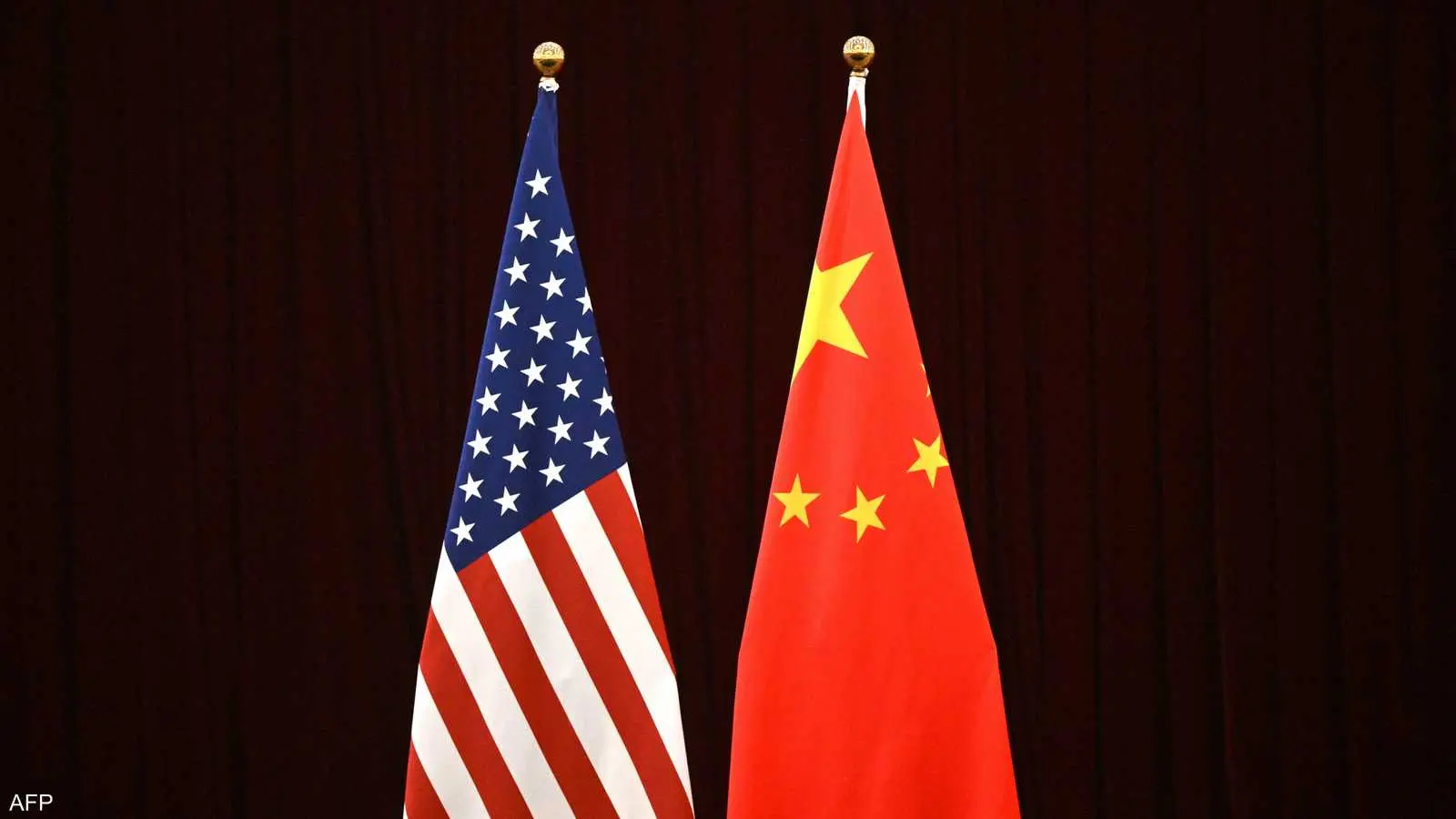
The senior Democrat on the US Senate Intelligence Committee has warned of an ongoing large-scale cyber campaign by Chinese intelligence, targeting American communications networks and enabling access to most citizens’ communications, in what is known as the “Salt Typhoon” campaign.
It was noted that China continues to breach US networks despite contradictory assessments from intelligence agencies, adding that conflicting information has been received regarding the US administration’s response to the campaign.
The focus on immigration raids by the administration, rather than intensifying counter-espionage efforts, was criticized as “extreme foolishness.” It was explained that reallocating roughly 45% of FBI personnel to work on immigration raids contributed to a slow response.
It was clarified that Chinese hackers, affiliated with the Ministry of State Security’s intelligence apparatus, are capable of accessing the unencrypted phone communications of most Americans, while Russia and Iran are attempting to exploit the same vulnerabilities revealed by the “Salt Typhoon” campaign.
A former China expert at the Central Intelligence Agency pointed out that US communications networks are more vulnerable to breaches than their counterparts in Canada and Europe, due to their rapid assembly without sufficient focus on cybersecurity, coupled with a reduction in specialized personnel at the Cybersecurity and Infrastructure Security Agency.
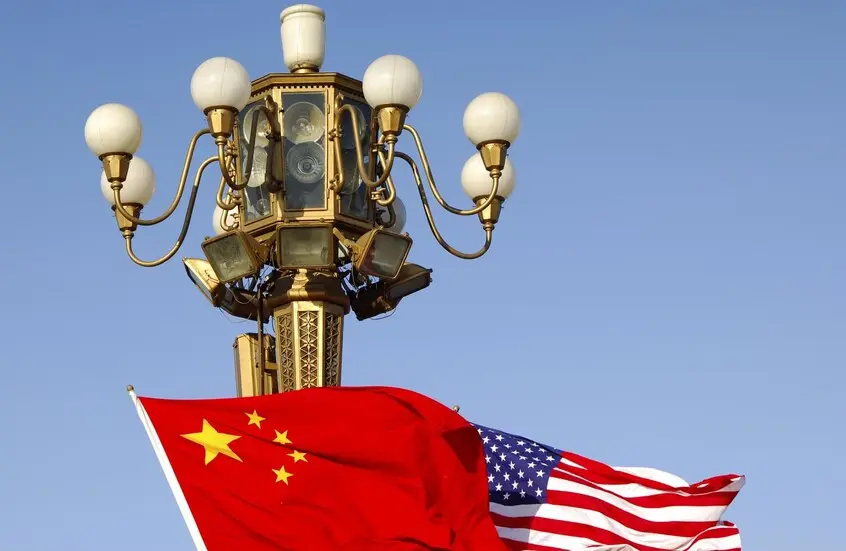
According to analysts, updating and strengthening communications networks to counter Chinese hacking will cost the United States billions of dollars. Meanwhile, the administration has halted moves to impose sanctions on China’s Ministry of State Security to avoid weakening the truce between Washington and Beijing.
It is noted that the “Salt Typhoon” campaign began two years ago and targeted the core network infrastructure of American communications, revealing the fragility of the US digital infrastructure. Concerns have emerged that the continuation of these attacks could allow Russia and Iran to exploit the same vulnerabilities, further complicating American cybersecurity and making the protection of communications an urgent strategic priority.
Germany Summons Russian Ambassador, Warns of Consequences for Hybrid Attacks
The German Foreign Ministry summoned the Russian ambassador in Berlin and warned him of the consequences of “Moscow-backed hybrid attacks” aimed at undermining German democracy.
It was explained during a press conference in Berlin that Russian hybrid activities range from disinformation campaigns and espionage to cyberattacks and sabotage attempts, confirming that the German government has evidence of the involvement of the Russian military intelligence agency GRU in two specific incidents.
It was added that the two incidents include a 2024 cyberattack targeting Germany’s air traffic control system, carried out by the group Fancy Bear, and interference in last February’s elections through a campaign dubbed Storm 1516.
It was indicated that Germany will take a series of countermeasures in coordination with its European partners, including imposing sanctions on Russian individuals such as travel bans and asset freezes, to counter these attacks.
United States
The United States is a federal republic founded in 1776 after declaring independence from Great Britain, with its modern government established by the Constitution in 1789. Its history encompasses westward expansion, a civil war over slavery, and its emergence as a global superpower in the 20th century. The nation is defined by its diverse cultural heritage, democratic ideals, and significant economic and political influence worldwide.
China
China is one of the world’s oldest continuous civilizations, with a recorded history spanning over four millennia. It is home to numerous UNESCO World Heritage sites, such as the Great Wall and the Forbidden City, which reflect its long imperial past and profound cultural achievements.
US Senate Intelligence Committee
The United States Senate Select Committee on Intelligence is a bipartisan committee established in 1976 to oversee the nation’s intelligence activities and agencies. Its creation followed major investigations into intelligence community abuses, most notably the Church Committee. The committee is responsible for authorizing budgets and conducting oversight of entities like the CIA and NSA.
Ministry of State Security
The Ministry of State Security (MSS) is the principal intelligence, security, and secret police agency of the People’s Republic of China. It was established in 1983, consolidating several pre-existing security and counterintelligence organs to protect state security from both internal and external threats. Its functions include intelligence gathering, counter-espionage, and maintaining political stability.
FBI
The Federal Bureau of Investigation (FBI) is the United States’ primary domestic intelligence and security service, founded in 1908 as the Bureau of Investigation. It is responsible for federal law enforcement, counterterrorism, and counterintelligence within the U.S., evolving significantly in its mission and scope throughout the 20th and 21st centuries.
Central Intelligence Agency
The Central Intelligence Agency (CIA) is the primary civilian foreign intelligence service of the United States federal government, established in 1947 by the National Security Act. Its history is rooted in the Office of Strategic Services (OSS) of World War II, and it was created to coordinate the nation’s post-war intelligence activities and provide national security analysis.
Canada
Canada is a North American country formed in 1867 through Confederation, evolving from earlier British and French colonial territories. It is known for its vast landscapes, multicultural society, and a constitutional monarchy that recognizes both English and French as official languages.
Europe
Europe is a continent with a rich and complex history, shaped by ancient civilizations like Greece and Rome, the medieval period, the Renaissance, and transformative modern events including the Industrial Revolution and two World Wars. Culturally, it is renowned for its diverse artistic heritage, architectural landmarks, and as the origin of influential philosophical and political movements. Today, it is home to numerous UNESCO World Heritage sites and is politically organized in part by the European Union.
Cybersecurity and Infrastructure Security Agency
The Cybersecurity and Infrastructure Security Agency (CISA) is a United States federal agency, established in 2018, responsible for protecting the nation’s critical infrastructure from physical and cyber threats. It operates under the Department of Homeland Security and was formed to consolidate and enhance national efforts in cybersecurity and infrastructure resilience.
Washington
Washington, D.C., is the capital city of the United States, founded in 1790 following the ratification of the U.S. Constitution. It was established as a federal district through the Residence Act and named after the nation’s first president, George Washington, with its design largely planned by Pierre Charles L’Enfant. The city is home to iconic national monuments, museums, and the branches of the U.S. government.
Beijing
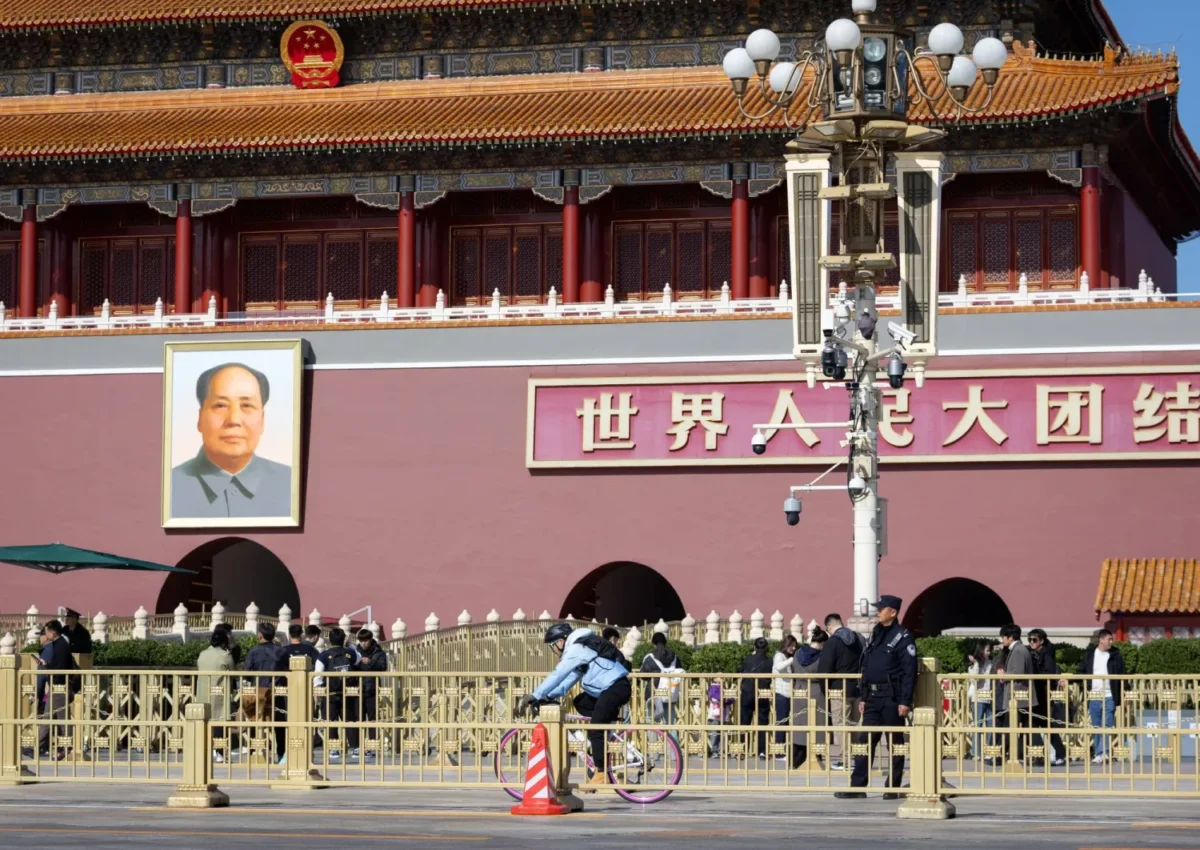
Beijing is the capital of China, with a history spanning over three millennia as a significant political and cultural center. It served as the seat of imperial power during several dynasties, most notably the Ming and Qing, and is home to UNESCO World Heritage Sites like the Forbidden City and the Great Wall. Today, it is a major global metropolis and the political heart of the People’s Republic of China.
Russia
Russia is the world’s largest country by land area, spanning Eastern Europe and Northern Asia. Its history is marked by the rise and fall of the Tsarist Empire, the 1917 Bolshevik Revolution which established the Soviet Union, and its re-emergence as the Russian Federation in 1991 following the USSR’s dissolution. The nation is renowned for its vast landscapes, rich literary and artistic traditions, and complex political history.
Iran
Iran, historically known as Persia, is home to one of the world’s oldest continuous civilizations, dating back to the Elamite kingdoms of the 4th millennium BCE. Its rich cultural heritage is exemplified by numerous UNESCO World Heritage sites, including the ancient ruins of Persepolis, the ceremonial capital of the Achaemenid Empire founded in the 6th century BCE. The modern Islamic Republic was established in 1979 following a revolution that transformed the nation from a monarchy into a theocratic state.
Germany
Germany is a country in Central Europe with a complex history, having been a collection of states for centuries before unifying in 1871. It was divided after World War II into East and West Germany, reunifying in 1990 following the fall of the Berlin Wall. Today, it is a leading economic power and is known for its rich cultural heritage in philosophy, music, and science.
German Foreign Ministry
The German Foreign Ministry, officially the Federal Foreign Office, is headquartered in Berlin and coordinates Germany’s international relations. Its history dates back to 1870, though the institution was profoundly reshaped after World War II, with its current main building originally constructed for the Reichsbank during the Nazi era.
Berlin
Berlin is the capital of Germany, historically significant as the focal point of the Cold War division symbolized by the Berlin Wall, which fell in 1989 leading to reunification. Originally founded in the 13th century, it later became the capital of the Kingdom of Prussia and a major European center of culture, science, and politics. Today, it is known for its museums, vibrant arts scene, and landmarks like the Brandenburg Gate and Reichstag building.
Moscow
Moscow is the capital and largest city of Russia, with a recorded history dating back to at least 1147. It has served as the political and cultural heart of the Russian state for centuries, symbolized by iconic sites like the Kremlin and Red Square, which have witnessed pivotal events from the Tsardom through the Soviet era to the modern Russian Federation.
GRU
GRU is the common abbreviation for Russia’s Main Intelligence Directorate, a military foreign intelligence agency established in 1918 following the Russian Revolution. It is one of the world’s oldest and largest intelligence services, historically and currently responsible for military intelligence and covert operations.