The Government of National Unity and Efforts for Accountability and Transparency According to the World Bank Report Issued in December 2025
In December 2025, the World Bank issued its economic report on Libya as part of the Libya Economic Monitor series, titled ‘Paving the Way for Accountability and Transparency in Public Financial Management’.
The report provides a realistic assessment of the path of public financial management in Libya, confirming that the achievements of the recent period were not merely a temporary improvement, but the result of executive decisions reflected in measurable financial and economic indicators, particularly during the period of the Government of National Unity.
The Evolving Cooperation Between Libya and the World Bank: From Assessment to Partnership
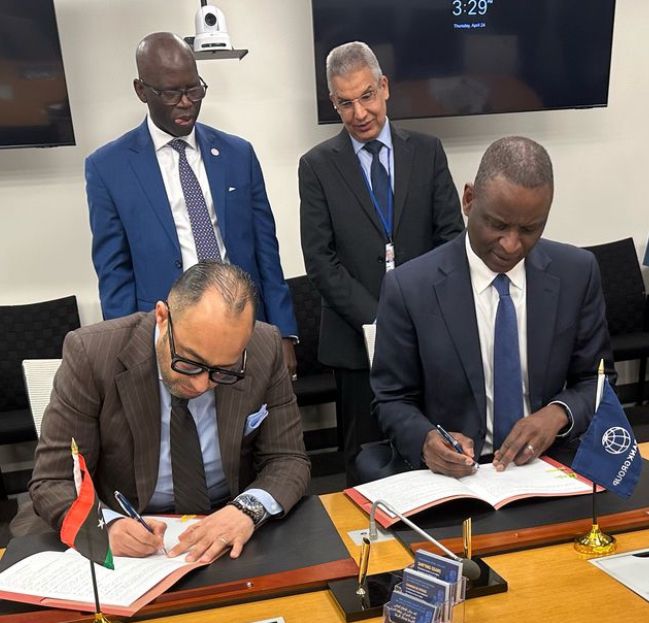
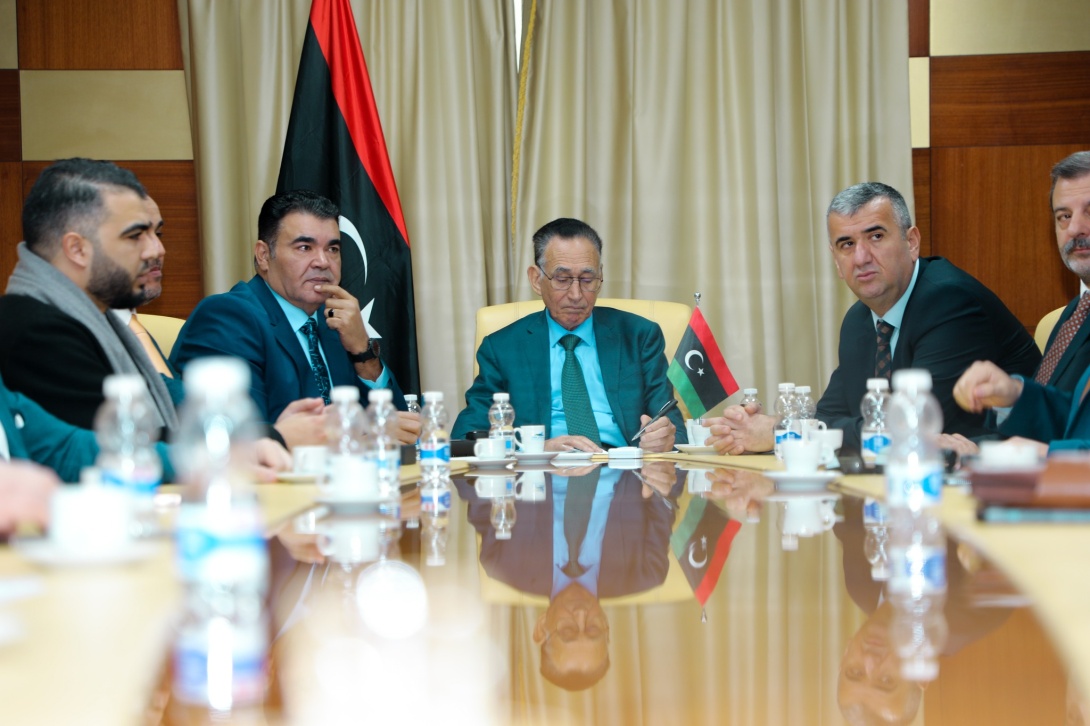
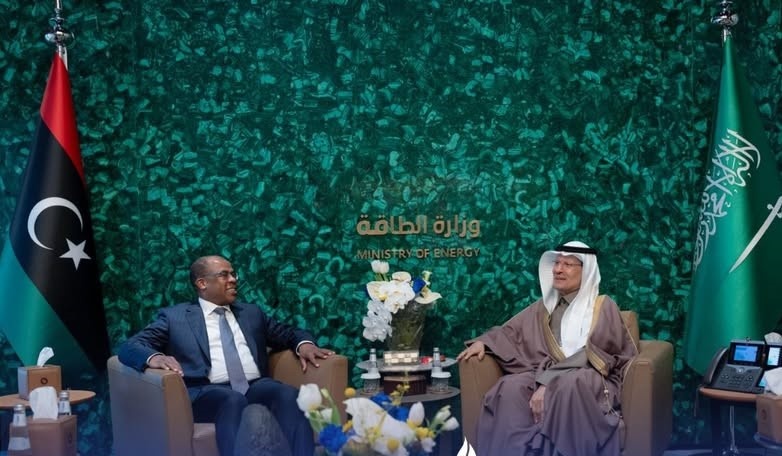
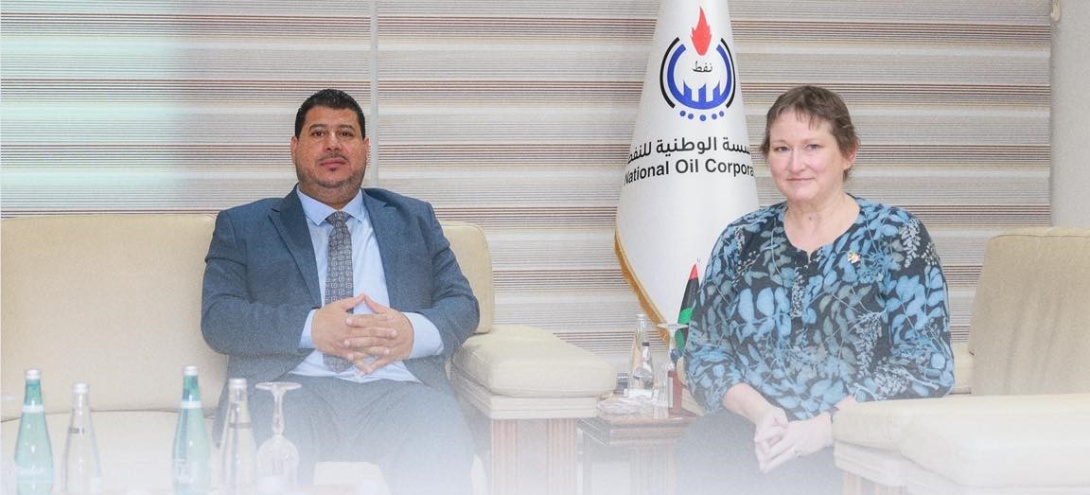
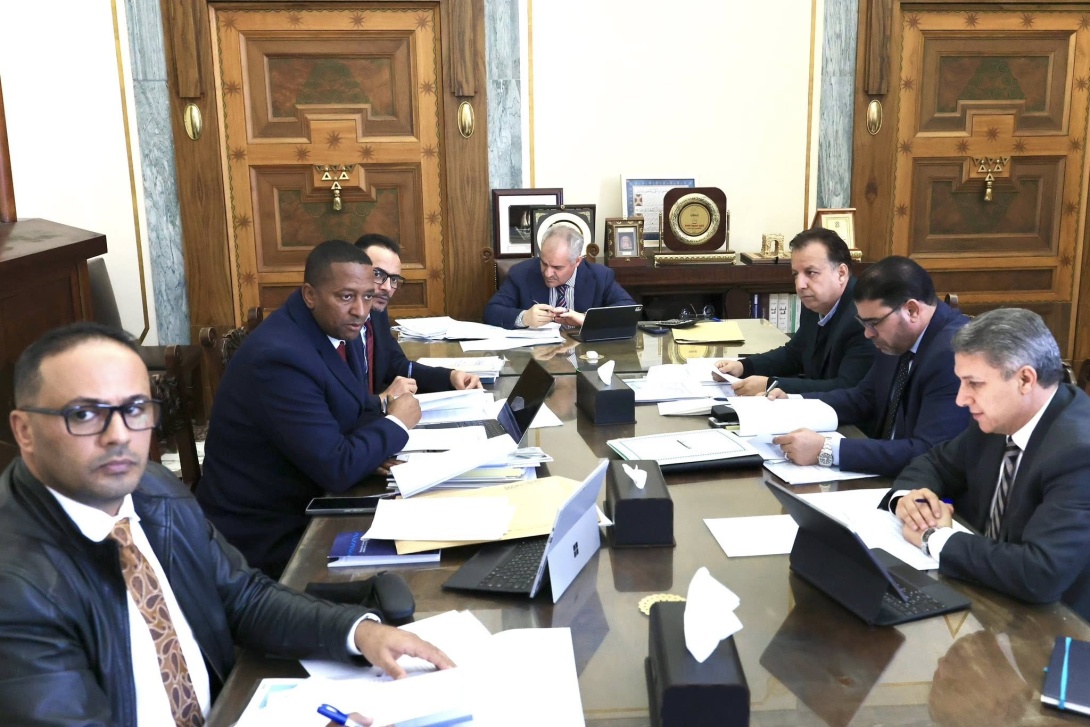
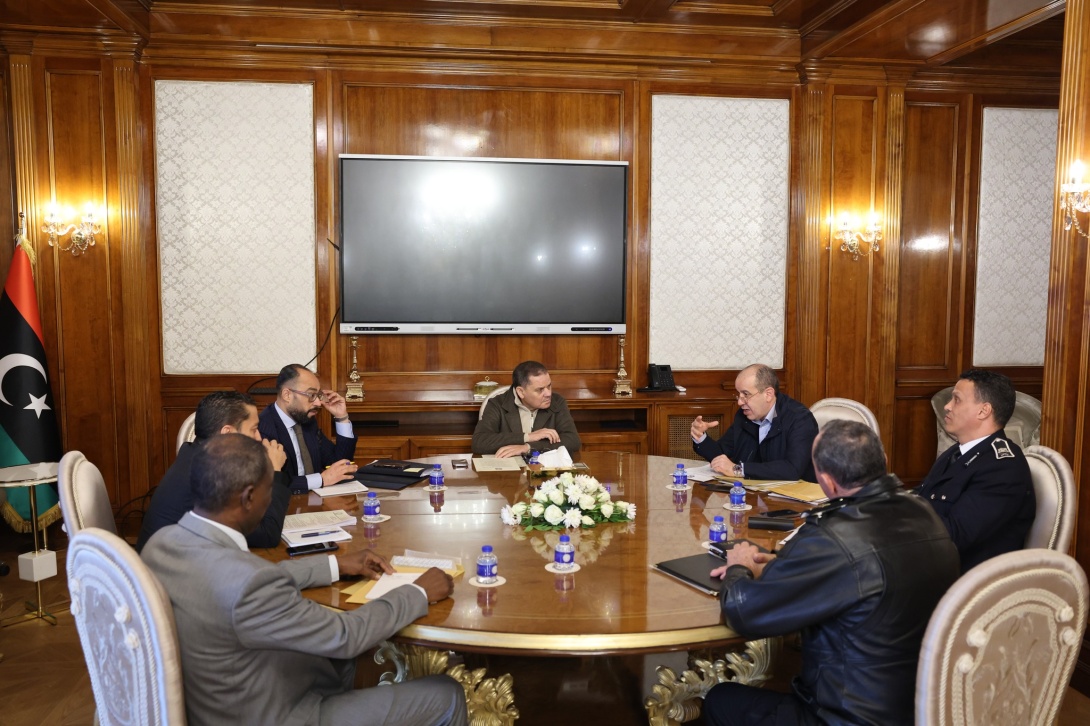
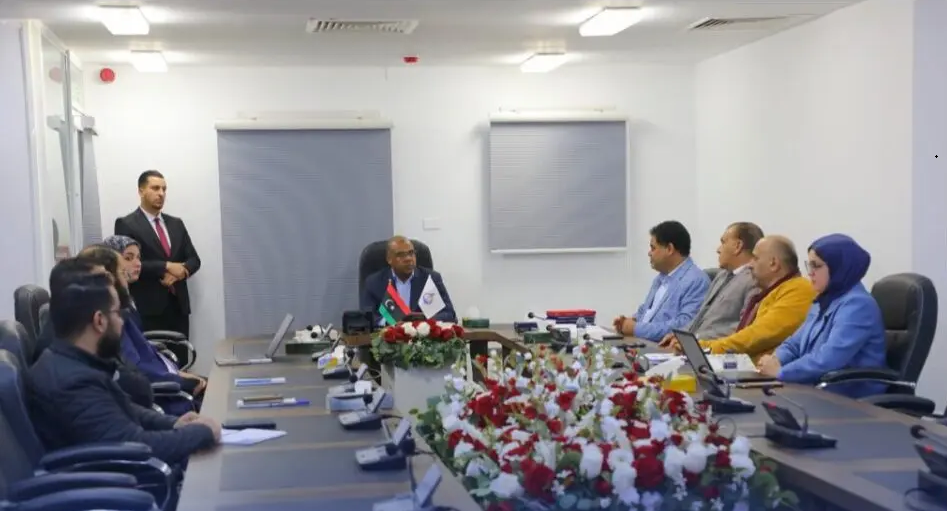
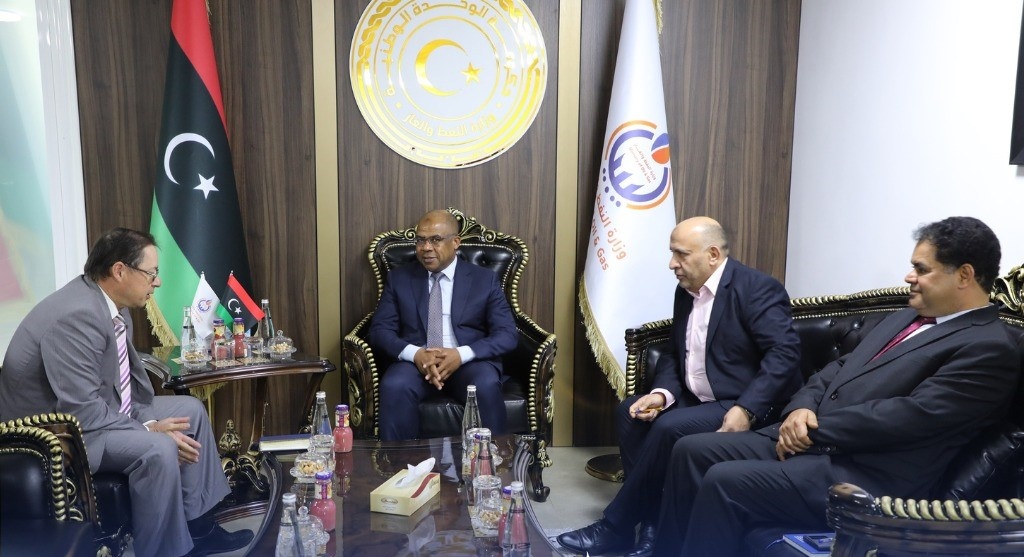
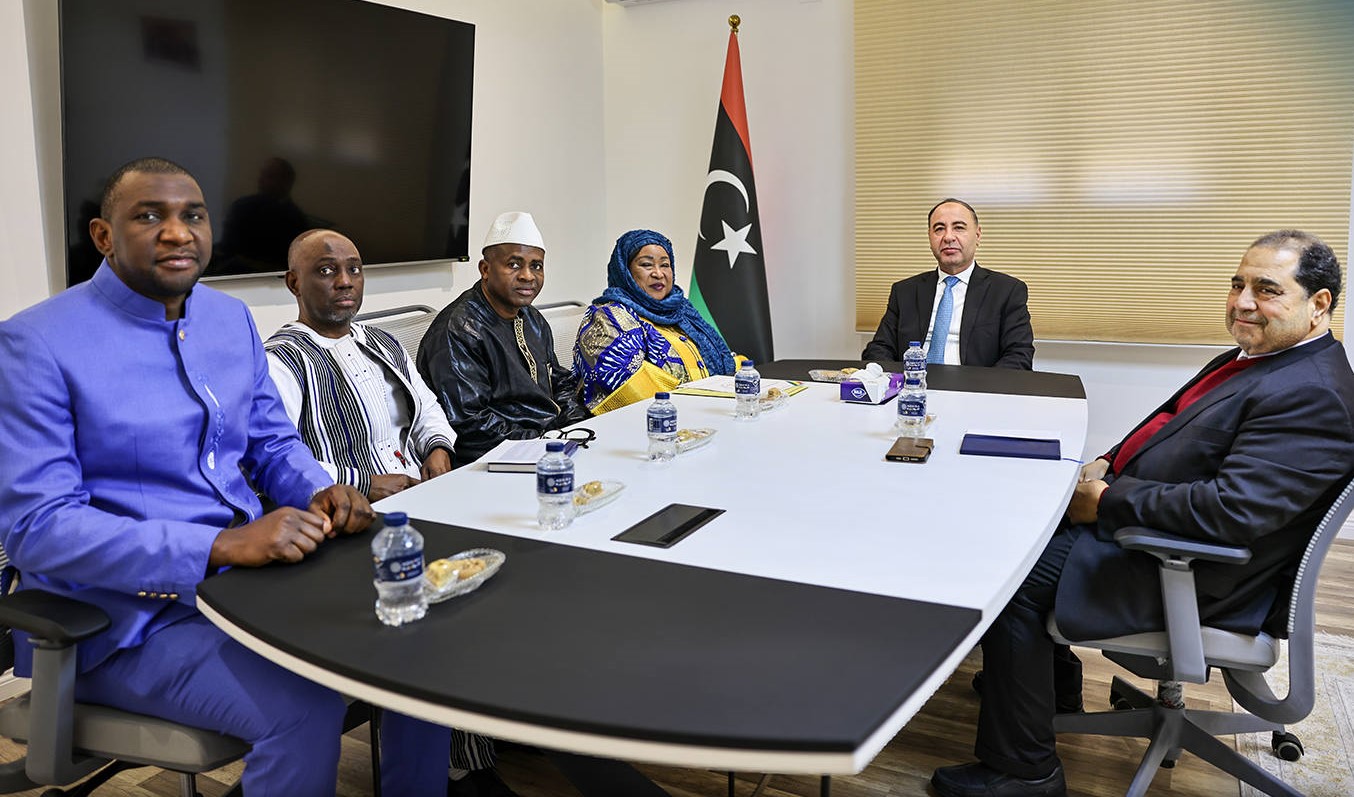
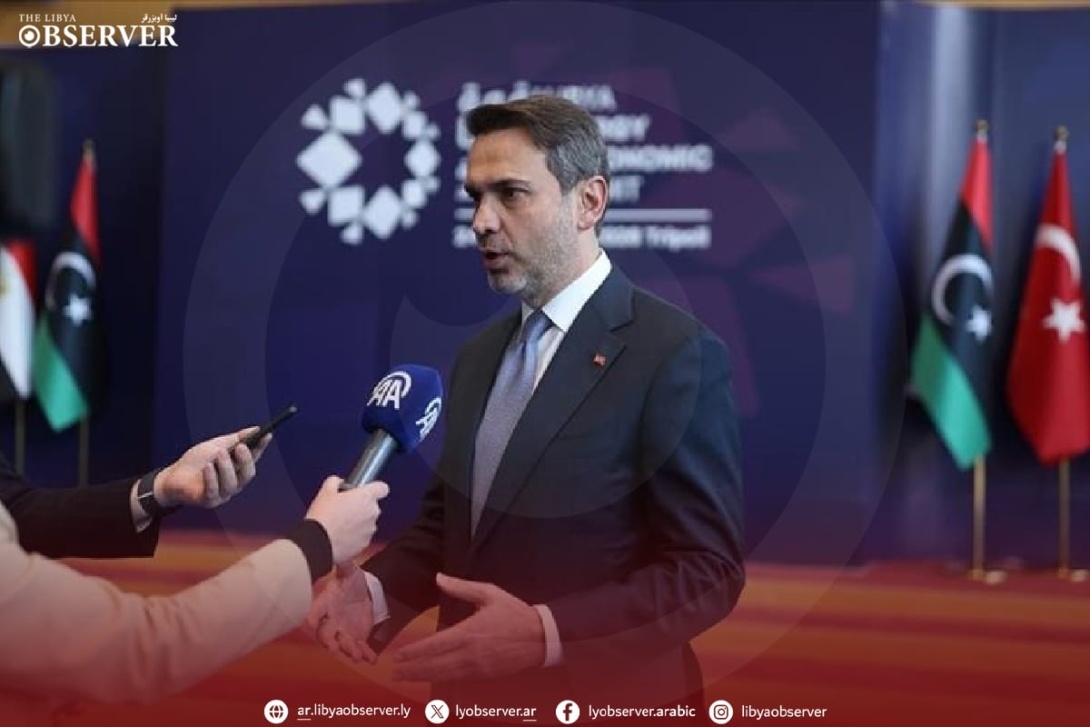
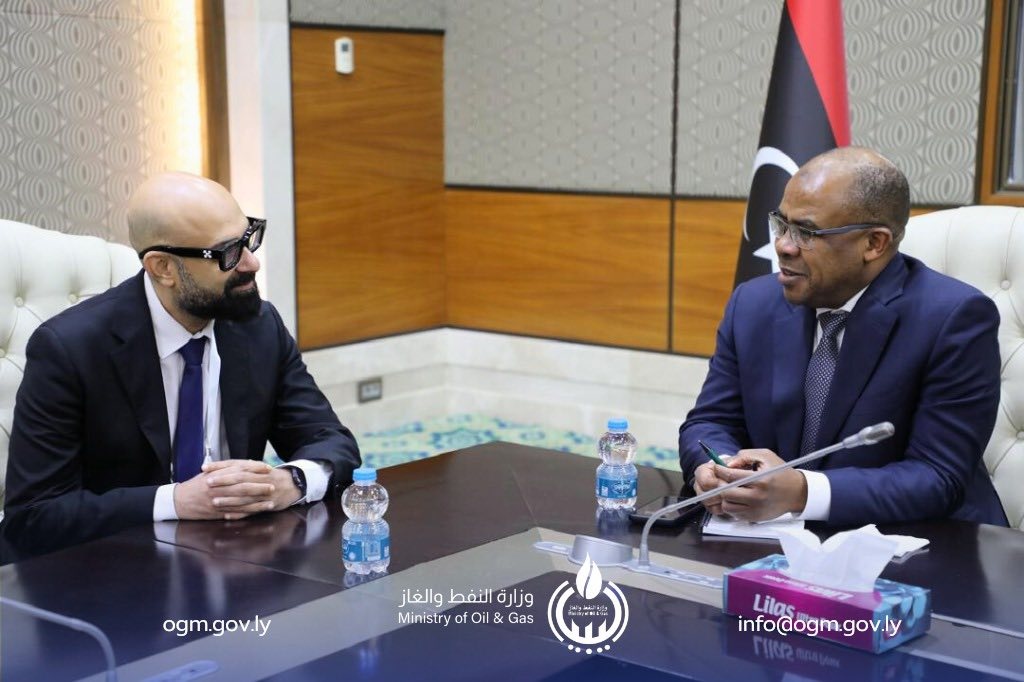
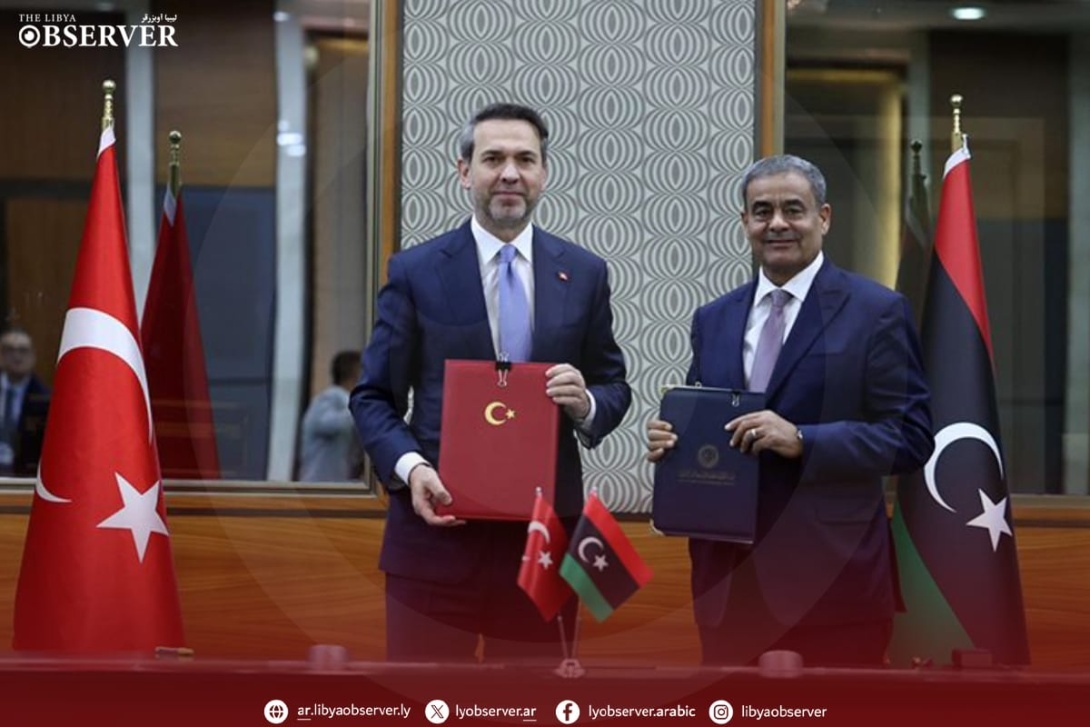
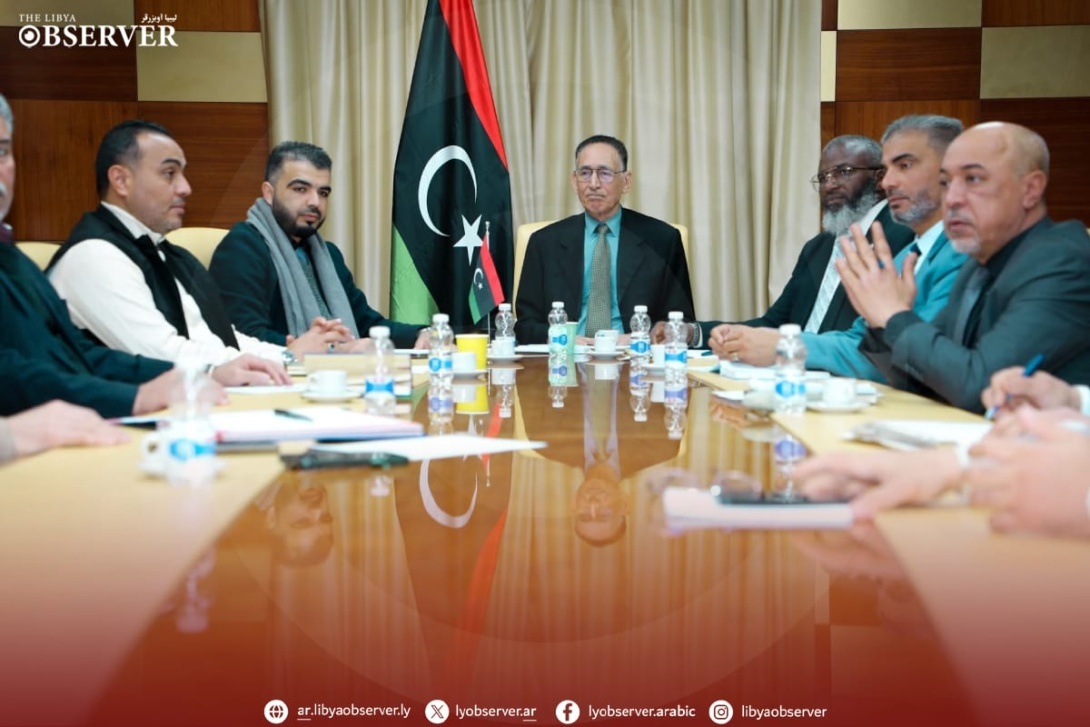
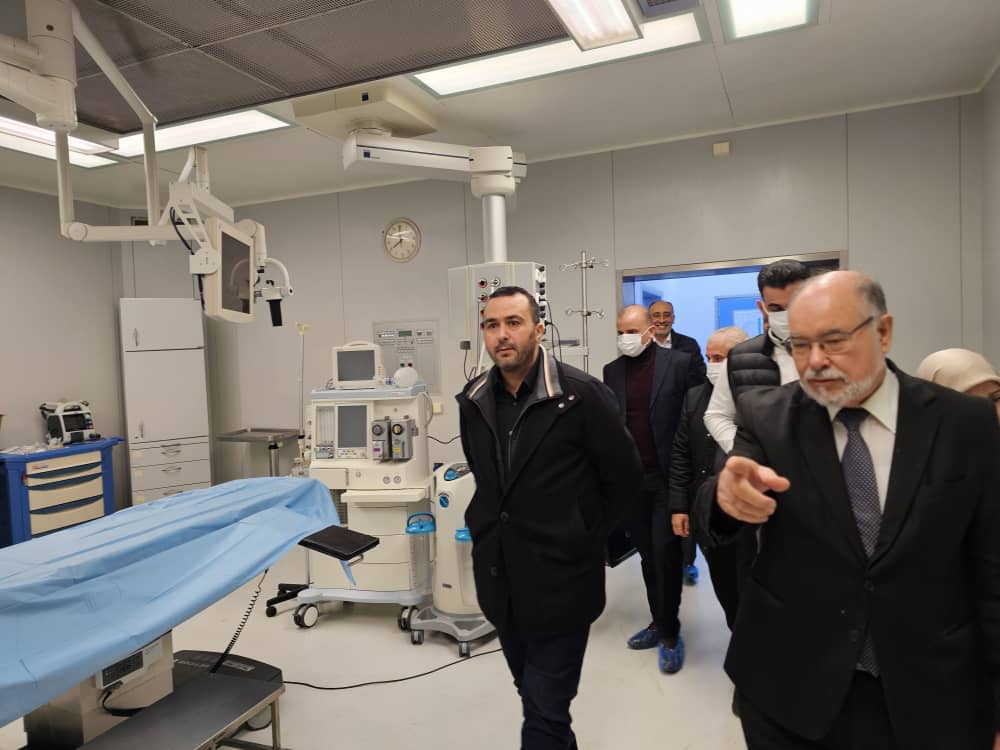
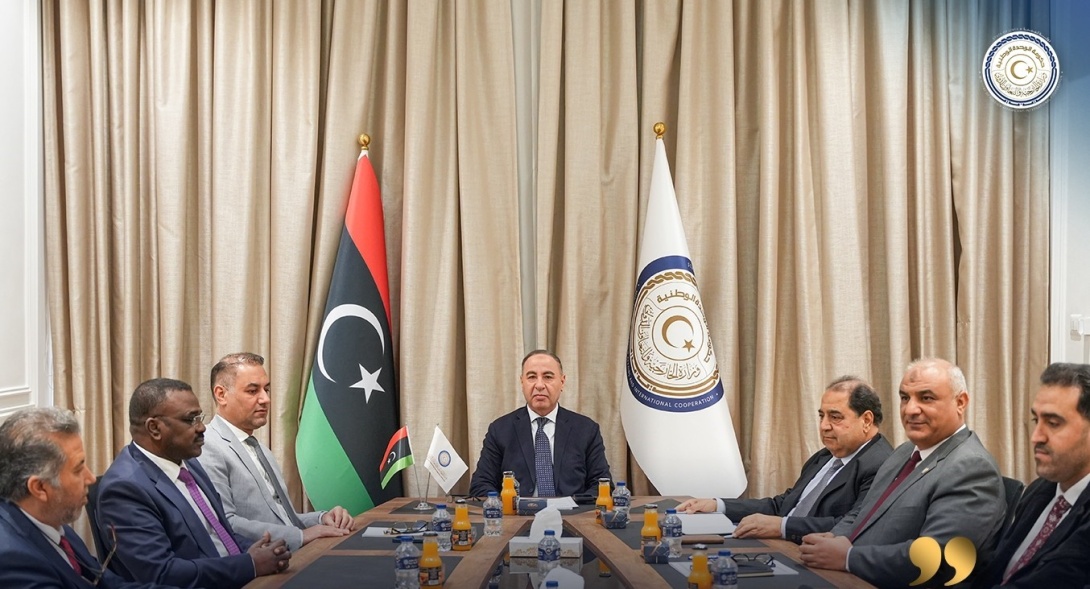
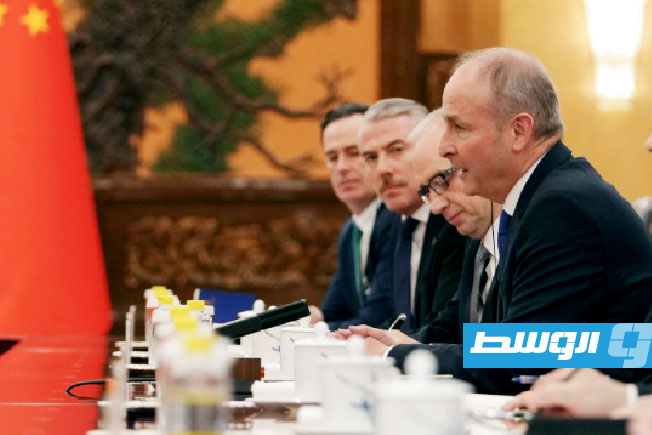
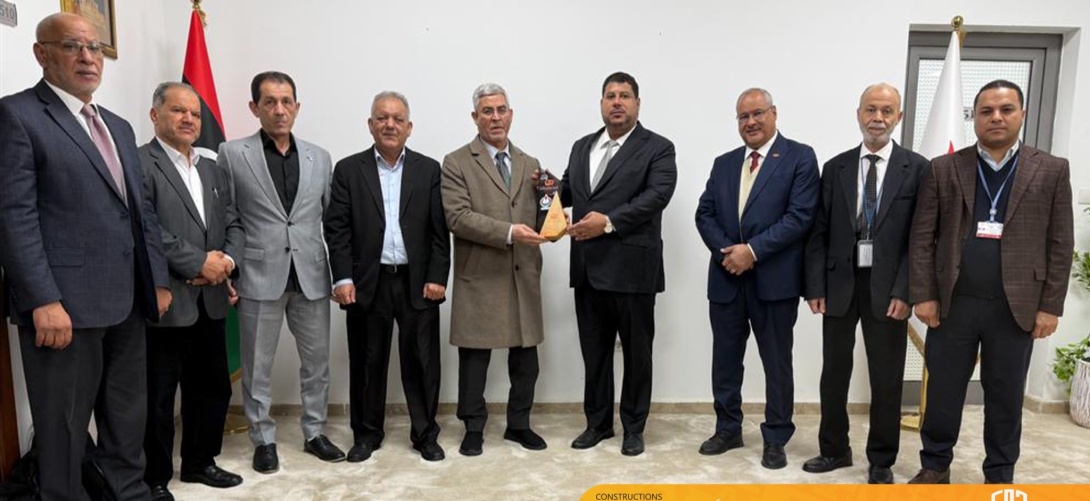
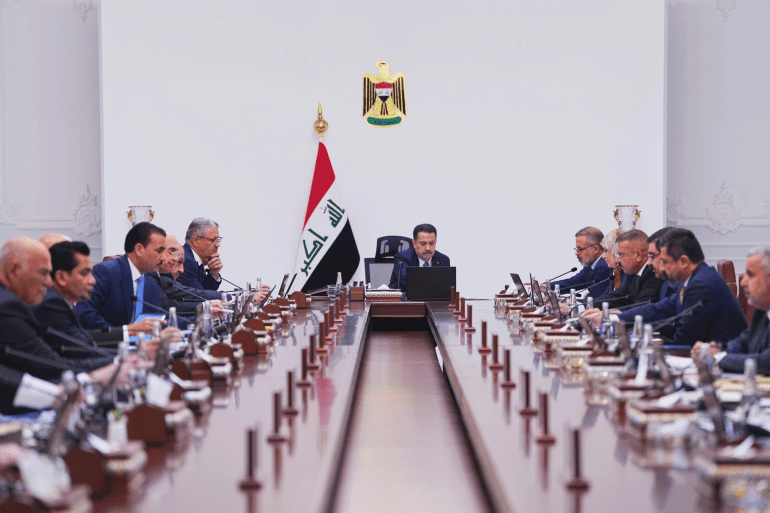
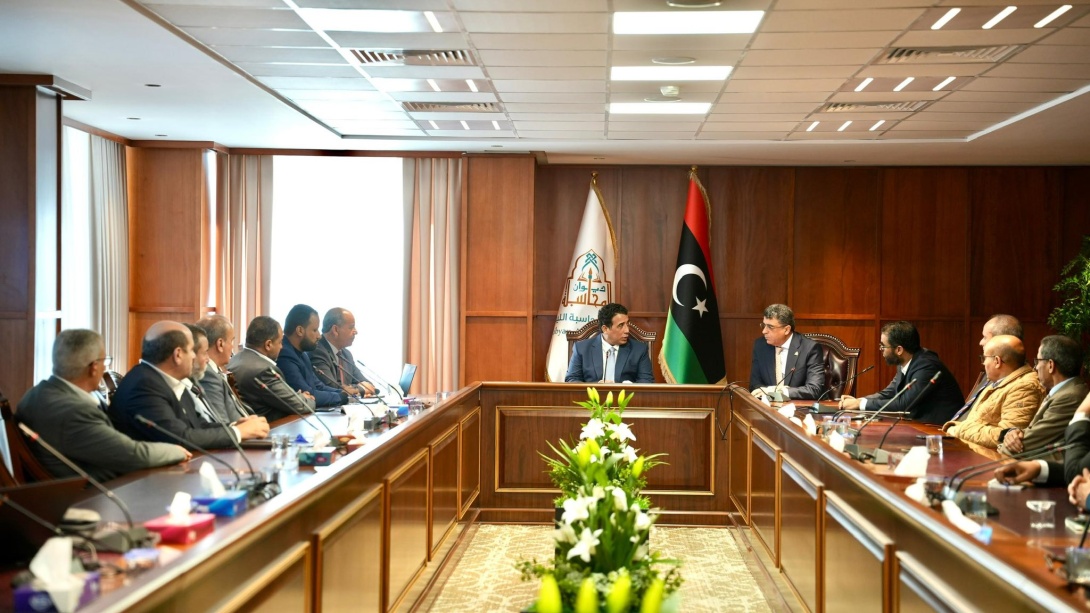
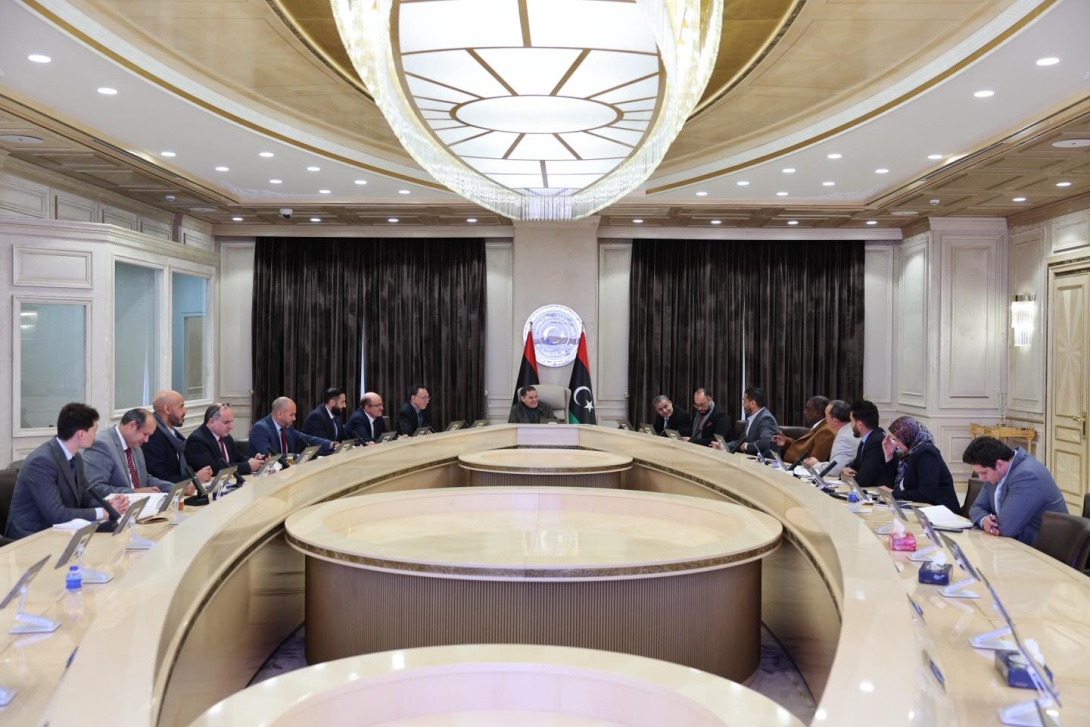
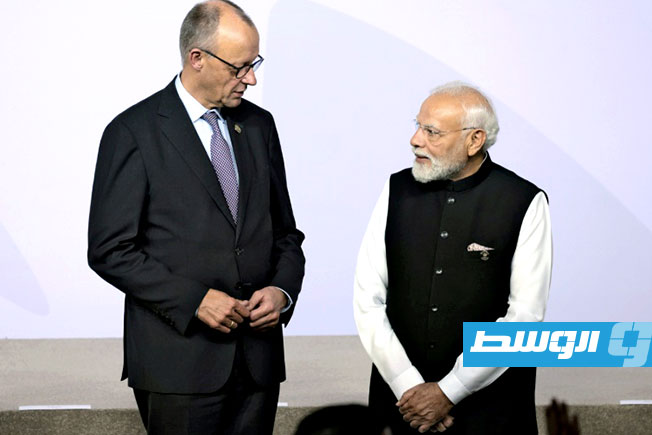
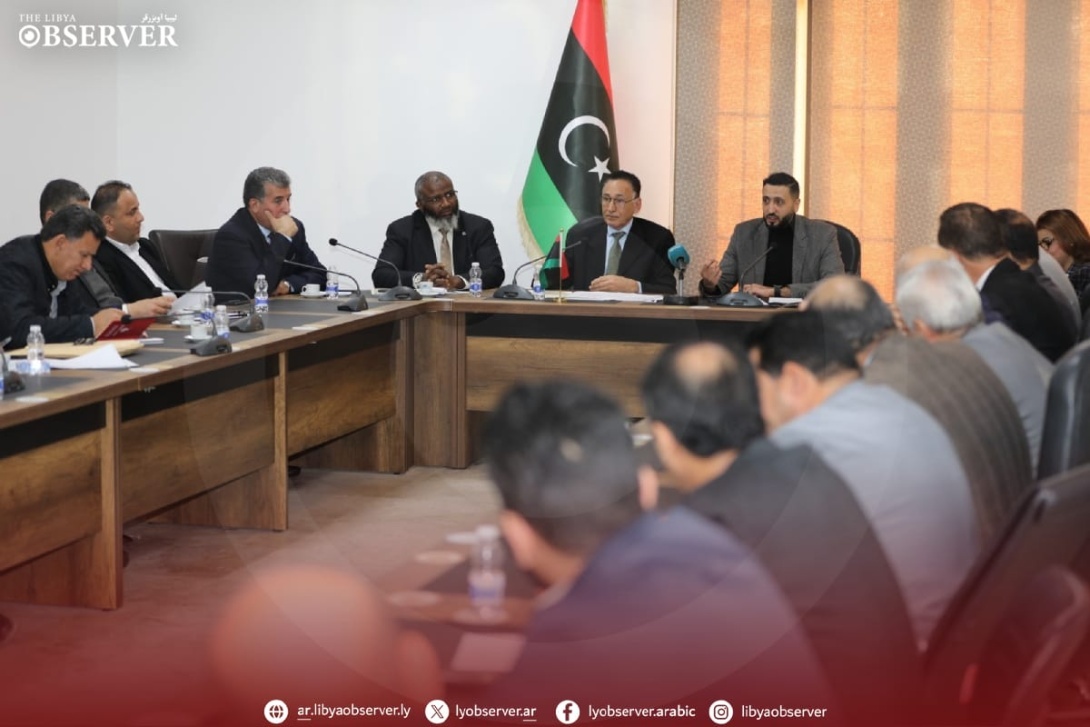
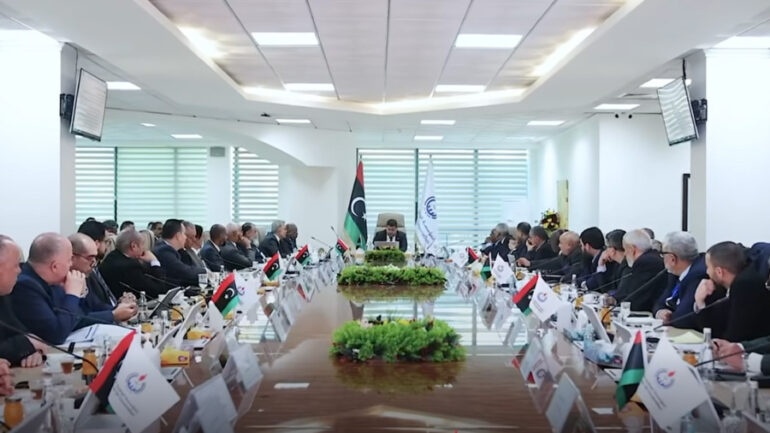
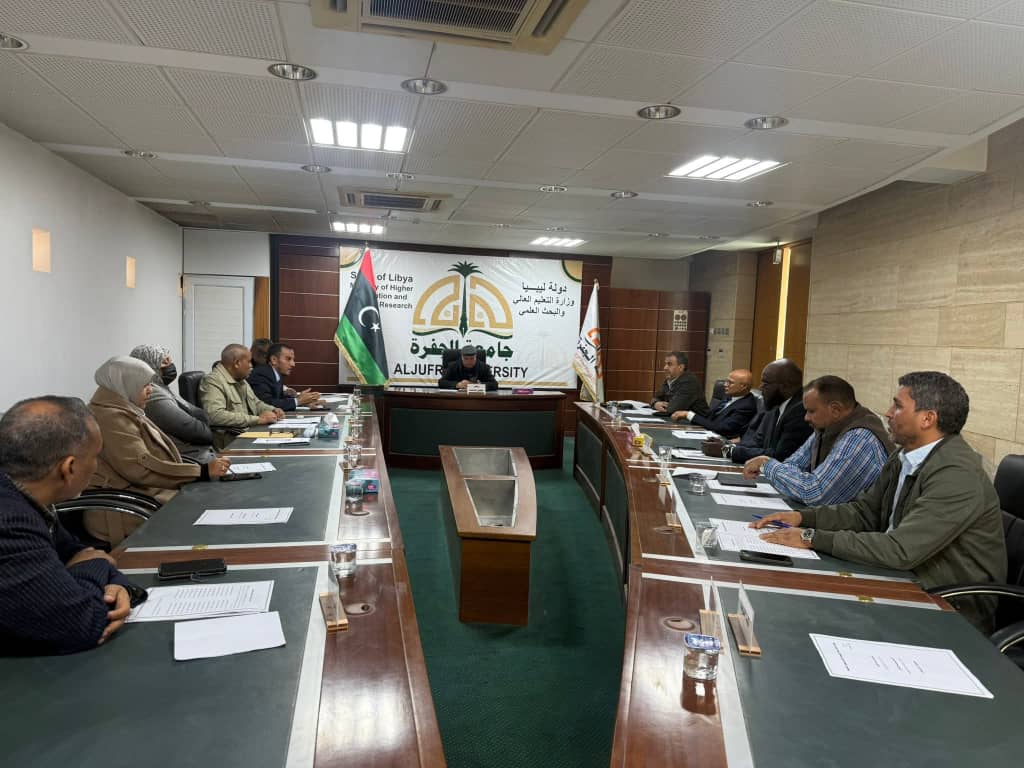
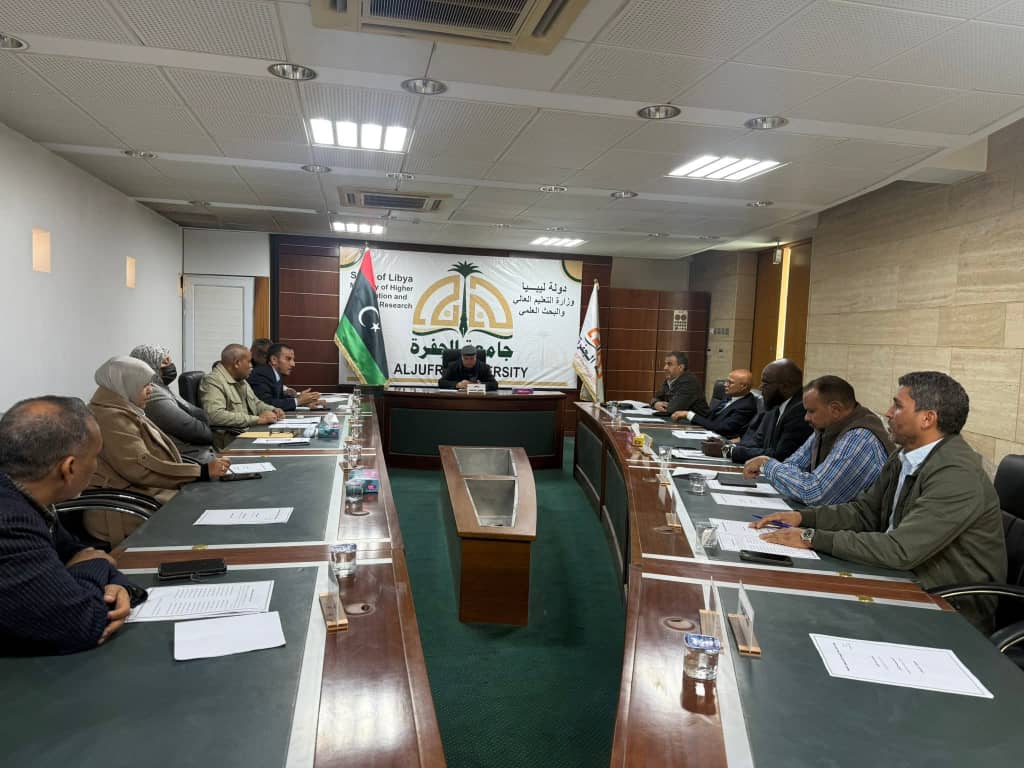
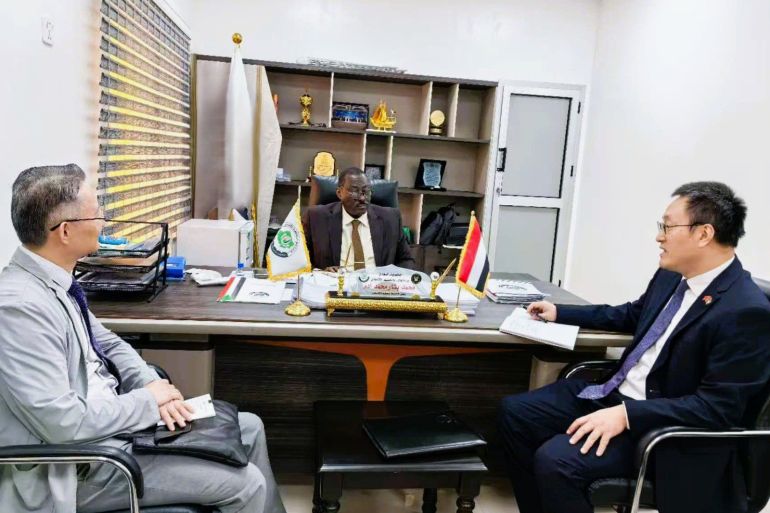
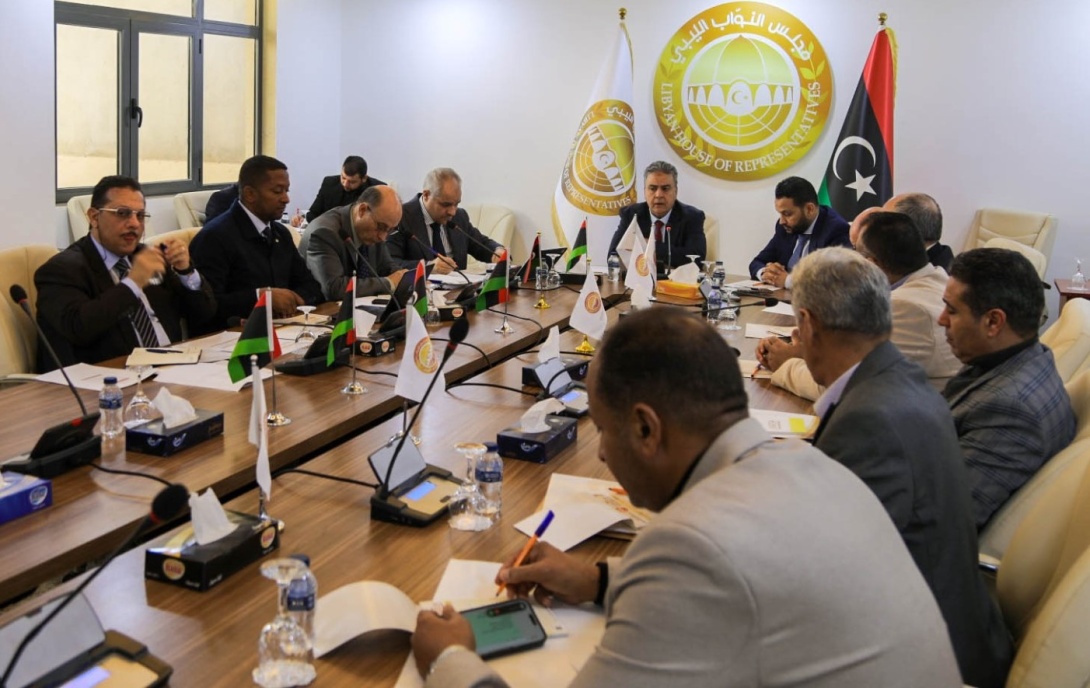
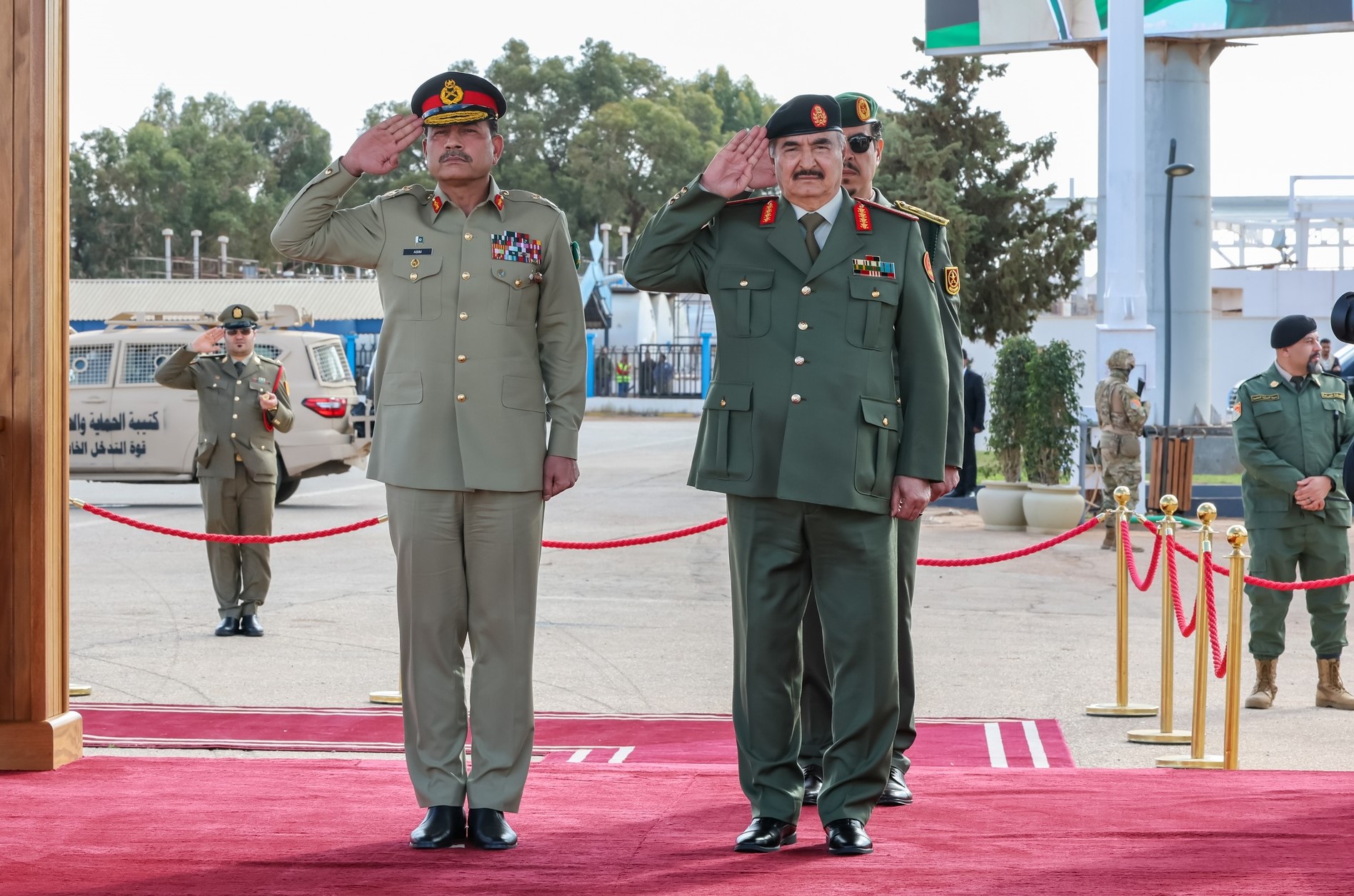
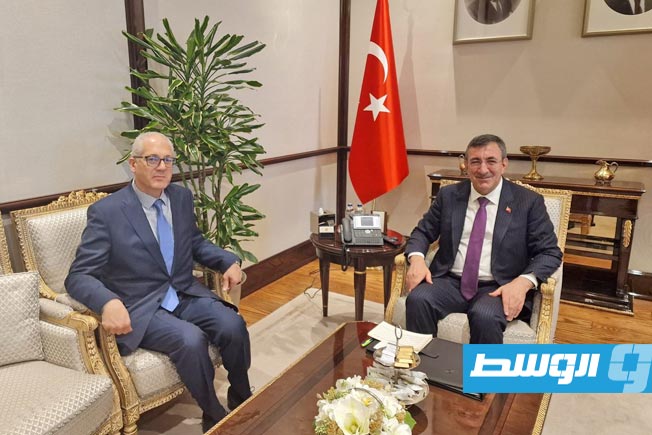
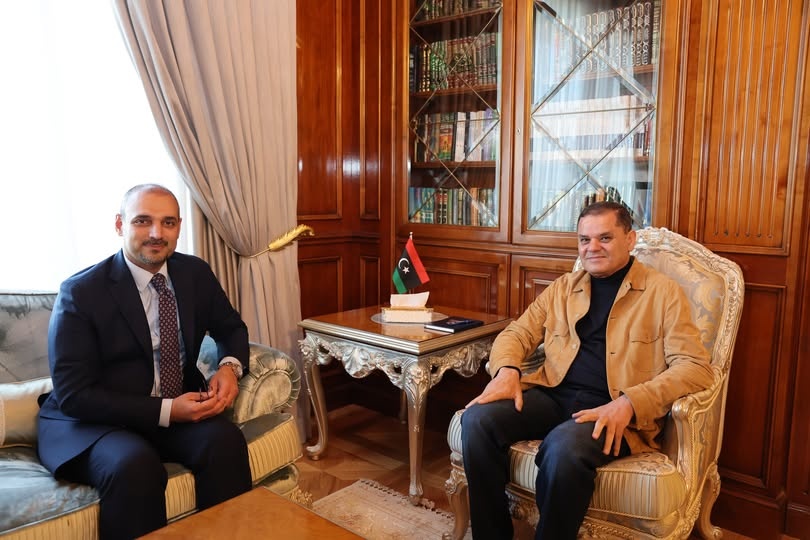
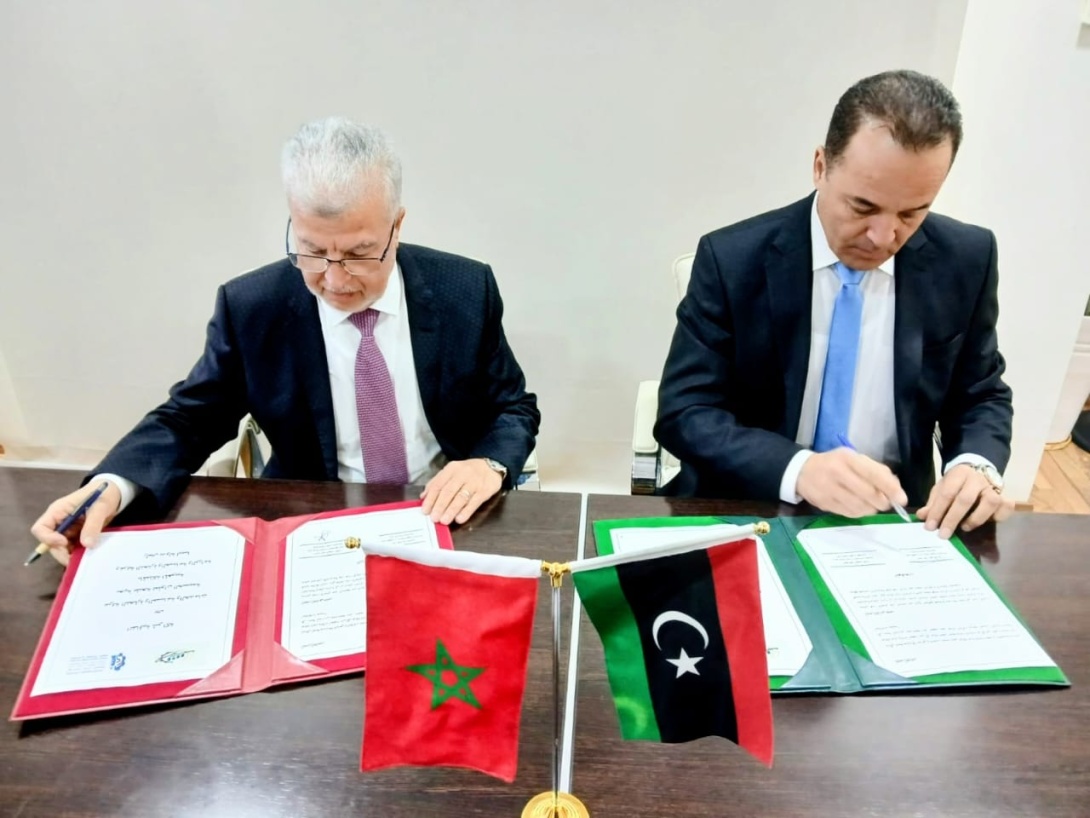
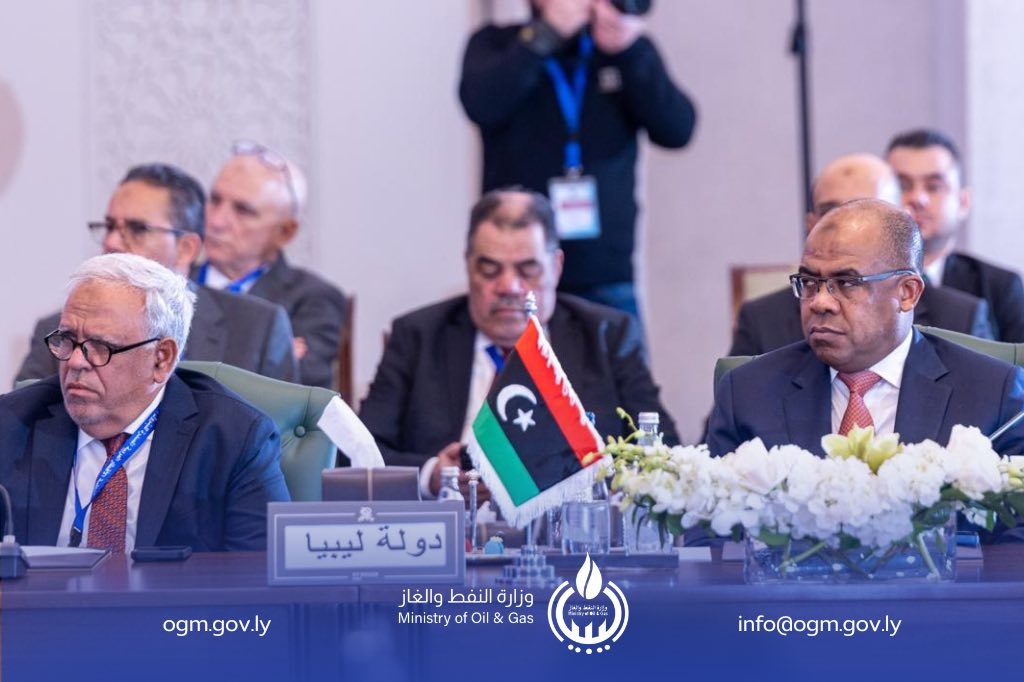
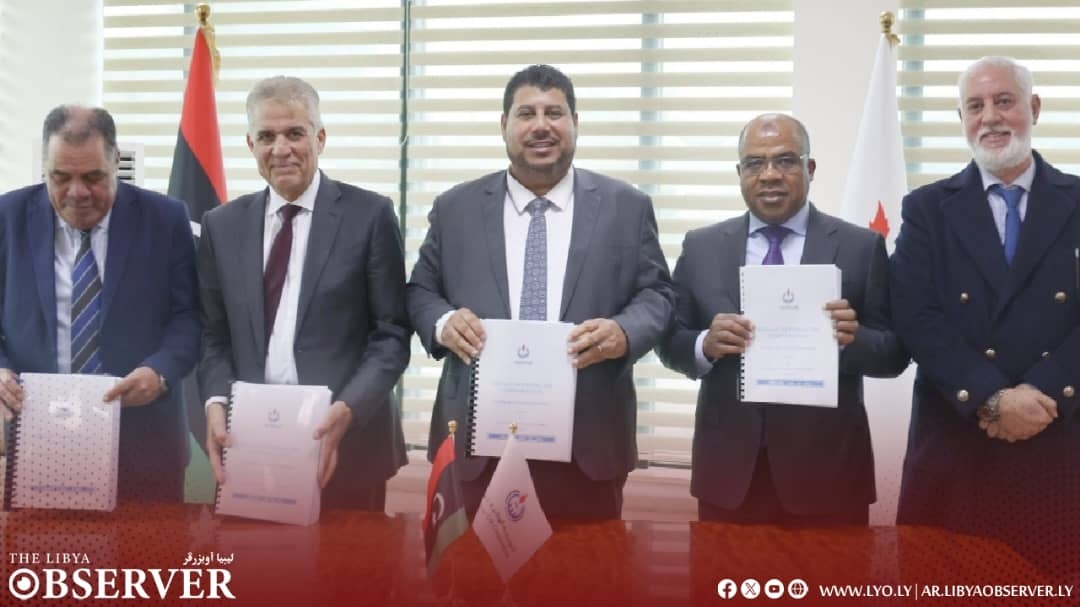
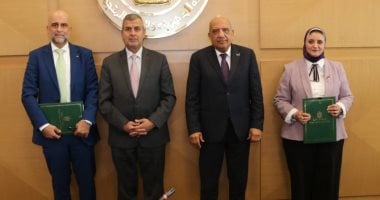
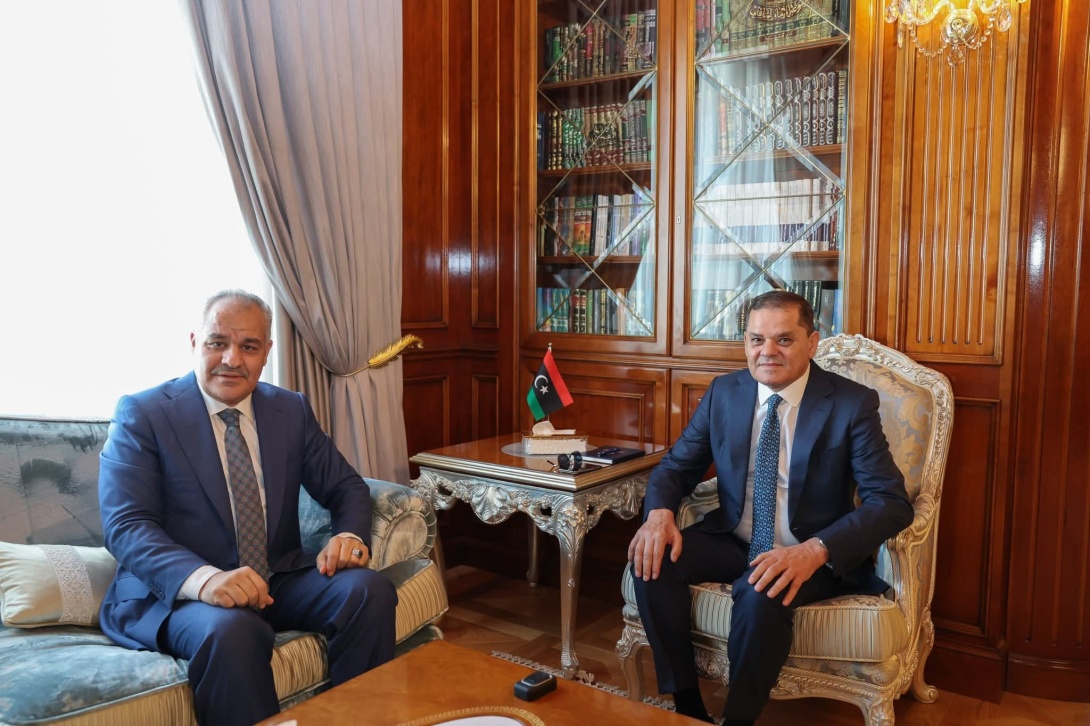
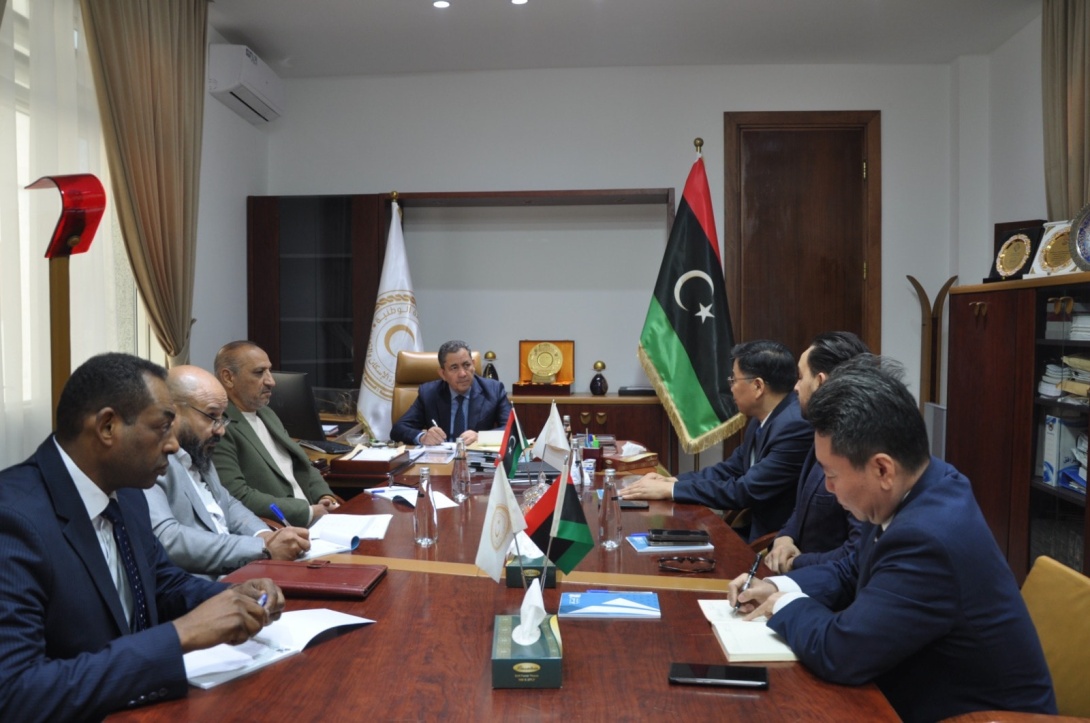
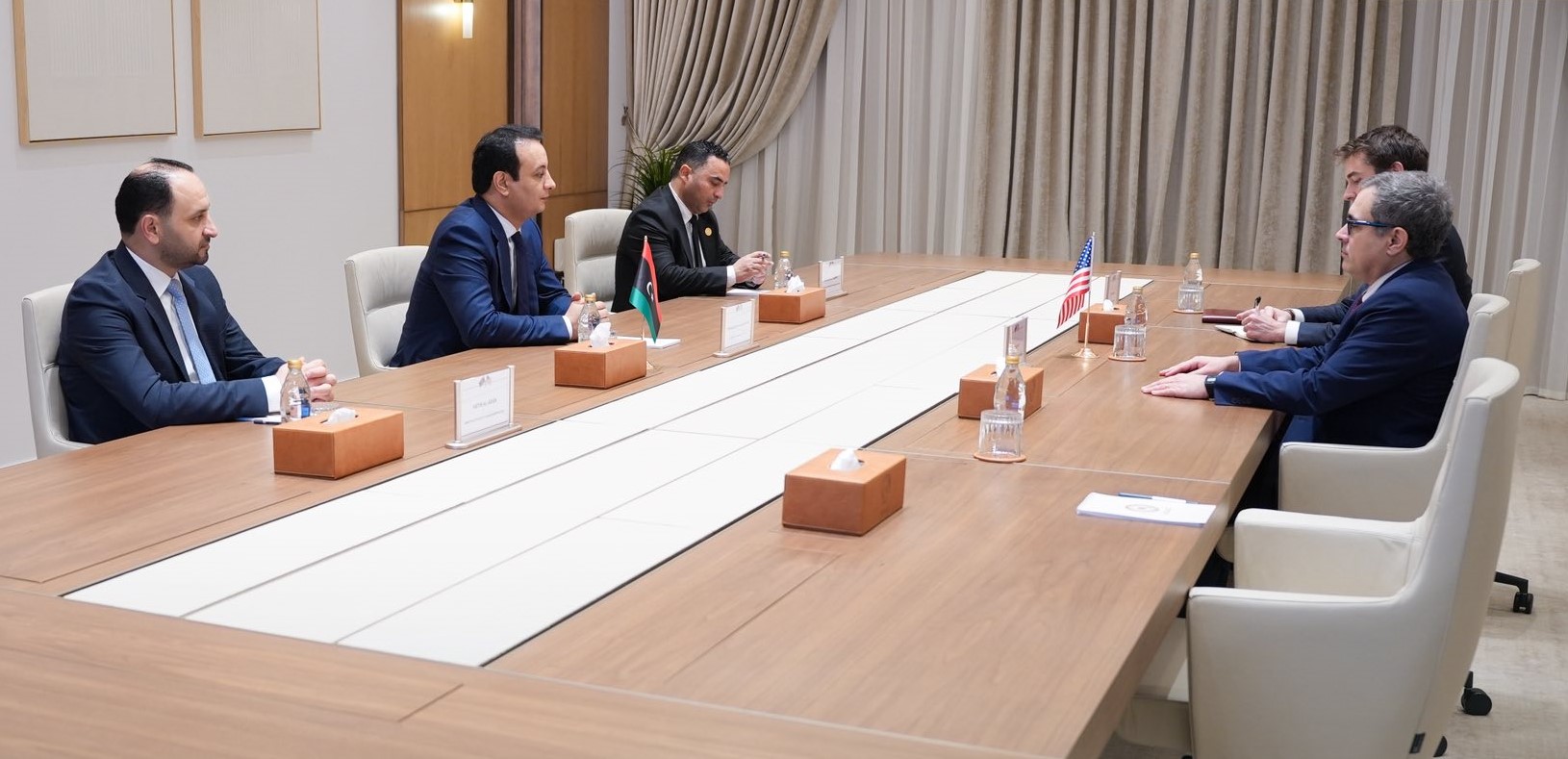
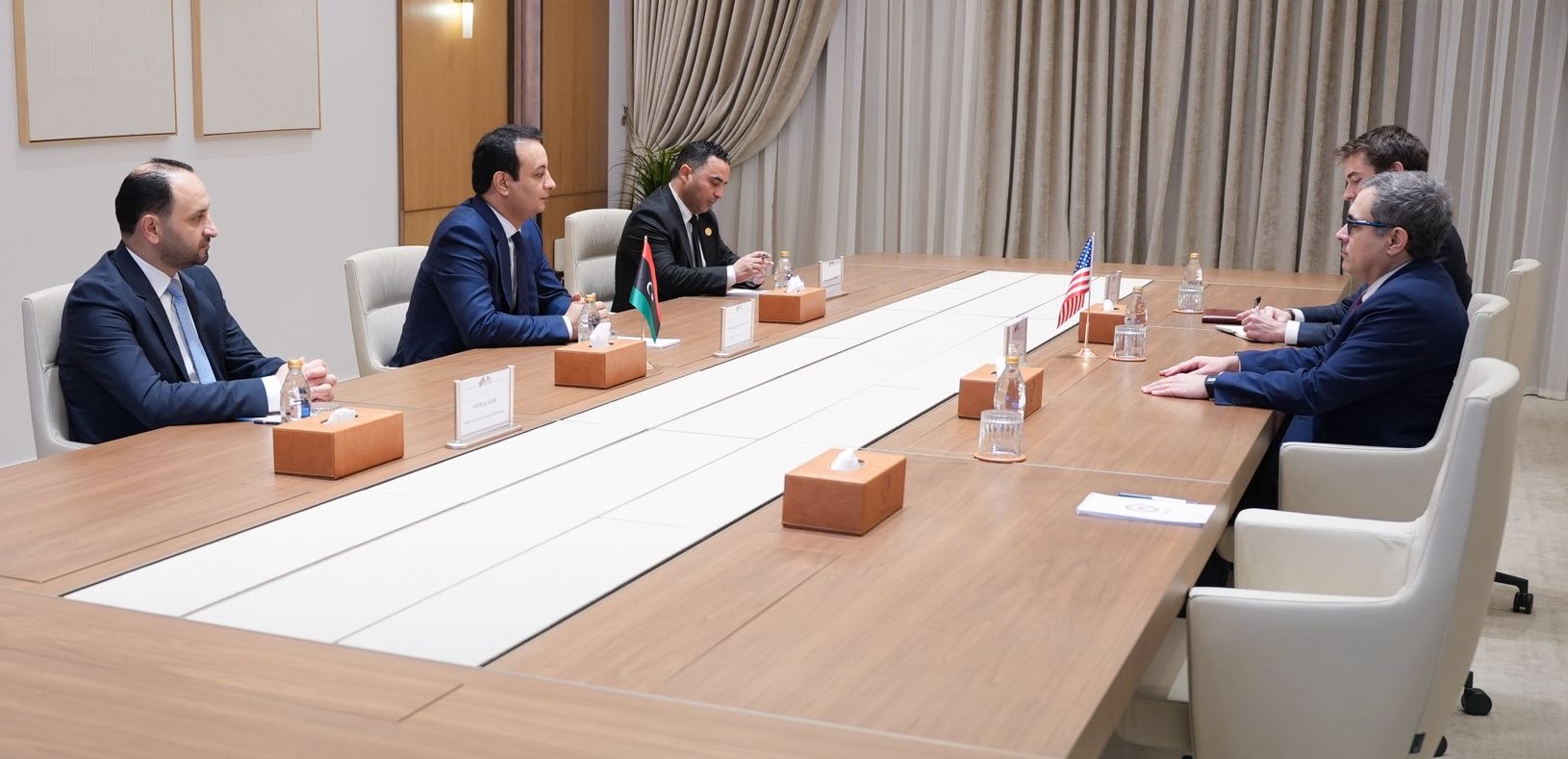
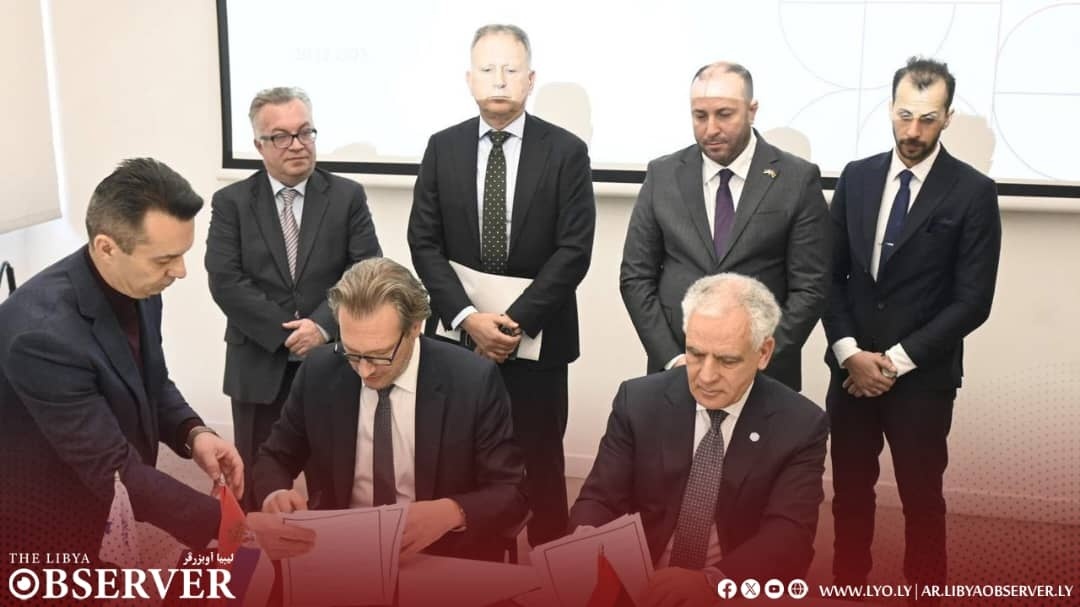
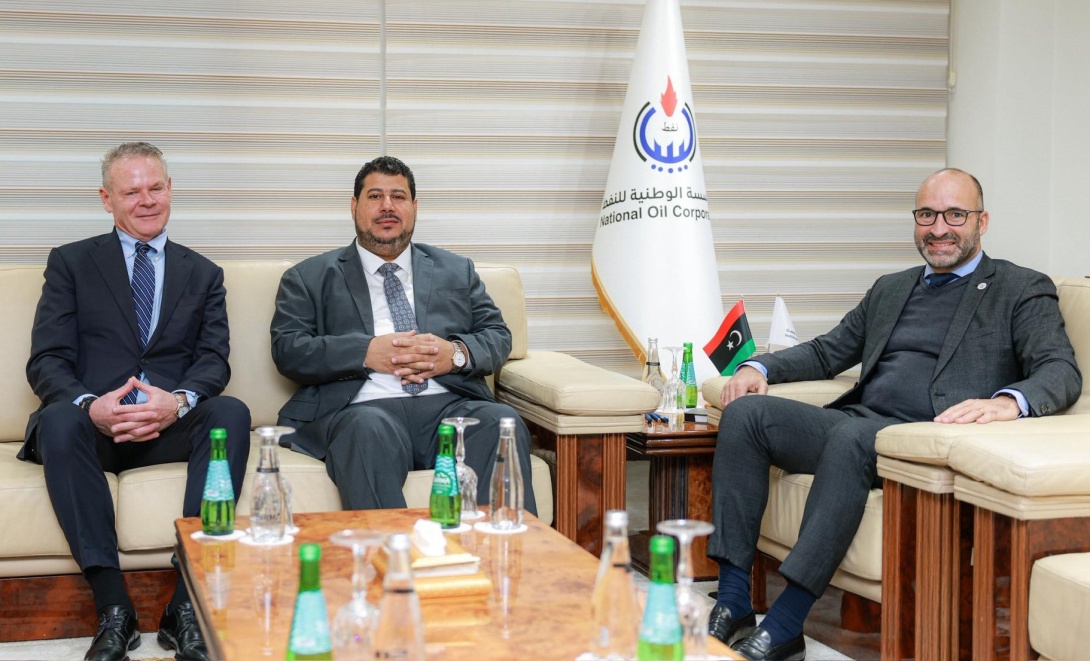
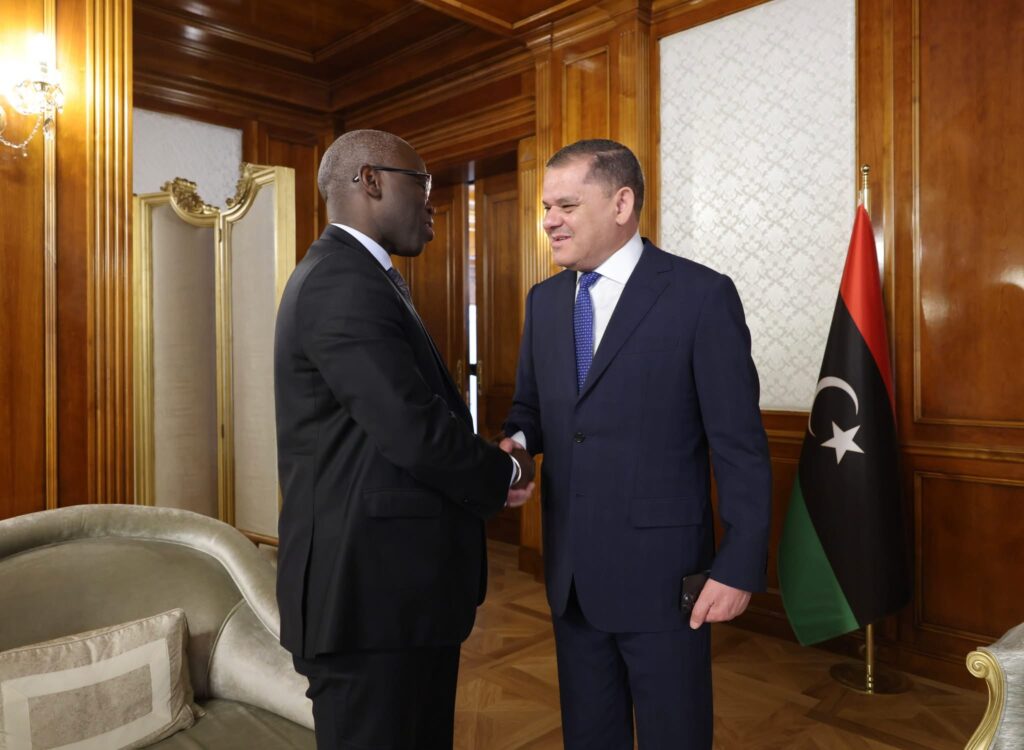
This report comes in the context of a notable development in the institutional relationship between Libya and the World Bank, culminating in the signing of a memorandum of understanding in Washington last April aimed at enhancing technical coordination and unifying efforts in public finance, governance, capacity building, and improving the business environment for foreign investors. This was preceded by a meeting between the Prime Minister and the Vice President of the World Bank, followed by numerous meetings and cooperation on important files such as transparency, the latest of which was the visit of the World Bank’s Executive Director and the Bank’s representative in Libya to Tripoli a few days ago and their meeting with most ministries of the Government of National Unity.
This development has shifted the relationship from a framework of assessment reports and general advice to a partnership closer to the executive reality, where the World Bank has become more coordinated with Libyan institutions and more aligned with government priorities, supporting the transformation of recommendations into actionable and trackable work paths.
A Real Shift in Public Financial Management
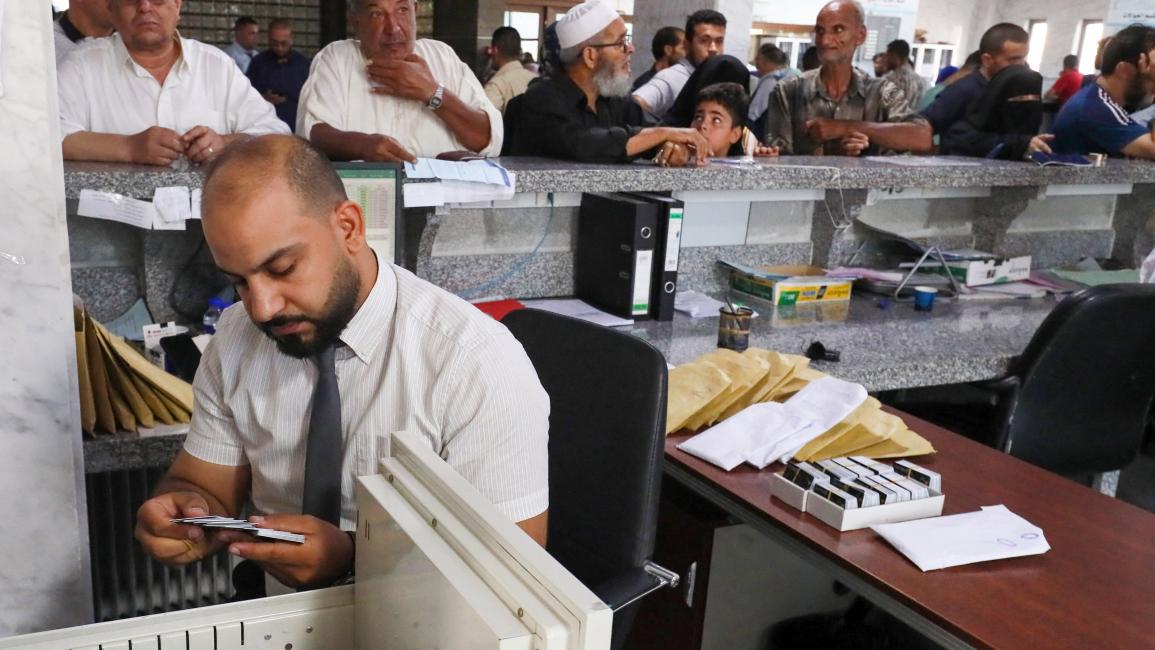
The report notes that Libya has begun, for the first time in years, to transition from uncontrolled spending to more traceable and accountable financial management. This shift is reflected in:
• Improved disclosure of key financial data.
• Better control of the budget cycle and reduction of the gap between appropriation and execution.
• Enhanced ability of oversight bodies to access financial information in a timely manner, not after the fact.
These measures, according to the report, have restored to the state part of its ability to control the course of public finances.
Figures Confirming the Progress Achieved
The report supports this assessment with a set of clear positive indicators, the most prominent of which are:
• Real GDP growth of 13.3% during 2025, driven by the recovery of economic activity and improved management of public resources.
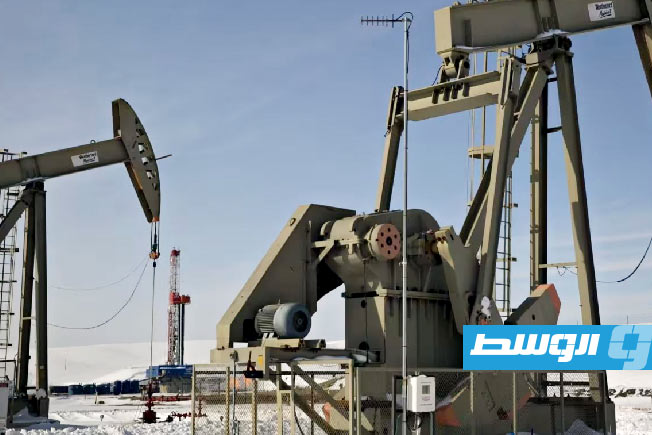
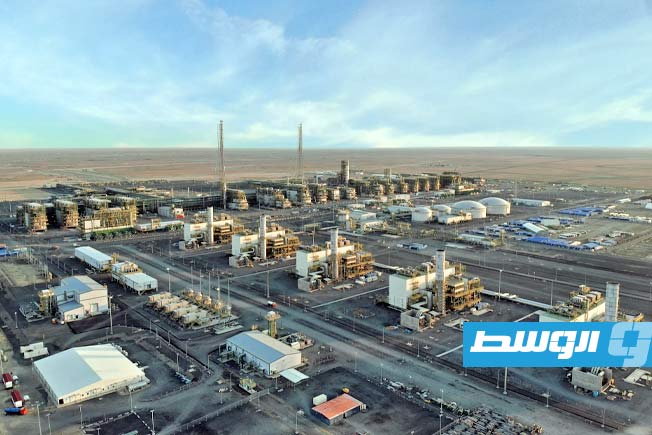
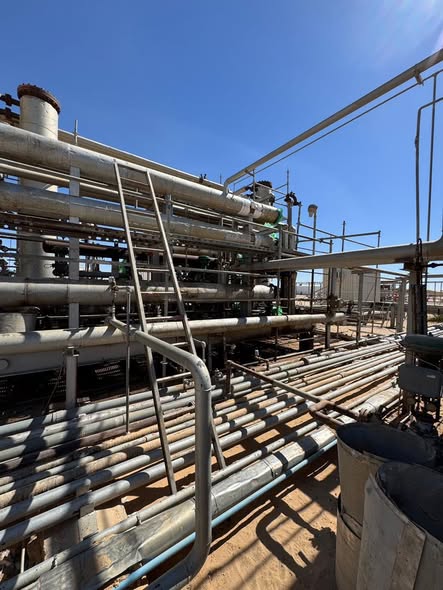
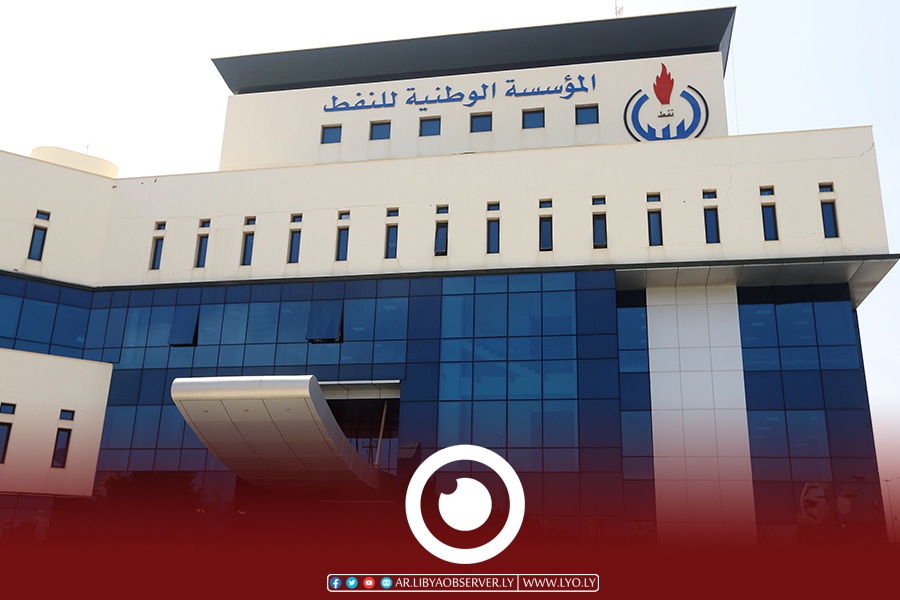
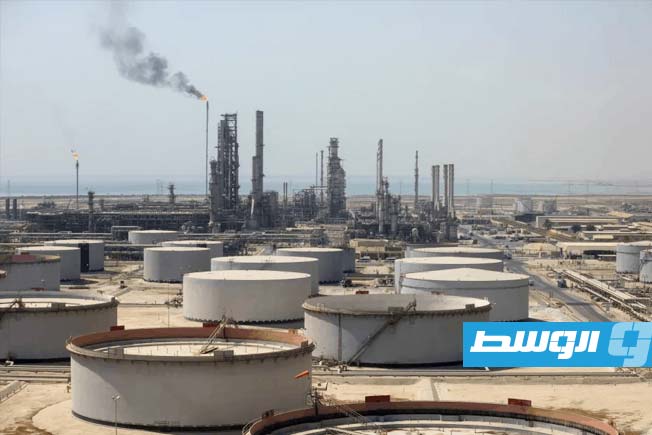
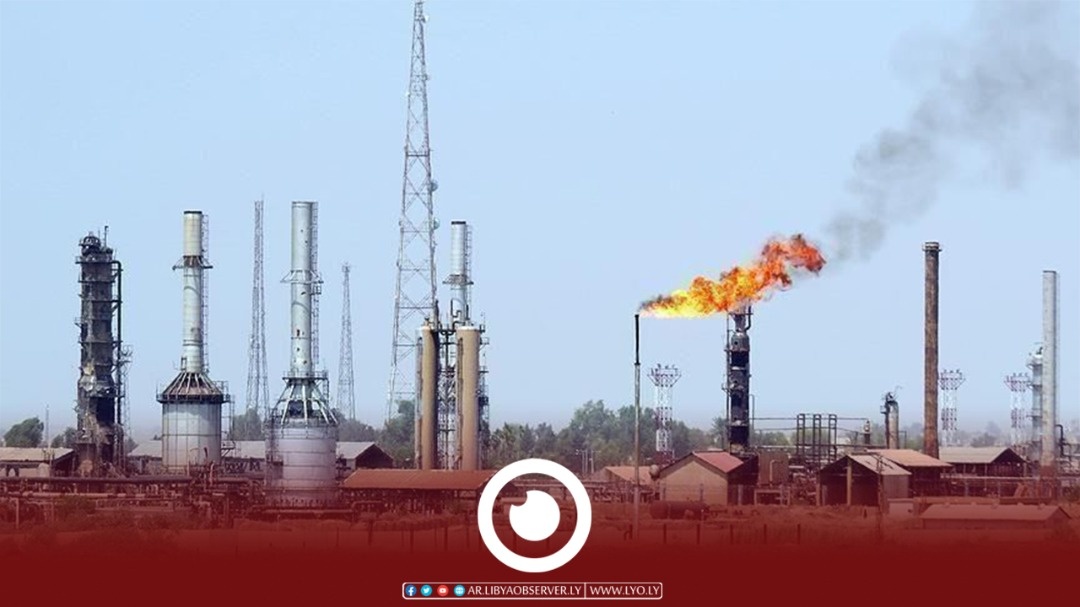
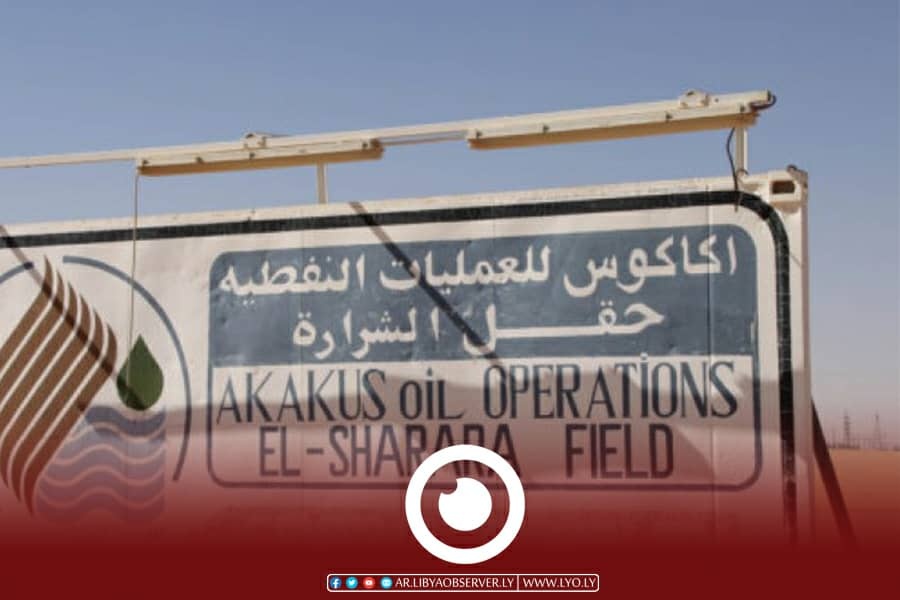
• Growth in the oil sector by 17.4%, compared to non-oil growth of 6.8%, an important indicator of improved performance outside the oil sector, albeit gradually.
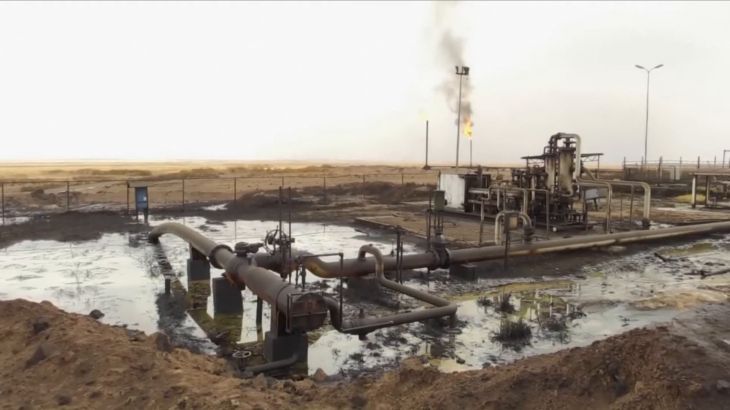
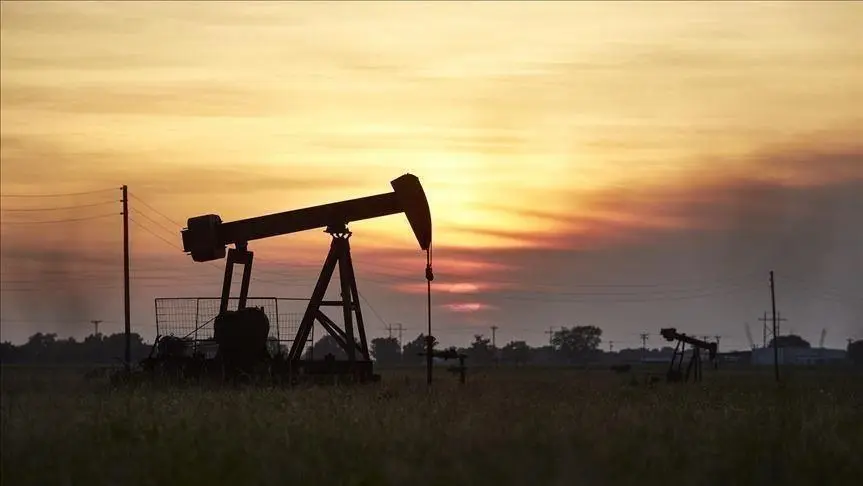
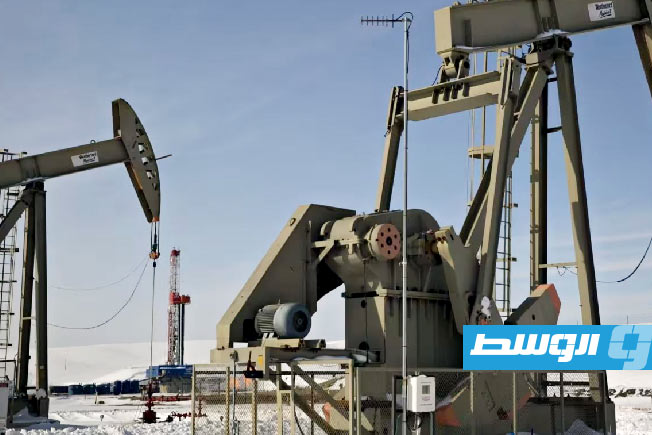
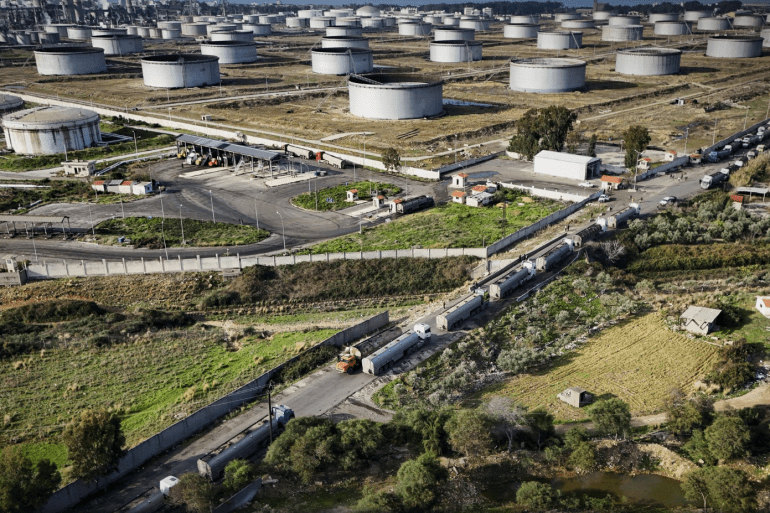
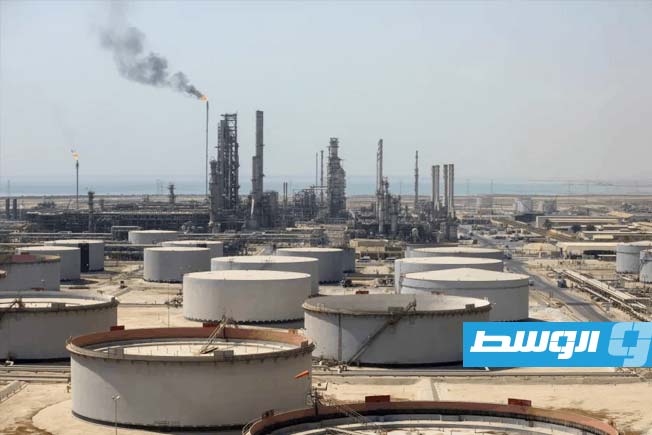
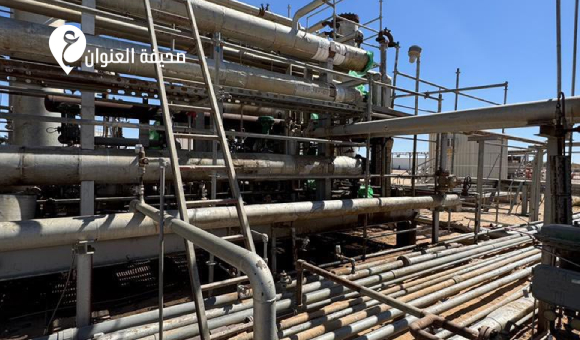
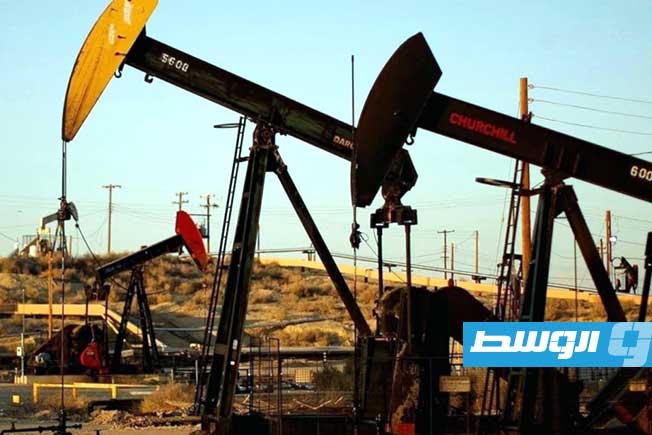
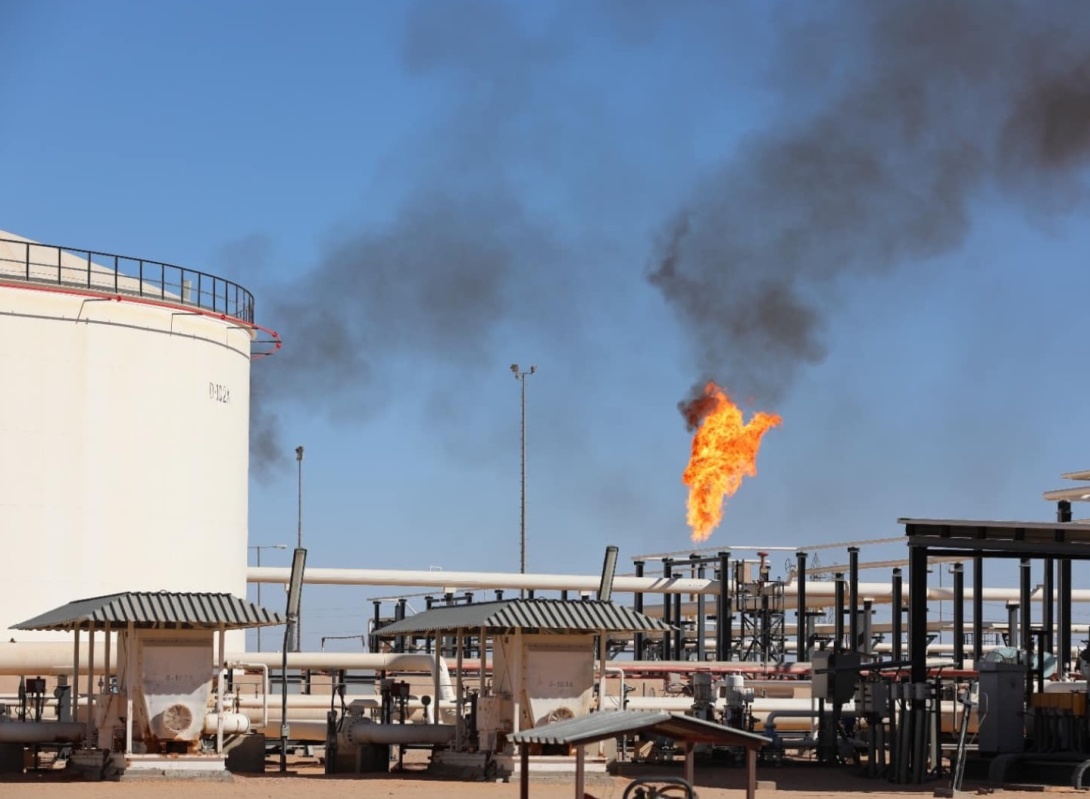
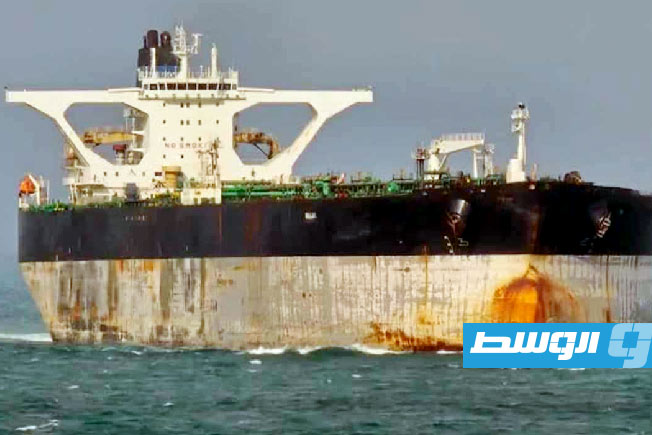
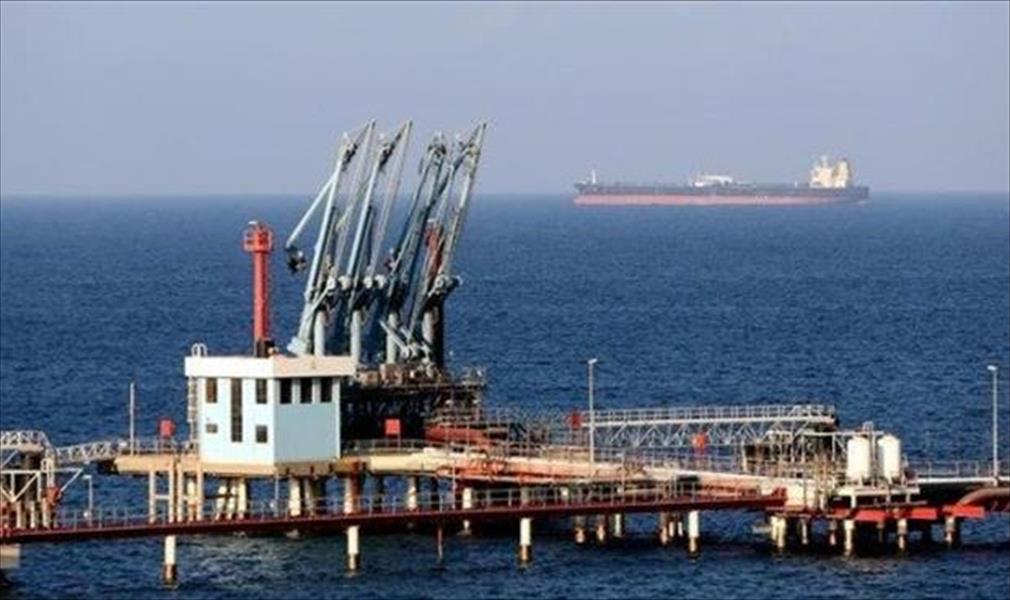
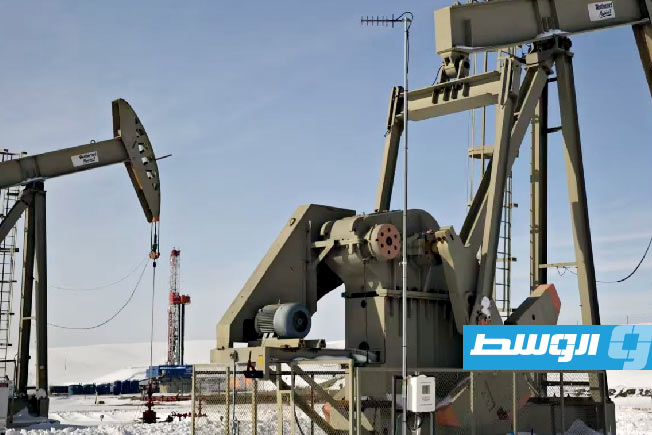
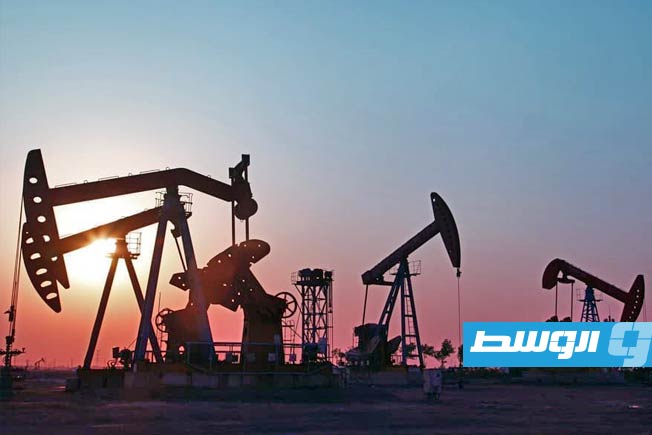
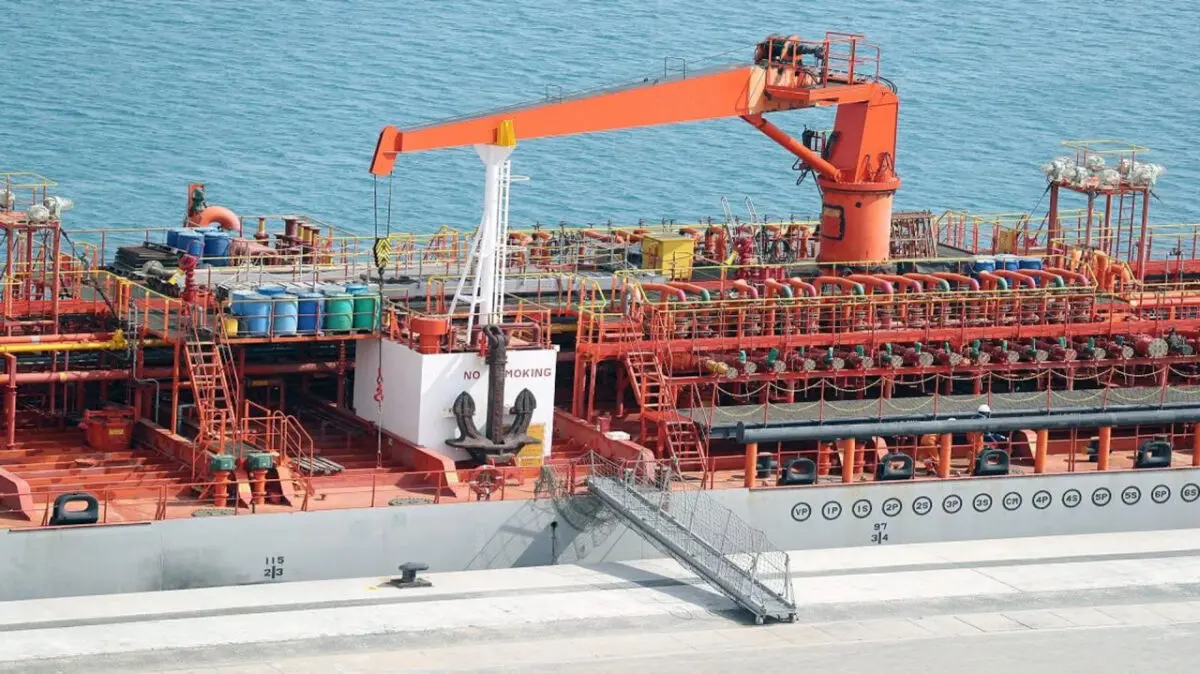
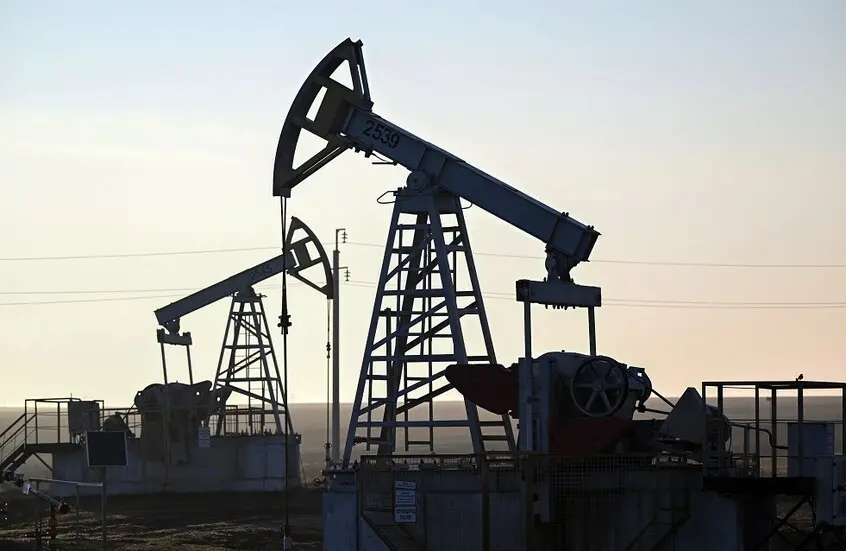
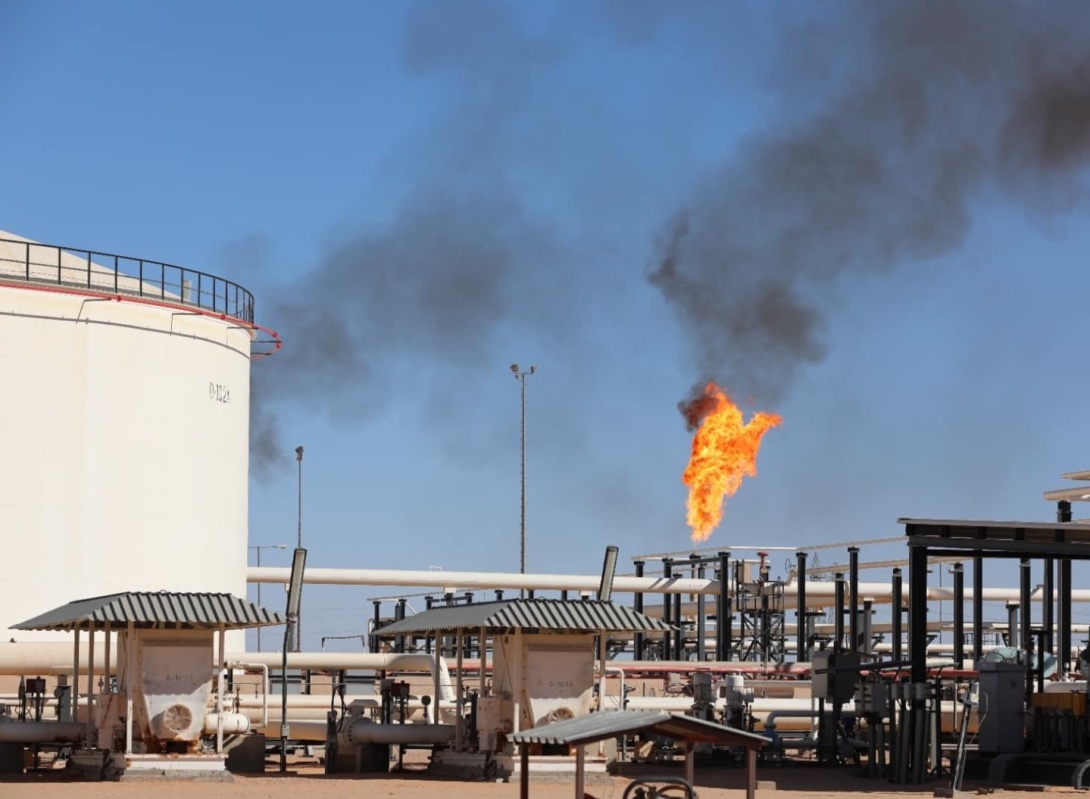
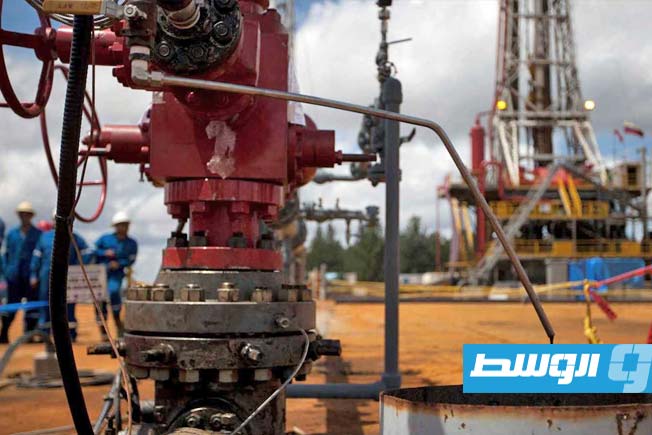
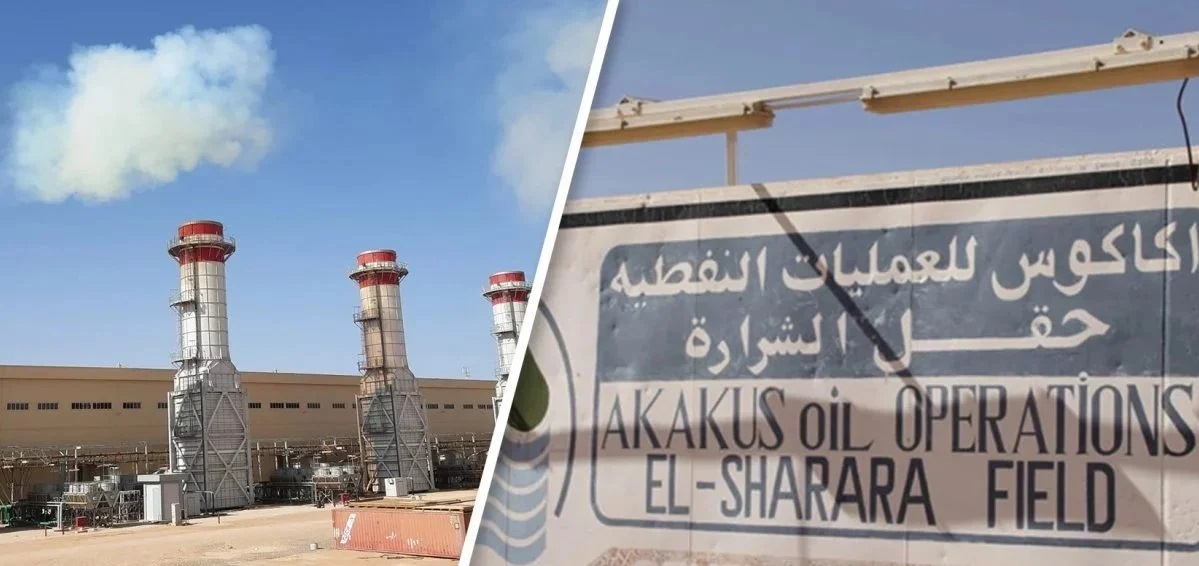
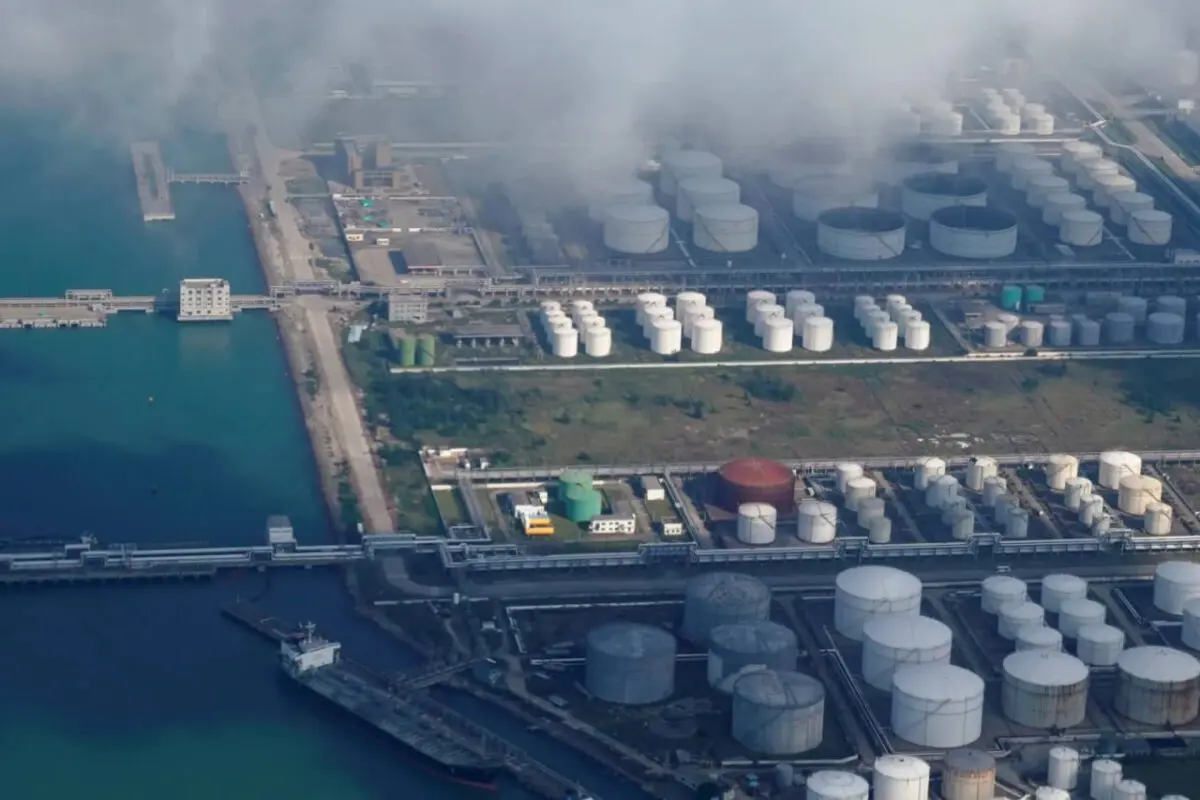
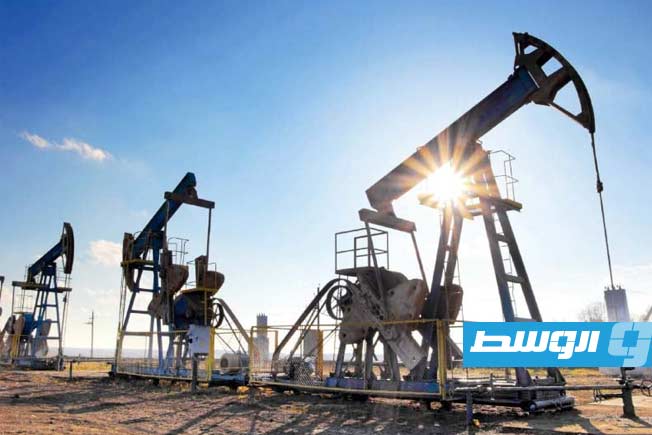
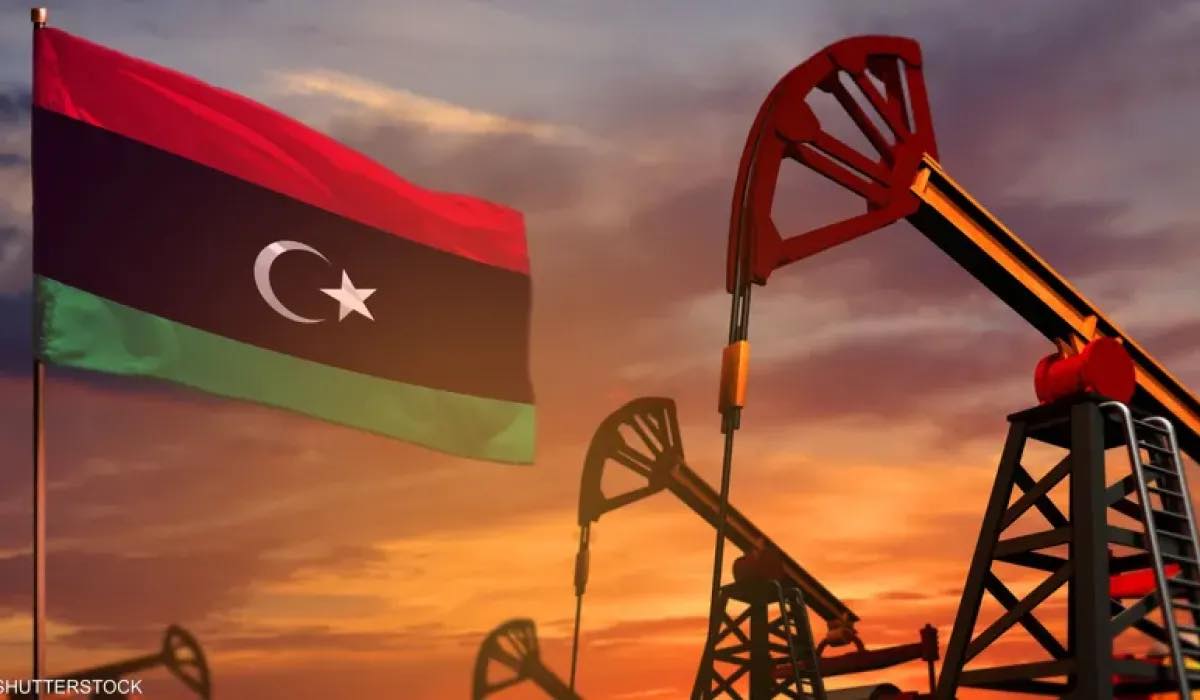
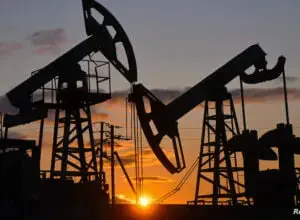
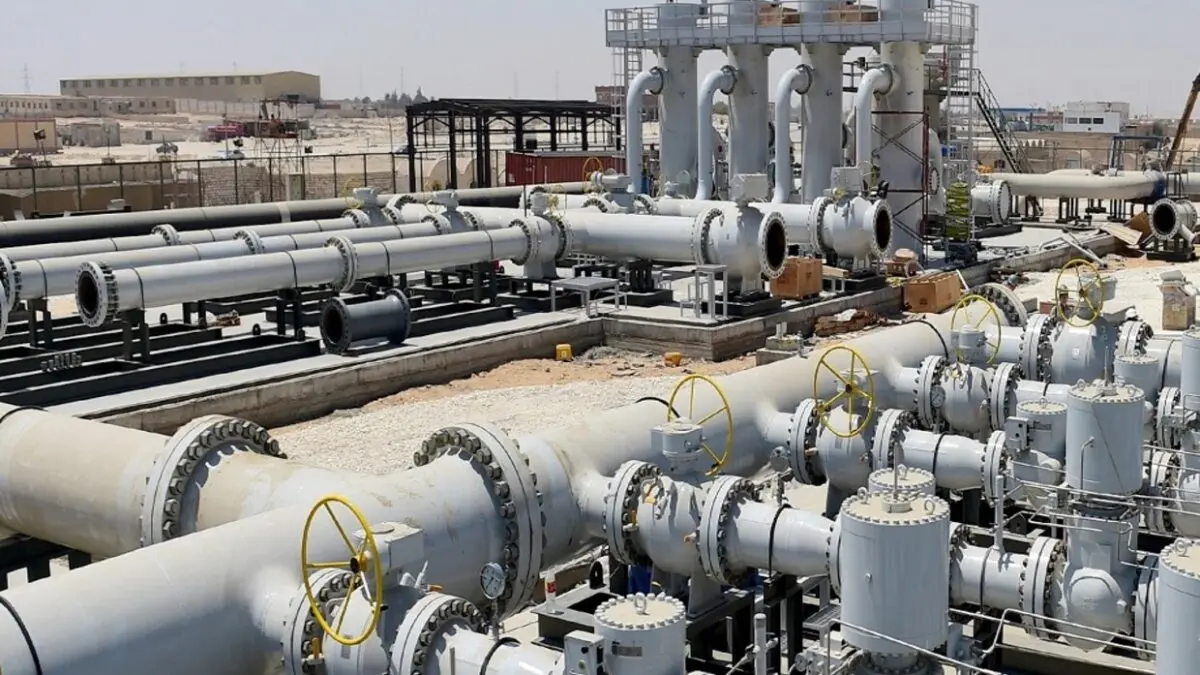
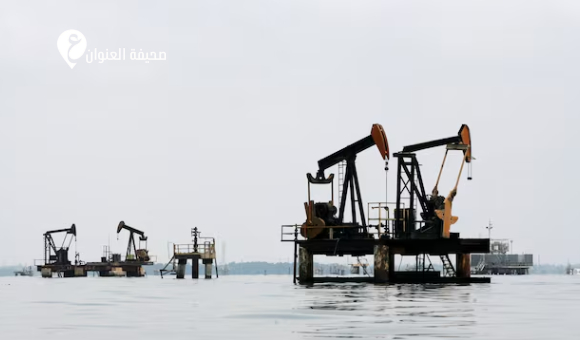
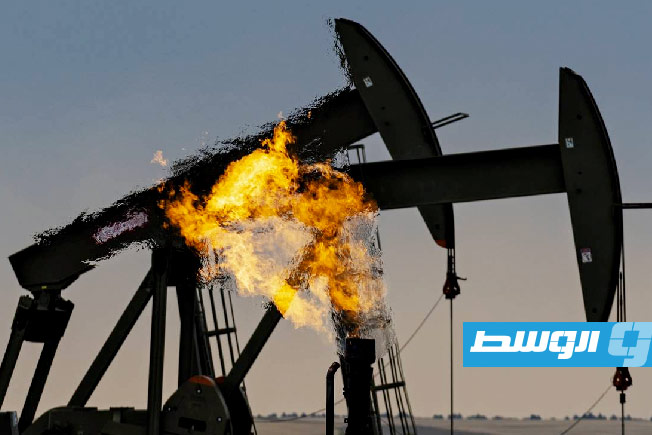
• An increase in average oil production to about 1.3 million barrels per day in 2025, compared to about 1.1 million barrels per day in 2024, which directly impacted public revenues.
• An increase in hydrocarbon revenues by about 33%, resulting from improved production and institutional commitment, despite an unfavorable international price environment.
• Achieving a budget surplus of about 3.6% of GDP during the first nine months of 2025, compared to a limited surplus of 0.7% in the same period the previous year.
These figures, as the report explains, are not isolated from public financial management but are directly linked to improved financial discipline and expenditure and collection procedures.