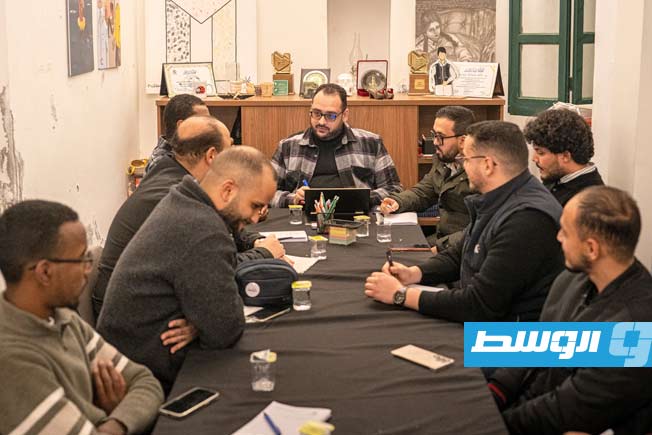
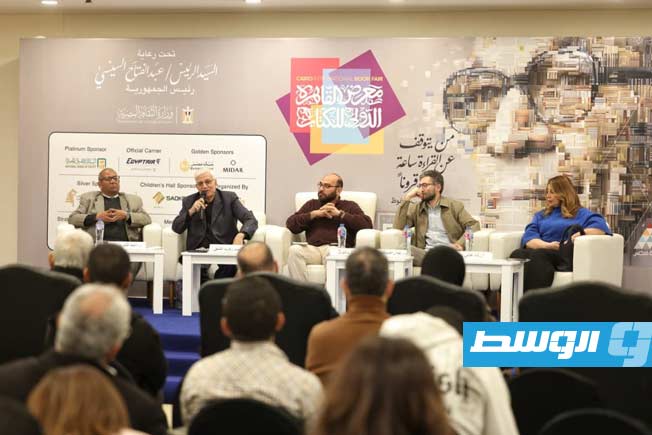
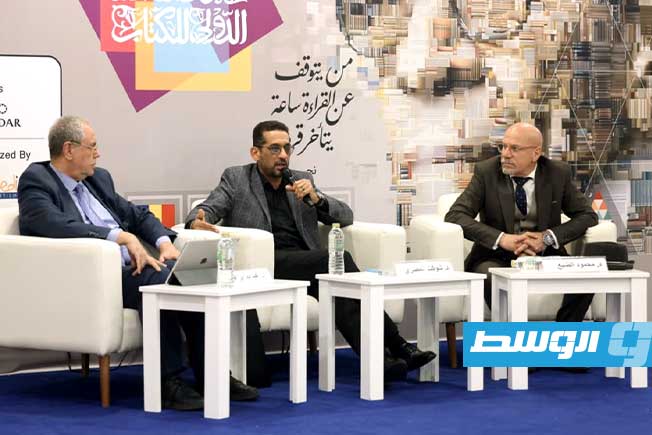
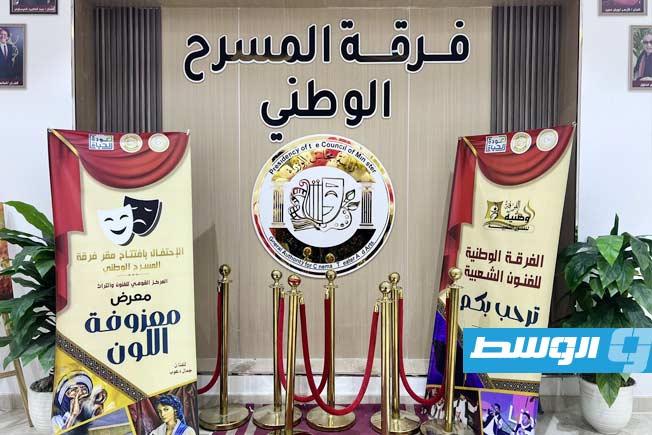
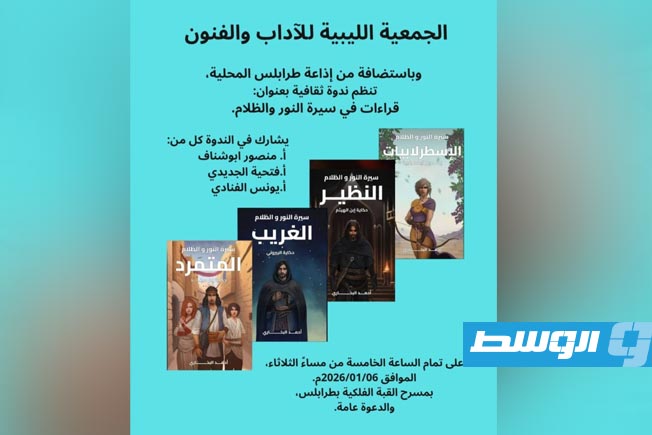
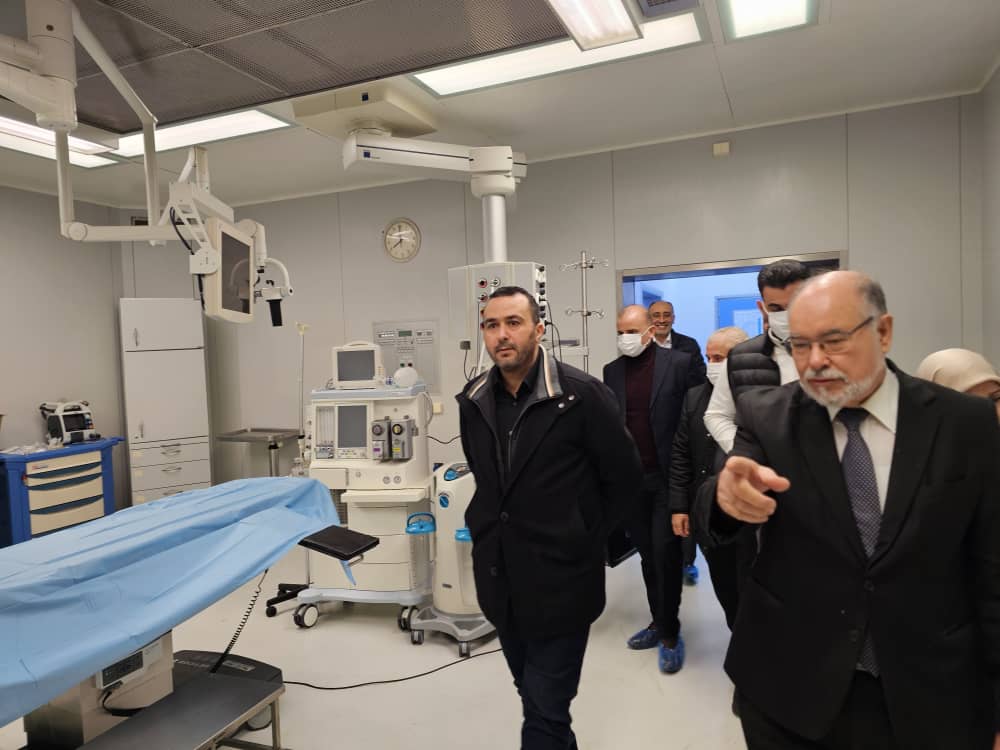
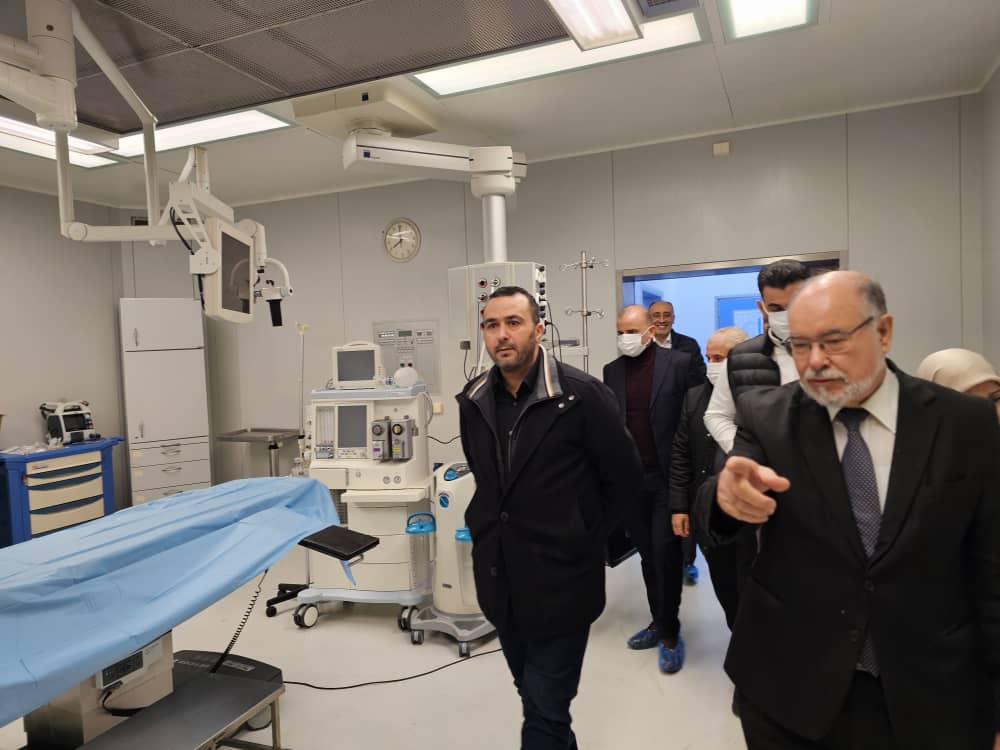
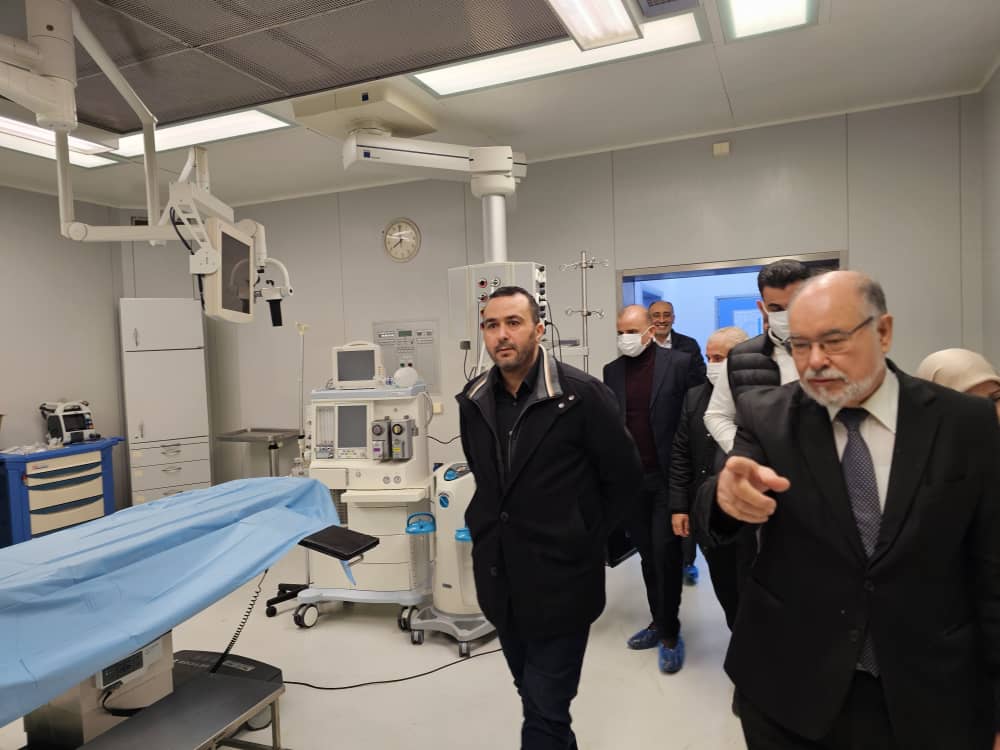
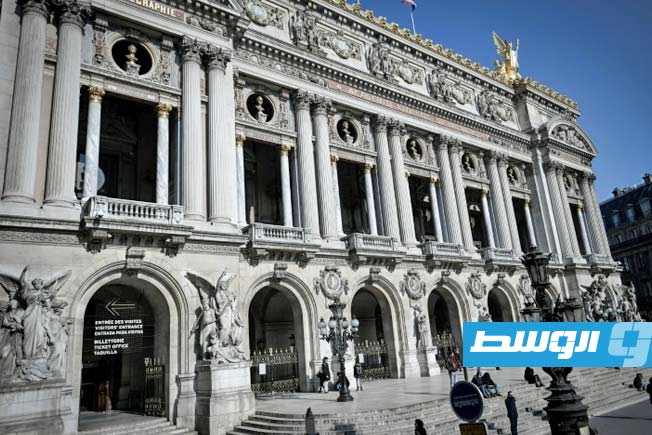
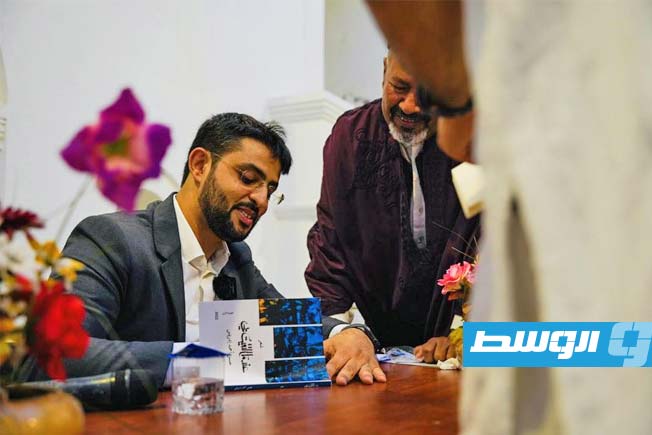
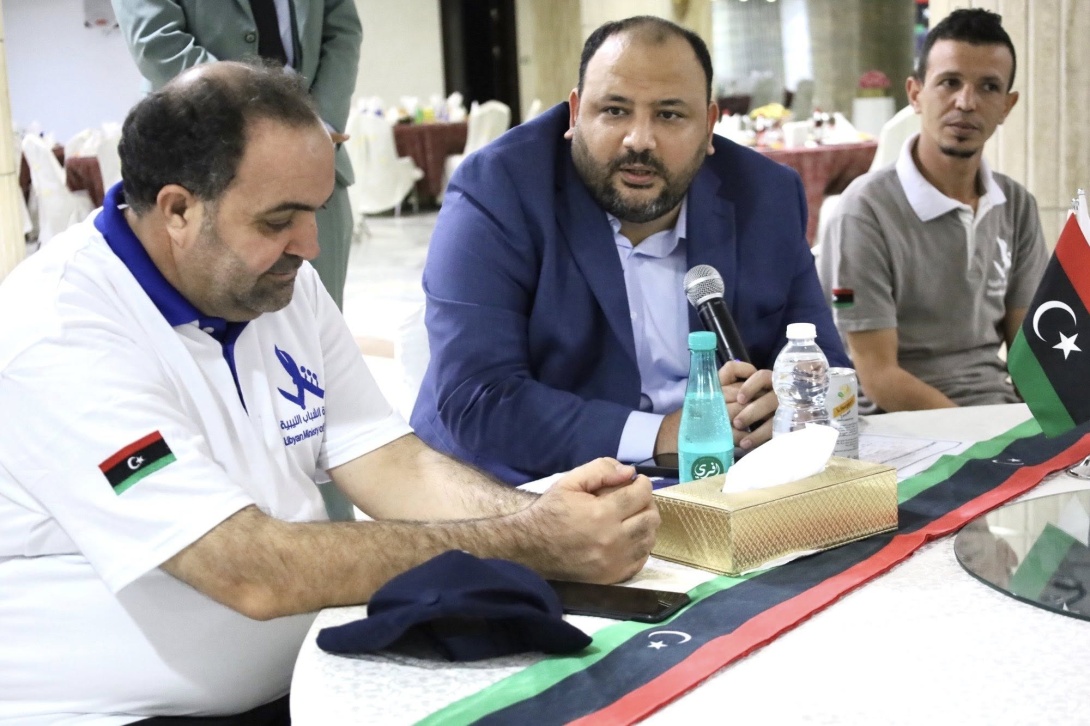
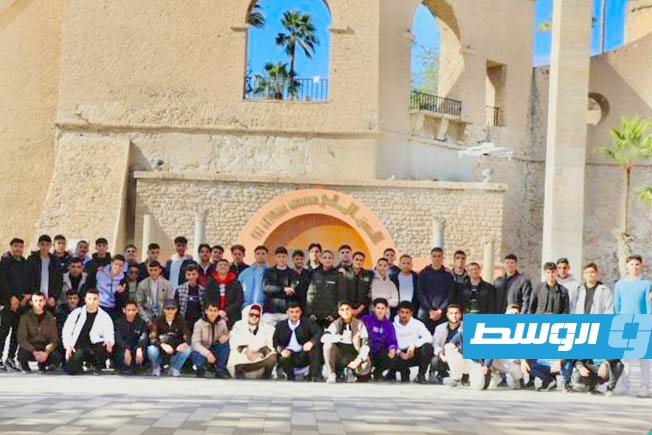
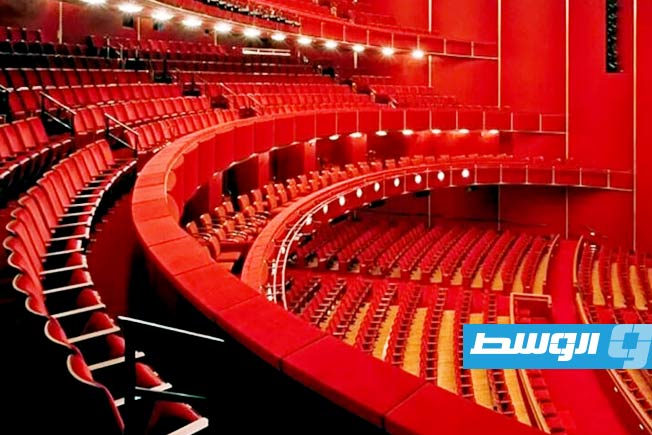
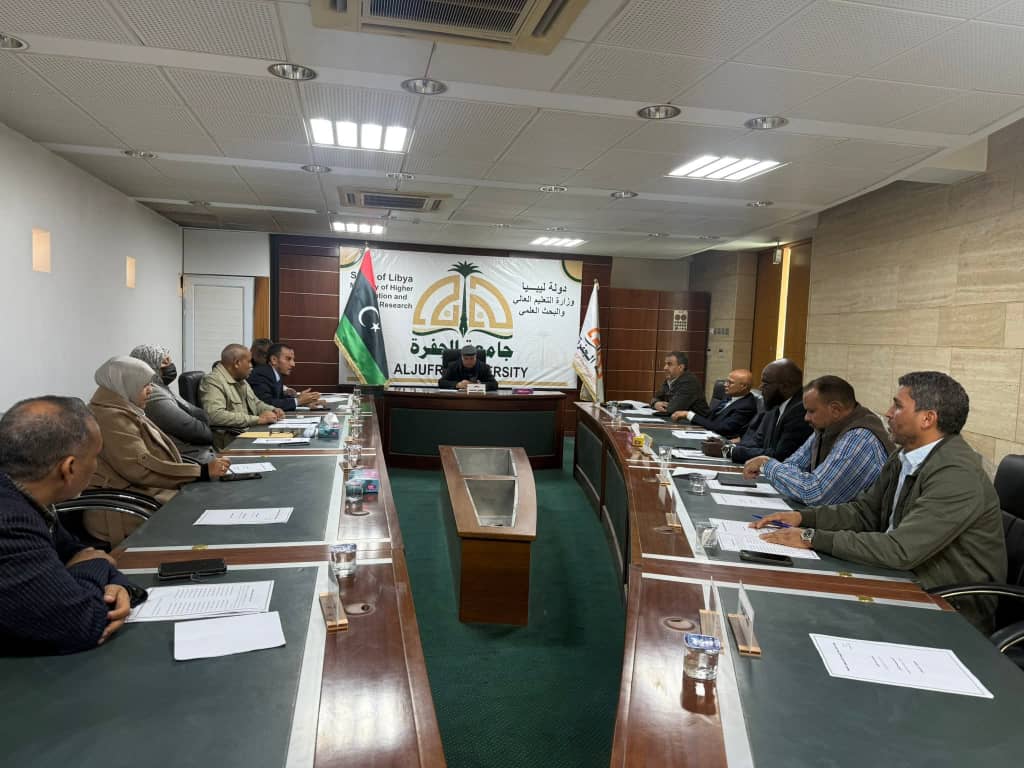
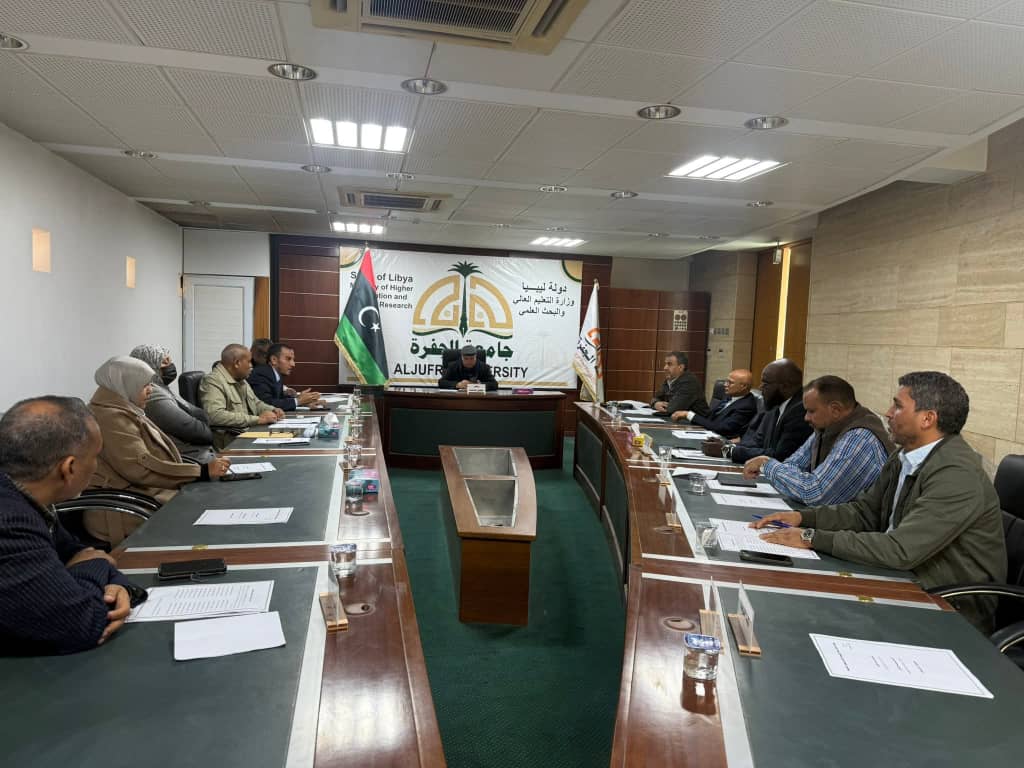
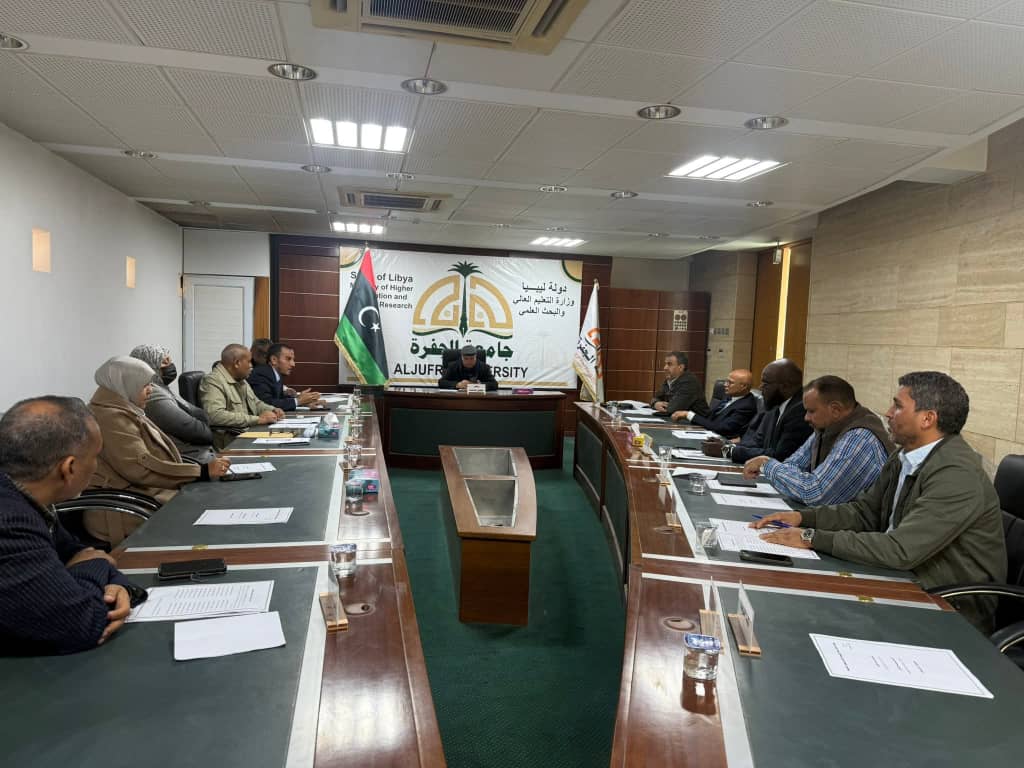
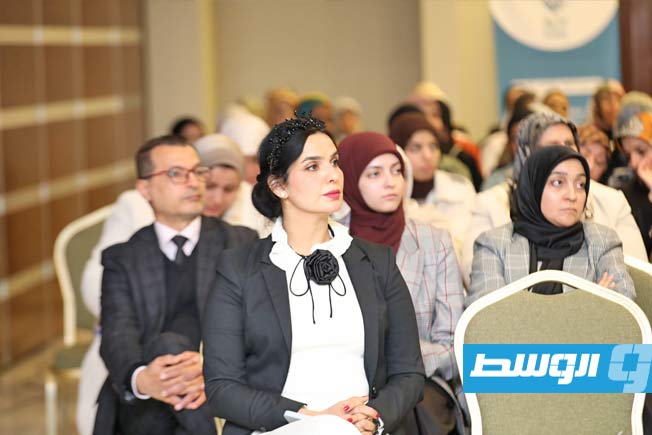
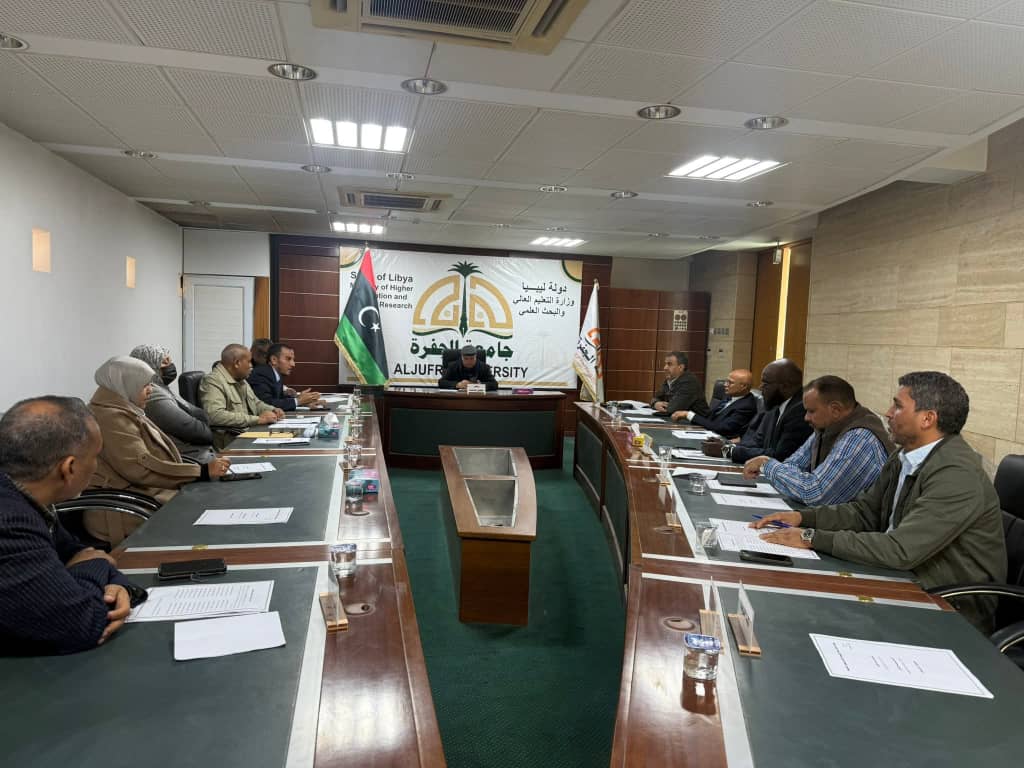
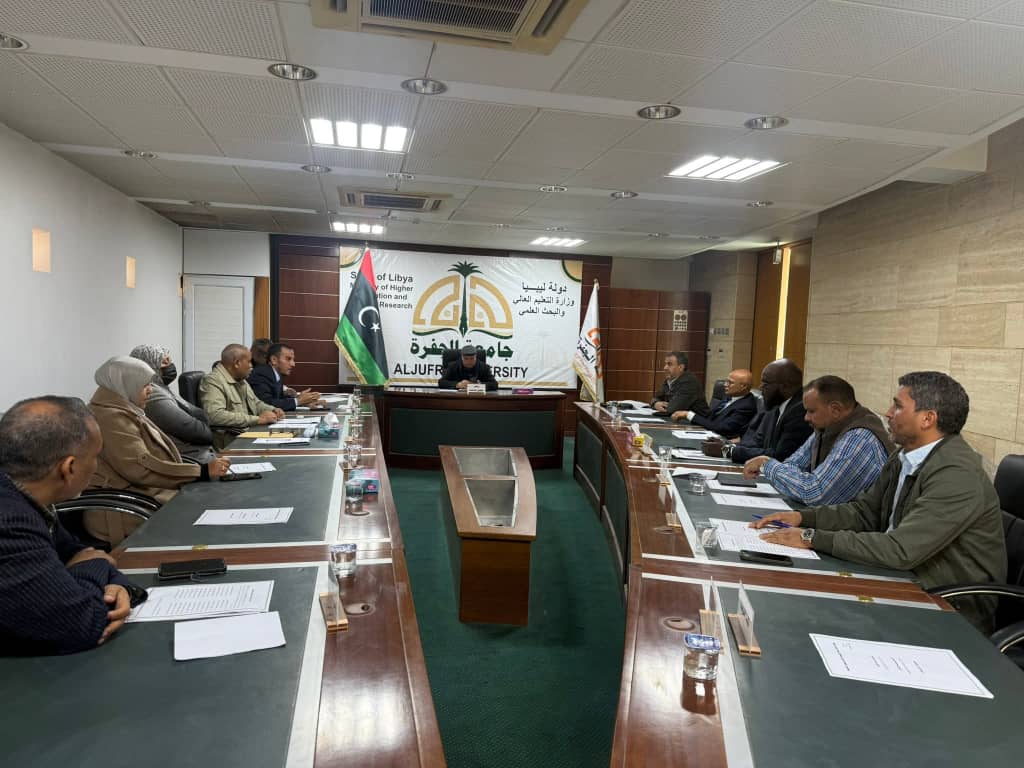
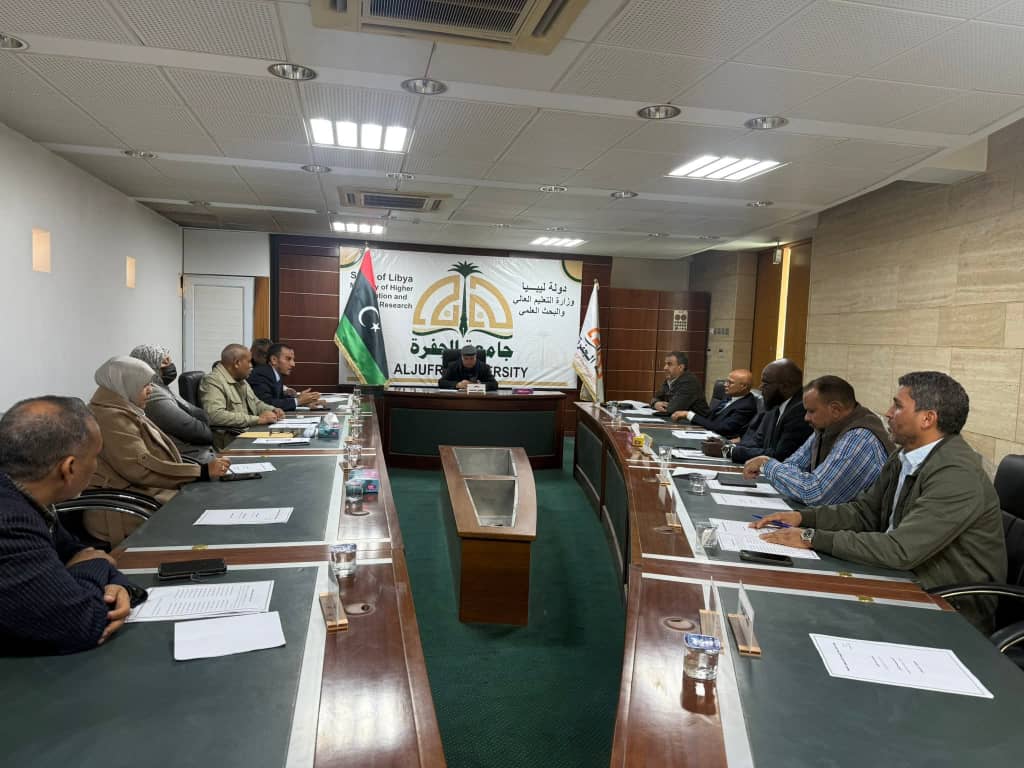
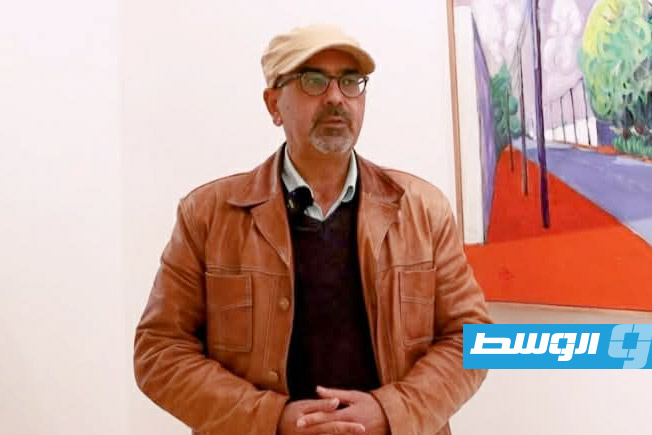
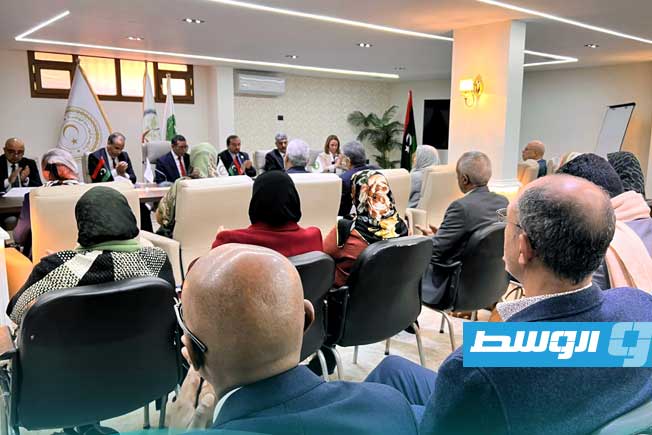
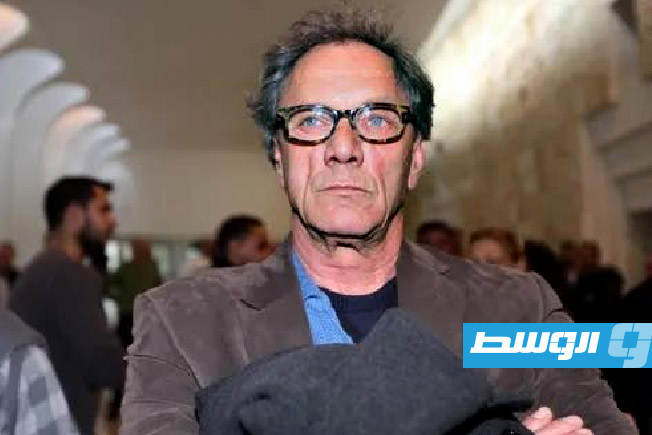
On the topic of “The Reality and Foundations of Libyan Cinematic Culture,” the Planetarium Hall hosted a lecture organized by the Libyan Association for Literature and Arts.
The lecturer explained the importance of this topic, “which might seem marginal because our thinking tends towards the issue of production: series… films… etc., but discussing the concept of cinematic culture comes as a counterpart to production.” He said, “There are countries that produce and screen films, versus countries that are content with screening them. Here lies the question: how does the audience deal with these films? From this came our discussion about cinematic culture.”
He continued, “The audience’s reception of films is a very important matter, because even when addressing production, the latter must be an entry point to what we call: film consumption or film reception. In Libya during the Italian occupation, Italy established a number of cinemas, targeting the Italian community. There were films being screened and an audience, but there was no production. This situation applies to many countries in the world.”
The lecturer believes that “according to this climate, one must think about the mechanism through which these films are received and the elements upon which cinematic culture is built to qualify the audience to receive the film. For example, the newspaper is a source of cinematic culture. The reader, while perusing what is written about this or that film, develops a horizon for reception different from that of the ordinary viewer. Therefore, supplements and specialized cinema pages in newspapers played an important role in spreading cinematic culture.”
The Role of Magazines and Books
On the other hand, the lecturer did not overlook the role of the magazine and its margin, which allows for expanding on the presentation of ideas, studies, and research, as found in weekly and quarterly magazines. In this regard, he pointed to the British magazine ‘Sight & Sound’ and the French magazine ‘Cahiers du Cinéma’ in the 1950s, which played an important role in terms of theory and film discussion, clarifying many things unknown to the ordinary viewer.
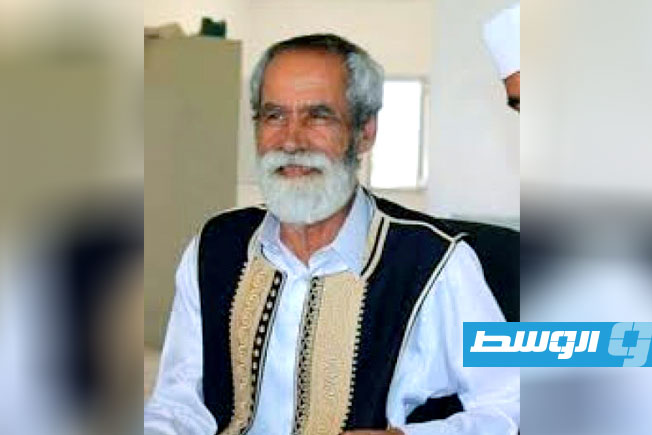
– Critic discusses ‘Cinematic Culture in Libya’ at the Libyan Association for Literature and Arts
– Writer discusses ‘Cinematic Culture in Libya’ and calls for the necessity of building a critical taste
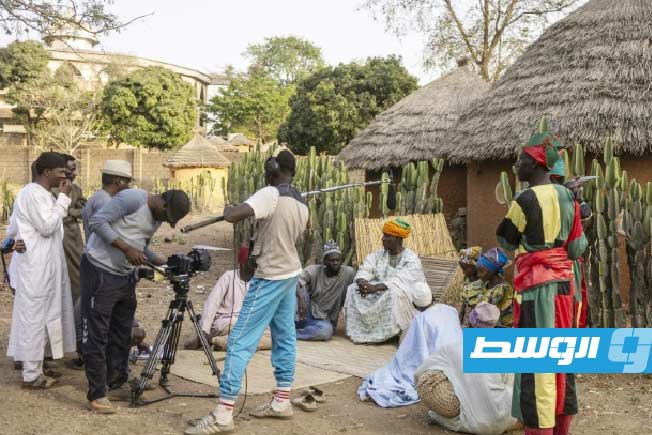
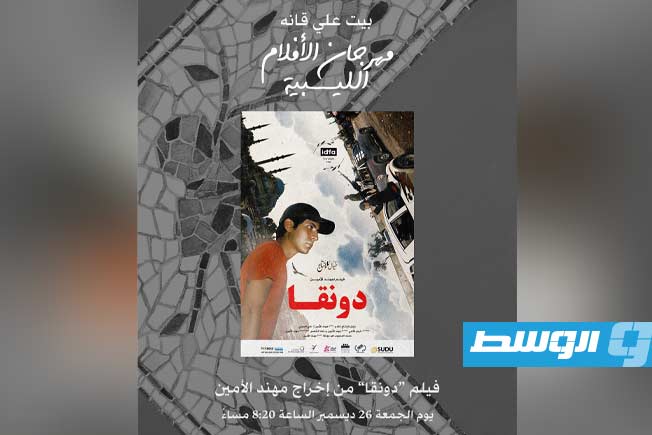
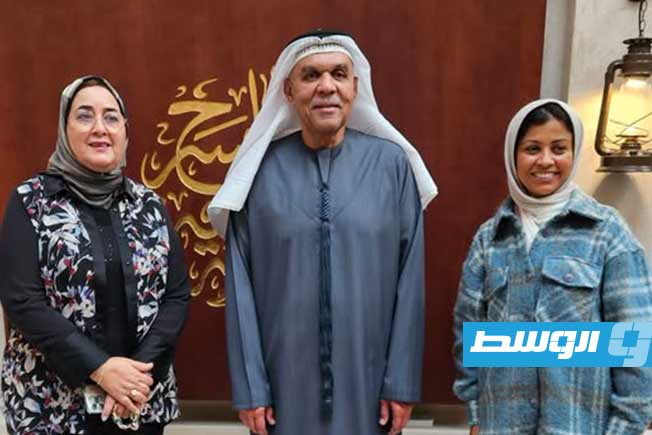
– ‘Baba and Gaddafi’ wins ‘Best Long Documentary Film’ award at ‘Doha Film Institute’ (video)
The lecturer continued: “Despite the decline in the level of demand for print publications due to the technological boom, there are still magazines being published that reconcile media and cinema,” giving examples such as the magazine ‘Empire’, ‘Hollywood Reporter’, and, in the Arab world, magazines like ‘Cinematic Life’ in Syria, ‘Cinema and Theatre’ in Egypt, and the Iraqi ‘Sumer’. Magazines ultimately remain in a better state than newspapers.
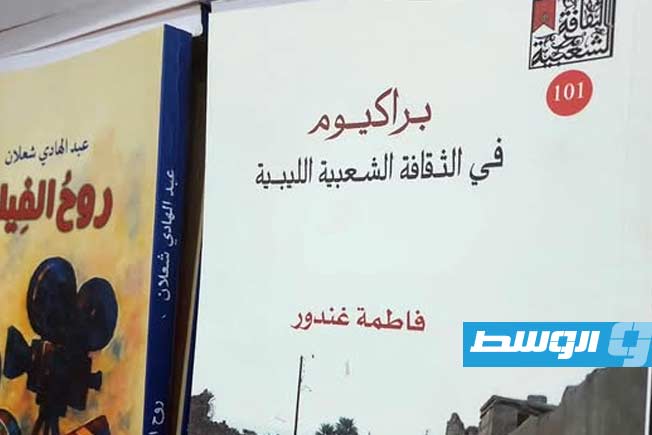
From magazines to the book, which, according to the critic’s description, qualifies the viewer to appreciate the basics of the work due to the interaction, discussion, and dialogue it contains, especially since the relationship of the book with cinema dates back to its beginnings. Every new mechanism entering the field of the seventh art is accompanied by a ‘catalogue’ containing cultural material and helping to understand filming techniques. Then books evolved, especially after 1916, which witnessed the appearance of the first actual book on film analysis, followed by the continued publication of books in French and English, as well as Arabic books.
The club was mentioned by the lecturer as an important source of cinematic culture, being an inspiring space for discussing films and knowing what is good and what is not, citing examples like the clubs of Paris, Cairo, and New York, as well as clubs in Tunisia and Morocco. Those who worked in cinema in Tunisia are sons of the clubs, like artists Nouri Bouzid and Ferid Boughedir. A club can create a distinctive cinematic movement through dialogues.
The lecturer touched on the role of festivals, starting with Venice, the first film festival, which is distinguished not only by screening films but also by discussing them with the director and screenwriter. The researcher also did not forget the role of television and radio in spreading cinematic culture.
Cinema in Libya
The lecturer then applied the aforementioned elements to examine their manifestation in the Libyan artistic scene, starting with the era of Italian occupation as previously mentioned, then the era of the British mandate, during which Arab film would become a competitor to foreign films. He added that Libya was one of the biggest consumers of films to the extent that fifteen
Planetarium Hall
The Planetarium Hall is a dedicated space for projecting astronomical simulations and celestial displays, often housed within science museums or observatories. Its history traces back to the early 20th century with the invention of the optical-mechanical planetarium projector, which created a realistic night sky indoors for education and public engagement.
Libyan Association for Literature and Arts
The Libyan Association for Literature and Arts is a cultural institution founded to promote and support Libyan writers, artists, and intellectuals. Historically, it has served as a key platform for cultural expression and literary discourse within the country, especially during the latter half of the 20th century.
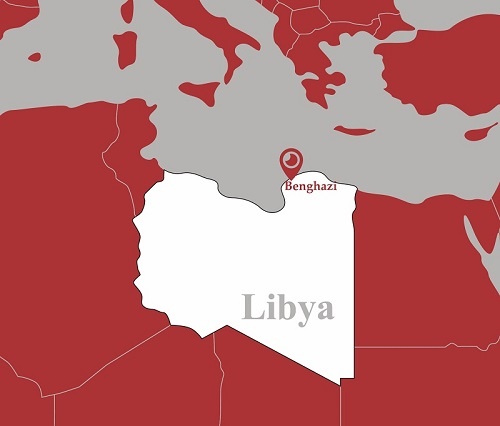
Libya
Libya is a North African country with a rich history rooted in ancient civilizations like the Phoenicians and Romans, followed by centuries of Arab and Ottoman influence. In the modern era, it was an Italian colony before gaining independence in 1951, later becoming known for Muammar Gaddafi’s lengthy rule from 1969 until the 2011 revolution. Its cultural heritage includes UNESCO World Heritage sites such as the ancient Greek city of Cyrene and the Roman ruins of Leptis Magna.
Italy
Italy is a country in Southern Europe with a rich cultural history that dates back to the Roman Empire, which was one of the largest and most influential civilizations of antiquity. It later became the birthplace of the Renaissance, a period of immense artistic and scientific flourishing in cities like Florence and Rome. Today, Italy is renowned for its historic landmarks, artistic treasures, and profound influence on Western culture, law, and cuisine.
Italian occupation
The Italian occupation refers to periods when Italy controlled foreign territories, most notably in Libya (1911–1943), Ethiopia (1936–1941), and parts of the Balkans during World War II. This colonial and military expansion was driven by nationalist ambitions under the Fascist regime of Benito Mussolini, seeking to establish a new Roman Empire. The occupations were often marked by harsh rule, resistance from local populations, and ended with Italy’s defeat in the war.
British mandate
The British Mandate refers to the League of Nations-sanctioned administration of Palestine by the United Kingdom from 1920 to 1948. This period followed the collapse of the Ottoman Empire after World War I and was characterized by growing Arab-Jewish tensions over national aspirations. The mandate ended with the British withdrawal and the subsequent declaration of the State of Israel in 1948.
Sight & Sound
Sight & Sound is a Christian-themed theater and entertainment organization based in Lancaster, Pennsylvania, known for its large-scale biblical stage productions. It was founded in 1976 by Glenn Eshelman, initially beginning with multimedia slide shows before evolving into its current format of elaborate musical dramas featuring live animals, detailed sets, and advanced special effects.
Cahiers du Cinéma
Cahiers du Cinéma is a highly influential French film magazine founded in 1951, which became famous for developing the auteur theory and championing the French New Wave movement. Its early critics, including François Truffaut and Jean-Luc Godard, later became seminal directors who revolutionized cinema.
Empire
The Empire is a historic cinema and music venue located in Leicester Square, London, which first opened in 1884. Originally a theatre, it was converted into a cinema in 1928 and became famous for its grand, ornate design and for hosting major film premieres.
Hollywood Reporter
The Hollywood Reporter is a leading American entertainment industry trade magazine founded in 1930. It originally focused on film industry news and has since expanded to cover television, music, and digital media, becoming a key source for entertainment business journalism.
Cinematic Life
“Cinematic Life” is not a widely recognized historical place or established cultural site, but rather a phrase that could refer to a film festival, theater, or cultural concept centered on the art of cinema. Without a specific, real-world location, it does not have a documented history to summarize.
Syria
Syria is a country in the Middle East with a rich history as a cradle of civilization, home to ancient cities like Damascus, one of the world’s oldest continuously inhabited cities. Its historical landscape includes major archaeological sites from various empires, such as Palmyra and the Crusader castle Krak des Chevaliers. In recent history, the country has been profoundly affected by a complex and ongoing civil war that began in 2011.
Cinema and Theatre
Cinema and Theatre as cultural sites refer to venues dedicated to the public performance and exhibition of dramatic arts and motion pictures. Their modern history began in the late 19th and early 20th centuries, with theatre having ancient roots in Greek amphitheatres and cinema emerging from technological innovations like the kinetoscope and cinematograph. These spaces have evolved from simple halls and nickelodeons into complex institutions central to storytelling and communal cultural experience.
Egypt
Egypt is home to one of the world’s oldest civilizations, with a recorded history spanning over 5,000 years and famed for its monumental pharaonic achievements like the Pyramids of Giza and the Sphinx. Its rich cultural heritage, from ancient temples along the Nile to Islamic Cairo and Coptic sites, reflects a continuous legacy of influential empires and religions. Modern Egypt remains a pivotal cultural and political center in the Arab world, built upon this profound historical foundation.
Sumer
Sumer was an ancient civilization in southern Mesopotamia (modern-day Iraq) that emerged around 4500 BCE, widely considered one of the world’s earliest cradles of civilization. It is renowned for pioneering developments such as the first known writing system (cuneiform), the wheel, and the establishment of city-states like Uruk and Ur.
Iraq
Iraq, historically known as Mesopotamia, is often called the “Cradle of Civilization” for its ancient cities like Babylon and Ur, which were home to early developments in writing, law, and urban life. Modern Iraq, established in the 20th century, is a nation with a rich cultural heritage deeply impacted by its location at the heart of the ancient Islamic Abbasid Caliphate and by significant conflict in recent decades.
Paris
Paris is the capital of France, historically founded as a Gallo-Roman settlement in the 3rd century BC. It evolved into a major European center of art, philosophy, and politics, famously symbolized by landmarks like the Eiffel Tower and the Louvre Museum.
Cairo
Cairo is the sprawling capital of Egypt, founded in 969 CE by the Fatimid dynasty. It is famously home to historic Islamic districts, the Egyptian Museum, and the nearby Giza pyramid complex, which dates back to the 26th century BCE.
New York
New York City, originally settled by the Dutch as New Amsterdam in the early 17th century, was later taken by the English and renamed. It grew into a major global port and financial center, becoming a primary gateway for immigrants entering the United States through Ellis Island in the late 19th and early 20th centuries. Today, it is one of the world’s most influential cities, known for its cultural diversity and landmarks like the Statue of Liberty, Times Square, and Central Park.
Tunisia
Tunisia is a North African country with a rich history shaped by ancient civilizations, including the Phoenician city of Carthage, Roman rule, and later Arab-Islamic influence. Its cultural sites, such as the well-preserved Roman amphitheater at El Jem and the historic medina of Tunis, reflect this diverse heritage. Today, it is known as the birthplace of the Arab Spring and for its blend of Mediterranean and Arab cultures.
Morocco
Morocco is a North African country with a rich history shaped by indigenous Amazigh (Berber) cultures, Arab influence from the 7th century, and successive dynasties like the Almoravids and Almohads. Its cultural sites, such as the ancient city of Fez and the Koutoubia Mosque in Marrakech, reflect this blend of Arab, Islamic, and Amazigh heritage. The country’s historic medinas, kasbahs, and varied landscapes from the Sahara to the Atlas Mountains are central to its identity.
Nouri Bouzid
Nouri Bouzid is a prominent Tunisian film director and screenwriter, born in 1945, who is considered a foundational figure in Arab and Maghrebi cinema. His work, which includes films like “Man of Ashes” (1986), is known for critically exploring themes of post-colonial identity, sexuality, and political oppression in Tunisian society.
Ferid Boughedir
Ferid Boughedir is a Tunisian film director and critic, best known for his influential documentaries and feature films that explore Tunisian society and Arab cinema. His 1990 documentary “Caméra d’Afrique” is a landmark work chronicling the first 25 years of filmmaking across the African continent.
Venice
Venice is a historic city in northeastern Italy, built on a network of 118 small islands separated by canals and linked by bridges. Founded in the 5th century as a refuge from barbarian invasions, it grew into a major maritime power and center of trade and art during the Middle Ages and the Renaissance.
Doha Film Institute
The Doha Film Institute is a cultural organization founded in 2010 under the patronage of Sheikha Al Mayassa bint Hamad bin Khalifa Al Thani to cultivate a film industry in Qatar and the wider region. It is best known for hosting the annual Ajyal Film Festival and providing funding, education, and production support to emerging filmmakers.