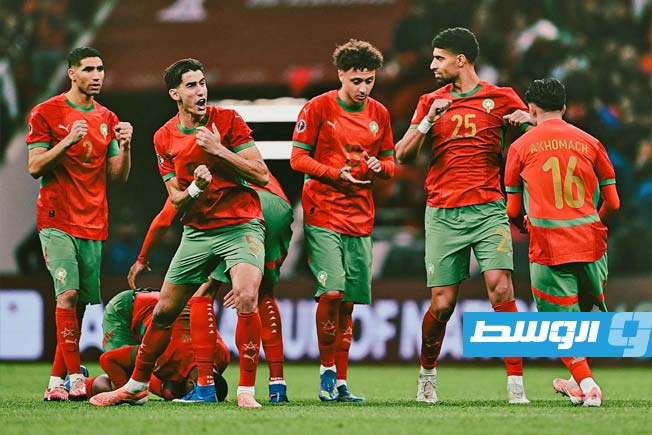
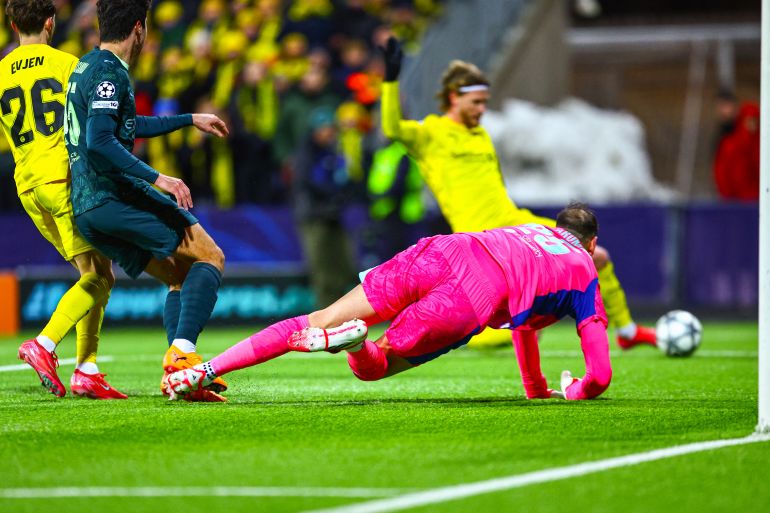
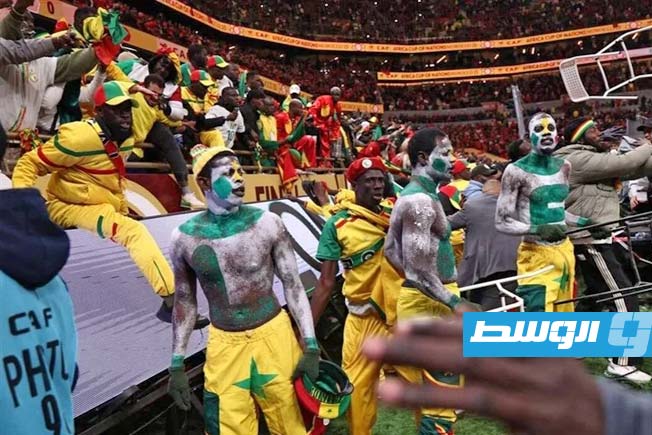
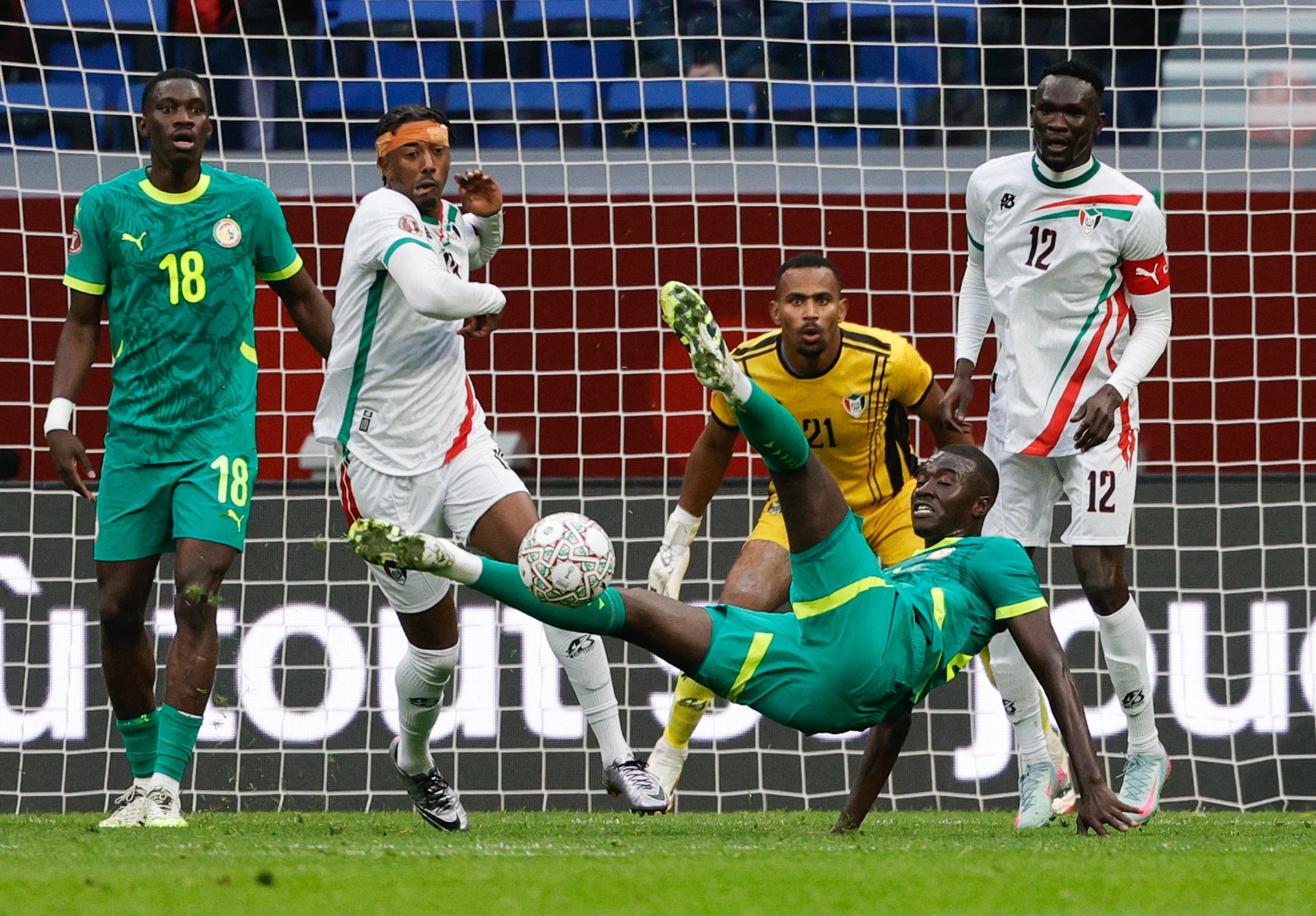
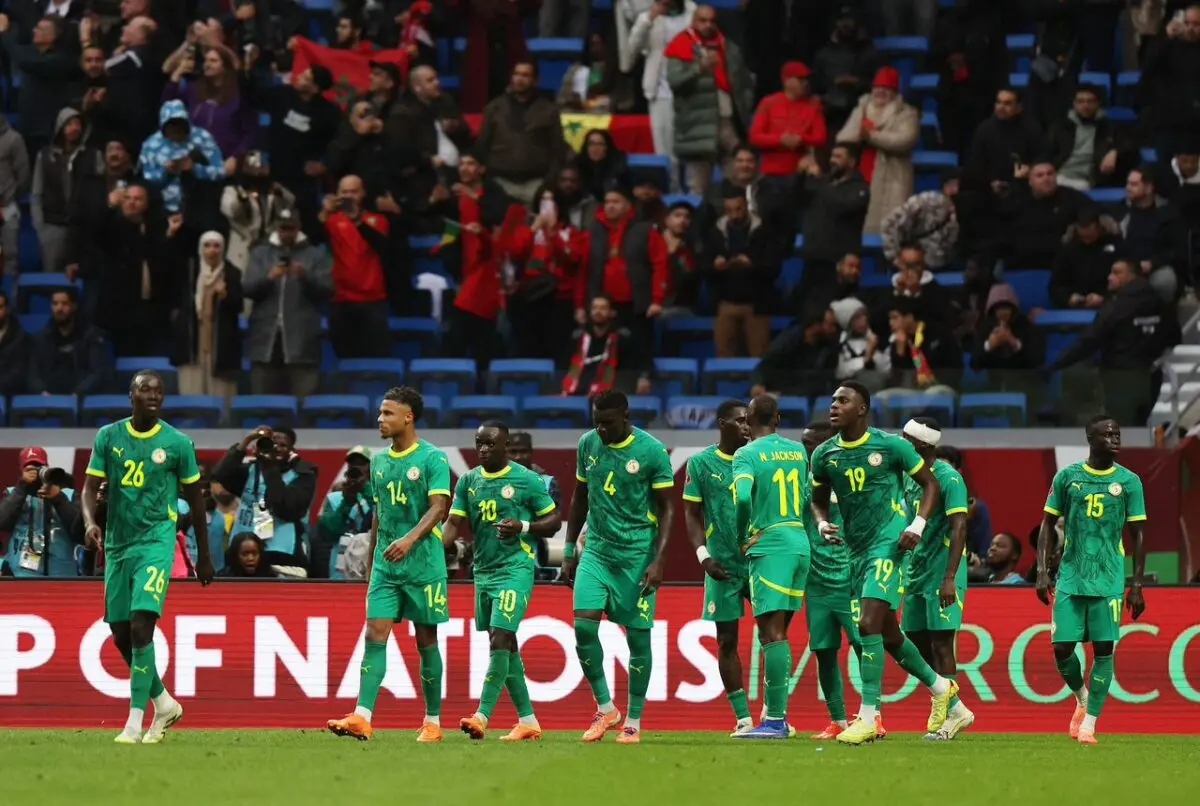
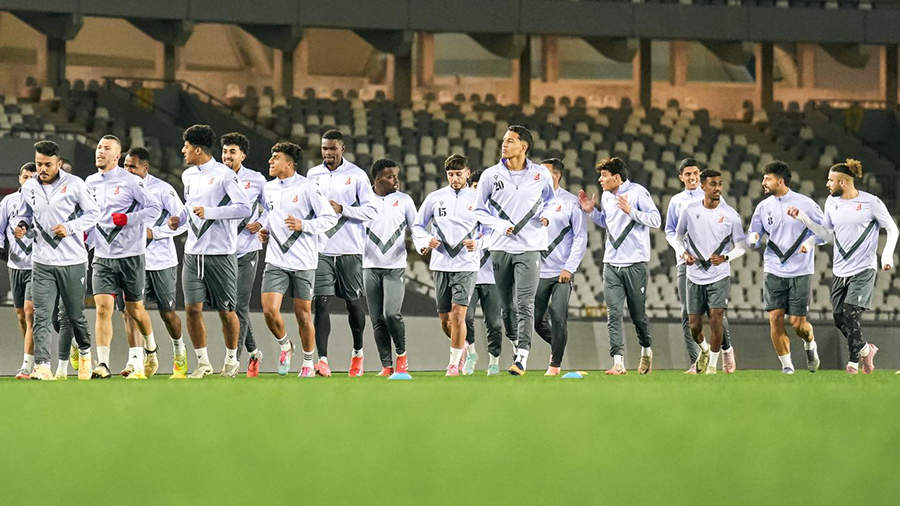
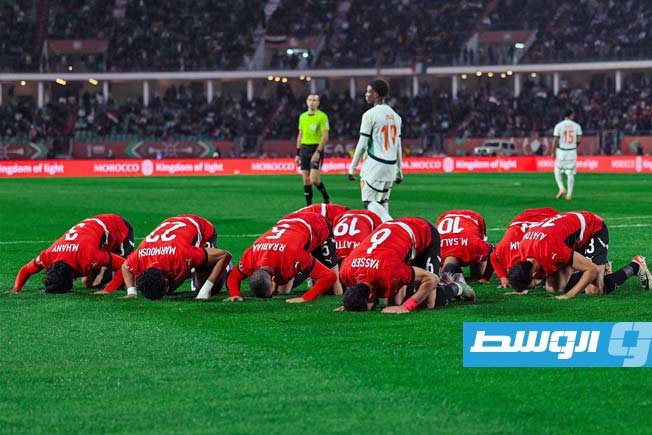
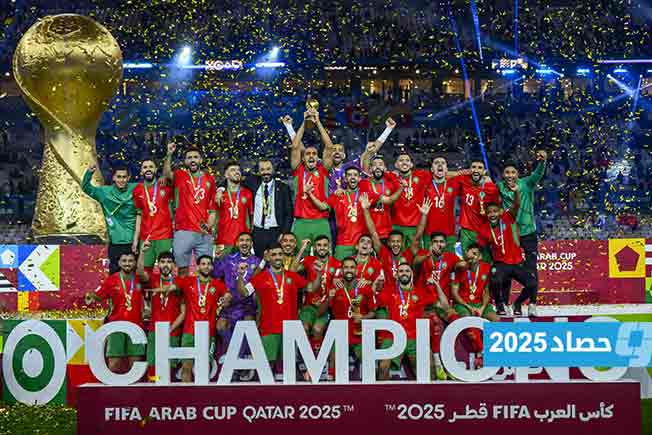
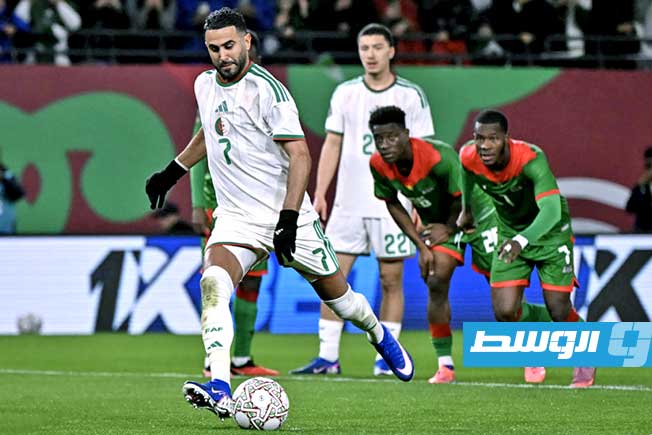
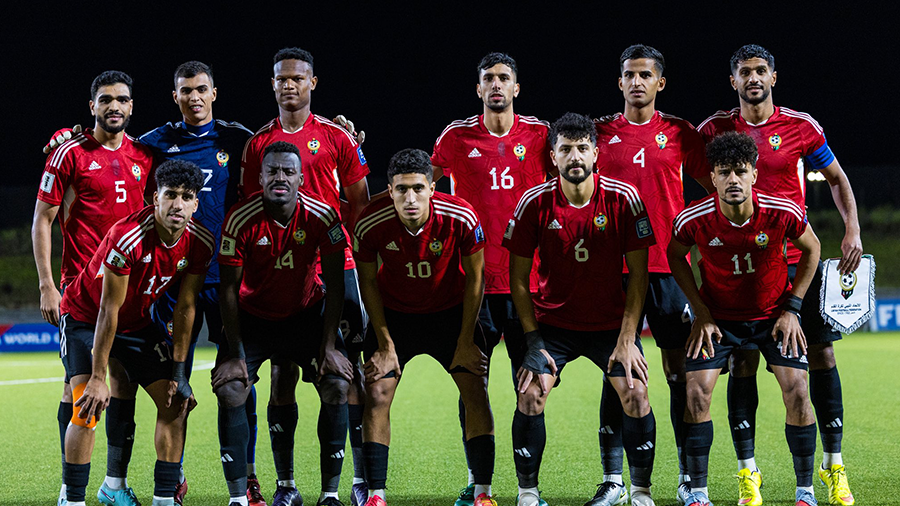
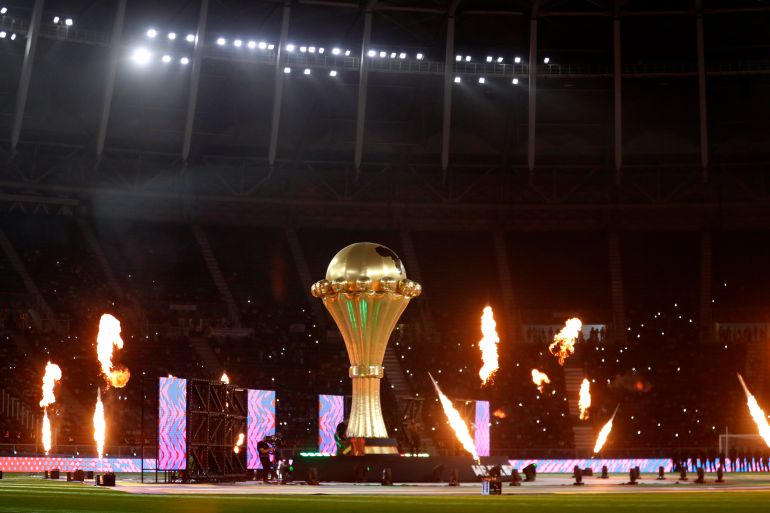
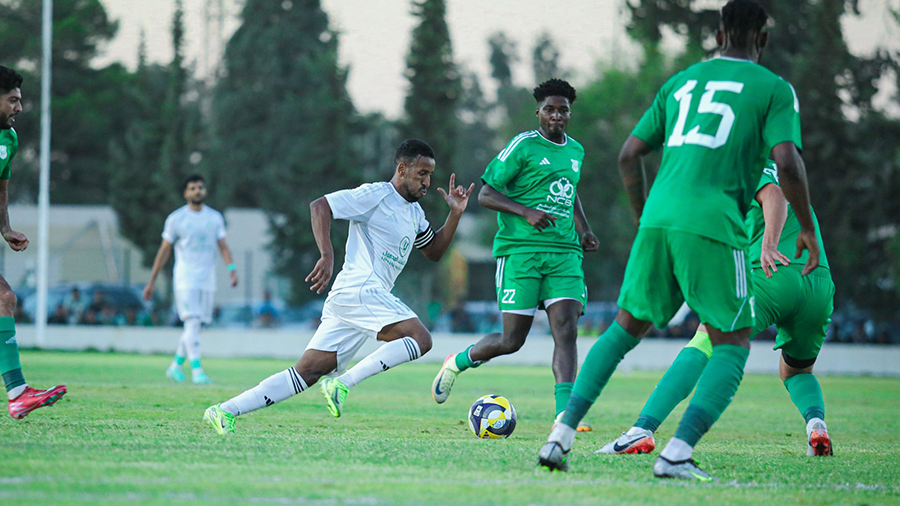
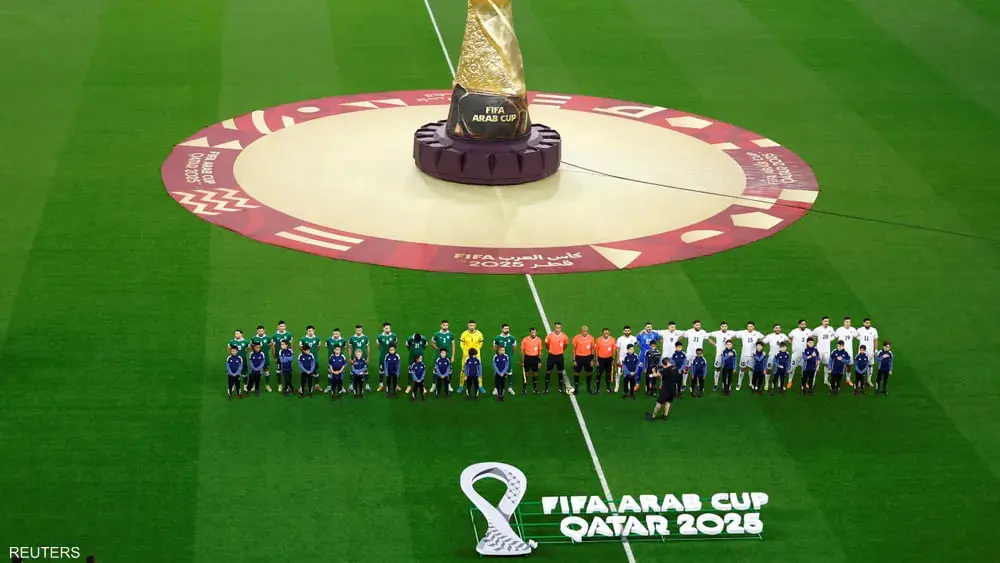
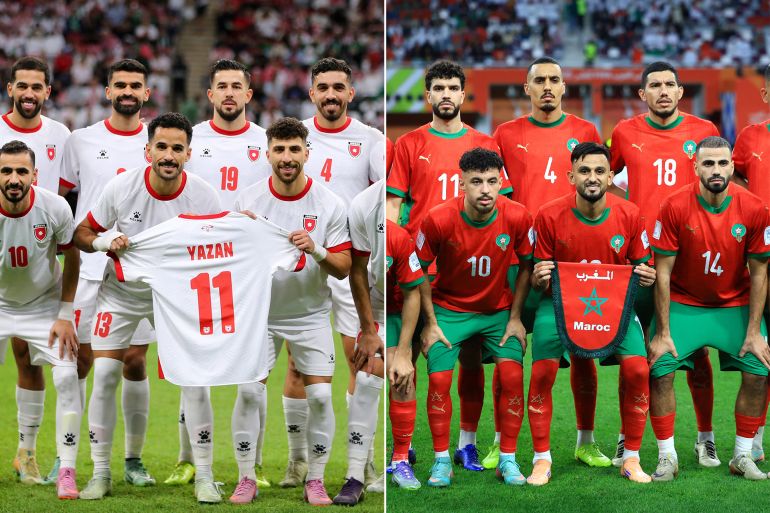
The 2025 Arab Cup final was not just a match played for a title; it was a complete football story, its details written on the pitch of Lusail Stadium, and it ended with the Moroccan national team being crowned champion of the Arabs following an exciting 3–2 victory over the Jordanian national team after extra time, in one of the most beautiful finals in the tournament’s history.
The “Atlas Lions” entered the match with the confidence of champions and the calm of those who know the path to gold. They imposed their rhythm early on and translated their initial dominance into a first goal that disrupted the calculations. However, the Jordanian national team, which came to the final loaded with ambition and determination, refused to be a guest of honor. They fought their way back into the match with a high fighting spirit and notable tactical organization.
As the minutes passed, the match turned into a battle of wills, recognizing neither names nor prior predictions. Morocco sought to seal the deal, while Jordan fought for the dream. They exchanged goals, and regular time ended in a 2–2 draw, a result that reflected the fairness of the encounter and its high technical level.
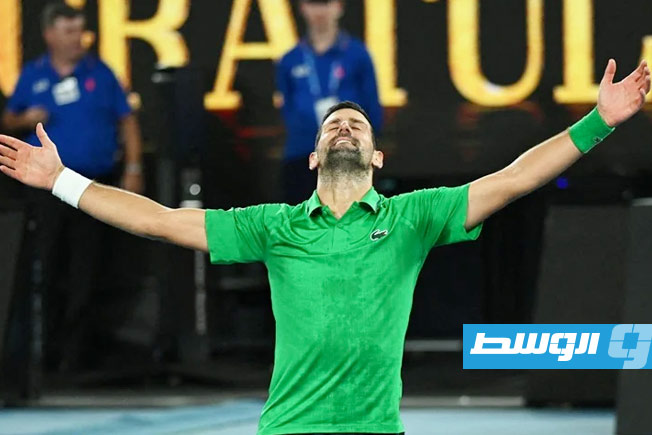
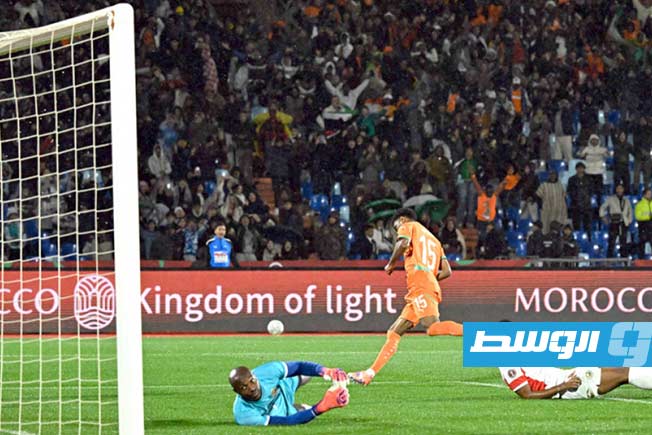
In extra time, the small details that create champions came to the fore. Moroccan experience in managing the moment and intense focus in the final third culminated in a decisive third goal by Hamdallah, which was enough to tip the scales in favor of the “Atlas Lions” and extinguish Jordan’s last attempts at a comeback, despite the bravery of the Jordanian players until the final whistle.
With this victory, the Moroccan national team confirms its status as one of the pillars of Arab football and adds a new title to its record, following a journey characterized by balance, tactical depth, and the ability to deliver under pressure. On the other hand, the Jordanian national team exited with their heads held high, after a great tournament and an honorable performance that proved they are a force to be reckoned with in the Arab football equation.
The Lusail final did not just crown a winner; it did justice to Arab football and proved that passion, when accompanied by hard work, creates unforgettable nights.
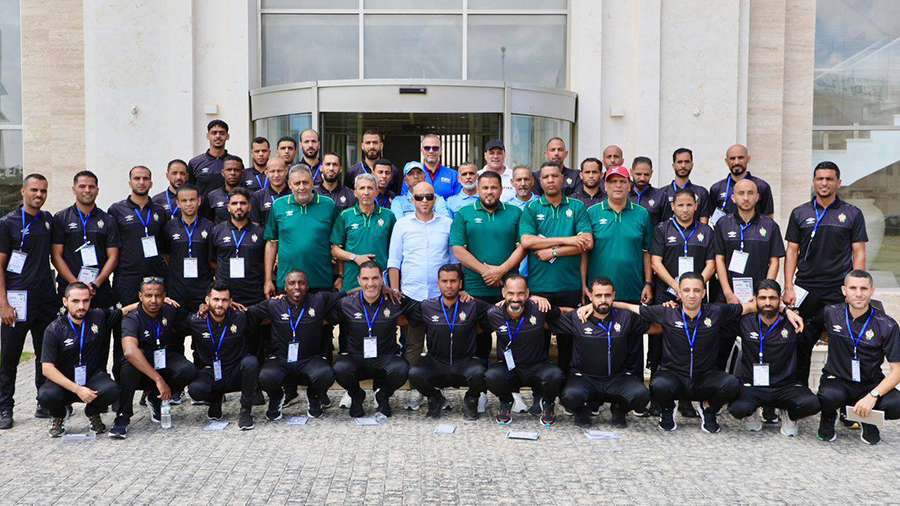
Moroccan national team
The Moroccan national football team, known as the “Atlas Lions,” is the men’s senior national team representing Morocco in international competition. It was founded in 1955, shortly before the country’s independence from France and Spain, and has since become a prominent force in African football. The team’s historic achievement was reaching the semi-finals of the 2022 FIFA World Cup in Qatar, becoming the first African and Arab nation to do so.
Jordanian national team
The Jordanian national football team, known as “Al-Nashama,” represents Jordan in international men’s football. It was founded in 1949 and is governed by the Jordan Football Association, with its most notable achievement being a run to the quarter-finals of the AFC Asian Cup in 2004 and 2011.
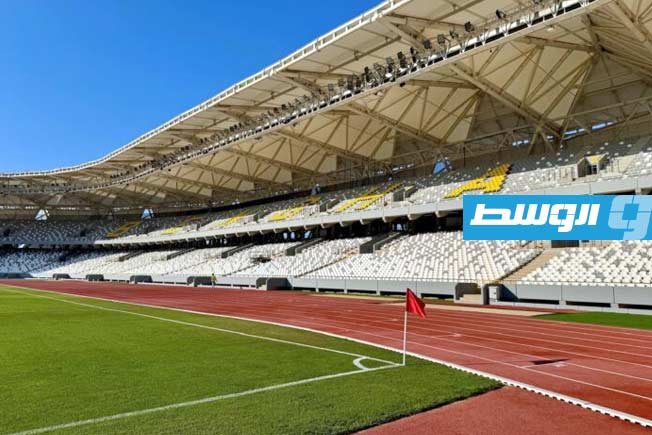
Lusail Stadium
Lusail Stadium is a football venue in Qatar that was the primary stadium for the 2022 FIFA World Cup, hosting the final match. It was built as a centerpiece for the tournament and is located in the newly developed city of Lusail, north of Doha.
Arab Cup
The Arab Cup is a football tournament contested by national teams from the Arab world, first organized in 1963. It has been held intermittently, with its most recent editions in 2021 and 2021/22 serving as a test event for the FIFA World Cup in Qatar.
Morocco
Morocco is a North African country with a rich history shaped by indigenous Amazigh (Berber) cultures, Arab influence from the 7th century, and successive dynasties like the Almoravids and Almohads. Its cultural sites, such as the ancient city of Fez and the Koutoubia Mosque in Marrakech, reflect this blend of Arab, Islamic, and Amazigh heritage. The country’s historic medinas, kasbahs, and varied landscapes from the Sahara Desert to the Atlas Mountains are central to its identity.
Jordan
Jordan is a Middle Eastern country with a rich historical legacy, home to the ancient city of Petra, a UNESCO World Heritage Site carved into rose-red sandstone cliffs by the Nabataeans over 2,000 years ago. It also contains significant biblical sites and was part of several historic empires, including the Roman and Ottoman Empires. The modern Hashemite Kingdom of Jordan was established in the 20th century following the dissolution of the Ottoman Empire.