
Libya’s central bank decides to inject $1 billion for documentary credits and another $1 billion for personal purposes.

Libya’s central bank decides to inject $1 billion for documentary credits and another $1 billion for personal purposes.

Tripoli, July 26, 2026 – The Central Bank of Libya decided to inject one billion US dollars during the coming week to finance letters of credit, in addition to allocating one billion US dollars for personal purposes and reservations through the system, while extending bank working hours for selling cash dollars. This is part of a package of measures aimed at supporting the stability of the foreign exchange market.

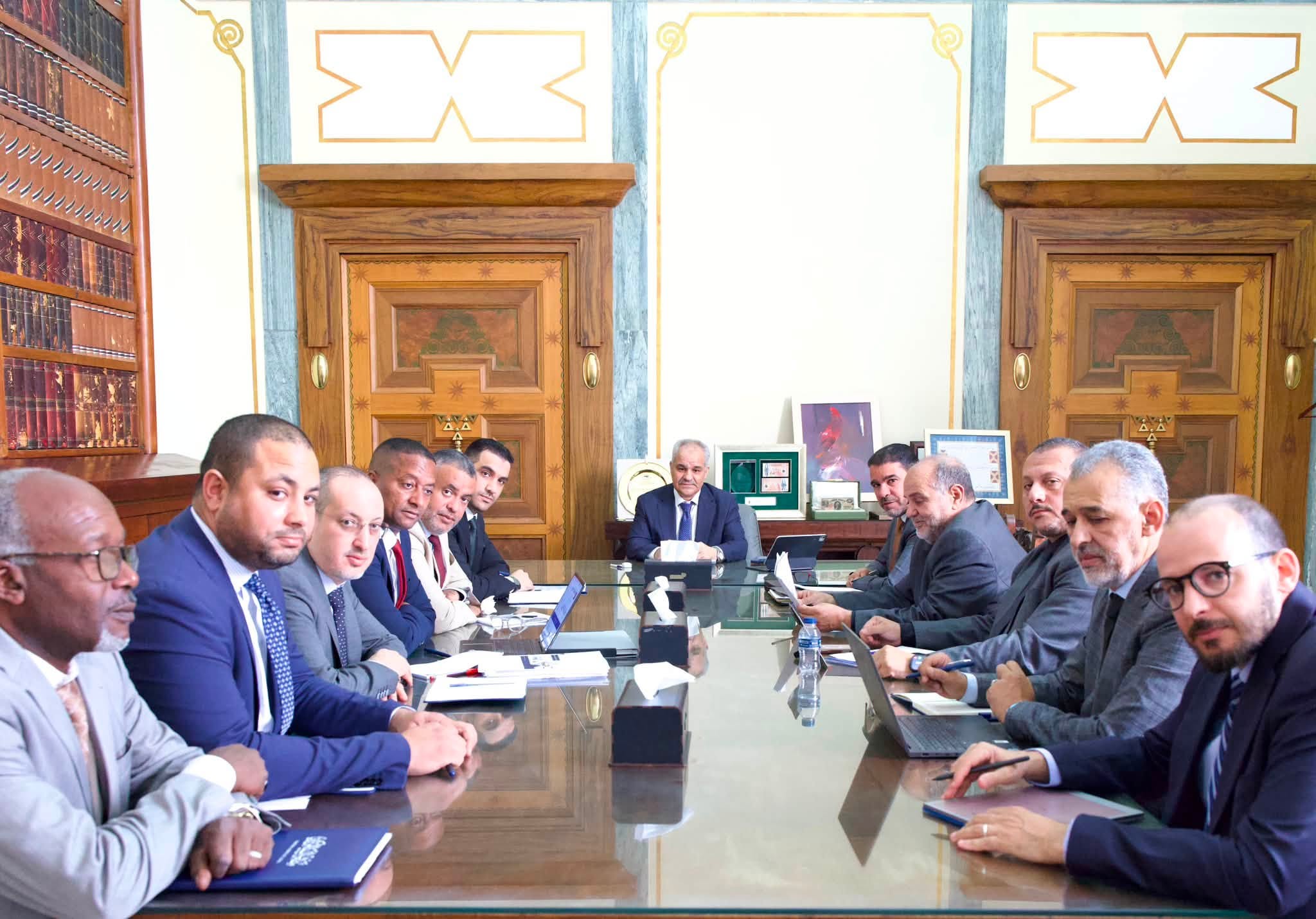
During an expanded meeting held today, Sunday, by the Governor of the Central Bank of Libya, Naji Issa, developments regarding the exchange rate of the Libyan dinar in the parallel market were discussed. Procedures were adopted aimed at containing the increasing demand for foreign currency, thereby contributing to supporting exchange rate stability and reducing fluctuations.

The meeting also emphasized the need to accelerate the implementation procedures for letters of credit to ensure the smooth fulfillment of market needs, along with monitoring the local cash liquidity file. It was decided to begin implementing the first phase of the August plan, which aims to inject five billion Libyan dinars into commercial banks to meet citizens’ liquidity needs.

Regarding electronic payment, the meeting stressed the importance of addressing obstacles facing electronic payment companies and banks, and ensuring the continuity and efficiency of payment systems, in order to enhance the expansion of using electronic payment methods and raise the efficiency of banking services.
362586

Central Bank of Libya

The Central Bank of Libya is the main financial institution in Libya, established in 1956 after the country’s independence. It is responsible for managing monetary policy and issuing the Libyan currency. Its headquarters are located in the capital, Tripoli, and it has played a pivotal role in the Libyan economy, especially during periods of political instability.

Libya

Libya is a country located in North Africa, renowned for its rich cultural heritage dating back to ancient times, having been home to Phoenician, Roman, and Islamic civilizations. Among its most prominent historical sites is the archaeological city of Leptis Magna, a UNESCO World Heritage site. In modern times, Libya was known for the rule of Muammar Gaddafi, which lasted from 1969 until 2011, after which it experienced political transformations and internal conflicts.

Tripoli

Tripoli is the capital of Libya and its largest city, located on the Mediterranean coast. Its history dates back to ancient times, founded by the Phoenicians under the name “Oea,” and later ruled by the Romans, Byzantines, Arabs, Ottomans, and Italians. The city is known for its historical landmarks such as the Old City and the Red Castle, and it is an important cultural and economic center in the country.