Libya Reviews Plans to Develop Natural Gas Reserves
Libya Reviews Plans to Develop Natural Gas Reserves
The National Oil Corporation of Libya held the second edition of the technical workshop on the corporation’s strategic vision for natural gas development projects, focusing on plans to utilize the country’s estimated reserves of 53 trillion cubic feet of natural gas.
NOC Chairman Masoud Suleiman said at the opening of the workshop that this event builds on the success of the first edition and implements expert recommendations by reviewing the corporation’s plans to manage and maximize the value of Libya’s gas reserves, according to a statement from the corporation.
Suleiman added that the NOC’s strategy is based on increasing investment and launching new projects to meet domestic energy demand while exporting surplus production to global markets.
He renewed the corporation’s call for international companies to invest in Libya’s energy sector through partnerships that would enhance onshore and offshore exploration and convert resources into proven reserves.
Suleiman also emphasized the corporation’s commitment to international agreements to reduce emissions, pointing to progress made in reducing gas flaring, and confirming efforts to approach zero routine flaring.
The workshop, held at the Corinthia Hotel in Tripoli, was attended by Oil and Gas Minister Khalifa Abd al-Sadiq, members of the NOC Board of Directors, heads of oil companies, representatives of international energy companies, and a number of international experts.
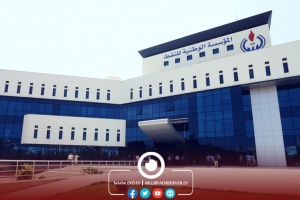
Libyan National Oil Corporation
The Libyan National Oil Corporation is the state-owned company responsible for managing and developing Libya’s oil and gas sector. Founded in 1970 after the nationalization of the oil industry, it plays a central role in the Libyan economy. The corporation has faced significant challenges during periods of political conflict and division, but remains the main body overseeing the production and export of Libyan oil.
Libya
Misrata is a Libyan city located on the northern coast of the country, known for its ancient history dating back to antiquity, where it was an important trading center during the Roman period. The city played a prominent role in Libya’s modern history, especially during the February 17, 2011 revolution, as it was one of the first cities where protests against the regime of Muammar Gaddafi began.
Corinthia Hotel Tripoli
The Corinthia Hotel Tripoli is one of the most prominent hotel landmarks in the Libyan capital, located on the waterfront of Tripoli. Opened in 2003, it is distinguished by its modern architectural design comprising 28 floors, making it one of the tallest buildings in Libya. The hotel offers upscale services and overlooks the Mediterranean Sea, and hosted many international conferences and events before its operations were suspended due to the conflict in the country.
Tripoli
Tripoli, the capital of Libya, is a historic city located on the Mediterranean coast. It was founded in ancient times by the Phoenicians, then came under the rule of the Romans, Byzantines, Arabs, and Ottomans, making it an important cultural and commercial center. The city is known for its landmarks such as the Old City and the Red Castle, which reflect its rich and diverse history.