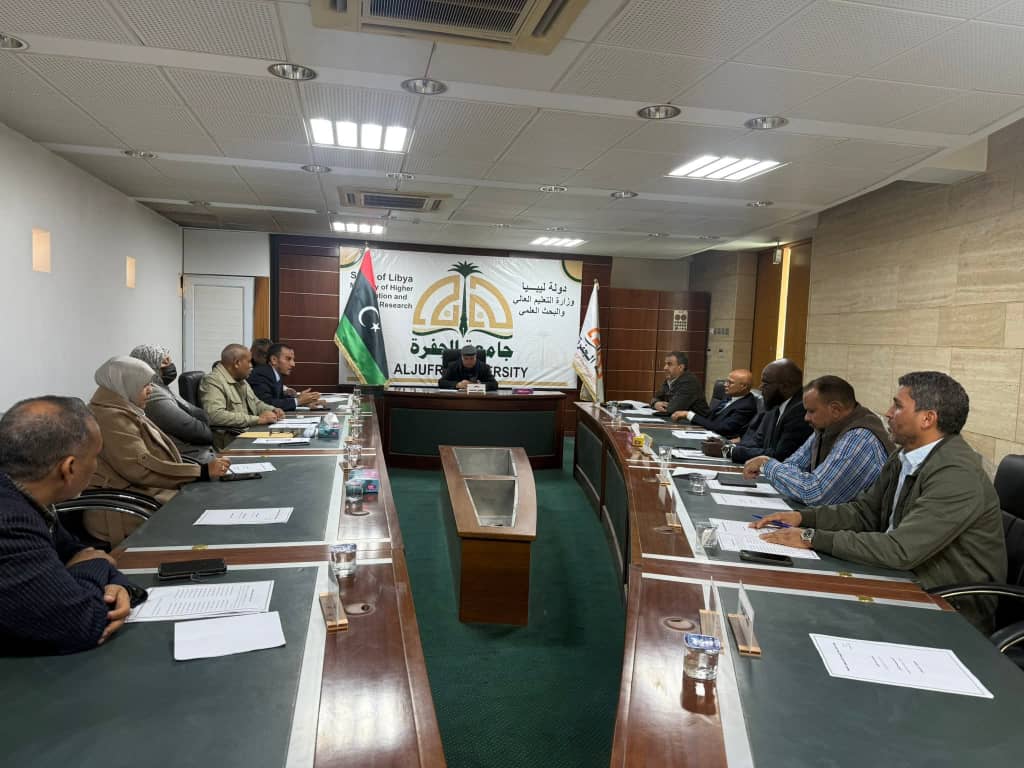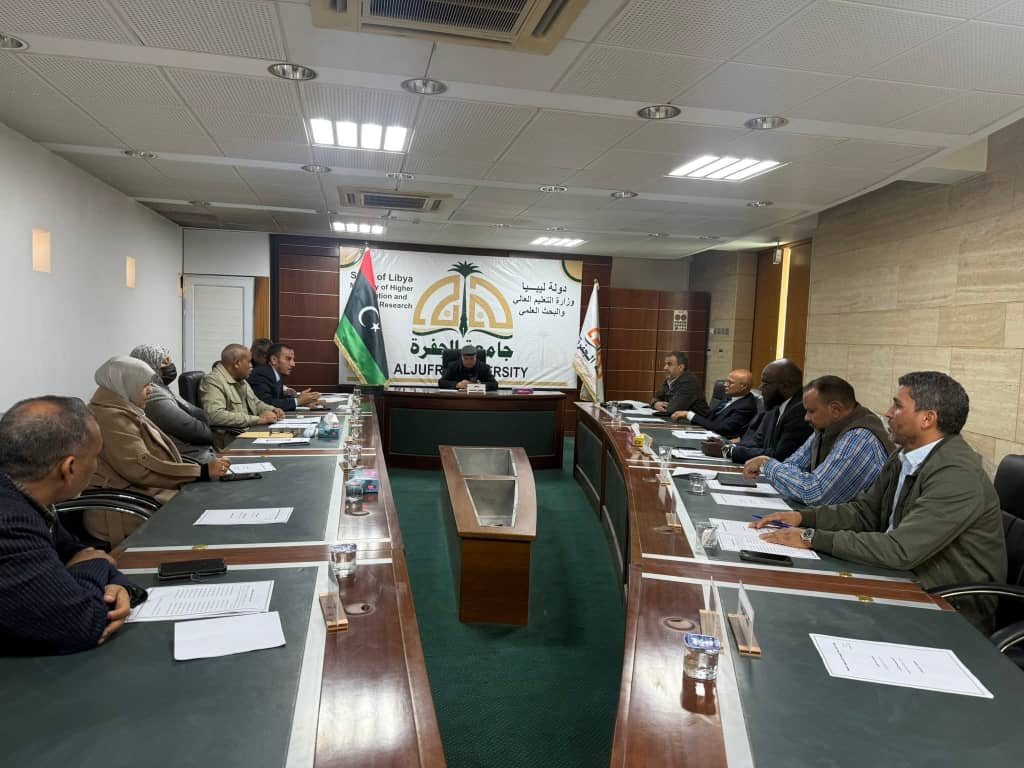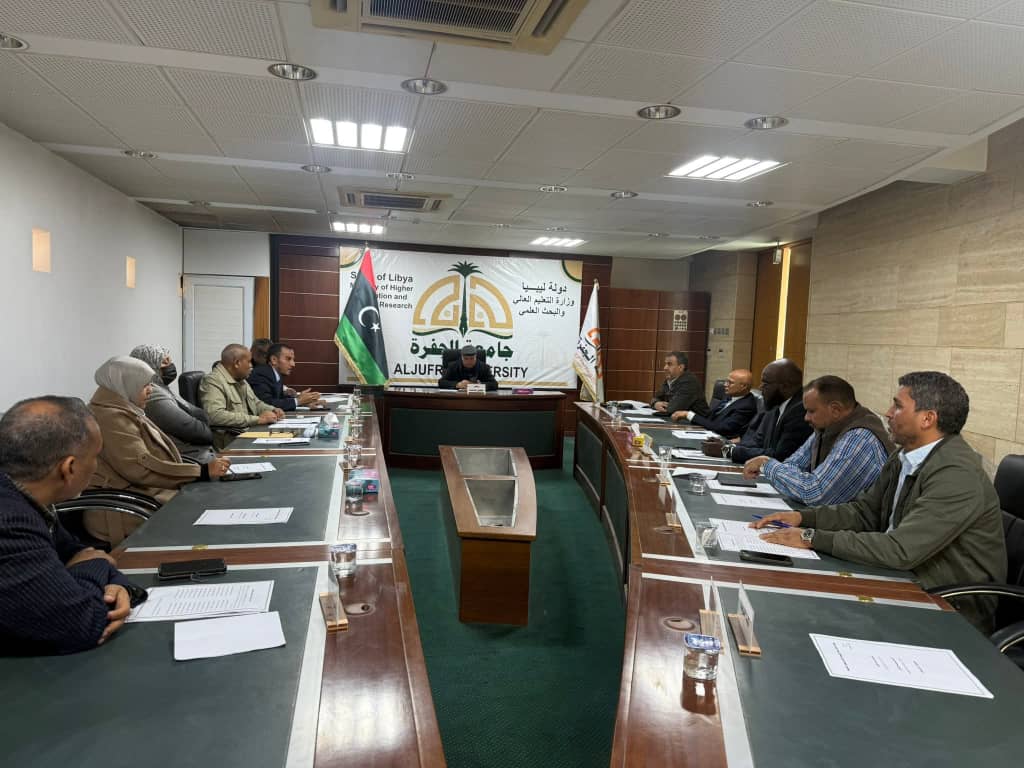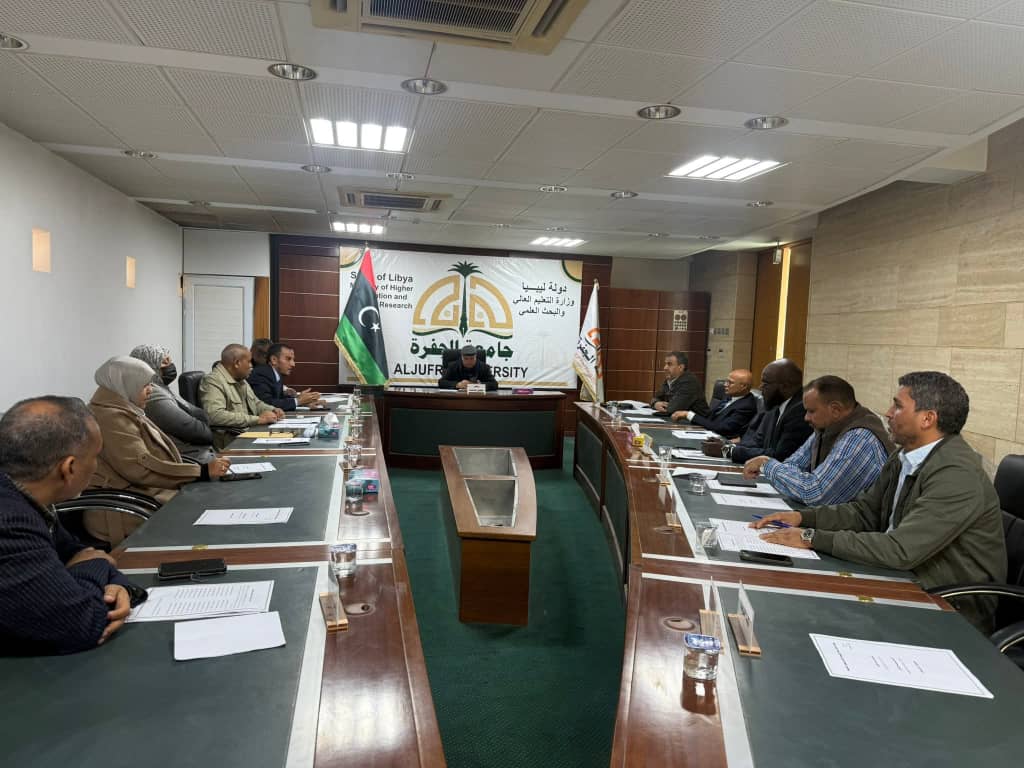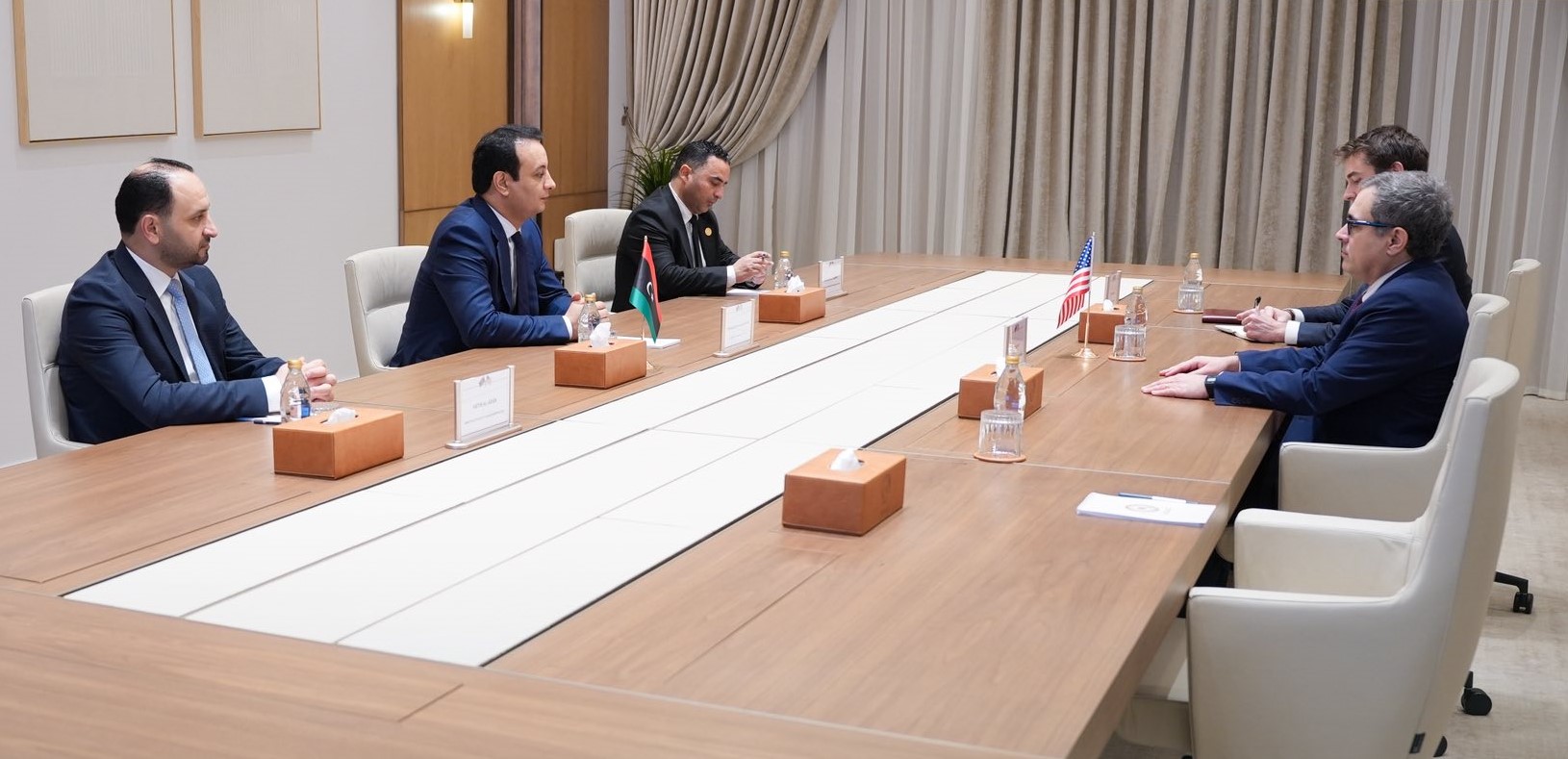
Tripoli, December 17, 2025 – The High National Elections Commission announced on Wednesday the postponement of declaring the preliminary results for the municipal council elections (Group Three – 2025) due to the presence of a number of appeals.
The Commission explained in a statement that the number of appeals submitted reached 7, concerning municipalities where voting for the third group of municipal councils took place last Saturday.
The Commission indicated that the preliminary results will be announced immediately after the judiciary rules on the aforementioned appeals.
…
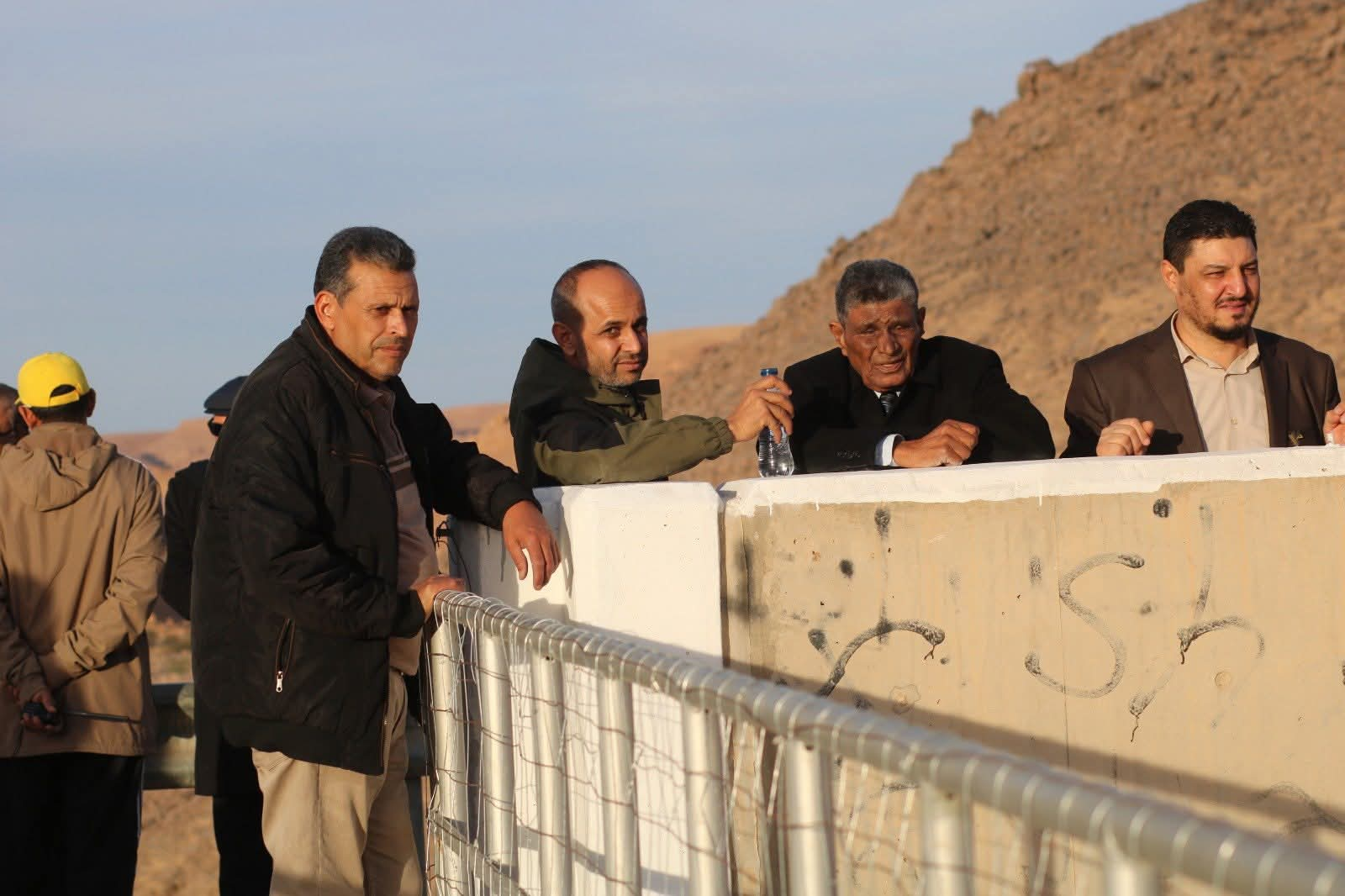
Tripoli
Tripoli is the capital and largest city of Libya, with a history dating back to the 7th century BC when it was founded by the Phoenicians. It later became a significant Roman city and a major port under various rulers, including the Ottomans and Italians, which is reflected in its diverse architecture like the ancient Medina and Red Castle.
High National Elections Commission
The High National Elections Commission (HNEC) is Libya’s independent body responsible for organizing and supervising all electoral processes. It was established in 2011 following the fall of the Gaddafi regime to manage the country’s transition to democratic governance, overseeing key votes including the 2012 General National Congress election and the 2014 House of Representatives election.
municipal council elections
Municipal council elections are local political contests in which residents vote for representatives to govern cities, towns, or districts. Their history is tied to the development of local self-government, with modern forms often established in the 19th and 20th centuries as part of democratic reforms to decentralize administrative power. These elections determine the composition of councils responsible for local services, budgets, and ordinances.
Group Three
Group Three is a former secret detention and interrogation center in Tehran, Iran, used by the Shah’s intelligence service, SAVAK, before the 1979 Iranian Revolution. It was notorious for the imprisonment and torture of political dissidents and activists during the Pahlavi era. The site stands as a somber reminder of the state’s historical repression and is often referenced in accounts of Iran’s modern political history.