
With the arrival of winter and increased time spent indoors, the chances of viruses spreading rise, while cold, dry air weakens the respiratory system’s defenses.
In this context, it is confirmed that what we eat and drink can help the body shorten the duration of illness, even if it doesn’t prevent infection entirely.
Food is not a magic cure, but it gives the body the “best possible chance” to recover faster, especially if comforting and easily digestible foods are chosen when feeling tired.
Green Tea
It contains polyphenol compounds, most notably catechins, which are known for supporting immunity.
Studies indicate that these compounds may help prevent viruses from entering cells, in addition to boosting the immune system’s response.
Hot drinks in general also help soothe the throat and alleviate symptoms.
Broccoli Soup
Broccoli is an important source of vitamin C, and research suggests that regular consumption may reduce the duration of a cold by about half a day.
Experts recommend cooking broccoli for a short time and blending it with its cooking water to get the maximum amount of nutrients.
Honey
Honey is a traditional remedy backed by science, as studies have shown it to be more effective than some over-the-counter medicines in reducing the severity and frequency of coughs.
A teaspoon is enough, either taken directly or added to a warm drink. It is important to note that honey should not be given to children under one year of age.
Blueberries
Blueberries are rich in flavonoids, which are antioxidant and anti-inflammatory compounds.
Studies indicate they are associated with a lower risk of flu-like symptoms. They can be eaten fresh or frozen, or added to yogurt and smoothies.
Additional tips to boost immunity:
- Get enough rest.
- Maintain hand hygiene.
- Take vitamin D during the winter months.
- Increase intake of fruits, vegetables, and whole grains to support gut health.
Green Tea
### **Key Characteristics:**
– **Processing:** Leaves are quickly heated (by steaming or pan-firing) after harvesting to prevent oxidation, preserving their green color and fresh, grassy flavor.
– **Flavor Profile:** Ranges from sweet and vegetal to slightly bitter or astringent, depending on the variety and brewing method.
– **Color:** Pale green to yellow-green liquor.
### **Popular Varieties:**
– **Chinese:** Longjing (Dragon Well), Bi Luo Chun, Gunpowder.
– **Japanese:** Sencha, Matcha (shade-grown, stone-ground powder), Gyokuro.
– **Others:** Genmaicha (green tea with roasted rice), Hojicha (roasted green tea).
### **Health Benefits (supported by research):**
– Rich in antioxidants (catechins, especially EGCG).
– May boost metabolism and aid in weight management.
– Can improve brain function and alertness (due to caffeine and L-theanine).
– Linked to reduced risk of cardiovascular disease and some cancers.
– May support dental health and lower blood sugar levels.
### **Brewing Tips:**
– **Water Temperature:** 160–180°F (70–82°C) – avoid boiling water to prevent bitterness.
– **Steeping Time:** 1–3 minutes, depending on desired strength.
– **Multiple Infusions:** High-quality leaves can often be steeped 2–3 times.
### **Cultural Significance:**
– Integral to Japanese tea ceremonies (especially matcha).
– Traditional medicinal use in China and Ayurveda.
– Widely enjoyed as a daily beverage and for social occasions.
### **Caffeine Content:**
– Generally 20–45 mg per 8 oz cup (less than black tea or coffee, but varies by type and brewing).
Whether you enjoy it for its taste, health benefits, or cultural roots, green tea remains one of the most beloved beverages worldwide. 🍵
Broccoli Soup
Here’s a breakdown of everything you might want to know, from a basic recipe to tips and variations.
### **Basic Cream of Broccoli Soup Recipe**
This is a standard, delicious version that serves 4.
**Ingredients:**
* 1 large head of broccoli (about 1.5 lbs / 700g), florets and stems chopped
* 1 medium onion, chopped
* 2 cloves garlic, minced
* 3 tablespoons butter or olive oil
* 4 cups vegetable or chicken broth
* 1 cup milk, cream, or a dairy-free alternative (for creaminess)
* Salt and black pepper to taste
* Optional: 1 medium potato, peeled and diced (for extra thickness and silkiness)
**Instructions:**
1. **Sauté Aromatics:** In a large pot, melt the butter over medium heat. Add the onion and cook until soft and translucent (5-7 mins). Add the garlic and cook for 1 more minute until fragrant.
2. **Add Broccoli & Liquid:** Add the chopped broccoli (and potato, if using) to the pot. Pour in the broth. Bring to a boil, then reduce heat to a simmer. Cover and cook for 15-20 minutes, until the broccoli is very tender.
3. **Puree:** Carefully blend the soup until smooth using an immersion blender directly in the pot, or in batches in a countertop blender (*be cautious with hot soup*).
4. **Finish:** Return the soup to the pot if using a blender. Stir in the milk or cream and warm through over low heat. Do not boil after adding dairy. Season generously with salt and pepper.
5. **Serve:** Ladle into bowls. Garnish with a drizzle of cream, a sprinkle of cheddar cheese, croutons, or fresh herbs.
—
### **Key Tips for the Best Soup**
* **Don’t Waste the Stems!** Peel the tough outer layer of the broccoli stem with a vegetable peeler, then chop the tender core. It adds great flavor and texture.
* **Flavor Boosters:** Sautéing the onions until soft is crucial for sweetness. For deeper flavor, add a pinch of nutmeg or a dash of lemon juice at the end.
* **Texture Choice:** Blend completely for a silky soup, partially for a chunkier texture, or use a potato masher for a rustic feel.
* **Make it Vegan/Dairy-Free:** Use olive oil and replace the cream with coconut milk, cashew cream, or a plain unsweetened plant-based milk.
—
### **Popular Variations**
* **Broccoli Cheddar Soup:** After pureeing, stir in 1.5 to 2 cups of shredded sharp cheddar cheese until melted.
* **Creamy Vegan Broccoli Soup:** Use coconut milk and a splash of nutritional yeast for a “cheesy” flavor.
* **Lemony Broccoli Soup:** Add the zest and juice of one lemon at the end for a bright, fresh twist.
* **Spicy Broccoli Soup:** Add a pinch of red pepper flakes when sautéing the onions, or garnish with a chili oil.
—
### **Answering Common Questions**
* **Is broccoli soup healthy?** Absolutely! It’s packed with vitamins (C, K), fiber, and antioxidants. To keep it lighter, skip the cream or use a small amount.
* **Can I freeze it?** Yes, but best if made **without** dairy or potatoes. Freeze the pureed soup base, then add cream or milk when reheating.
* **What to serve with it?** A crusty bread, garlic bread, a side salad, or a grilled cheese sandwich are perfect companions.
Would you like a specific variation, a quicker method, or tips for using frozen broccoli?
Honey
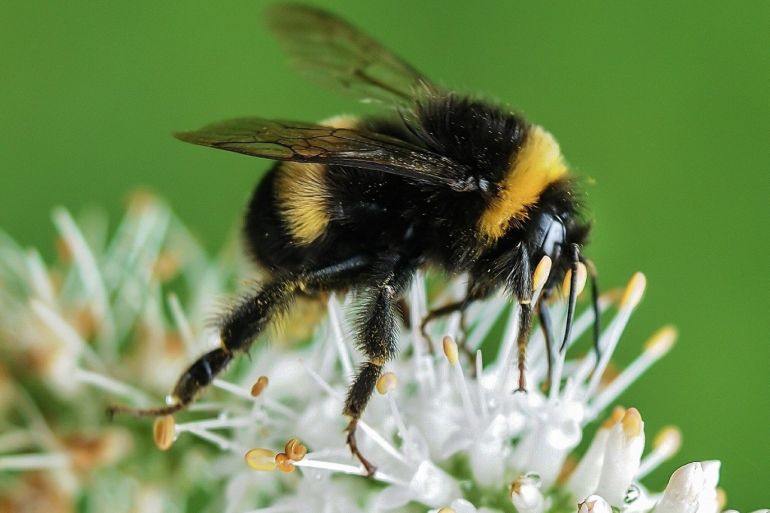
1. **Production**: Bees collect nectar from flowers, then break it down into simple sugars stored in honeycombs. The unique design of the comb and constant fanning by bees’ wings causes evaporation, creating the thick liquid we know as honey.
2. **Varieties**: Honey comes in many types, depending on the flowers bees visit. Common varieties include clover, wildflower, manuka, acacia, and buckwheat—each with distinct flavors and colors.
3. **Health Benefits**: Honey has natural antibacterial and antioxidant properties. It’s often used to soothe sore throats, heal minor wounds, and as a natural energy source. Manuka honey, in particular, is known for its strong medicinal qualities.
4. **Cultural & Historical Significance**: Honey has been valued since ancient times—used in food, religious rituals, and even as currency. It’s mentioned in Egyptian, Greek, and Hindu texts.
5. **Storage**: Honey doesn’t spoil easily—archaeologists have found pots of edible honey in ancient Egyptian tombs! It may crystallize over time, but gentle warming restores its smooth texture.
Would you like to know more about beekeeping, honey recipes, or its uses in wellness?
Blueberries
### 1. **The Fruit**
* **Plant:** Small, perennial flowering shrubs in the genus *Vaccinium*.
* **Appearance:** Round, small (5–16 mm in diameter), with a flared crown at the end. They are **indigo to dark blue** when ripe, often with a protective silvery-white “bloom” on the skin.
* **Taste:** Sweet to tart, depending on the variety and ripeness.
* **Types:** Major types include:
* **Highbush:** The most common commercially cultivated variety.
* **Lowbush (“Wild Blueberries”):** Smaller, more intense in flavor, often harvested in Maine and Canada.
* **Rabbiteye:** Native to the southeastern U.S., more heat-tolerant.
### 2. **Nutrition & Health Benefits**
Blueberries are famously a “superfood” due to their high nutrient density and antioxidant content.
* **High in Vitamin C, Vitamin K, and Manganese.**
* **Rich in Antioxidants,** particularly anthocyanins (which give them their blue color). These combat oxidative stress and inflammation.
* Linked to benefits for **heart health, brain function** (potentially improving memory), and **blood sugar regulation**.
### 3. **Culinary Uses**
They are incredibly versatile:
* **Eaten Fresh:** As a snack, in yogurt, cereal, or salads.
* **Baked:** In muffins, pies, pancakes, and cobblers.
* **Processed:** Into jams, jellies, syrups, and juices.
* **Dried or Frozen:** For longer shelf life and use in smoothies or baking year-round.
### 4. **Cultural & Historical Notes**
* **Native American Use:** For centuries, Native Americans used them for food, medicine, and as a natural dye. They introduced them to early European settlers.
* **Cultivation:** Widespread commercial cultivation began in the early 20th century in the United States.
* **Symbolism:** Often symbolize abundance, gratitude, and the simplicity of nature. They are the official state berry of Maine and the official state fruit of New Jersey.
### 5. **Fun Facts**
* **Not Actually Blue:** The pigments are technically deep purple-red. The waxy bloom scatters light, making them appear blue to our eyes.
* **One of the Few Native North American Fruits:** The highbush blueberry was first cultivated in New Jersey around 1916.
* **July is National Blueberry Month** in the United States.
### 6. **A Famous Literary Reference**
The poet **Robert Frost** wrote a well-known poem titled “*Blueberries*” (1915), which uses the act of picking blueberries to explore themes of property, nature, and human interaction.
**In short:** Blueberries are a beloved, nutritious, and versatile North American fruit with a rich history and significant cultural footprint. Is there a specific aspect of blueberries you’d like to explore further?