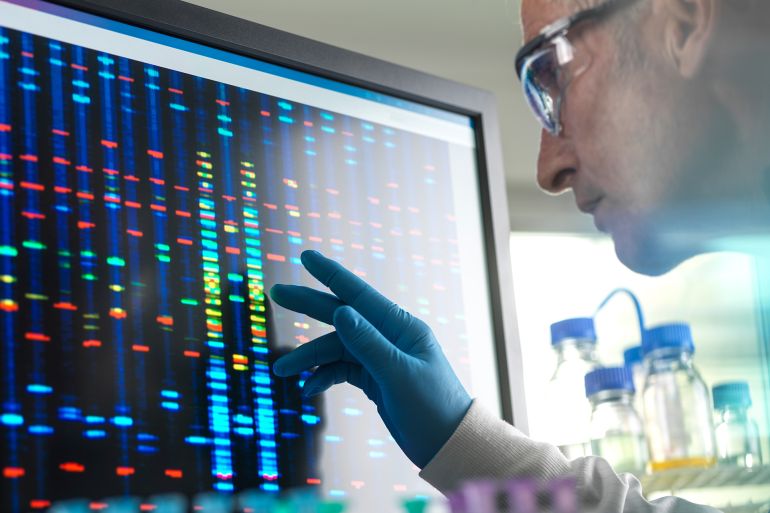
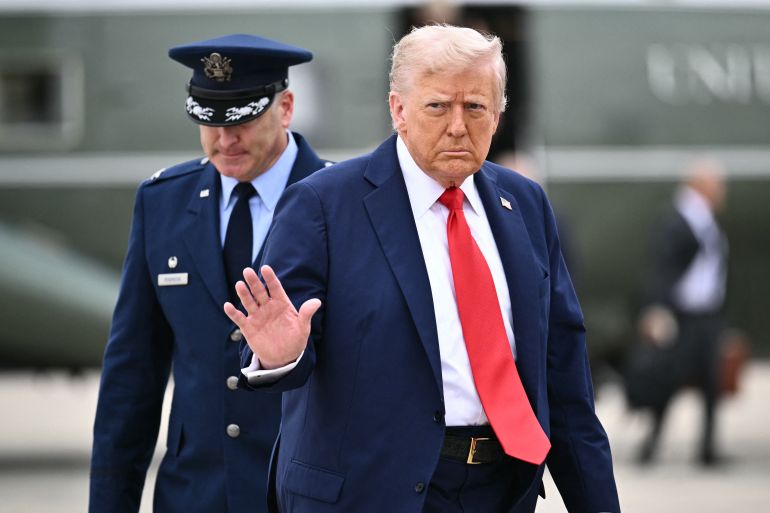
The recent period has witnessed the migration of many scientists from America, with others considering leaving following several decisions made by the administration of US President Donald Trump.
France has been one of the countries most receptive to scientists leaving the United States, facilitating their transfer procedures. French President Emmanuel Macron announced that the government will allocate 100 million euros to attract international researchers, describing funding cuts in the United States as a “colossal mistake.”
When a French university announced a scientific program this year to receive American scientists, the number of American applicants reached nearly 300 in just three weeks.
Canada’s Queen’s University also launched a special initiative to attract American PhD students.
The newly established “Choose Europe for Science” program is also set to invest 500 million euros from now until 2027 to attract researchers at various career stages.
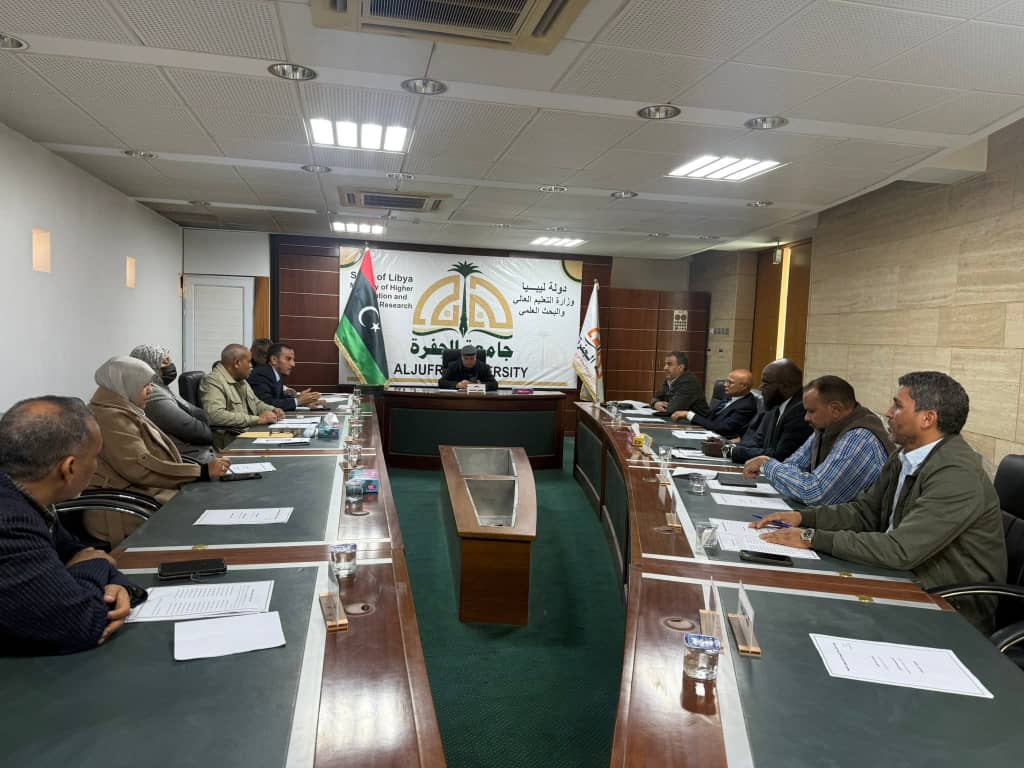
The reception of immigrant scientists by global universities raises an important question about the ability of Arab universities to receive these scientists and benefit from their expertise to develop and advance education and scientific research in Arab universities.
Expert Opinions
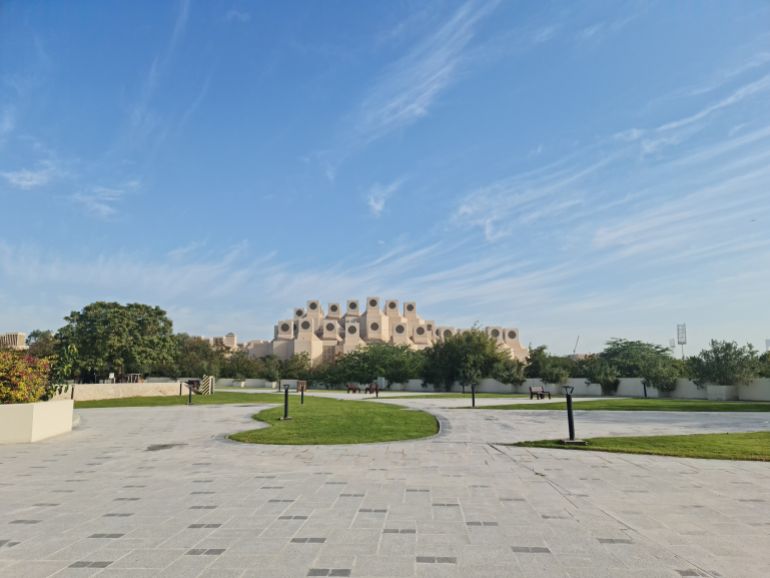
Regarding the ability of Arab countries to receive immigrant scientists from the United States, one expert stated: “Some Arab countries are in a good position to do this, with Gulf states like Qatar, the United Arab Emirates, and Saudi Arabia at the forefront due to their strong funding, advanced infrastructure, and ambitious agendas.”
He added: “North African countries like Egypt, Morocco, and Tunisia, with their rich scientific heritage, could also benefit, but they face challenges of limited funding and brain drain.”
The expert noted that many universities are already engaged in developing human resource capacities in the region, adding: “My general impression is that Arab countries could gain significantly from knowledge transfer and global standing by attracting American scientists, especially expatriates, provided there is stable funding, infrastructure, and supportive policies.”
Another expert in public health stated: “Arab countries will only be able to receive immigrant scientists from the United States by creating favorable research conditions and the ability to compete financially, alongside academic freedom and freedom of expression.”
He added: “These requirements are the essence of attracting scientists, as seen in Singapore or other countries that have benefited from their immigrant scientists.”
A professor in biophysics and biochemistry stated that he does not have a systematic understanding of the migration of scientists from the United States. However, he knows from his experiences that some of his colleagues at prestigious global universities in the US are considering leaving (with most thinking of migrating to Europe), something they would not have considered a few years ago.
According to him, this is due to uncertainty about funding along with other challenges like travel bans, which hinder the attraction of scientists and trainees.
He said: “I believe, in principle, that countries with a strong commitment to funding science and existing infrastructure will be the destination.”
He added: “There is no doubt that the United States’ reputation as a country that invests in science and technology (and uses science in policymaking) has been damaged,” but he clarified that no opinion polls or systematic data have been released on this matter yet.
A Formula for Success
To achieve success, in addition to funding, researchers need access to the latest equipment, stimulating environments, and students and trainees passionate about science. It is assumed these criteria are not available everywhere.
One professor and former dean stated: “Scientists faced difficulties with changes in research funding policies
Donald Trump
### **Political Career**
– **45th President**: Served from January 2017 to January 2021 as a Republican.
– **Key Policies**: Tax cuts (Tax Cuts and Jobs Act), deregulation, conservative judicial appointments (including three Supreme Court justices), “America First” foreign policy, renegotiation of trade deals (e.g., USMCA), and border security initiatives (e.g., “the Wall”).
– **Impeachments**: First president to be impeached twice (2019 and 2021), though acquitted by the Senate both times.
### **Business Background**
– **Real Estate**: Built a brand around luxury properties, hotels, and golf courses (The Trump Organization).
– **Media**: Hosted the reality TV show *The Apprentice* (2004–2015).
– **Branding**: Licensed his name for various products and ventures.
### **Controversies & Legal Issues**
– Legal challenges include investigations into business practices, tax issues, and his role in the January 6 Capitol riot.
– Often criticized for polarizing rhetoric and unorthodox communication style (e.g., heavy use of Twitter while in office).
### **Post-Presidency**
– Remains a dominant figure in the Republican Party.
– Announced a 2024 presidential campaign.
– Faces multiple ongoing legal cases, including charges related to classified documents and election interference allegations.
### **Public Perception**
– **Supporters**: Praise his economic policies, outsider status, and direct communication.
– **Critics**: Cite divisiveness, norm-breaking behavior, and allegations of dishonesty.
Would you like more details on any specific aspect of his career or current events?
Emmanuel Macron
### **Background & Early Career**
– **Born:** December 21, 1977, in Amiens, France.
– **Education:** Studied philosophy, later attended the prestigious **École Nationale d’Administration (ENA)**.
– **Early Career:** Worked as an investment banker at Rothschild & Cie before entering politics.
### **Political Rise**
– Served as **Deputy Secretary-General** under President François Hollande (2012–2014), then as **Minister of Economy, Industry, and Digital Affairs** (2014–2016).
– Founded his own centrist political party, **La République En Marche!** (now Renaissance), in 2016.
– Won the 2017 presidential election at age 39, becoming the youngest president in French history.
### **Presidency Highlights**
– **Economic Reforms:** Implemented pro-business policies, labor market reforms, and tax cuts, though faced significant opposition (e.g., the **Yellow Vest protests** in 2018–2019).
– **Foreign Policy:** Advocate for European integration, stronger EU defense, and climate action (Paris Agreement). He has positioned France as a key player in global diplomacy, particularly regarding Ukraine, China, and Africa.
– **Domestic Challenges:** Handled protests over pension reforms, security issues, and societal divisions.
– **COVID-19 Response:** Oversaw France’s pandemic management, including lockdowns and vaccine campaigns.
### **Personal Life**
– Married to **Brigitte Macron**, his former high school teacher; their relationship has attracted public attention.
– Known for his intellectual style, fluency in English, and efforts to modernize France’s image.
### **Controversies & Criticism**
– Critics accuse him of being **”president of the rich”** due to his economic policies.
– Faced backlash over perceived authoritarian tendencies and handling of social unrest.
– His party lost its absolute majority in the National Assembly in 2022, complicating governance.
Macron is often seen as a **centrist, pro-European leader** who seeks to reform France while navigating complex domestic and global challenges.