Title
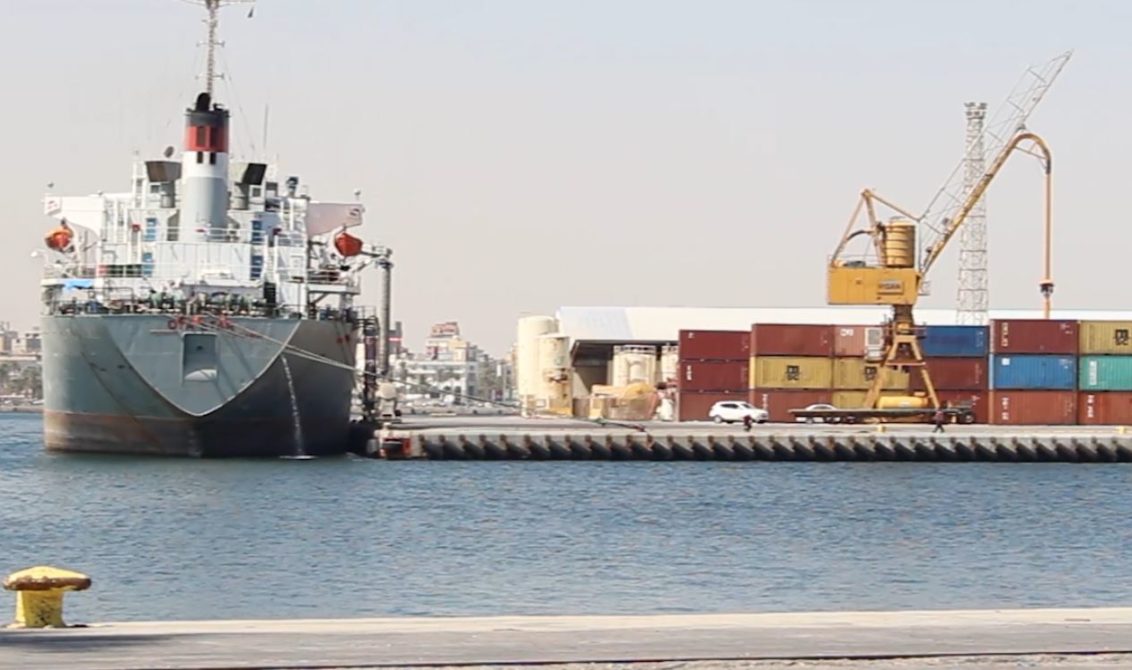
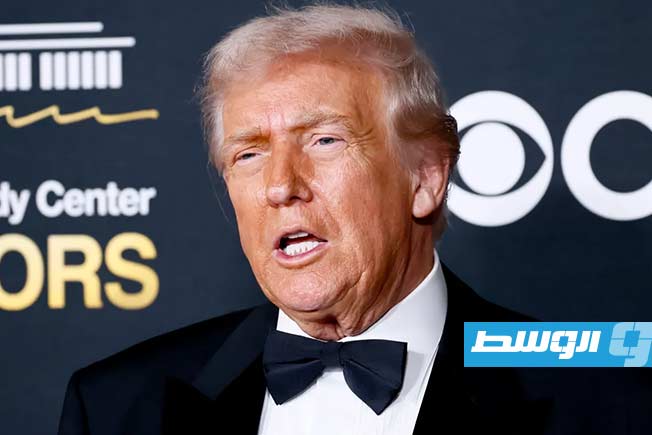
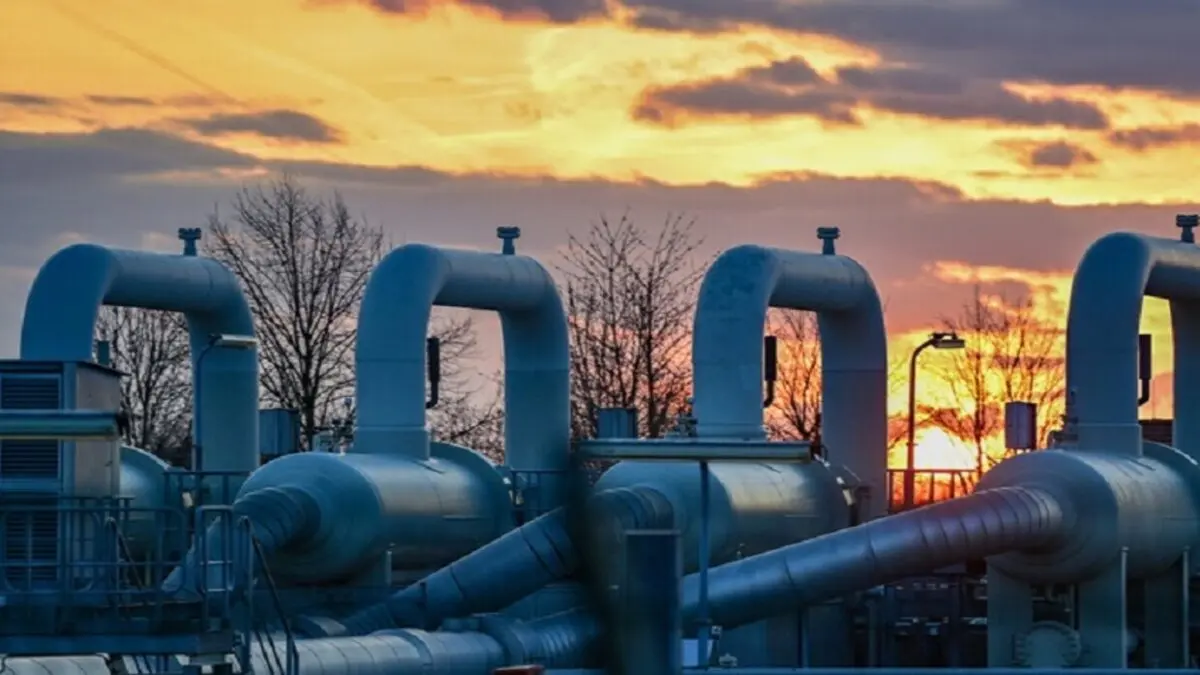
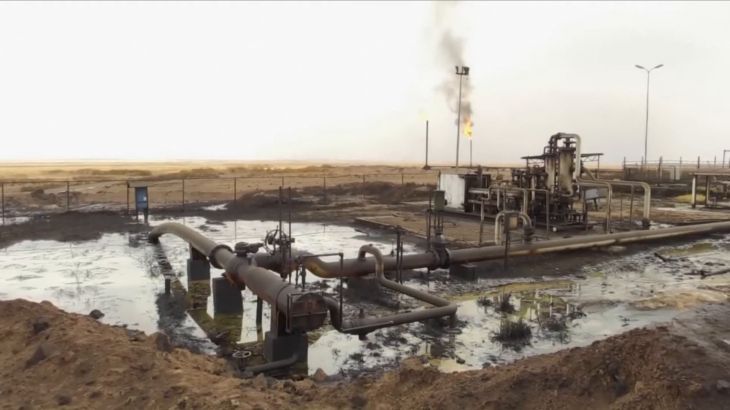
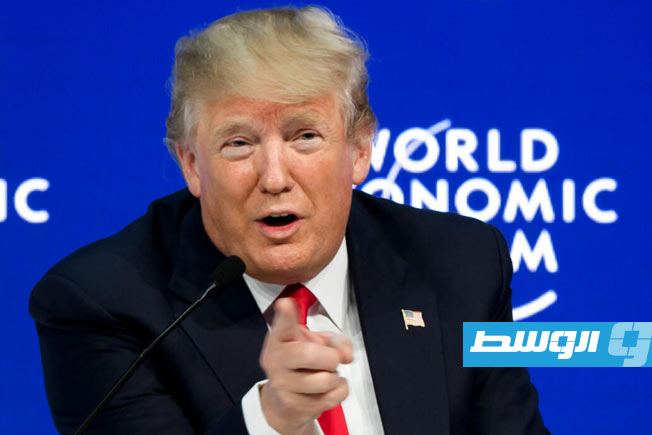
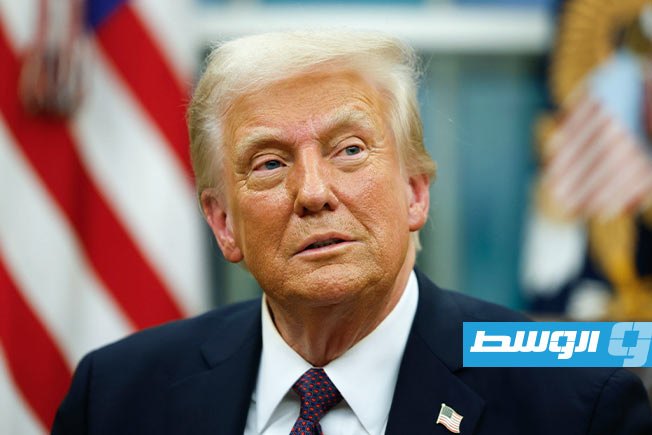
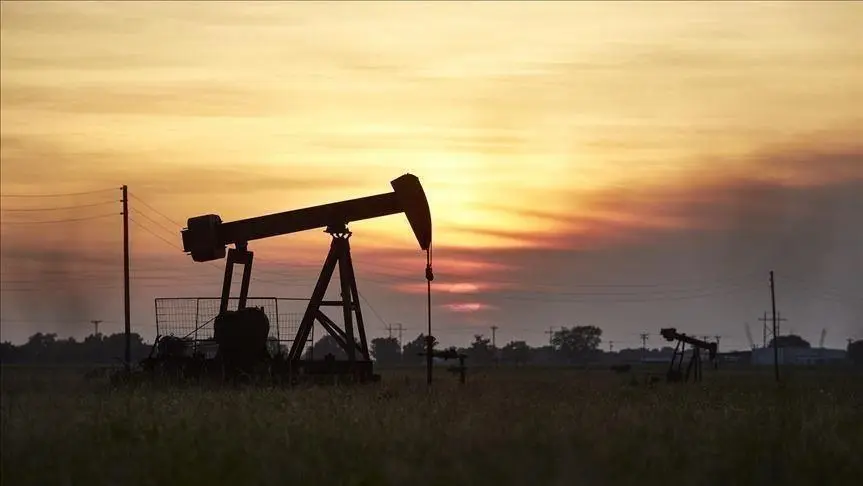
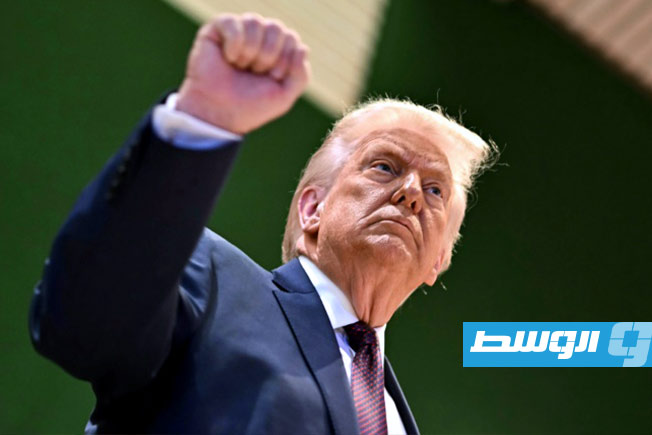
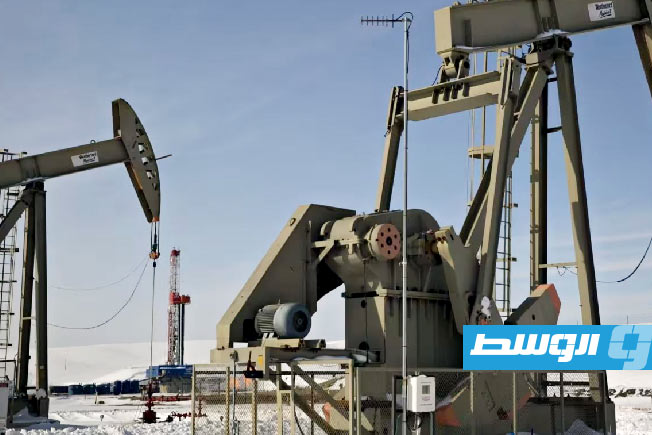
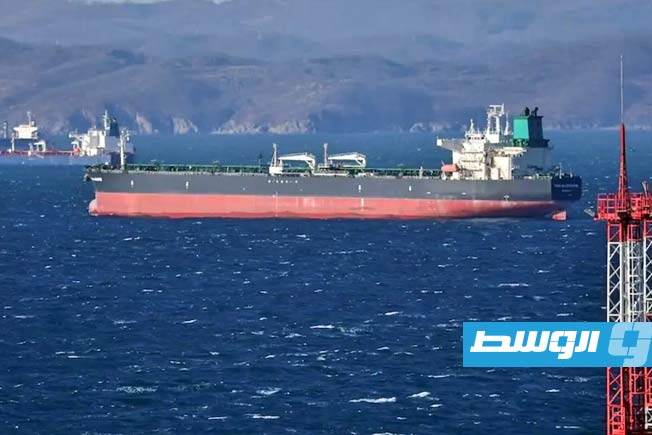
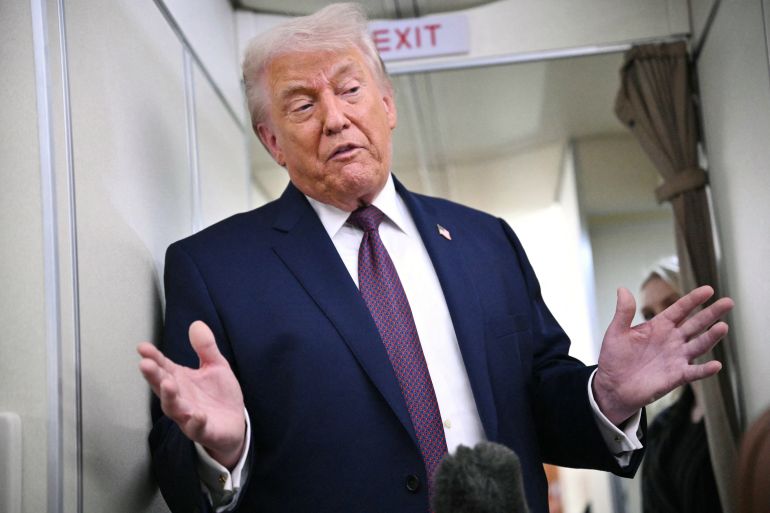
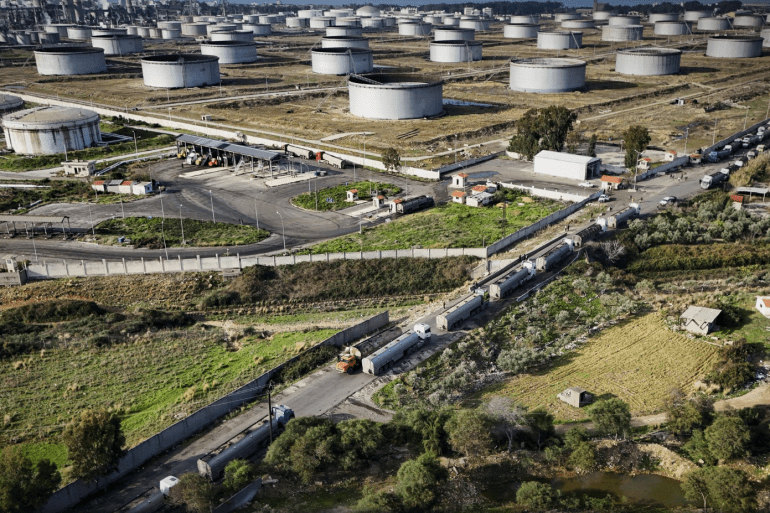
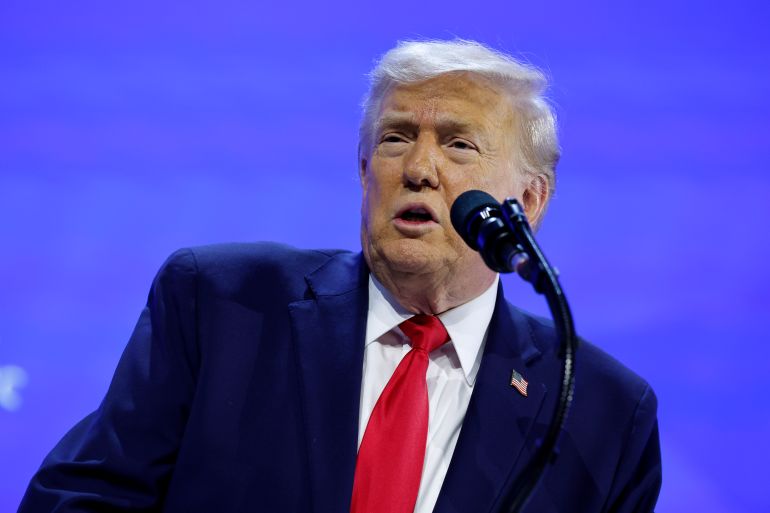
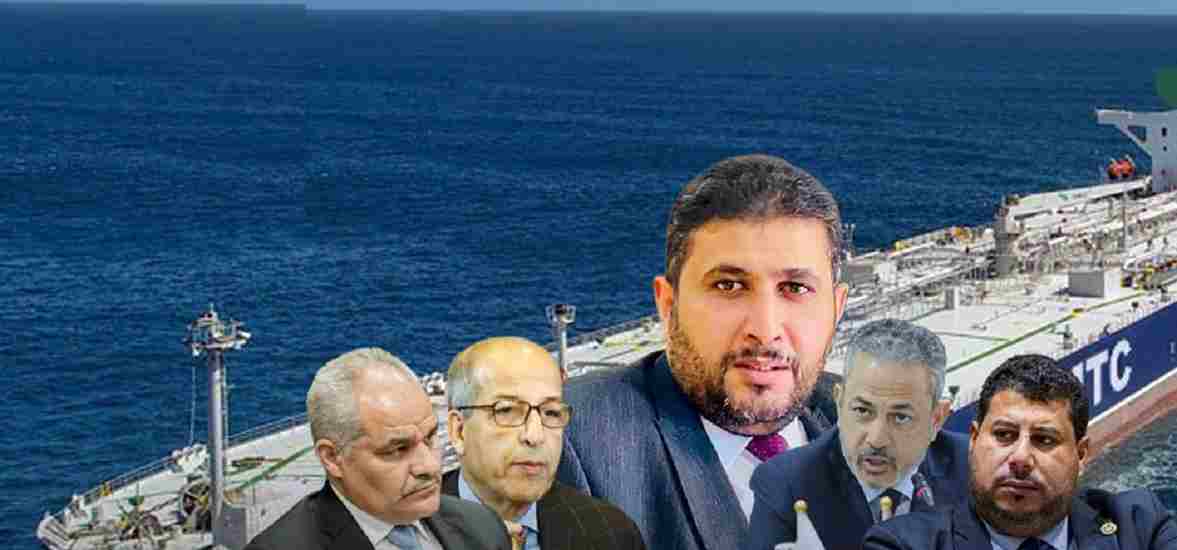
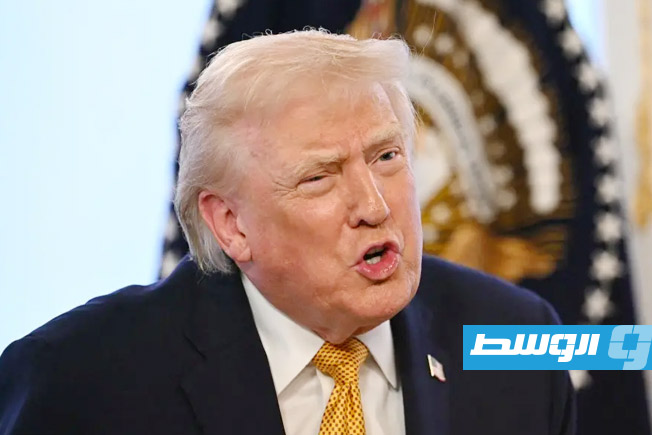
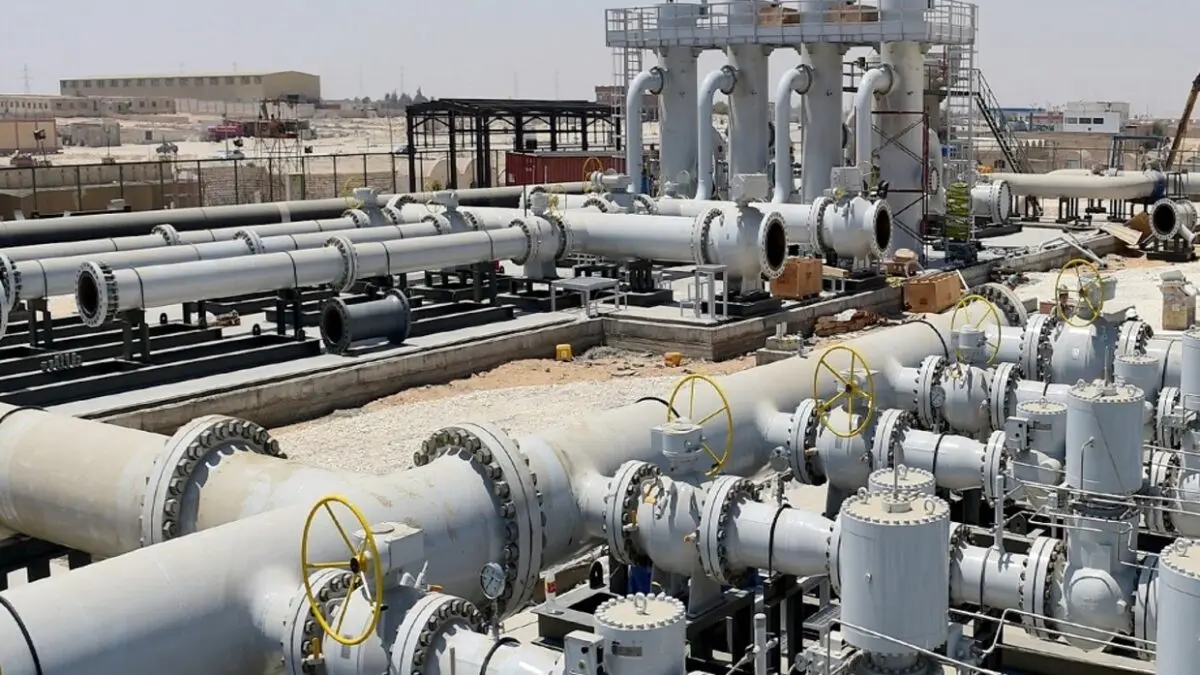
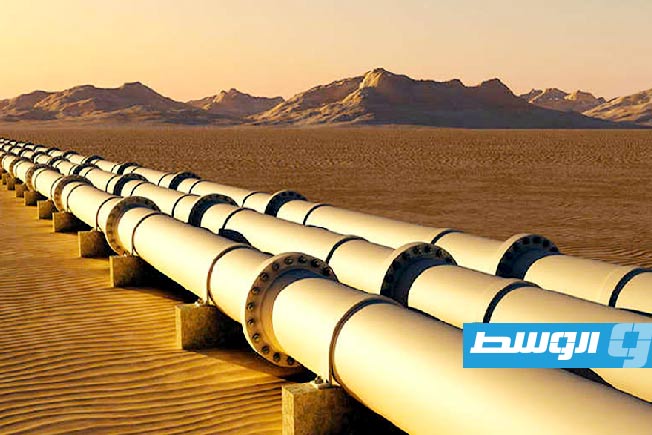
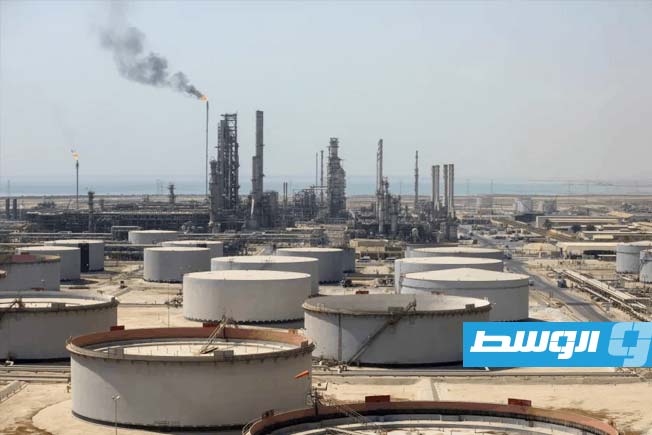
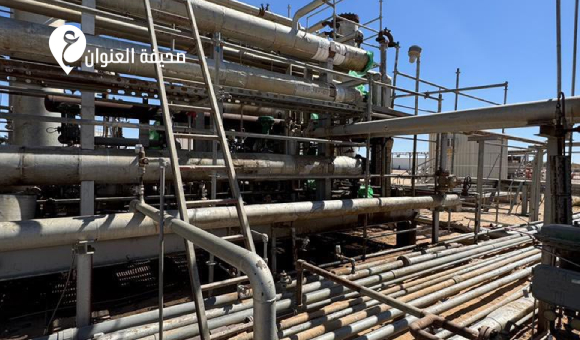
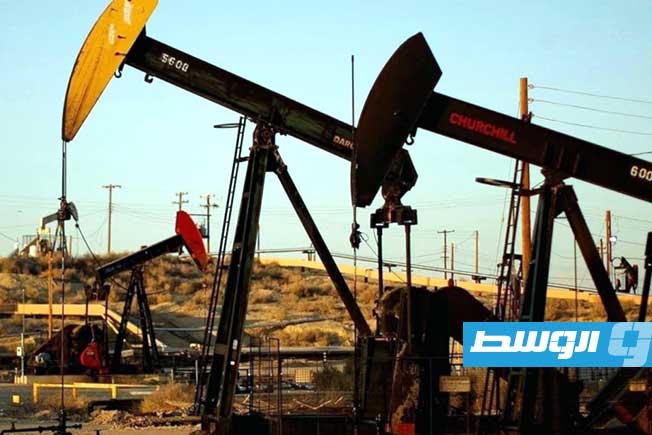
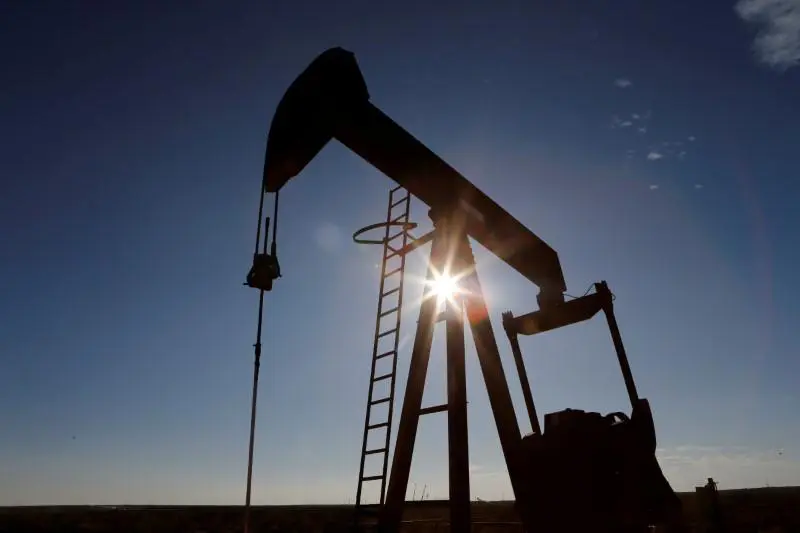
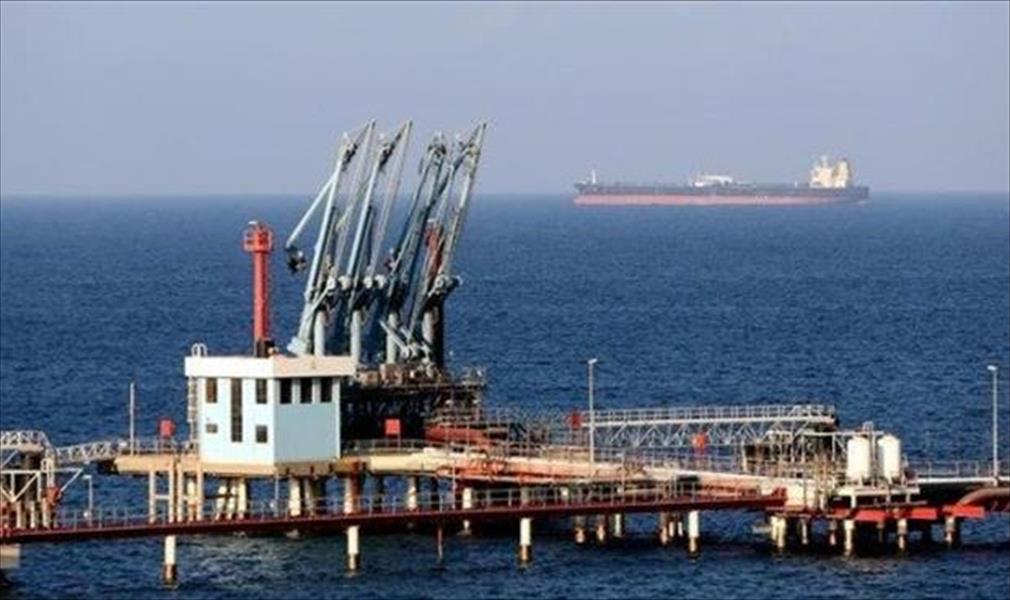
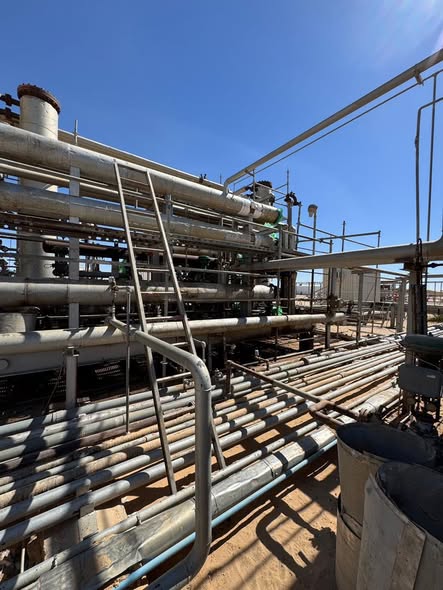
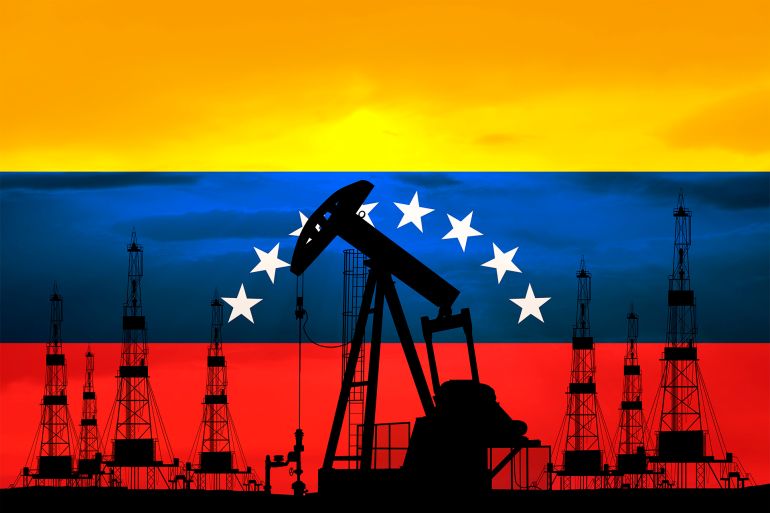
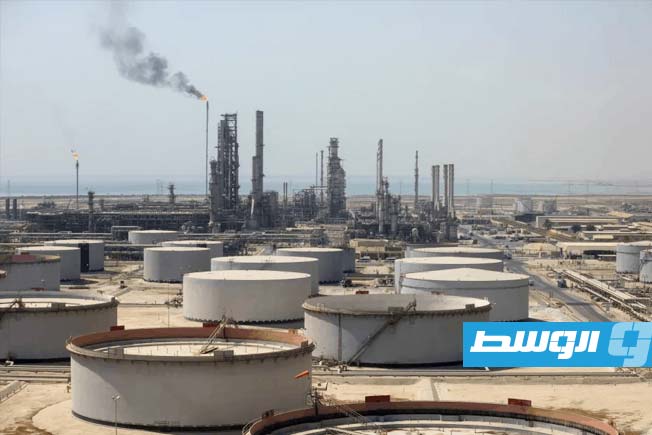
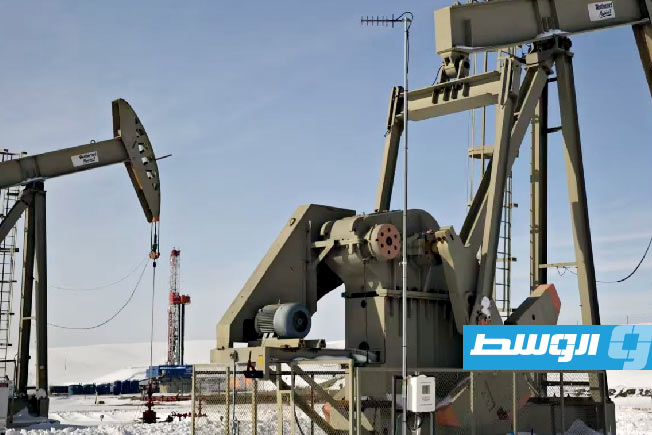
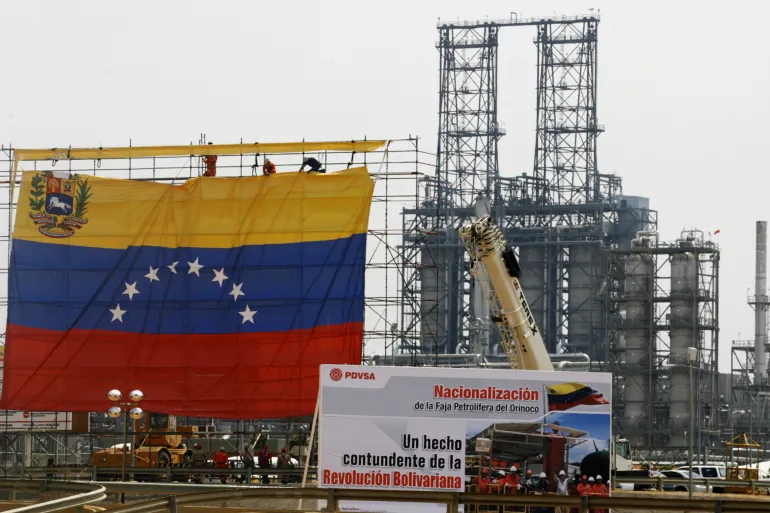
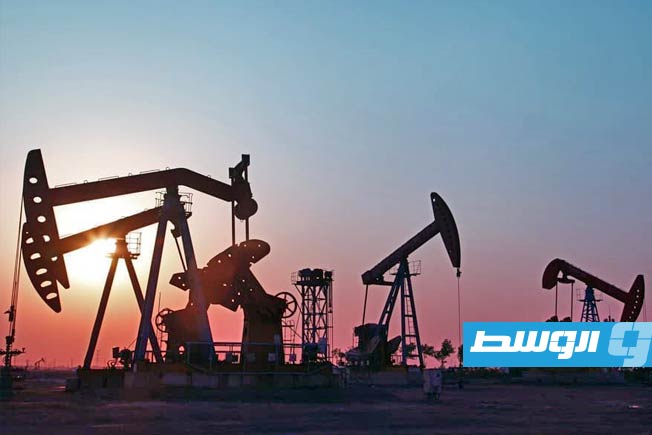
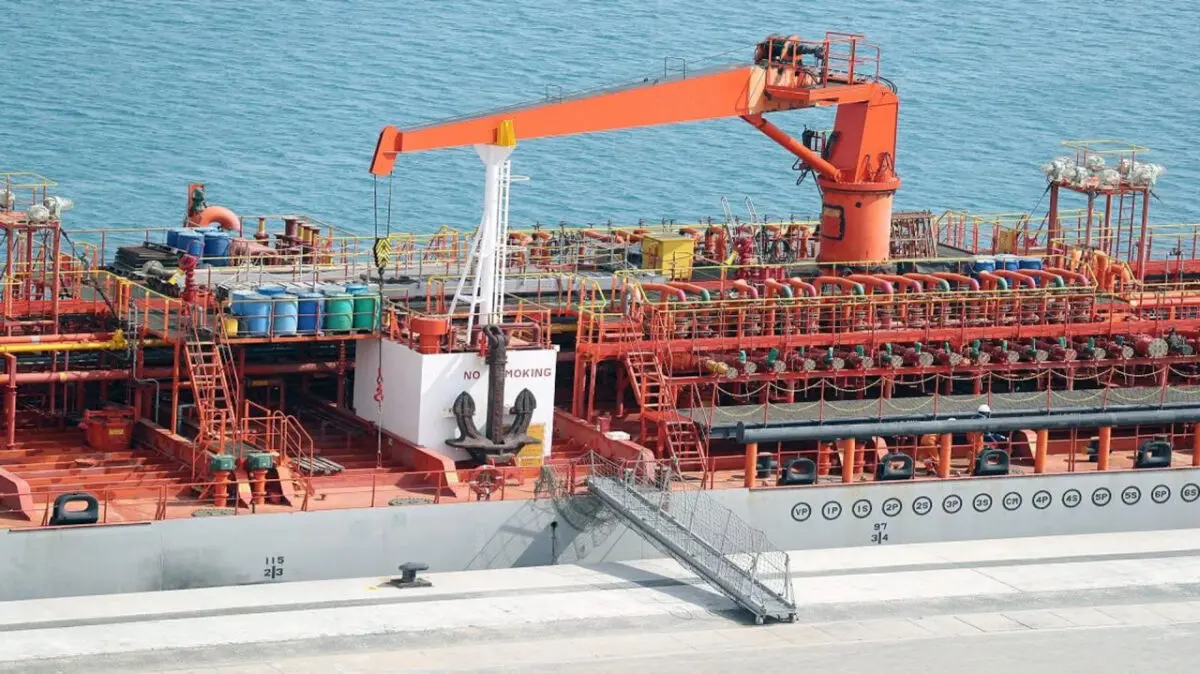
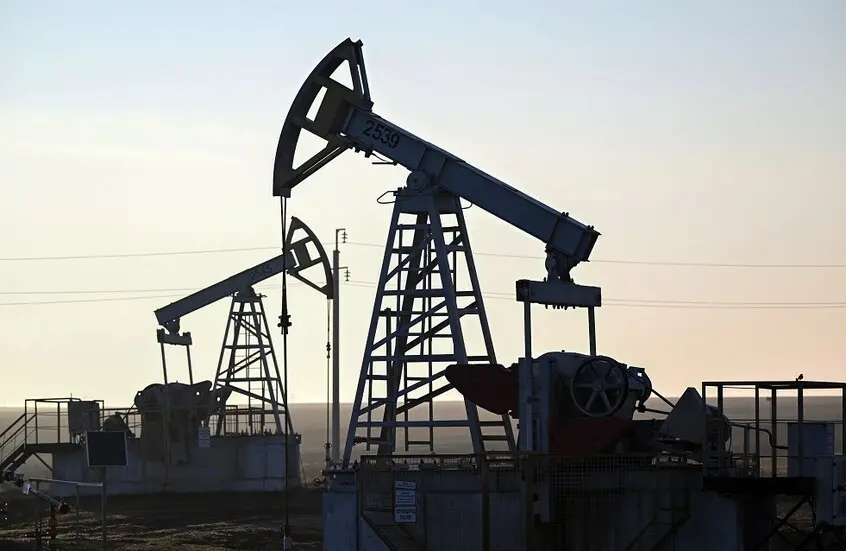
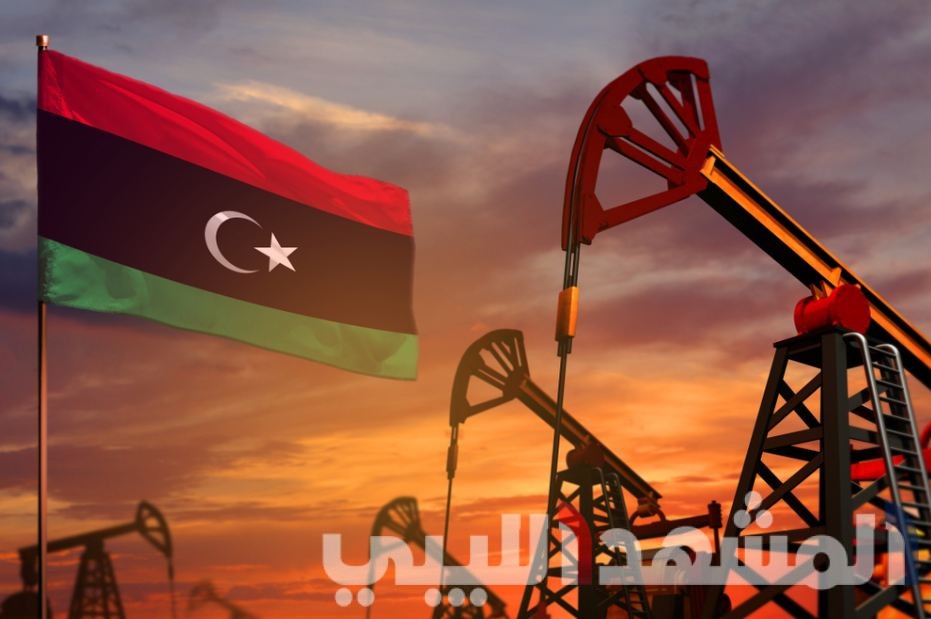
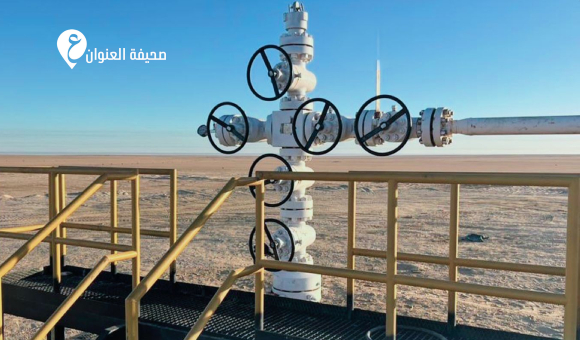
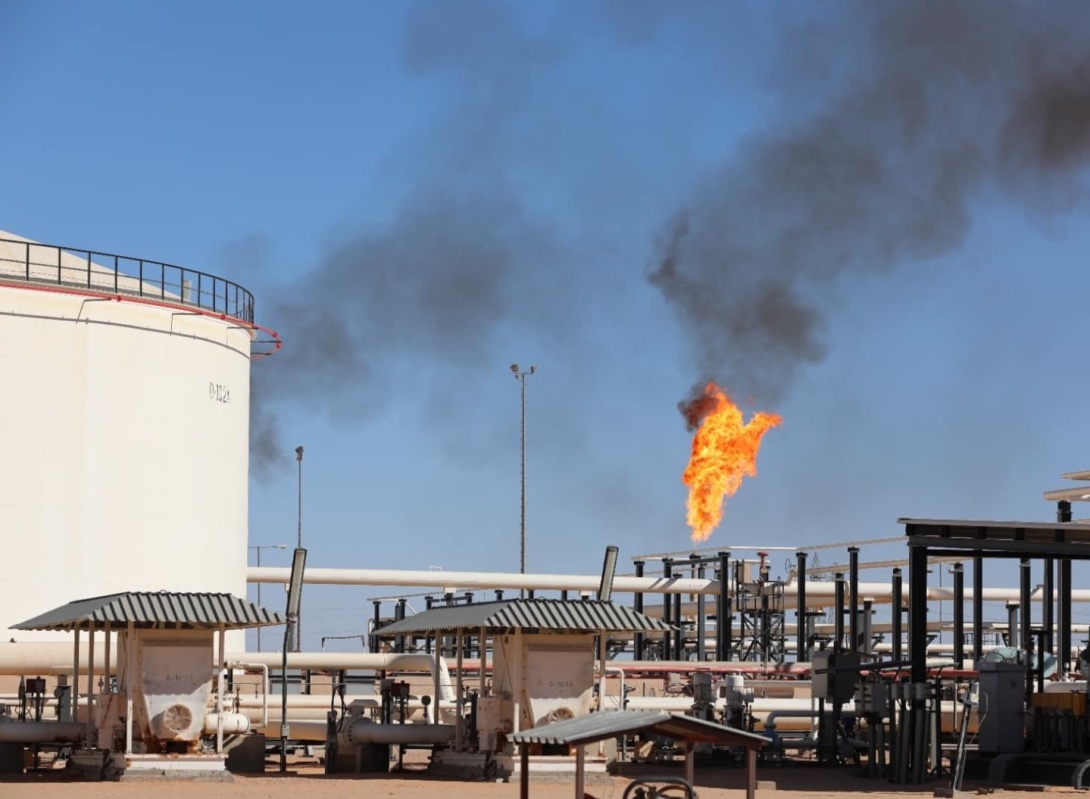
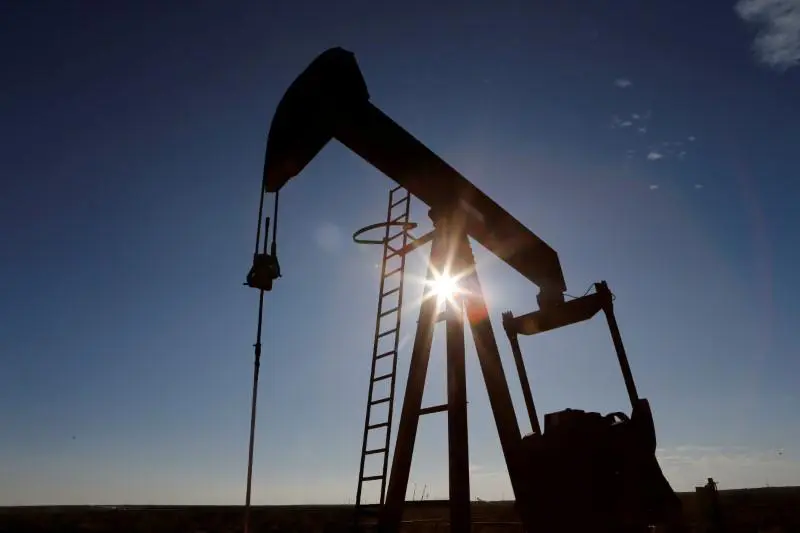
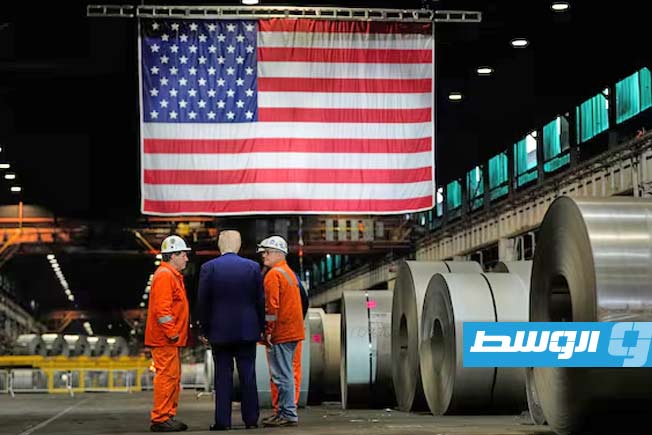
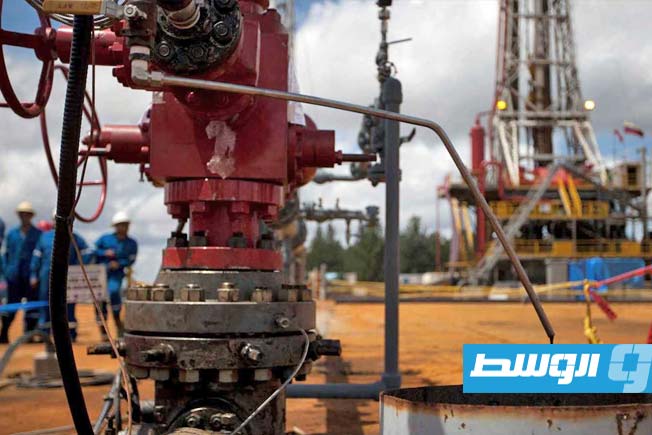
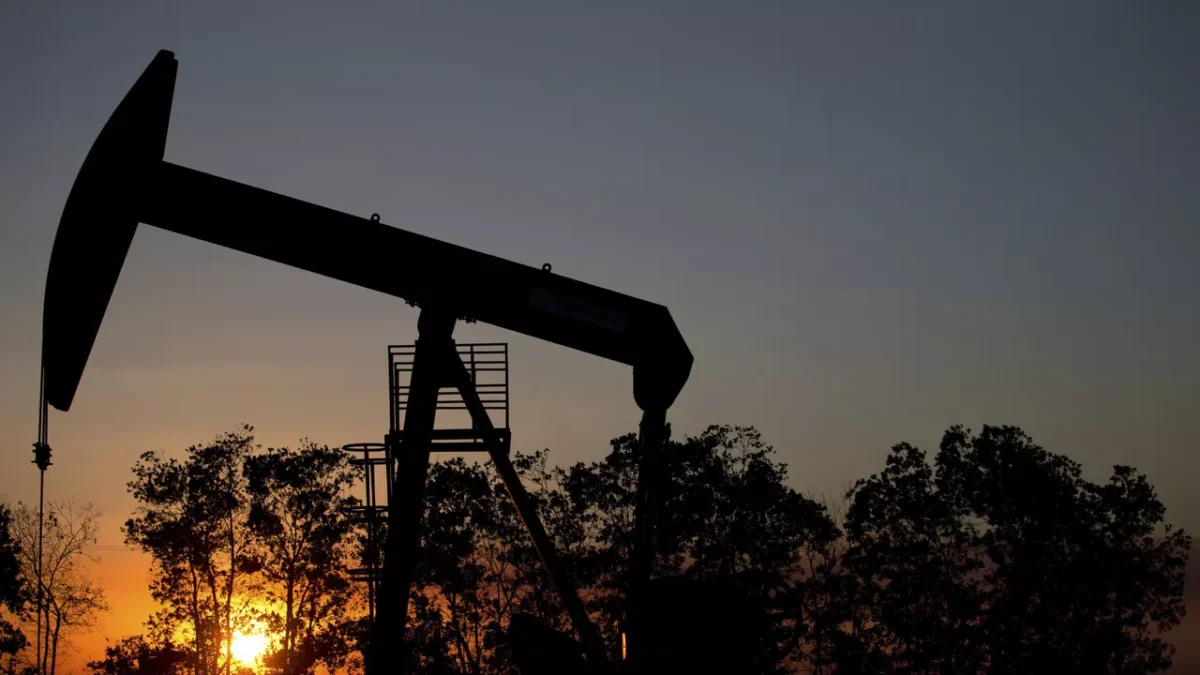
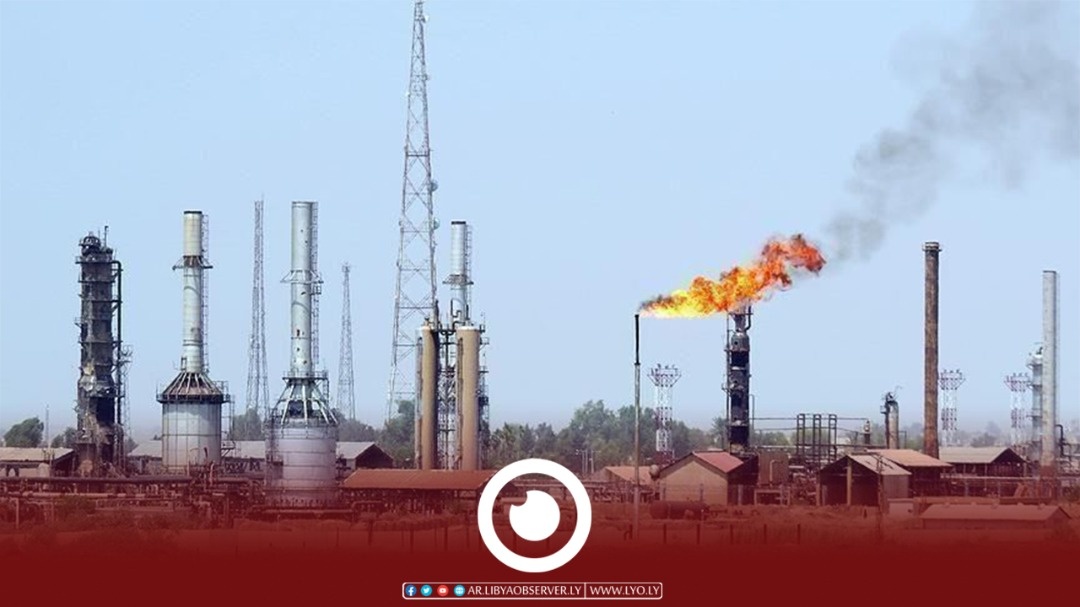
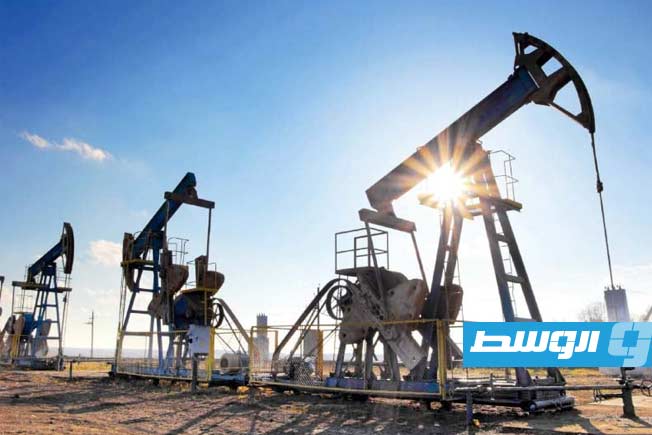
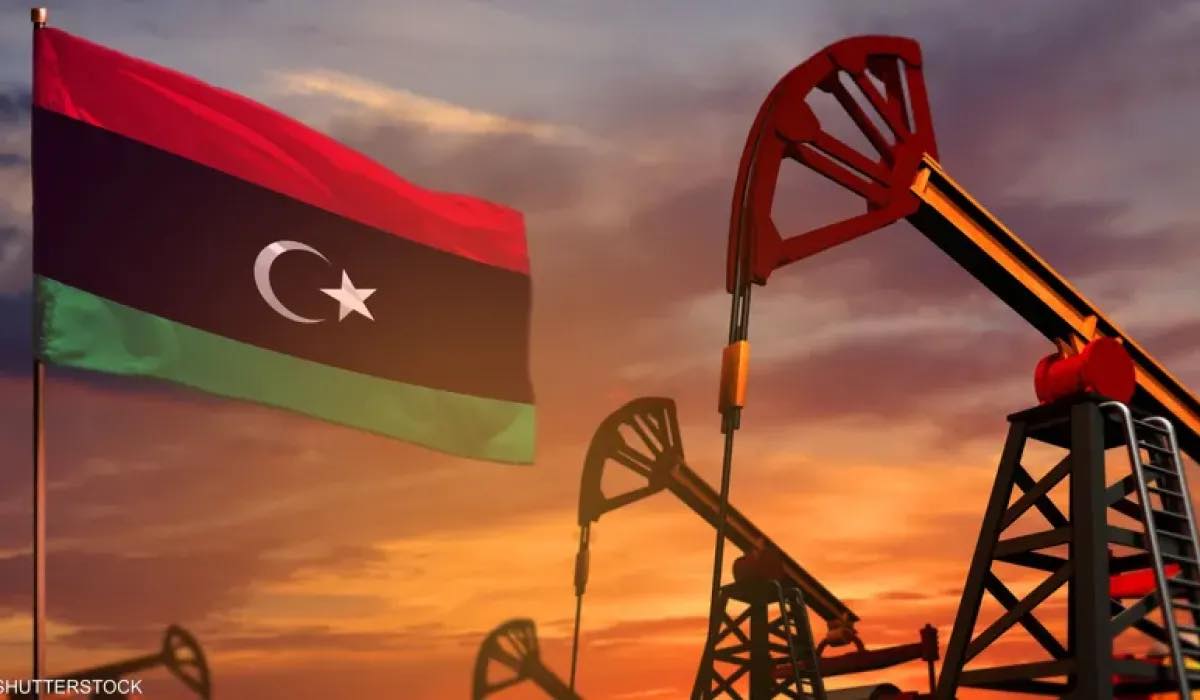
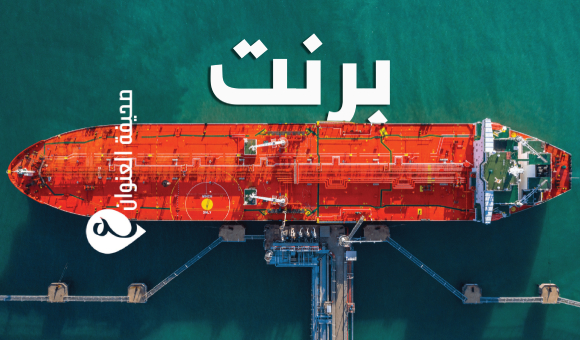
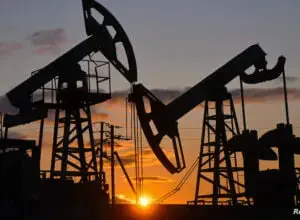
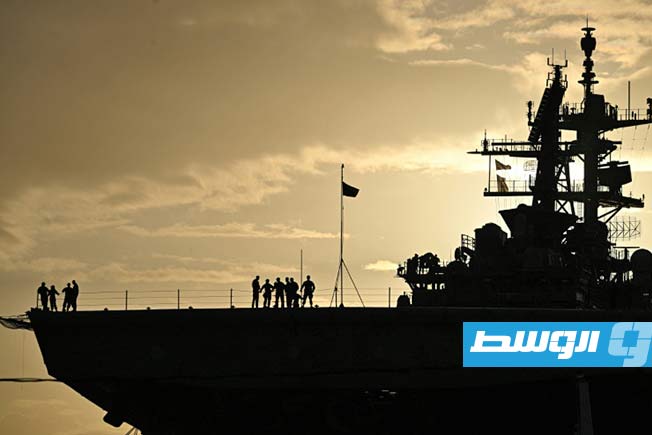
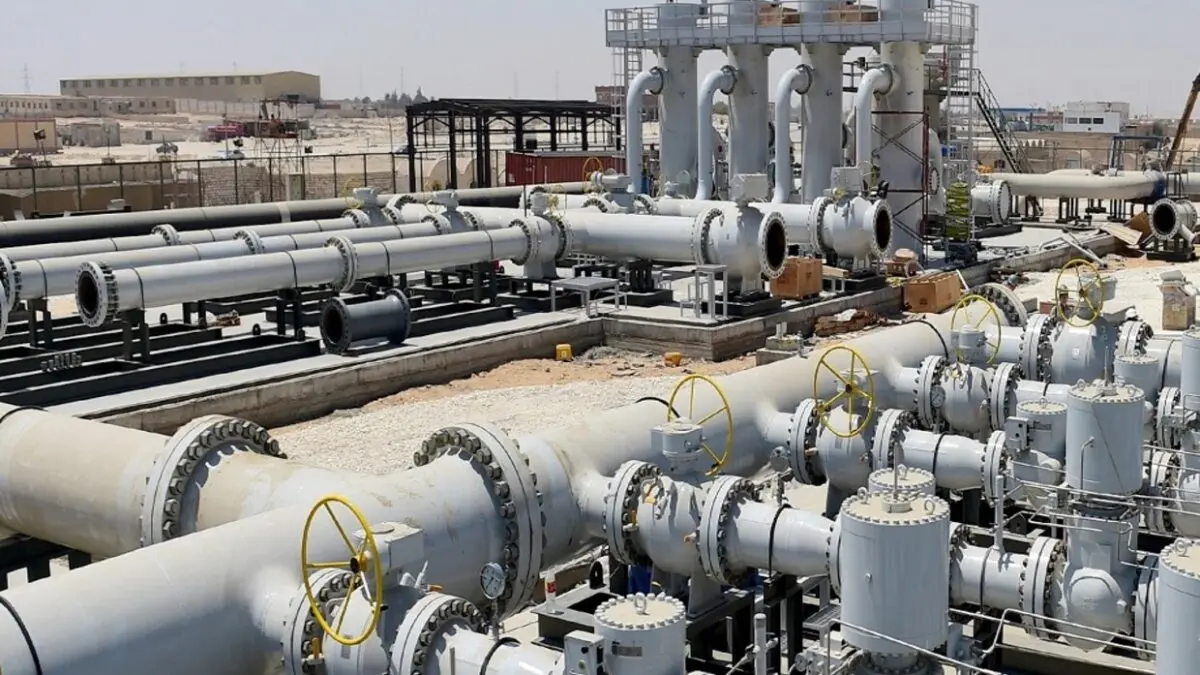
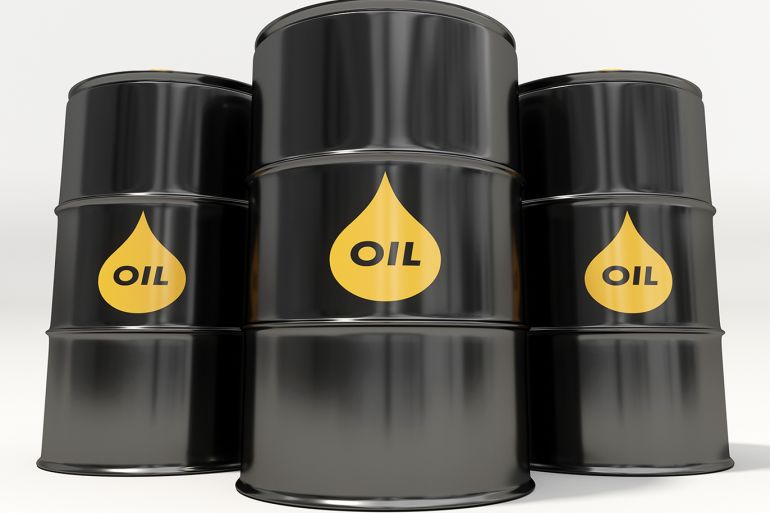
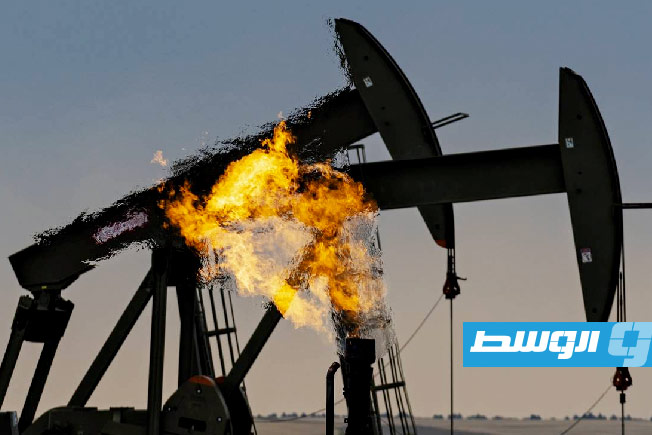
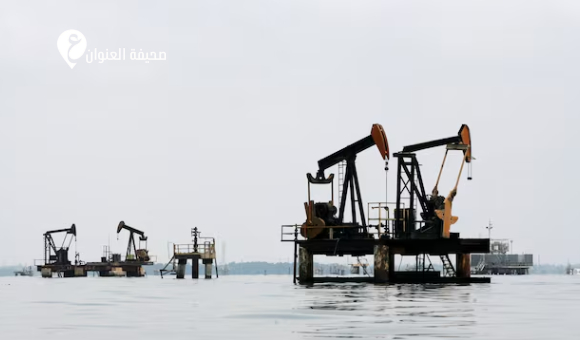
Oil prices recorded a noticeable rise during Asian trading on Thursday, driven by the announcement from U.S. President Donald Trump imposing a blockade on the movement of oil tankers to and from Venezuela, leading to the continued disruption of the bulk of the country’s oil exports.
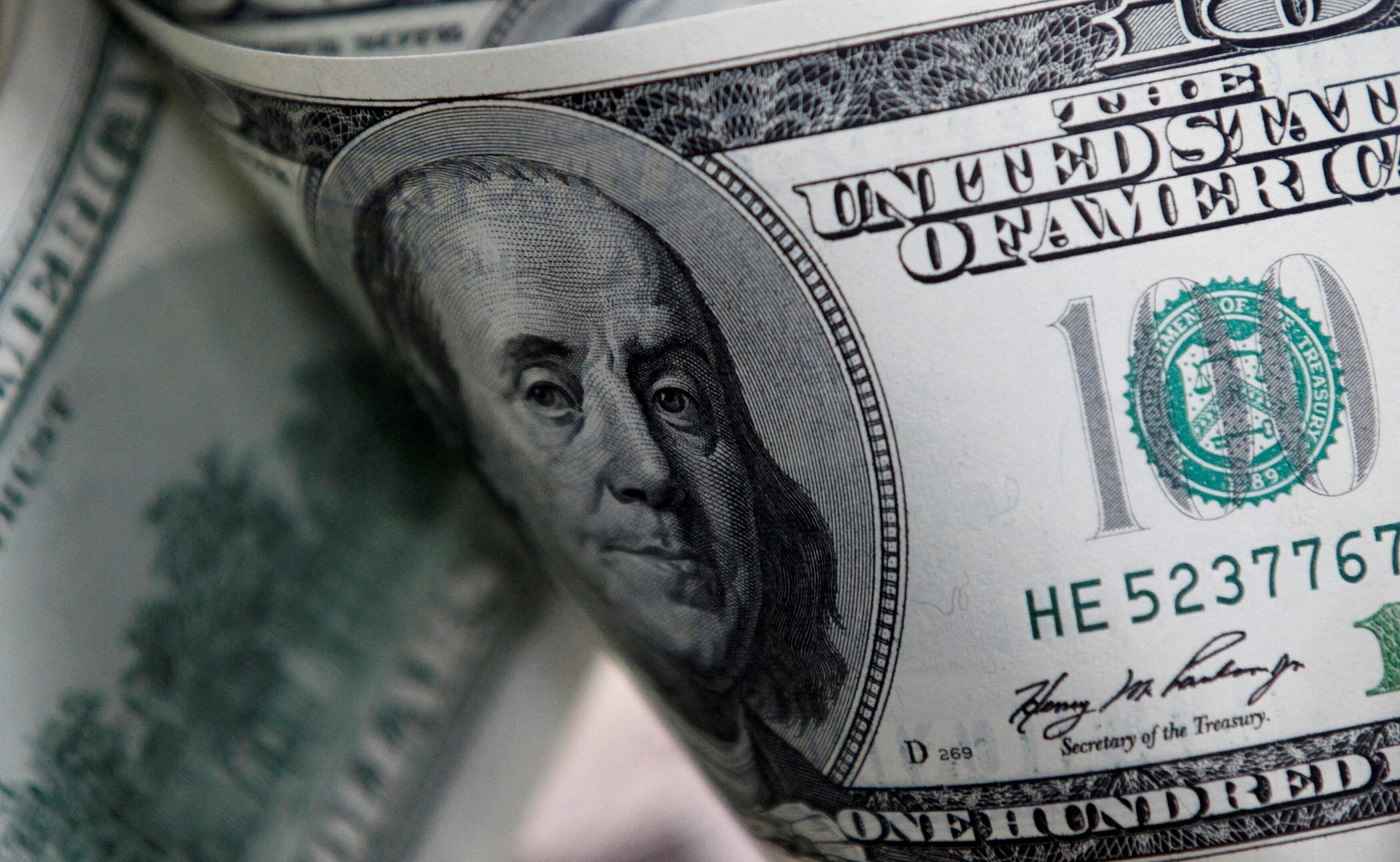
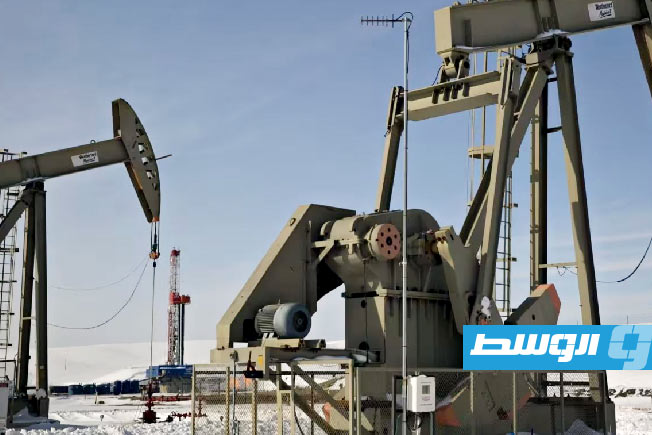
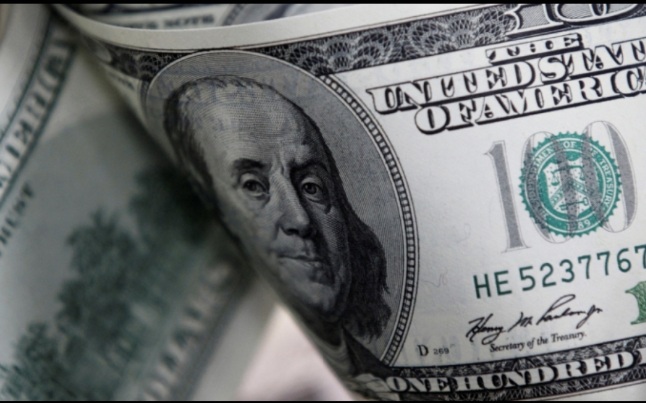
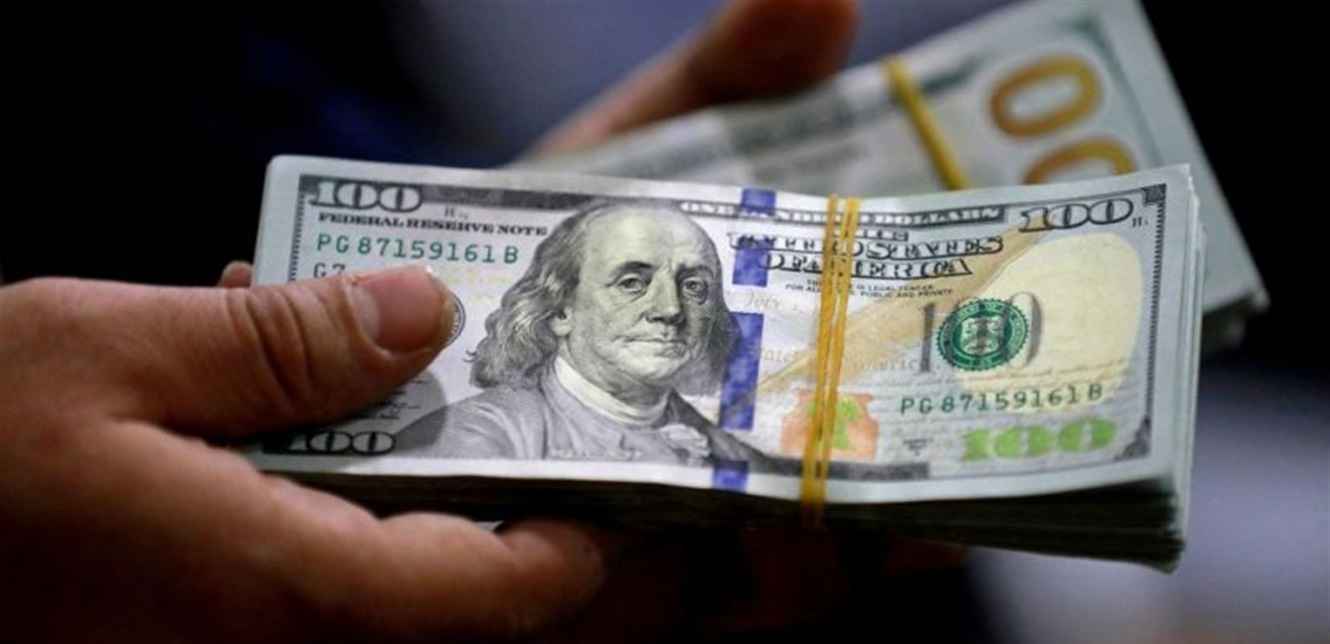
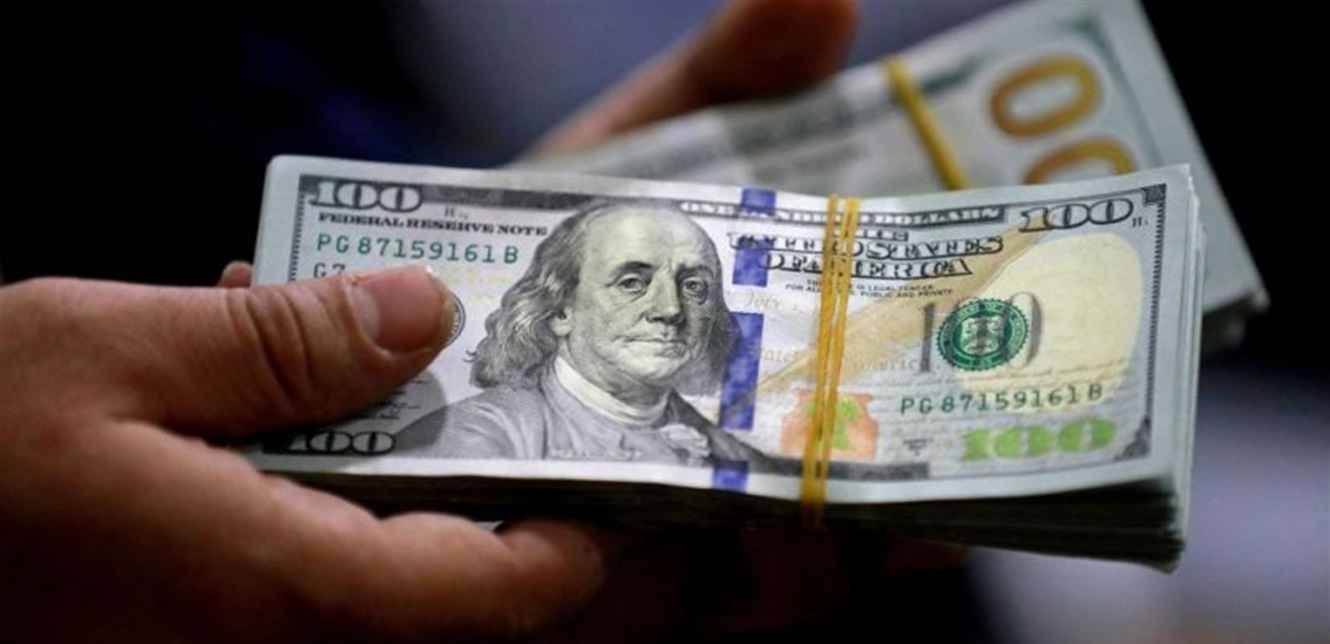
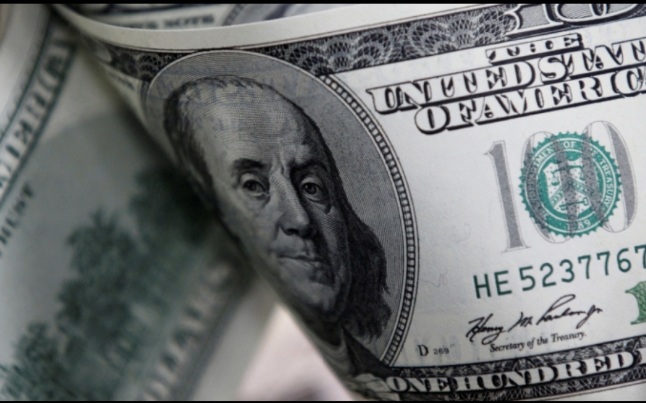
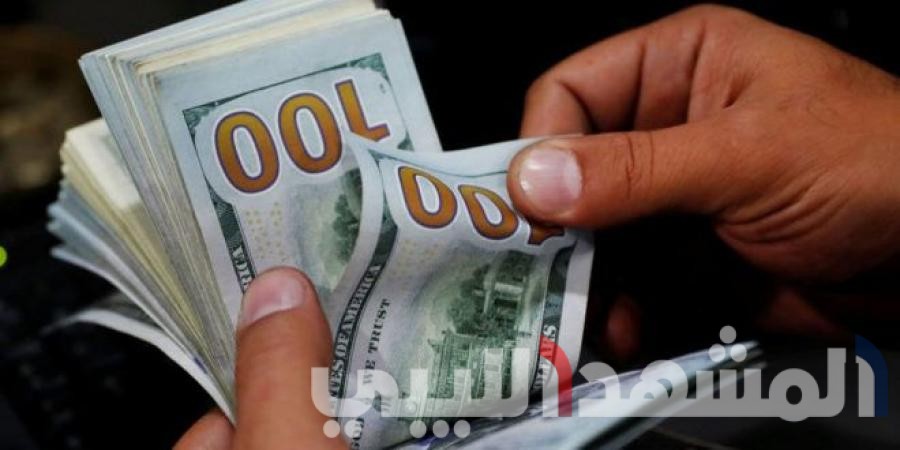
The price of U.S. West Texas Intermediate crude rose by 98 cents, equivalent to 1.7%, reaching $56.89 per barrel, after having climbed by more than a dollar earlier. The price of Brent crude also increased by 92 cents, or 1.54%, to $60.60 per barrel.
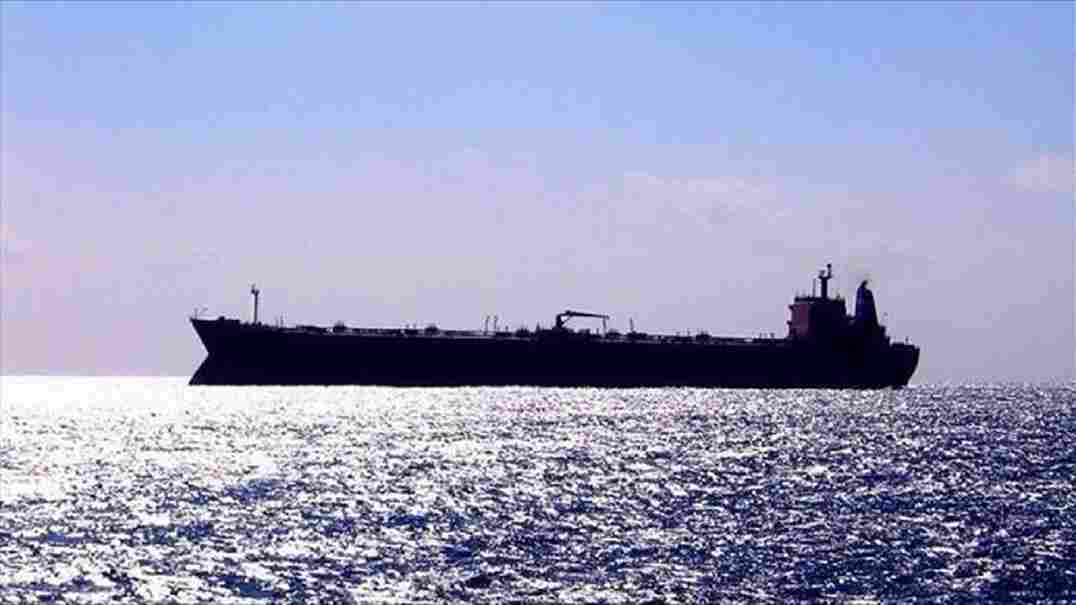
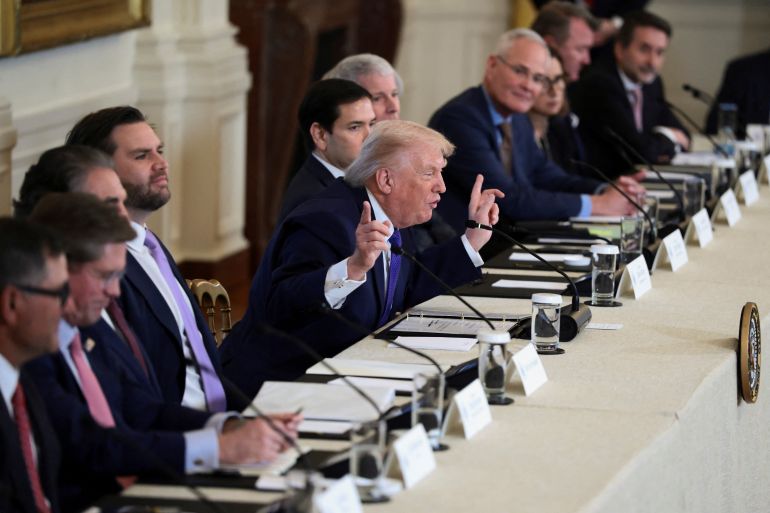
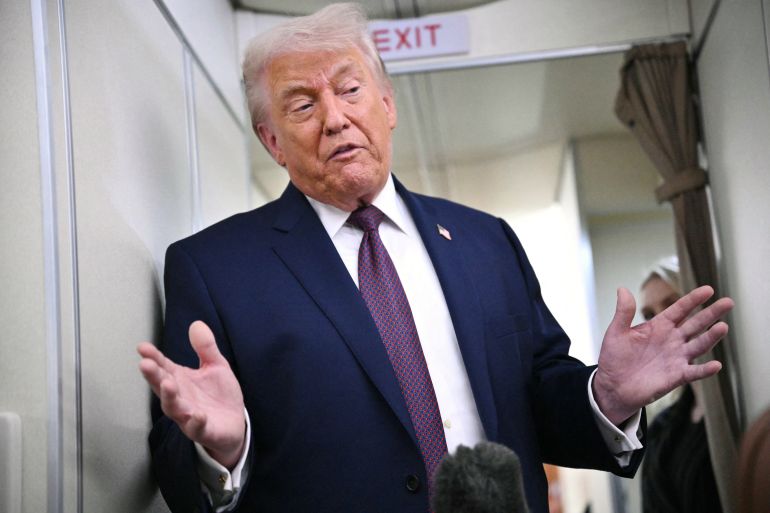
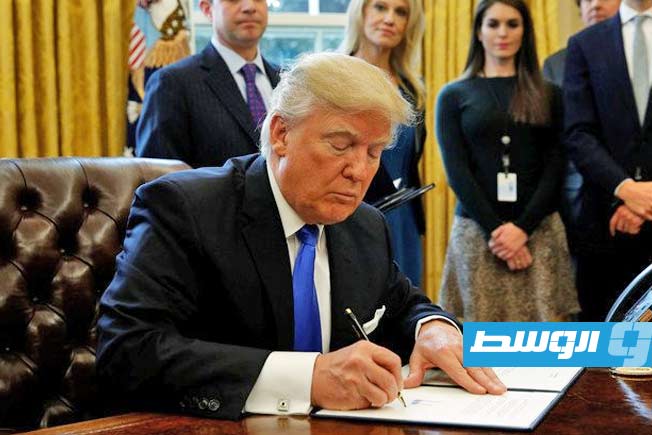
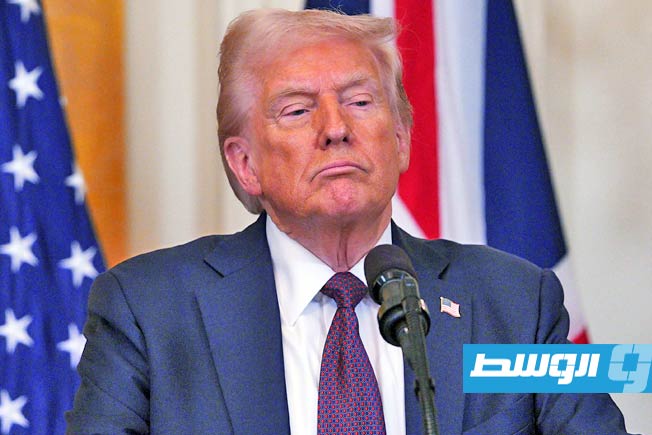
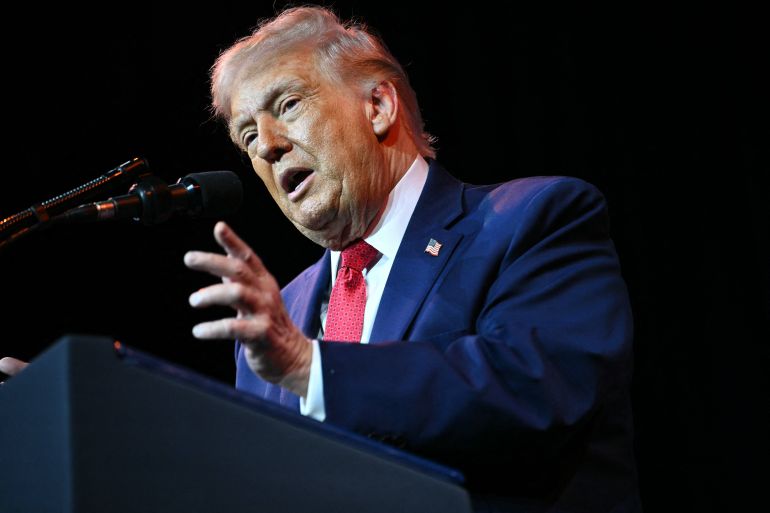
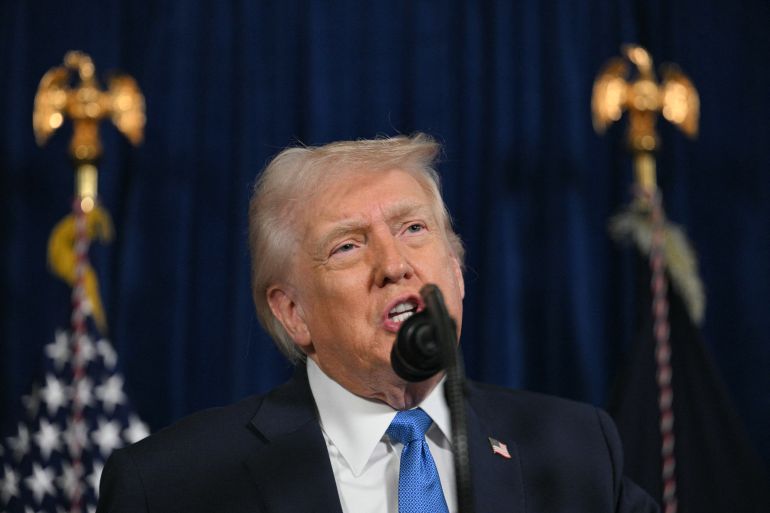
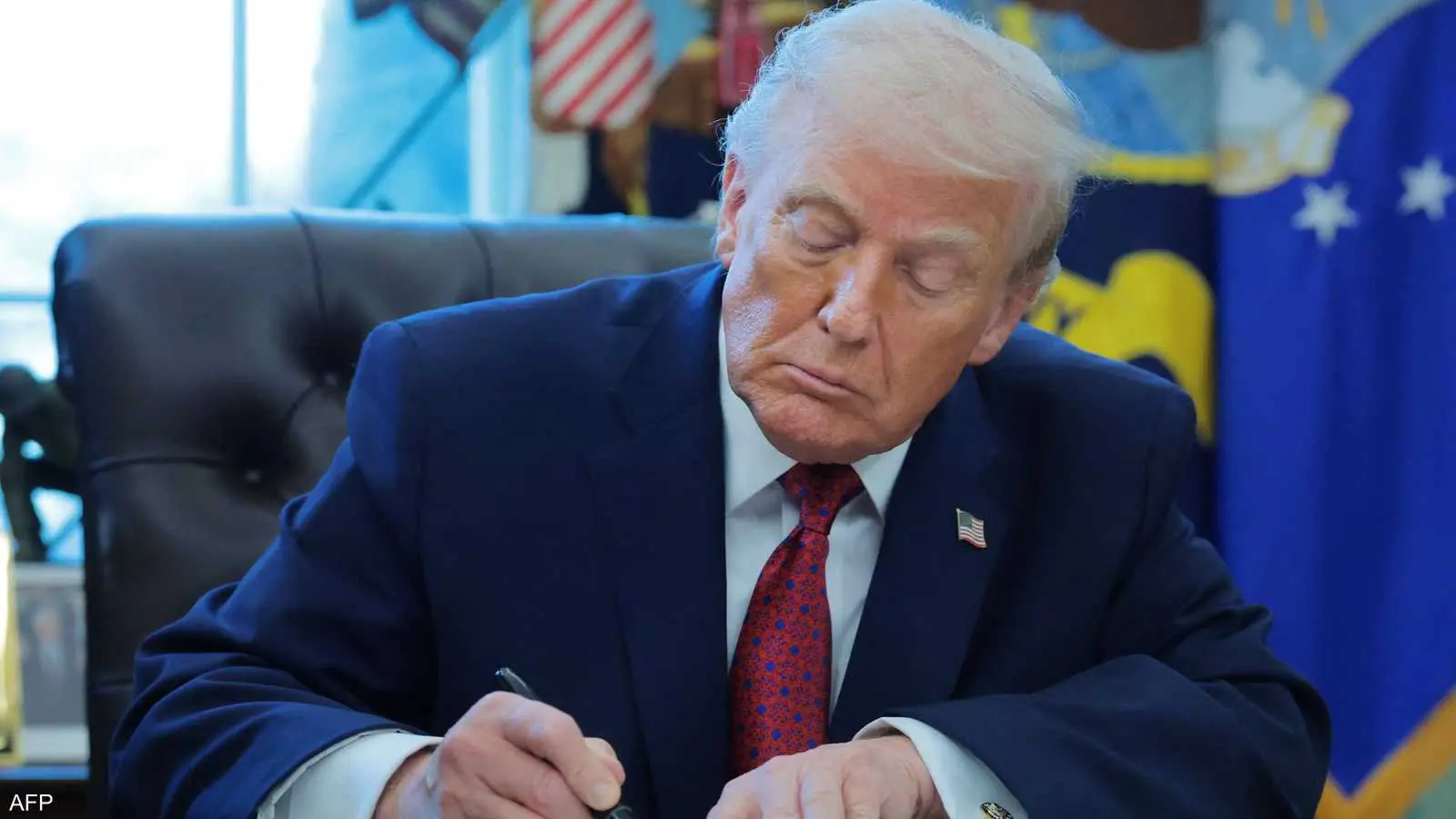
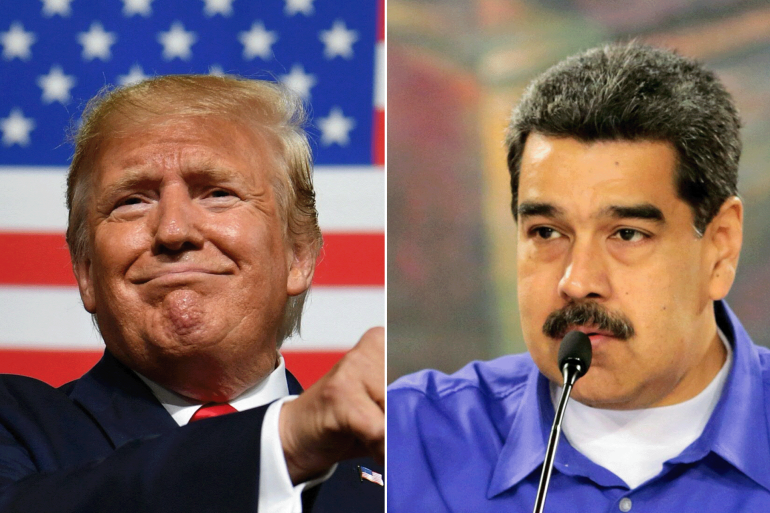
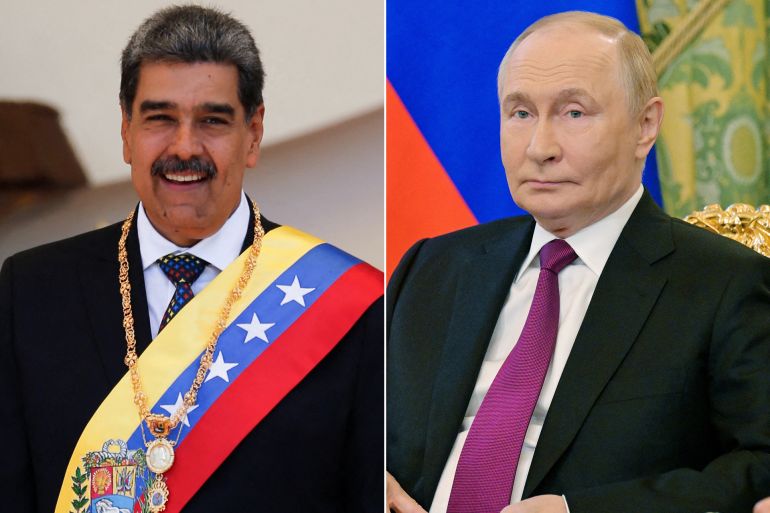
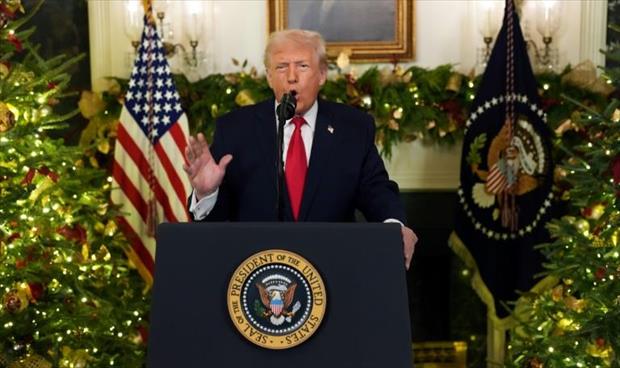
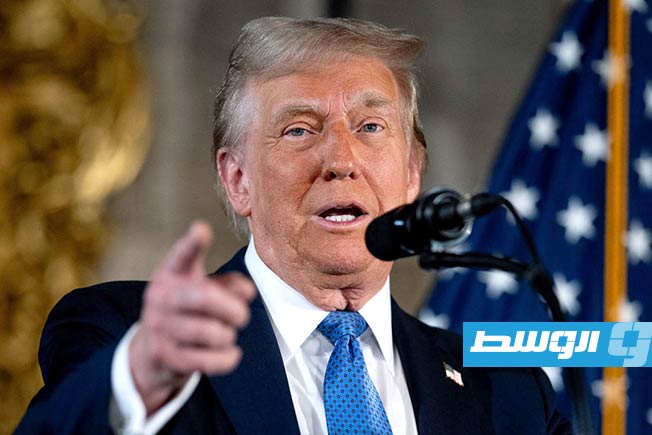
On Tuesday, Trump issued a decision imposing a blockade on the entry and exit of all sanctioned oil tankers to Venezuela, describing the government of President Nicolas Maduro as a “foreign terrorist organization,” while the mechanism for implementing this decision remains unclear.
Venezuelan Exports Halted
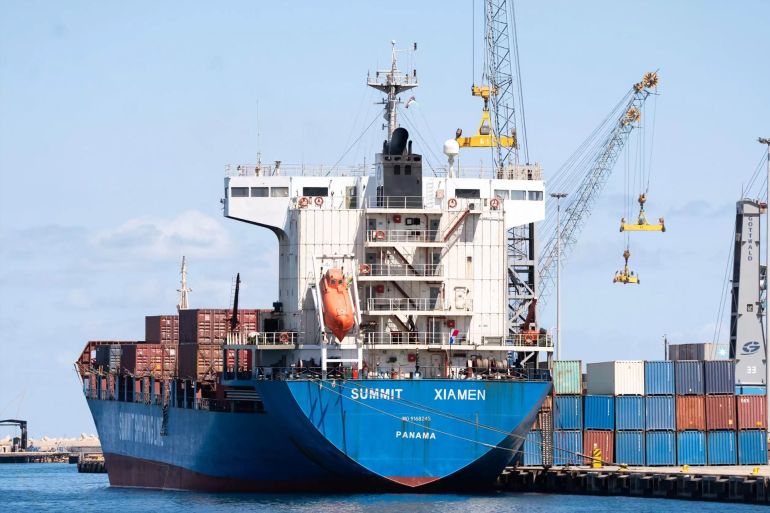
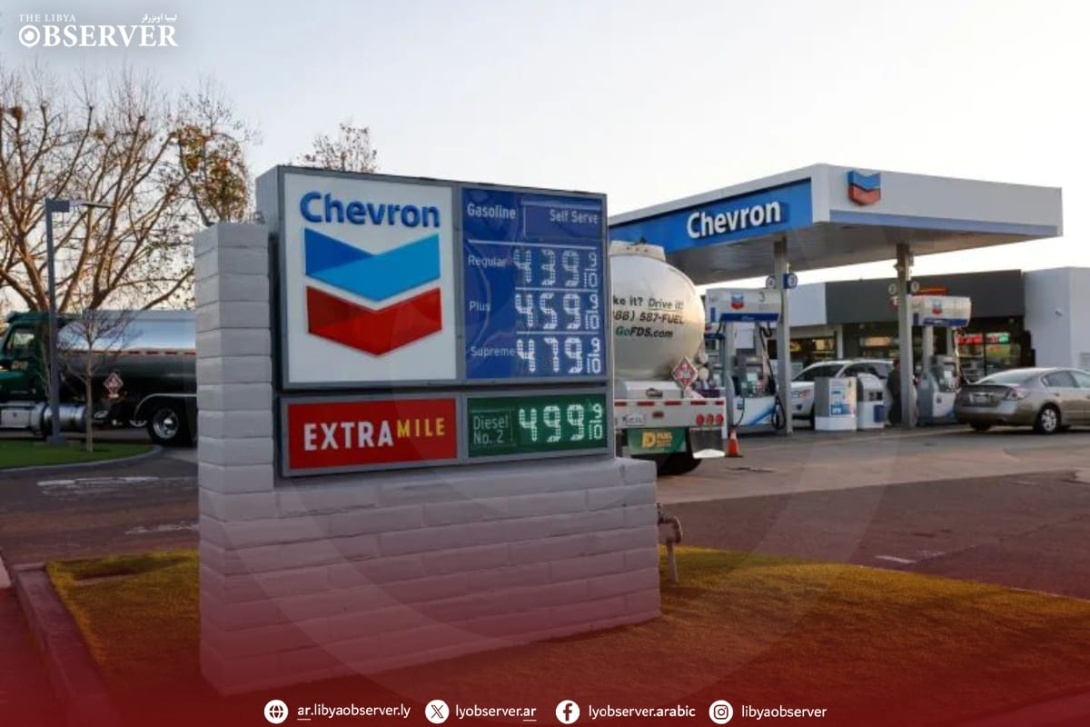
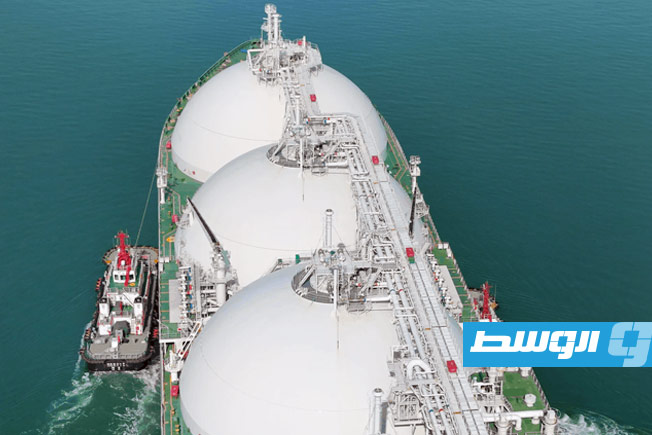
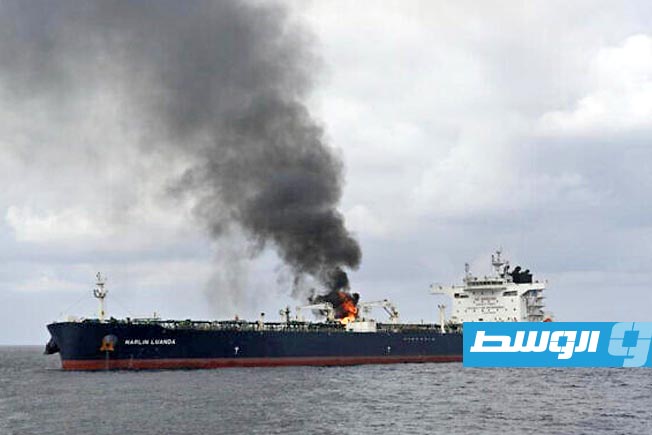
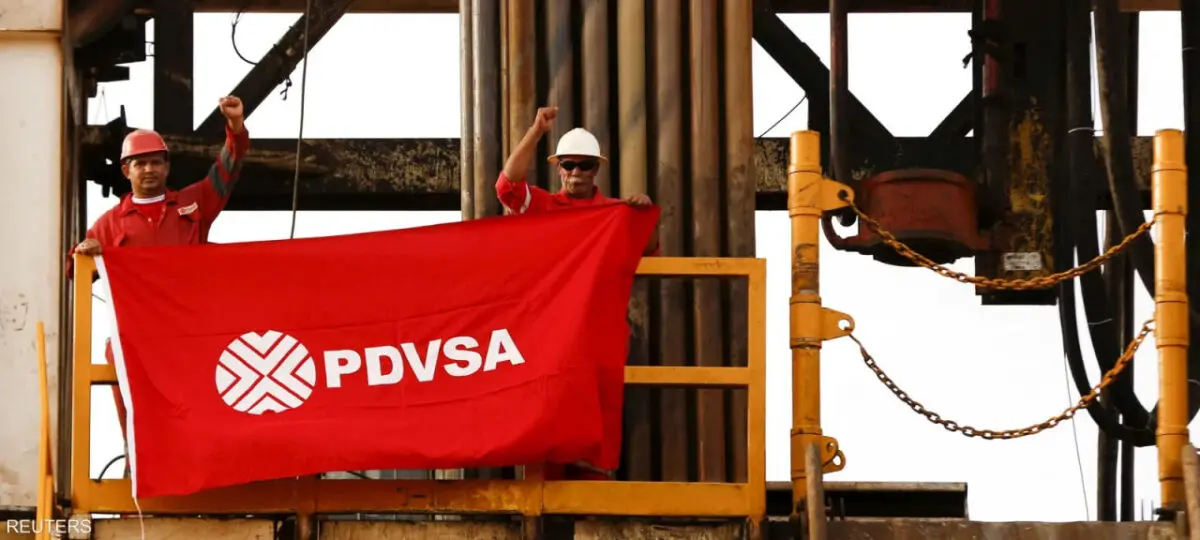
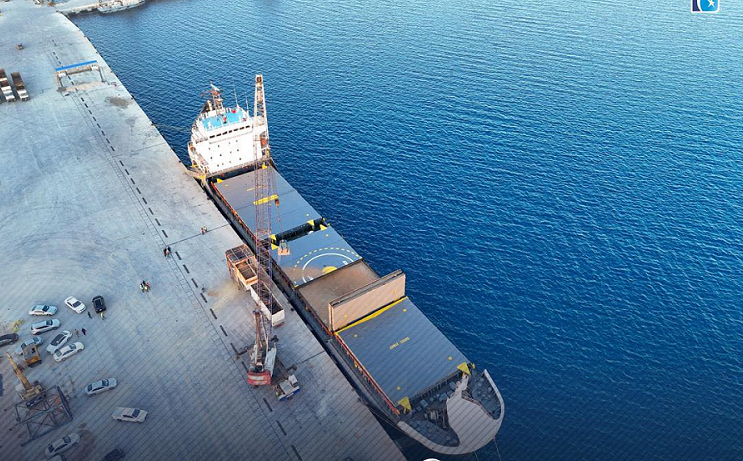
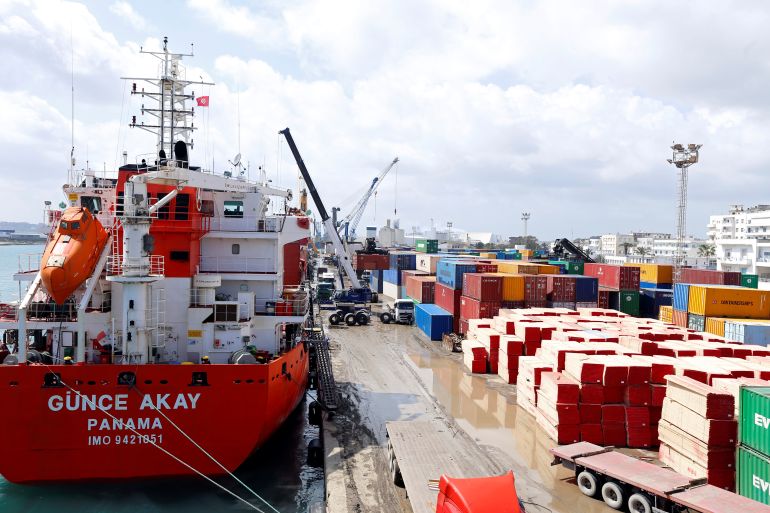
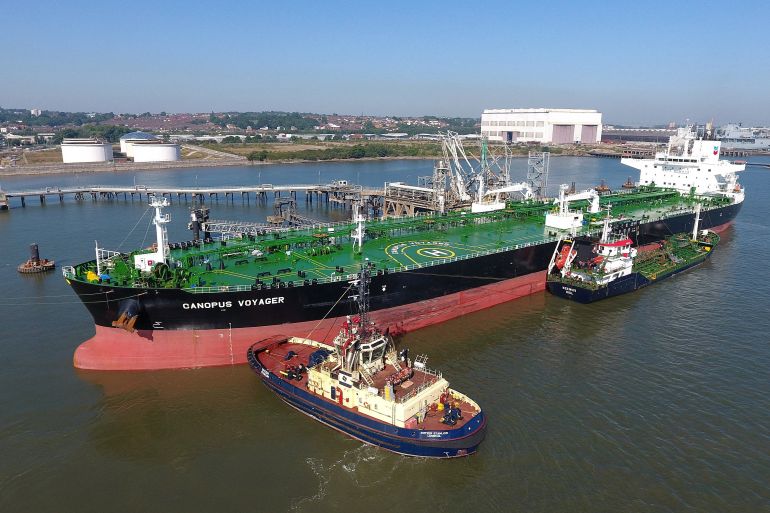
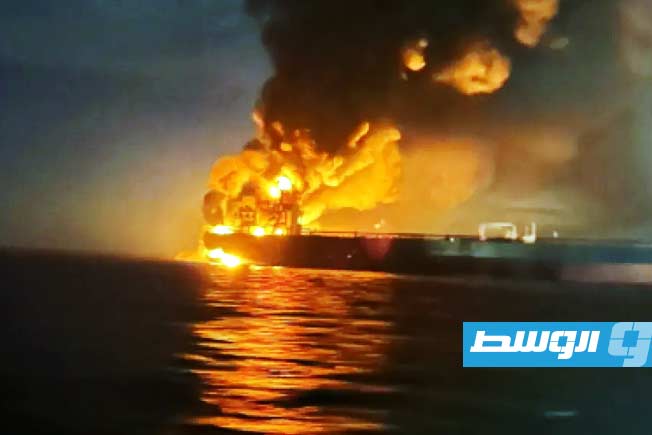
Informed sources and customs data indicated that most Venezuelan oil exports halted on Wednesday as a result of the blockade, despite the Venezuelan national oil company resuming loading shipments of crude and fuel after a previous stoppage caused by a cyberattack. In contrast, Chevron’s tankers continued transporting oil to the United States based on a previous American license.
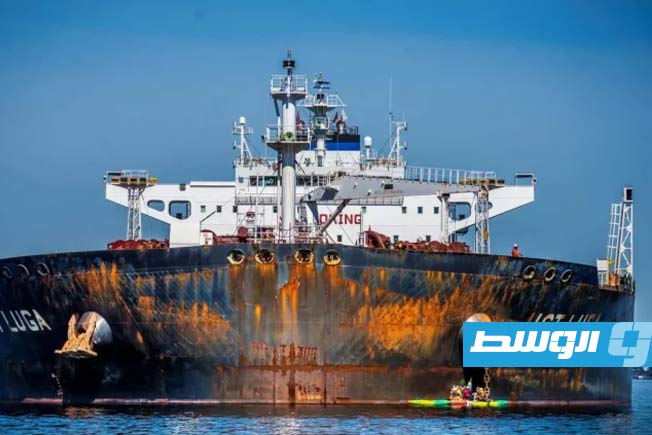
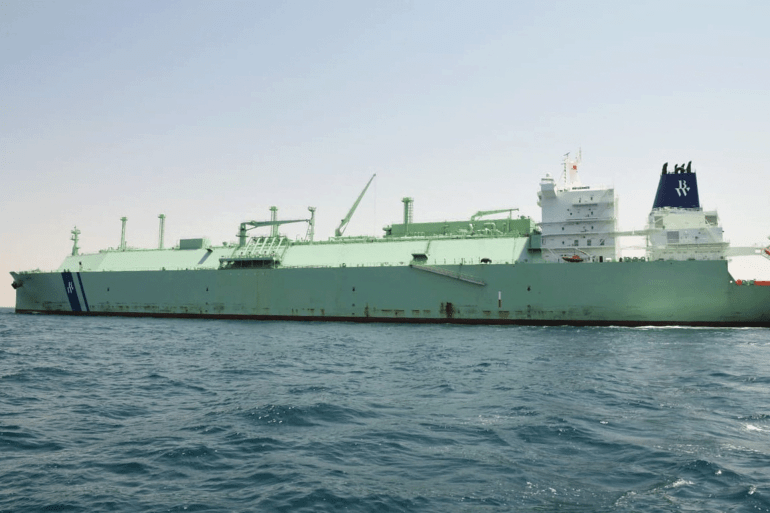
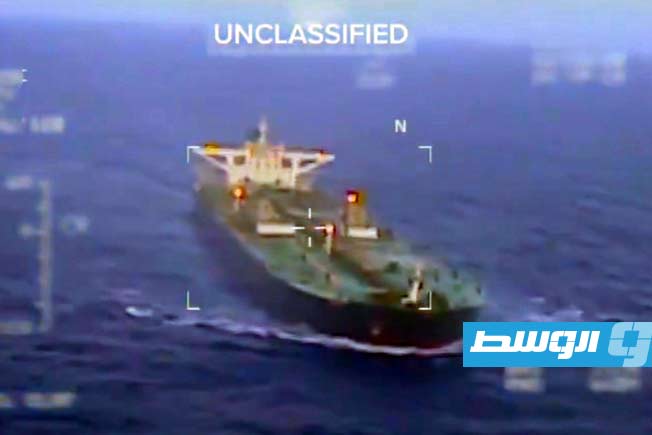
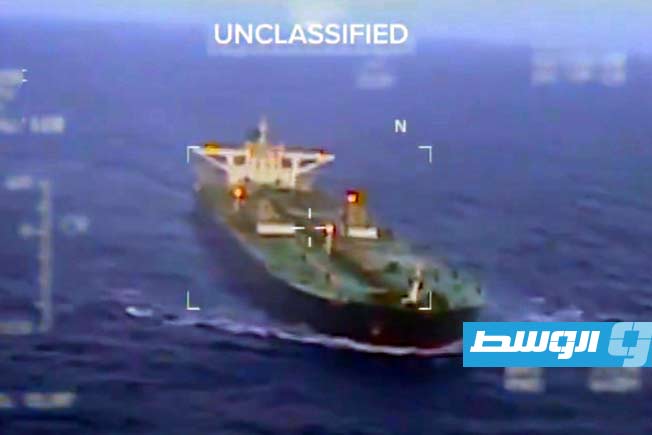
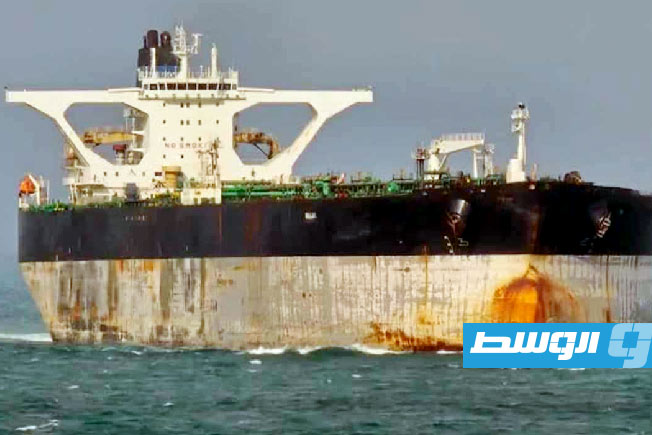
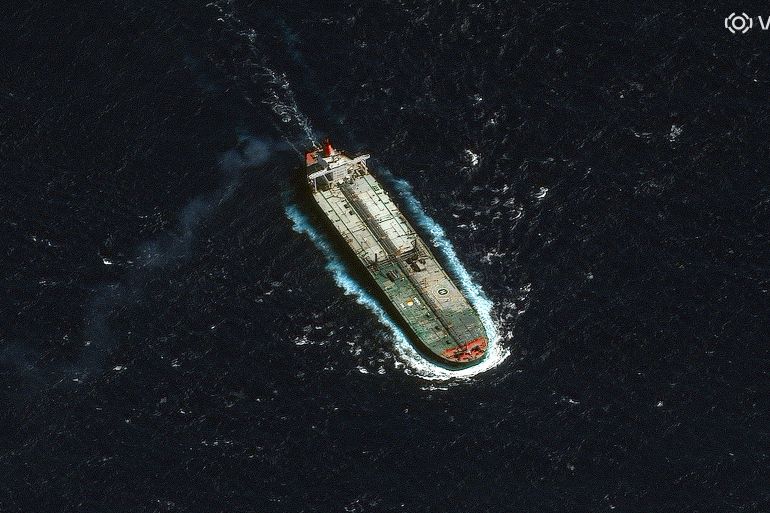
In a related context, the United States used the Coast Guard last week to intercept the giant oil tanker “Skipper” near the Venezuelan coast, in the first U.S. seizure of an oil shipment coming from Venezuela.
Oil prices had risen by more than 1% during yesterday’s Wednesday session, recovering from their lowest levels in five years, which were recorded against the backdrop of positive developments in Ukrainian peace talks, boosting expectations for a possible easing of sanctions imposed on Russia.
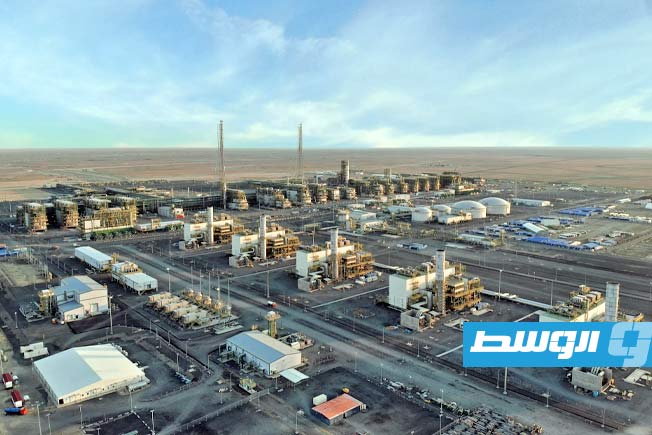
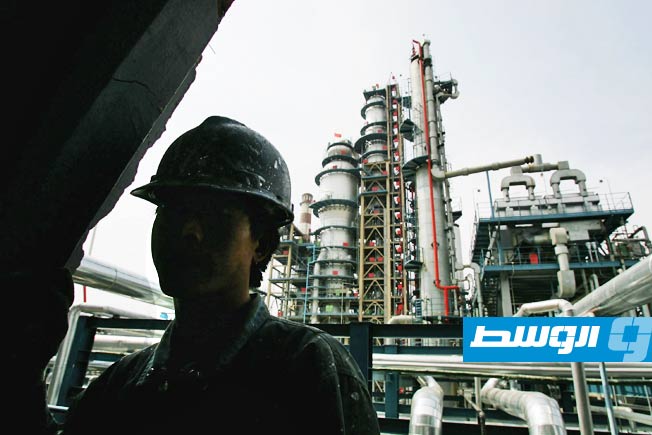
Venezuelan oil constitutes about 1% of global supplies, with the largest share of its exports going to China. However, market analysts believe that weak demand and the availability of large quantities of crude stored afloat in Asia may limit the impact of these developments on the world’s largest oil importer.
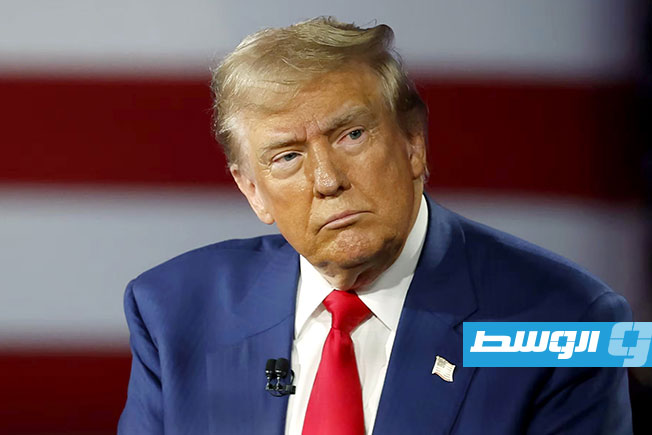
Donald Trump
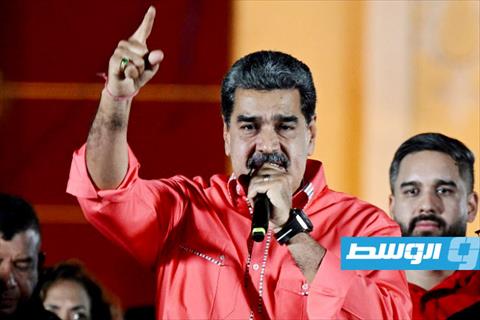
Nicolas Maduro
His presidency has been marked by significant domestic and international challenges:
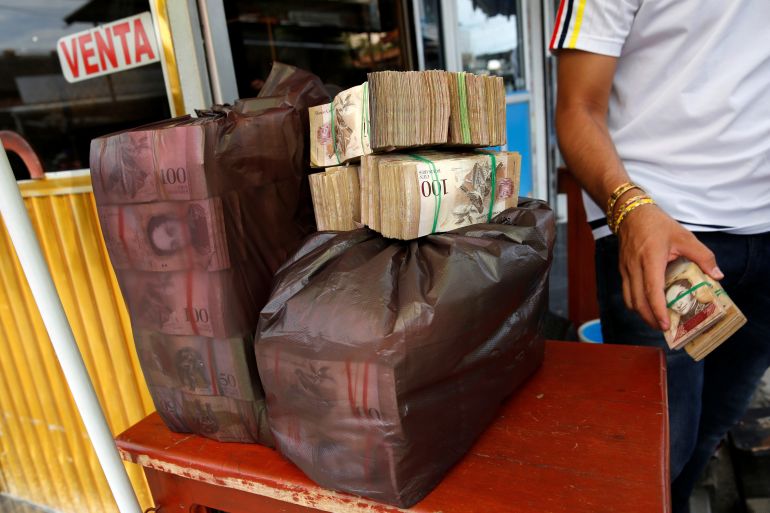
* **Domestic Crisis:** Venezuela has experienced a severe economic collapse under his government, characterized by hyperinflation, widespread shortages of basic goods, and a deep humanitarian crisis that has led millions to flee the country.
* **Political Controversy:** His re-elections in 2018 and 2024 have been widely disputed by opposition figures, the United States, the European Union, and many Latin American governments, which describe them as neither free nor fair.
* **International Isolation:** The United States and over 50 other countries recognize opposition leader Juan Guaidó as Venezuela’s legitimate interim president. Maduro’s government faces numerous international sanctions.
* **Geopolitical Alignment:** He maintains close ties with allies such as Russia, China, Iran, and Cuba.
In summary, Nicolás Maduro is a highly polarizing figure who leads a government accused of authoritarian practices and economic mismanagement, resulting in one of the Western Hemisphere’s most profound political and humanitarian crises in recent decades.