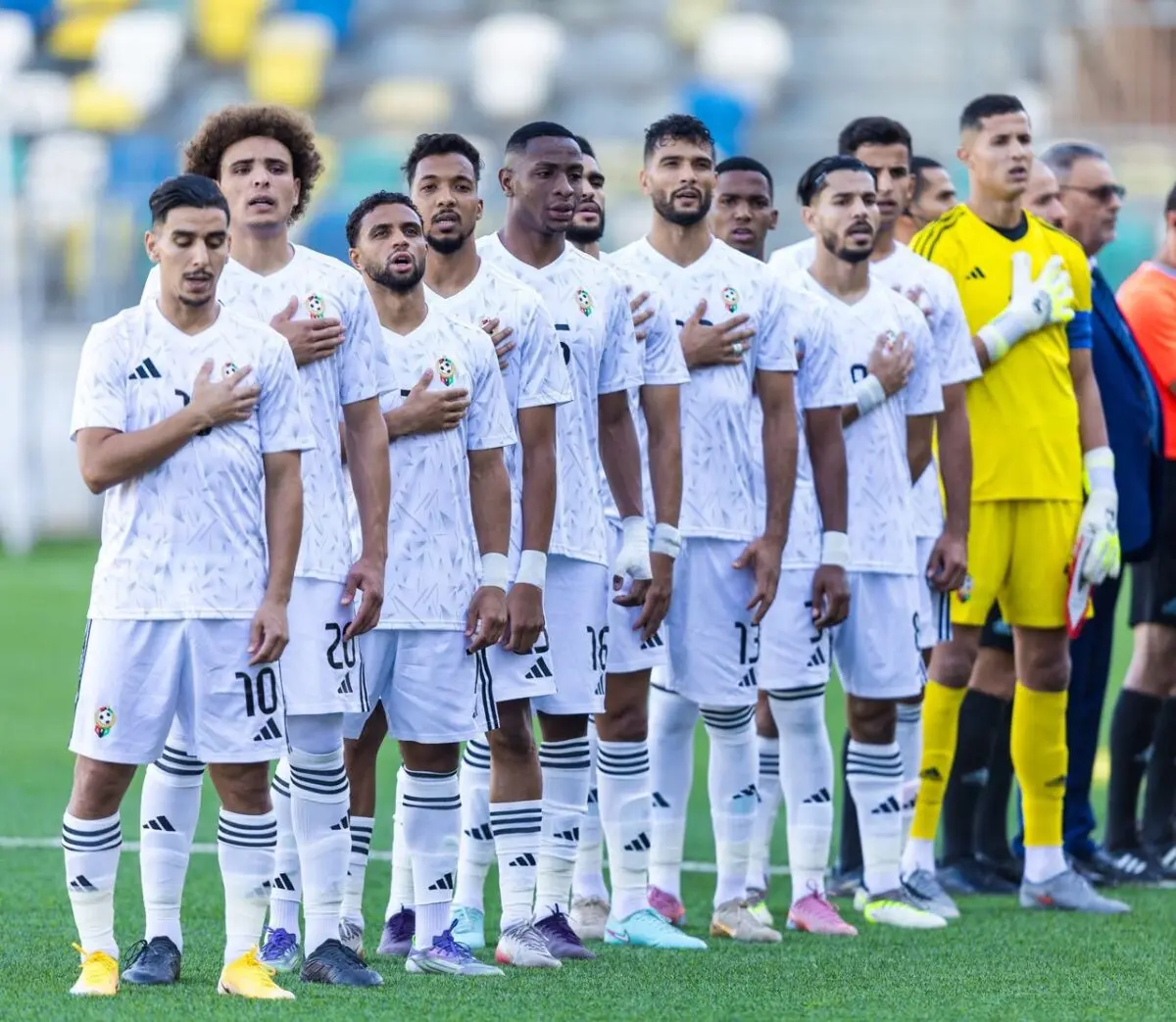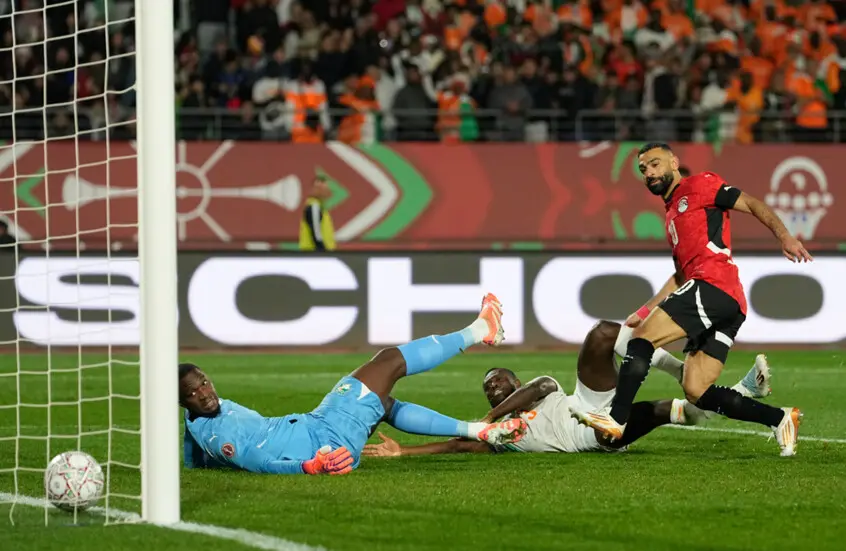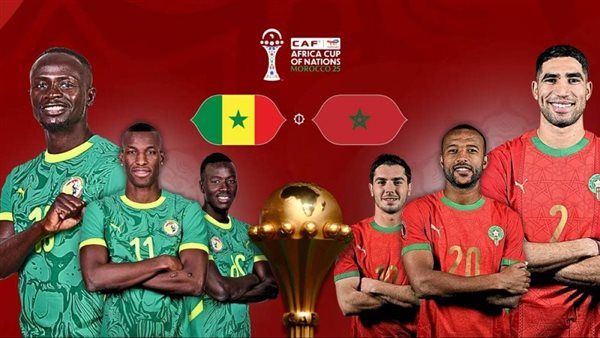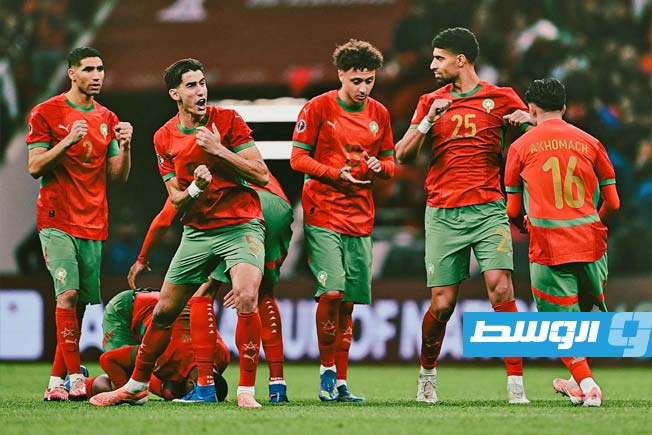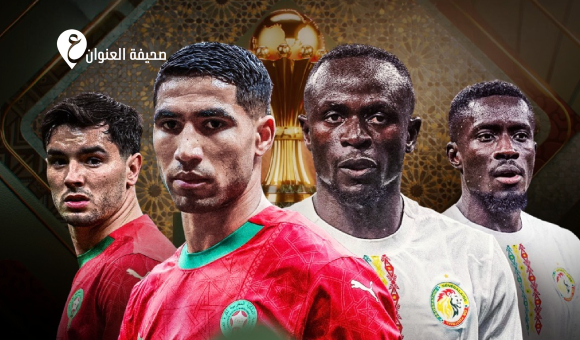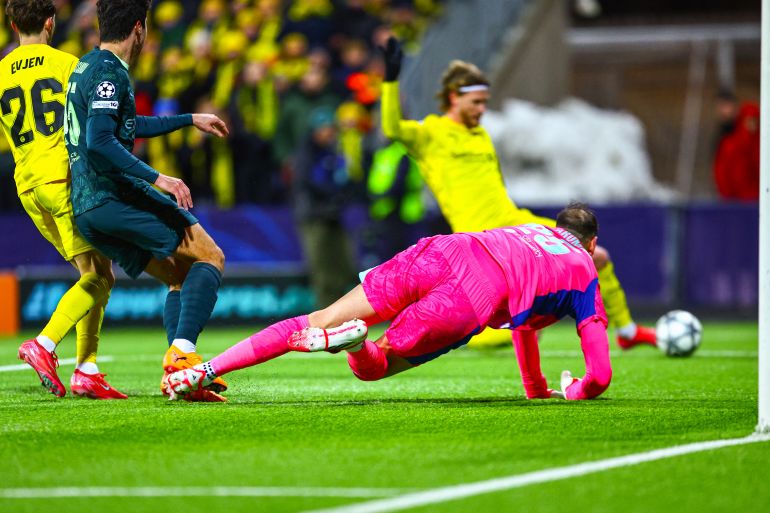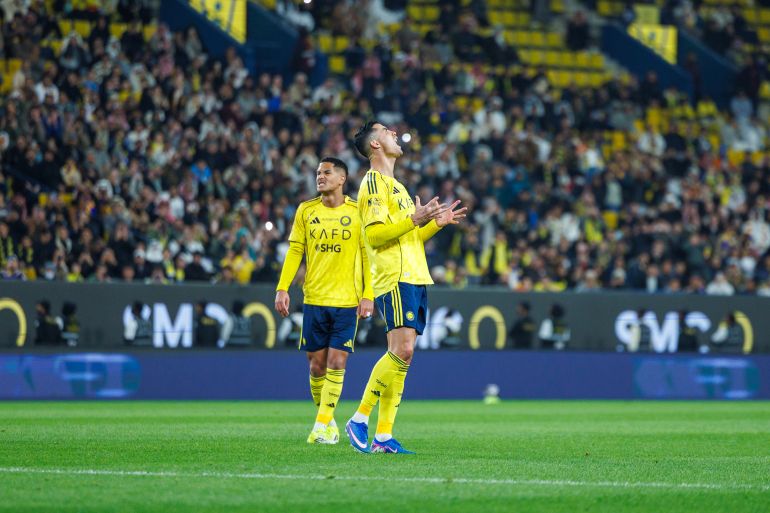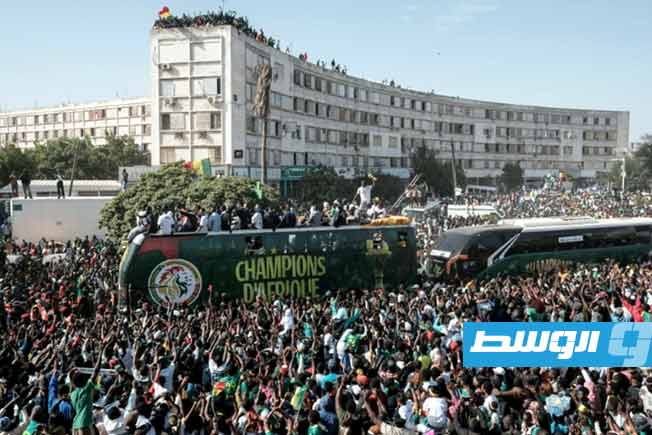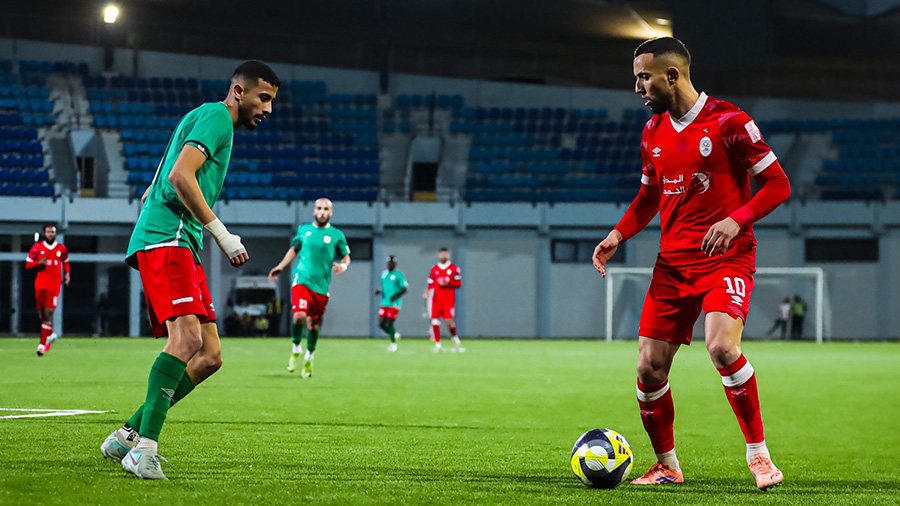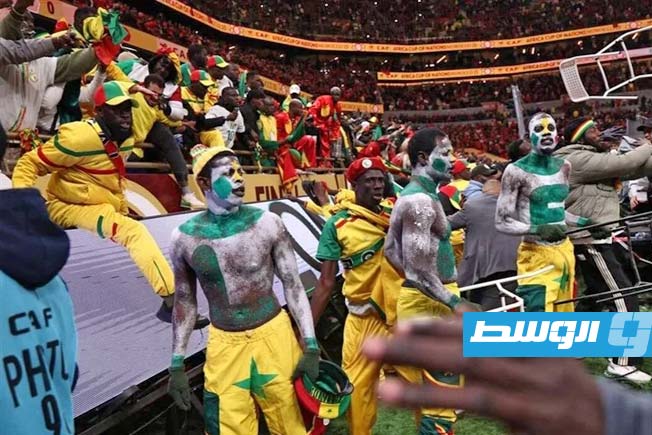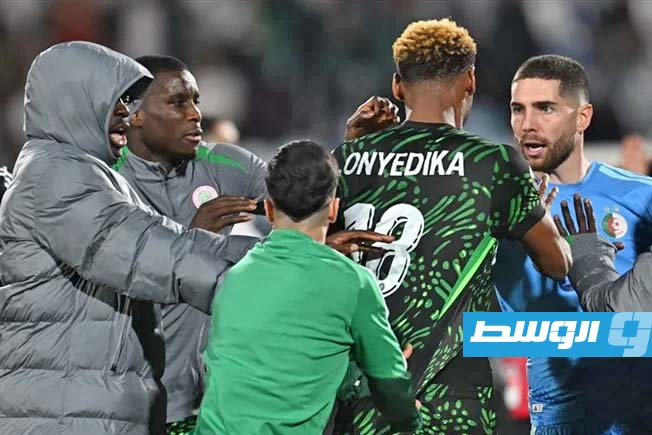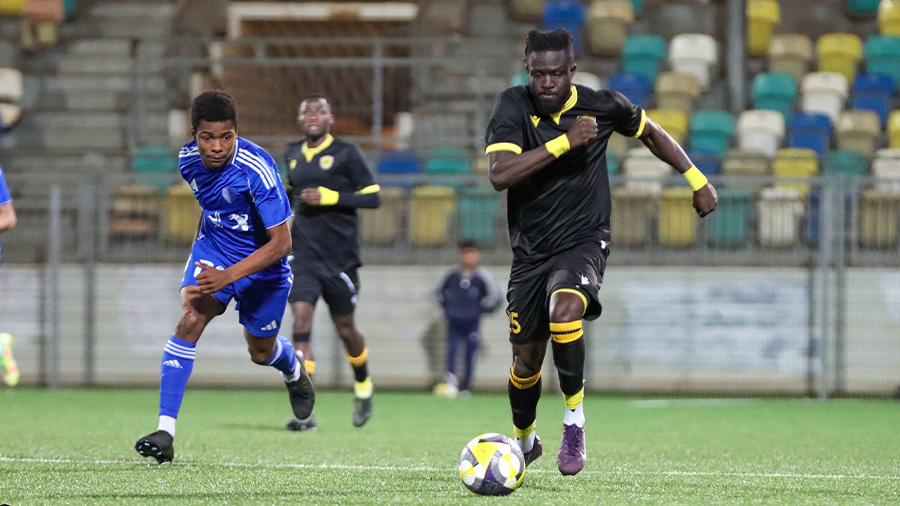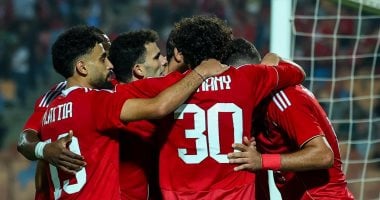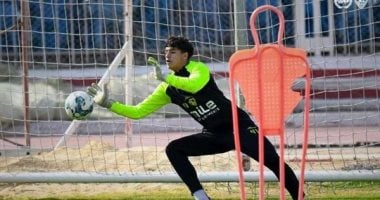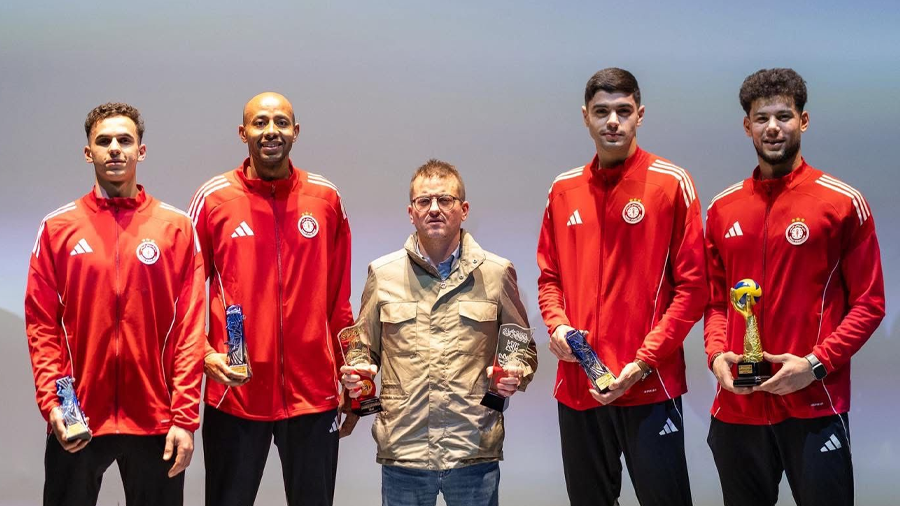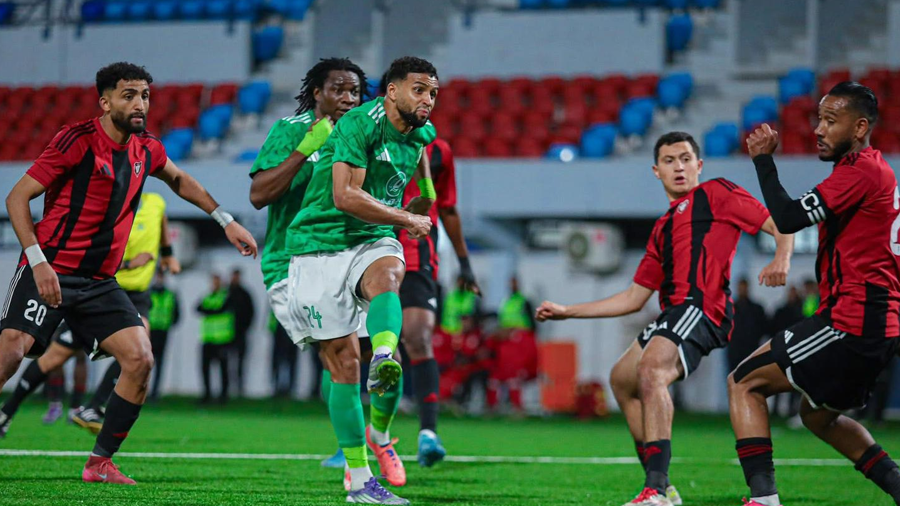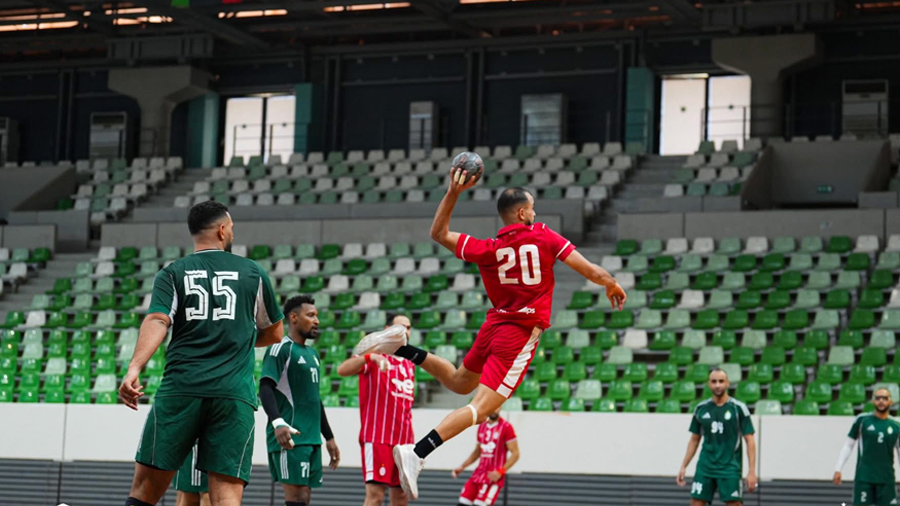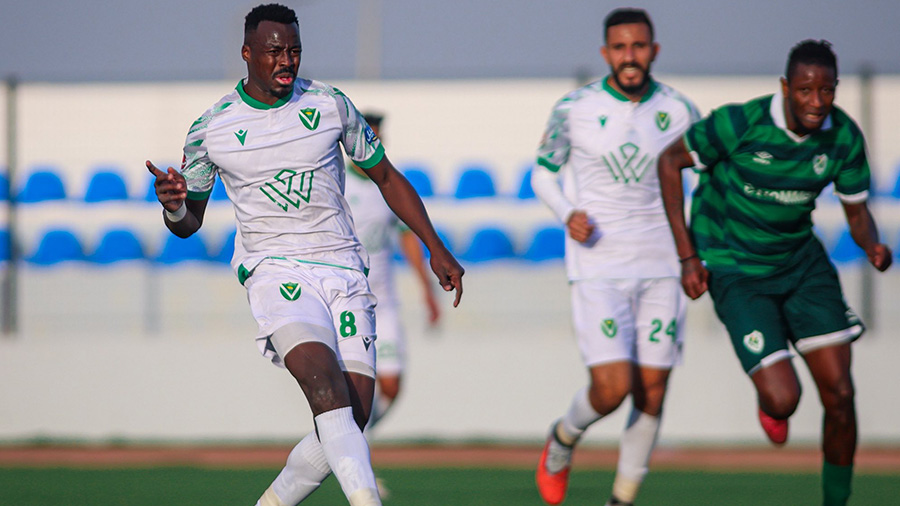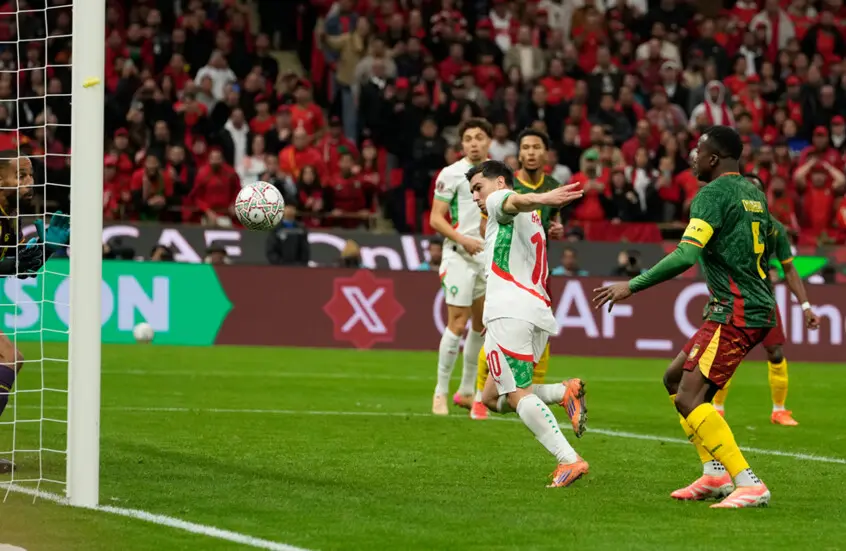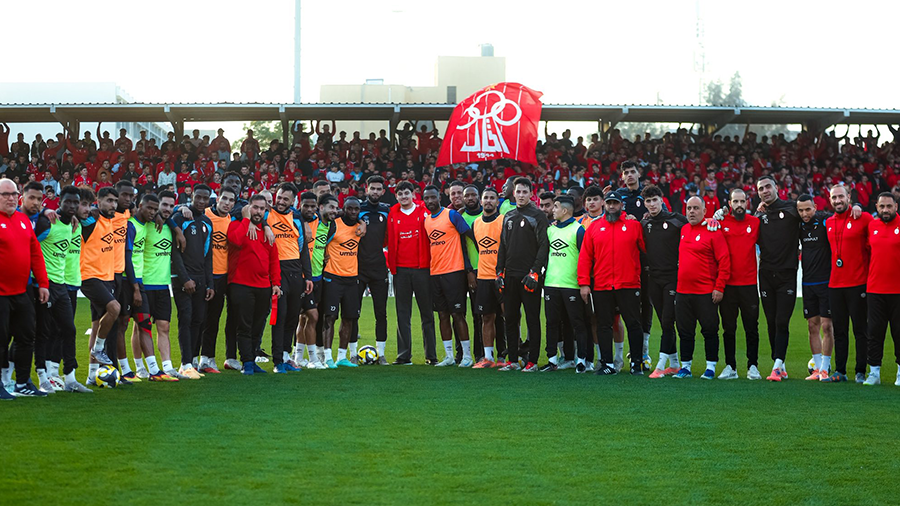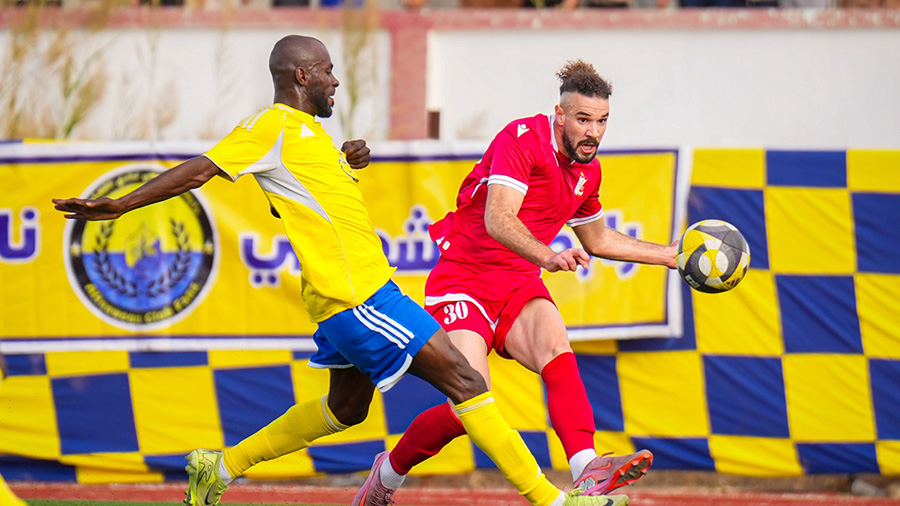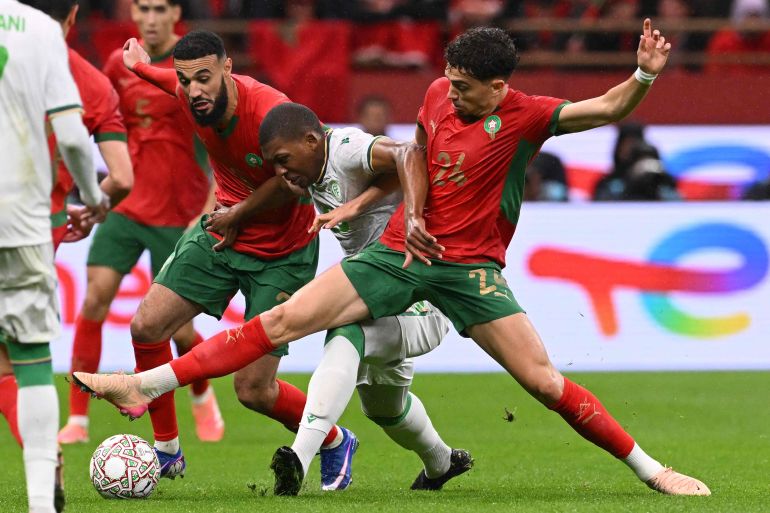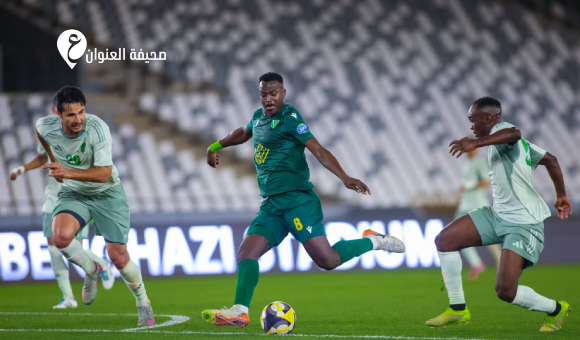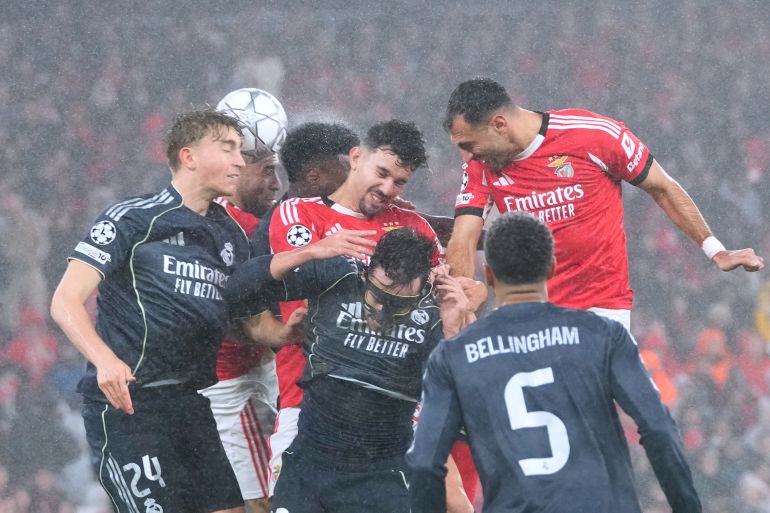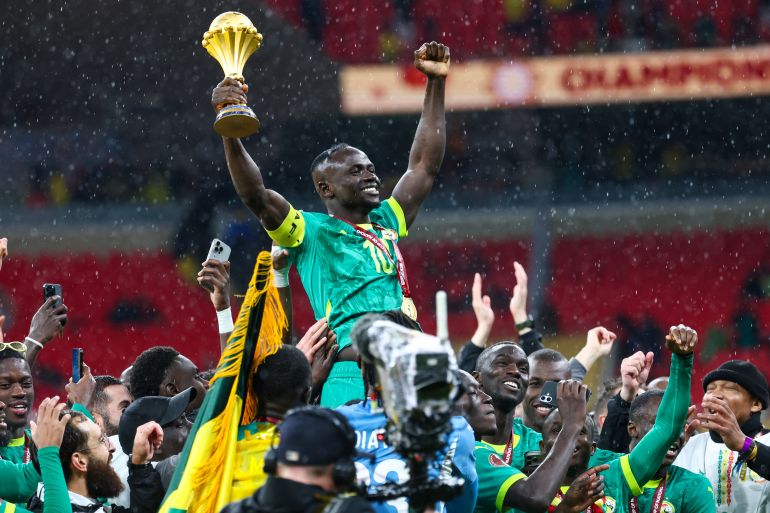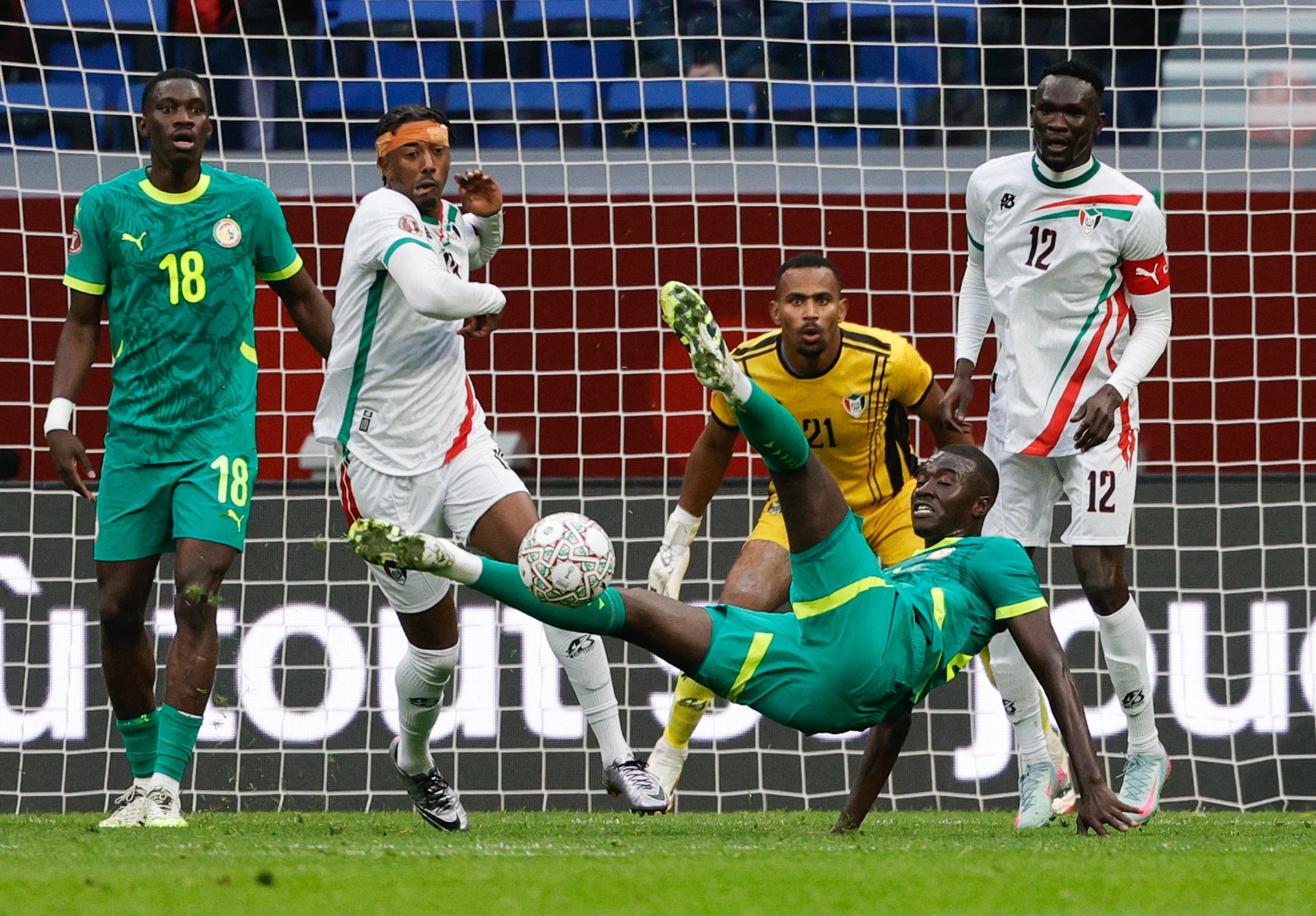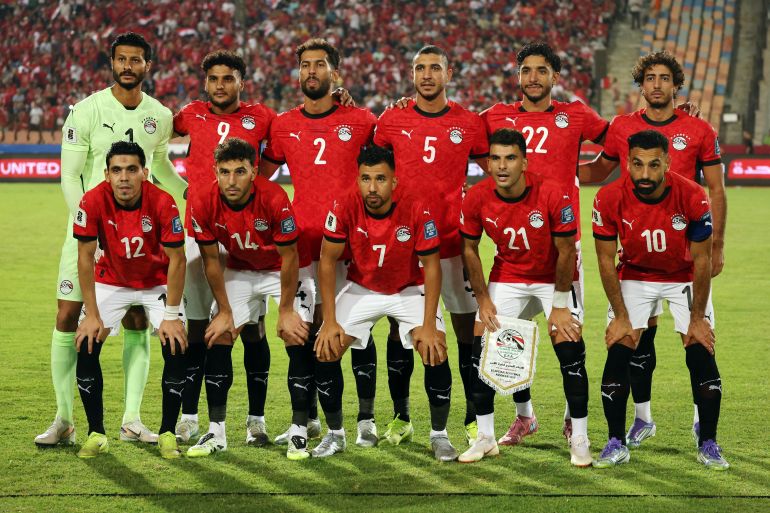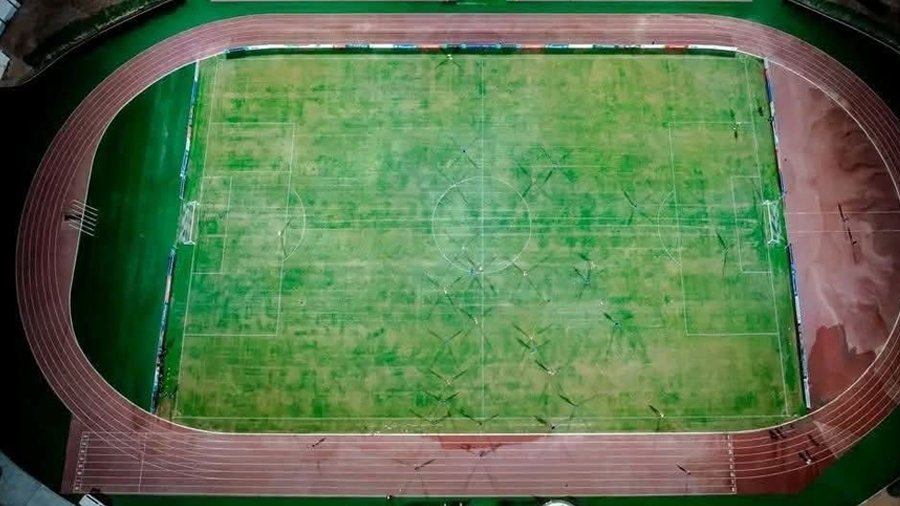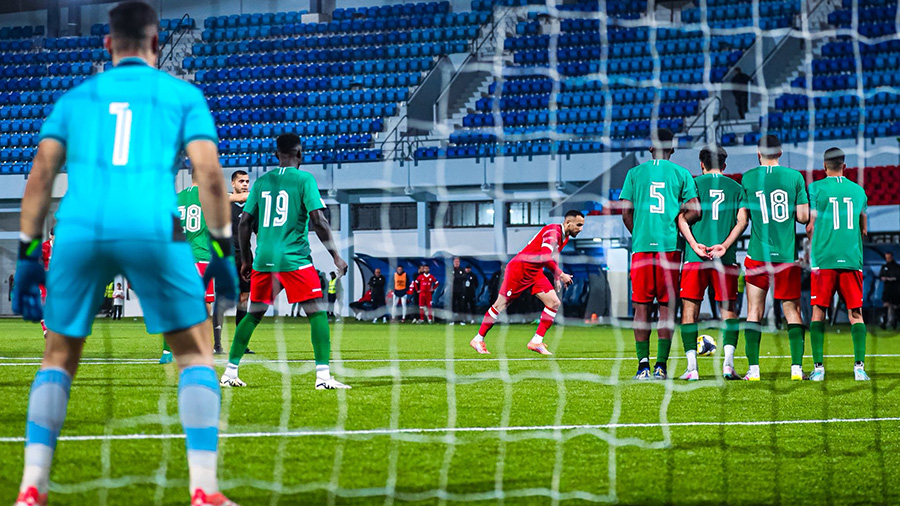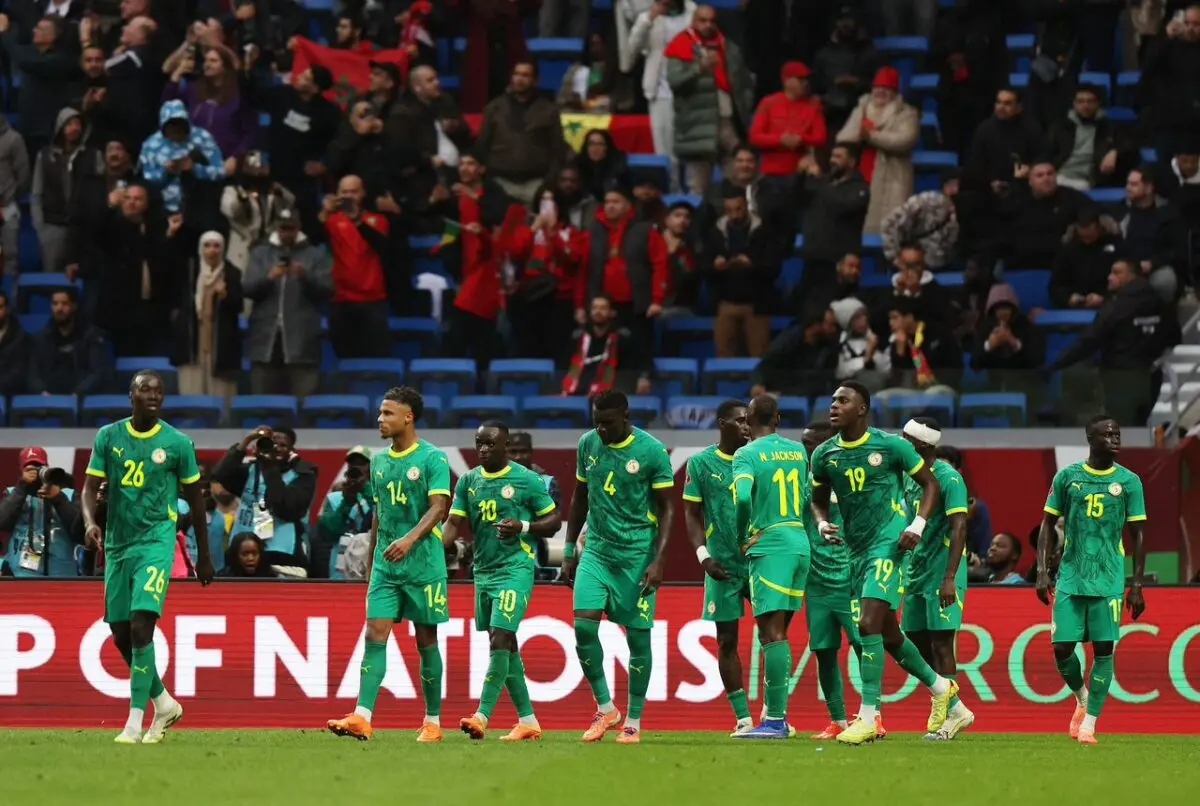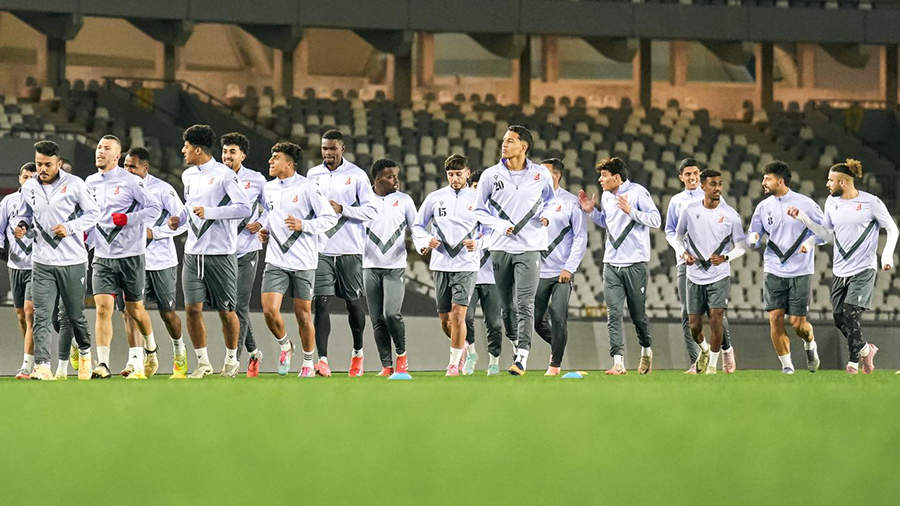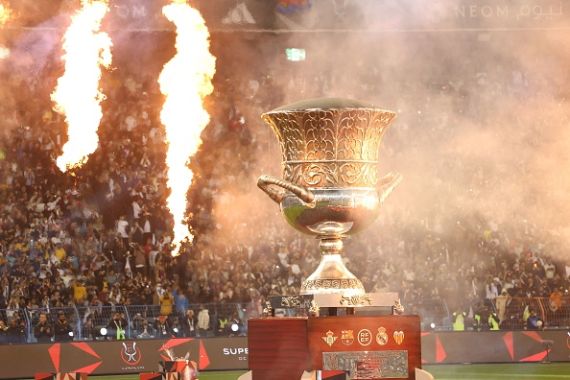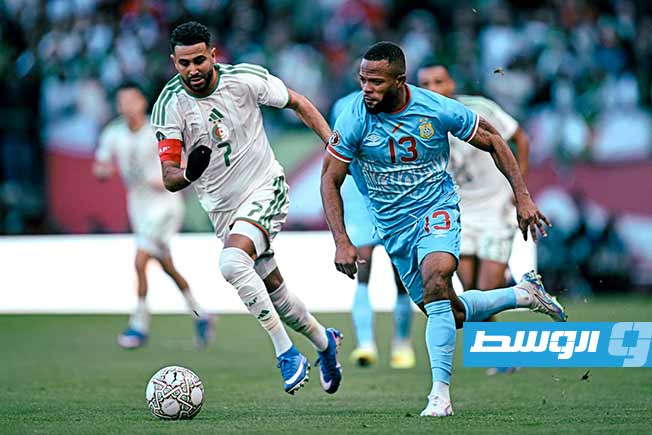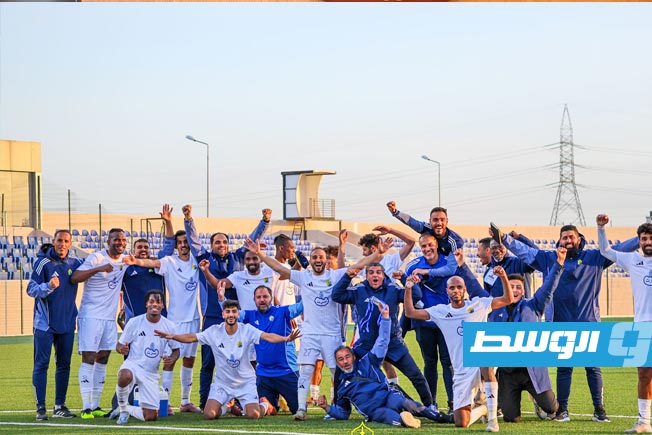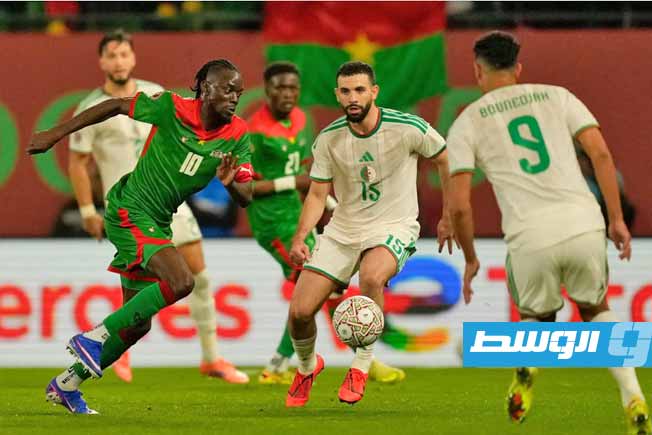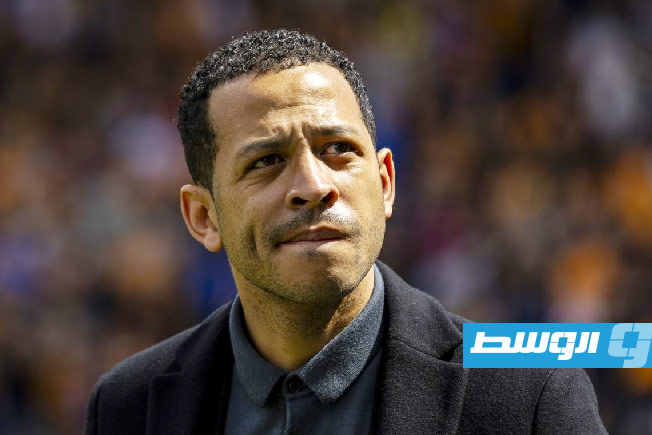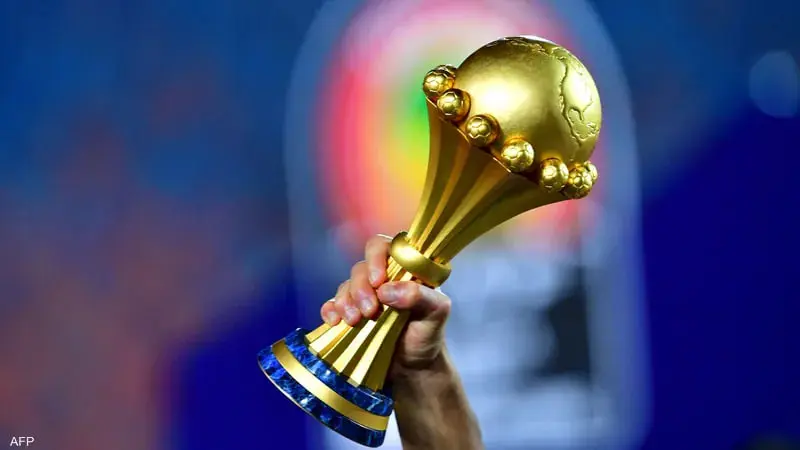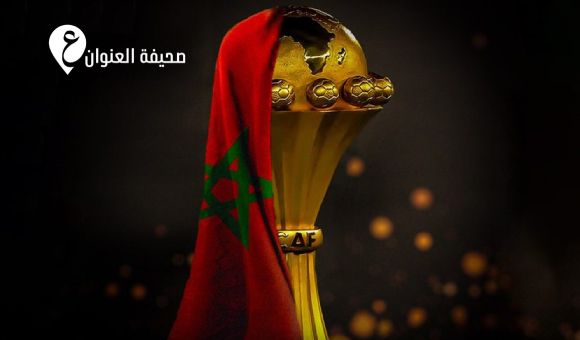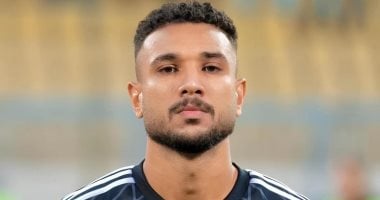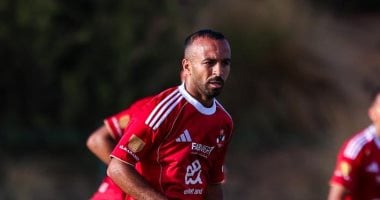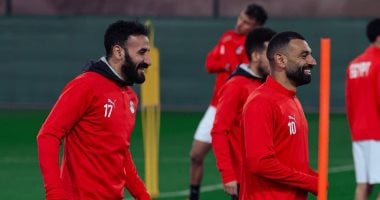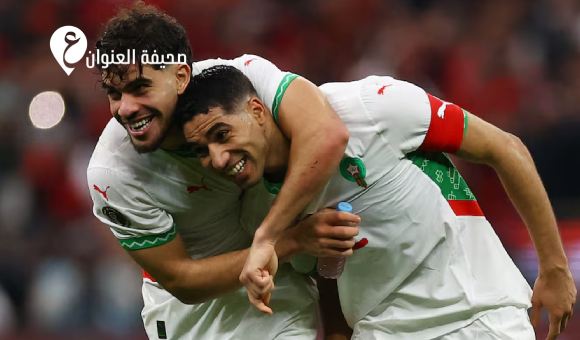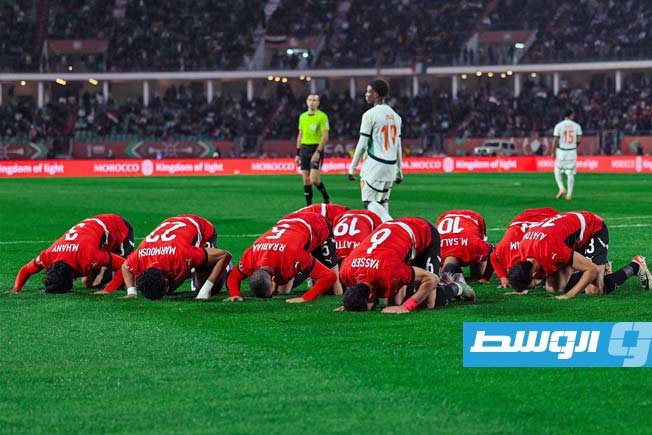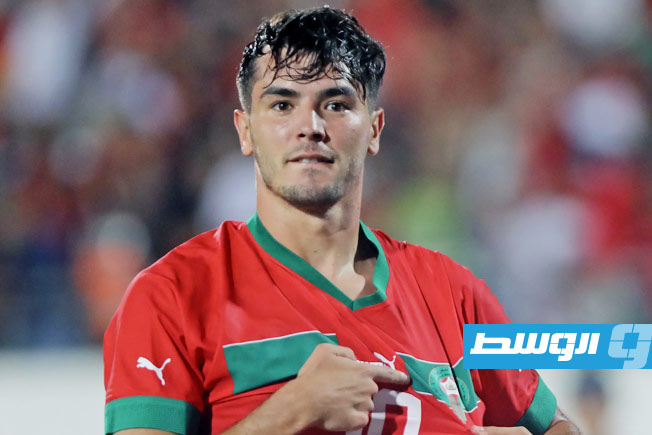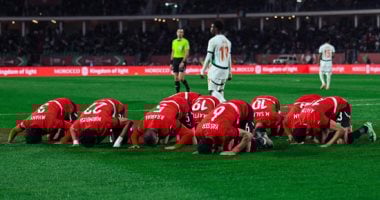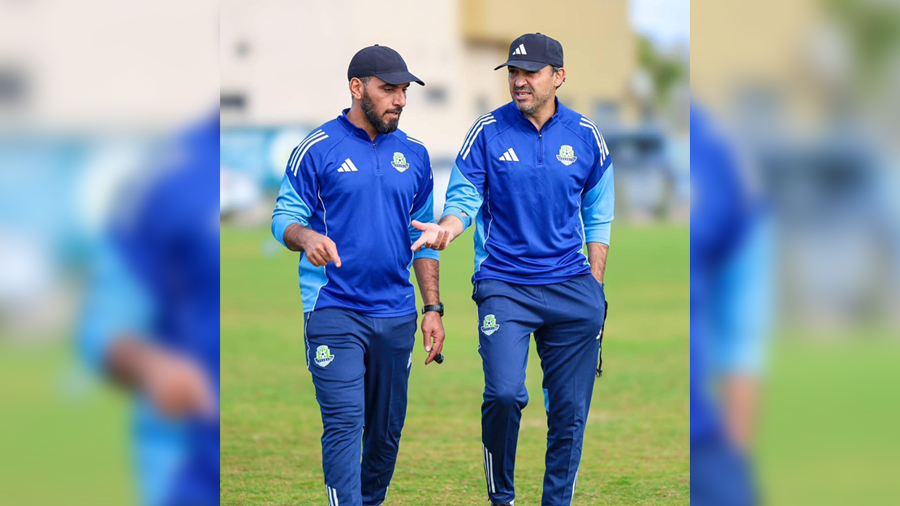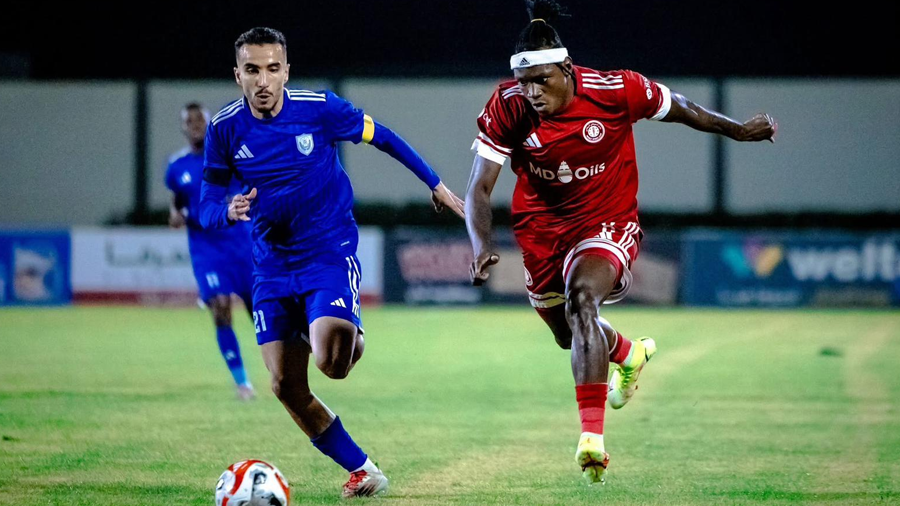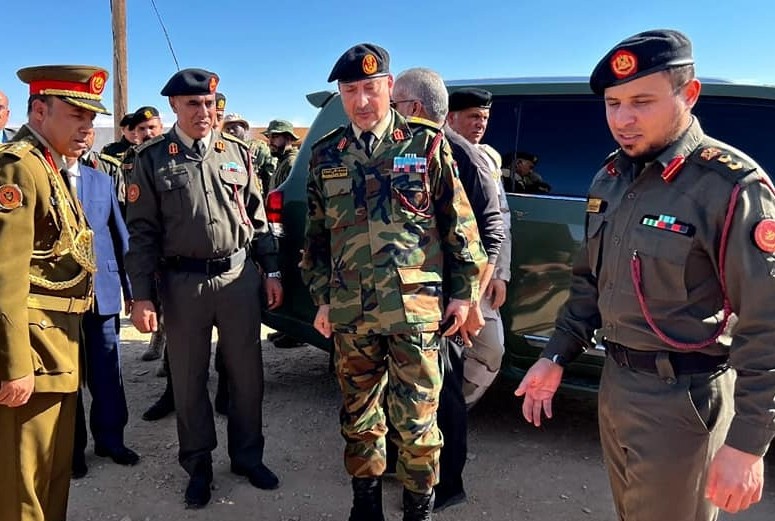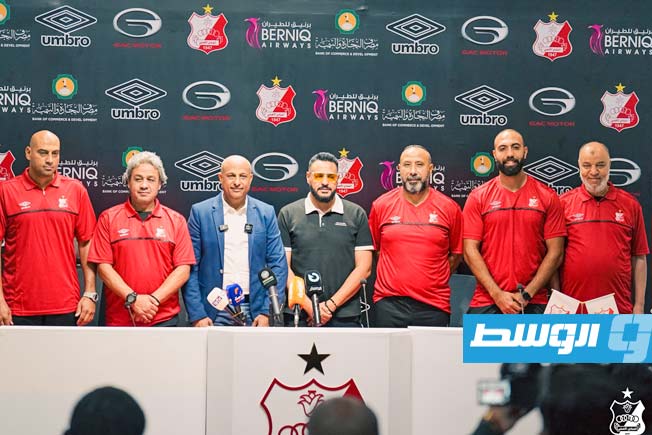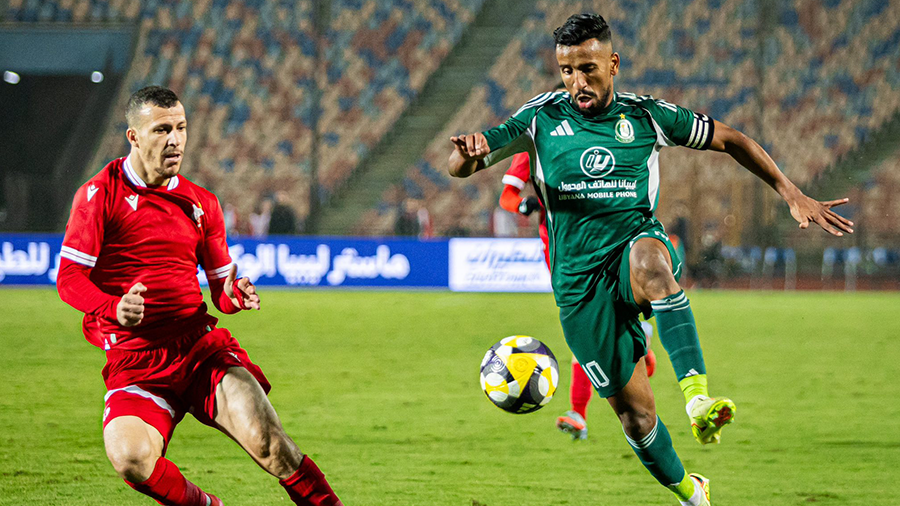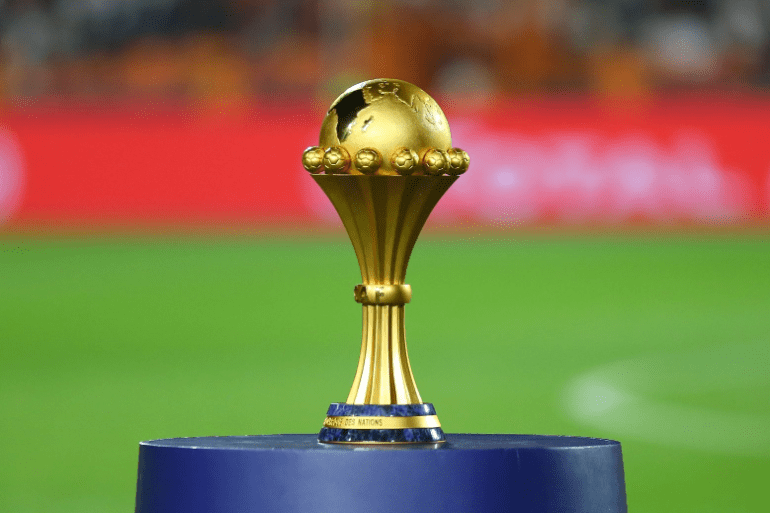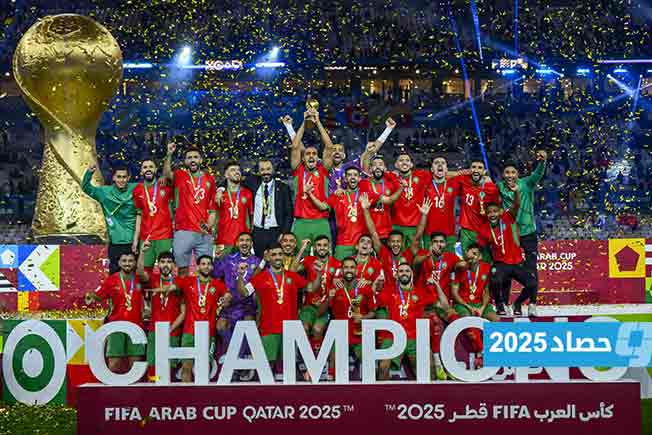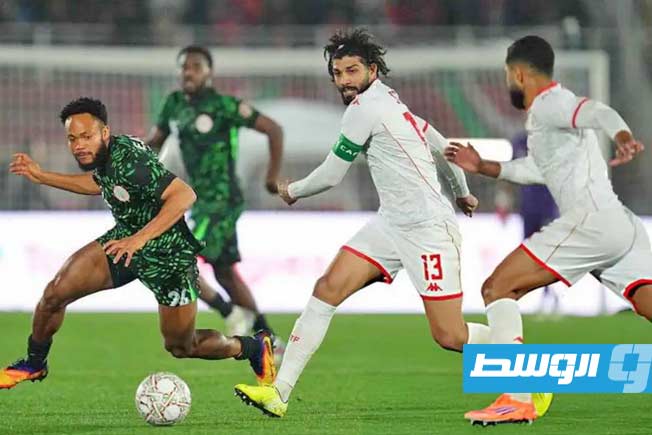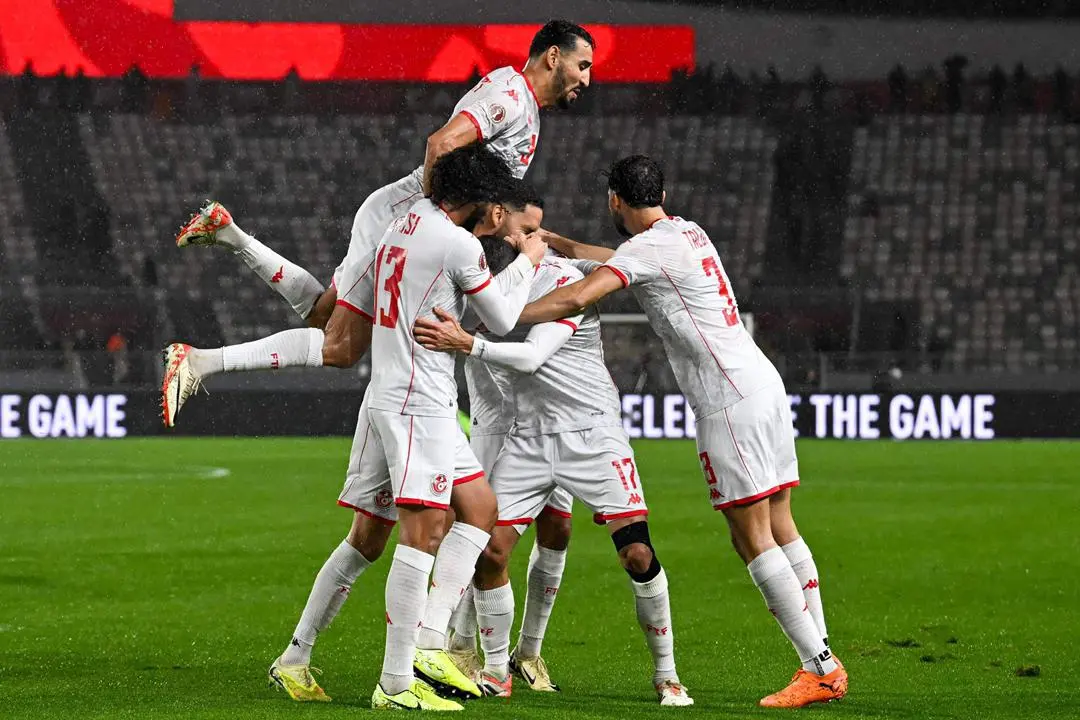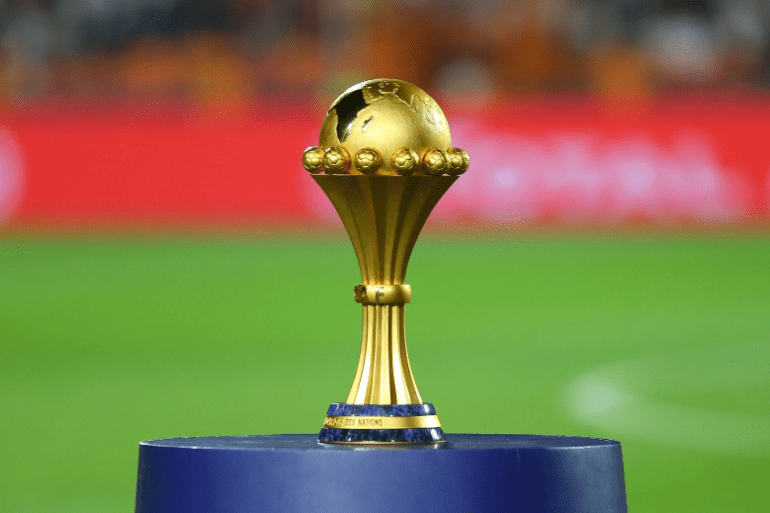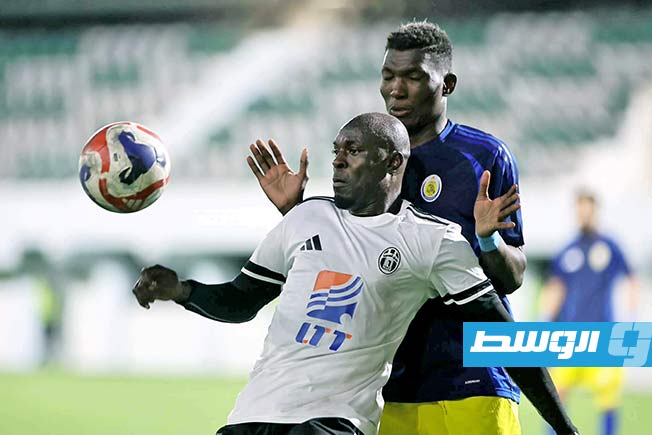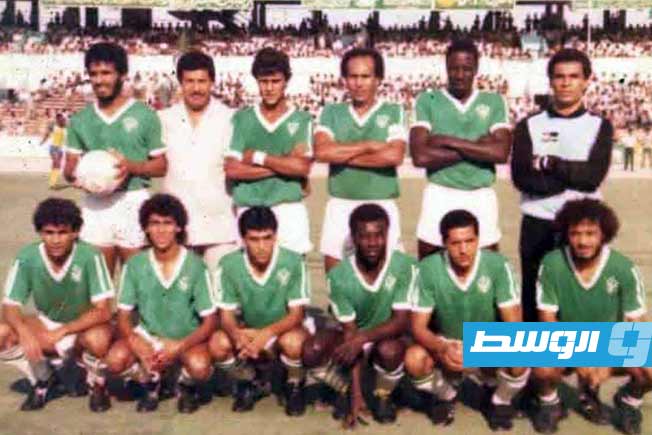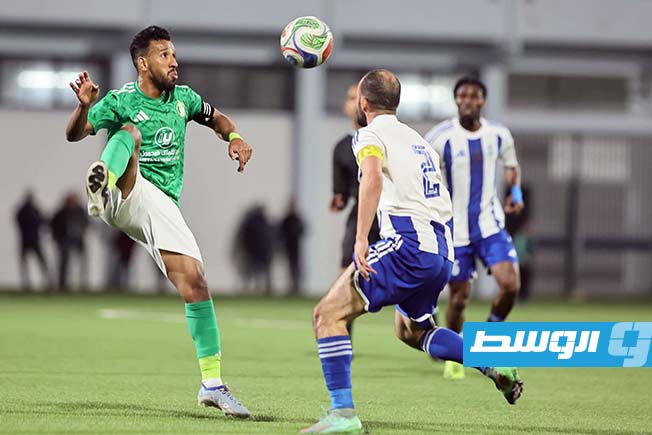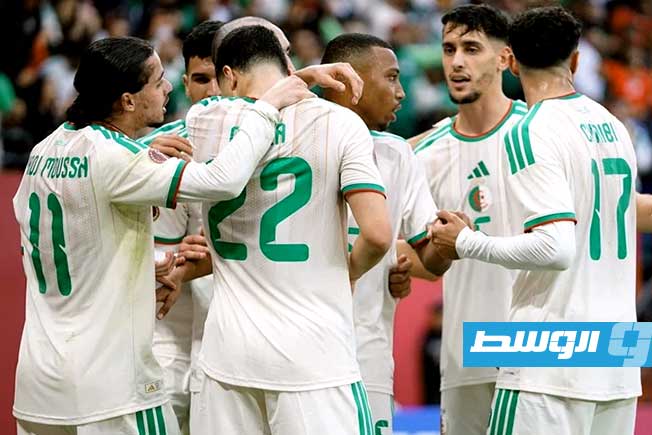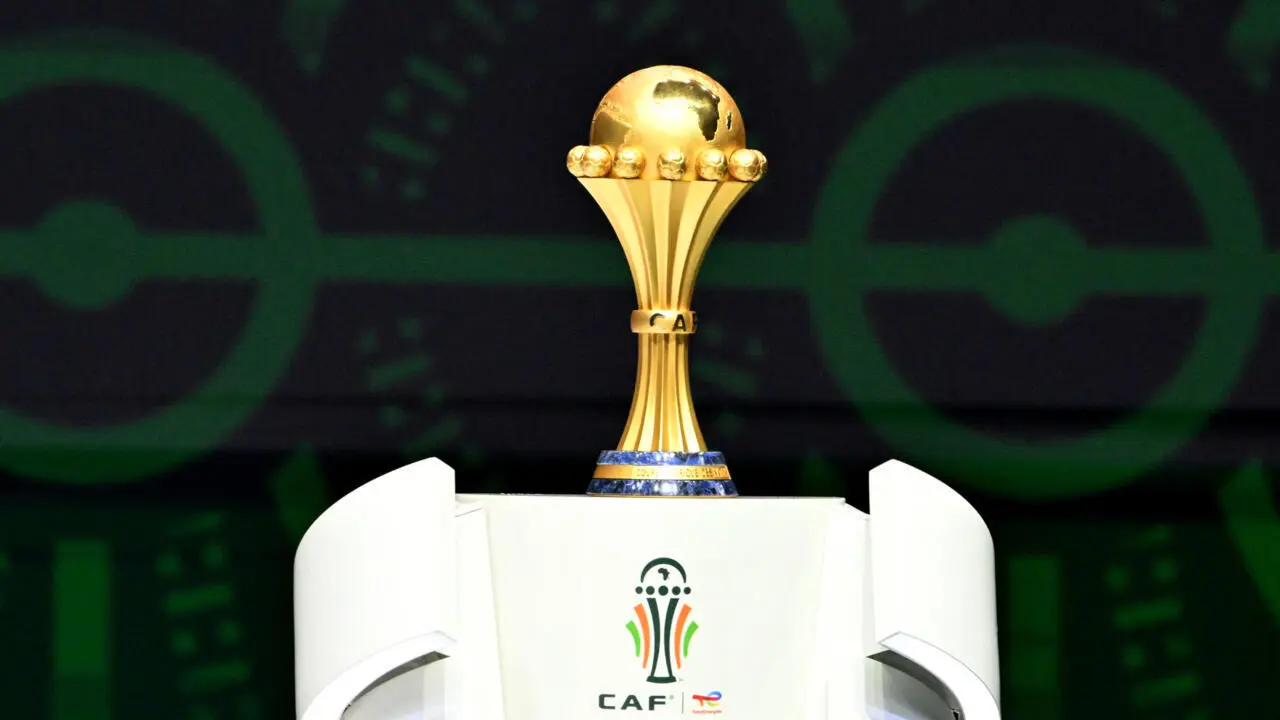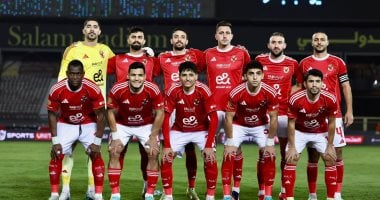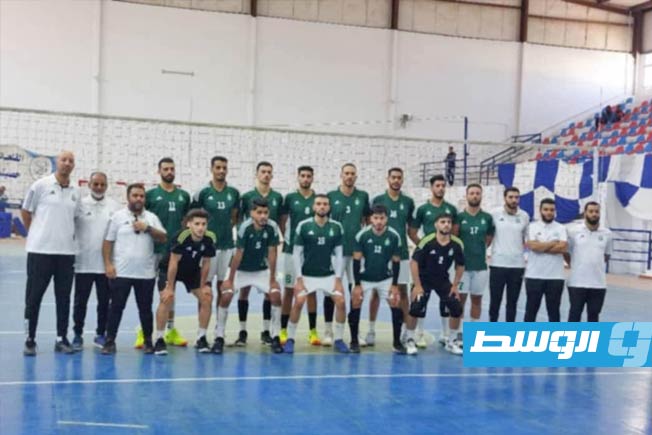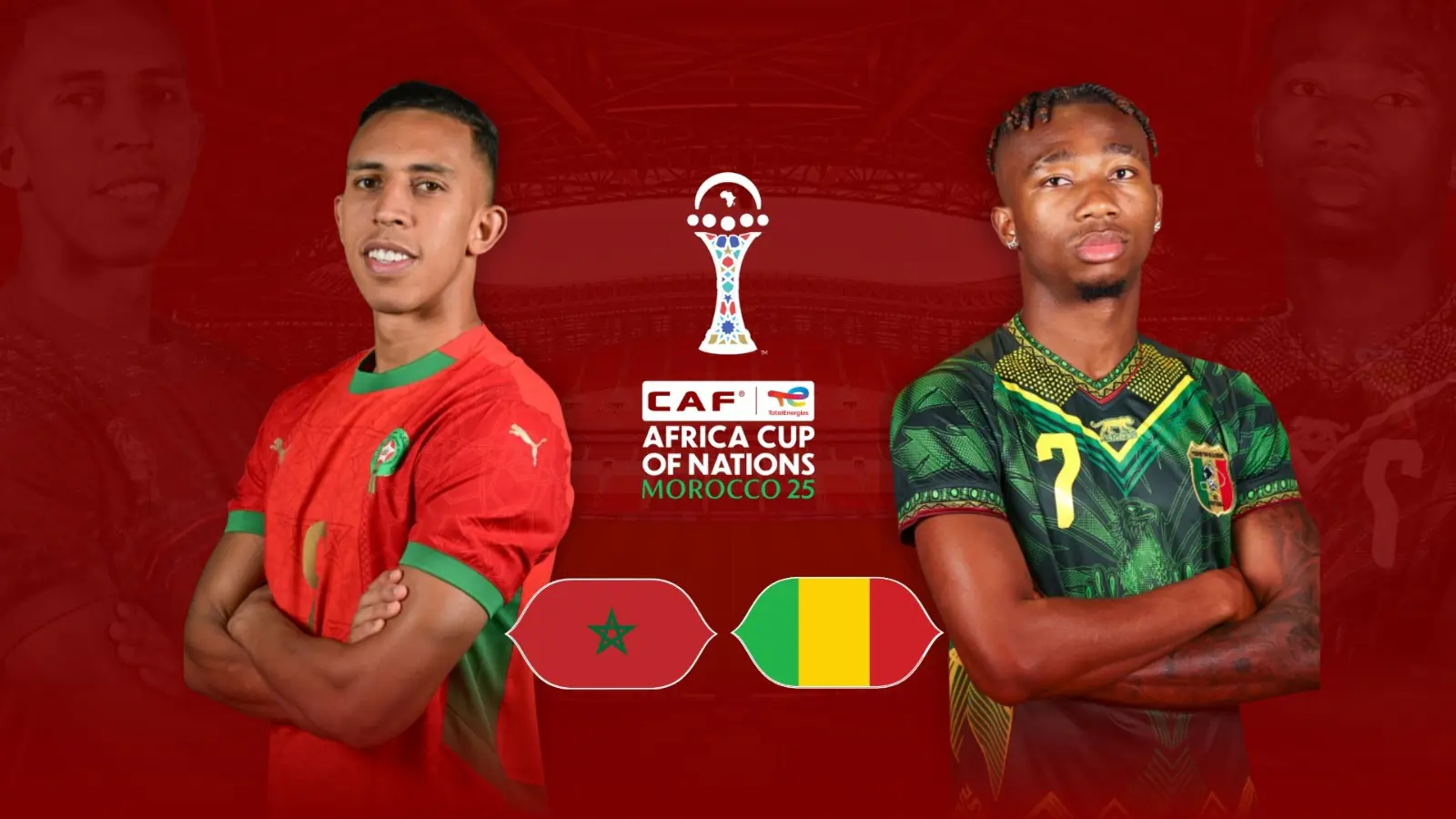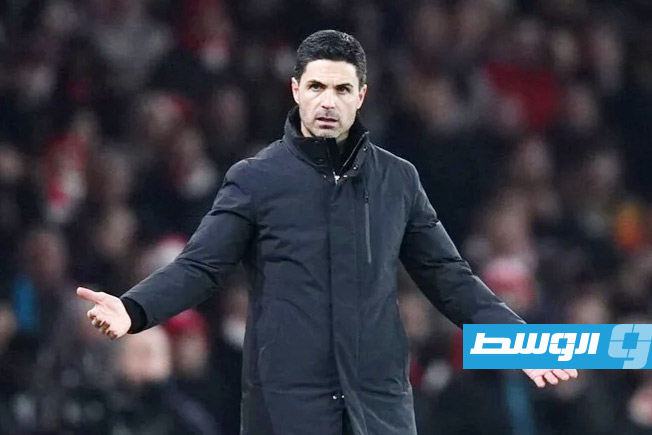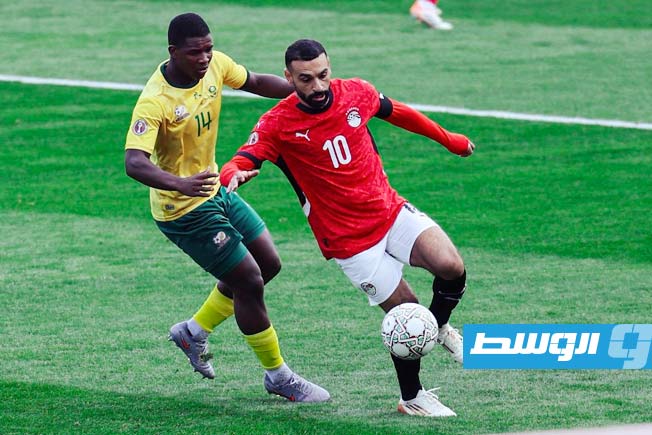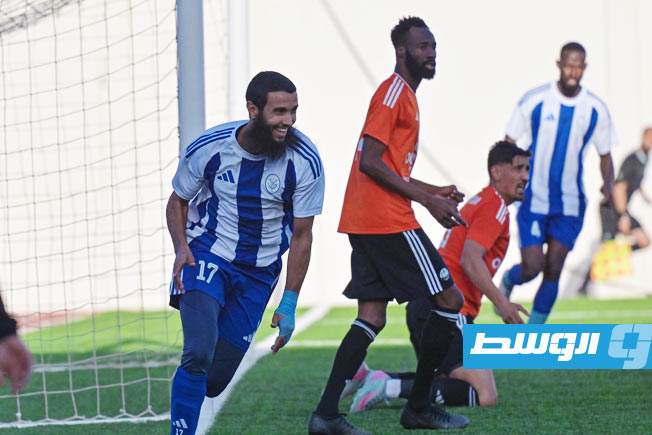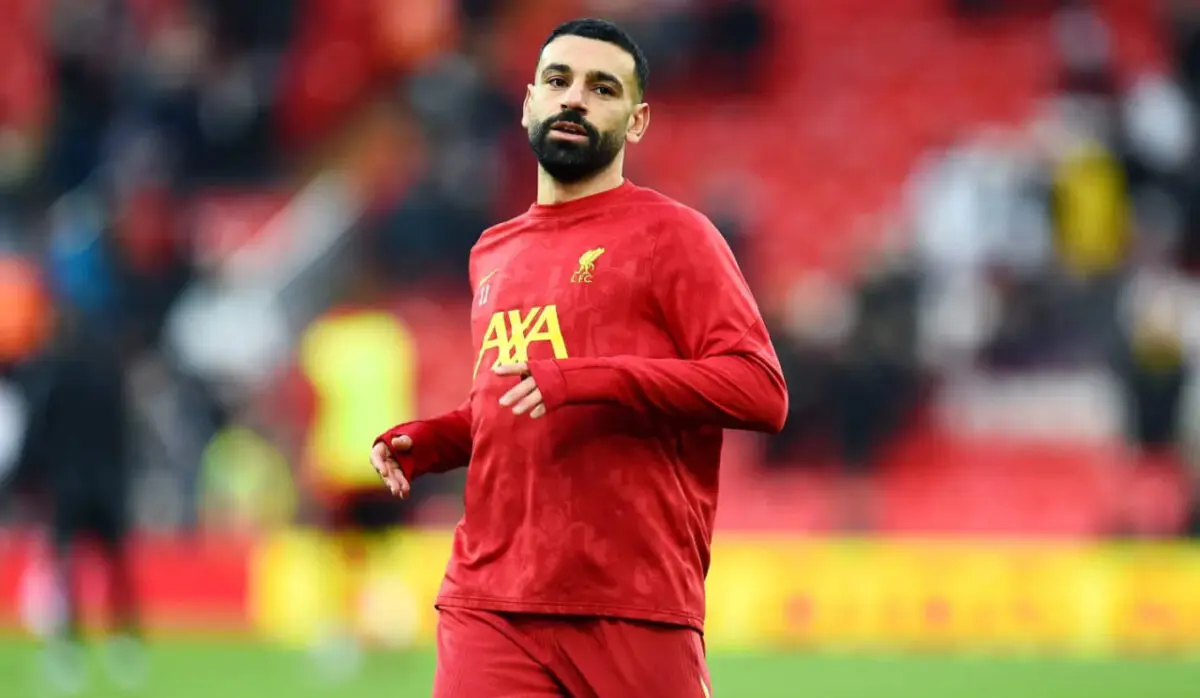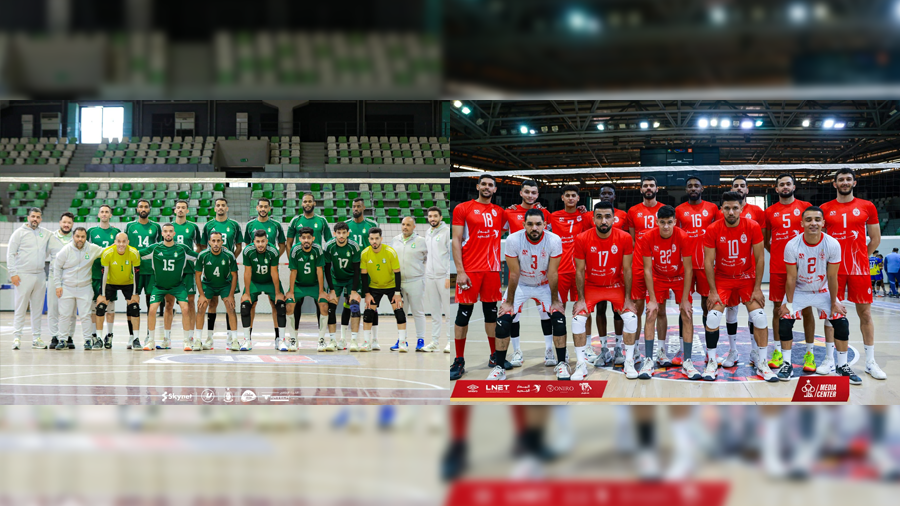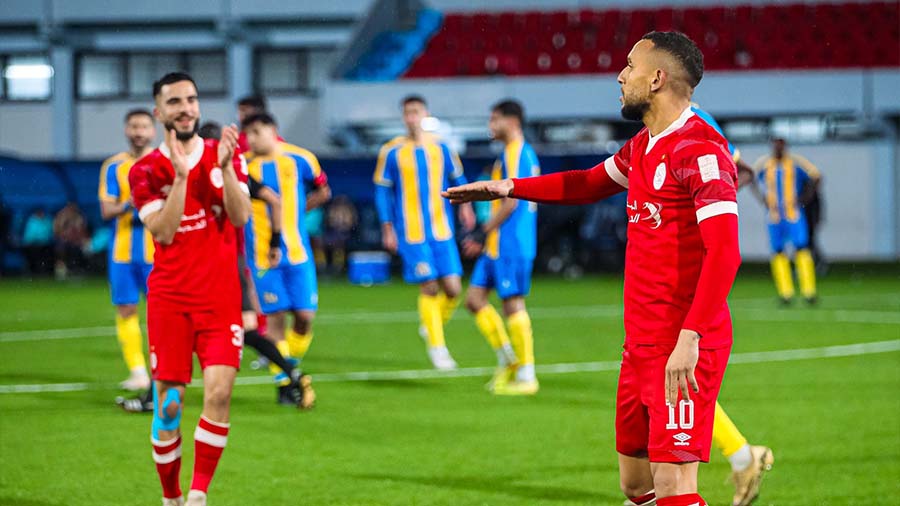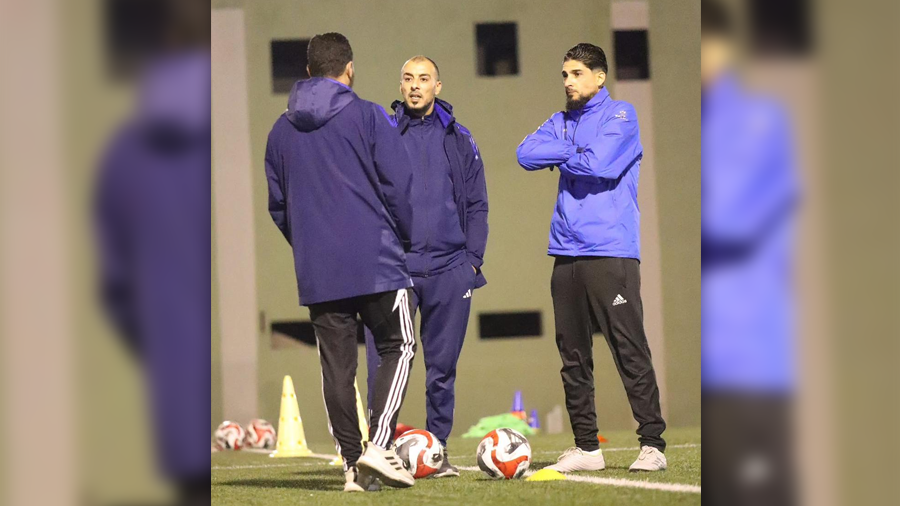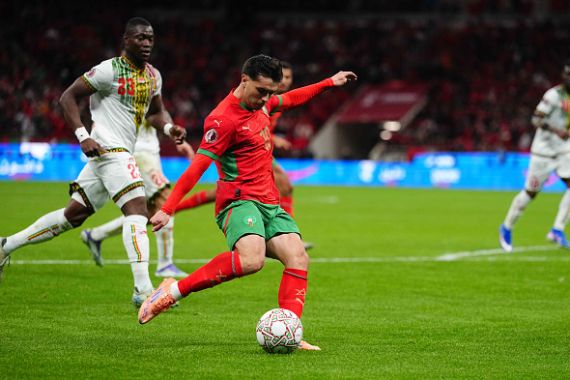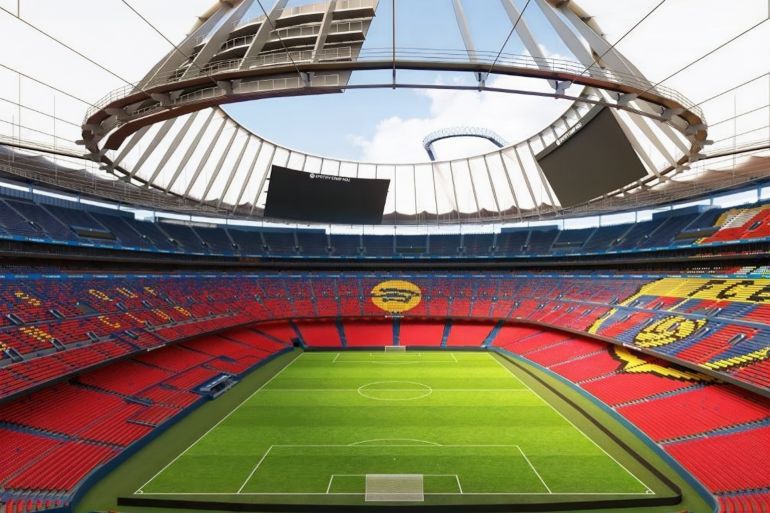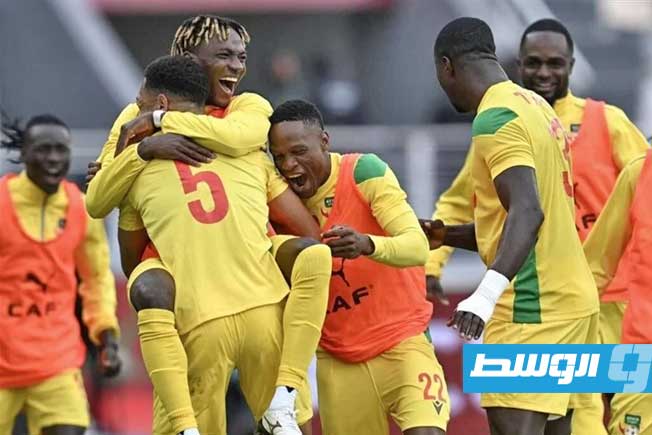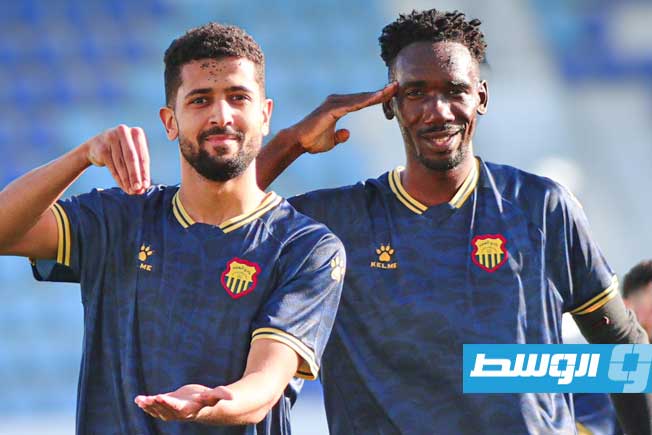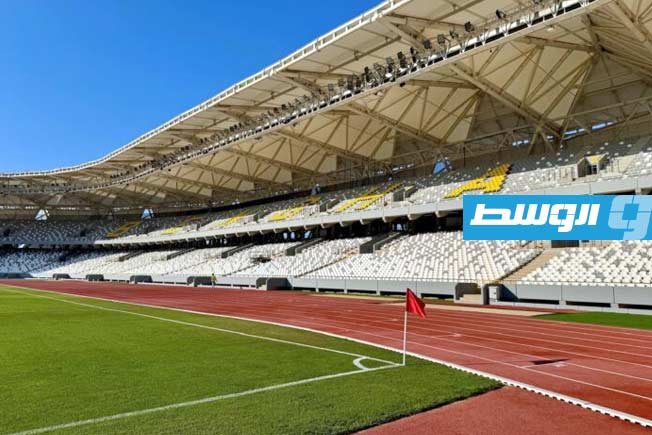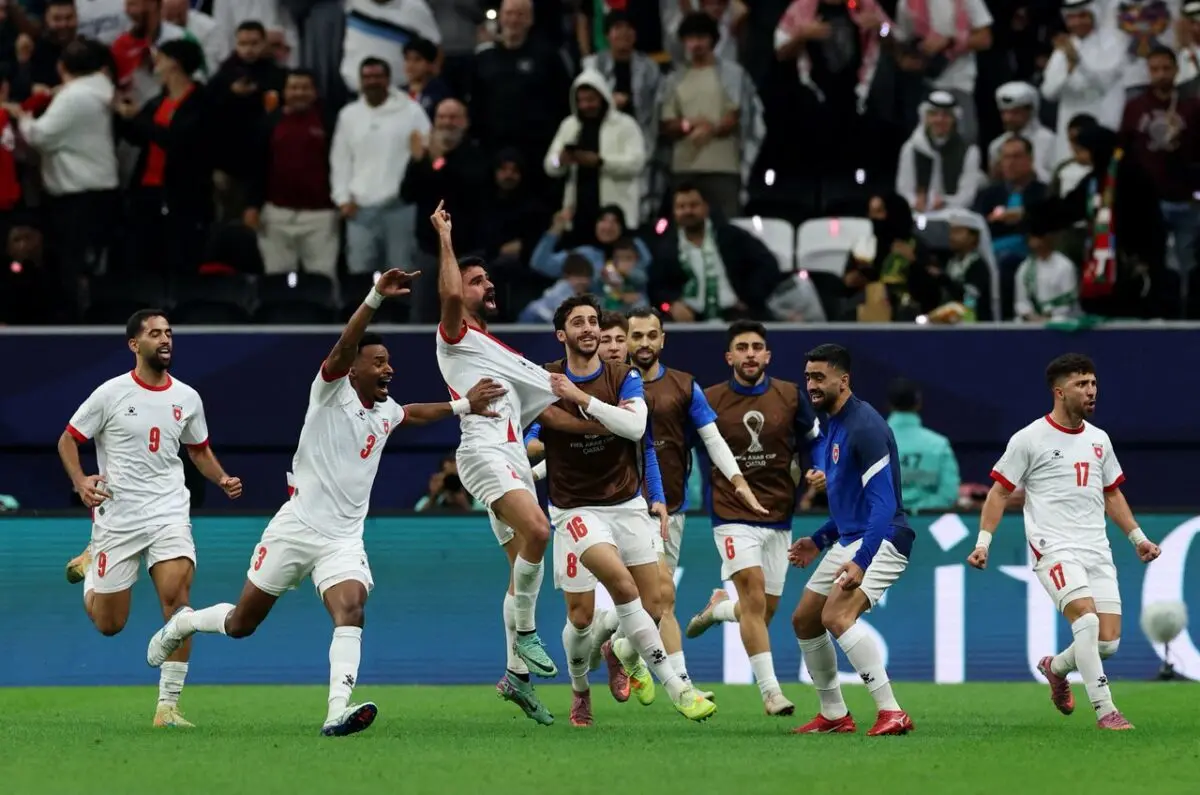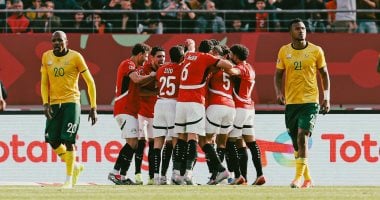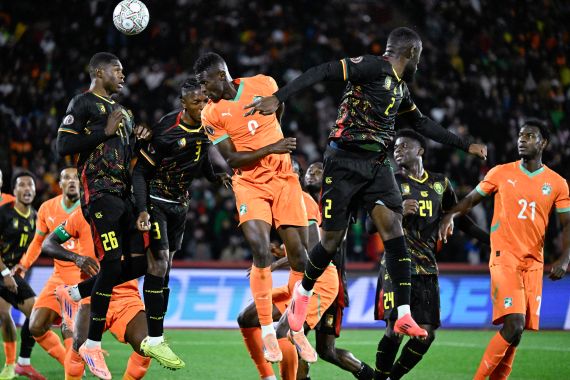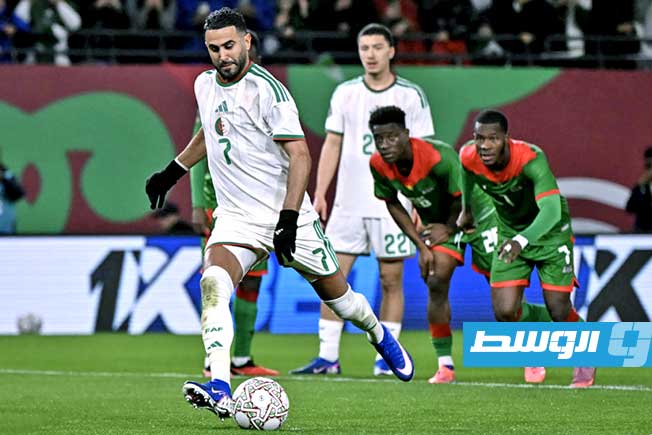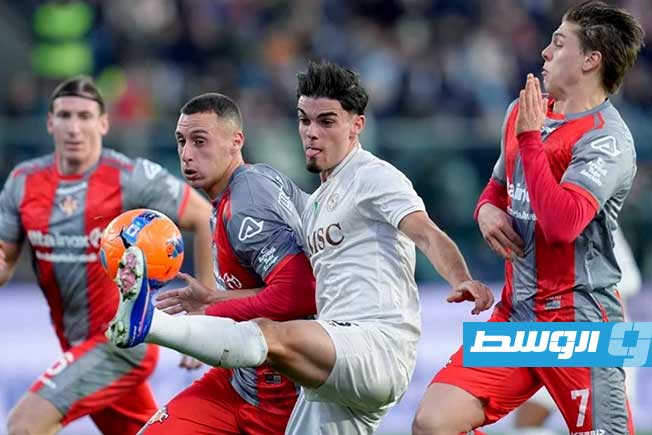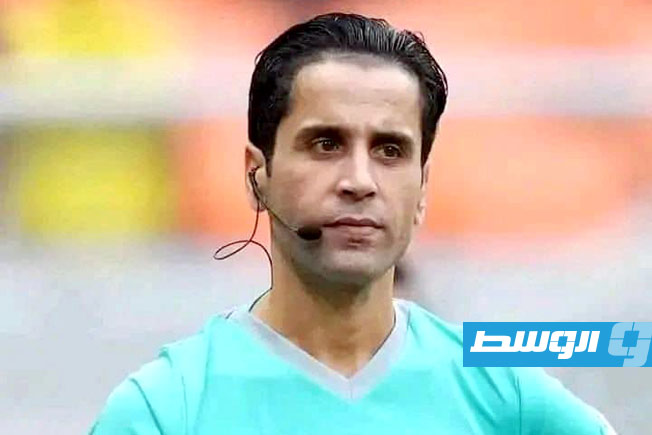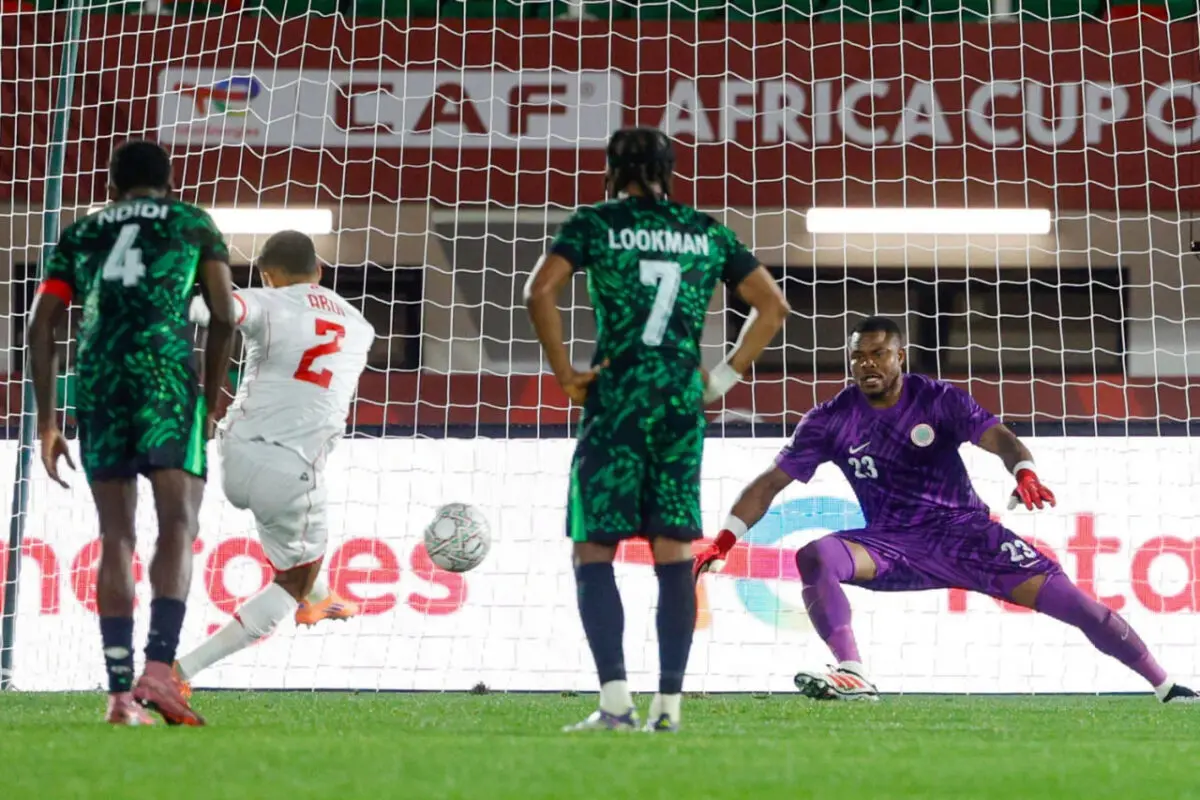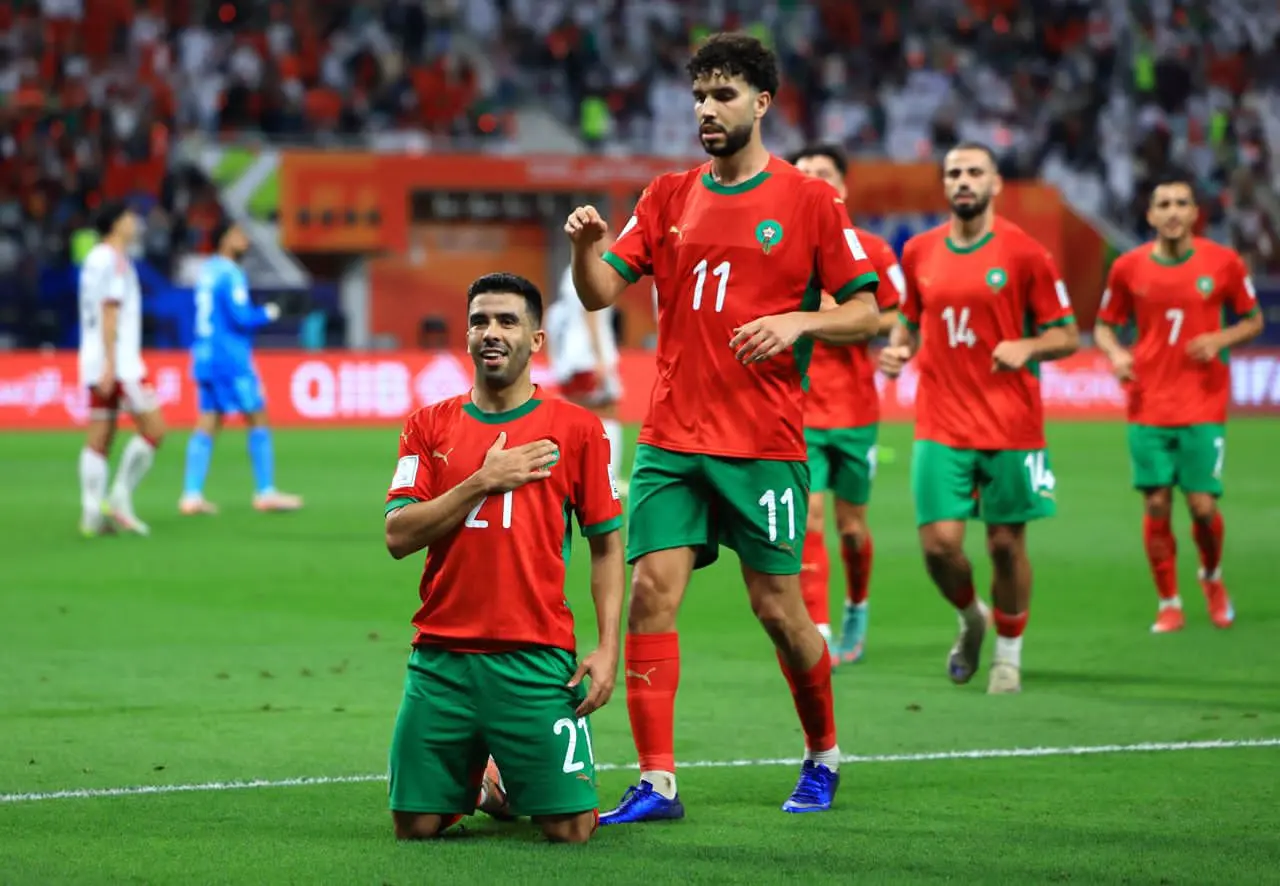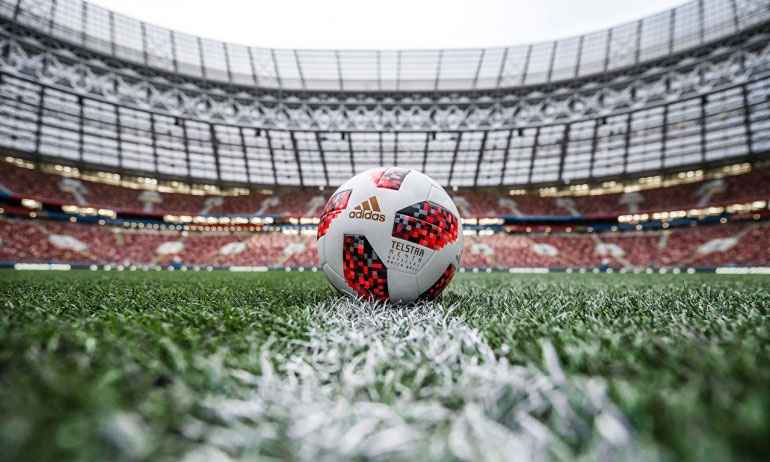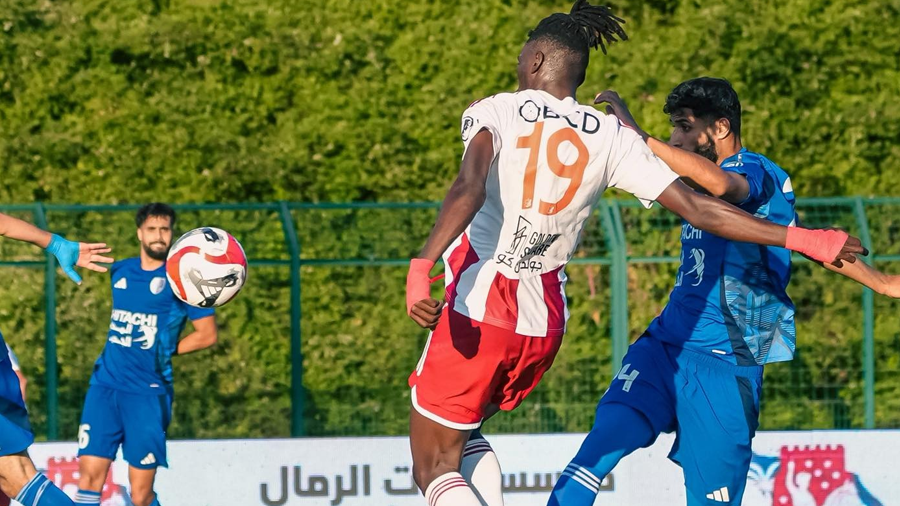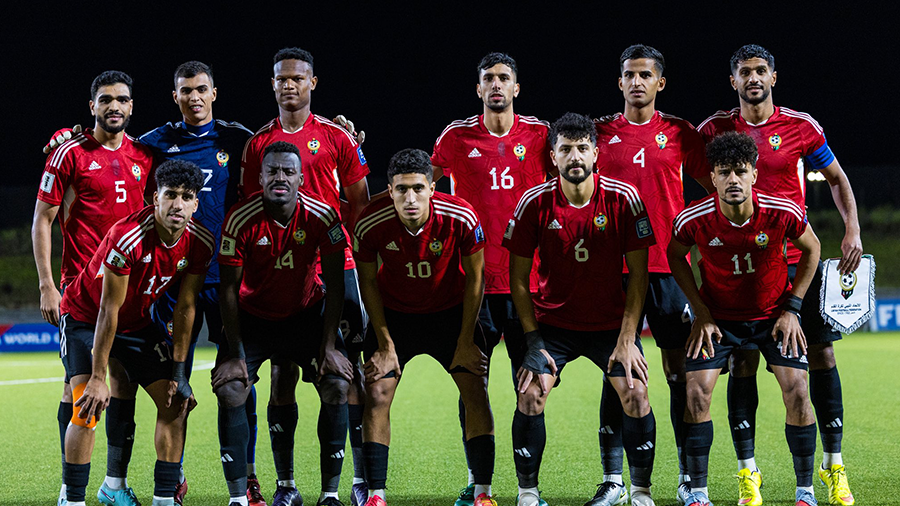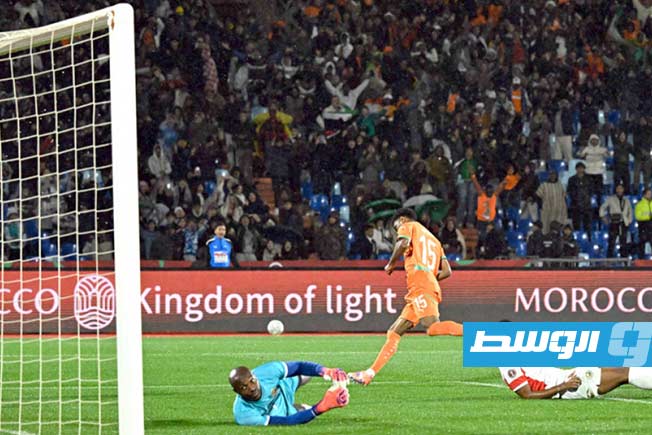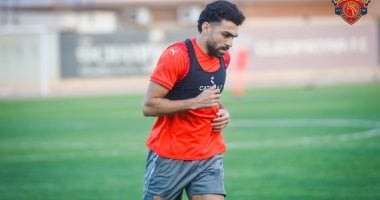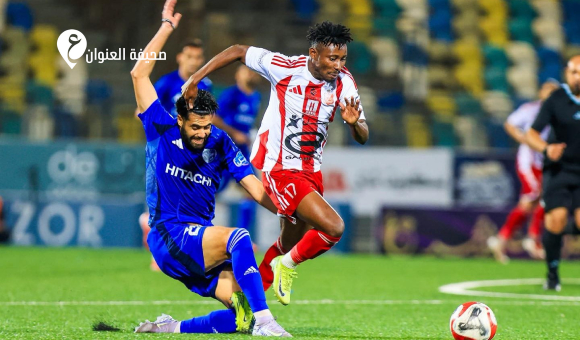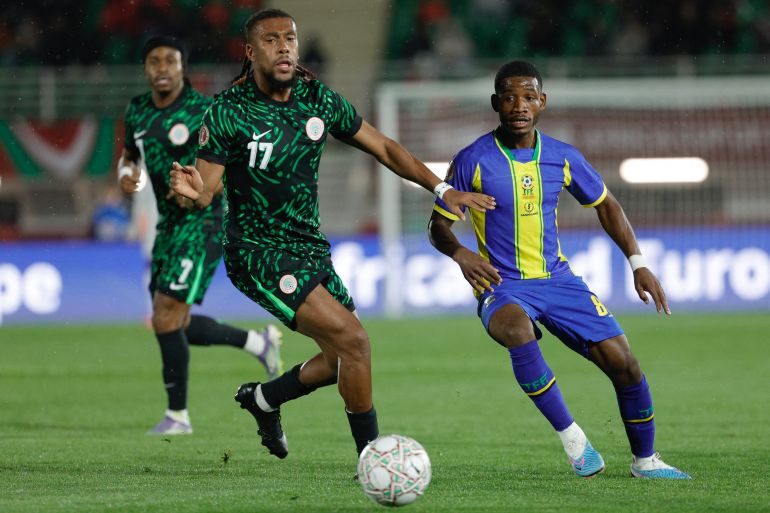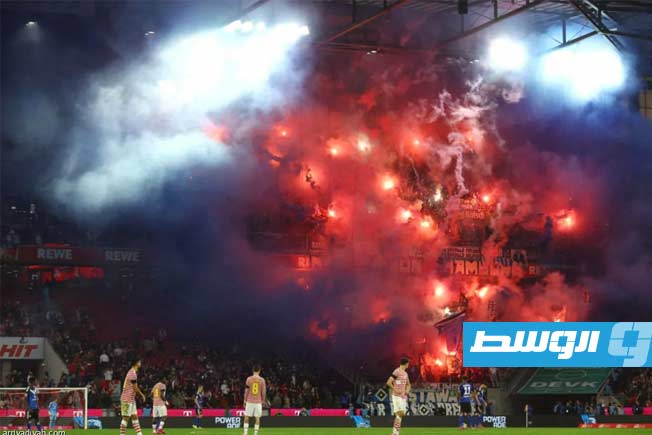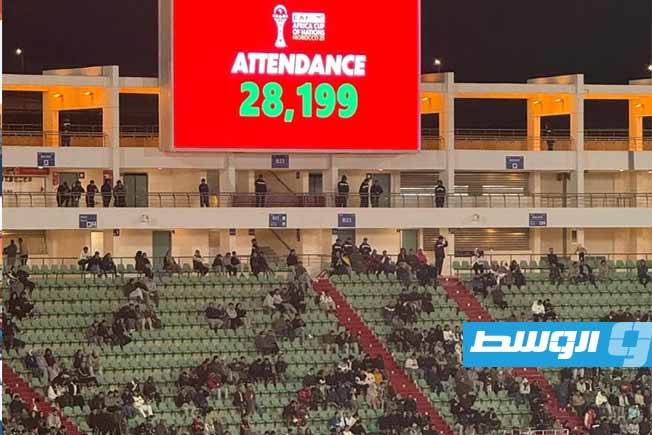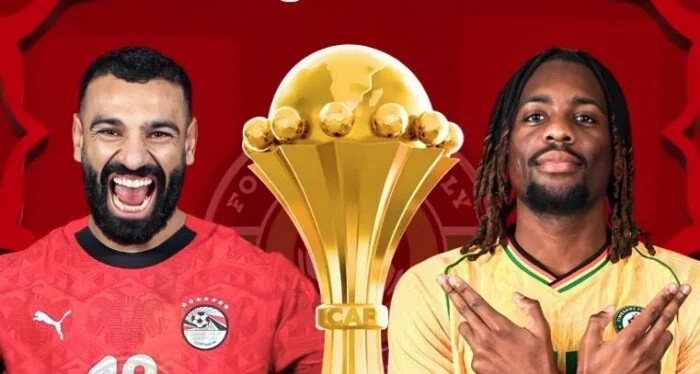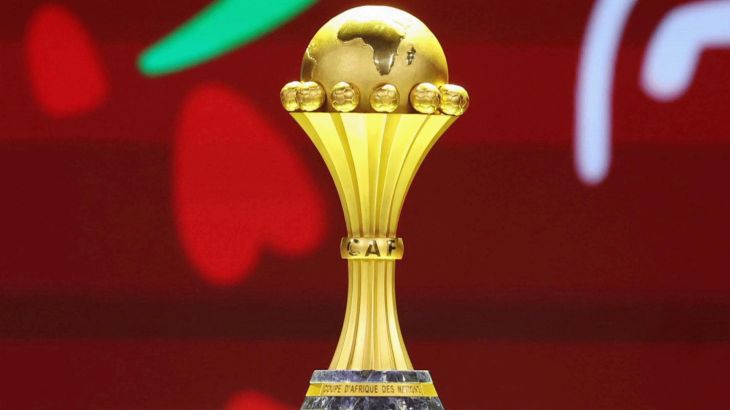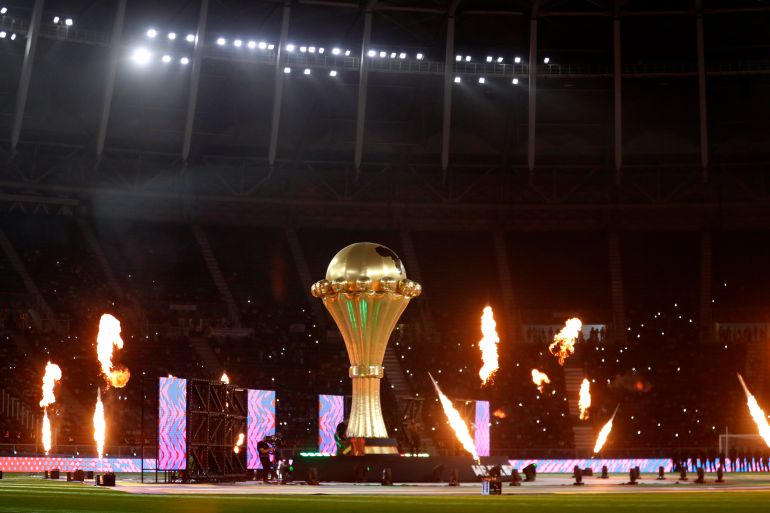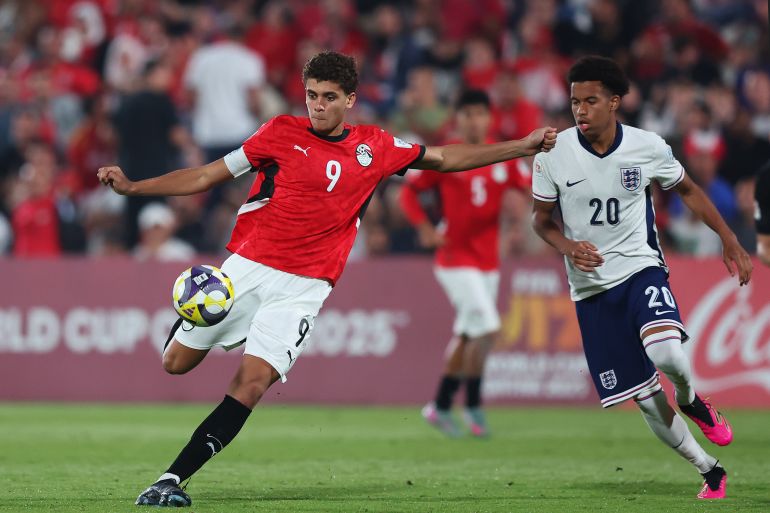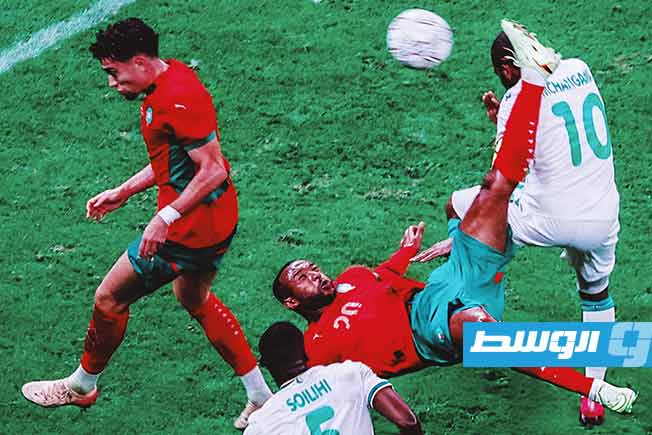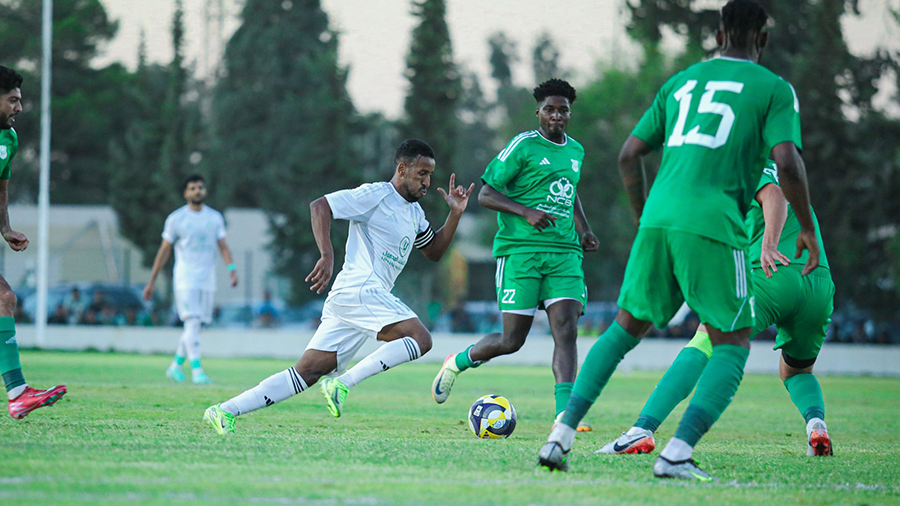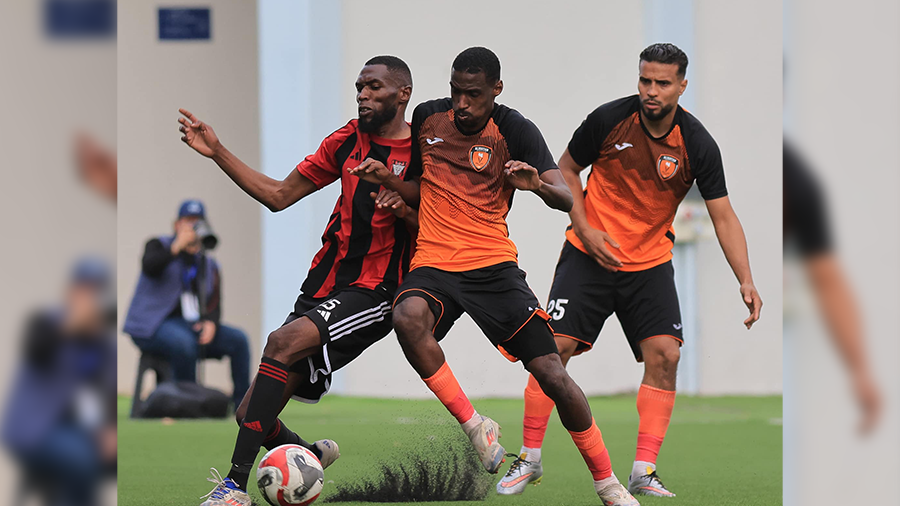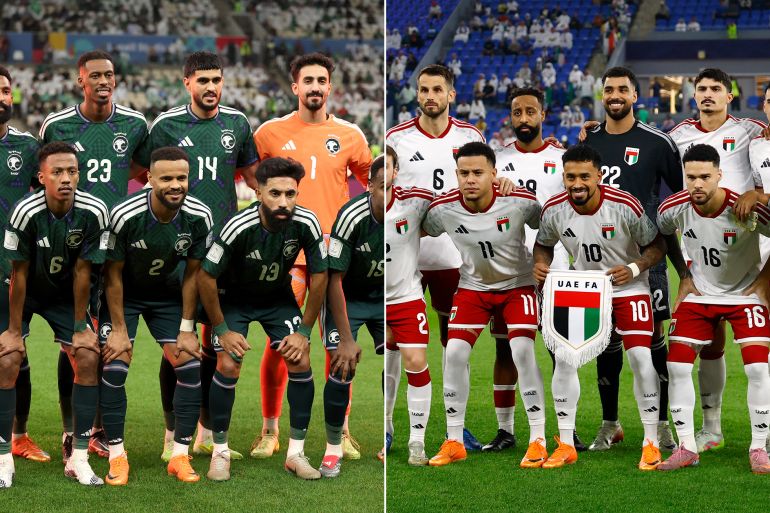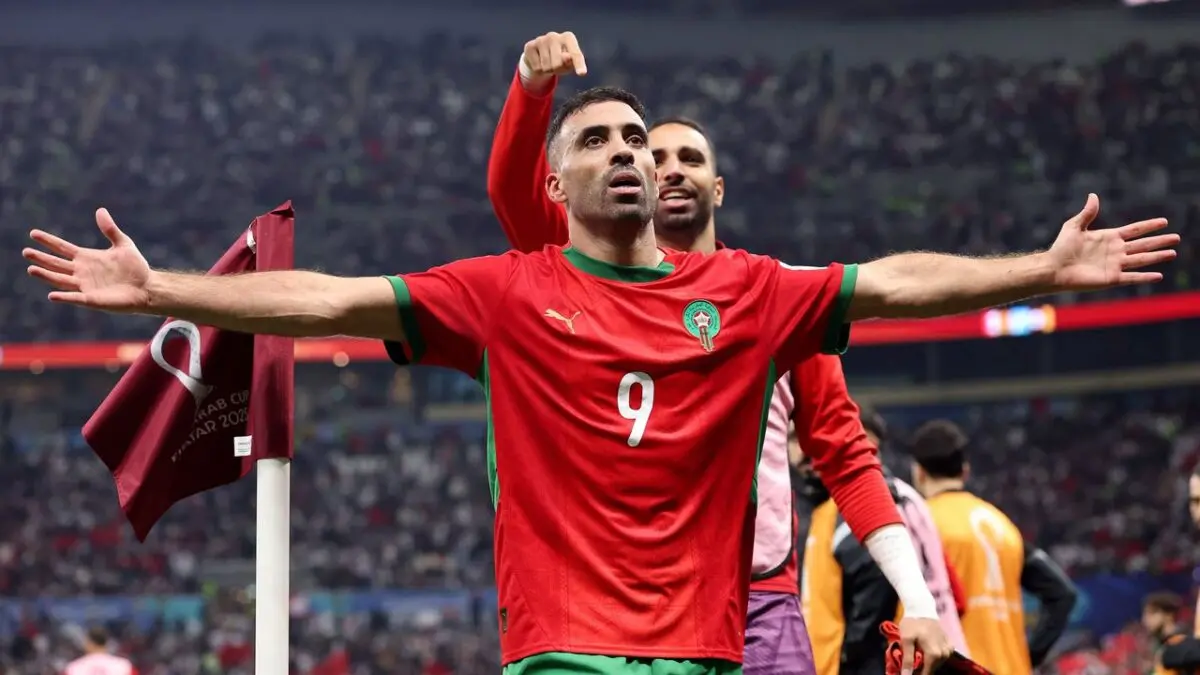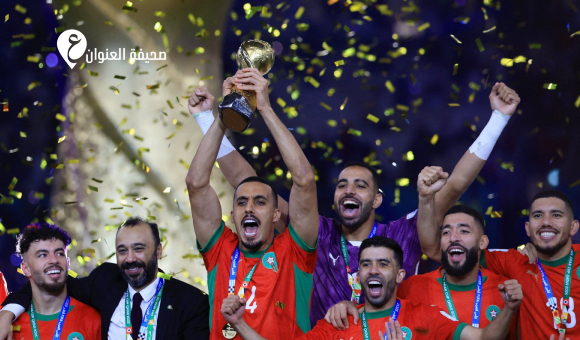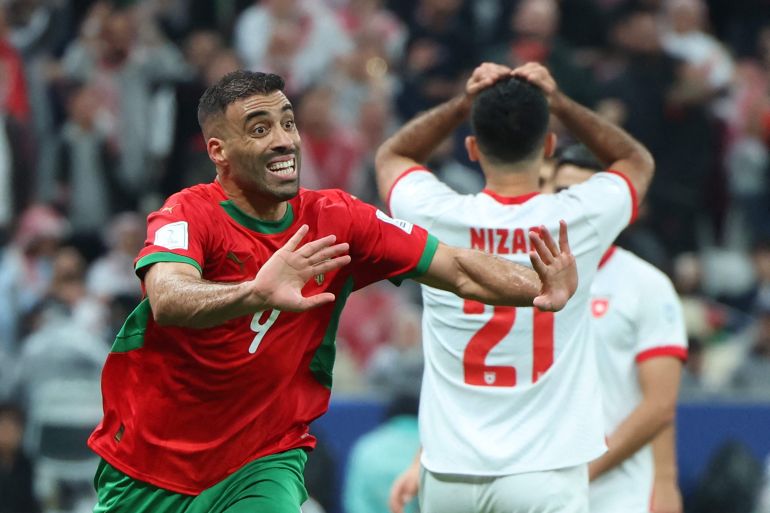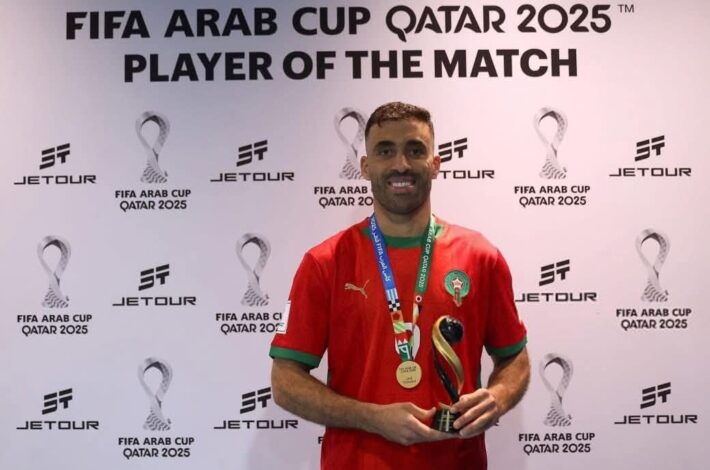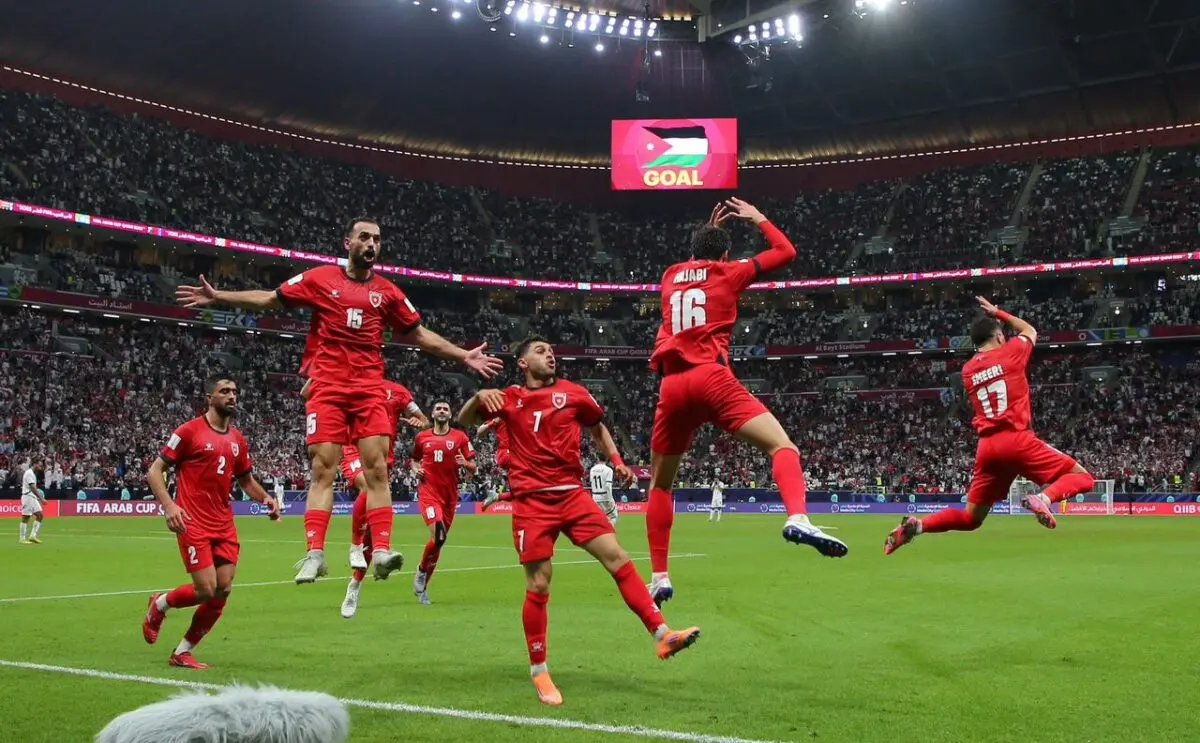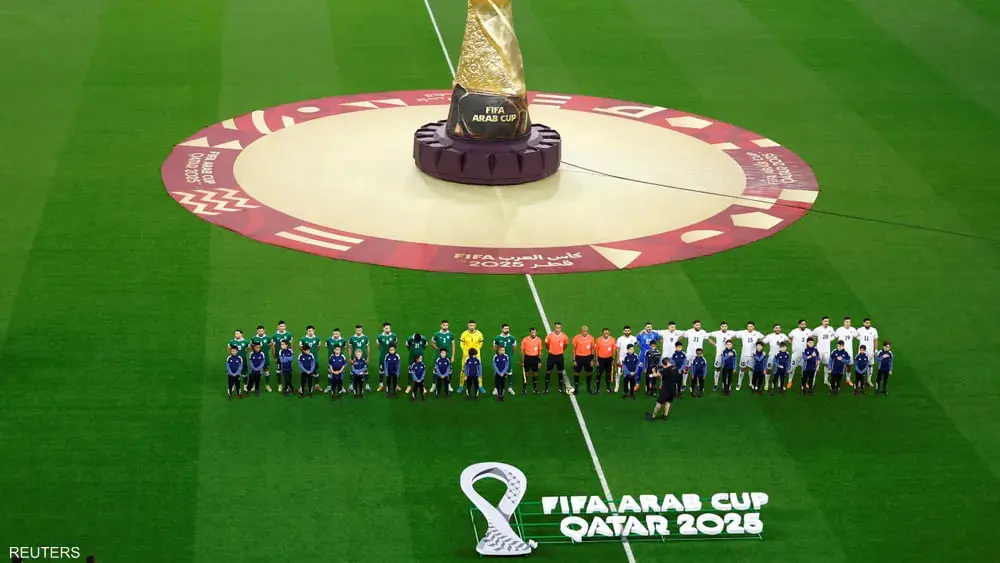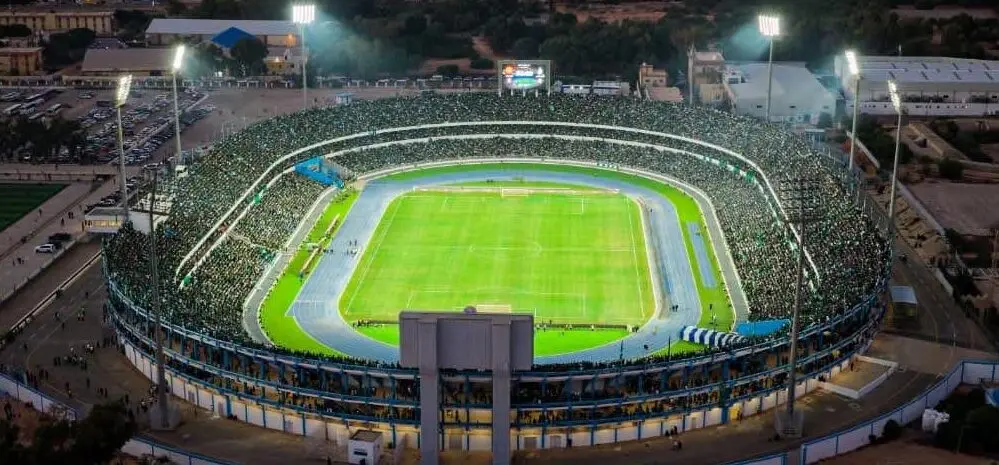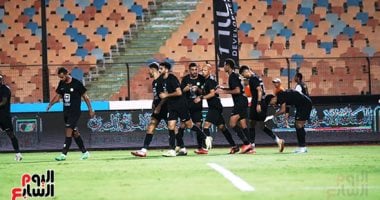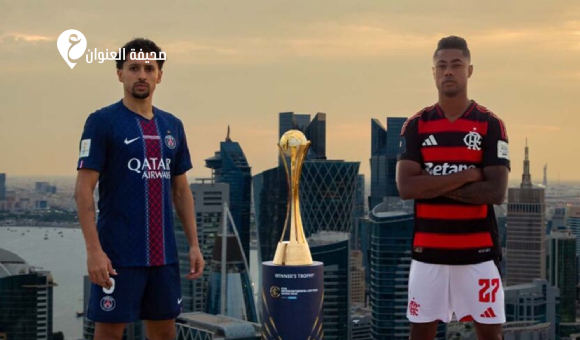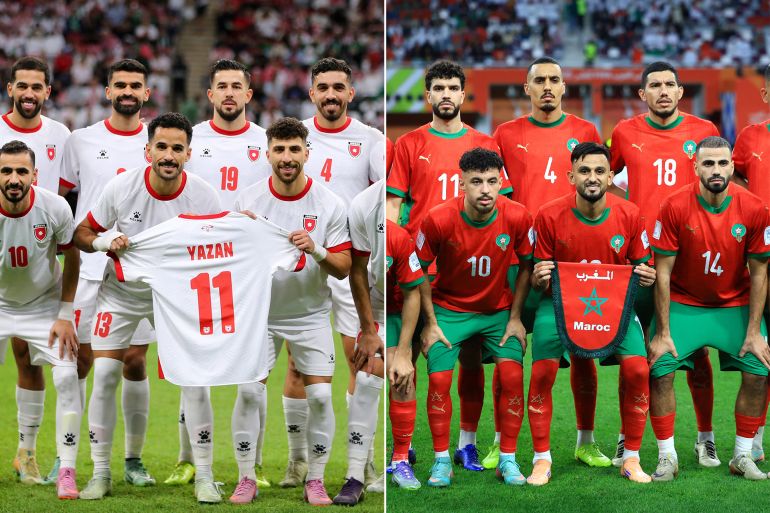
The final scene of the Arab Cup at the Lusail World Cup stadium will be painted by “The Chivalrous Ones” or the “Atlas Lions” in a match that is expected to be tight and witness a heavyweight tactical and physical battle.
Around 90,000 spectators are set for a match between two teams with equal ambitions to claim the tournament title, both with strong claims: Jordan, the tournament’s strongest team which overcame major names like Egypt, Iraq, and Saudi Arabia on the way to the final, or the Moroccan team, one of the top contenders for the title since day one, representing the continued dominance of Moroccan football in all arenas in recent years, especially in 2025.
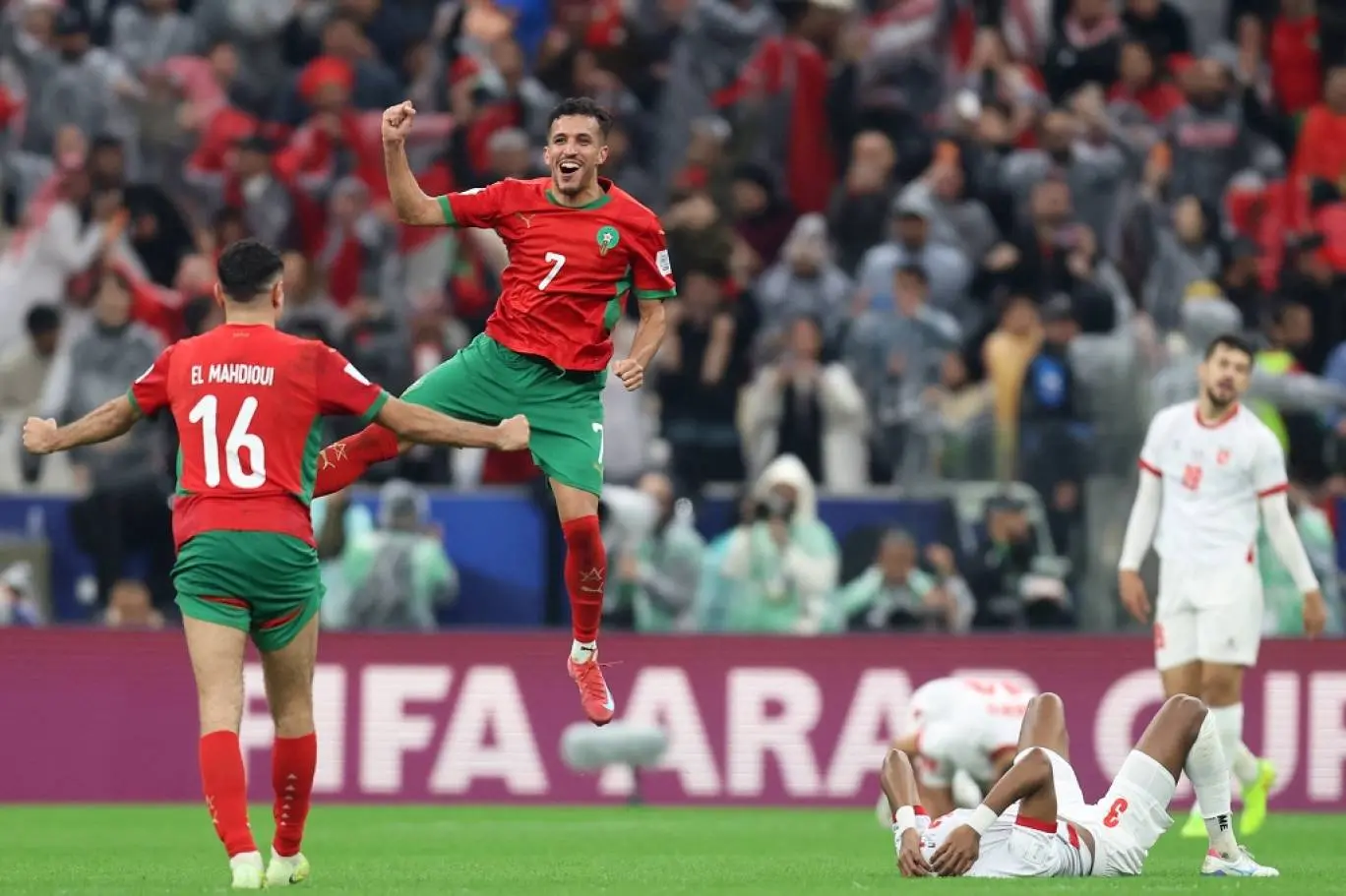
With the same tactical discipline, defensive ferocity, reliance on counter-attacks, and successfully closing down the area, the Moroccan team defeated its Emirati counterpart 3-0, while Jordan overcame Saudi Arabia 1-0 in the semi-final.
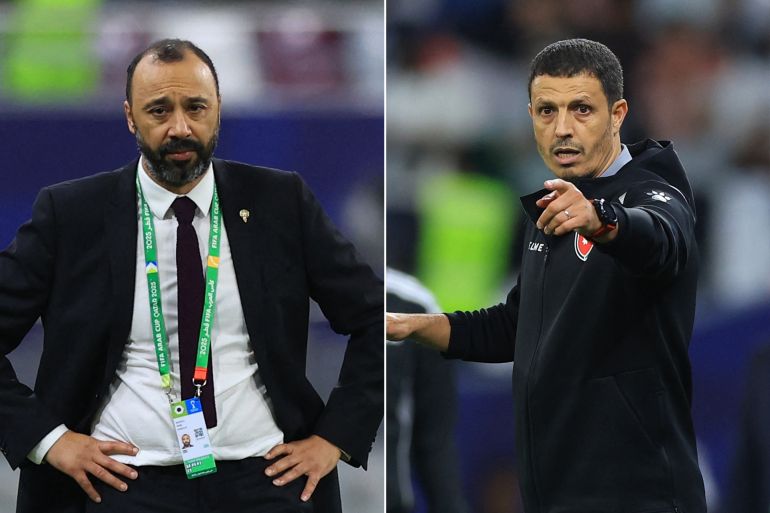
A Special Match Between Sektioui and Salami
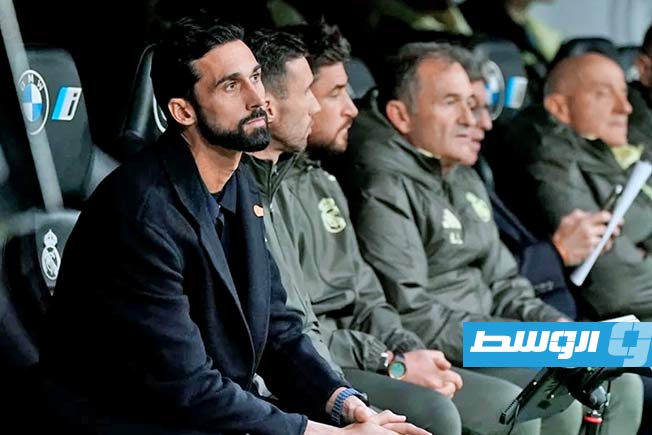
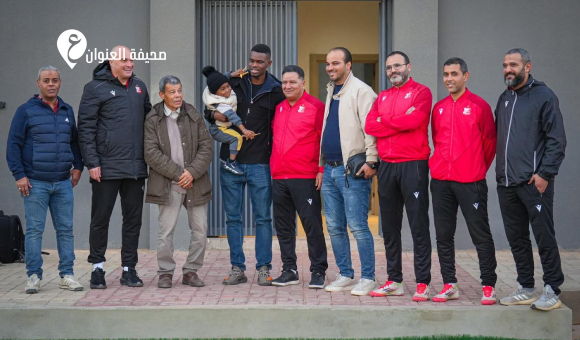
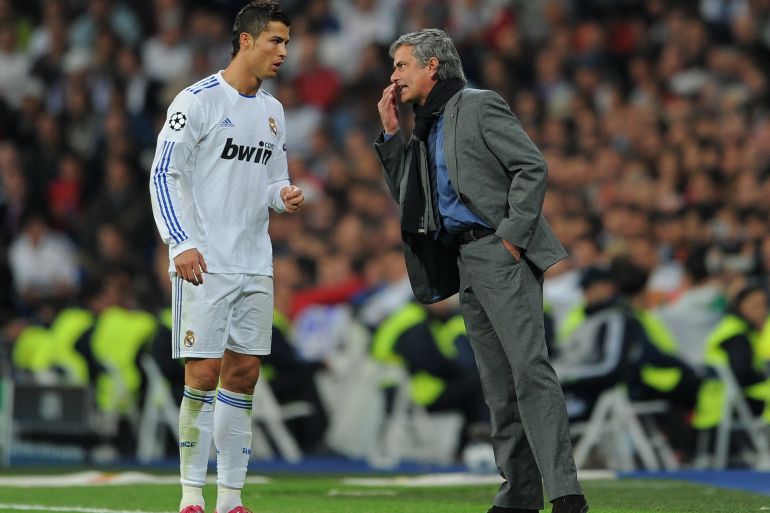
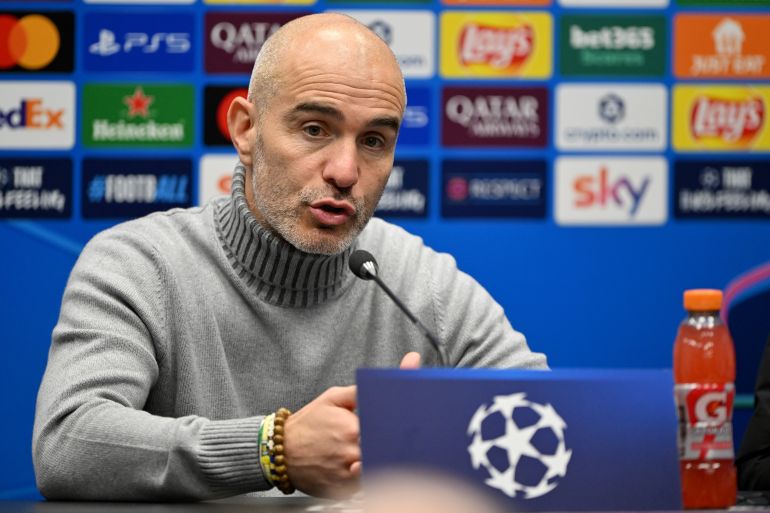
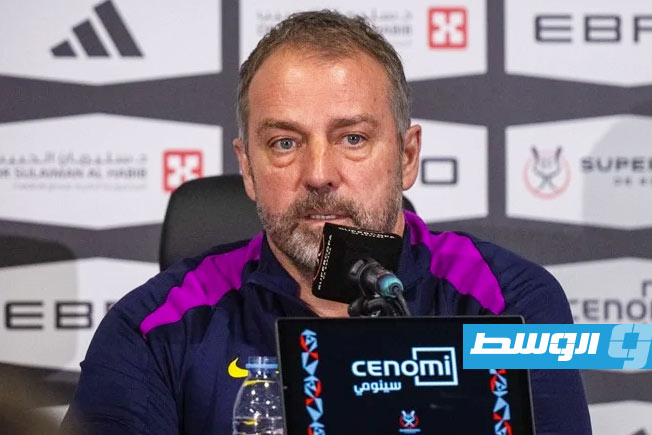
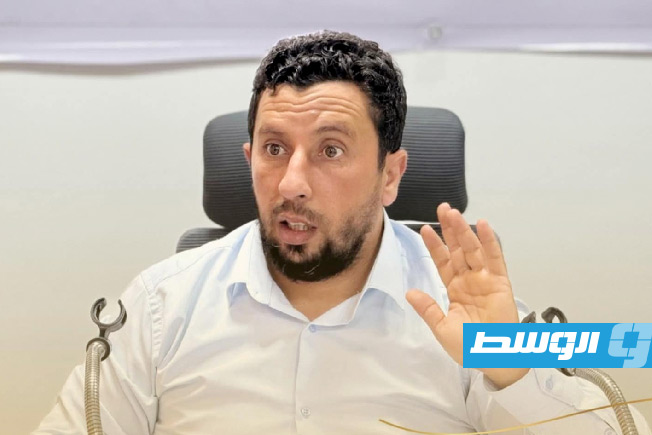
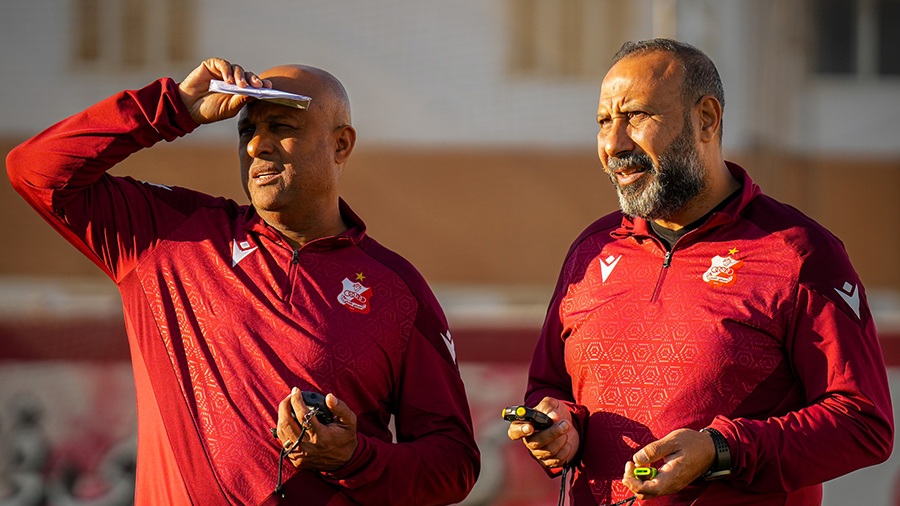
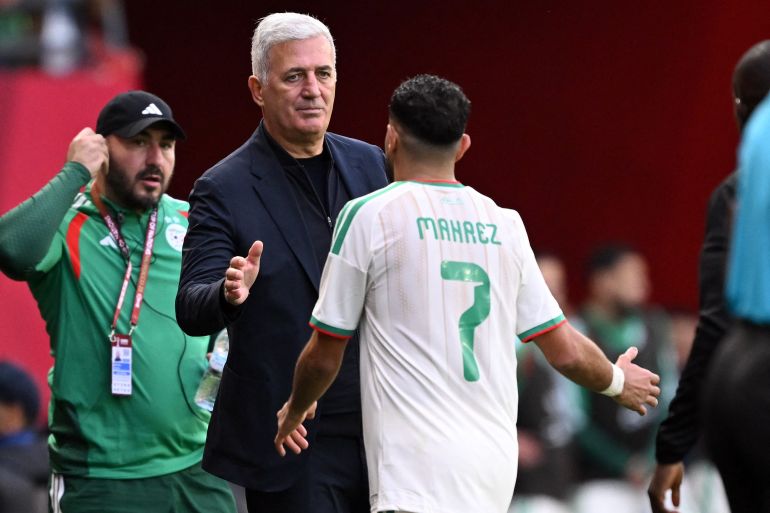
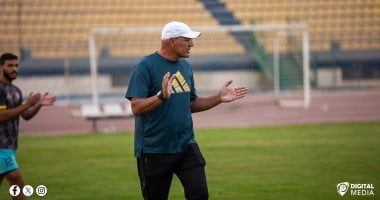
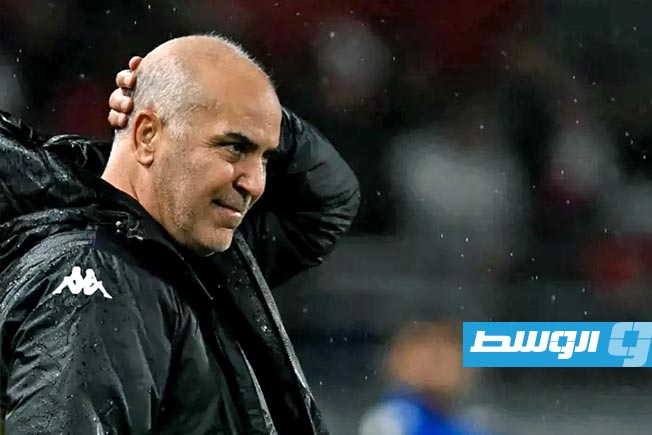
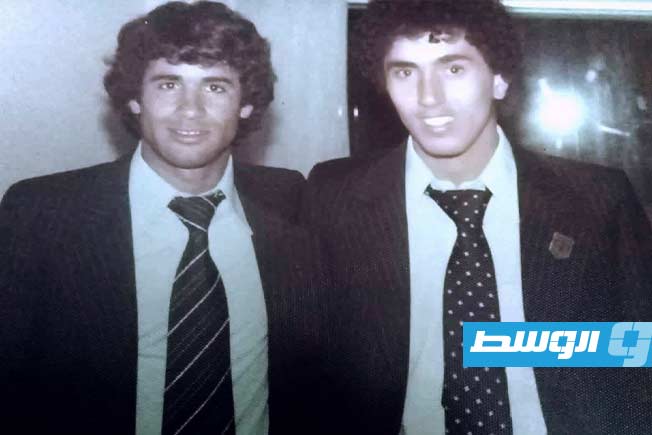
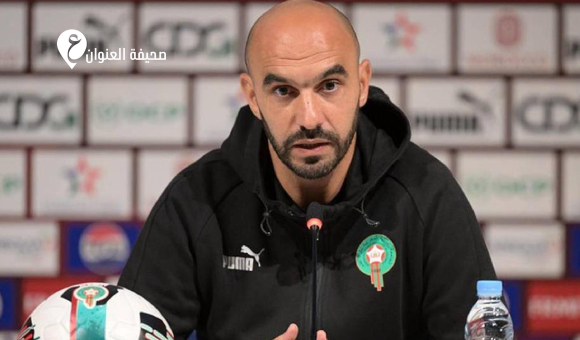
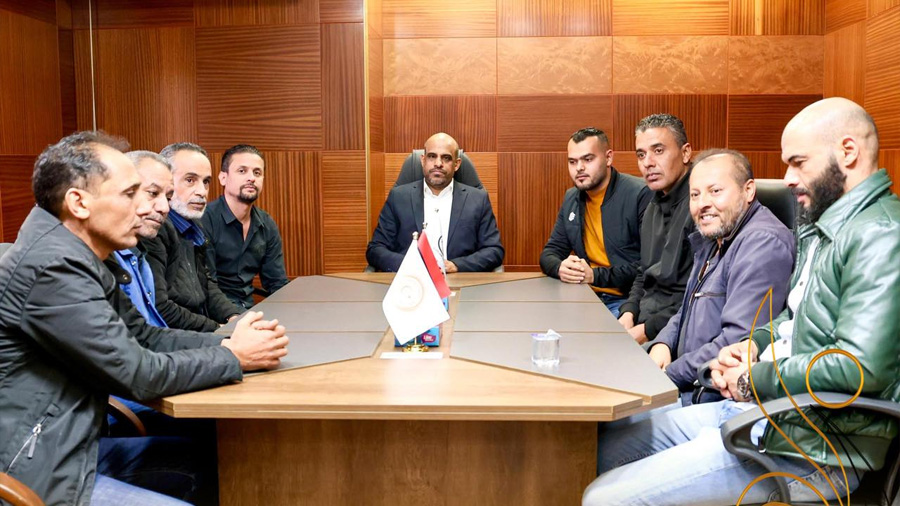
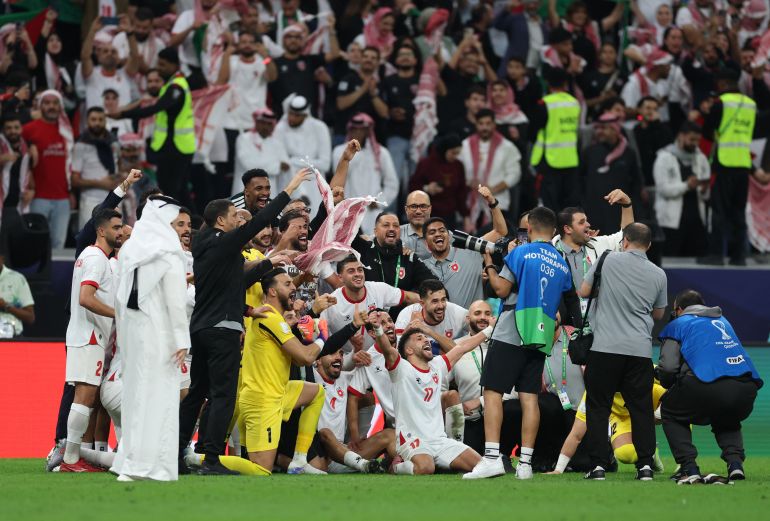
Beyond all technical and footballing aspects, there will be a Moroccan rivalry with a special and emotional flavor between two friend-coaches: Morocco’s coach Tarik Sektioui and his compatriot, Jordan’s technical director Jamal Salami. Sektioui seeks to keep the Arab title in Africa after Algeria won it in the 2021 edition, while Salami aims to complete an exciting journey and claim a first Arab title.
Salami – who previously worked with the Moroccan national team as a coach in Frenchman Hervé Renard’s technical staff in 2018 – outperformed his mentor in the last match by defeating the Saudi team, putting Renard under intense pressure from the Saudi media due to criticism following that failure. This time, he hopes to outperform his compatriot, friend, and his own national team to complete a remarkable journey with Jordan.
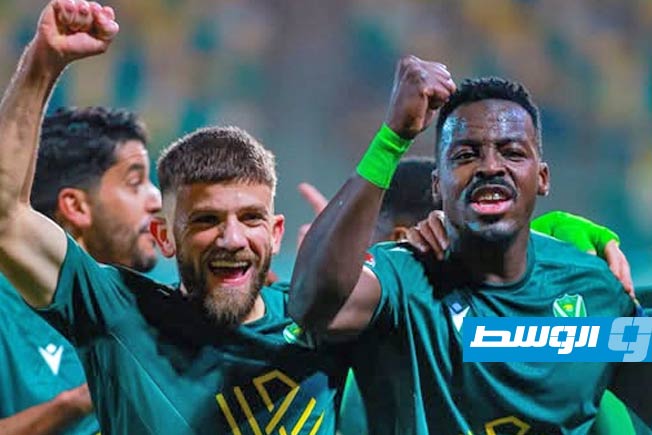
The Jordanian team did not seem affected by the absence of its star player, Yazan Al-Naimat, who underwent successful surgery today after suffering an ACL tear against Iraq in the quarter-finals. Instead, this injury motivated the players to play “for Jordan and for Yazan,” according to statements from several players of “The Chivalrous Ones.”
The team’s stars succeeded in compensating for his absence against Saudi Arabia, with notable brilliance from other players like Ali Alwan, Mahmoud Mardi, and Ahmed Al-Ersan.
Salami is likely to continue the pragmatic approach he adopted against Iraq and Saudi Arabia, focusing on a defensive style, tactical discipline, and then launching counter-attacks, especially after reaping the rewards with two victories without conceding a goal.
He is also expected to rely on a 3-5-2 formation, intensifying presence in midfield to win this battle and depending on two fast full-backs to try to decode the defense of “my brother and friend” Sektioui, as Salami described him.
Despite the defensive style Salami played with in the quarter and semi-finals, Jordan is the strongest attacking team in the tournament with 10 goals, and also has the tournament’s top scorer, Ali Alwan, who scored 4 of his team’s goals.
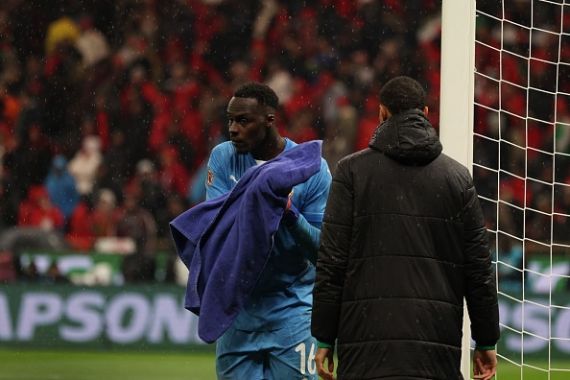
Salami must be cautious because he is facing the strongest defense and the best goalkeeper in the tournament. The Moroccan national team’s defense has conceded only one goal, while its goalkeeper, Mehdi Benabid, has kept a clean sheet in every match he has played.
Sekti
Jordan
“Jordan” can refer to several different things, so here are a few possibilities:
1. **Country**: The Hashemite Kingdom of Jordan, a country in the Middle East known for its ancient ruins, deserts, and the Dead Sea.
2. **River**: The Jordan River, a significant river in the Middle East, especially in religious contexts (e.g., where Jesus was baptized).
3. **Name**: A common given name for both males and females, popular in many English-speaking countries.
4. **Michael Jordan**: One of the most famous basketball players of all time, often simply referred to as “Jordan.”
5. **Other**: It could also refer to brands (like Jordan sneakers by Nike), places (like cities named Jordan), or other notable people.
If you had something specific in mind, feel free to provide more context!
Morocco
**Morocco** (المغرب, *al-Maghrib*) is a country located in **North Africa**, known for its rich history, diverse culture, and stunning landscapes. Here are some key highlights:
### **Geography & Location**
– **Capital:** Rabat
– **Largest City:** Casablanca
– **Borders:** Atlantic Ocean and Mediterranean Sea to the west/north, Algeria to the east, Mauritania (via Western Sahara) to the south.
– **Landscape:** Features the Atlas Mountains, Sahara Desert, fertile plains, and long coastlines.
### **Culture & Language**
– **Languages:** Arabic (official), Berber (Tamazight, official), French (widely used in business/education).
– **Religion:** Predominantly Sunni Islam.
– **Cultural Heritage:** Known for vibrant souks (markets), intricate architecture (e.g., mosques, riads), traditional music (like Gnawa), and festivals.
### **Economy**
– Key sectors: **Tourism**, agriculture (citrus fruits, olives), phosphates mining, textiles, and automotive manufacturing.
– Growing renewable energy sector (solar/wind power).
### **Politics**
– **Government:** Constitutional monarchy with an elected parliament. King Mohammed VI is the current monarch.
– **Historical Note:** Former French and Spanish protectorate; gained independence in 1956.
### **Tourism Highlights**
– **Cities:** Marrakech (historic medina), Fez (ancient university), Chefchaouen (blue-painted streets), Essaouira (coastal town).
– **Natural Sites:** Sahara Desert (ergs like Merzouga), Todra Gorge, Atlas Mountains trekking.
– **UNESCO Sites:** Medina of Fez, Ksar of Ait-Ben-Haddou, historic Meknes.
### **Interesting Facts**
– Morocco is one of the world’s largest producers of **argan oil**.
– It has both Atlantic and Mediterranean coastlines.
– The country is famous for mint tea, tagine (slow-cooked stew), and couscous.
Would you like more details on any specific aspect—history, travel tips, or cultural traditions?
Egypt
Egypt, officially known as the **Arab Republic of Egypt**, is a transcontinental country located in northeastern Africa and the Sinai Peninsula in southwestern Asia. Here are some key highlights:
### **Geography**
– **Location**: Connects Africa and Asia via the Sinai Peninsula.
– **Major Waterways**: Home to the **Nile River**, the longest river in the world, which has been central to Egypt’s civilization and agriculture for millennia.
– **Borders**: Shares borders with Libya to the west, Sudan to the south, Israel and the Gaza Strip to the northeast.
– **Coastlines**: Along the Mediterranean Sea to the north and the Red Sea to the east.
### **History**
– **Ancient Egypt**: One of the world’s earliest and greatest civilizations, known for its pyramids, pharaohs, hieroglyphics, and monumental architecture (e.g., the Great Sphinx, temples of Luxor and Karnak).
– **Timeline**: Ruled by various powers over centuries, including Greeks (Ptolemaic Kingdom), Romans, Arabs, Ottomans, and the British.
– **Modern Era**: Gained independence from Britain in 1922; became a republic in 1953. Played a significant role in Arab and Middle Eastern politics.
### **Capital and Major Cities**
– **Capital**: **Cairo** – one of the largest cities in Africa and the Arab world, famous for its historic sites, including the Egyptian Museum and Islamic Cairo.
– **Other Cities**: Alexandria (Mediterranean port), Giza (pyramids), Luxor (ancient Thebes), Aswan (Nile dams).
### **Culture**
– **Language**: Arabic (official).
– **Religion**: Predominantly Sunni Islam; Coptic Christianity is the largest minority religion.
– **Cultural Contributions**: Renowned for literature, music, cinema, and festivals. Egyptian Arabic is widely understood across the Arab world due to Egypt’s influential media industry.
### **Economy**
– **Key Sectors**: Tourism (historical sites and Red Sea resorts), agriculture (Nile Valley), petroleum and natural gas, Suez Canal revenues (a vital global shipping route), and remittances from Egyptians abroad.
– **Challenges**: High population growth, water scarcity, and economic inequality.
### **Tourism Highlights**
– **Pyramids of Giza** and the Sphinx.
– **Luxor** and **Karnak** temples.
– **Valley of the Kings** (Tutankhamun’s tomb).
– **Red Sea Riviera** (diving and resorts).
– **Abu Simbel** temples.
– **Islamic and Coptic Cairo**.
### **Interesting Facts**
– The **Suez Canal**, opened in 1869, connects the Mediterranean and Red Seas, drastically shortening maritime routes.
– Egypt is one of the most populous countries in Africa and the Arab world.
– Ancient Egyptians invented paper from papyrus, a plant native to the Nile.
Egypt remains a captivating blend of ancient heritage and modern dynamism, attracting millions of visitors each year and playing a pivotal role in regional politics and culture.
Iraq
Iraq is a country located in the Middle East, bordered by Turkey, Iran, Kuwait, Saudi Arabia, Jordan, and Syria. Its capital and largest city is Baghdad.
Key facts about Iraq:
– **Population**: Approximately 43 million people.
– **Official Languages**: Arabic and Kurdish.
– **Government**: Federal parliamentary republic.
– **Economy**: Heavily reliant on oil exports, with significant reserves.
– **History**: Known as the cradle of civilization, home to ancient Mesopotamia. It has faced recent conflicts, including the Iraq War (2003–2011) and ongoing political challenges.
– **Culture**: Rich heritage with contributions to literature, art, and science throughout history, including the Abbasid Caliphate’s Golden Age.
If you have a specific question or topic about Iraq in mind, feel free to ask!
Saudi Arabia
**Saudi Arabia** (officially the **Kingdom of Saudi Arabia**, KSA) is a country located in **Southwest Asia**, occupying most of the **Arabian Peninsula**.
### **Key Facts:**
– **Capital:** Riyadh
– **Official Language:** Arabic
– **Government:** Unitary Islamic absolute monarchy
– **Current King:** Salman bin Abdulaziz Al Saud
– **Crown Prince & Prime Minister:** Mohammed bin Salman (often referred to as MBS)
### **Economy & Resources:**
– World’s largest exporter of **oil** and a leading member of **OPEC**.
– Economy heavily reliant on petroleum, but pursuing diversification under **Vision 2030**.
– Home to **Mecca** and **Medina** — Islam’s two holiest cities, attracting millions of Muslim pilgrims annually.
### **Recent Developments:**
– Social/economic reforms under Vision 2030 (e.g., opening to tourism, promoting entertainment, increasing women’s workforce participation).
– Major projects like **NEOM** (a planned high-tech megacity).
– Active regional diplomatic and security role, including involvement in Yemen conflict and normalization talks with Israel.
### **Geography:**
– Mostly arid desert, including the Rub’ al Khali (Empty Quarter).
– Borders Jordan, Iraq, Kuwait, Qatar, UAE, Oman, and Yemen.
Would you like more detail on any specific aspect — such as culture, politics, economy, or recent reforms?
Tarik Sektioui
“Tarik Sektioui” is a Moroccan former professional footballer, born on May 13, 1977, in Casablanca, Morocco. He played primarily as a forward or winger and had a notable career both at the club level and internationally for the Moroccan national team.
### Key Highlights:
– **Club Career**: He played for several clubs, including **Raja Casablanca** (Morocco), **Deportivo La Coruña** (Spain), **AZ Alkmaar** (Netherlands), and **Al-Wahda** (UAE), among others. He was known for his speed, dribbling, and goal-scoring ability.
– **International Career**: Sektioui earned caps for Morocco, representing the national team in tournaments like the **Africa Cup of Nations** and the **2002 FIFA World Cup**.
– **Post-Retirement**: After retiring as a player, he transitioned into coaching and has worked with youth teams and as an assistant coach, contributing to Moroccan football development.
If you have a specific question about him or need more details, feel free to ask!
Jamal Salami
“Jamal Salami” appears to be a name, likely of a person. It combines the given name **Jamal** (an Arabic name meaning “beauty” or “grace”) and the surname **Salami** (which could be of Italian, Arabic, or other origins, depending on context).
If you’re referring to a specific individual, such as a public figure, artist, or someone else, please provide more context so I can give a more detailed response.
Hervé Renard
**Hervé Renard** is a highly regarded French professional football manager and former player, best known for his success in international management, particularly with African national teams. Here are the key highlights of his career:
### **Managerial Career Highlights:**
1. **Africa Cup of Nations (AFCON) Triumphs:**
– **2012**: Led **Zambia** to their first-ever AFCON title, a historic underdog victory.
– **2015**: Won AFCON with **Côte d’Ivoire**, ending their 23-year trophy drought.
2. **World Cup Appearances:**
– Coached **Morocco** at the **2018 FIFA World Cup**.
– Led **Saudi Arabia** to a stunning 2–1 victory over Argentina in the **2022 FIFA World Cup** group stage.
3. **Recent Role:**
– In March 2023, he was appointed head coach of the **France women’s national team**, aiming to build on their success after the 2019 World Cup win.
### **Style and Reputation:**
– Known for his charismatic leadership, tactical flexibility (often using a 4-3-3 or 4-2-3-1), and ability to inspire teams.
– Fluent in multiple languages, which helps him connect with diverse squads.
– Often recognized for his sharp sideline attire (usually a white dress shirt).
### **Playing Career:**
– Modest playing career as a defender in the French lower divisions before moving into coaching.
### **Personal:**
– Born on September 30, 1968, in Aix-les-Bains, France.
– Started his coaching career in 1999 and gained experience in club football (including in China and France) before excelling on the international stage.
Renard is one of the most respected international managers today, especially noted for his knack for achieving remarkable results with underdog teams.
Yazan Al-Naimat
Yazan Al-Naimat is a professional footballer from Jordan, born on June 4, 1999. He primarily plays as a forward and is known for his speed, technical skills, and goal-scoring ability. Here are some key points about him:
### **Club Career:**
– **Early Career:** He started his professional career in Jordan with **Al-Wehdat**, one of the country’s top clubs.
– **Move to Europe:** In 2022, he transferred to **Hull City** in the English Championship, marking a significant step in his career.
– **Loan Spells:** He has had loan spells to gain more playing time, including at **Al-Duhail** in Qatar.
### **International Career:**
– Al-Naimat represents the **Jordan national team** and has been a key player in their attack.
– He played a crucial role in Jordan’s historic run to the **2023 AFC Asian Cup final**, where they finished as runners-up. His performances, including goals and assists, earned him widespread recognition.
### **Playing Style:**
– Known for his dribbling, agility, and ability to take on defenders.
– Often plays as a winger or second striker, using his pace to exploit spaces.
### **Achievements:**
– **AFC Asian Cup Runner-up:** 2023 with Jordan.
– **Jordanian Pro League titles** with Al-Wehdat.
– Named in the **AFC Asian Cup Team of the Tournament** in 2023.
Yazan Al-Naimat is regarded as one of Jordan’s most promising football talents and continues to attract attention for his performances both domestically and internationally.
Ali Alwan
Hello! “Ali Alwan” appears to be a name of Arabic origin.
– **Ali** is a common Arabic name meaning “high,” “elevated,” or “champion.” It is widely used in the Muslim world due to its association with Ali ibn Abi Talib, a key figure in Islamic history.
– **Alwan** is an Arabic surname or family name meaning “colors” or could refer to someone from a place named Alwan.
If you’re referring to a specific person named Ali Alwan (such as a public figure, artist, athlete, or scholar), please provide more context so I can give you more relevant information!
Mahmoud Mardi
“Mahmoud Mardi” appears to be a personal name, likely of Arabic origin. “Mahmoud” (محمود) is a common Arabic name meaning “praised” or “praiseworthy,” and “Mardi” could be a surname or family name. Without additional context, it’s not possible to provide specific information about a particular individual with this name.
If you’re referring to a specific person—such as a public figure, artist, athlete, or academic—please share more details so I can assist you better.
Ahmed Al-Ersan
“Ahmed Al-Ersan” appears to be an Arabic name, likely composed of:
– **Ahmed (أحمد):** A common Arabic male name meaning “highly praised” or “one who constantly thanks God.” It is derived from the same root as “Muhammad” and is one of the most popular names in the Muslim world.
– **Al-Ersan (العرسان):** This part is likely a family name or surname. “Al-” is the definite article in Arabic (meaning “the”), and “Ersan” (sometimes spelled “Arsan” or “Irsan”) could have several meanings depending on its origin. It might refer to:
– A place or tribal affiliation.
– Derived from “عرس” (ʿurs), meaning “wedding” or “celebration,” so “Al-Ersan” could mean “of the wedding” or “related to celebration.”
– Alternatively, it could be a variation of names like “Irsan” (إرسان), which may relate to “rootedness” or “stability.”
Without additional context, it’s not possible to identify a specific individual, but the name is typical in Arab communities across the Middle East and North Africa. If you’re referring to a particular person (e.g., a public figure, artist, or scholar), more details would help narrow it down.
Mehdi Benabid
**Mehdi Benabid** is a French-Algerian professional footballer, born on August 18, 1998, in Lyon, France. He primarily plays as a **central midfielder** and is known for his technical skills, vision, and passing ability.
### Key Career Points:
– **Youth Career**: Developed at **Olympique Lyonnais** (Lyon), one of France’s top academies.
– **Senior Career**:
– He began his professional career with **Olympique Lyonnais B** before moving to **FC Villefranche** in the French third division.
– In 2020, he joined **FC Sète** in the Championnat National 2 (fourth tier).
– As of recent updates, he has played for clubs in the French lower divisions, including **FC Limonest** and **AS Saint-Priest**.
– **International**: Benabid has represented **Algeria at youth levels**, featuring for the **U20 national team**.
### Style of Play:
Benabid is often described as a **playmaker** with good ball control and an ability to dictate tempo from midfield. He is also recognized for his work rate and tactical discipline.
While not a globally high-profile name, he remains an example of the many talented players developing through French football’s extensive academy system, often aiming to break into higher levels of professional play.
Jordan
1. **Country**: The Hashemite Kingdom of Jordan, a country in the Middle East known for its ancient ruins, deserts, and the Dead Sea.
2. **River**: The Jordan River, a significant river in the Middle East, especially in religious contexts (e.g., where Jesus was baptized).
3. **Name**: A common given name for both males and females, popular in many English-speaking countries.
4. **Michael Jordan**: One of the most famous basketball players of all time, often simply referred to as “Jordan.”
5. **Other**: It could also refer to brands (like Jordan sneakers by Nike), places (like cities named Jordan), or other notable people.
If you had something specific in mind, feel free to provide more context!
Morocco
### **Geography & Location**
– **Capital:** Rabat
– **Largest City:** Casablanca
– **Borders:** Atlantic Ocean and Mediterranean Sea to the west/north, Algeria to the east, Mauritania (via Western Sahara) to the south.
– **Landscape:** Features the Atlas Mountains, Sahara Desert, fertile plains, and long coastlines.
### **Culture & Language**
– **Languages:** Arabic (official), Berber (Tamazight, official), French (widely used in business/education).
– **Religion:** Predominantly Sunni Islam.
– **Cultural Heritage:** Known for vibrant souks (markets), intricate architecture (e.g., mosques, riads), traditional music (like Gnawa), and festivals.
### **Economy**
– Key sectors: **Tourism**, agriculture (citrus fruits, olives), phosphates mining, textiles, and automotive manufacturing.
– Growing renewable energy sector (solar/wind power).
### **Politics**
– **Government:** Constitutional monarchy with an elected parliament. King Mohammed VI is the current monarch.
– **Historical Note:** Former French and Spanish protectorate; gained independence in 1956.
### **Tourism Highlights**
– **Cities:** Marrakech (historic medina), Fez (ancient university), Chefchaouen (blue-painted streets), Essaouira (coastal town).
– **Natural Sites:** Sahara Desert (ergs like Merzouga), Todra Gorge, Atlas Mountains trekking.
– **UNESCO Sites:** Medina of Fez, Ksar of Ait-Ben-Haddou, historic Meknes.
### **Interesting Facts**
– Morocco is one of the world’s largest producers of **argan oil**.
– It has both Atlantic and Mediterranean coastlines.
– The country is famous for mint tea, tagine (slow-cooked stew), and couscous.
Would you like more details on any specific aspect—history, travel tips, or cultural traditions?
Egypt
### **Geography**
– **Location**: Connects Africa and Asia via the Sinai Peninsula.
– **Major Waterways**: Home to the **Nile River**, the longest river in the world, which has been central to Egypt’s civilization and agriculture for millennia.
– **Borders**: Shares borders with Libya to the west, Sudan to the south, Israel and the Gaza Strip to the northeast.
– **Coastlines**: Along the Mediterranean Sea to the north and the Red Sea to the east.
### **History**
– **Ancient Egypt**: One of the world’s earliest and greatest civilizations, known for its pyramids, pharaohs, hieroglyphics, and monumental architecture (e.g., the Great Sphinx, temples of Luxor and Karnak).
– **Timeline**: Ruled by various powers over centuries, including Greeks (Ptolemaic Kingdom), Romans, Arabs, Ottomans, and the British.
– **Modern Era**: Gained independence from Britain in 1922; became a republic in 1953. Played a significant role in Arab and Middle Eastern politics.
### **Capital and Major Cities**
– **Capital**: **Cairo** – one of the largest cities in Africa and the Arab world, famous for its historic sites, including the Egyptian Museum and Islamic Cairo.
– **Other Cities**: Alexandria (Mediterranean port), Giza (pyramids), Luxor (ancient Thebes), Aswan (Nile dams).
### **Culture**
– **Language**: Arabic (official).
– **Religion**: Predominantly Sunni Islam; Coptic Christianity is the largest minority religion.
– **Cultural Contributions**: Renowned for literature, music, cinema, and festivals. Egyptian Arabic is widely understood across the Arab world due to Egypt’s influential media industry.
### **Economy**
– **Key Sectors**: Tourism (historical sites and Red Sea resorts), agriculture (Nile Valley), petroleum and natural gas, Suez Canal revenues (a vital global shipping route), and remittances from Egyptians abroad.
– **Challenges**: High population growth, water scarcity, and economic inequality.
### **Tourism Highlights**
– **Pyramids of Giza** and the Sphinx.
– **Luxor** and **Karnak** temples.
– **Valley of the Kings** (Tutankhamun’s tomb).
– **Red Sea Riviera** (diving and resorts).
– **Abu Simbel** temples.
– **Islamic and Coptic Cairo**.
### **Interesting Facts**
– The **Suez Canal**, opened in 1869, connects the Mediterranean and Red Seas, drastically shortening maritime routes.
– Egypt is one of the most populous countries in Africa and the Arab world.
– Ancient Egyptians invented paper from papyrus, a plant native to the Nile.
Egypt remains a captivating blend of ancient heritage and modern dynamism, attracting millions of visitors each year and playing a pivotal role in regional politics and culture.
Iraq
Key facts about Iraq:
– **Population**: Approximately 43 million people.
– **Official Languages**: Arabic and Kurdish.
– **Government**: Federal parliamentary republic.
– **Economy**: Heavily reliant on oil exports, with significant reserves.
– **History**: Known as the cradle of civilization, home to ancient Mesopotamia. It has faced recent conflicts, including the Iraq War (2003–2011) and ongoing political challenges.
– **Culture**: Rich heritage with contributions to literature, art, and science throughout history, including the Abbasid Caliphate’s Golden Age.
If you have a specific question or topic about Iraq in mind, feel free to ask!
Saudi Arabia
### **Key Facts:**
– **Capital:** Riyadh
– **Official Language:** Arabic
– **Government:** Unitary Islamic absolute monarchy
– **Current King:** Salman bin Abdulaziz Al Saud
– **Crown Prince & Prime Minister:** Mohammed bin Salman (often referred to as MBS)
### **Economy & Resources:**
– World’s largest exporter of **oil** and a leading member of **OPEC**.
– Economy heavily reliant on petroleum, but pursuing diversification under **Vision 2030**.
– Home to **Mecca** and **Medina** — Islam’s two holiest cities, attracting millions of Muslim pilgrims annually.
### **Recent Developments:**
– Social/economic reforms under Vision 2030 (e.g., opening to tourism, promoting entertainment, increasing women’s workforce participation).
– Major projects like **NEOM** (a planned high-tech megacity).
– Active regional diplomatic and security role, including involvement in Yemen conflict and normalization talks with Israel.
### **Geography:**
– Mostly arid desert, including the Rub’ al Khali (Empty Quarter).
– Borders Jordan, Iraq, Kuwait, Qatar, UAE, Oman, and Yemen.
Would you like more detail on any specific aspect — such as culture, politics, economy, or recent reforms?
Tarik Sektioui
### Key Highlights:
– **Club Career**: He played for several clubs, including **Raja Casablanca** (Morocco), **Deportivo La Coruña** (Spain), **AZ Alkmaar** (Netherlands), and **Al-Wahda** (UAE), among others. He was known for his speed, dribbling, and goal-scoring ability.
– **International Career**: Sektioui earned caps for Morocco, representing the national team in tournaments like the **Africa Cup of Nations** and the **2002 FIFA World Cup**.
– **Post-Retirement**: After retiring as a player, he transitioned into coaching and has worked with youth teams and as an assistant coach, contributing to Moroccan football development.
If you have a specific question about him or need more details, feel free to ask!
Jamal Salami
If you’re referring to a specific individual, such as a public figure, artist, or someone else, please provide more context so I can give a more detailed response.
Hervé Renard
### **Managerial Career Highlights:**
1. **Africa Cup of Nations (AFCON) Triumphs:**
– **2012**: Led **Zambia** to their first-ever AFCON title, a historic underdog victory.
– **2015**: Won AFCON with **Côte d’Ivoire**, ending their 23-year trophy drought.
2. **World Cup Appearances:**
– Coached **Morocco** at the **2018 FIFA World Cup**.
– Led **Saudi Arabia** to a stunning 2–1 victory over Argentina in the **2022 FIFA World Cup** group stage.
3. **Recent Role:**
– In March 2023, he was appointed head coach of the **France women’s national team**, aiming to build on their success after the 2019 World Cup win.
### **Style and Reputation:**
– Known for his charismatic leadership, tactical flexibility (often using a 4-3-3 or 4-2-3-1), and ability to inspire teams.
– Fluent in multiple languages, which helps him connect with diverse squads.
– Often recognized for his sharp sideline attire (usually a white dress shirt).
### **Playing Career:**
– Modest playing career as a defender in the French lower divisions before moving into coaching.
### **Personal:**
– Born on September 30, 1968, in Aix-les-Bains, France.
– Started his coaching career in 1999 and gained experience in club football (including in China and France) before excelling on the international stage.
Renard is one of the most respected international managers today, especially noted for his knack for achieving remarkable results with underdog teams.
Yazan Al-Naimat
### **Club Career:**
– **Early Career:** He started his professional career in Jordan with **Al-Wehdat**, one of the country’s top clubs.
– **Move to Europe:** In 2022, he transferred to **Hull City** in the English Championship, marking a significant step in his career.
– **Loan Spells:** He has had loan spells to gain more playing time, including at **Al-Duhail** in Qatar.
### **International Career:**
– Al-Naimat represents the **Jordan national team** and has been a key player in their attack.
– He played a crucial role in Jordan’s historic run to the **2023 AFC Asian Cup final**, where they finished as runners-up. His performances, including goals and assists, earned him widespread recognition.
### **Playing Style:**
– Known for his dribbling, agility, and ability to take on defenders.
– Often plays as a winger or second striker, using his pace to exploit spaces.
### **Achievements:**
– **AFC Asian Cup Runner-up:** 2023 with Jordan.
– **Jordanian Pro League titles** with Al-Wehdat.
– Named in the **AFC Asian Cup Team of the Tournament** in 2023.
Yazan Al-Naimat is regarded as one of Jordan’s most promising football talents and continues to attract attention for his performances both domestically and internationally.
Ali Alwan
– **Ali** is a common Arabic name meaning “high,” “elevated,” or “champion.” It is widely used in the Muslim world due to its association with Ali ibn Abi Talib, a key figure in Islamic history.
– **Alwan** is an Arabic surname or family name meaning “colors” or could refer to someone from a place named Alwan.
If you’re referring to a specific person named Ali Alwan (such as a public figure, artist, athlete, or scholar), please provide more context so I can give you more relevant information!
Mahmoud Mardi
If you’re referring to a specific person—such as a public figure, artist, athlete, or academic—please share more details so I can assist you better.
Ahmed Al-Ersan
– **Ahmed (أحمد):** A common Arabic male name meaning “highly praised” or “one who constantly thanks God.” It is derived from the same root as “Muhammad” and is one of the most popular names in the Muslim world.
– **Al-Ersan (العرسان):** This part is likely a family name or surname. “Al-” is the definite article in Arabic (meaning “the”), and “Ersan” (sometimes spelled “Arsan” or “Irsan”) could have several meanings depending on its origin. It might refer to:
– A place or tribal affiliation.
– Derived from “عرس” (ʿurs), meaning “wedding” or “celebration,” so “Al-Ersan” could mean “of the wedding” or “related to celebration.”
– Alternatively, it could be a variation of names like “Irsan” (إرسان), which may relate to “rootedness” or “stability.”
Without additional context, it’s not possible to identify a specific individual, but the name is typical in Arab communities across the Middle East and North Africa. If you’re referring to a particular person (e.g., a public figure, artist, or scholar), more details would help narrow it down.
Mehdi Benabid
### Key Career Points:
– **Youth Career**: Developed at **Olympique Lyonnais** (Lyon), one of France’s top academies.
– **Senior Career**:
– He began his professional career with **Olympique Lyonnais B** before moving to **FC Villefranche** in the French third division.
– In 2020, he joined **FC Sète** in the Championnat National 2 (fourth tier).
– As of recent updates, he has played for clubs in the French lower divisions, including **FC Limonest** and **AS Saint-Priest**.
– **International**: Benabid has represented **Algeria at youth levels**, featuring for the **U20 national team**.
### Style of Play:
Benabid is often described as a **playmaker** with good ball control and an ability to dictate tempo from midfield. He is also recognized for his work rate and tactical discipline.
While not a globally high-profile name, he remains an example of the many talented players developing through French football’s extensive academy system, often aiming to break into higher levels of professional play.