With the growing global interest in balanced nutrition, choosing bread is no longer just a daily habit but has become part of a health-conscious trend moving towards whole grains as a nutritious alternative to white bread.
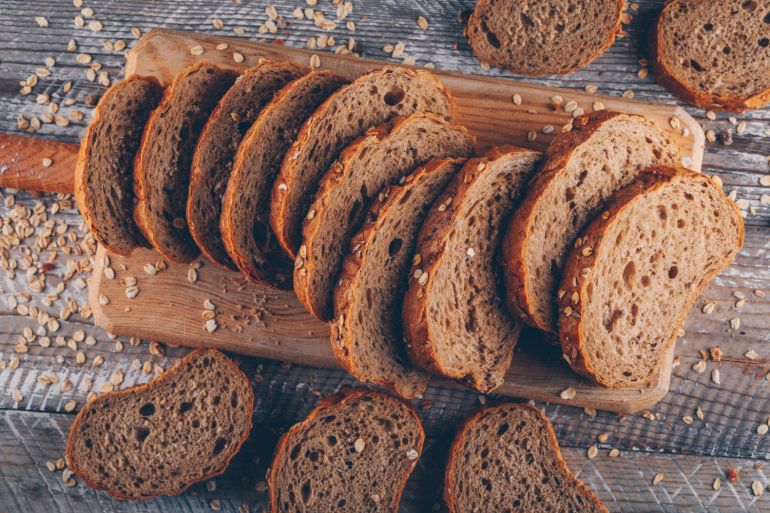
Rye bread stands out as one of the most important options, thanks to its dark color, deep flavor, and firm texture, in addition to its high nutritional value from fiber, B vitamins, and minerals, with a lesser impact on blood sugar.
This combination of distinctive taste and health benefits has made it a preferred choice for those seeking practical balance in their diet.
What is Rye?
Rye is a whole grain belonging to the grass family, the same family as barley, and resembles wheat in shape but differs in color, taste, and nutritional value. Rye grows best in cold and temperate regions, especially in Northern and Eastern Europe, due to its ability to withstand harsh climates.
Its flour has a brownish color and produces a dark, dense-textured bread rich in flavor, sometimes with a slight sourness or bitterness.
Its notable nutritional value comes from typically containing the bran, germ, and endosperm, giving it a high content of fiber, vitamins, and minerals compared to refined white flour. This makes it a more beneficial choice for supporting digestion and regulating blood sugar.
Traditional Production Method
Rye bread is usually made from whole rye flour. In some recipes, it is mixed in a limited proportion with wheat flour to obtain a lighter, more flexible texture while retaining the distinctive character of rye.
The fermentation process often relies on sourdough or natural yeast, a traditional method that gives the bread its deep flavor and improves its digestibility compared to fast-acting yeasts. This results in a dark loaf rich in taste and balanced in texture.
The Baking Process
Rye bread is baked at a relatively low temperature for a long period, which can last several hours. This slow process gives it its dark brown color and distinctive flavor. In some commercial varieties, molasses or coffee powder may be added to enhance color and flavor and speed up the coloring process.
Health Benefits
-
Boosting Immunity and Reducing Inflammation
Rye bread contains a rich array of minerals such as selenium, copper, and manganese, along with plant-based antioxidant compounds that support the immune system and combat free radicals.
Together, these elements help strengthen the body’s natural defenses and may contribute to lowering chronic inflammation levels when consumed regularly, especially if made from whole grains.
-
Improving Digestive Health
The fiber in rye bread, both soluble and insoluble, promotes digestive health by nourishing beneficial bacteria and supporting microbial balance in the gut. It also helps increase bowel movements and prevent constipation.
Natural fermentation of the bread adds another advantage, as it contributes to improved digestion and nutrient absorption. During bacterial fermentation, fiber produces short-chain fatty acids, the benefits of which are linked to reducing inflammation, improving energy metabolism, and generally enhancing gut health.
-
Supporting Heart Health
Rye bread is known for its richness in soluble fiber, which helps lower levels of LDL (bad) cholesterol in the blood, thereby reducing the risk of heart and artery diseases.
Minerals present in it, such as magnesium and manganese, also contribute to promoting vascular health and maintaining balanced blood pressure. Therefore, rye bread is considered a healthy dietary choice that supports heart and circulatory health.
-
Regulating Blood Sugar Levels
Rye bread has a low glycemic index thanks to the slow release of carbohydrates, which helps stabilize blood sugar levels and reduces sudden spikes after meals.
This makes it a suitable choice for diabetics and those wishing to prevent diabetes. It also provides steady energy and promotes a feeling of fullness for longer periods, aiding in better weight management.
Rye Bread vs. White Bread
Whole-grain rye bread contains nearly double the amount of fiber found in white bread, in addition to a higher concentration of vitamins and minerals such as B vitamins, selenium, manganese, copper, and iron.
These elements combined
Whole-grain rye bread
Here’s a detailed breakdown:
### Key Characteristics:
* **Flavor:** Distinctly earthy, slightly tangy, and often malty or sour (especially in sourdough varieties). Less sweet than wheat bread.
* **Texture:** Typically denser, moister, and chewier than bread made from white wheat flour. It has a tight crumb.
* **Color:** Ranges from medium brown to very dark, depending on the proportion of whole rye flour and any added ingredients like molasses or caramel color.
* **Nutrition:** High in dietary fiber, vitamins (especially B vitamins), minerals (like magnesium and iron), and antioxidants. It has a lower glycemic index than many white breads.
### How It’s Different from Other Rye Breads:
* **Vs. “Light” or “American” Rye Bread:** Many common deli rye breads are made mostly from refined wheat flour with a small amount of rye flour for flavor and caraway seeds. They are much lighter in color, texture, and nutritional value.
* **Vs. “Pumpernickel”:** Traditional pumpernickel is made from coarsely ground whole rye berries and is steamed for a very long time, resulting in an extremely dark, sweet, and dense loaf. In many places, “pumpernickel” and “whole-grain rye” are used interchangeably, but true pumpernickel is a specific type.
### Common Uses:
* **Open-Faced Sandwiches:** A staple in Scandinavian (like Swedish *smörgås* or Danish *smørrebrød*) and Northern European cuisines.
* **With Robust Toppings:** Pairs perfectly with strong flavors like smoked fish (salmon, herring), cured meats, sharp cheeses, pickles, mustard, and hearty soups.
* **Breakfast:** Toasted and topped with avocado, cottage cheese, or jam.
### Buying Tips:
Check the ingredient list. **The first ingredient should be “whole rye flour” or “whole grain rye flour.”** If it says “wheat flour” first, it’s not a true whole-grain rye bread. Look for minimal added sugars and preservatives.
In short, **whole-grain rye bread is a hearty, healthy, and flavorful bread choice** that’s a cornerstone of many traditional European diets and is enjoyed worldwide for its unique taste and nutritional benefits.
Rye bread
Here’s a breakdown of what makes rye bread special:
### Key Characteristics:
* **Flavor:** Ranging from mildly sweet and nutty (in light rye) to strongly tangy, earthy, and sour (in dark, sourdough rye).
* **Texture:** Typically denser and chewier than white or whole wheat bread. It can be moist and tight-crumbed.
* **Color:** Varies from light tan (using light rye flour) to a very dark brown, almost black (using dark rye or pumpernickel flour, often with molasses or coffee).
* **Health Benefits:** Generally high in fiber, vitamins, and minerals. It has a lower glycemic index than white bread, meaning it releases energy more slowly.
### Types of Rye Bread:
1. **Light Rye:** Made with mostly white wheat flour and some light rye flour. Mild in flavor and lighter in color.
2. **Dark/Marble Rye:** Uses darker rye flour and often has a swirl of light and dark dough. Common in American delis.
3. **Sourdough Rye (Traditional):** Uses a natural rye sourdough starter for leavening and that signature tangy flavor. Common in Germany and Eastern Europe.
4. **Pumpernickel:** A German-style bread made from coarsely ground whole rye grains. Authentic versions are steam-baked for up to 24 hours, resulting in a very dark, dense, slightly sweet loaf.
5. **Jewish Rye (or Deli Rye):** An American classic. It’s often leavened with yeast (and sometimes sourdough) and includes caraway seeds, giving it its iconic aroma and taste. It’s typically made with a mix of rye and high-gluten wheat flours.
### Cultural Significance:
* **Northern & Eastern Europe:** A staple food, especially in Germany, Poland, Russia, and Scandinavia. It’s deeply embedded in food culture, served with soups, cheeses, cured meats, and fish.
* **North America:** Popularized by Jewish and European immigrants, it’s the bread of choice for classic sandwiches like the **Reuben** or a simple pastrami on rye.
### Common Pairings:
* **Smoked fish** (salmon, herring)
* **Cured meats** (pastrami, corned beef, ham)
* **Strong cheeses** (Swiss, aged cheddar)
* **Pickles** and sauerkraut
* **Butter** or savory spreads (like chicken liver pâté)
* **Soups and stews** (for dipping)
In short, rye bread is more than just “brown bread.” It’s a flavorful, hearty, and versatile category with a rich history, perfect for adding depth to sandwiches and meals.
Rye
1. **Grain**: Rye is a type of cereal grain, similar to wheat or barley. It’s used to make bread (like pumpernickel), whiskey, beer, and animal feed.
2. **Whiskey**: Rye whiskey is a type of whiskey made primarily from rye grain. It’s especially popular in North America (e.g., Canadian rye whiskey or American rye whiskey).
3. **Bread**: Rye bread is a dense, dark bread made with rye flour, often associated with Eastern European, German, and Scandinavian cuisines.
4. **Place Names**: Rye is also the name of towns and cities in various countries, such as Rye in East Sussex, England (a historic town), and Rye in New York, USA.
5. **Literature**: *The Catcher in the Rye* is a famous novel by J.D. Salinger, with the title referencing a symbolic phrase from the book.
If you have a specific context in mind, feel free to share, and I can give more details!