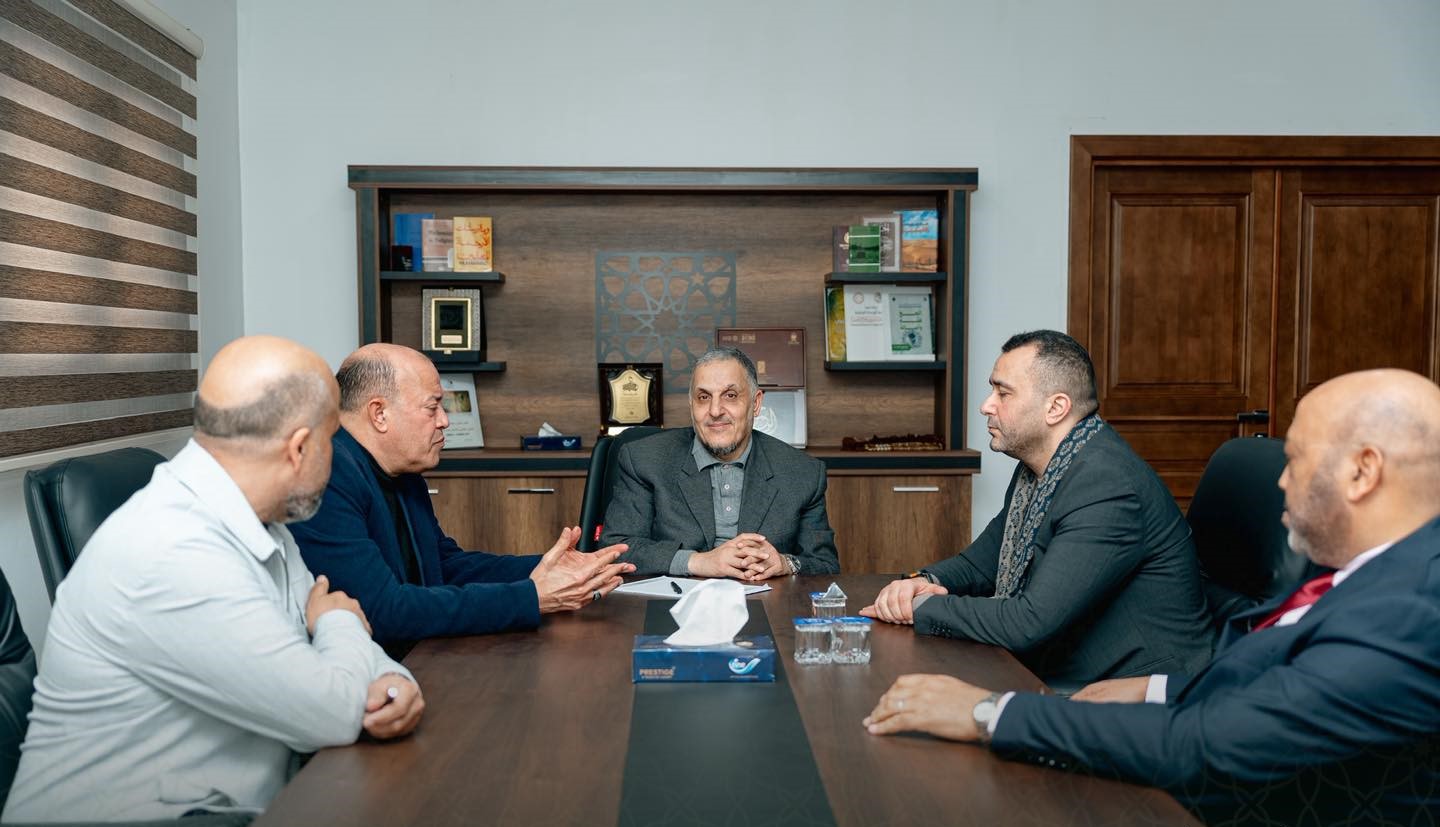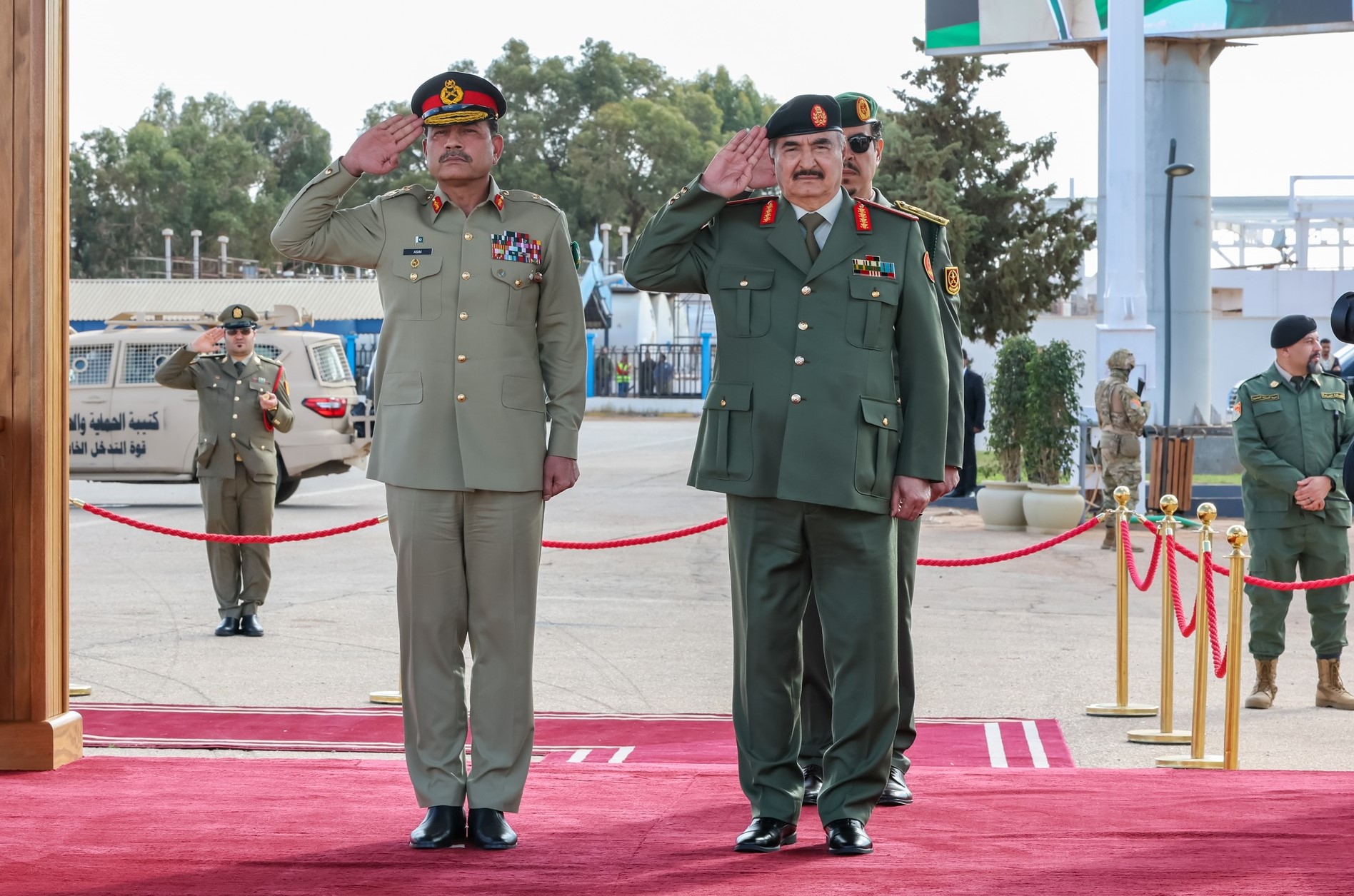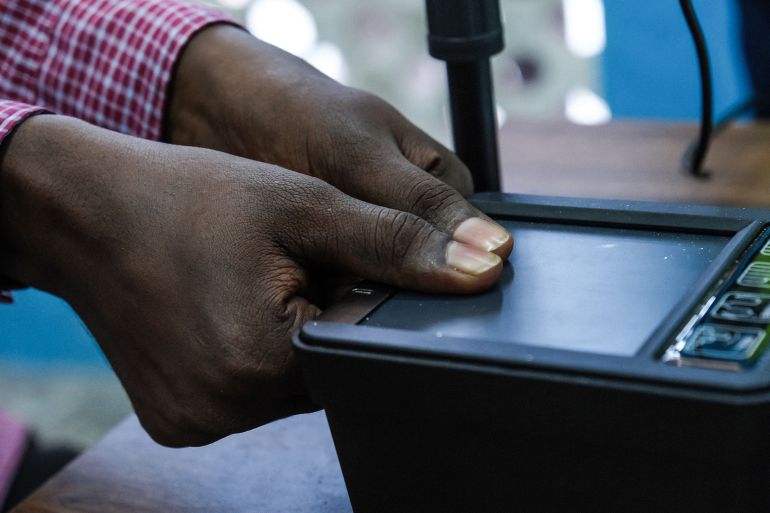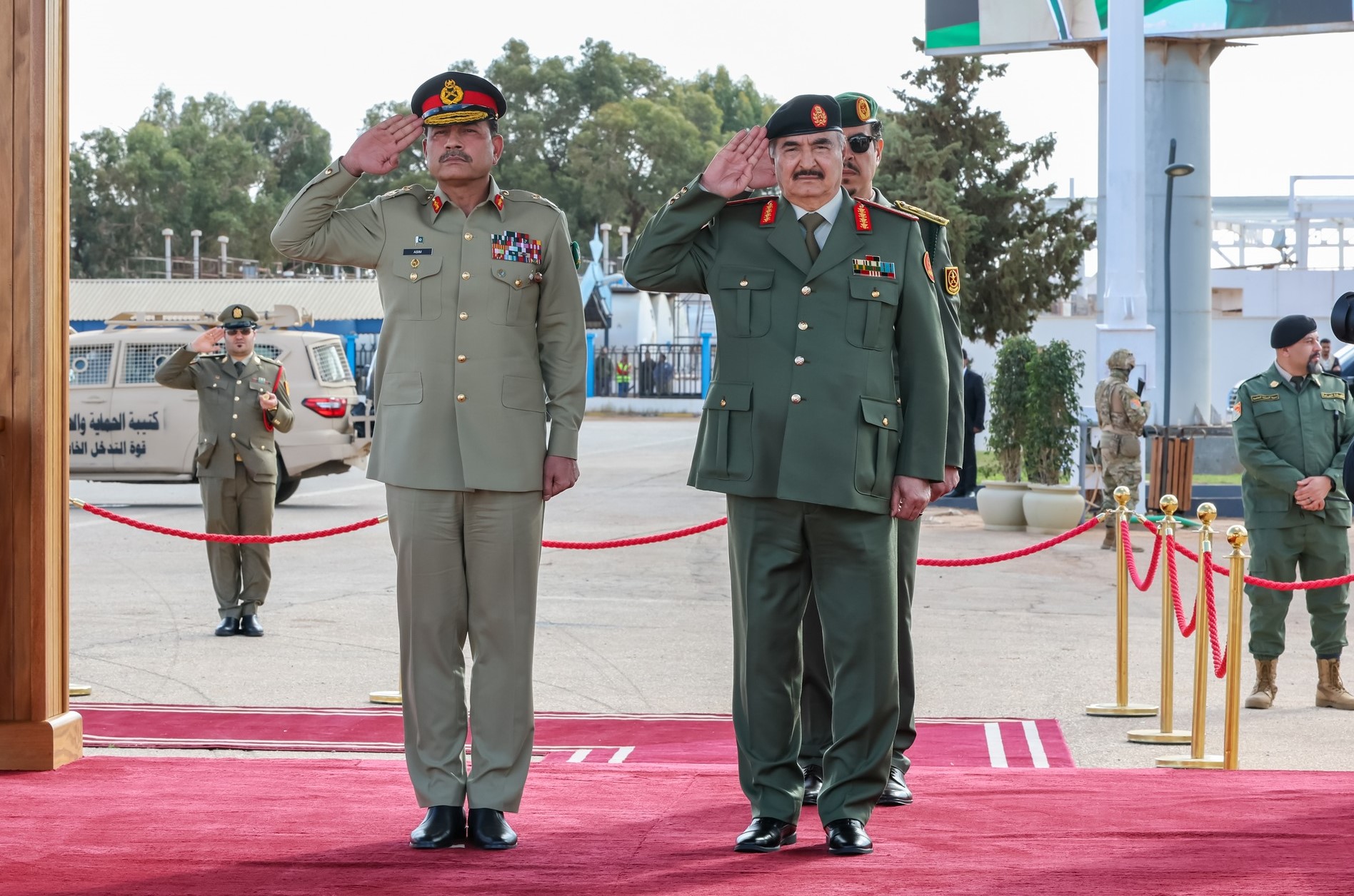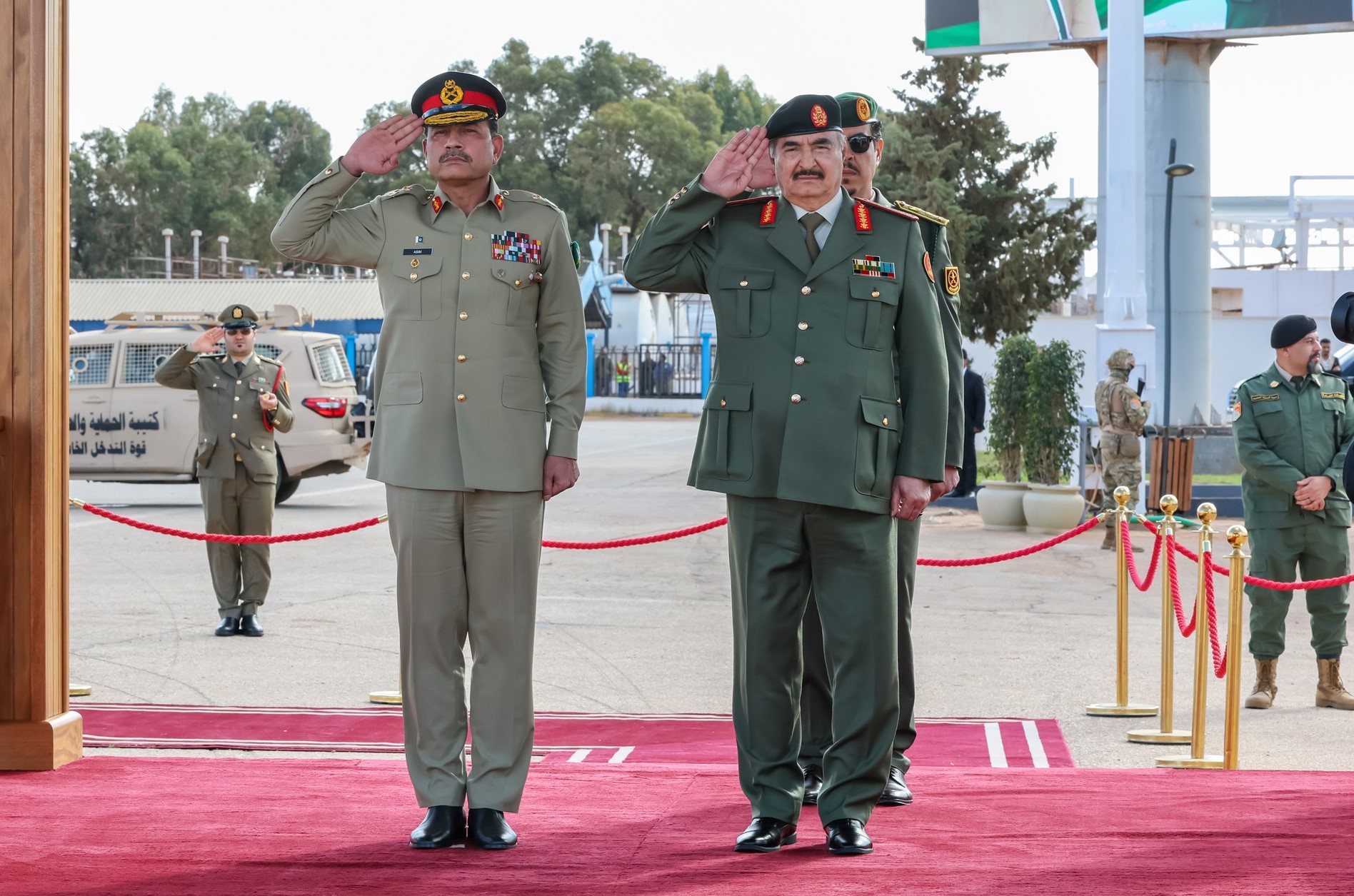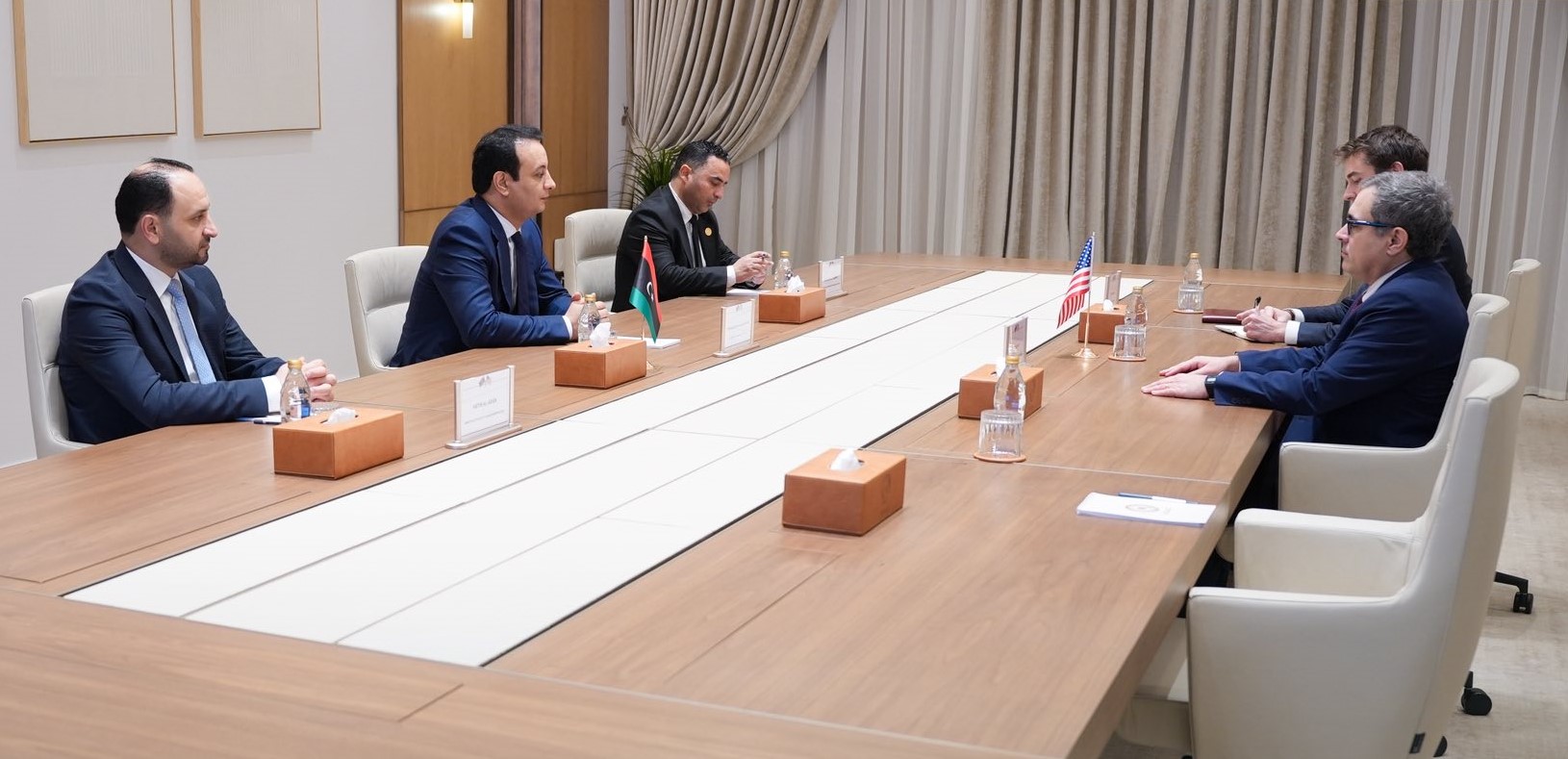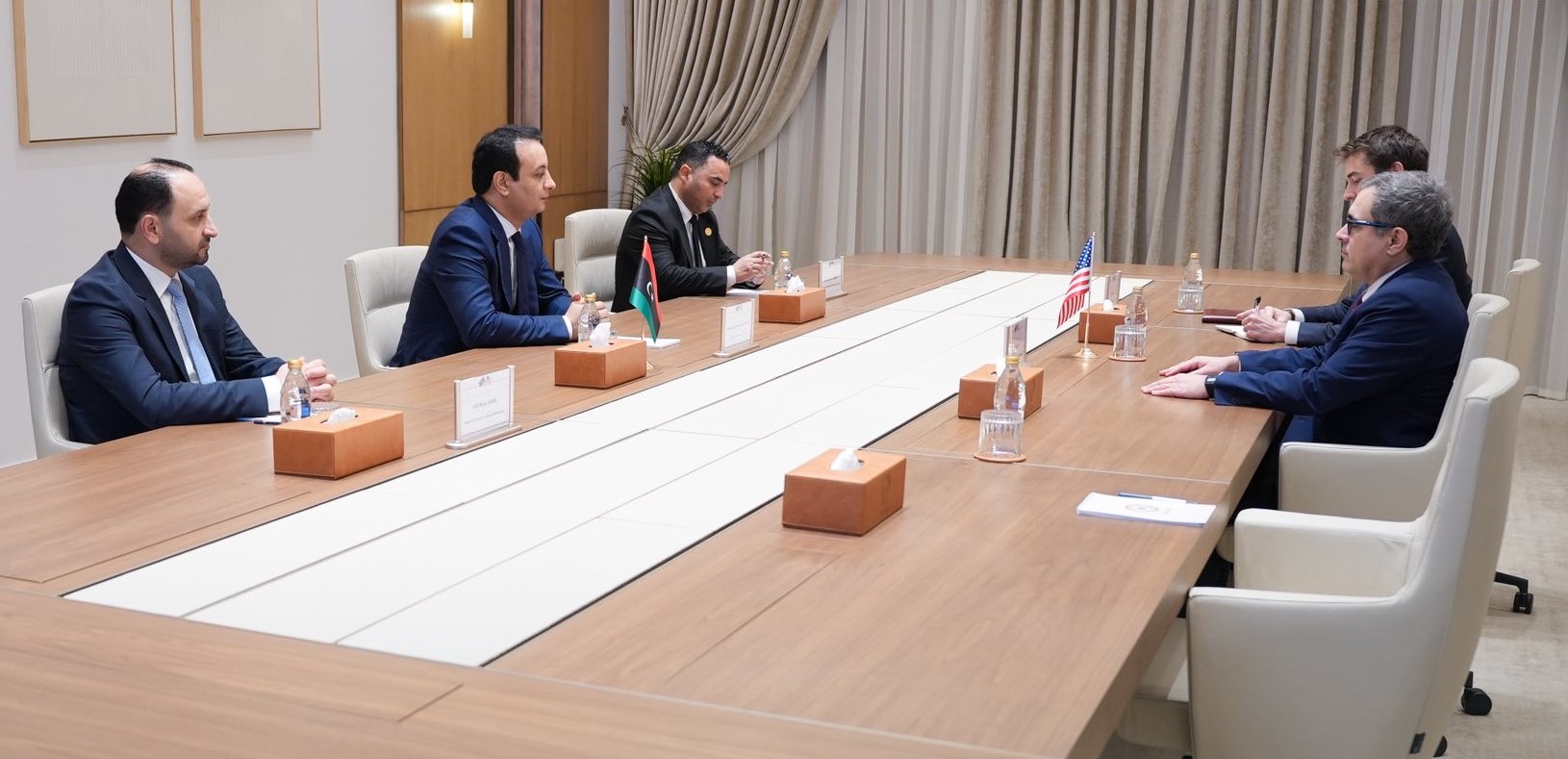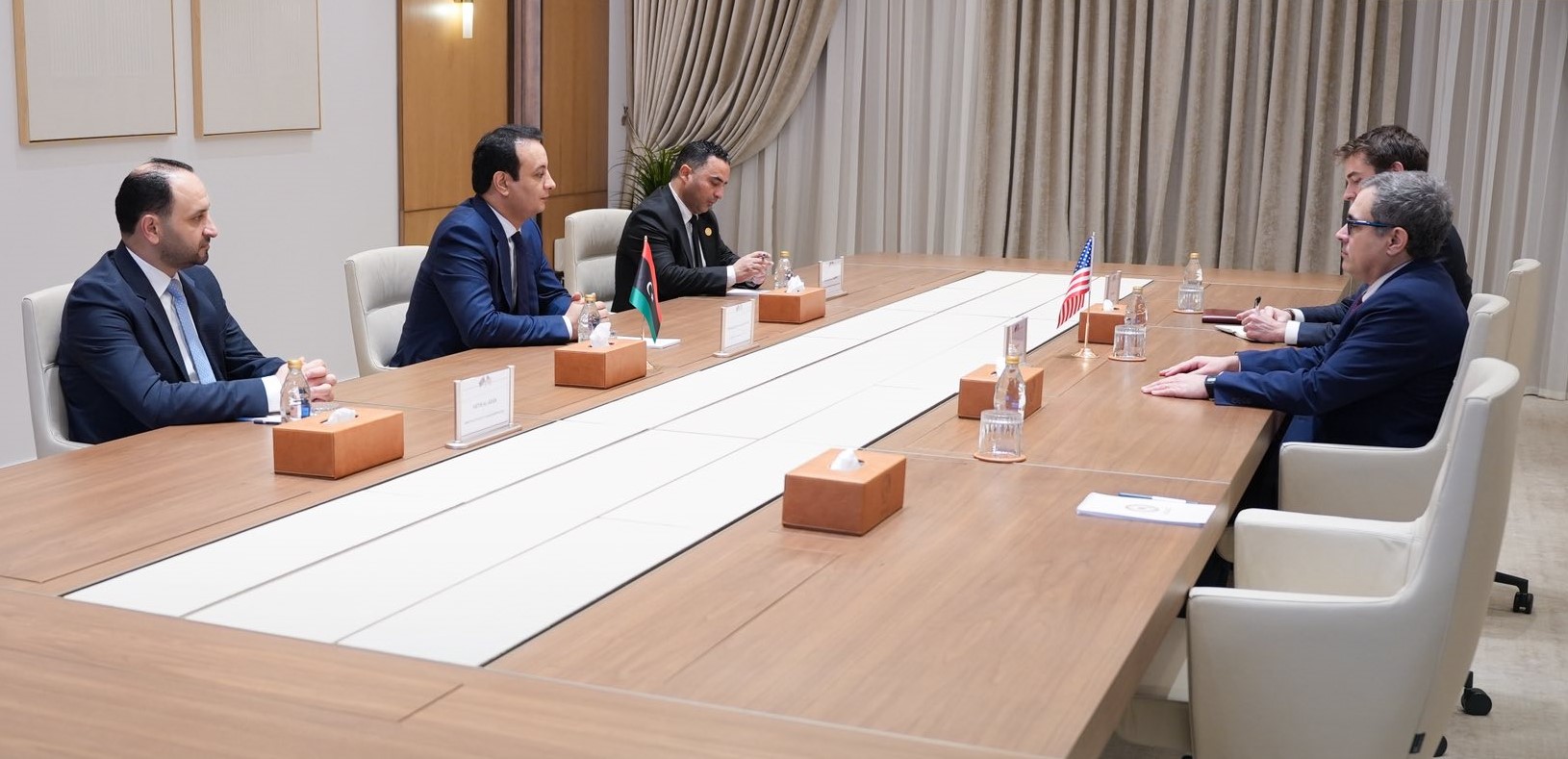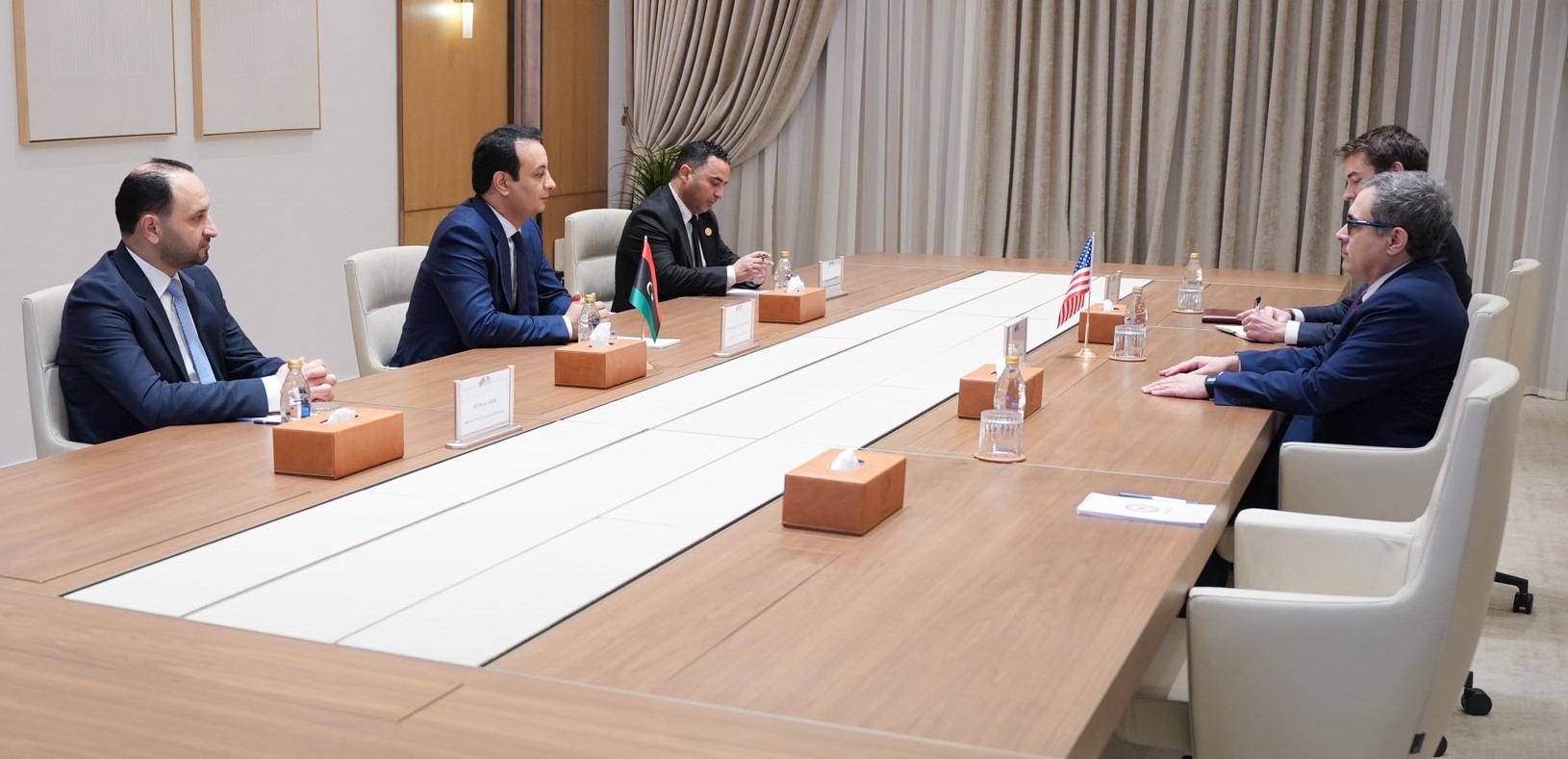
Tripoli, December 17, 2025 – The President of the Presidential Council discussed on Wednesday a range of issues and files related to the phenomenon of illegal migration, and the associated organized criminal activities and their security and humanitarian repercussions at the regional and international levels.
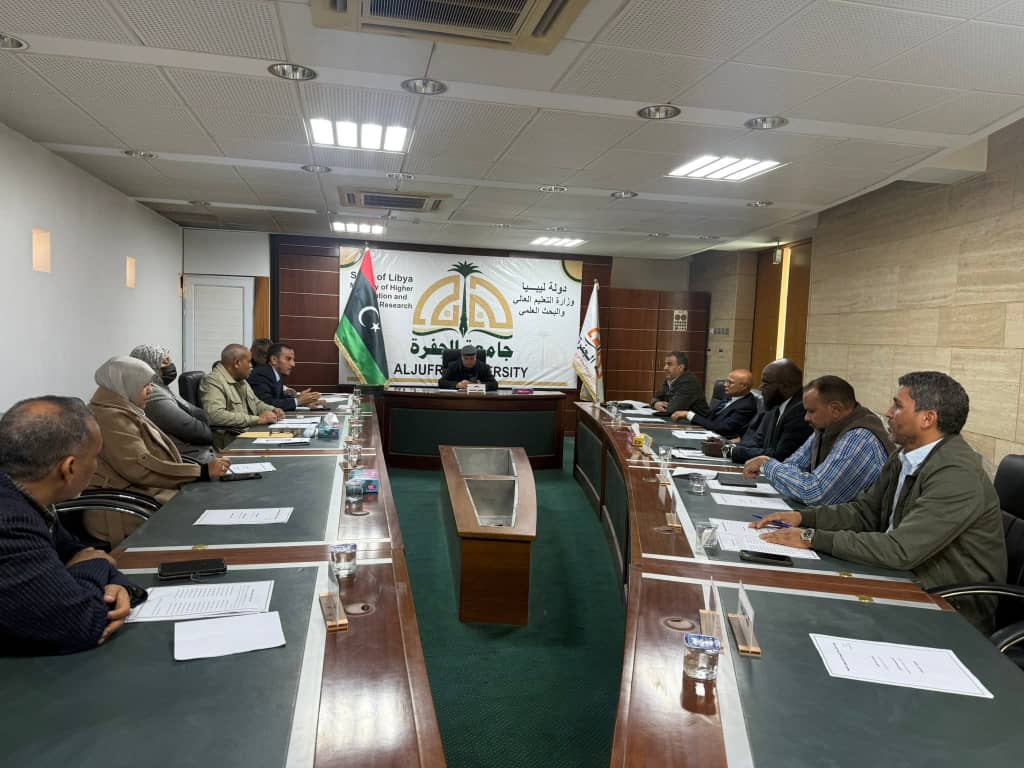
The meeting, which was held at the Council’s headquarters in Tripoli, also discussed mechanisms for enhancing joint cooperation in the field of migration management, combating human trafficking networks, and reducing irregular migration flows.
It was emphasized that Libya is a transit country, not a destination country, stressing the importance of concerted international efforts to address the root causes of illegal migration and support the stability of source countries, which contributes to reducing this phenomenon. There was also an affirmation of the commitment to constructive cooperation that respects international human rights standards and preserves the dignity of migrants.
It was confirmed that there is a readiness to continue providing technical and logistical support to Libya and to enhance partnership programs aimed at the humane and safe management of migration and addressing the common challenges associated with it.
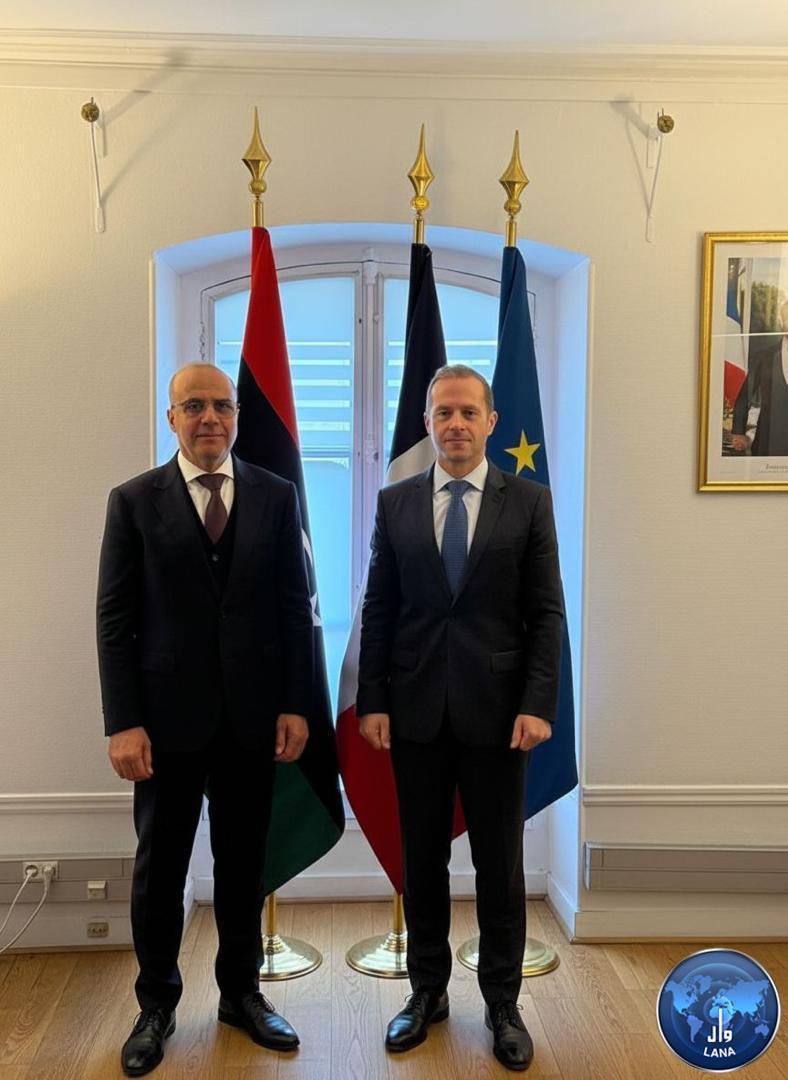
The President of the Presidential Council
### 1. **Libya**
The most prominent current example is the **President of the Libyan Presidential Council**. This council is the head of state in Libya’s interim government, established after the 2015 Libyan Political Agreement. The president serves as the ceremonial head of state and commander-in-chief.
### 2. **Bosnia and Herzegovina**
The **Chairman of the Presidency of Bosnia and Herzegovina** is often informally called its “President.” The country has a three-member presidency (one Bosniak, one Croat, one Serb), and the chairmanship rotates every eight months.
### 3. **Historical Examples**
– **Uruguay** had a **National Council of Government** (1952–1967) with a rotating presidency.
– **Switzerland** has a **President of the Swiss Confederation**, who chairs the seven-member Federal Council but is a *primus inter pares* (first among equals) with no additional powers.
### 4. **Other Organizations**
The term can also refer to leaders of various **national or international councils** (e.g., Presidential Council of the European Union, which is different from the President of the European Council).
### Key Point:
In such systems, executive authority is often **shared among council members**, making the president’s role more about coordination and representation than unilateral executive power (unlike a traditional presidential system like the United States).
If you have a **specific country or context** in mind, please provide it for a more precise explanation.