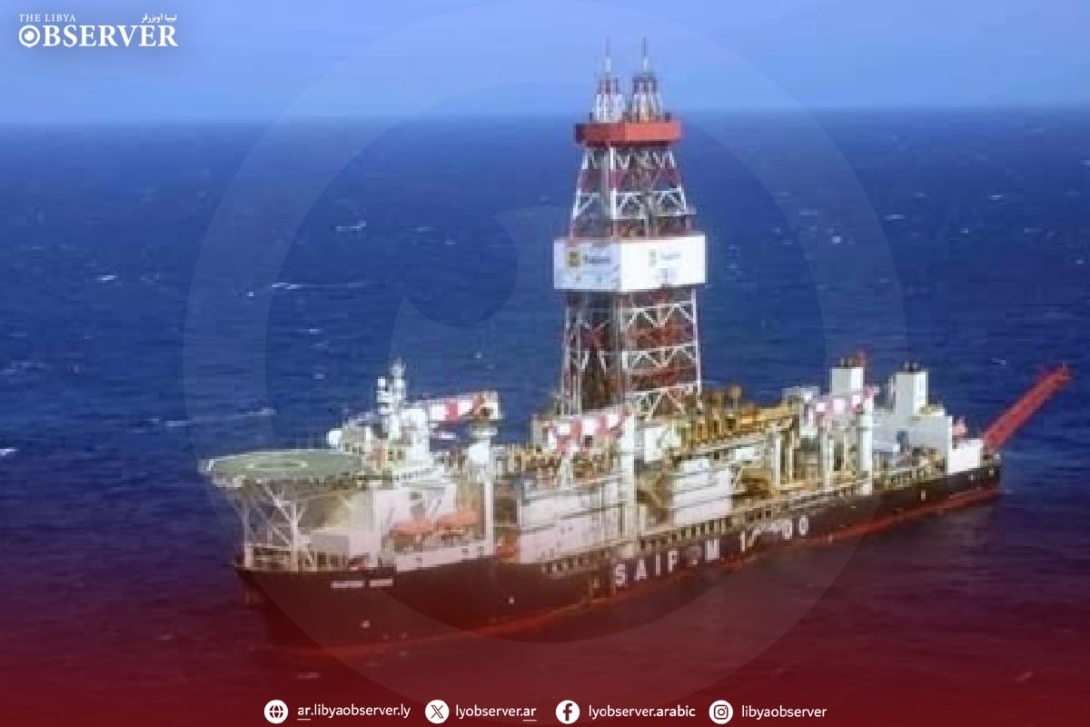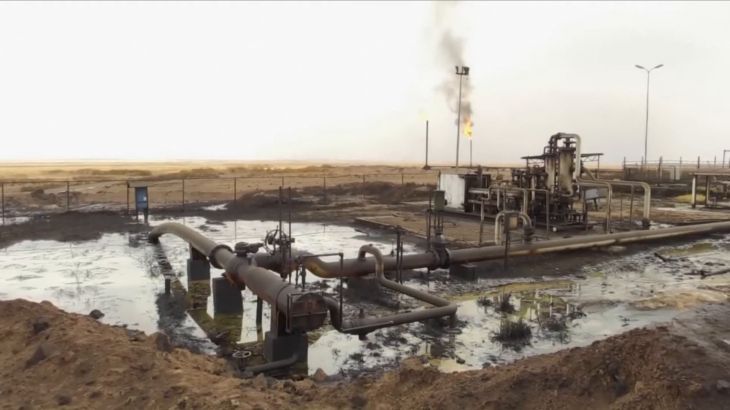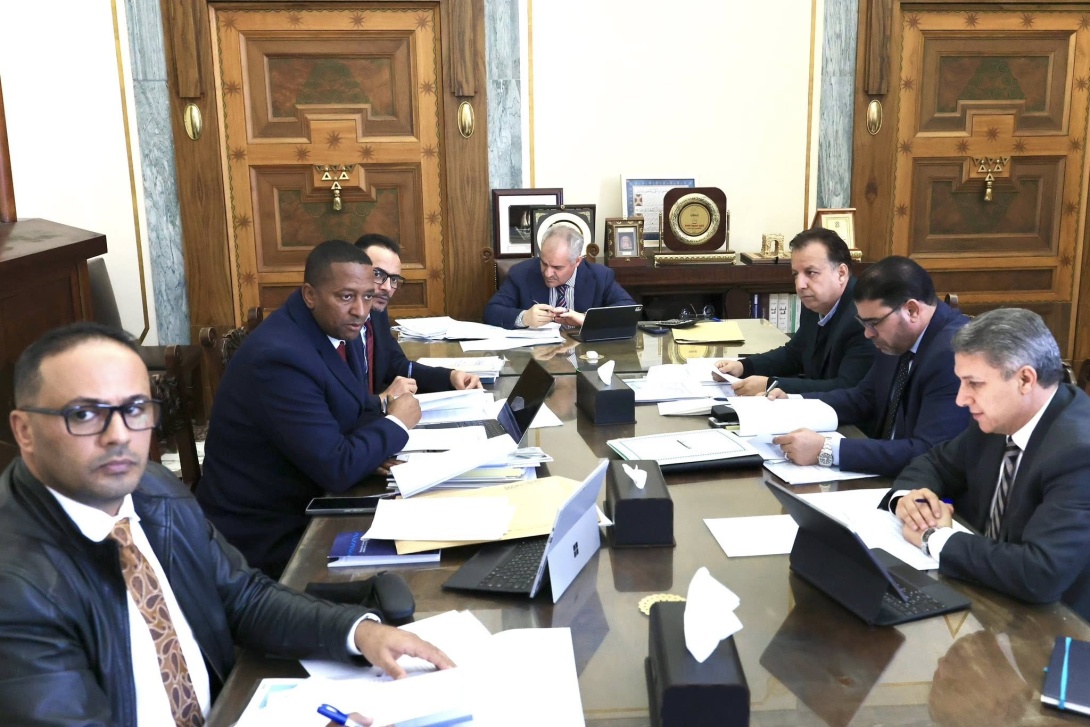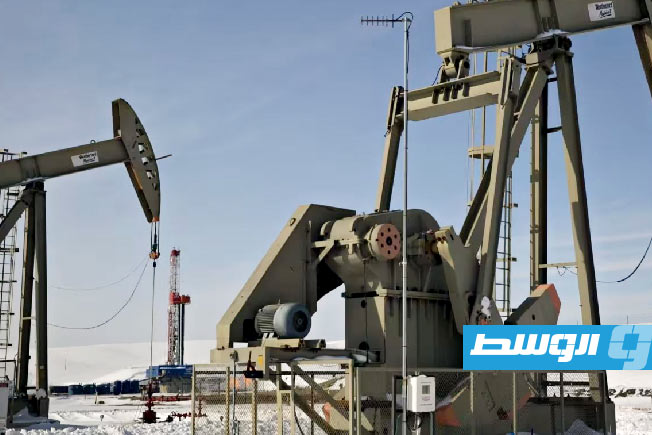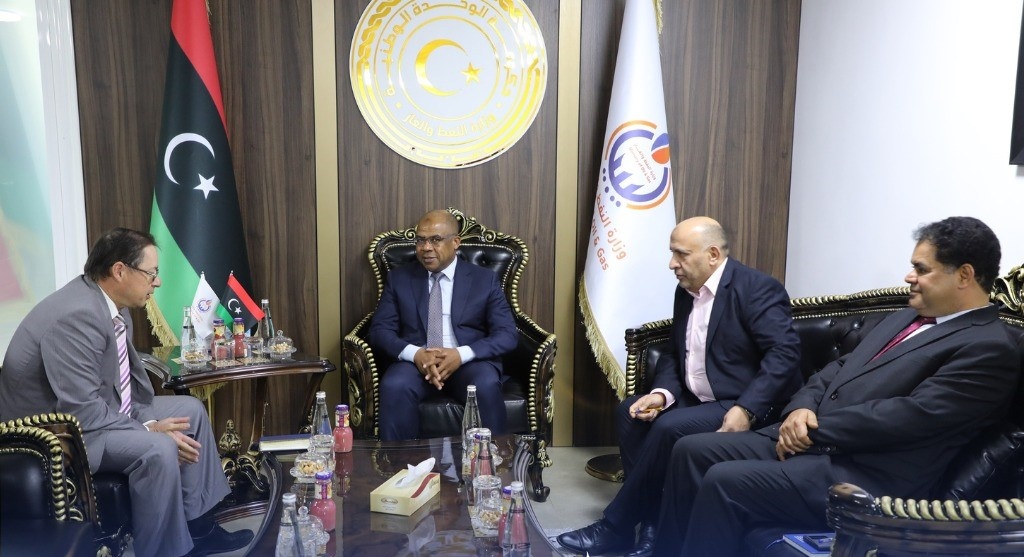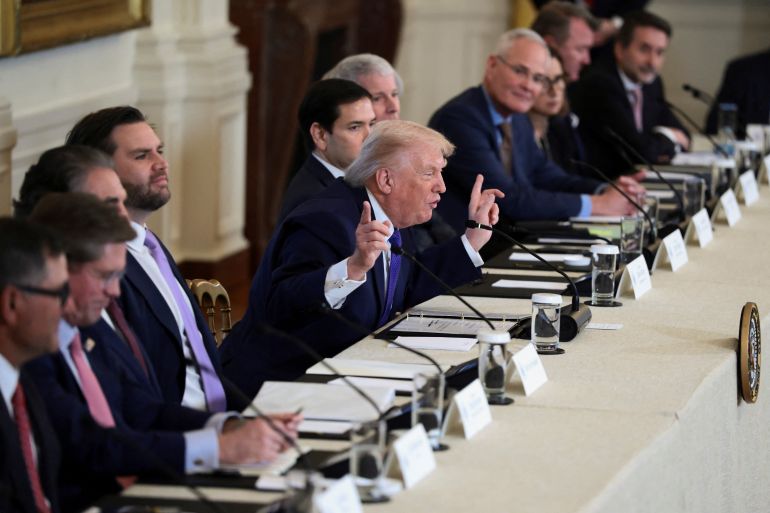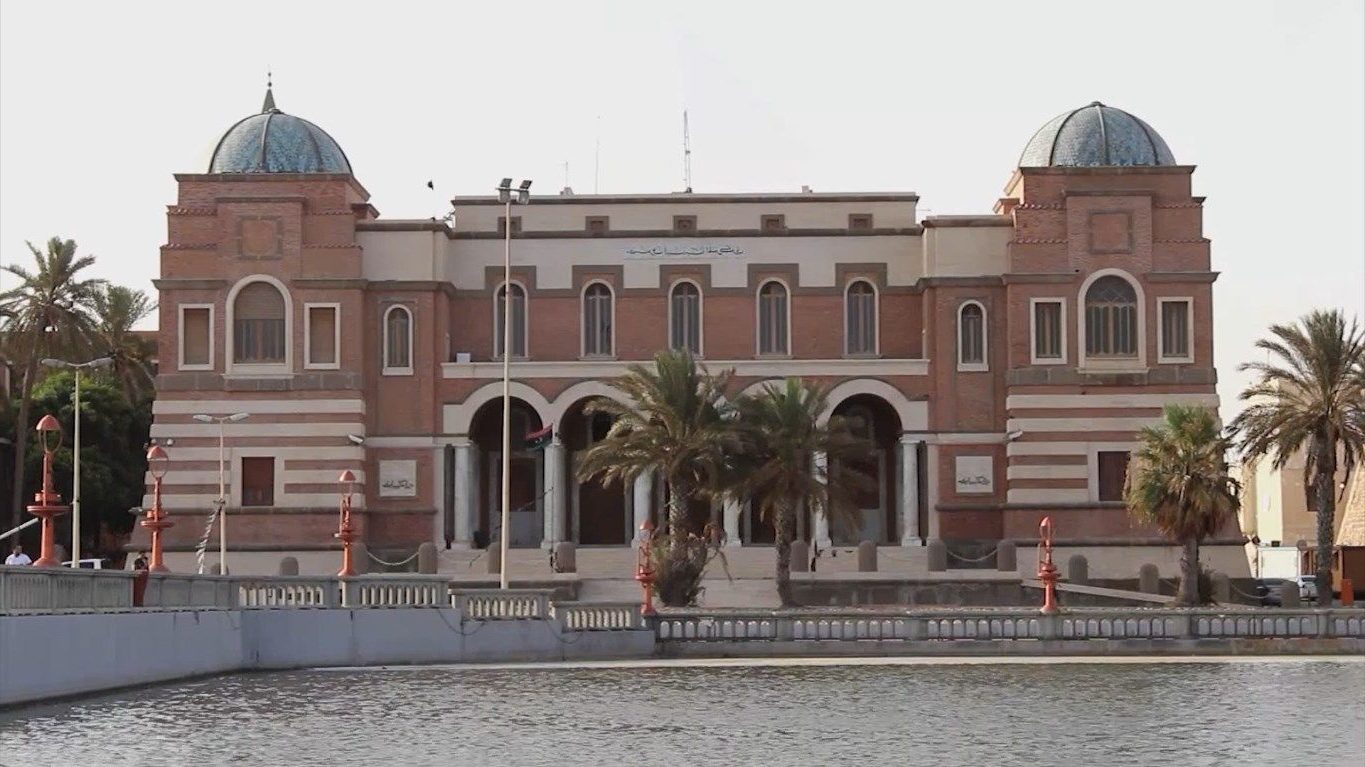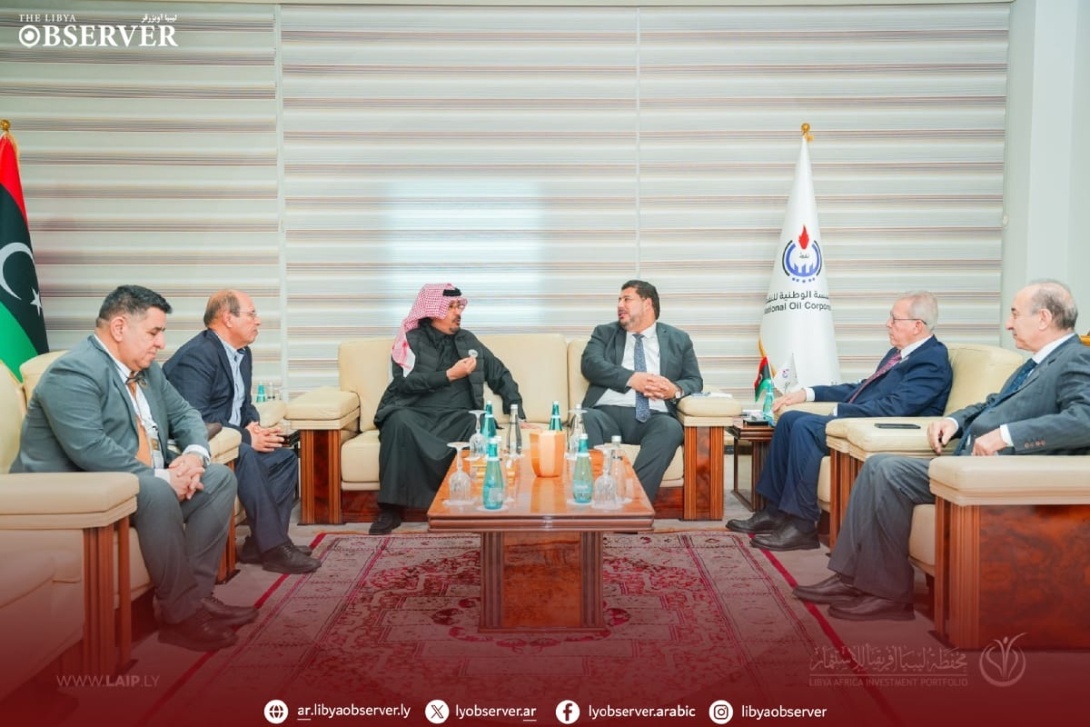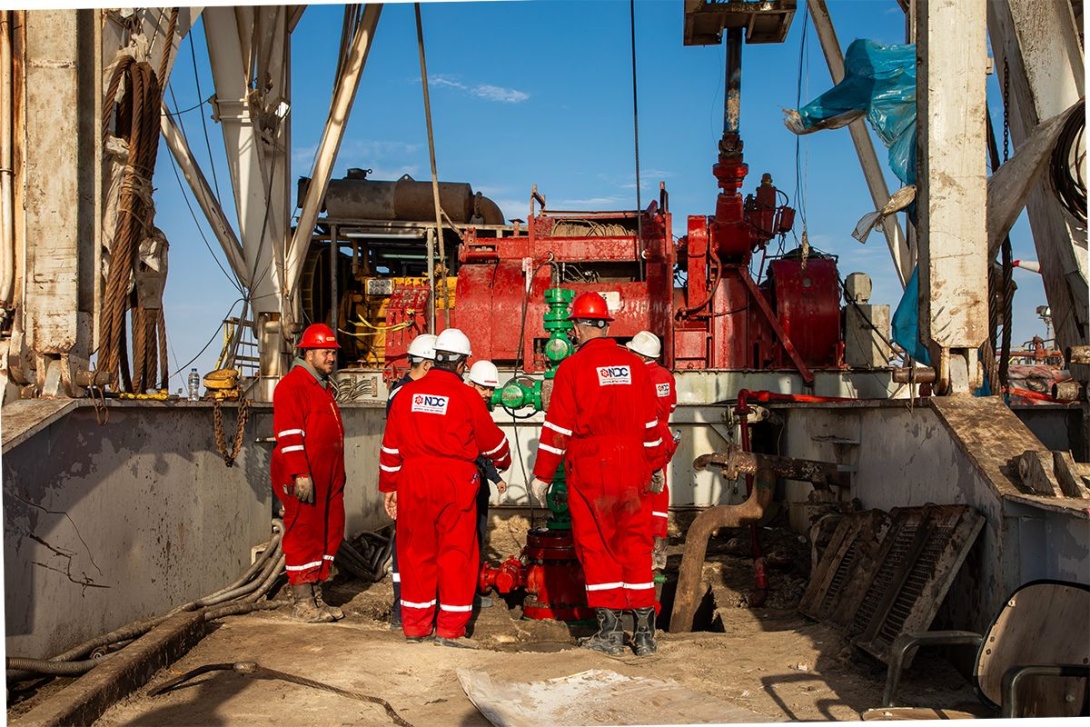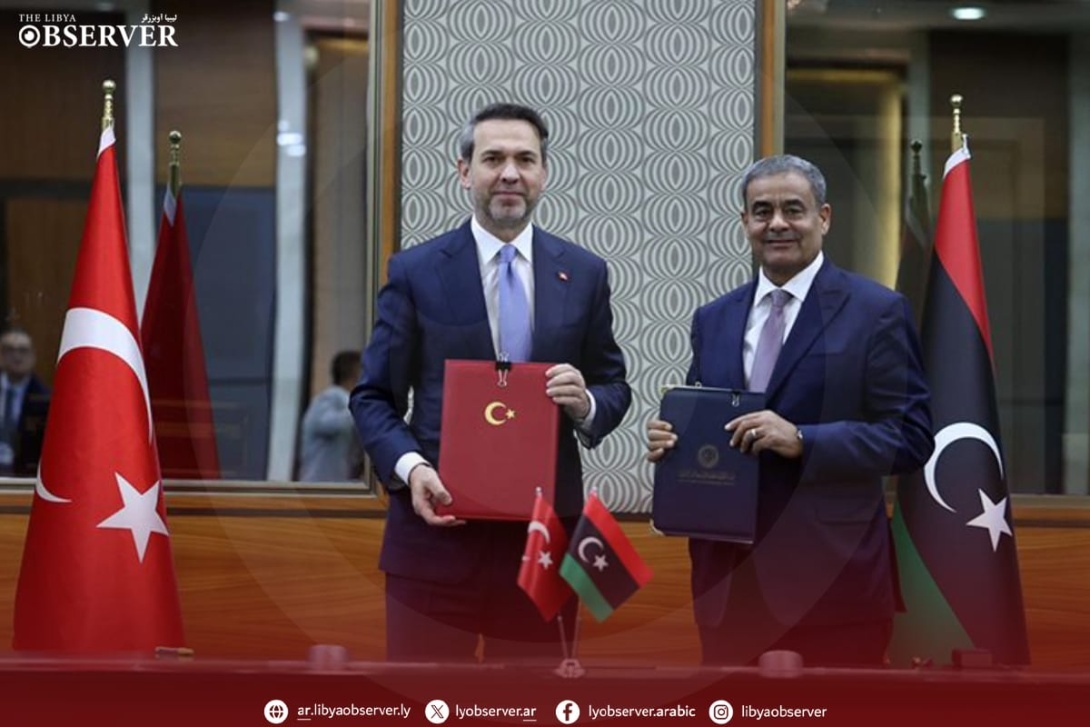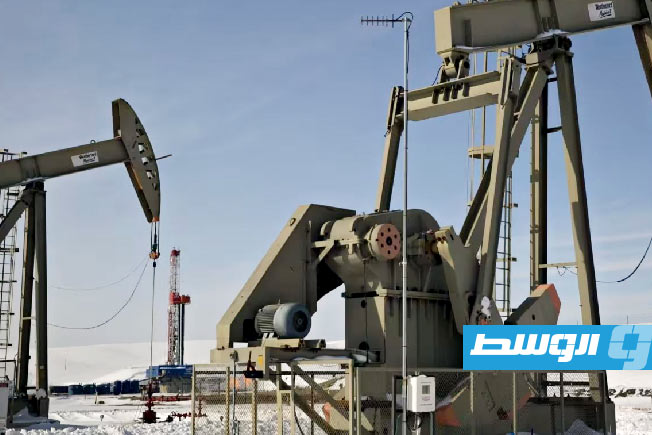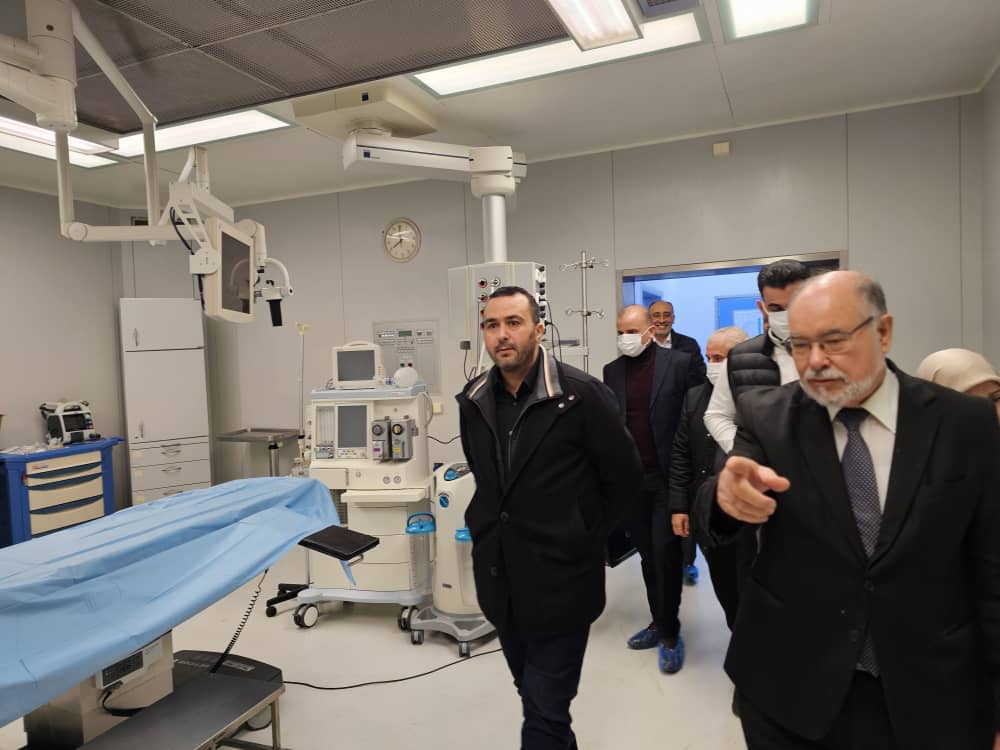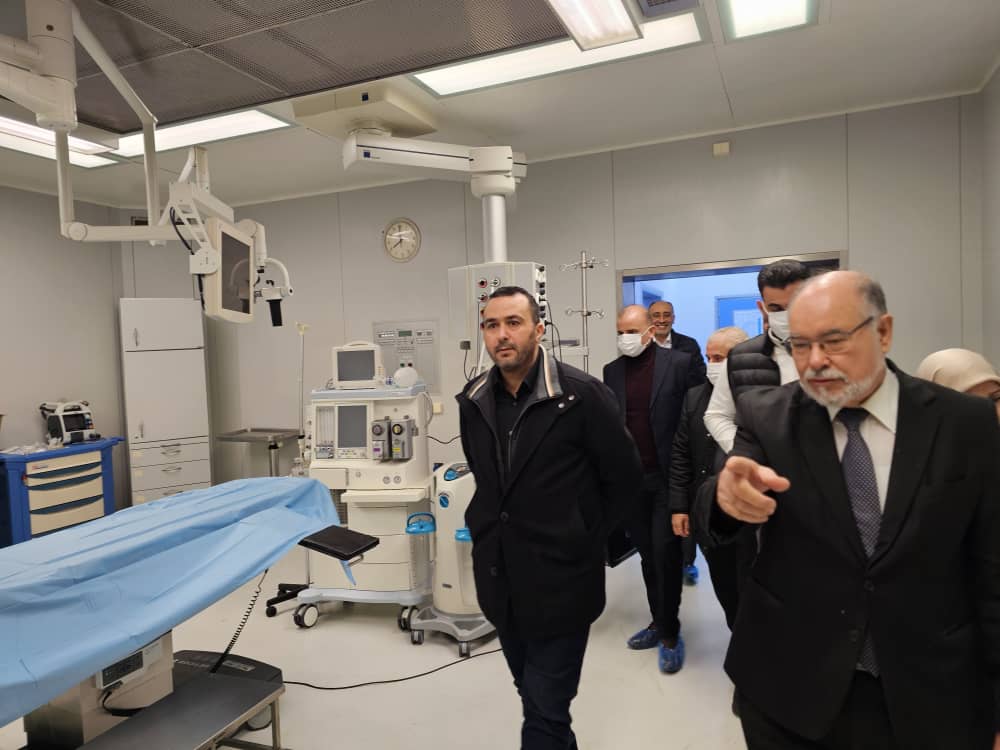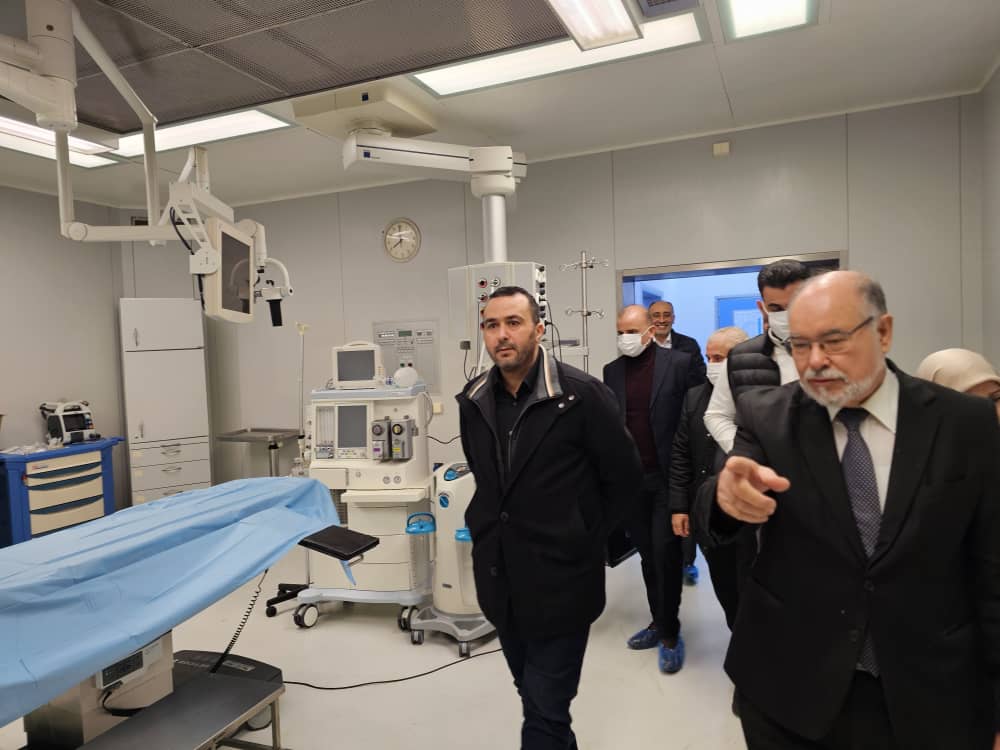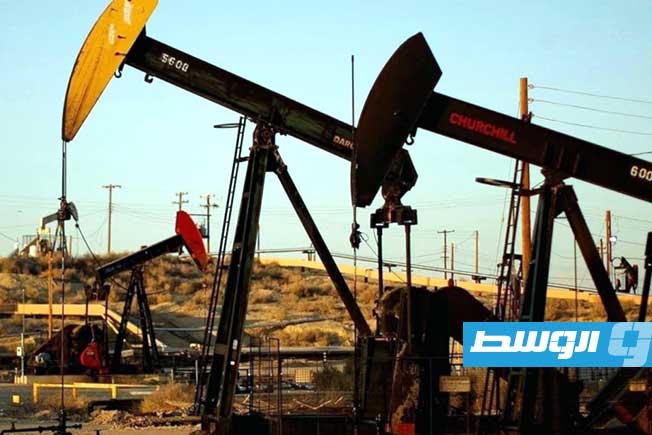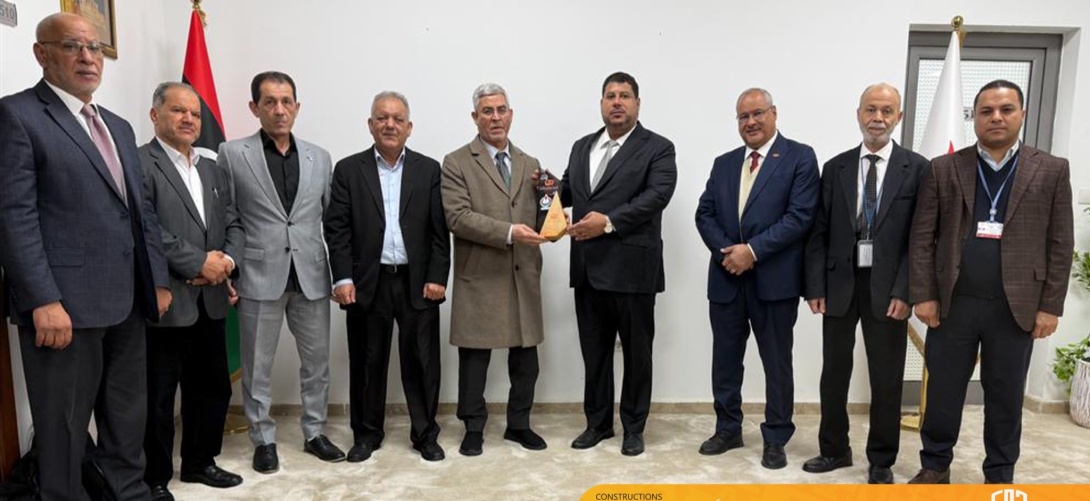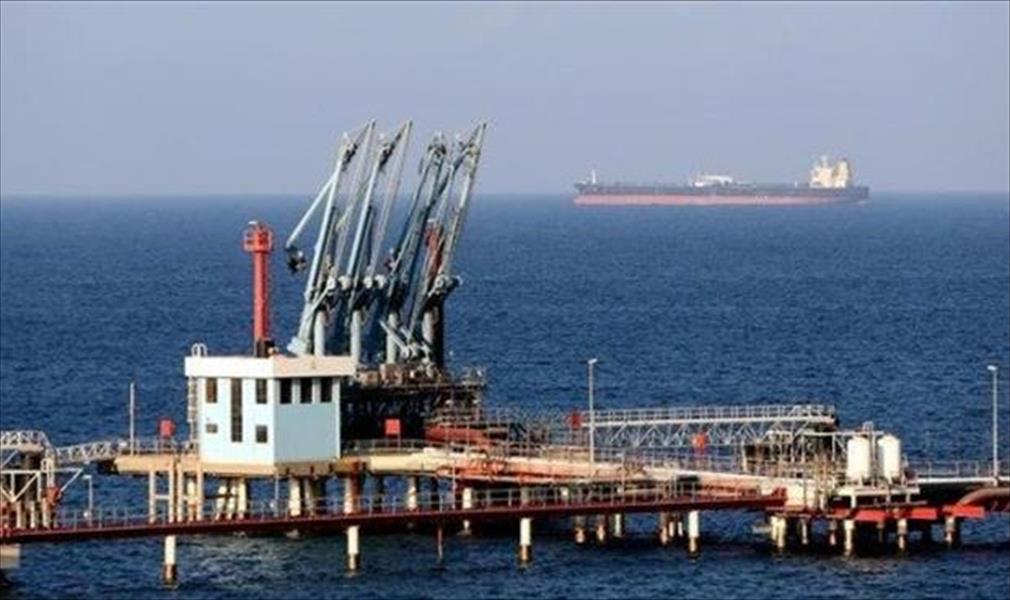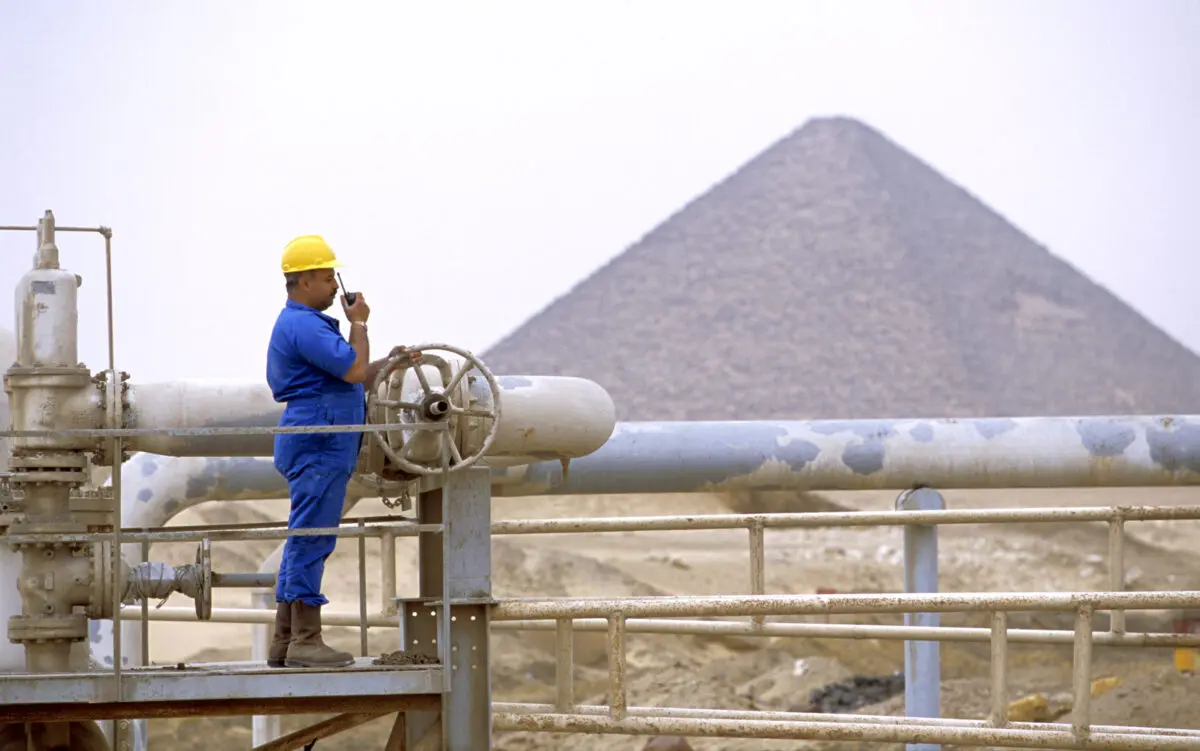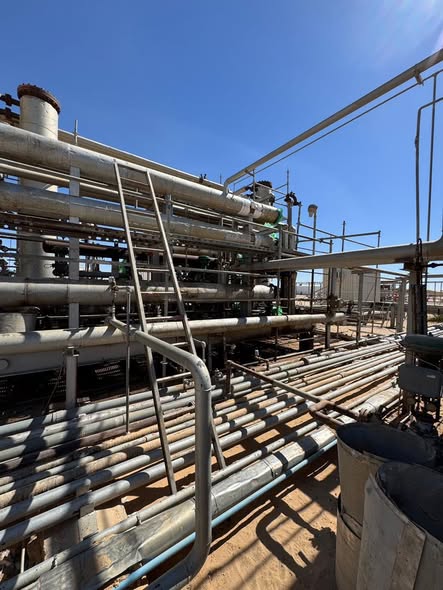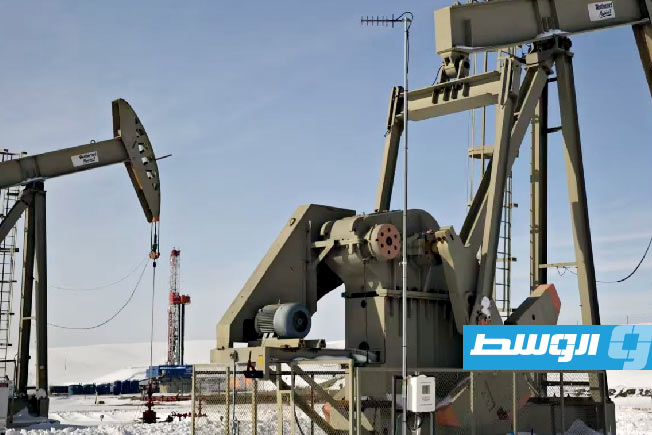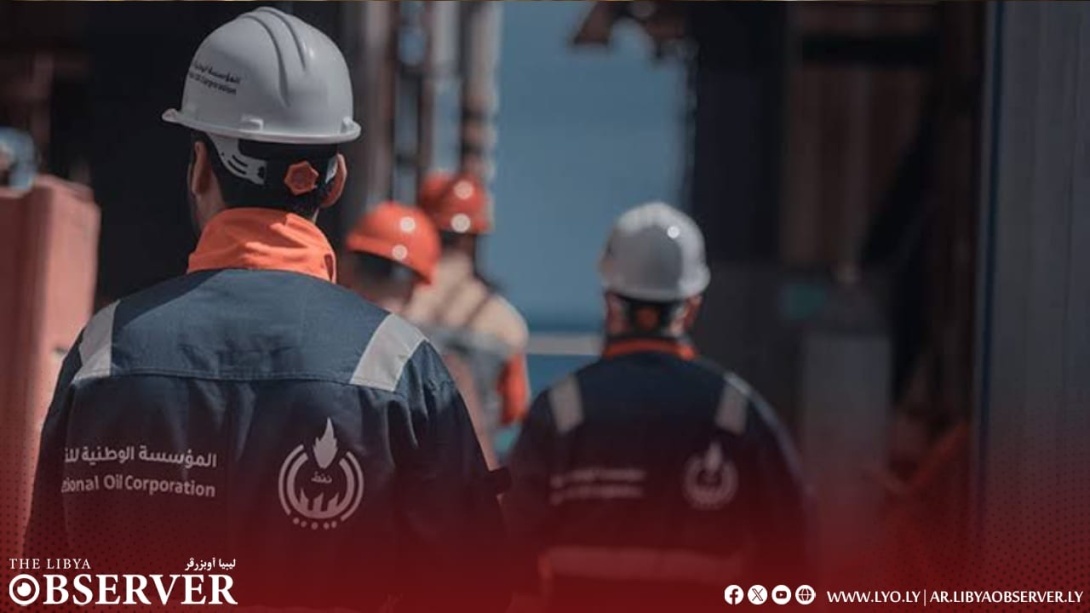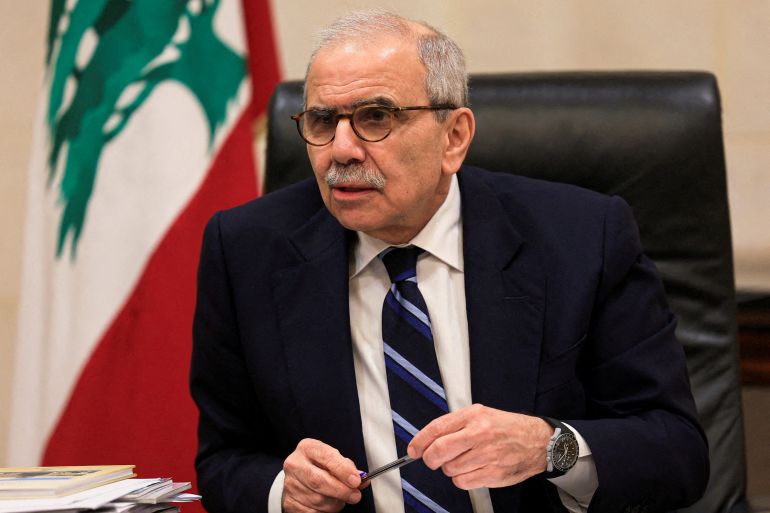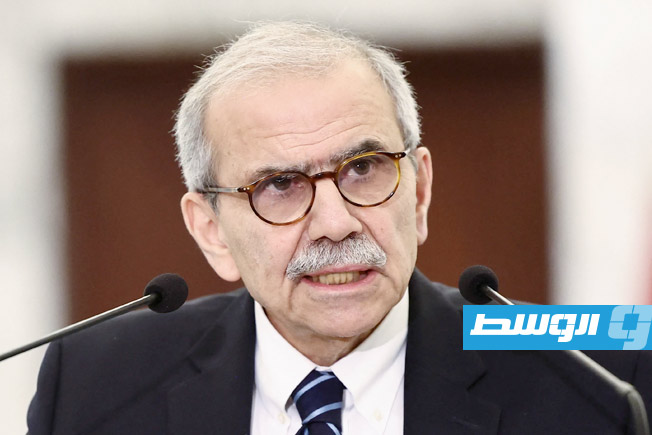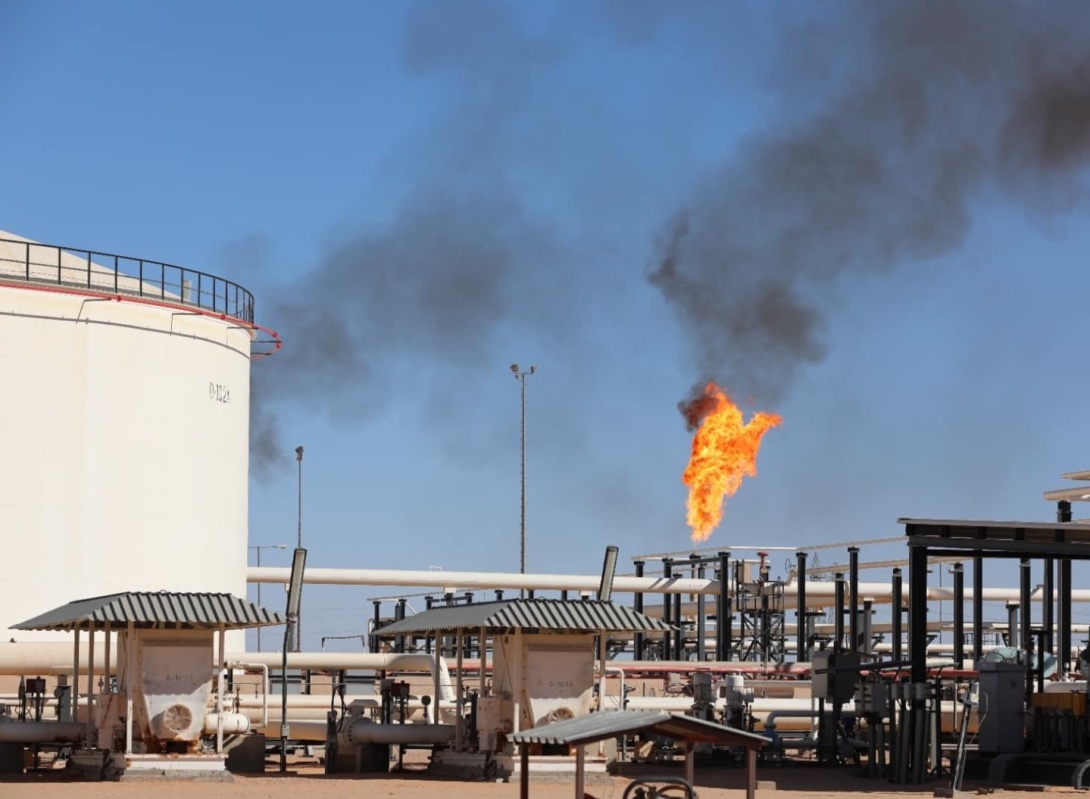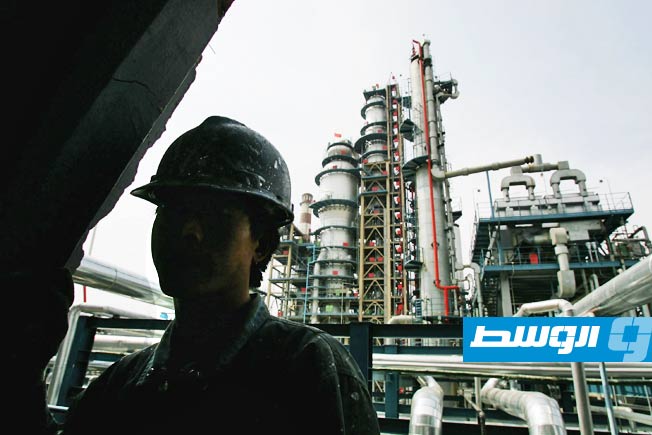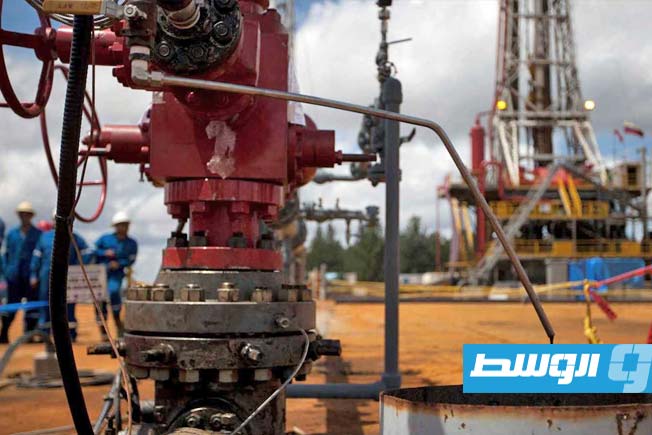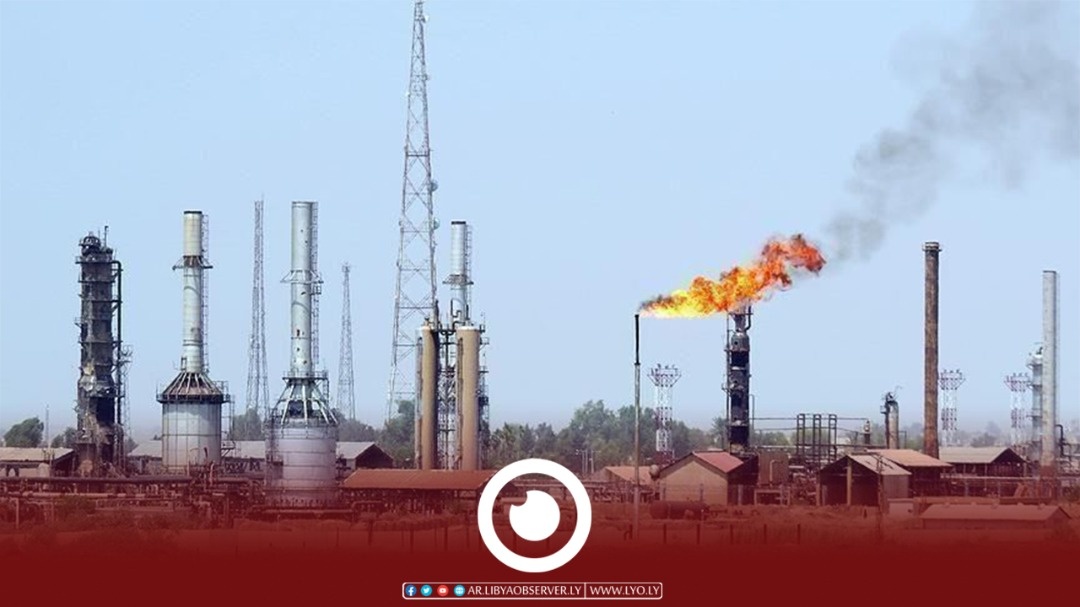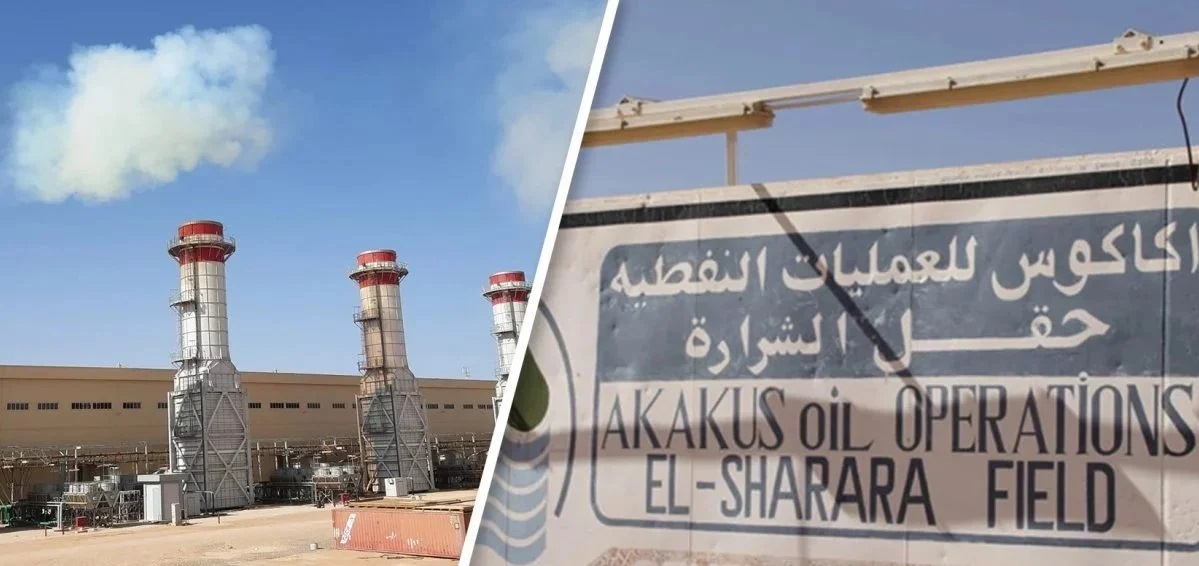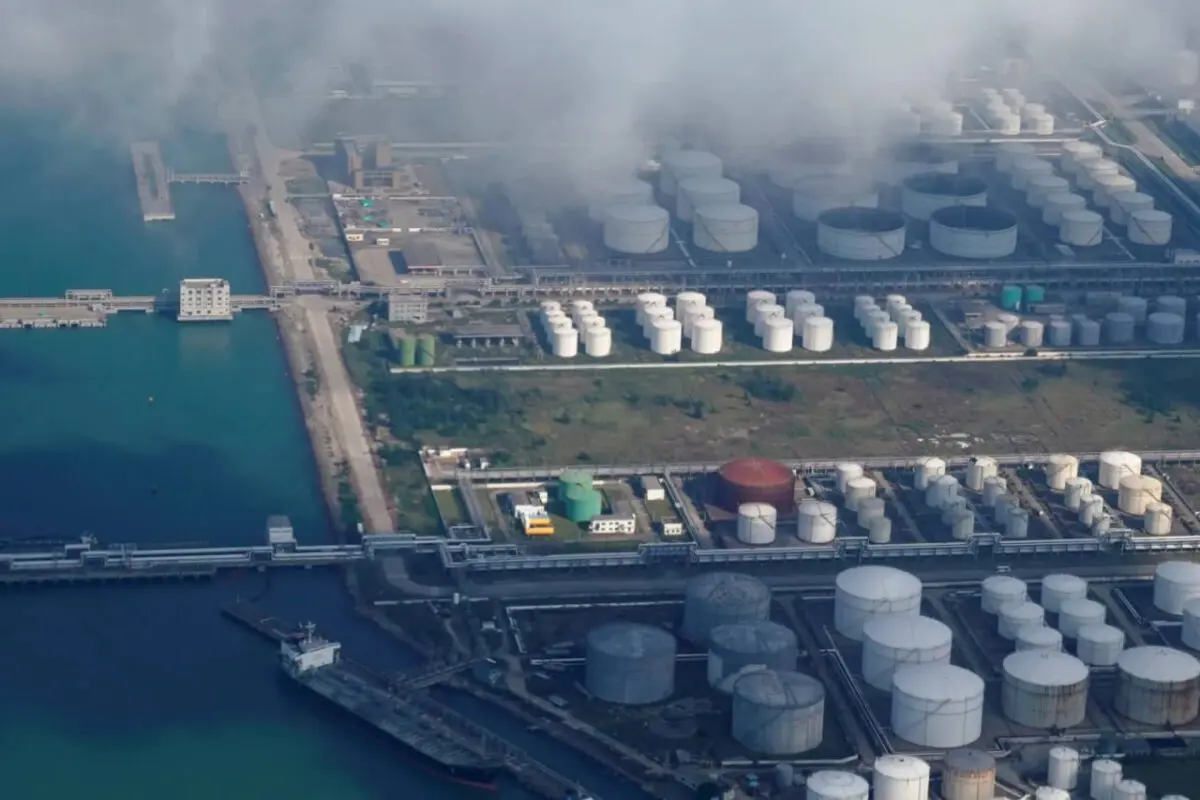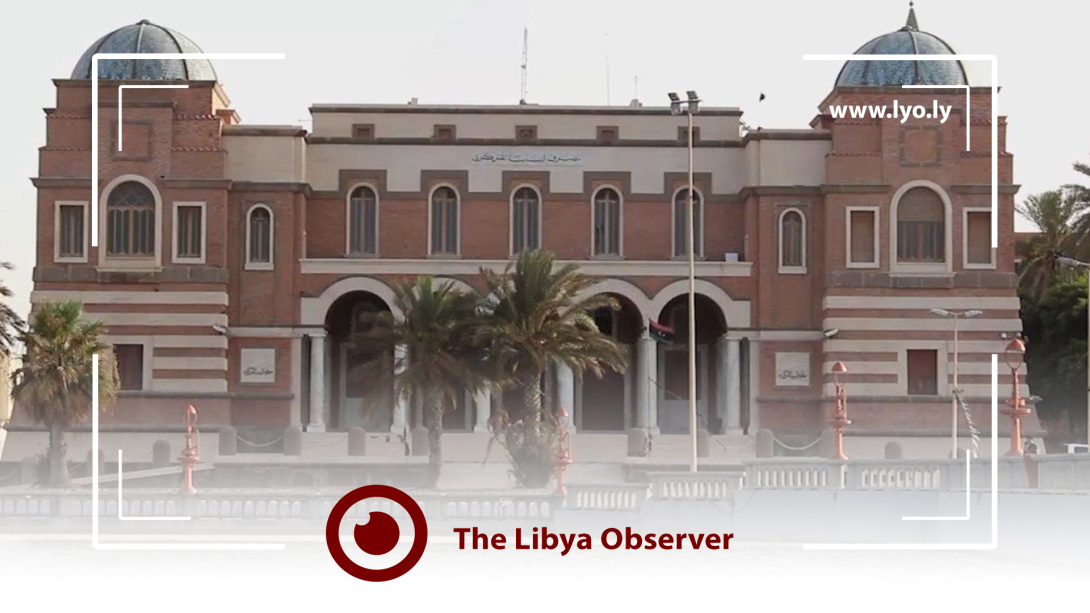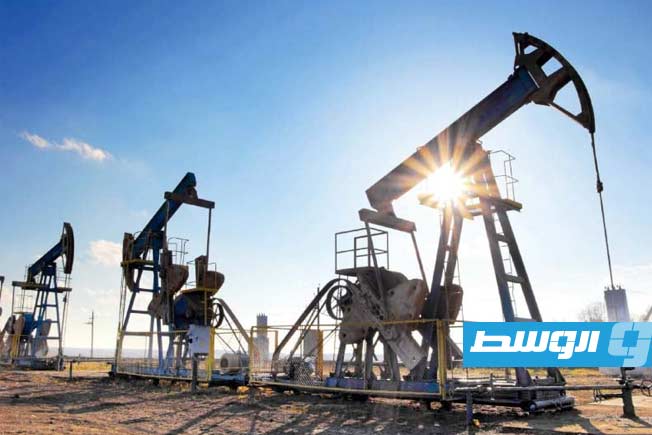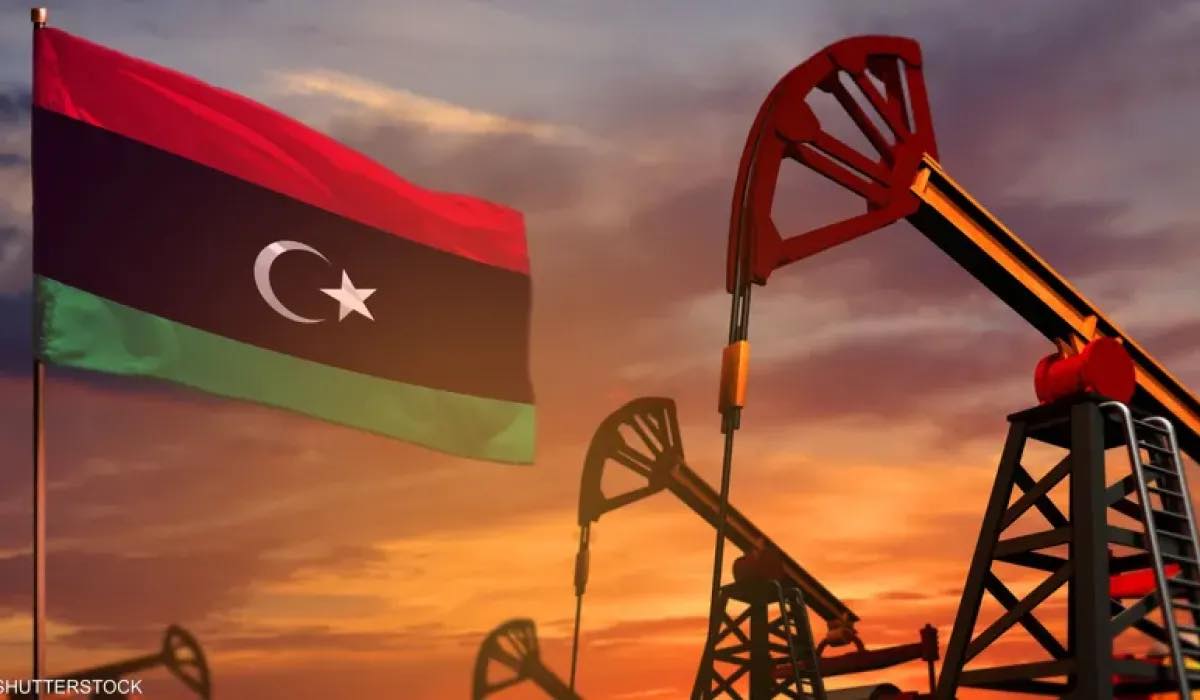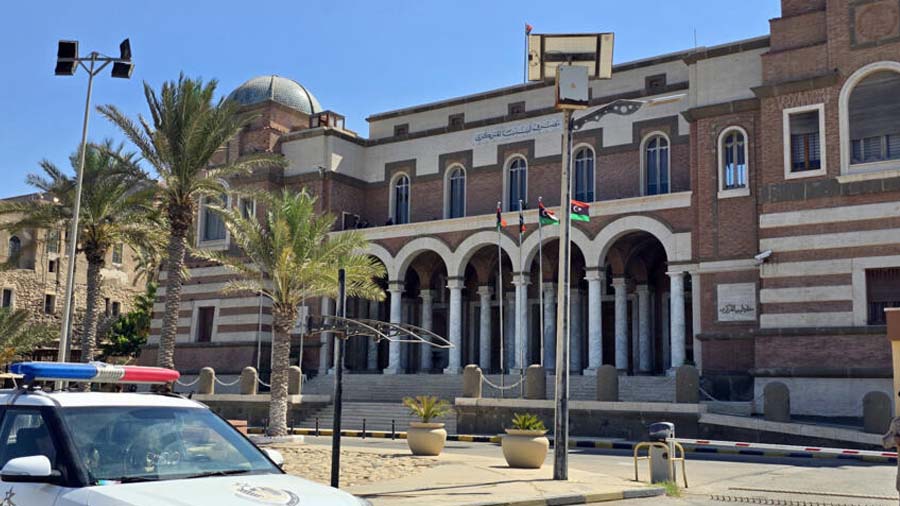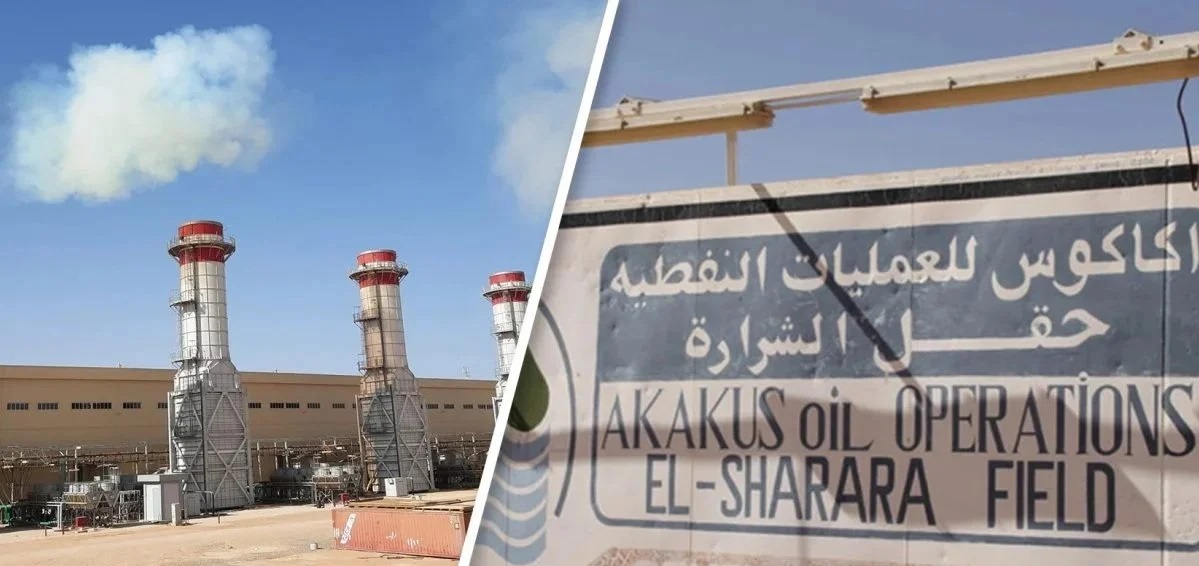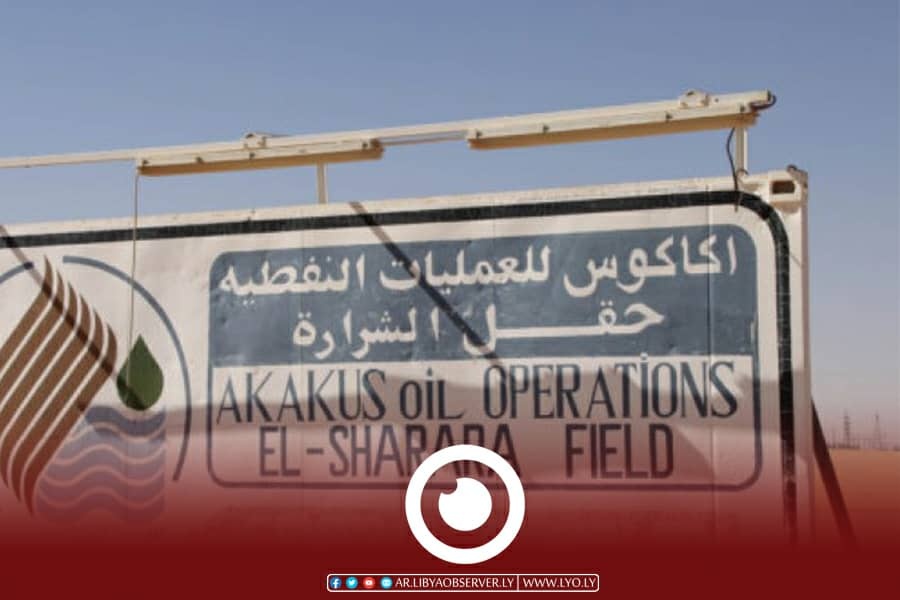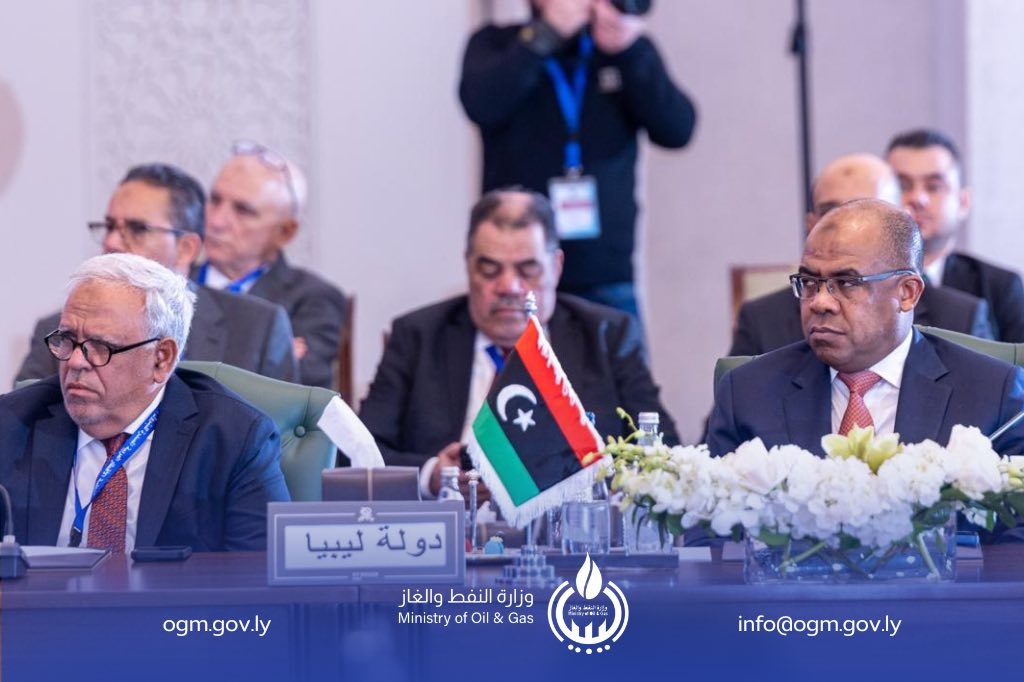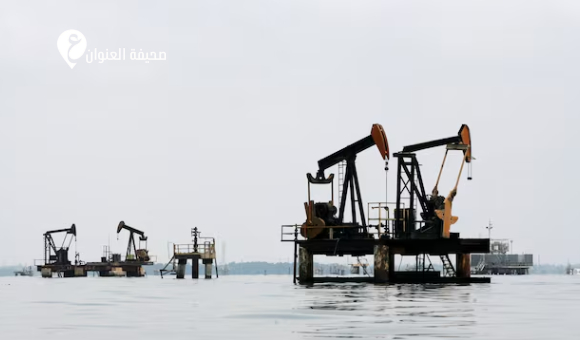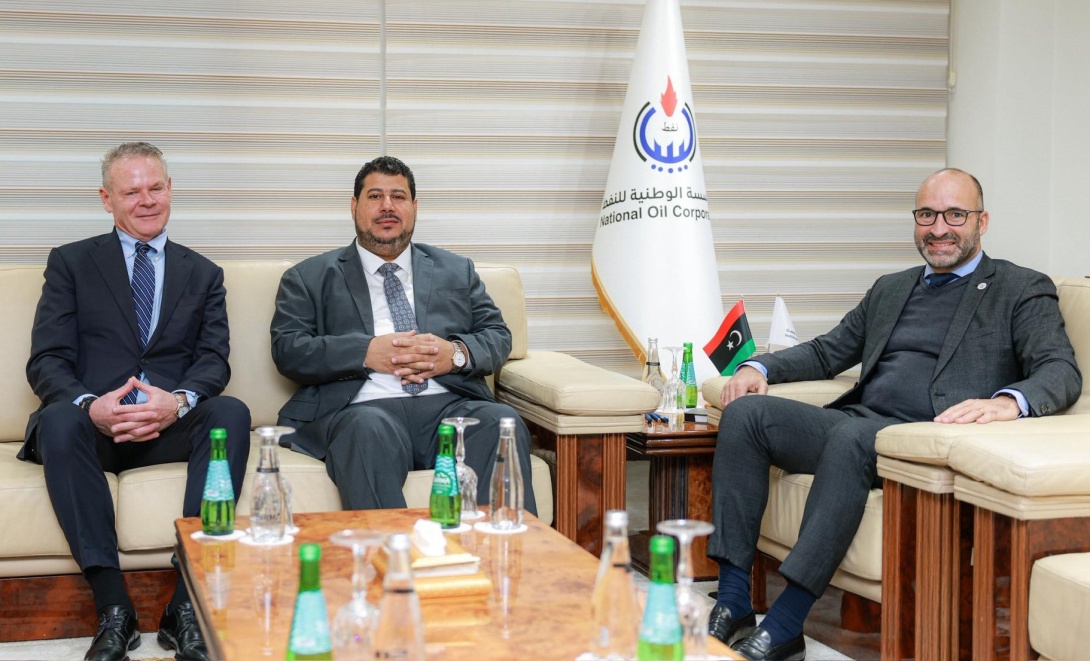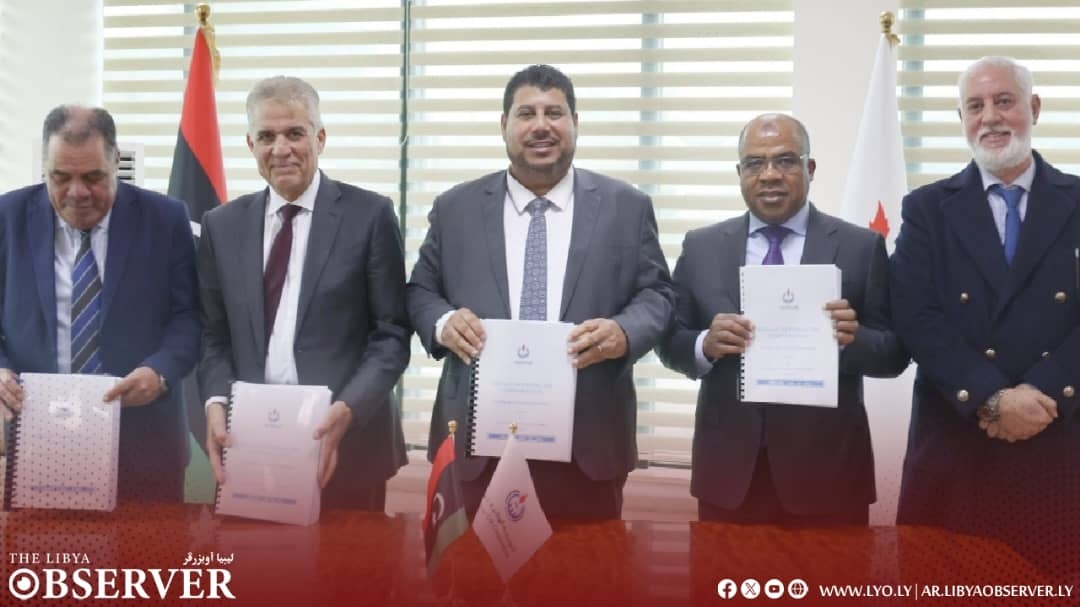
The Board of Directors of the National Oil Corporation (NOC) has approved a unified drilling regulation for companies, marking the first time such a framework has been adopted in the sector. The regulation aims to protect workers and equipment and reduce operational risks.
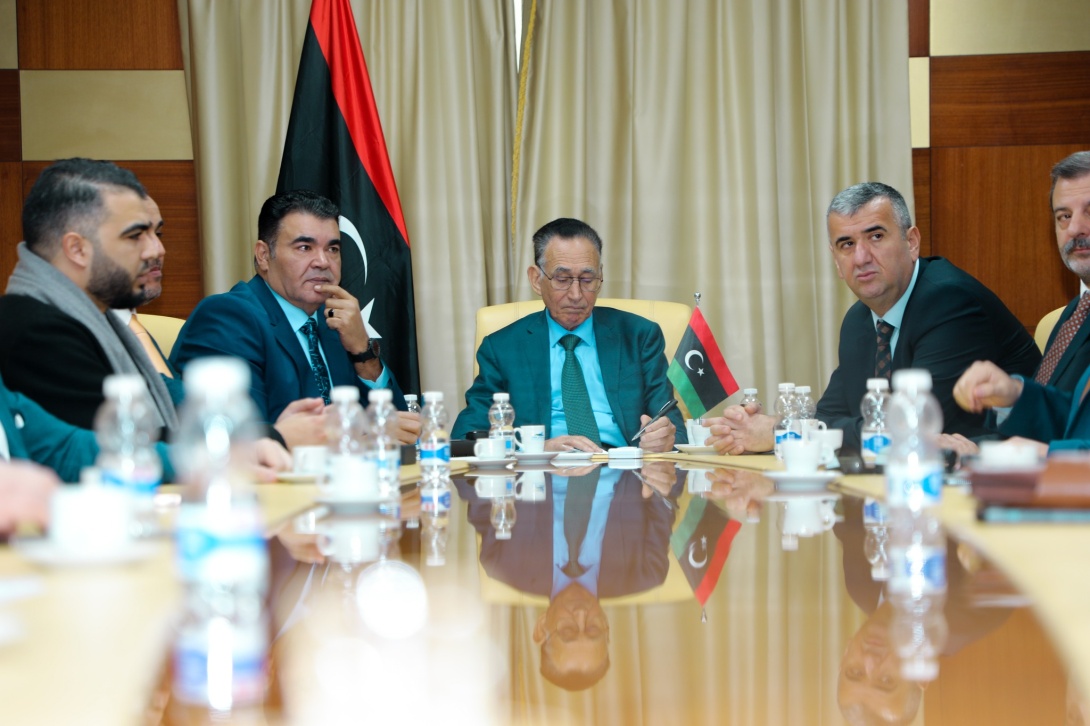
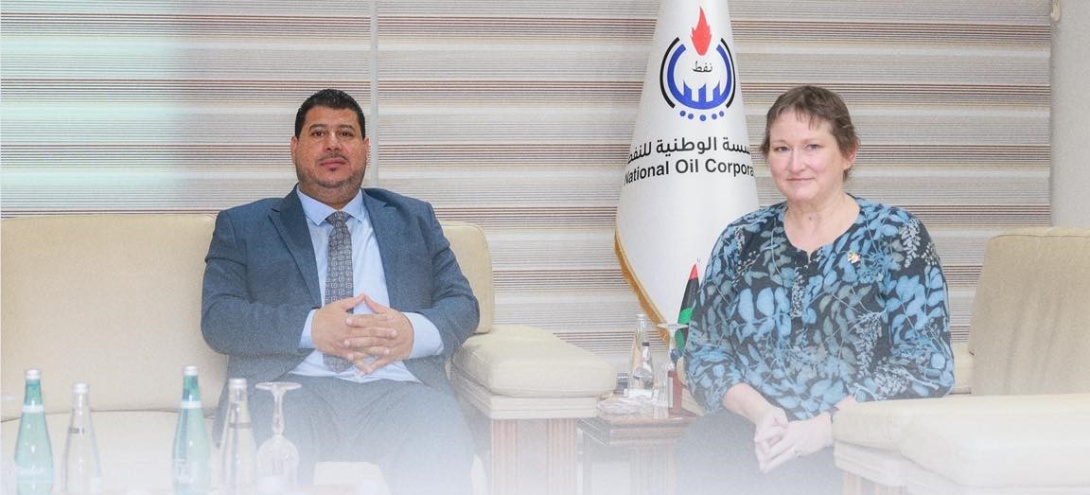
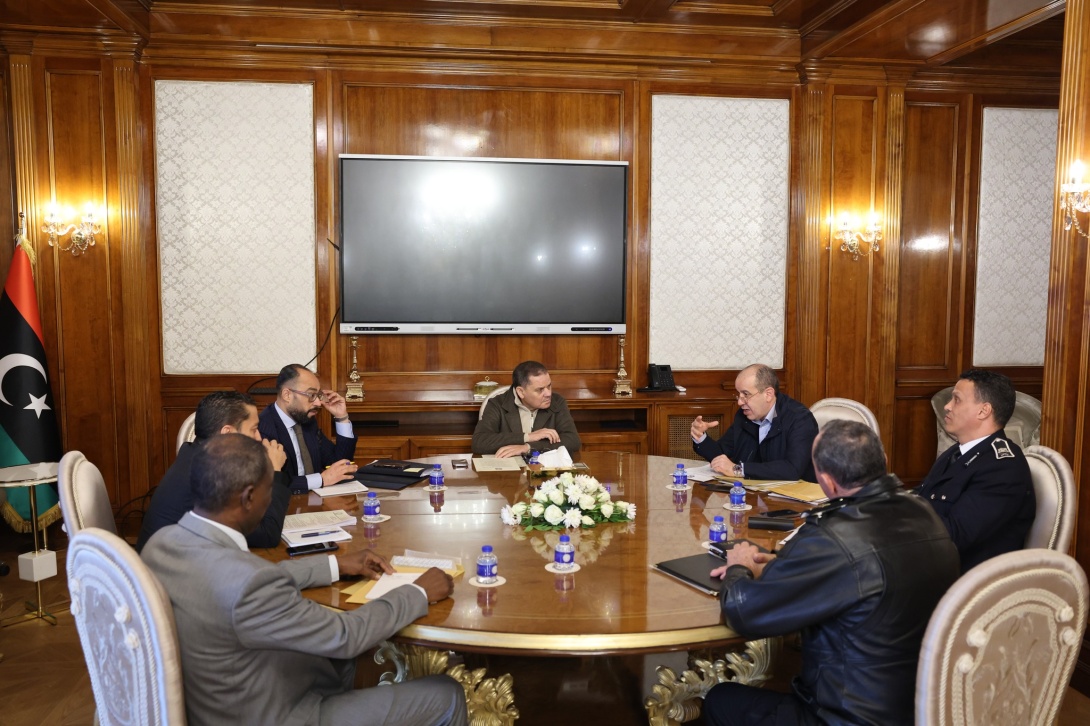
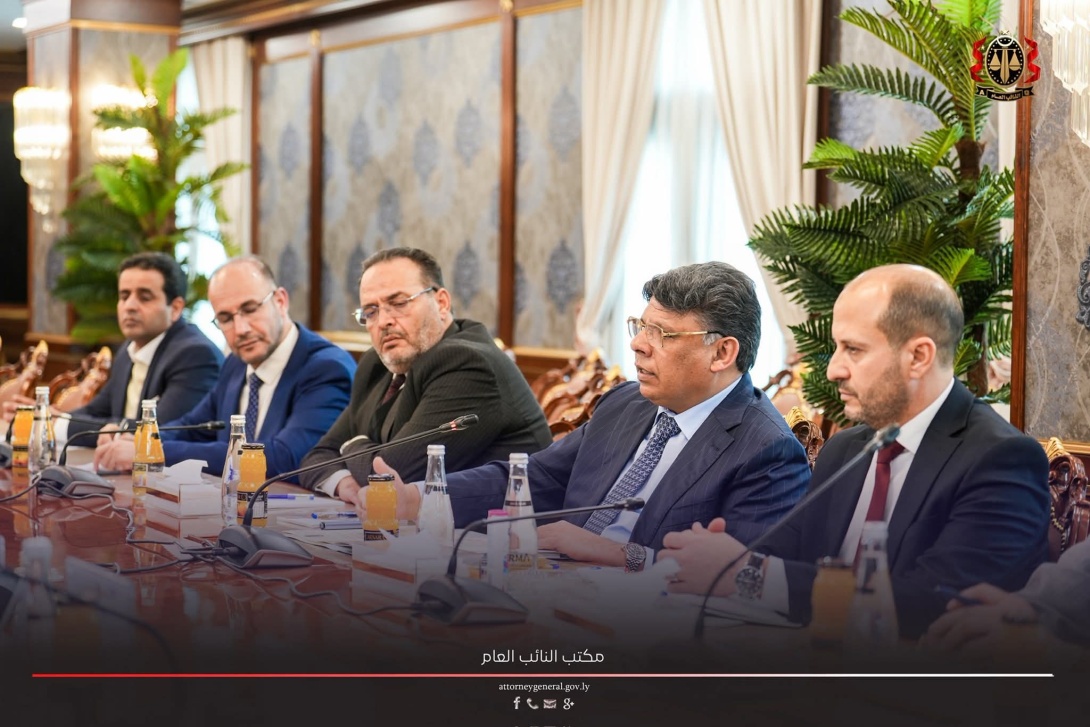
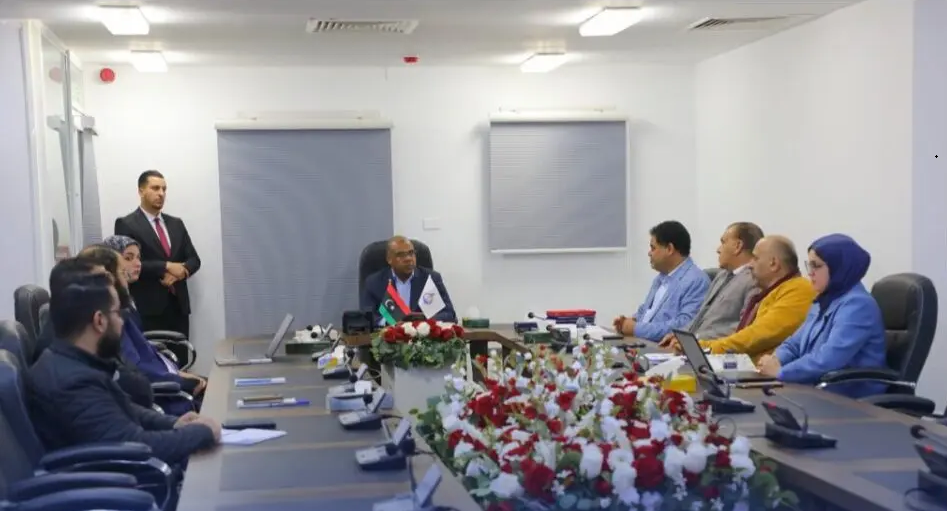
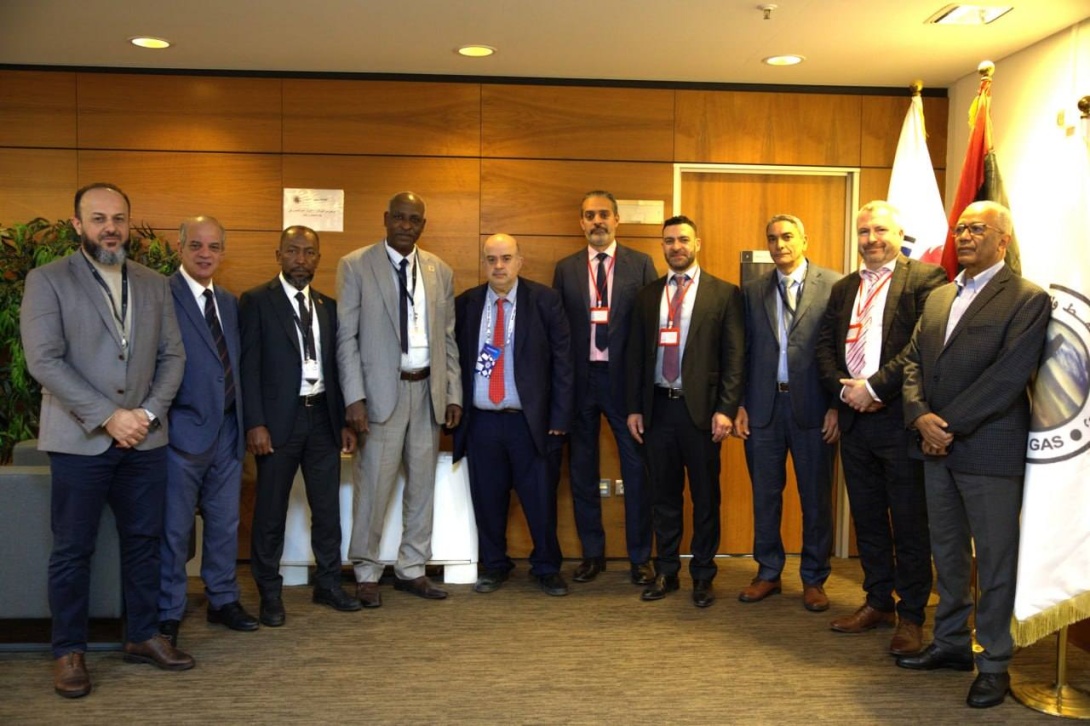
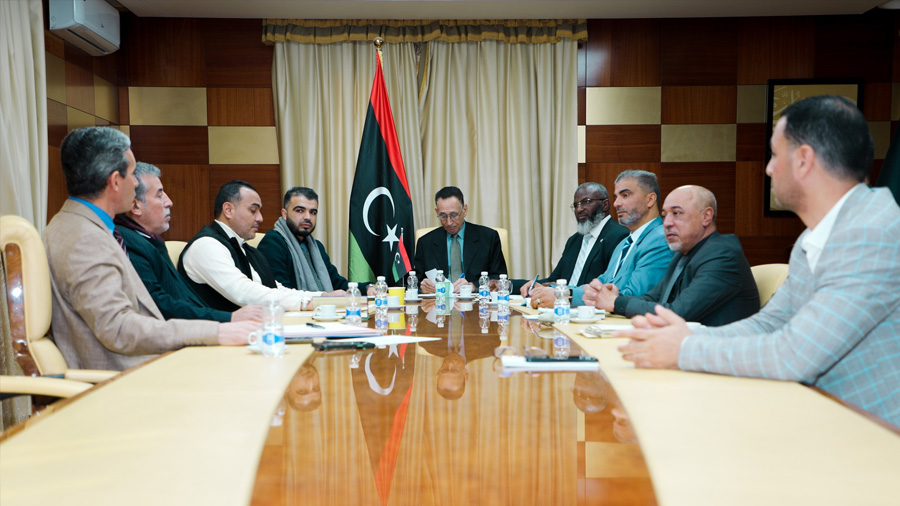
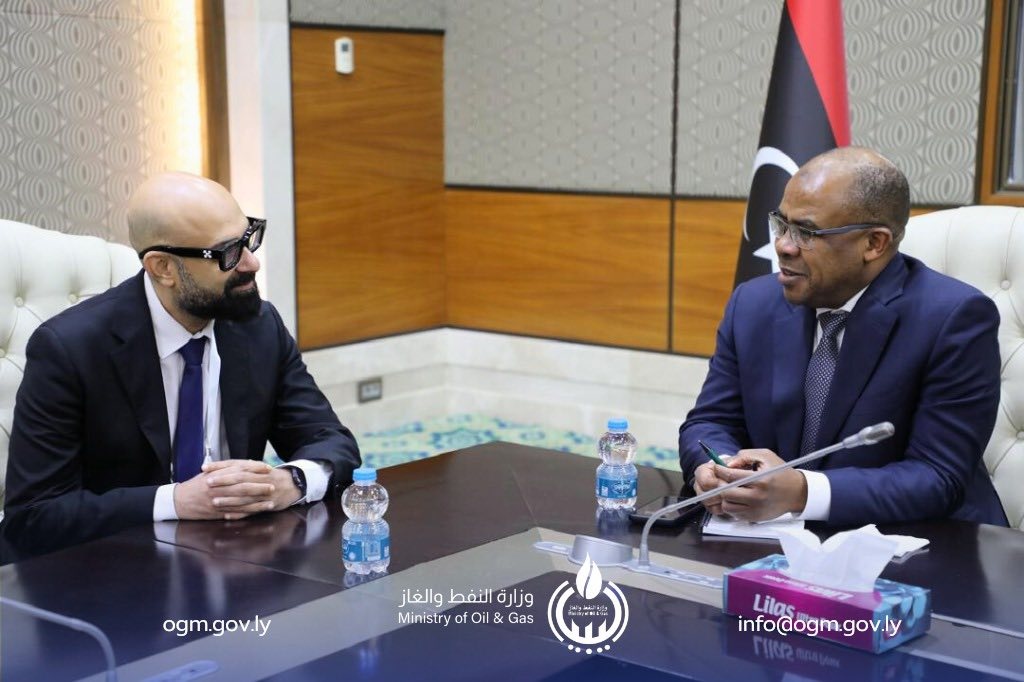
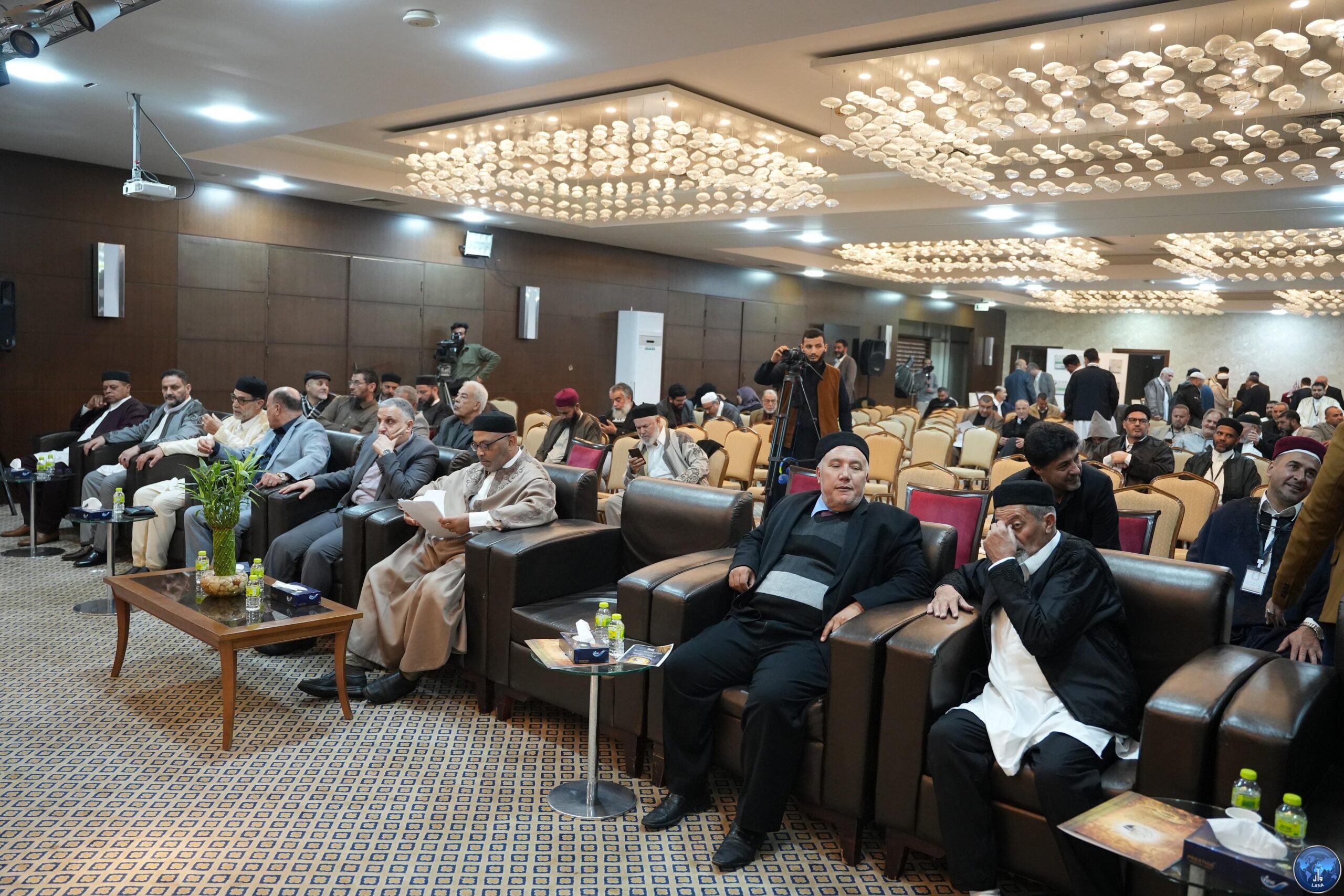
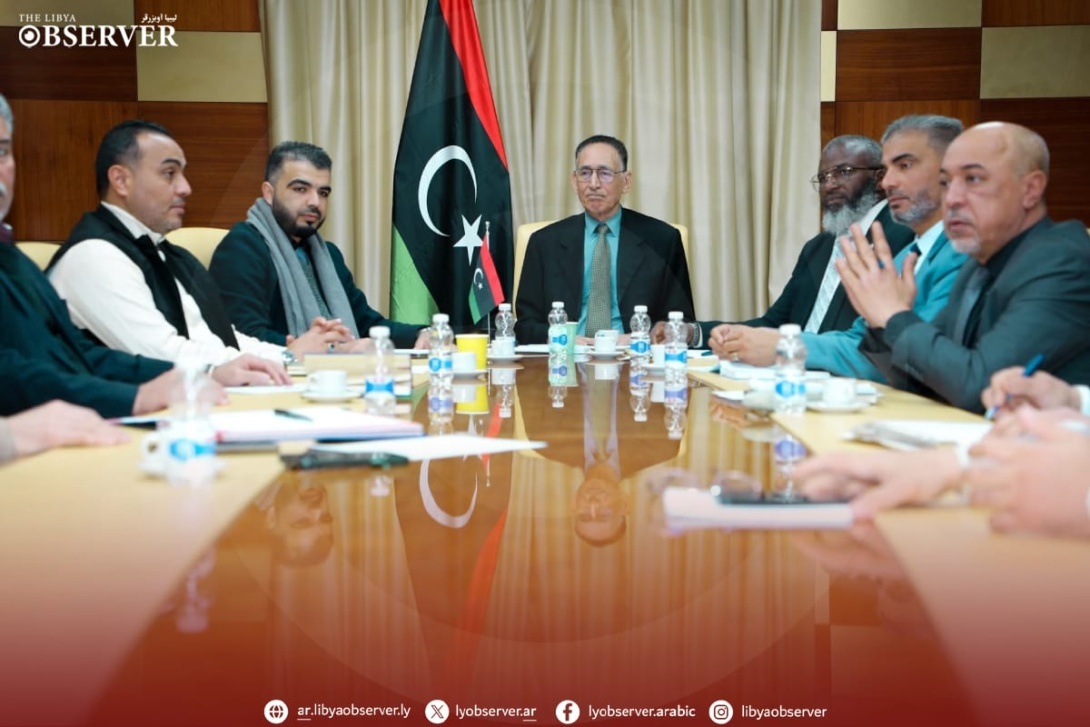
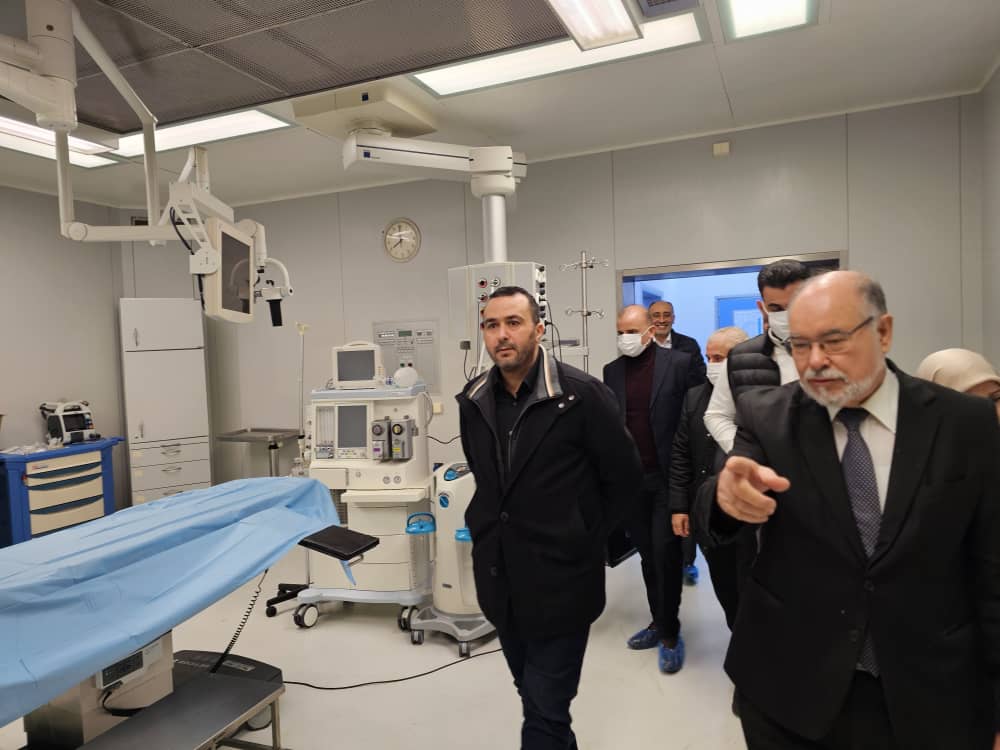
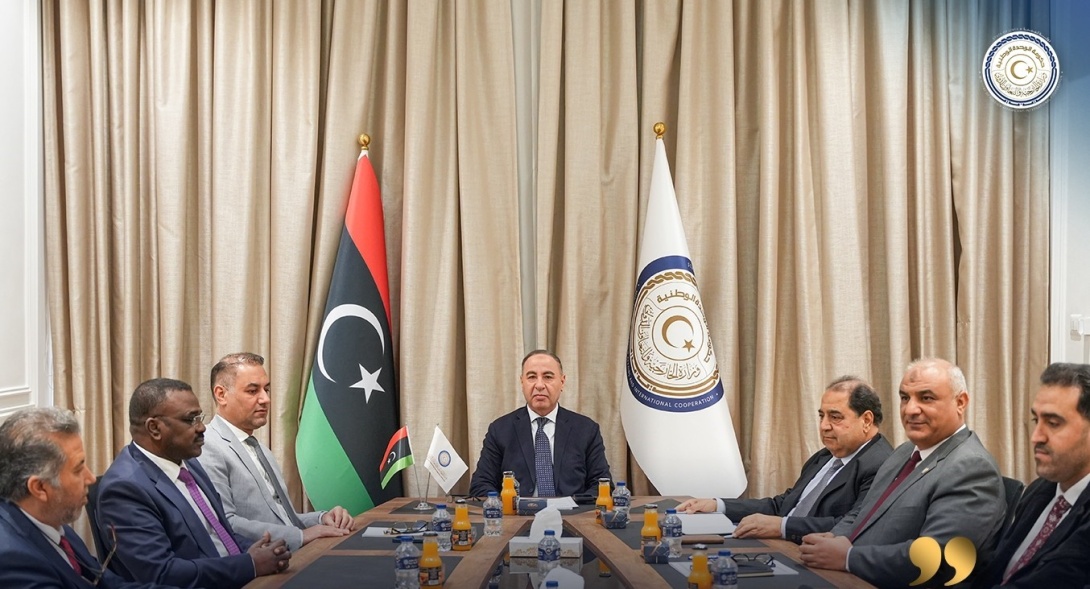
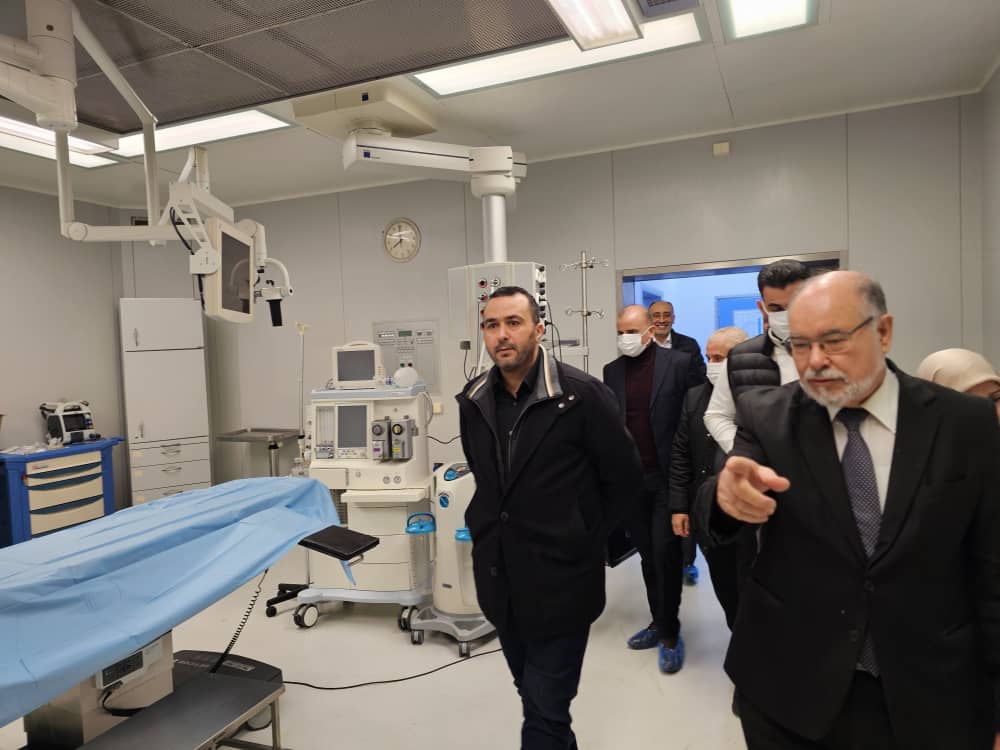
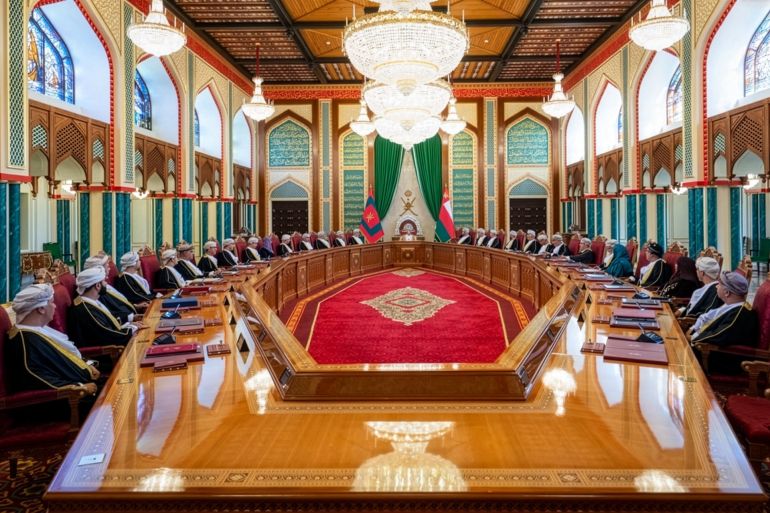
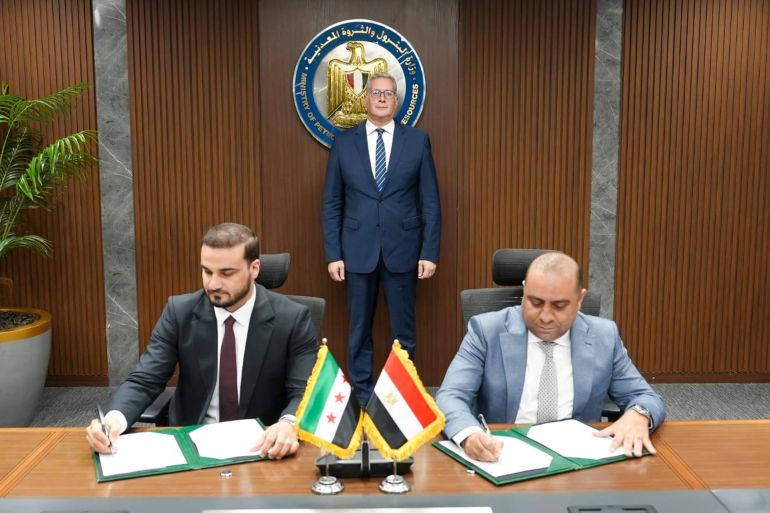
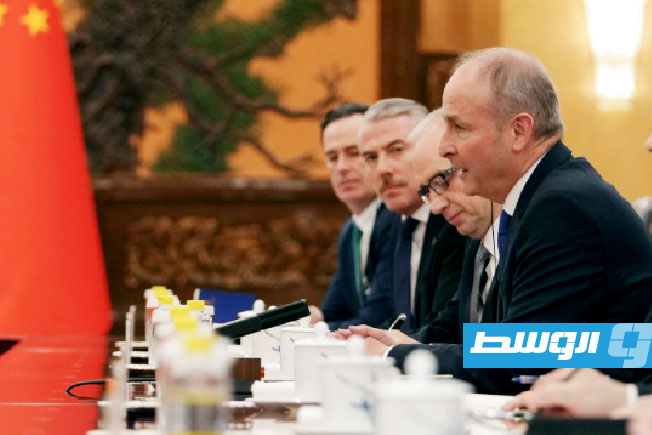
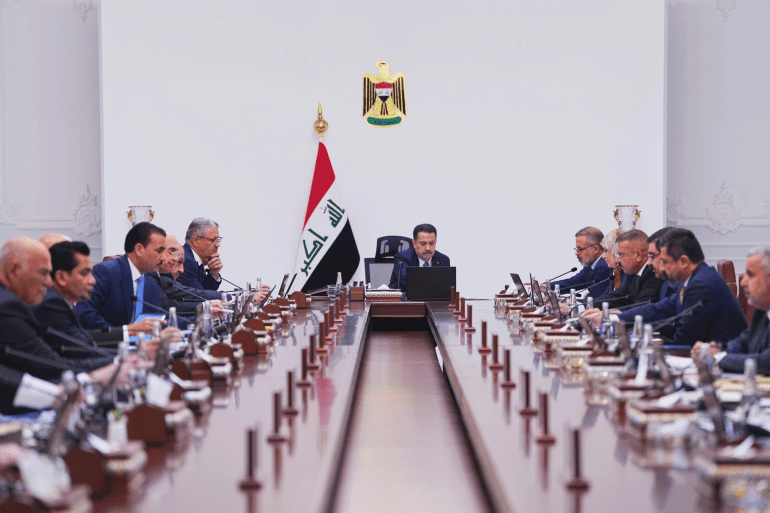
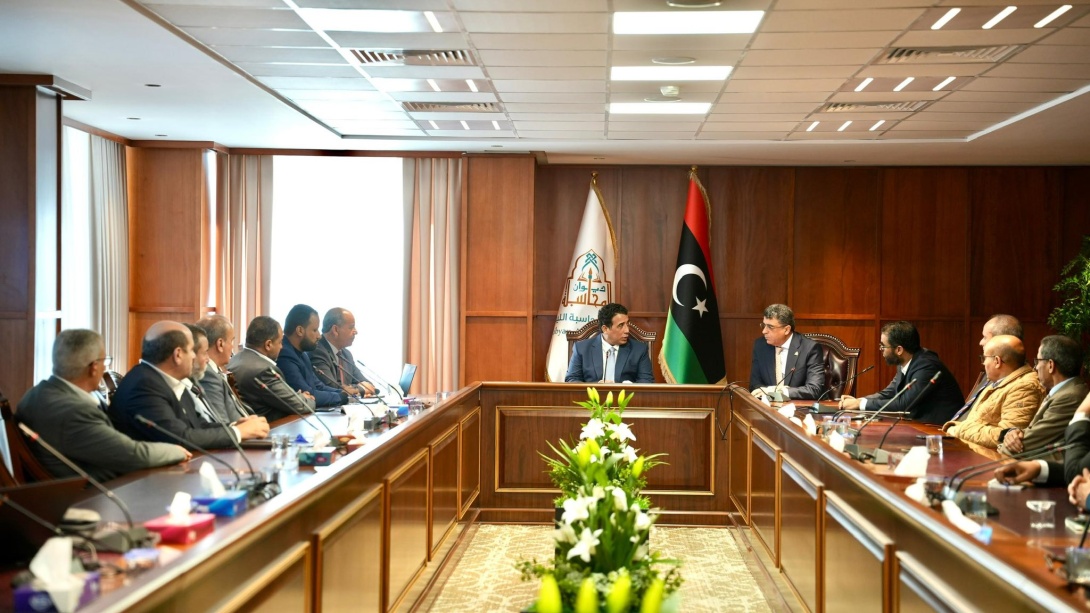
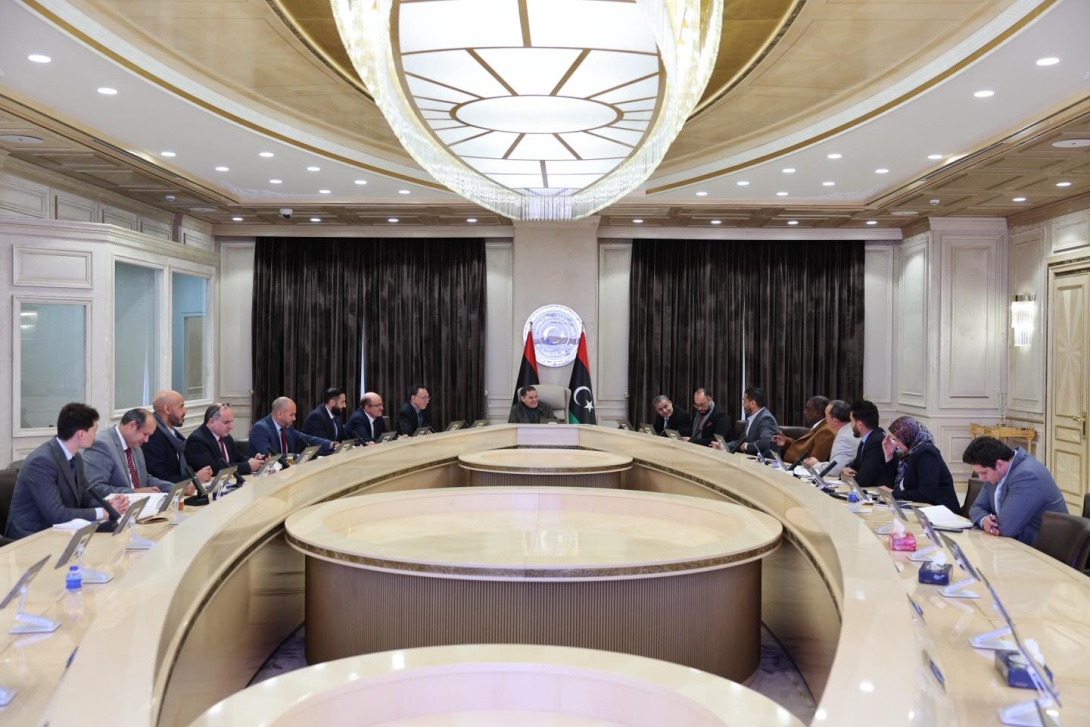
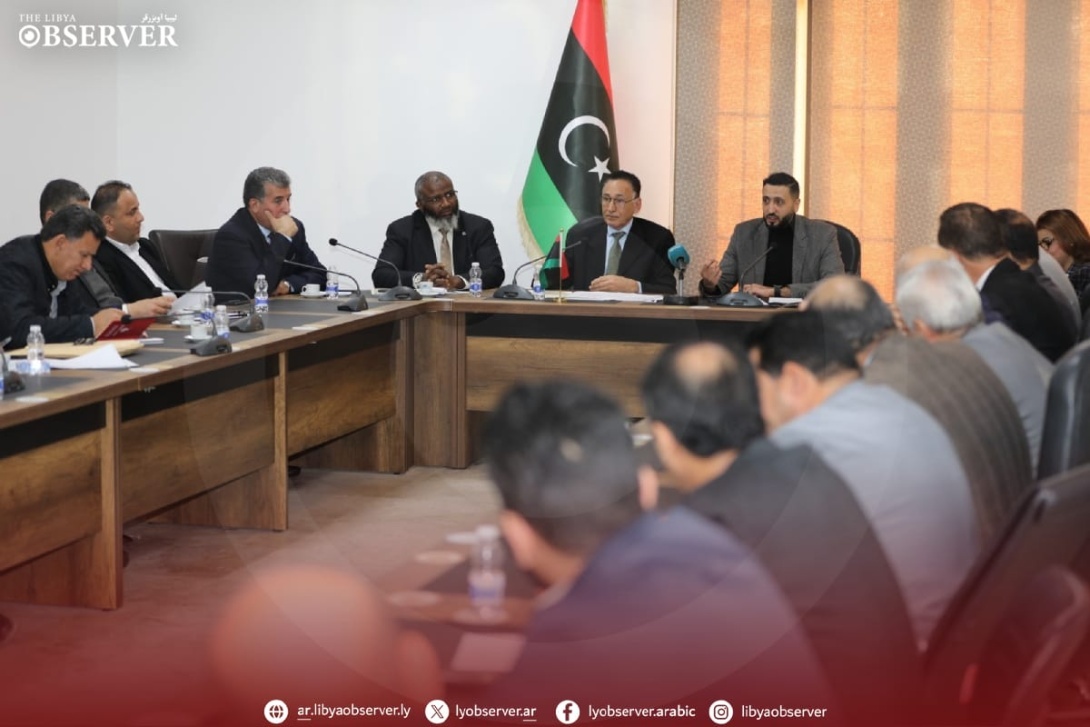
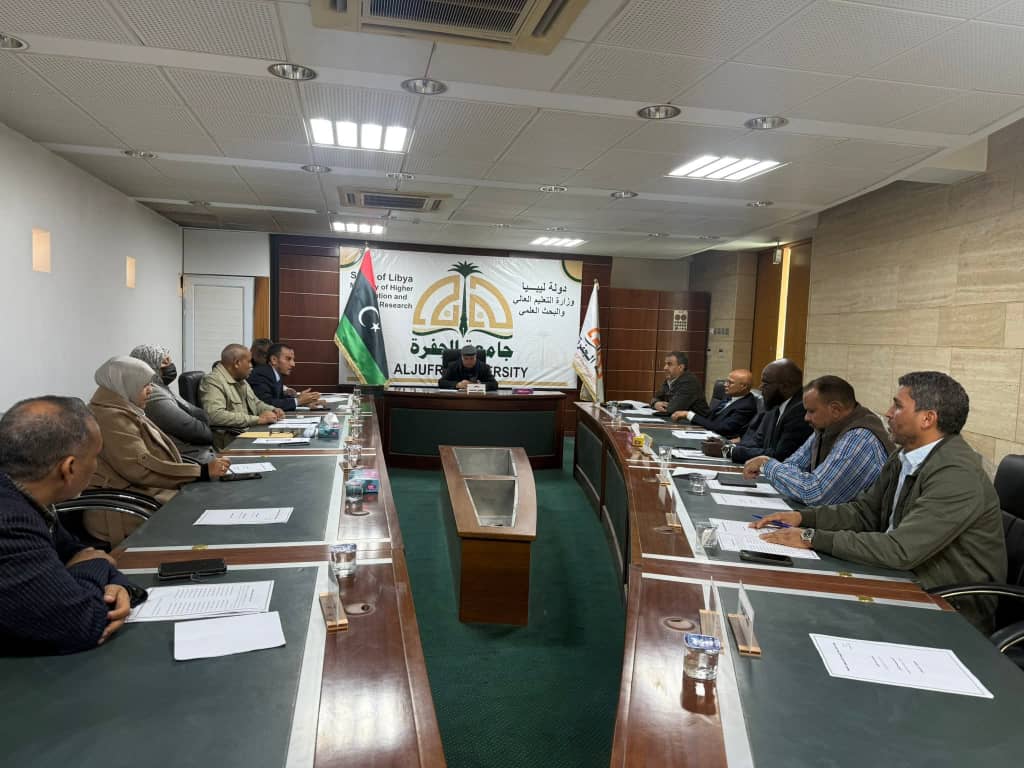
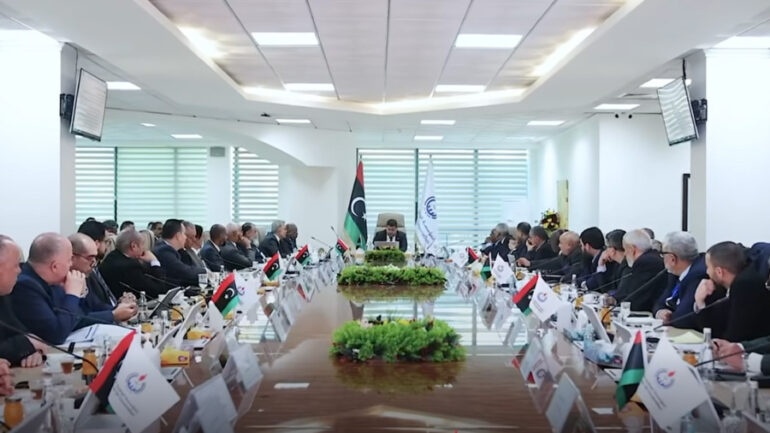
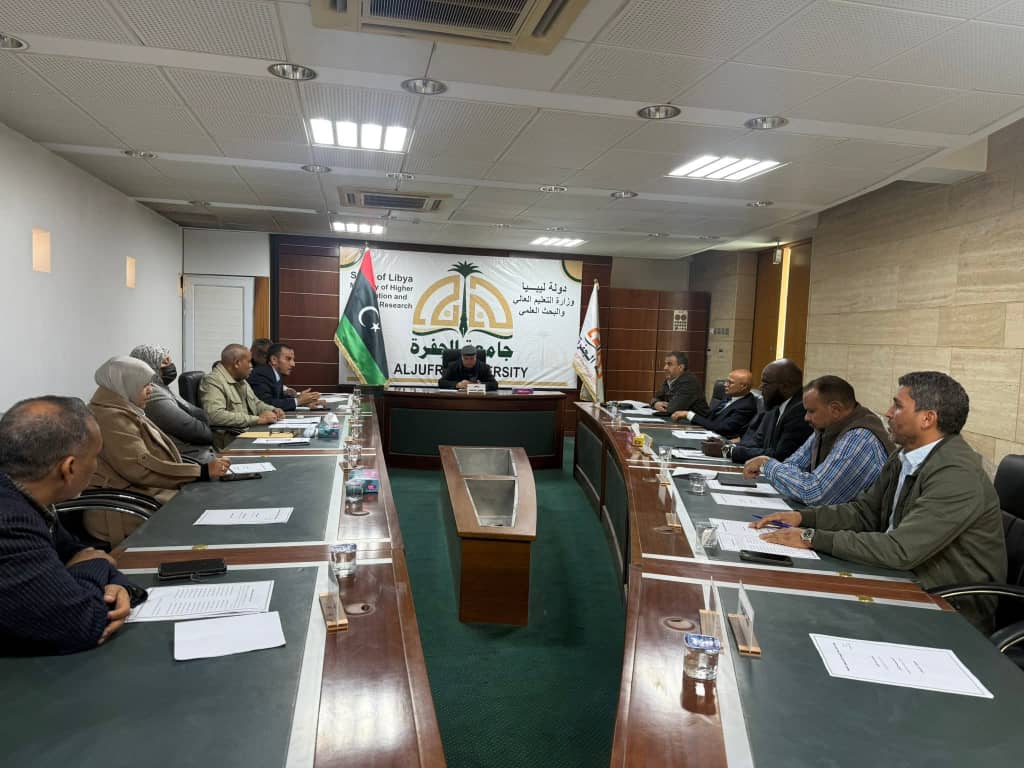
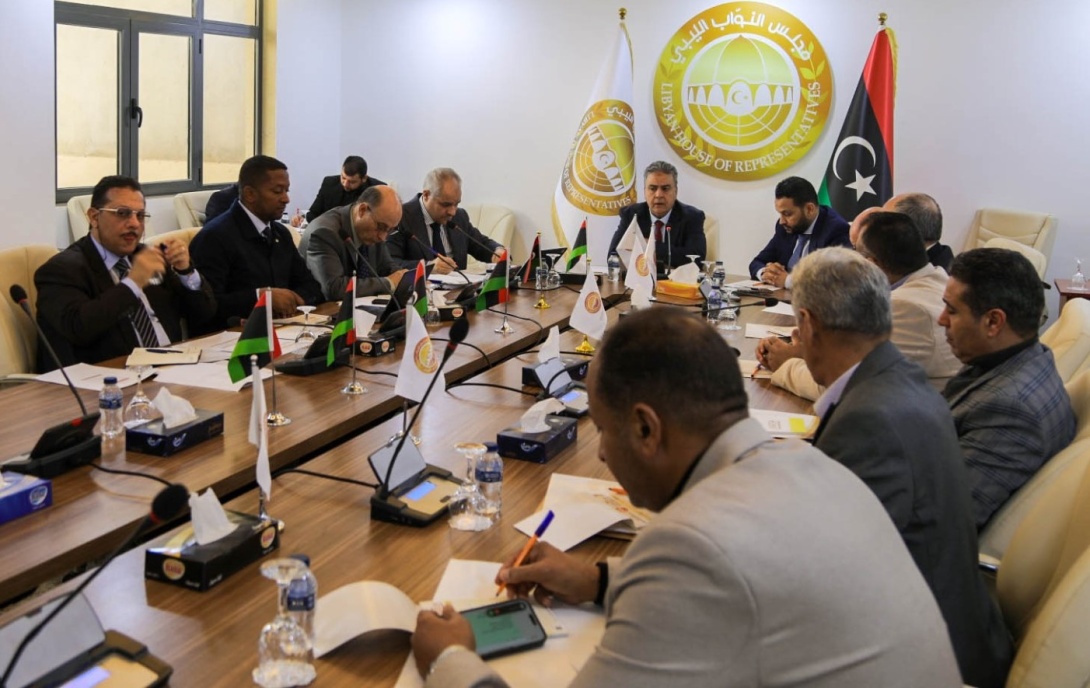
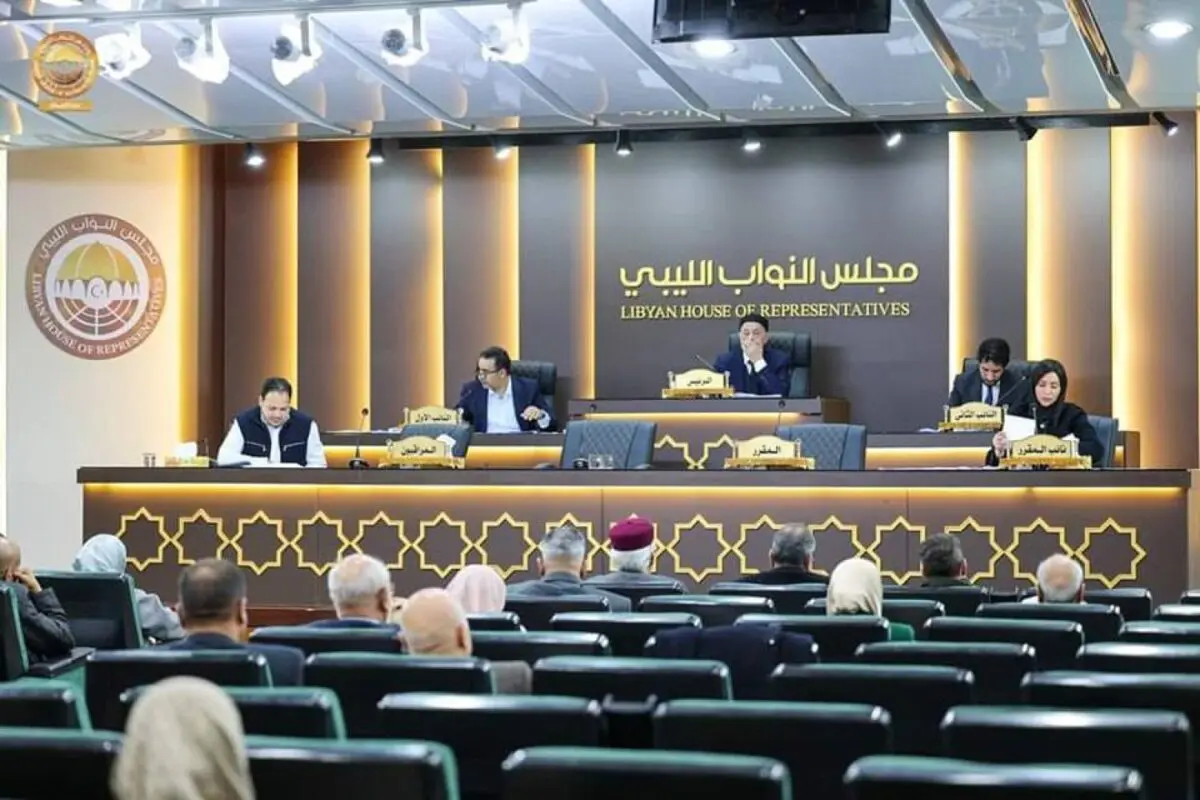
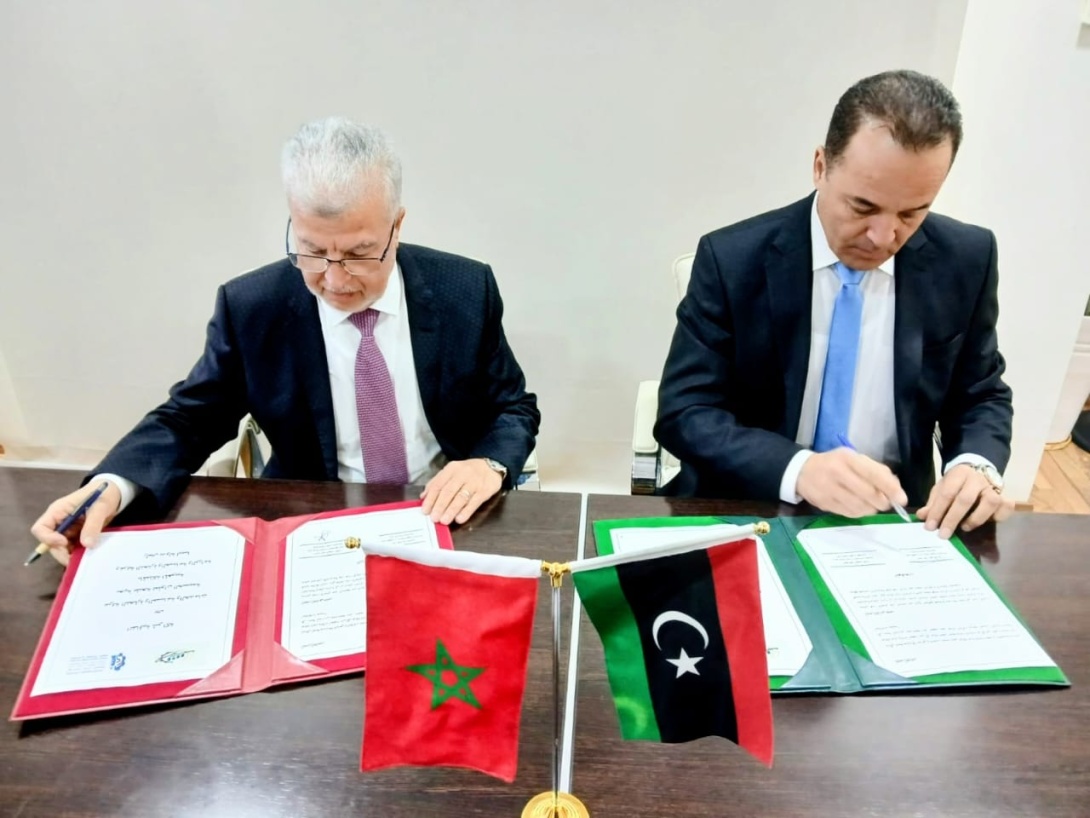
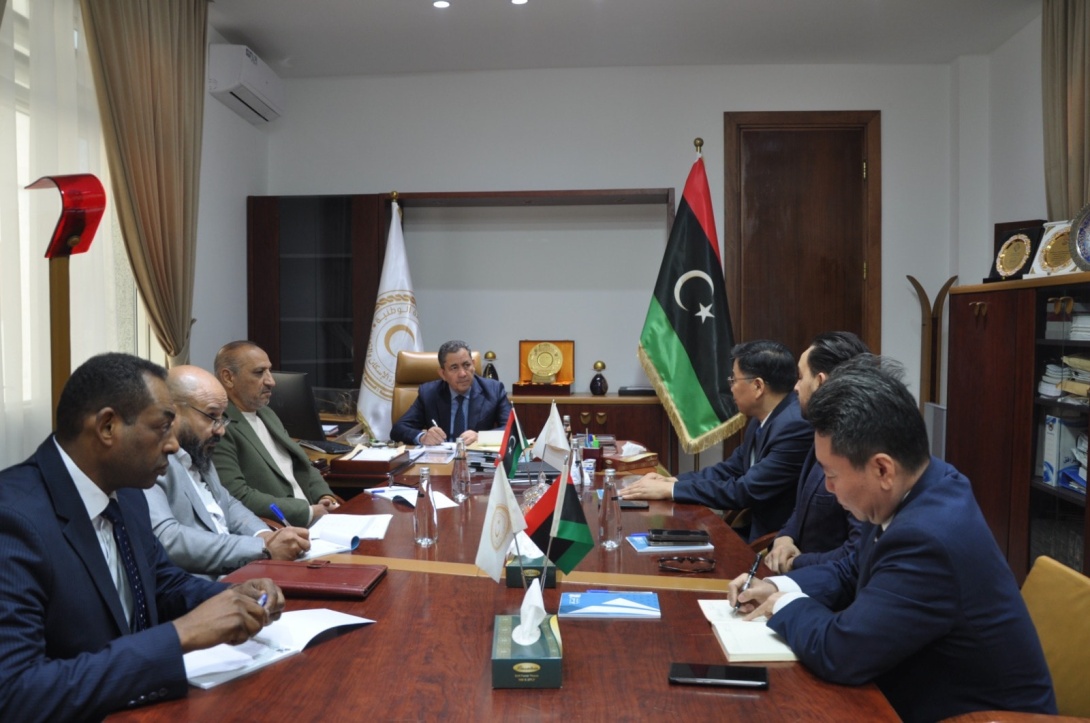
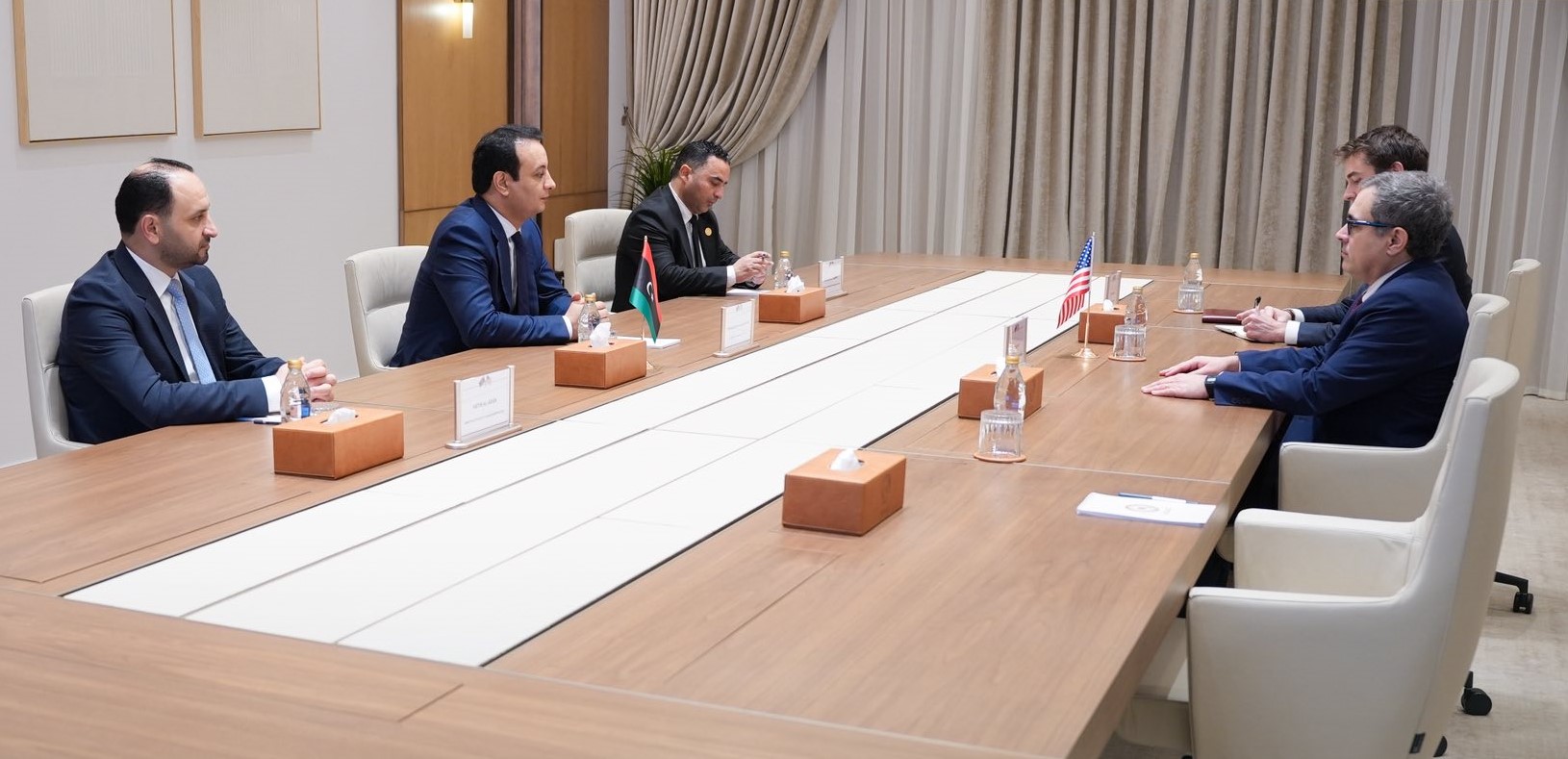
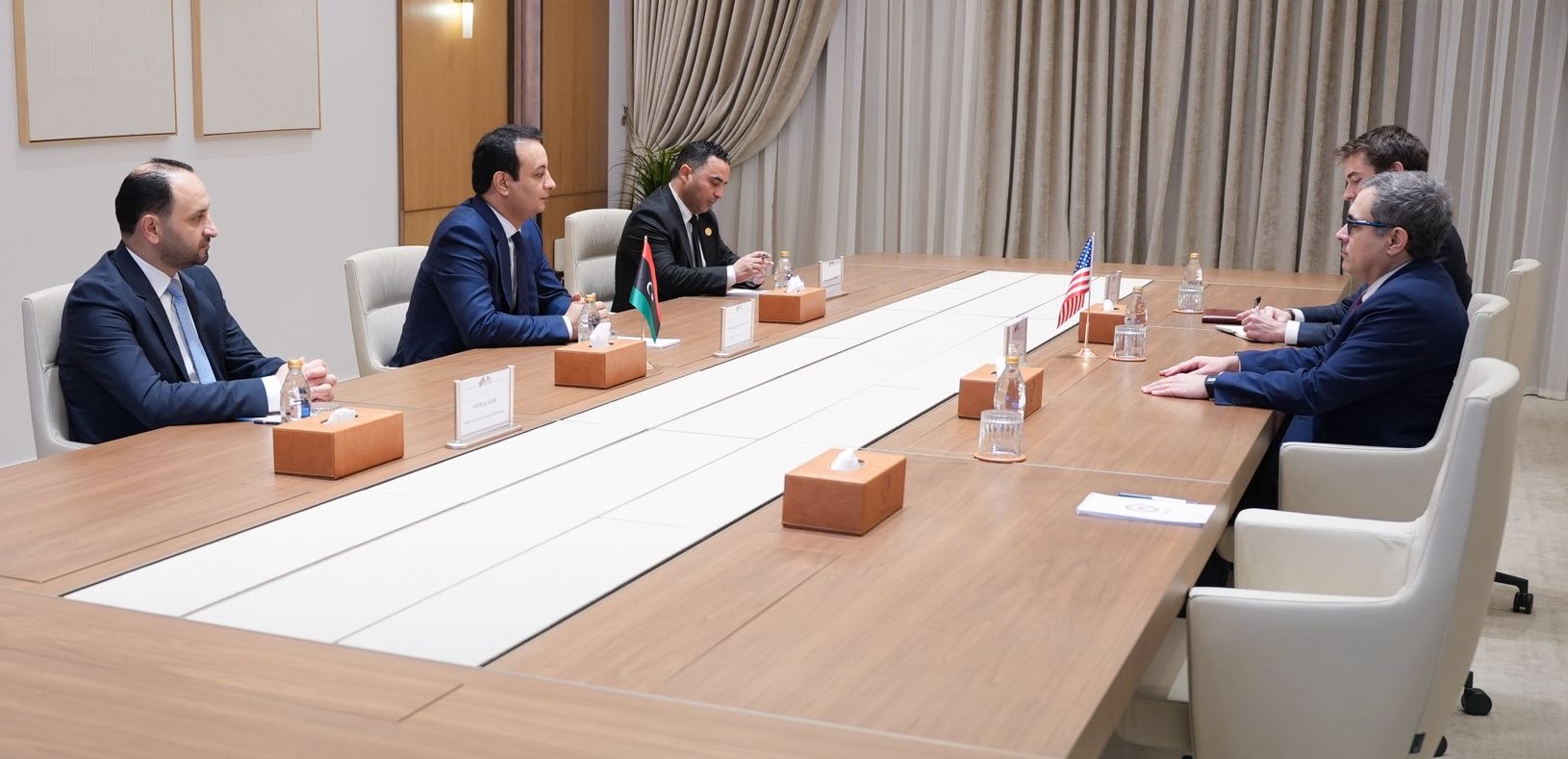
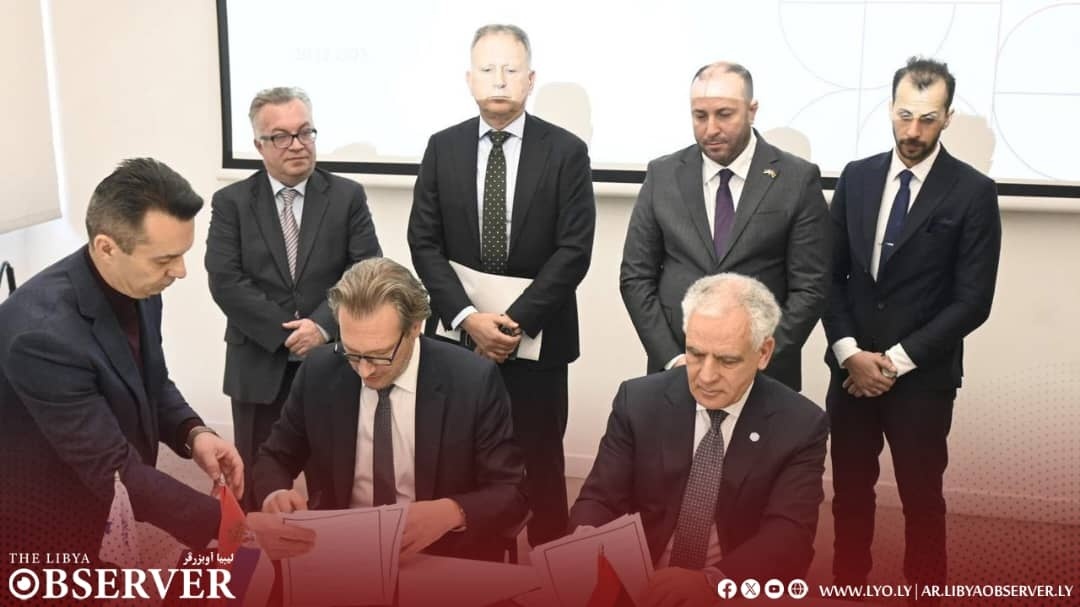
The NOC stated: “The Chairman and members of the Board of Directors signed the unified drilling regulation for sector companies on Tuesday, with the goal of approving and implementing it. Drilling managers from the NOC and its subsidiaries, members of the committee assigned to prepare the manual, and several directors of relevant departments were present.”
It explained that the unified drilling regulation was prepared for the first time in the history of the sector, describing it as a milestone that comes after more than five years of preparation.
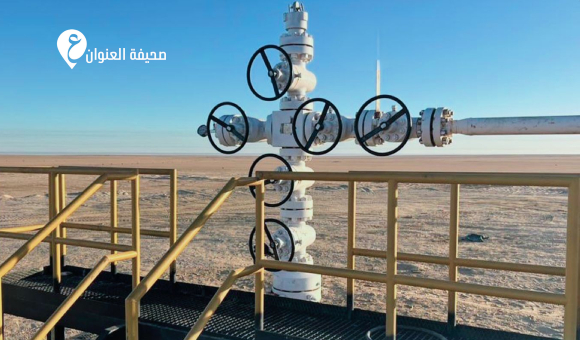
It added that the regulation includes standard specifications for drilling and well maintenance, along with unified procedures that contribute to protecting workers and equipment, reducing operational risks, and lowering costs.
The NOC Chairman expressed his appreciation to everyone who contributed to preparing the regulation, stressing that this work “standardizes drilling and well-maintenance procedures, enhances operational efficiency, and promotes the safety of operations across all oil sites.”
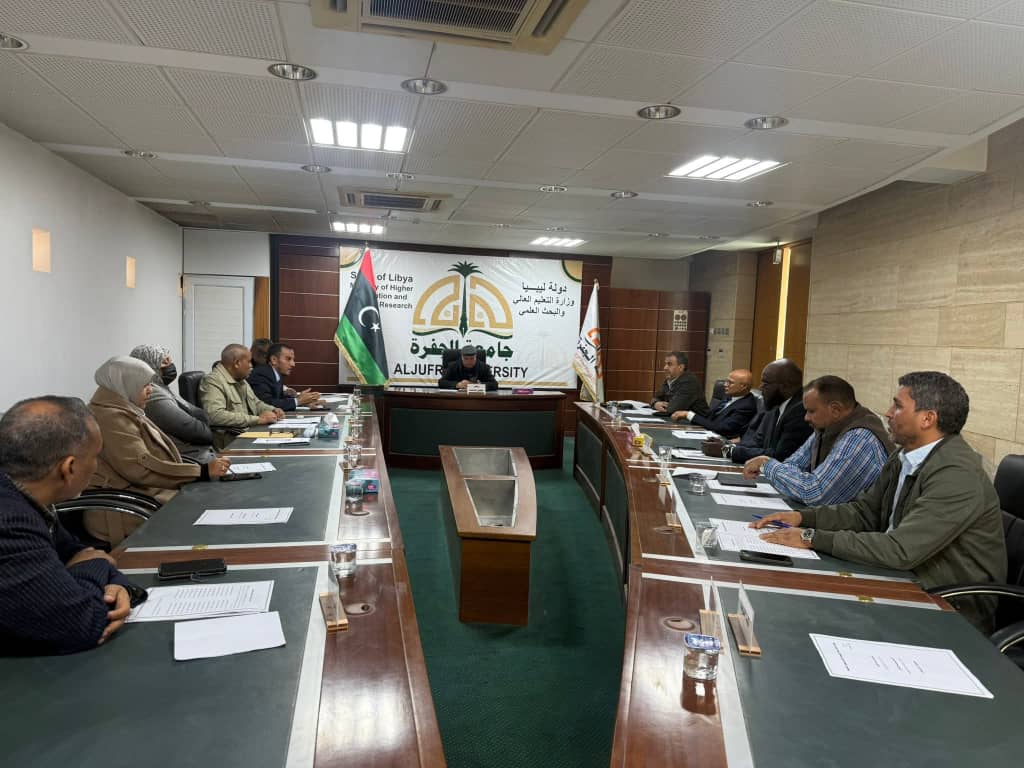
After the signing, the Director of the Drilling and Well Maintenance Department held a meeting with the relevant teams to discuss the mechanism for implementing the unified drilling regulation and ensuring its effective application across all sites.
The Board of Directors of the National Oil Corporation (NOC)
### **Overview**
The Board of Directors is the highest executive and strategic decision-making body within the National Oil Corporation. It is responsible for setting the corporation’s overall policy, strategic direction, and overseeing its operations to ensure it fulfills its national mandate.
—
### **Key Responsibilities & Functions**
1. **Strategic Governance:** Sets long-term goals, approves major corporate strategies, and ensures alignment with national energy policies.
2. **Financial Oversight:** Approves annual budgets, major investments, capital expenditures, and financial reports. It ensures fiscal responsibility.
3. **Operational Supervision:** Monitors the performance of all NOC subsidiaries and joint ventures. It approves major exploration, production, and development projects.
4. **Risk Management:** Identifies and mitigates major strategic, operational, and financial risks facing the corporation.
5. **Executive Appointment & Evaluation:** Appoints, evaluates, and can dismiss the Chairman and senior executives. It sets executive compensation.
6. **Stakeholder Relations:** Represents the NOC to the government, international partners, and the public. It approves major contracts and partnerships.
—
### **Composition (Typical Structure)**
The board is usually composed of a mix of:
* **Chairman:** Often also serves as the corporation’s de facto CEO and public face.
* **Vice Chairmen:** Typically oversee key portfolios like exploration, production, or refining.
* **Managing Directors:** Heads of major operating subsidiaries (e.g., Arabian Gulf Oil Company, Zueitina Oil Company).
* **Senior Executives:** Heads of critical internal departments like Finance, Legal, and Engineering.
* **Non-Executive Members:** May include representatives from key government ministries (Finance, Planning, Economy) or independent experts.
—
### **Crucial Context: The Libyan NOC**
When people refer to “the NOC Board,” they are most often talking about the **Libyan National Oil Corporation**. Its board is particularly significant due to Libya’s oil-dependent economy and political complexities.
* **Central Role in the Economy:** The NOC controls all oil and gas production in Libya, which accounts for nearly all of the state’s revenue. Therefore, its board is arguably the most important economic institution in the country.
* **Political Neutrality & Sovereignty:** Since 2011, the NOC and its board have repeatedly asserted their neutrality and unity amidst Libya’s political divisions. The **Tripoli-based NOC board is internationally recognized** (by the UN, U.S., EU, etc.) as the sole legitimate seller of Libyan crude oil, which is crucial for maintaining state sovereignty and revenue flow.
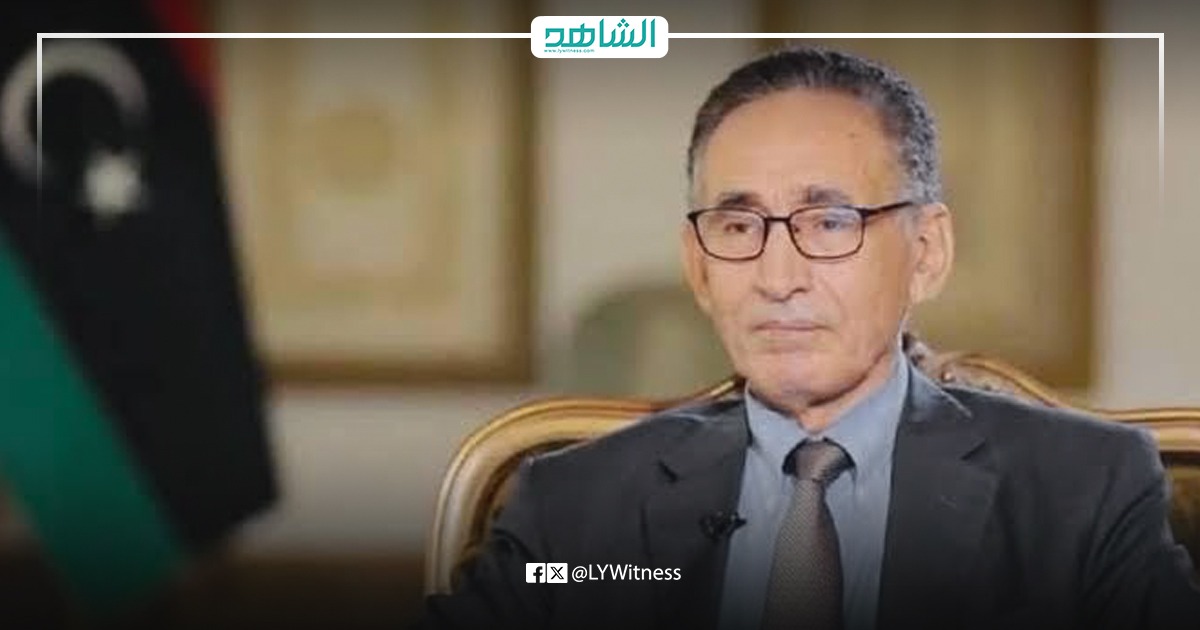
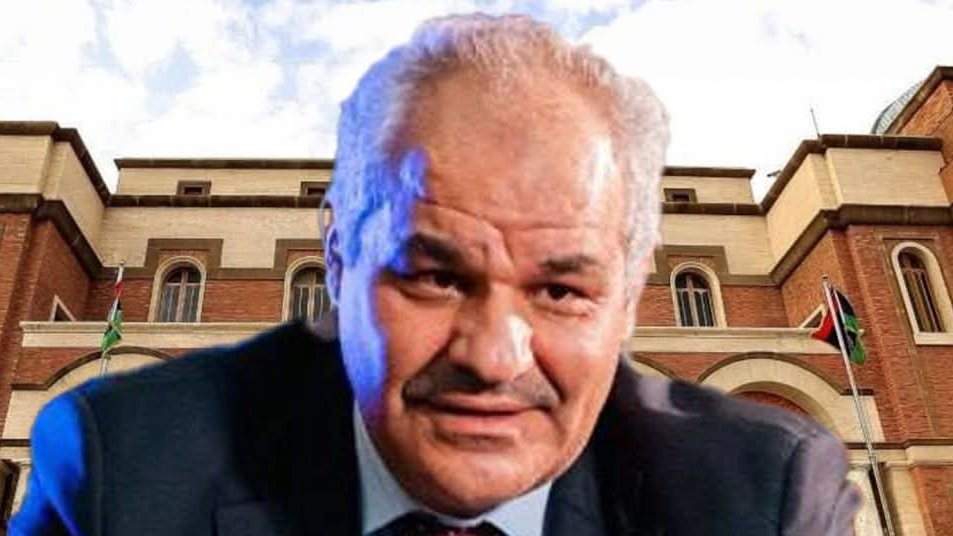
* **Current Chairman:** **Eng. Farhat Bengdara** was appointed in July 2022 by the Government of National Unity (GNU). His board includes vice chairmen and members representing major oil regions and subsidiaries.
—
### **Governance & Challenges**
* **Appointment:** Board members, especially the Chairman, are appointed by the executive authority of the state (e.g., the Prime Minister or Presidential Council). This makes the board’s position sensitive to political changes.
* **Challenges (Specific to Libya):**
* **Political Interference:** Constant pressure from rival governments and factions seeking control over oil revenues.
* **Security & Blockades:** Operations are frequently disrupted by blockades at oil fields and ports by armed groups.
* **Budgetary Constraints:** Chronic under-investment in infrastructure and maintenance due to political deadlock over the national budget.
* **Unifying Force:** Despite challenges, the NOC board has managed to keep the institution largely unified and functioning, preventing a permanent split that would cripple the economy.
### **In Other Countries**
Several other countries have a National Oil Corporation (e.g., **Nigeria** – NNPC Limited, **Malaysia** – PETRONAS). Their boards serve similar governance functions but operate within more stable institutional and political environments compared to Libya’s recent history.
**In summary, the Board of Directors of the NOC is the central command unit of a critical national asset. For the Libyan NOC, it is not just a corporate board but a institution of supreme national importance, navigating immense technical, financial, and political challenges to keep the country’s lifeline flowing.**
The Chairman and members of the Board of Directors
### 1. **The Chairman**
* **Role:** The leader of the Board of Directors. Also called the Chairperson or Chair.
* **Key Responsibilities:**
* Presides over board meetings.
* Sets the agenda in collaboration with the CEO or Corporate Secretary.
* Ensures the board functions effectively and focuses on strategic governance.
* Often acts as a key liaison between the board and top management (like the CEO).
### 2. **The Members of the Board of Directors**
* **Role:** A group of individuals elected or appointed to represent the interests of the organization’s shareholders (in a corporation) or stakeholders (in a non-profit).
* **Key Responsibilities:**
* **Governance:** Establishing policies and providing strategic oversight.
* **Fiduciary Duty:** Acting in the best interest of the organization, with care and loyalty.
* **Hiring & Oversight:** Hiring, evaluating, and sometimes setting compensation for the top executive (e.g., the CEO).
* **Accountability:** Ensuring the organization meets its legal and ethical obligations.
### Key Points:
* **Collective Authority:** The board typically holds authority as a group. Individual members (except the Chair in a leadership role) usually have no power to act alone on behalf of the organization.
* **Distinction from Management:** The board governs and oversees; it does not manage the day-to-day operations. That is the role of the executive team (CEO, COO, etc.).
* **Composition:** Members are often a mix of:
* **Inside Directors** (e.g., the CEO, who is also a management member).
* **Outside/Independent Directors** (not part of management, bringing external expertise and objectivity).
### In a Sentence:
> “**The Chairman and members of the Board of Directors** will meet next week to approve the annual budget and review the company’s long-term strategy.”
In essence, this phrase denotes the entire governing body responsible for the ultimate direction and accountability of an organization.
Drilling managers from the NOC and its subsidiaries
### Key Points:
1. **Drilling Managers**
– Typically oversee planning, execution, and safety of drilling operations (onshore/offshore).
– Manage budgets, contractors, compliance, and technical challenges.
2. **NOC (National Oil Company)**
– A state-owned oil and gas company (e.g., Saudi Aramco, Petrobras, CNPC).
– Often has subsidiaries or joint ventures for specific projects, regions, or services.
3. **Context of Use**
– Common in organizational charts, industry reports, or news about national energy sectors.
– May relate to **strategy meetings, safety reviews, or operational coordination** between the parent NOC and its subsidiaries.
### Example in a Sentence:
> *”Drilling managers from the NOC and its subsidiaries convened to align on new safety protocols and discuss optimizing extraction across joint ventures.”*
If you have a specific context or need further details (e.g., which country’s NOC, or a particular document), feel free to share!
Members of the committee assigned to prepare the manual
—
### **Key Elements**
1. **Members**
– Individuals chosen or appointed, likely for their expertise, role, or interest in the subject of the manual.
2. **Committee**
– A formally organized subgroup with a defined purpose. It suggests collaboration, delegated authority, and shared responsibility.
3. **Assigned to prepare**
– They have been given a clear directive or mandate. This isn’t a voluntary side project; it’s an official duty.
4. **The manual**
– Could be a policy handbook, instructional guide, technical documentation, procedural manual, etc., depending on the context (corporate, nonprofit, academic, government, etc.).
—
### **Possible Contexts**
– **Corporate/Organization:** A team formed to create an employee handbook, safety manual, or quality assurance guide.
– **Academic/Research:** Committee drafting a laboratory manual, style guide, or curriculum handbook.
– **Government/Nonprofit:** Group developing procedural manuals for compliance, operations, or volunteer training.
– **Event/Project:** Committee preparing a training manual or event playbook.
—
### **Typical Responsibilities**
– Researching content and standards
– Writing, editing, and formatting
– Gathering input from stakeholders
– Ensuring accuracy and usability
– Obtaining approvals before publication
—
### **Example in a Sentence**
> “The **members of the committee assigned to prepare the manual** will meet weekly to review drafts and ensure alignment with organizational standards.”
—
If you’re writing this in a formal document (like meeting minutes, a memo, or a charter), you might also specify:
– Names of the members
– The manual’s intended audience and purpose
– Deadlines and reporting structure
– Resources available to the committee
Would you like help drafting a formal description or announcement for such a committee?
Several directors of relevant departments
Here’s a breakdown of its meaning and common usage:
—
### **Meaning in Context**
– **Several** → More than two, but not necessarily a large number.
– **Directors** → People in charge of departments or divisions, often holding managerial or executive roles.
– **Relevant departments** → The specific departments related to the topic at hand.
—
### **Where You Might See This Phrase**
1. **Meetings or reports** – e.g., “The proposal was reviewed by several directors of relevant departments.”
2. **Government or corporate communications** – e.g., “Several directors of relevant departments attended the inter-agency conference.”
3. **News articles** – Often used when describing decision-making involving multiple departments.
—
### **Example in a Sentence**
> “To address the environmental impact, **several directors of relevant departments**—including energy, transportation, and urban planning—met to draft new regulations.”
—
### **Alternative Phrasing**
– “Heads of the concerned departments”
– “Leaders from related divisions”
– “Departmental directors involved”
If you have a specific context in mind, feel free to share—I can help tailor the explanation further.
The NOC Chairman
Depending on the context, this could mean:
1. **National Olympic Committee (NOC) Chairman** – The head of a country’s Olympic committee, responsible for overseeing Olympic-related activities, athlete development, and international coordination with the International Olympic Committee (IOC).
2. **Network Operations Center (NOC) Chairman** – In IT/telecom contexts, this could refer to the head of a Network Operations Center, which monitors and maintains network infrastructure.
3. **Other possible “NOC” meanings** – NOC can also stand for “No Objection Certificate” (common in administrative/legal contexts in some countries), “Notice of Change,” or “Nursing Officer-in-Charge” in medical settings, among others.
If you have a specific context in mind — such as a particular country, organization, or industry — feel free to share, and I can give a more precise explanation.
The Director of the Drilling and Well Maintenance Department
Here’s a breakdown of the role, its typical responsibilities, and context:
### Core Responsibilities
The Director oversees all activities related to the **drilling of new wells** and the **maintenance, repair, and integrity of existing wells**. Their key duties often include:
1. **Strategic Planning & Budgeting:** Developing departmental strategies, setting operational goals, and managing multi-million dollar budgets for drilling campaigns and well maintenance programs.
2. **Operations Management:** Ensuring all drilling and well intervention operations (workovers, recompletions) are planned and executed safely, efficiently, on time, and within budget.
3. **Safety & Compliance:** Upholding the highest standards of **Health, Safety, and Environment (HSE)**, ensuring strict compliance with all governmental regulations and company policies. This is a paramount responsibility.
4. **Technical Leadership:** Providing expert guidance on complex well design, drilling techniques, casing programs, cementing, and well control. They are the ultimate technical authority for well-related issues.
5. **Team Leadership:** Managing a large team of engineers, supervisors, rig managers, and field personnel. This includes hiring, mentoring, and developing staff.
6. **Vendor & Contractor Management:** Overseeing contracts and relationships with key service companies (e.g., drilling rig contractors, logging, cementing, and well stimulation companies).
7. **Well Integrity & Assurance:** Implementing and managing systems to ensure the long-term structural integrity and safe operation of all wells, preventing leaks or blowouts.
8. **Reporting:** Reporting directly to senior executives (e.g., VP of Operations, COO, or Managing Director) on departmental performance, key incidents, and strategic initiatives.
### Typical Reporting Structure
* **Reports to:** Vice President of Operations, Chief Operating Officer (COO), or equivalent C-suite executive.
* **Direct Reports:** Managers of Drilling, Well Services, Well Integrity, Engineering, and HSE advisors within the department.
### Skills & Qualifications
* **Education:** Bachelor’s or advanced degree in **Petroleum Engineering, Mechanical Engineering, or a related field**.
* **Experience:** **15+ years** of progressive experience in drilling and well operations, with a significant portion in supervisory and managerial roles. Extensive field experience is usually mandatory.
* **Key Skills:** Exceptional leadership, strategic thinking, financial acumen, deep technical knowledge, risk management expertise, and outstanding communication skills.
### Synonyms & Related Titles
In different organizations, the same role might be called:
* Head of Drilling & Wells
* Wells Director
* Manager of Drilling & Completions
* VP of Drilling Operations (if at a higher executive level)
In summary, **The Director of the Drilling and Well Maintenance Department** is a critical, high-stakes executive position responsible for the entire lifecycle of an organization’s wells, from creation through to safe abandonment, balancing technical excellence with business and safety imperatives.
The relevant teams
For example:
– In a company, if there’s a technical problem, “the relevant teams” might include the IT department, engineering, and support.
– In a school project, it could mean the students and teachers working on that specific assignment.
It’s a way to identify who needs to be informed, consulted, or take action.