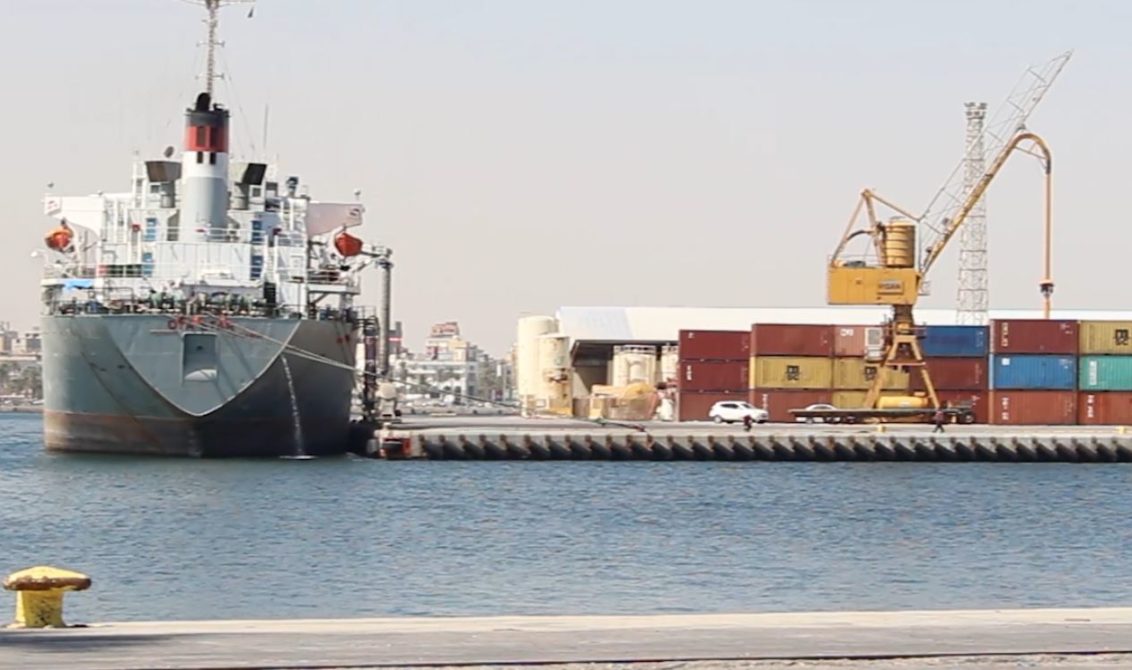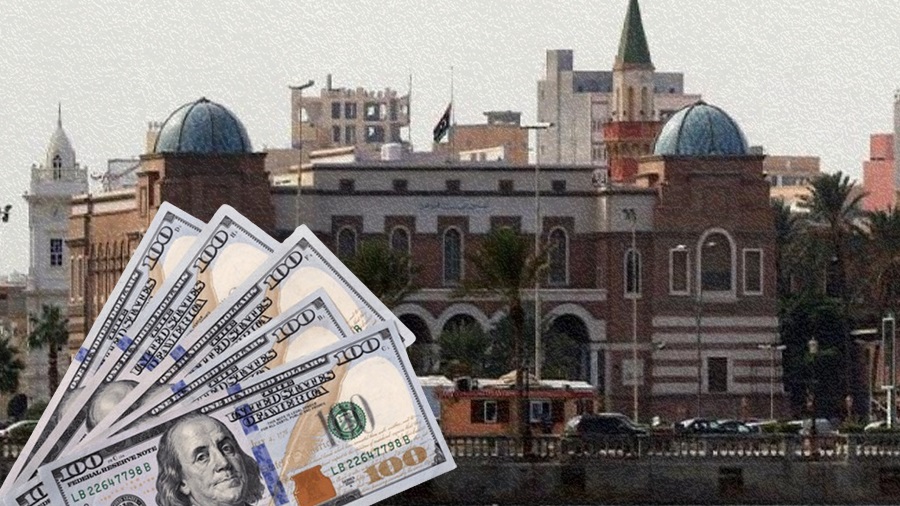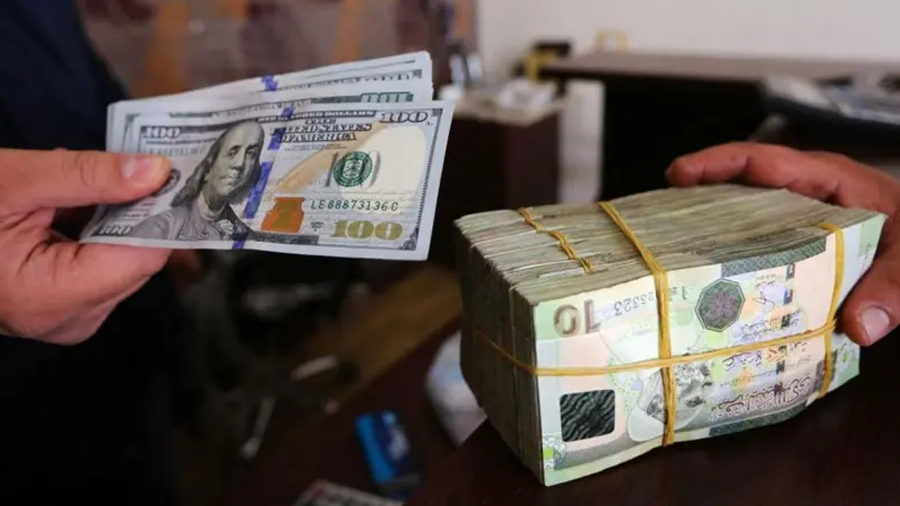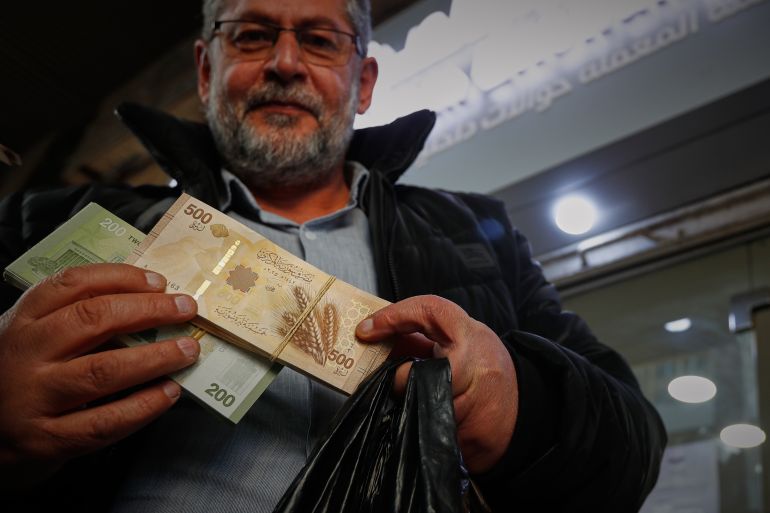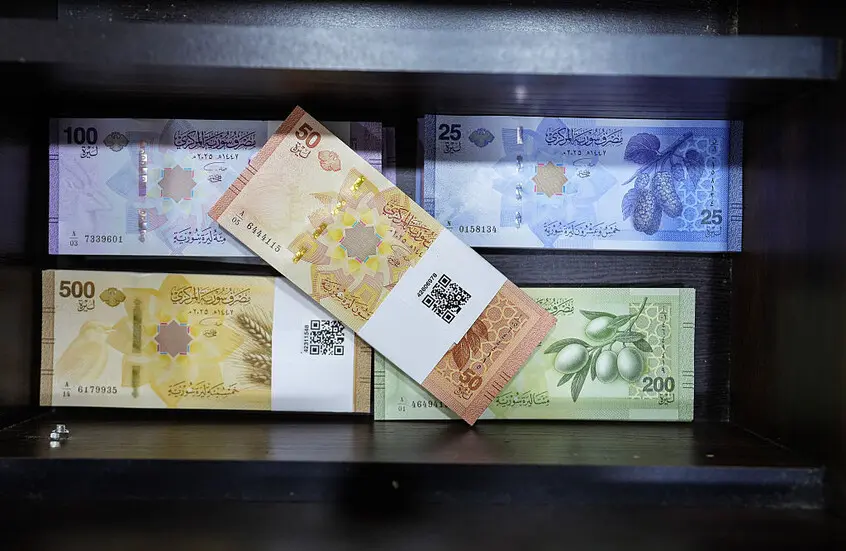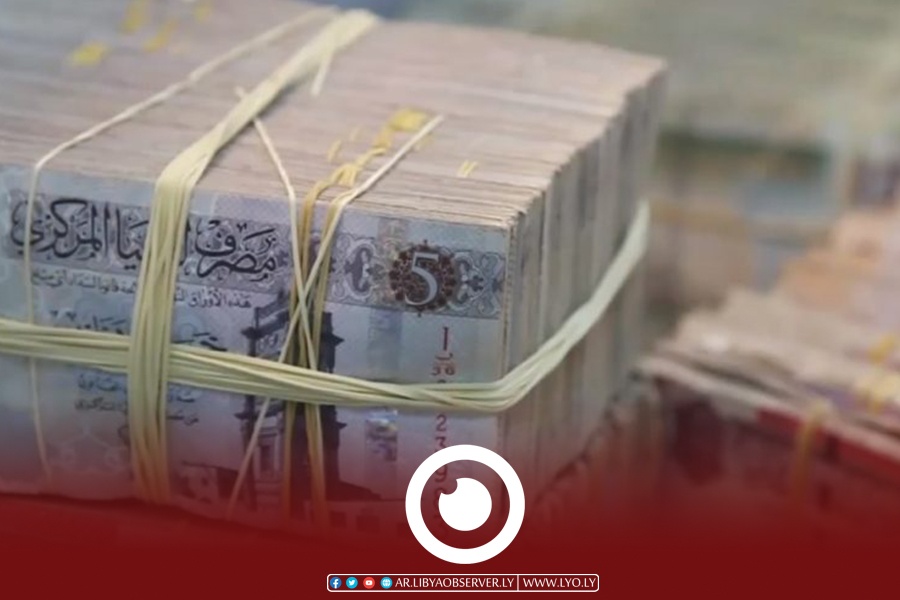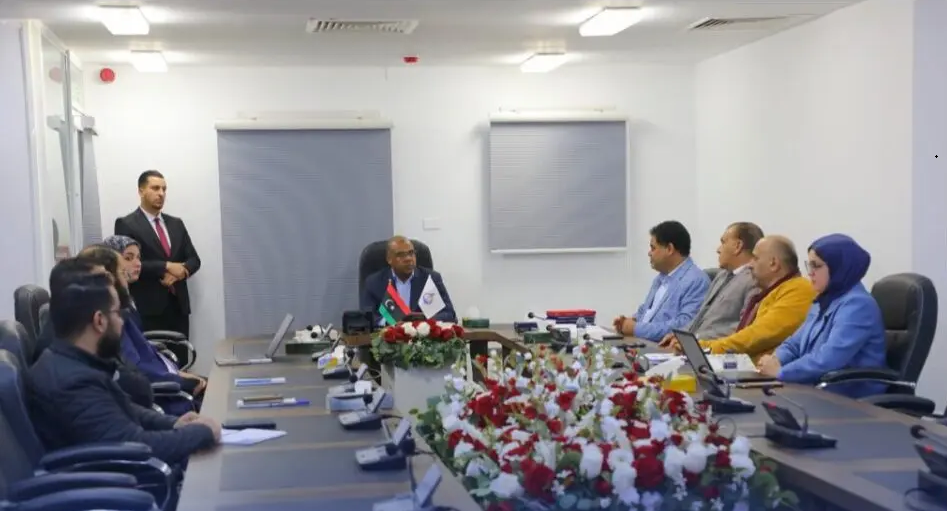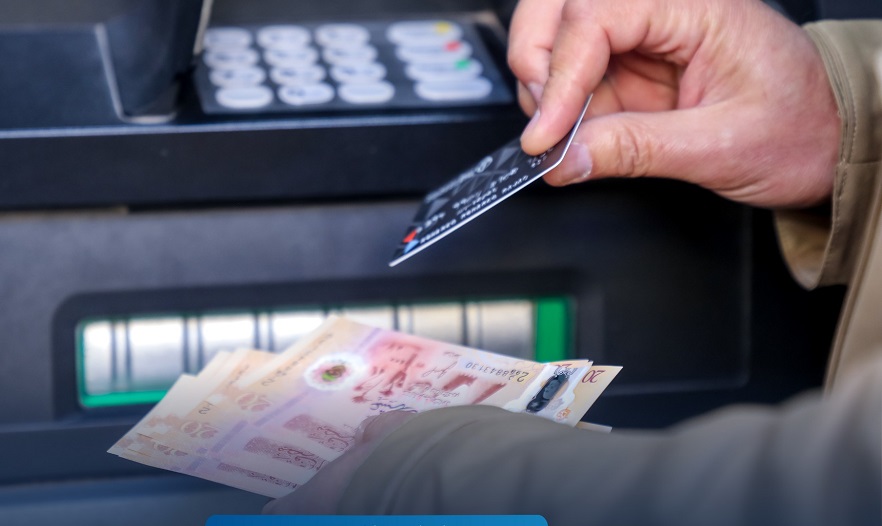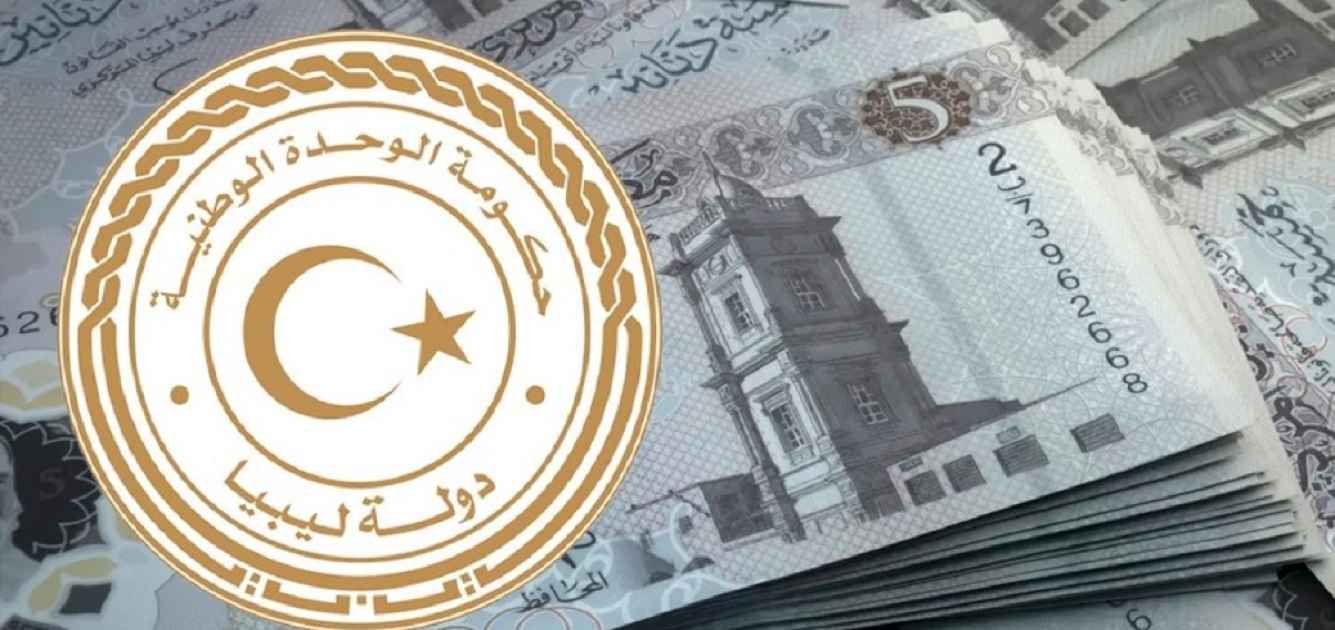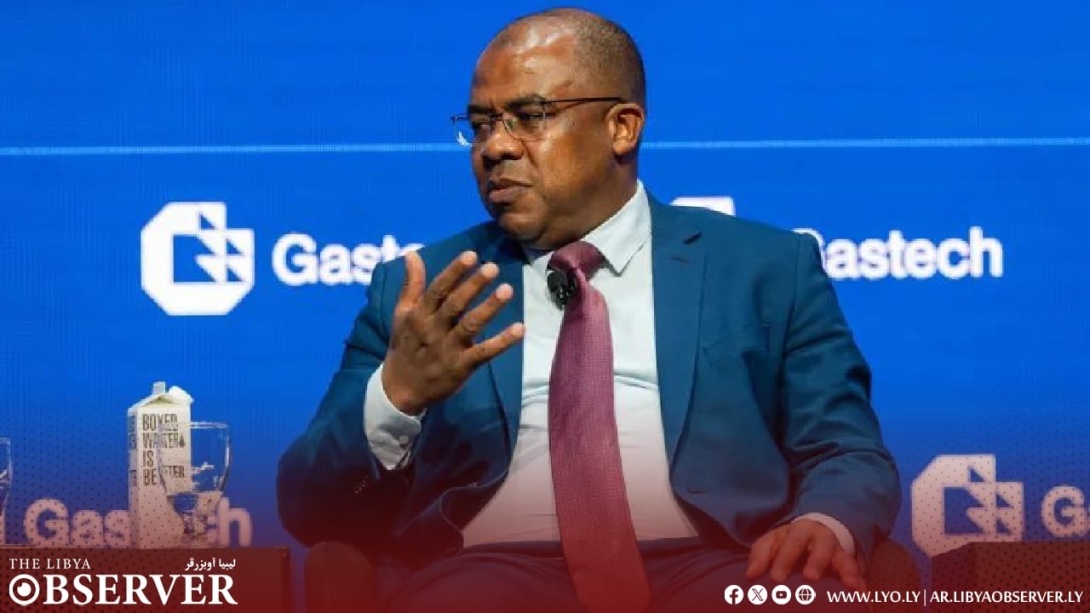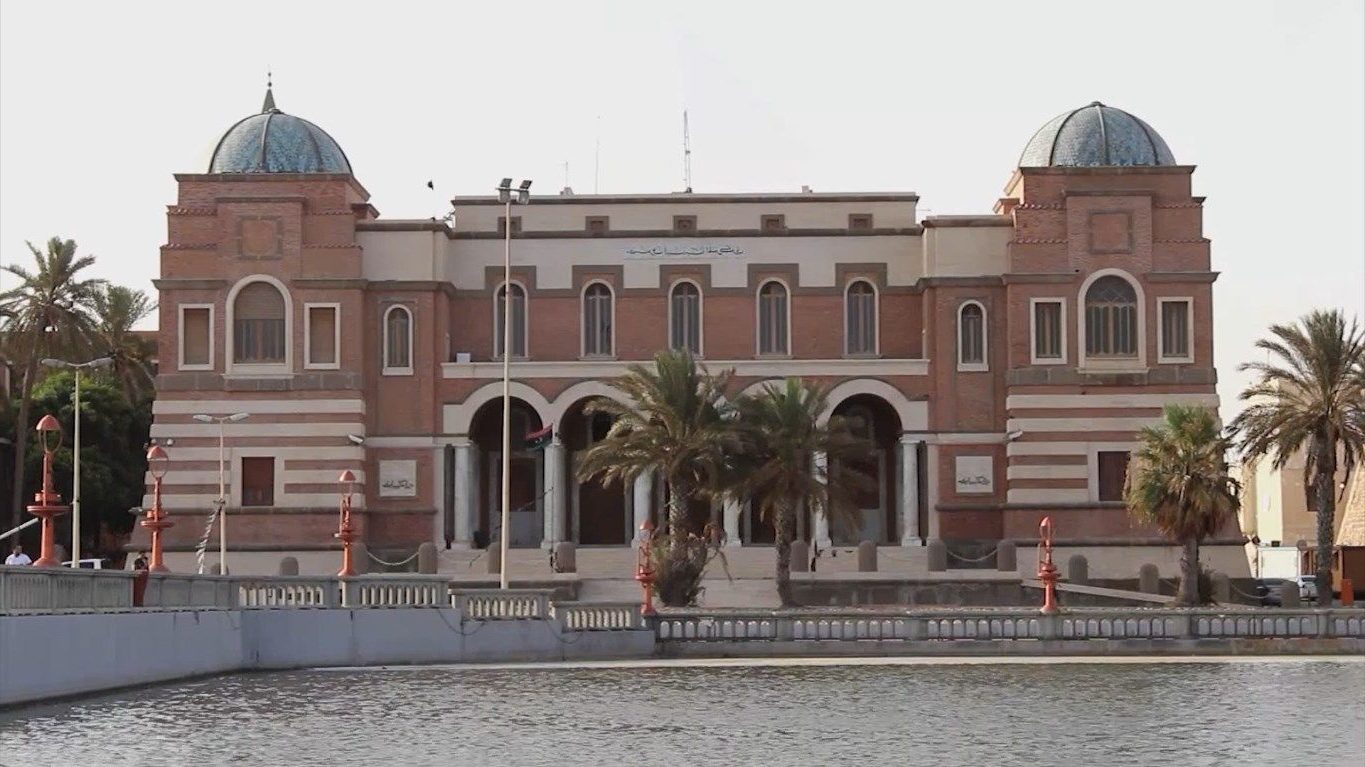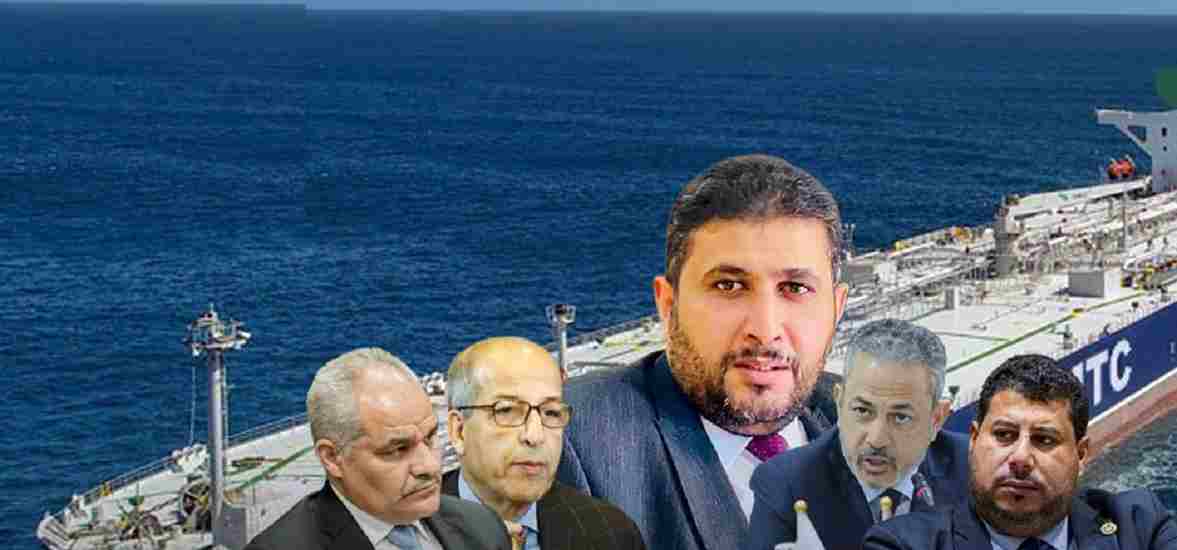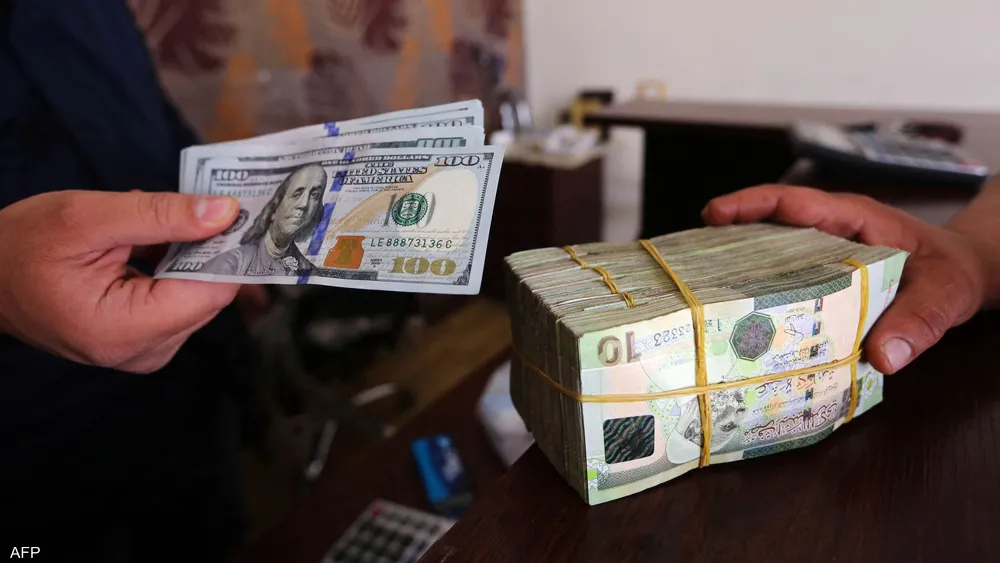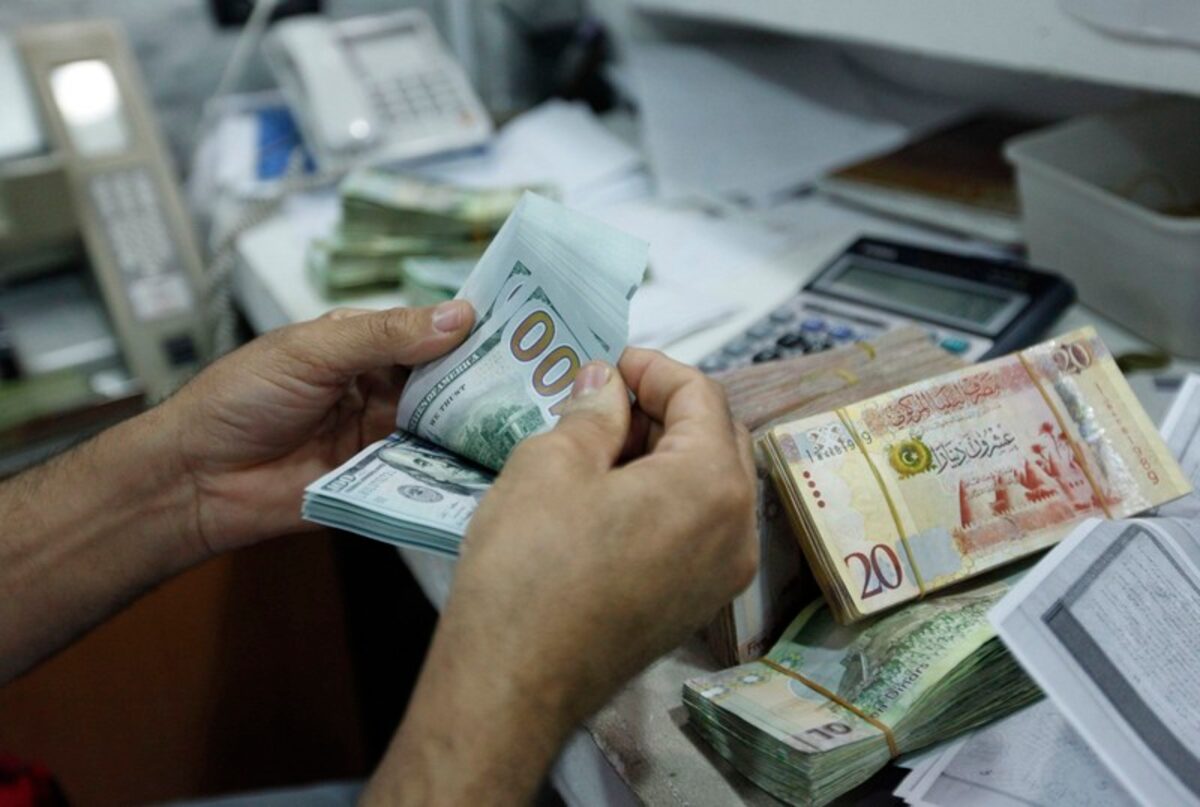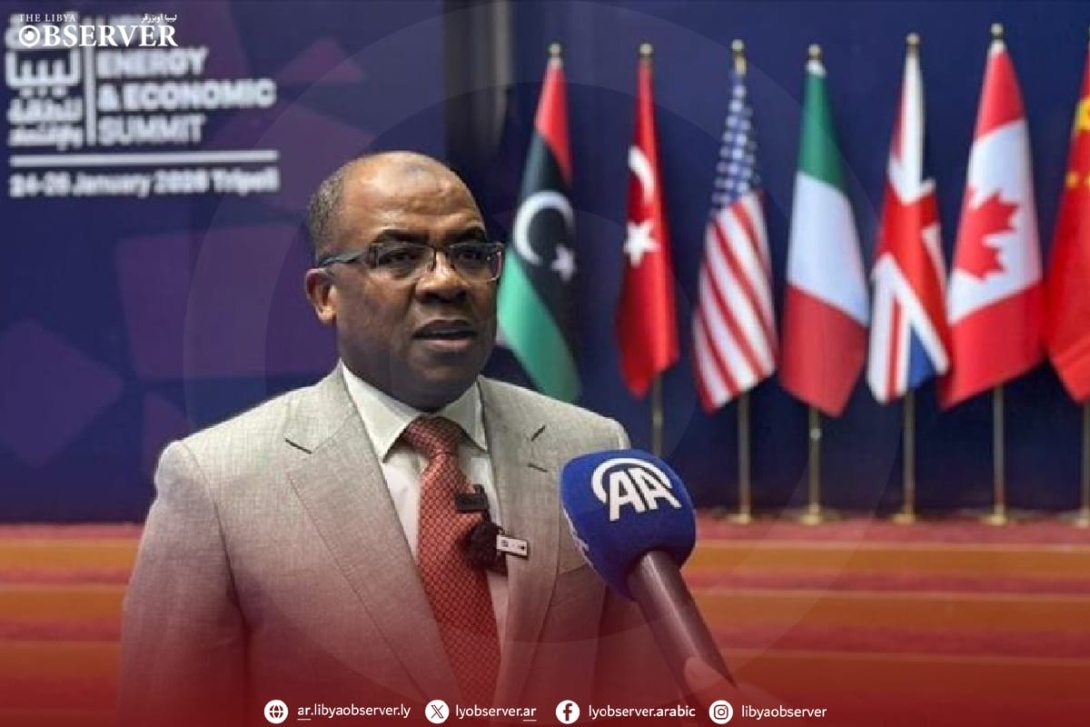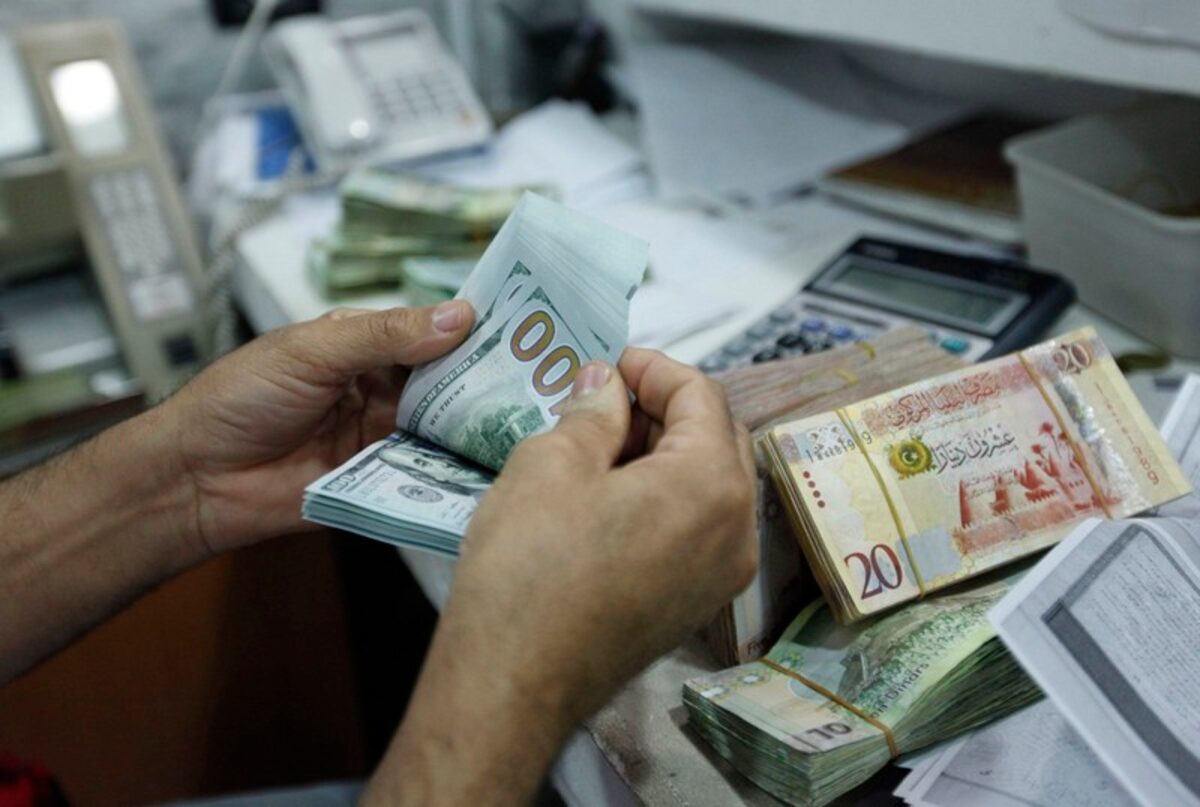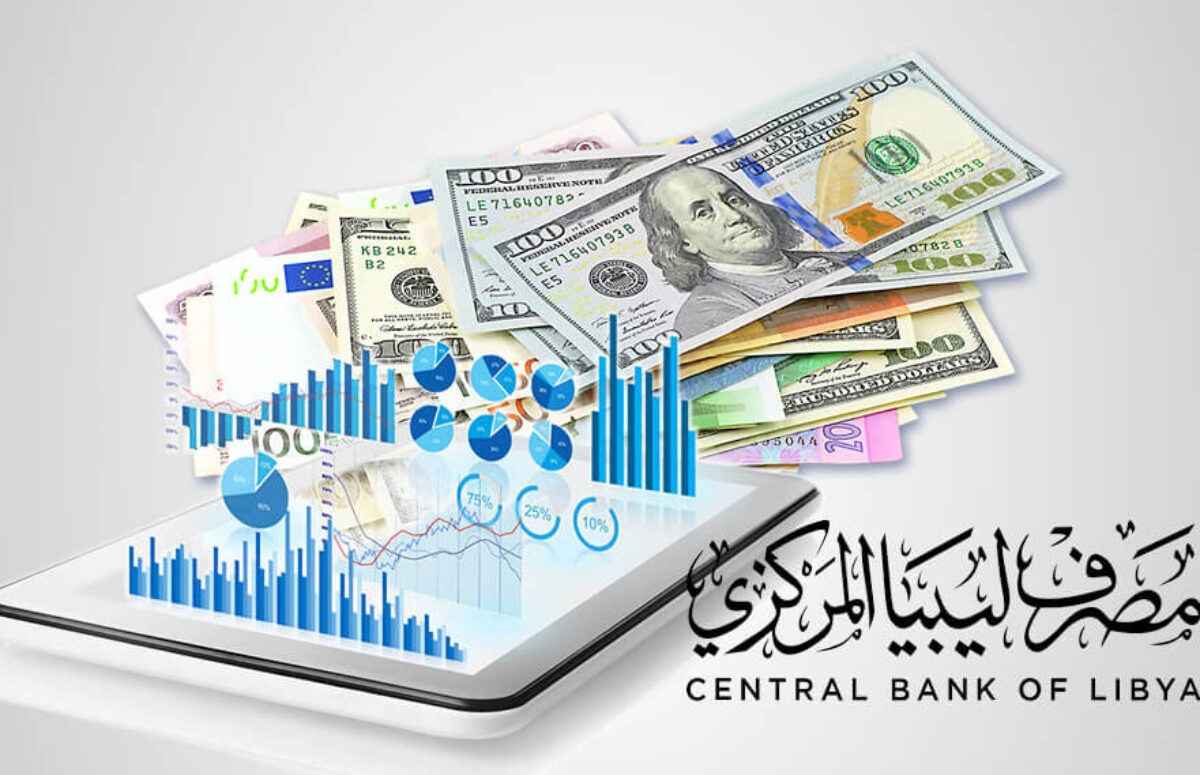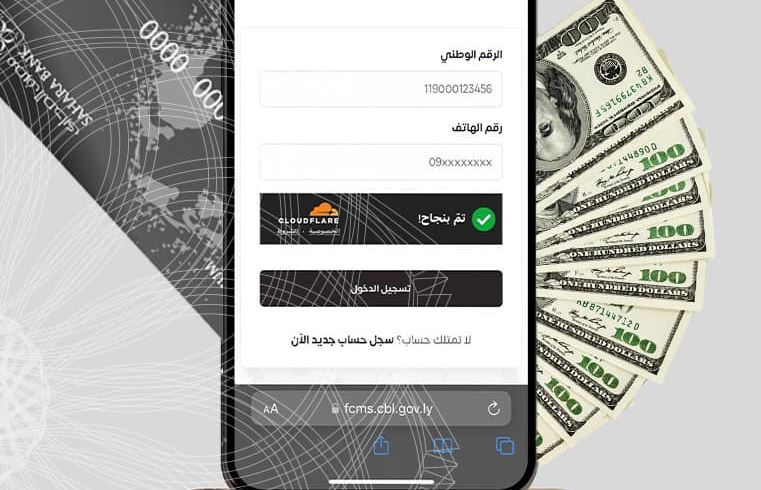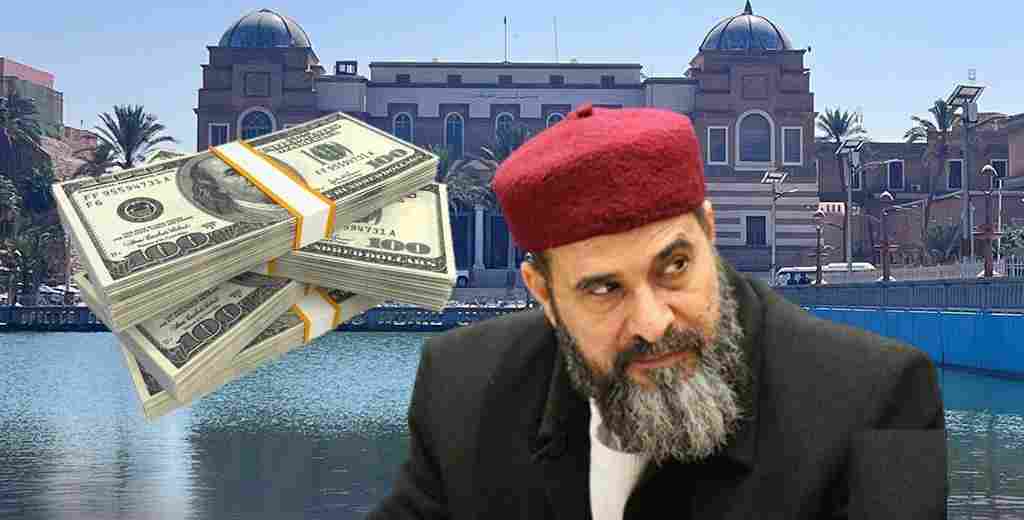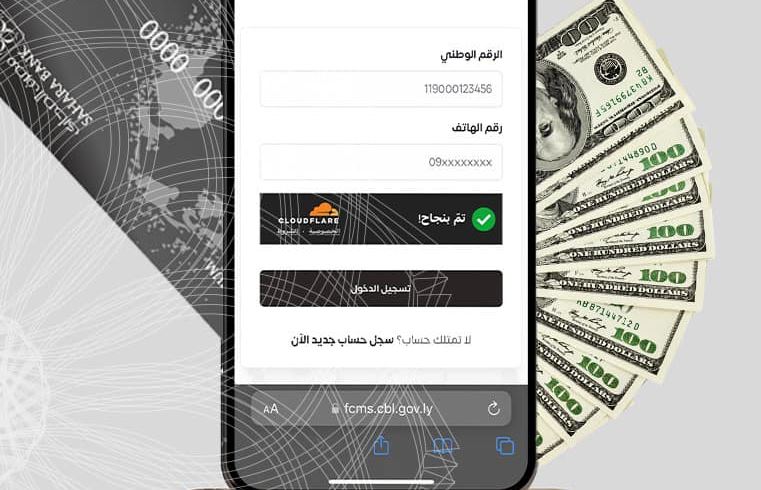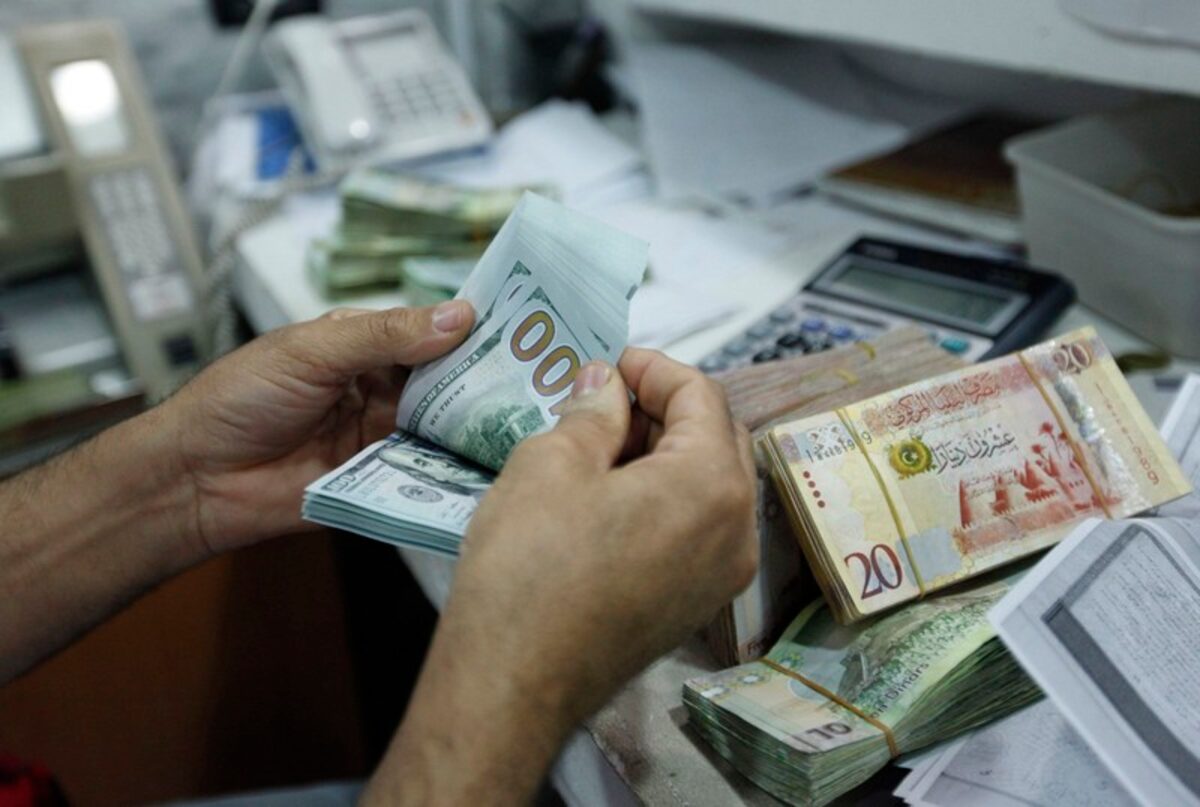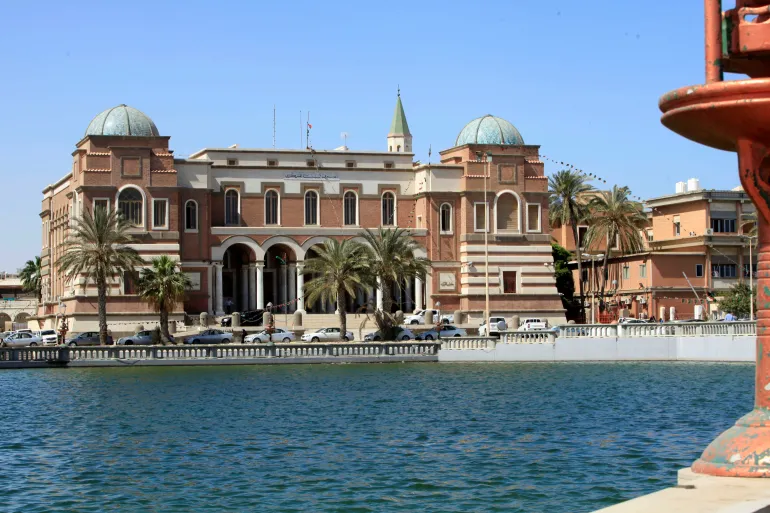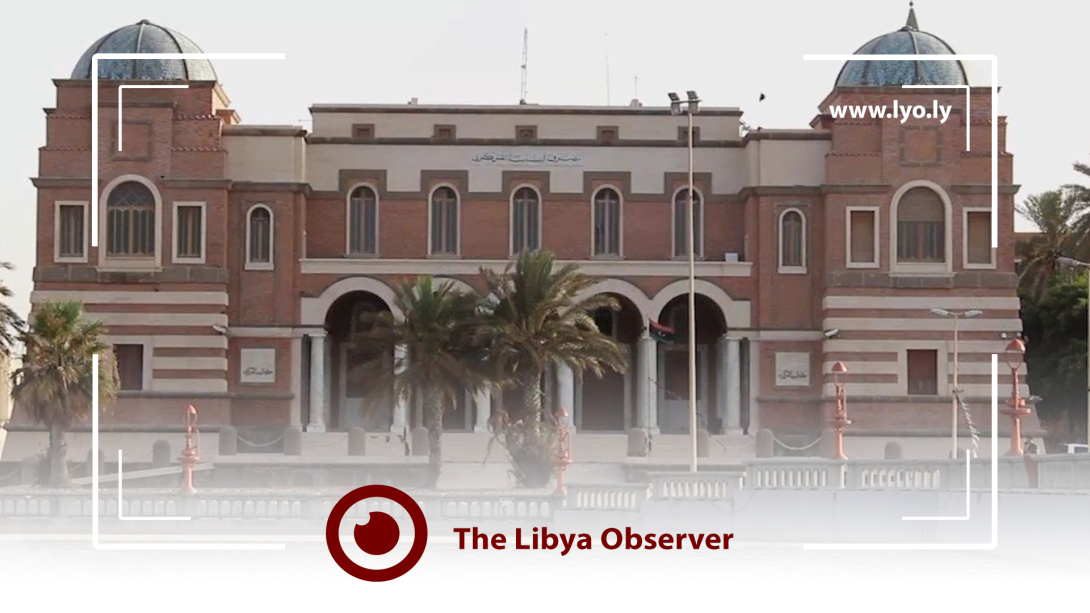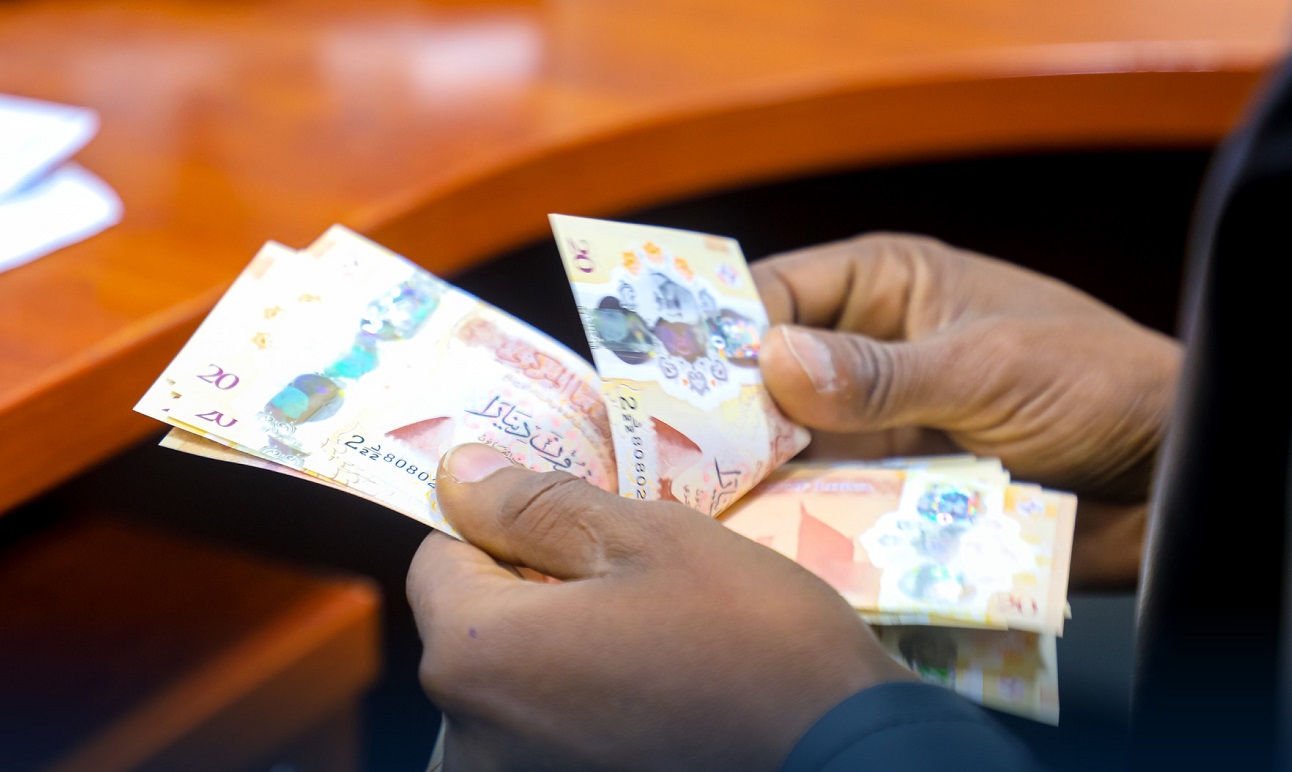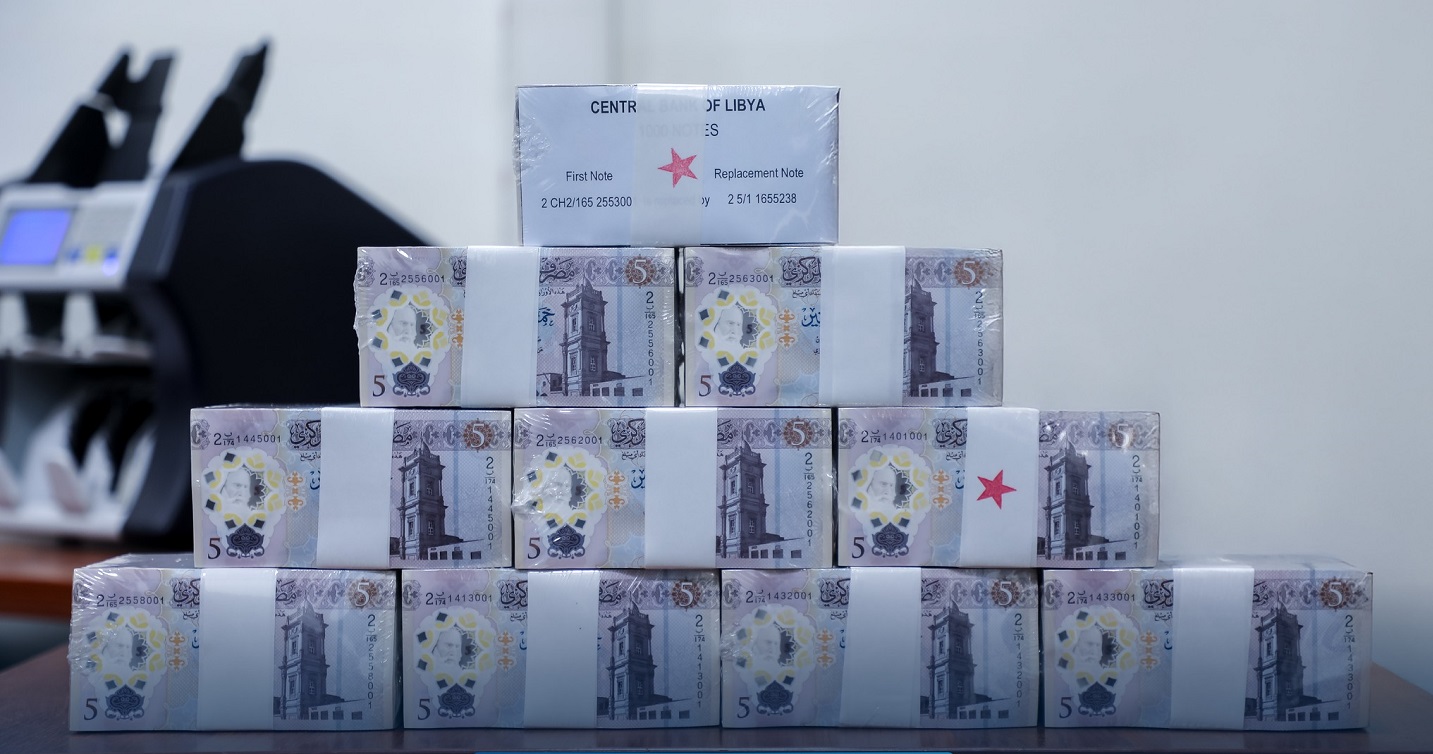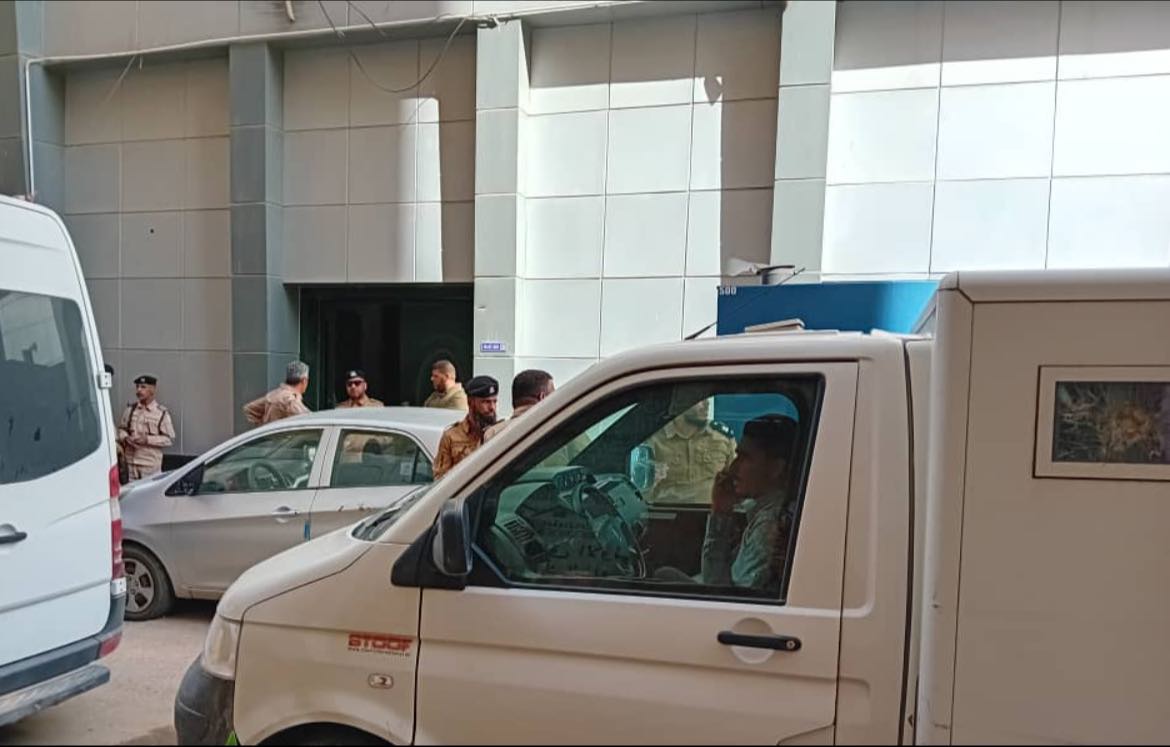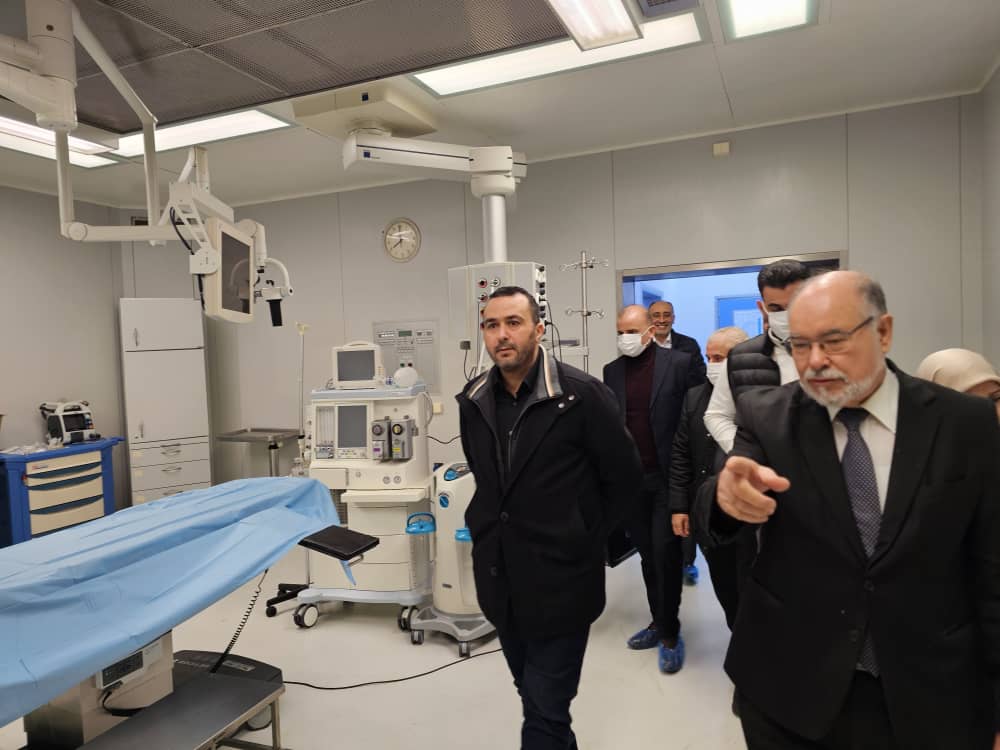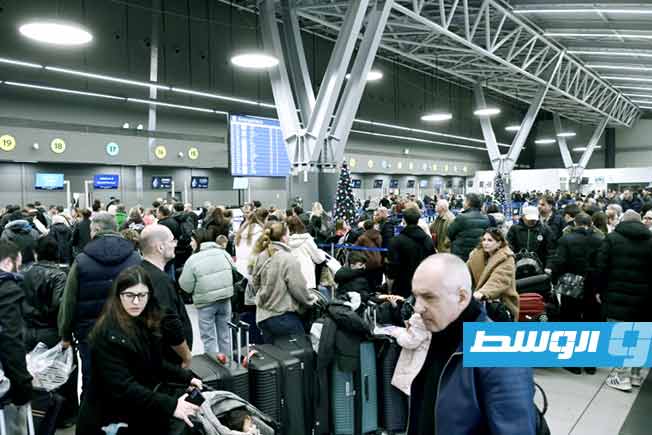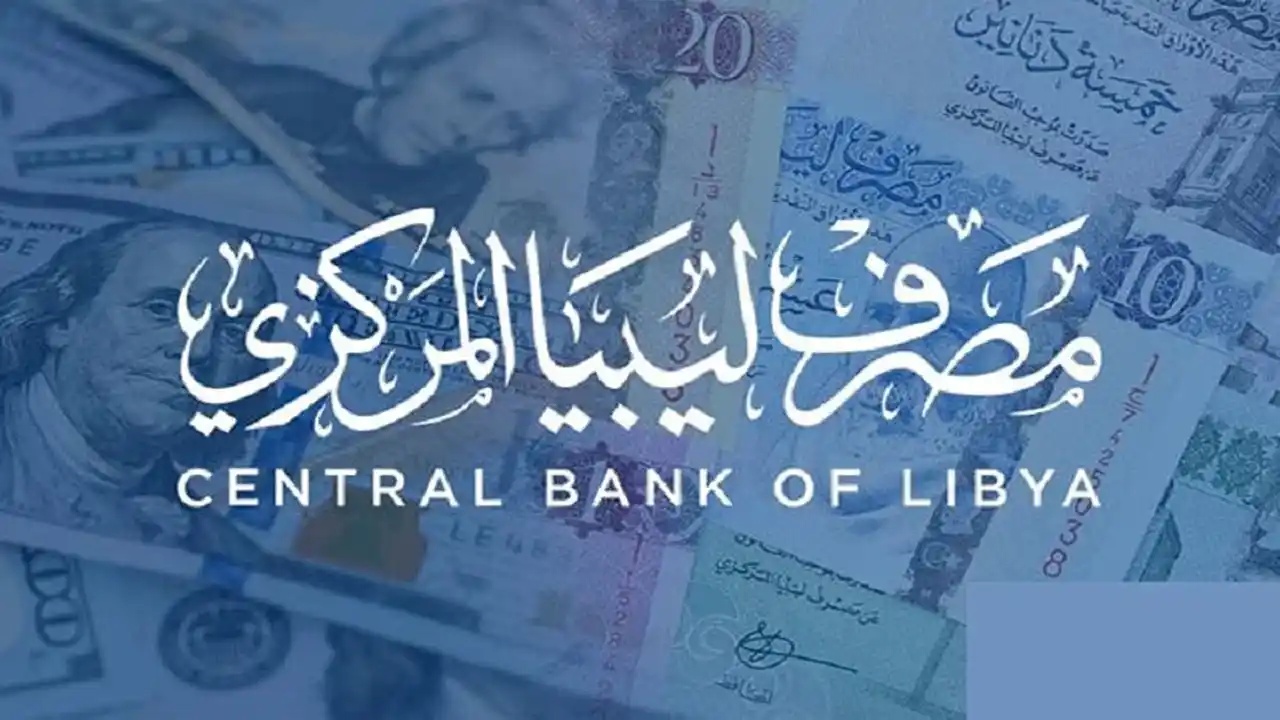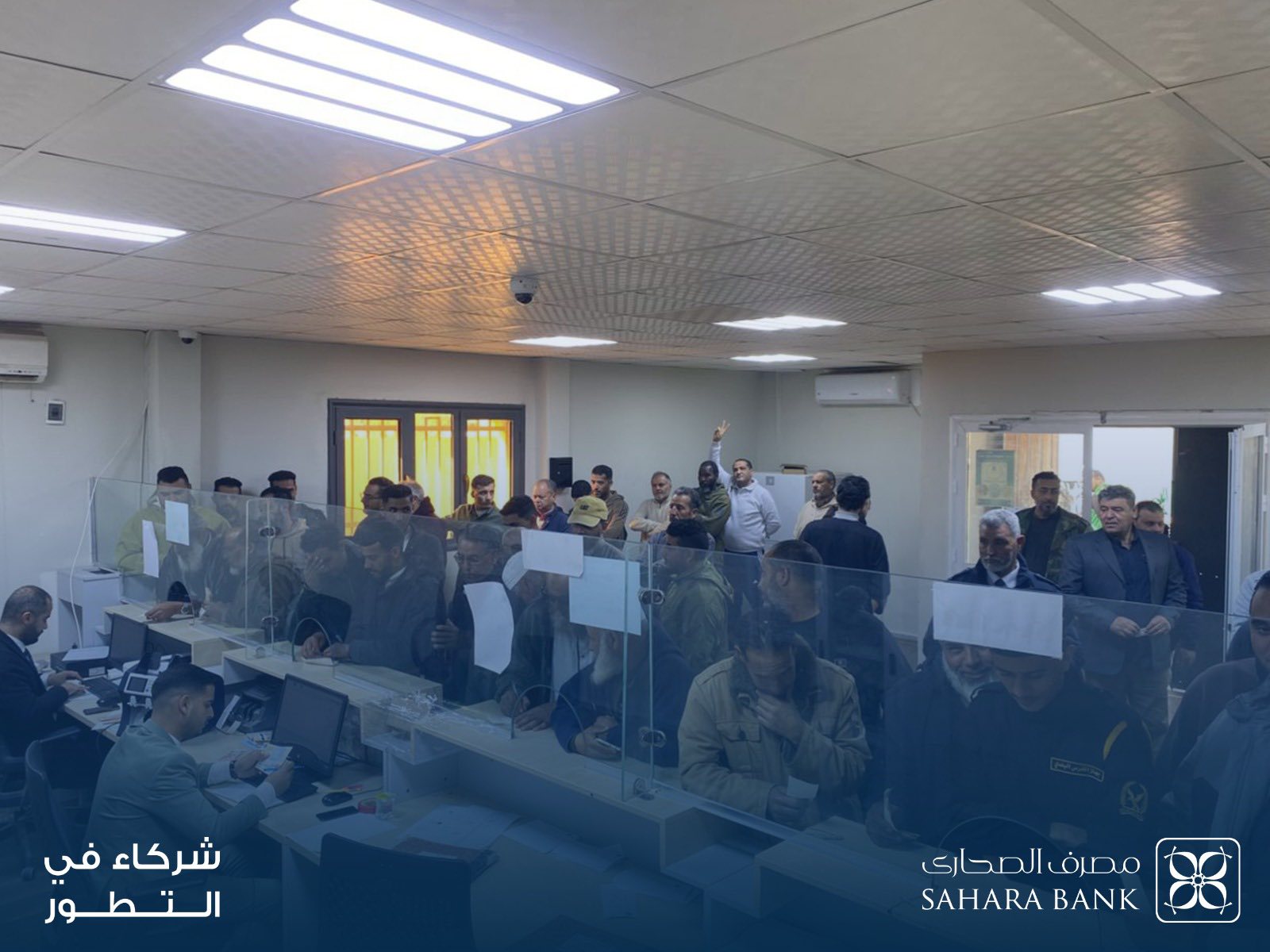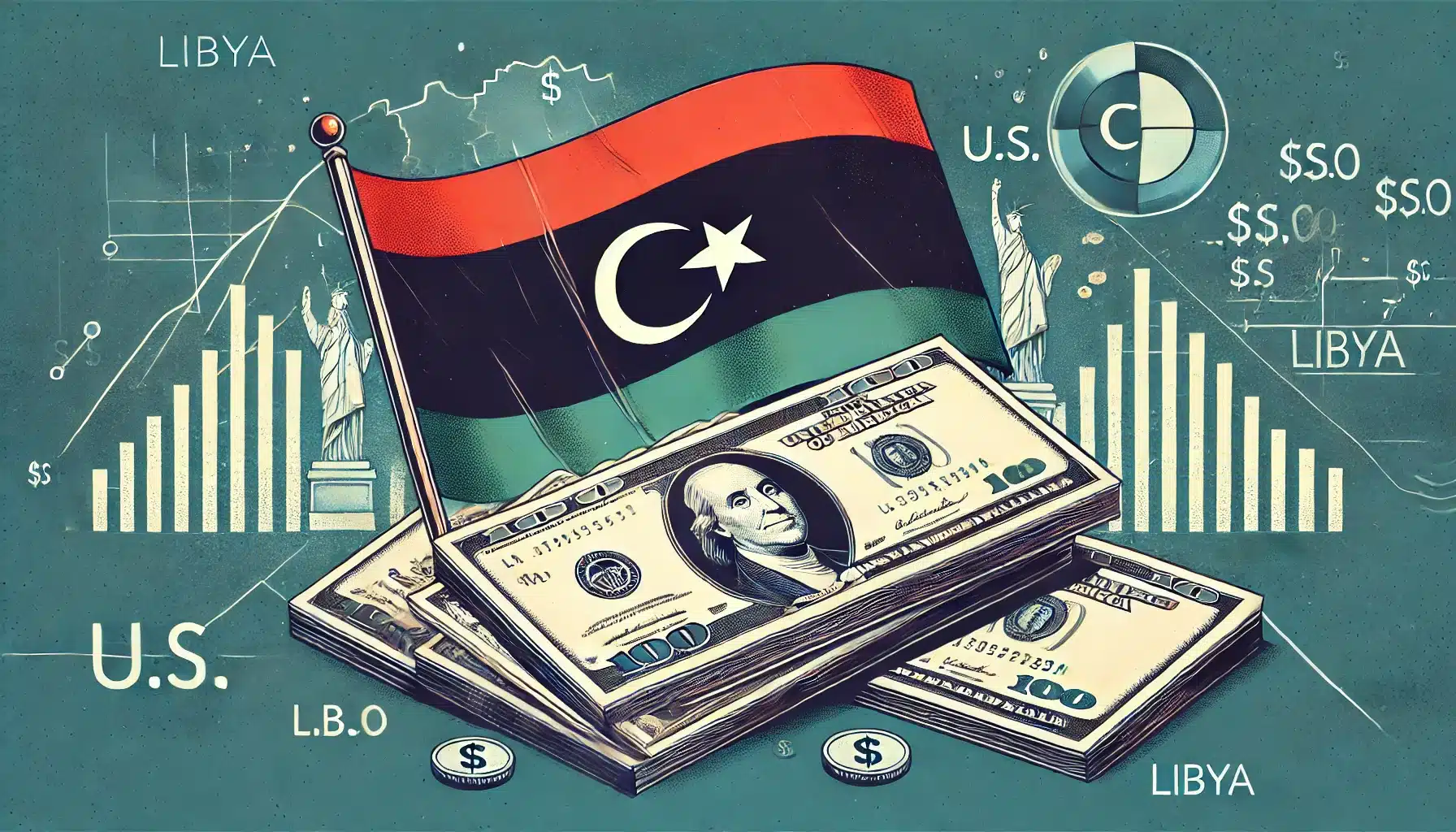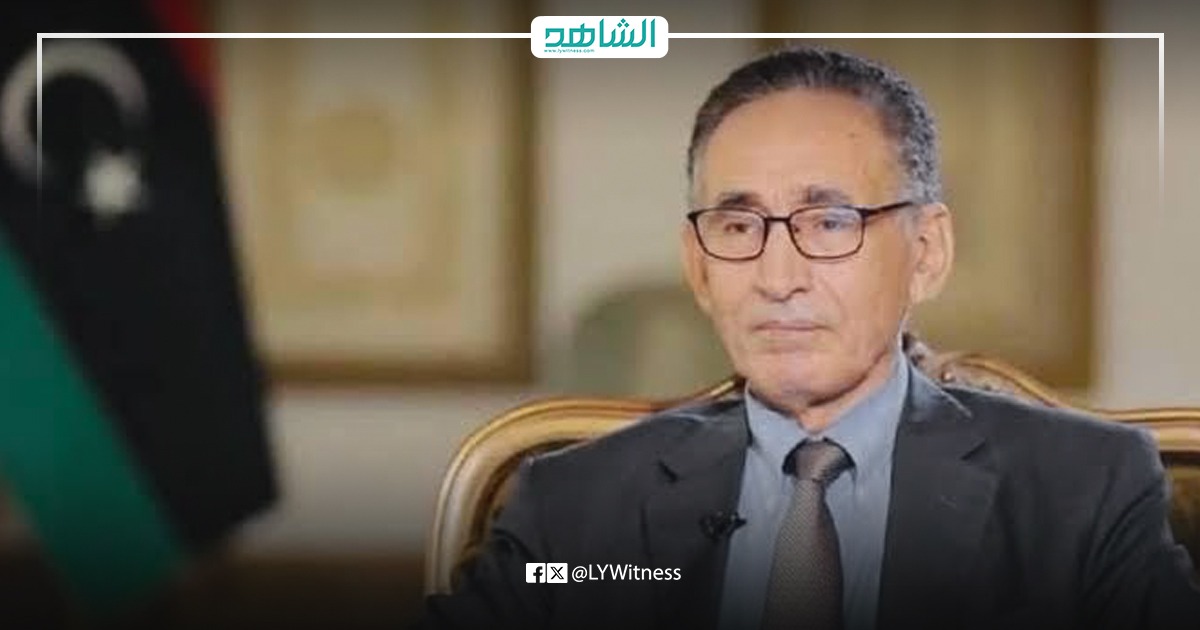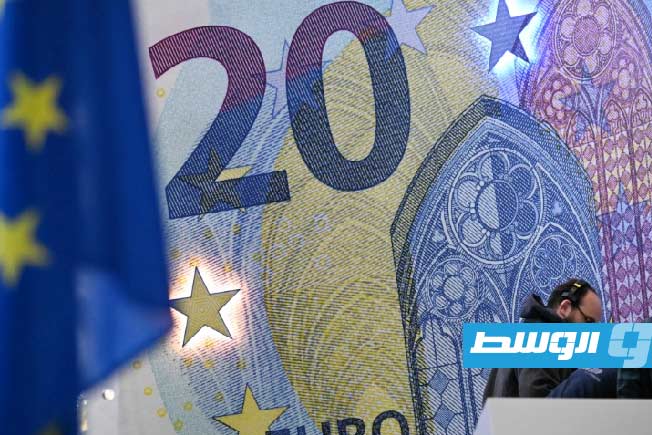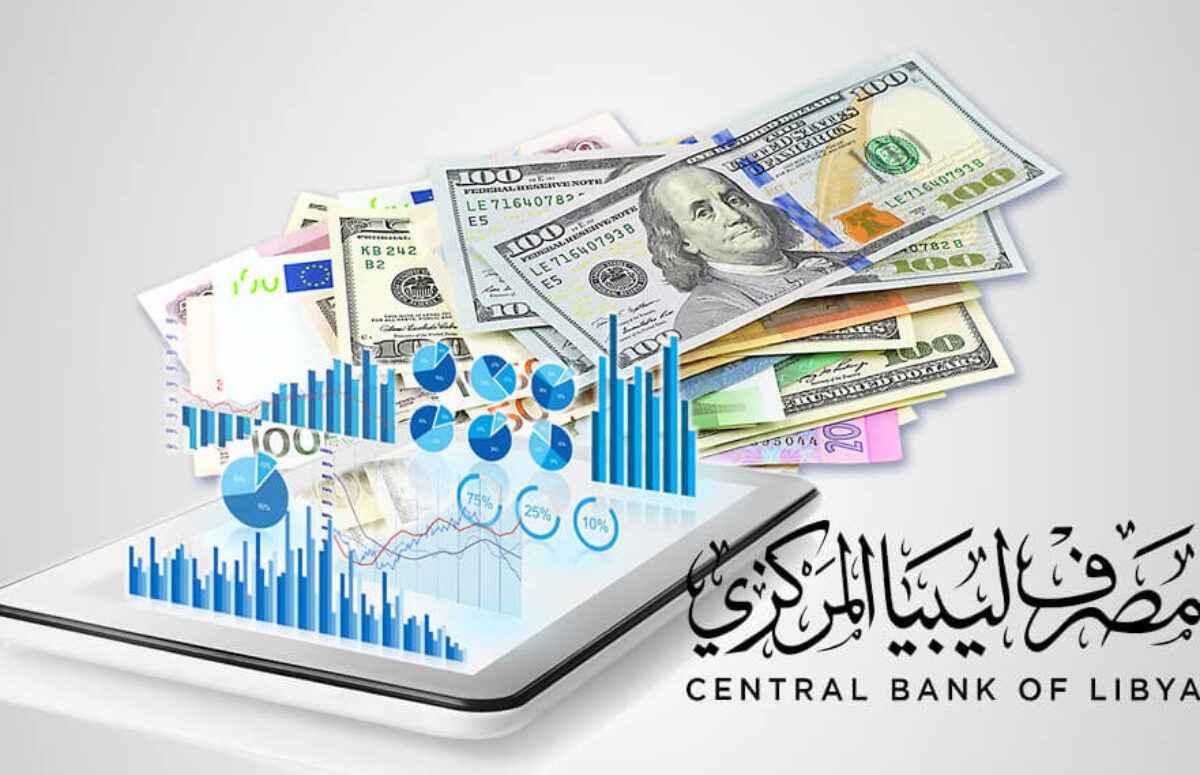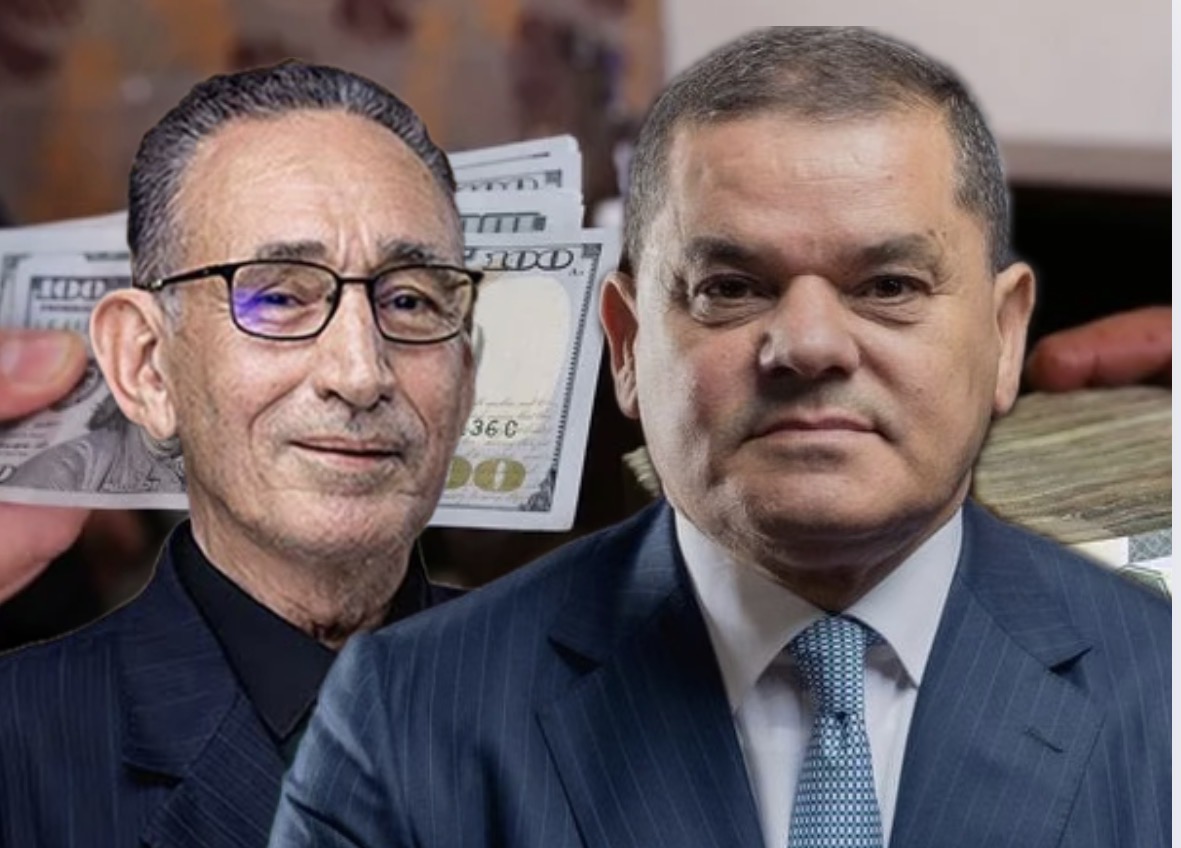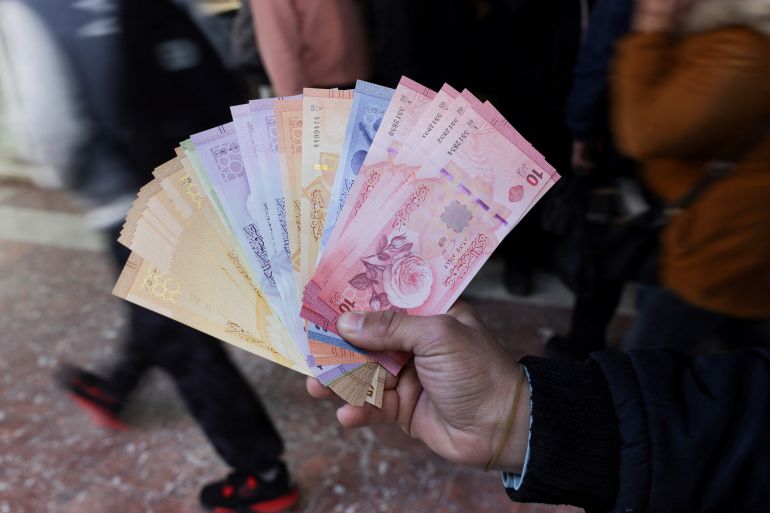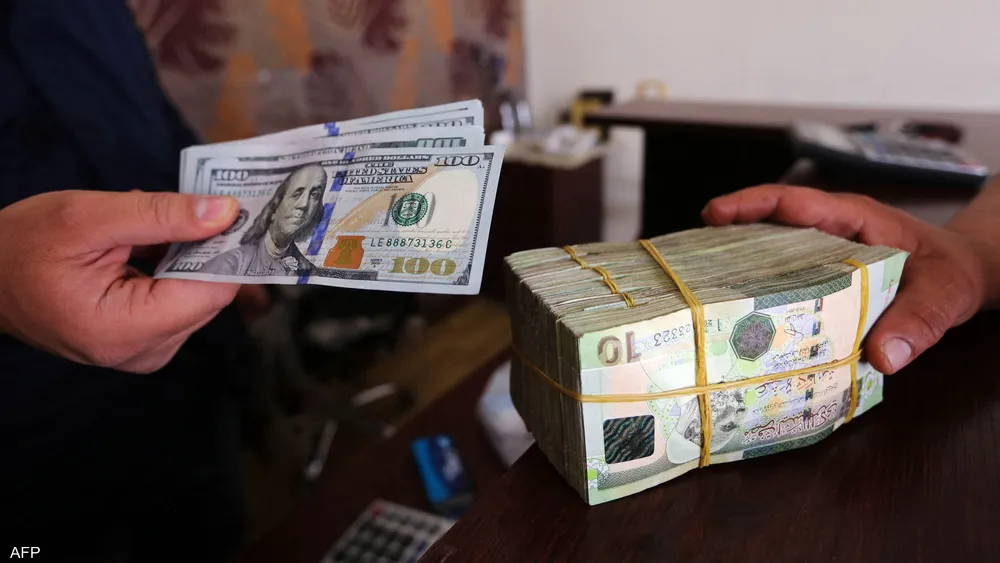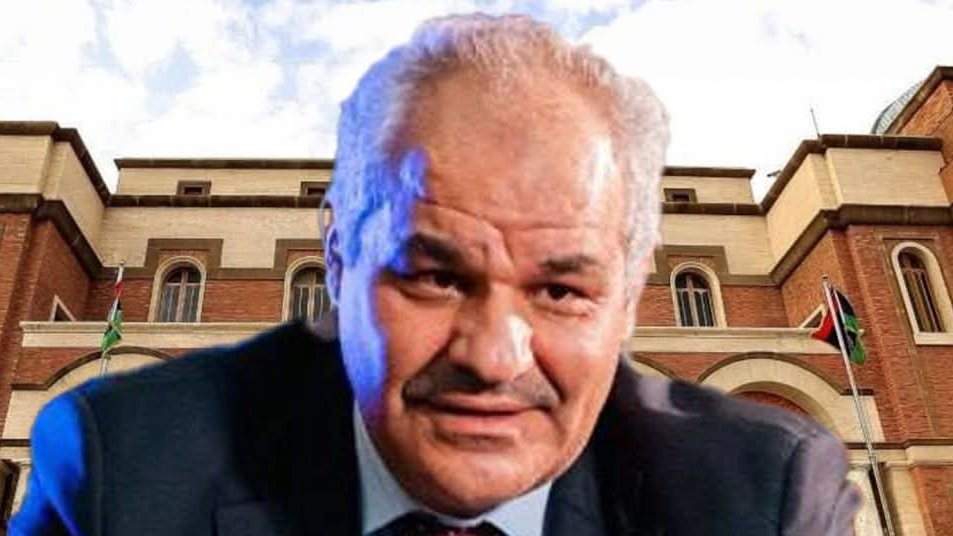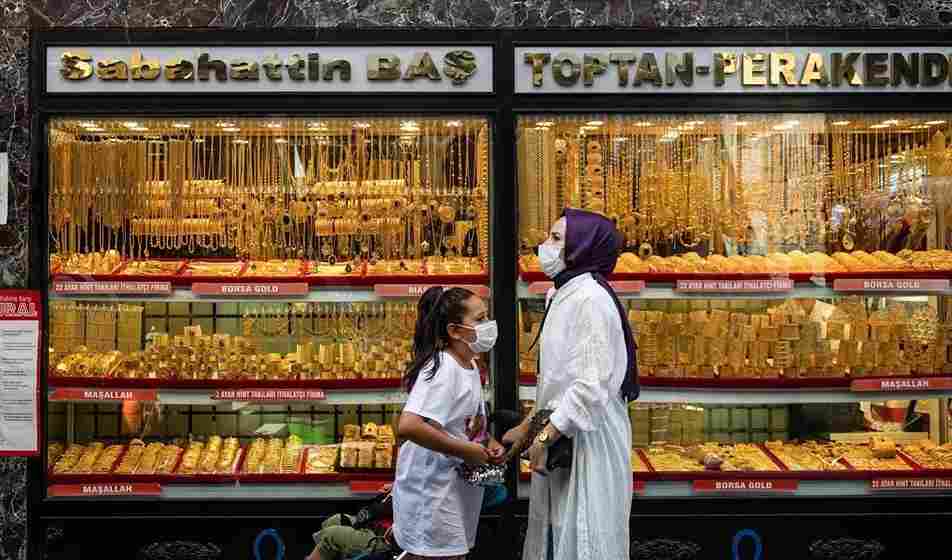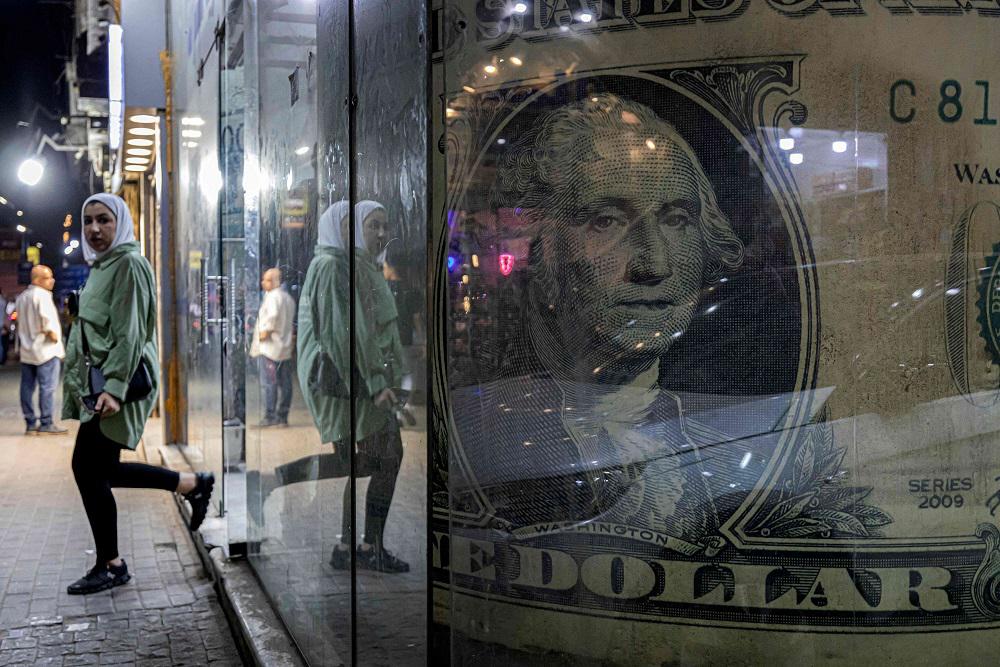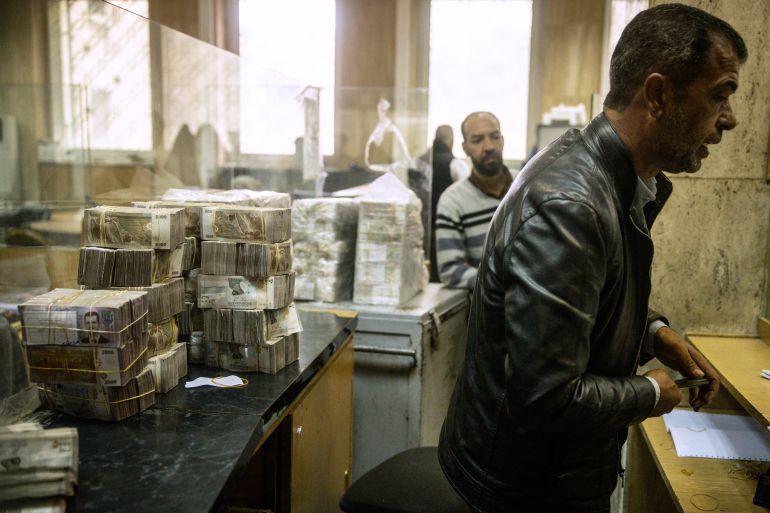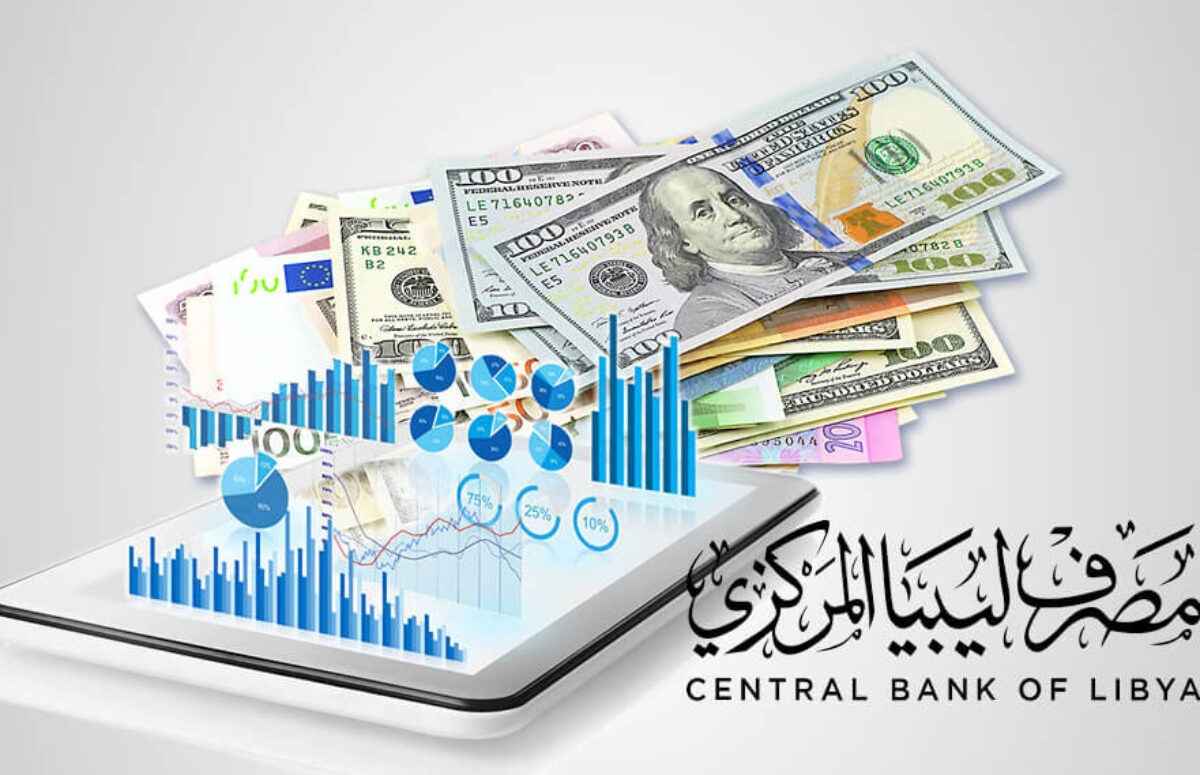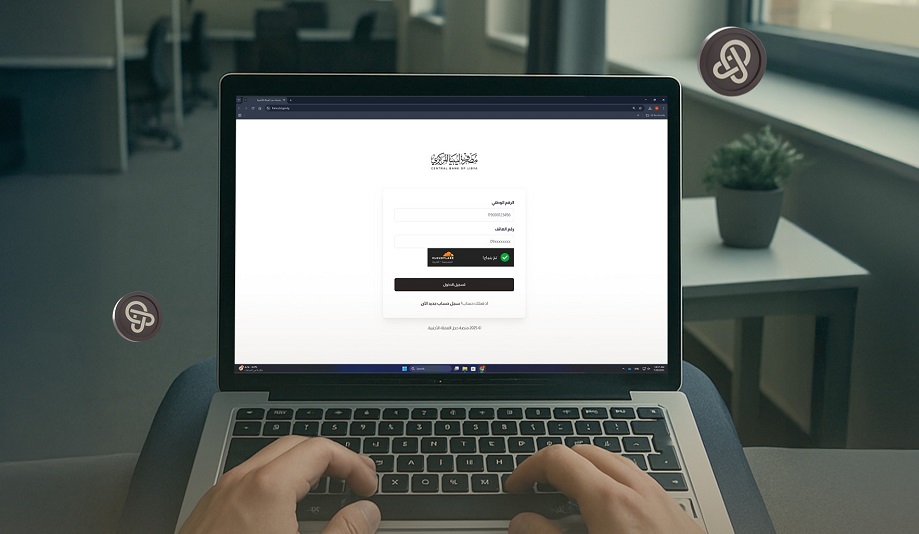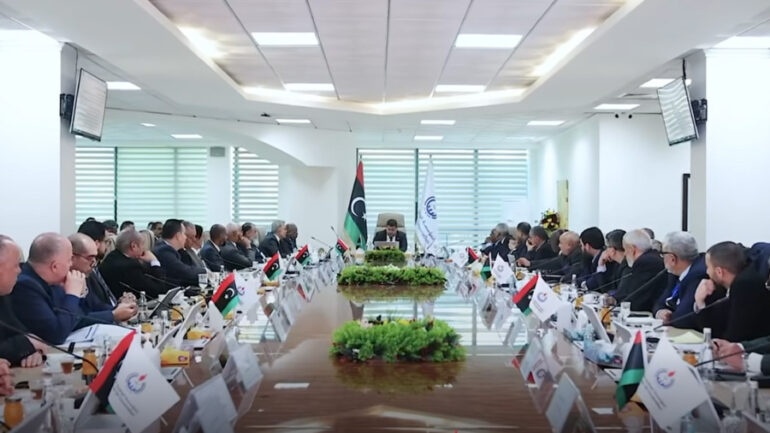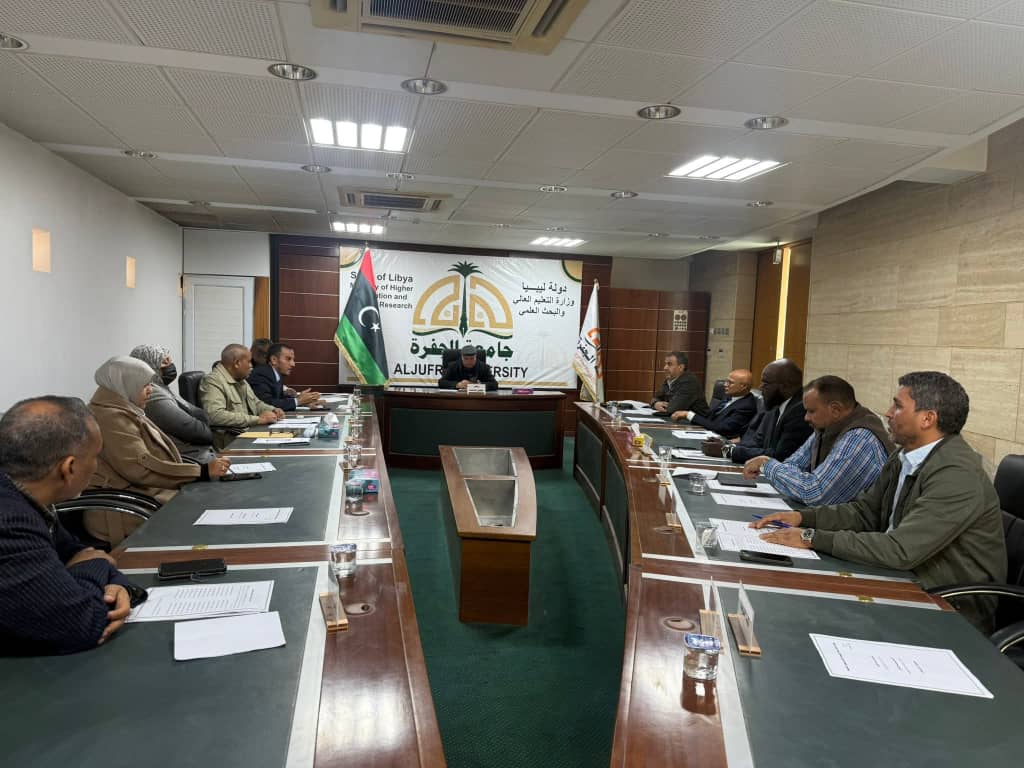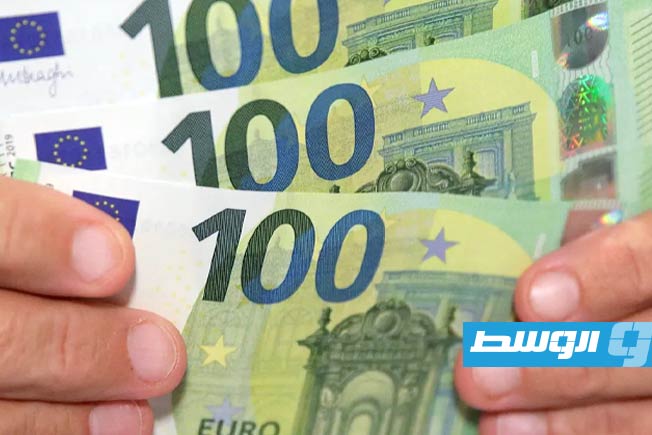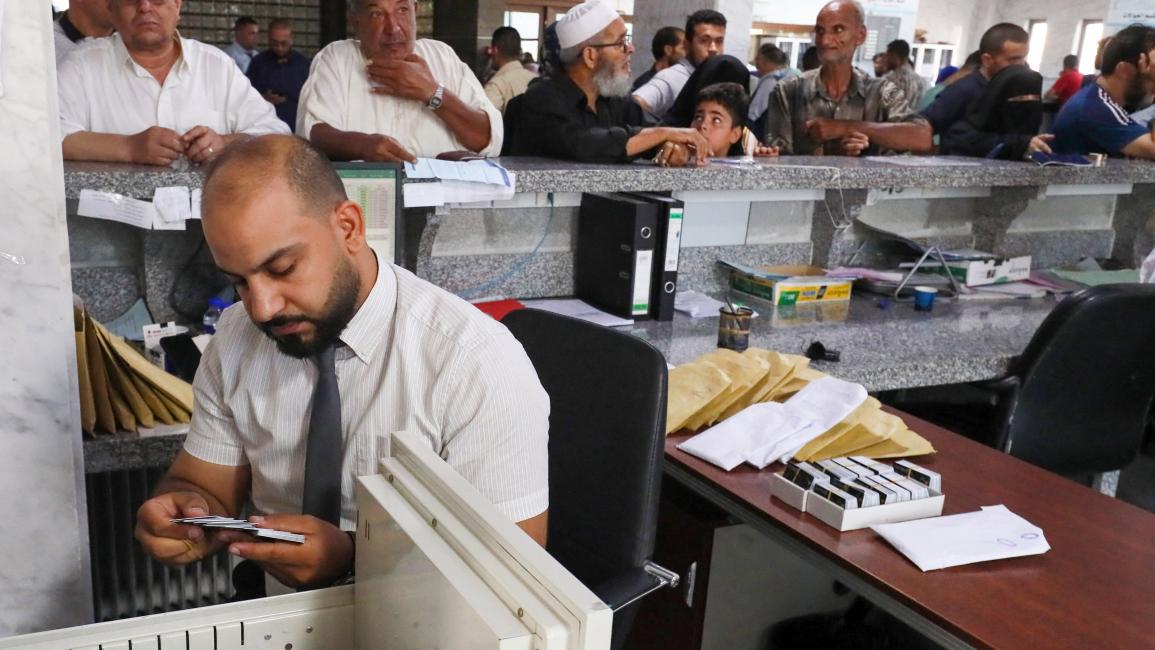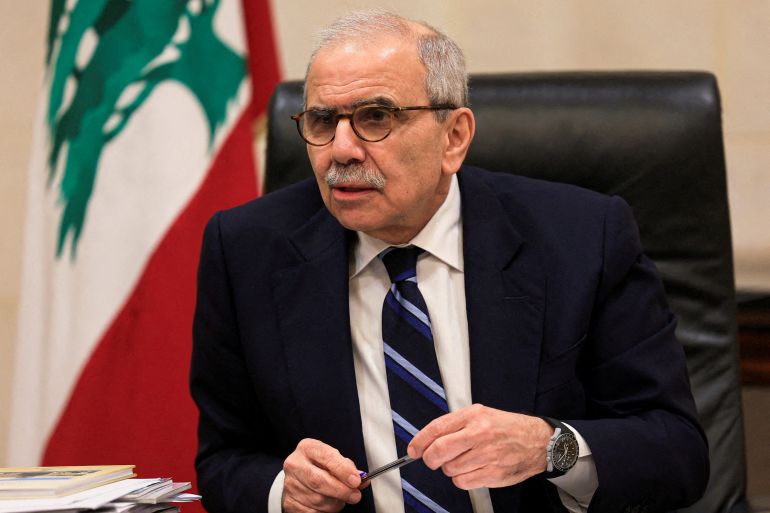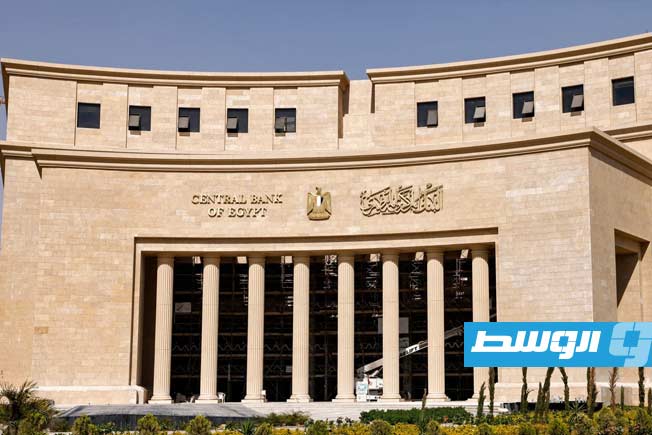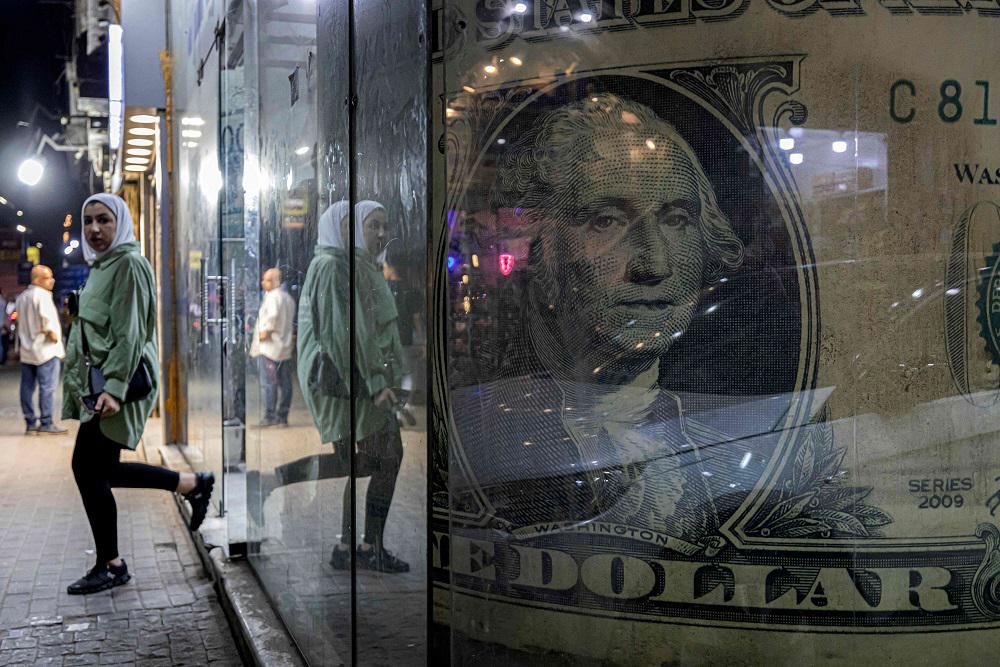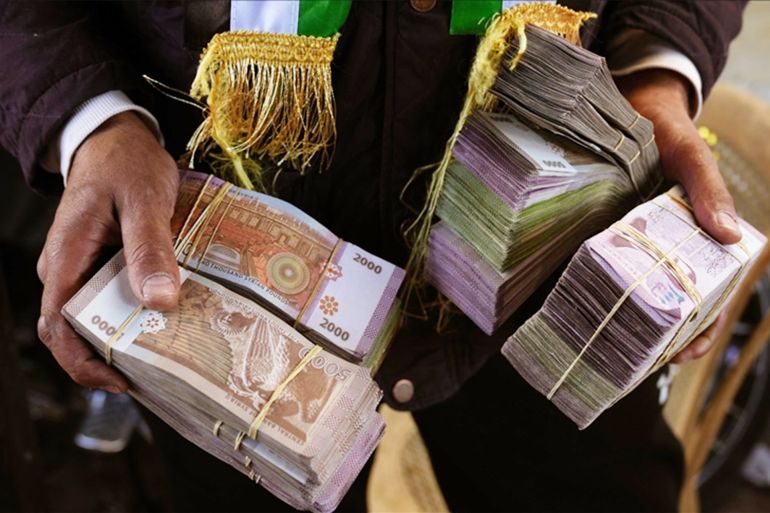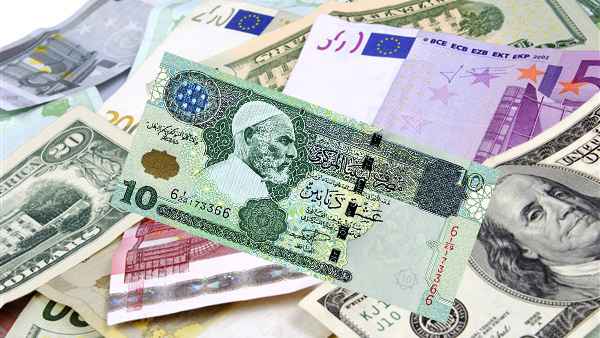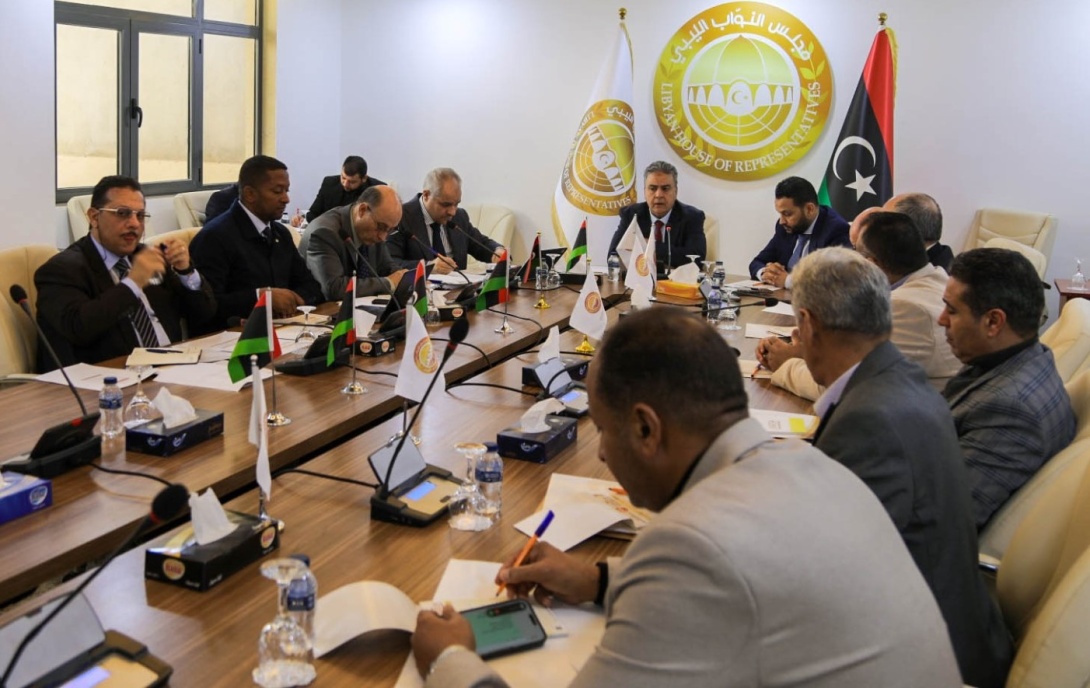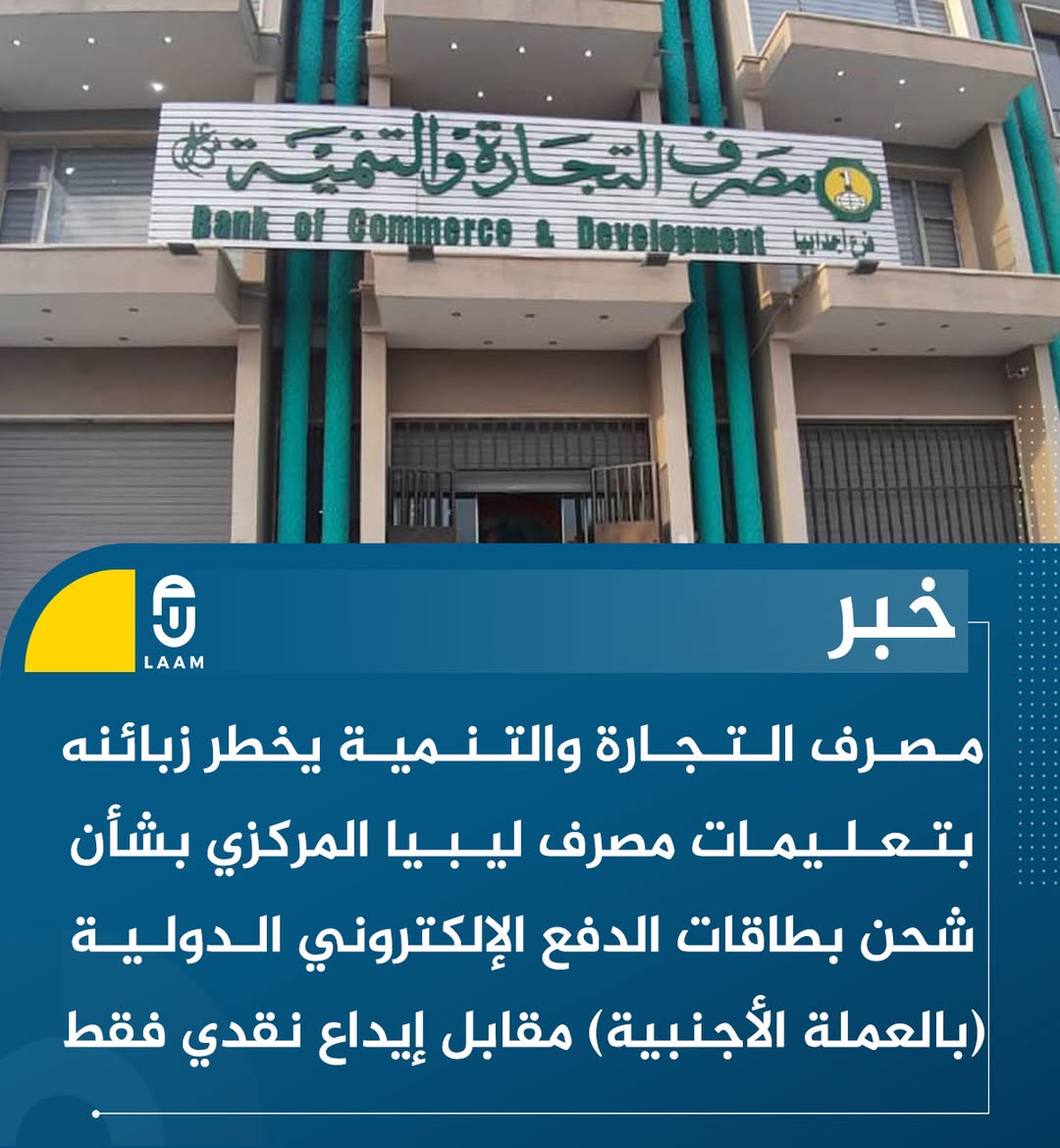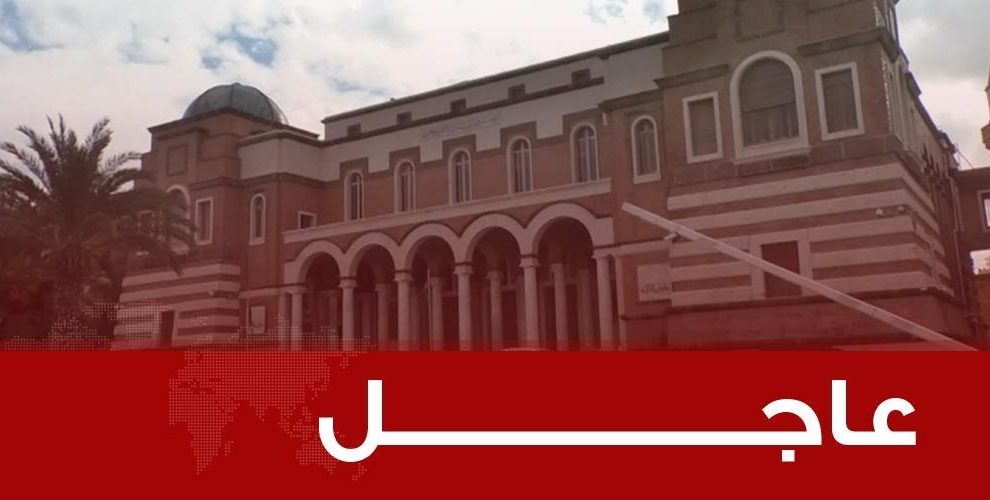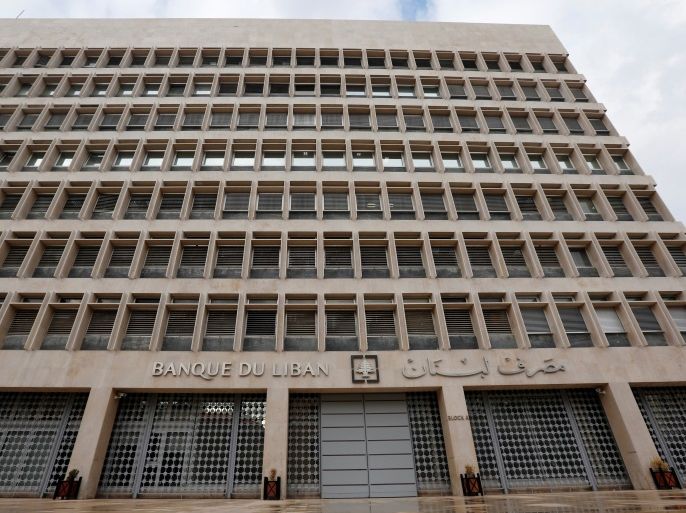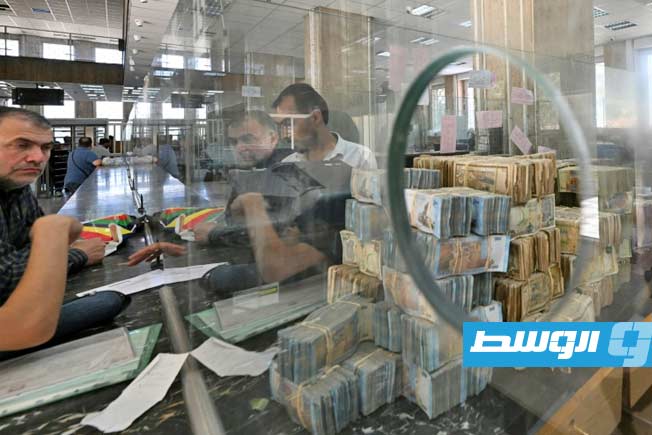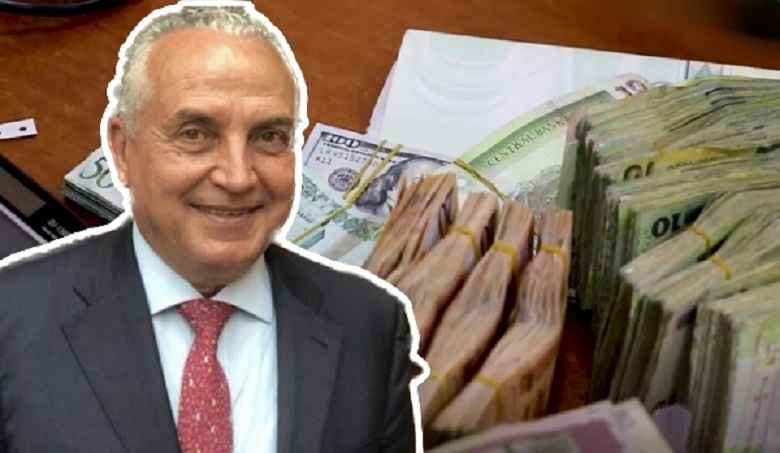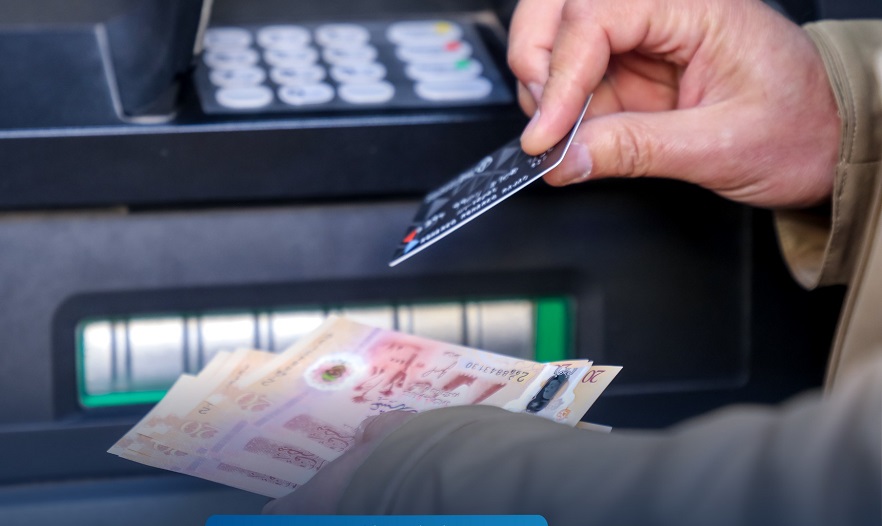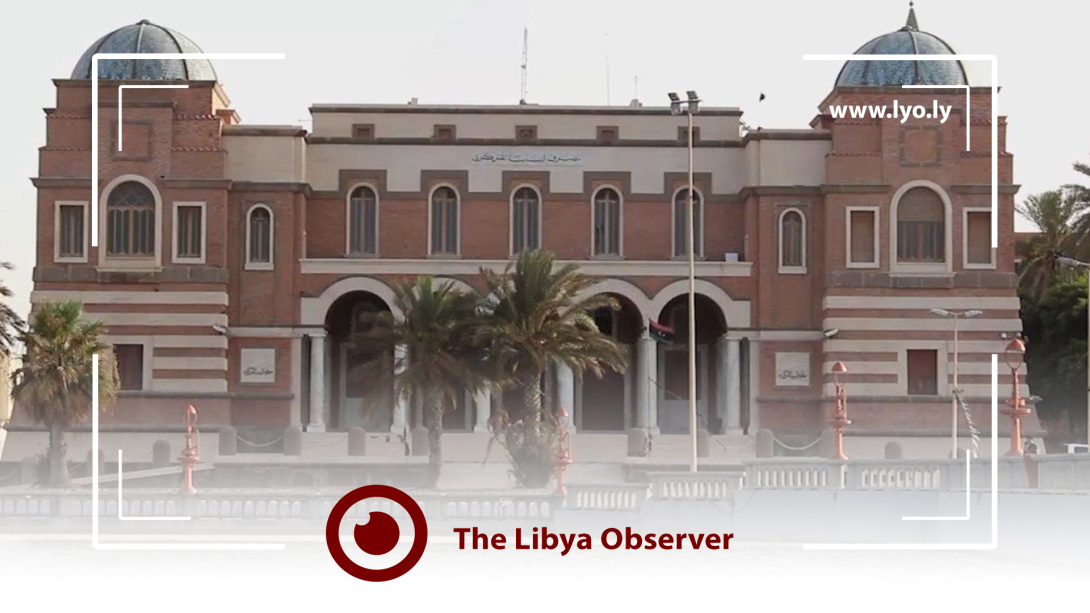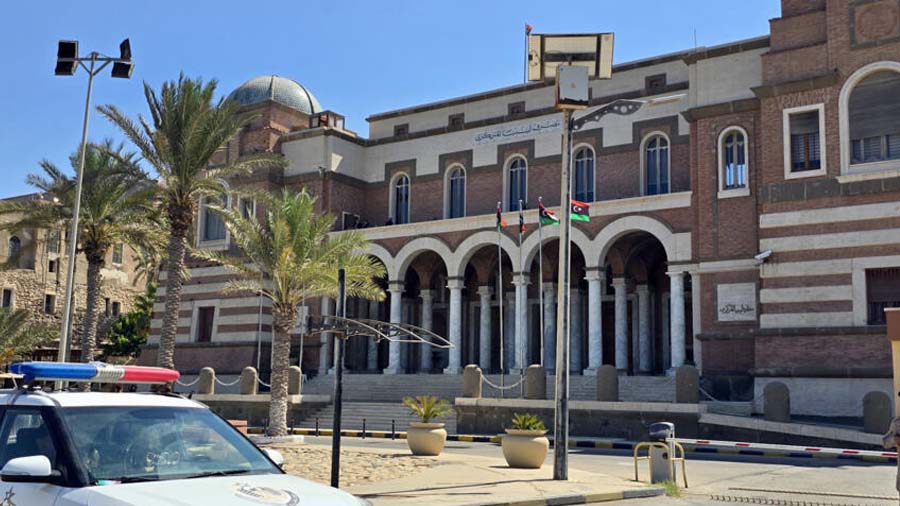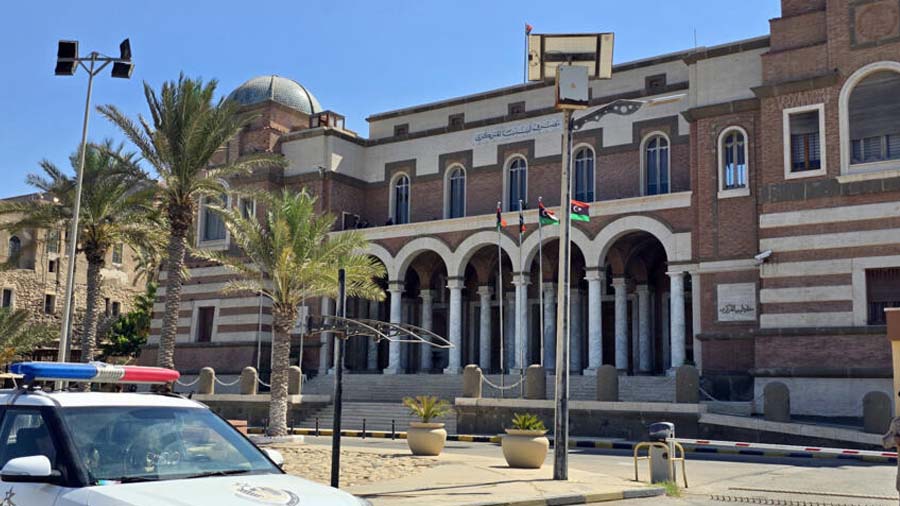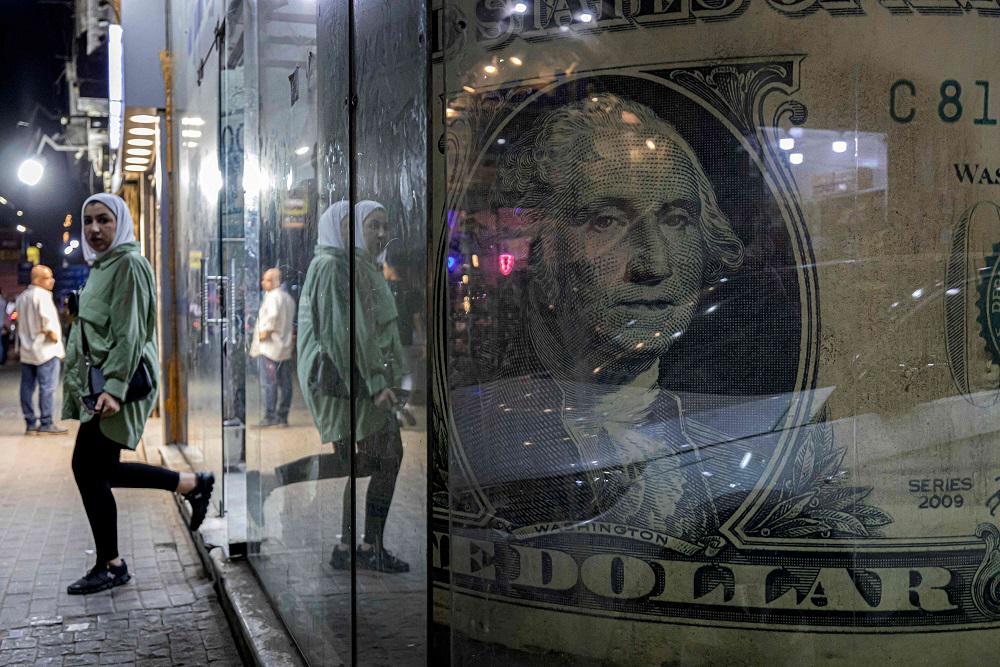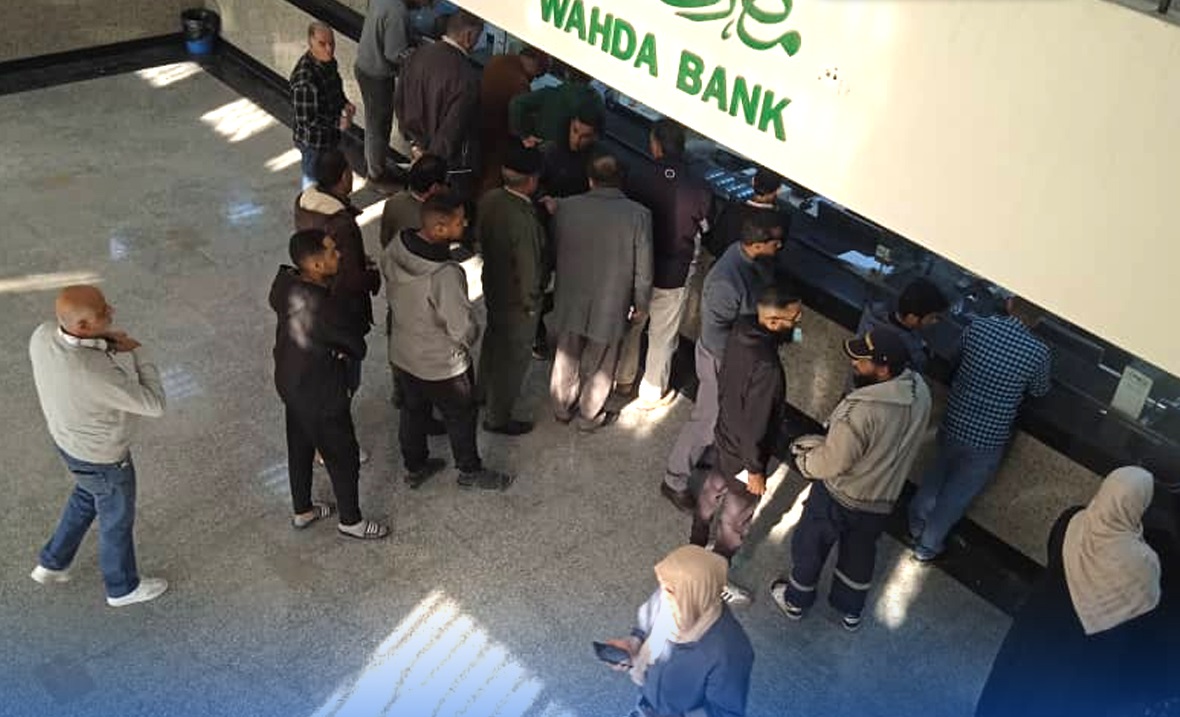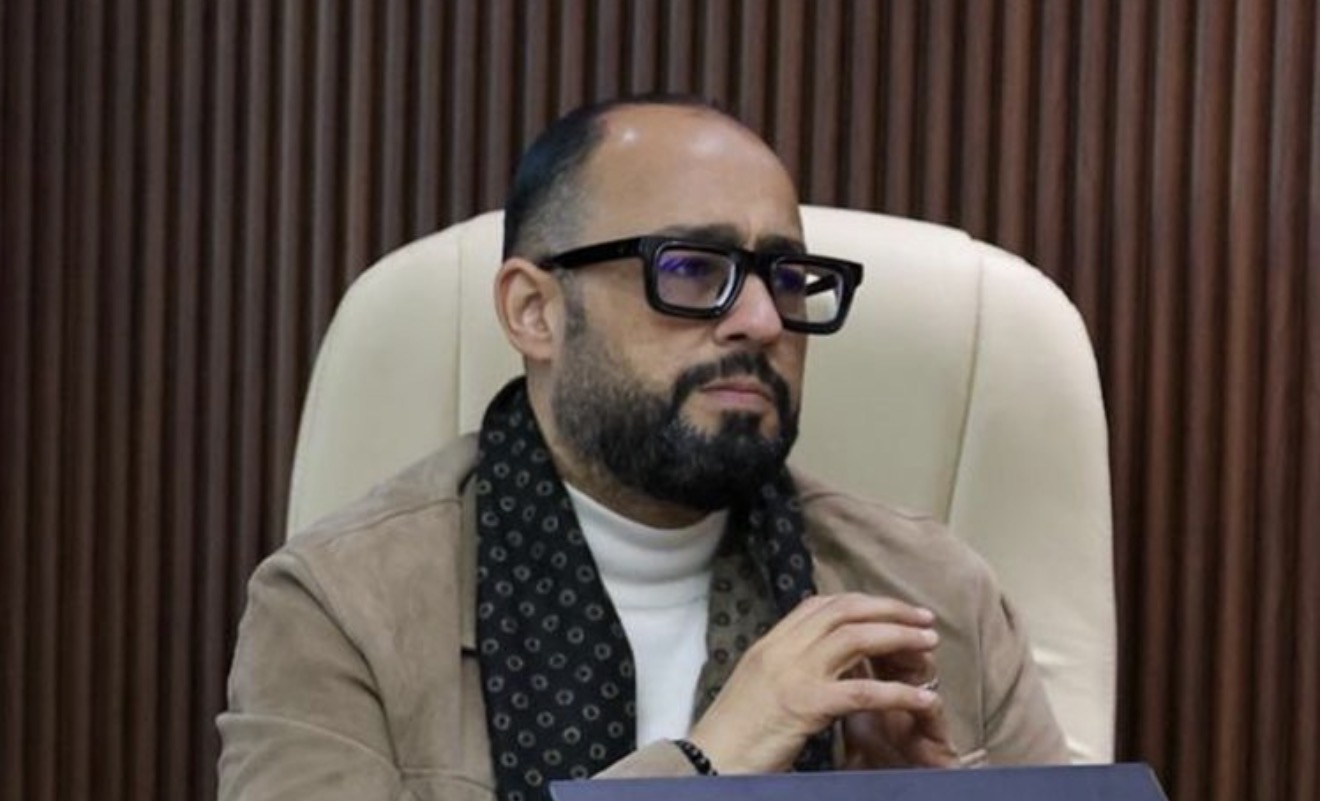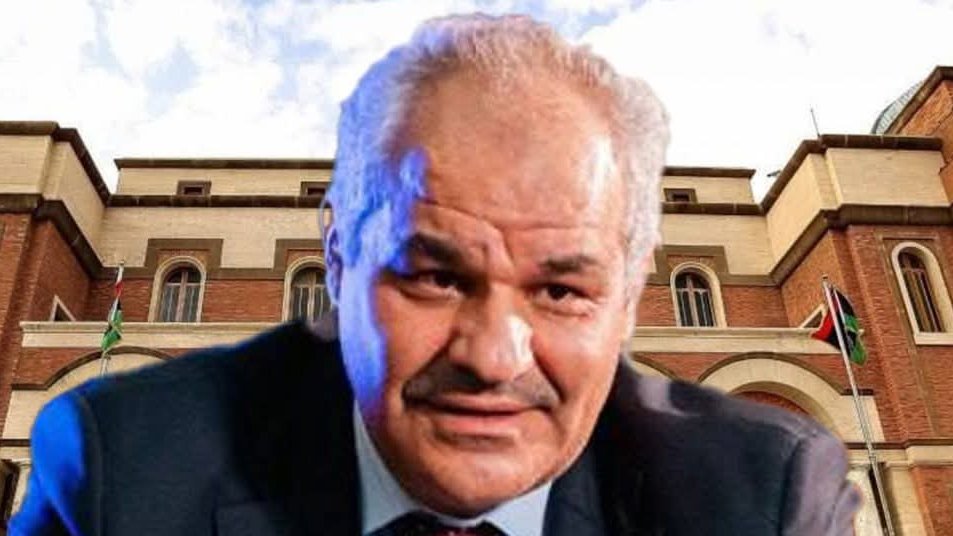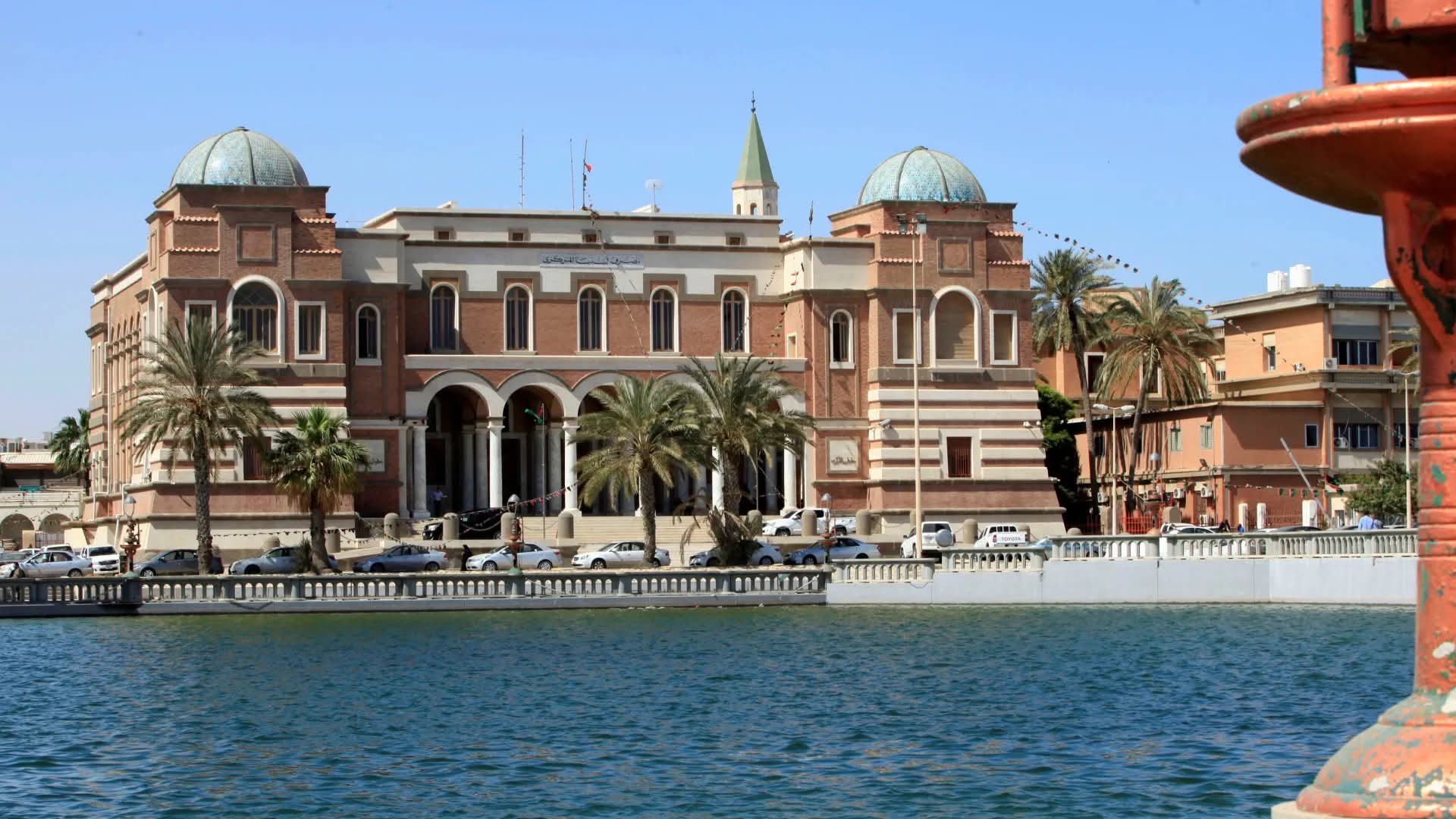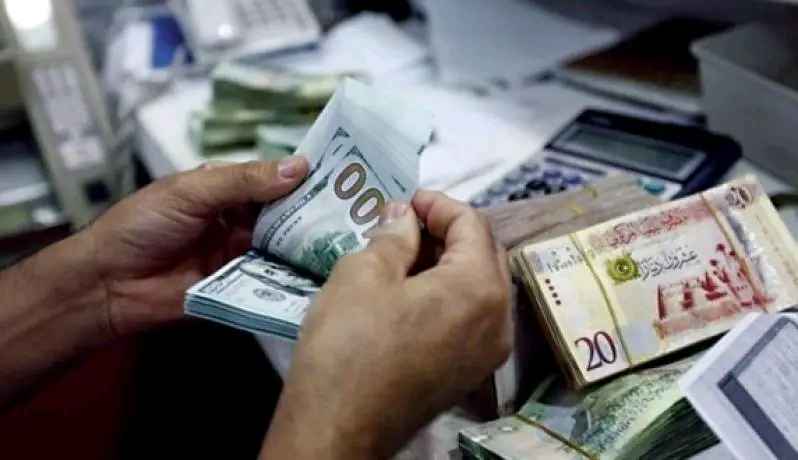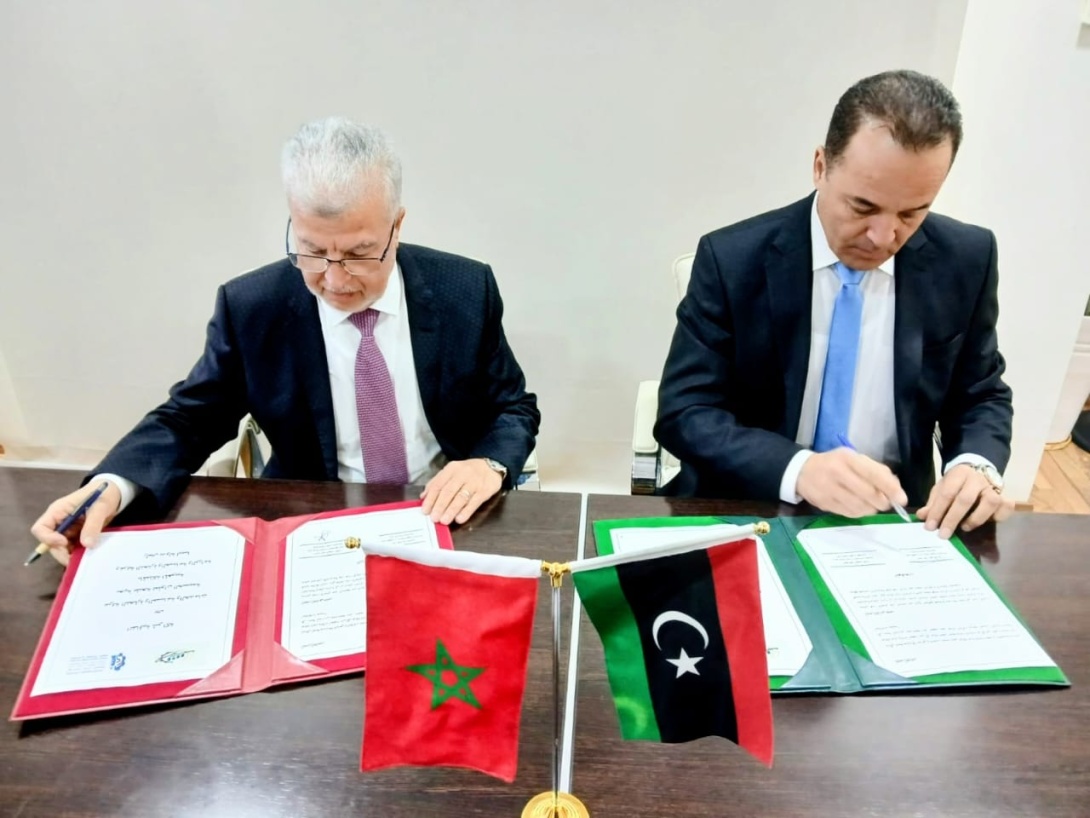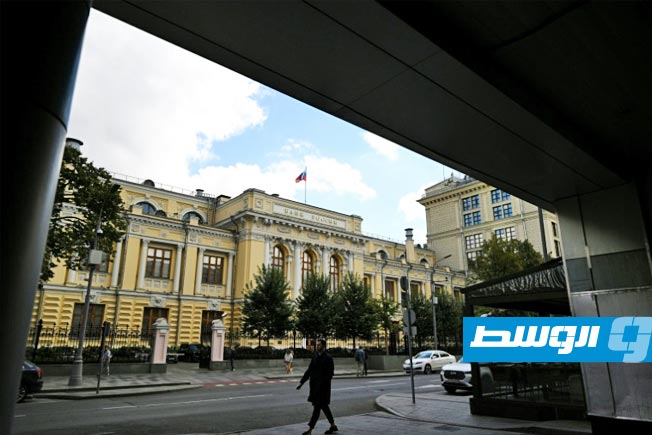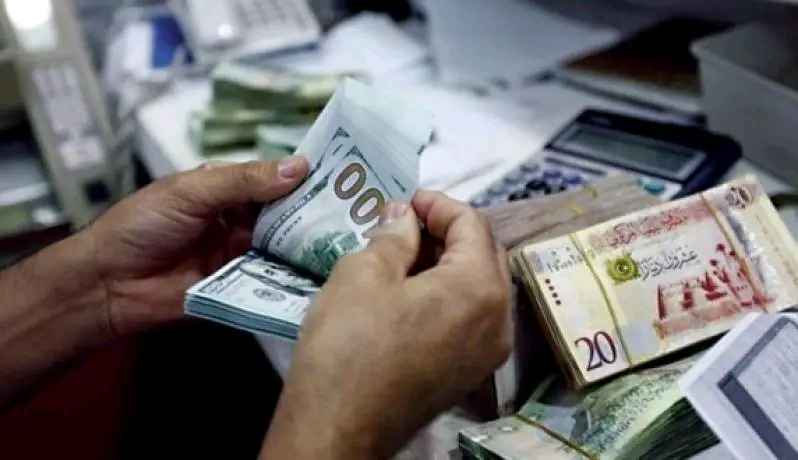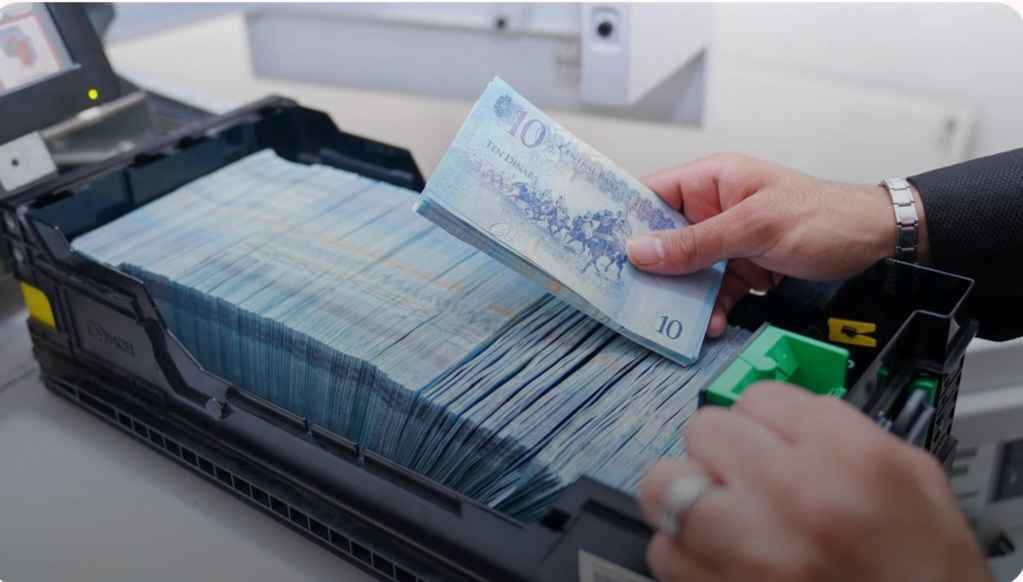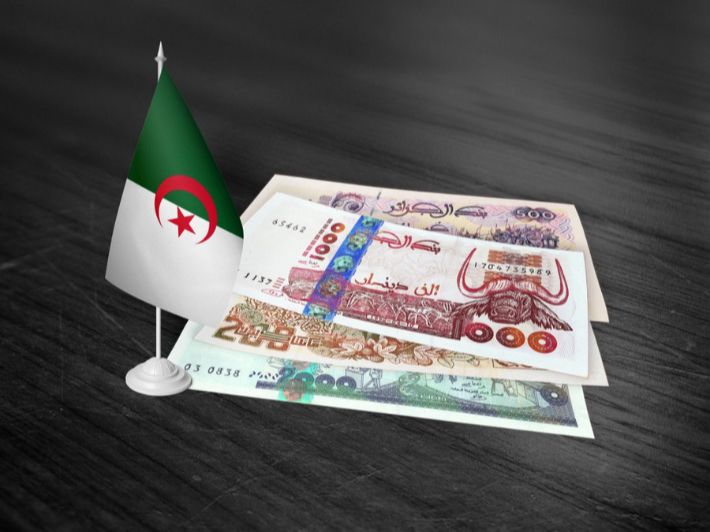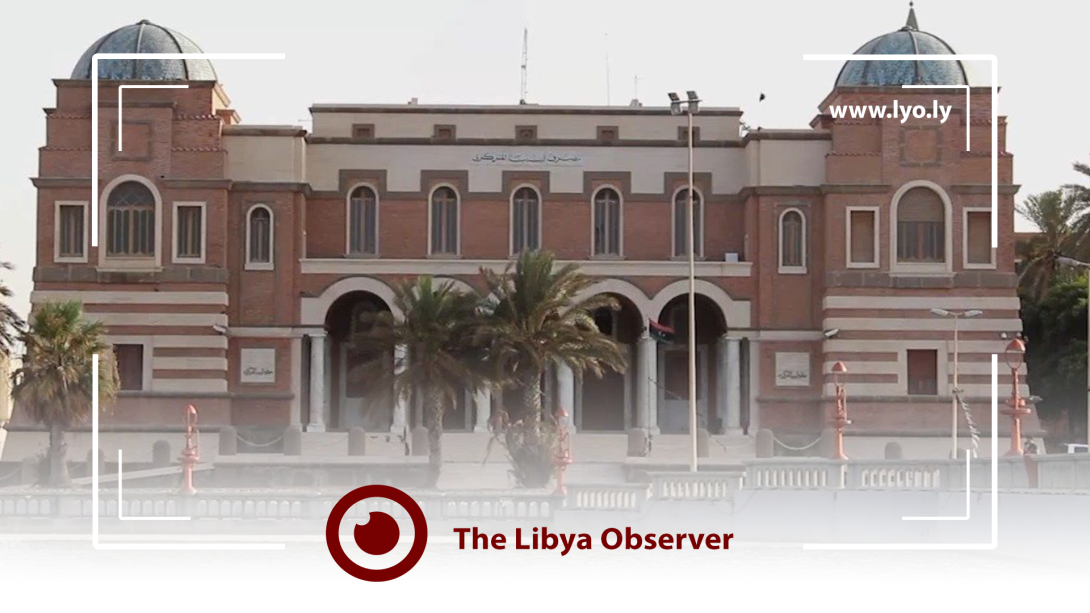
The Central Bank of Libya announced that the Governor has approved final operating licenses for 91 additional exchange companies and offices.
According to the Bank’s statement, this move is part of a broader plan to activate and strengthen the role of currency exchange companies within the Libyan market.
The statement noted that, following earlier announcements granting licenses to 187 companies and offices, the new approvals bring the total number of entities holding final operating permits to 278.
Central Bank of Libya
### **Central Bank of Libya (المصرف المركزي الليبي)**
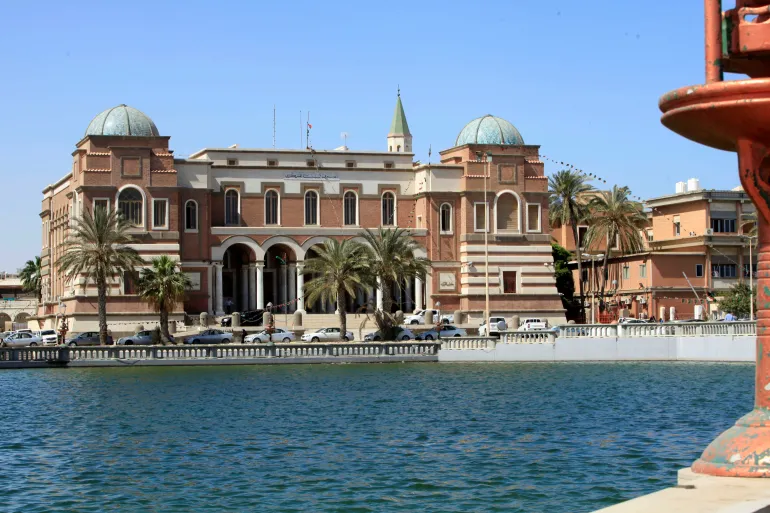
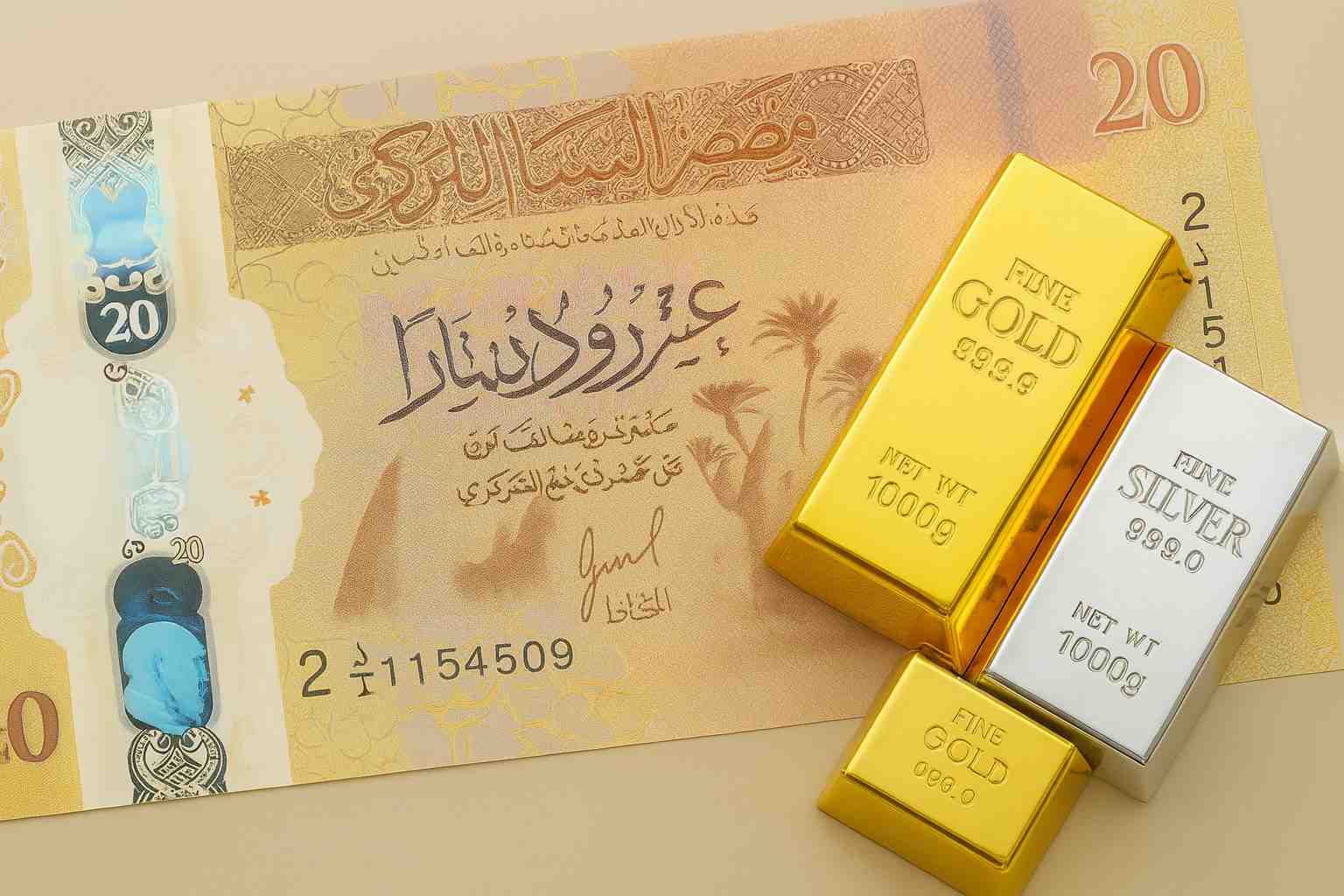
The Central Bank of Libya is the primary monetary authority and issuer of the Libyan dinar (LYD). It is a cornerstone of the Libyan economy, but its operations have been severely impacted by the political and institutional divisions that have persisted in the country since the 2011 revolution.
—
### **Core Functions & Responsibilities**
1. **Monetary Policy:** Formulating and implementing monetary policy to ensure price stability and support economic growth.
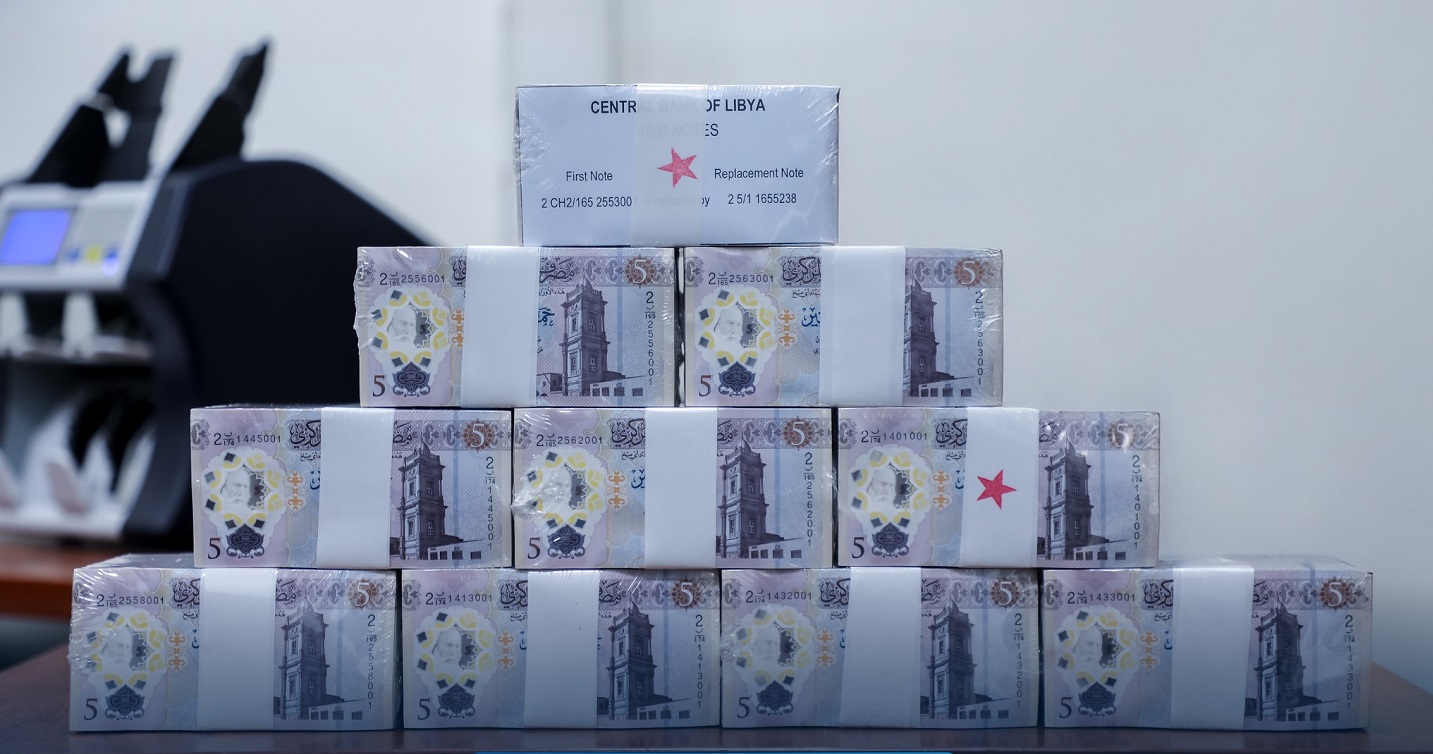
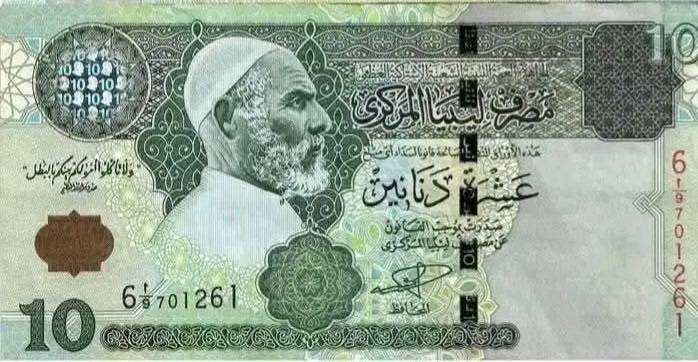
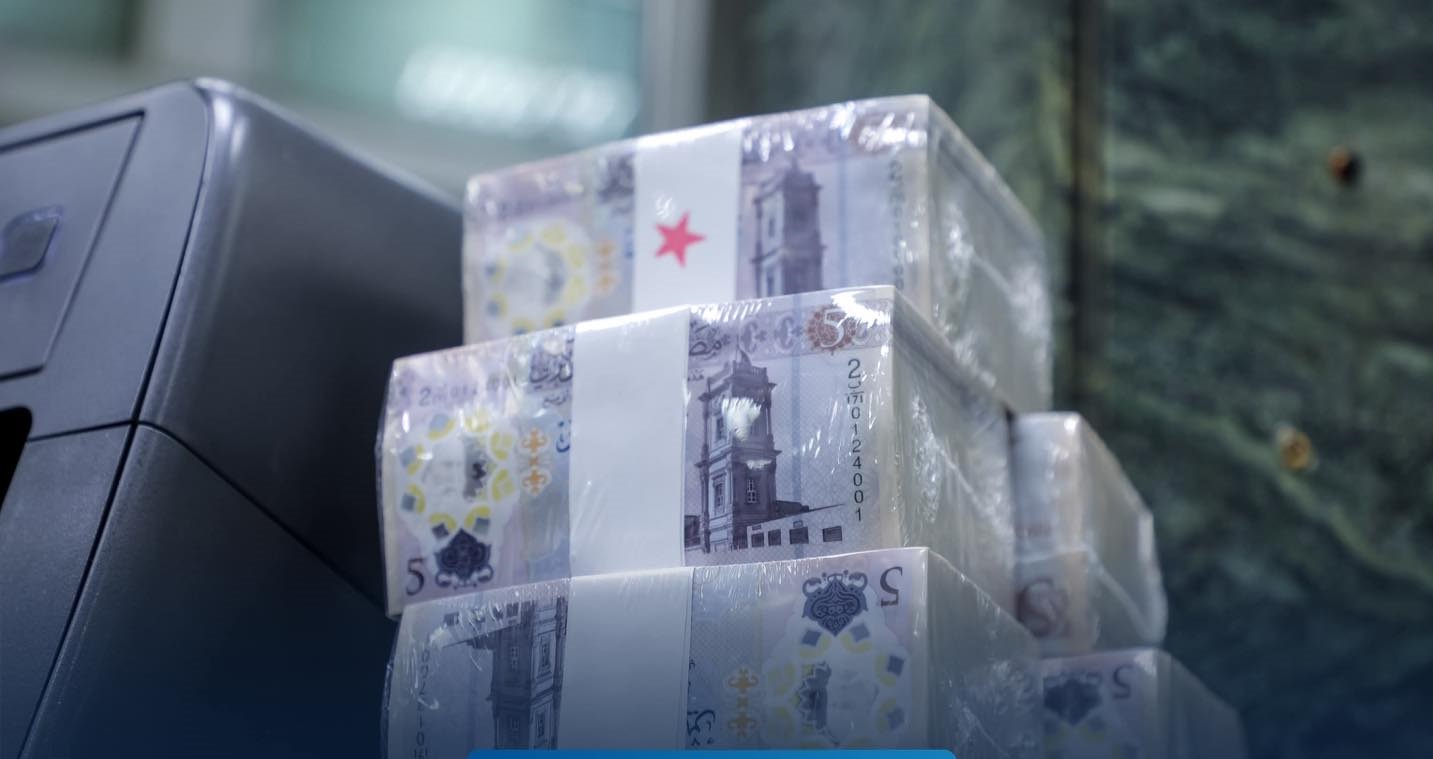
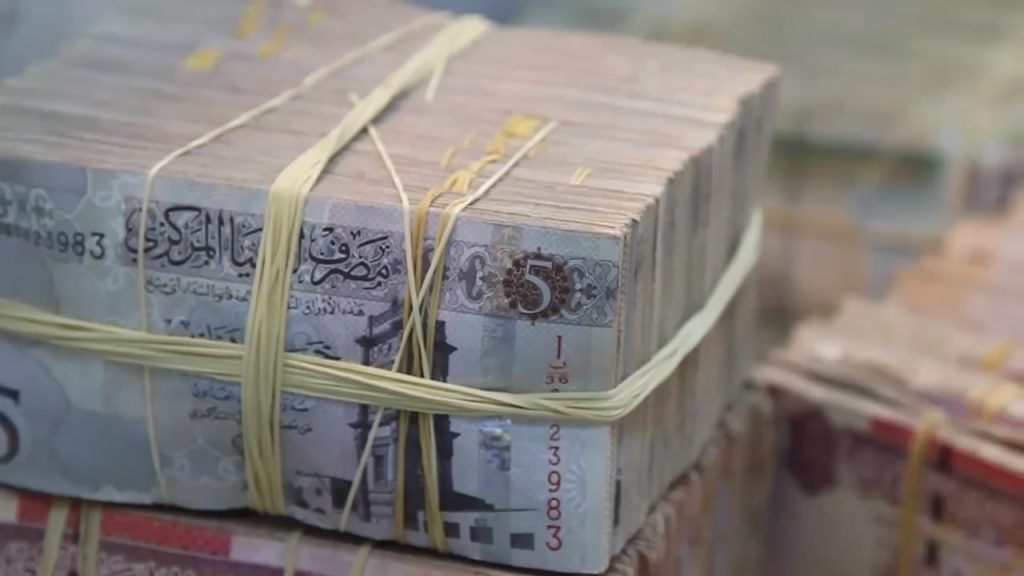
2. **Currency Issuance:** Sole authority for issuing and managing the Libyan dinar.
3. **Banking Supervision:** Regulating and supervising commercial banks and financial institutions to ensure stability and integrity in the banking system.
4. **Government Banker:** Acting as the banker and fiscal agent for the Libyan state, managing government accounts and public debt.
5. **Foreign Reserves Management:** Managing Libya’s foreign currency reserves, which are primarily derived from oil and gas exports.
6. **Financial Stability:** Acting as a lender of last resort to ensure liquidity in the banking sector.
—
### **Key Historical Context**
* **Founded:** 1956 (as the National Bank of Libya).
* **Name Change:** Renamed the Central Bank of Libya in 1963.
* **Pre-2011:** Operated as a unified institution under the Gaddafi government, accumulating significant foreign reserves from oil revenues.
* **Post-2011:** The political split between eastern and western Libya led to a parallel division in sovereign institutions, including the CBL.
—
### **The Current Division (Post-2014)**
This is the most critical and complex aspect of the CBL today. Due to the country’s political conflict, there are **two rival administrations** claiming authority:
1. **CBL in Tripoli:** Based in the capital, Tripoli. It is aligned with the internationally recognized **Government of National Unity (GNU)**, led by Prime Minister Abdulhamid Dbeibeh. This branch has control over the majority of the country’s foreign reserves and handles oil revenue payments through the Libyan National Oil Corporation (NOC).
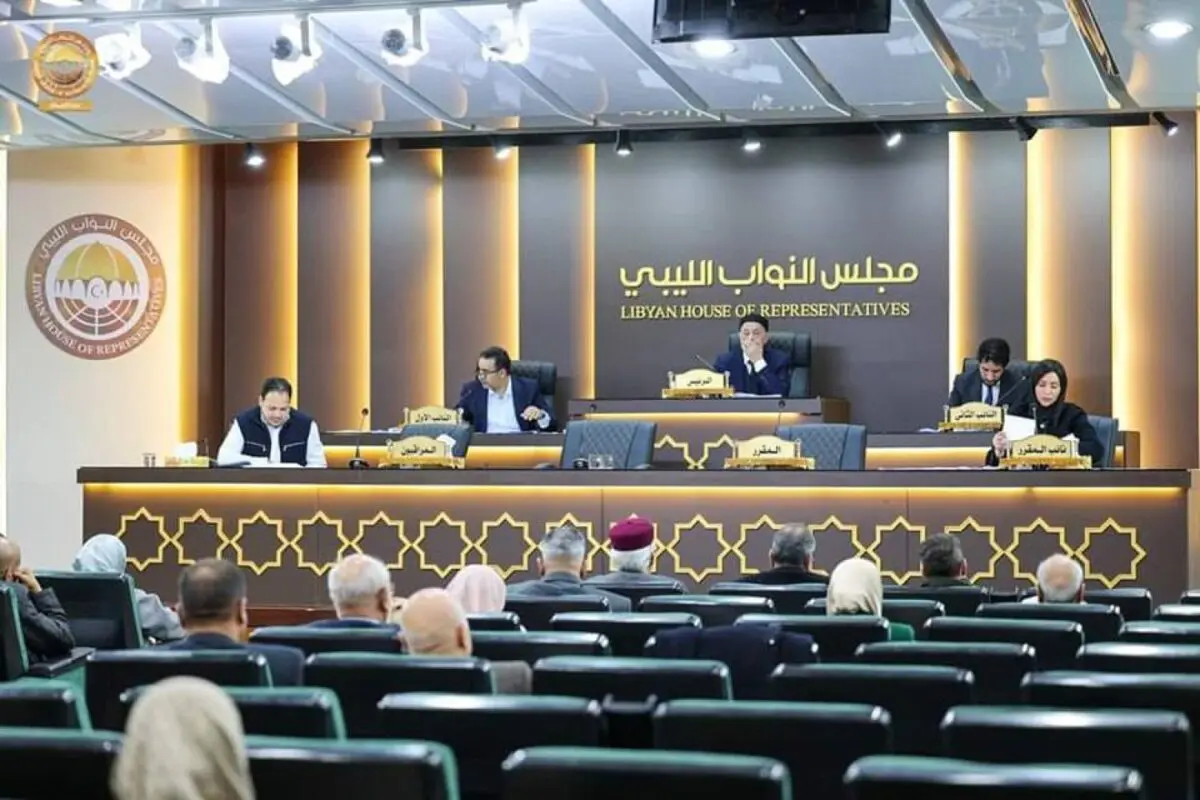
2. **CBL in Bayda (Eastern Branch):** Based in the city of Al-Bayda. It is aligned with the eastern-based **House of Representatives (HoR)** and the administration of **Osama Hammad**. It operates under the governorship of **Ali al-Hibri**.
**The Result:** This duality has led to:
* **Parallel Policies:** Competing exchange rates, lending policies, and liquidity measures.
* **Economic Inefficiency:** Complications in budget allocation, public salary payments, and credit facilities.
* **International Stance:** The **Tripoli-based CBL is recognized by the United Nations, IMF, and World Bank** as the legitimate authority. International financial transactions are legally channeled through it.
—
### **Major Challenges**
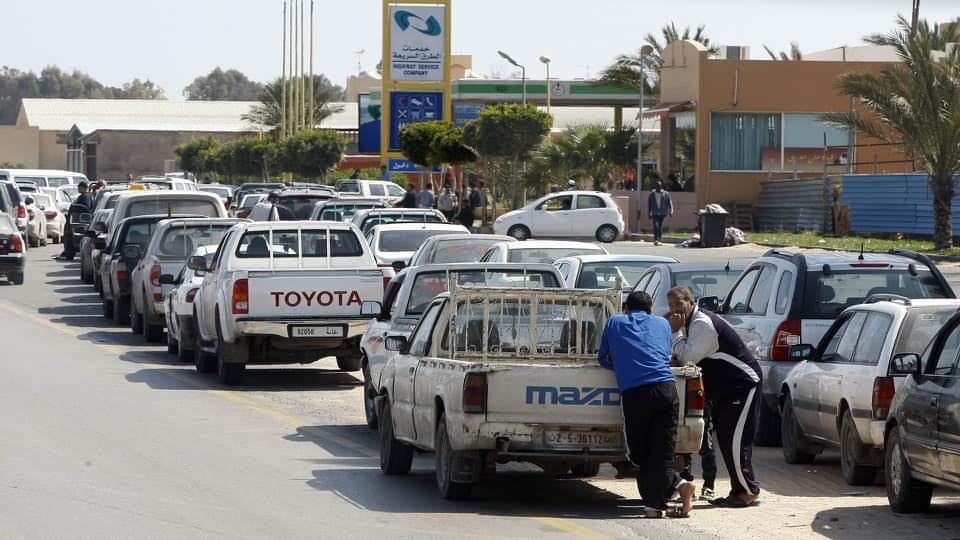
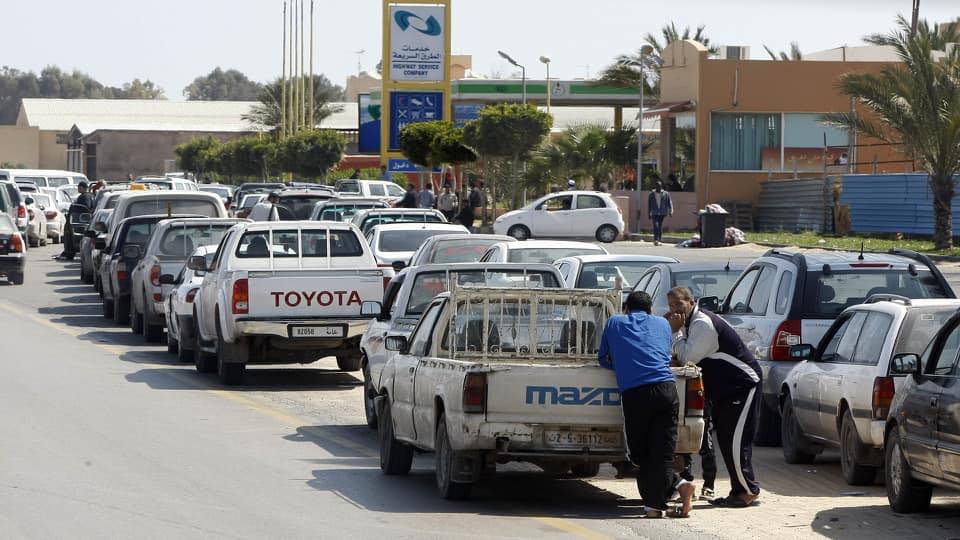
1. **Liquidity Crises:** Chronic shortages of cash, leading to long queues at banks and a thriving black market for foreign currency.
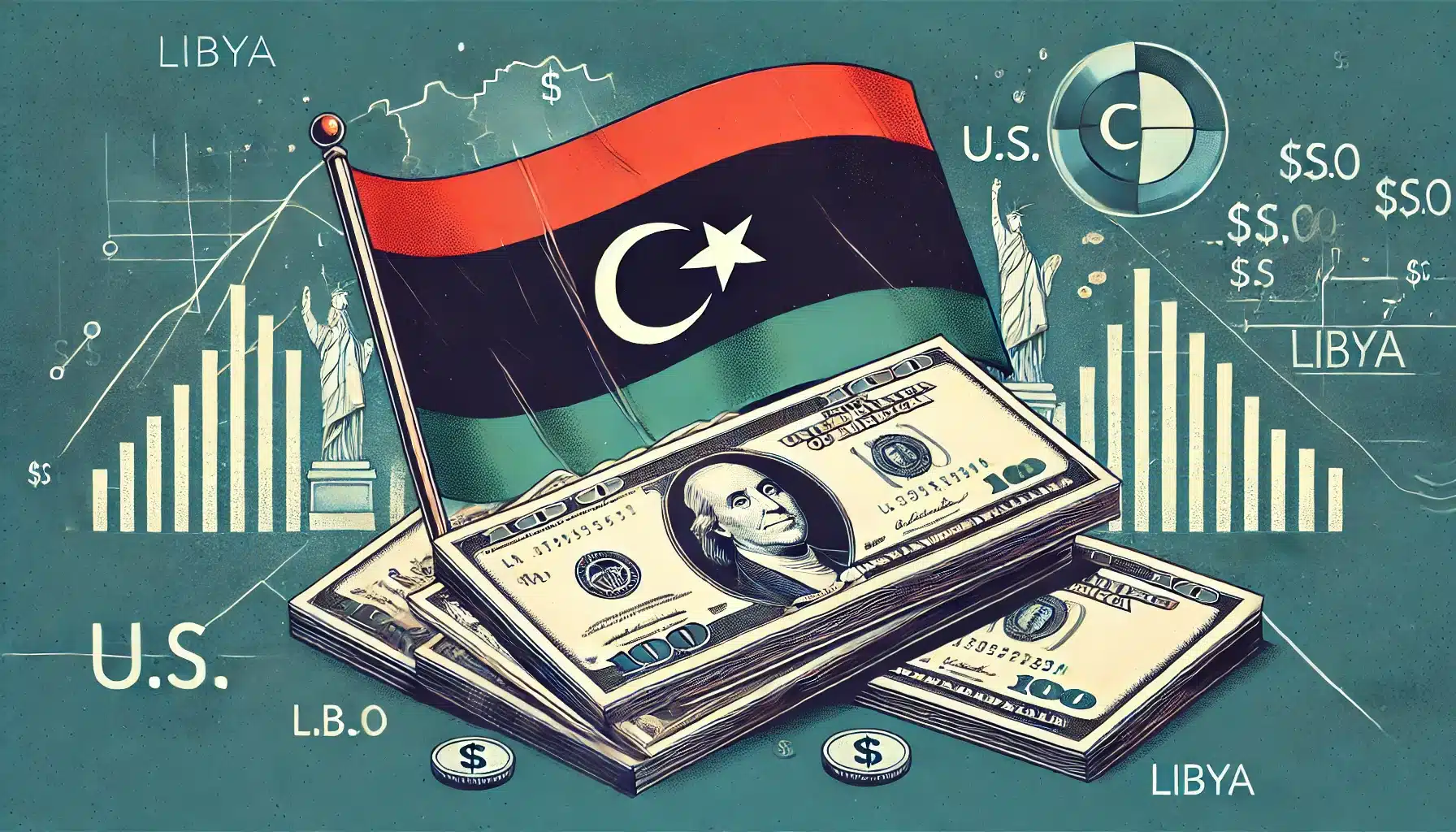
2. **Exchange Rate Discrepancy:** A large gap between the official exchange rate (approx. 4.8 LYD/USD) and the black-market rate (often exceeding 7.0 LYD/USD), encouraging corruption and arbitrage.
3. **Political Manipulation:** Both administrations have been accused of using control over the bank and its funds to finance their respective allies, undermining its independence.
4. **Auditing and Transparency:** Difficulty in achieving a unified, transparent audit of the state’s financial accounts and foreign assets.
—
### **Recent Developments & Outlook**
* **Unification Efforts:** There have been repeated UN-led dialogues and international pressure to reunify the CBL’s board and governance under a single, neutral leadership. Progress has been slow and fragile.
* **Economic Reform:** A critical need for currency devaluation (to unify the exchange rate), subsidy reforms, and modernizing the banking sector is widely acknowledged, but requires political consensus.
* **Central Role in Stability:** The reunification of the CBL is seen as a critical step for broader political stability and effective economic management in Libya.
In summary, the **Central Bank of Libya is an institution of vital national importance that is currently crippled by the country’s political division**. Its effective reunification is a key prerequisite for Libya’s economic recovery and long-term stability.
Governor
Would you like more details on a specific type of governor or their functions?
Tetteh
Is there something specific you’d like to know about the name, its cultural significance, or perhaps a person named Tetteh?