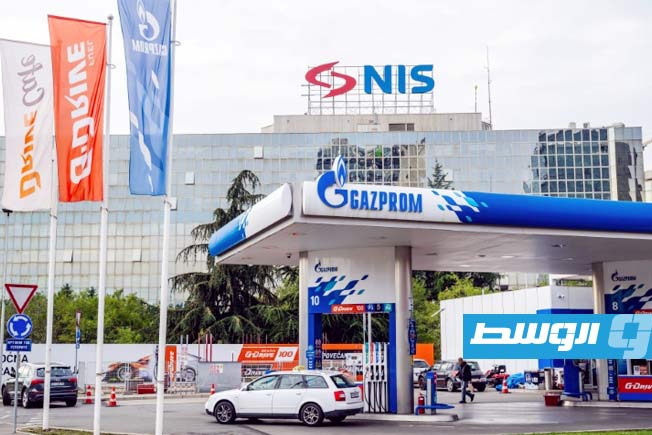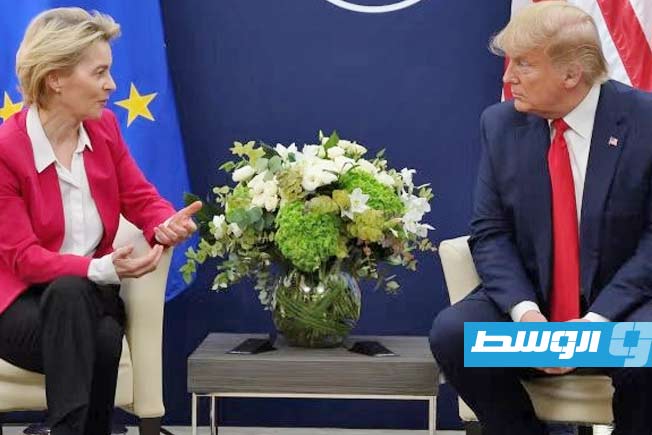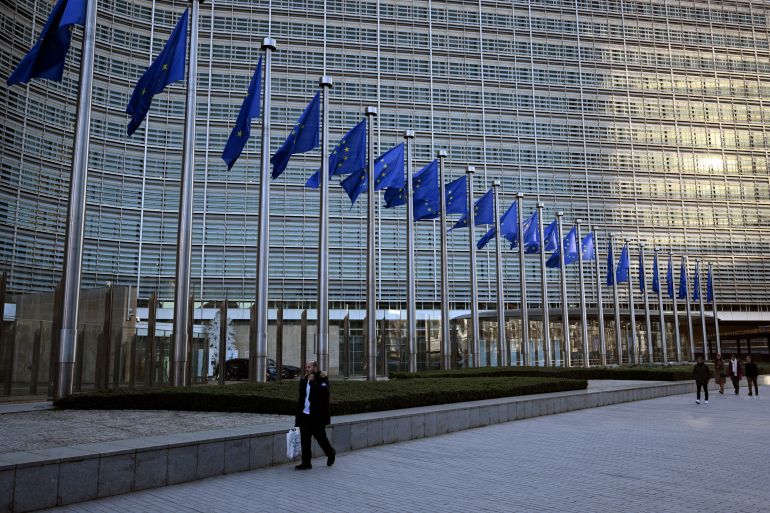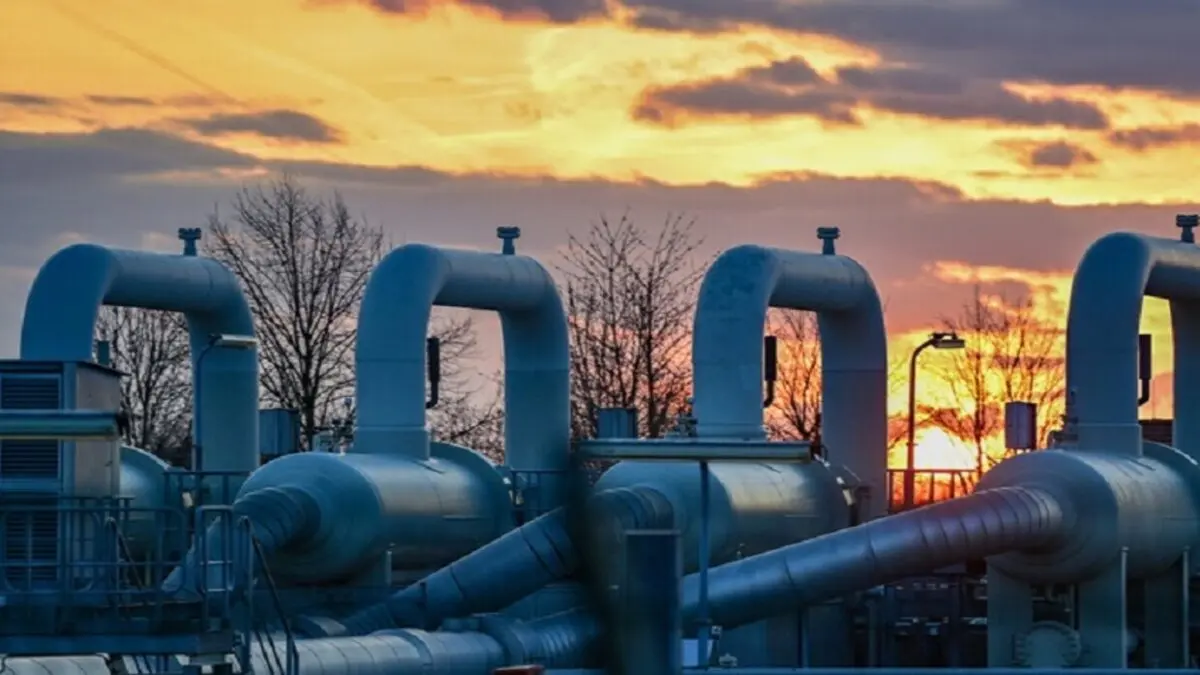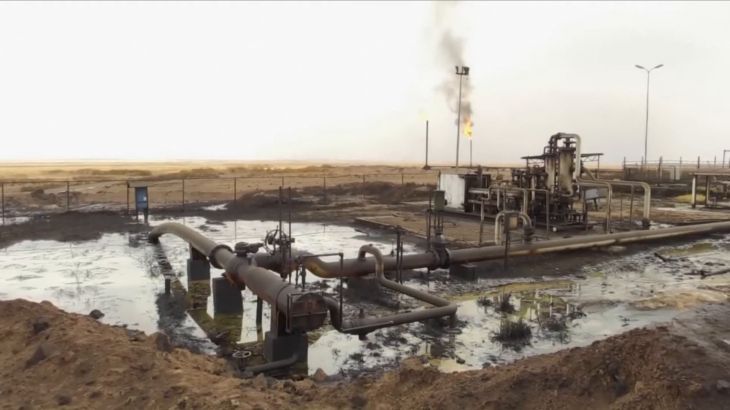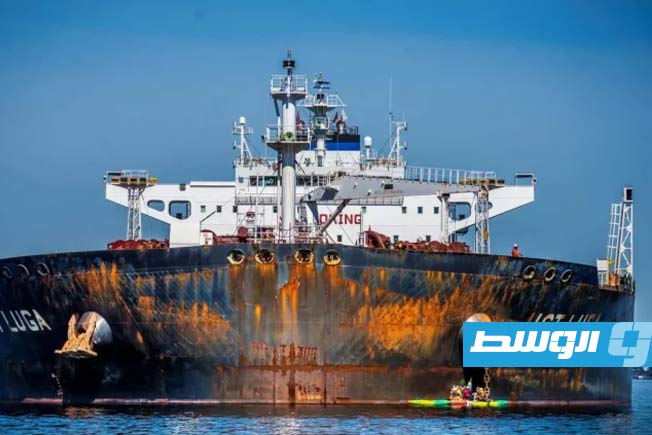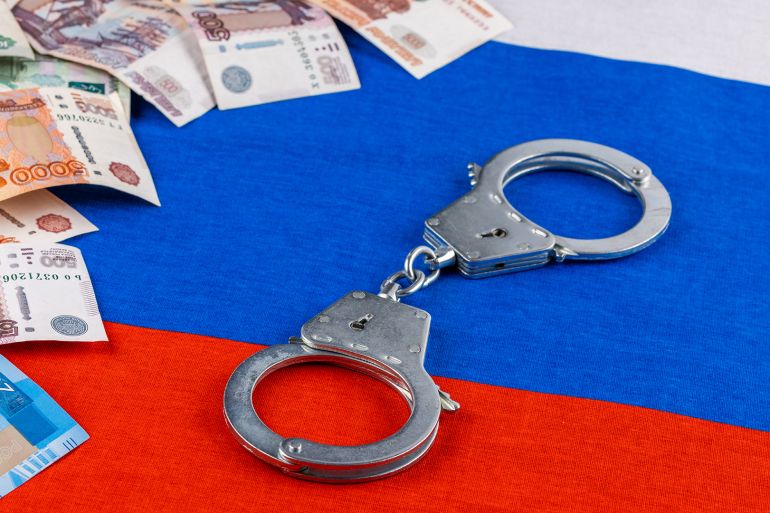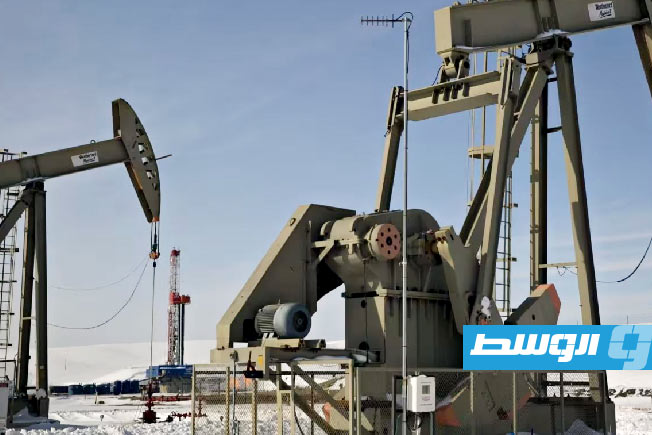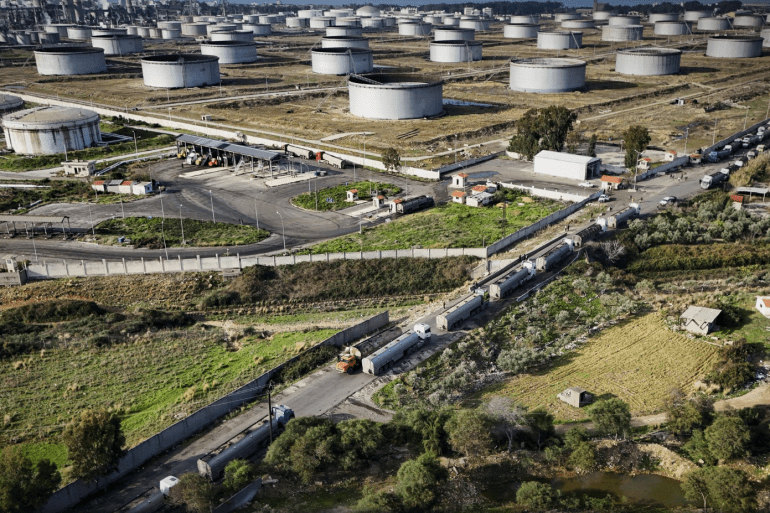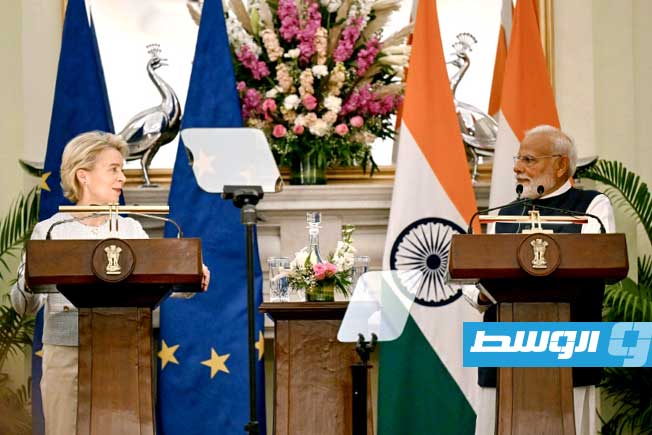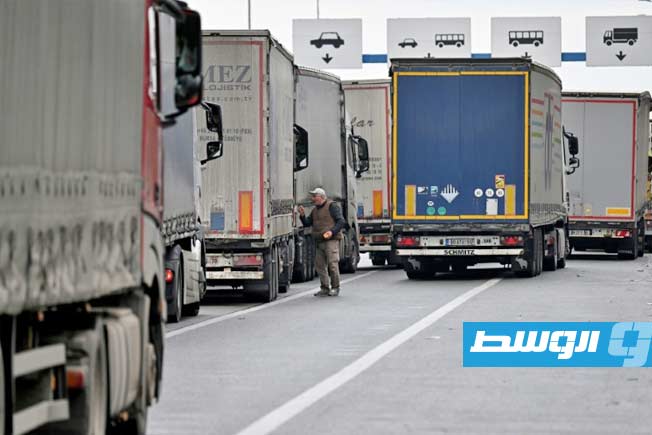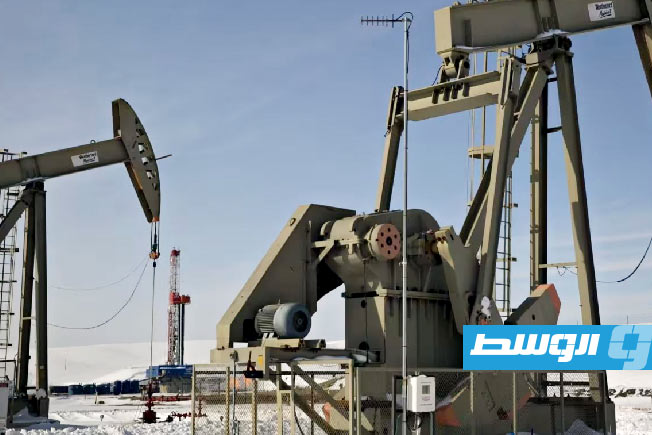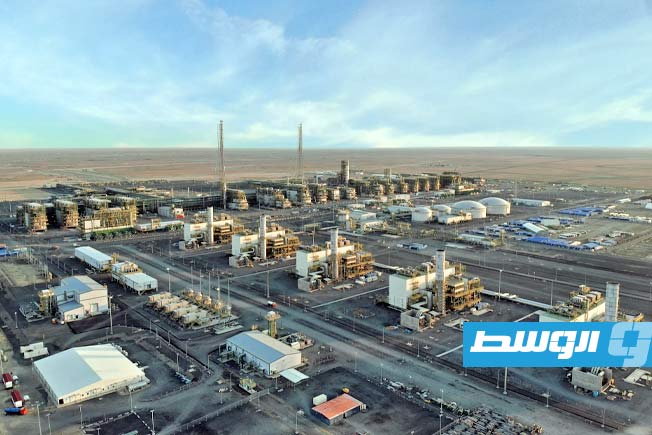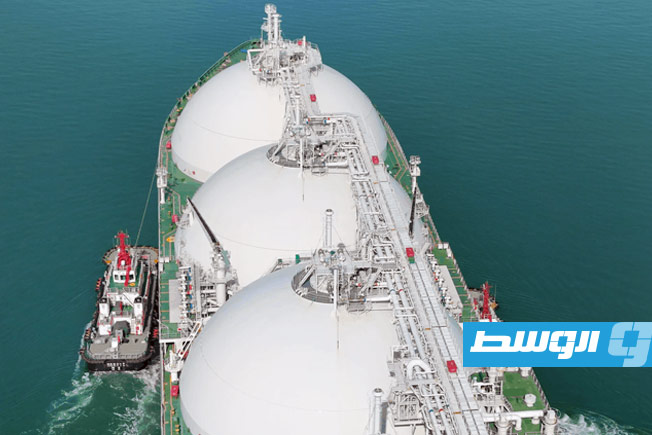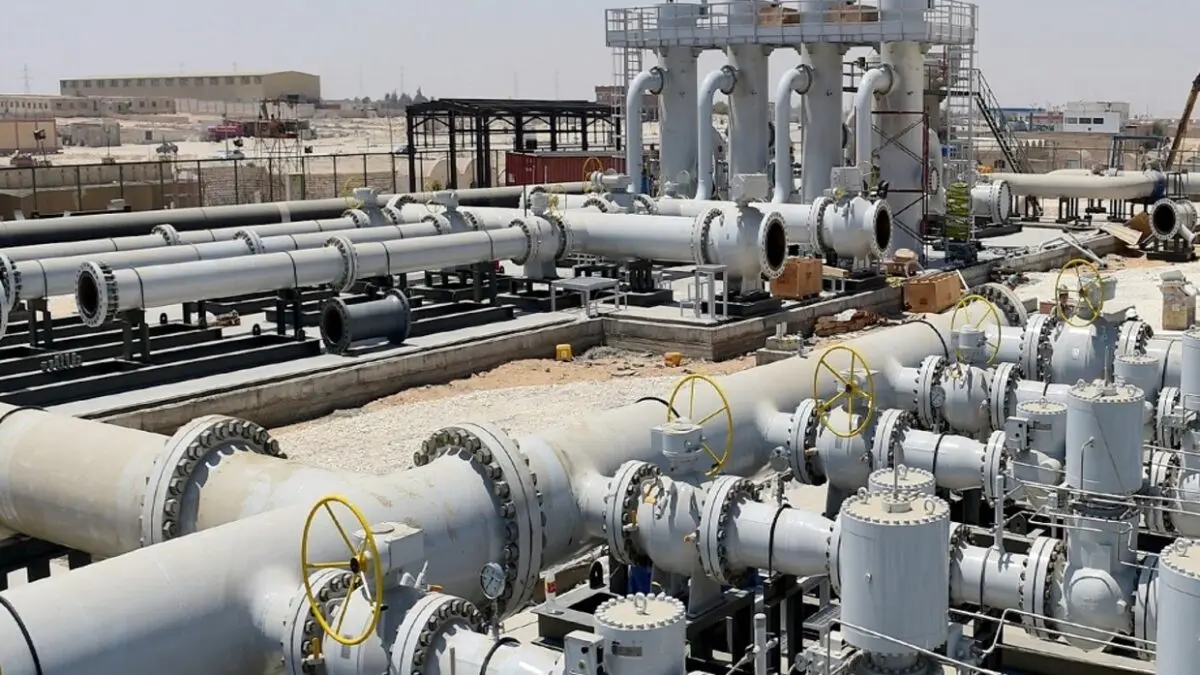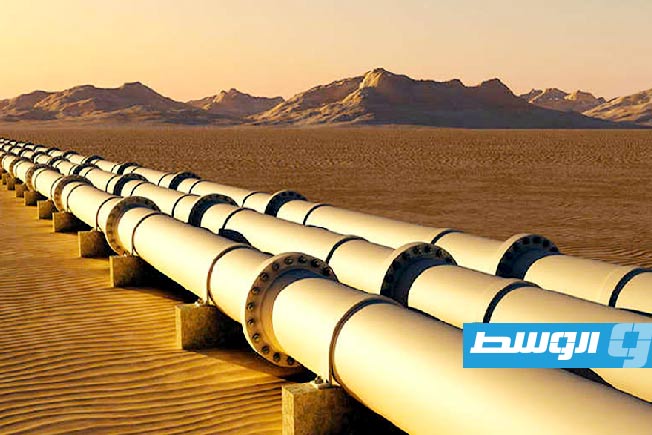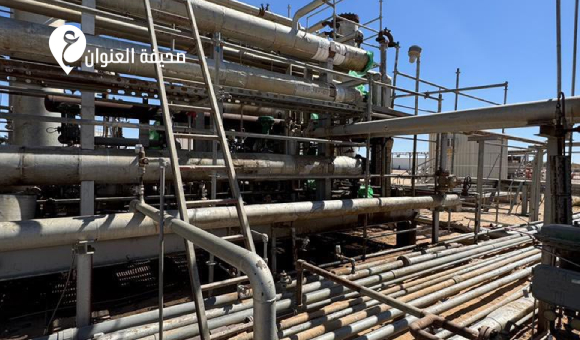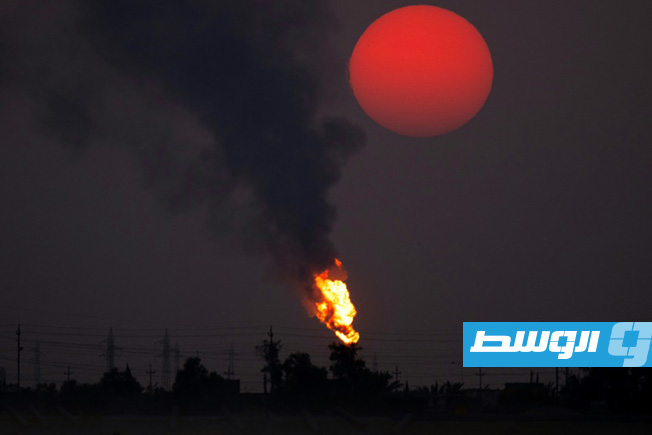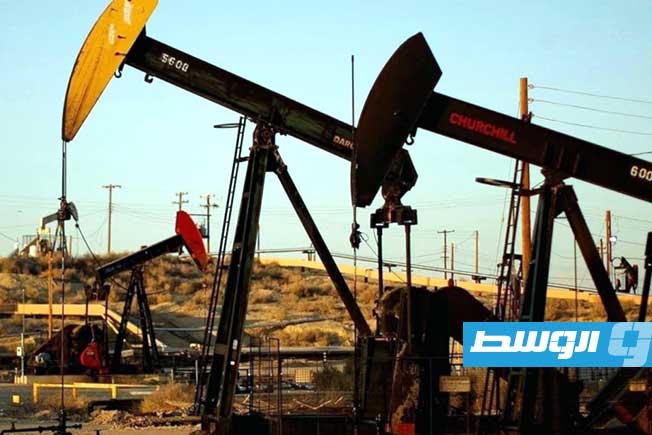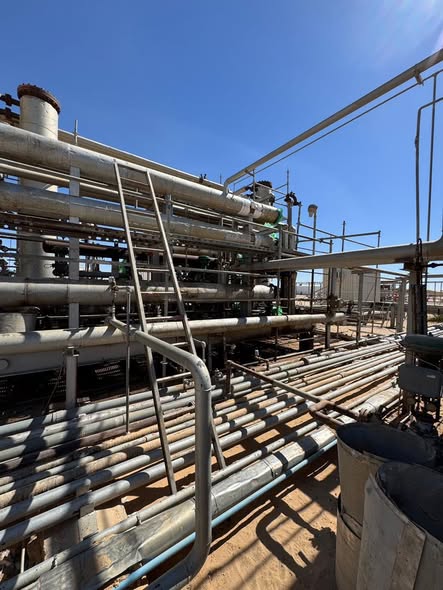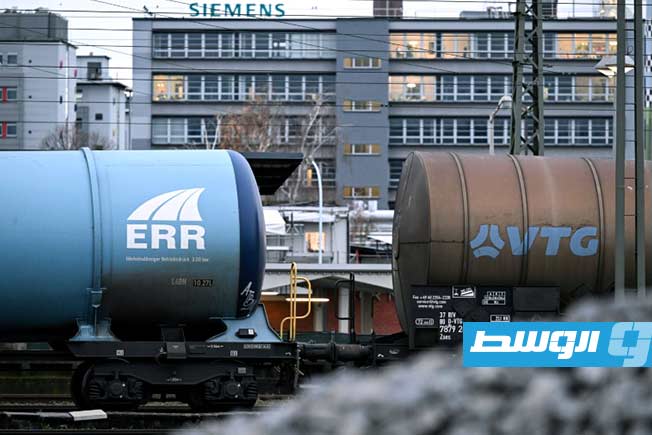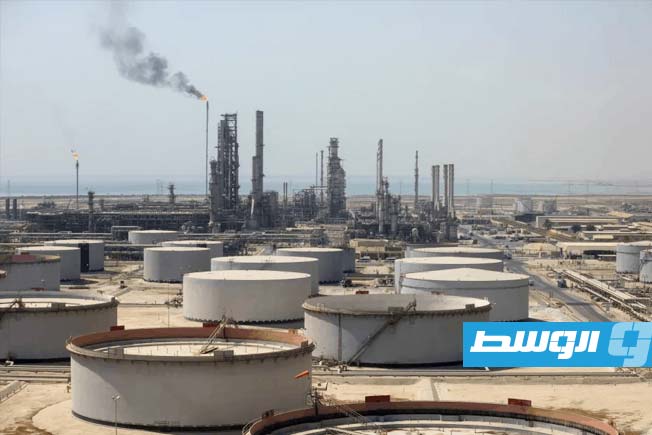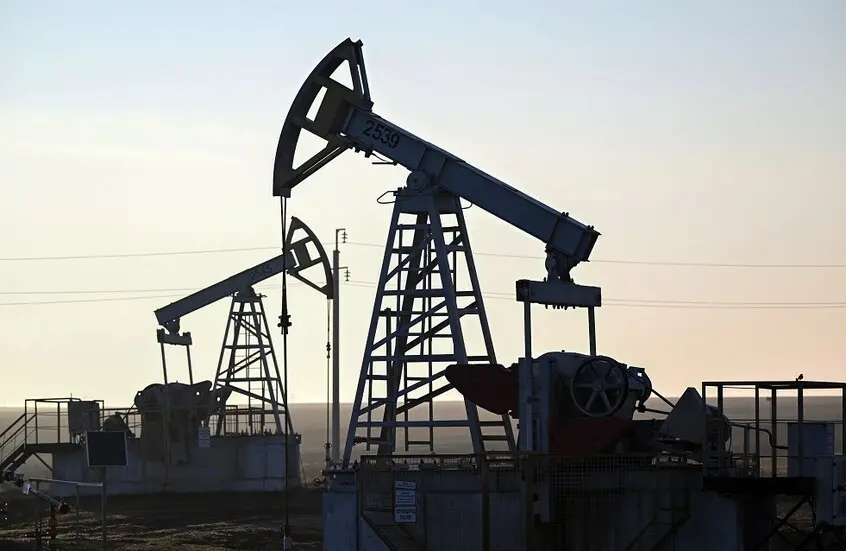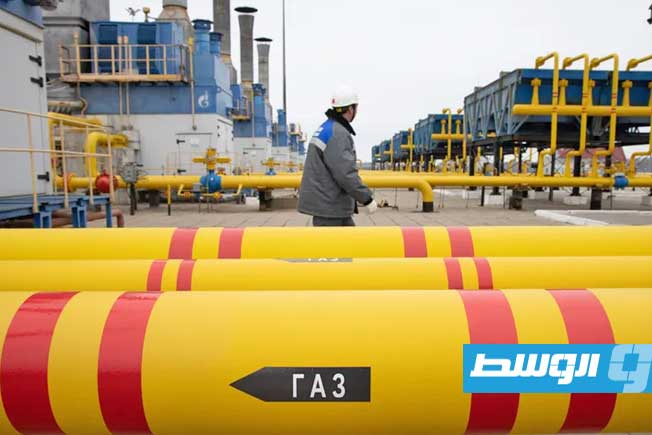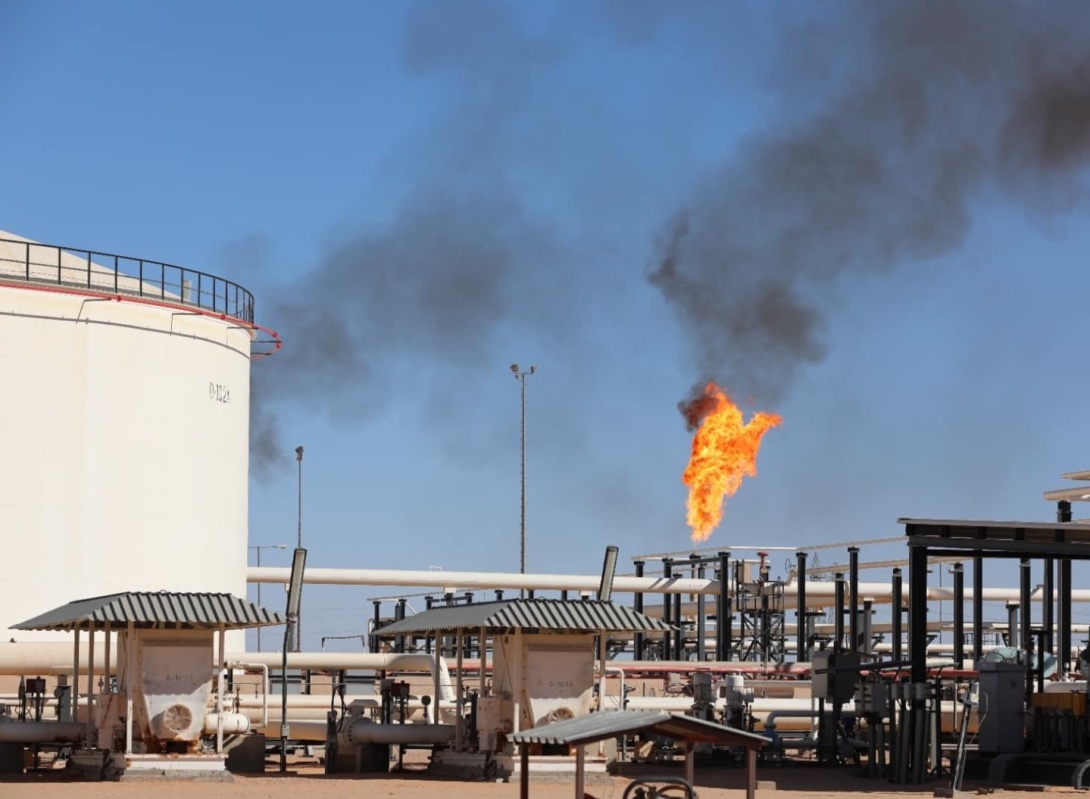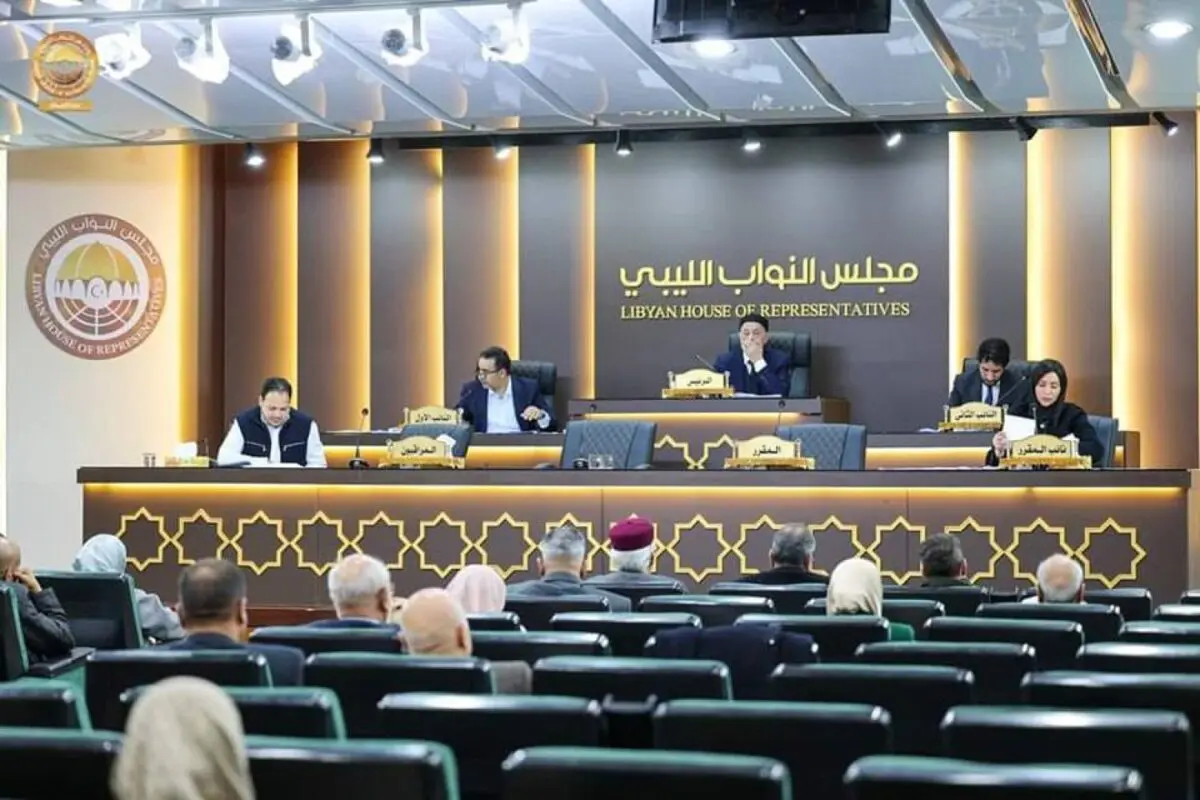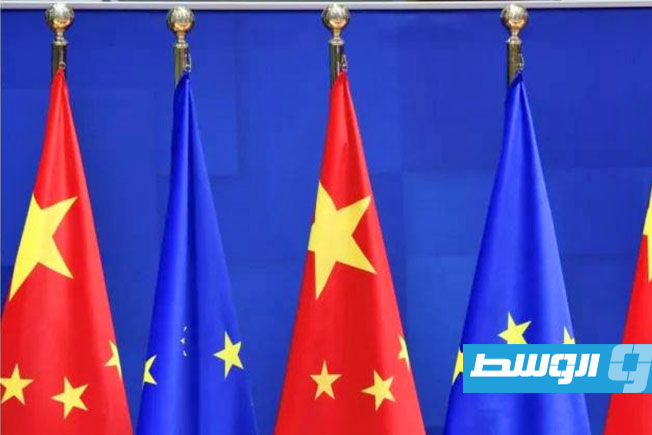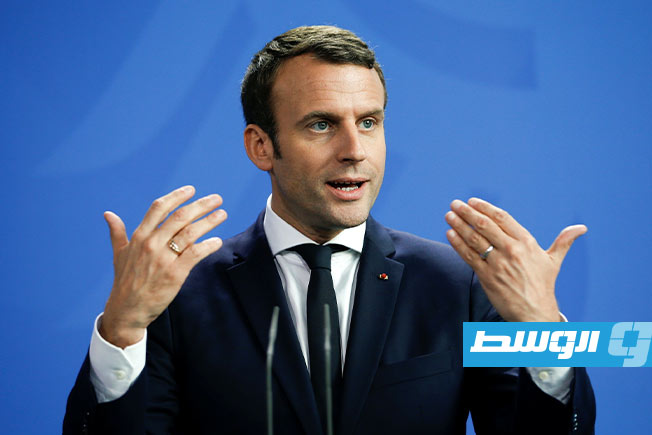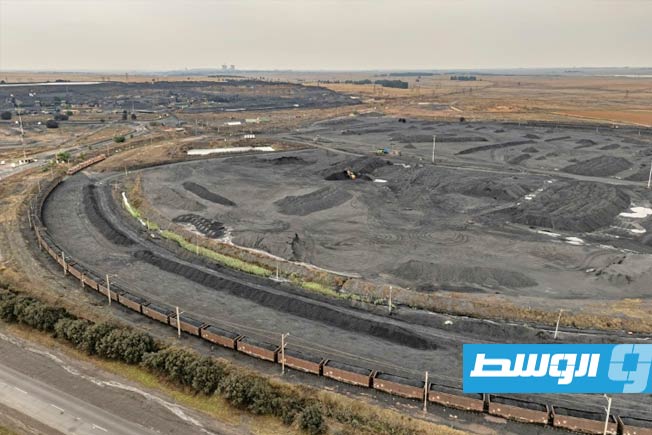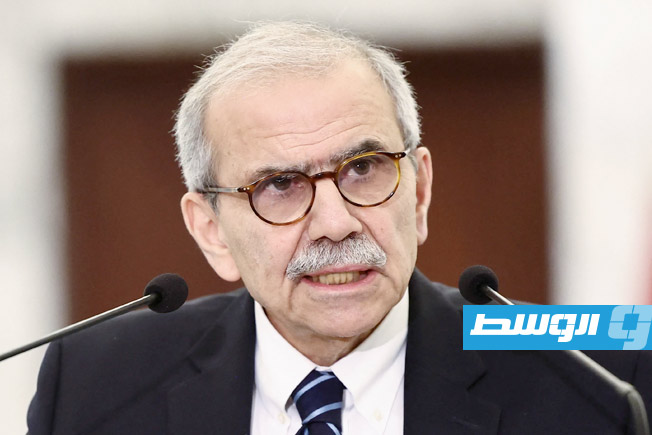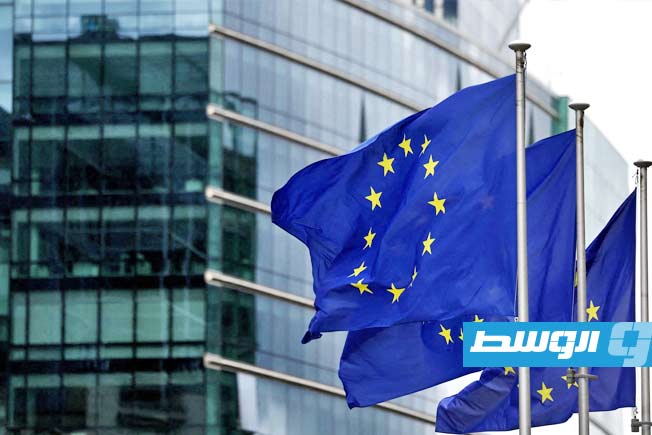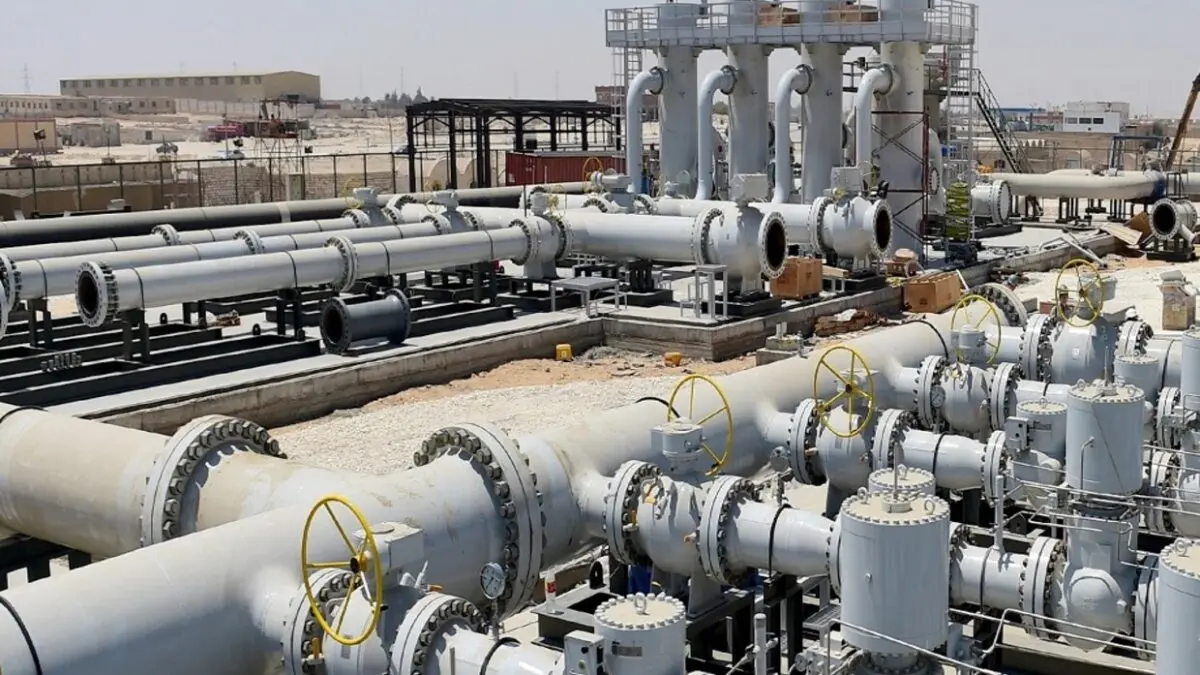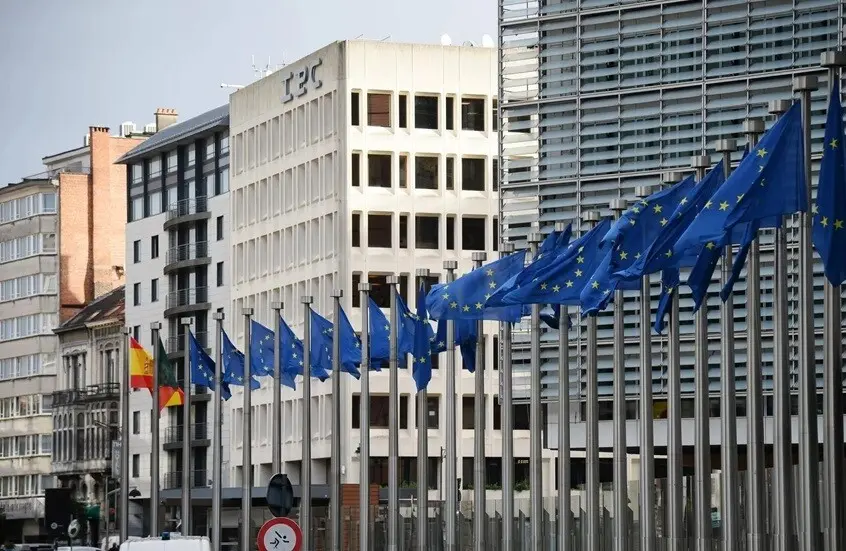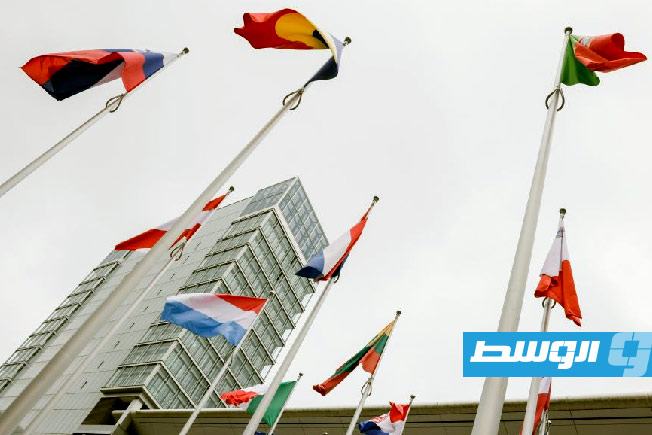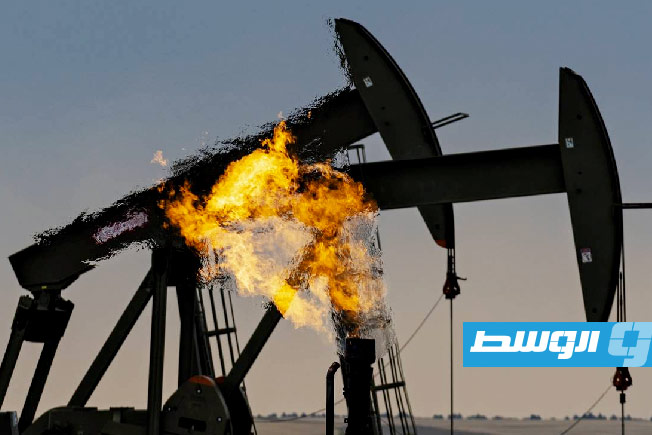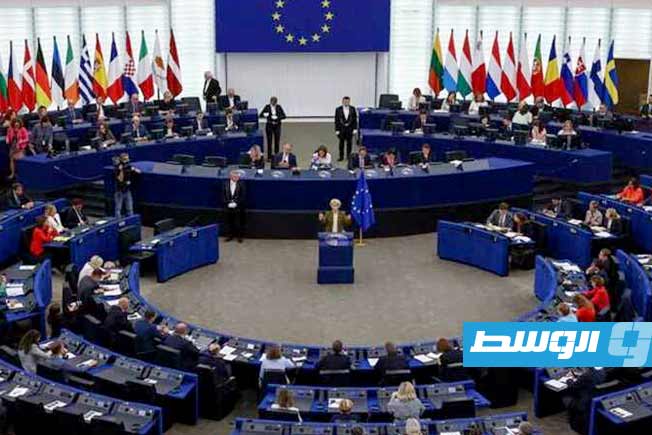
Members of the European Parliament approved a resolution on Wednesday that bans all imports of Russian gas by the end of 2027, as the European Union seeks to cut off funding sources for Russia’s war on Ukraine.
An overwhelming majority of MEPs voted in favor of the ban during a plenary session in Strasbourg, thereby clearing the final major hurdle for the measure to be formally adopted.
Most Read
Most Recent
European Parliament
—
### **Key Functions & Powers:**
1. **Legislative Power**
– Shares legislative authority with the Council of the EU in most policy areas (via the **ordinary legislative procedure**).
– Can propose amendments, adopt, or reject EU laws (regulations, directives, etc.).
2. **Budgetary Power**
– Approves the EU’s annual budget jointly with the Council.
– Can influence spending priorities and reject the budget.
3. **Supervisory & Democratic Oversight**
– Approves (or rejects) the President and Commissioners of the European Commission.
– Can question EU institutions, conduct inquiries, and dismiss the entire Commission via a **vote of censure**.
– Monitors human rights and democracy within the EU.
4. **International Agreements**
– Must give consent for international treaties (e.g., trade deals, accession of new EU members).
—
### **Composition & Elections:**
– **Members (MEPs)**: Currently **720 members** (since 2024 elections), elected every **5 years** by voters across all EU member states.
– **Seat Distribution**: Based on **degressive proportionality** (larger countries have more seats, but smaller ones are over-represented per capita).
– **Main Meeting Places**:
– **Strasbourg, France** (plenary sessions)
– **Brussels, Belgium** (committee meetings, additional sessions)
– **Luxembourg** (administrative offices).
—
### **Political Groups:**
MEPs sit in **transnational political groups** based on ideology, not nationality. Major groups include:
– **European People’s Party (EPP)** – center-right
– **Progressive Alliance of Socialists and Democrats (S&D)** – center-left
– **Renew Europe** – liberals/centrists
– **Greens/European Free Alliance** – green/regionalist
– **European Conservatives and Reformists (ECR)** – right-wing
– **The Left** – left-wing/socialist
– **Identity and Democracy (ID)** – far-right/nationalist
—
### **Historical Evolution:**
– Originally a consultative assembly (1950s) with limited power.
– Gained significant authority through treaties (**Maastricht, Lisbon, etc.**), becoming a co-legislator in most EU policy areas.
—
### **Current Role & Challenges:**
– Addresses EU-wide issues: climate change, digital regulation, migration, security, economic policy.
– Faces debates about **democratic legitimacy**, transparency, and its relationship with national parliaments.
– Increasingly influential in shaping the EU’s direction amid crises (e.g., COVID-19, Ukraine war).
—
### **Interesting Facts:**
– The Parliament uses **24 official languages** – one of the world’s most multilingual institutions.
– It cannot initiate legislation (that’s the Commission’s role), but can request proposals.
– Turnout in EU elections varies widely among member states, raising ongoing discussions about voter engagement.
If you have specific questions about its procedures, recent decisions, or political dynamics, feel free to ask!
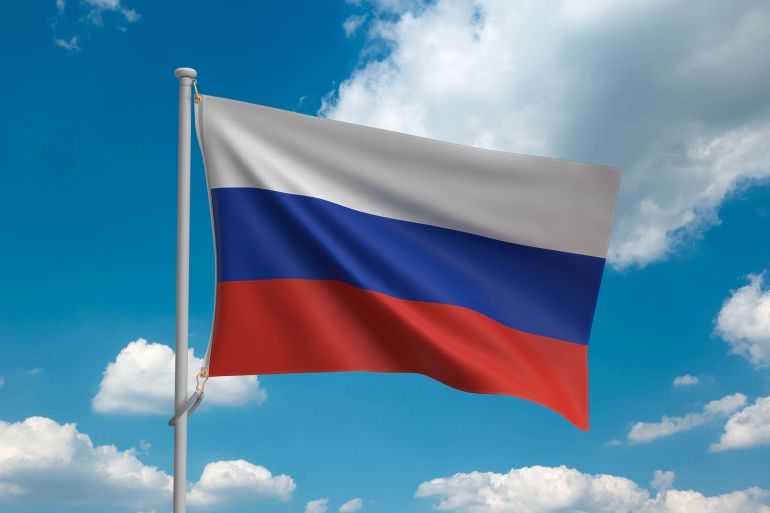
Russia
**Geography:**
– Covers over 17 million square kilometers, stretching across 11 time zones.
– Borders 14 countries and has coastlines along the Arctic and Pacific Oceans.
– Diverse landscapes include tundra, taiga (forests), steppes, and mountain ranges like the Ural and Caucasus.
**Government & Politics:**
– Official name: Russian Federation.
– Federal semi-presidential republic, with Vladimir Putin serving as president since 2012 (and previously from 2000–2008).
– Capital: Moscow.
**Economy:**
– Major exporter of natural resources like oil, natural gas, and minerals.
– Other industries include military technology, aerospace, and agriculture.
**Culture & History:**
– Rich cultural heritage in literature (e.g., Tolstoy, Dostoevsky), classical music (e.g., Tchaikovsky), and ballet.
– History includes the Tsarist era, the Soviet Union (USSR, 1922–1991), and post-Soviet transition.
– Official language: Russian. Diverse ethnic groups, with Russians being the majority.
**International Relations:**
– Permanent member of the UN Security Council.
– Plays a significant role in global politics, energy markets, and regional dynamics (e.g., in Eastern Europe, Central Asia, and the Middle East).
**Recent Context:**
– Internationally, Russia has been prominent in news due to its involvement in conflicts such as the war in Ukraine (beginning in 2022), leading to widespread sanctions and geopolitical tensions.
Would you like more details on any specific aspect of Russia?
European Union
### Key Facts:
– **Founded:** November 1, 1993 (Maastricht Treaty came into effect).
– **Headquarters:** Brussels, Belgium.
– **Official Languages:** 24.
– **Currency:** Euro (€) — used by 20 member states (the Eurozone).
– **Population:** Approximately 447 million people.
### Main Institutions:
1. **European Commission** – Executive body, proposes laws.
2. **European Parliament** – Directly elected legislative body.
3. **Council of the European Union** – Represents member governments.
4. **European Council** – Sets political direction (heads of state/government).
5. **Court of Justice of the EU** – Ensures EU law is interpreted and applied uniformly.
### Key Principles & Policies:
– **Single Market** – One of the largest trading blocs in the world.
– **Schengen Area** – Abolished internal border controls (most EU members plus some non-EU countries).
– **Common Policies** – Agriculture, fisheries, trade, competition, environment, and regional development.
– **Fundamental Rights** – Charter of Fundamental Rights of the EU.
### Recent Developments:
– **Brexit:** The UK left the EU on January 31, 2020.
– **Enlargement:** Candidate countries include Ukraine, Moldova, and several Balkan states.
– **Challenges:** Managing migration, climate change, economic disparities, rule-of-law disputes, and geopolitical tensions.
The EU aims to promote peace, stability, and prosperity among its members while playing a significant role in global diplomacy, trade, and climate action.
Ukraine
### **Geography & Demographics**
– **Capital:** Kyiv (also spelled Kiev)
– **Area:** Approximately 603,550 km² (second-largest country in Europe after Russia)
– **Population:** Around 41 million (pre-2022 estimates; affected by war)
– **Official Language:** Ukrainian (Russian is also widely spoken)
– **Independence:** Declared from the Soviet Union in 1991
### **Recent History & Current Situation**
– **2014:** Annexation of Crimea by Russia and the beginning of conflict in the Donbas region.
– **2022:** Full-scale Russian invasion began on February 24, leading to a major ongoing war, humanitarian crisis, and global geopolitical tensions.
– Ukraine is currently defending its sovereignty with significant international military and economic support, particularly from Western nations.
### **Culture & Identity**
– Rich cultural heritage including Cossack traditions, Orthodox Christianity (with the independent Orthodox Church of Ukraine established in 2019), and vibrant arts, music (e.g., folk music, modern pop), and literature (Taras Shevchenko is a national poet).
– Known for its diverse landscapes: Carpathian Mountains, Black Sea coastline, and vast plains (“breadbasket of Europe” due to fertile farmland).
### **Economy**
– Major industries: agriculture (sunflower oil, grain, corn), IT outsourcing, metallurgy, and manufacturing.
– Heavily impacted by the war, with reconstruction estimated to cost hundreds of billions of dollars.
### **International Relations**
– **EU Candidate:** Granted candidate status for European Union membership in June 2022.
– **NATO:** Aspires to join; supported by many member states but no timeline due to the ongoing conflict.
– **Global Support:** Receives aid from the U.S., EU, U.K., Canada, and others for military, humanitarian, and economic needs.
### **Symbols**
– **Flag:** Blue and yellow horizontal bands (symbolizing sky and wheat fields).
– **National Emblem:** The trident (Тризуб), dating back to the Kyivan Rus’.
Ukraine’s resilience and fight for sovereignty have drawn worldwide attention, making it a central focus in discussions about international law, security, and democracy.
If you have specific questions about Ukraine’s history, current events, culture, or anything else, feel free to ask!