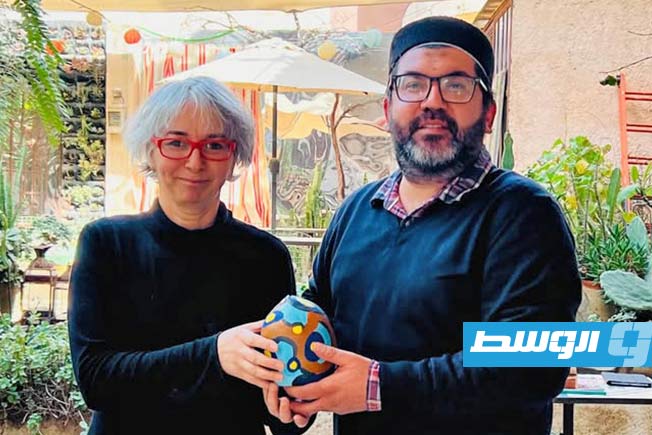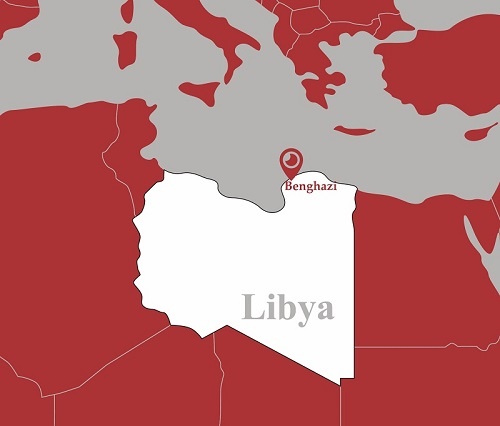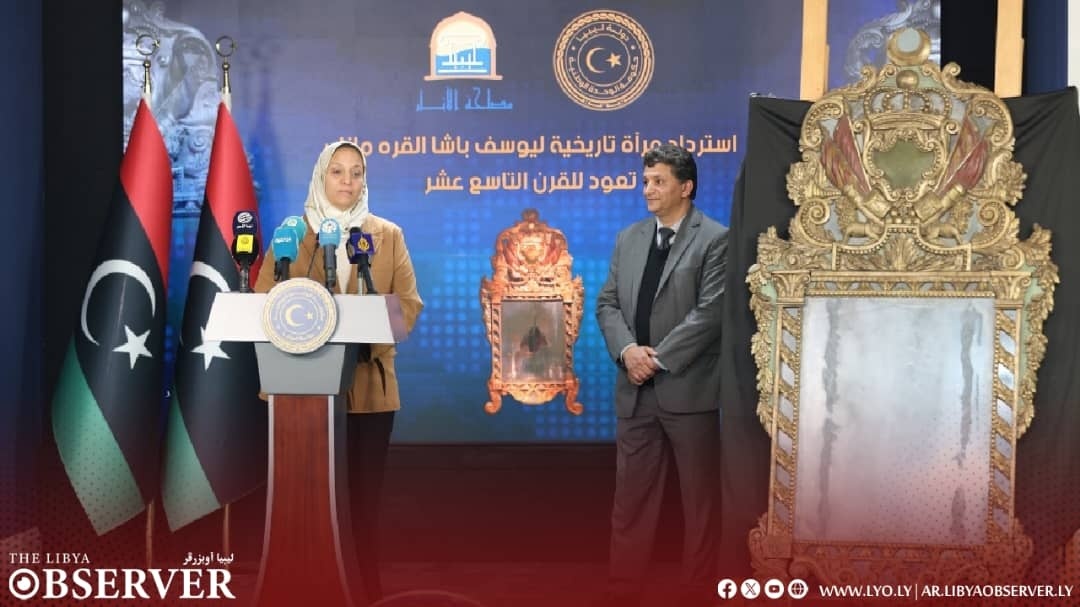
The Libyan Department of Antiquities has received a rare historical mirror dating back to the reign of Yusuf Pasha al-Qaramanli (1795–1832).
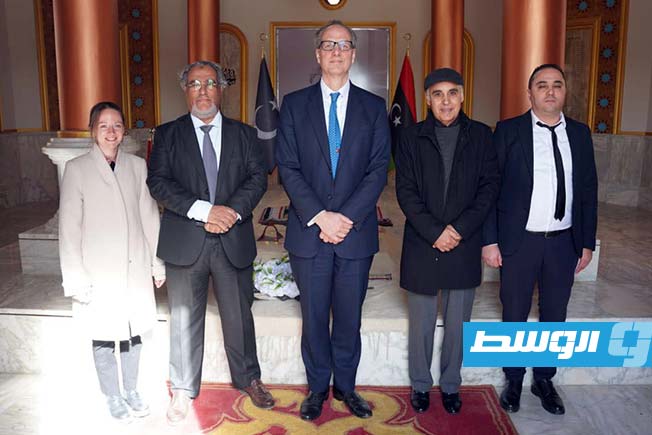
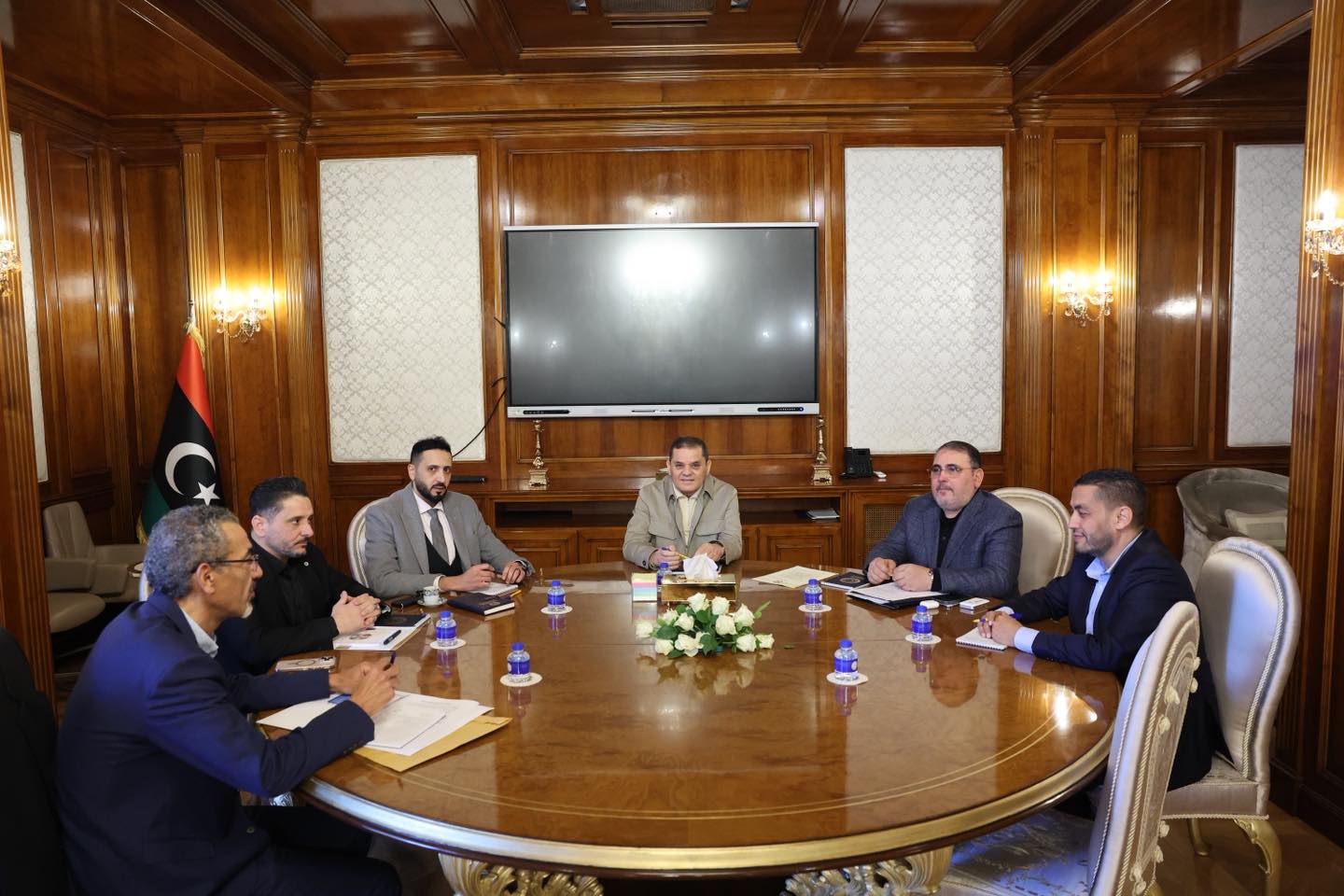
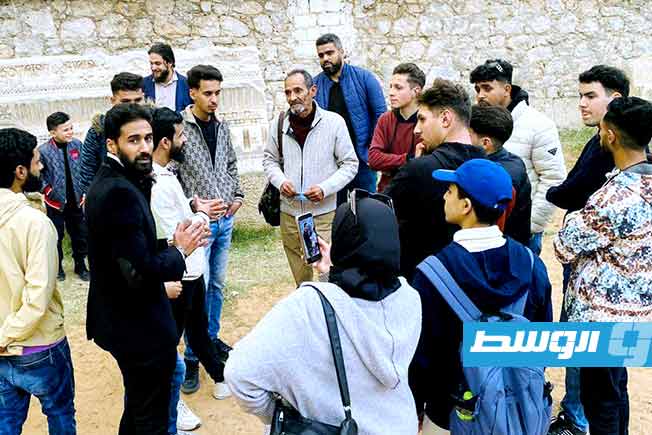
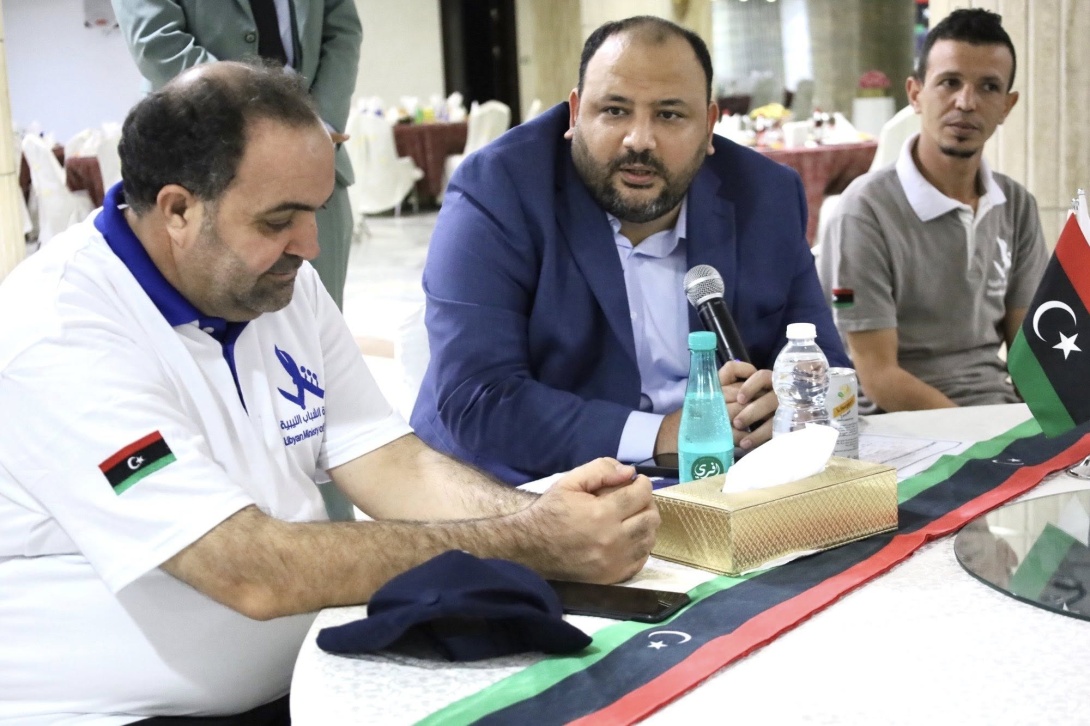
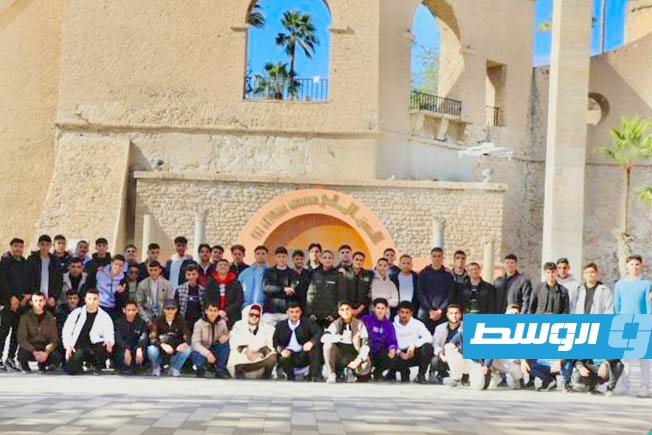
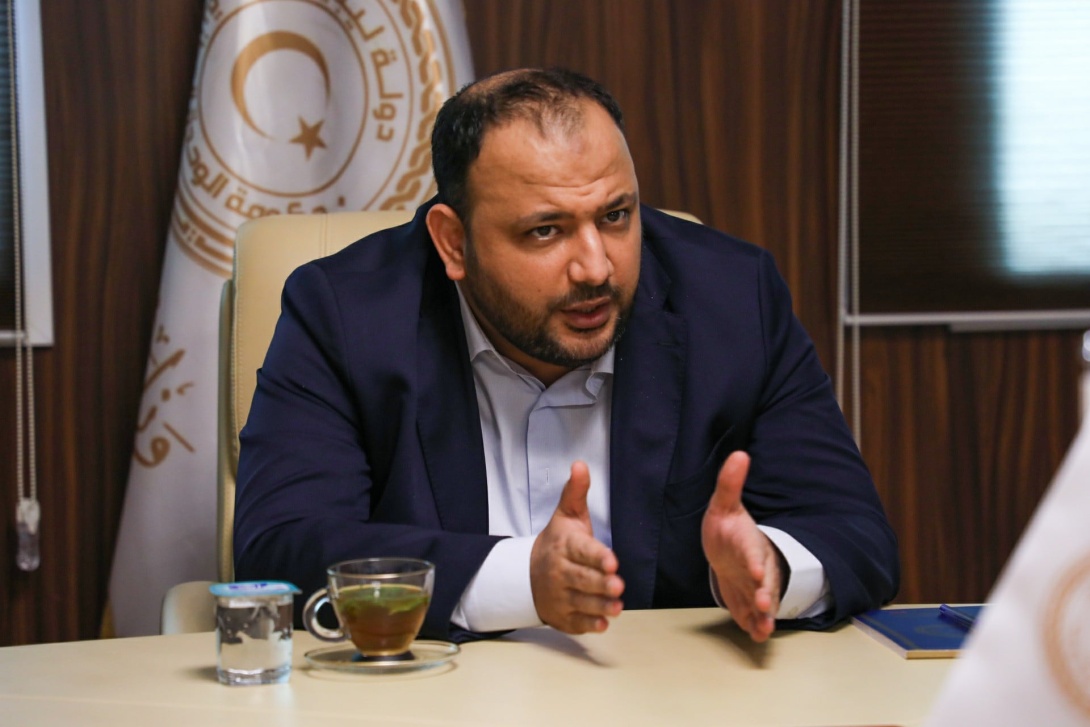
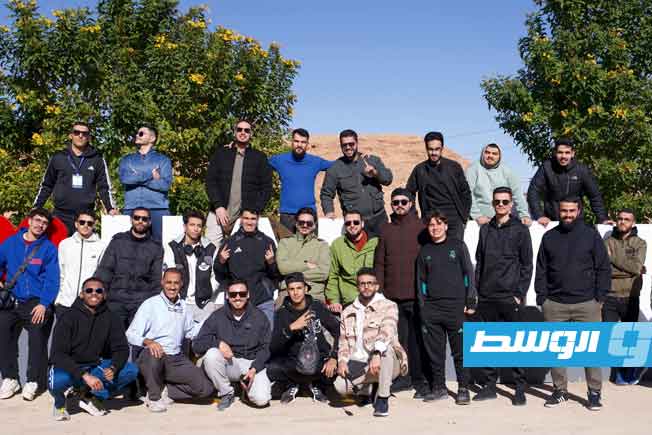
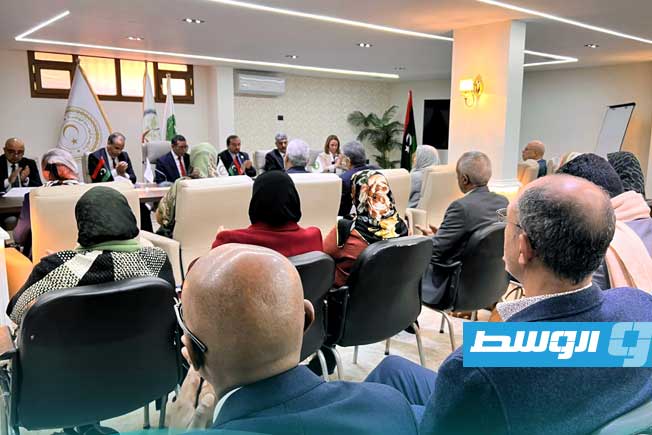
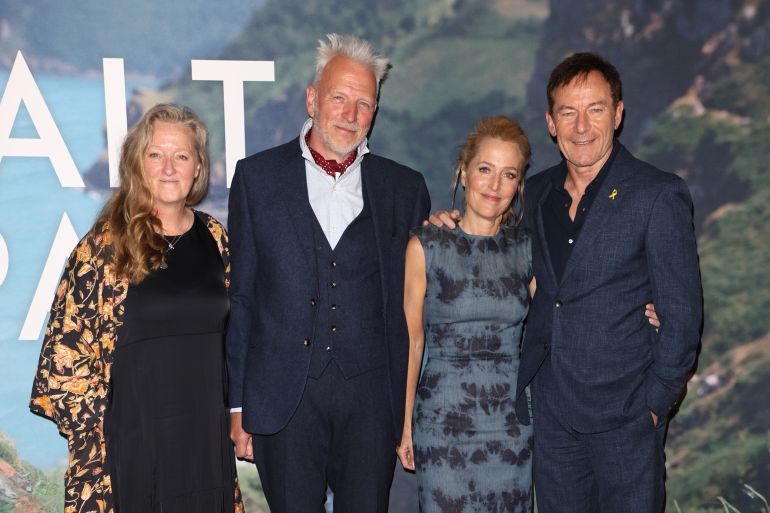
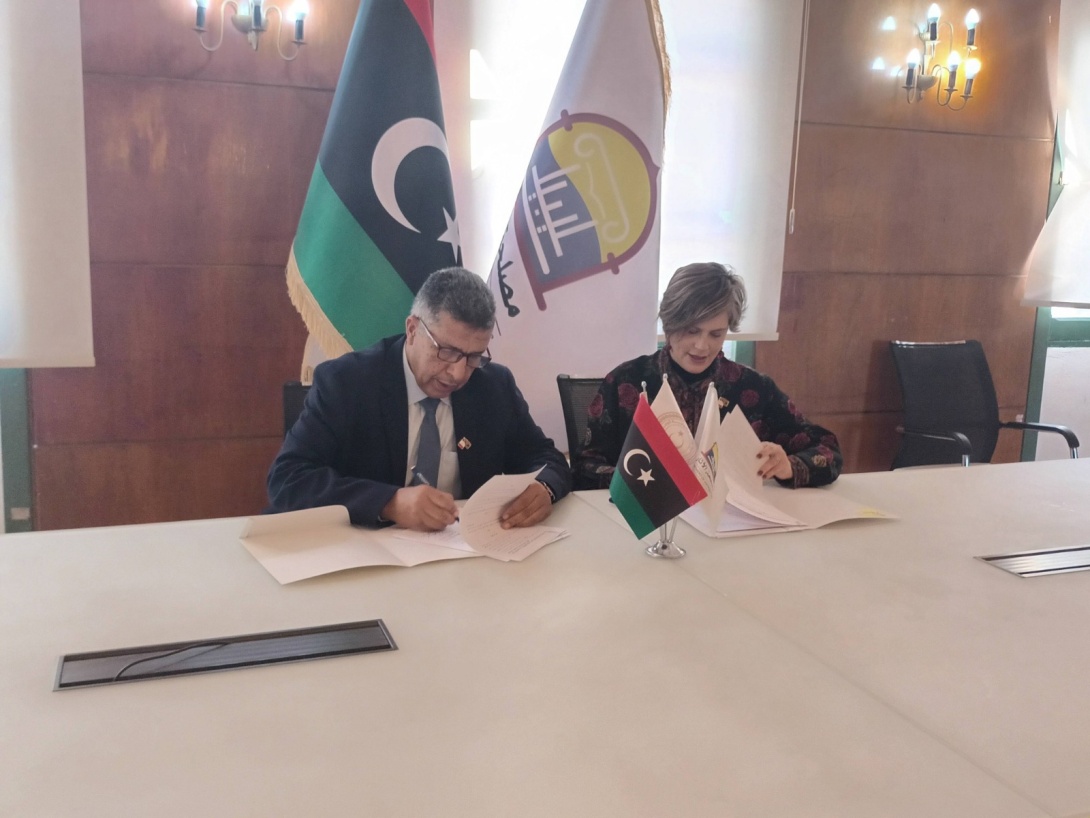
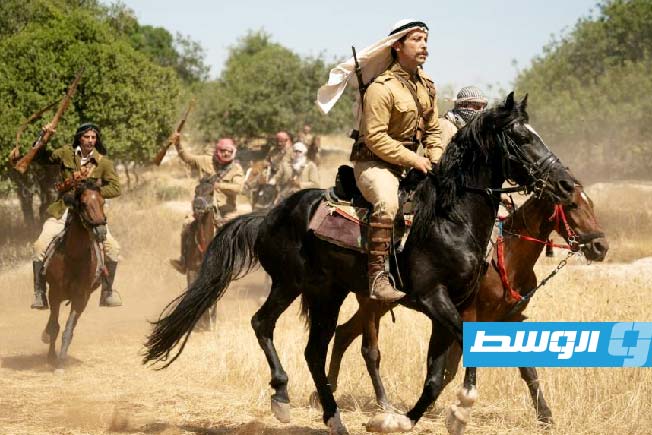
The mirror was recovered through the efforts of the team behind the historical drama series “Al-Saraya,” which documented the Qaramanli rule from 1711 to 1835. The handover ceremony was attended by a member of the Department of Antiquities’ management committee, as well as representatives from the series’ cast and crew, along with a number of cultural figures, researchers, and historians.
It was stated that “the mirror bears the emblem of the Qaramanli state, which was founded in 1711. The state enjoyed independent rule, and the royal crown was part of its political symbol, in addition to the state’s flag, which consisted of the colors red and yellow.”
It was explained that the mirror was crafted in France in the Baroque style, imitating the fashions prevalent in the courts and kingdoms of Europe at the time. This reflects the status of the Karamanli dynasty and its diplomatic and cultural connections during that era, exemplified by the 1822 draft constitution and the 1827 African Exploration Journal.
It was added that this piece is not merely a luxurious artifact, but a symbol of the development of modern Libyan identity. It dates back to the early 19th century, a pivotal period in Libyan history, characterized by the establishment of governing institutions and the expansion of the Karamanli dynasty’s international relations.
In international treaties at that time, Libya was referred to as the Kingdom of Tripoli, which concluded peace and trade agreements with most European kingdoms.
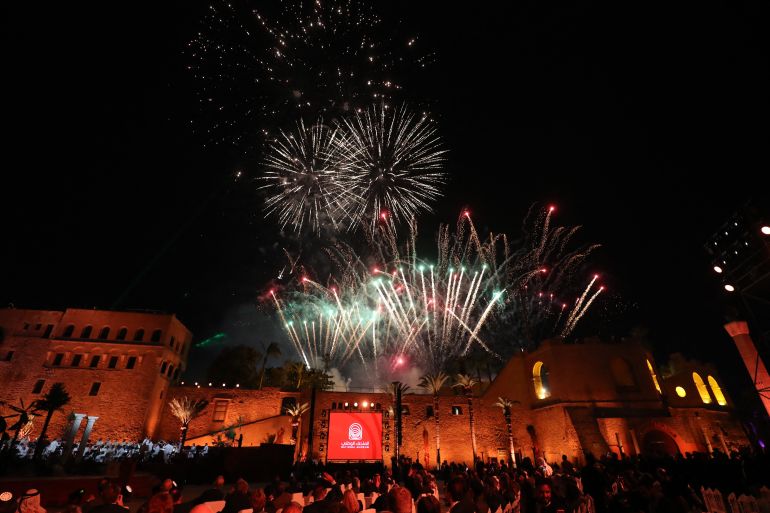
The Department of Antiquities confirmed that the mirror will be displayed within the Karamanli dynasty’s pavilion at the Libyan National Museum in the Red Castle, scheduled to open on December 12th. It will serve as one of the central pieces illustrating the emergence of the Libyan state and the evolution of its historical symbolism.
Yusuf Pasha al-Qaramanli
### Key Points About His Rule:
1. **Barbary Wars & U.S. Relations**
– Yusuf Pasha is most famously known for his involvement in the **First Barbary War (1801–1805)** and **Second Barbary War (1815)** against the **United States**.
– He demanded **tribute payments** from the U.S. for safe passage of American merchant ships in the Mediterranean, leading to the **Tripolitanian War** (part of the Barbary Wars).
– The conflict inspired the line **”to the shores of Tripoli”** in the **U.S. Marine Corps Hymn**, referencing the Battle of Derna (1805) where U.S. forces supported a rival claimant to Yusuf’s throne.
2. **Internal Challenges & Diplomacy**
– His rule was marked by **internal strife**, including conflicts with his brothers and local tribes.
– He maintained complex diplomatic relations with **European powers** (Britain, France) and the **Ottoman Empire**, balancing between autonomy and nominal Ottoman suzerainty.
3. **Economic Policies & Decline**
– Yusuf Pasha relied heavily on **state piracy** (privateering), **tribute**, and **trade** to fund his government.
– After the **Napoleonic Wars**, European powers increasingly suppressed Barbary piracy, weakening his revenue.
– His extravagant spending and a devastating **plague** in the 1810s led to economic decline and unrest.
4. **End of Rule**
– In **1832**, facing rebellion and financial collapse, he **abdicated** in favor of his son **Ali II**.
– However, the **Ottoman Empire** reasserted direct control in **1835**, ending the Karamanli dynasty’s rule and sending Yusuf into exile in **Constantinople** (Istanbul), where he died in **1838**.
### Legacy:
– Yusuf Pasha’s reign represents the **last major period of Tripolitanian autonomy** before Ottoman reconquest.
– He is a significant figure in **U.S. naval history** due to the Barbary Wars, which helped establish America’s role in international maritime security.
– In Libya, he is remembered as a **complex ruler** who both modernized aspects of Tripoli and led it into economic hardship.
If you’re interested, I can provide more details on specific events like the **Battle of Derna**, his **diplomatic maneuvers**, or the **structure of the Karamanli dynasty**.
Qaramanli
—
### **Background:**
– The Qaramanlis were of **Turkish origin**, descending from a military officer named **Ahmed Qaramanli**, who seized power in Tripoli in 1711.
– They ruled as semi-autonomous governors (*pashas*) under the nominal suzerainty of the Ottoman Empire, though they often acted independently.
—
### **Key Rulers:**
1. **Ahmed I Qaramanli (r. 1711–1745)** – Founder of the dynasty. He established stability and expanded Tripolitania’s influence through piracy and trade.
2. **Ali I Qaramanli (r. 1754–1793)** – Known for his diplomatic relations with European powers.
3. **Yusuf Qaramanli (r. 1795–1832)** – The most famous ruler; his policies led to the **Barbary Wars** with the United States.
—
### **Notable Events:**
– **Barbary Wars**: Under Yusuf Qaramanli, Tripoli demanded tribute from the United States for safe passage of its ships in the Mediterranean. This led to the **First Barbary War (1801–1805)** and later conflicts.
– **Piracy & Tribute**: Like other Barbary States, Tripoli engaged in state-sanctioned piracy, capturing ships and demanding ransom or tribute from European and American nations.
– **Internal Strife**: Succession disputes and internal rebellions weakened the dynasty in the early 19th century.
—
### **End of the Dynasty:**
– In **1835**, the Ottoman Empire, concerned about the dynasty’s instability and growing European influence, reasserted direct control over Tripolitania, ending Qaramanli rule.
—
### **Legacy:**
– The Qaramanli period is remembered for its relative autonomy, economic prosperity (from trade and piracy), and its role in Mediterranean geopolitics.
– The dynasty left architectural and cultural marks in Tripoli, including mosques and palaces.
—
If you were referring to something else related to “Qaramanli” (e.g., a place, family, or linguistic term), please provide more context!
Karamanli dynasty
### Key Features of the Karamanli Dynasty:
1. **Founding**
– Established by **Ahmed Karamanli**, an Ottoman cavalry officer of likely Turkish or Kurdish origin. He seized power after a period of political instability, murdering the Ottoman governor and declaring himself **Pasha**. His rule was later recognized by the Ottoman Sultan, provided he paid tribute.
2. **Autonomy under Ottoman Suzerainty**
– While Tripolitania remained part of the Ottoman Empire, the Karamanlis acted as a quasi-independent state. They had their own navy, engaged in piracy (privateering), and signed treaties with European powers.
3. **Economy and Piracy**
– The dynasty’s wealth came largely from **privateering** (state-sanctioned piracy) against European merchant ships, tribute payments from European states for safe passage, and trans-Saharan trade (gold, slaves, ivory).
– This led to conflicts, including the **First and Second Barbary Wars** with the United States (1801–1805 and 1815) and periodic clashes with European navies.
4. **Decline and Fall**
– Internal strife, corruption, and pressure from European powers weakened the dynasty in the early 19th century.
– In 1835, the Ottoman Empire, seeking to reassert direct control and prevent European colonization, overthrew the last Karamanli ruler, **Ali II Pasha**, and reinstated direct Ottoman rule.
5. **Legacy**
– The Karamanli period is remembered as a time of relative prosperity and cultural flourishing in Tripolitania, with significant architectural projects (mosques, palaces) and a blend of Ottoman, Arab, and Mediterranean influences.
– Modern Libya views the era as a symbol of early autonomous rule, though its reliance on privateering remains a controversial aspect.
### Notable Rulers:
– **Ahmed I (1711–1745)**: Founder; stabilized the region and expanded influence.
– **Yusuf Pasha (1795–1832)**: Most famous ruler; fought the Barbary Wars, but his heavy taxation and conflicts led to unrest.
– **Ali II (1832–1835)**: Last ruler, deposed by the Ottomans.
The end of the Karamanli dynasty marked the beginning of the **Second Ottoman Era** in Libya, lasting until the Italian invasion in 1911.