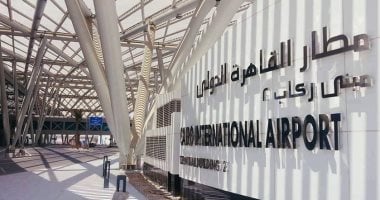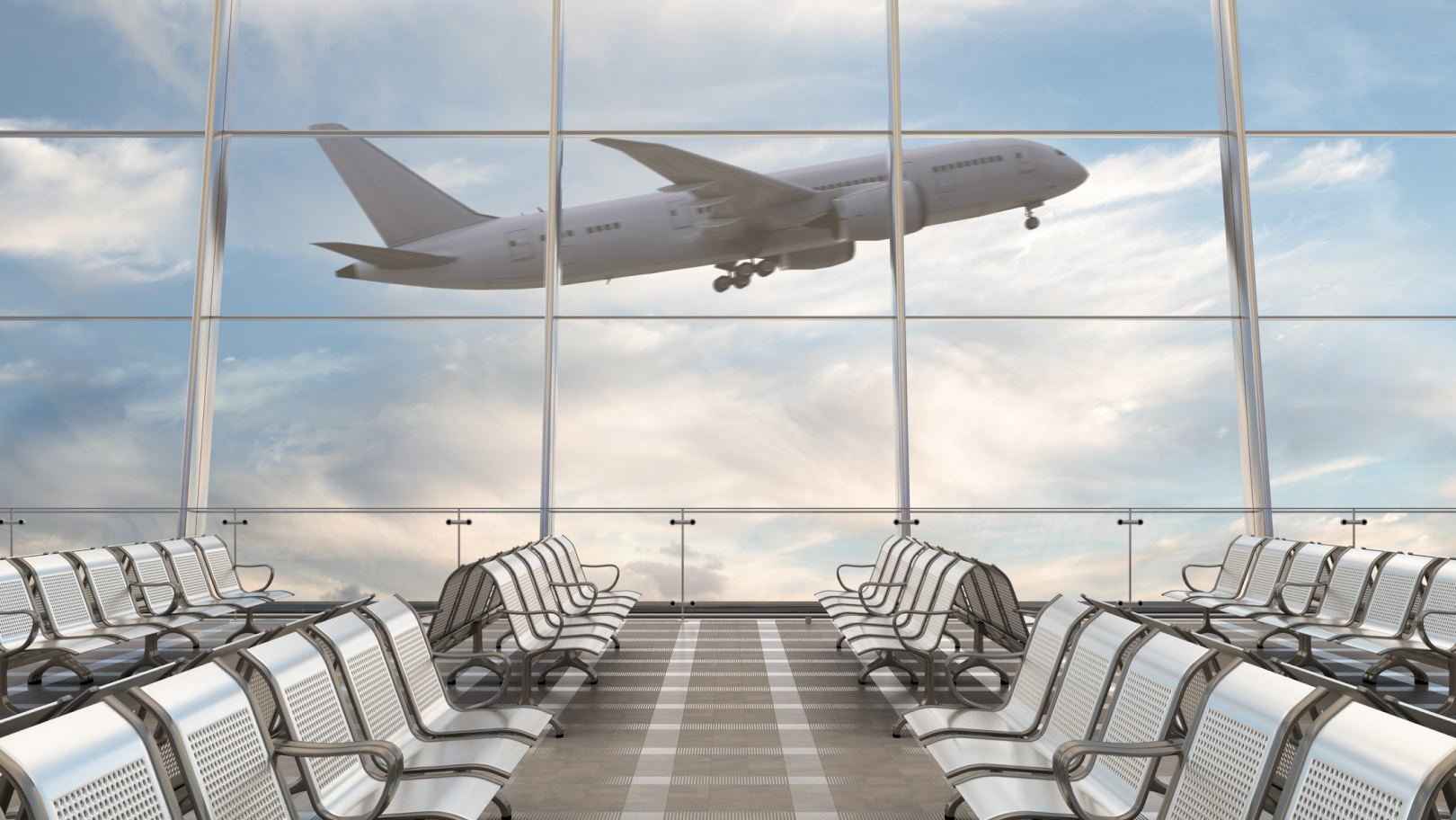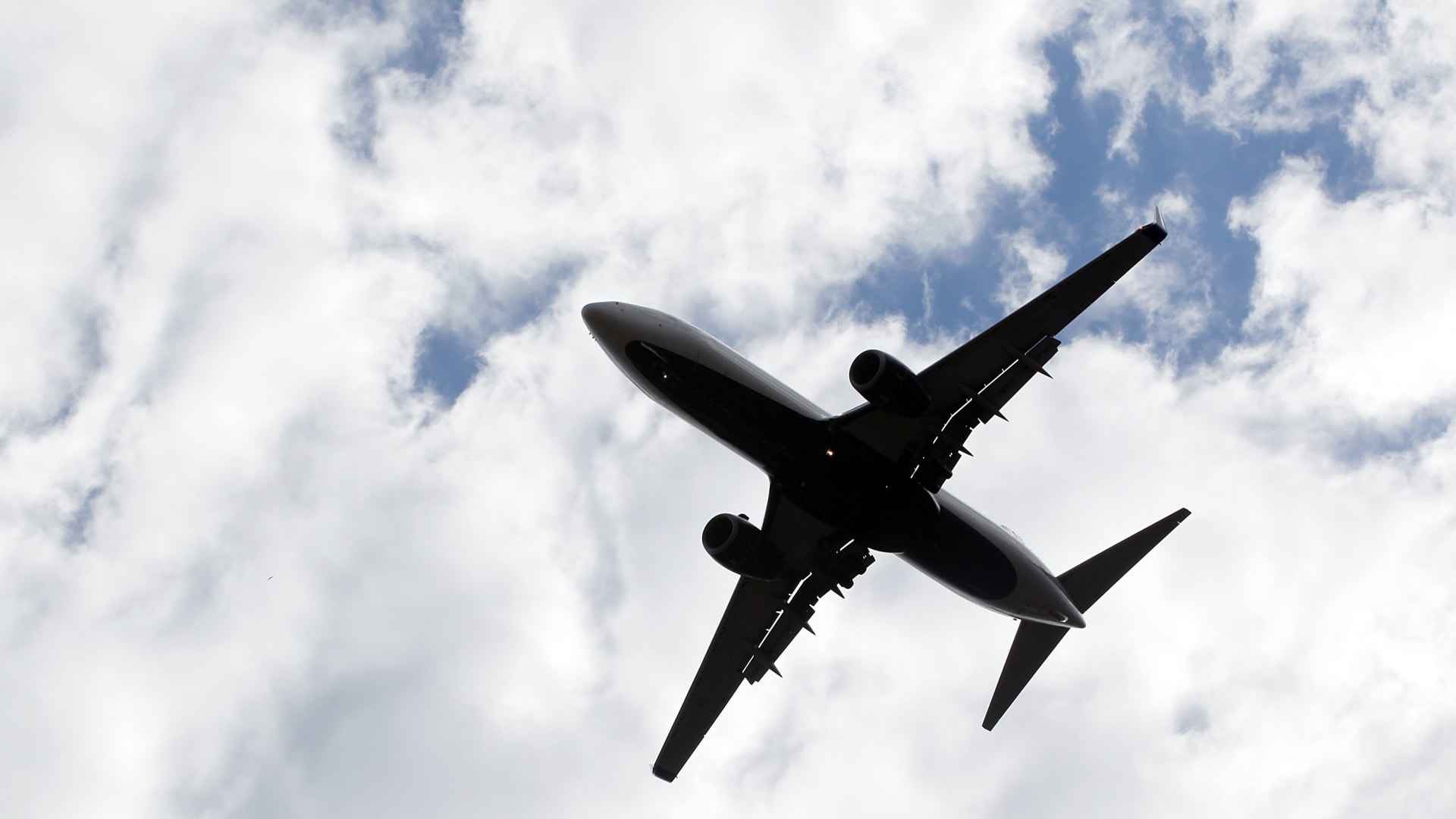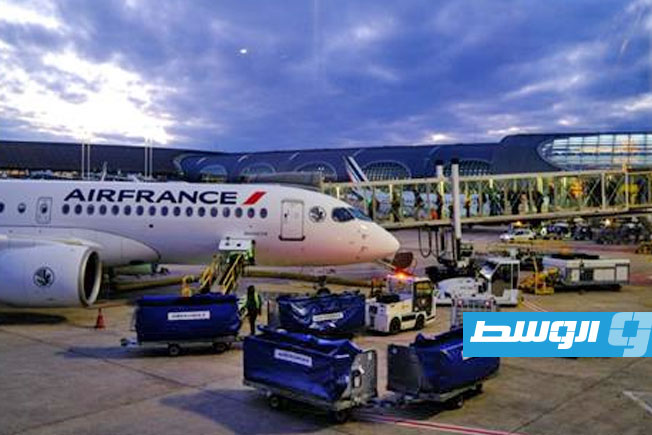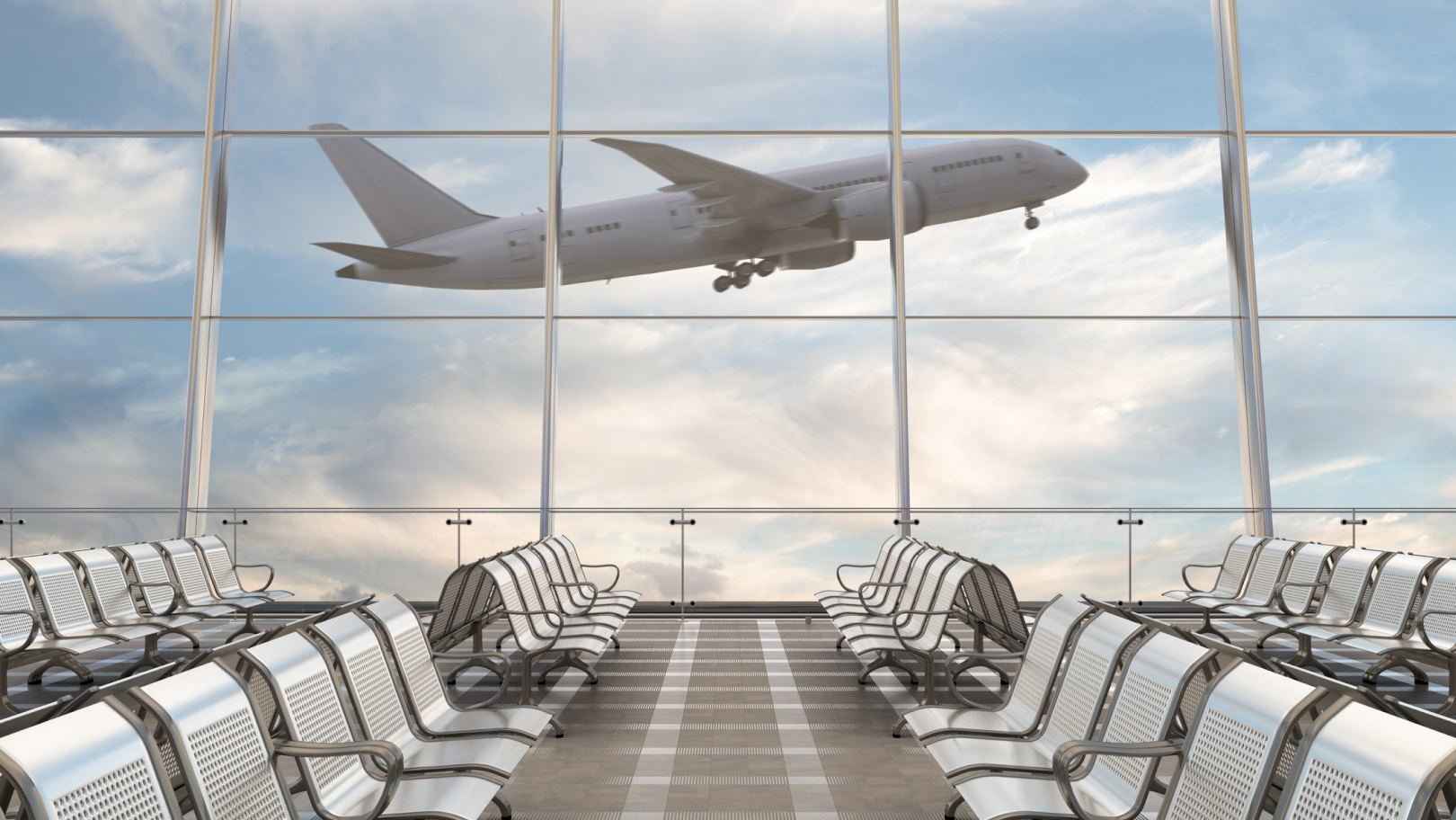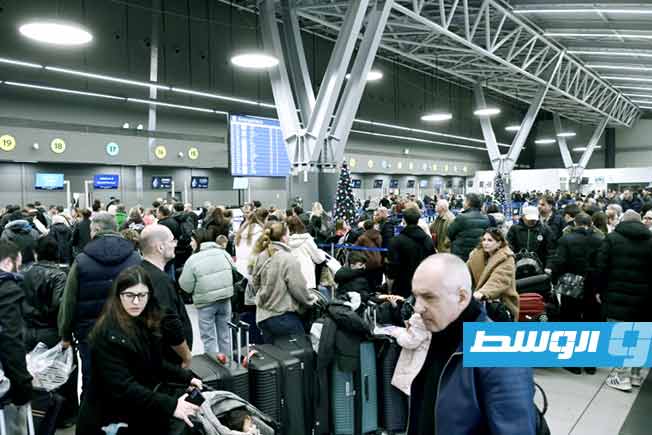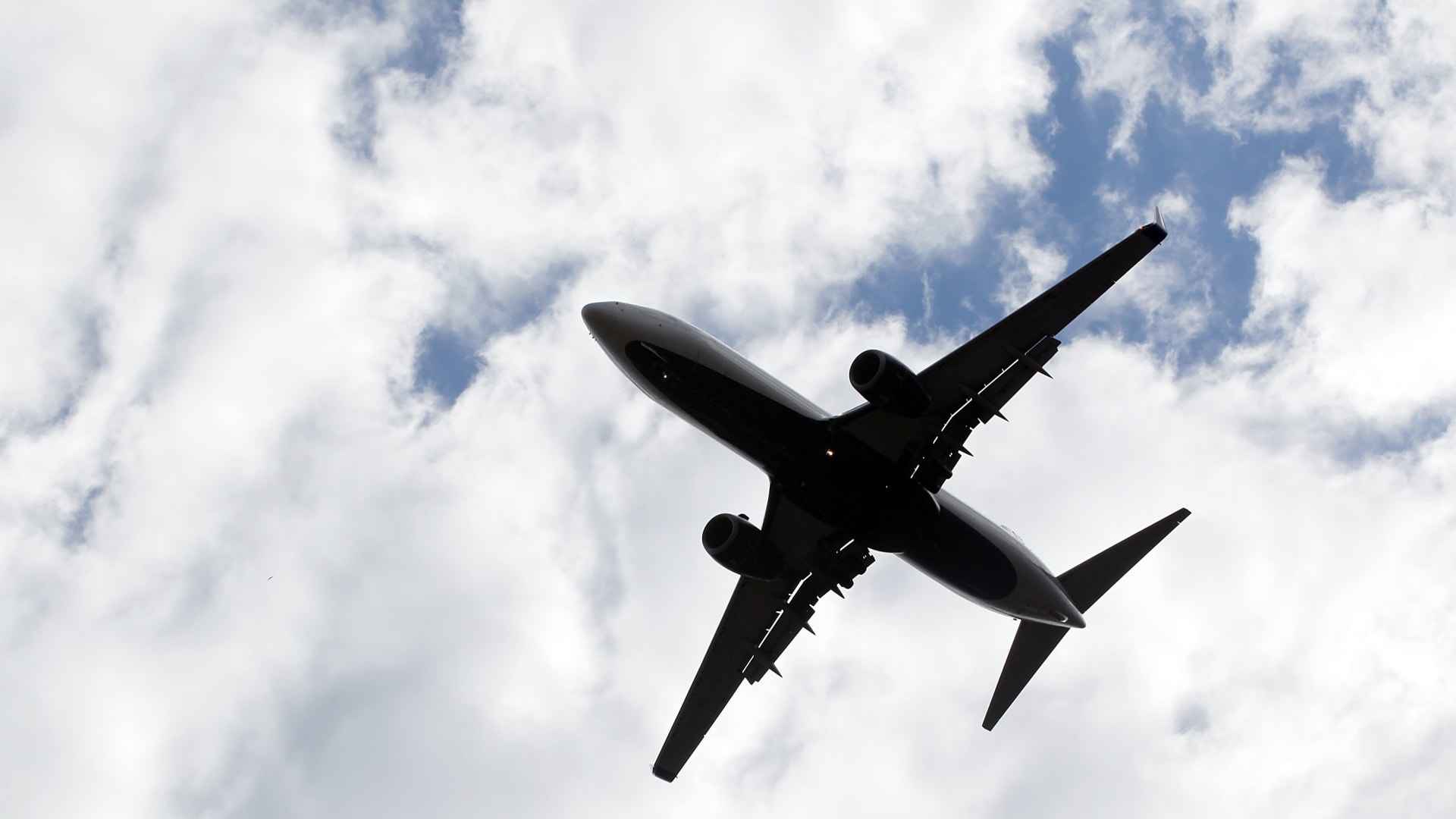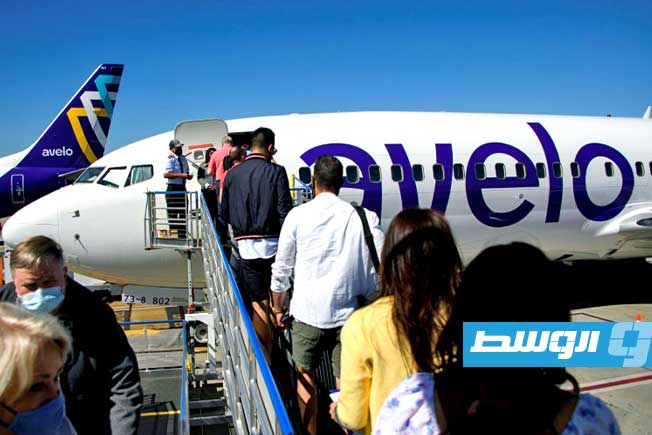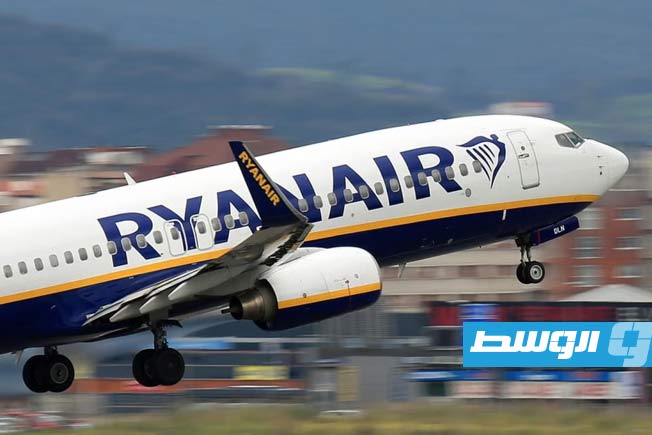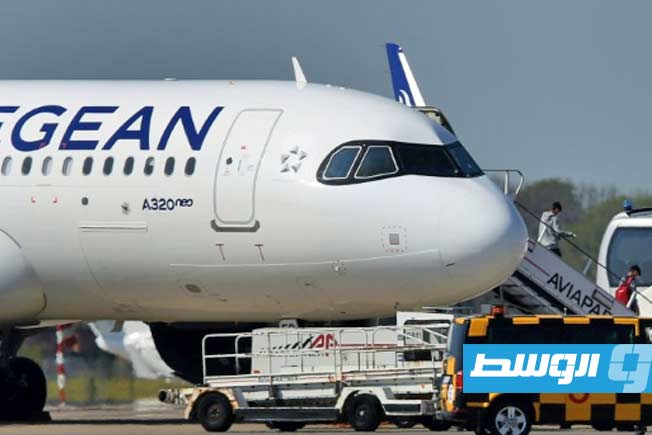
The Iraqi Ministry of Transport announced on Tuesday the landing of a plane belonging to the Greek company Aegean Airlines at Baghdad International Airport, marking the first European commercial aircraft to land there in 35 years.
The ministry stated in a release that this flight is a pivotal milestone heralding a new phase of recovery and openness in Iraq’s air transport sector.
The flight was operated by Aegean Airlines, the Greek national carrier, making it the first European flight to land in Baghdad in over three decades, signaling Iraq’s return to the European flight map.
European airlines had stopped operating direct flights to Baghdad since the early 1990s.
Stability in Iraq after years of war
“This is the first scheduled direct flight with Europe in 35 years. Today, Iraq is witnessing notable stability,” a spokesperson for the Iraqi Ministry of Transport said.
According to the Ministry of Transport, two weekly flights will be operated on the “Baghdad – Athens – Baghdad” route, with the possibility of increasing the number of flights based on demand rates.
The Greek company began operating flights to Erbil, the capital of the Kurdistan Region of Iraq, months ago. The region presents itself as an “oasis of stability in Iraq.”
US invasion opens the door to a bloody era in Iraq
Since that period, Iraq has witnessed multiple crises beginning with the former President Saddam Hussein’s invasion of Kuwait, followed by war and sanctions.
The US invasion of Iraq in 2003 overthrew Saddam Hussein, marking the beginning of a bloody era characterized by successive conflicts, a wave of sectarian violence, and the emergence of “terrorist groups.”
However, in recent years, Iraq has begun to regain some stability and security, while authorities are striving hard to attract foreign investment to support the country’s economy.
Baghdad airport
Key points:
– **History**: Originally known as Saddam International Airport, it was renamed after the 2003 invasion of Iraq.
– **Facilities**: The airport has undergone significant renovations to modernize terminals, runways, and security infrastructure.
– **Airlines**: It serves as a hub for Iraqi Airways and hosts several other regional and international carriers.
– **Operations**: The airport handles both civilian and limited military flights, with security being a high priority due to past conflicts.
If you have specific questions about flights, services, or travel advisories, feel free to ask!
Iraqi Ministry of Transport
### **Key Responsibilities:**
1. **Transportation Infrastructure** – Manages and develops roads, railways, ports, and airports.
2. **Railways** – Operates and expands Iraq’s rail network, including cargo and passenger services.
3. **Maritime and Ports** – Supervises seaports (e.g., Umm Qasr, Al-Faw) and inland waterways, ensuring efficient cargo handling and customs operations.
4. **Aviation** – Regulates civil aviation, airports, and air traffic control, working to improve safety and connectivity.
5. **Road Transport** – Oversees road safety, freight, and public transportation systems.
6. **Logistics and Trade** – Facilitates smooth movement of goods to support domestic and international trade.
### **Recent Developments:**
– **Al-Faw Grand Port** – A major project to build one of the largest ports in the Middle East, aimed at boosting Iraq’s trade capacity.
– **Railway Expansion** – Plans to connect Iraq’s rail network with regional systems (e.g., Iran, Turkey, and the GCC via Kuwait).
– **Airport Modernization** – Upgrading airports in Baghdad, Basra, and Najaf to handle increased passenger and cargo traffic.
### **Challenges:**
– **Infrastructure Deficits** – Years of conflict and underinvestment have left transport systems in need of repair and modernization.
– **Bureaucratic Hurdles** – Coordination between ministries and regulatory inefficiencies can delay projects.
– **Security Concerns** – Ongoing instability in some regions affects transportation safety and investment.
### **International Cooperation:**
The ministry often collaborates with international organizations (e.g., World Bank, UN) and foreign companies for funding, technical expertise, and project implementation.
### **Contact Information:**
– **Headquarters:** Baghdad, Iraq.
– **Official Website:** [www.transport.gov.iq](http://www.transport.gov.iq) (Note: Verify for current updates, as government sites may change.)
The ministry plays a vital role in Iraq’s economic recovery by improving connectivity, trade routes, and transportation efficiency.
Aegean Airlines
### **Overview:**
– **Founded:** 1987 (originally as Aegean Aviation), began scheduled flights in 1999.
– **Headquarters:** Kifissia, Athens, Greece.
– **Main Hubs:** Athens International Airport (ATH), Thessaloniki Airport (SKG).
– **Fleet:** Primarily operates Airbus A320 family aircraft (A320, A321, A320neo) for short/medium-haul routes, and Airbus A330-200/300 for long-haul flights.
### **Services & Network:**
– **Destinations:** Flies to over 150 destinations in Europe, the Middle East, and North Africa. It also offers seasonal and charter flights.
– **Focus:** Strong presence in the Greek domestic market and connections across Europe.
– **Long-haul:** Through its subsidiary **Olympic Air** (acquired in 2013) and partnerships, it provides extended connectivity.
### **Travel Experience:**
– **Cabin Classes:** Economy Class and Business Class (on select routes).
– **Loyalty Program:** **Miles+Bonus** – allows earning/redeeming miles with Star Alliance partners.
– **In-flight Services:** Complimentary snacks/drinks in economy; enhanced meals in business. Wi-Fi and entertainment available on certain aircraft.
### **Reputation:**
– Consistently rated highly for service quality and punctuality.
– Named “Best Regional Airline in Europe” multiple times by Skytrax.
### **Recent Developments:**
– Expanding its network post-pandemic, adding new routes.
– Modernizing its fleet with fuel-efficient Airbus neo aircraft.
– Enhancing digital services (mobile app, online check-in).
### **Travel Tips:**
– Book early for better fares, especially in peak season (summer).
– Check baggage policies, as they vary by fare type.
– Connecting through Athens can be efficient for traveling within Greece or to neighboring regions.
Would you like information on booking, specific routes, or their loyalty program?
Baghdad International Airport
– **IATA Code:** BGW
– **ICAO Code:** ORBI
– **Location:** About 16 km (10 miles) west of central Baghdad.
– **Former Name:** Saddam International Airport (named after former President Saddam Hussein until 2003).
– **Runways:** Two main runways capable of handling large aircraft.
– **Airlines:** Serves as a hub for Iraqi Airways and hosts several other regional and international carriers.
– **Facilities:** Includes passenger terminals, cargo facilities, and military usage areas.
– **Significance:** It is Iraq’s busiest airport and a key gateway for international travel and cargo.
The airport has undergone renovations and expansions to improve safety and capacity since the early 2000s.
Athens
Key highlights include:
– **Historical Significance**: Home to iconic landmarks like the **Acropolis** (with the Parthenon), the Ancient Agora, and the Temple of Olympian Zeus.
– **Cultural Hub**: Hosts world-class museums such as the Acropolis Museum and the National Archaeological Museum.
– **Modern City**: A bustling metropolis blending ancient sites with contemporary urban life, vibrant neighborhoods, and Mediterranean cuisine.
– **Olympic Heritage**: Hosted the first modern Olympic Games in 1896 and again in 2004.
Athens remains a symbol of classical thought and continues to influence global culture, education, and governance.
Erbil
### Key Facts:
– **Location**: Northern Iraq, in the Kurdistan Region.
– **Population**: Approximately 1.5 million people.
– **Official Languages**: Kurdish (Sorani dialect) and Arabic.
– **Landmark**: The **Erbil Citadel**, a UNESCO World Heritage Site, sits at the city’s heart and is a symbol of its ancient heritage.
– **Economy**: A major economic and cultural hub for Iraqi Kurdistan, with growing sectors in construction, tourism, and trade.
### Historical Significance:
– Erbil has been ruled by various empires, including the Assyrians, Persians, Arabs, Ottomans, and others.
– It lies on ancient trade routes and is mentioned in historical records dating to the **Sumerian period**.
### Modern Role:
– Today, Erbil is relatively stable and prosperous compared to much of Iraq, attracting foreign investment and serving as a gateway to the Kurdistan Region.
– It has modern infrastructure, including **Erbil International Airport** and several universities.
Would you like more details on any specific aspect, such as tourism, history, or current affairs?
Kurdistan Region of Iraq
### **Status & Government**
– **Autonomous Region**: It has its own government (the Kurdistan Regional Government, or KRG), parliament, and security forces (Peshmerga).
– **Legal Basis**: Its autonomy is recognized under the Iraqi Constitution of 2005, which defines it as a federal entity within Iraq.
– **Capital**: Erbil (also called Hewlêr in Kurdish).
### **Geography & Demographics**
– **Area**: Includes the governorates of Erbil, Duhok, and Sulaymaniyah, with disputed territories like Kirkuk claimed by both the KRG and the Iraqi federal government.
– **Population**: Estimated 5-6 million, predominantly Kurdish, with Assyrian, Turkmen, Armenian, and Arab minorities.
– **Languages**: Kurdish (Sorani and Kurmanji dialects), with Arabic and Turkmen also spoken.
### **Economy**
– **Oil & Gas**: Has significant oil reserves; oil exports are a major revenue source but have led to disputes with Baghdad over control and revenue sharing.
– **Other Sectors**: Agriculture, tourism, and trade are important. The region has aimed to diversify its economy but faces challenges due to political instability and corruption.
### **Recent History & Politics**
– **1991**: Gained de facto autonomy after the Gulf War and the establishment of a no-fly zone by the U.S. and allies.
– **2003**: Played a key role in supporting the U.S.-led invasion of Iraq.
– **2014**: Peshmerga forces fought against ISIS, gaining control of disputed areas, which later fueled tensions with Baghdad.
– **2017**: An independence referendum was held, with over 90% voting for independence. This was rejected by Iraq and the international community, leading to a military and political crisis.
### **Challenges**
– **Disputed Territories**: Ongoing tensions with Baghdad over areas like Kirkuk, oil rights, and revenue sharing.
– **Economic Issues**: Financial crises, public sector salary delays, and corruption.
– **Regional Relations**: Complex ties with Turkey (both trade and security concerns), Iran, and Syria.
### **International Relations**
– While not internationally recognized as a state, it maintains representative offices abroad and has partnerships with various countries and companies, especially in energy.
In summary, the Kurdistan Region of Iraq is a **stable, autonomous region within Iraq** with significant self-governance but faces ongoing political, economic, and territorial challenges.
Saddam Hussein
### Key Aspects of His Rule:
1. **Rise to Power**
– Joined the Ba’ath Party in the 1950s and participated in a 1968 coup that brought the party to power.
– Officially became president in 1979, quickly consolidating control through purges and repression.
2. **Domestic Policies**
– Centralized power, using secret police (Mukhabarat) and fear to suppress dissent.
– Modernized infrastructure (education, healthcare, industry) but with severe human rights abuses.
– Brutally suppressed Kurdish and Shiite populations, including chemical weapons attacks (e.g., Halabja, 1988).
3. **Regional Conflicts**
– **Iran-Iraq War (1980–1988)**: Launched a costly invasion of Iran, leading to a stalemate with over a million casualties.
– **Invasion of Kuwait (1990)**: Triggered the Gulf War, resulting in Iraq’s defeat by a U.S.-led coalition and subsequent sanctions.
4. **International Relations & Sanctions**
– Post-Gulf War, Iraq faced severe UN sanctions, leading to economic collapse and humanitarian crises.
– Defied UN weapons inspections, fueling suspicions about weapons of mass destruction (WMDs).
5. **Fall and Aftermath**
– The 2003 U.S.-led invasion, based on claims of WMDs (later largely unproven), toppled his regime.
– Captured in 2003, tried by an Iraqi tribunal, and executed in 2006 for crimes against humanity.
### Legacy:
– A controversial figure remembered for brutality, regional destabilization, and the prolonged suffering of Iraqis.
– His removal led to sectarian conflict, the rise of ISIS, and ongoing instability in Iraq.
Saddam Hussein remains a symbol of dictatorship and the complex consequences of foreign intervention in the Middle East.
Kuwait
### Key Facts:
– **Capital:** Kuwait City
– **Official Language:** Arabic
– **Currency:** Kuwaiti Dinar (KWD) – one of the highest-valued currencies in the world
– **Government:** Constitutional monarchy (Emir as head of state)
– **Population:** Approximately 4.3 million (2023 estimate), with a large expatriate community
### Economy:
Kuwait possesses about **6% of the world’s oil reserves**, making petroleum the backbone of its economy. It is a member of **OPEC** and has a high-income economy with significant sovereign wealth funds.
### Culture & Society:
– Predominantly **Muslim** (Islam is the state religion), with a mix of Sunni and Shia communities.
– Known for traditional **diwaniyas** (social gatherings) and hospitality.
– Modern and cosmopolitan in urban areas like Kuwait City, with landmarks like the **Kuwait Towers** and **The Avenues Mall**.
### History Highlights:
– Historically a trading hub, especially for pearls.
– Became a British protectorate in 1899 and gained independence in **1961**.
– Invaded by Iraq in **1990**, leading to the **Gulf War**; liberated in 1991 by a U.S.-led coalition.
### Interesting Facts:
– Has one of the hottest climates in the world, with summer temperatures often exceeding 50°C (122°F).
– Home to the **Kuwaiti dinar**, which is divided into 1,000 fils (rather than 100 like many currencies).
– Women gained the right to vote and run for office in **2005**.
Would you like more details on any specific aspect, such as tourism, politics, or cultural traditions?
US
**Key Facts:**
– **Capital:** Washington, D.C.
– **Largest City:** New York City
– **Population:** Approximately 331 million (2020 census)
– **Area:** About 3.8 million square miles (9.8 million km²), making it the world’s third or fourth largest country by total area.
– **Government:** Federal presidential constitutional republic.
– **Official Language:** None at the federal level, but English is the de facto national language.
– **Currency:** United States Dollar (USD)
– **GDP:** Largest nominal economy in the world.
**Notable Features:**
– Known for its cultural diversity due to large-scale immigration.
– A global leader in technology, entertainment, and higher education.
– Home to landmarks like the Statue of Liberty, Grand Canyon, and the White House.
– Plays a significant role in international affairs, including being a founding member of NATO and the United Nations.
Would you like more specific information about any aspect of the U.S.?