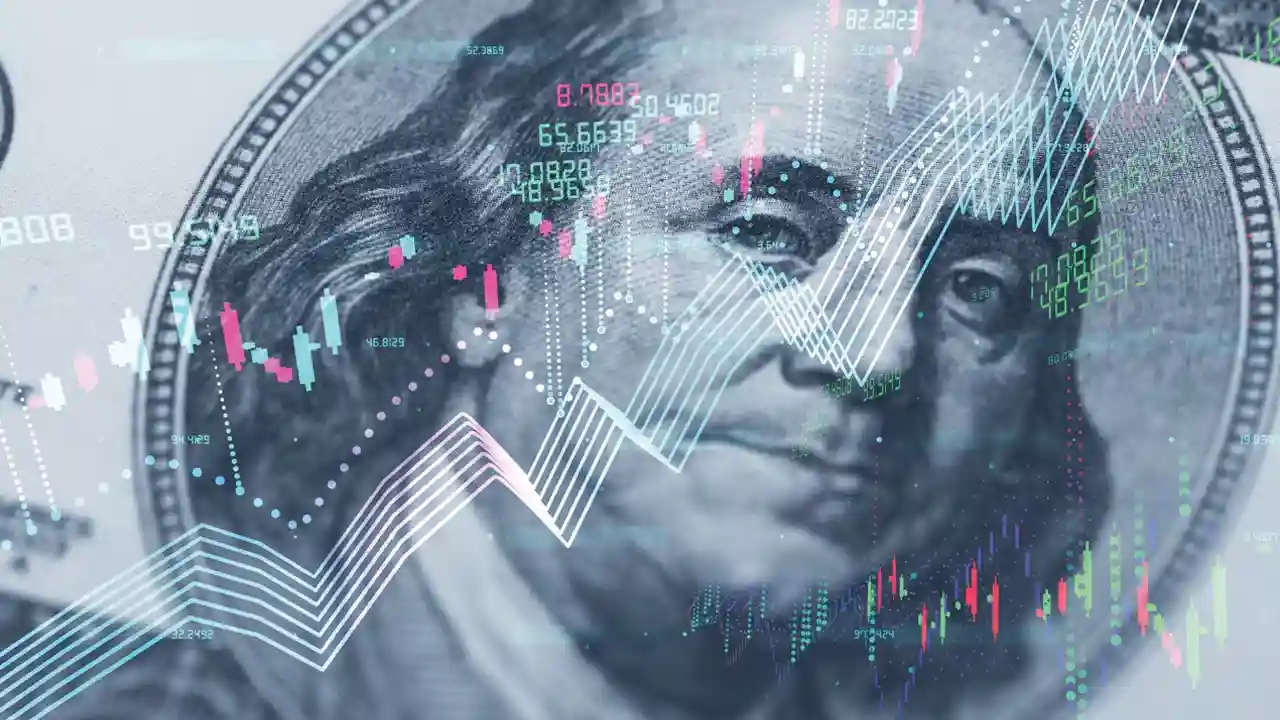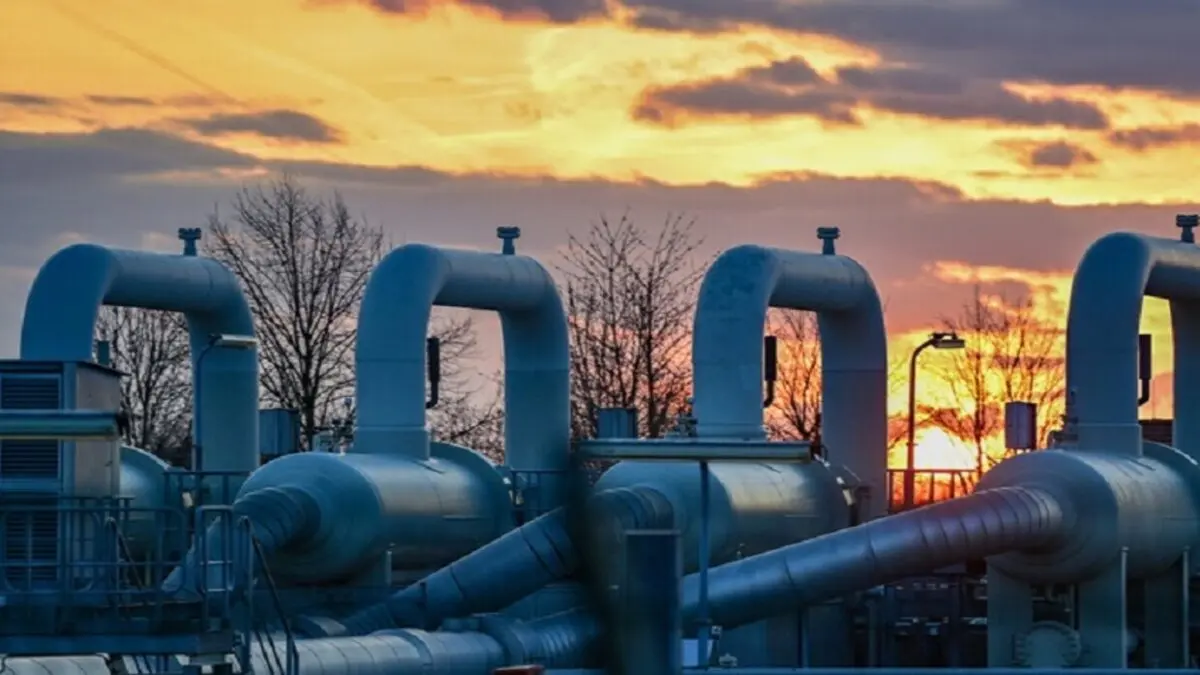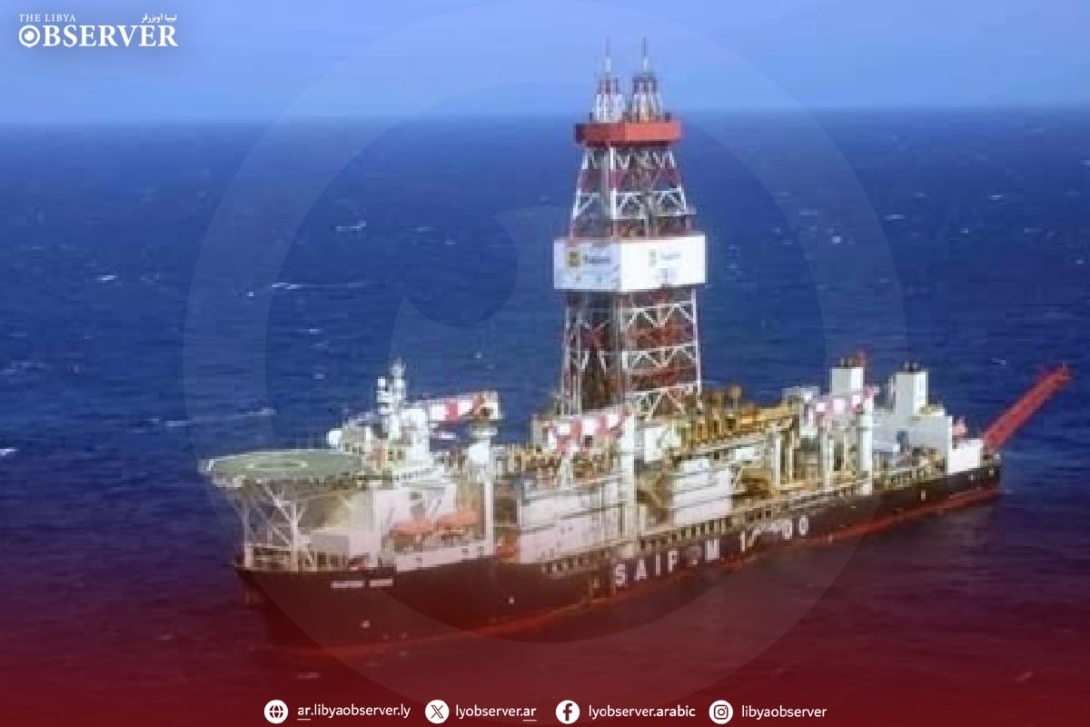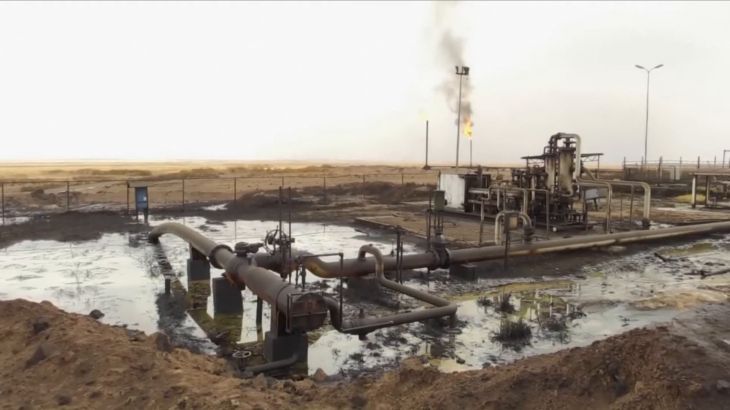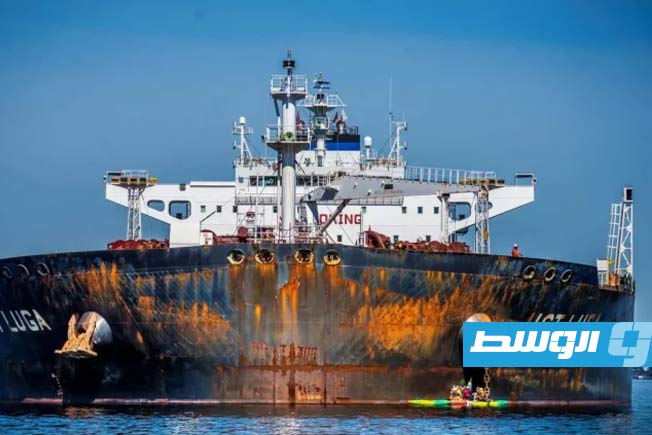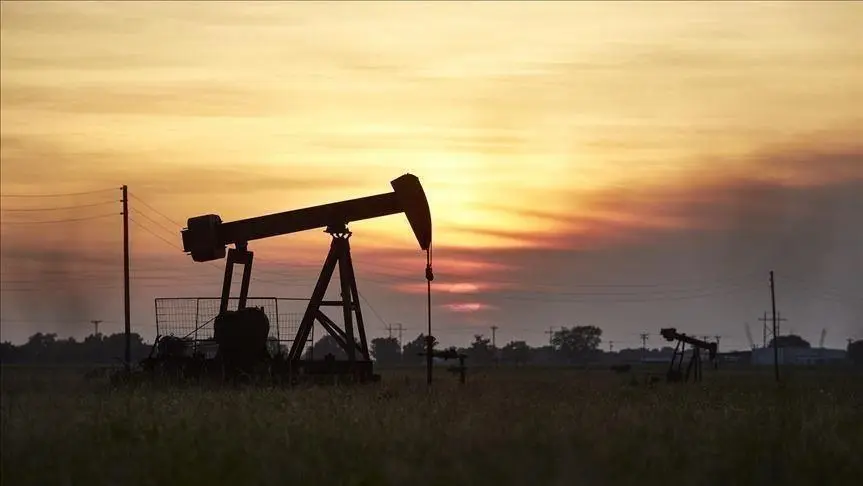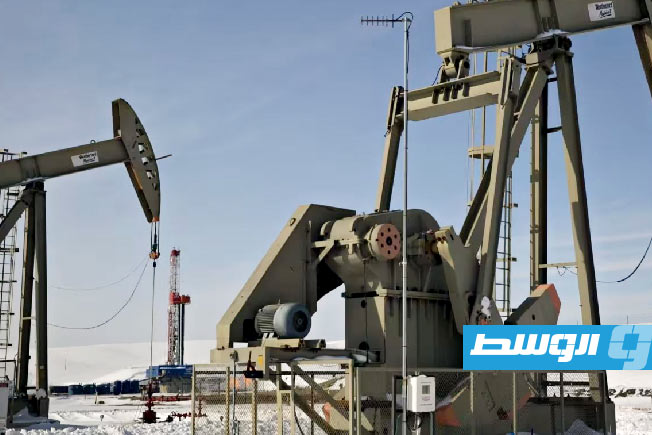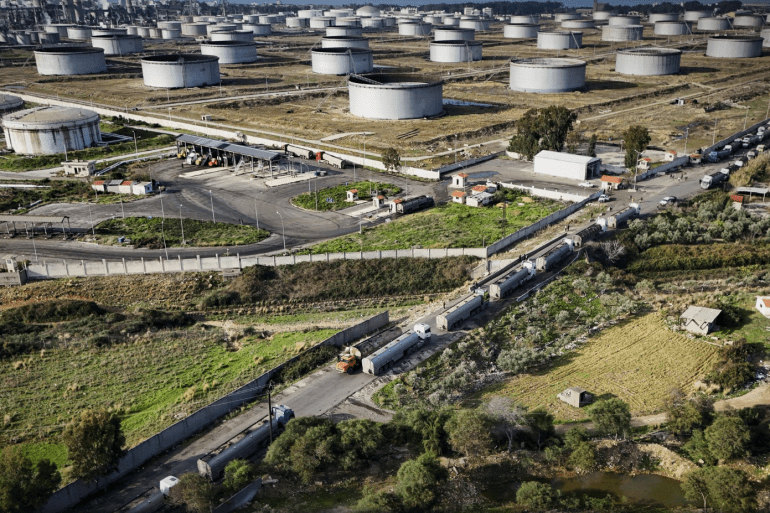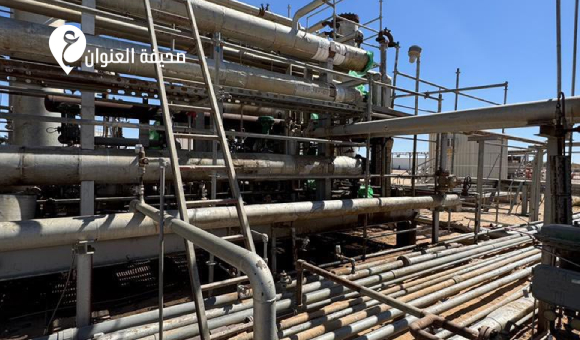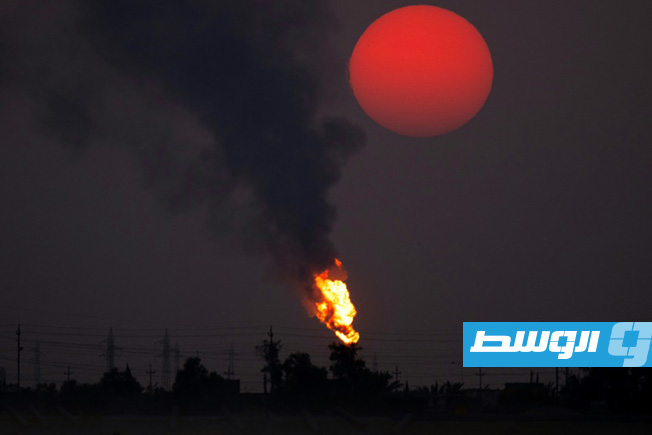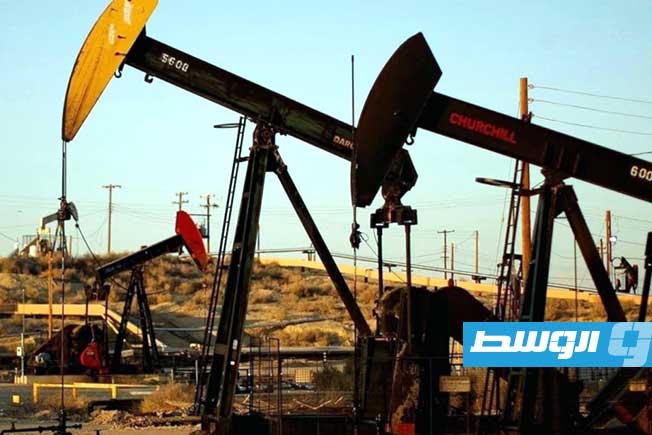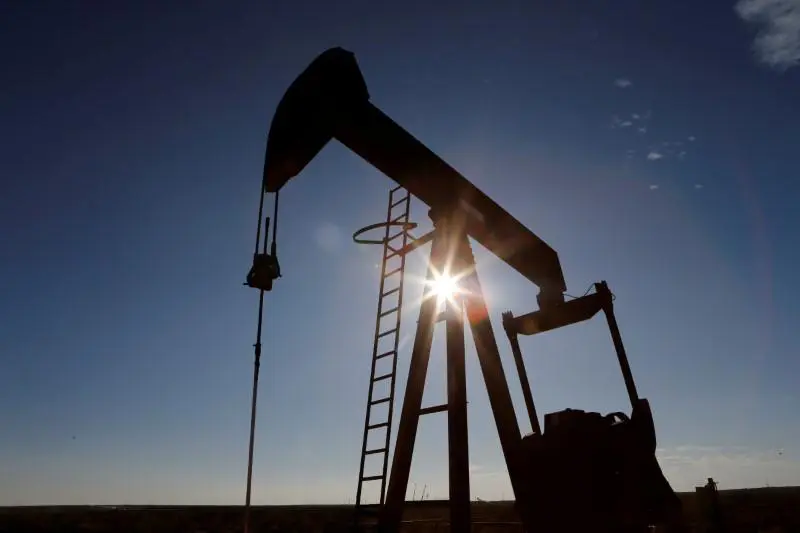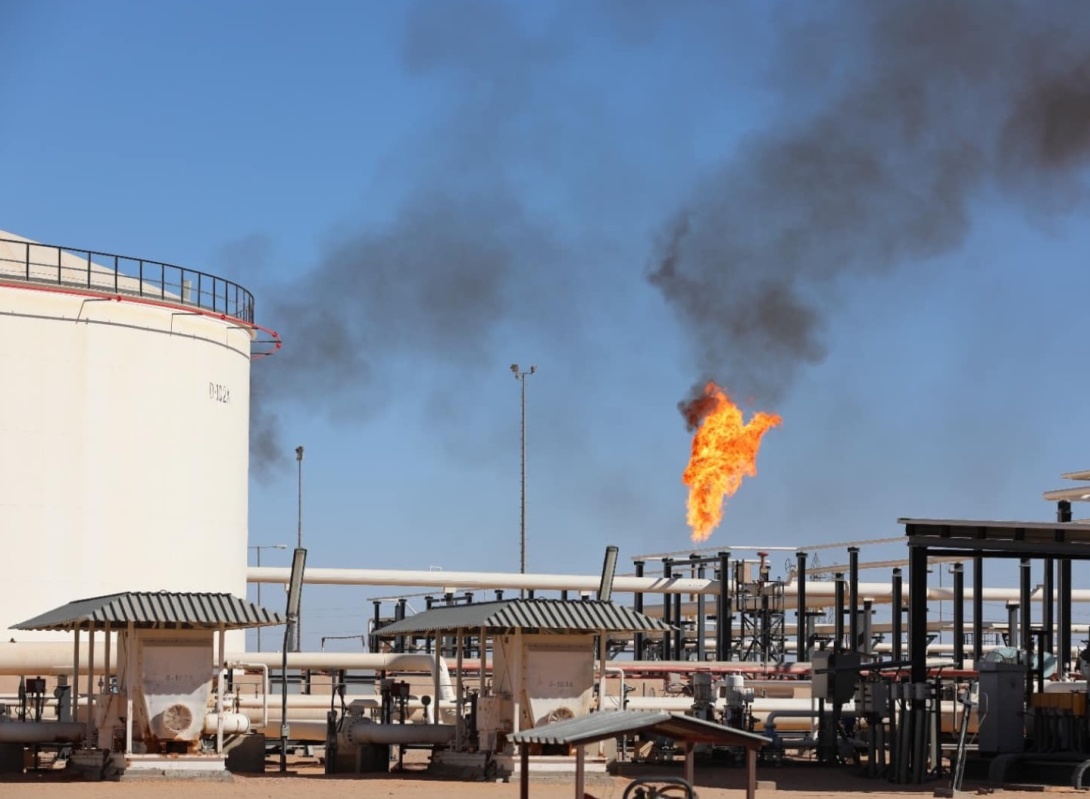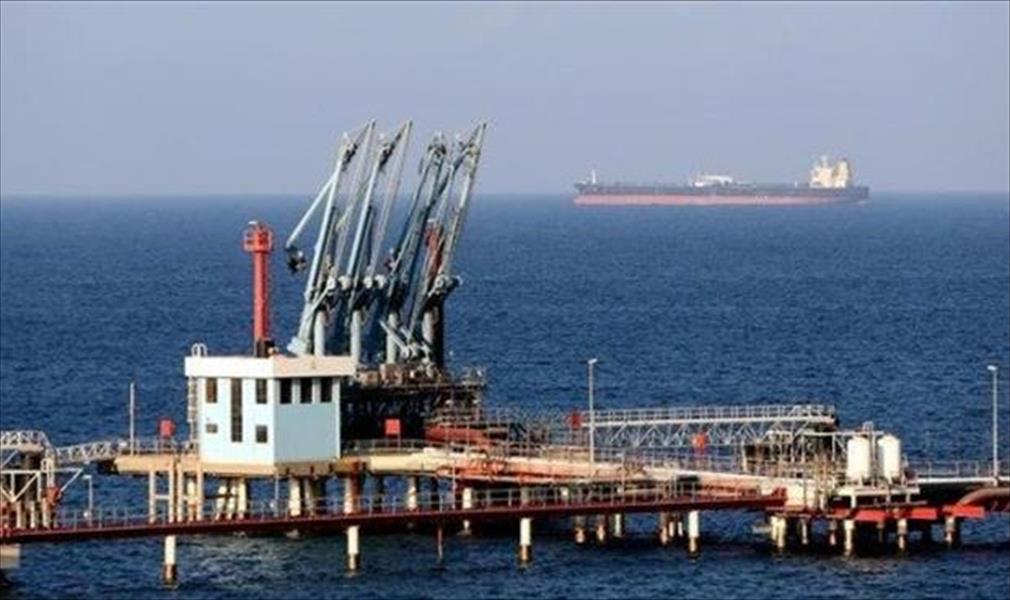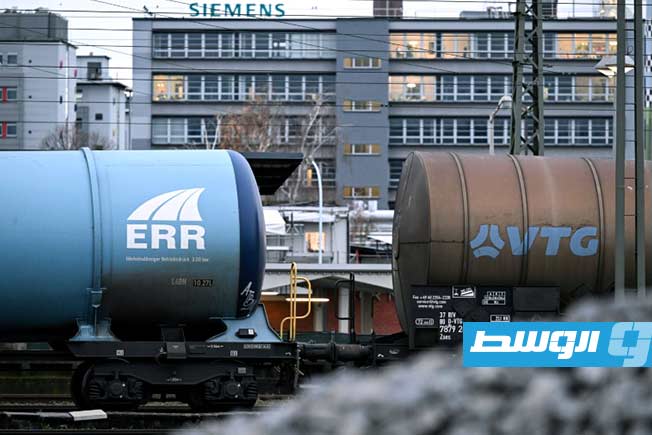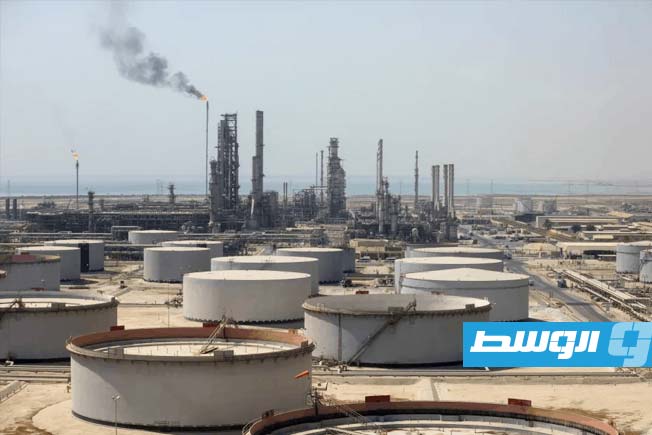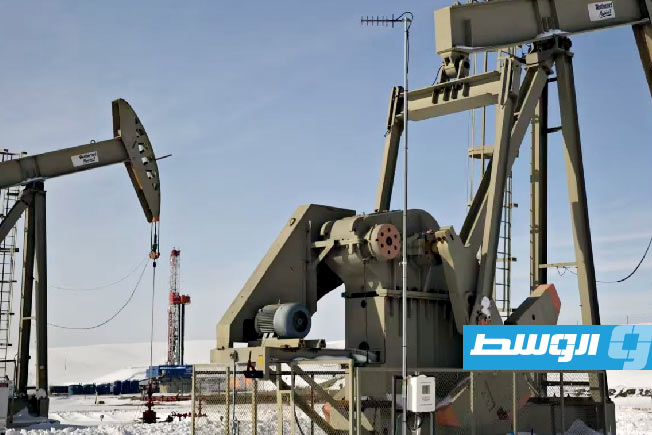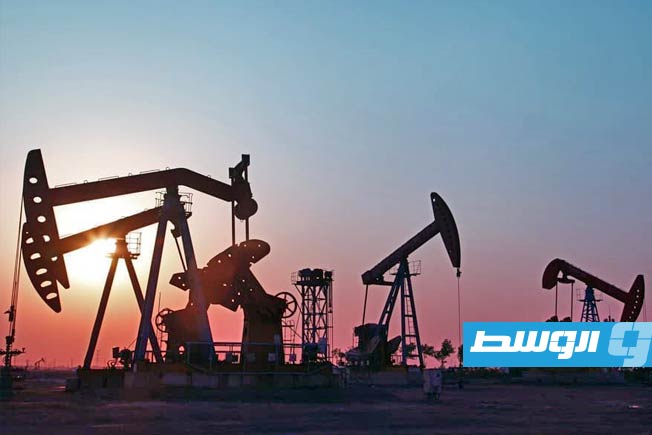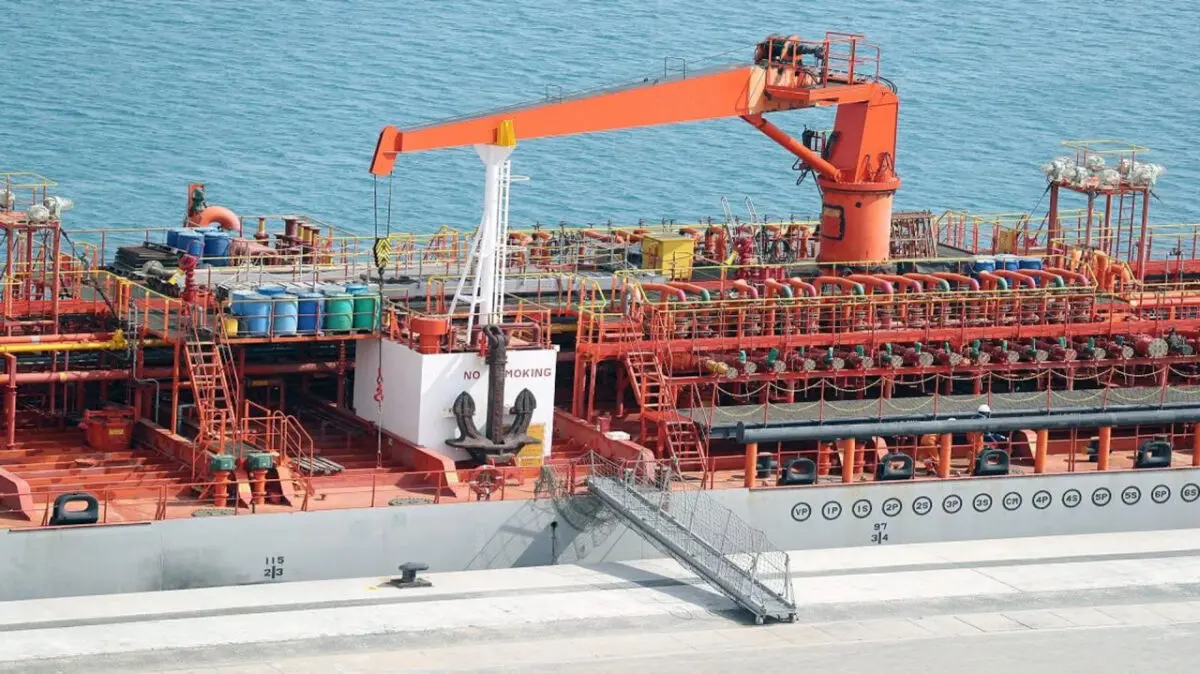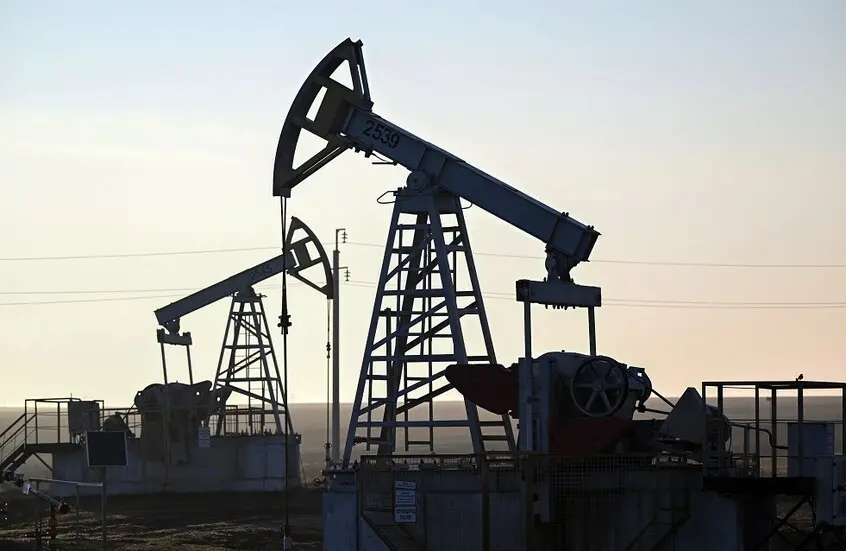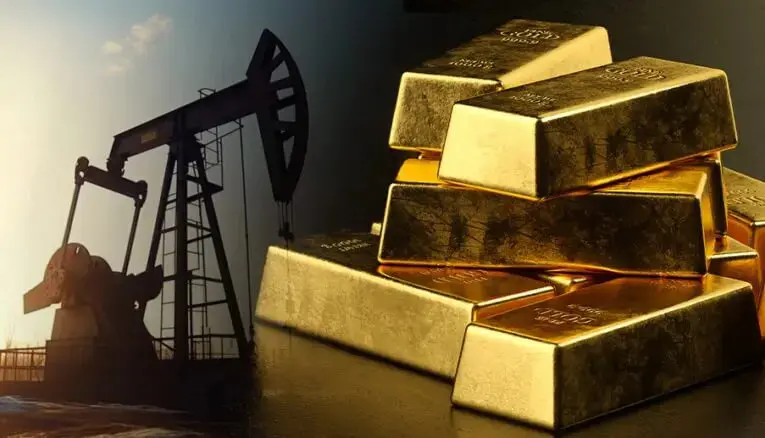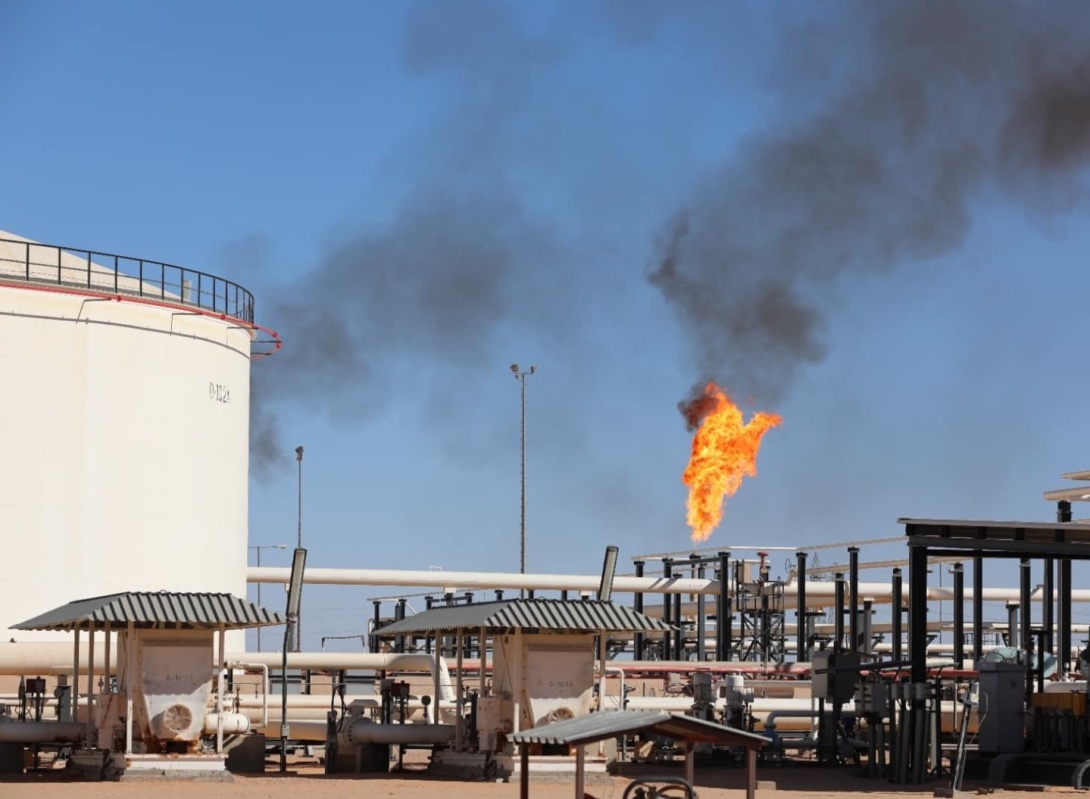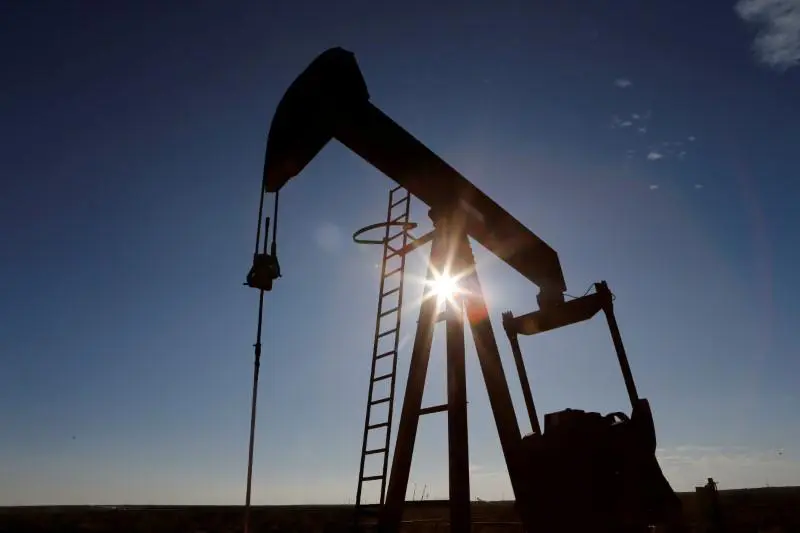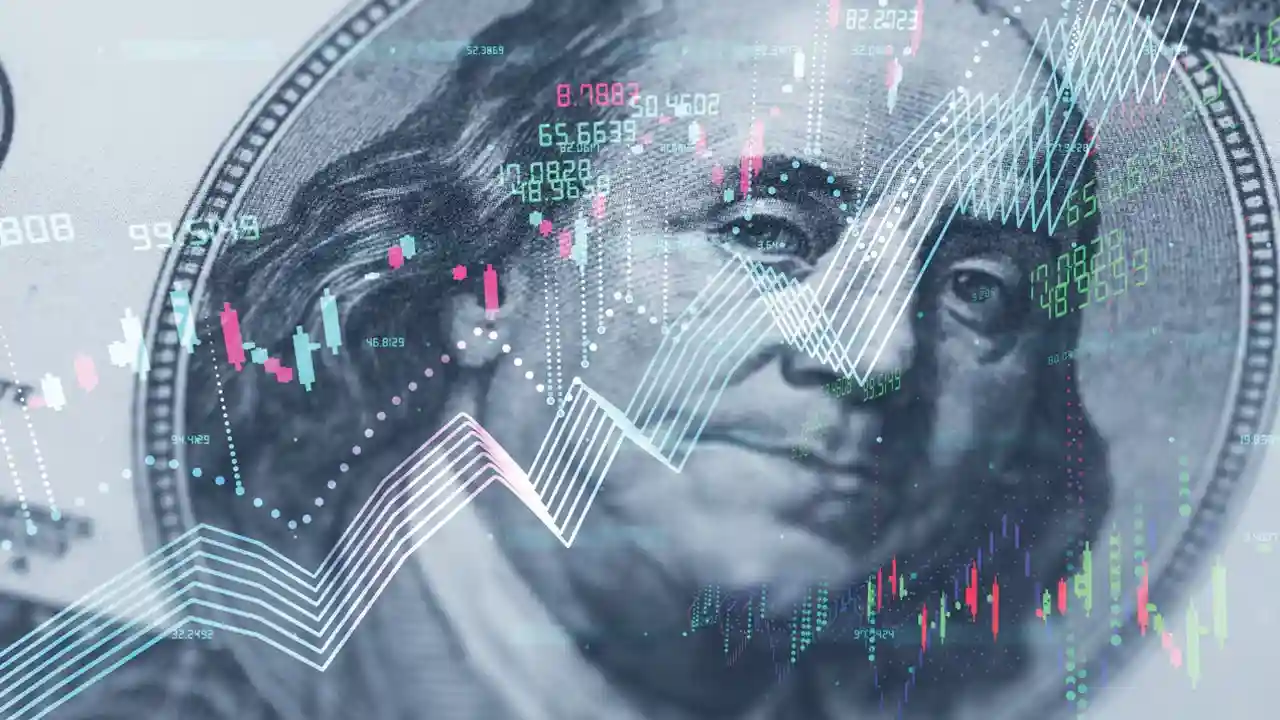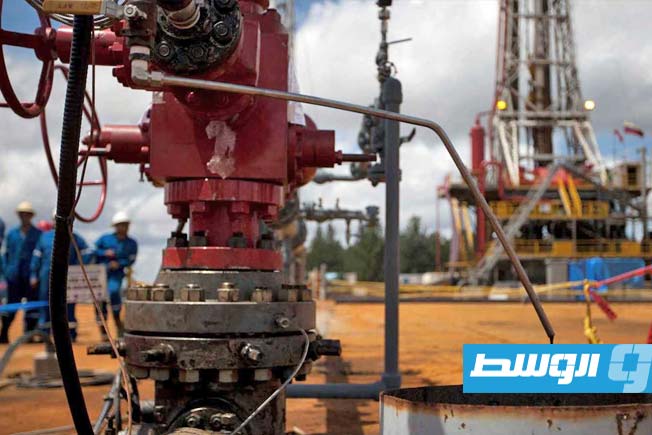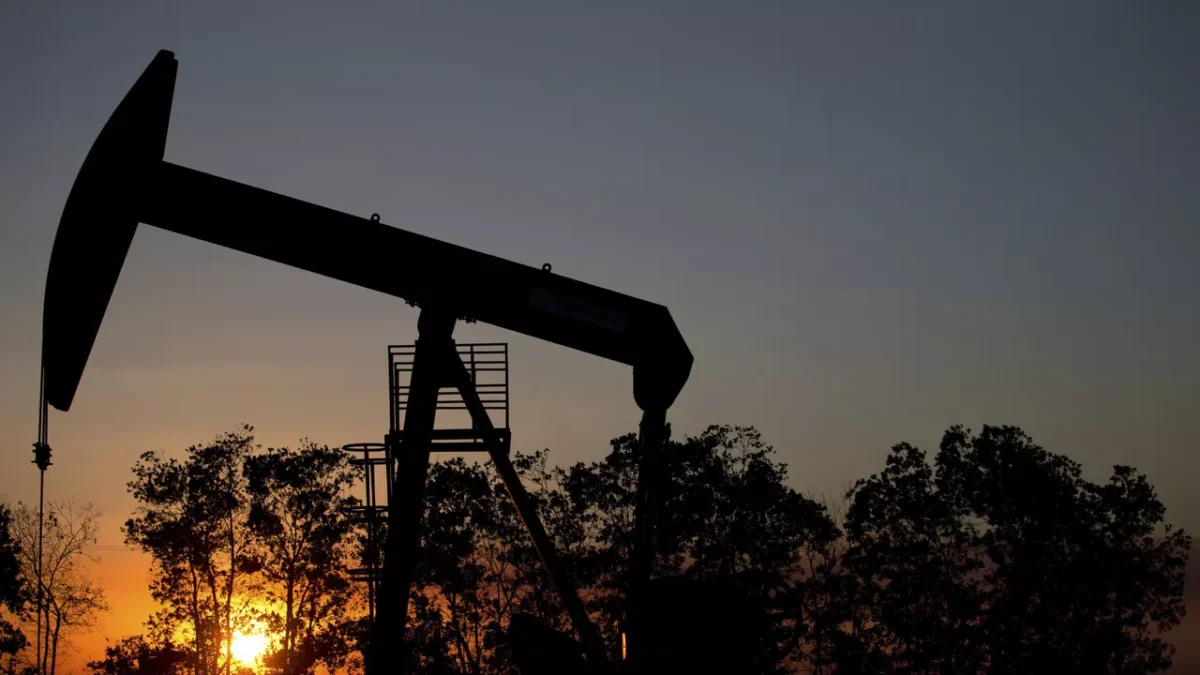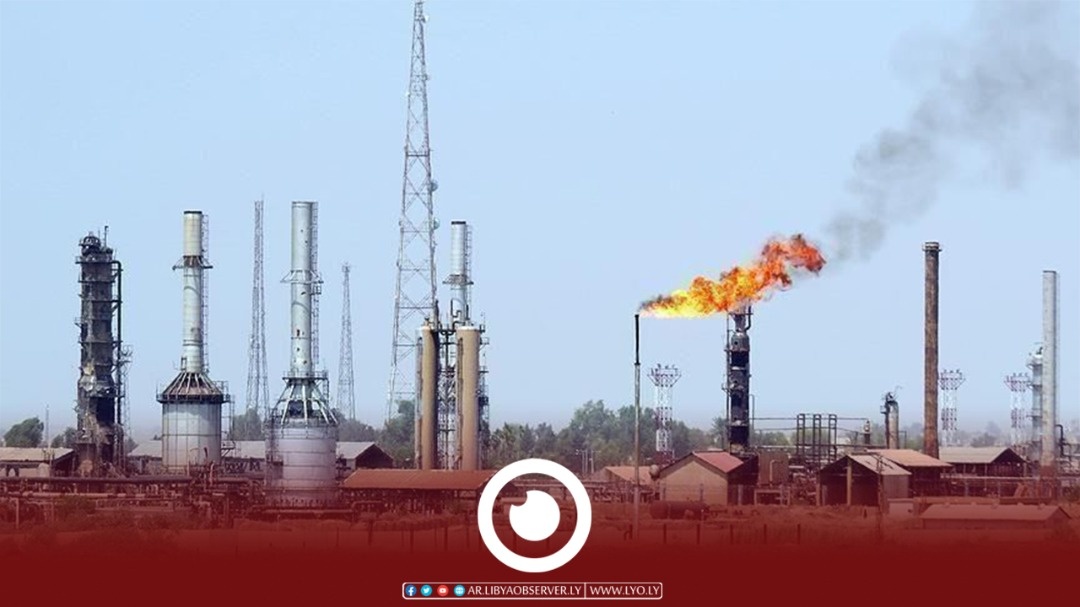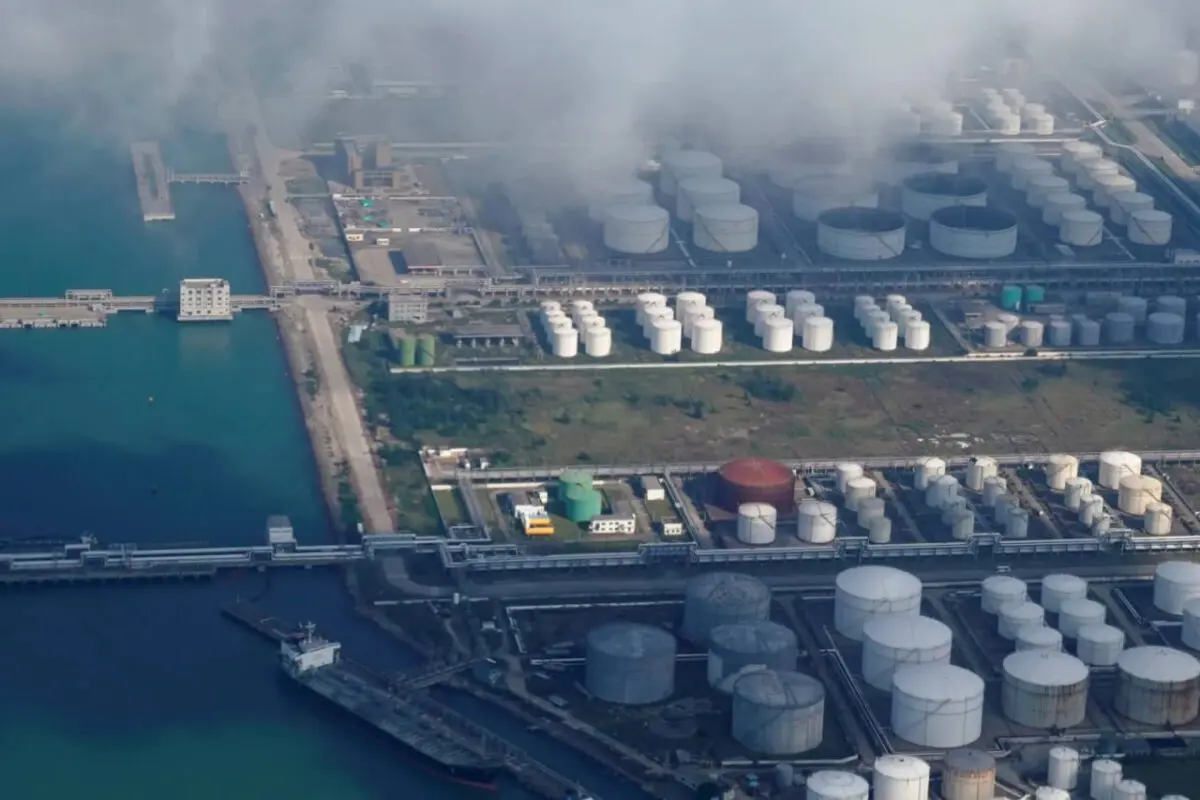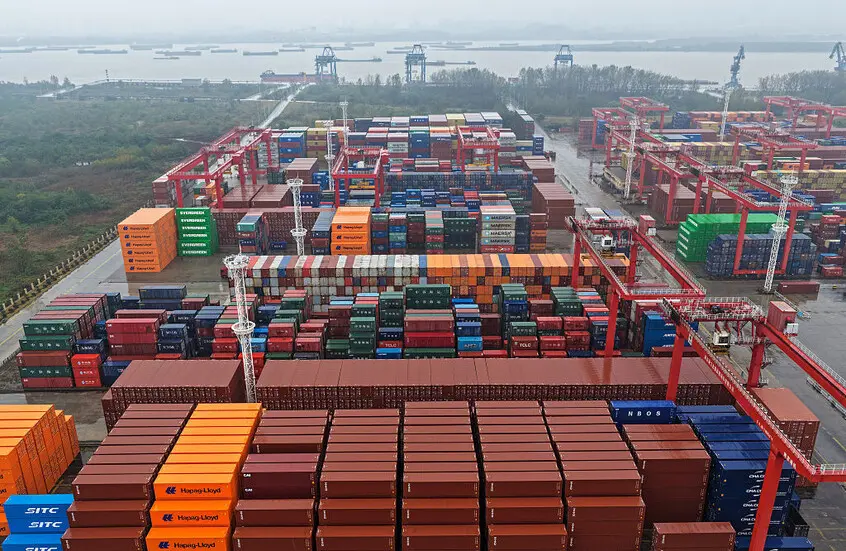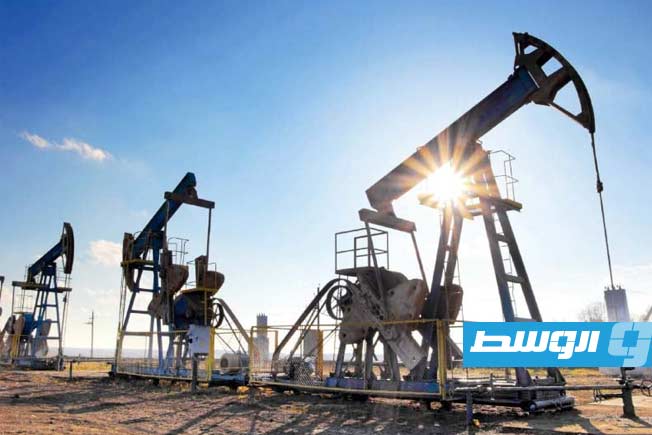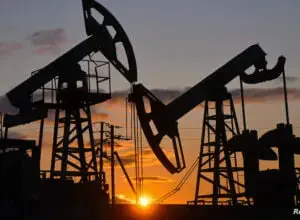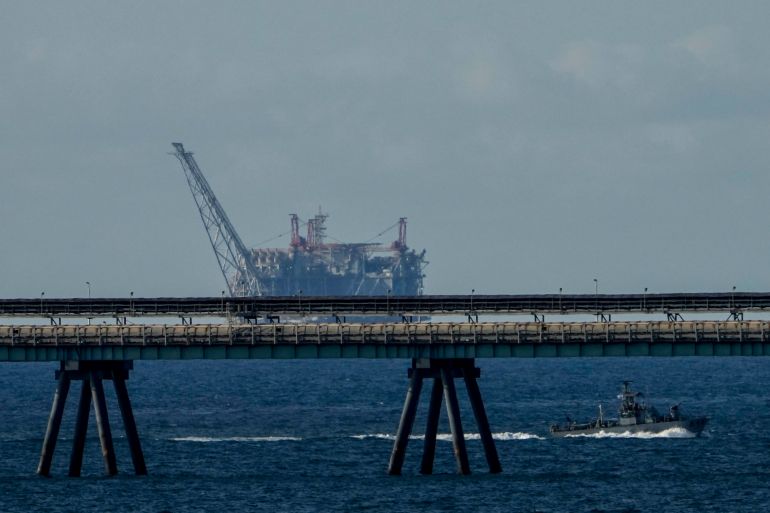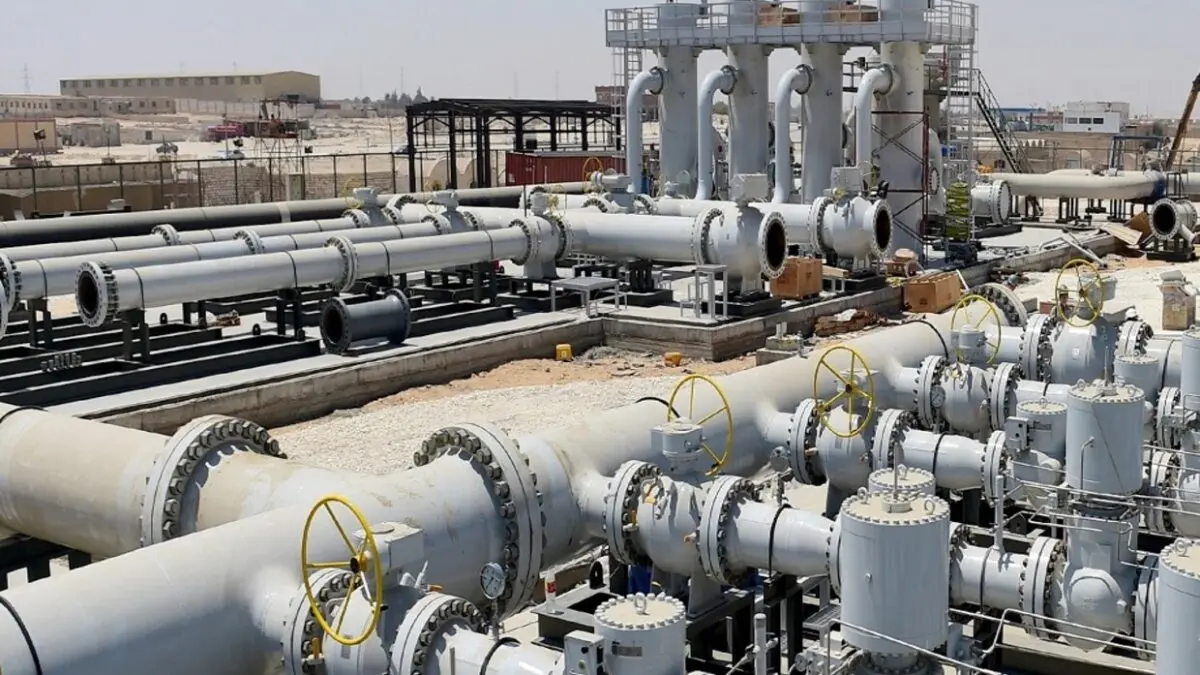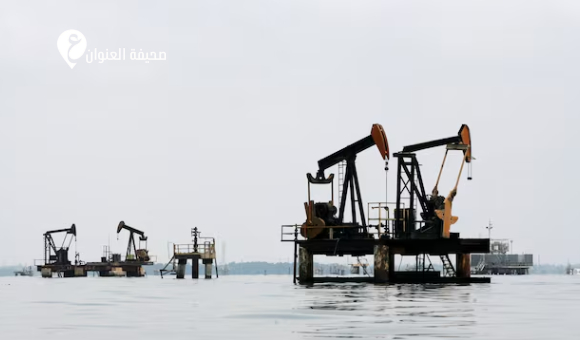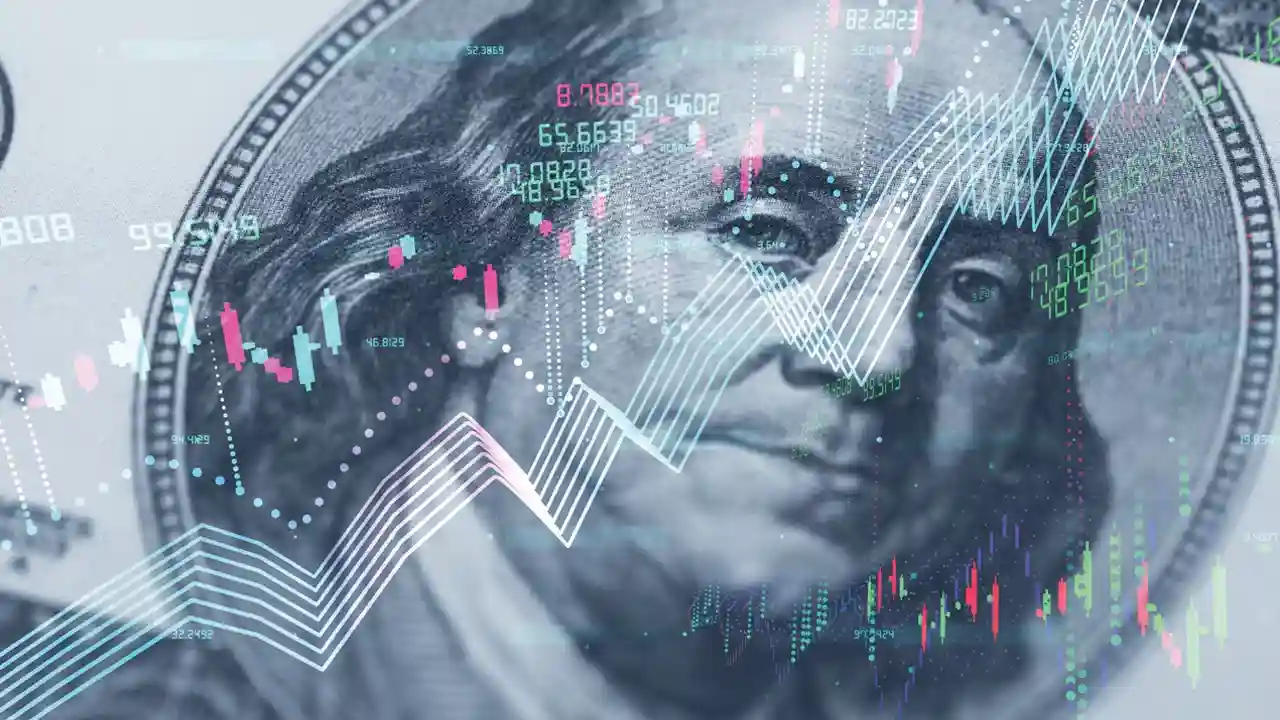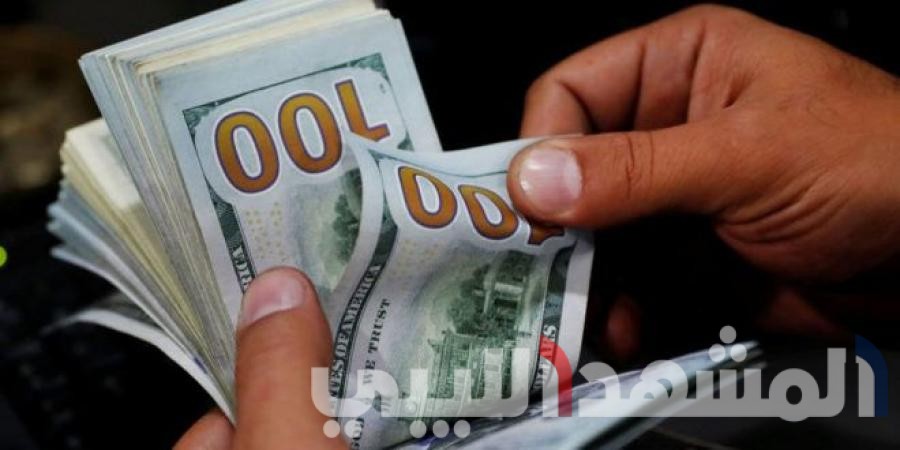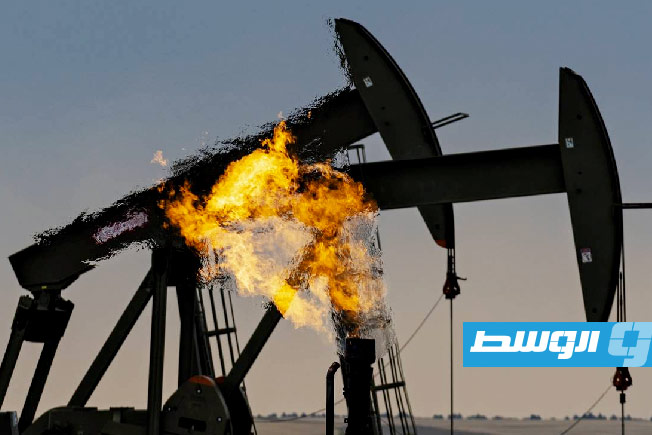
US crude oil prices fell by nearly 3% in daily trading, closing at their lowest level since the beginning of 2021, as expectations of a supply glut and the possibility of a deal on Ukraine cast a shadow over the markets.
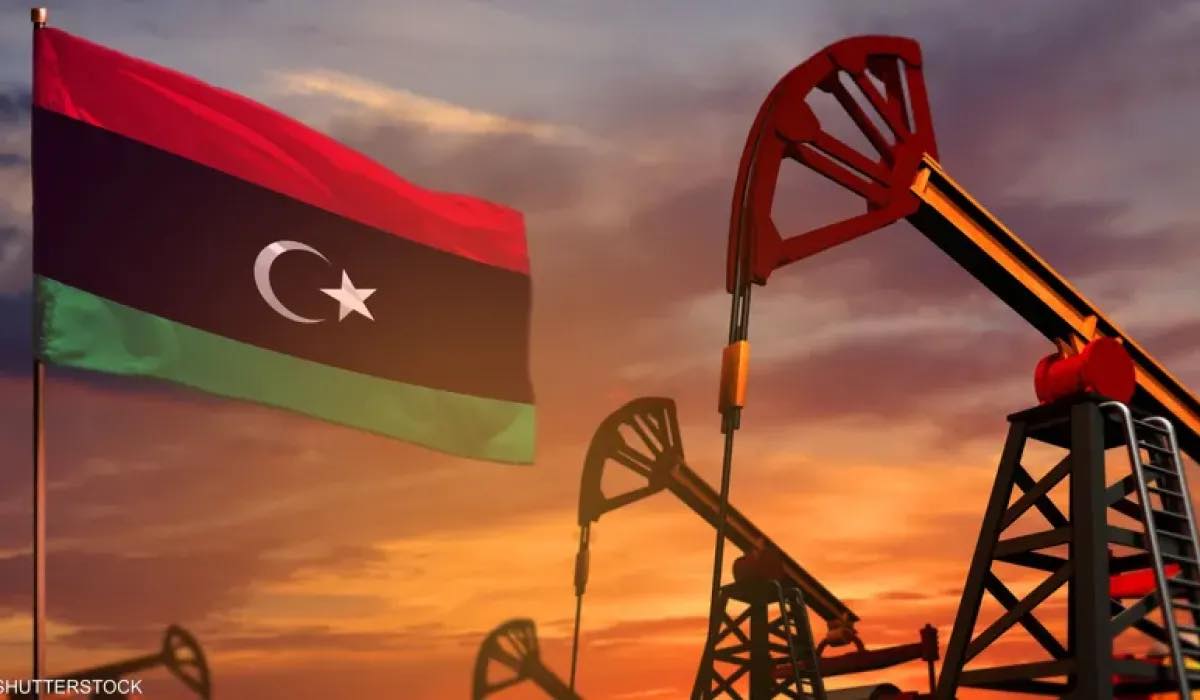
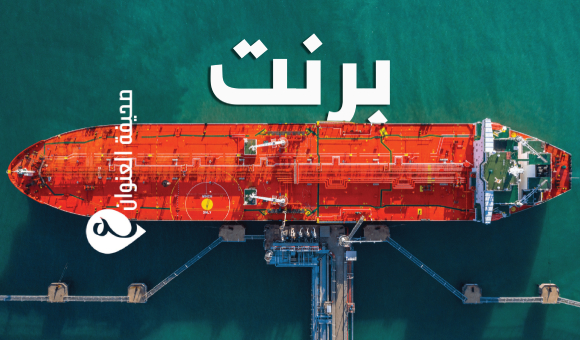
West Texas Intermediate crude fell by approximately 2.73% in Tuesday’s trading to close at $55.27 per barrel, its lowest level since February 2021. Meanwhile, global benchmark Brent crude lost about 2.7% to settle at $58.92.
Oil has lost 23% since the start of the year
US oil prices have lost nearly 23% of their gains since the start of the year, marking the worst performance since 2018. Brent has lost 21%, recording its worst performance since 2020.
The decline in oil prices may signal a potential economic slowdown. Total job growth in the United States reached 64,000 in November, but fell by 105,000 jobs in October. The unemployment rate reached its highest level in four years, registering at 4.6%.
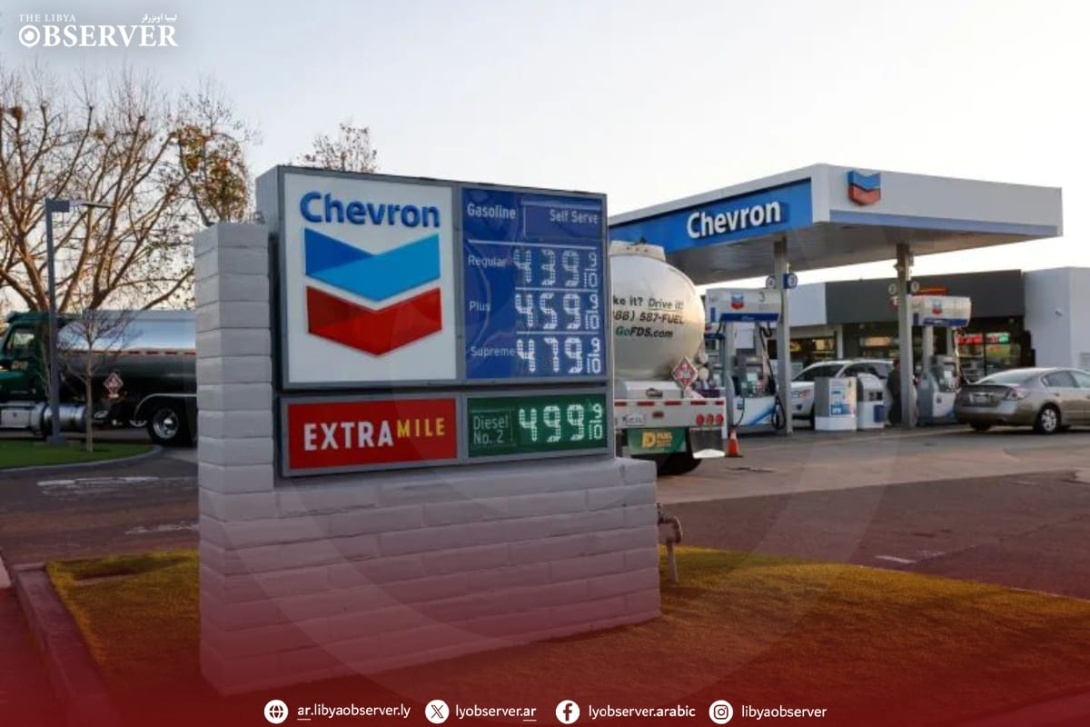
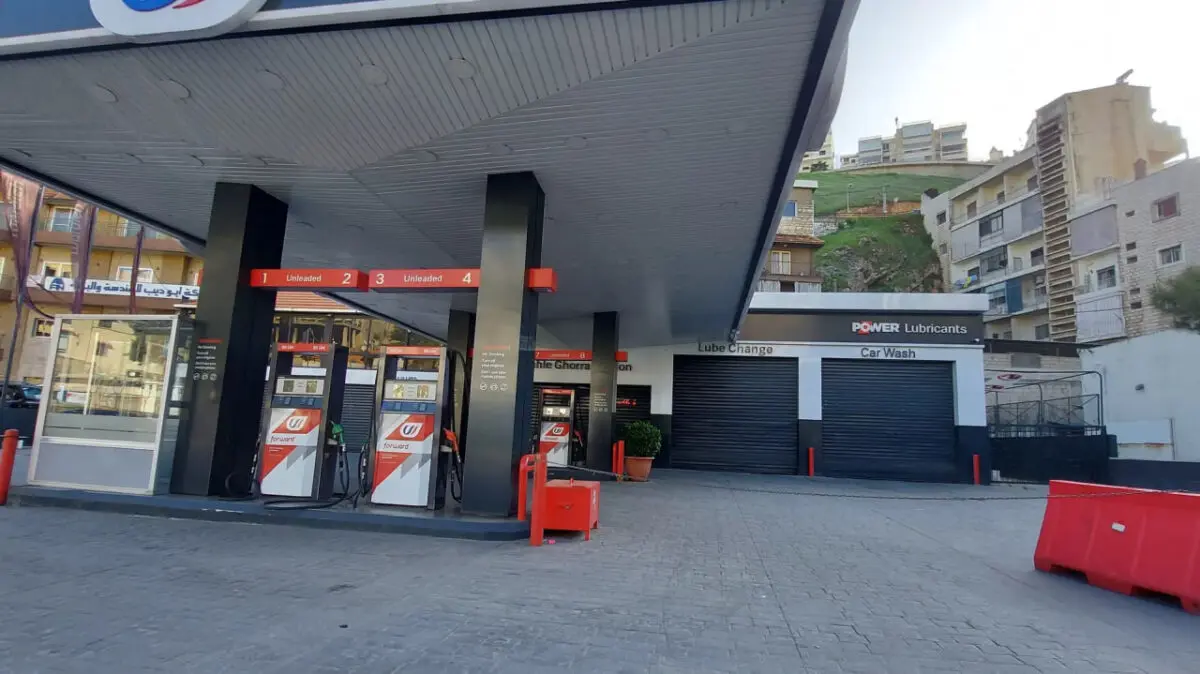
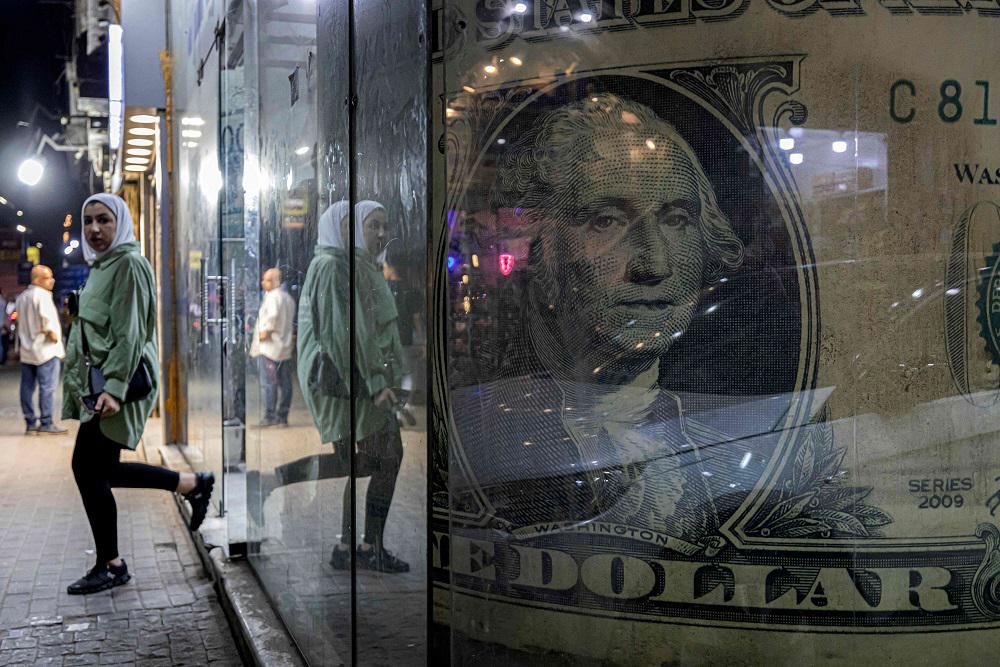
Gasoline prices in the United States have fallen below $3 per gallon, hitting their lowest level in four years, providing a boost to consumers ahead of the holiday season.
Pressure in oil markets
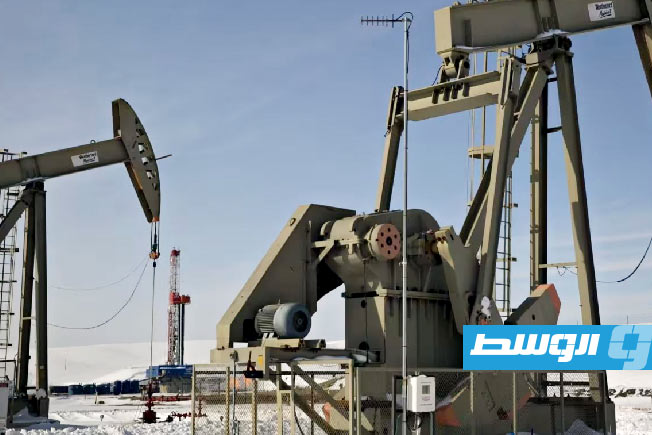
Oil markets are facing multiple pressures this year, as OPEC+ countries accelerated the increase in total oil supplies this year to regain market share in the face of momentum from US shale oil.
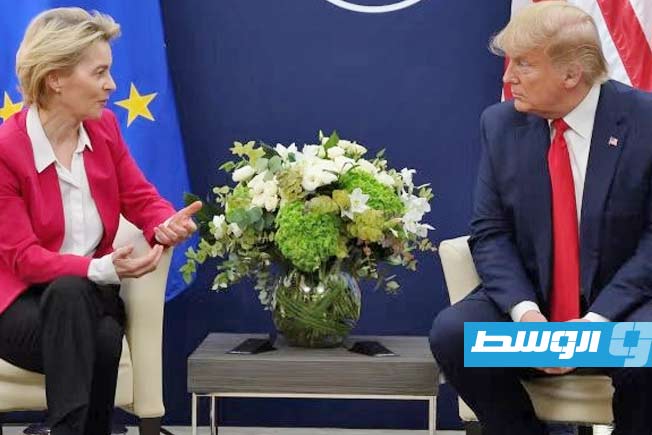
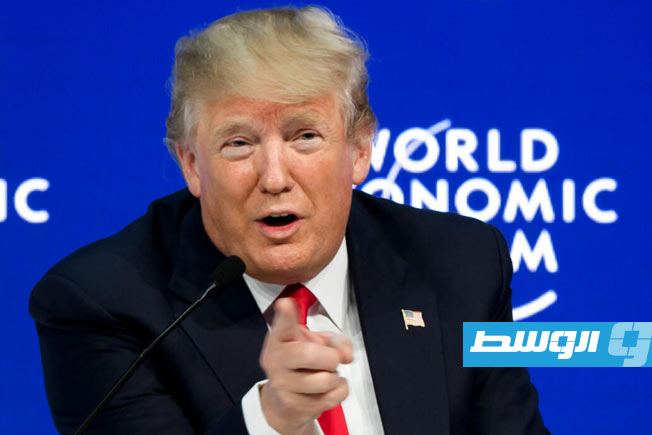
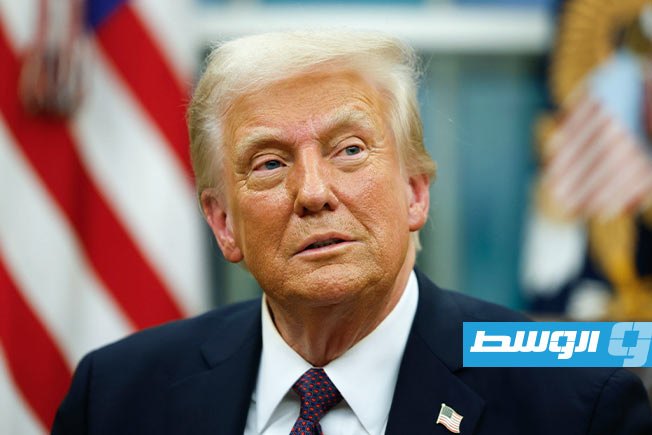
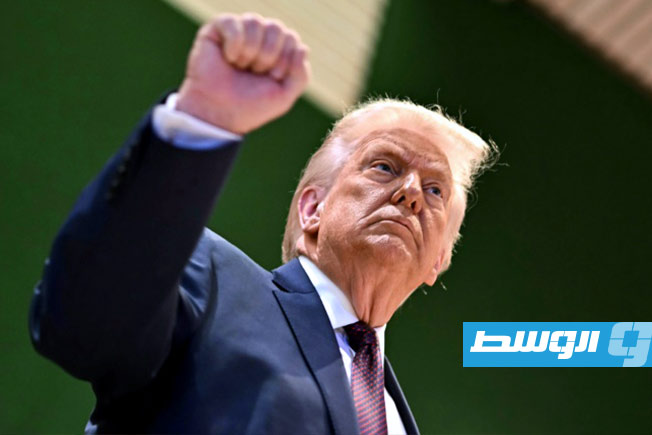
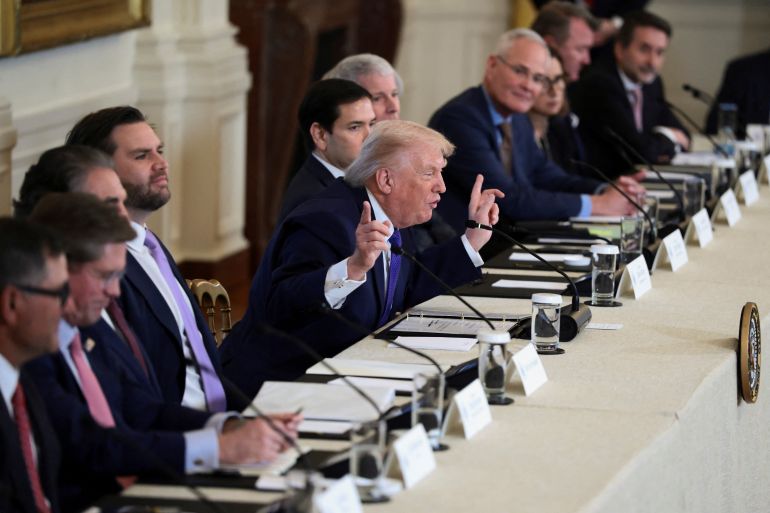
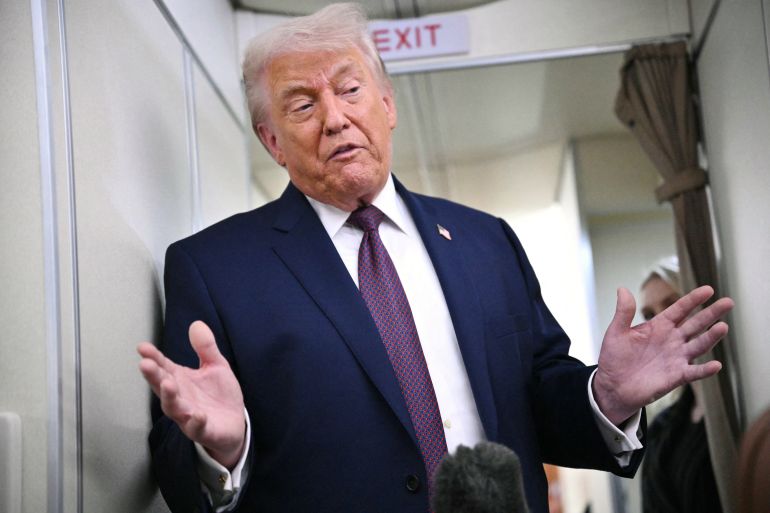
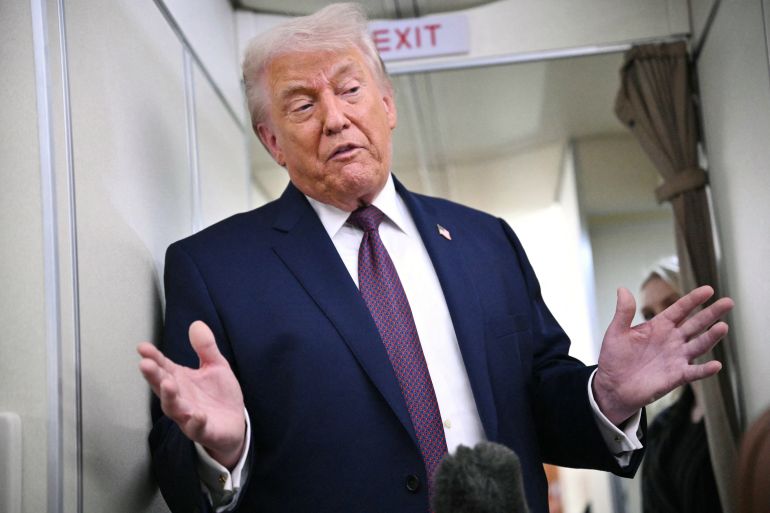
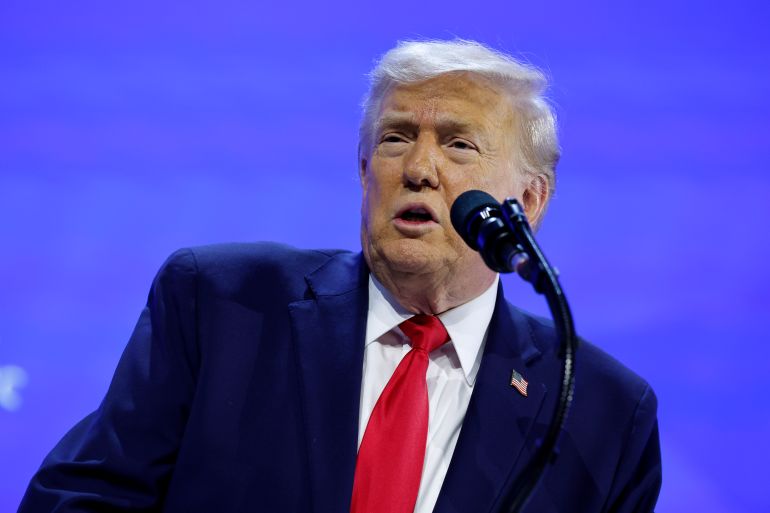
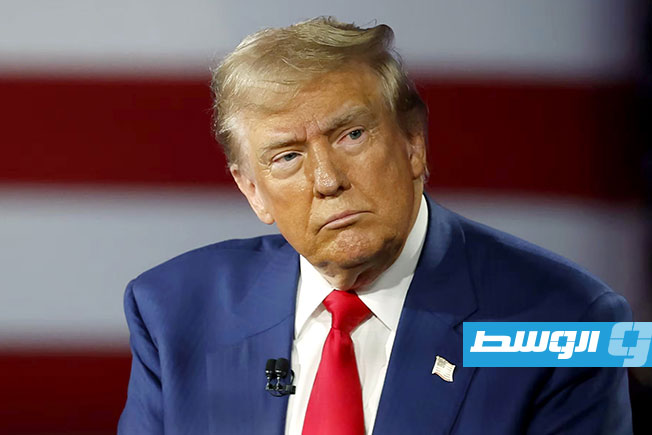
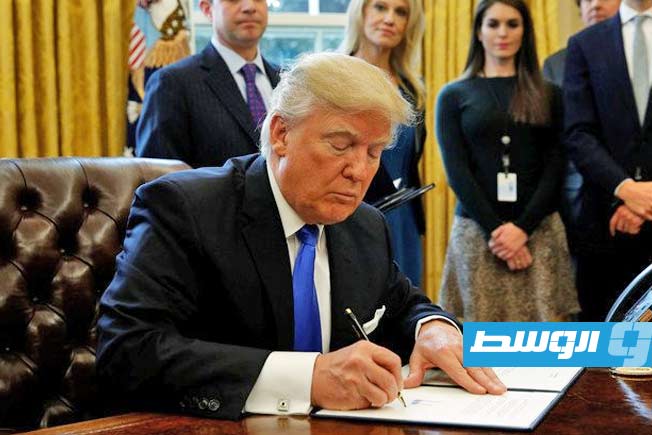
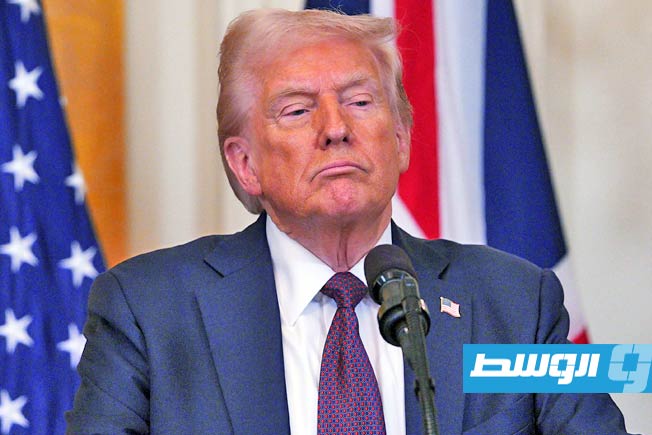
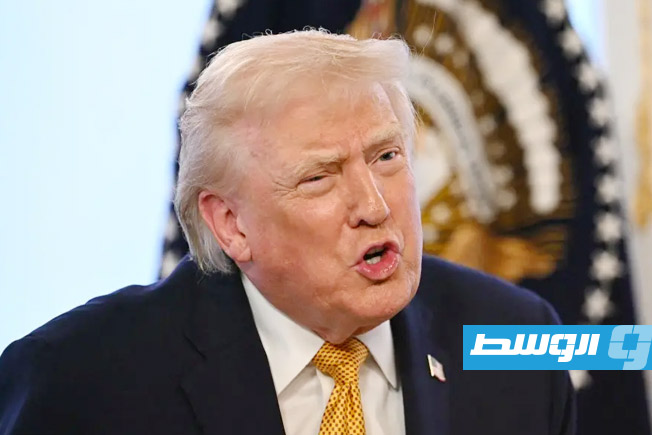
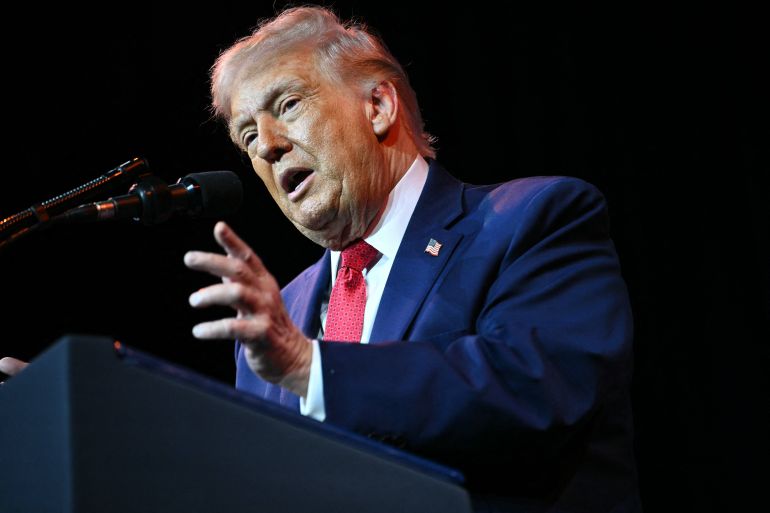
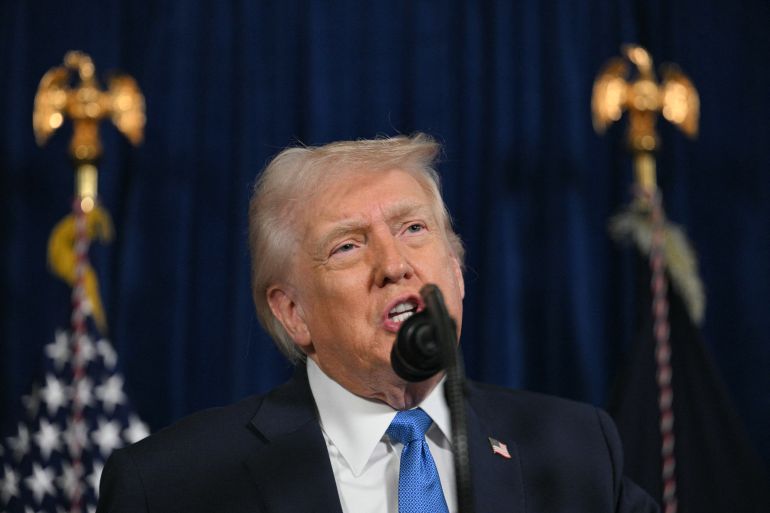
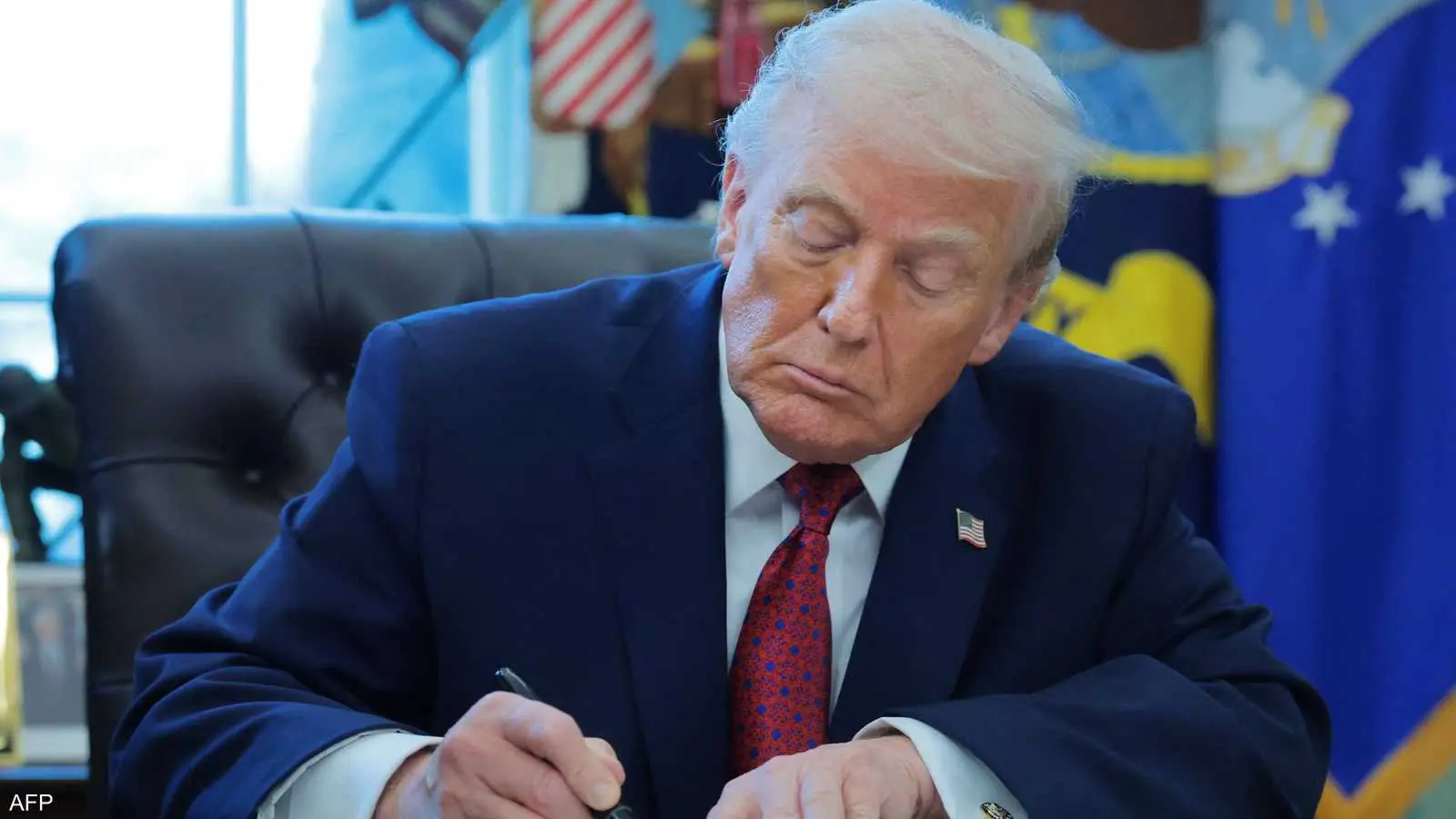
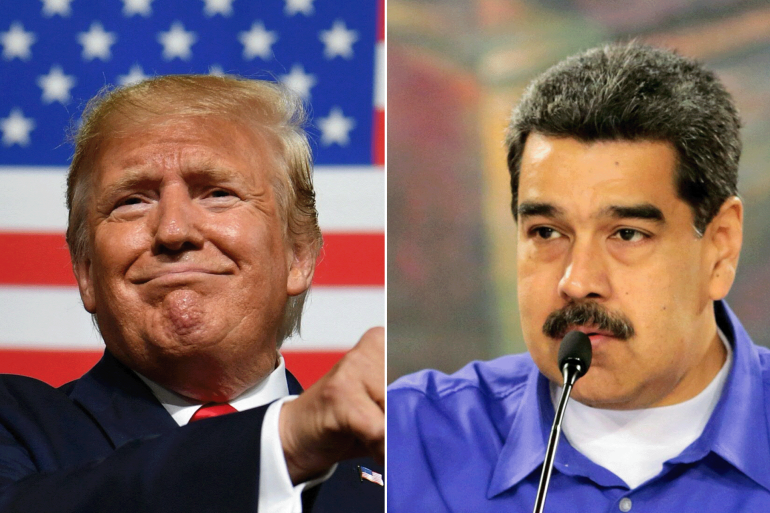
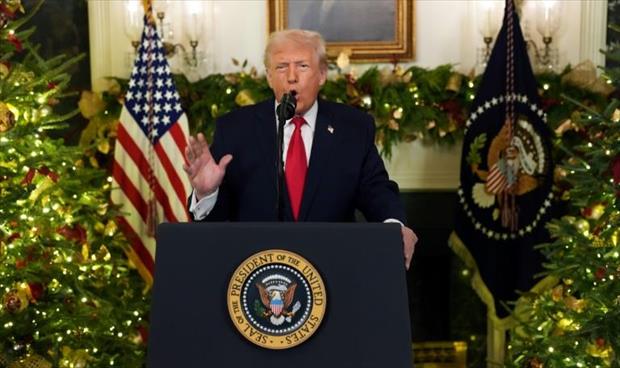
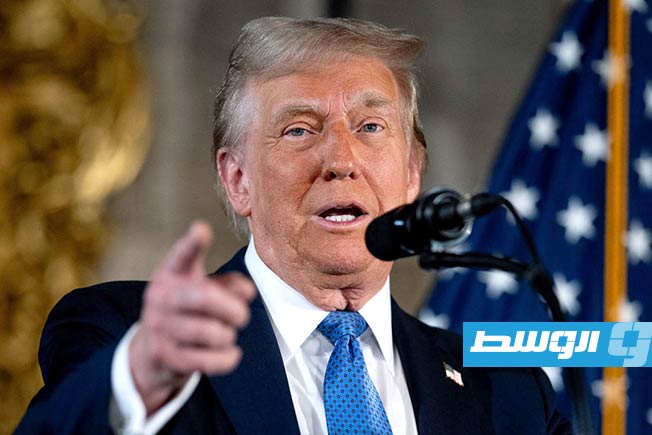
Investors are also anticipating a potential reduction in geopolitical risks, amid pressure from President Donald Trump on Ukraine to accept a peace deal with Russia.
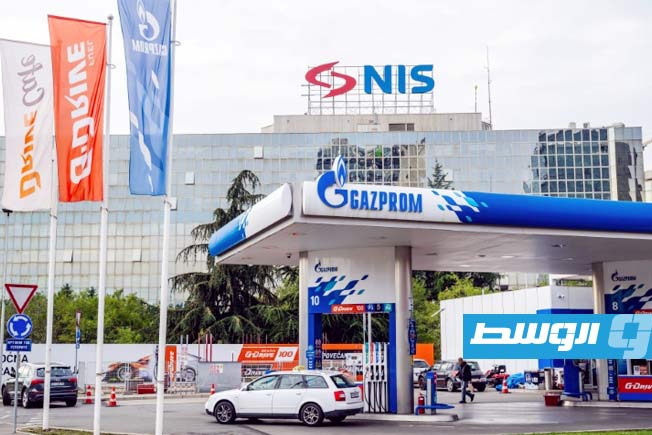
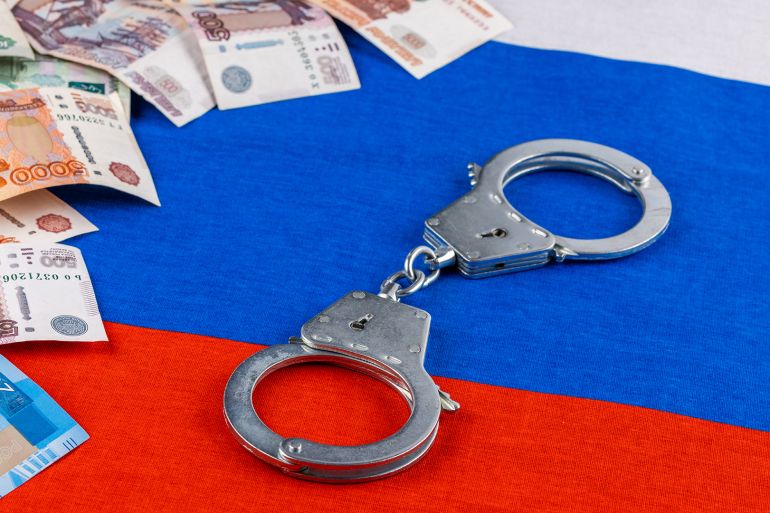
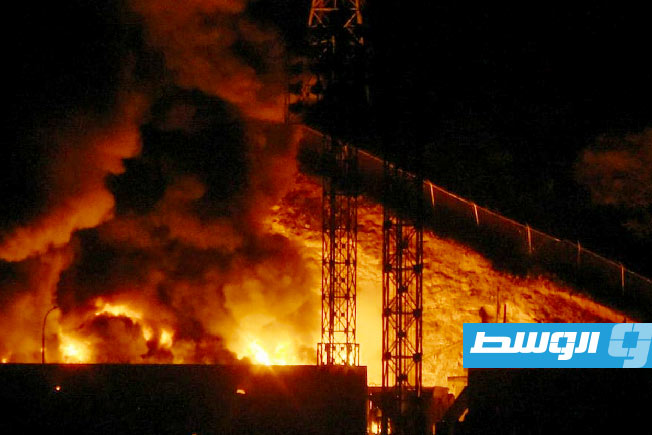
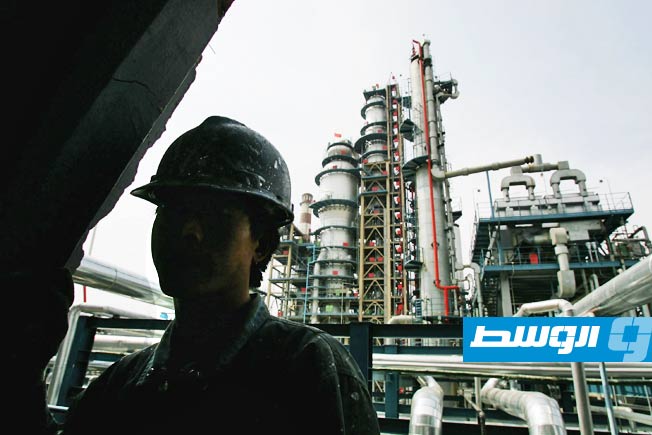
The threat of supply disruption has loomed over the oil market since Russia launched its full-scale invasion of Ukraine in 2022. Kyiv has launched repeated drone strikes on Russian oil infrastructure this year. At the same time, the United States and its European allies have targeted the Russian crude oil industry with sanctions.
Reaching an agreement to stop the war in Ukraine could mean lifting US and Western sanctions on Russian oil companies and a halt to Ukrainian attacks on energy infrastructure, which could support the markets.
US crude oil
Here’s a detailed breakdown:
### 1. **The Benchmark: West Texas Intermediate (WTI)**
* **What it is:** A specific grade of crude oil and the main pricing benchmark for North American crude. It’s known for being “light” (low density) and “sweet” (low sulfur), making it relatively easy and cheap to refine into gasoline and diesel.
* **Delivery Point:** The price is set at the pipeline hub in **Cushing, Oklahoma**, known as “The Pipeline Crossroads of the World.”
* **Ticker:** Traded on the New York Mercantile Exchange (NYMEX) under the ticker **CL**.
### 2. **Key Characteristics of US Crude (WTI)**
* **Quality:** High quality compared to many other global crudes (like Brent or Dubai), which typically gives it a price premium.
* **Price Drivers:**
* **Domestic Supply:** US shale oil production levels.
* **Inventory Data:** Weekly reports from the Energy Information Administration (EIA), especially stocks at Cushing.
* **US Refinery Demand:** Seasonal driving patterns and refinery activity.
* **Pipeline & Infrastructure:** Capacity to move oil from wells to refineries.
* **Geopolitics & Global Demand:** While more insulated than other benchmarks, it’s still affected by global events.
### 3. **Other US Crude Streams**
While WTI is the benchmark, the U.S. produces many other named crudes that typically price at a differential to WTI (e.g., a discount or premium based on quality and location):
* **Light Louisiana Sweet (LLS):** A high-quality Gulf Coast crude.
* **Mars Blend:** A medium, sour crude from the Gulf of Mexico.
* **Bakken:** Light, sweet crude from North Dakota.
* **Eagle Ford:** Light crude from South Texas.
### 4. **WTI vs. Brent (The Global Benchmark)**
This is a crucial distinction:
| Feature | **WTI (US Benchmark)** | **Brent (Global Benchmark)** |
| :— | :— | :— |
| **Origin** | US inland (primarily Texas) | North Sea (offshore UK & Norway) |
| **Primary Market** | North America | Europe, Africa, Middle East (global) |
| **Typical Price** | Historically traded at a slight premium to Brent. Since the 2010s shale boom, it often trades at a **discount** due to inland logistics and export dynamics. |
| **Key Price Driver** | Cushing inventories, US pipelines | Geopolitical events, OPEC+ decisions, global shipping |
### 5. **Why It Matters**
* **Gasoline Prices:** WTI is a major factor in US pump prices, though not the only one.
* **Economic Indicator:** Seen as a gauge of US industrial activity and consumer energy demand.
* **Trading & Investment:** A major commodity traded by funds, companies, and speculators.
* **Energy Independence:** The US shale boom, which produces WTI-compatible oil, transformed the US into a net exporter, reshaping global politics.
### **Current Context (as of late 2023/early 2024):**
* **Production:** The US is the **world’s largest crude oil producer**, thanks to shale.
* **Exports:** The US now **exports significant volumes** of crude oil, meaning WTI’s price is increasingly influenced by global markets.
* **Strategic Reserve:** The US holds the **Strategic Petroleum Reserve (SPR)**, which can be used to stabilize markets in emergencies.
**In summary, “US crude oil” is synonymous with WTI as a financial benchmark, representing a light, sweet oil whose price is central to the American economy and increasingly influential on the global stage due to US export strength.**
West Texas Intermediate crude
—
### **Key Characteristics**
– **Type:** Light, sweet crude oil (low density and low sulfur content).
– **Origin:** Primarily extracted from oil fields in Texas and surrounding areas in the U.S.
– **Delivery Point:** Cushing, Oklahoma (a major storage and trading hub).
—
### **Why It Matters**
1. **Pricing Benchmark:** WTI is one of the most widely used benchmarks for global oil prices, alongside **Brent Crude** (from the North Sea).
2. **NYMEX Futures:** WTI is the underlying commodity for crude oil futures contracts traded on the New York Mercantile Exchange (NYMEX).
3. **Influences:** Prices affect gasoline, diesel, and other petroleum product costs, impacting economies and inflation.
—
### **WTI vs. Brent Crude**
| Feature | WTI | Brent Crude |
|——————|——————————|——————————|
| **Origin** | U.S. (Texas region) | North Sea (Europe) |
| **Density/Sulfur**| Lighter and sweeter | Slightly denser, more sulfur |
| **Pricing Influence** | More reflective of U.S. supply/demand | More global benchmark |
—
### **Recent Trends (as of early 2024)**
– WTI prices have been volatile due to factors like:
– OPEC+ production decisions.
– Geopolitical tensions (e.g., Russia-Ukraine war, Middle East conflicts).
– U.S. shale production levels.
– Global demand shifts (e.g., post-pandemic recovery, green energy transition).
—
### **Fun Fact**
The term “sweet” refers to low sulfur content, making the oil easier and cheaper to refine into products like gasoline.
Would you like a current price update or analysis of factors affecting WTI?
Brent crude
### **What It Is**
– **Type:** A light, sweet crude oil (low density and low sulfur content), making it easier and cheaper to refine into products like gasoline and diesel.
– **Origin:** Sourced from oil fields in the North Sea (between the UK and Norway).
– **Benchmark Status:** Along with **West Texas Intermediate (WTI)**, it is one of the most widely used benchmarks for global oil pricing.
### **Key Features**
1. **Pricing Reference:** Brent is used to price roughly two-thirds of the world’s internationally traded crude oil supplies, especially in Europe, Africa, and the Middle East.
2. **Trading:** Traded on the Intercontinental Exchange (ICE) and the CME Group under the symbol **B**.
3. **Brent Blend:** Actually a blend of crude from multiple North Sea oil fields (Brent, Forties, Oseberg, Ekofisk, and Troll—sometimes called “BFOET”).
### **Why It Matters**
– **Global Influence:** Changes in Brent prices affect fuel costs, inflation, and economic policies worldwide.
– **Geopolitical Sensitivity:** Its price reacts to supply disruptions, OPEC decisions, and global demand shifts.
– **Investment Tool:** Traded via futures, options, and ETFs, allowing investors to speculate on or hedge against oil price movements.
### **Current Context** (as of late 2023–2024)
– Brent prices have been volatile due to factors like OPEC+ production cuts, geopolitical tensions (e.g., Ukraine war, Middle East conflicts), and uncertain demand amid economic slowdown concerns.
– Prices often trade at a slight premium to WTI due to transportation costs and regional supply-demand dynamics.
If you’re interested, I can provide current Brent prices, historical trends, or explain how it compares to other benchmarks like WTI or Dubai Crude.
United States
### **Quick Facts:**
– **Capital:** Washington, D.C.
– **Largest City:** New York City
– **Population:** ~331 million (2020 census)
– **Area:** ~9.8 million sq km (3rd/4th largest in the world)
– **Official Language:** None at federal level (English de facto)
– **Government:** Federal presidential constitutional republic
– **Currency:** United States Dollar (USD)
– **Founding:** Declared independence July 4, 1776; recognized 1783
### **Government & Politics:**
– **Constitution:** Oldest written national constitution still in use (adopted 1789).
– **Branches:** Executive (President), Legislative (Congress: Senate + House of Representatives), Judicial (Supreme Court).
– **Two Major Parties:** Democratic Party and Republican Party.
### **Economy:**
– Largest economy in the world by nominal GDP.
– Diverse sectors: technology, finance, healthcare, manufacturing, agriculture, entertainment.
– Major stock exchanges: NYSE, NASDAQ.
### **Culture & Society:**
– Ethnically and culturally diverse due to history of immigration.
– Global influence in media, music, film (Hollywood), technology, and science.
– Landmarks: Statue of Liberty, Grand Canyon, Mount Rushmore, Golden Gate Bridge, etc.
– Sports: American football, baseball, basketball, hockey, soccer gaining popularity.
### **Geography:**
– Borders Canada (north), Mexico (south), Atlantic Ocean (east), Pacific Ocean (west).
– Diverse landscapes: mountains (Rockies, Appalachians), plains, deserts, coastlines, forests, and Hawaii’s tropics.
### **International Role:**
– Founding member of NATO, UN, World Bank, IMF.
– Significant military, economic, and diplomatic global presence.
Would you like more detail on any specific aspect—history, states, culture, economy, or something else?
OPEC+
### Key Points:
1. **Membership**:
– **OPEC members**: Saudi Arabia, UAE, Kuwait, Iraq, Iran, Venezuela, etc. (13 countries in total).
– **Non-OPEC partners**: Led by Russia, also includes Kazakhstan, Azerbaijan, Oman, Mexico, and others.
2. **Purpose**:
– To manage **oil supply** in order to influence global **oil prices**.
– Prevent price crashes due to oversupply or extreme volatility.
– Act as a counterbalance to major non-OPEC producers like the United States.
3. **How it works**:
– Members agree on **production quotas** (output limits) for each country.
– Regular meetings are held to adjust production levels based on market conditions.
– Decisions often involve political and economic negotiations, given the diverse interests of member states.
4. **Impact**:
– OPEC+ controls roughly **40–50% of global oil production** and about **90% of proven oil reserves**.
– Its decisions significantly affect **global oil prices**, inflation, and economic stability worldwide.
– It has faced criticism for acting as a **cartel**, potentially manipulating prices against consumer interests.
5. **Recent Context**:
– During the **COVID-19 pandemic**, OPEC+ implemented deep production cuts to counter falling demand.
– In 2022–2023, it faced pressure from Western nations to increase output to lower prices amid the Ukraine conflict, but it often resisted to maintain revenue stability.
– The alliance continues to navigate tensions between market share, price stability, and geopolitical pressures.
OPEC+ remains a powerful force in global energy markets, blending economic strategy with international politics.
US shale oil
### Key Points:
1. **Major Shale Basins**:
– **Permian Basin** (Texas/New Mexico) – Largest and most productive.
– **Eagle Ford** (Texas).
– **Bakken** (North Dakota/Montana).
– **Niobrara** (Colorado/Wyoming).
2. **Impact**:
– Boosted U.S. oil output, reducing dependence on imports.
– Contributed to lower global oil prices at times.
– Made the U.S. a net oil exporter in recent years.
3. **Technology**:
– **Fracking** injects high-pressure fluid to fracture shale and release oil.
– **Horizontal drilling** maximizes access to shale layers.
4. **Challenges**:
– **High decline rates** of wells require continuous drilling.
– **Environmental concerns** (water use, methane emissions, seismic activity).
– **Price volatility** affects profitability.
5. **Economic & Geopolitical Role**:
– Shale oil provides jobs and investment in producing regions.
– Gives the U.S. greater influence in global energy markets.
The industry is known for its **rapid response to oil prices** – drilling often accelerates when prices rise and slows during downturns. Future growth may focus on efficiency gains and consolidation among producers.
President Donald Trump
Key aspects of his presidency and public life include:
* **Political Identity:** A Republican who ran on a platform often described as “America First,” focusing on immigration restrictions, economic nationalism, deregulation, and conservative judicial appointments.
* **Major Policies:** His administration oversaw significant tax cuts (the Tax Cuts and Jobs Act of 2017), renegotiated trade deals (like the USMCA), and appointed three Supreme Court Justices.
* **Impeachments:** He was impeached twice by the U.S. House of Representatives (first in 2019 on charges of abuse of power and obstruction of Congress, and again in 2021 on a charge of incitement of insurrection following the January 6 Capitol riot). He was acquitted by the Senate both times.
* **2020 Election:** He lost his re-election bid to Democrat Joe Biden but contested the results, making widespread claims of election fraud that were largely dismissed in courts.
* **Post-Presidency:** He remains a dominant figure in the Republican Party, announced a 2024 presidential campaign, and faces various legal investigations and proceedings.
His presidency was and remains a subject of intense polarization and debate, with strong opinions both in support and opposition to his policies and personal conduct.
Would you like more specific information about a particular policy, event, or aspect of his career?
Ukraine
### **Geography & Demographics**
– **Capital:** Kyiv (also spelled Kiev)
– **Area:** Approximately 603,550 km² (second-largest country in Europe after Russia)
– **Population:** Around 41 million (pre-2022 estimates; affected by war)
– **Language:** Ukrainian (official), with Russian widely spoken
– **Borders:** Belarus, Poland, Slovakia, Hungary, Romania, Moldova, Russia, and the Black Sea coast.
### **History**
– **Early History:** Part of Kyivan Rus’ (a medieval East Slavic state, seen as a cultural ancestor to Ukraine, Russia, and Belarus).
– **Modern Independence:** Declared independence from the Soviet Union in 1991.
– **Recent Conflict:** Since 2014, conflict with Russia over Crimea (annexed by Russia) and parts of Donbas. In February 2022, Russia launched a full-scale invasion, leading to ongoing war.
### **Politics & Economy**
– **Government:** Unitary semi-presidential republic.
– **Economy:** Historically industrial and agricultural (known as the “breadbasket of Europe” for its fertile soil). Major exports include grain, steel, and machinery.
– **EU Aspiration:** Officially a candidate for European Union membership (since 2022).
### **Culture**
– Rich cultural heritage in literature (e.g., Taras Shevchenko), music, dance (e.g., Hopak), and Orthodox Christianity (with historic churches like Saint Sophia Cathedral in Kyiv).
– Known for traditional foods like borscht (beet soup), varenyky (dumplings), and salo (cured pork fat).
### **Current Situation**
As of 2024, Ukraine is defending its sovereignty in a large-scale war with Russia, receiving international military and humanitarian aid. The conflict has caused significant displacement, infrastructure damage, and global geopolitical tensions.
Would you like more details on any specific aspect—history, current events, culture, or something else?
Russia
### **Geography**
– **Size**: The largest country in the world by land area, spanning 11 time zones.
– **Borders**: Shares boundaries with 14 countries, including Norway, China, and Ukraine, and has coastlines along the Arctic and Pacific Oceans.
– **Landscapes**: Features diverse terrain, from tundra and forests (taiga) to mountains (e.g., Ural and Caucasus ranges) and steppes.
### **History**
– **Early States**: Emerged from Kievan Rus’ (9th–13th centuries).
– **Tsardom and Empire**: Expanded under the Tsars, notably Peter the Great and Catherine the Great.
– **Soviet Era**: Became the core of the Soviet Union (USSR) after the 1917 Bolshevik Revolution, lasting until its dissolution in 1991.
– **Modern Russia**: Formed as the Russian Federation in 1991, with Vladimir Putin serving as a dominant political figure since 1999.
### **Politics and Economy**
– **Government**: Federal semi-presidential republic, though often described as authoritarian with centralized power.
– **Economy**: Relies heavily on natural resources (oil, gas, minerals). Faces sanctions due to geopolitical conflicts, including the 2022 invasion of Ukraine.
– **Global Role**: Permanent member of the UN Security Council; holds influence in energy markets and regional politics.
### **Culture**
– **Language**: Russian (official).
– **Religion**: Predominantly Russian Orthodox Christianity.
– **Contributions**: Renowned for literature (e.g., Dostoevsky, Tolstoy), classical music (Tchaikovsky, Stravinsky), ballet, and space exploration (first human in space, Yuri Gagarin).
### **Current Issues**
– **Ukraine Conflict**: Ongoing war since 2022, leading to international sanctions and geopolitical tensions.
– **Domestic Policies**: Suppression of dissent, control over media, and controversial laws (e.g., LGBTQ+ restrictions).
– **Economy**: Challenges due to sanctions, though adaptation through trade shifts (e.g., increased ties with Asia).
### **Interesting Facts**
– Home to Lake Baikal, the deepest and oldest freshwater lake in the world.
– The Trans-Siberian Railway is the longest railway line globally.
– Matryoshka (nesting dolls) and vodka are iconic cultural symbols.
Russia remains a complex and influential nation, shaped by its historical legacy and contemporary geopolitical dynamics.
Kyiv
Key points about Kyiv:
– **Historical significance**: Known as the cradle of East Slavic civilization, it was the center of Kievan Rus’, a medieval state that laid the foundations for modern Ukraine, Russia, and Belarus.
– **Landmarks**: Famous sites include Saint Sophia’s Cathedral and the Kyiv Pechersk Lavra (Monastery of the Caves), both UNESCO World Heritage Sites, as well as the Independence Square (Maidan Nezalezhnosti) and the Motherland Monument.
– **Language note**: The spelling “Kyiv” reflects the Ukrainian transliteration, replacing the Russian-derived “Kiev” in English to align with Ukraine’s sovereignty and linguistic identity.
– **Recent context**: Since 2014, and especially after Russia’s full-scale invasion in 2022, Kyiv has been a focal point of Ukrainian resistance and resilience.
Would you like more details on its history, culture, or current situation?
United States
### **Quick Facts**
– **Capital:** Washington, D.C.
– **Largest City:** New York City
– **Population:** ~331 million (2020 census)
– **Area:** ~9.8 million sq km (3rd/4th largest in the world)
– **Government:** Federal presidential constitutional republic
– **President:** Joe Biden (as of 2023)
– **Currency:** United States Dollar (USD)
– **Official Language:** None at federal level (English de facto)
### **History Highlights**
– **Independence:** Declared from Great Britain on July 4, 1776.
– **Constitution:** Adopted in 1787, oldest written national constitution still in use.
– **Expansion:** Grew from original 13 colonies to span continent through treaties, purchases, and annexation.
– **Civil War:** 1861–1865 over slavery and states’ rights.
– **World Role:** Emerged as superpower after WWII; leader in Cold War.
### **Economy**
– Largest economy by nominal GDP.
– Leader in technology, finance, entertainment, and innovation.
– Major exports: technology, pharmaceuticals, machinery, agricultural products.
### **Culture**
– Melting pot of ethnicities and cultures due to immigration.
– Globally influential in music, film (Hollywood), television, and internet culture.
– Renowned for higher education (e.g., Ivy League) and scientific research.
### **Geography & Climate**
– Diverse landscapes: mountains (Rockies, Appalachians), plains, deserts, coastlines.
– Climate varies from arctic (Alaska) to tropical (Hawaii, Florida).
### **Notable Symbols**
– **Flag:** 13 stripes (original colonies), 50 stars (current states).
– **National Anthem:** “The Star-Spangled Banner.”
– **Iconic Landmarks:** Statue of Liberty, Mount Rushmore, Grand Canyon, Golden Gate Bridge.
### **Global Influence**
– Founding member of UN, NATO, World Bank, IMF.
– Strong cultural, economic, and military presence worldwide.
Would you like more details on any specific aspect—such as history, states, politics, or culture?
European allies
—
### **1. From a U.S. perspective**
– Refers to **NATO members in Europe**, such as the United Kingdom, Germany, France, Italy, Poland, and others.
– These countries are key partners for the United States in security, intelligence, and defense cooperation.
– Often discussed in the context of **transatlantic relations**, collective defense (Article 5 of NATO), and coordinated responses to global challenges.
—
### **2. From a European Union perspective**
– Can refer to **EU member states cooperating with each other** on common policies (e.g., trade, climate, foreign policy).
– Sometimes used to describe European countries aligned on specific international issues, even if not all are EU members (e.g., Norway, Switzerland on certain matters).
—
### **3. In historical contexts**
– During the **Cold War**, “European allies” often meant Western European members of NATO versus Eastern Bloc countries aligned with the Soviet Union.
– In earlier periods (e.g., World War I or World War II), it described European nations allied with one another against common adversaries.
—
### **Key modern examples of cooperation:**
– **NATO**: Collective defense and deterrence, especially relevant since Russia’s invasion of Ukraine (2022).
– **EU Common Security and Defence Policy (CSDP)**: Joint missions and capability development.
– **Intelligence sharing**: Through groups like the **Five Eyes** (includes the UK) or EU intelligence mechanisms.
– **Sanctions coordination**: E.g., against Russia, Iran, or Belarus.
—
### **Current geopolitical relevance:**
– European allies are central to **Western unity** on supporting Ukraine, managing relations with China, and addressing energy security.
– There are ongoing debates about **European strategic autonomy** vs. reliance on the U.S. for defense.
– **Brexit** reshaped some dynamics, but the UK remains a key European ally outside the EU, especially in security matters.
—
If you have a more specific context in mind — such as a particular country’s perspective, a historical period, or a policy area — feel free to ask for further details.
Russian crude oil industry
### **Global Significance**
Russia is one of the world’s **top three crude oil producers**, alongside the United States and Saudi Arabia. It typically produces between 9.5 and 11 million barrels per day (bpd). It is a **major exporter**, with its crude and oil products being crucial for global energy security, particularly for Europe (historically) and Asia.
### **Key Characteristics**
1. **Geography & Resources:**
* **Western Siberia:** The heartland, accounting for over **50%** of production. Key basins: Khanty-Mansi (home to giant fields like Samotlor).
* **Volga-Urals:** The traditional “Second Baku,” a mature region.
* **Eastern Siberia & The Arctic:** The strategic future. Major projects like Vostok Oil and Arctic LNG-2 aim to tap vast, remote reserves. The **Arctic shelf** holds enormous potential but is technologically and environmentally challenging.
* **Krasnodar/Kuban:** Smaller producing region in the south.
2. **Key Companies:**
* **Rosneft:** The state-controlled giant, the world’s largest publicly-traded oil producer by output. It dominates Russian production.
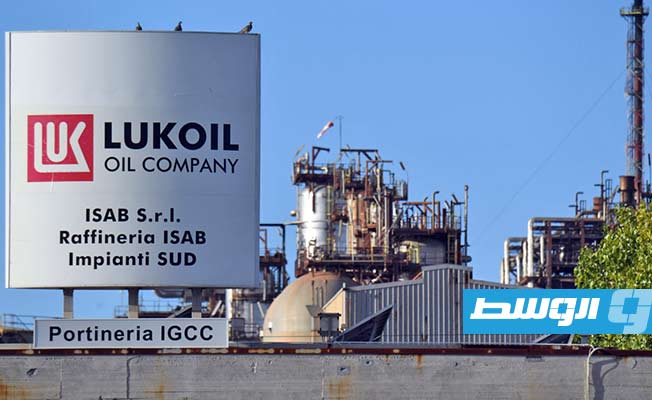
* **Lukoil:** The largest privately-owned company, with significant international assets.
* **Gazprom Neft:** The oil arm of gas giant Gazprom, active in Arctic projects.
* **Surgutneftegas:** A major, secretive producer with large financial reserves.
* **Tatneft:** Focused on the Volga-Urals region and heavy oil.
3. **Crude Grades:** Russia exports several main blends, each with different properties and pricing.
* **Urals Blend:** The primary export blend, a mix of crudes from Western Siberia and the Volga-Urals. It is medium, sour and is the **pricing benchmark** for Russian oil.
* **ESPO Blend:** (East Siberia-Pacific Ocean). A lighter, sweeter crude from Eastern Siberia, prized by Asian refiners. It is priced at a premium to Urals.
* **Arctic Grade:** Newer, light crude from the Arctic (e.g., Novy Port).
* **Sokol:** Light crude from Sakhalin Island.
### **Recent Challenges & The “Sanctions Era” (Post-February 2022)**
The industry has been fundamentally reshaped by Western sanctions following the invasion of Ukraine.
1. **Financial & Technological Sanctions:**
* **Price Caps:** The G7/EU/ Australia coalition imposed a **price cap** on Russian crude ($60/bbl) and oil products. It bans Western services (shipping, insurance, financing) for any Russian oil sold above the cap.
* **Technology Bans:** Restrictions on exporting advanced oilfield technology and services, threatening long-term production, especially for complex Arctic and shale projects.
2. **Logistical Reorientation:**
* **”Pivot to Asia”:** Russia has massively redirected exports from Europe (now largely banned) to **China, India, and Turkey**. China and India now take over 80% of seaborne Russian crude.
* **Shadow Fleet:** Russia has assembled a large fleet of aging tankers (the “shadow fleet”) with opaque insurance to circumvent Western service bans.
* **Discounting:** To attract new buyers and compensate for higher shipping costs and risk, Russian Urals crude trades at a **significant and persistent discount** to international benchmarks like Brent (often $10-$20/bbl).
3. **OPEC+ Coordination:** Russia coordinates production cuts with Saudi Arabia-led OPEC to support global oil prices, sacrificing volume for revenue stability.
### **Current Status & Outlook**
* **Resilient Production:** Despite predictions of a collapse, Russian oil production has remained surprisingly resilient in 2023-2024, hovering around 9.5 million bpd. This is due to strong demand from Asia, successful rerouting of trade, and the effectiveness of the shadow fleet.
* **Fiscal Pressure:** The government’s budget is heavily reliant on oil and gas revenues. The discounts and high costs of the new logistics chain have reduced income, creating a budget deficit.
* **Long-Term Threats:**
* **Technological Stagnation:** Without access to Western tech and expertise, maintaining output from mature fields and developing new ones will become increasingly difficult.
* **The “Natural Decline”:** Depletion of existing Soviet-era fields requires constant investment to offset. Sanctions threaten this investment.
* **Infrastructure Strain:** The pivot to Asia strains pipeline and port capacity, though expansions (like ESPO) are ongoing.
###
US
– **Postal addresses** (e.g., in international mail)
– **Internet domains** (e.g., .us for U.S.-based websites)
– **Country codes** (e.g., in sports, international standards like ISO 3166)
– **General shorthand** for referring to the United States in writing or conversation
Is there something specific about the U.S. you’d like to know more about?
Western sanctions
From China’s perspective, such sanctions are often seen as tools of geopolitical pressure that interfere with the internal affairs of sovereign nations and violate the principles of international law and the UN Charter. China consistently advocates for resolving international disputes through dialogue and cooperation, opposing unilateral sanctions that lack authorization from the United Nations Security Council. China believes in upholding a multilateral international order based on mutual respect, fairness, and justice, and supports the right of all countries to pursue development paths suited to their national conditions free from external coercion.
Russian oil companies
### **The “Big Four” Majors (State-Controlled & Private)**
These companies dominate Russian oil production, accounting for over 80% of the total.
1. **Rosneft**
* **Status:** The world’s largest publicly-traded oil company by output. It is **state-controlled**, with the Russian government holding a majority stake.
* **Key Info:** Acquired the assets of former private giant Yukos and, notably, took over **TNK-BP** in 2013. It is a vertically integrated giant involved in exploration, production, refining, and sales. Led for years by Igor Sechin, a close ally of President Putin.
2. **Lukoil**
* **Status:** The largest **privately-owned** oil company in Russia.
* **Key Info:** Known for its strong international presence (including retail stations in Europe & the US before 2022) and technological expertise. Its founders, Vagit Alekperov and Leonid Fedun, are among Russia’s wealthiest individuals.
3. **Gazprom Neft**
* **Status:** The oil subsidiary of the gas monopoly **Gazprom**. It is effectively **state-controlled**.
* **Key Info:** One of the fastest-growing majors, with highly efficient and technologically advanced operations. It focuses on difficult reserves, such as Arctic offshore projects.
4. **Surgutneftegas**
* **Status:** A **private** company known for its extreme secrecy and enormous cash reserves.
* **Key Info:** Operates primarily in Western Siberia. Its ownership structure is opaque, but it is widely believed to be controlled by a circle of longtime managers with close ties to the Kremlin.
### **Other Significant Players**
* **Tatneft:** Controlled by the government of the **Republic of Tatarstan**. A major producer with a strong focus on heavy oil and a large network of filling stations.
* **RussNeft:** A midsized private company founded by Mikhail Gutseriev, who has rebuilt it after state pressures in the 2000s.
* **Bashneft:** Originally owned by the Republic of Bashkortostan, it was privatized, then renationalized and is now a subsidiary of **Rosneft**.
* **Novatek:** While primarily Russia’s largest **independent natural gas producer** (second only to Gazprom), it has significant and growing oil and condensate production, especially from its Arctic projects.
### **Key Context & Recent Developments (Post-2022)**
Since the start of the conflict in Ukraine and the imposition of wide-ranging international sanctions, the landscape has shifted dramatically:
* **Sanctions & “Shadow Fleet”:** Western sanctions, price caps, and embargoes have forced Russian companies to completely reroute exports from Europe to Asia (primarily India and China). They rely on a vast “shadow fleet” of tankers to circumvent restrictions.
* **Asset Sales & Ownership Changes:** Many international majors (e.g., BP, Shell, ExxonMobil) have exited joint ventures and sold assets, often at steep discounts, usually to Russian entities. Ownership has consolidated further into state-controlled or domestic private hands.
* **Focus on Self-Sufficiency:** The industry is pivoting towards developing its own oilfield services and equipment to replace those previously supplied by Western firms (like Schlumberger, Halliburton).
* **Shift to Asian Partners:** Financial and technological partnerships now rely heavily on companies from China, India, and the Middle East.
### **Governance & The Role of the State**
The Russian oil industry is a cornerstone of the national economy and state budget. The state exercises control through:
* Direct ownership (Rosneft, Gazprom Neft).
* Regulation and licensing.
* The influence of powerful “siloviki” (figures with security/military backgrounds) in company leadership.
* Taxation, with a flexible system that adjusts to capture windfall profits from high oil prices.
In summary, the Russian oil sector is dominated by a mix of state-controlled giants and a few large private players, all operating under a new paradigm defined by sanctions, geopolitical realignment, and increasing state direction.
Ukrainian attacks
### 1. **In the Context of the 2022 Russian Invasion of Ukraine**
– This typically refers to **Ukraine’s defensive military actions** against Russian forces. Since Russia’s full-scale invasion began in February 2022, Ukraine has conducted counteroffensives, strikes on Russian positions, and attacks on logistical and military targets in occupied territories.
– These are widely viewed internationally as acts of **self-defense** and the lawful right to repel an aggressor under international law.
### 2. **Attacks on Russian Territory**
– Ukraine has targeted military, energy, and infrastructure sites inside Russia, particularly near the border (e.g., Belgorod, Kursk) and occasionally deeper into Russian territory (e.g., drone strikes on Moscow). Ukraine generally does not claim responsibility openly but emphasizes its right to undermine Russia’s war-fighting capacity.
– Russia describes these as “terrorist attacks,” while Ukraine and its allies frame them as legitimate strikes against military targets.
### 3. **Attacks in Occupied Territories (Crimea, Donbas, etc.)**
– Ukraine has repeatedly struck Russian military assets in Crimea (annexed by Russia in 2014) and other occupied areas, using missiles, drones, and sabotage operations. These are part of Ukraine’s strategy to degrade Russian supply lines and morale.
### 4. **Historical Context (Pre-2022)**
– Before 2022, the term might refer to military actions during the conflict that began in 2014 following Russia’s annexation of Crimea and the war in Donbas. In that period, Ukrainian forces fought Russian-backed separatists, with periodic escalations along the front line.
### 5. **Disinformation and Propaganda Use**
– Russian state media often uses the term “Ukrainian attacks” in a broader, sometimes misleading sense—for example, blaming Ukraine for attacks on civilian infrastructure inside Russia without clear evidence, or framing defensive actions as “aggression.”
### Key Points to Consider:
– **International Law Perspective:** Under the UN Charter, Ukraine has the right to self-defense against armed attack. Most Western nations support Ukraine’s military actions as lawful defense.
– **Civilian Impact:** Both sides have accused each other of strikes affecting civilians, with extensive documentation of war crimes by international bodies.
– **Weapons Supply:** Ukraine’s ability to conduct attacks, especially deeper into Russian territory, has increased with Western-supplied long-range missiles and drones.
If you have a more specific context in mind (e.g., a particular incident, region, or timeframe), feel free to ask for further details.