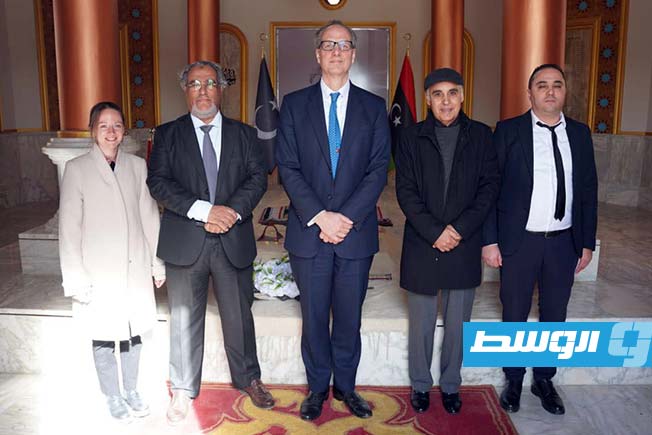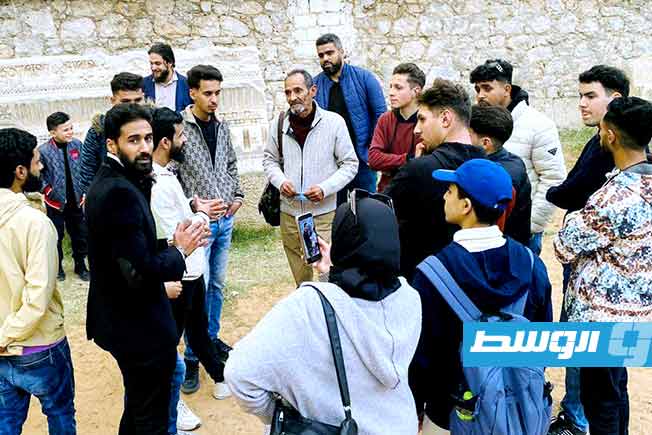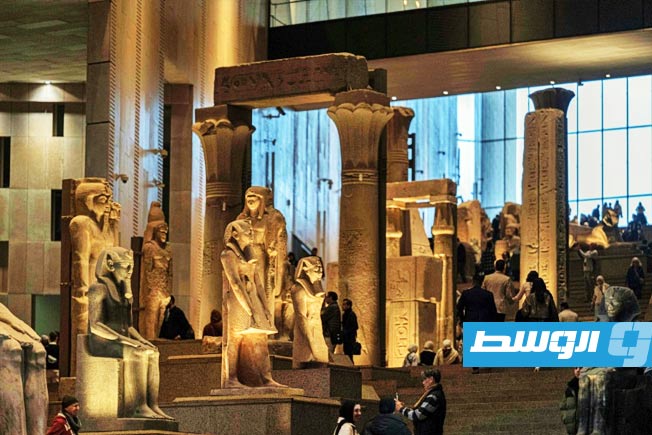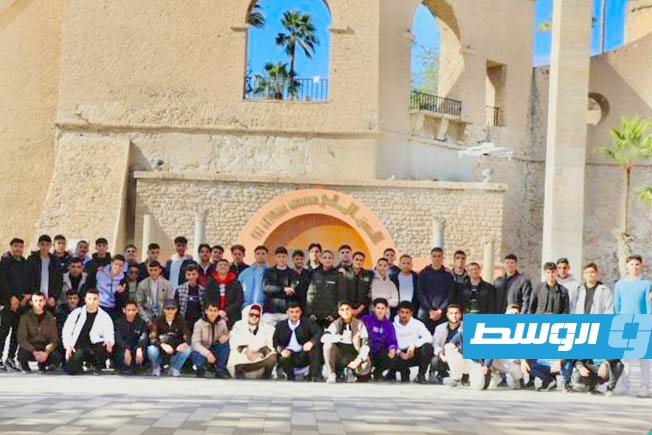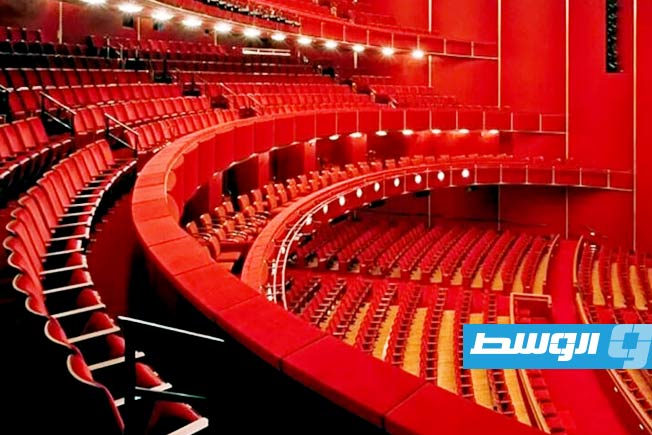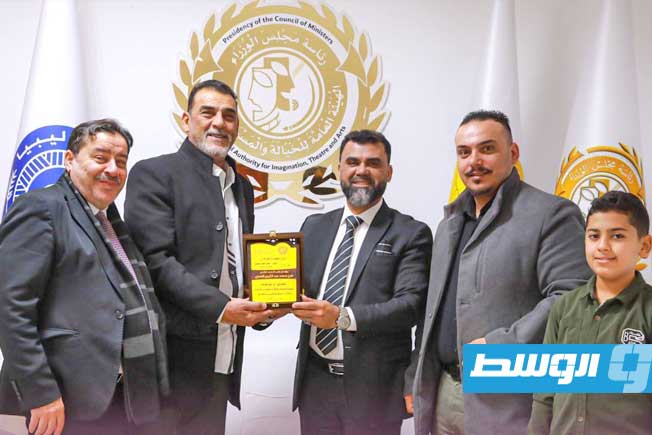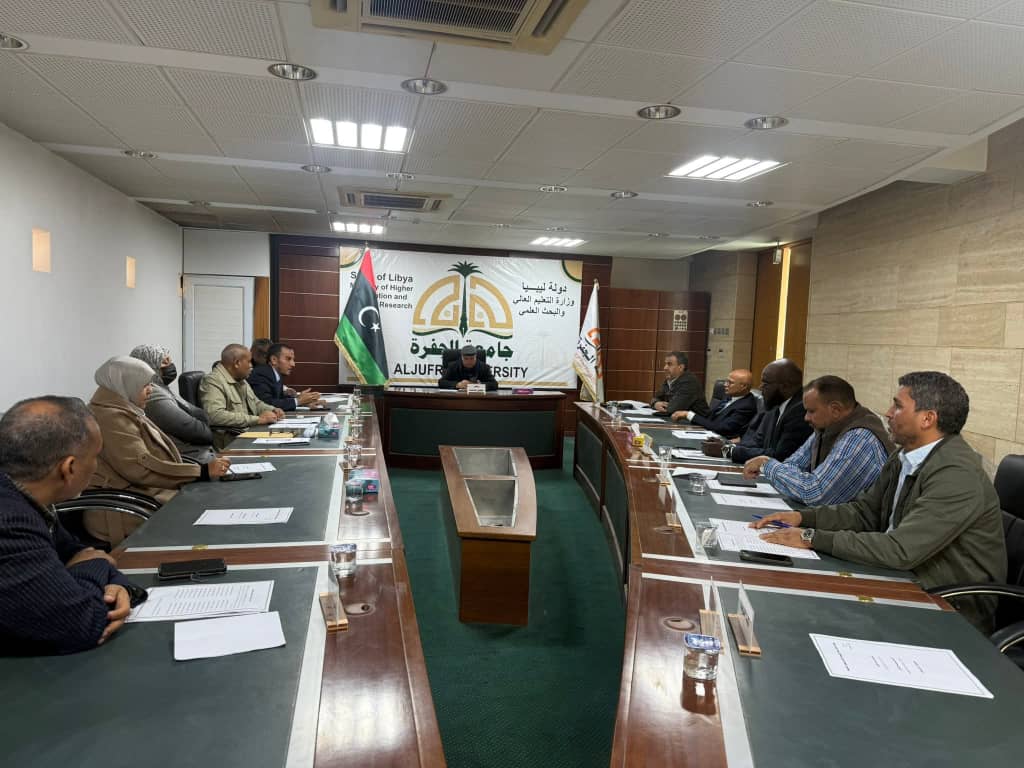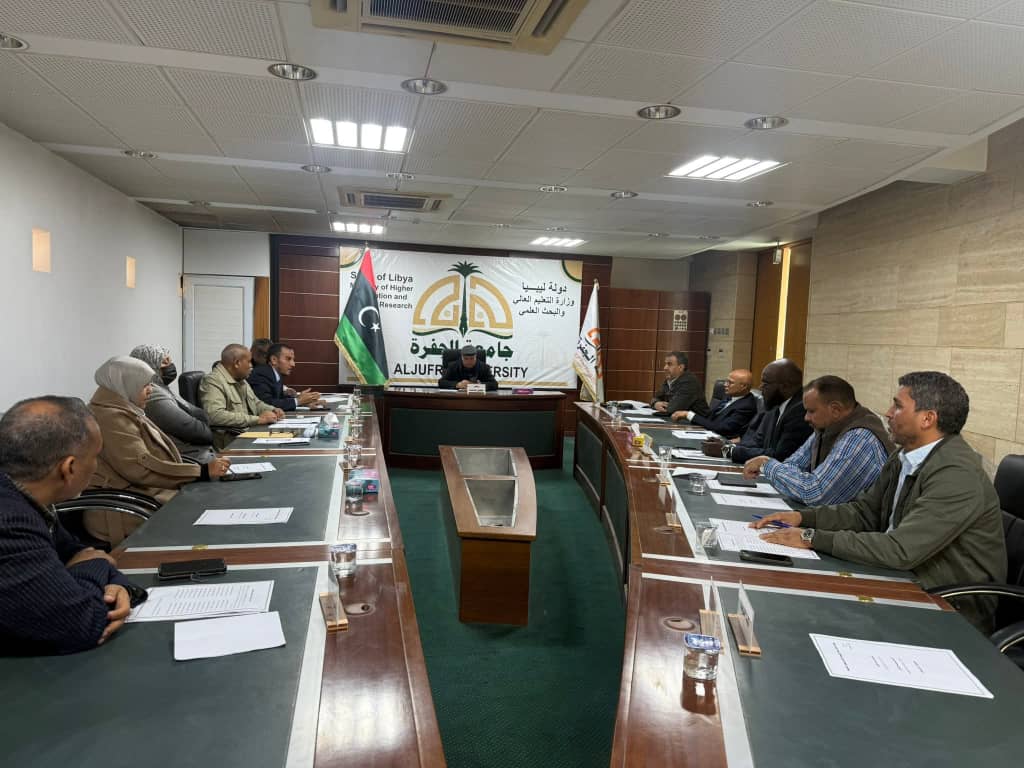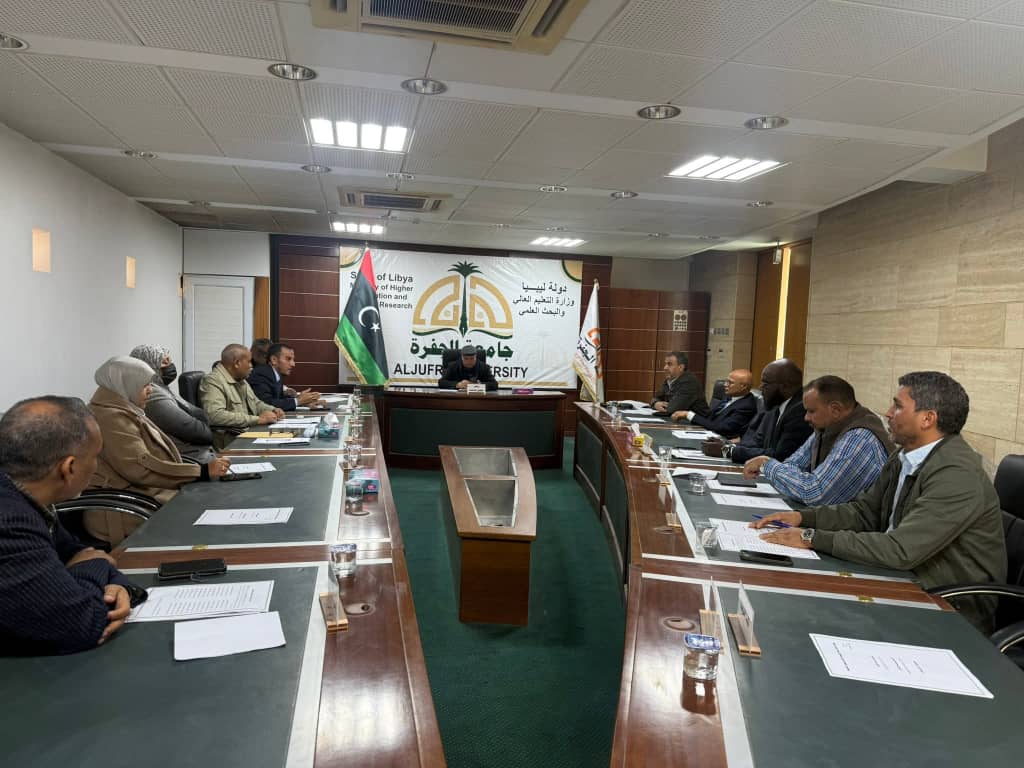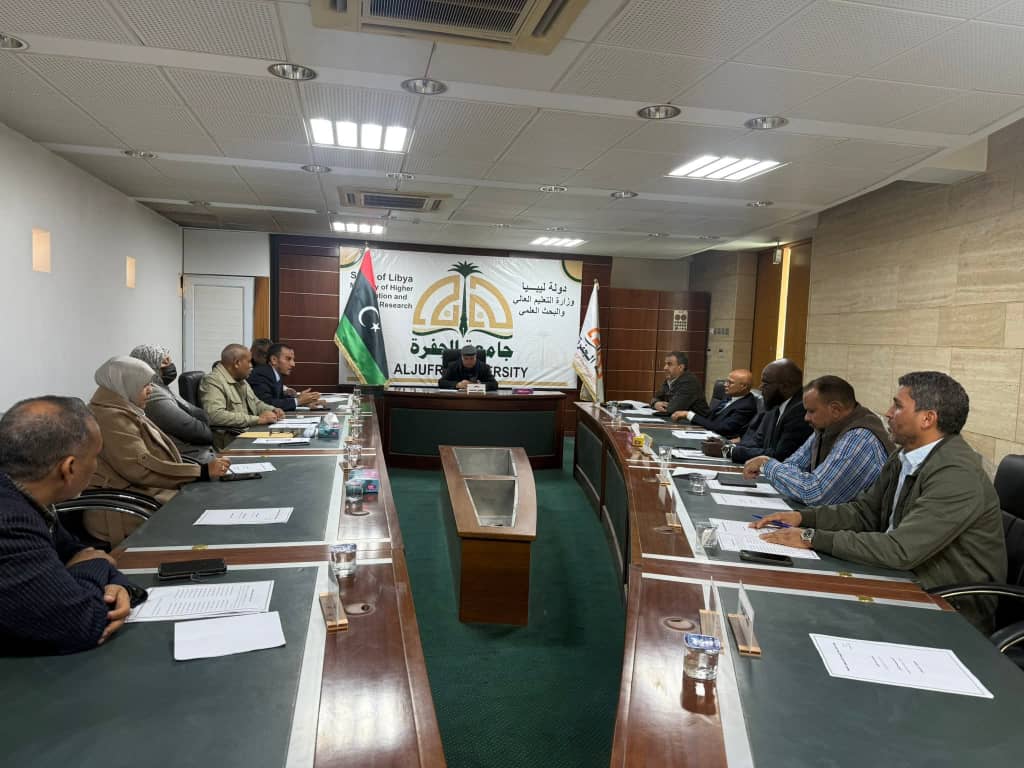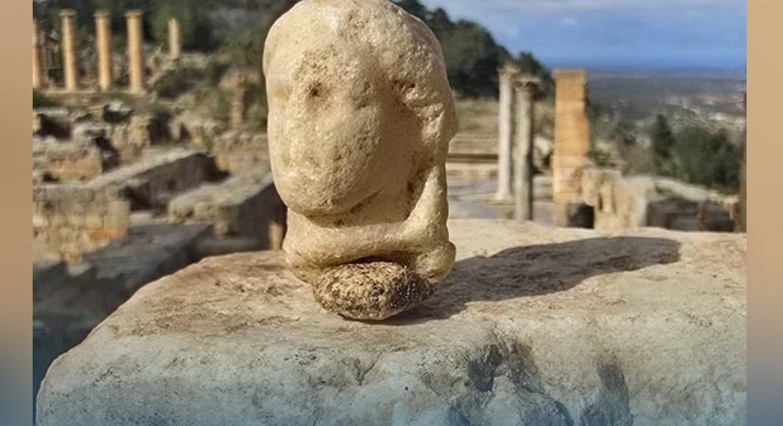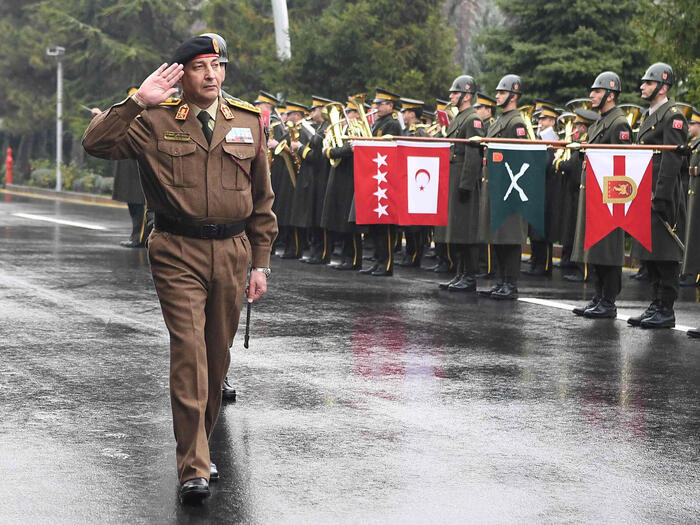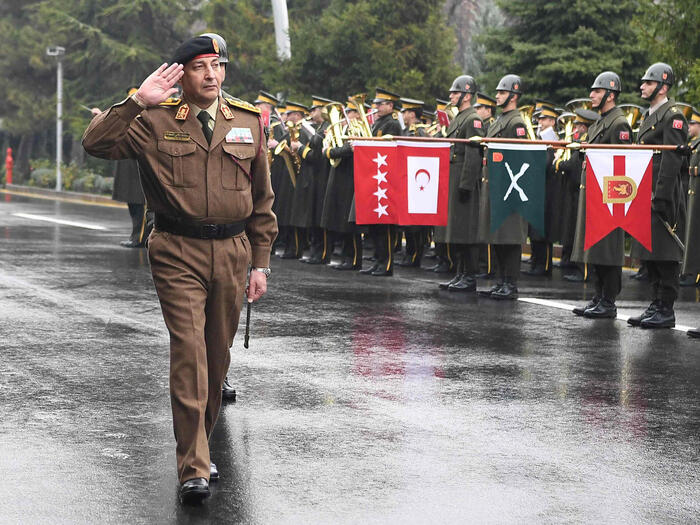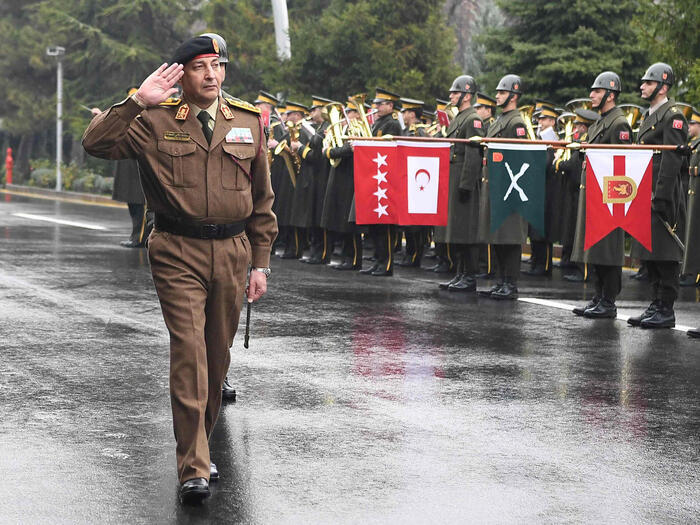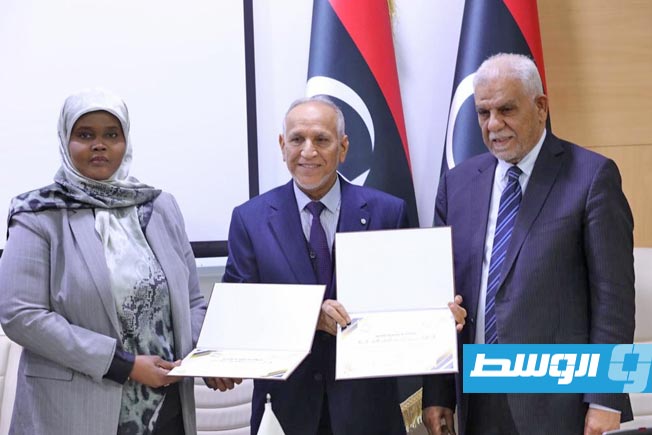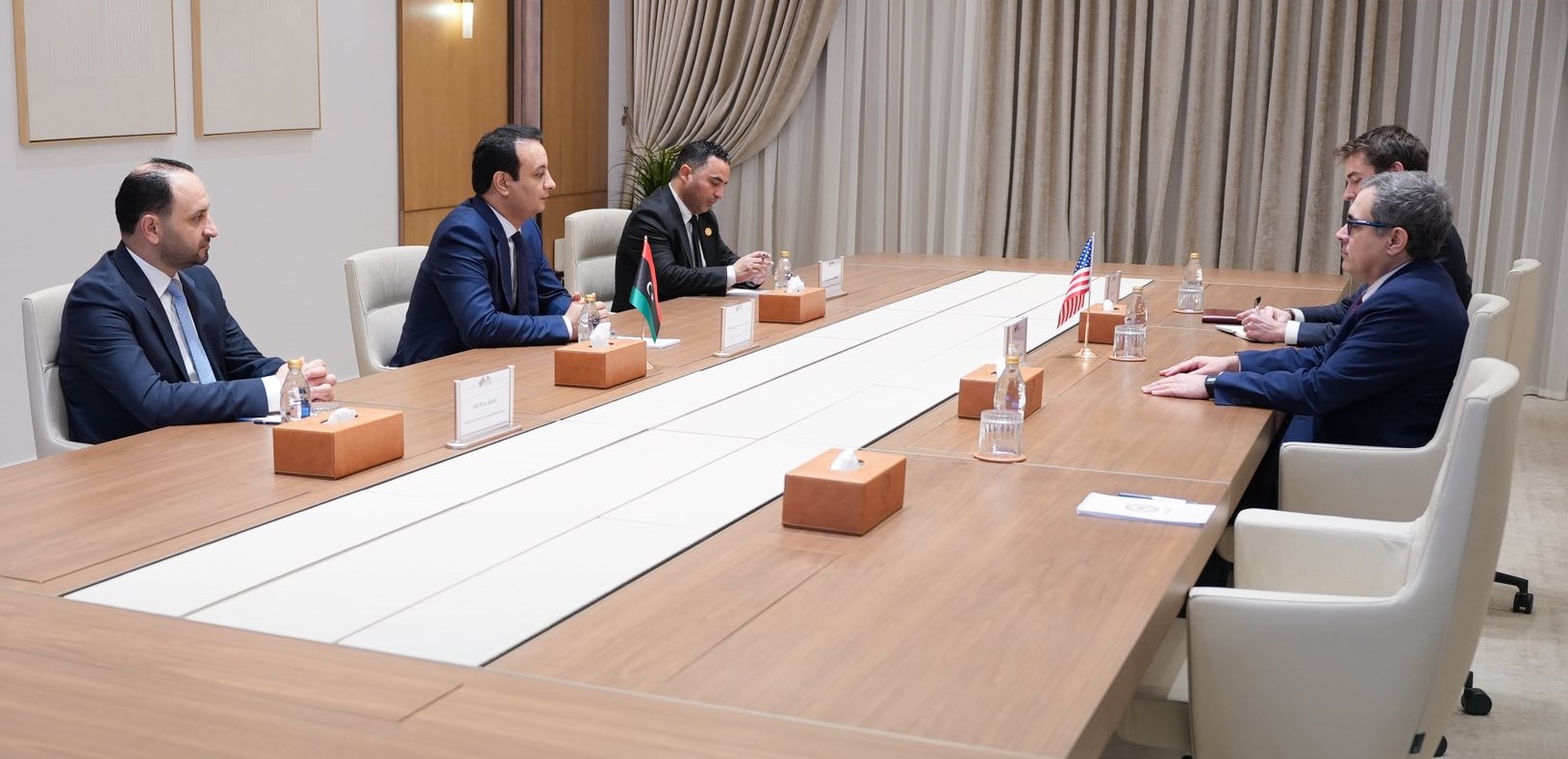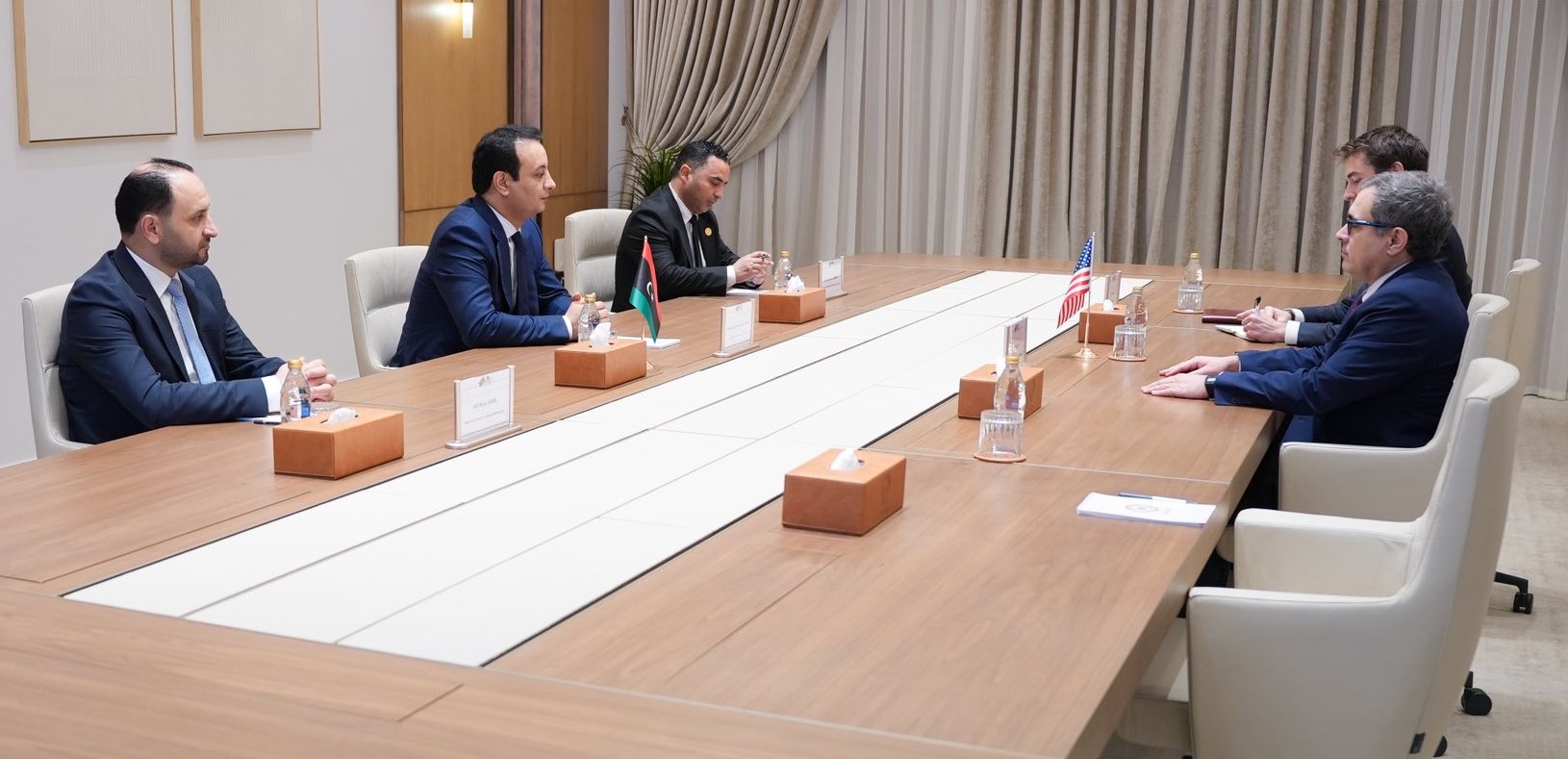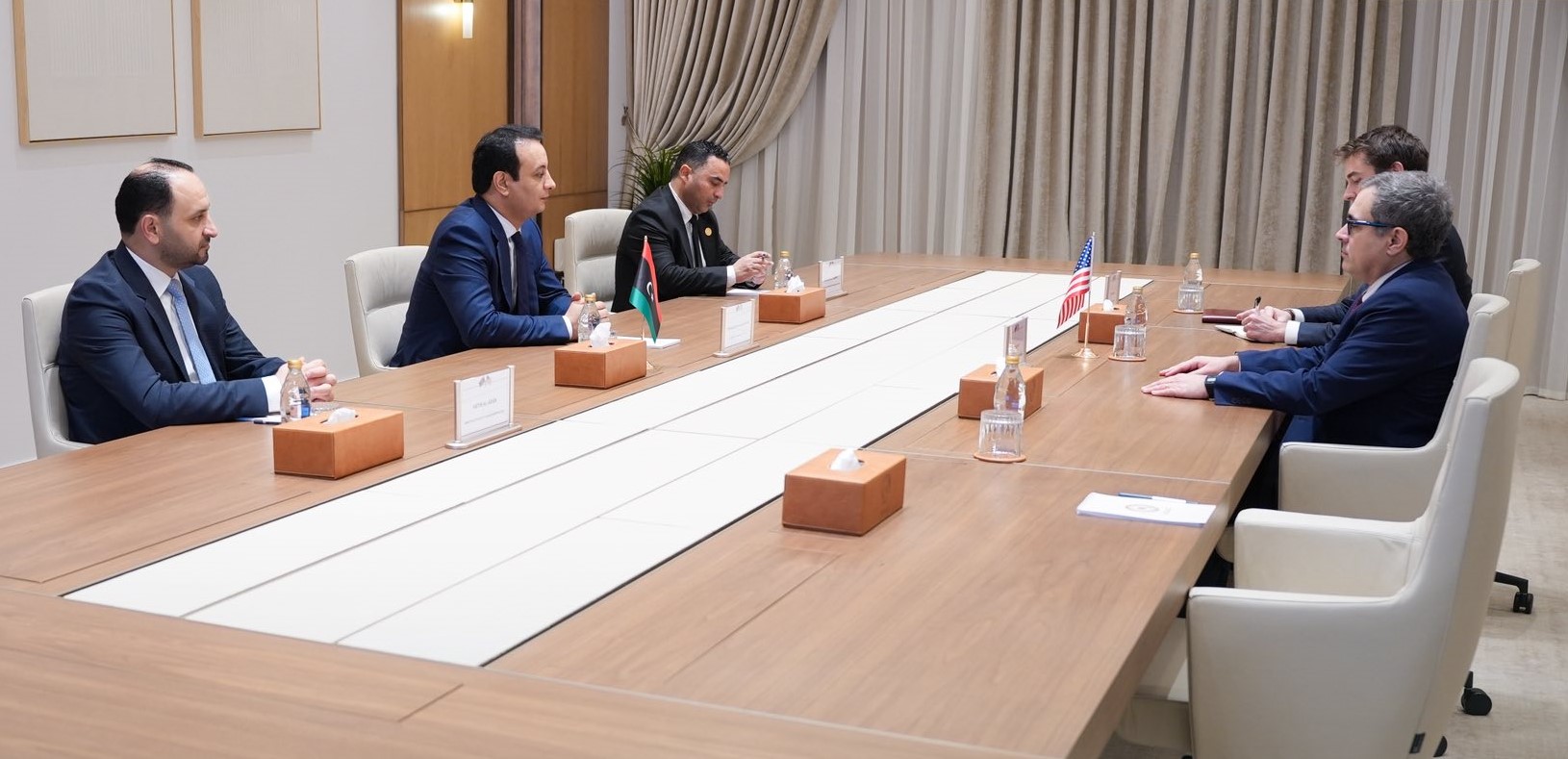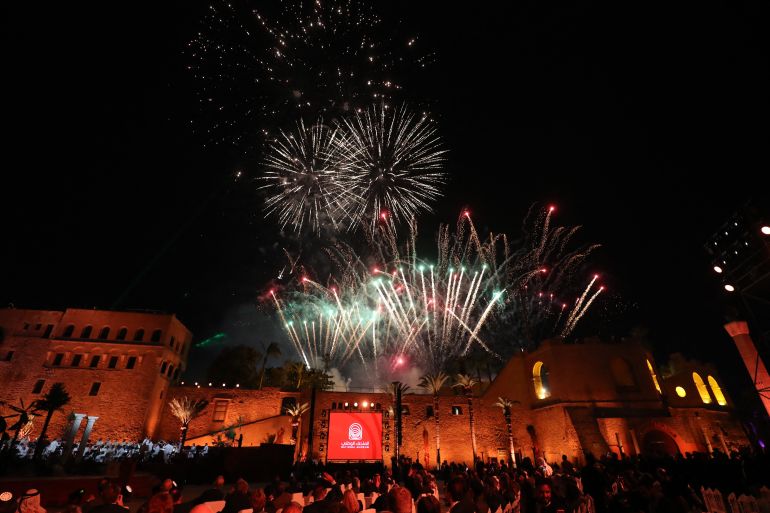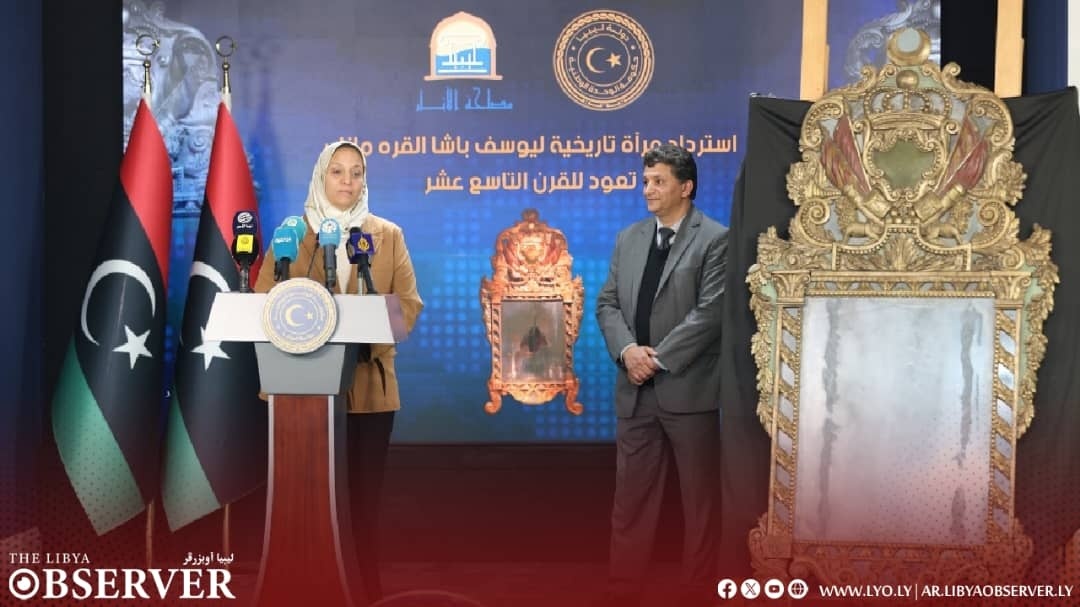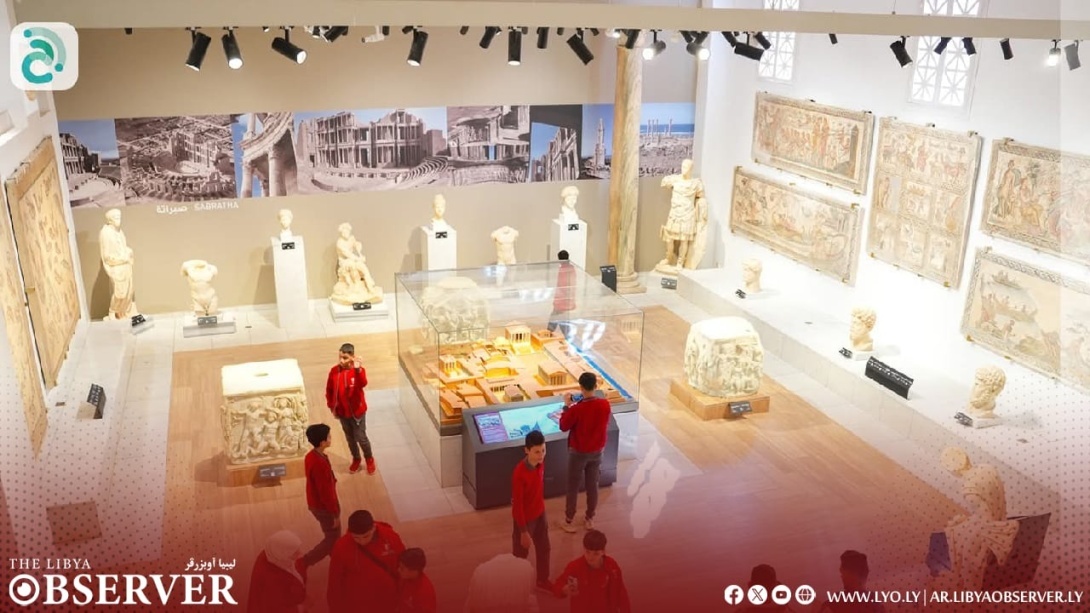
The British Embassy in Libya has praised the reopening of the Libyan National Museum in Tripoli, describing it as a “precious treasure,” following a ceremony held on Friday.
The embassy stated on its Facebook page Saturday regarding the museum’s opening, “A breathtaking sight… It is truly a precious treasure showcasing Libya’s rich history and a testament to its great potential in the fields of culture and tourism.”
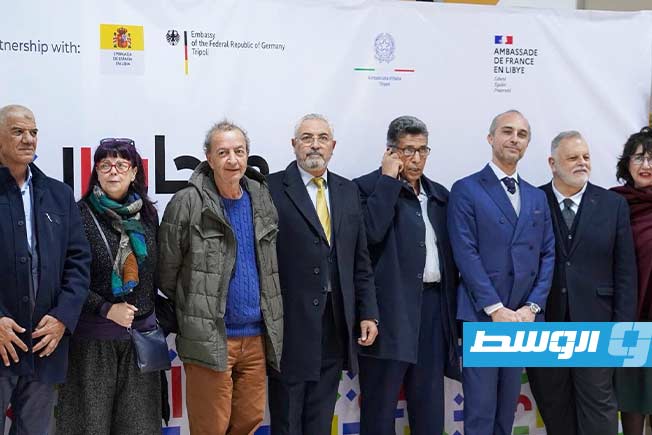
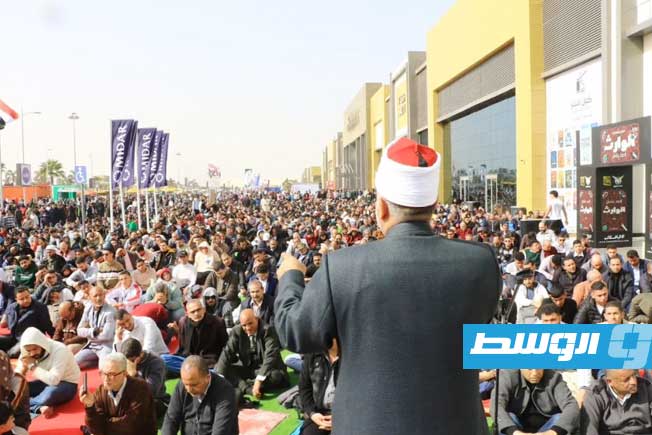
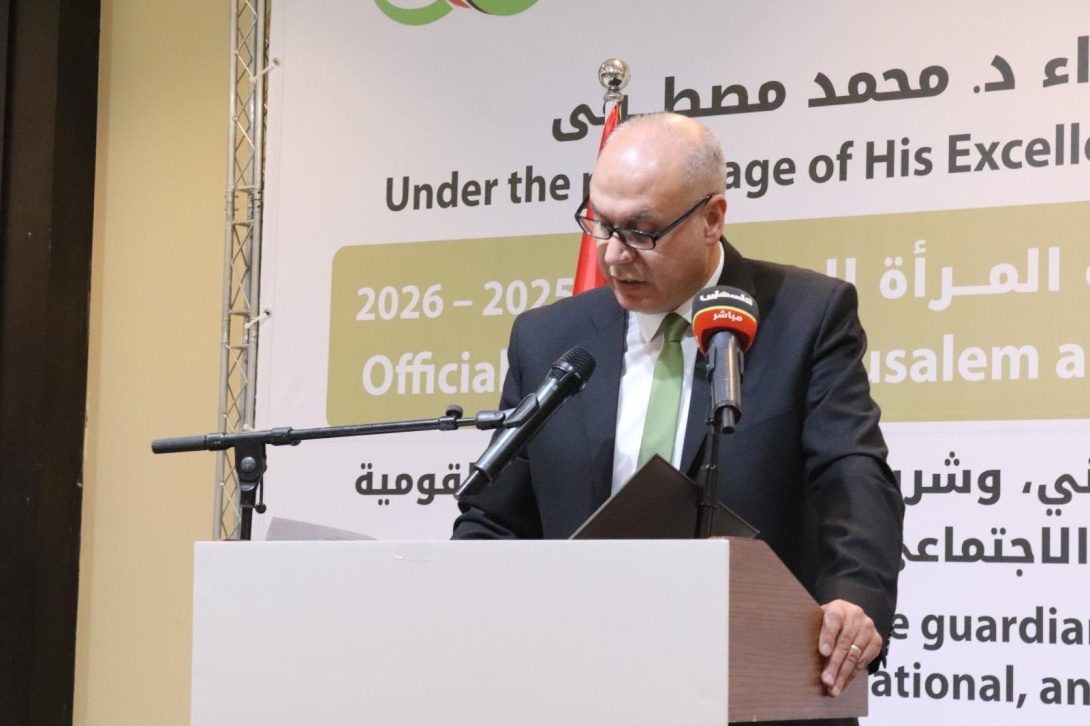
The opening ceremony was held in Martyrs’ Square in Tripoli, with high-level government, diplomatic, and cultural figures in attendance. Libyan embassies in Cairo, Doha, Abu Dhabi, Tunis, Berlin, Madrid, Rome, Belgrade, and Valletta hosted a live stream of the event.
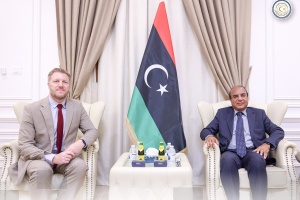
British Embassy in Libya
### Key Details:
– **Address (Temporary Office):**
British Embassy Tripoli
c/o British Embassy Tunis
Rue du Lac Windermere
Les Berges du Lac
1053 Tunis, Tunisia
– **Contact:**
– Telephone: +216 71 108 700
– Email (General): [tripoli.consular@fcdo.gov.uk](mailto:tripoli.consular@fcdo.gov.uk)
– Emergency contact (for British nationals): +44 1908 516 666
– **Services Provided:**
– Emergency assistance for British nationals.
– Consular services (passports, notarial services, etc.) by appointment.
– Limited visa and diplomatic services.
– **Travel Advisory:**
The UK Foreign, Commonwealth & Development Office (FCDO) advises against all travel to Libya due to instability, armed conflict, and terrorism.
### Important Notes:
– The embassy in Tripoli was closed in 2014 following a deterioration in security.
– If you are a British national in need of assistance, contact the embassy in Tunis or the FCDO’s 24/7 emergency line.
– For visa applications or other non-emergency services, check the official UK government website for updates.
For the latest information, visit:
[GOV.UK – British Embassy Libya](https://www.gov.uk/world/organisations/british-embassy-tripoli)
Libyan National Museum
### **Libyan National Museum (متحف ليبيا الوطني)**
Located in the heart of Tripoli’s historic Red Castle (Assaraya al-Hamra), the Libyan National Museum is the national museum of Libya and one of the most important repositories of the country’s rich cultural heritage.
### **Key Facts & History**
* **Location:** Assaraya al-Hamra (The Red Castle), Tripoli, Libya.
* **Building:** Housed within a centuries-old castle complex whose foundations date back to the 7th century BC (Phoenician era), with major additions by the Romans, Byzantines, Knights of Malta, Ottomans, and Italians.
* **Established:** Officially inaugurated in 1988, though its collections were gathered over decades prior.
* **Mission:** To preserve and showcase Libya’s history from prehistory through the modern era.
### **Collections & Galleries**
The museum’s vast collection is organized chronologically across several floors:
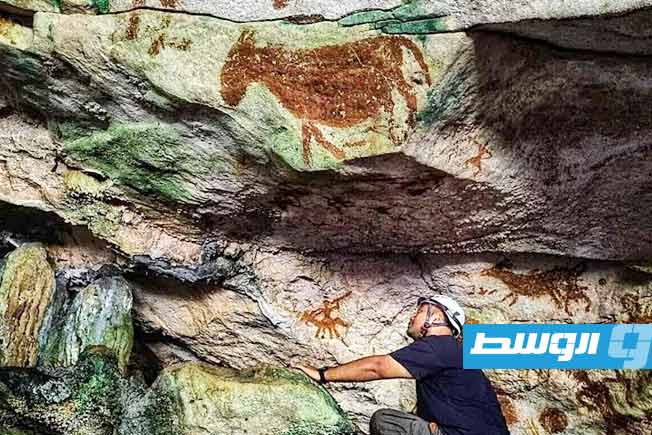
1. **Prehistory:** Artifacts from the Stone Age, including tools, rock art, and fossils from the Sahara when it was a green savannah.
2. **The Phoenician & Punic Periods:** Highlights the maritime traders who founded cities like Leptis Magna, Sabratha, and Oea (modern Tripoli). Features include terracotta figurines, jewelry, and sarcophagi.
3. **The Greco-Roman Period (The Crown Jewel):** This is the museum’s most spectacular section, reflecting Libya’s status as a prosperous part of the Roman Empire.
* **Leptis Magna Gallery:** Contains breathtaking marble statues of emperors (like Septimius Severus, who was born there), mosaics, and architectural elements.
* **Sabratha & Cyrene Galleries:** Showcase sculptures, inscriptions, and daily life objects from these other major ancient cities.
4. **The Byzantine & Islamic Periods:** Features Christian mosaics and artifacts from the Byzantine era, followed by Islamic art, manuscripts, ceramics, and weapons from the Arab, Ottoman, and later periods.
5. **Ethnography & Modern History:** Exhibits traditional Libyan costumes, jewelry, crafts, and items from the 20th-century struggle for independence and the monarchy era.
### **Significance & Challenges**
* **A Treasure Trove:** The museum holds over 50,000 artifacts, making it a critical institution for understanding Mediterranean and African history.
* **Symbol of National Identity:** It was consciously designed to tell the story of the Libyan people across millennia, unifying the country’s diverse regions and histories.
* **Periods of Closure & Conflict:** The museum suffered periods of closure and threat during the 2011 revolution and subsequent instability. Staff performed heroic acts to protect the collections, including walling up priceless Roman statues to hide them from potential looting.
* **Current Status:** The museum has reopened intermittently. Its long-term preservation and accessibility depend on continued stability, international support for conservation, and secure funding.
### **Why It Matters**
The Libyan National Museum is more than a building; it is the guardian of Libya’s **material memory**. Its collections tell the story of:
* Early human adaptation in North Africa.
* The great Phoenician and Punic civilizations.
* The splendor of Rome through some of its best-preserved cities.
* The transition to Christianity and Islamic civilization.
* The formation of modern Libyan culture.
**In short, it is one of the most important archaeological museums in the Mediterranean region, safeguarding a heritage that belongs to both Libya and the world.**
*If you are planning a visit, it is essential to check the latest security and opening information due to the evolving situation in the country.*
Tripoli
### Key Facts:
– **Population**: Roughly 1.2 million in the city proper, with over 3 million in the metropolitan area.
– **Historical Significance**: Founded in the 7th century BCE by the Phoenicians, it has been ruled by Romans, Byzantines, Arabs, Ottomans, Italians, and others.
– **Economy**: Libya’s main financial, commercial, and transportation hub, with a port and oil-related industries.
– **Culture**: Known for its historic medina (old city), Red Castle (*Assaraya al-Hamra*), and the Arch of Marcus Aurelius.
– **Recent History**: Severely affected by conflict following the 2011 Libyan Civil War and subsequent instability.
### Current Situation:
Tripoli remains the seat of Libya’s internationally recognized government (Government of National Unity), though political control is contested, and security can be unstable due to militia presence and political divisions.
If you’re planning to visit or need more specific information (history, travel advice, political context), feel free to ask!
Martyrs’ Square
### 1. **Martyrs’ Square, Beirut (Lebanon)**
– **Also known as:** *Sahat al-Shuhada*
– **Significance:** Historically a central gathering place, it was heavily damaged during the Lebanese Civil War (1975–1990). After reconstruction, it became a symbol of national memory and unity, often used for public events and protests.
### 2. **Martyrs’ Square, Tripoli (Libya)**
– **Also known as:** *Green Square* under Gaddafi’s rule, later renamed *Martyrs’ Square* after the 2011 revolution.
– **Significance:** A major public space where key political rallies and events have taken place, reflecting Libya’s turbulent modern history.
### 3. **Martyrs’ Square, Damascus (Syria)**
– **Location:** In the heart of the old city.
– **Significance:** Named in memory of Syrian nationalists executed by Ottoman authorities during World War I. It is a historic and commercial hub.
### 4. **Martyrs’ Square, Valletta (Malta)**
– **Significance:** Commemorates Maltese protesters killed by British troops in 1919 during a period of political unrest. It is a central landmark near the city’s main gate.
### 5. **Martyrs’ Square, Benghazi (Libya)**
– **Significance:** Another key Libyan square renamed after the 2011 revolution, honoring those who died opposing the Gaddafi regime.
### 6. **Martyrs’ Square, Algiers (Algeria)**
– **Significance:** Dedicated to the memory of Algerian martyrs from the war of independence against France (1954–1962).
### Common Themes:
– **Memorialization:** These squares often feature monuments, statues, or eternal flames to honor the dead.
– **Political Symbolism:** They frequently become sites for demonstrations, national celebrations, and public discourse.
– **Historical Layers:** Names may change with political regimes, reflecting shifts in power and collective memory.
If you’re referring to a specific Martyrs’ Square, additional context (like the city or country) can help provide more detailed information.
Cairo
### Key Highlights:
– **Historical Significance**: Founded in 969 CE, Cairo has a rich history, with nearby ancient sites like the **Pyramids of Giza** and the **Sphinx**.
– **Culture**: Known as the “City of a Thousand Minarets” for its Islamic architecture, including mosques like **Al-Azhar** and **Ibn Tulun**.
– **Modern Life**: A bustling metropolis with vibrant districts, markets (like **Khan el-Khalili**), museums (e.g., the **Egyptian Museum**), and a growing contemporary arts scene.
– **Challenges**: Faces issues like overpopulation, traffic congestion, and pollution.
Would you like more details on a specific aspect of Cairo?
Doha
### **Overview:**
– **Population:** Approximately 2.4 million (metropolitan area), making it Qatar’s most populous city.
– **Language:** Arabic (official), with English widely spoken.
– **Currency:** Qatari Riyal (QAR).
### **Key Features:**
1. **Economic Hub:** Doha is Qatar’s economic center, driven by oil and natural gas exports. It’s home to many multinational corporations and financial institutions.
2. **Modern Skyline:** Known for its futuristic architecture, including the iconic **Burj Qatar**, **Torch Doha**, and the **Pearl-Qatar** (an artificial island).
3. **Cultural Landmarks:**
– **Museum of Islamic Art:** Houses one of the world’s finest collections of Islamic artifacts.
– **Katara Cultural Village:** A hub for arts, theaters, and exhibitions.
– **Souq Waqif:** A traditional market selling spices, textiles, and handicrafts.
4. **Education & Research:** Hosts **Education City**, a campus housing branches of prestigious universities like Georgetown and Carnegie Mellon.
5. **Sports:** Hosted the **2022 FIFA World Cup**, with stadiums like **Al Janoub** and **Khalifa International**.
### **Interesting Facts:**
– Doha’s name may derive from the Arabic “Ad-Dawḥa,” meaning “the big tree” or “the bay.”
– It has undergone rapid development since the mid-20th century, transforming from a small fishing village into a global metropolis.
– The city is investing heavily in sustainability and technology, aiming to become a knowledge-based economy.
Would you like more details on any specific aspect of Doha?
Abu Dhabi
### Key Highlights:
– **Government & Economy**: Serves as the seat of the UAE government and is home to many oil and financial institutions.
– **Landmarks**: Features iconic sites like the Sheikh Zayed Grand Mosque, Louvre Abu Dhabi, and the Emirates Palace.
– **Culture**: Hosts events such as the Abu Dhabi Grand Prix (Formula 1) and the Abu Dhabi Festival.
– **Development**: Known for ambitious projects like Masdar City, a planned sustainable urban community.
Would you like more details on any specific aspect of Abu Dhabi?
Tunis
### **Geography & Climate**
– Situated on the Gulf of Tunis, behind the Lake of Tunis and the port of La Goulette.
– Mediterranean climate with hot, dry summers and mild, rainy winters.
### **History**
– Founded by the Berbers, later developed under Carthaginian, Roman, and Arab rule.
– Became the capital of the Hafsid dynasty in the 13th century.
– A French protectorate from 1881 to 1956, influencing its architecture and urban layout.
– Center of the Tunisian independence movement and the 2011 Arab Spring.
### **Culture & Landmarks**
– **Medina of Tunis**: A UNESCO World Heritage site with narrow streets, souks, and historic mosques like the Al-Zaytuna Mosque.
– **Ville Nouvelle**: The modern downtown built during the French colonial era.
– **Bardo Museum**: Houses one of the world’s largest collections of Roman mosaics.
– **Carthage**: Ancient ruins nearby, another UNESCO site.
### **Economy**
– Political, economic, and cultural hub of Tunisia.
– Key sectors: administration, commerce, tourism, and manufacturing (textiles, food processing).
### **Interesting Facts**
– The city blends ancient Arab medina with European-style avenues.
– Tunis is often called the “White and Blue City” for its architecture.
– Home to the Tunisian Revolution’s main protests in 2010–2011.
Would you like more details on any specific aspect?
Berlin
### 🏛️ **Historical Significance**
– Once divided by the **Berlin Wall** (1961–1989), the city symbolizes Cold War tensions and reunification.
– Key historical sites include the **Brandenburg Gate**, **Reichstag Building**, and the **Memorial to the Murdered Jews of Europe**.
### 🎨 **Culture & Arts**
– A hub for artists, musicians, and creatives, with neighborhoods like **Kreuzberg** and **Friedrichshain** known for street art and alternative scenes.
– Home to world-class museums on **Museum Island** (a UNESCO World Heritage site) and events like the **Berlin International Film Festival (Berlinale)**.
### 🏙️ **Modern Berlin**
– Famous for its nightlife, with legendary clubs like **Berghain**.
– A green city with parks like **Tiergarten** and **Tempelhofer Feld** (a former airport turned public space).
### 🌍 **Diverse & International**
– Over 3.7 million residents from around 190 countries, making it multicultural and multilingual.
– A major center for startups, technology, and academia.
### 🚇 **Transport**
– Efficient public transport (U-Bahn, S-Bahn, trams, buses) and cycling-friendly infrastructure.
Whether you’re interested in history, art, innovation, or just exploring a dynamic urban landscape, Berlin offers something for everyone. Let me know if you’d like more details on any aspect!
Madrid
Key highlights include:
– **Historical landmarks**: The Royal Palace, Plaza Mayor, and Puerta del Sol.
– **Art and museums**: The Prado Museum, Reina Sofía Museum (home to Picasso’s *Guernica*), and the Thyssen-Bornemisza Museum.
– **Culture**: Flamenco, tapas bars, and a bustling nightlife.
– **Sports**: Home to world-famous football clubs Real Madrid and Atlético Madrid.
– **Economy**: A financial hub and the seat of the Spanish government.
Madrid is also known for its sunny climate, beautiful parks like Retiro Park, and its central location, making it a gateway to exploring the rest of Spain.
Rome
🏛️ **Historical Significance**
– Founded in 753 BCE, Rome was the heart of the Roman Empire.
– Known as the “Eternal City,” it has been a center of power, culture, and religion for millennia.
– Home to iconic landmarks like the **Colosseum**, **Roman Forum**, and **Pantheon**.
⛪ **Cultural & Religious Hub**
– Vatican City, an independent city-state within Rome, is the spiritual center of the Catholic Church.
– Must-see sites: **St. Peter’s Basilica**, the **Sistine Chapel** (with Michelangelo’s frescoes), and the Vatican Museums.
🍝 **Modern Rome**
– Famous for its cuisine: pasta carbonara, supplì (fried rice balls), and gelato.
– Lively piazzas like **Piazza Navona** and **Trevi Fountain** attract visitors day and night.
– A blend of ancient ruins and contemporary life, with bustling markets, fashion, and espresso culture.
🎭 **Fun Facts**
– Rome has more than 900 churches.
– The city’s mascot is a she-wolf, recalling the myth of Romulus and Remus.
– It’s the only city in the world that contains an entire independent country (Vatican City).
Whether you’re exploring ancient history, indulging in Italian food, or tossing a coin into the Trevi Fountain for good luck, Rome offers an unforgettable experience. 🇮🇹✨
Would you like more details on any specific aspect of Rome?
Belgrade
### Key Facts:
– **Population**: Around 1.7 million in the urban area.
– **Language**: Serbian.
– **Currency**: Serbian dinar (RSD).
– **Landmarks**: Kalemegdan Fortress, Saint Sava Temple, Skadarlija (historic quarter), and the Belgrade Fortress.
– **Culture**: Known for vibrant nightlife, festivals, and a mix of architectural styles reflecting its Ottoman, Austro-Hungarian, and socialist past.
### Historical Highlights:
– One of Europe’s oldest continuously inhabited cities.
– Capital of the former Yugoslavia.
– Often called the “Gateway to the Balkans” or “White City” (translation of “Beograd”).
Would you like more details on its history, tourism, or something specific?
Valletta
### **Overview**
– **Founded**: 1566 by the Knights of St. John (Order of Malta).
– **Named after**: Jean Parisot de Valette, Grand Master of the Knights, who defended Malta during the Great Siege of 1565.
– **UNESCO World Heritage Site**: Recognized for its historical and architectural significance.
### **Key Features**
1. **Fortifications** – Surrounded by massive walls and bastions built for defense.
2. **Baroque Architecture** – Notable buildings include St. John’s Co-Cathedral, the Grandmaster’s Palace, and the Manoel Theatre (one of Europe’s oldest working theatres).
3. **Strategic Location** – Situated on a peninsula between two natural harbors (Grand Harbour and Marsamxett Harbour).
### **Cultural & Historical Significance**
– **St. John’s Co-Cathedral** – Houses Caravaggio’s masterpiece, *The Beheading of Saint John the Baptist*.
– **The Malta Experience** – An audiovisual show detailing Malta’s history.
– **National Museum of Archaeology** – Displays artifacts from Malta’s prehistoric temples.
### **Modern Valletta**
– **European Capital of Culture** in 2018.
– **Renovated City Gate** and modern Parliament building designed by architect Renzo Piano.
– **Vibrant atmosphere** with cafes, restaurants, and cultural events like the Valletta International Baroque Festival.
### **Interesting Facts**
– One of the smallest national capitals in the EU by area (just 0.8 km² / 0.3 mi²).
– Often called “The Fortress City” or “A City Built by Gentlemen for Gentlemen.”
Valletta is a blend of ancient history and modern European life, making it a fascinating destination for history buffs, architecture lovers, and travelers alike.
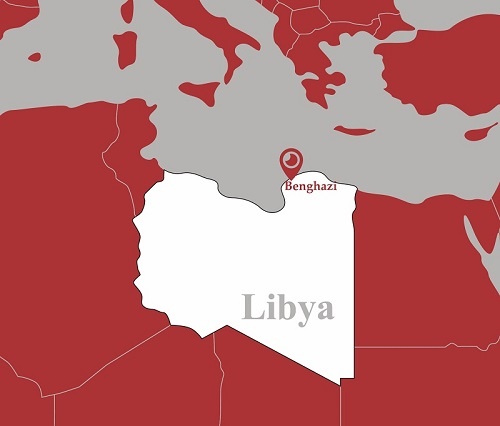
Libya
### **Quick Facts**
– **Capital:** Tripoli
– **Official Language:** Arabic
– **Government:** Provisional unity government (as of recent years, though political instability persists)
– **Population:** Approximately 7 million
– **Currency:** Libyan Dinar (LYD)
### **History & Recent Context**
– **Ancient History:** Home to Phoenician, Greek, and Roman settlements (e.g., Leptis Magna, a UNESCO World Heritage site).
– **Modern Era:** Gained independence from Italy in 1951. Ruled by King Idris until 1969, when Muammar Gaddafi seized power in a coup.
– **Gaddafi’s Rule (1969–2011):** Authoritarian regime; Libya faced international sanctions and isolation.
– **2011 Civil War & NATO Intervention:** Arab Spring protests escalated into a civil war, leading to Gaddafi’s overthrow and death.
– **Post-2011 Instability:** Fragmented into rival governments and militias, with ongoing conflict and foreign involvement. A UN-backed Government of National Unity (GNU) was formed in 2021, but political divisions remain.
### **Economy**
– **Oil-Rich:** Possesses Africa’s largest proven oil reserves. Economy heavily dependent on hydrocarbons.
– **Challenges:** Conflict, corruption, and infrastructure damage have hindered development and diversification.
### **Culture & Society**
– **Religion:** Predominantly Sunni Muslim.
– **Ethnic Groups:** Mainly Arab and Amazigh (Berber), with smaller Tuareg and Tebu communities.
– **Traditional Culture:** Influenced by Mediterranean, African, and Arab traditions; known for music, poetry, and desert festivals.
### **Current Issues**
– **Political Fragmentation:** Eastern and western regions are often controlled by rival administrations.
– **Security:** Presence of militias, human trafficking, and occasional extremist activity.
– **Humanitarian Concerns:** Migrants and refugees face difficult conditions, especially in detention centers.
– **International Relations:** Involved in regional diplomacy; foreign powers (e.g., Turkey, Russia, UAE) have strategic interests.
### **Notable Places**
– **Leptis Magna:** Extensive Roman ruins.
– **Sabratha:** Another ancient Roman site.
– **Ghadames:** Ancient desert oasis town, a UNESCO site.
– **Cyrene:** Greek archaeological site in the east.
Libya remains in a complex transition, with its future stability tied to political reconciliation, security reforms, and economic recovery.
UK
– **England**
– **Scotland**
– **Wales**
– **Northern Ireland**
The UK is a constitutional monarchy with a parliamentary democracy. Its capital and largest city is **London**.
**Key Facts:**
– **Official Name:** United Kingdom of Great Britain and Northern Ireland
– **Population:** Approximately 67 million
– **Currency:** Pound Sterling (£)
– **Official Language:** English
– **Government:** Unitary parliamentary constitutional monarchy
– **Monarch:** King Charles III
– **Prime Minister:** Sir Keir Starmer (as of July 2024)
**History:**
The UK has a rich history, from the Roman invasion to the British Empire, the Industrial Revolution, and its role in both World Wars. It joined the European Union in 1973 but left in 2020 (Brexit).
**Economy:**
The UK has one of the world’s largest economies, with strengths in finance, technology, creative industries, and education.
**Culture:**
Known for its cultural influence globally—through literature, music, sports, and institutions like the BBC and the Royal Family.
Would you like more details on any specific aspect of the UK?