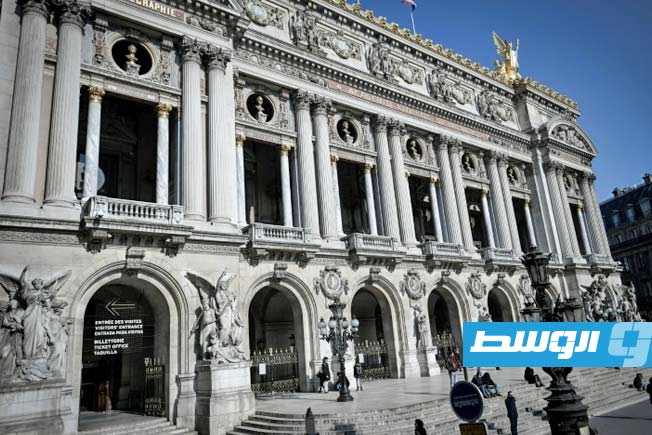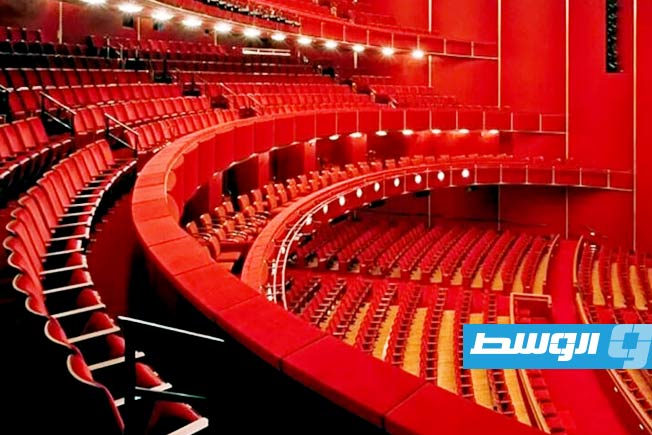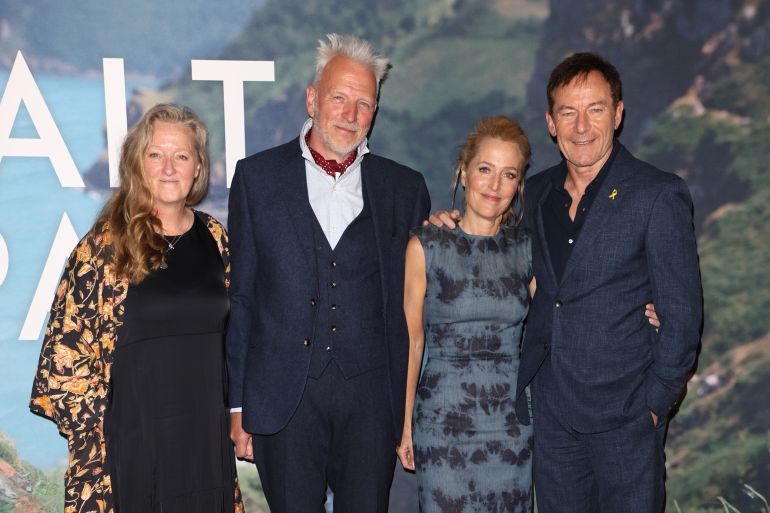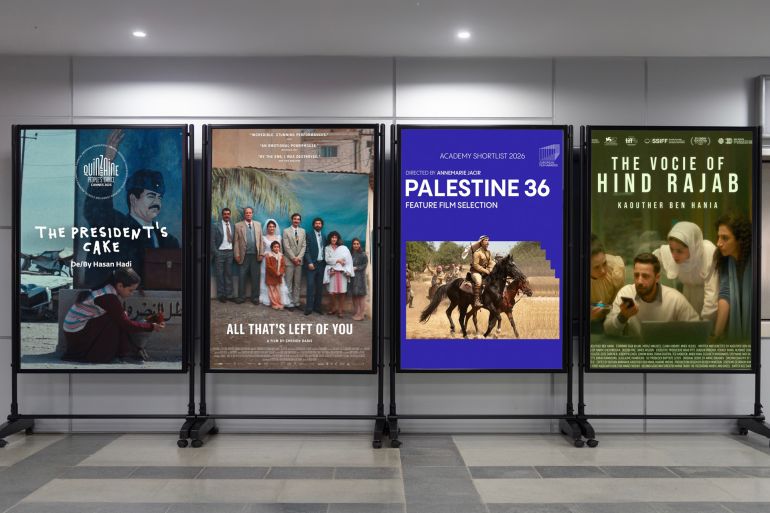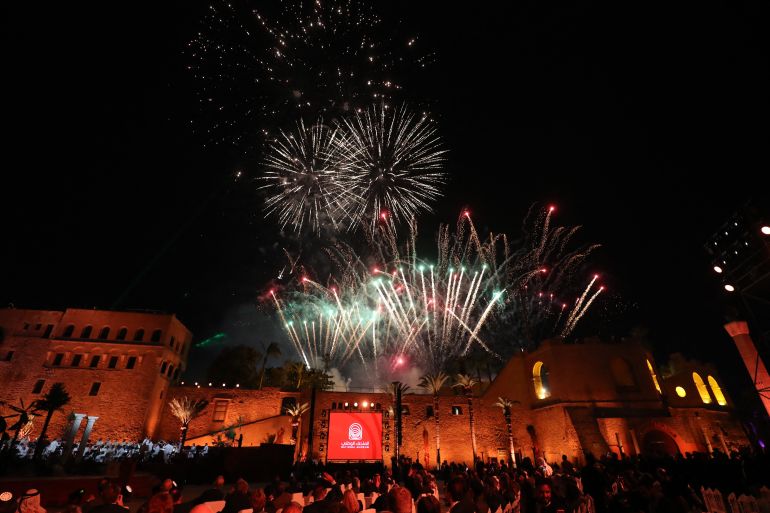
The film “Palestine 36” opened the 36th edition of the Carthage Film Festival in Tunisia at the Opera Theater of the City of Culture. The festival, which runs until December 20, is screening 165 films from 23 countries across several official competitions, alongside celebratory programs and parallel sections.
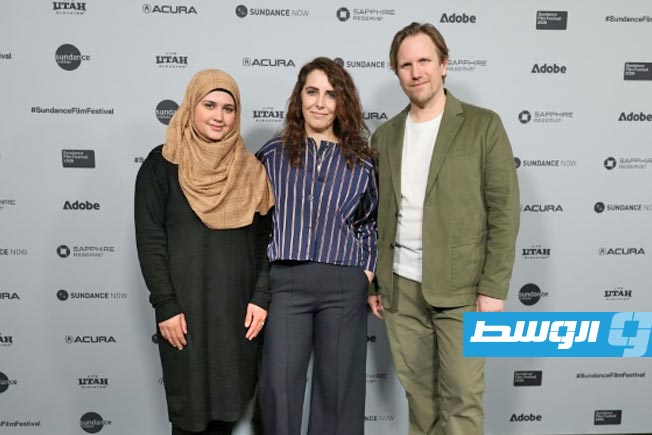
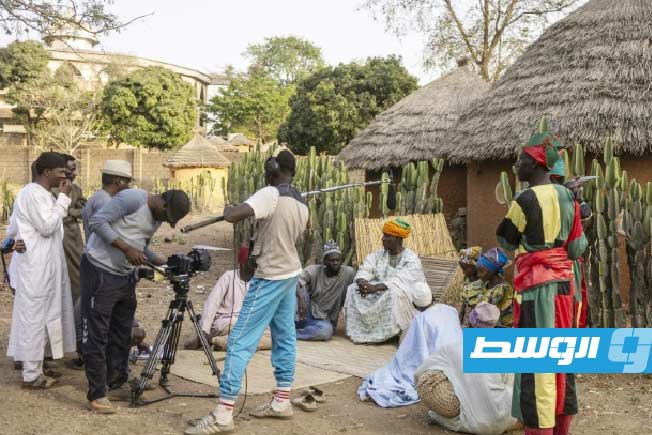
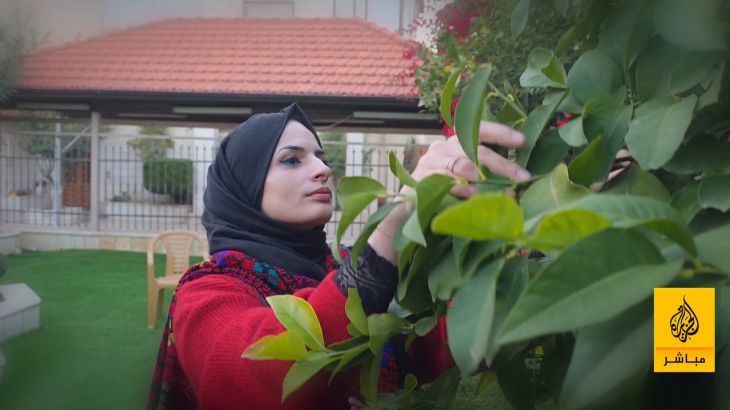
During a speech at the ceremony, the director expressed pride that her film was chosen to open the festival, stating it was a “great honor for the entire crew given the harsh conditions under which the film was made.” She added that the film was created “during one of the most difficult and worst periods in the history of the Palestinian people,” noting that the war in Gaza affected the filming process, causing it to stop four times.
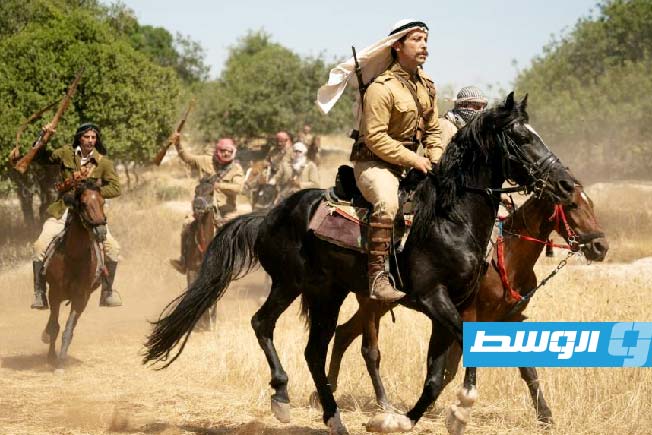
The film is a historical drama that officially represented Palestine in the race for the 2025 Oscars in the Best International Feature Film category. It deals with the Palestinian revolution against British rule and the call for independence in 1936. The film narrates the events of the revolution from a human perspective that reflects the beginnings of Palestinian national consciousness, following the personal journey of “Youssef” as he moves between his rural home and the turbulent city of Jerusalem. This occurs amidst the increasing numbers of Jewish immigrants fleeing fascist Europe and the escalating Palestinian demands for independence, pushing the parties toward an inevitable clash at a crucial moment in the region’s history.
The film recently won the Grand Prize, the “Tokyo Grand Prix,” at the conclusion of the 38th Tokyo International Film Festival, making it the first Palestinian film to win this award in the festival’s history.
Armenian Cinema in the Spotlight
This year, the festival is celebrating Armenian cinema through the “Cinema Under the Microscope” program and also highlighting a number of cinematic works from Spain and Latin America.
– <a>Film “Palestine 36” wins the Grand Prize at the Tokyo International Film Festival
– <a>”Palestine 36″ makes the shortlist for the European Film Awards
– <a>6 short films open the Carthage Film Festival
The festival director emphasized that the festival continues to adhere to its intellectual and artistic constants by maintaining its traditional sections, primarily the competitions for feature-length, documentary, and short films, alongside the “Carthage for Promising Cinema” section, which welcomes works from different global film schools.
Tribute to Claudia Cardinale
The opening ceremony included a tribute to the late Italian actress Claudia Cardinale, who was born in Tunis, and who passed away in September. The ceremony also honored a number of other late filmmakers.
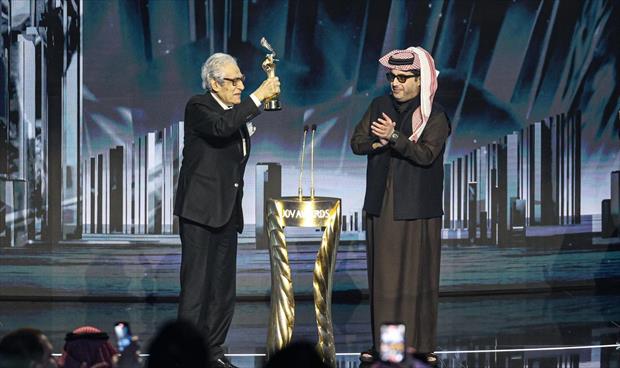
The festival also awarded the “Honorary Tanit” to a Tunisian producer in recognition of his outstanding contributions to the film industry throughout his career.
Youssef
Is there anything specific you’d like to know about the name, or can I help you with something else?
Claudia Cardinale
### Key Highlights:
– **Breakthrough:** Gained international fame after winning the “Most Beautiful Italian Girl in Tunisia” contest (she was born in Tunis to Italian parents).
– **Iconic Roles:**
– *Angelica Sedara/Bertiana* in **”The Leopard”** (1963, dir. Luchino Visconti)
– *Jill McBain* in **”Once Upon a Time in the West”** (1968, dir. Sergio Leone)
– *Maddalena* in **”8½”** (1963, dir. Federico Fellini)
– *Caterina* in **”Cartouche”** (1962, dir. Philippe de Broca)
– **Collaborations:** Worked with legendary directors like Visconti, Fellini, Leone, Blake Edwards, and Werner Herzog.
– **Activism:** Known for her advocacy for women’s rights and as a UNESCO Goodwill Ambassador.
– **Distinctive Trait:** Often portrayed strong, independent women, and was celebrated for her natural, earthy appeal in contrast to the more glamorous stars of the era.
### Legacy:
Cardinale remains a symbol of Italian cinema’s golden age and continues to be active in film and cultural diplomacy. Her career spans over six decades, with more than 100 film credits.
Would you like more details about any specific film or period of her life?