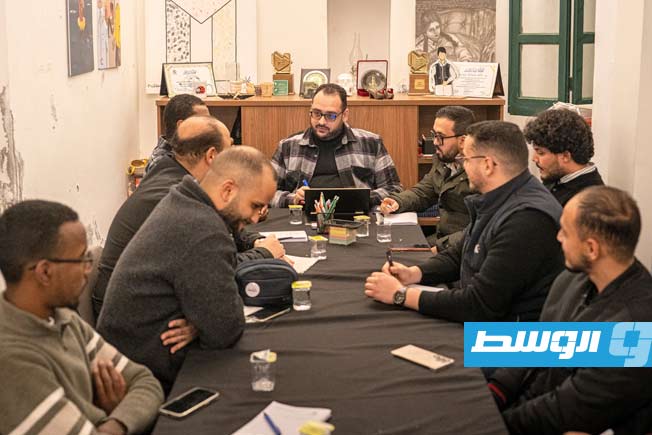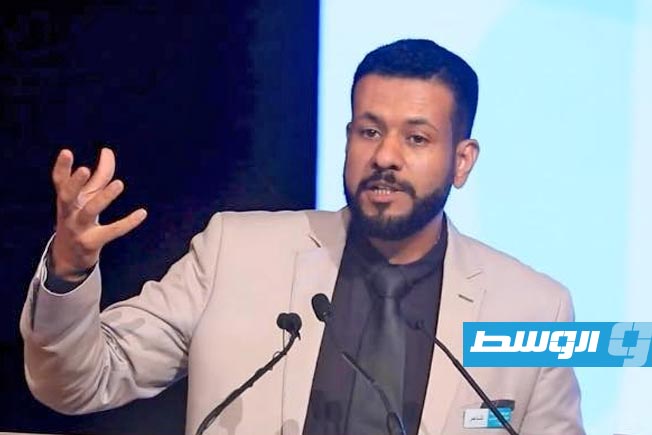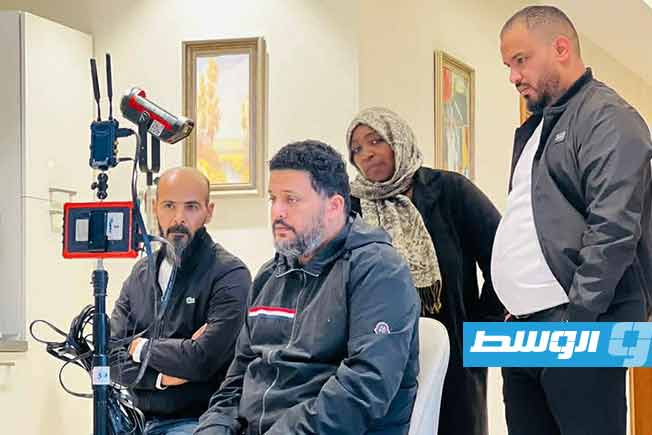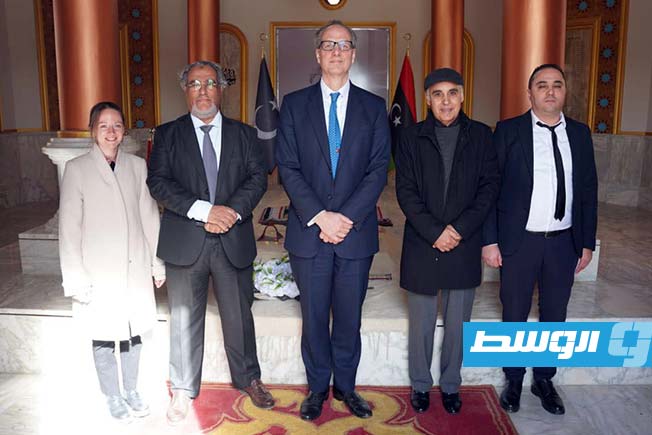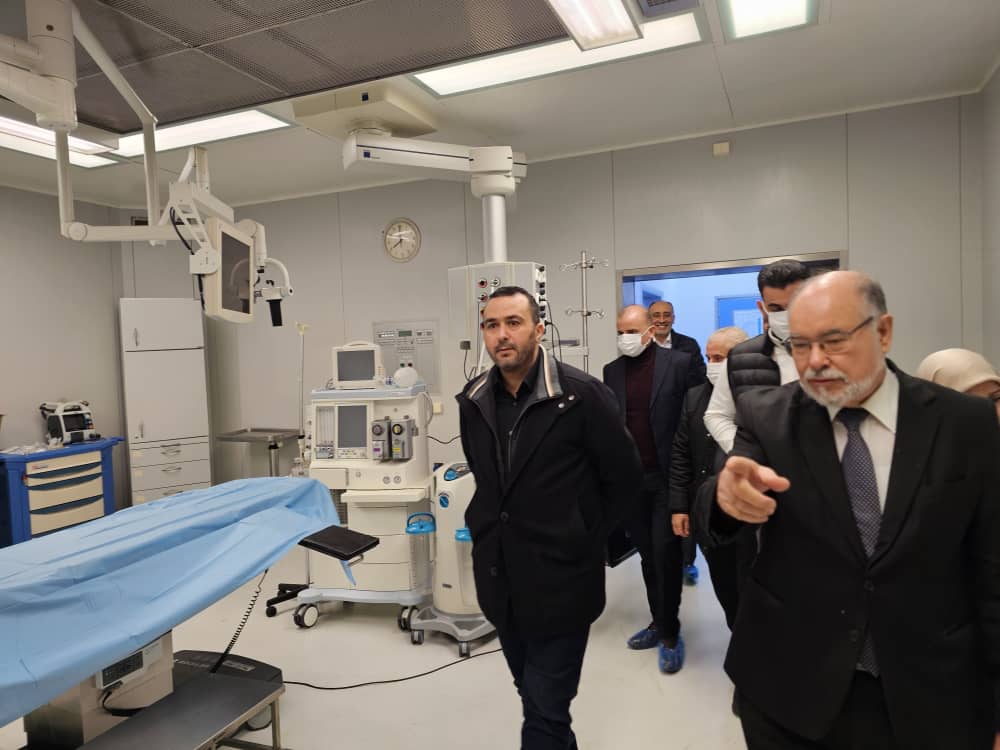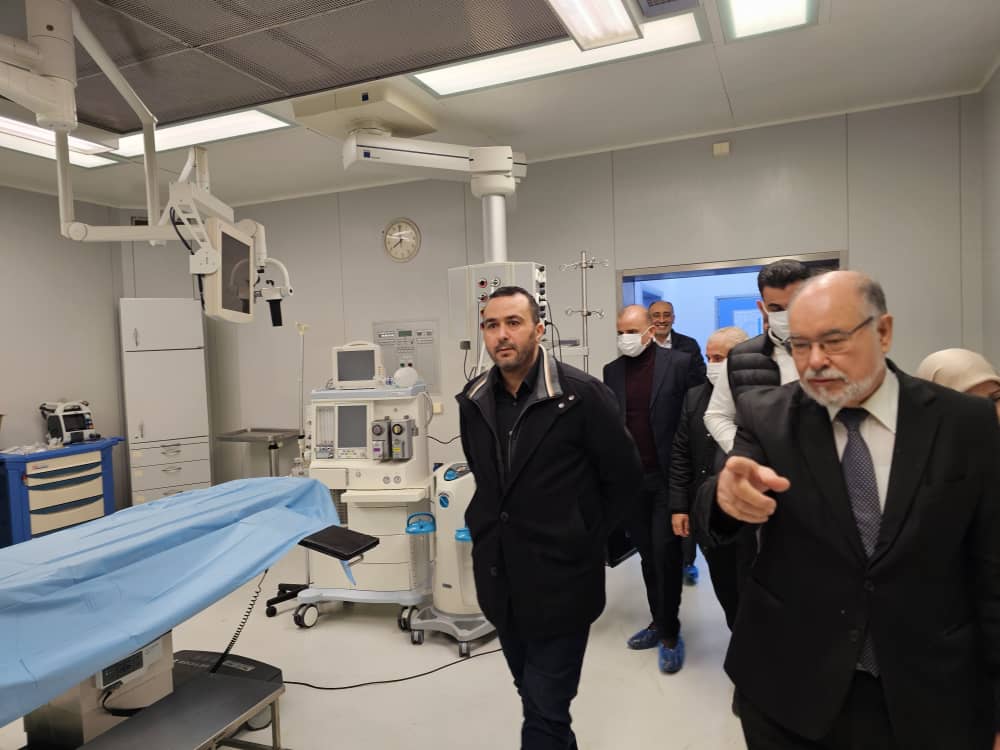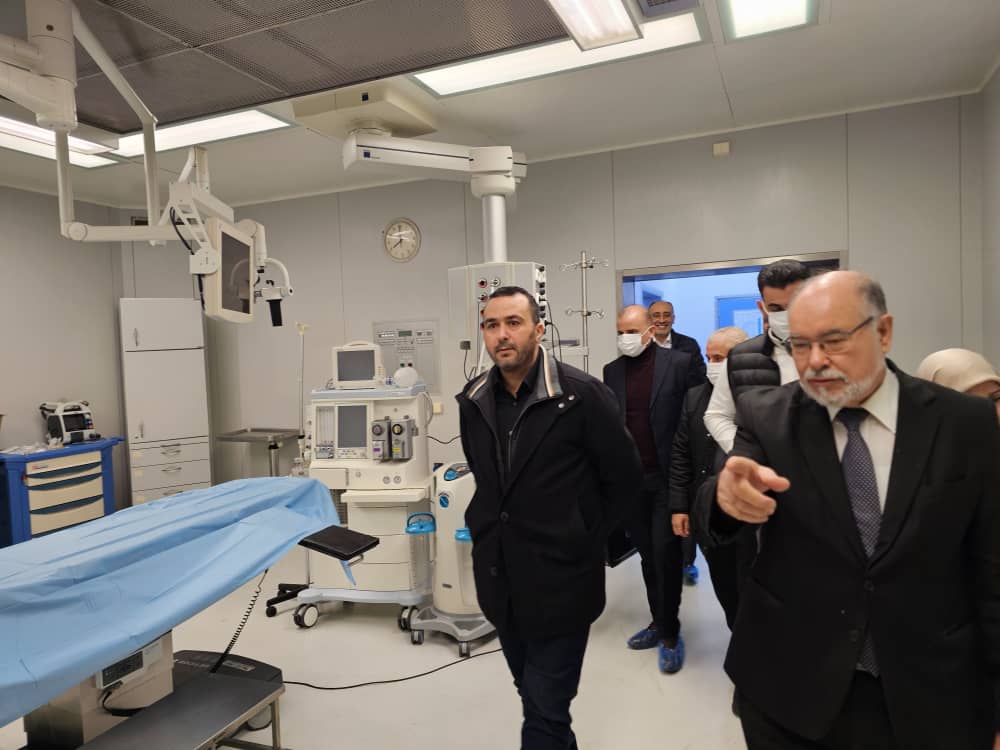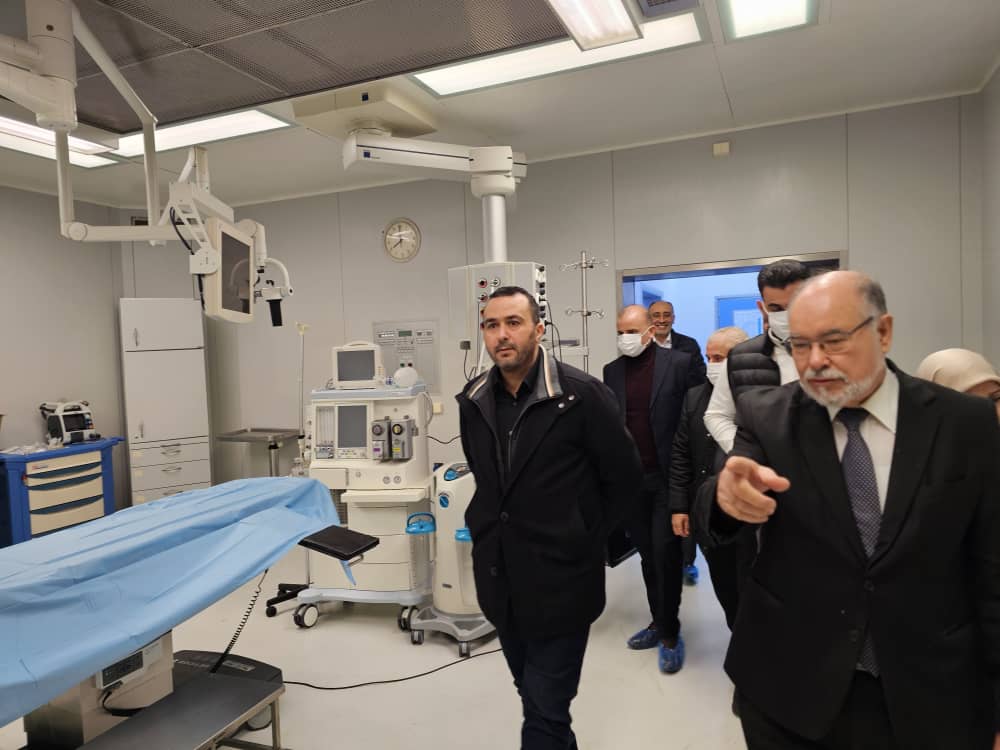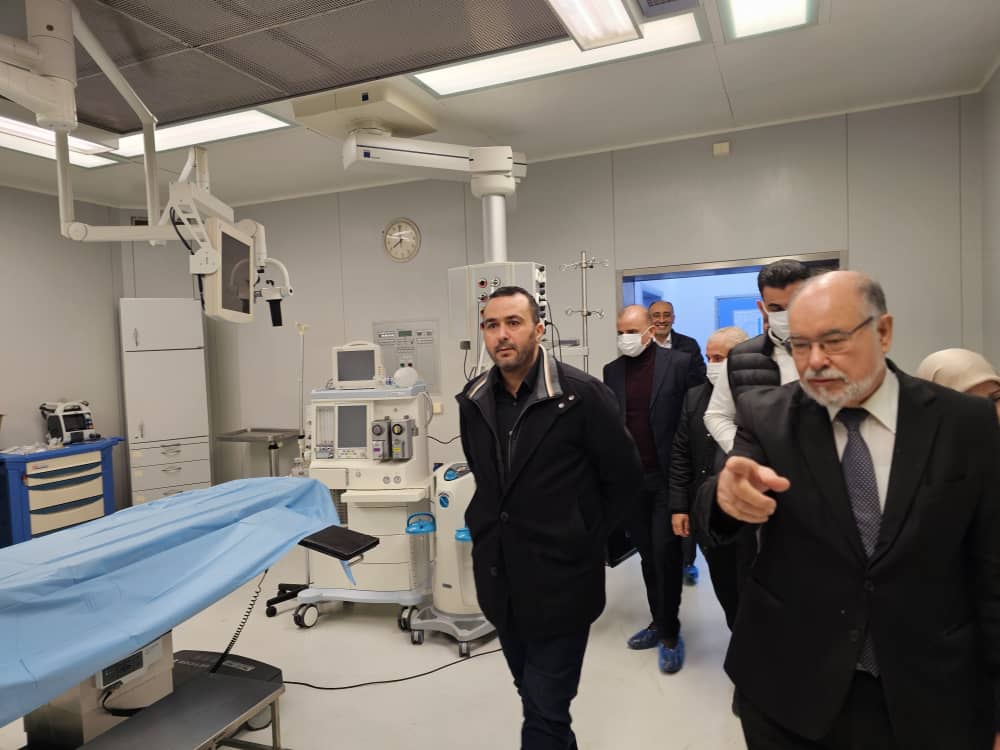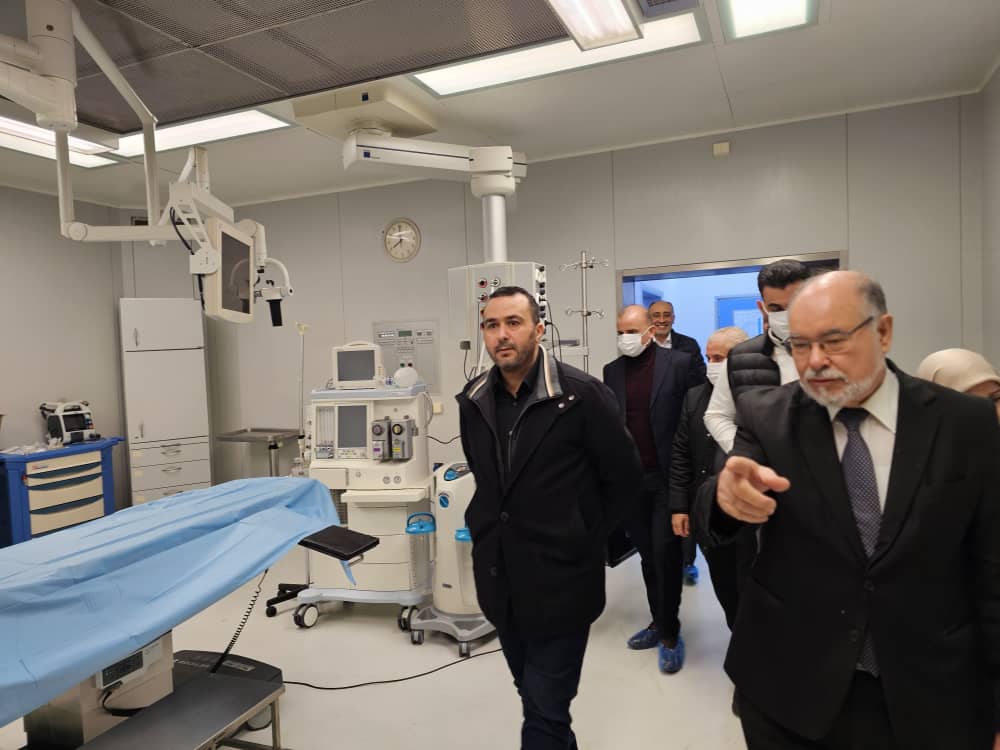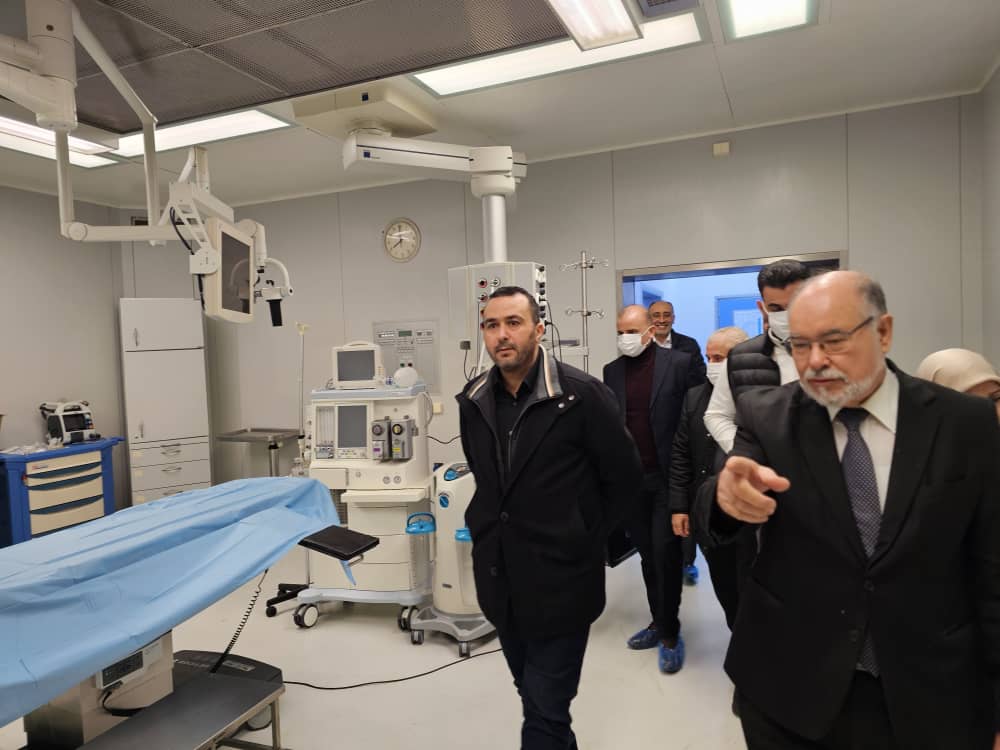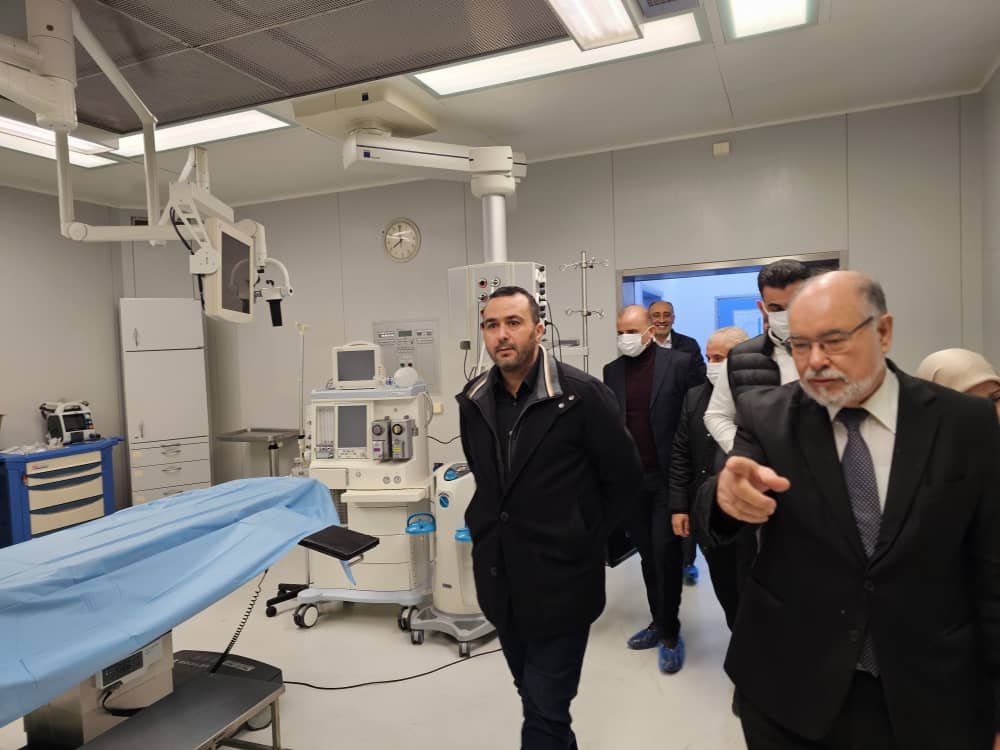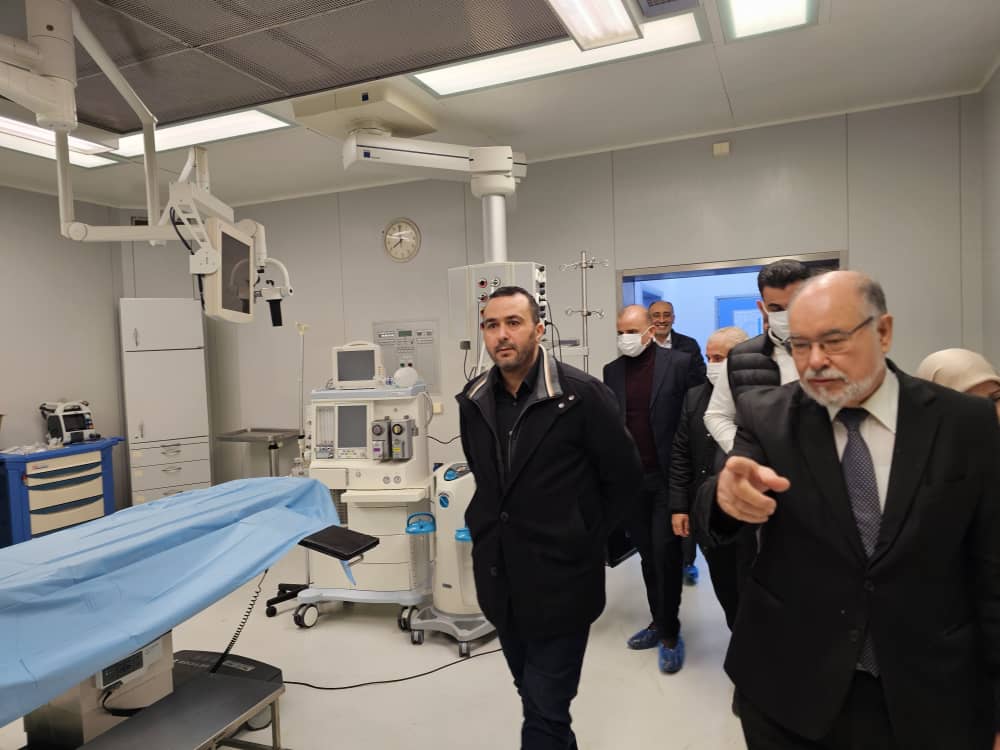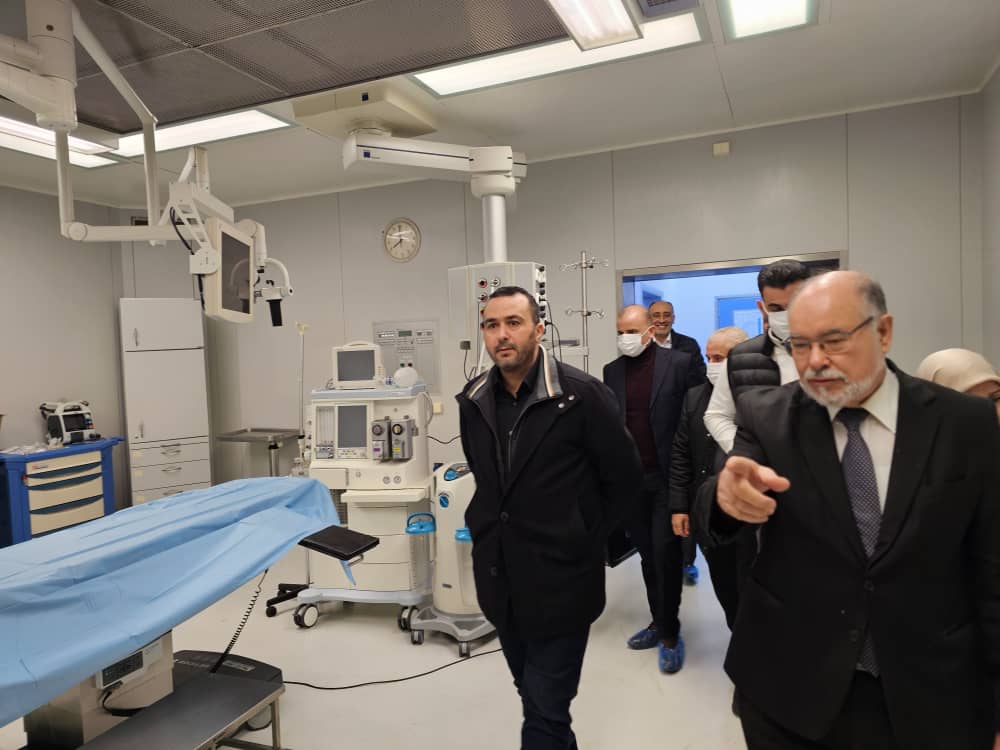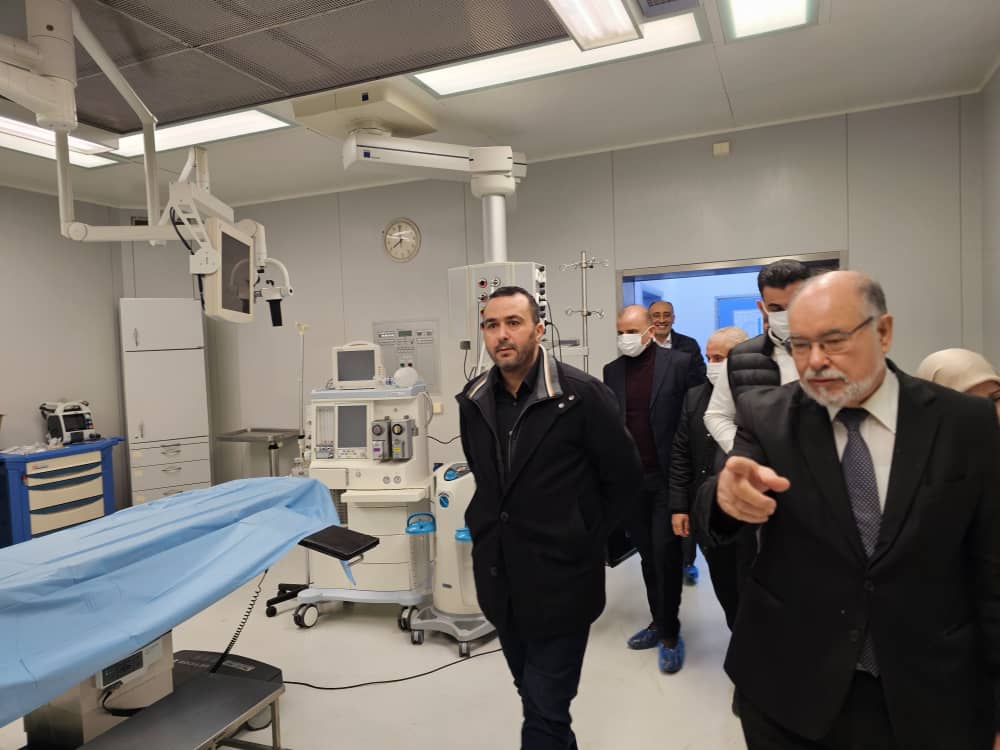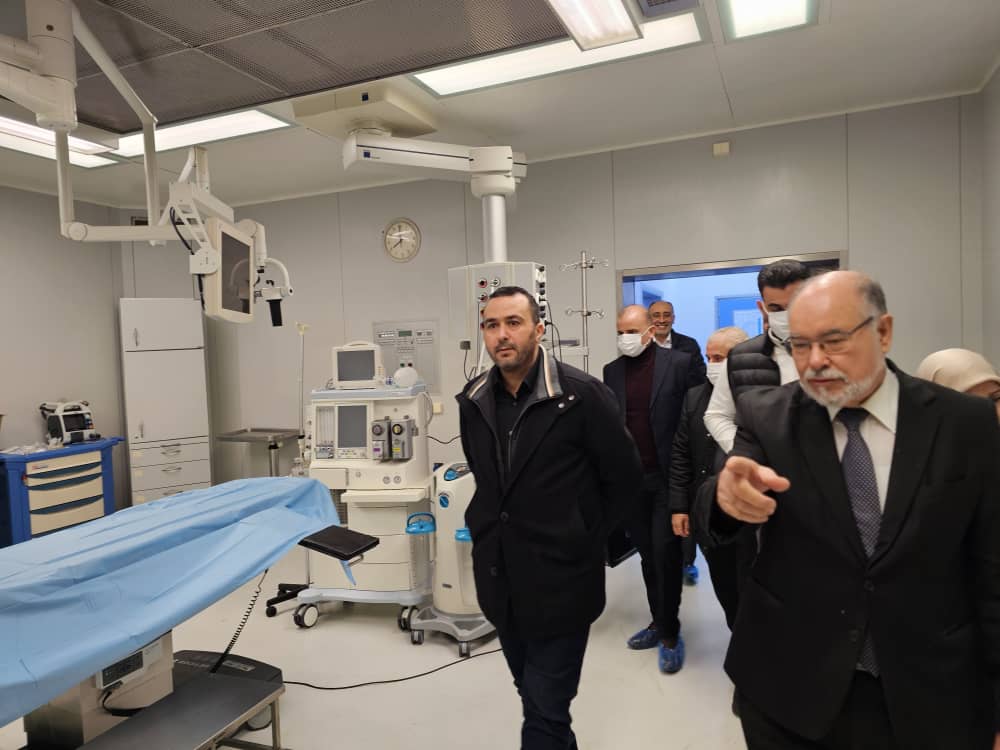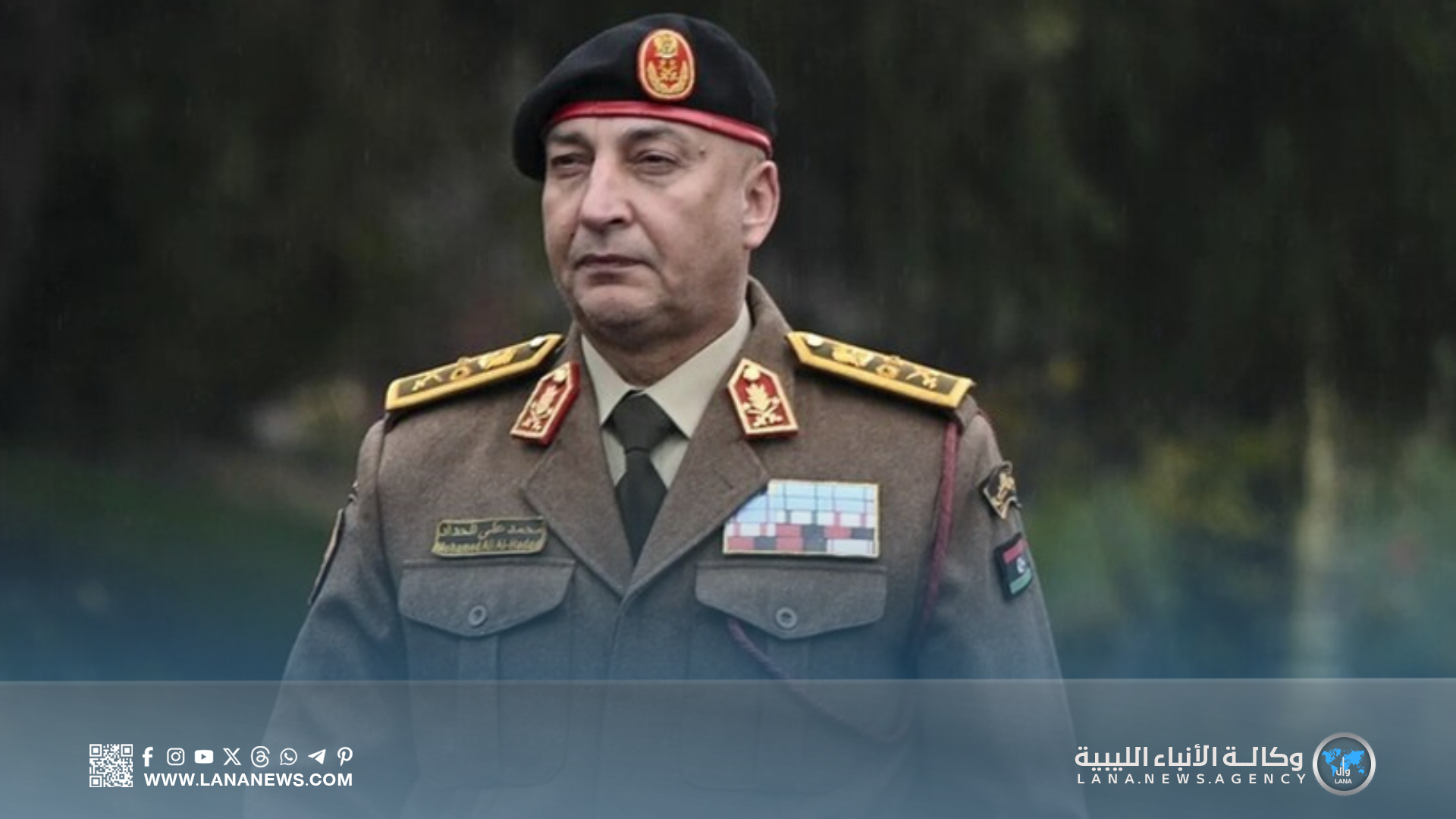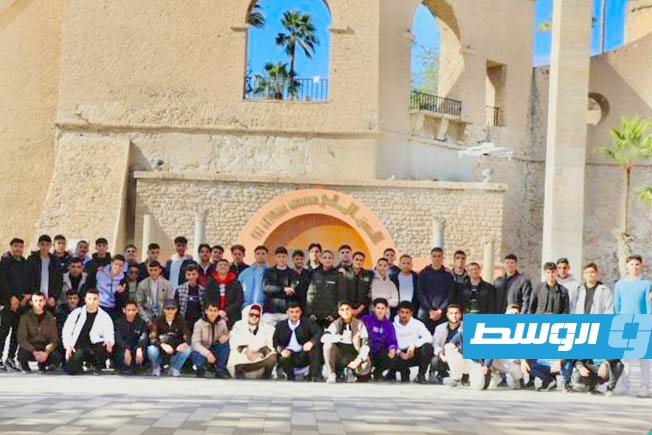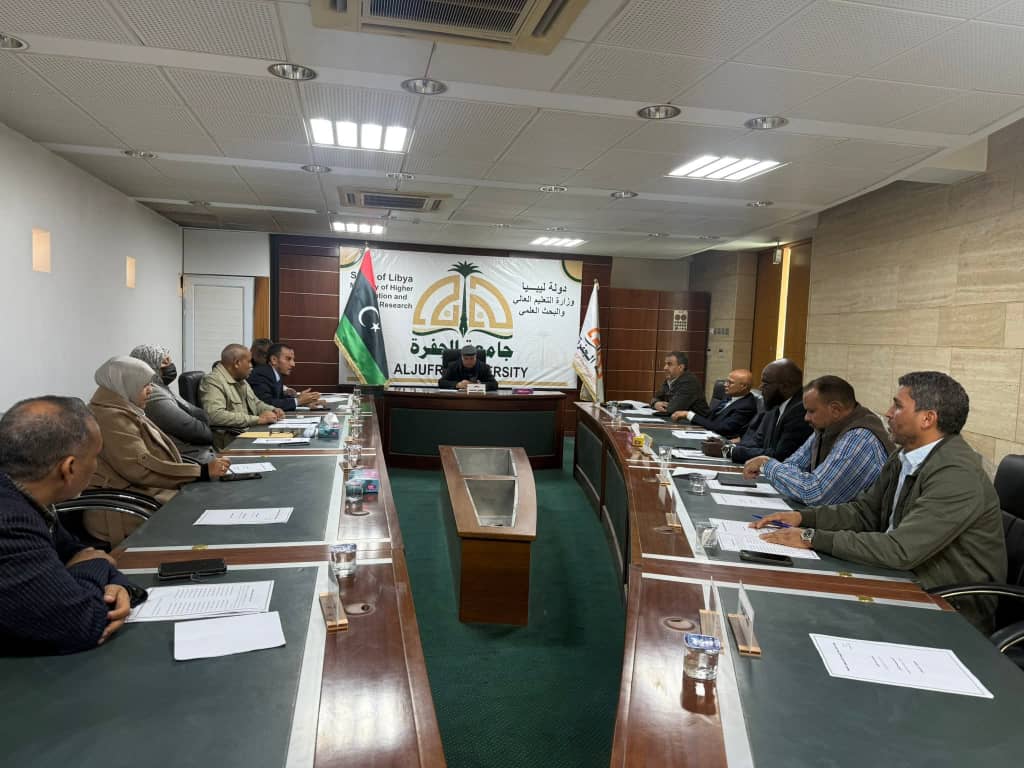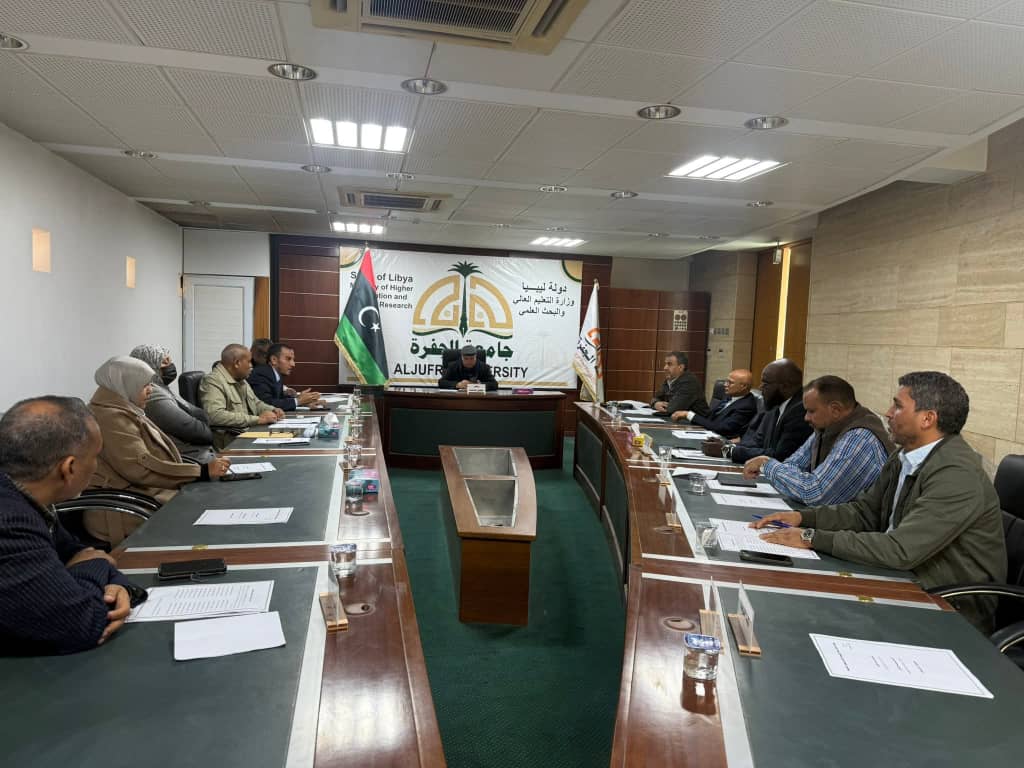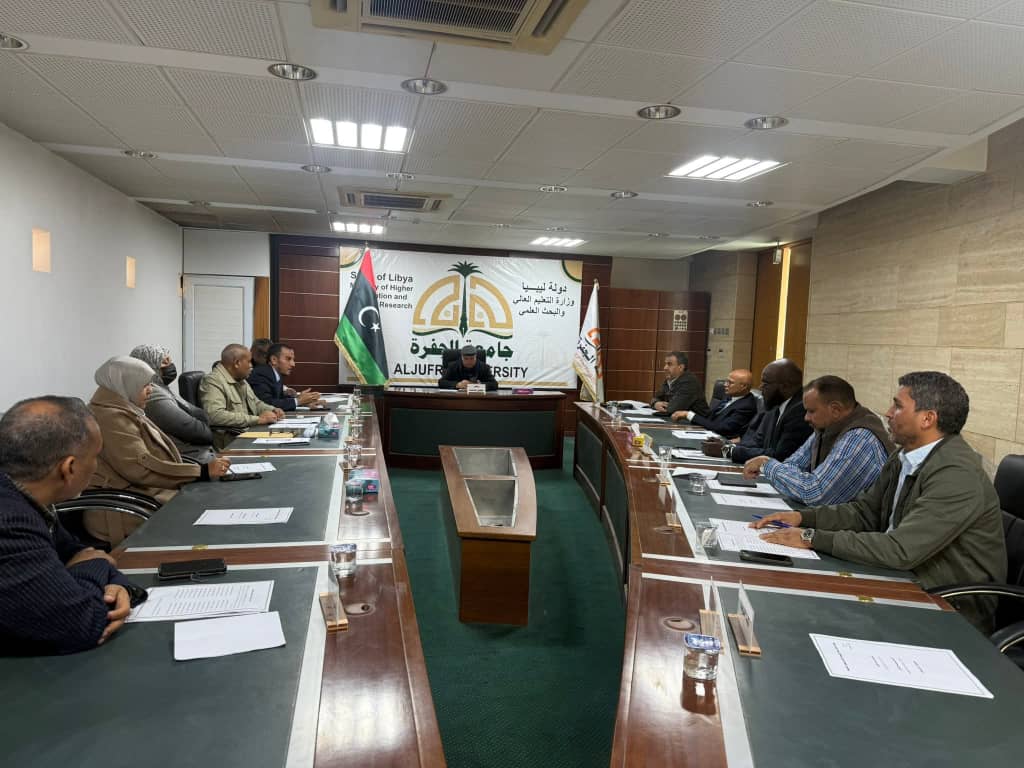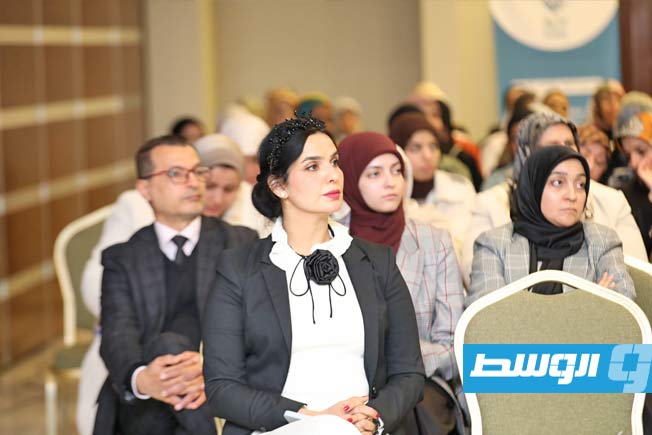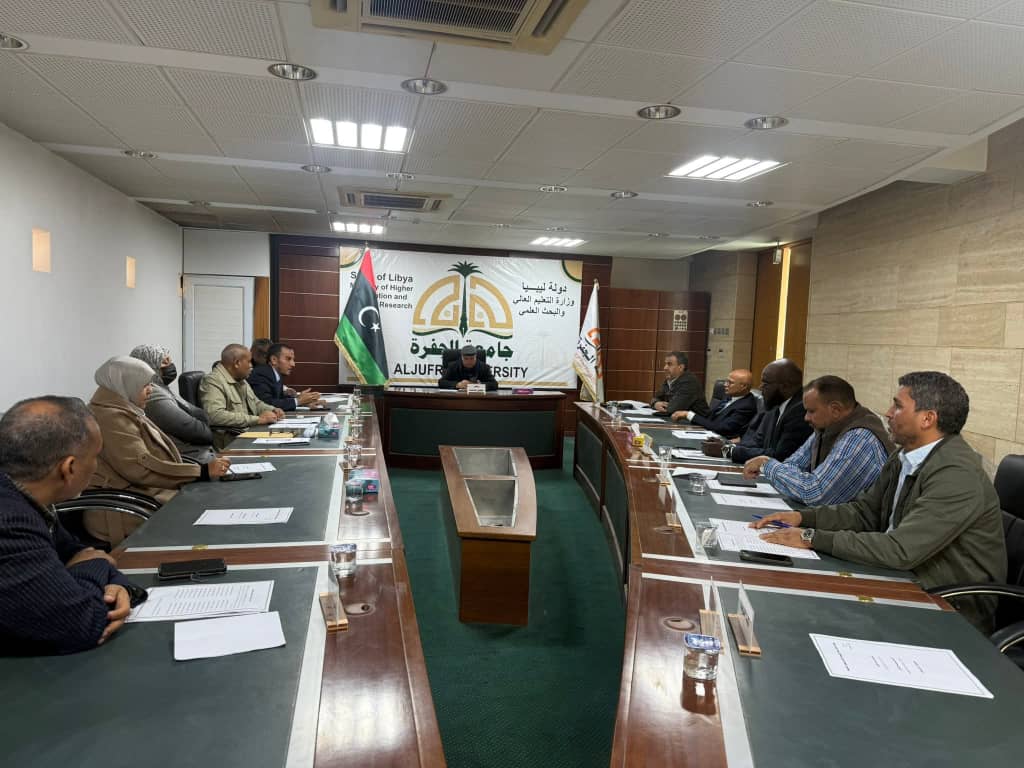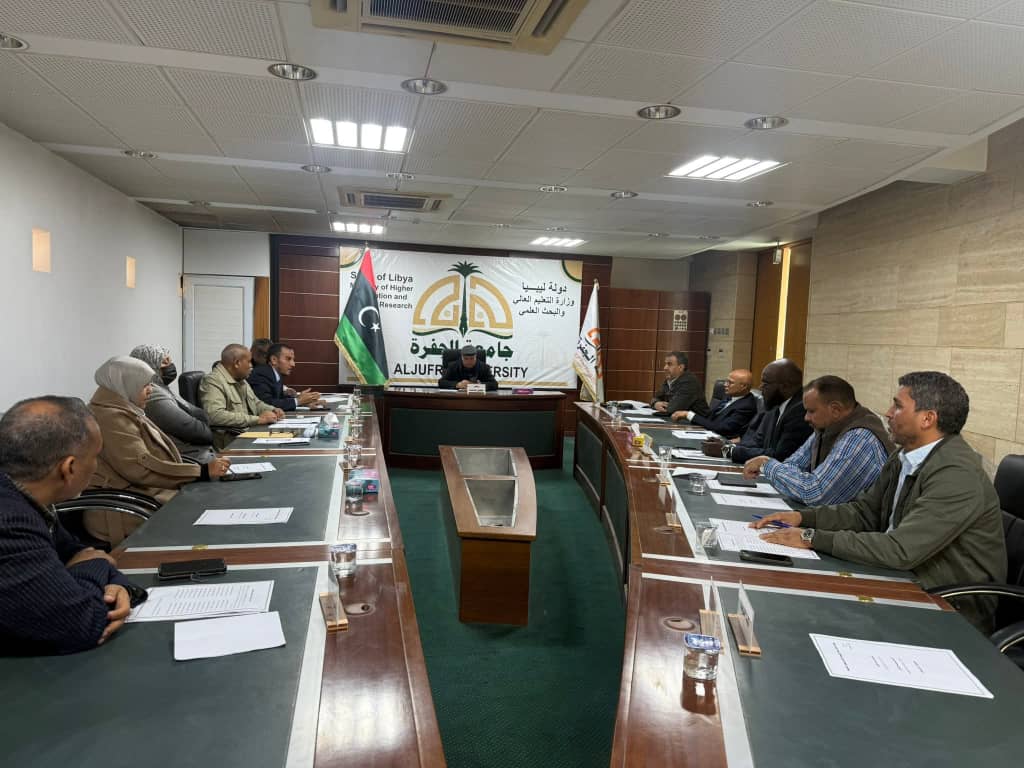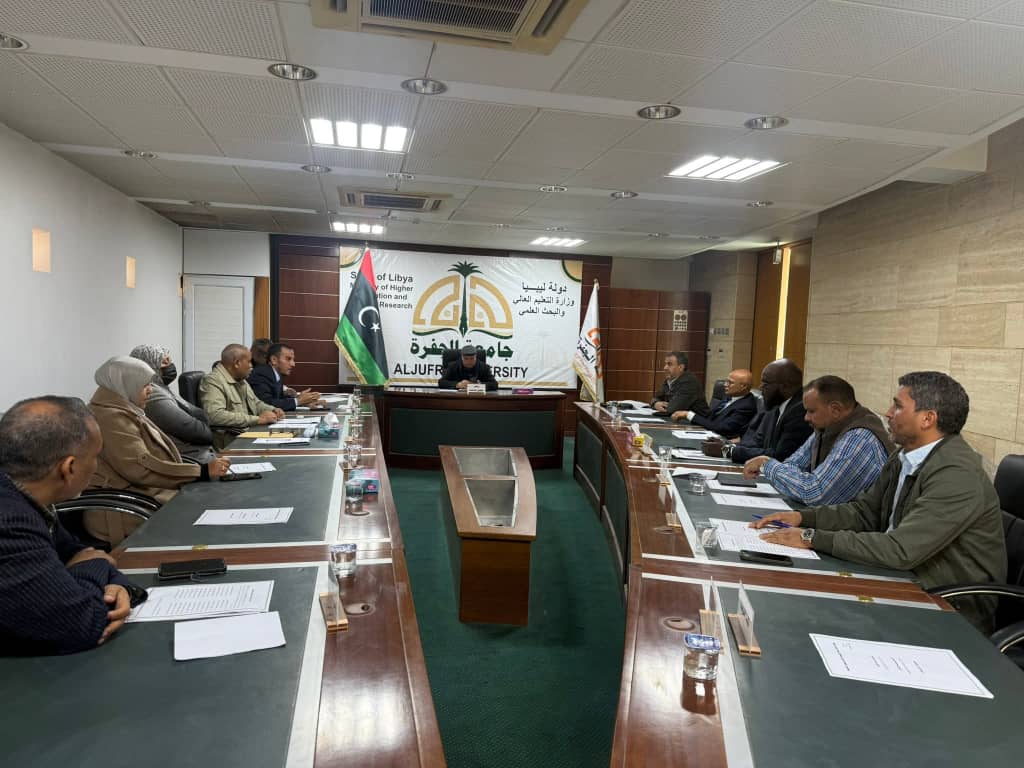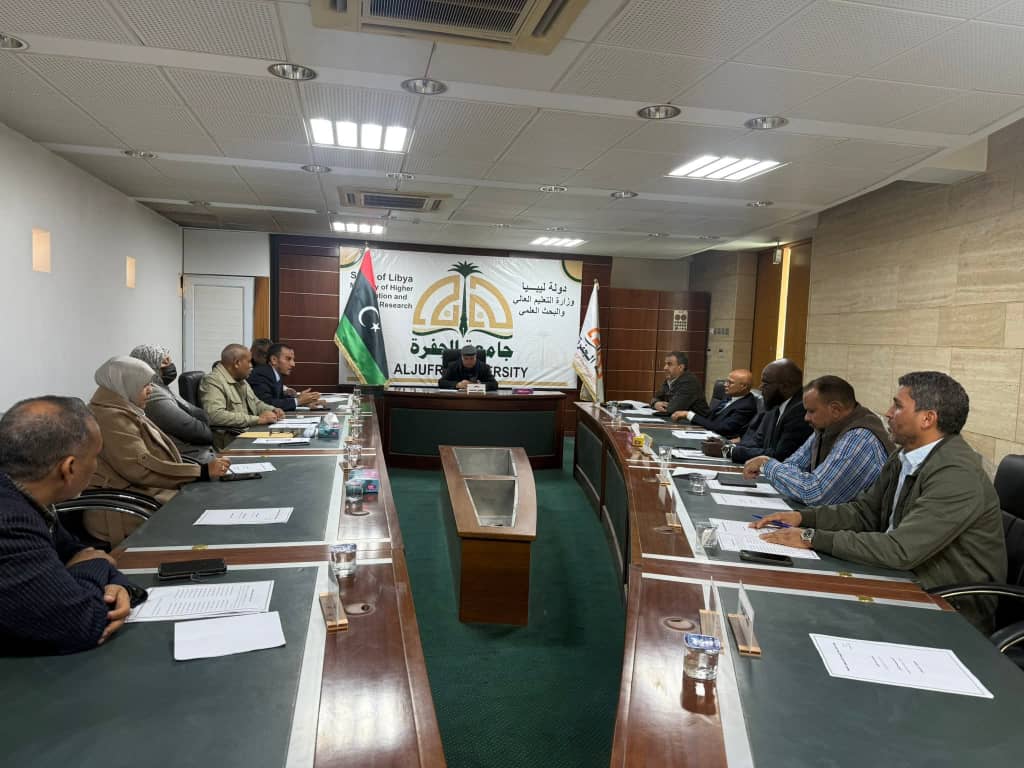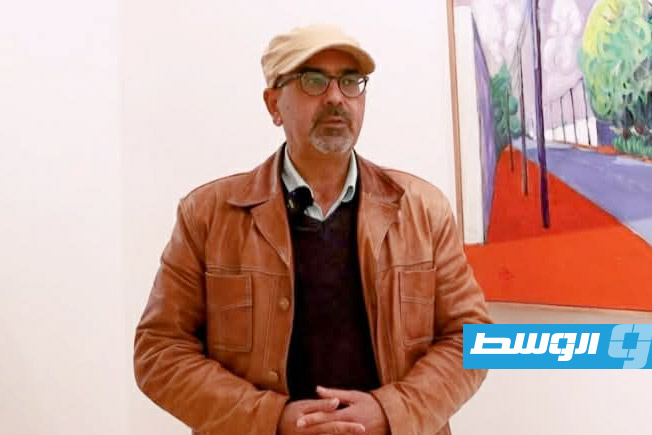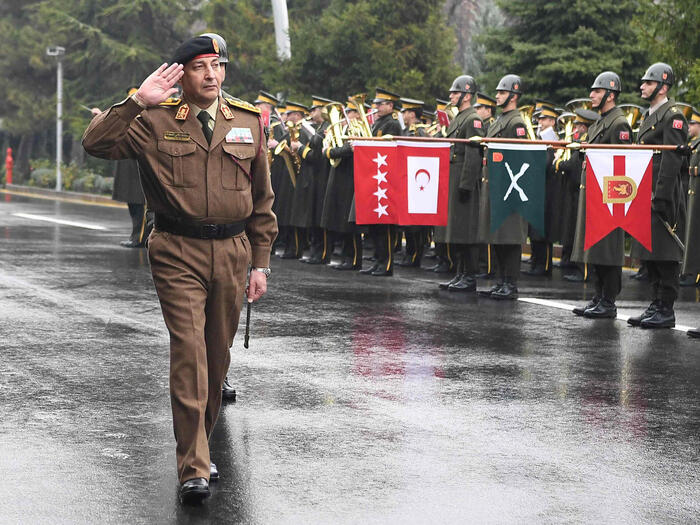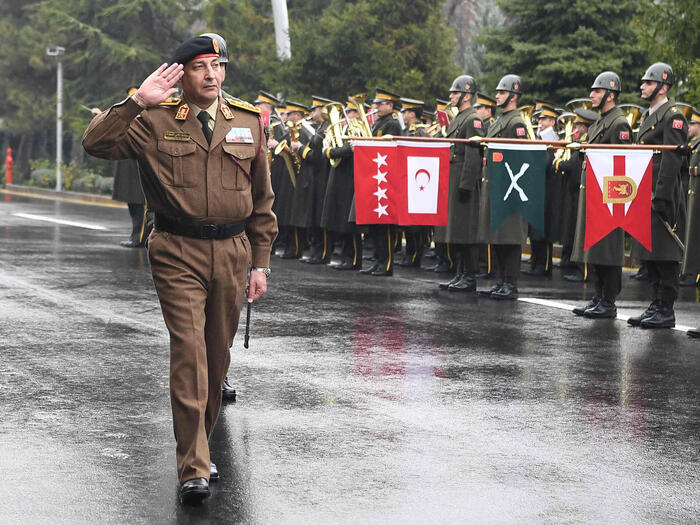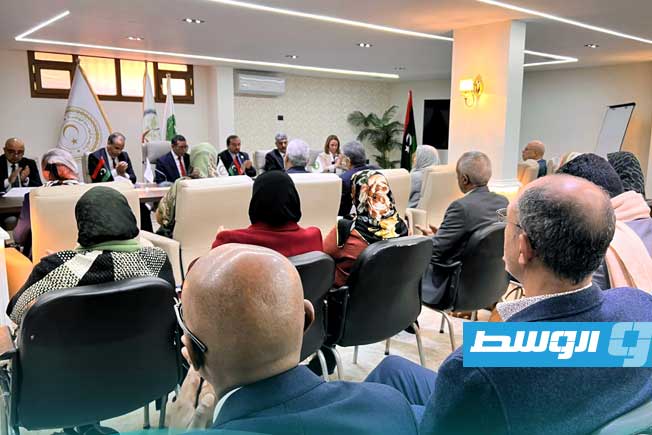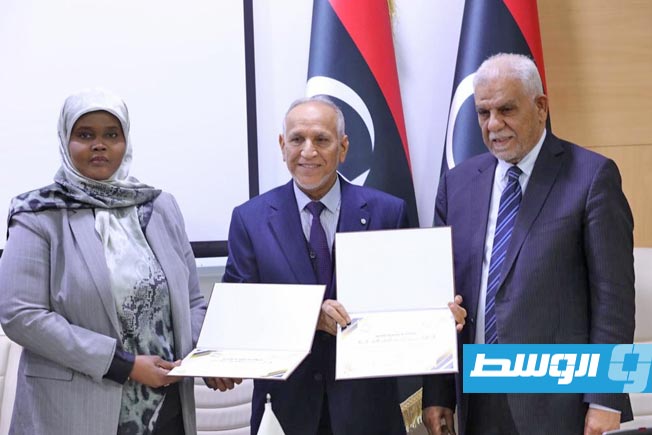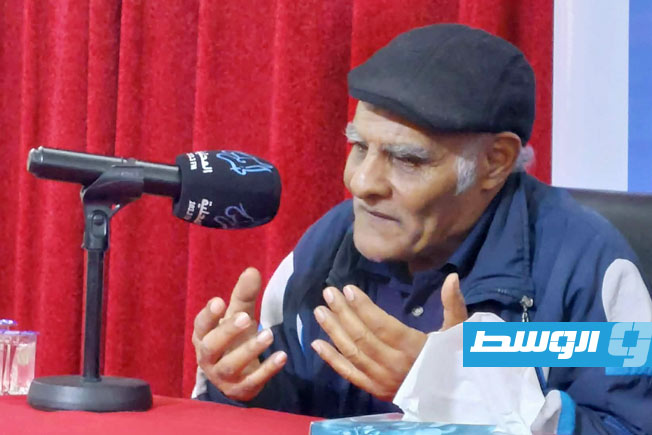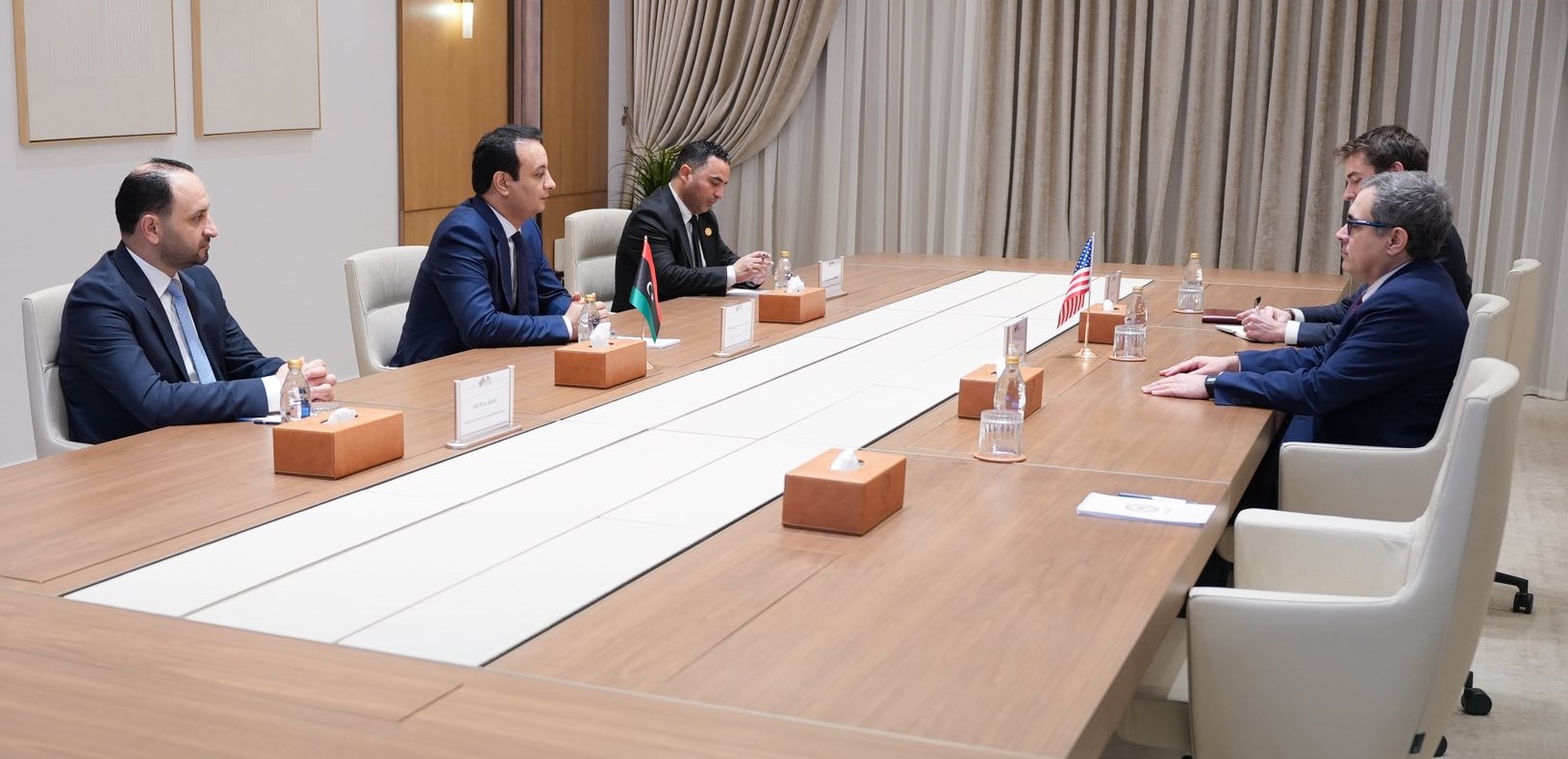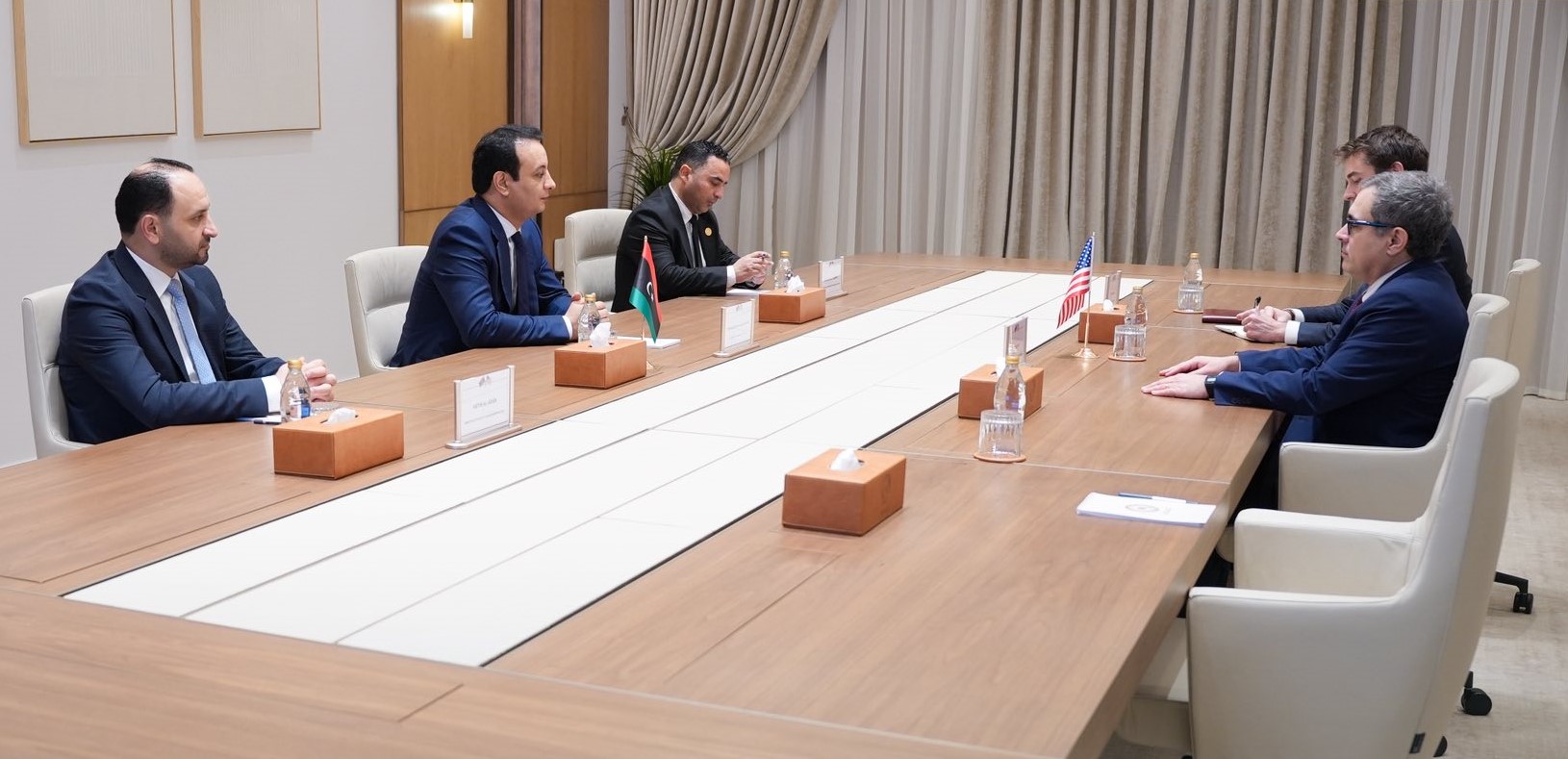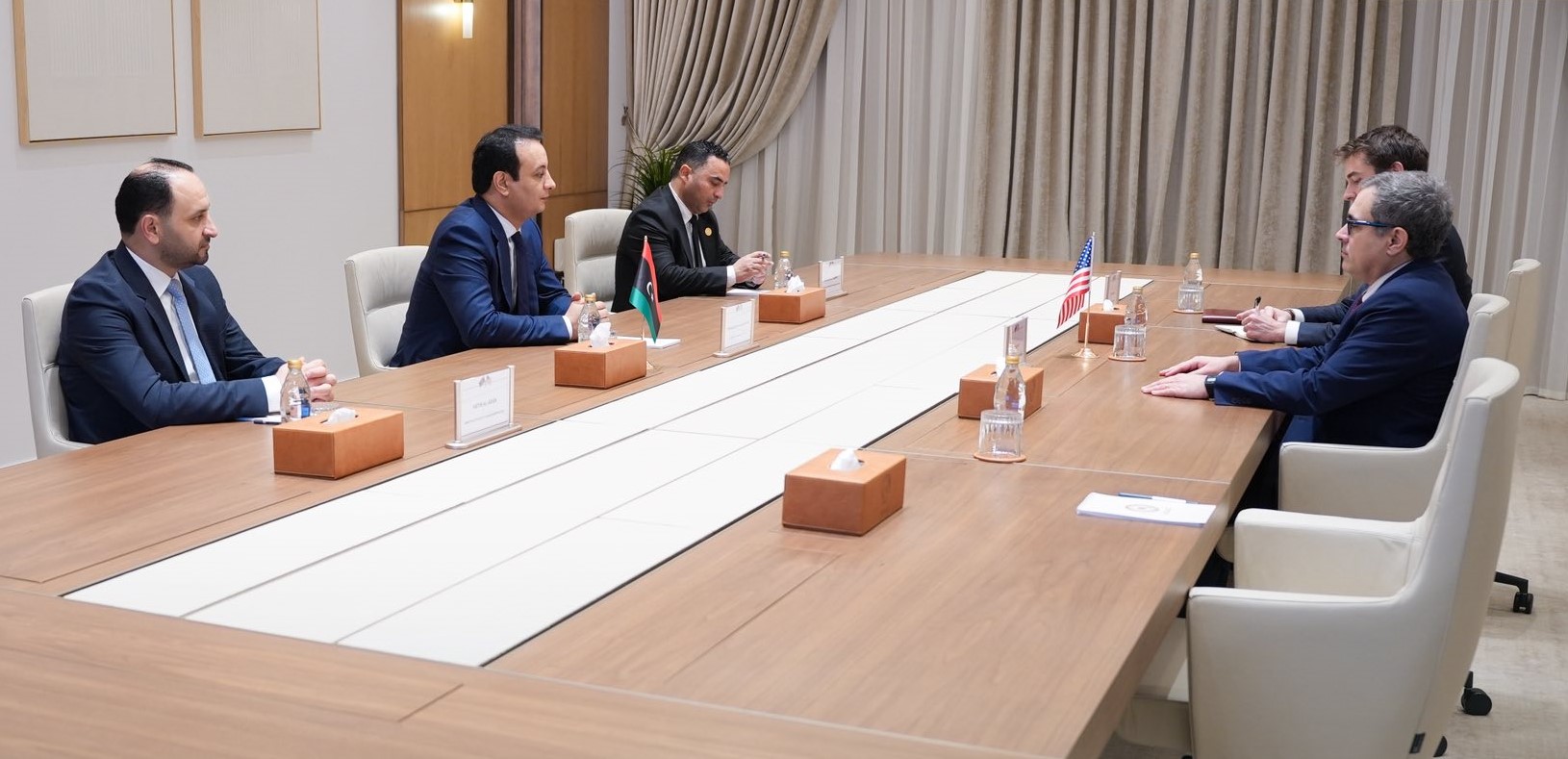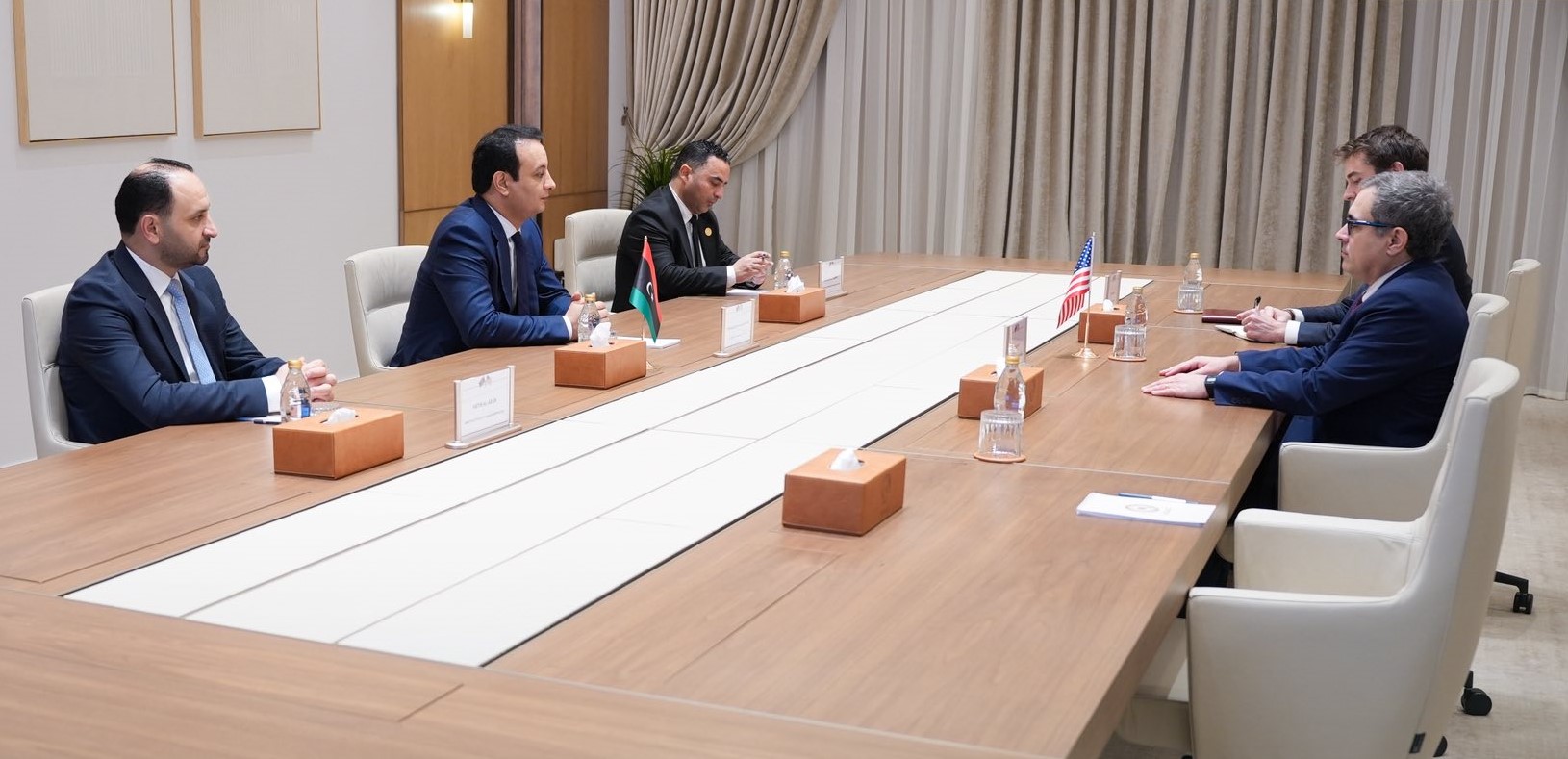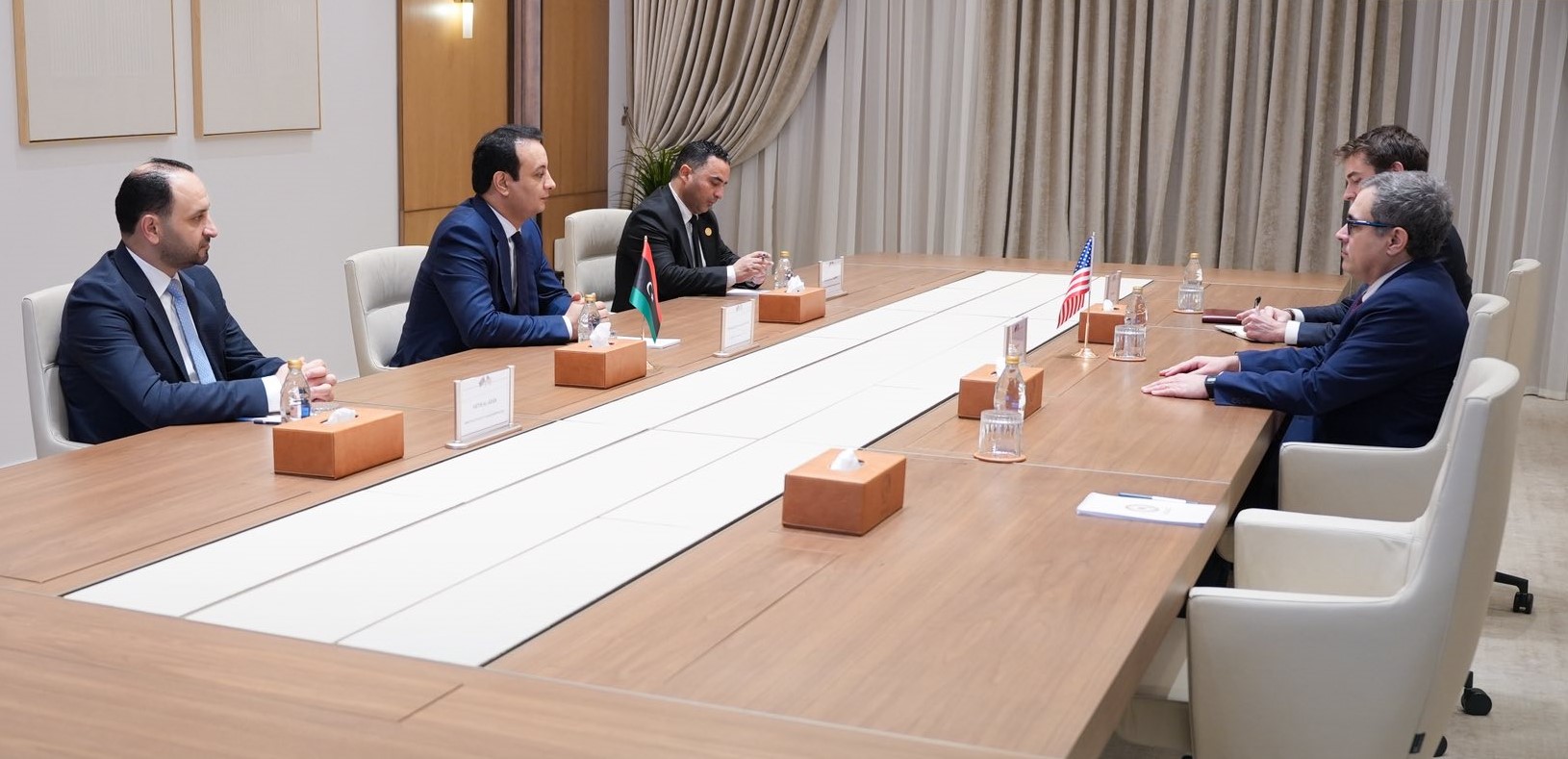
Tripoli, December 16, 2025 – The Moral Guidance Department of the Libyan Army organized an awareness lecture titled “Cybercrime: Reality, Challenges, and Confrontation Mechanisms” this Tuesday morning. This event is part of a series of educational lectures conducted by the department for the administrations and personnel of the Libyan Army.
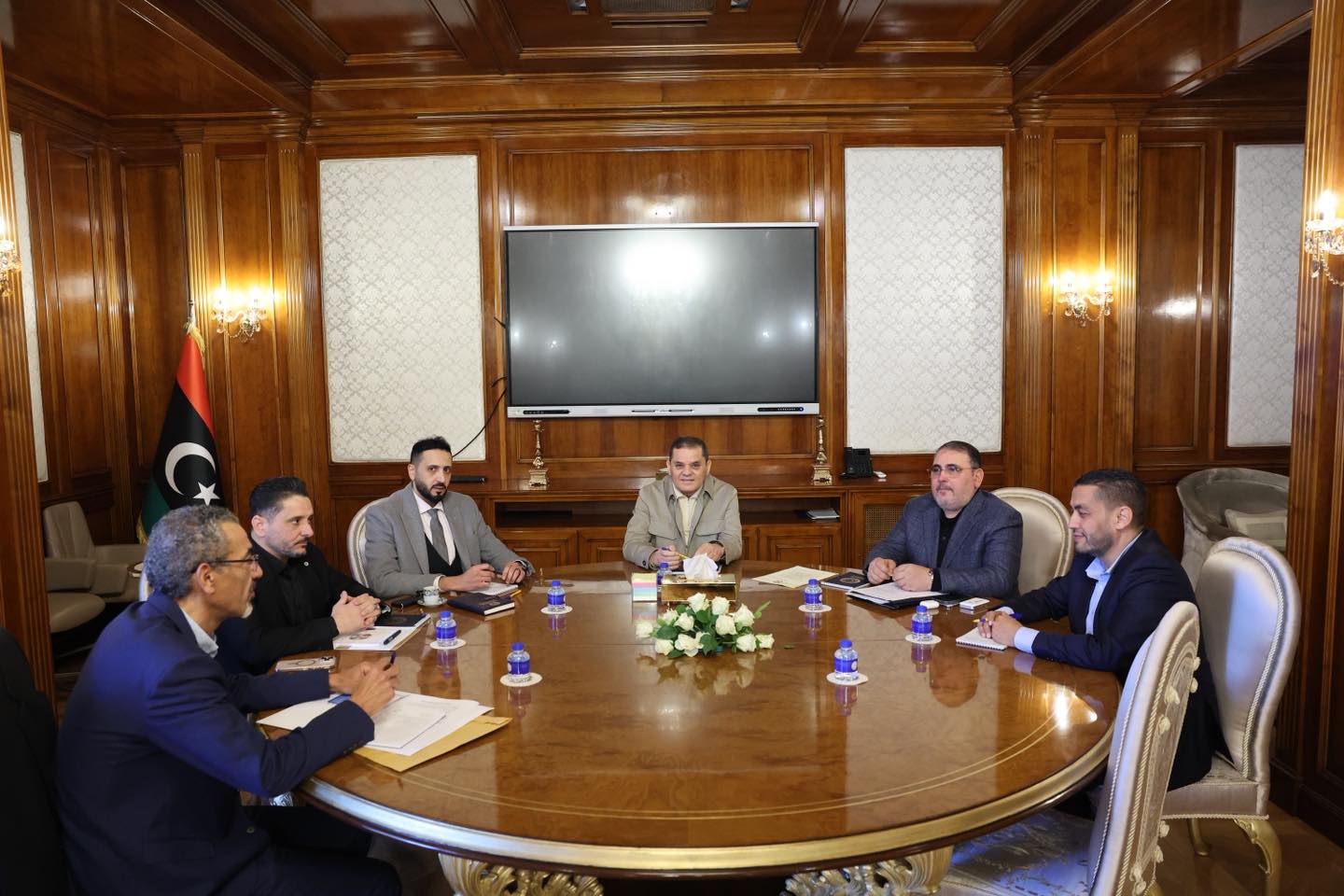
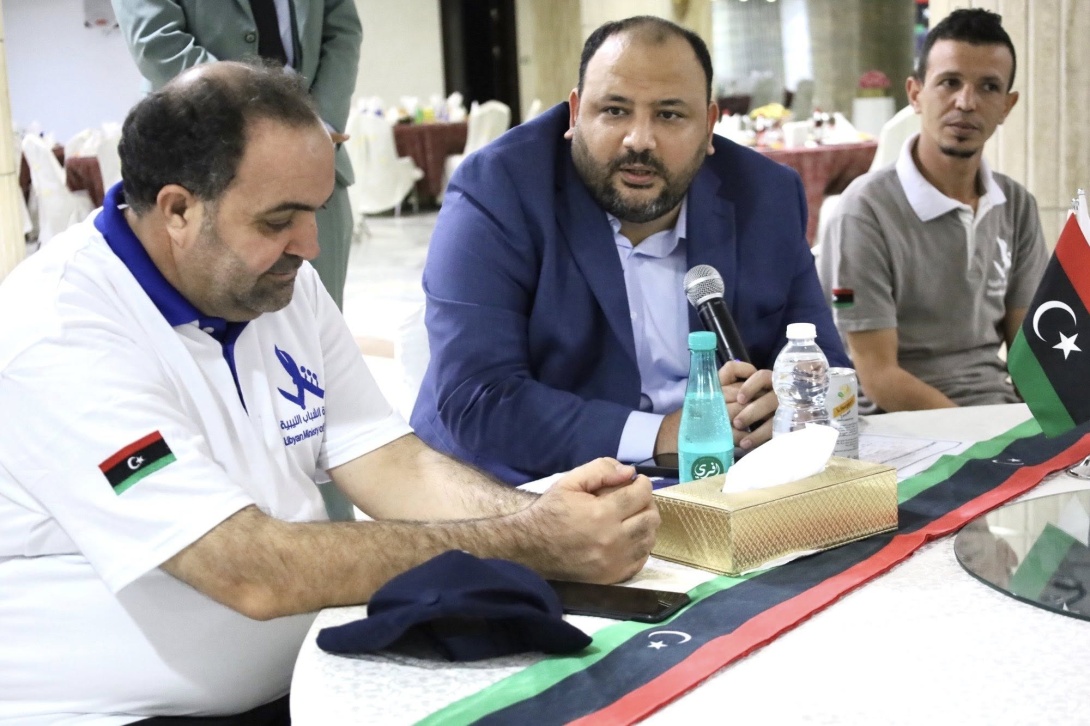
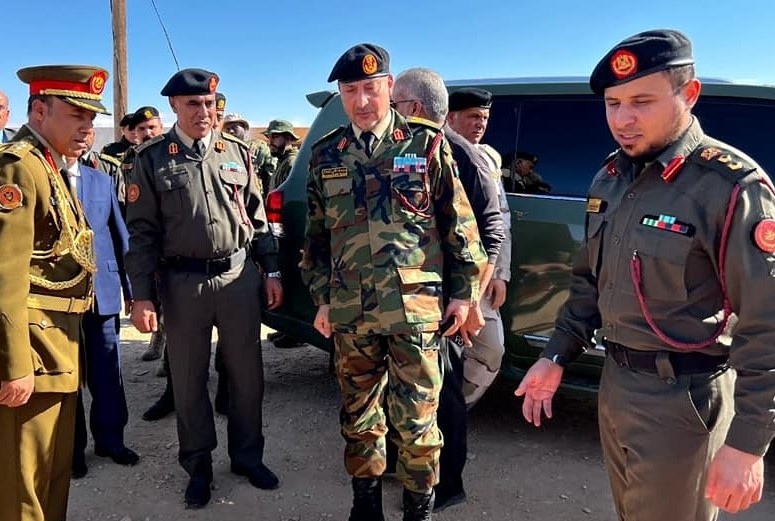
The lecture was attended by the Director of the Cyber Warfare Department, the Assistant Director of the Moral Guidance Department, along with a number of officers and soldiers from the military institution, as well as several personnel from the Center for Social Studies.
The lecture addressed the concept of cybercrime and its types, the reasons for its danger to individuals and institutions, and highlighted the most prevalent cybercrimes.
The presentation focused on confrontation and prevention mechanisms, explaining ways to reduce these crimes, the importance of digital awareness, as well as mechanisms for reporting cybercrimes, the competent authorities, and the practical steps to be taken when exposed to any violation.
This lecture comes within the framework of the Moral Guidance Department’s efforts to enhance legal and digital culture, raise awareness of cyber risks, and support the readiness of military institution personnel to face the increasing challenges in the digital space.
…
Director of the Cyber Warfare Department
### **Core Responsibilities**
* **Strategic Leadership:** Directs the planning, development, and execution of cyber warfare operations (both offensive and defensive).
* **Defensive Cyber Operations (DCO):** Protects national critical infrastructure, military networks, and government systems from advanced persistent threats (APTs), state-sponsored hackers, and other adversaries.
* **Offensive Cyber Operations (OCO):** Develops and employs cyber capabilities to achieve national security objectives, which may include intelligence gathering, disruption, or deterrence.
* **Policy & Doctrine:** Shapes national or organizational policy, rules of engagement, and strategic doctrine for cyber warfare.
* **Resource Management:** Oversees a large budget, cutting-edge technology, and a specialized workforce of analysts, operators, and researchers.
* **Interagency Coordination:** Works closely with intelligence agencies (e.g., NSA, CIA), military branches, homeland security, and allied nations.
### **Typical Organizational Context**
This position is most commonly found within:
* **National Military:** e.g., A branch-specific Cyber Command or within a joint service like **U.S. Cyber Command (USCYBERCOM)**.
* **Intelligence Agency:** e.g., Within the **National Security Agency (NSA)** or equivalent signals intelligence body.
* **Ministry/Agency of Defense:** In many nations, this role sits at the ministerial level, overseeing all military cyber forces.
### **Required Expertise & Background**
* **Experience:** Extensive background in cybersecurity, signals intelligence (SIGINT), information warfare, or military command.
* **Security Clearance:** Would hold the highest possible security clearance (e.g., **Top Secret/Sensitive Compartmented Information (TS/SCI)** in the U.S.).
* **Skills:** Deep technical knowledge combined with strategic, operational, and political acumen. Understanding of international law and norms in cyberspace is critical.
### **Fictional/Media Portrayal**
In movies, TV, or books, this character is often depicted as a powerful, sometimes controversial figure at the center of high-stakes cyber conflicts, making decisions with global consequences.
**In summary, the “Director of the Cyber Warfare Department” is a senior executive responsible for defending national interests in cyberspace and, when authorized, projecting power through it. The role sits at the intersection of technology, military strategy, and national policy.**
Assistant Director of the Moral Guidance Department
### **Possible Responsibilities:**
1. **Ideological & Ethical Training:** Developing and overseeing programs to instill the organization’s core values, ethical codes, and ideological principles in members (e.g., soldiers, employees, students).
2. **Moral Welfare:** Addressing the personal and moral well-being of individuals, which may include counseling, conflict resolution, and ensuring adherence to behavioral standards.
3. **Political Education:** In some contexts, this role involves ensuring political loyalty and teaching the official political line or doctrine of the state or ruling party.
4. **Discipline & Compliance:** Working alongside disciplinary units to correct deviations from established moral or ideological norms.
5. **Cultural & Religious Guidance:** In religiously-oriented institutions (e.g., some militaries), the role may focus on spiritual guidance and religious observance.
### **Typical Contexts:**
* **Military:** Common in many armed forces (e.g., China’s People’s Liberation Army, Iran’s Islamic Revolutionary Guard Corps) where the role ensures political loyalty and morale.
* **Government Institutions:** May exist in ministries or departments focused on education, youth, or public ideology.
* **Large Corporations or Schools:** In some cultures, large organizations might have a department focused on employee/student ethics and corporate culture.
### **Key Nuances:**
* The specific meaning is **highly dependent on the country and organization**. In some places, it’s a role focused on genuine welfare and ethics; in others, it’s a mechanism for political control and ideological enforcement.
* The title blends aspects of a **chaplain, political commissar, HR professional, and ethics officer**, but with a distinct emphasis on the organization’s prescribed “morality.”
If you have a more specific context (e.g., a particular country or organization), I can provide a more precise explanation. Are you referring to a specific instance where you encountered this title?