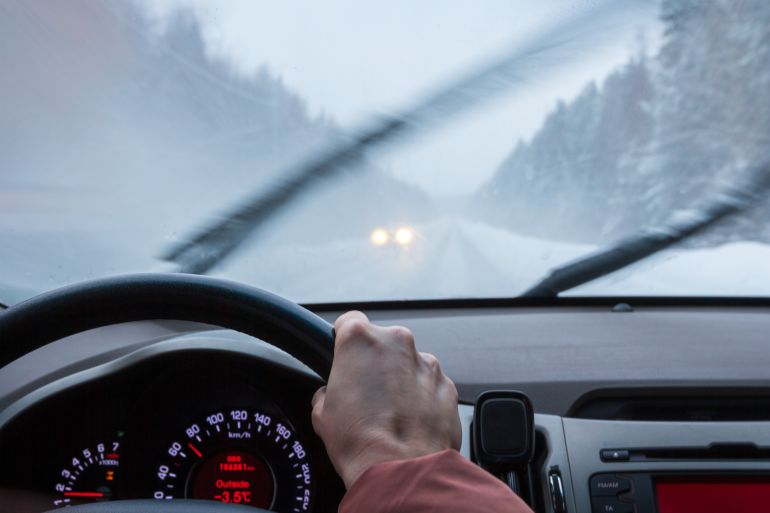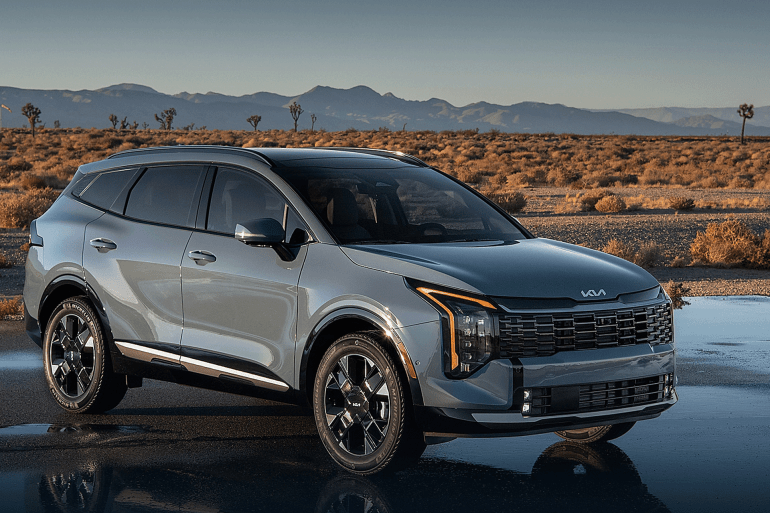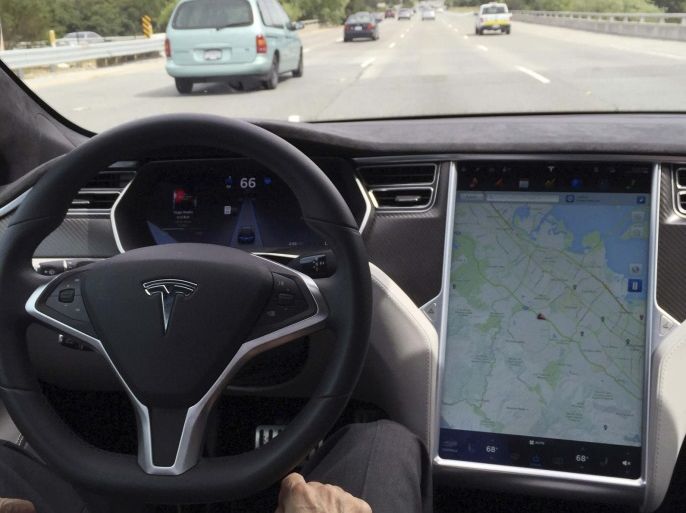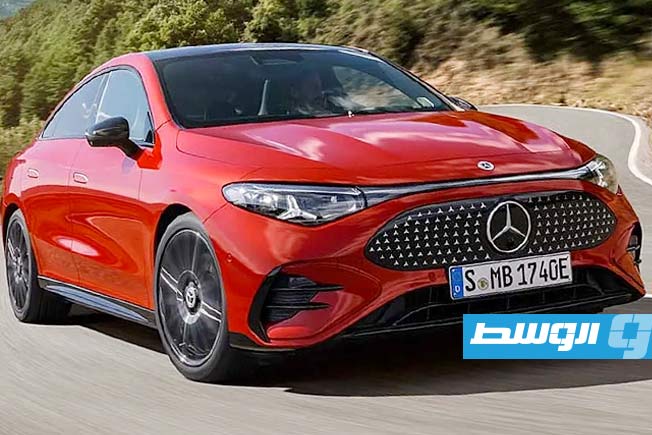
Driving during fasting requires a greater level of concentration, especially with feelings of hunger, thirst, or fatigue in the late daylight hours. To avoid accidents and maintain your safety and the safety of others, here are six important tips for driving during fasting:
Avoid driving during times of extreme fatigue
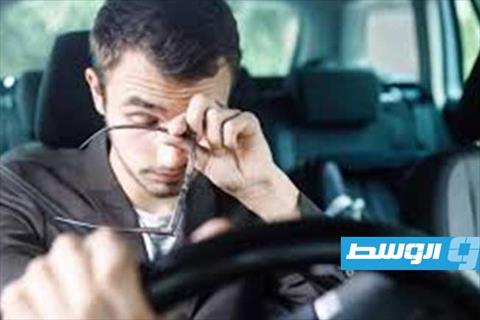
– If you feel tired or dizzy, it is best to postpone driving as much as possible, especially before breaking the fast, when energy and concentration levels are lower.
Maintain calm and reduce stress
– Fasting may increase irritability, so make sure to drive calmly and avoid getting upset or engaging in traffic disputes.
Adhere to speed limits
– Reaction times are slower during fasting, making adherence to speed a fundamental factor in avoiding surprises on the road.
Take breaks during long trips
– If driving long distances, stop briefly to stretch your body and regain energy, which helps improve concentration.
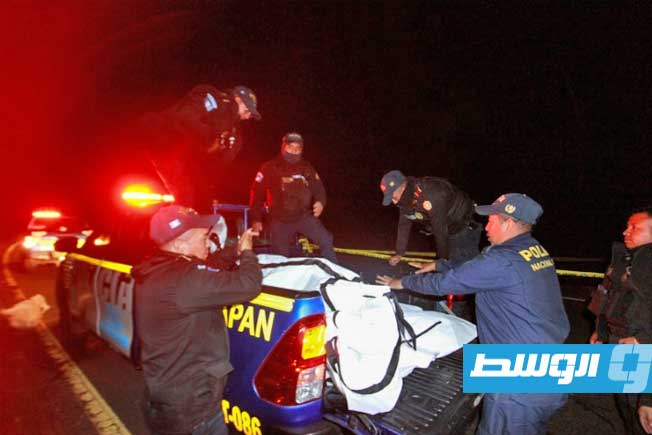
Avoid driving immediately before the time to break the fast
– Accidents increase during this time due to rushing and the desire to arrive quickly, so it is advisable to leave early or wait until after breaking the fast.
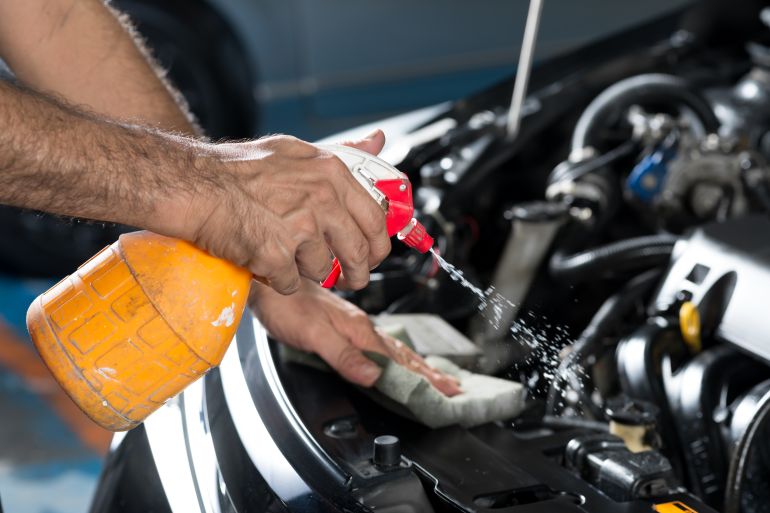
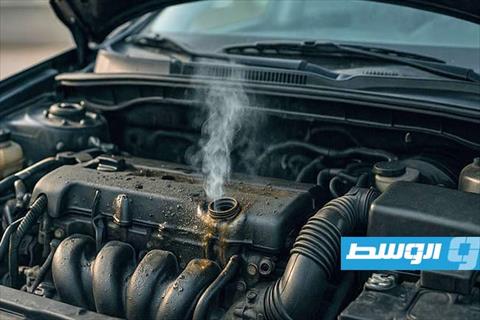
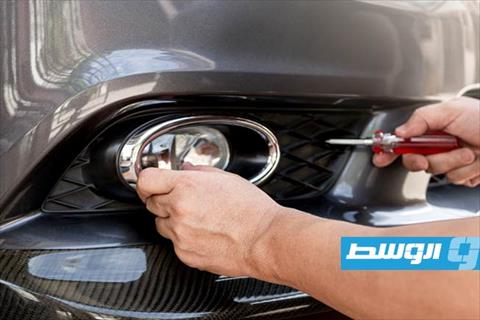
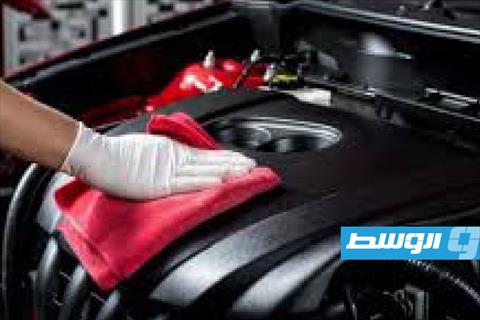
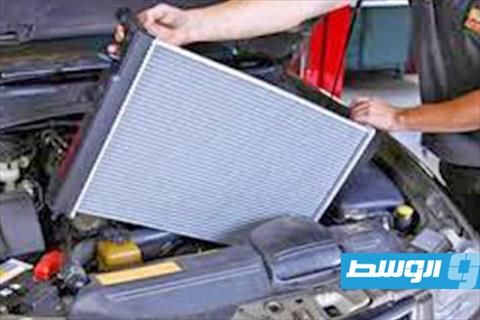
Pay attention to the condition of the car before setting off
– Ensuring the brakes, tires, and fluid levels are in good condition reduces any stress or unwanted surprises while driving.
By following these tips, driving during fasting becomes safer and more comfortable, allowing you to reach your destination safely.