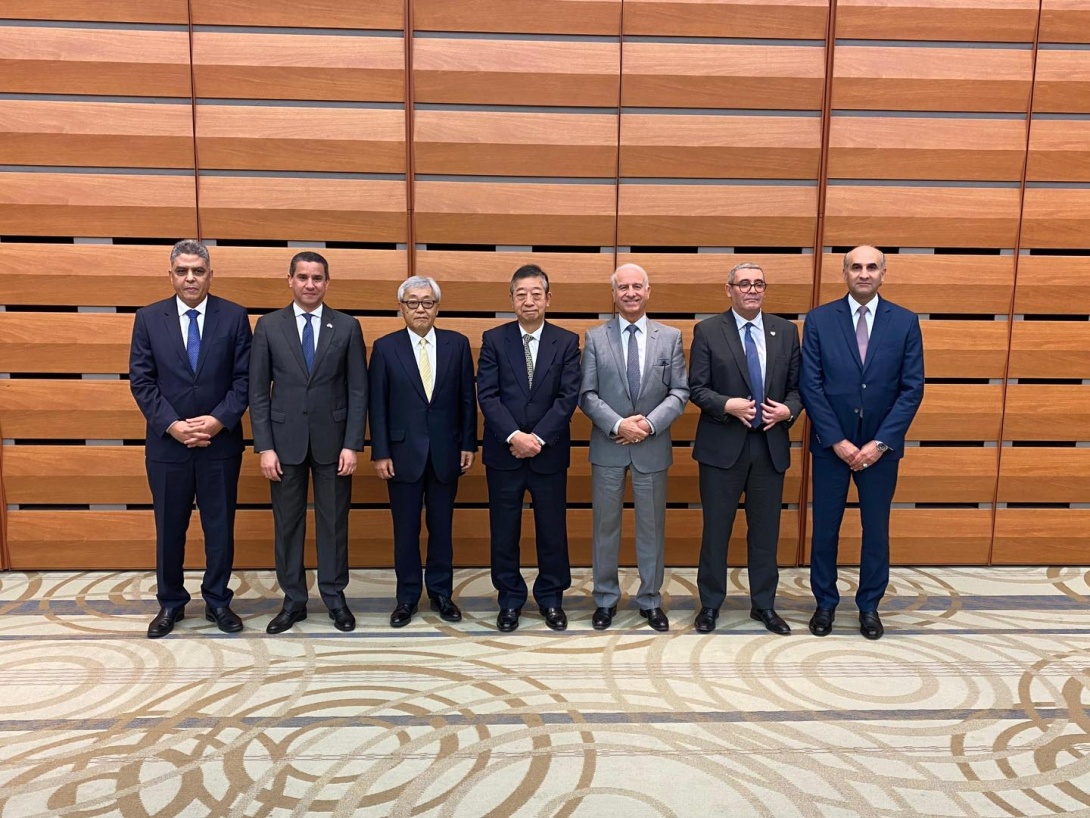
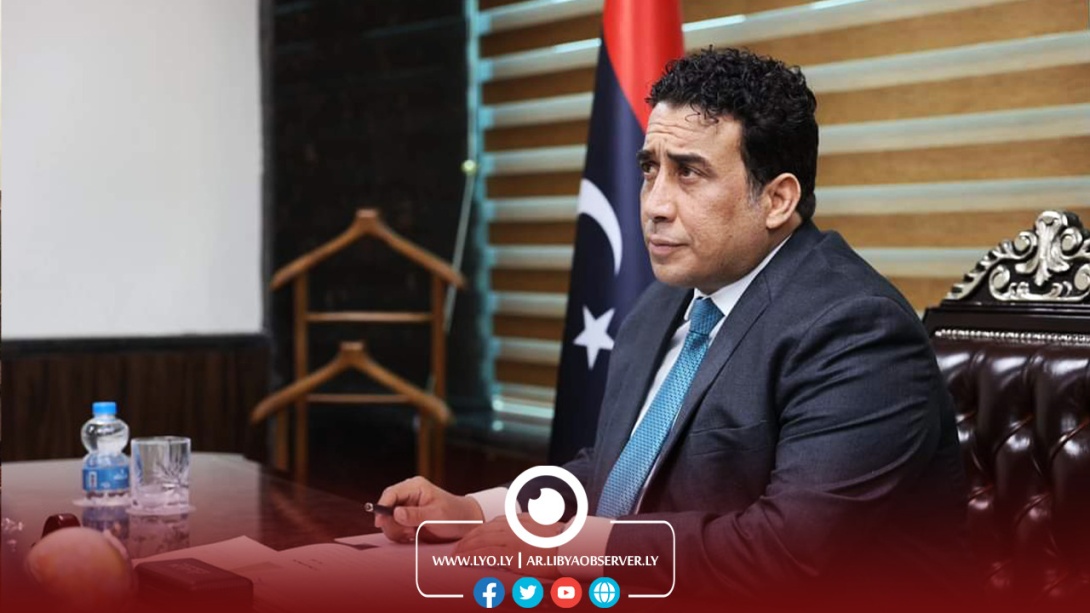
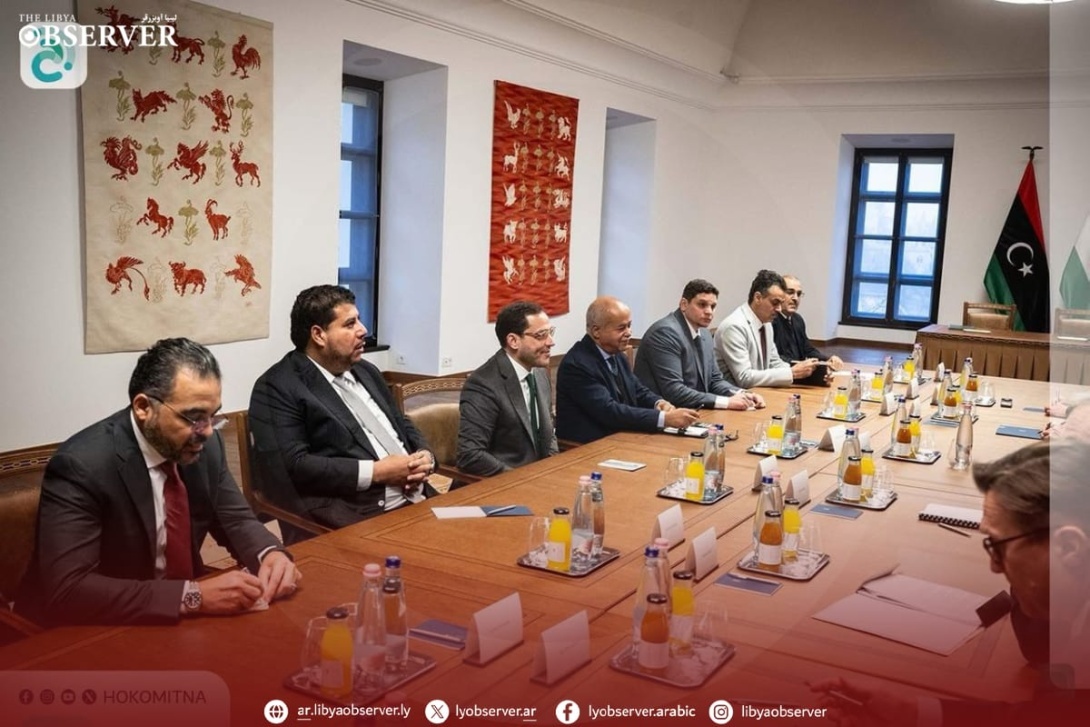
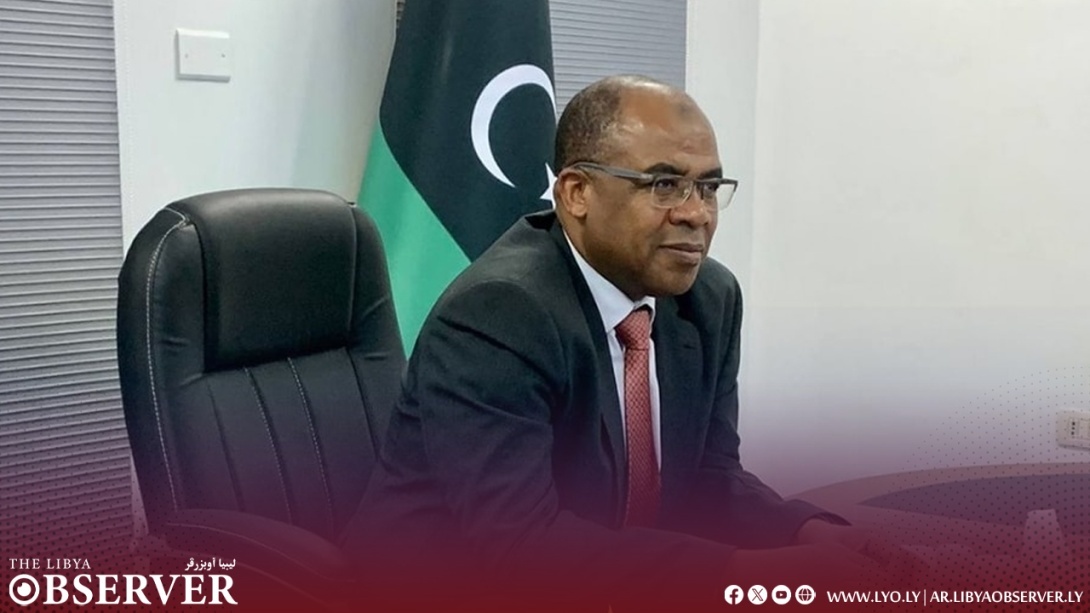
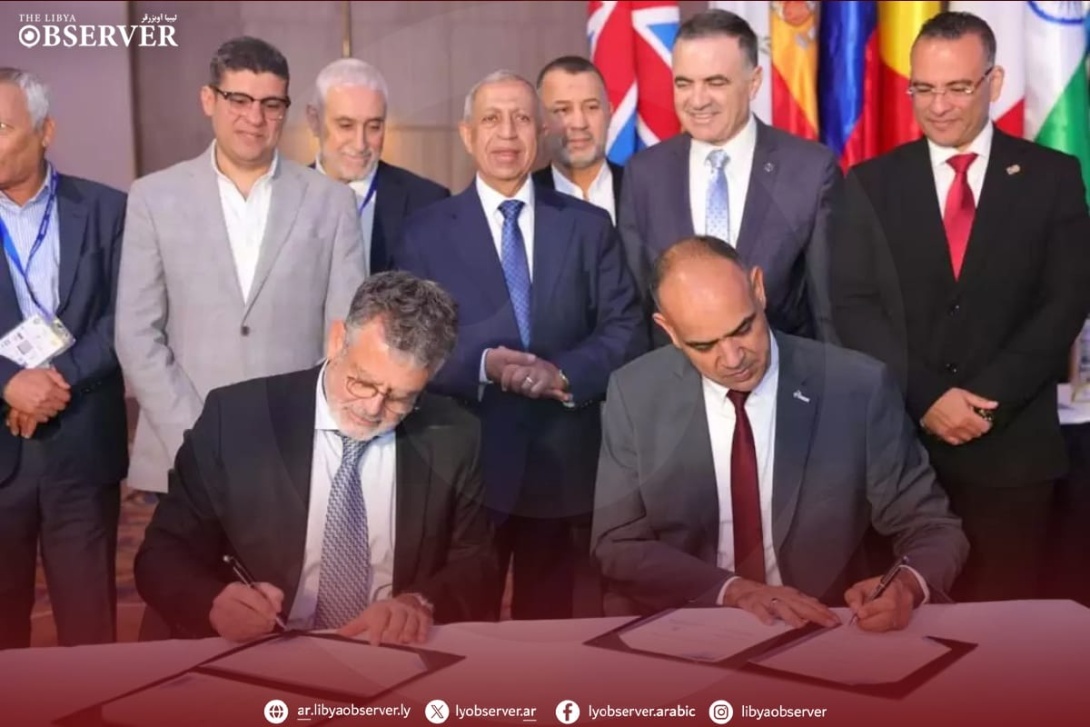
According to a statement published by the Libyan embassy in Tokyo, the chargé d’affaires outlined positive developments in Libya’s security and economic situation. He said a number of companies had resumed operations and stressed that Libya welcomes the return of Japanese firms to contribute to development projects.
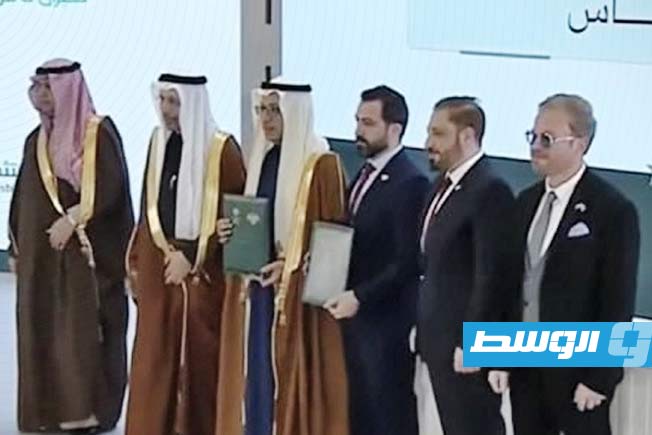
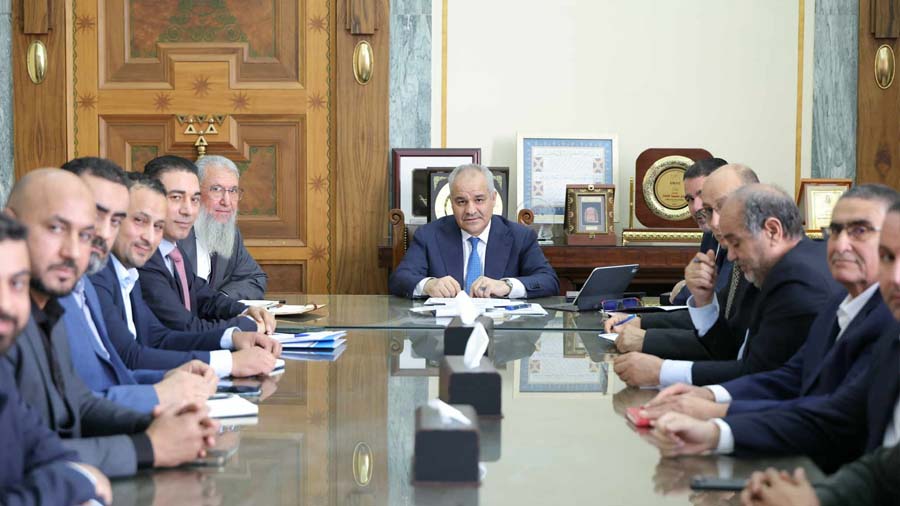
The meeting, held at Keidanren’s headquarters, brought together heads of mission from Libya, Morocco, Mauritania, Tunisia and Egypt to discuss ways to strengthen economic and investment cooperation between Japan and North African countries.
The head of Keidanren’s Africa Committee underlined the importance of expanding partnerships and making use of opportunities across the African continent, particularly in natural resources and human capital.
Senior executives from the federation, as well as representatives of several major Japanese companies, were also in attendance.
Japan
Japan is an island nation in East Asia with a rich cultural history spanning over a millennium, known for its ancient Shinto and Buddhist traditions, samurai heritage, and imperial rule. It transformed from a feudal society into a modern industrial power following the Meiji Restoration of 1868, and is now a global leader in technology and innovation while maintaining deep respect for its historic arts, customs, and natural landscapes.
Libya
Libya is a North African country with a rich history rooted in ancient civilizations like the Phoenicians and Romans, followed by centuries of Arab and Ottoman influence. In the modern era, it was an Italian colony before gaining independence in 1951, later becoming known for Muammar Gaddafi’s lengthy rule from 1969 until the 2011 revolution. Its cultural sites include the well-preserved Roman ruins of Leptis Magna, a UNESCO World Heritage site.
Tokyo
Tokyo, originally a small fishing village called Edo, became Japan’s political center in 1603 when Tokugawa Ieyasu established his shogunate there. It was renamed Tokyo (“Eastern Capital”) in 1868 when the emperor moved his residence from Kyoto, marking the beginning of the Meiji Restoration. Today, it is a vast, modern metropolis and the world’s most populous metropolitan area, blending ultramodern skyscrapers with historic temples and districts.
Morocco
Morocco is a North African country with a rich history shaped by indigenous Amazigh (Berber) cultures, Arab influence from the 7th century, and successive dynasties like the Almoravids and Almohads. Its cultural sites, such as the ancient city of Fez and the Koutoubia Mosque in Marrakech, reflect this blend of Arab, Islamic, and Amazigh heritage. The country’s historic medinas, kasbahs, and varied landscapes from the Sahara Desert to the Atlas Mountains are central to its identity.
Mauritania
Mauritania is a country in Northwest Africa known for its vast Sahara desert landscapes and rich Islamic scholarly heritage. Historically, it was home to ancient Berber kingdoms and later became a center for trans-Saharan trade, with its modern borders established during the French colonial period before gaining independence in 1960.
Tunisia
Tunisia is a North African country with a rich history shaped by ancient civilizations, including the Phoenicians who founded Carthage, followed by Roman, Arab, and Ottoman rule. It later became a French protectorate before gaining independence in 1956. Today, it is known for its archaeological sites, Mediterranean coastline, and as the birthplace of the Arab Spring pro-democracy movement.
Egypt
Egypt is home to one of the world’s oldest civilizations, with a recorded history spanning over 5,000 years and famed for its pharaonic monuments like the Pyramids of Giza and the Sphinx. Its rich cultural legacy includes significant contributions to writing, architecture, and religion, later influenced by Greco-Roman, Coptic Christian, and Islamic periods following its conquests. Modern Egypt remains a pivotal cultural and political center in the Arab world, centered on the Nile River.
Keidanren
Keidanren, or the Japan Business Federation, is a powerful economic organization founded in 1946 that represents Japan’s major corporations and business leaders. It plays a central role in shaping national economic policy, industrial standards, and employer interests, evolving from its postwar origins to address contemporary global challenges.
Japan Business Federation
The Japan Business Federation, known as Keidanren, is Japan’s most influential economic organization, founded in 1946. It represents the interests of the nation’s largest corporations and plays a central role in shaping national economic and industrial policy. Historically, it has been a key force in Japan’s post-war economic growth and continues to be a major voice in business-government relations.
Libyan embassy
The Libyan embassy refers to the diplomatic missions representing the State of Libya abroad. Historically, these embassies have operated under various Libyan governments, from the Kingdom of Libya to the Libyan Arab Jamahiriya and the subsequent administrations following the 2011 revolution. Their status and operations have often been directly affected by Libya’s internal political conflicts and international relations.
Africa Committee
The Africa Committee, also known as the Comité de l’Afrique, was a secret French parliamentary committee established in 1890. Its primary purpose was to manage colonial policy and allocate funds for French expansion and military campaigns in Africa, most notably in the regions that would become French West Africa. It operated without public oversight and was a significant instrument in shaping France’s colonial empire on the continent during the late 19th and early 20th centuries.