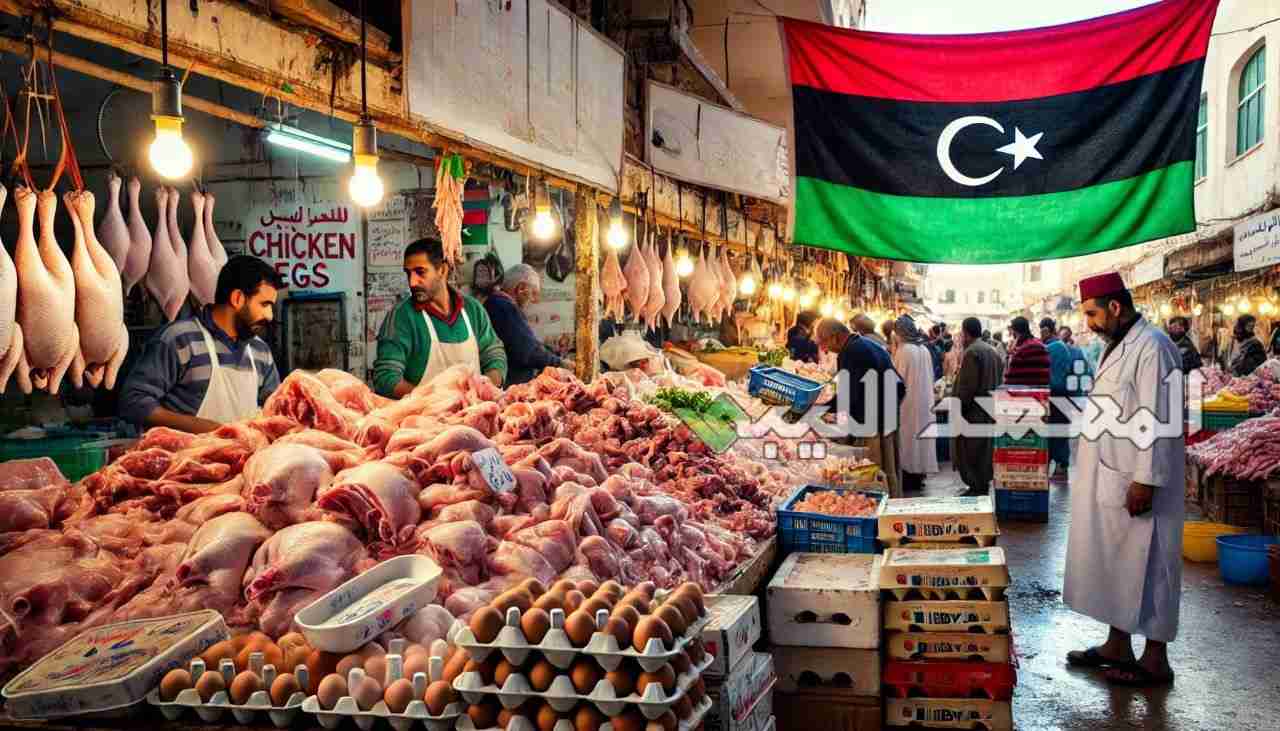
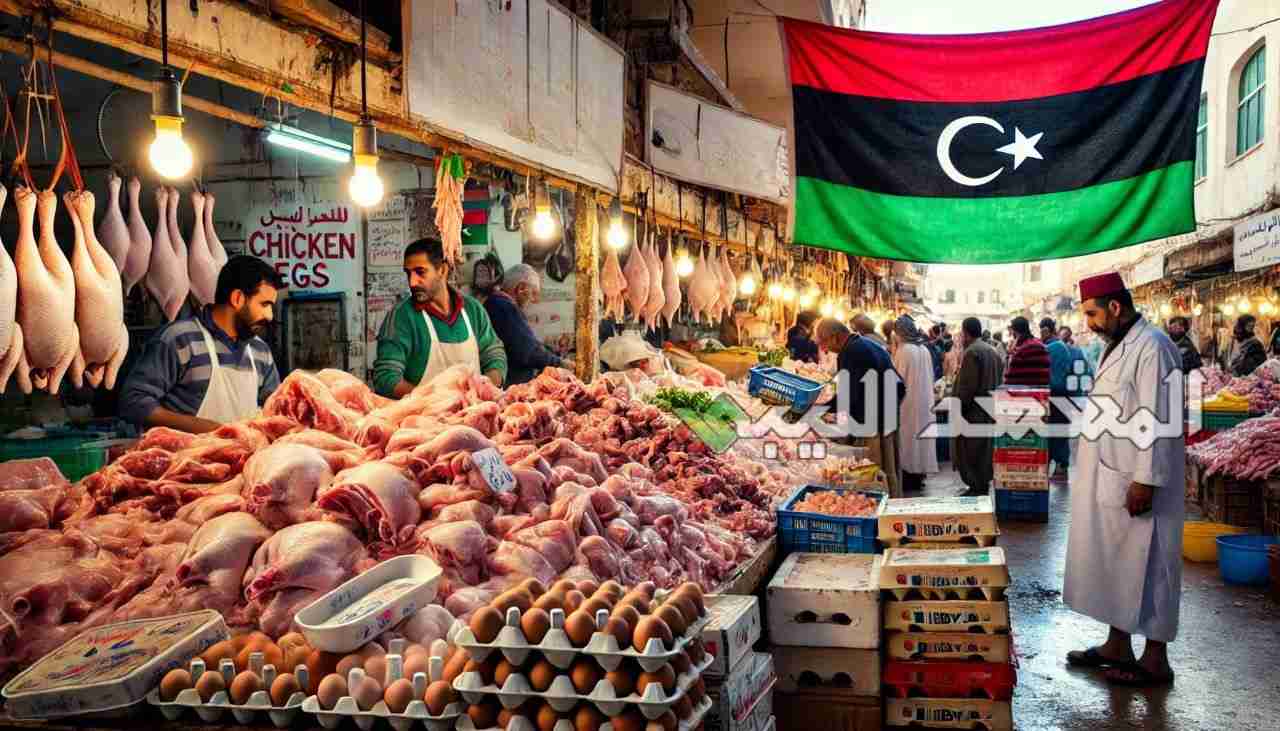
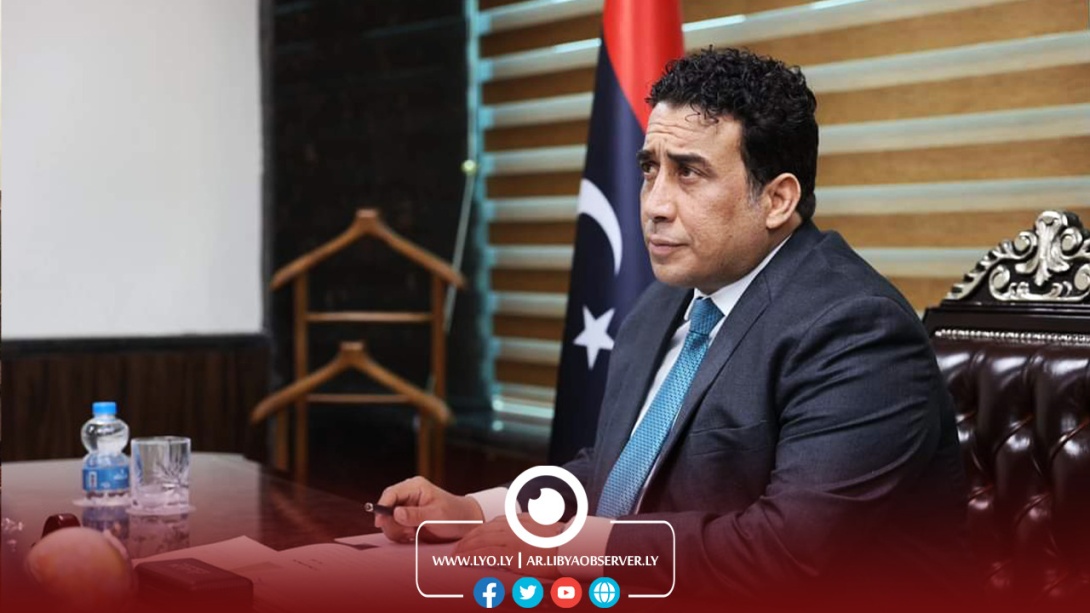
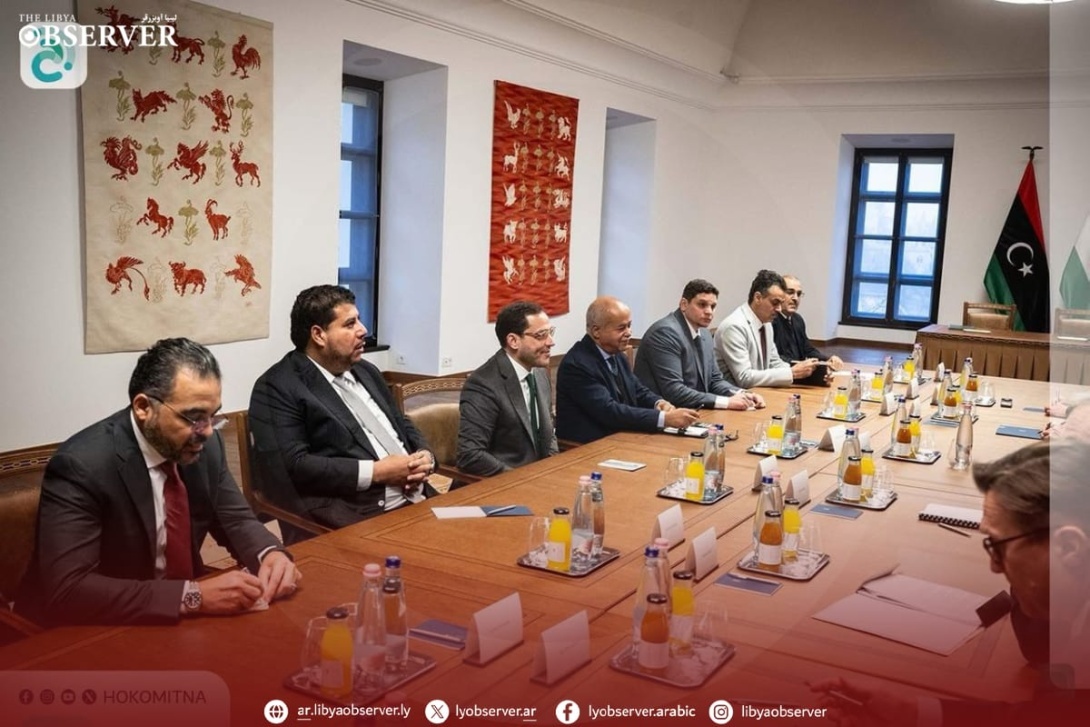
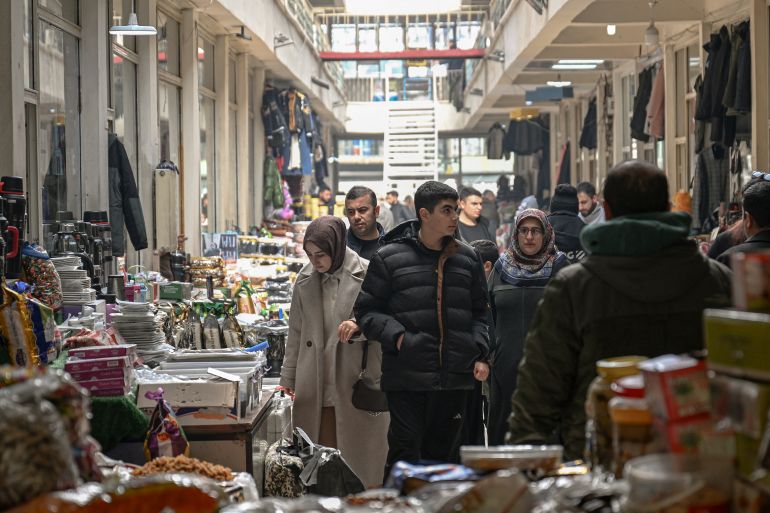
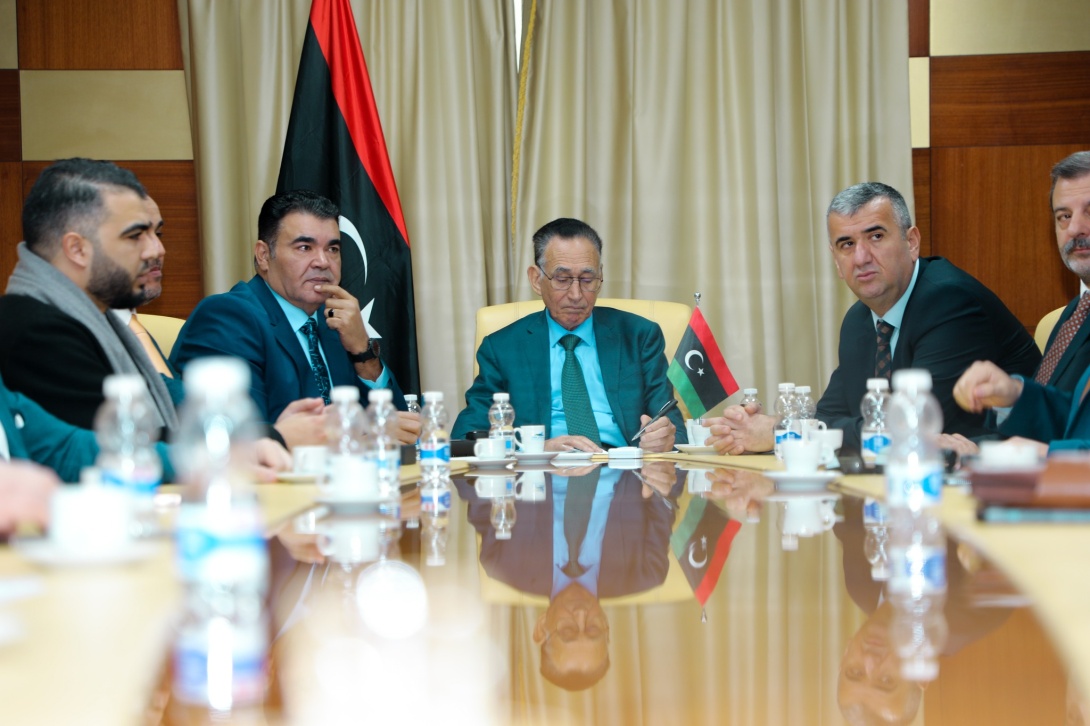
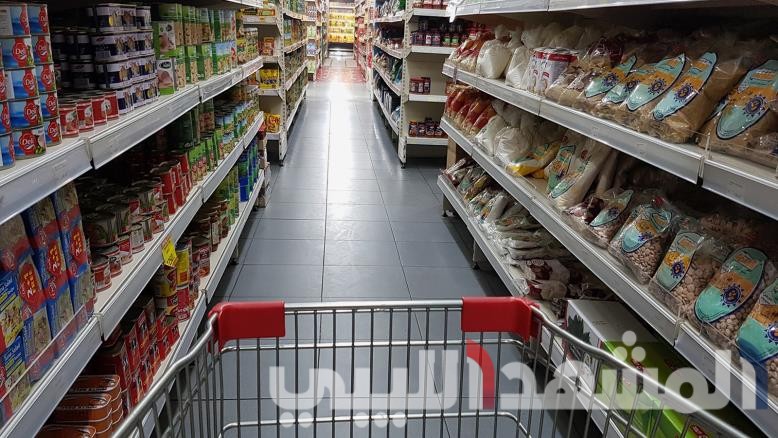
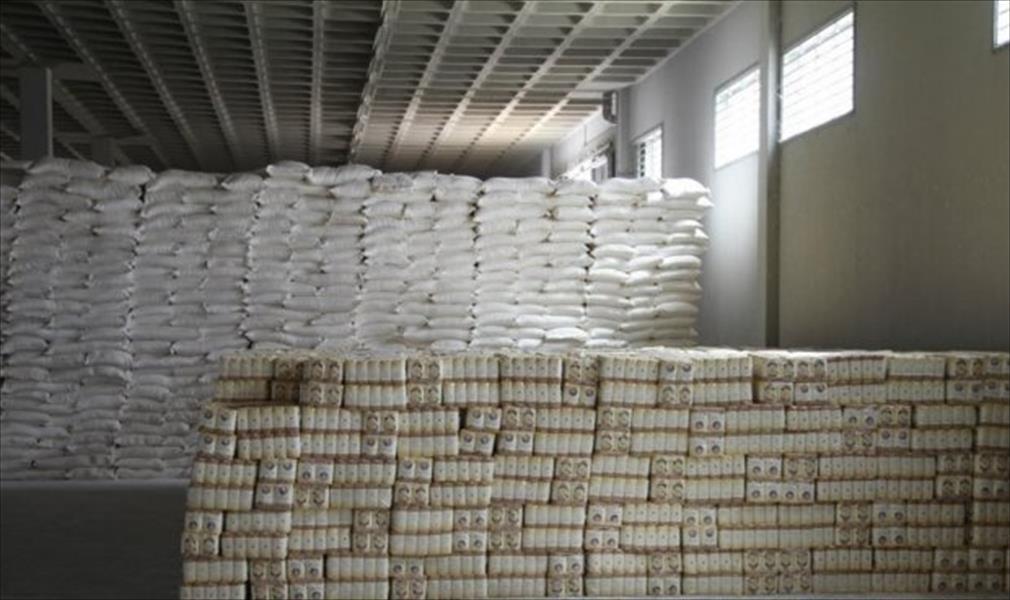
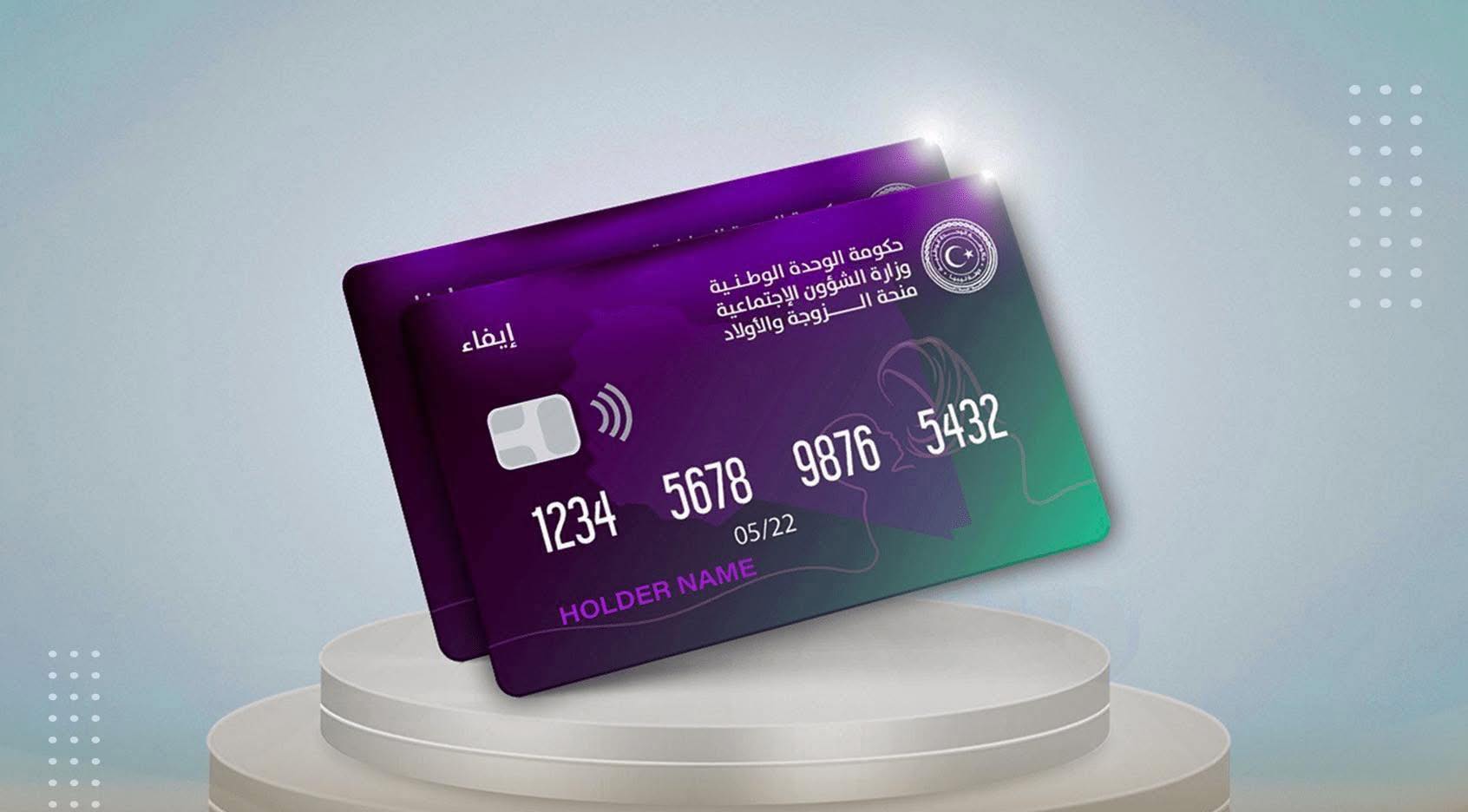
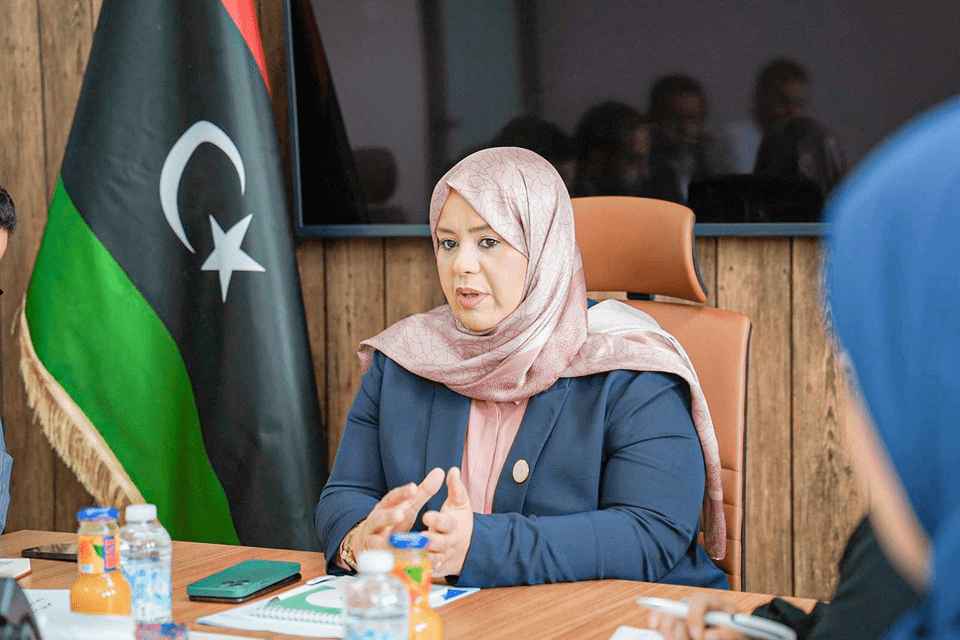
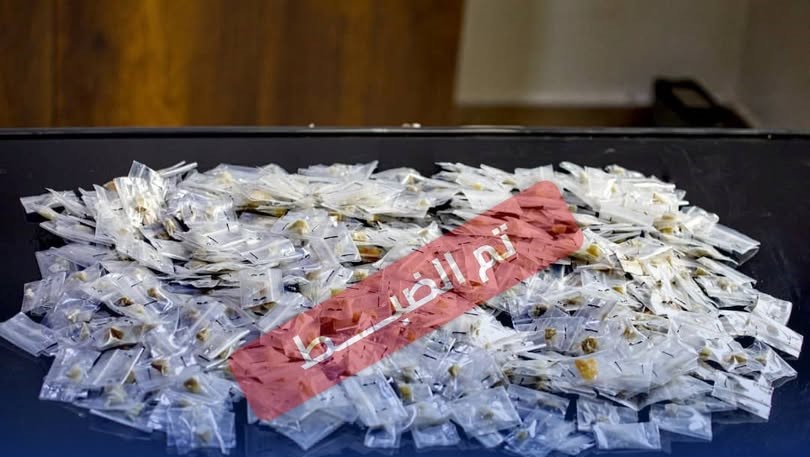
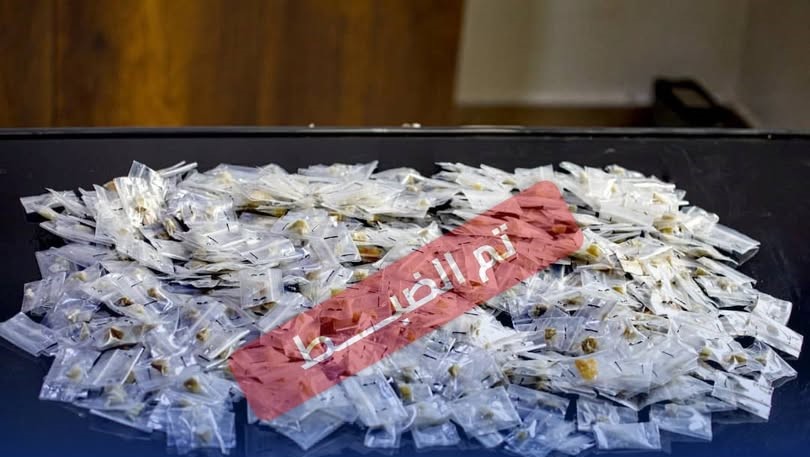
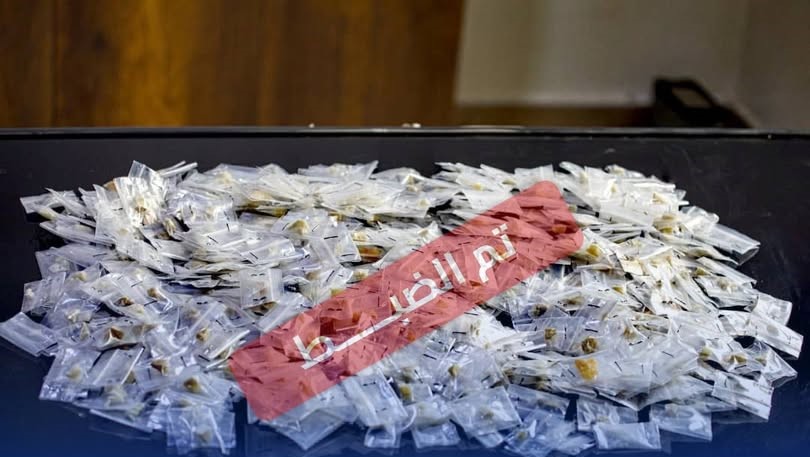
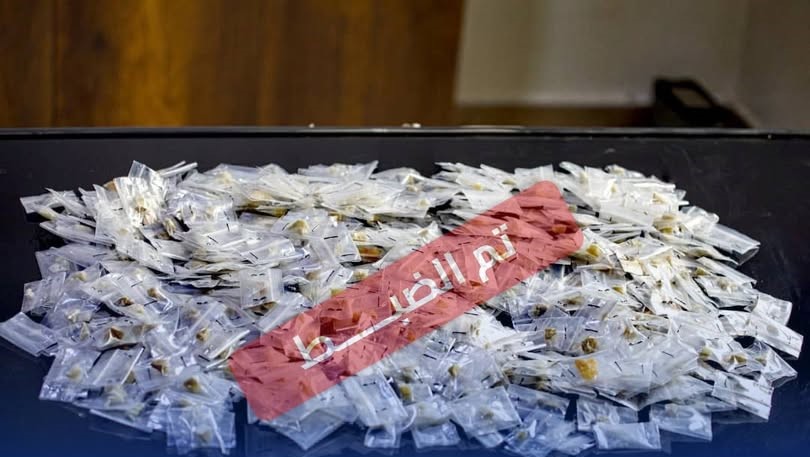
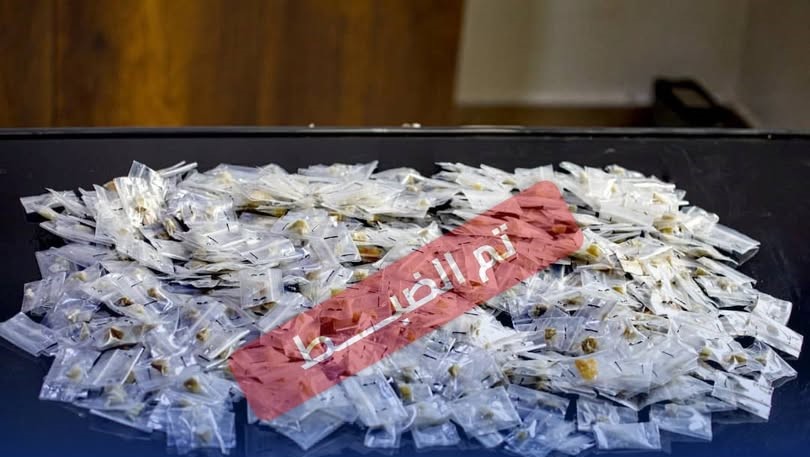
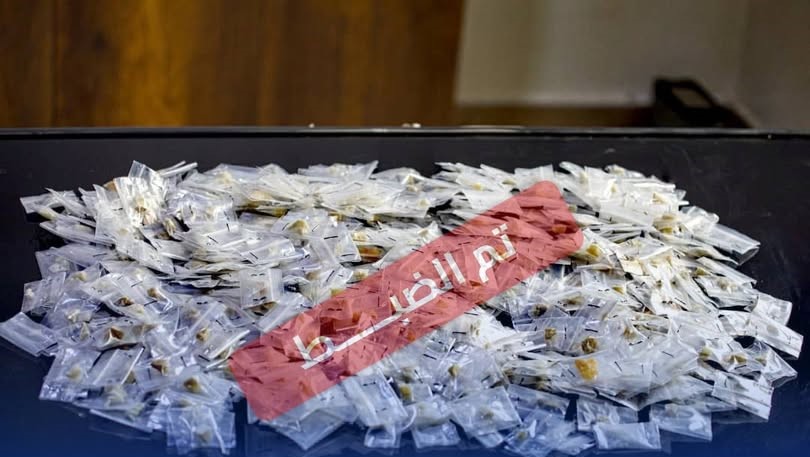
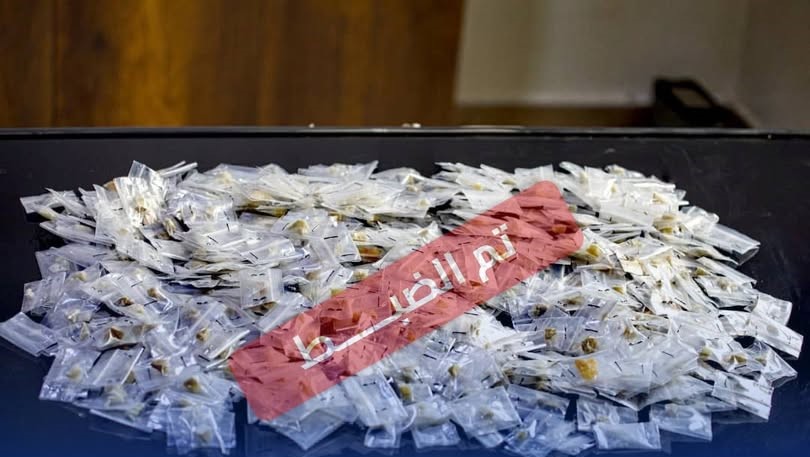
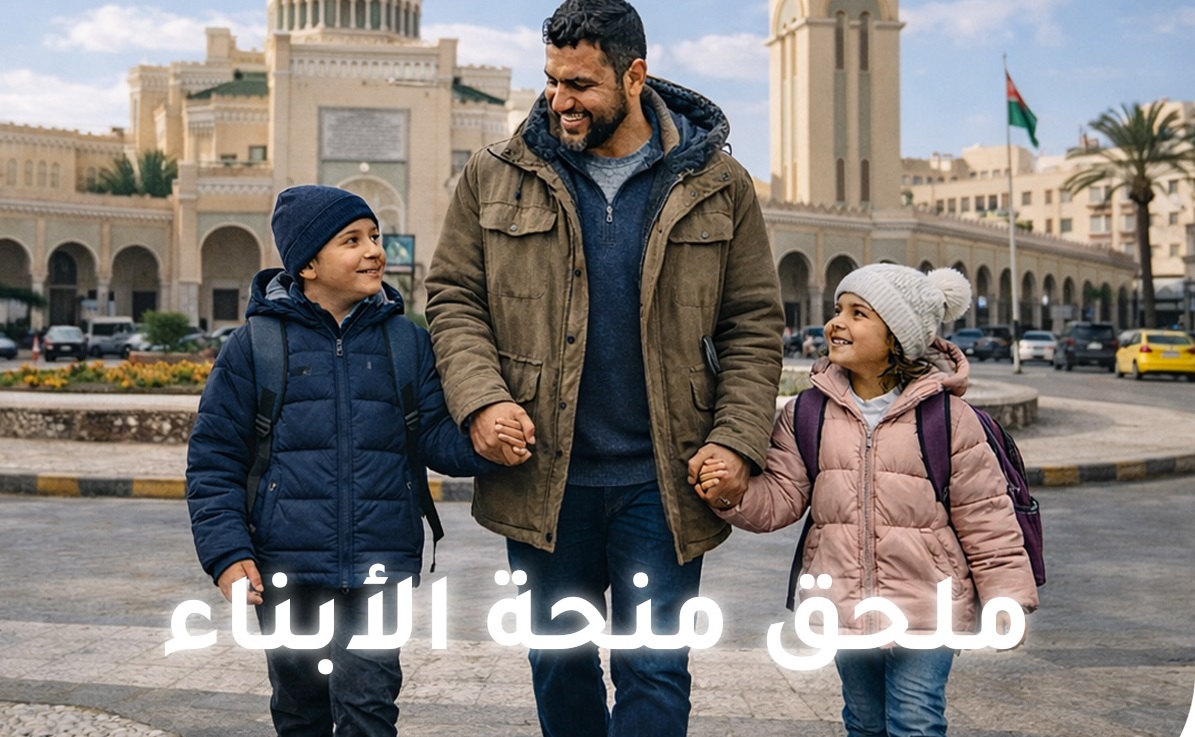
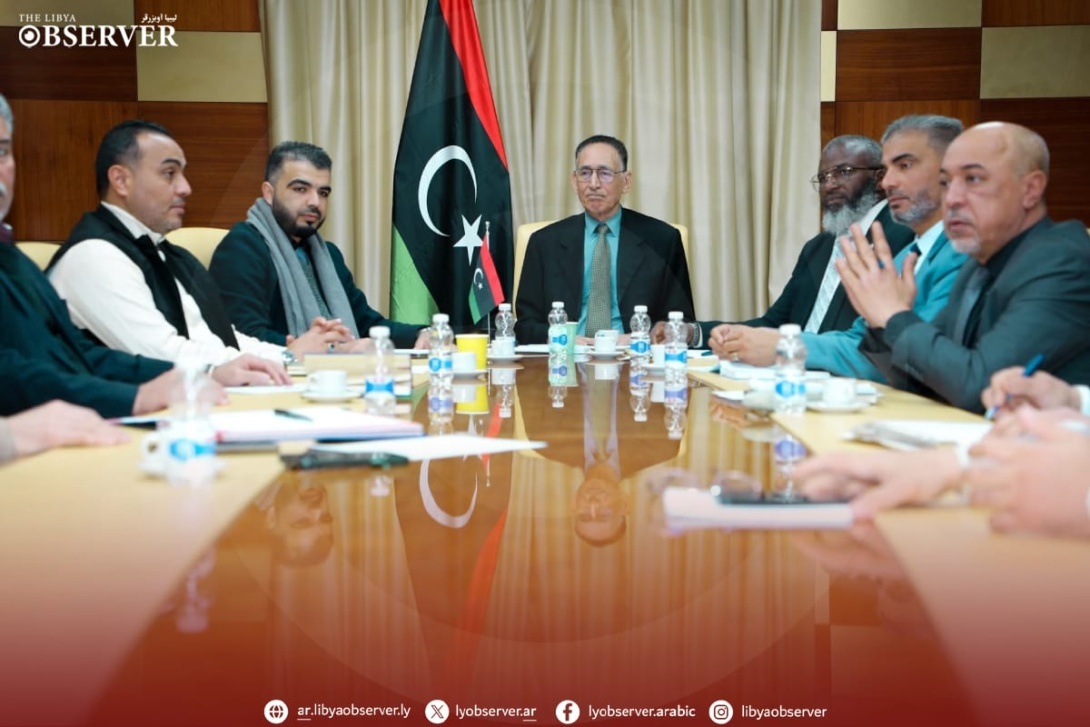
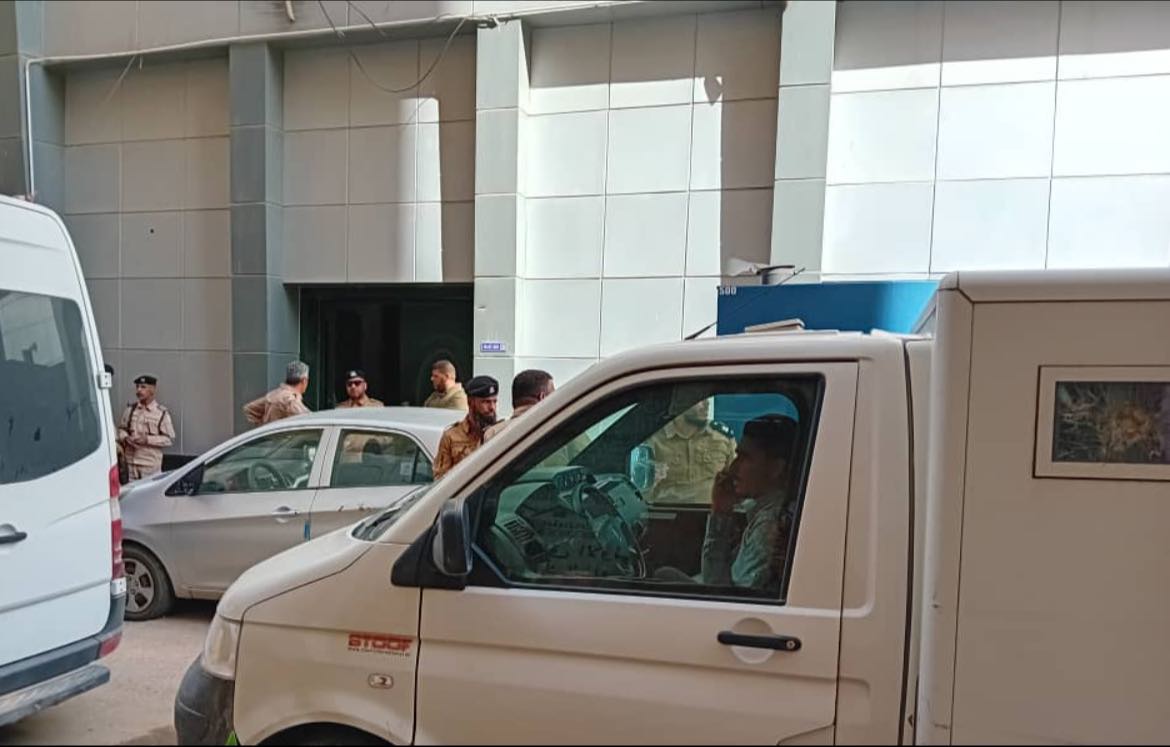
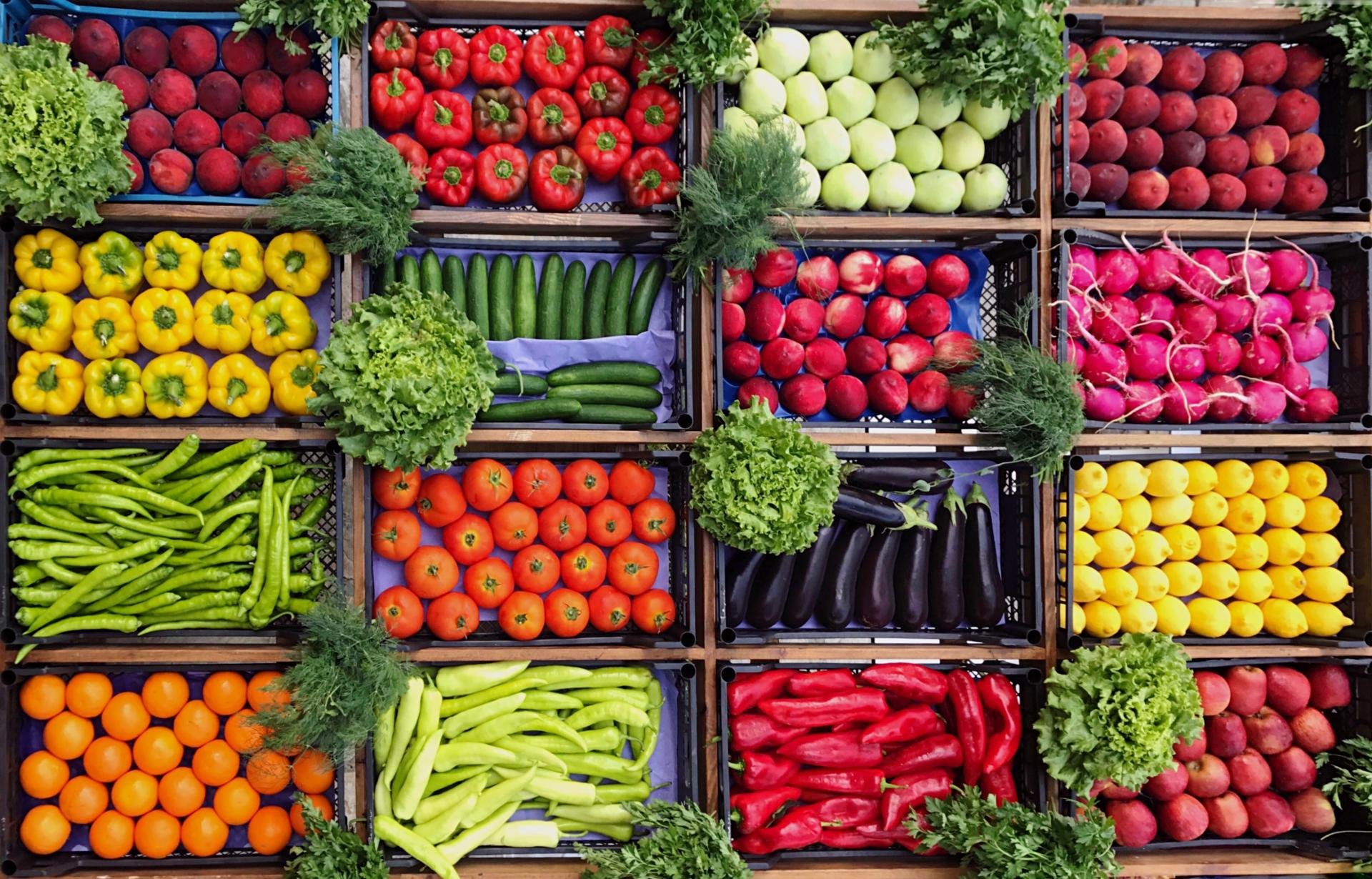
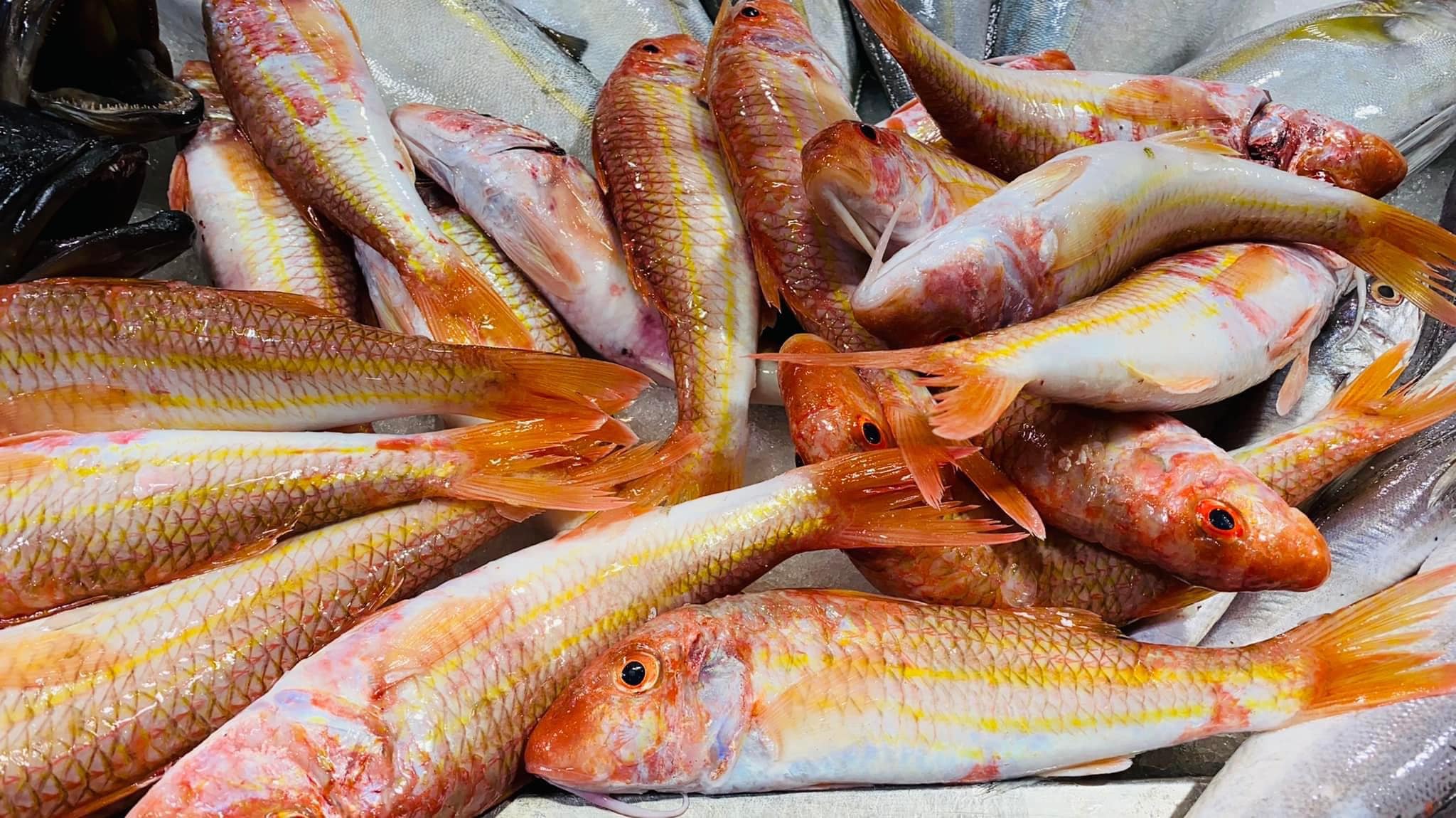
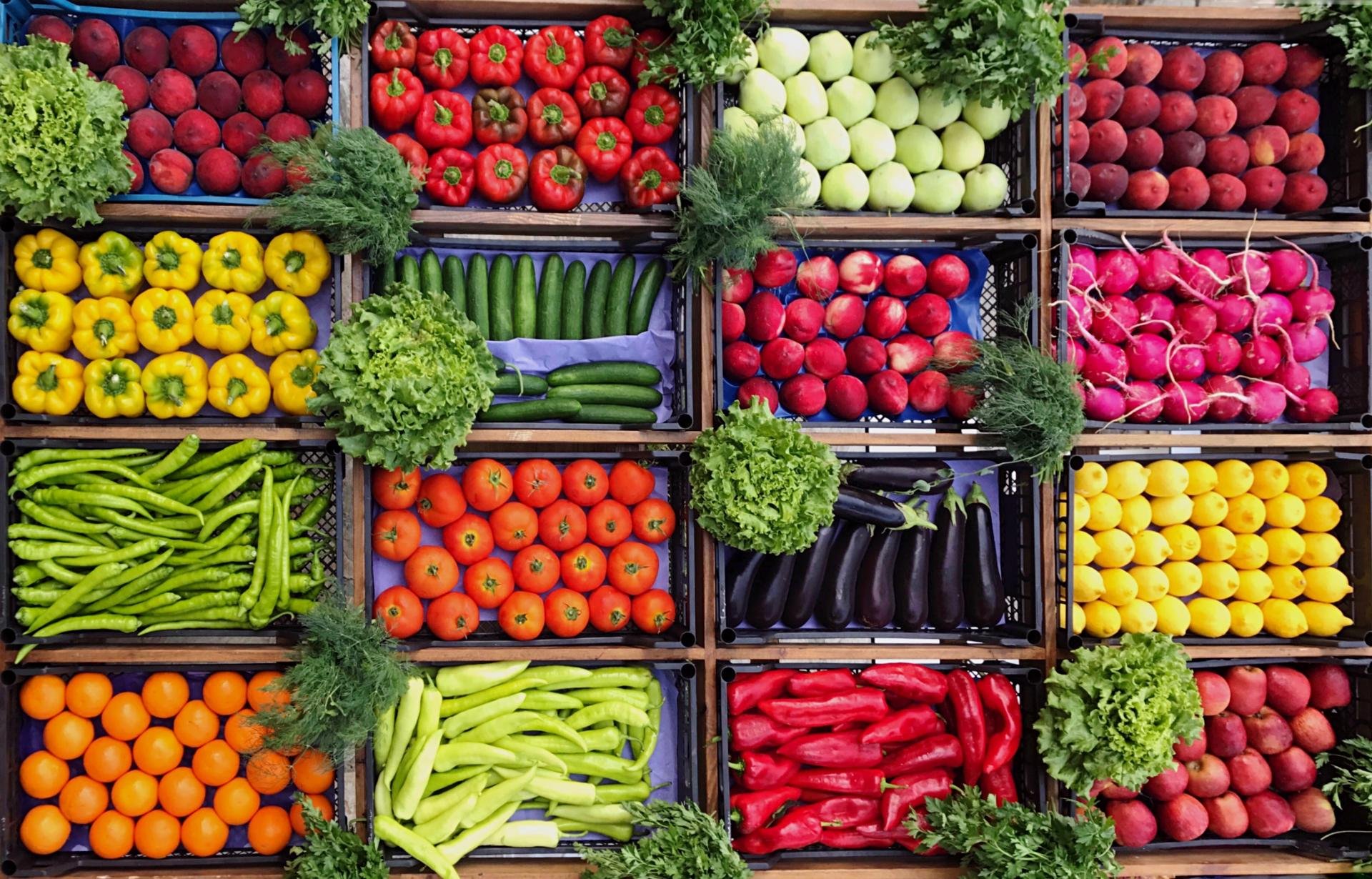
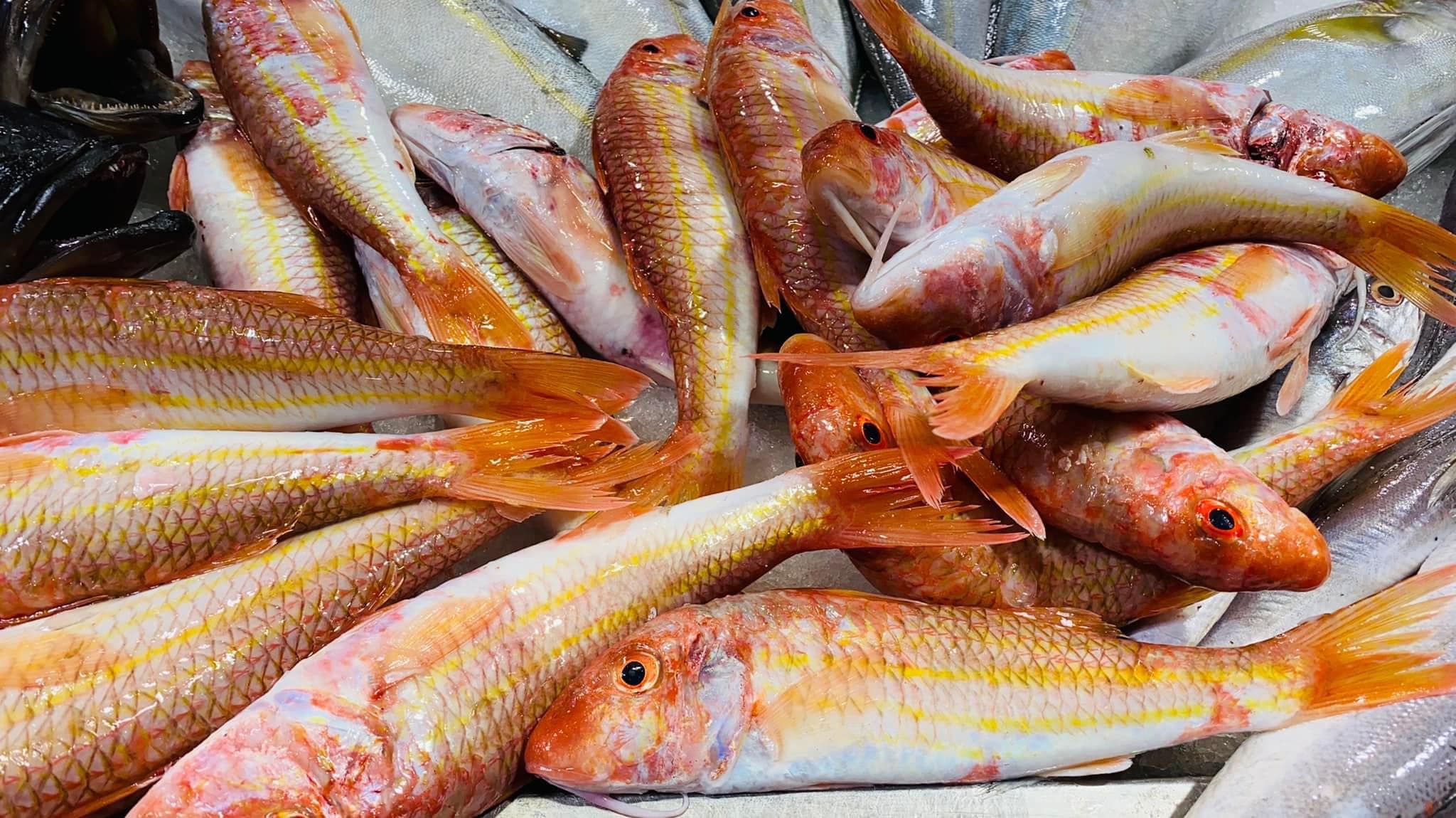
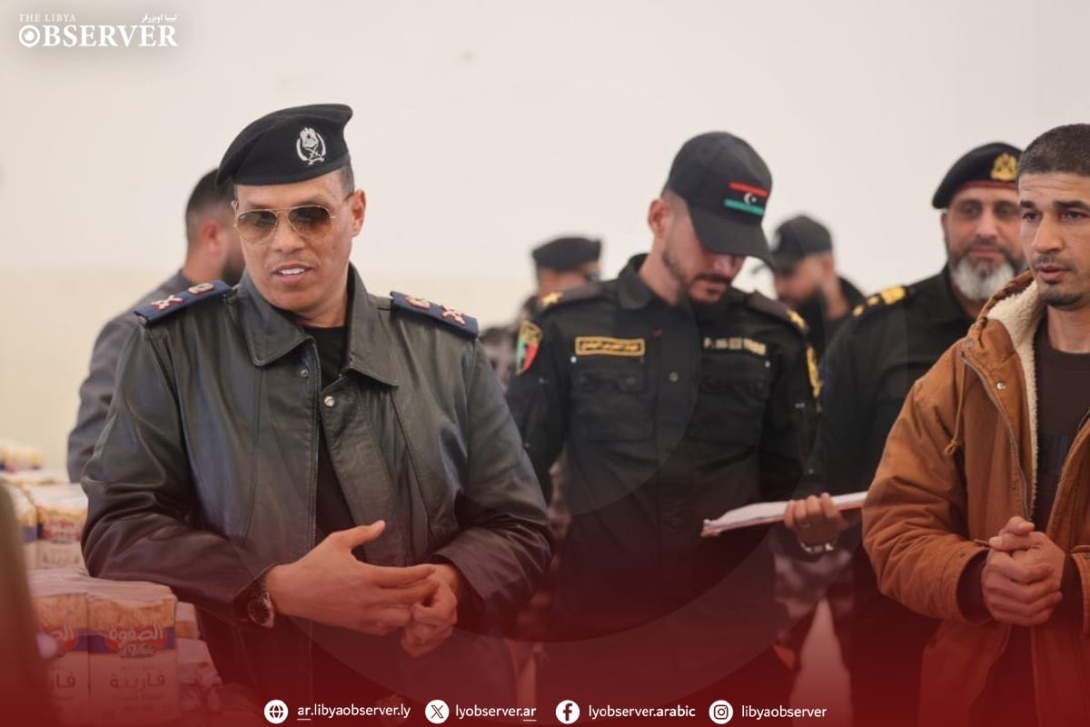
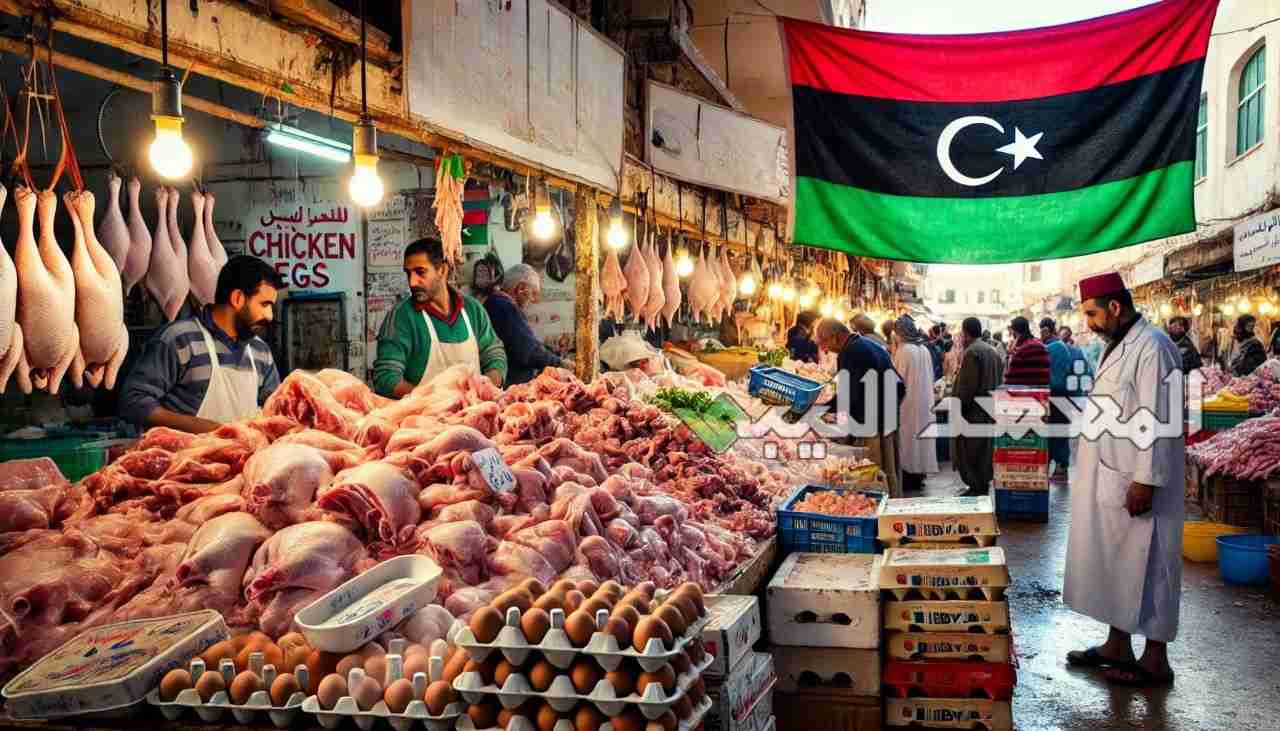
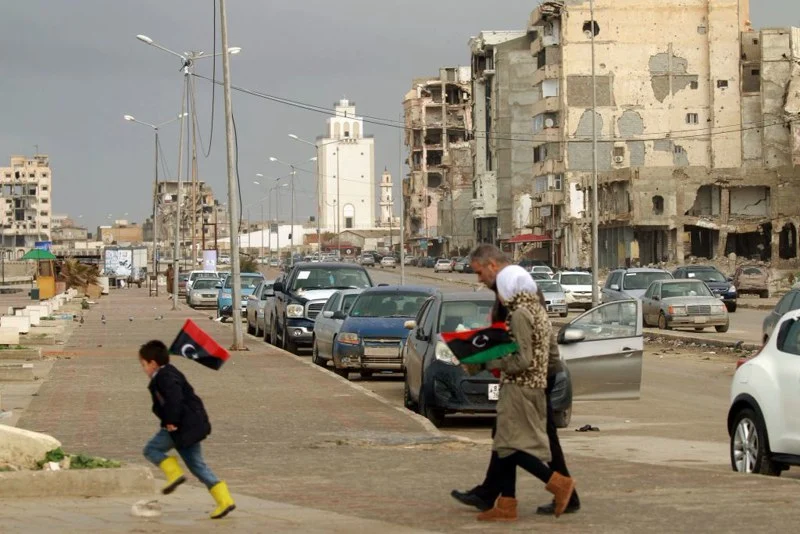
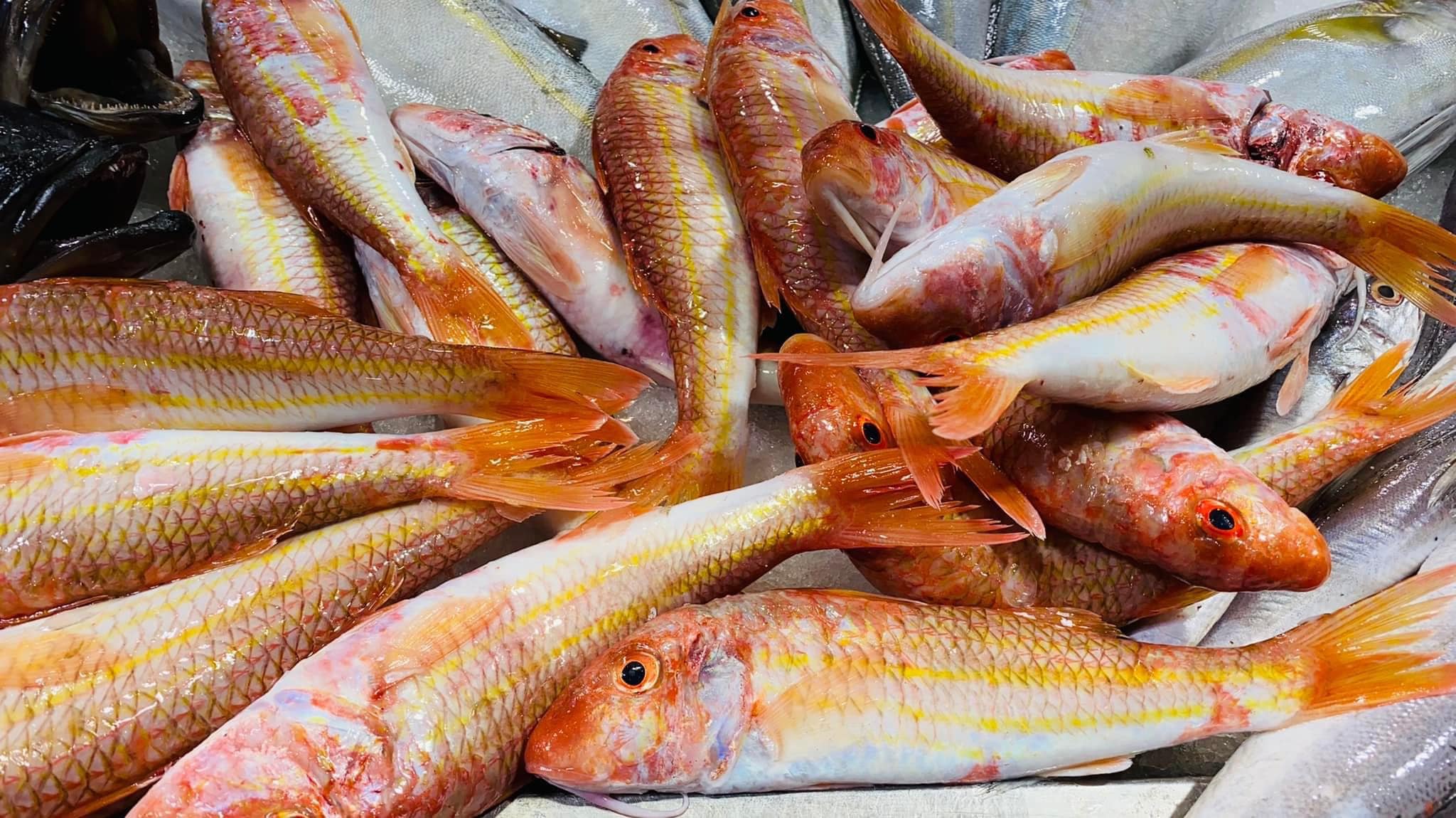
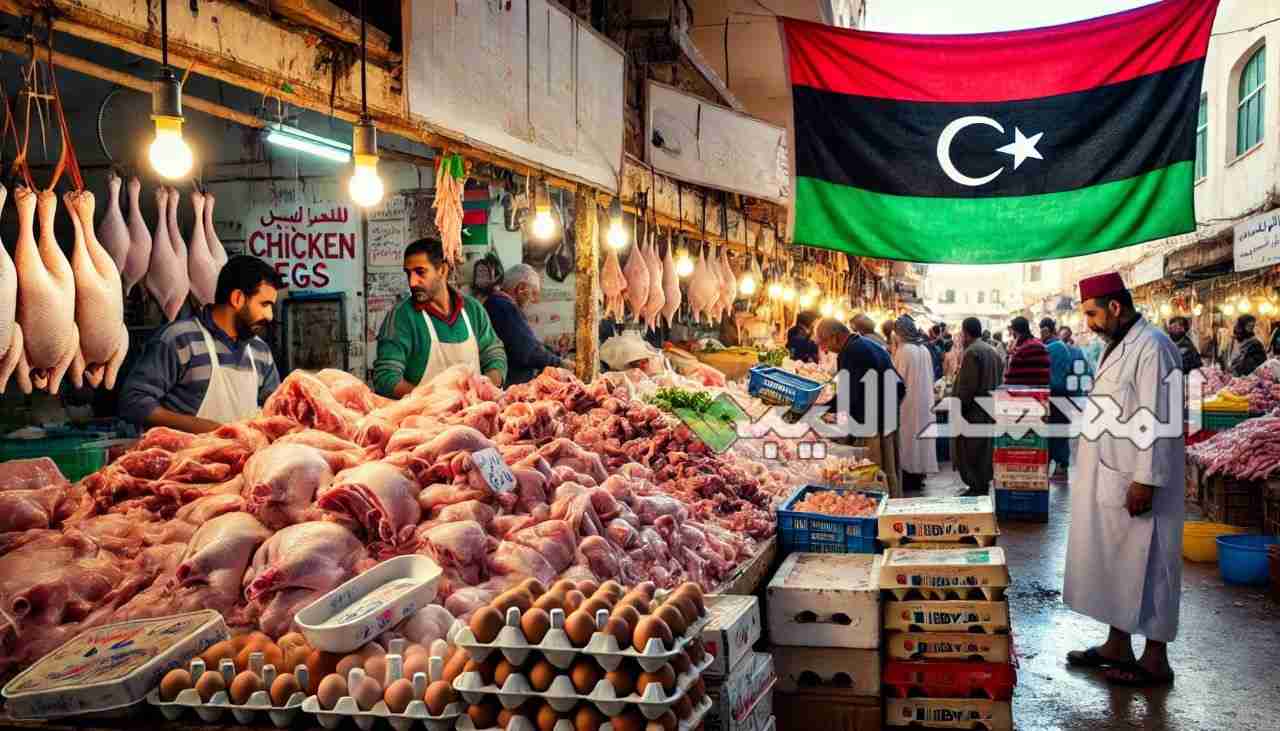
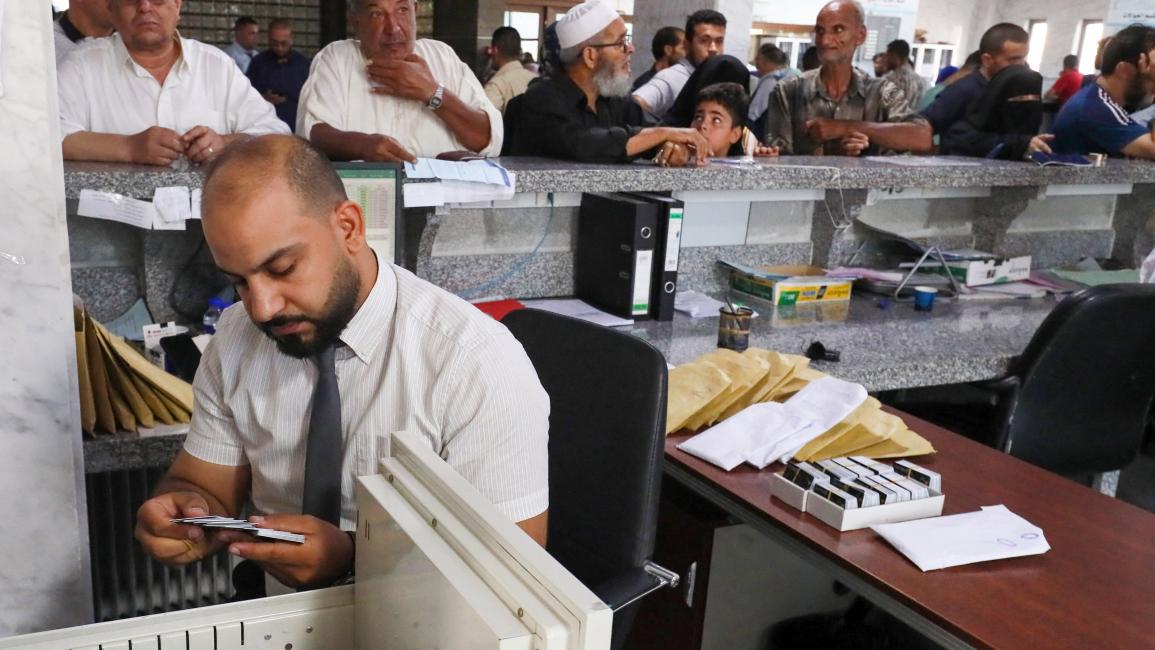
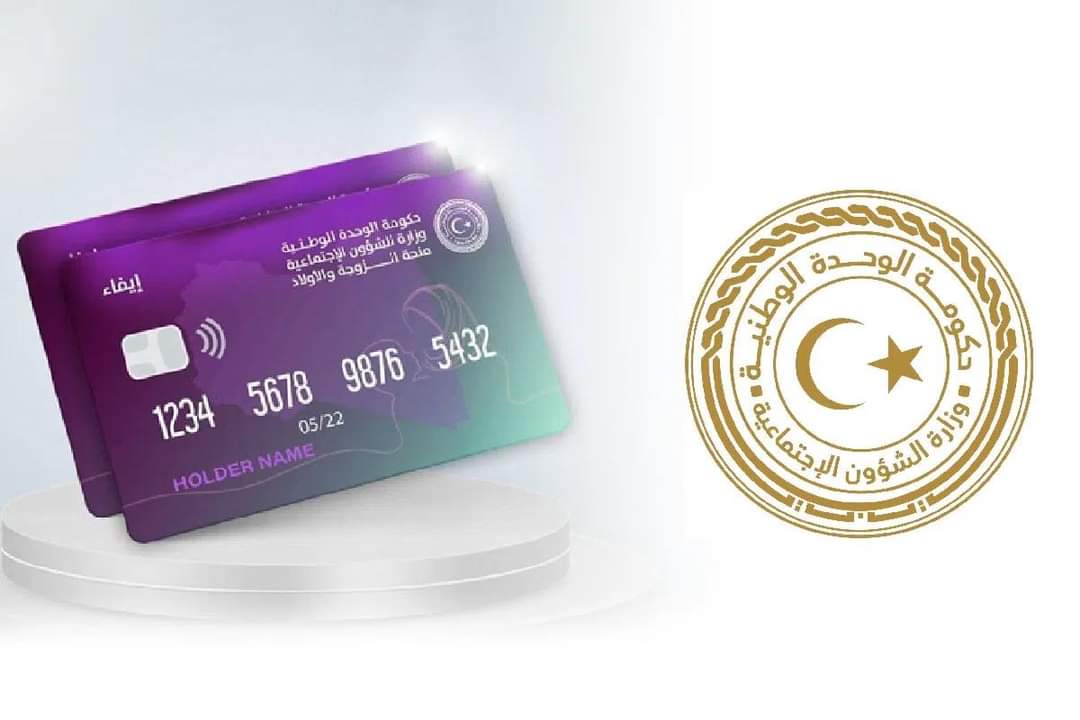
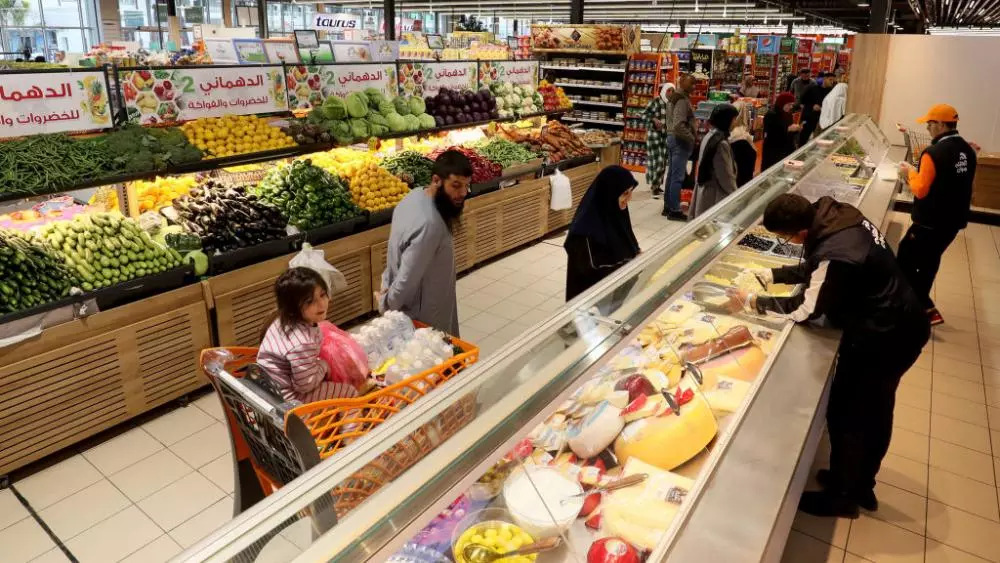
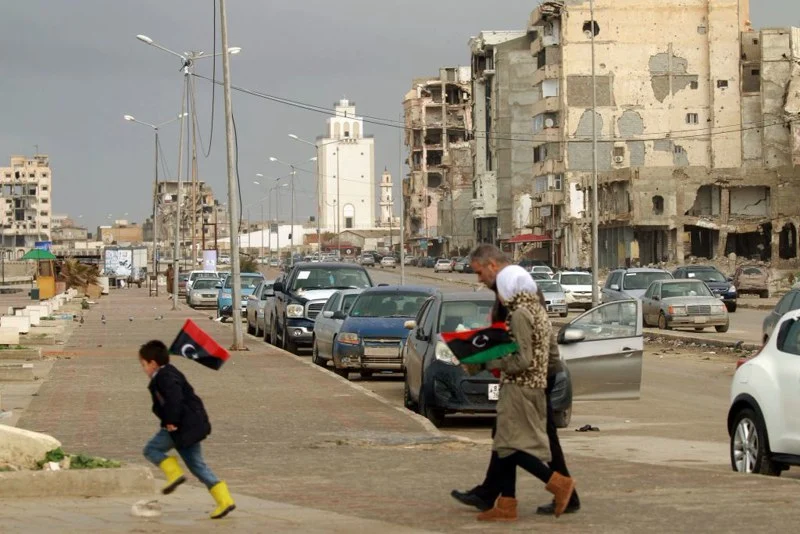
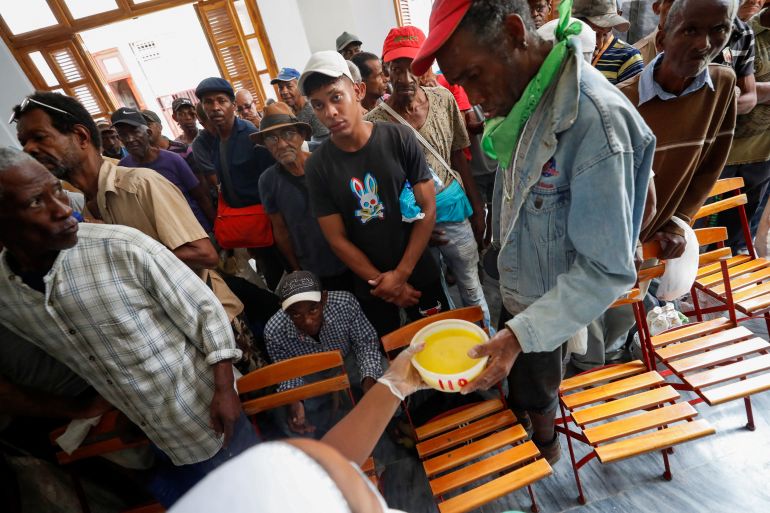
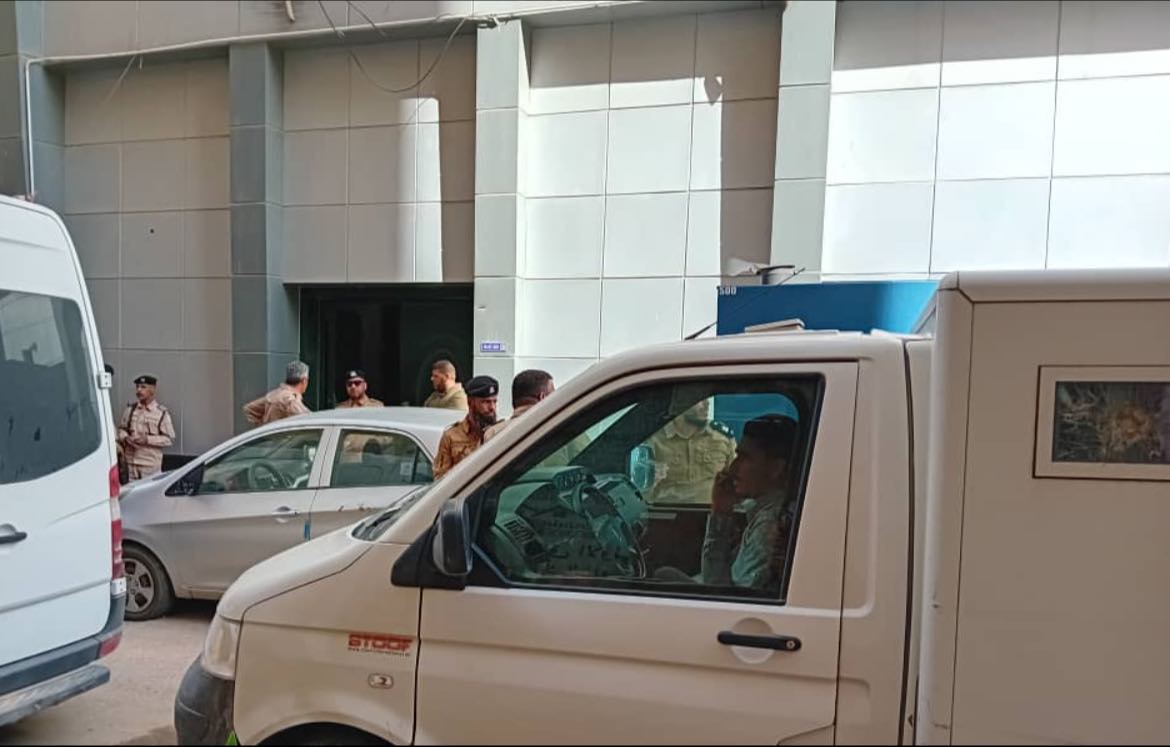
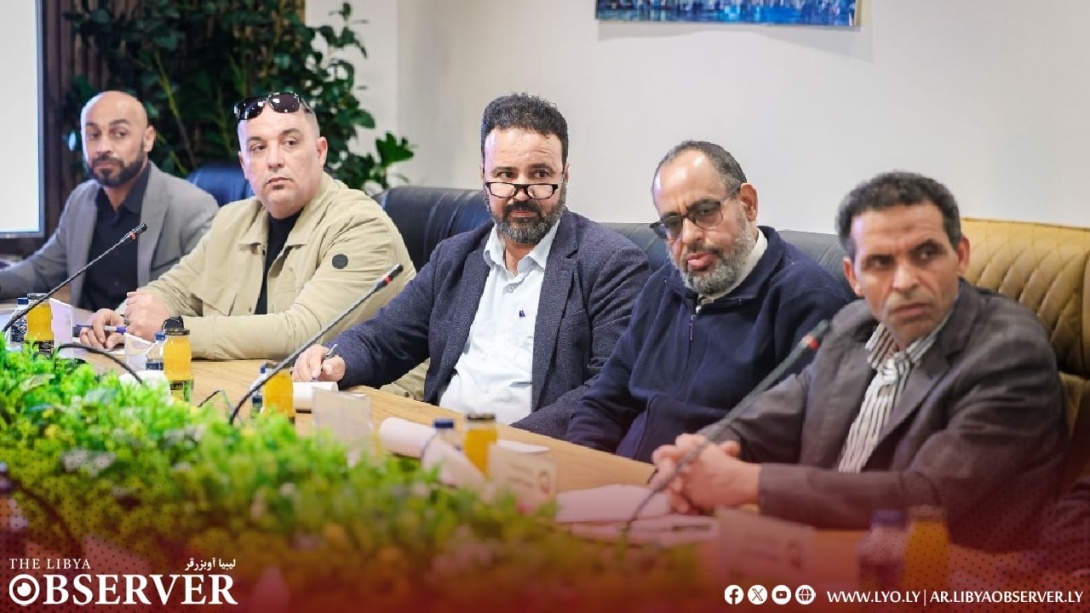
Tripoli – The Ministry of Social Affairs of the interim Government of National Unity announced on Friday evening the distribution of Ramadan meat baskets to eligible families in the central region, the Western Mountain, and the western coast, as part of social support programs for the month of Ramadan.
The ministry stated in a brief announcement that the distribution operations were carried out according to an organized plan to ensure the fair and transparent delivery of the baskets, in coordination with local authorities in the targeted municipalities.
The ministry had launched an initiative a week ago to distribute meat baskets on the occasion of the holy month of Ramadan, targeting more than 50,000 low-income families registered with its branches in various municipalities.
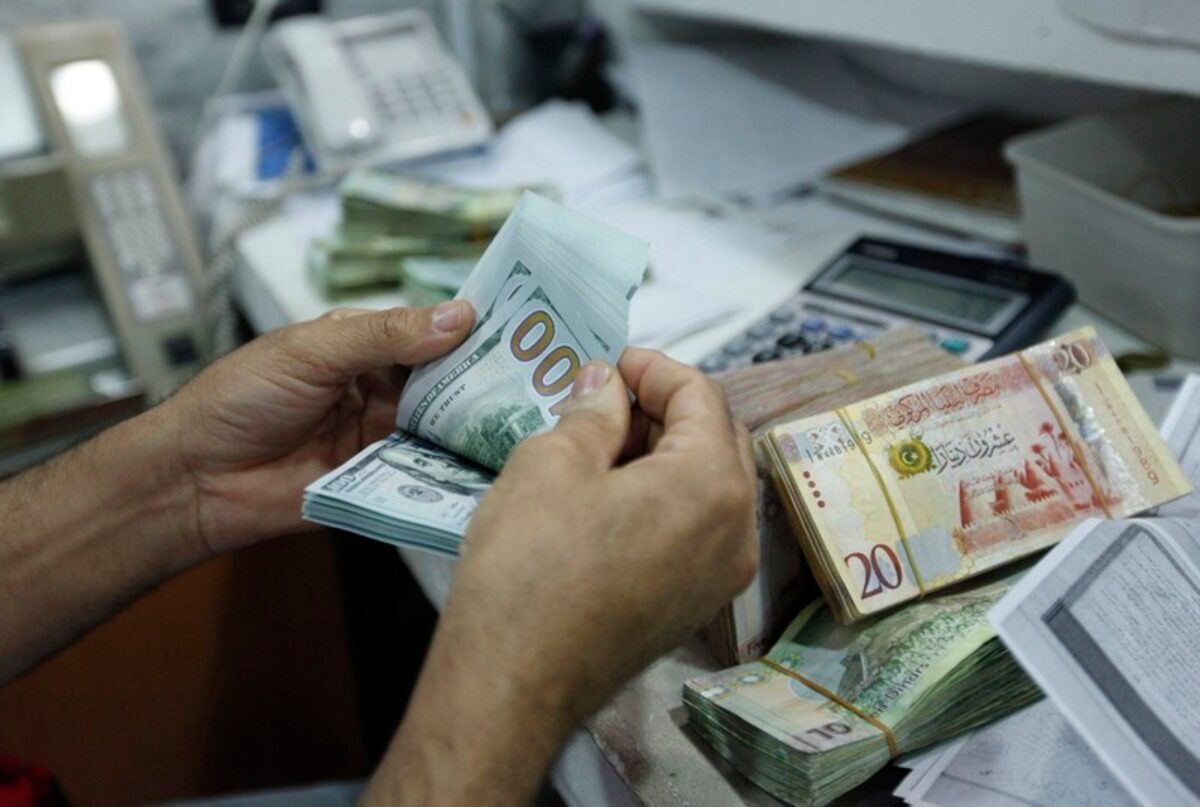
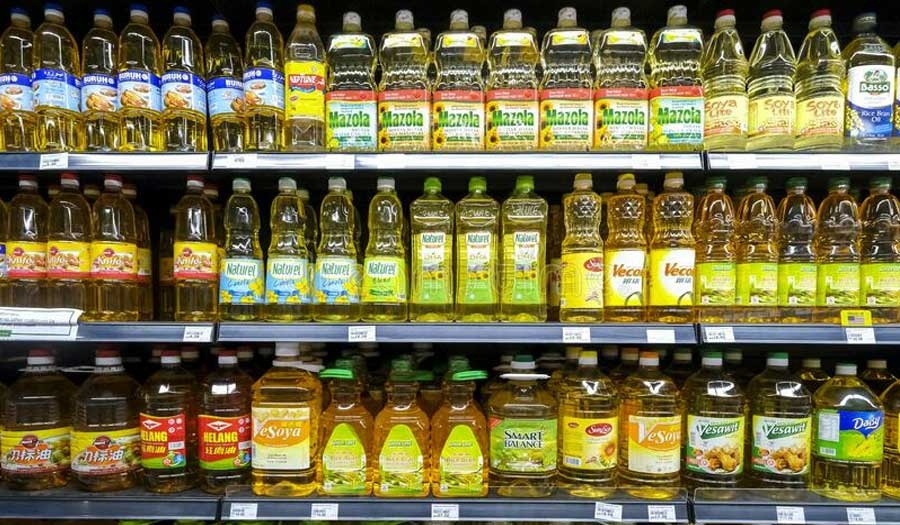
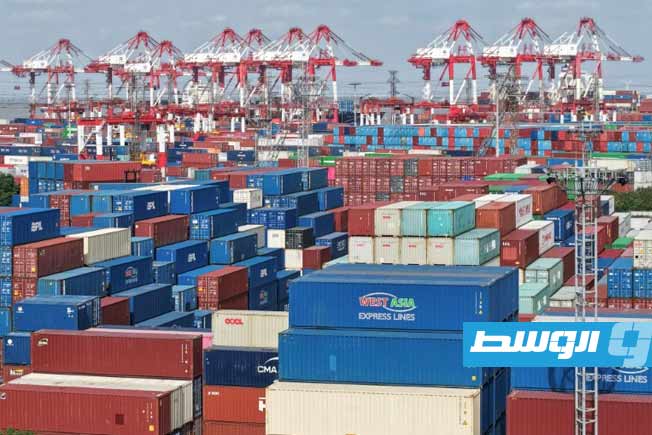
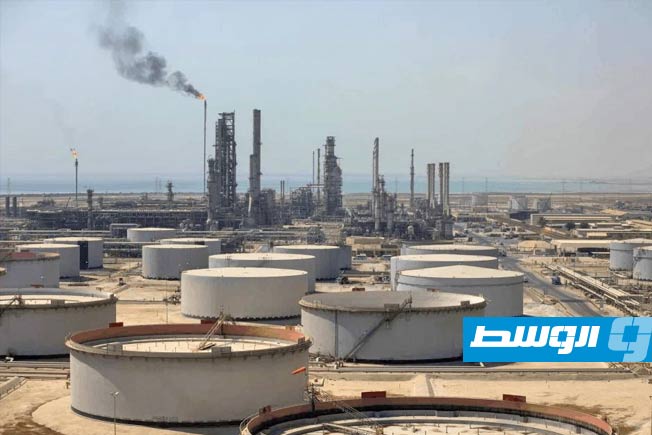
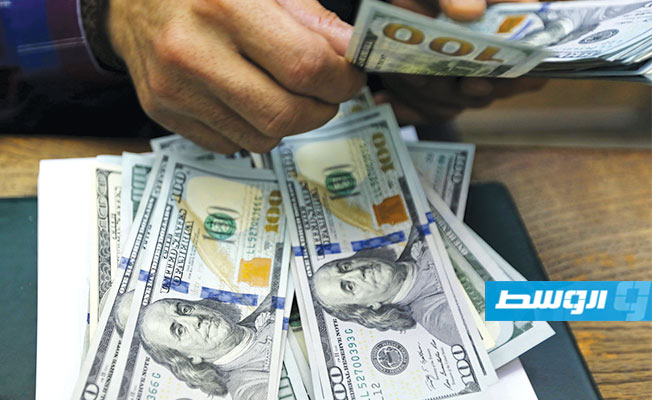
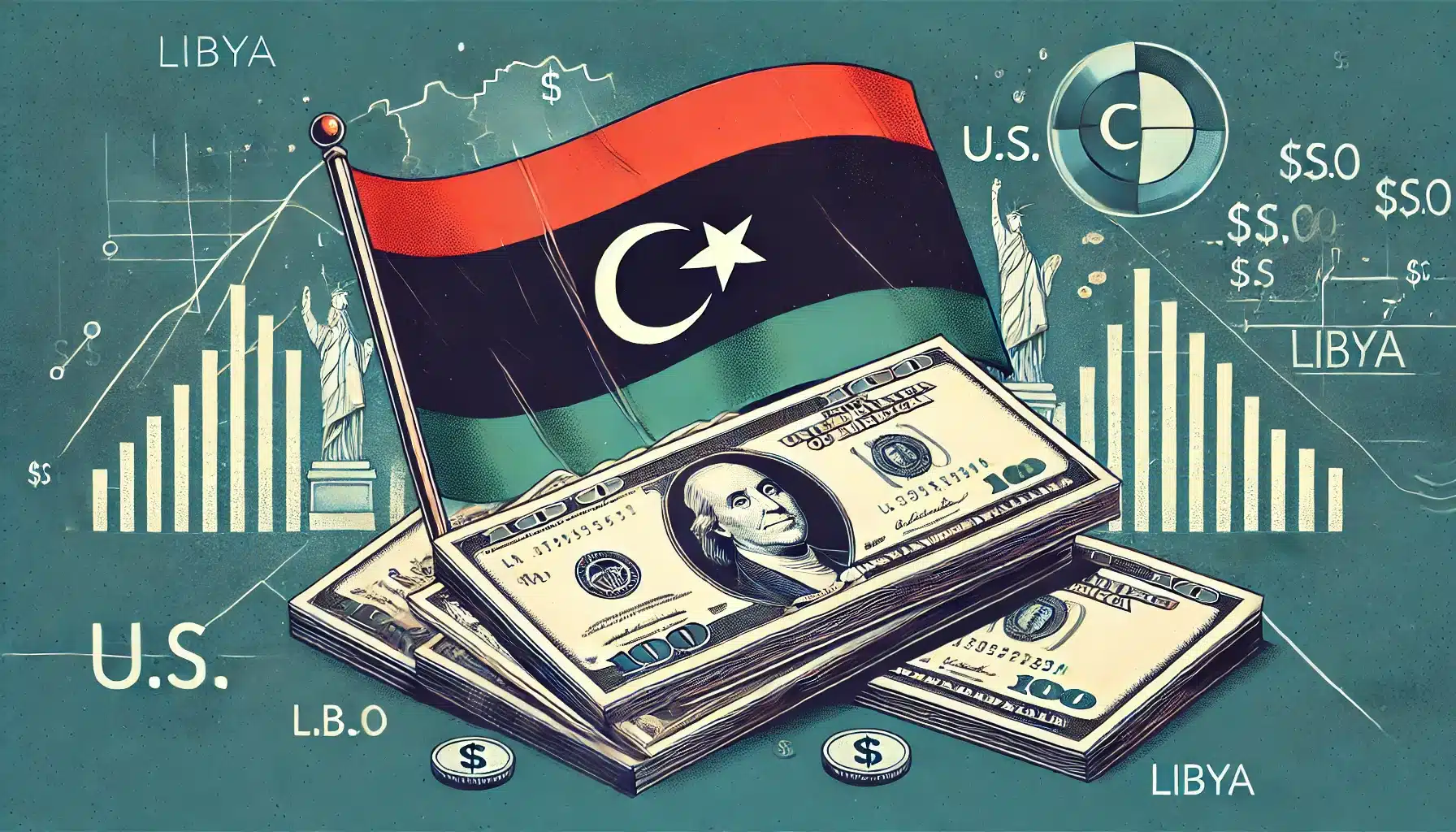
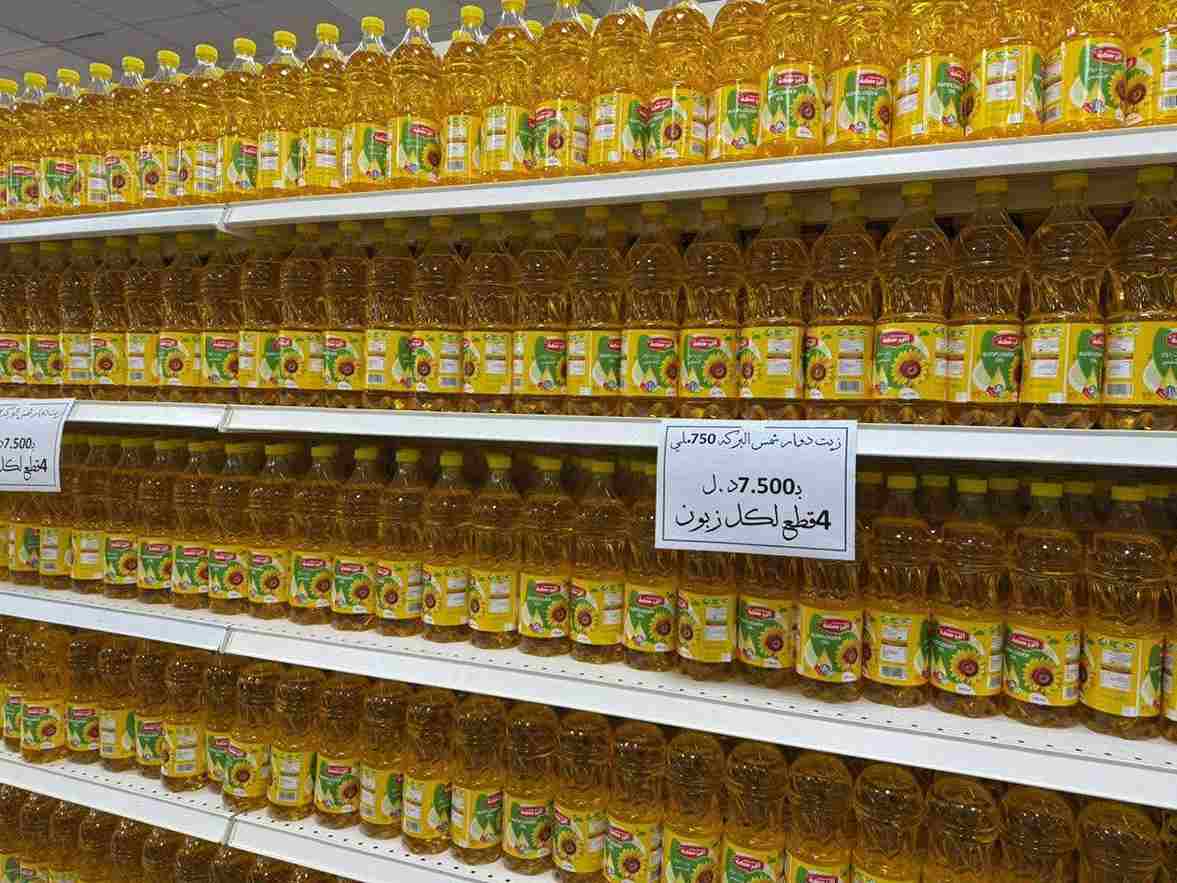
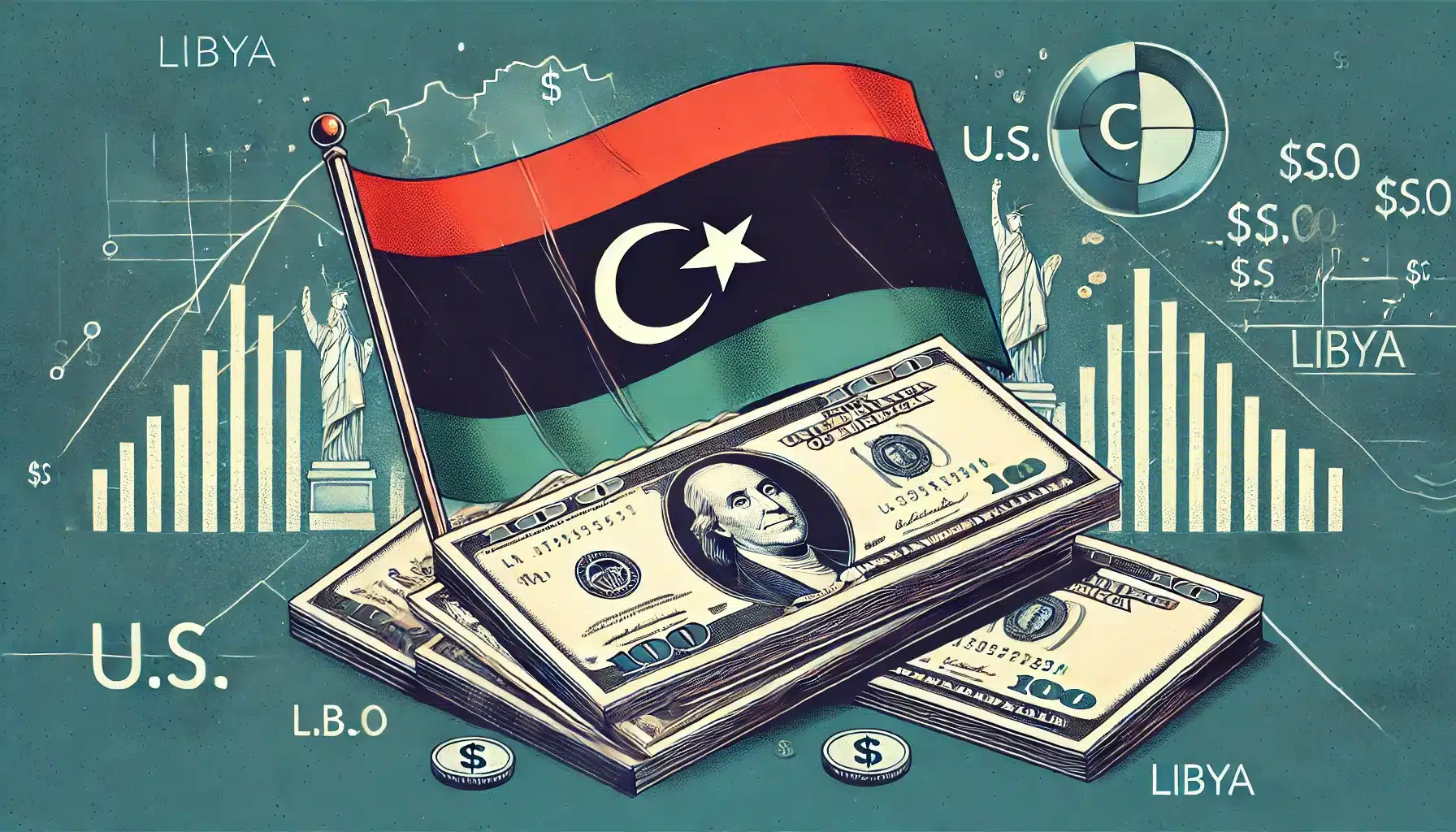
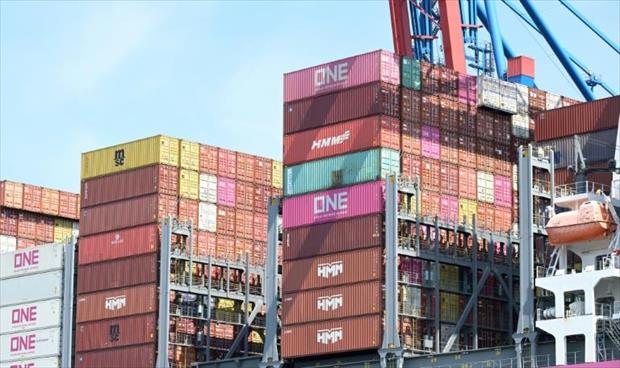
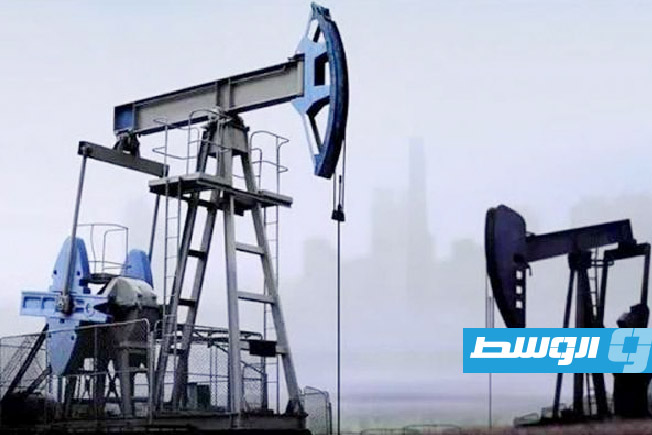
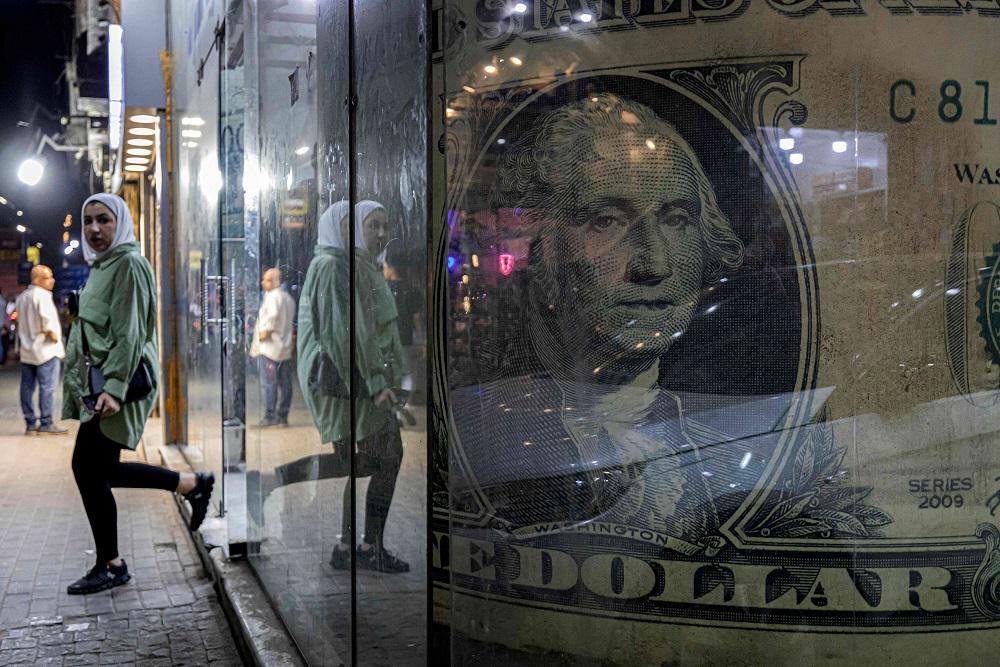
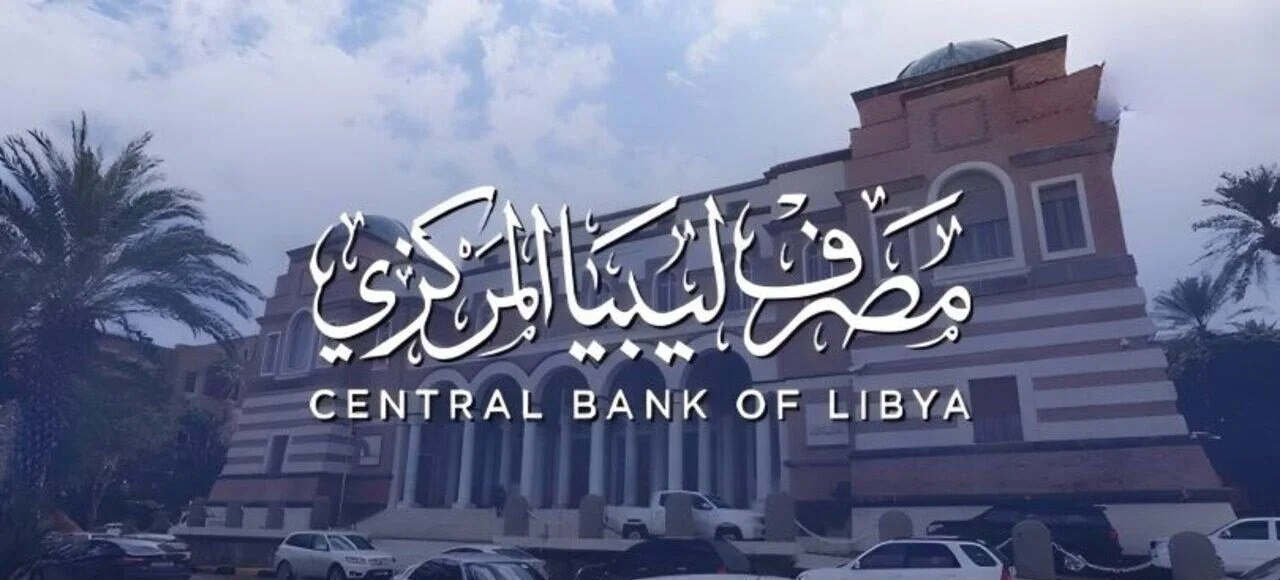
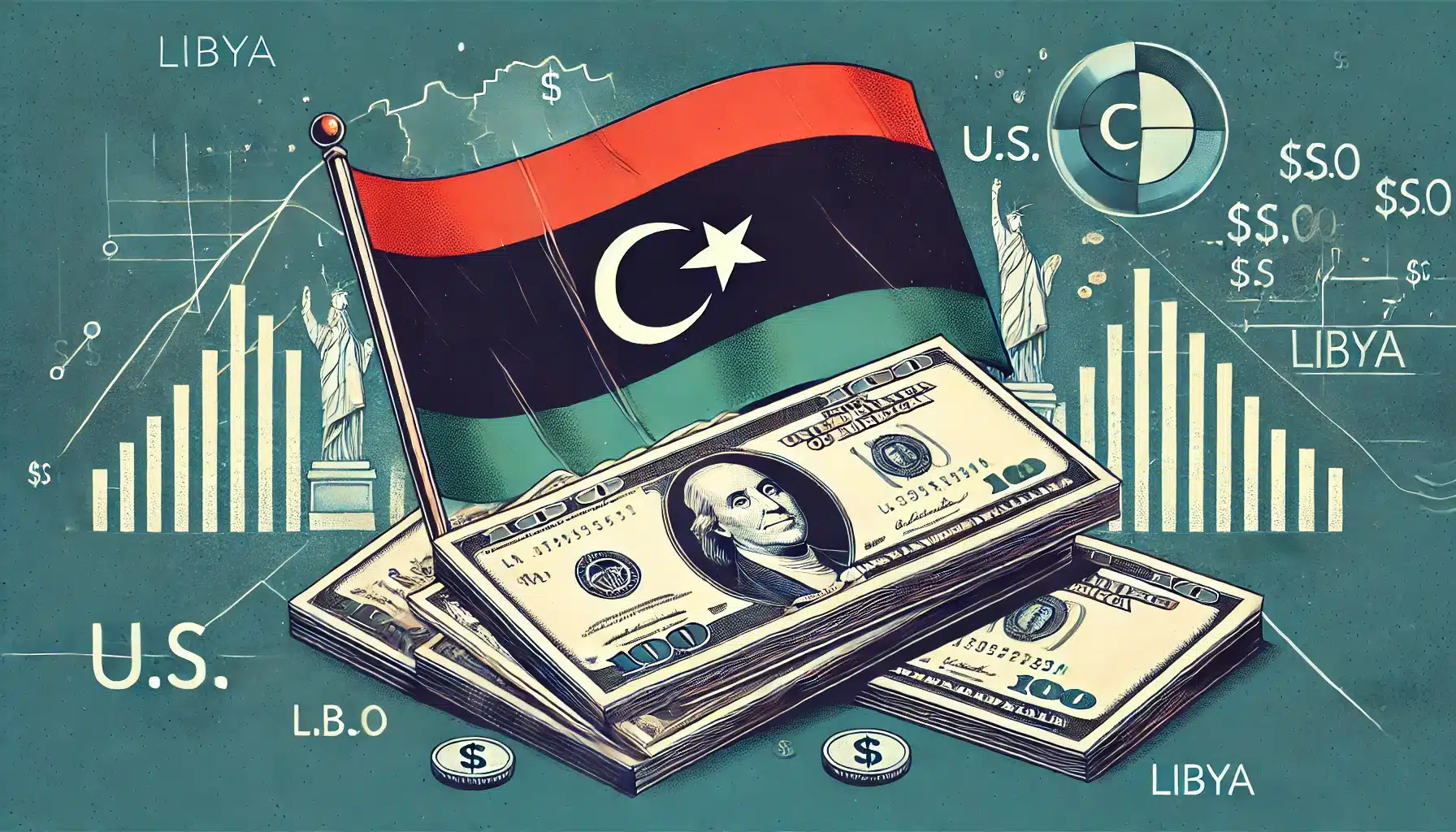
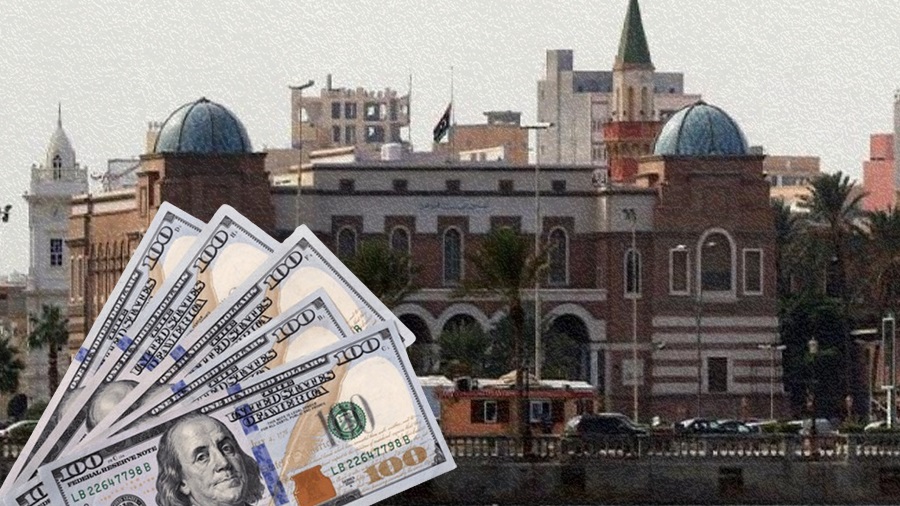
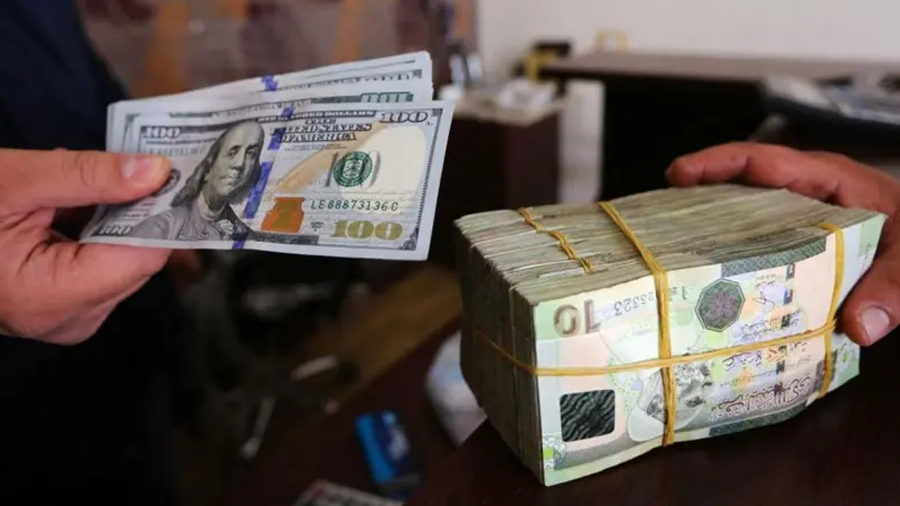
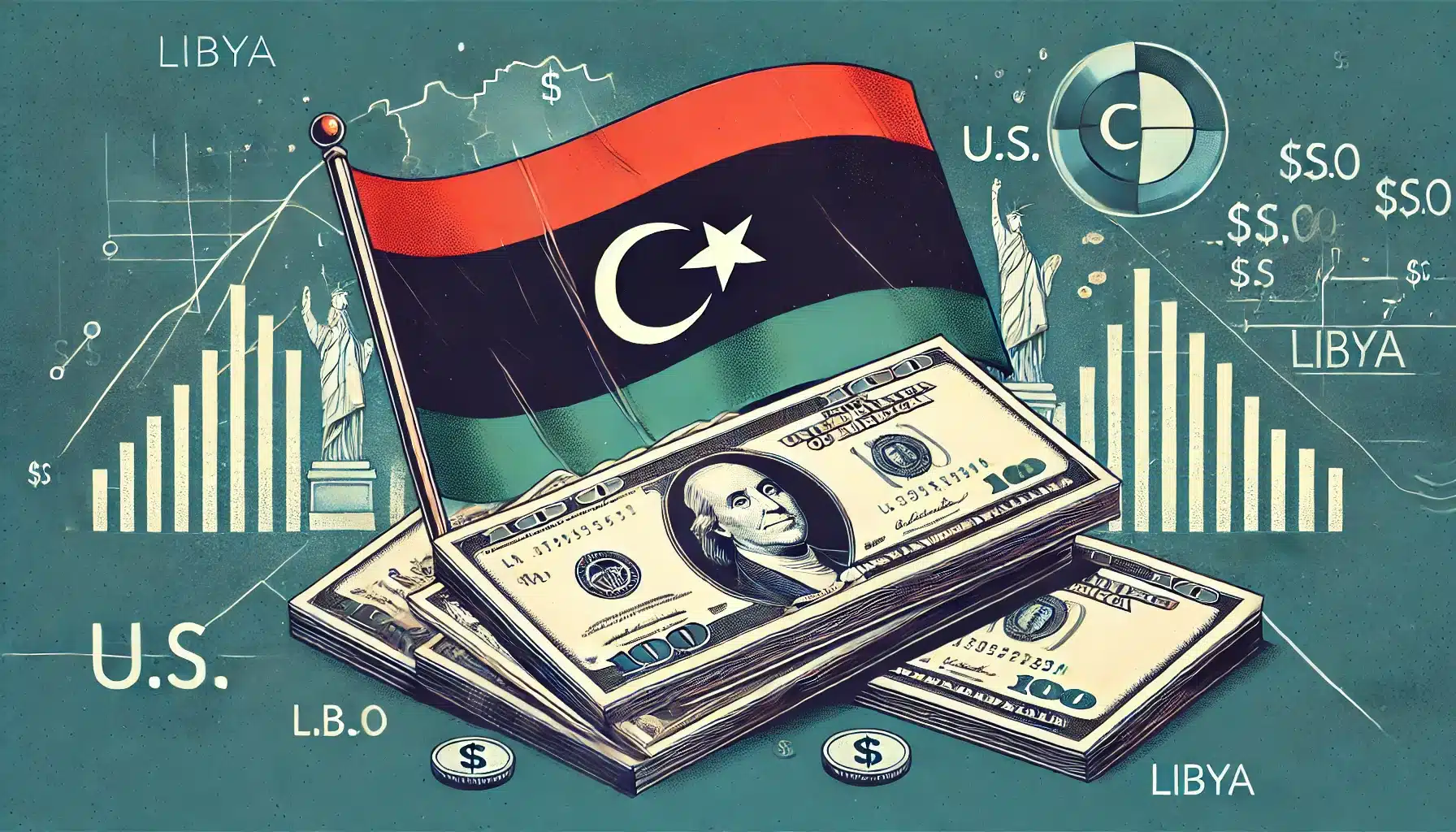
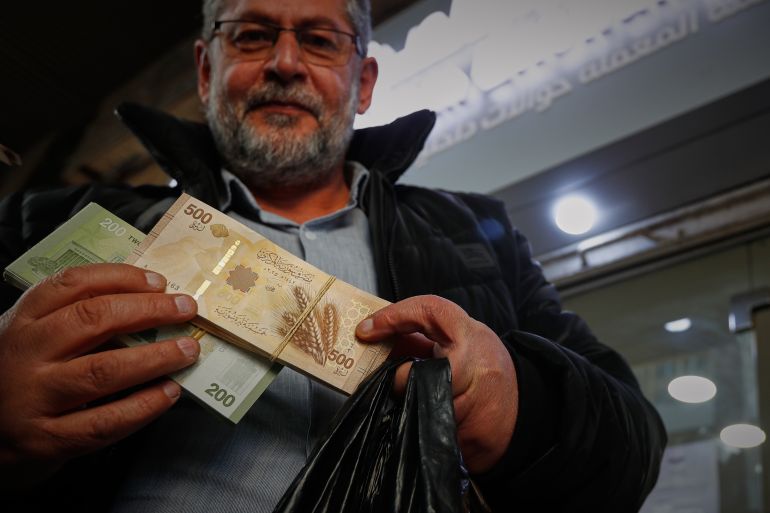
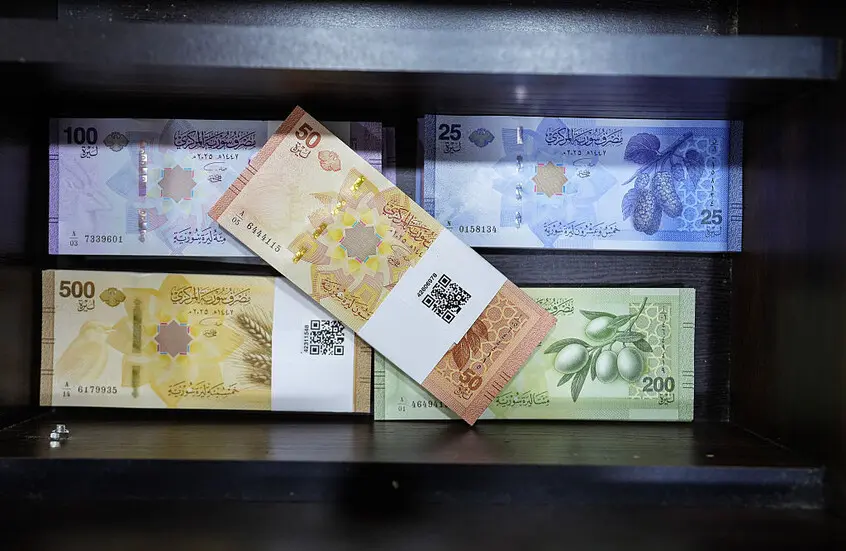
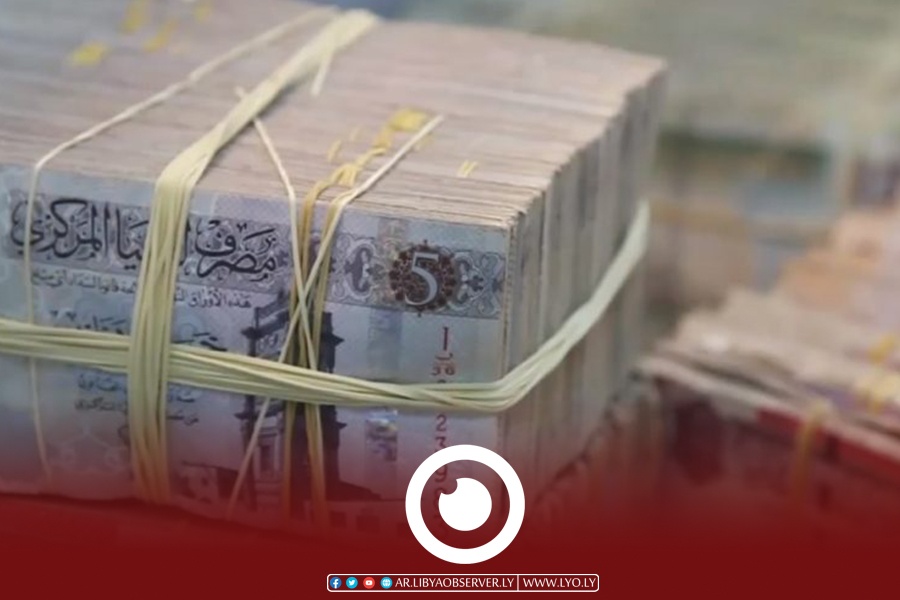
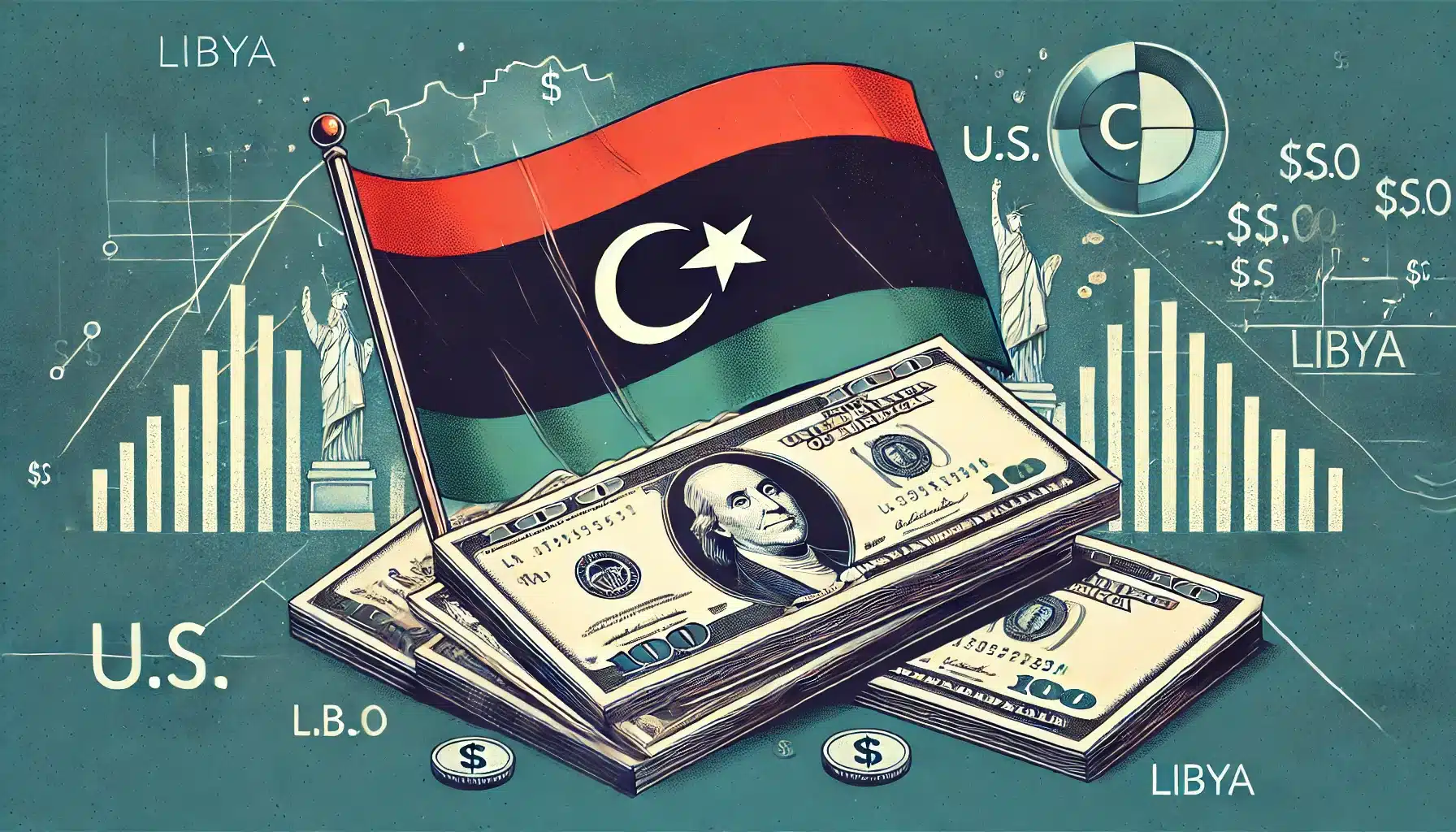
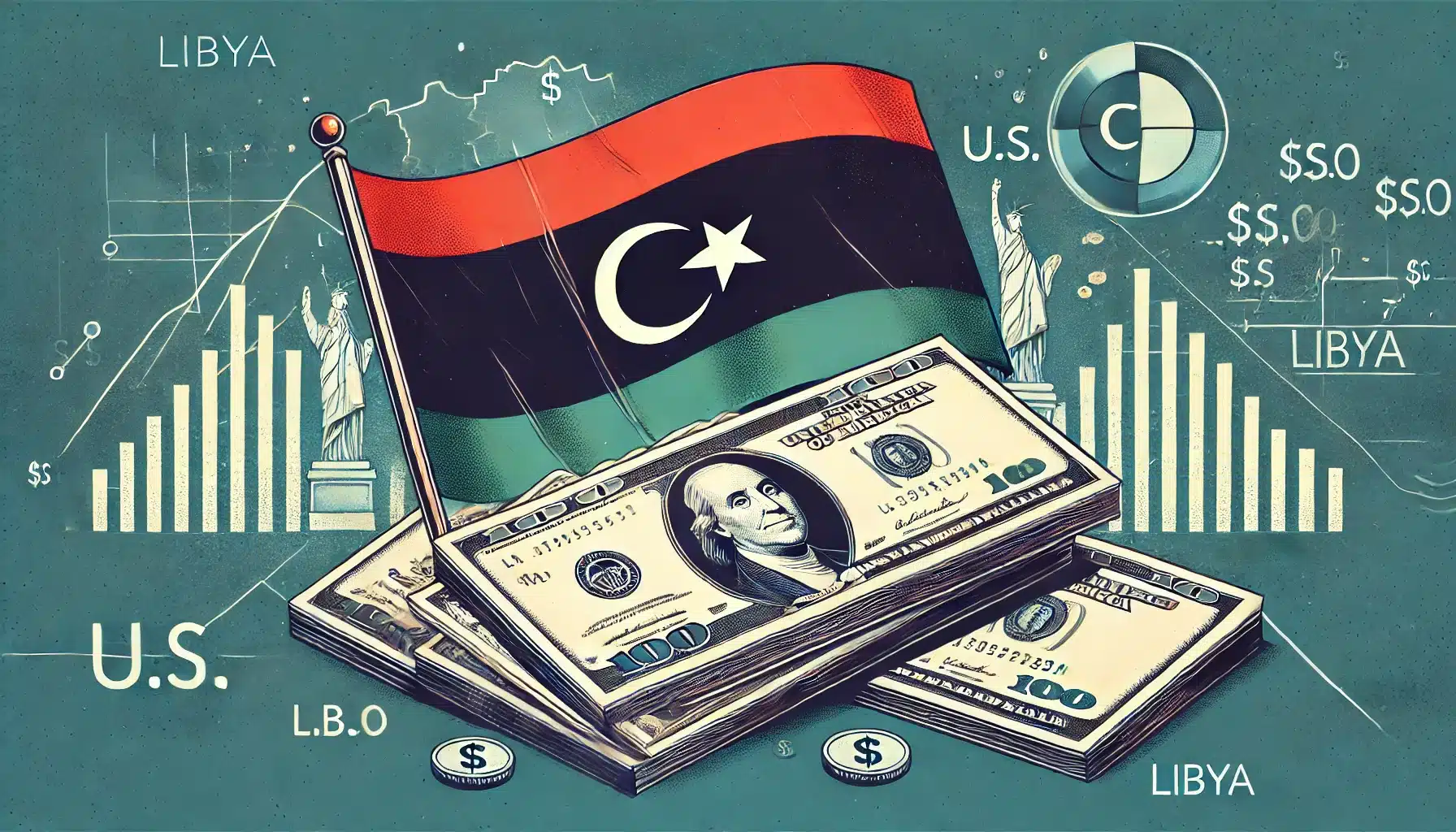
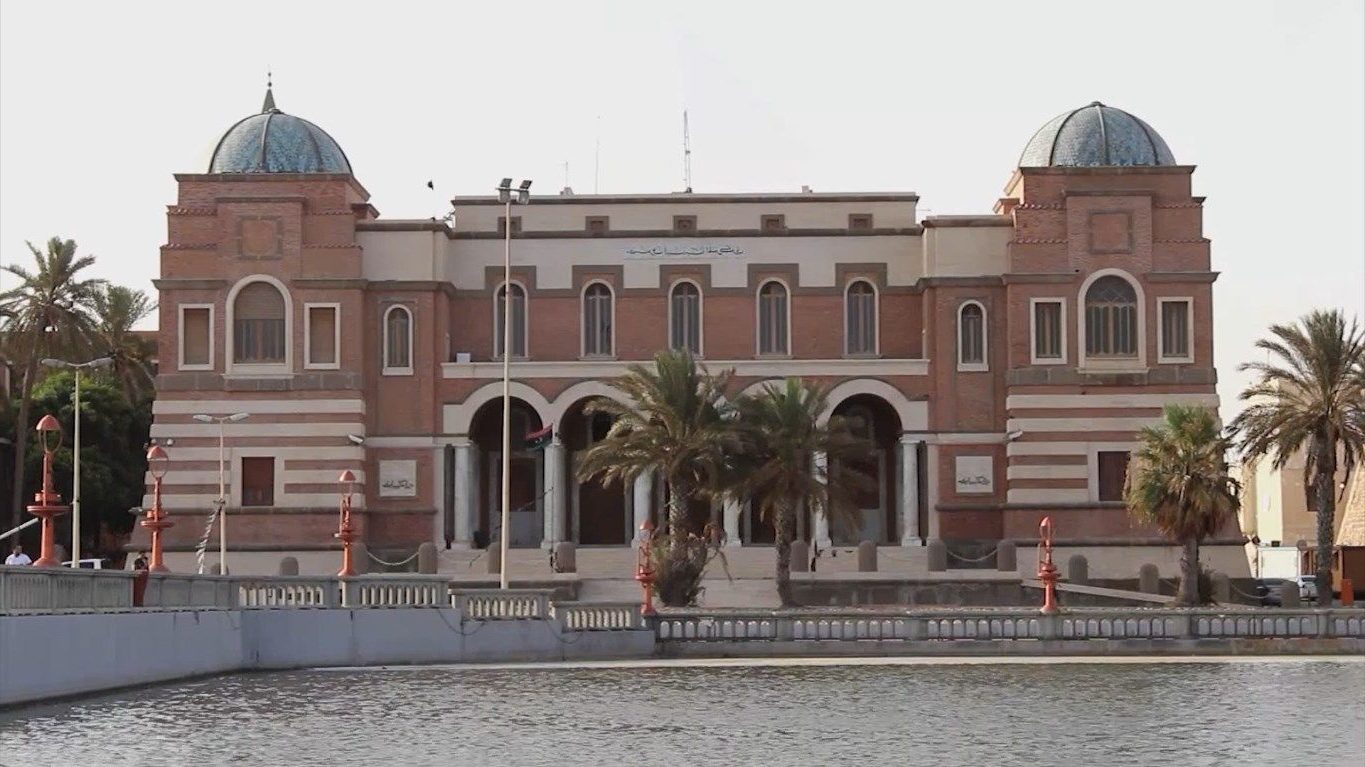
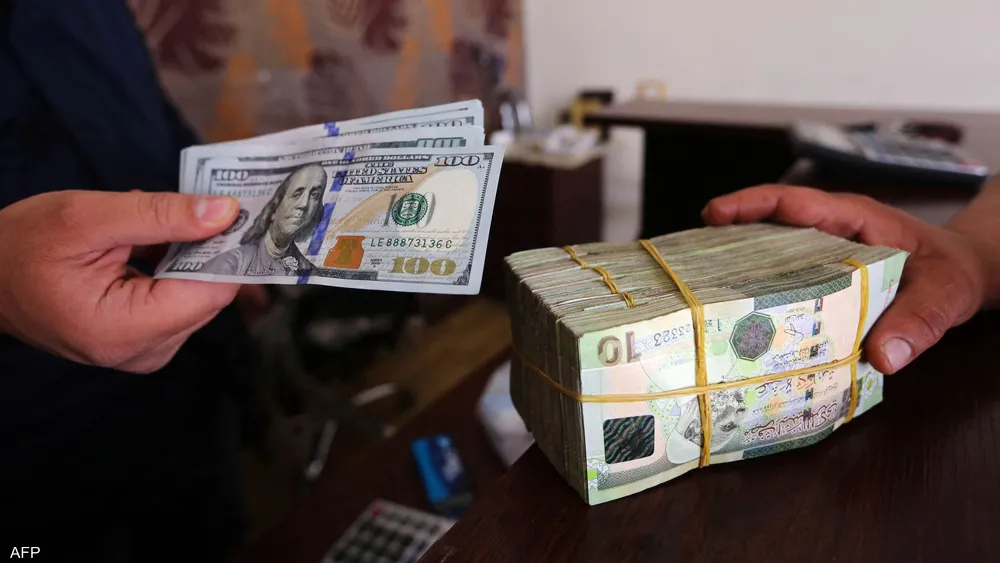
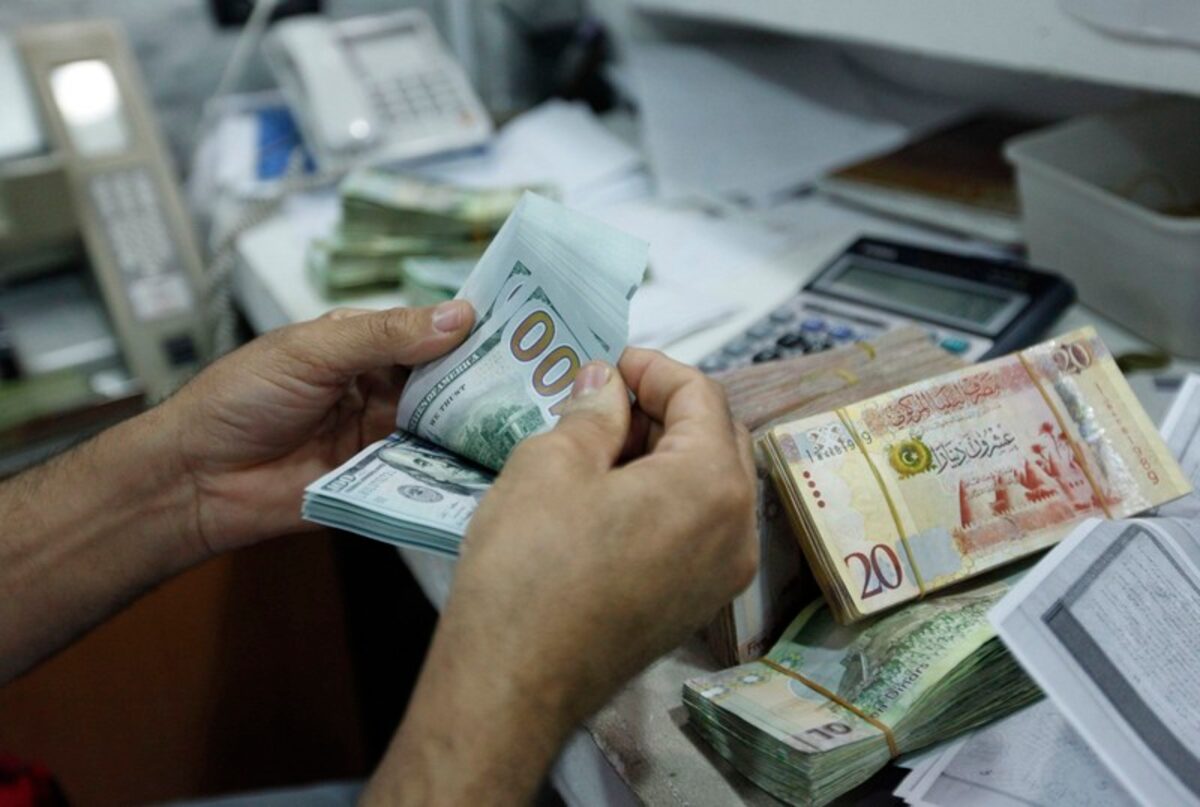
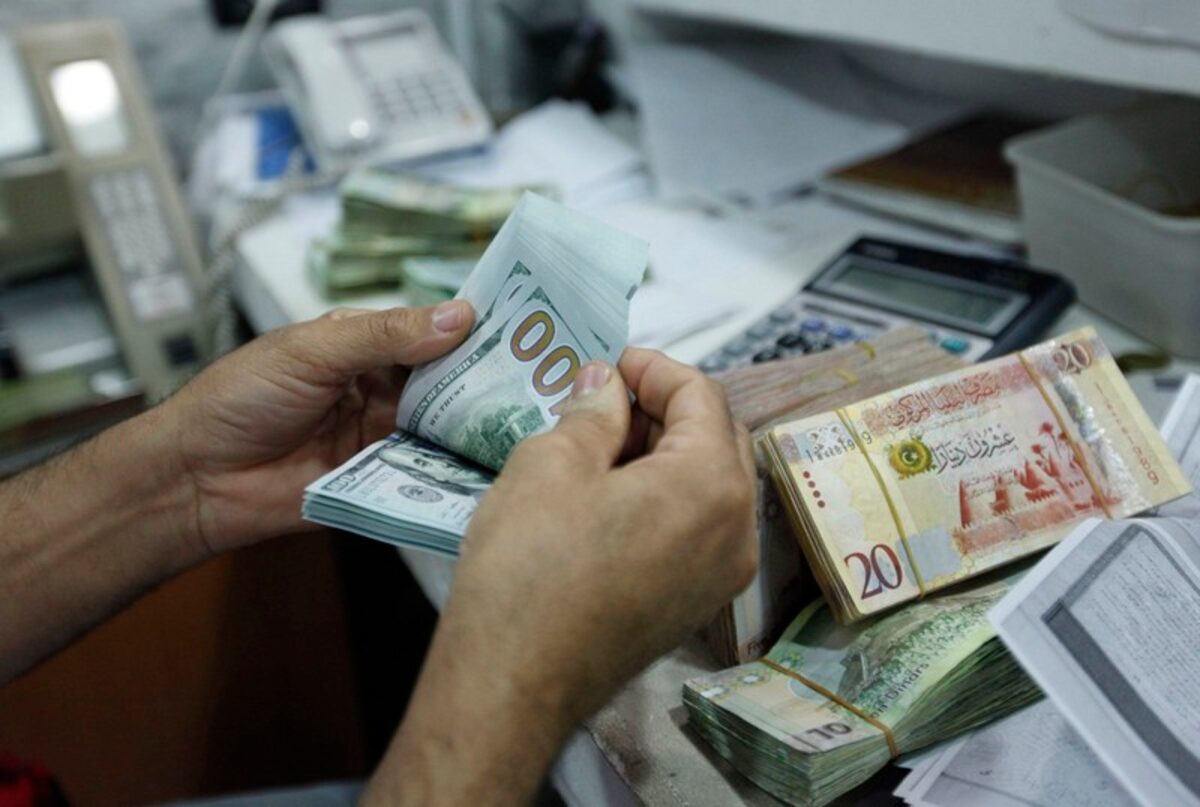
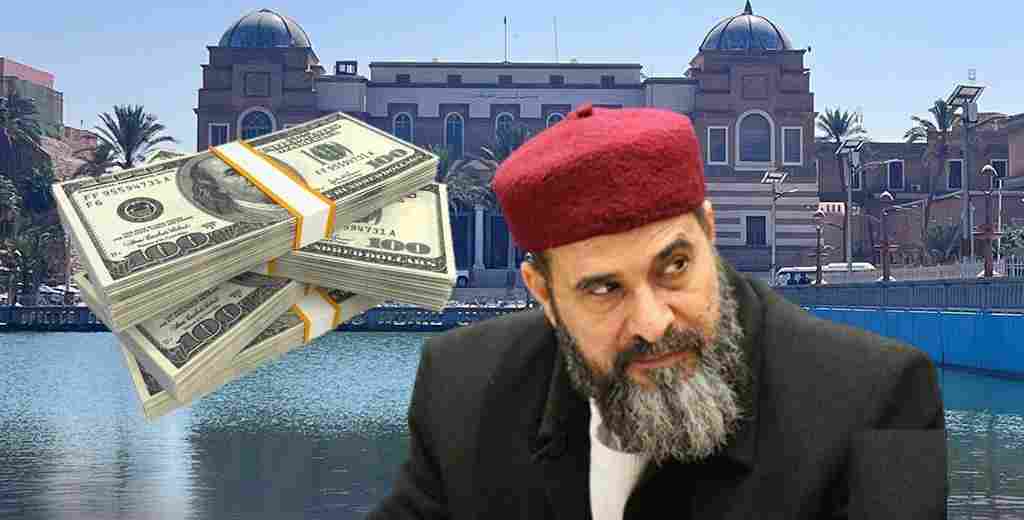
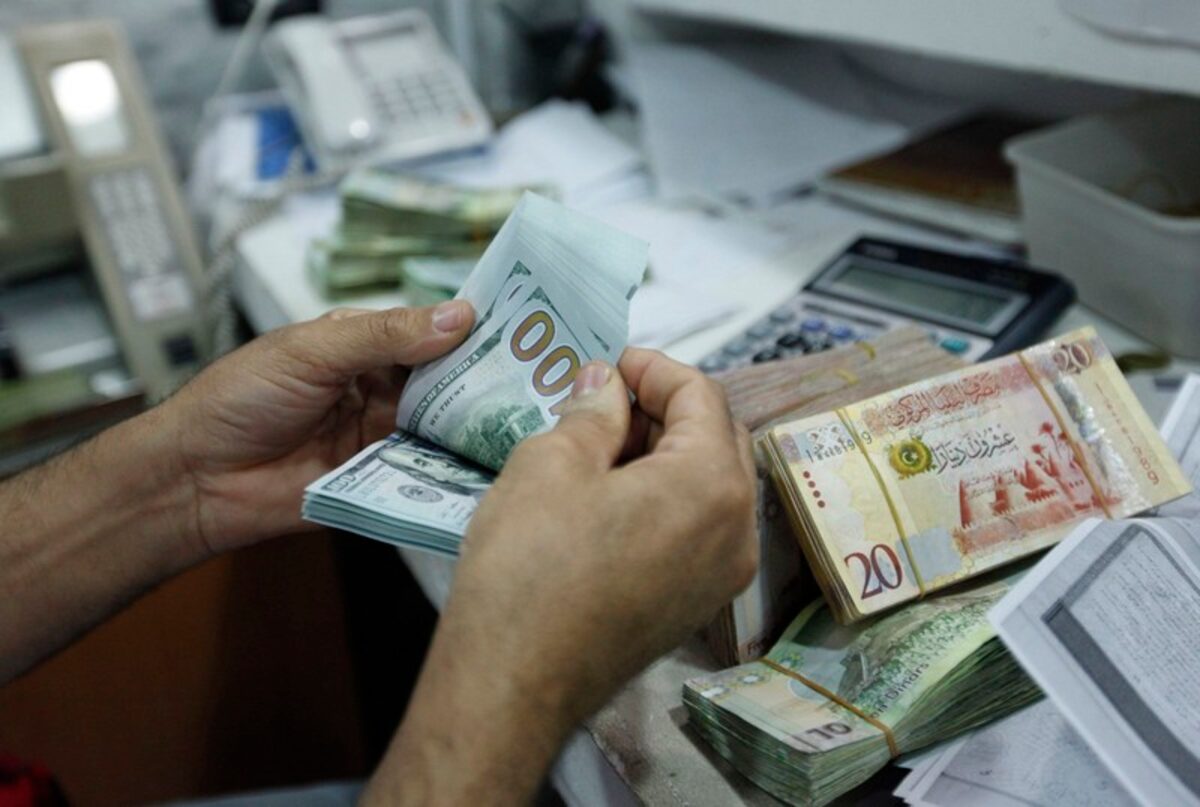
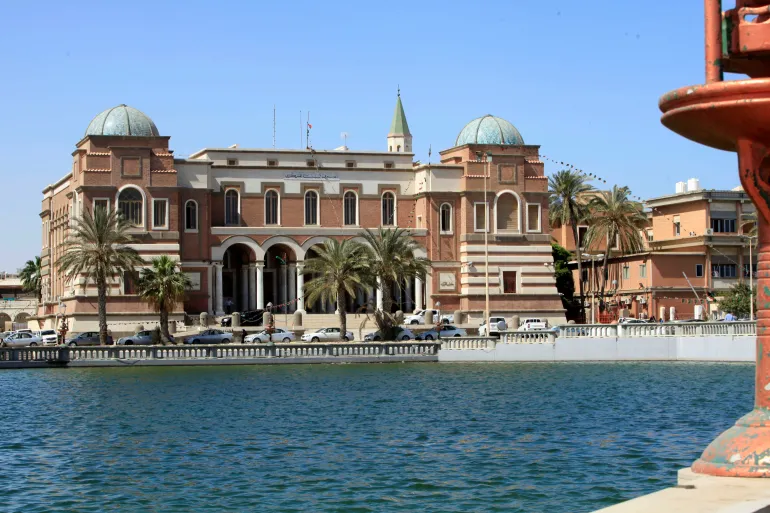
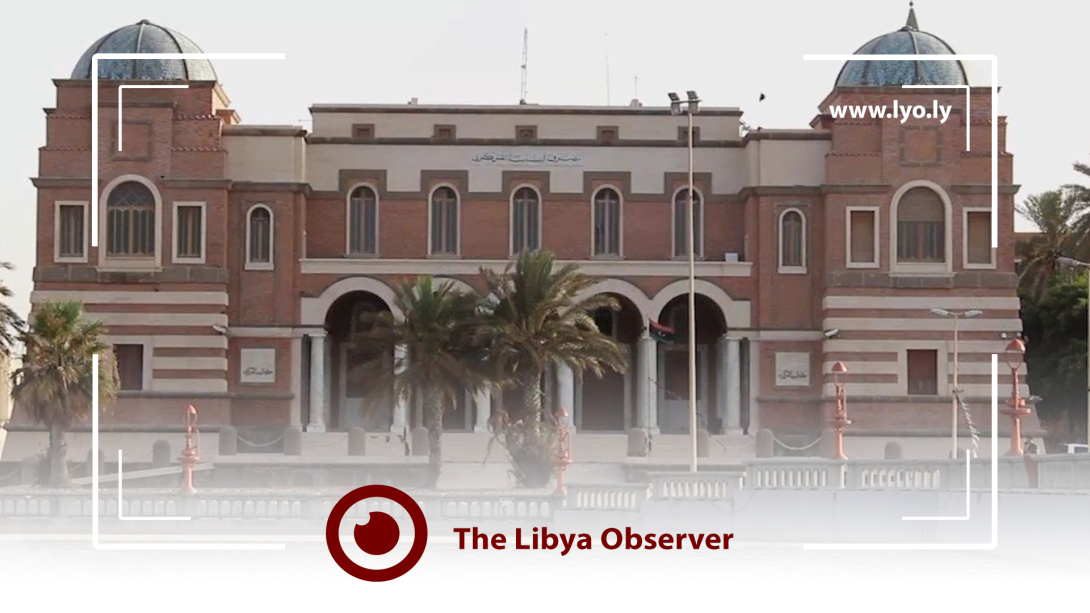
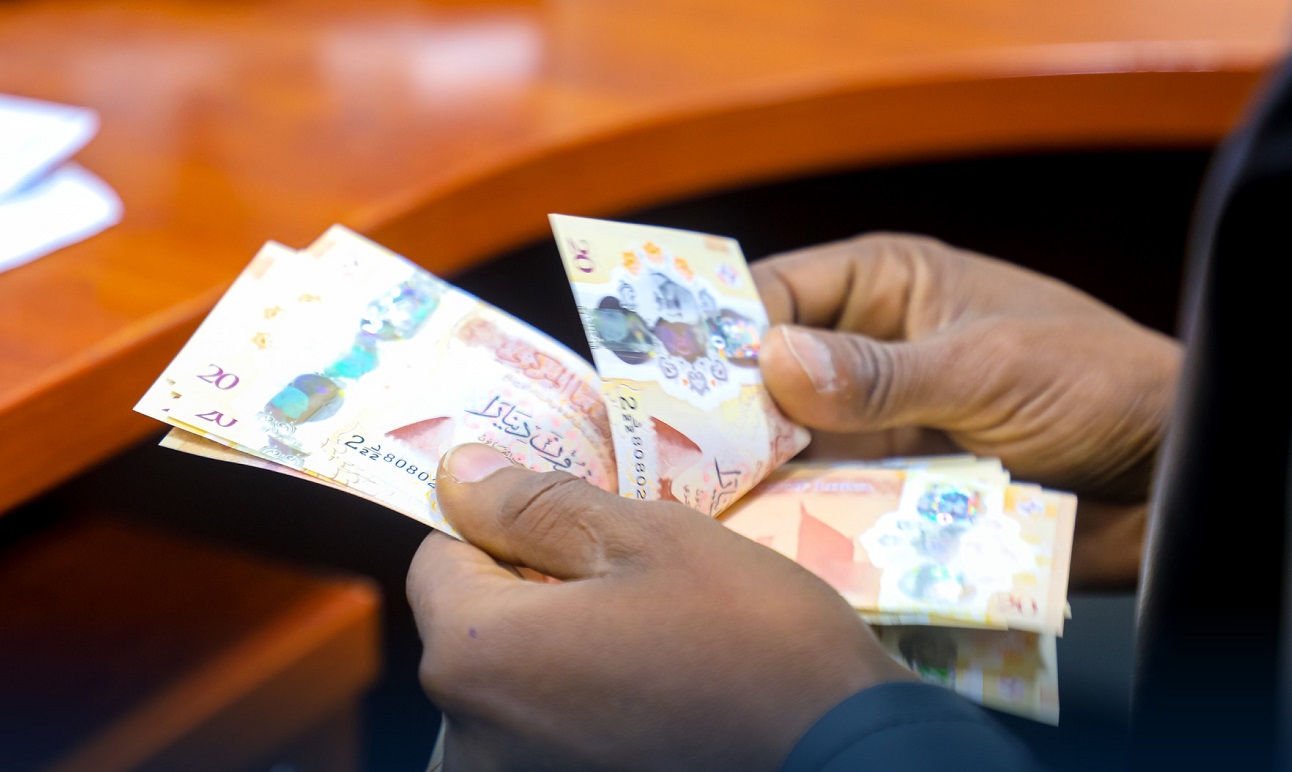
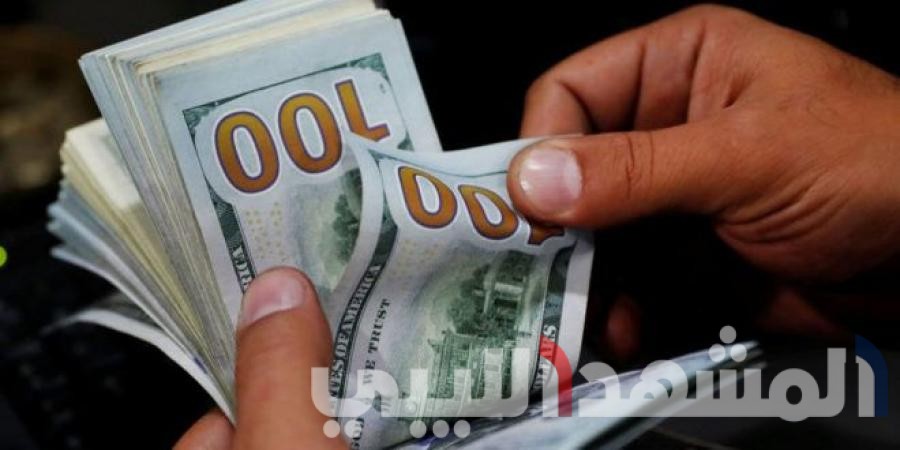
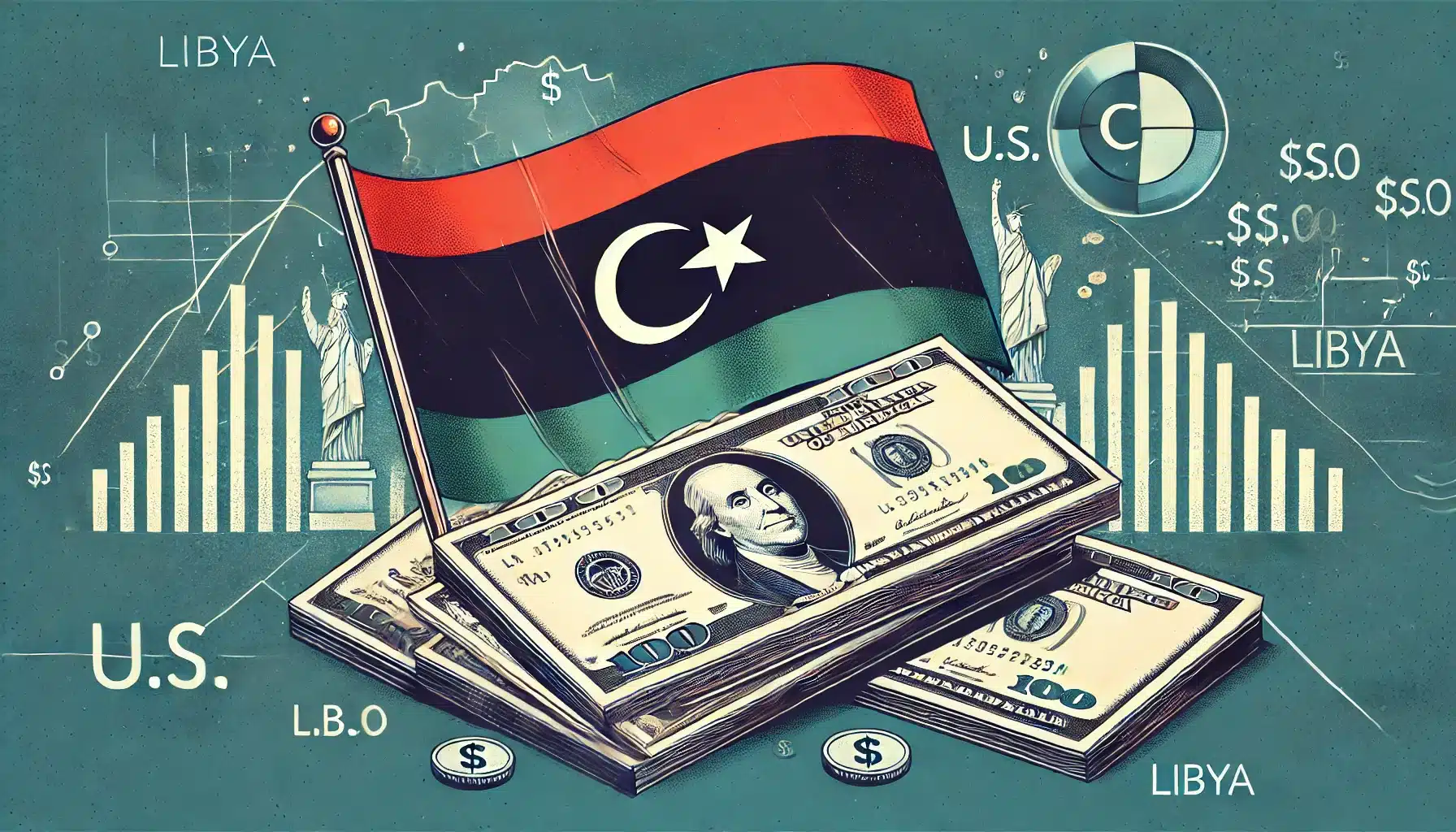
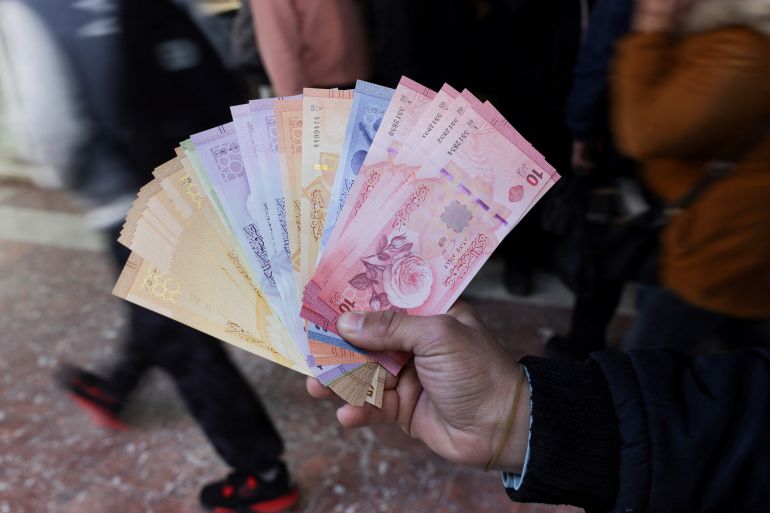
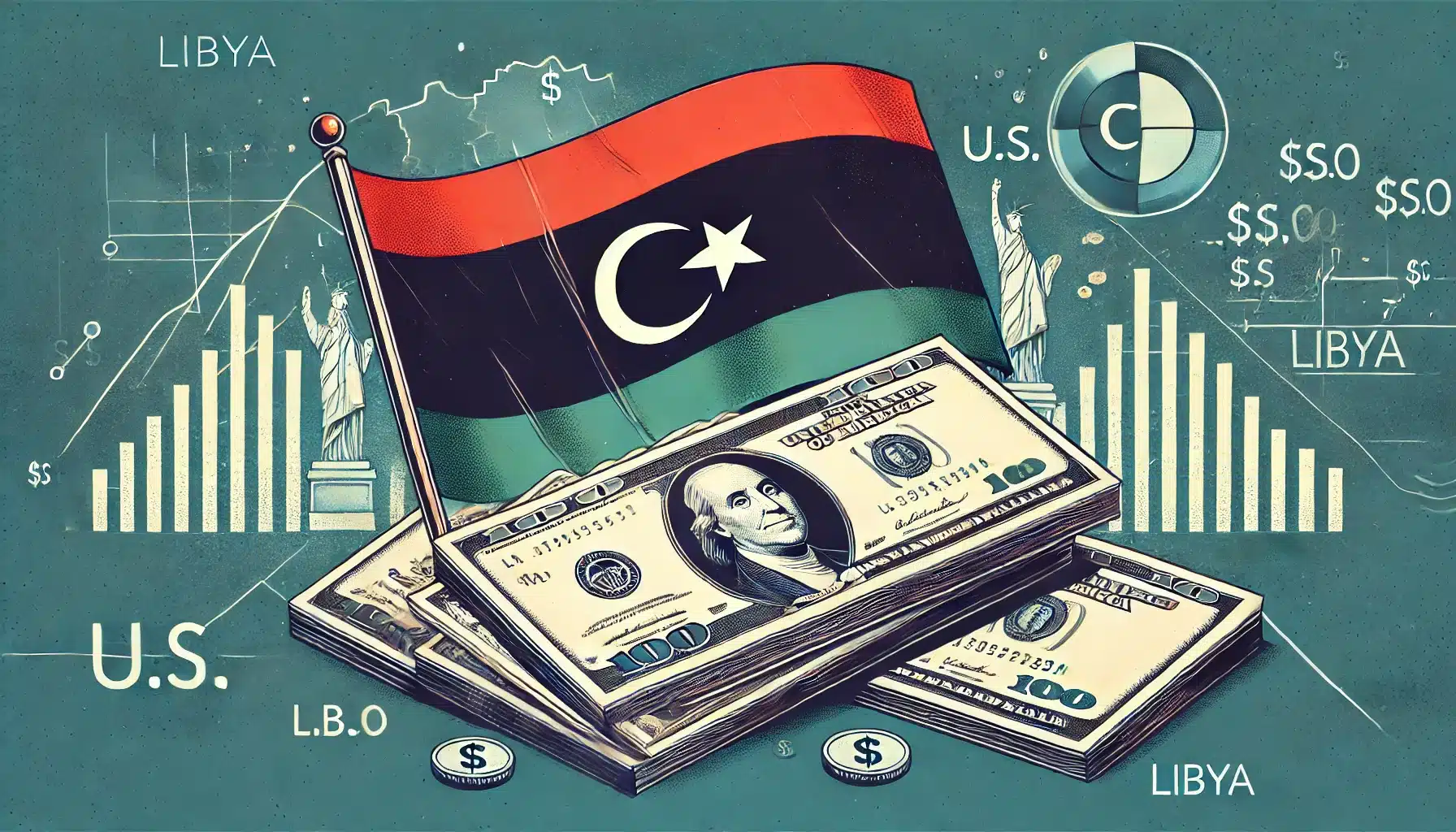
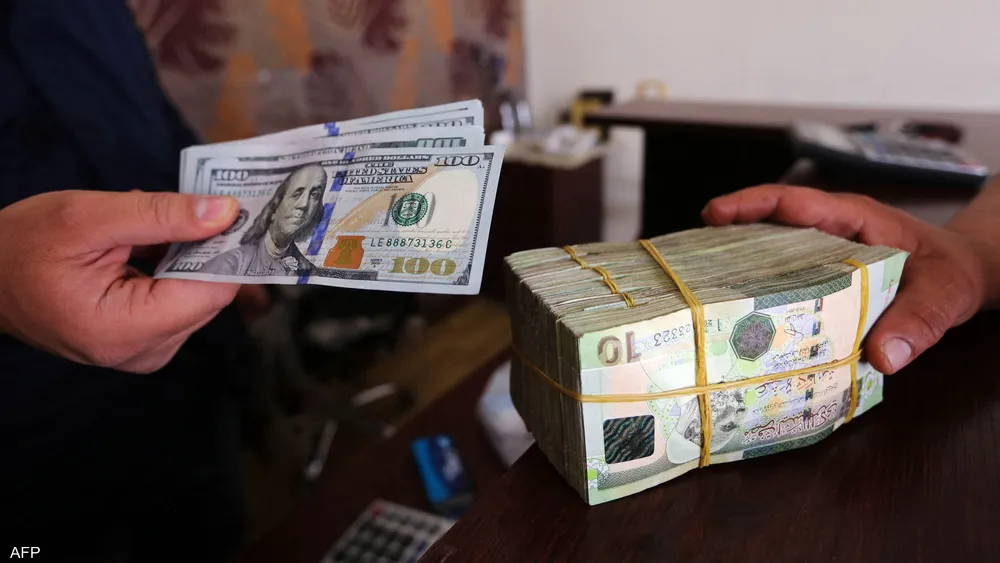
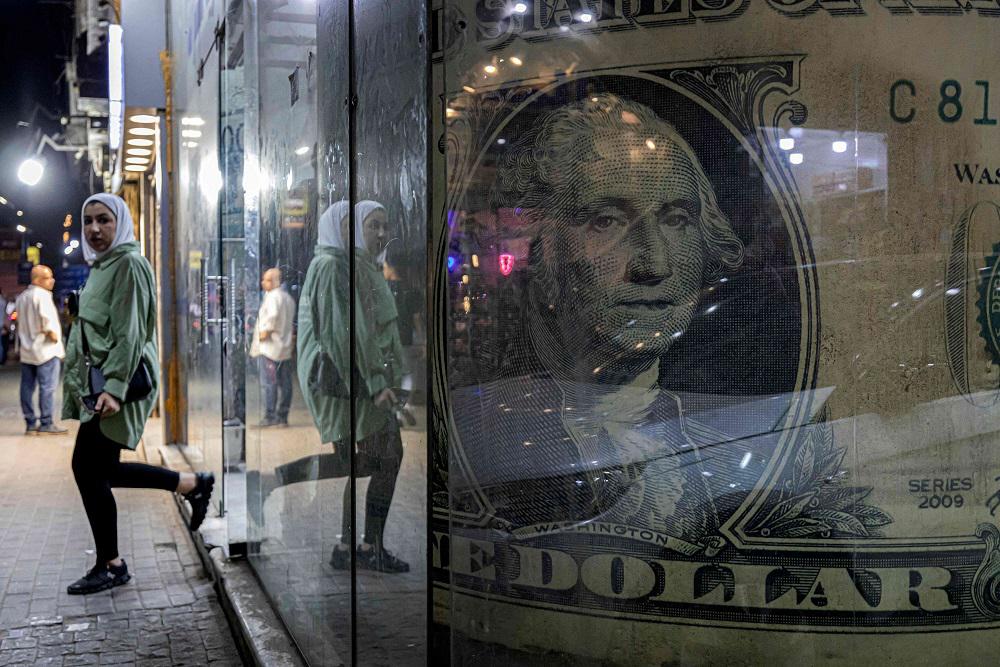
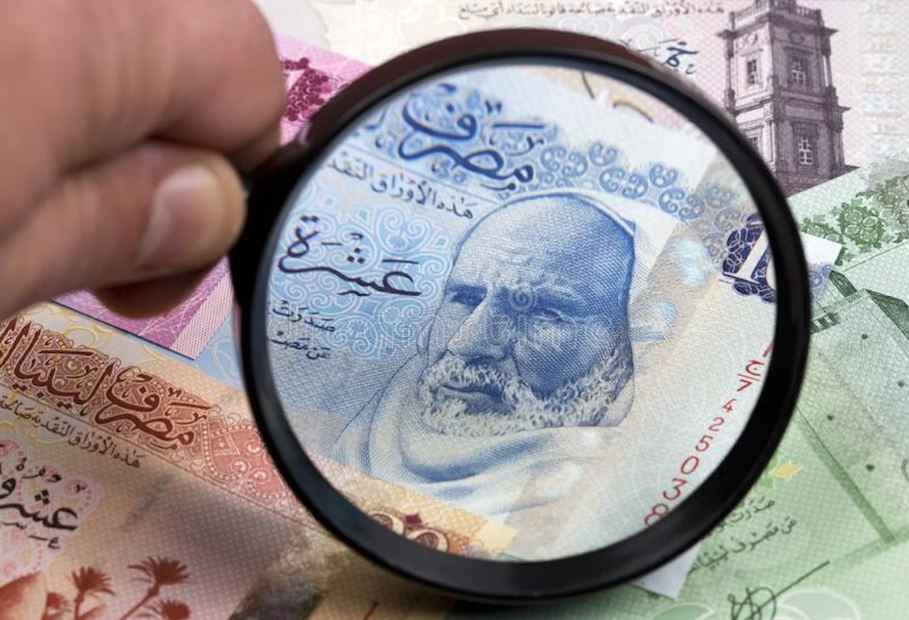
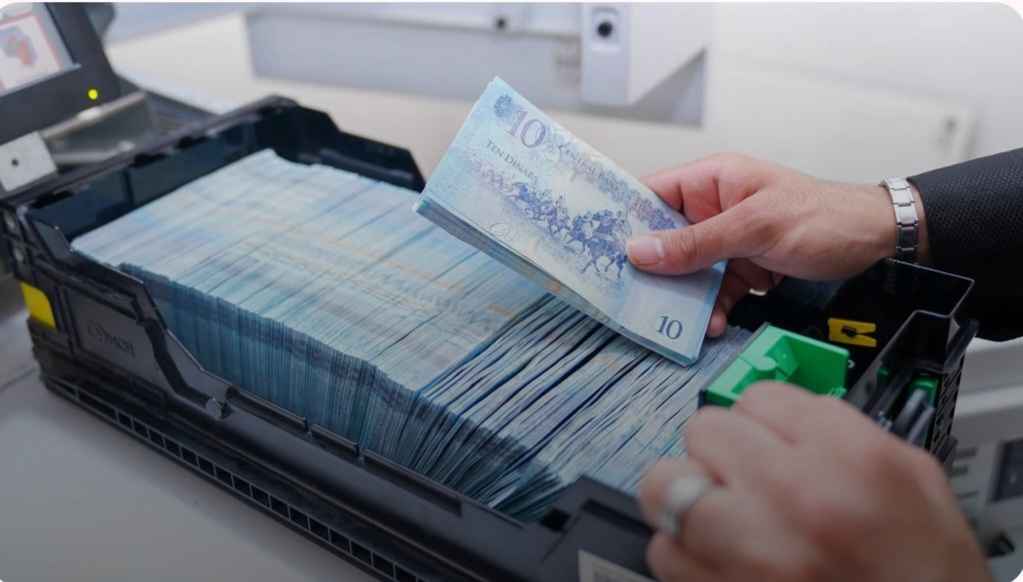
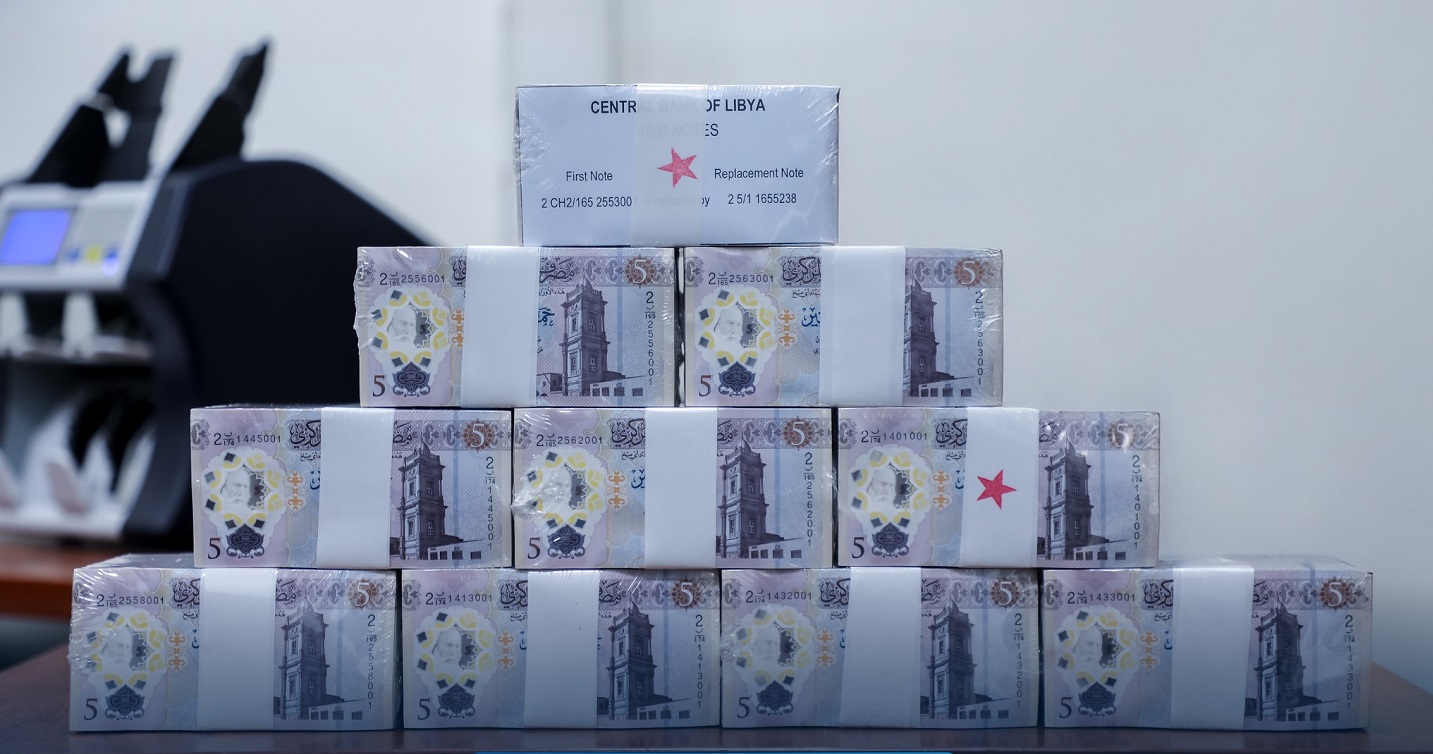
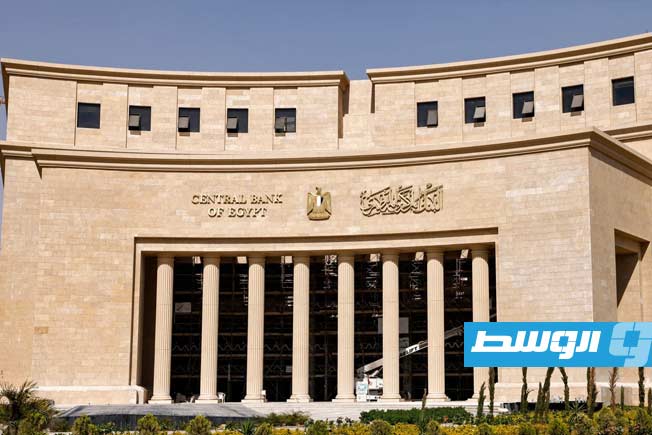
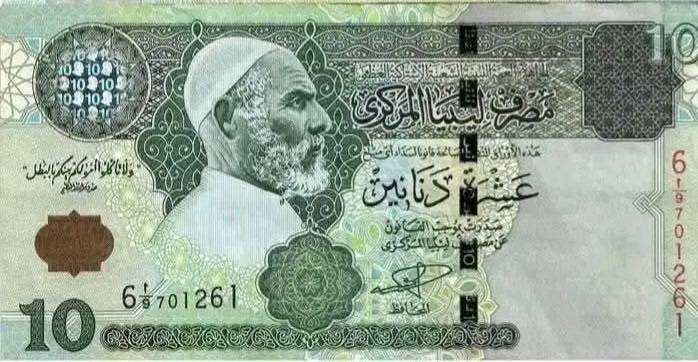
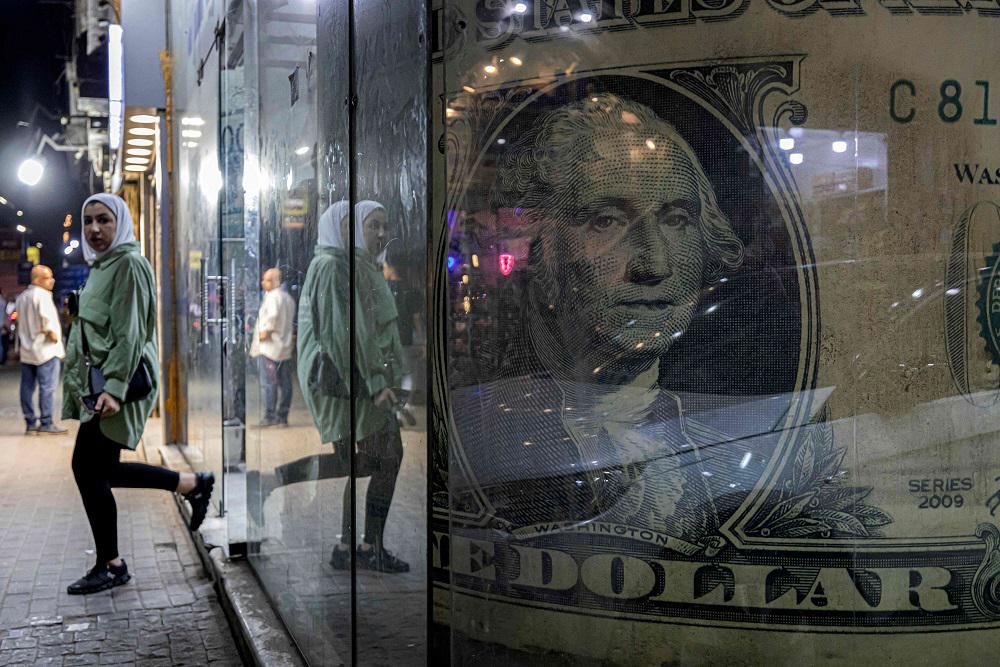
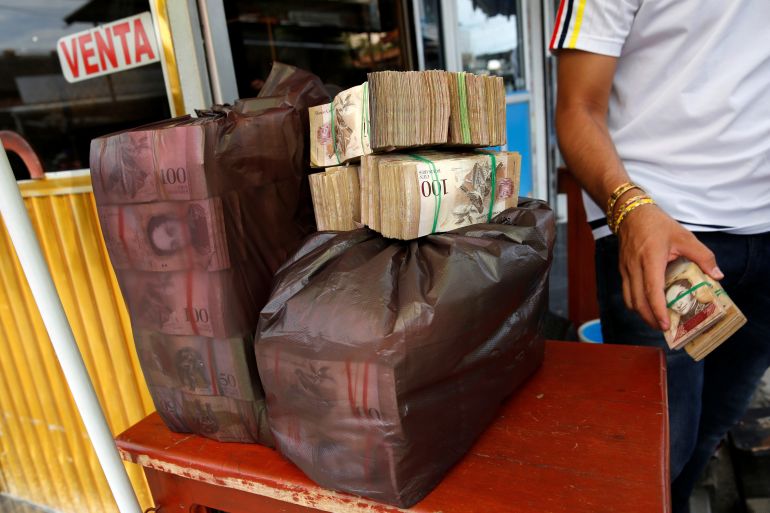
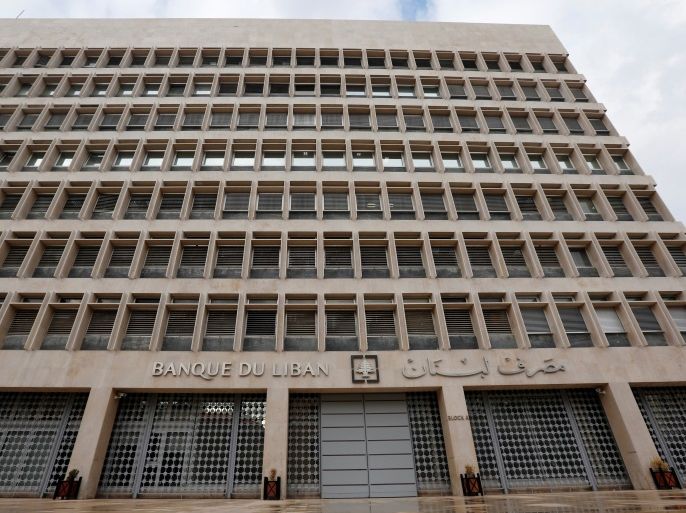
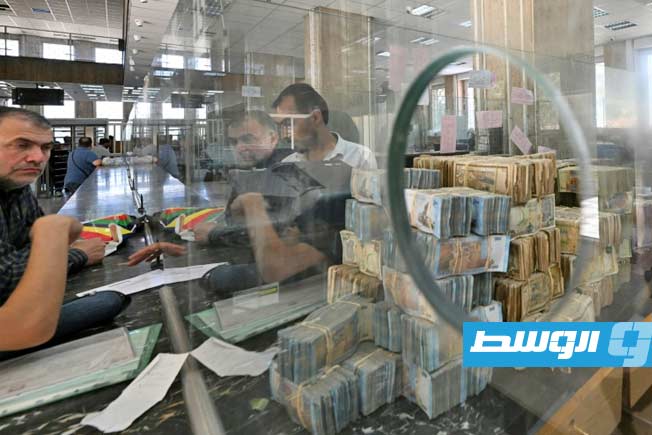
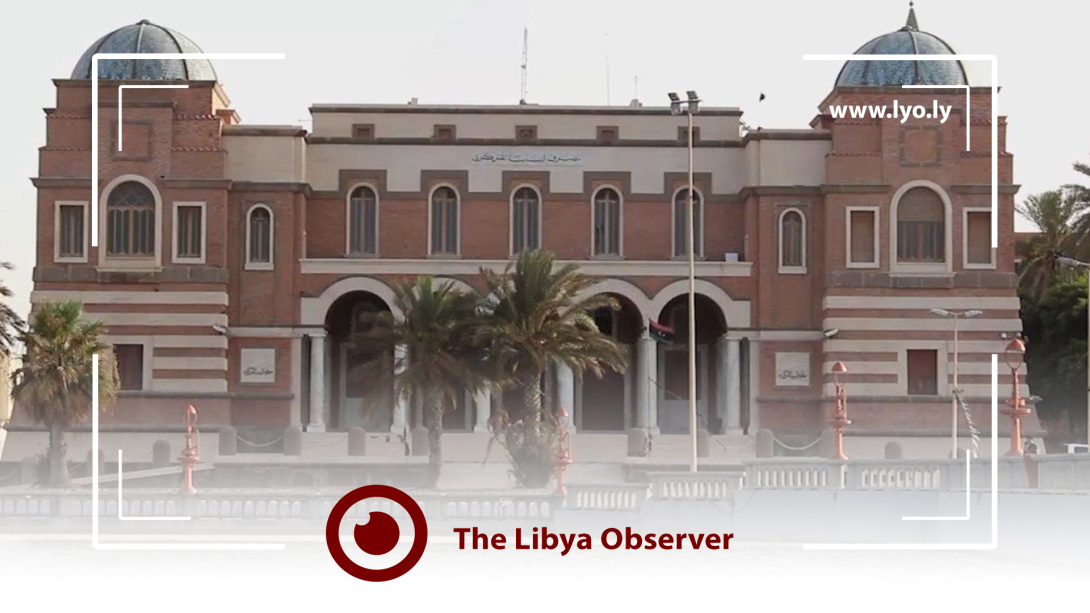
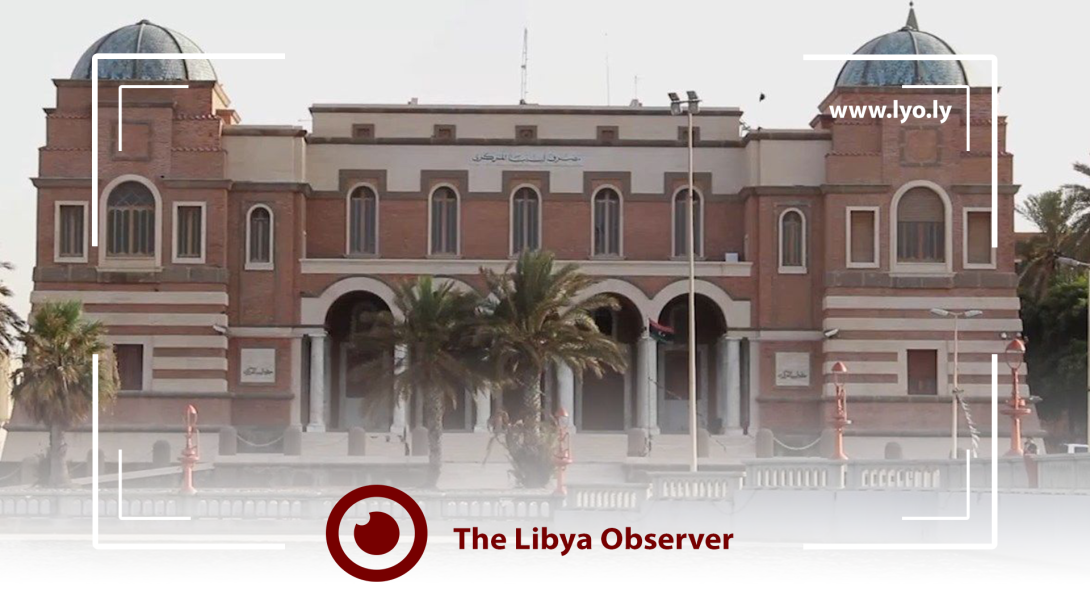
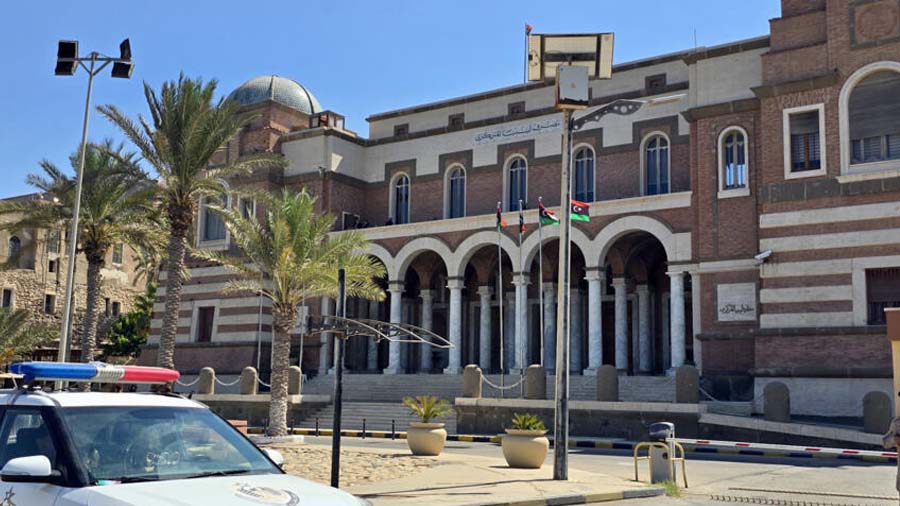
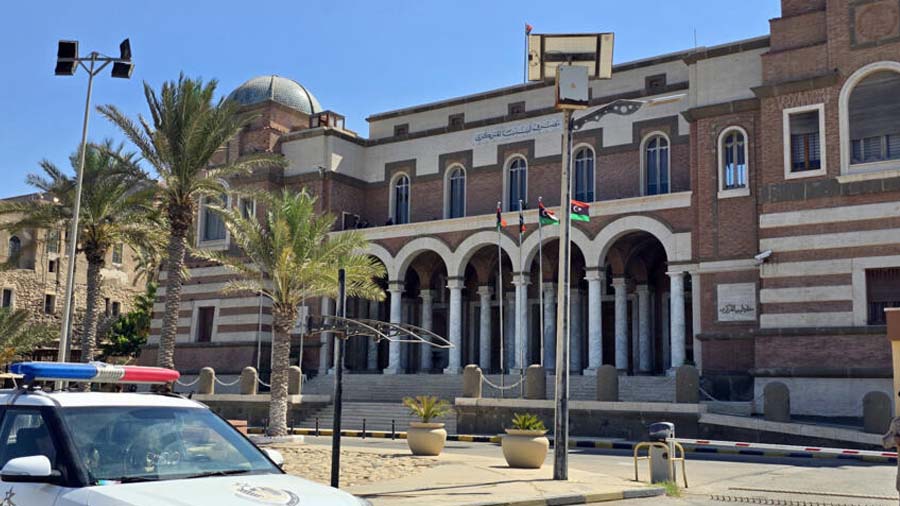
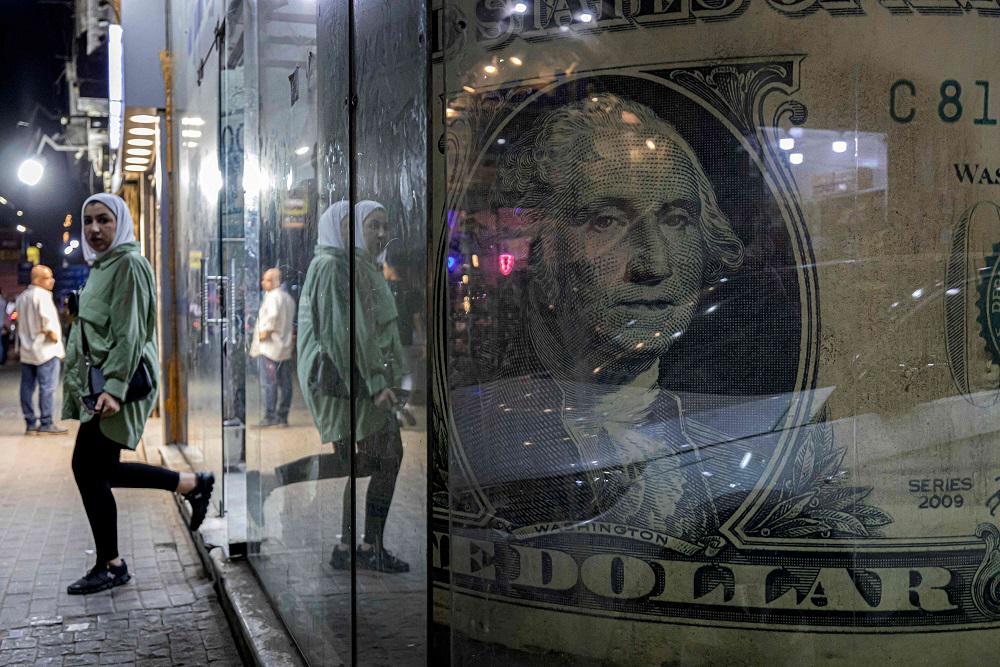
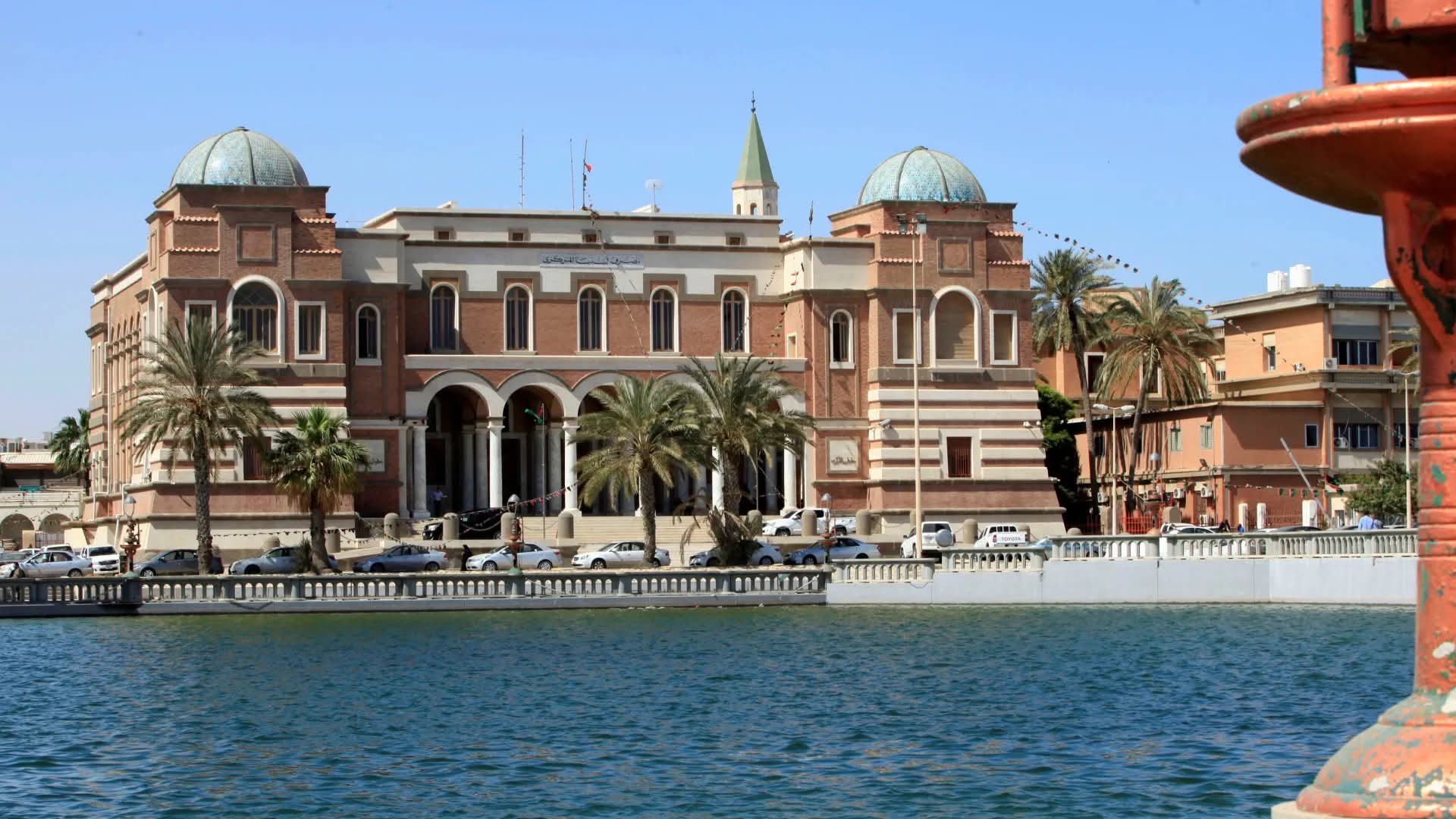
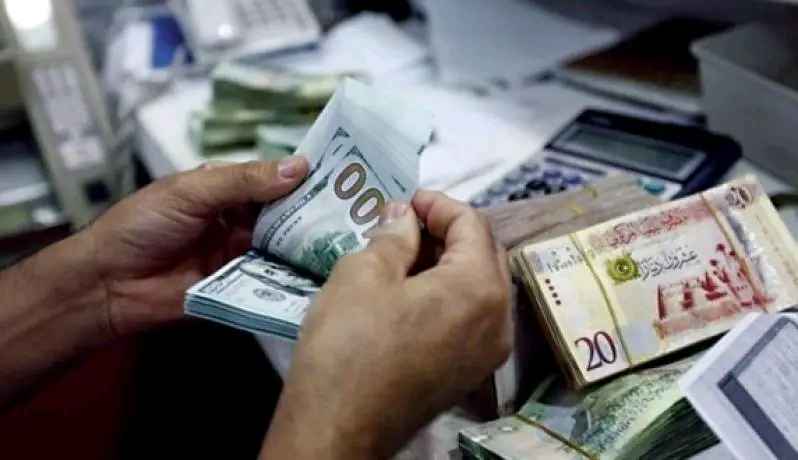
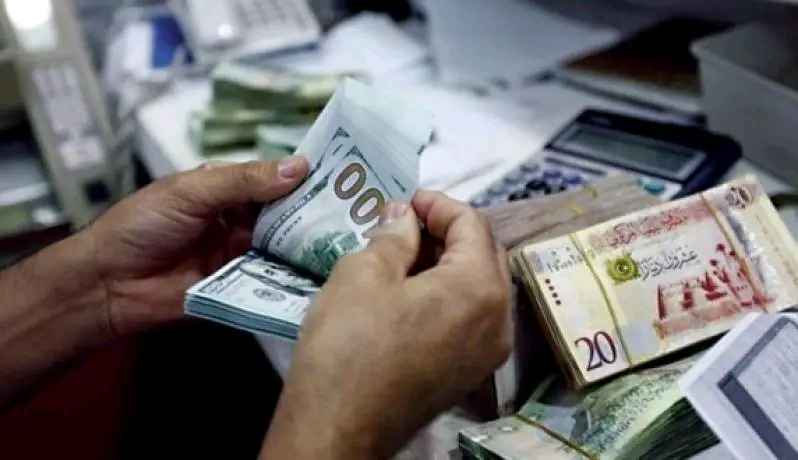
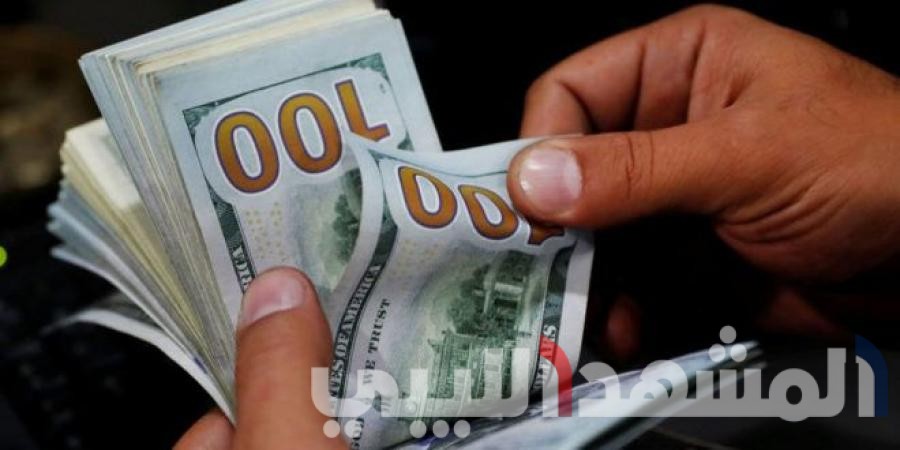
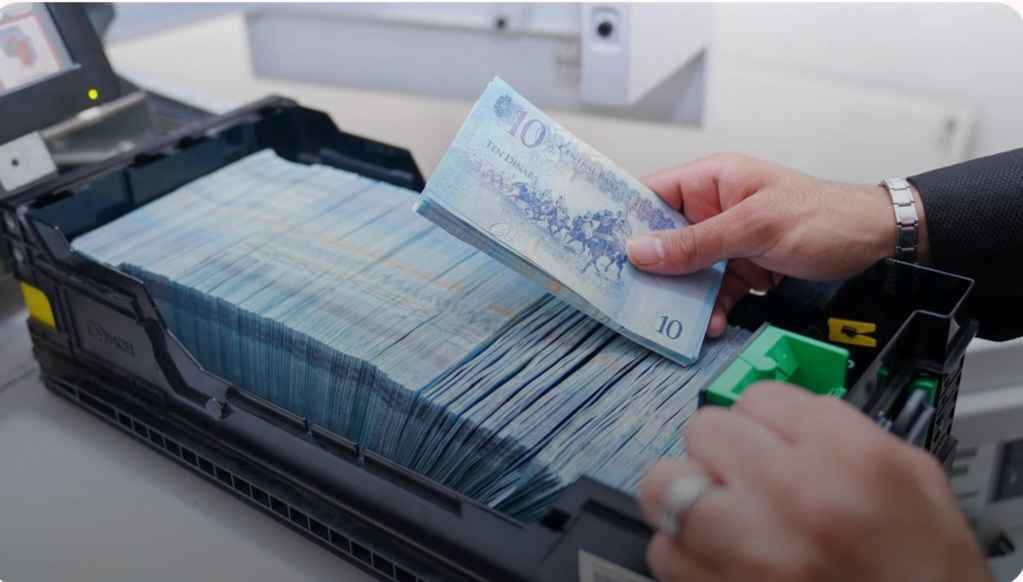
This program comes as part of a series of government measures in preparation for Ramadan, which included the Central Bank allocating $100 million for the import of oil and basic commodities, in addition to the government announcing a Ramadan grant of one thousand dinars for retirees.
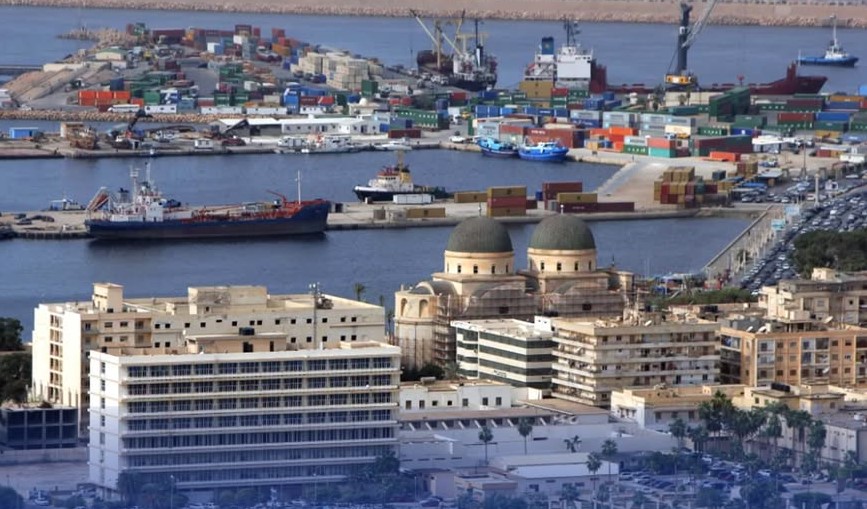
Tripoli
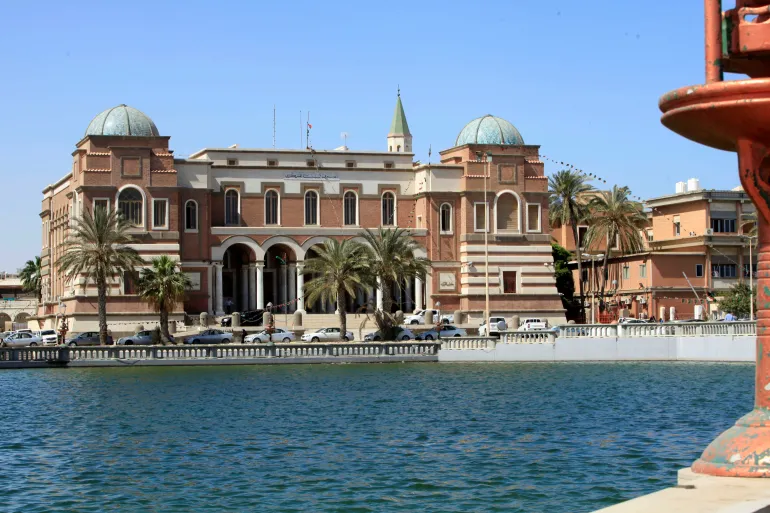
Tripoli is the capital and largest city of Libya, located on the country’s Mediterranean coast. Historically, it was founded by the Phoenicians in the 7th century BC and later became a significant Roman city, with its old quarter, the medina, reflecting centuries of influence from Arab, Ottoman, and Italian rule.
Ministry of Social Affairs
The Ministry of Social Affairs is a government department typically responsible for social welfare, labor, and family services. Its history generally involves the formalization of state-led social protection systems, often emerging or expanding significantly in the 20th century alongside the development of the modern welfare state.
Government of National Unity
The Government of National Unity (GNU) is a political arrangement where rival parties, often after a conflict or deadlock, form a coalition cabinet to share power. This concept is historically significant in contexts like post-apartheid South Africa, where the first democratically elected government in 1994 was a GNU led by Nelson Mandela, incorporating the African National Congress and the National Party.
central region
The Central Region of Ghana is a coastal area historically known as the center of the Fante people and a crucial zone for early European trade and colonial forts, such as Cape Coast Castle. Its capital, Cape Coast, was the British colonial capital until 1877, making the region a focal point for administration and the trans-Atlantic slave trade. Today, it is a significant cultural and historical destination, home to several UNESCO World Heritage Sites.
Western Mountain
The Western Mountain, or Xishan, is a scenic area in western Beijing known for its historical temples and pavilions set among forested hills. Its history dates back over a thousand years, with many structures built during the Ming and Qing dynasties as imperial retreats and religious sites. It remains a popular destination for its autumn foliage and panoramic views of the city.
western coast
The western coast of many continents has historically been a hub for exploration, trade, and cultural exchange. For example, the western coast of the Americas saw significant European colonial activity and the development of major port cities. These coastal regions often feature diverse ecosystems and have been shaped by both indigenous histories and subsequent settlement.
Central Bank
The Central Bank is a financial institution responsible for managing a nation’s currency, money supply, and interest rates, with its modern form emerging in the 17th century. The Swedish Riksbank, founded in 1668, is often considered the world’s first central bank, while the Bank of England, established in 1694, became a model for its role in stabilizing government finance and the banking system.