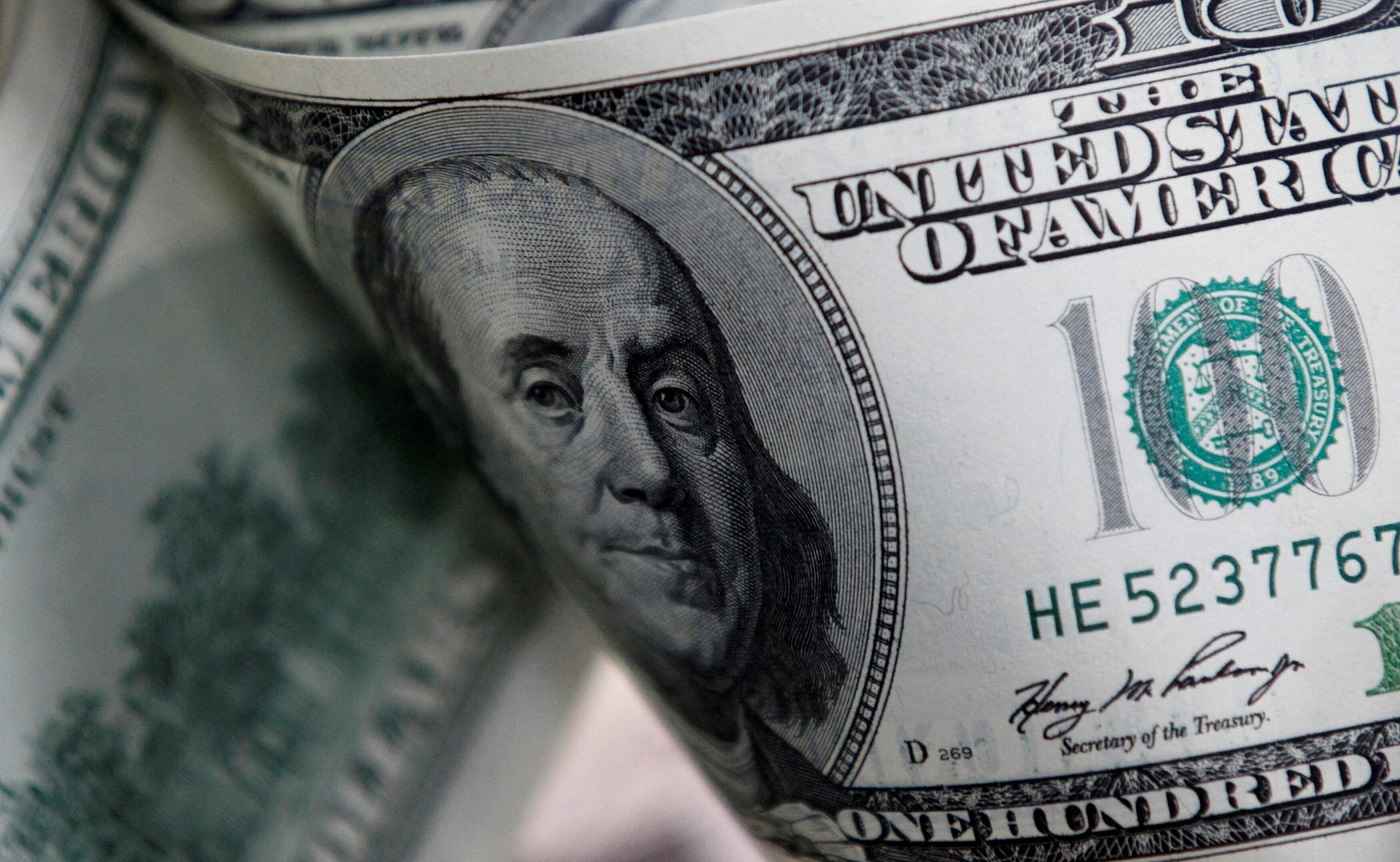
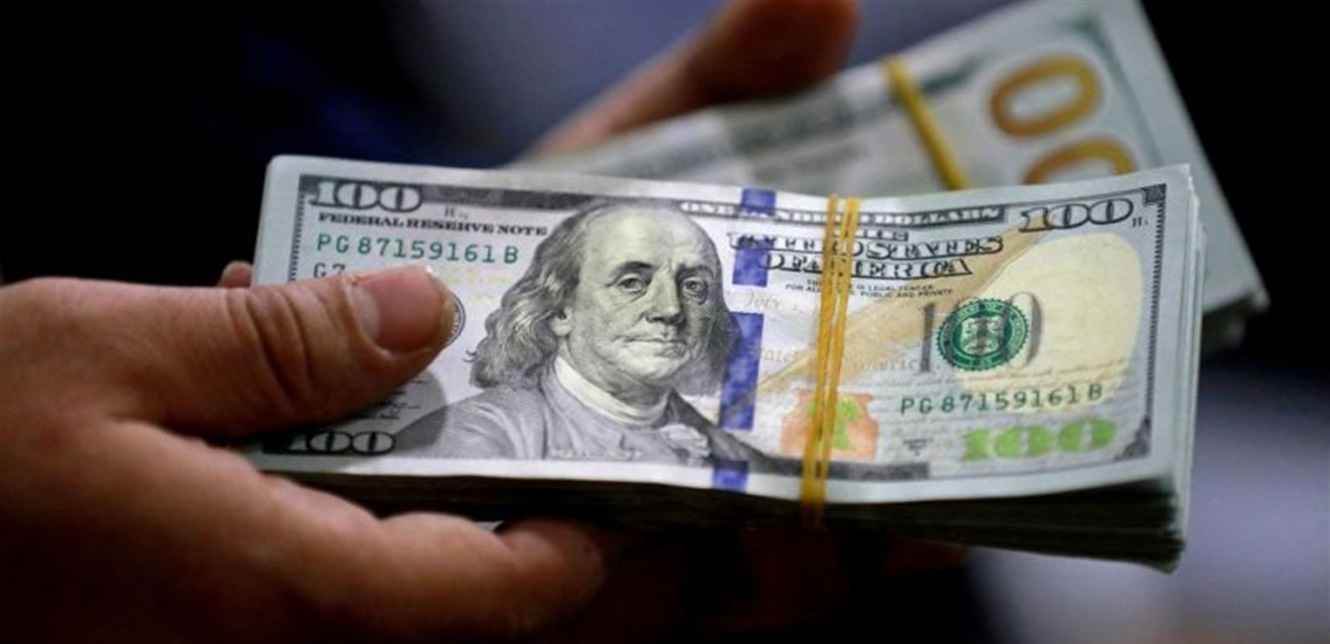
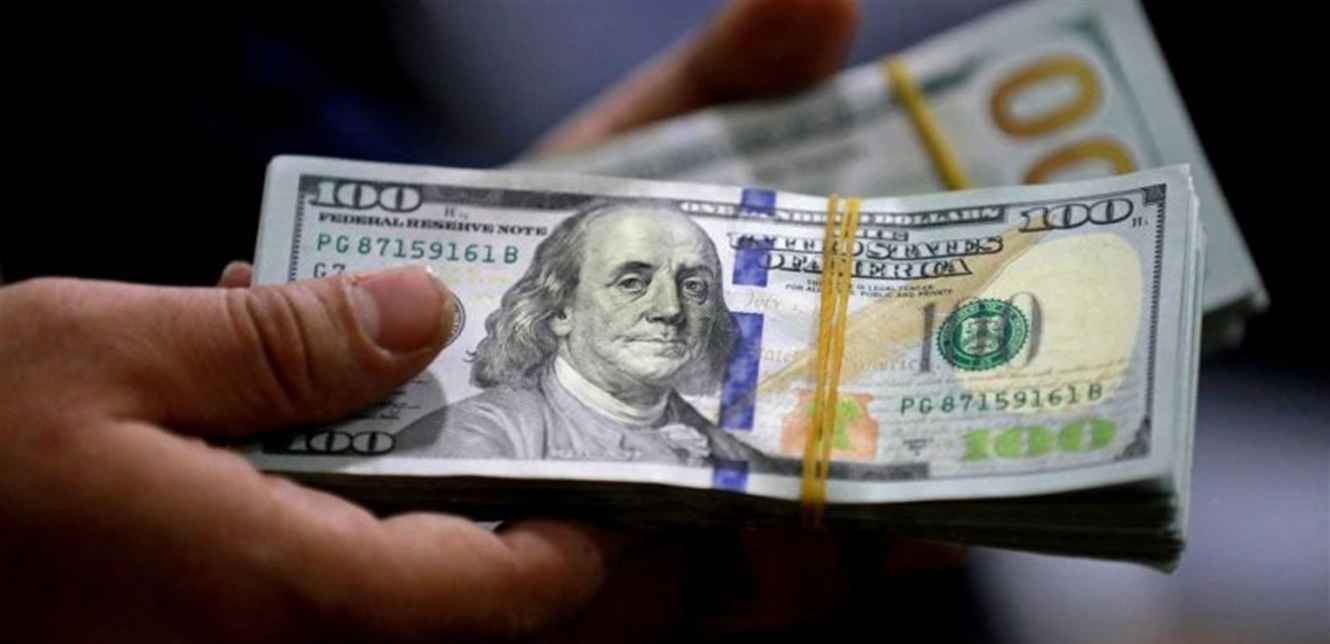
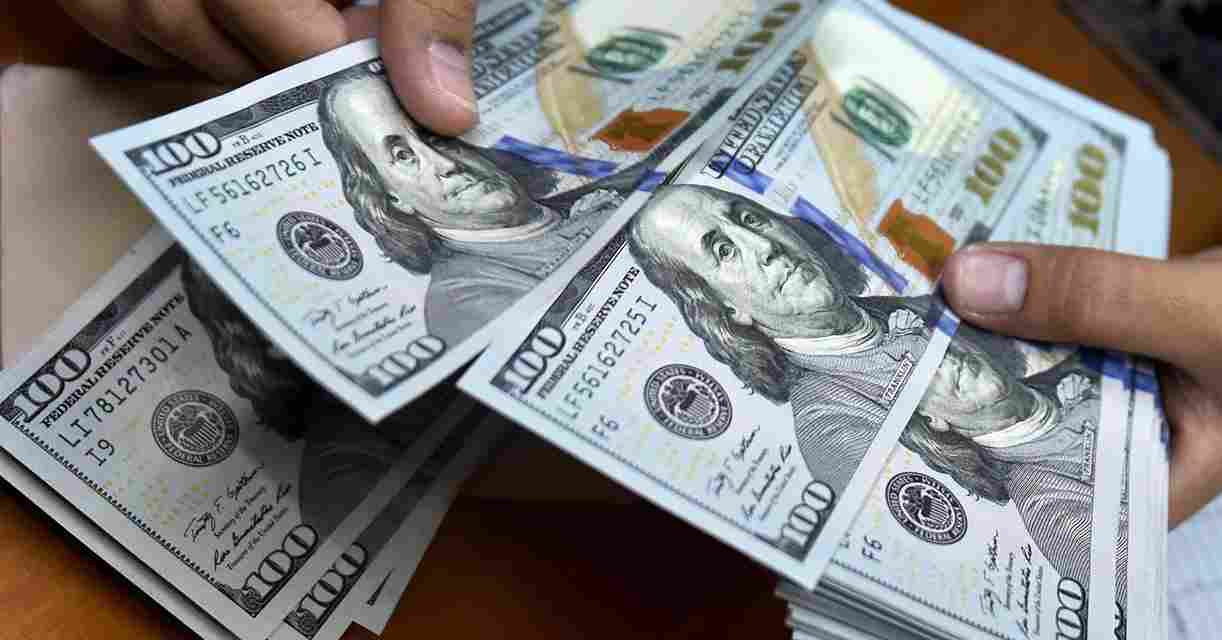
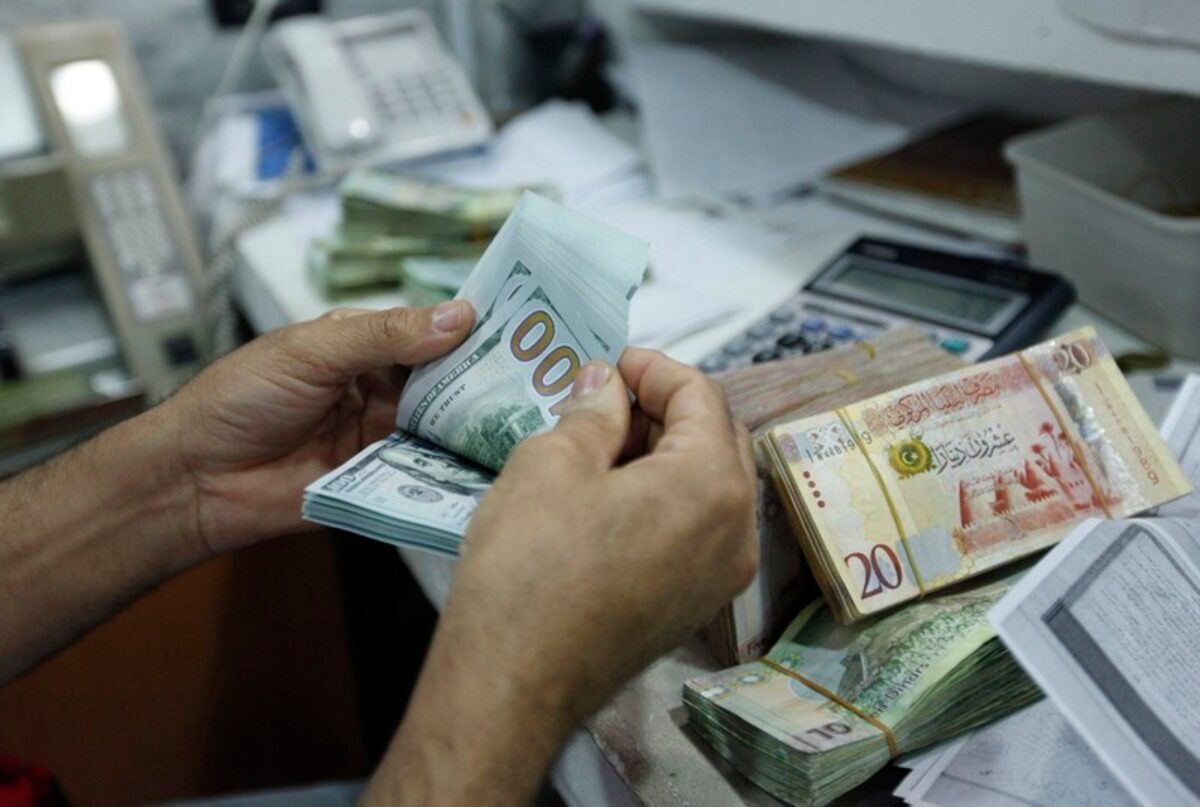
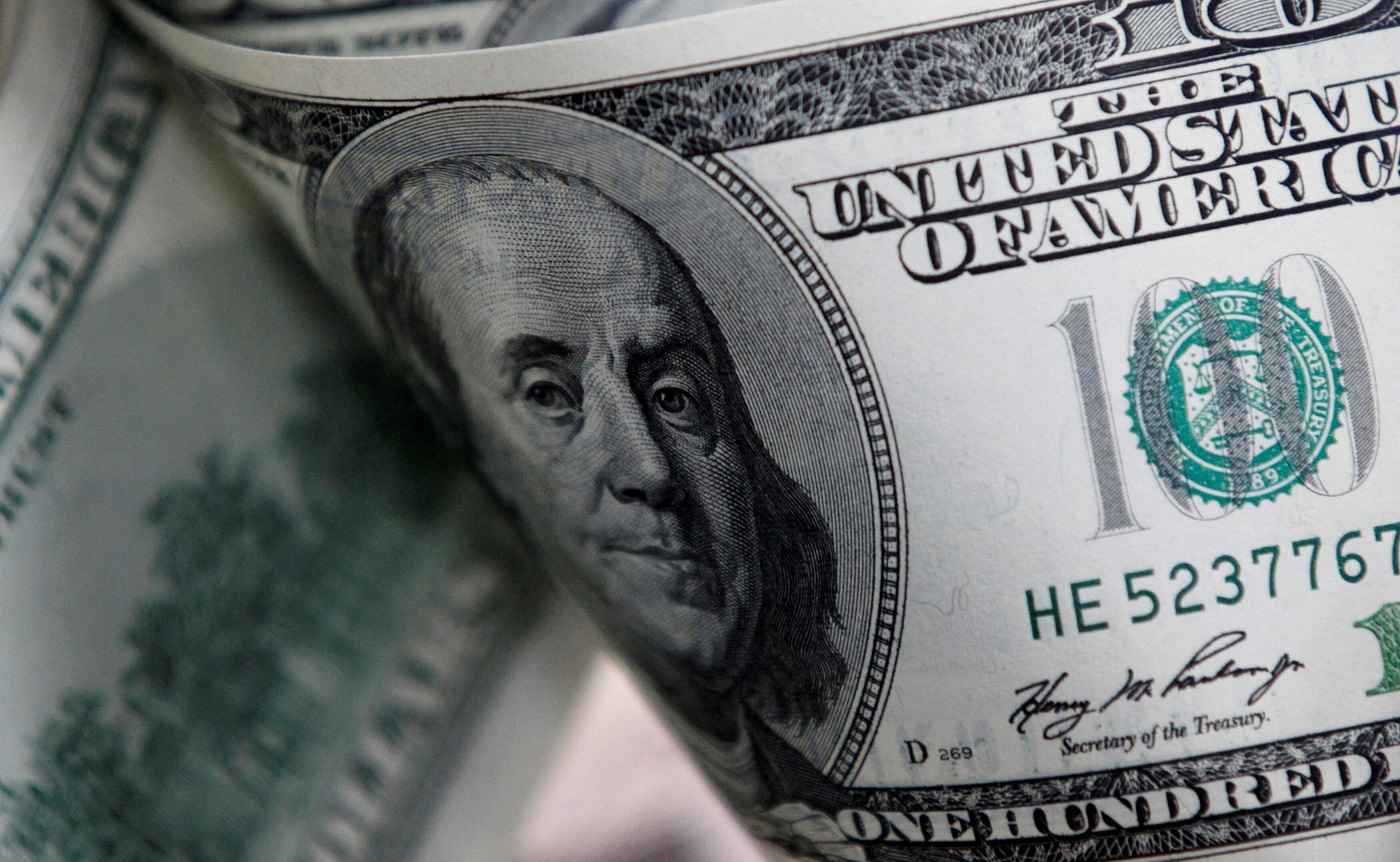
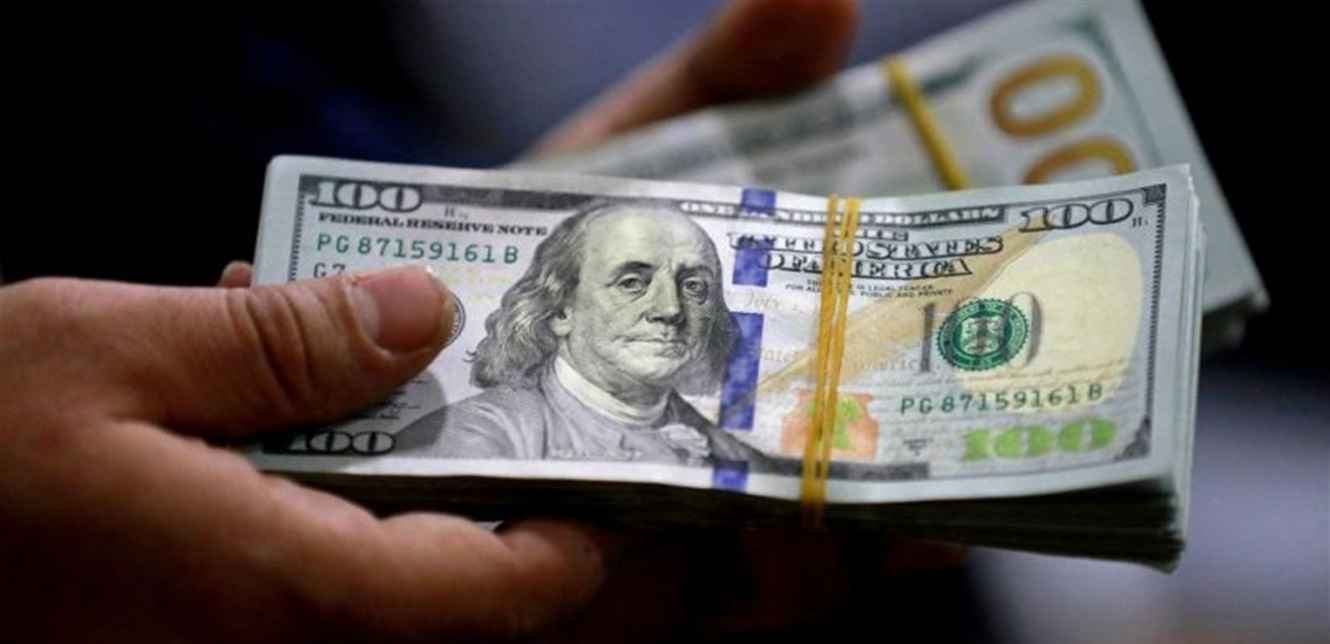
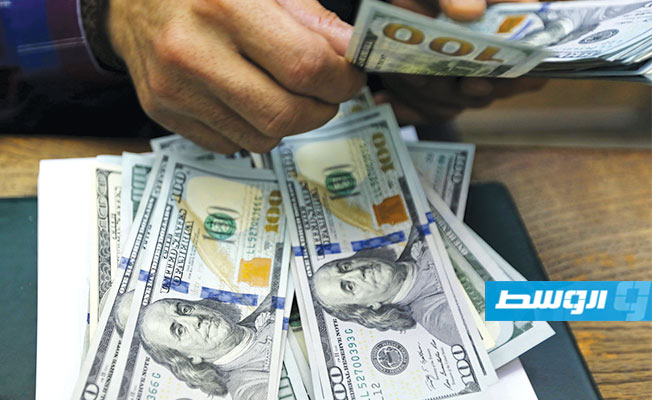
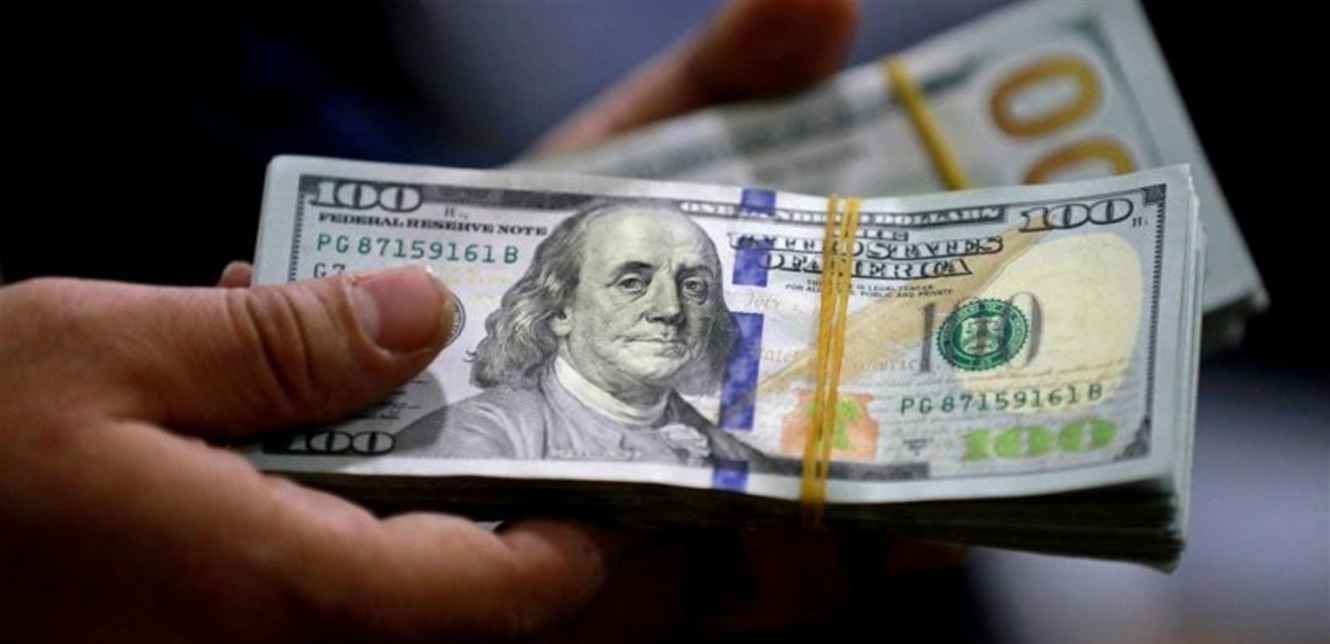
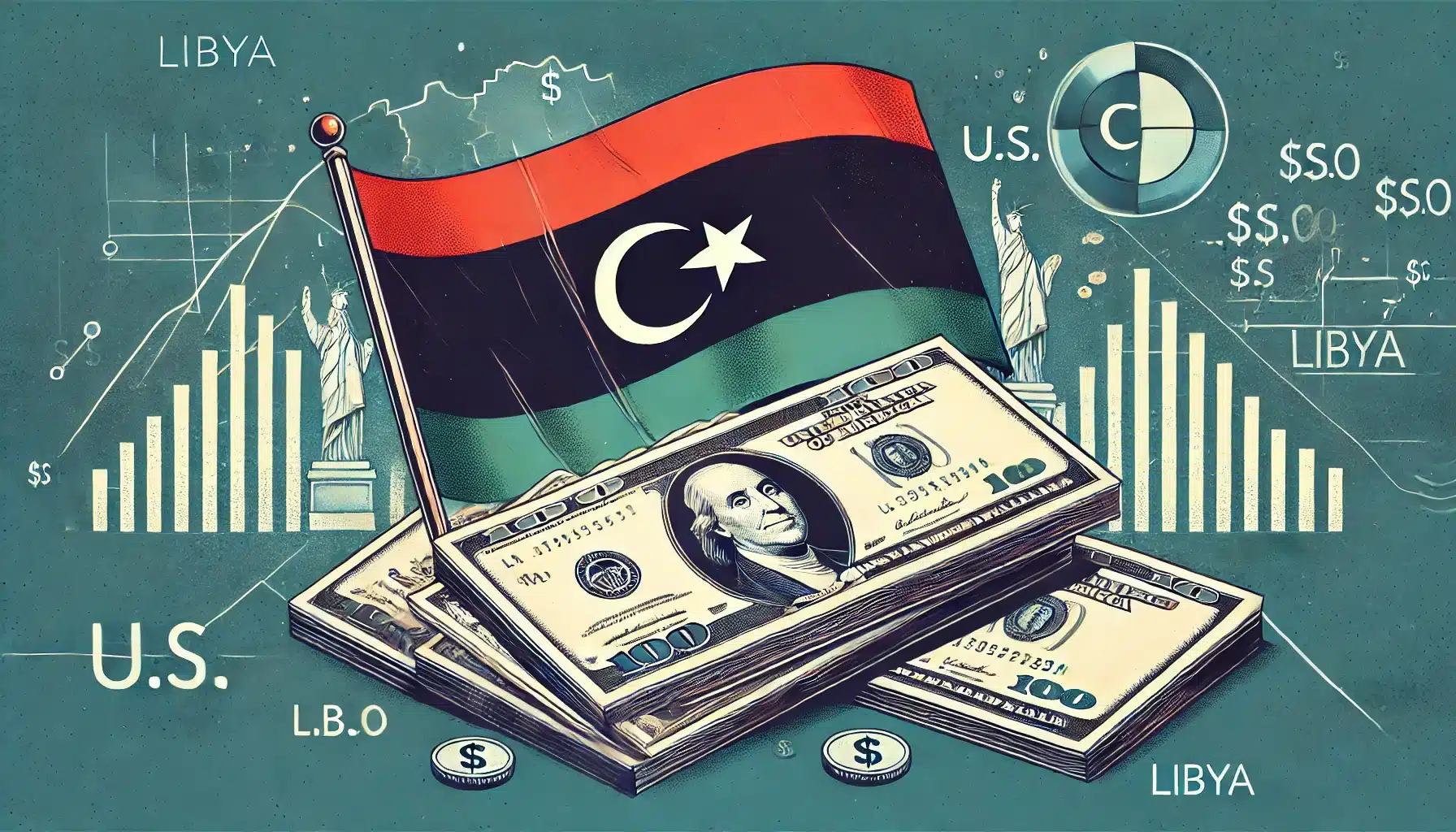
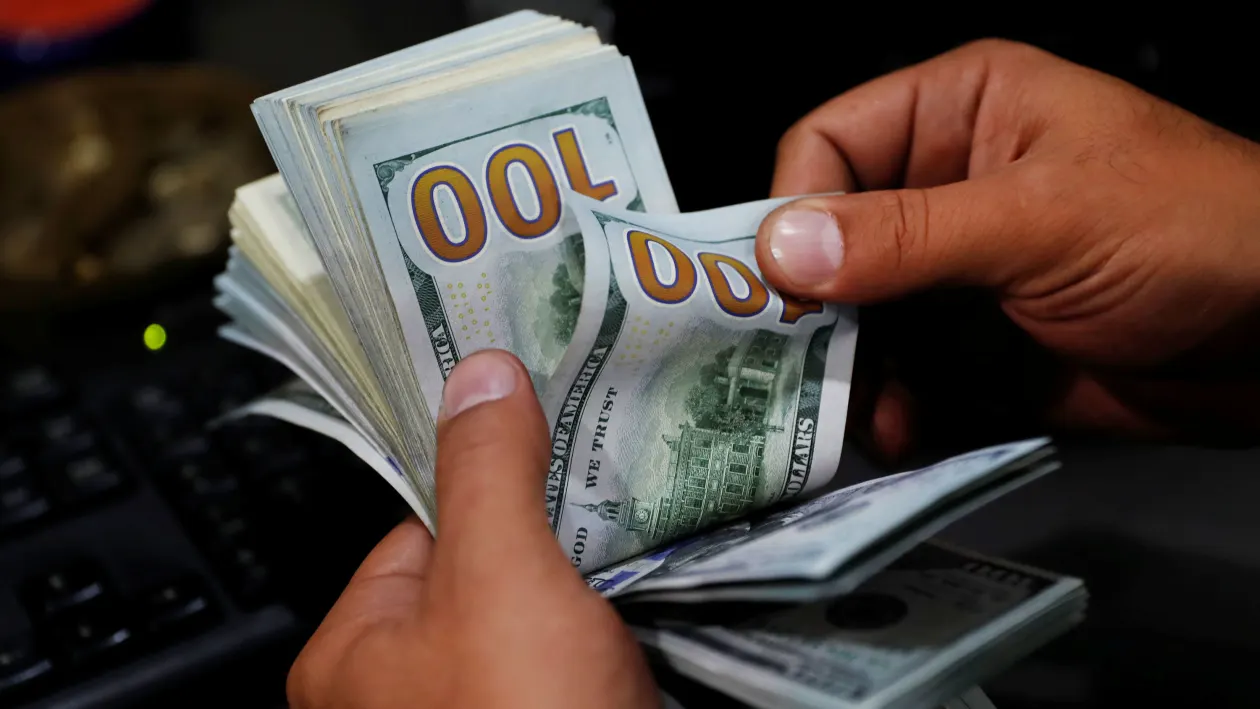
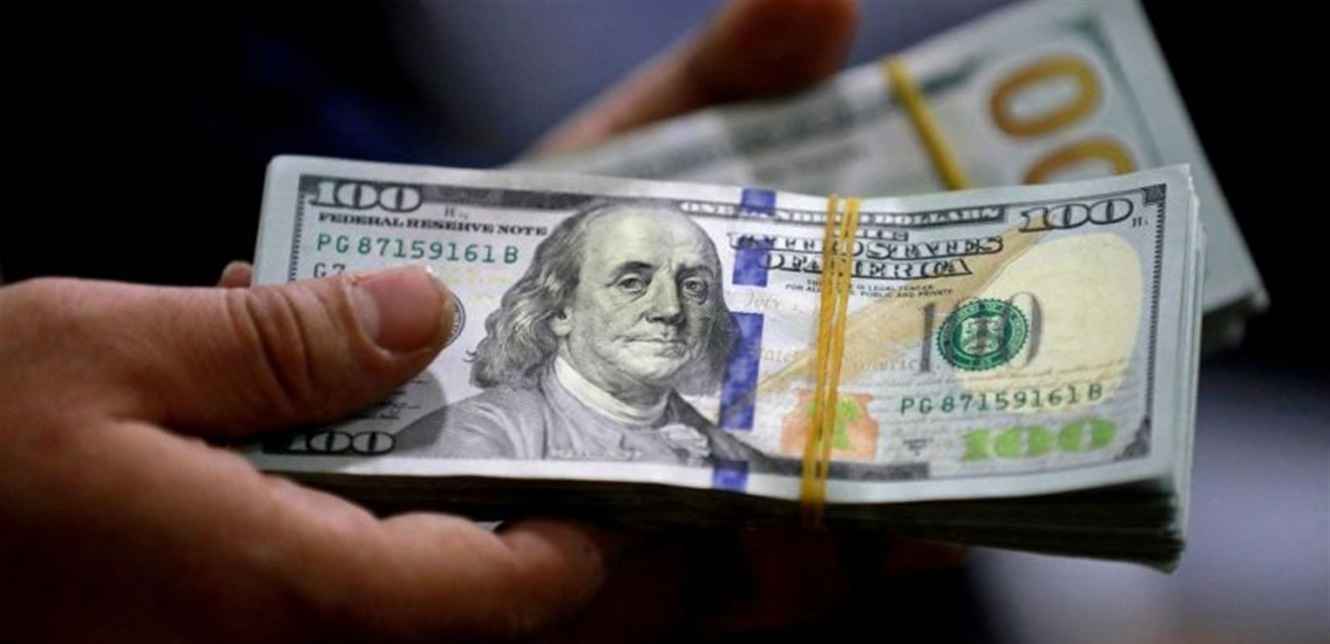
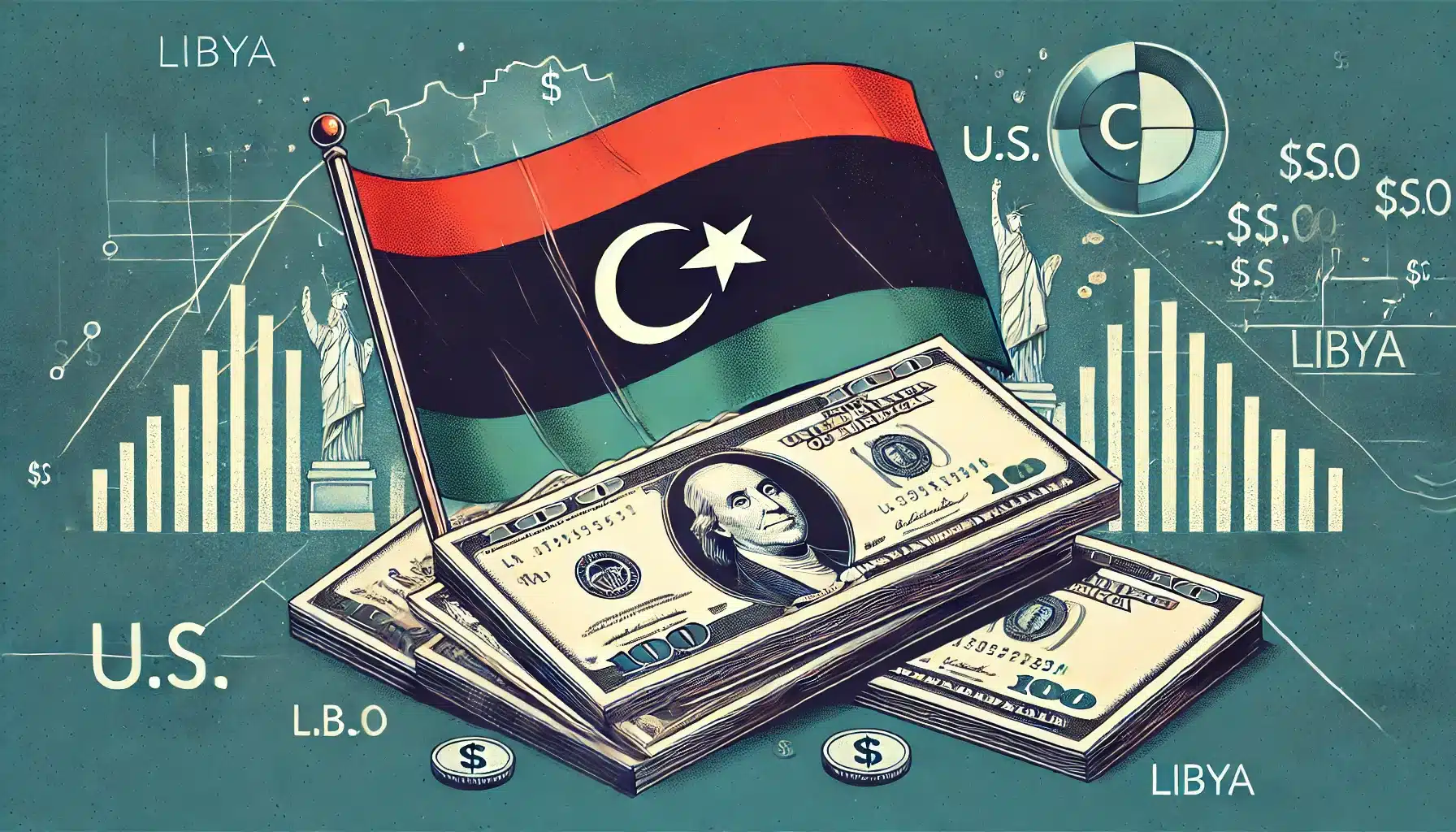
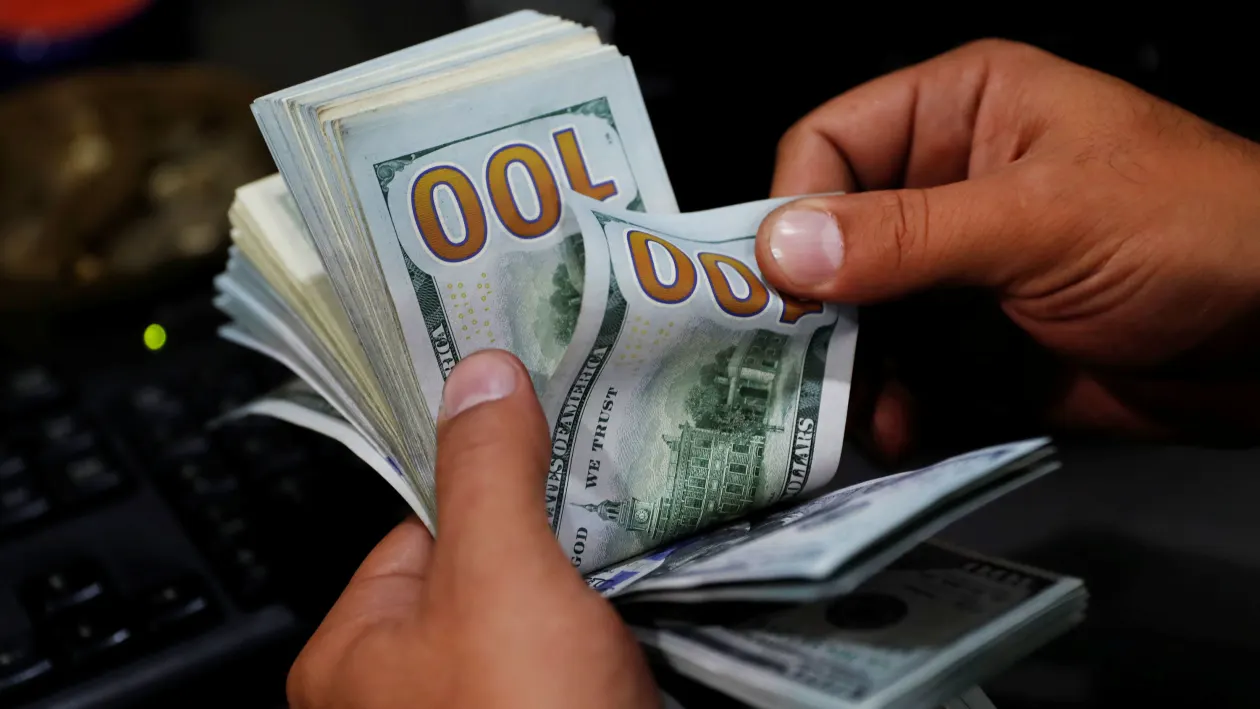
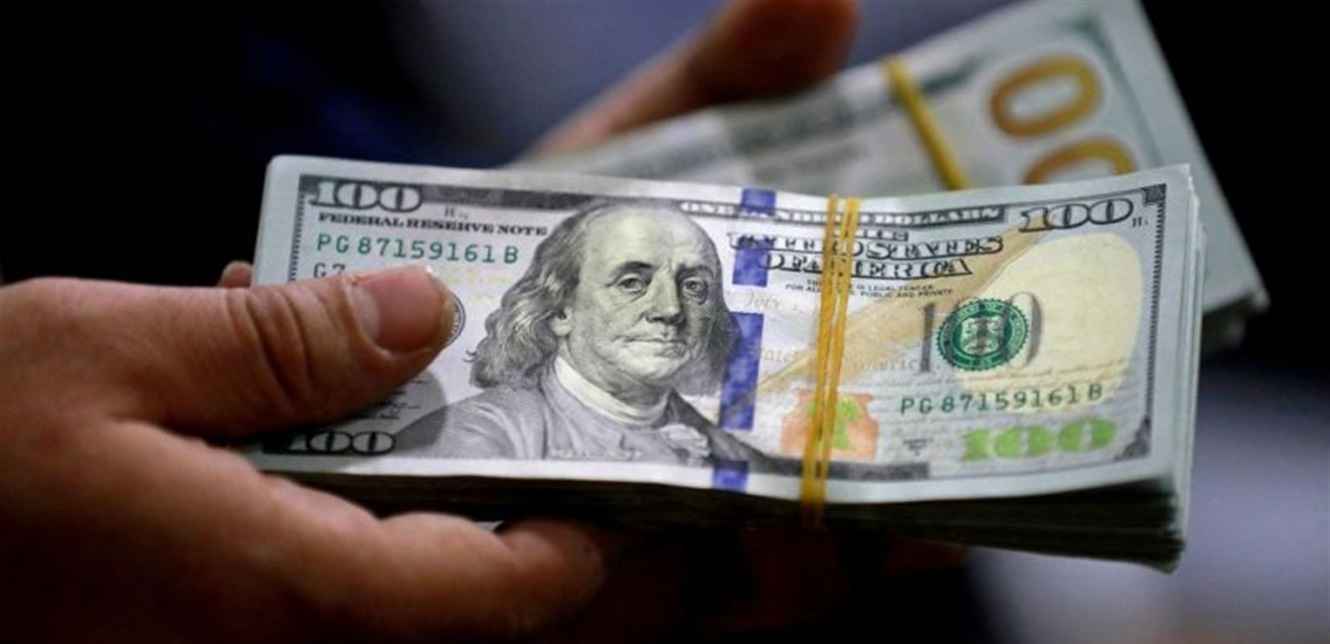
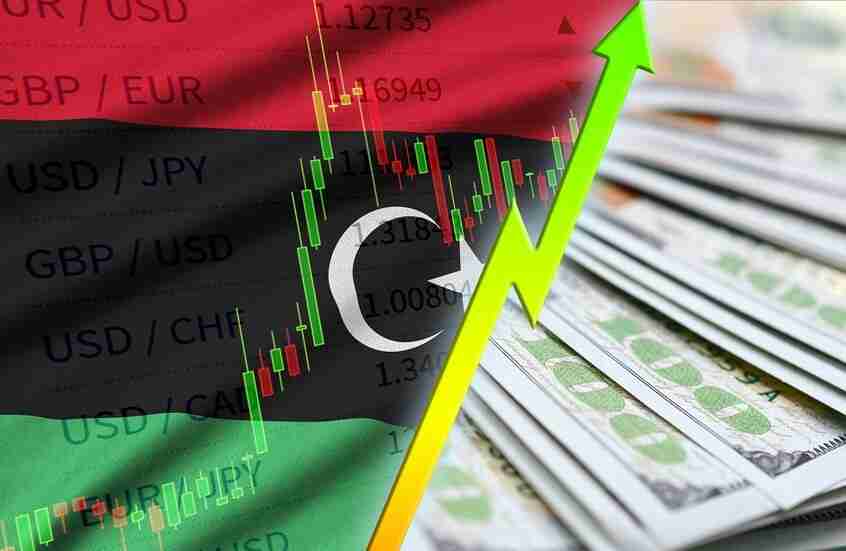
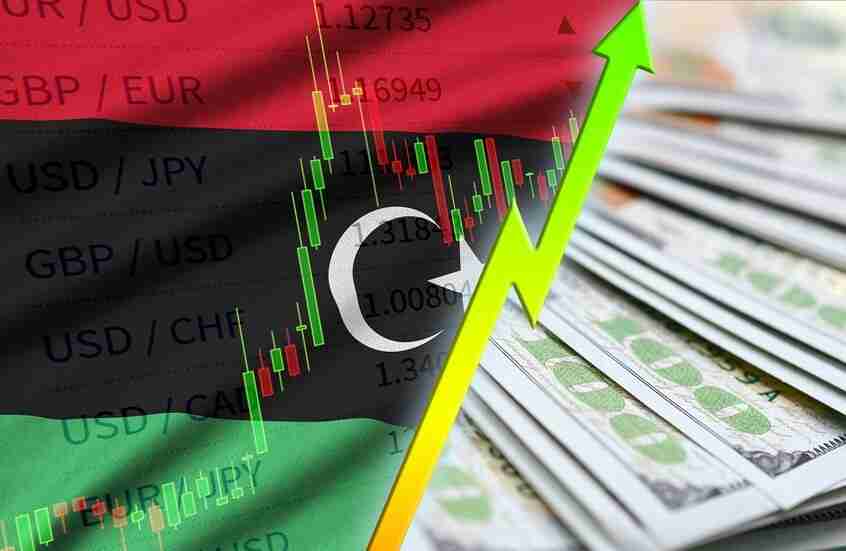
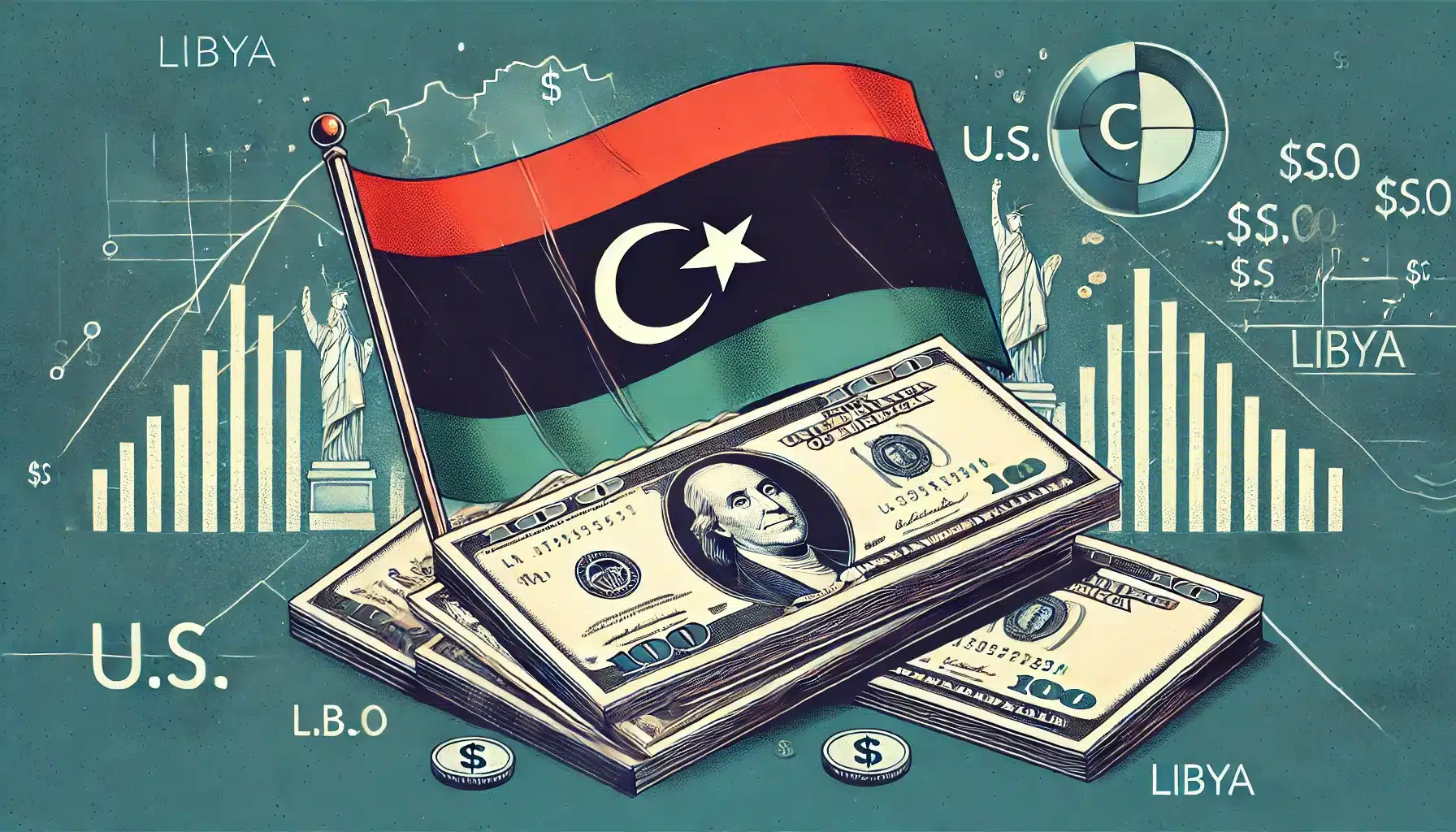
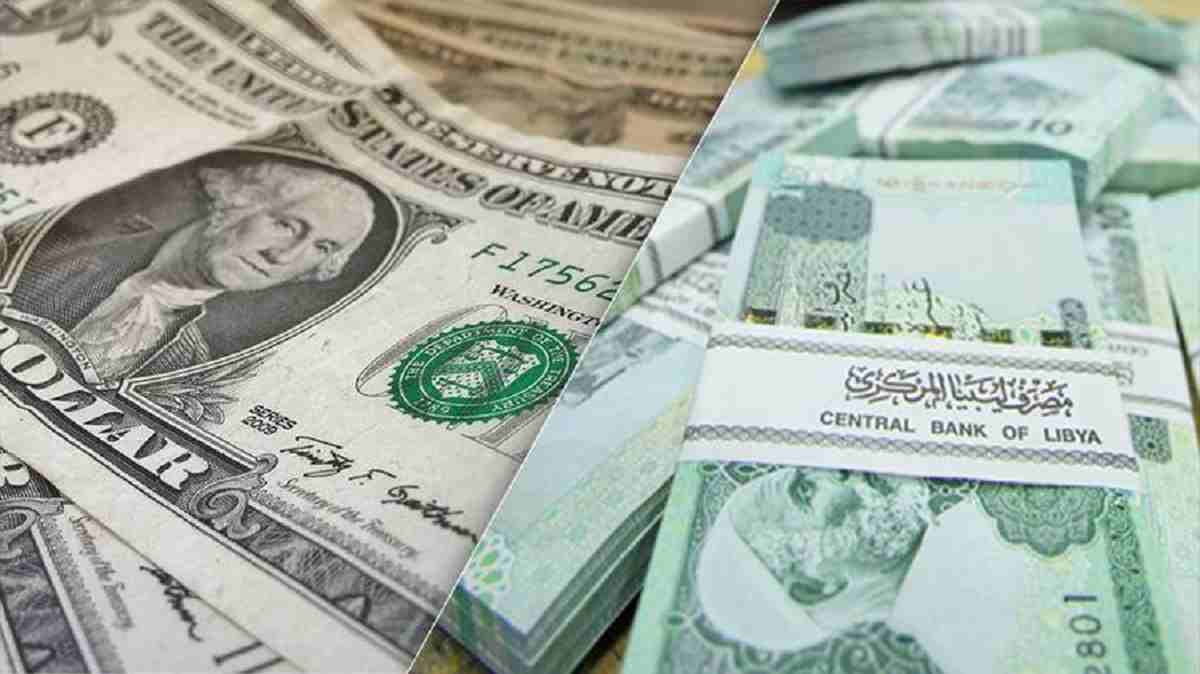
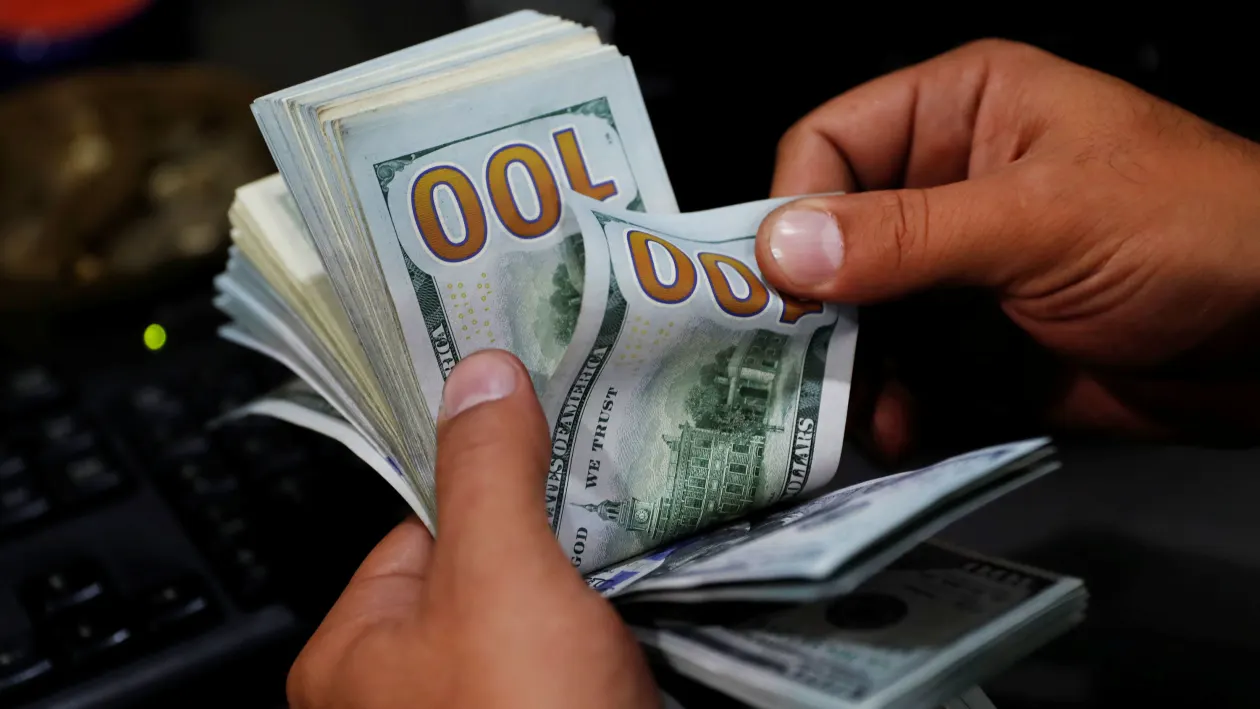
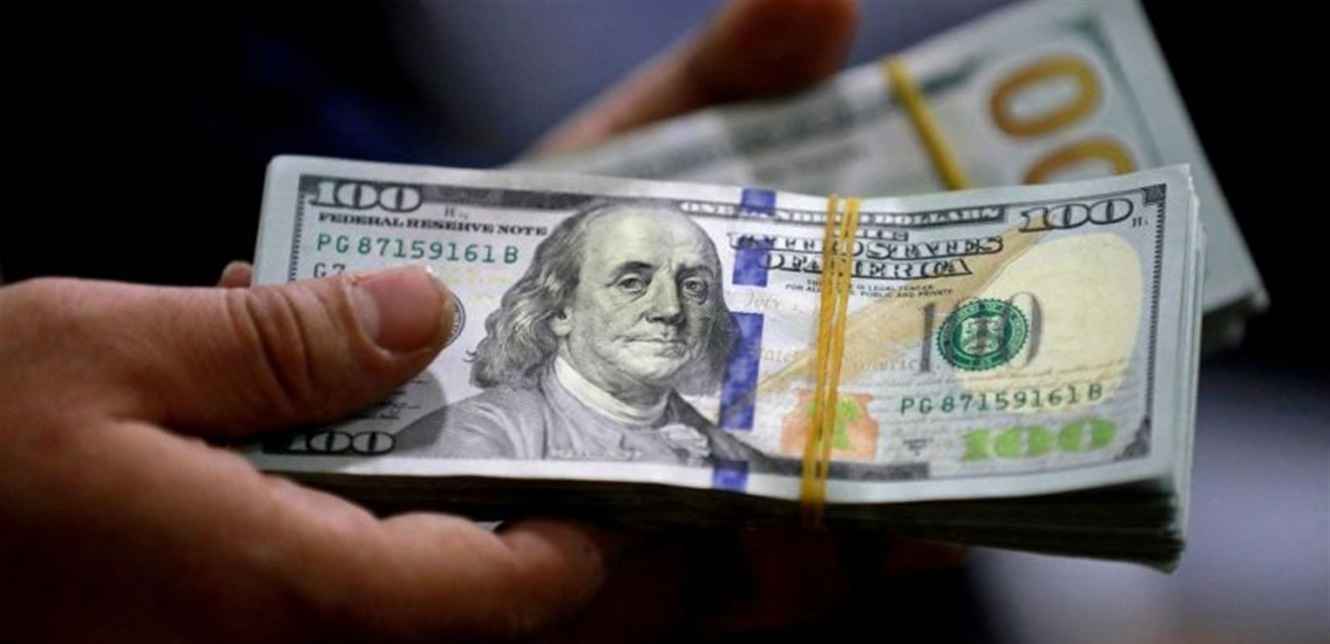
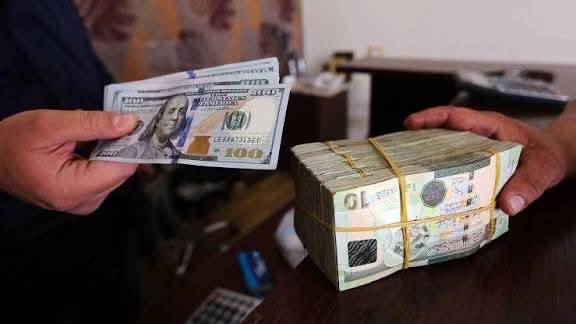
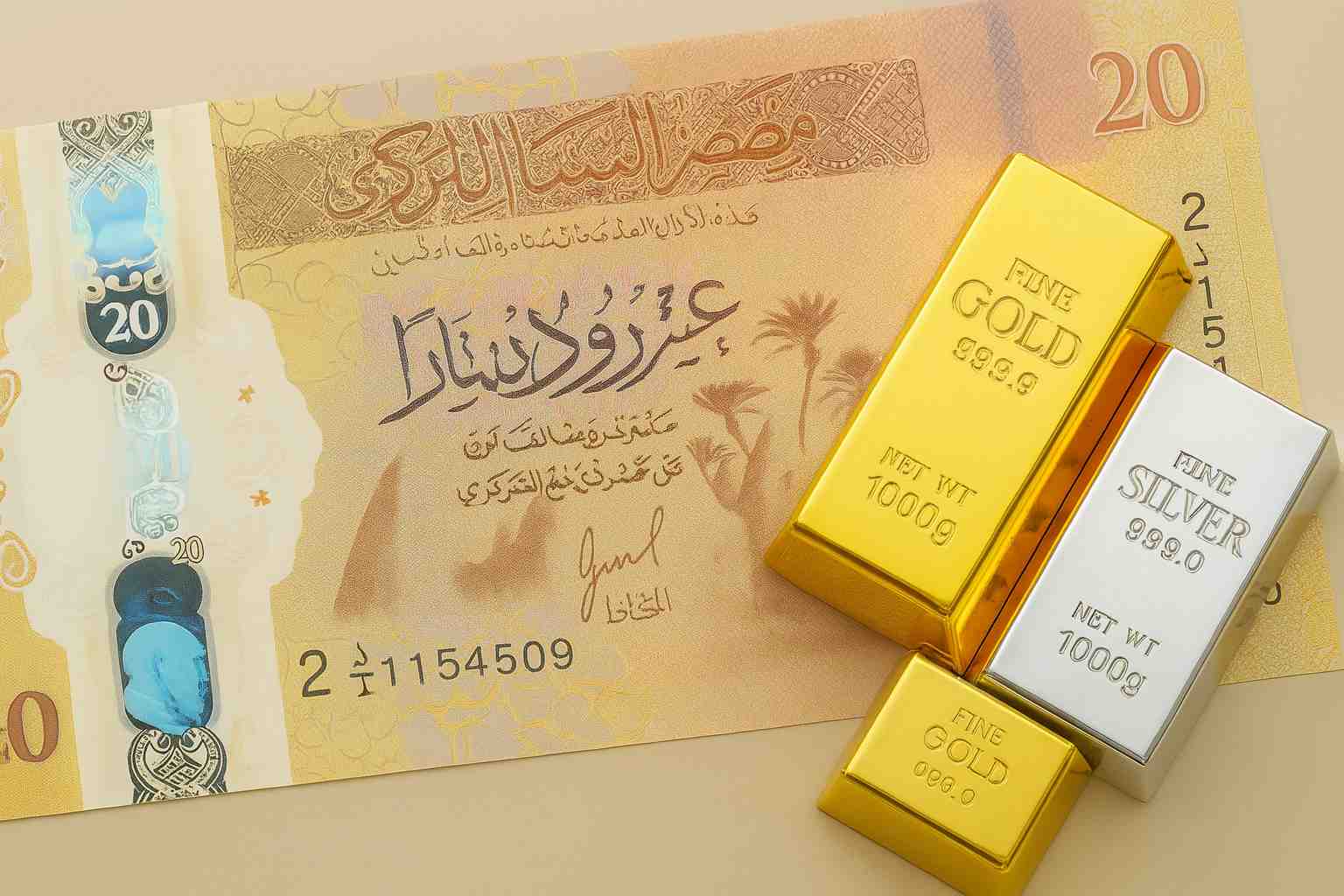
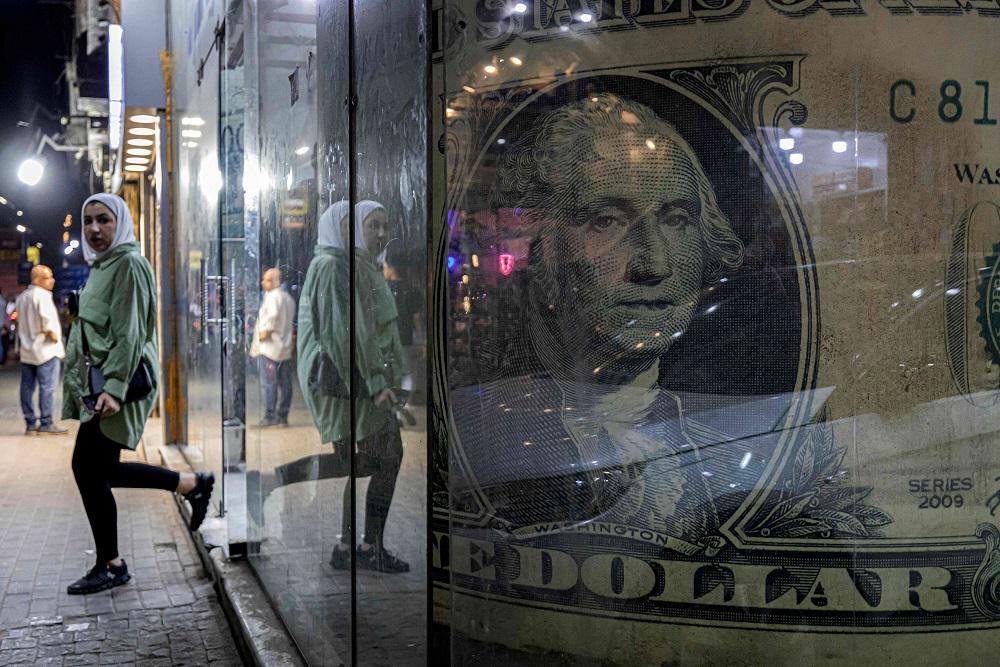
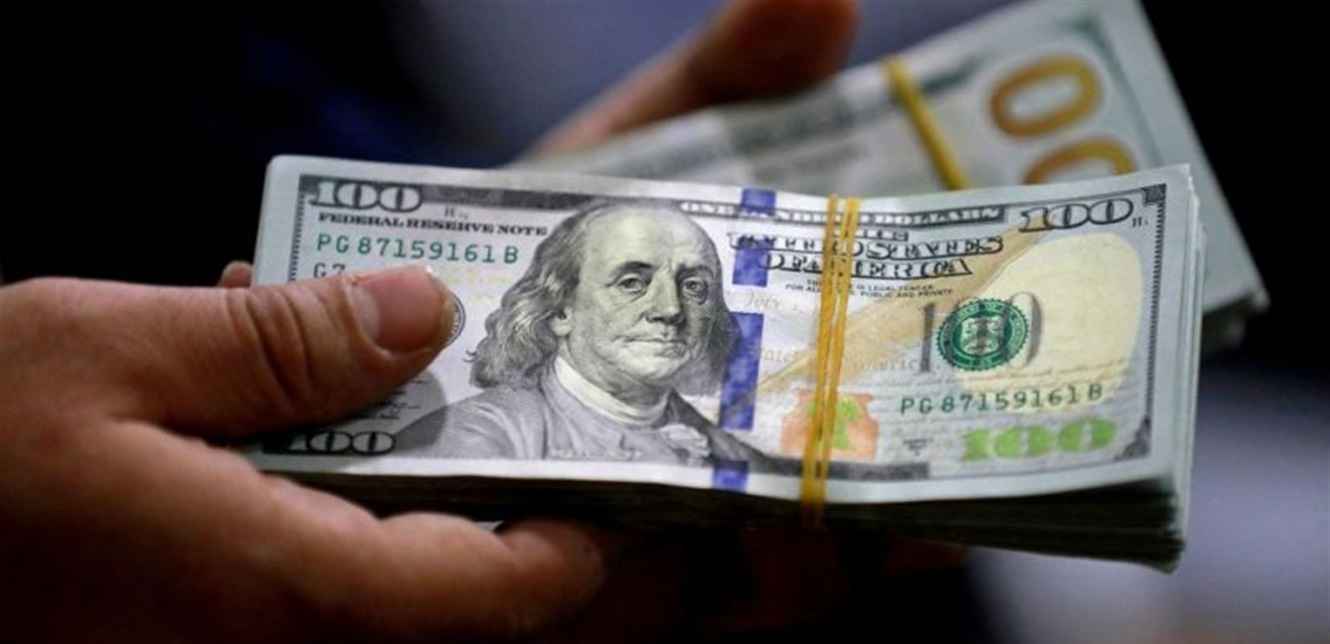
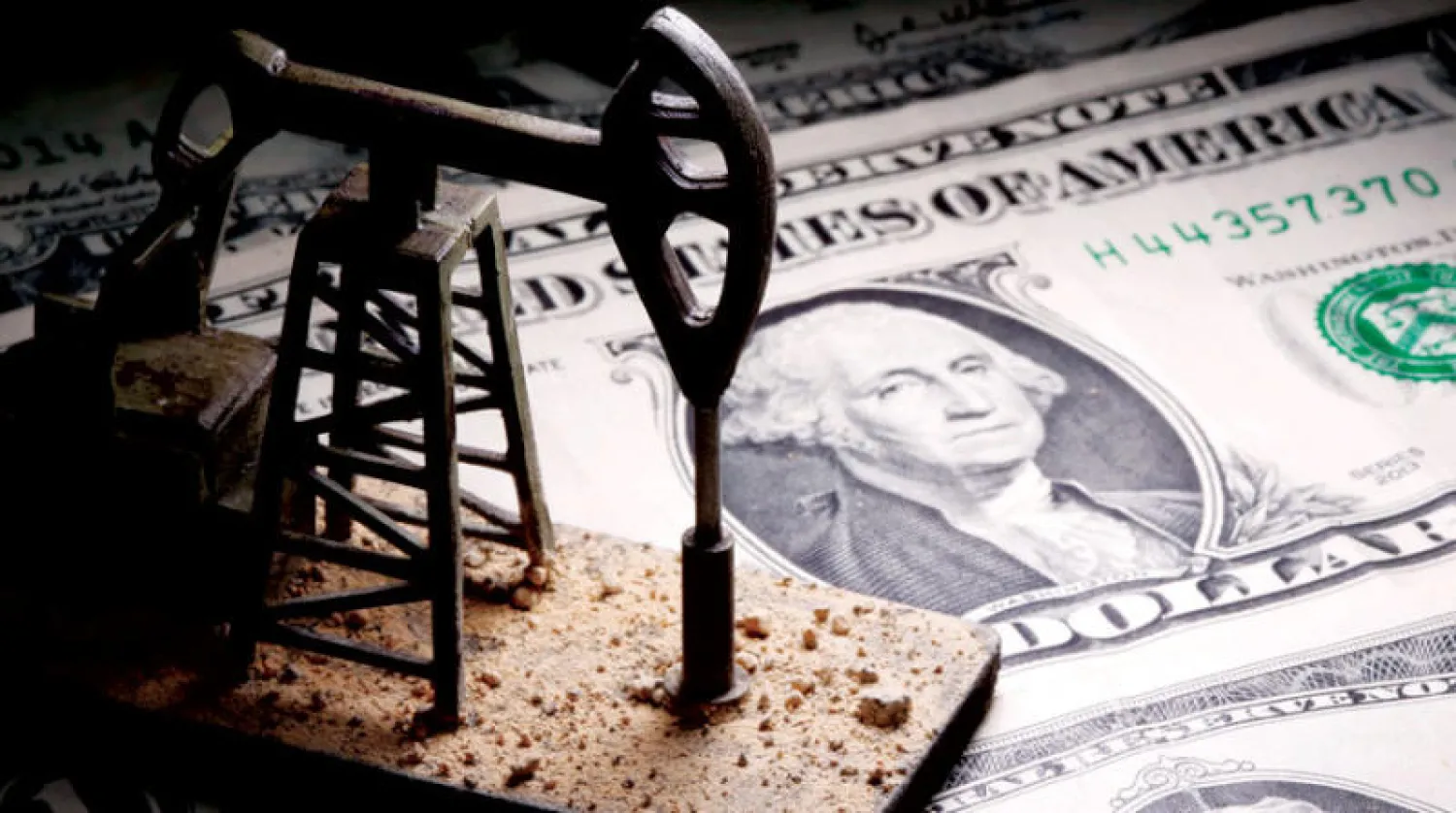
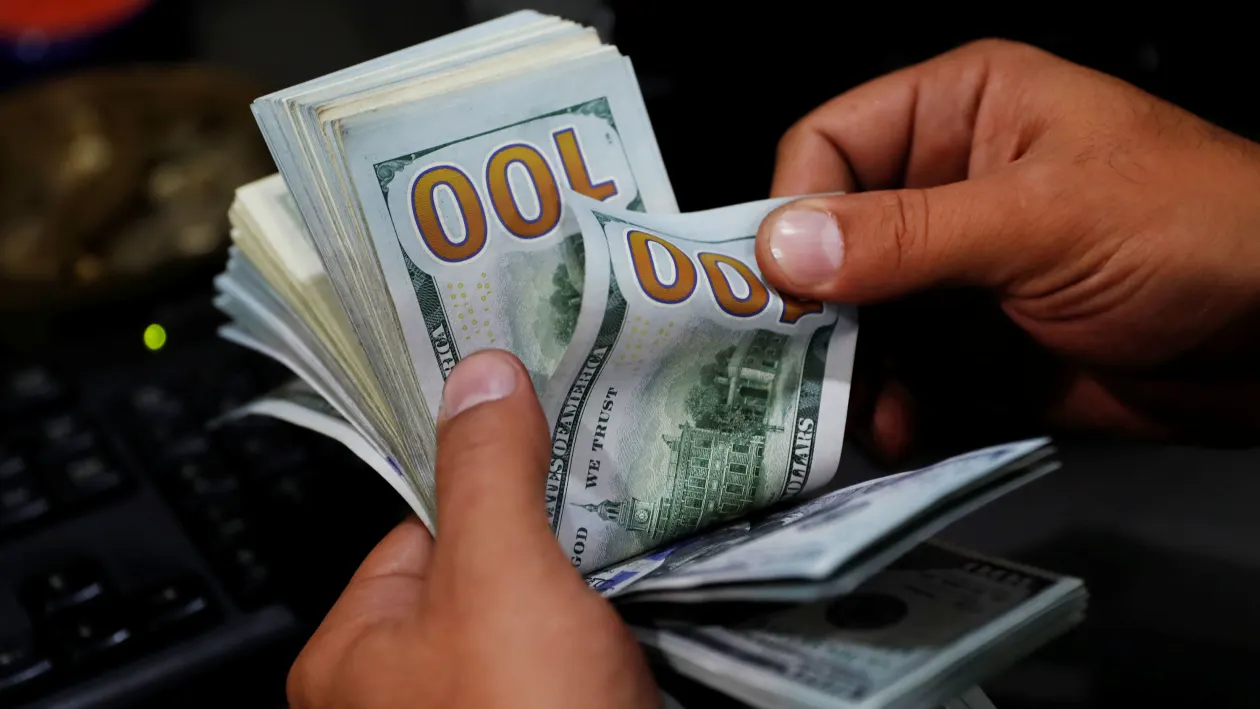
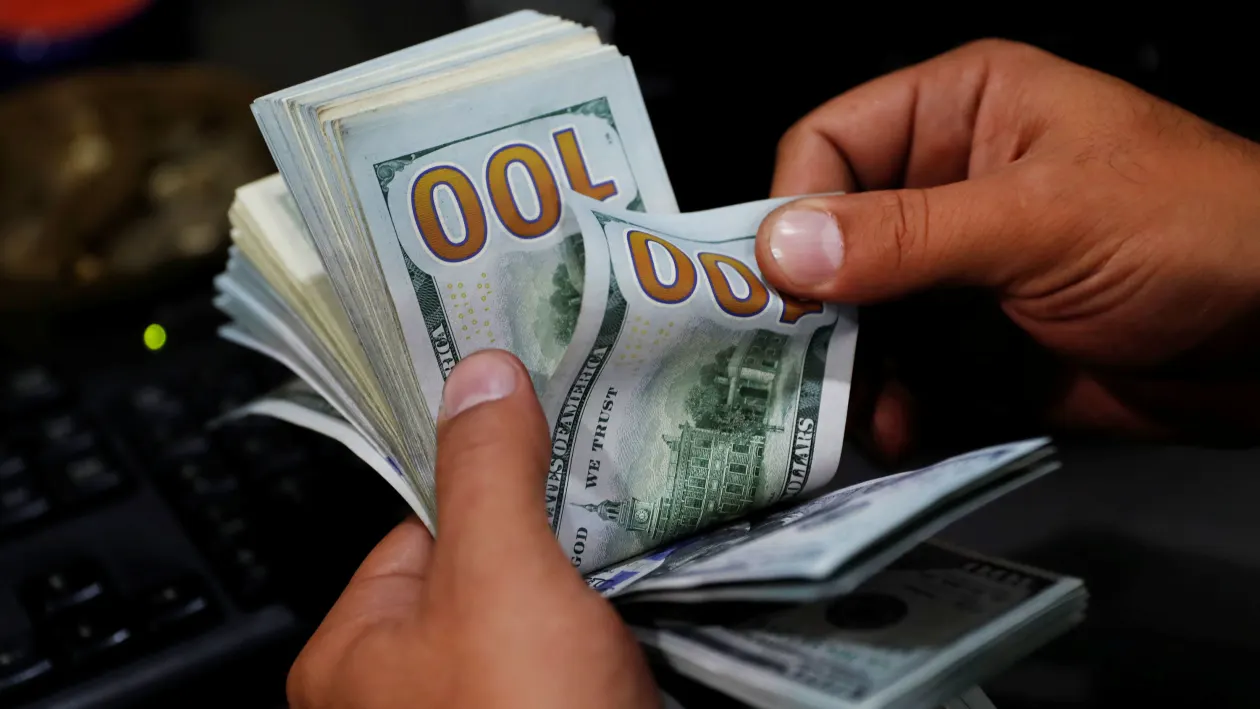
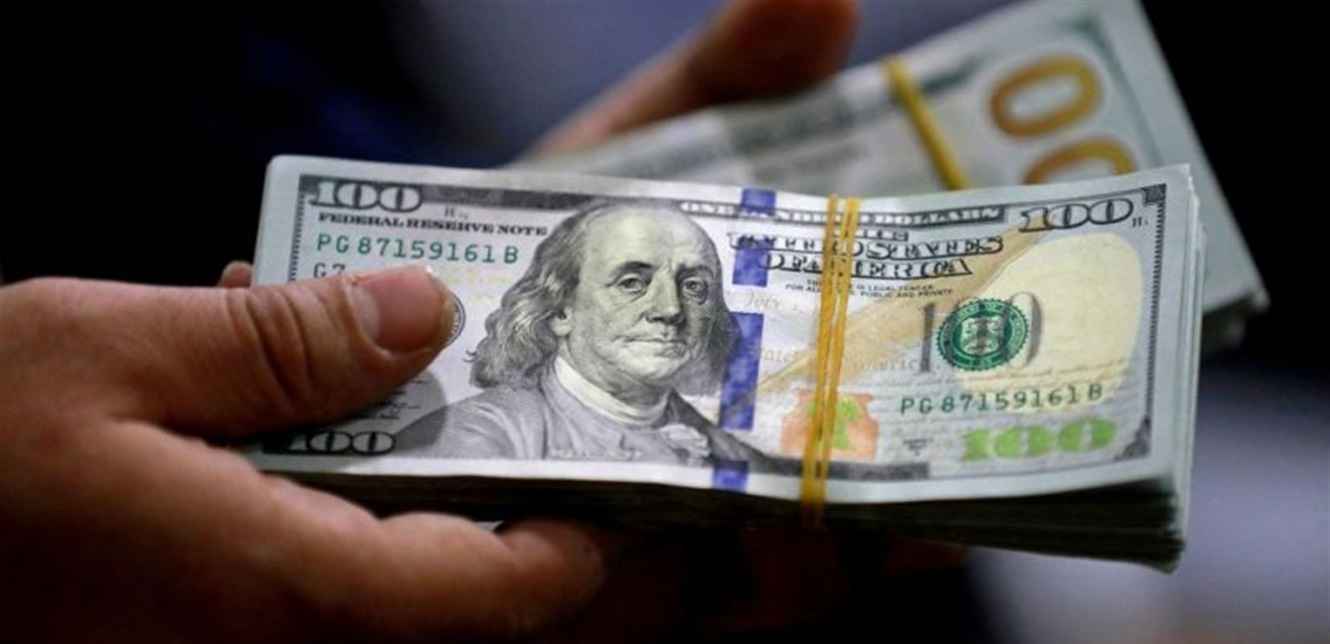
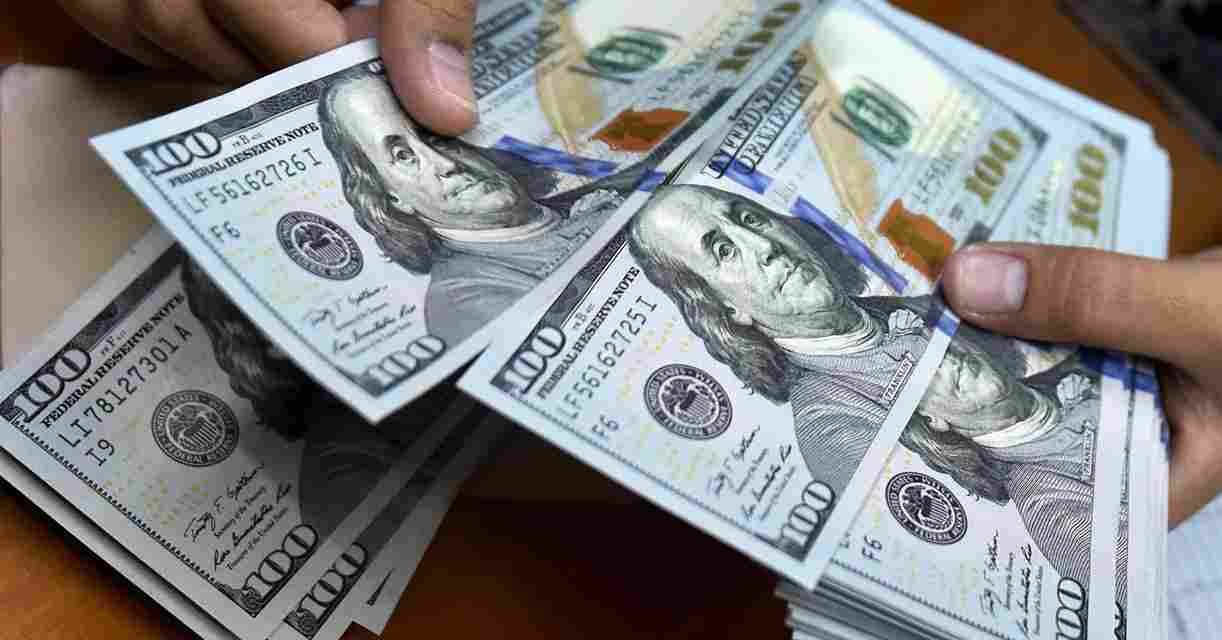
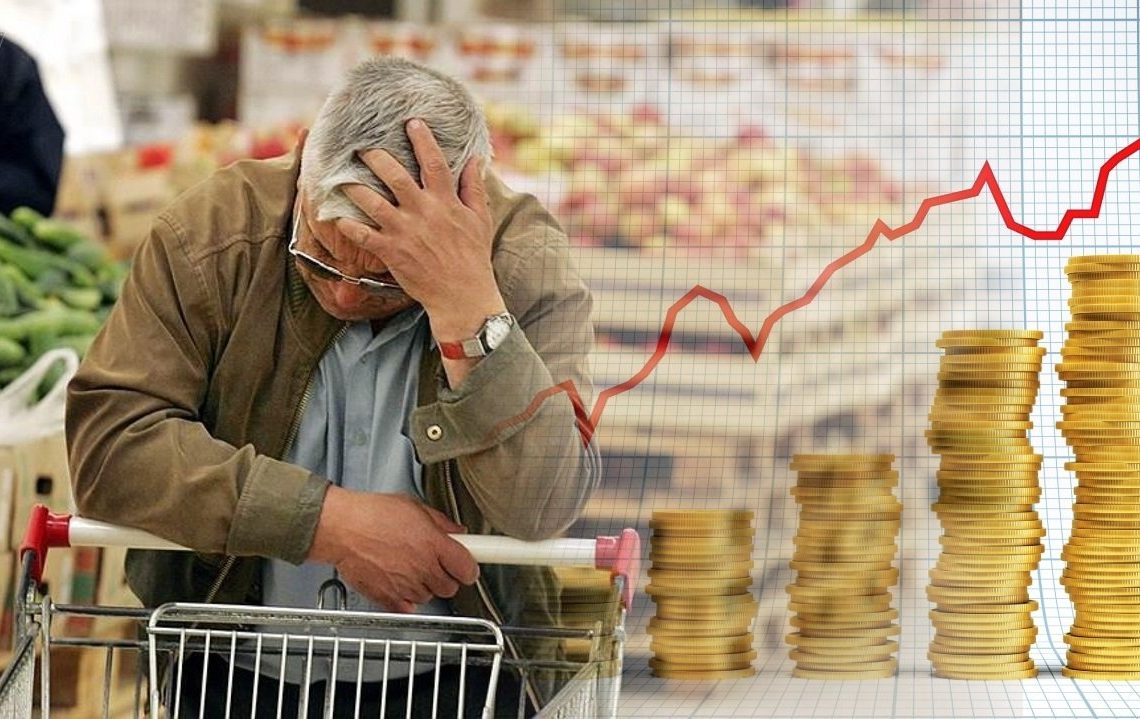
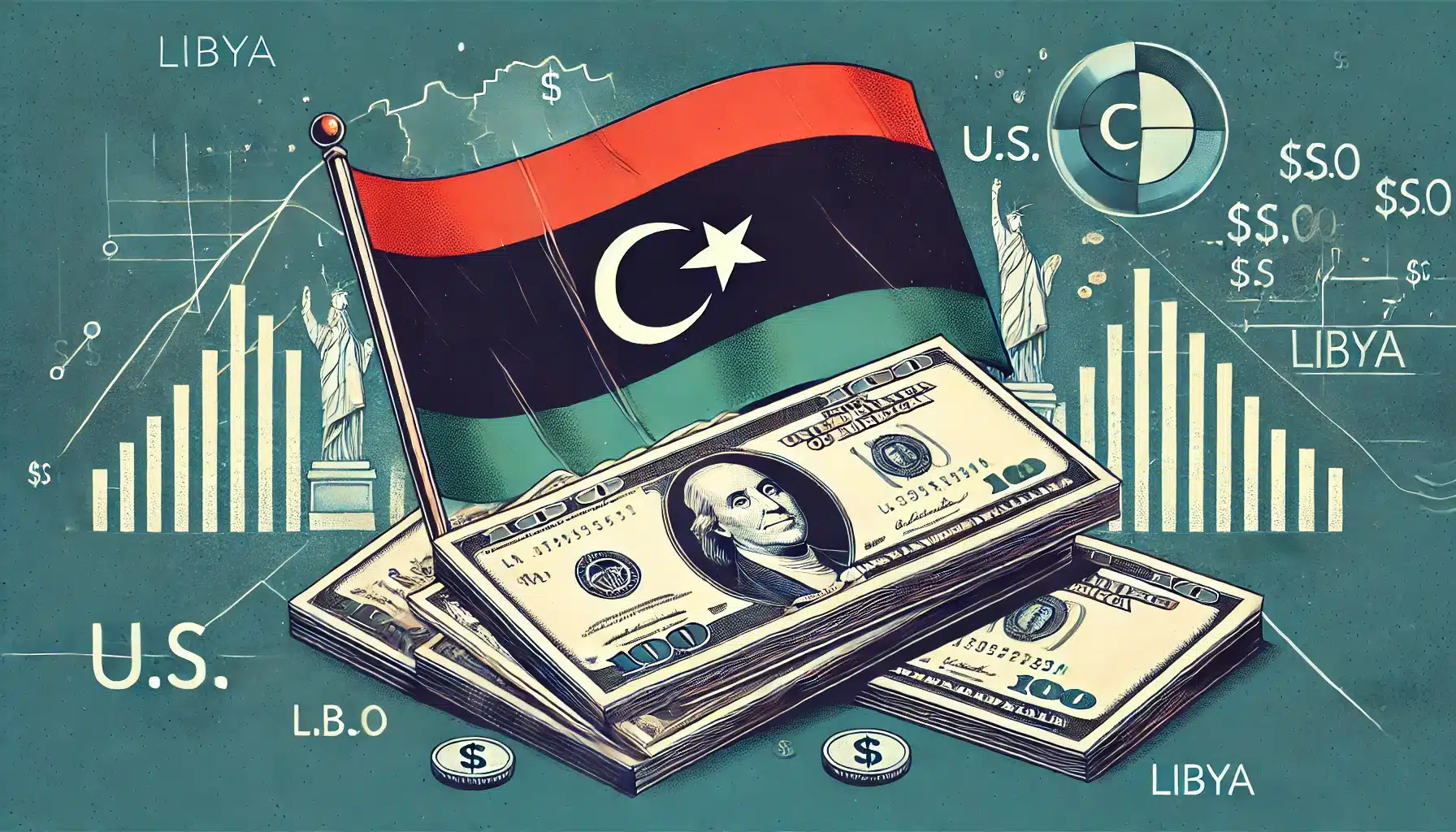
The exchange rate of the US dollar against the Libyan dinar recorded a new and relative increase during mid-session trading on the parallel market this Saturday, reaching 9.88 dinars, compared to 9.80 dinars at yesterday’s close.
Meanwhile, the Euro recorded a relative rise to 11.46 dinars compared to 11.36 dinars yesterday, and the British Pound rose to 12.95 dinars compared to 12.85 dinars at the previous close.
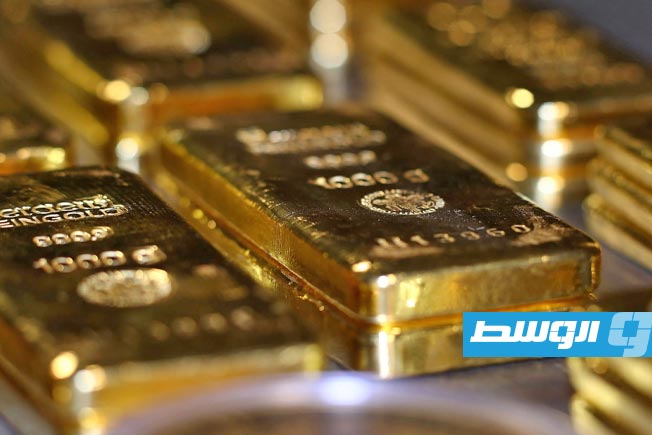
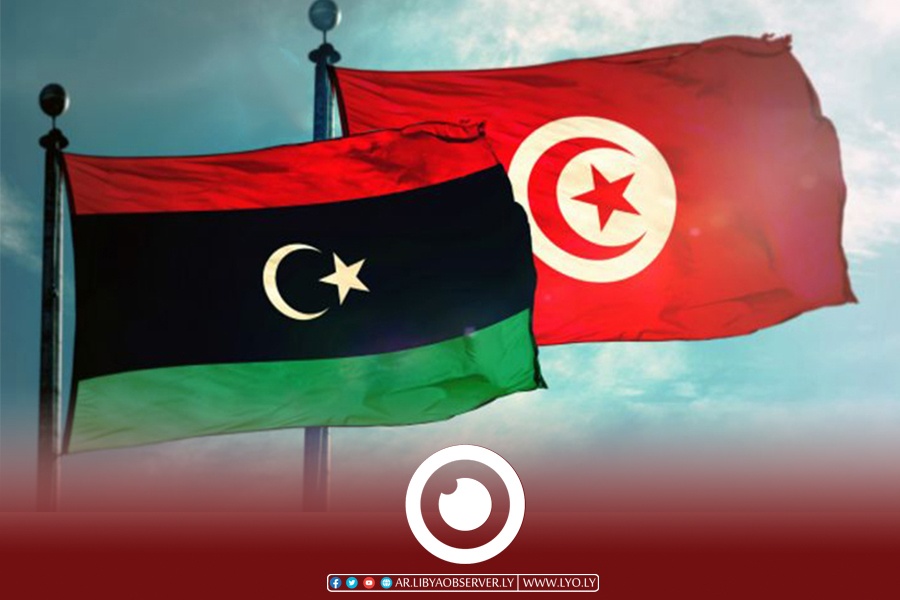
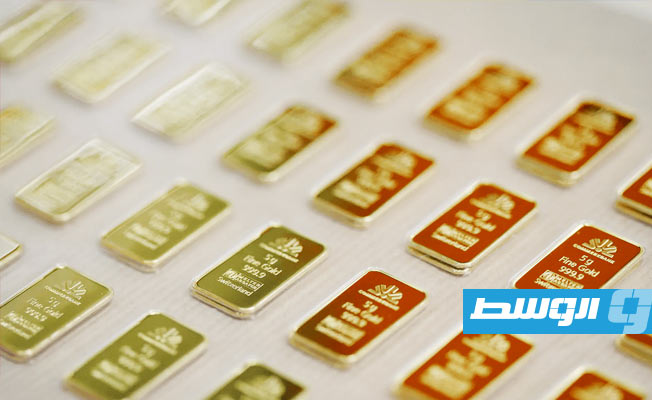
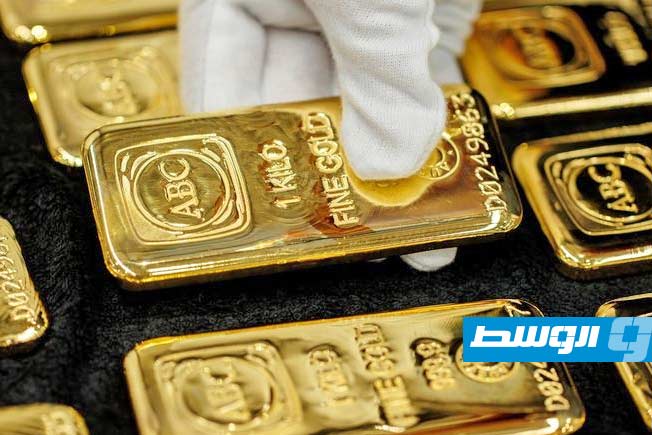
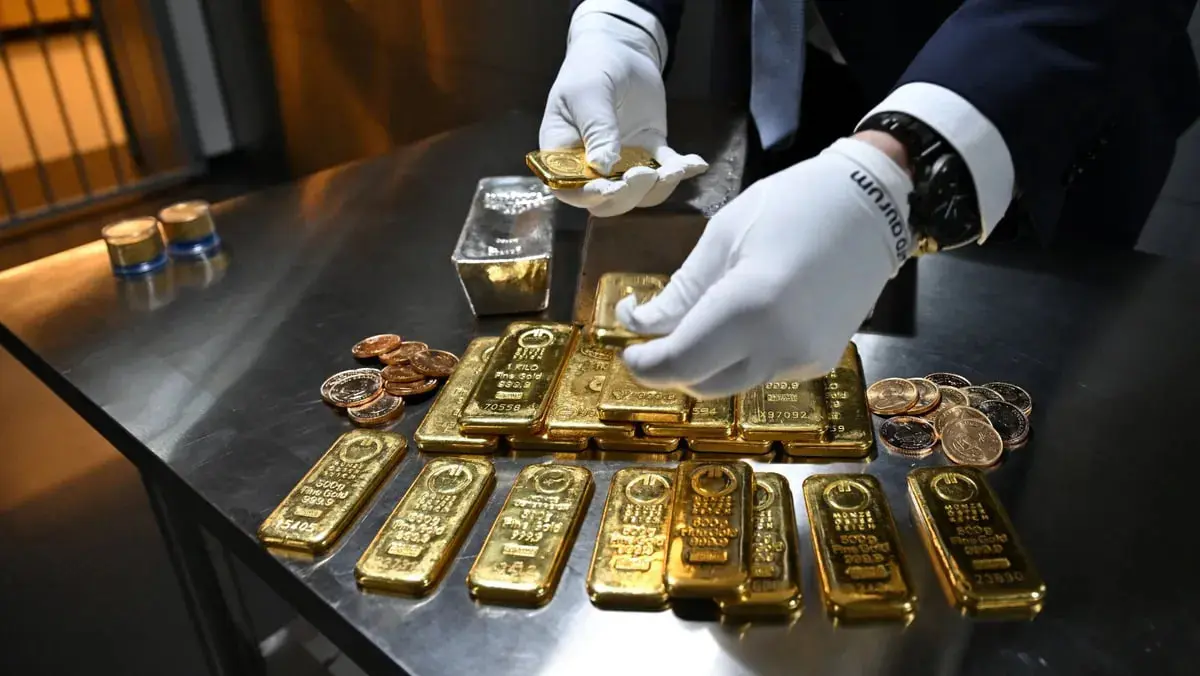
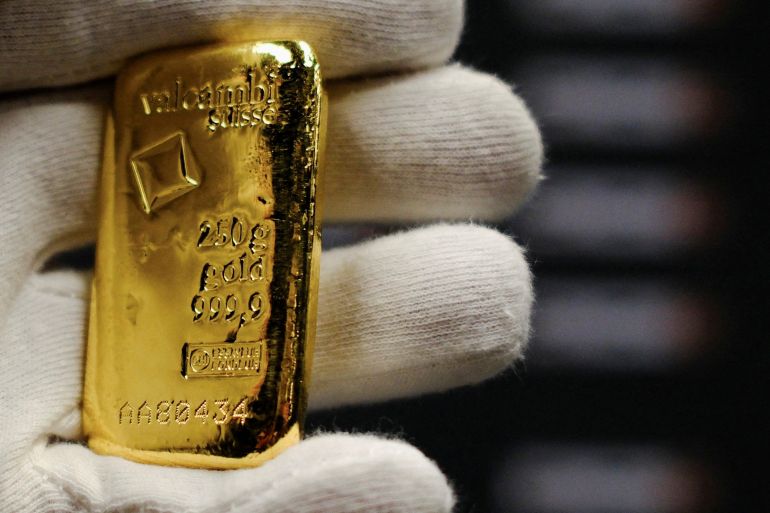
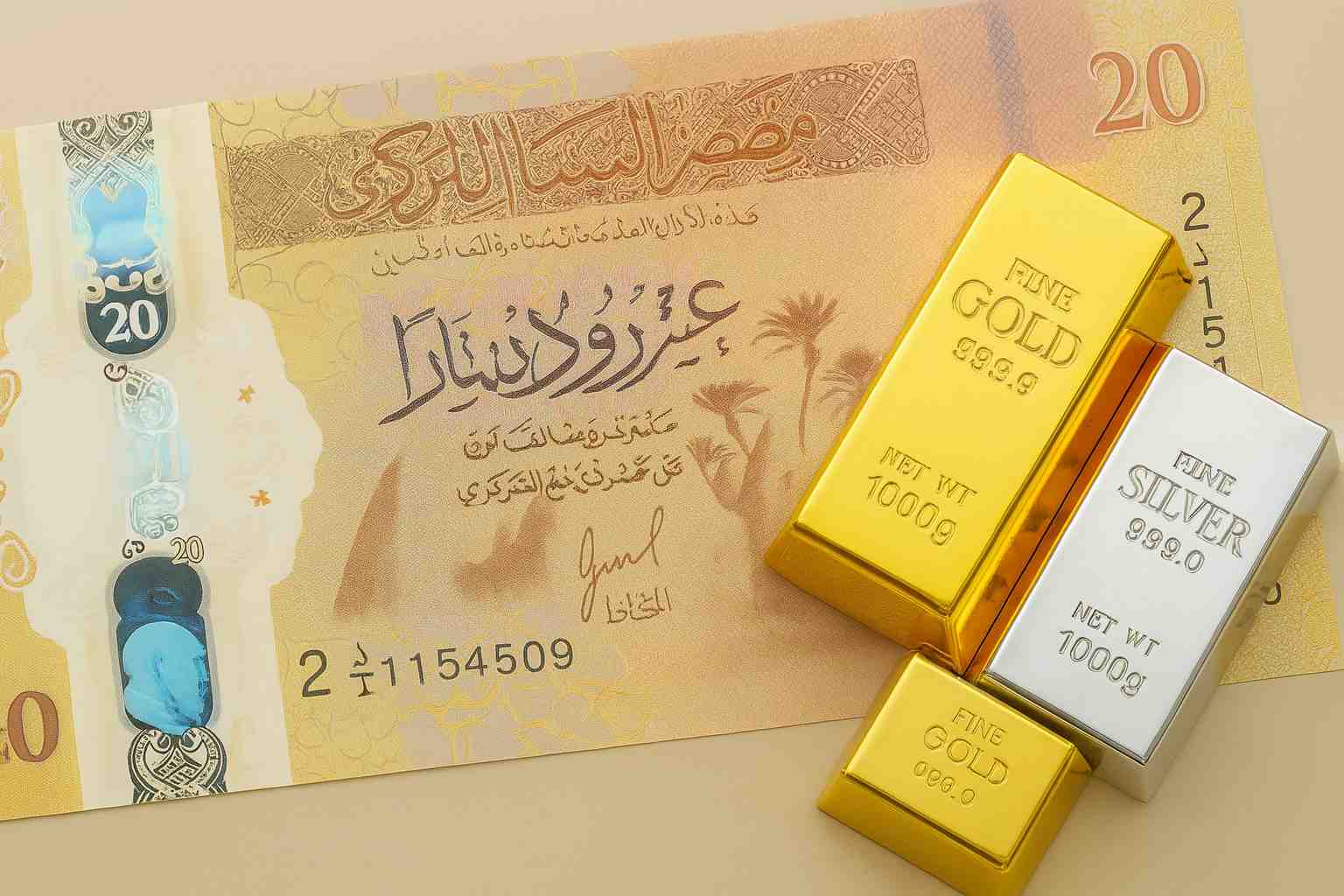
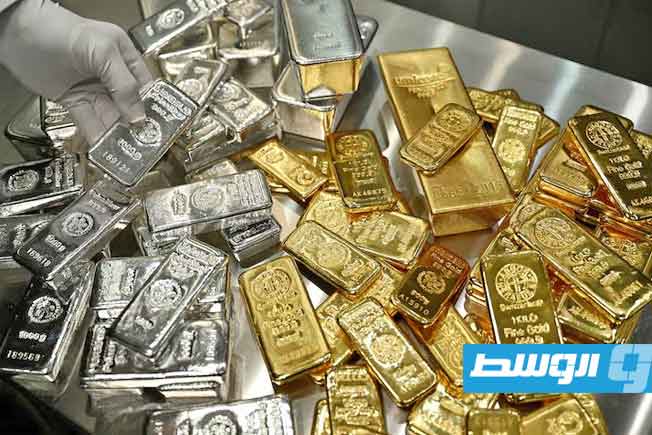
The Turkish Lira remained stable at 0.220 dinars, while the Tunisian Dinar stabilized at 3.03 Libyan dinars. The price of 18-karat gold bullion rose to 1,188 dinars per gram compared to 1,160 dinars at yesterday’s close.
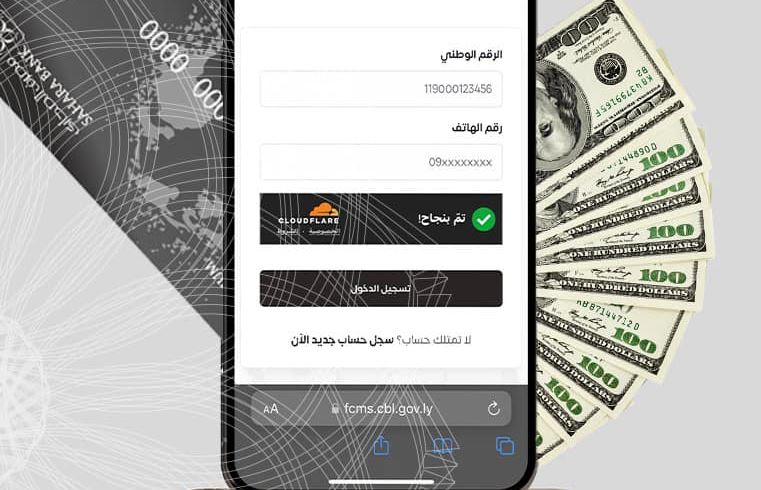
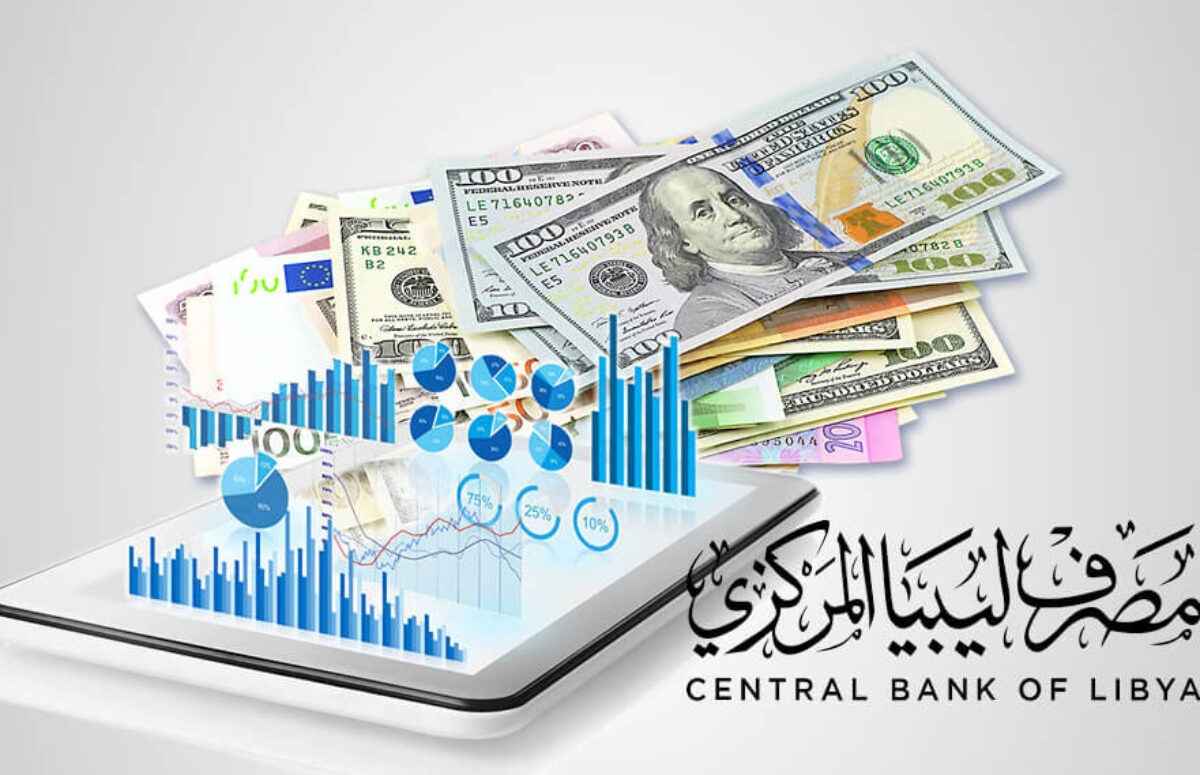
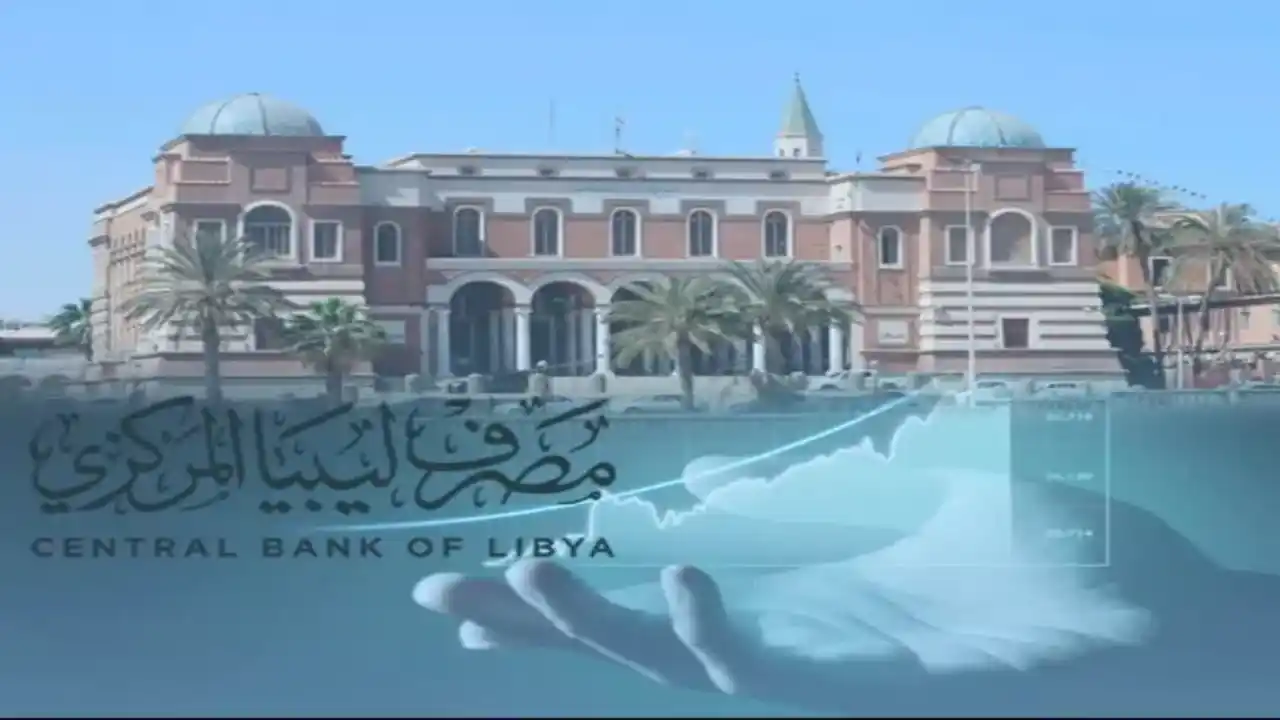
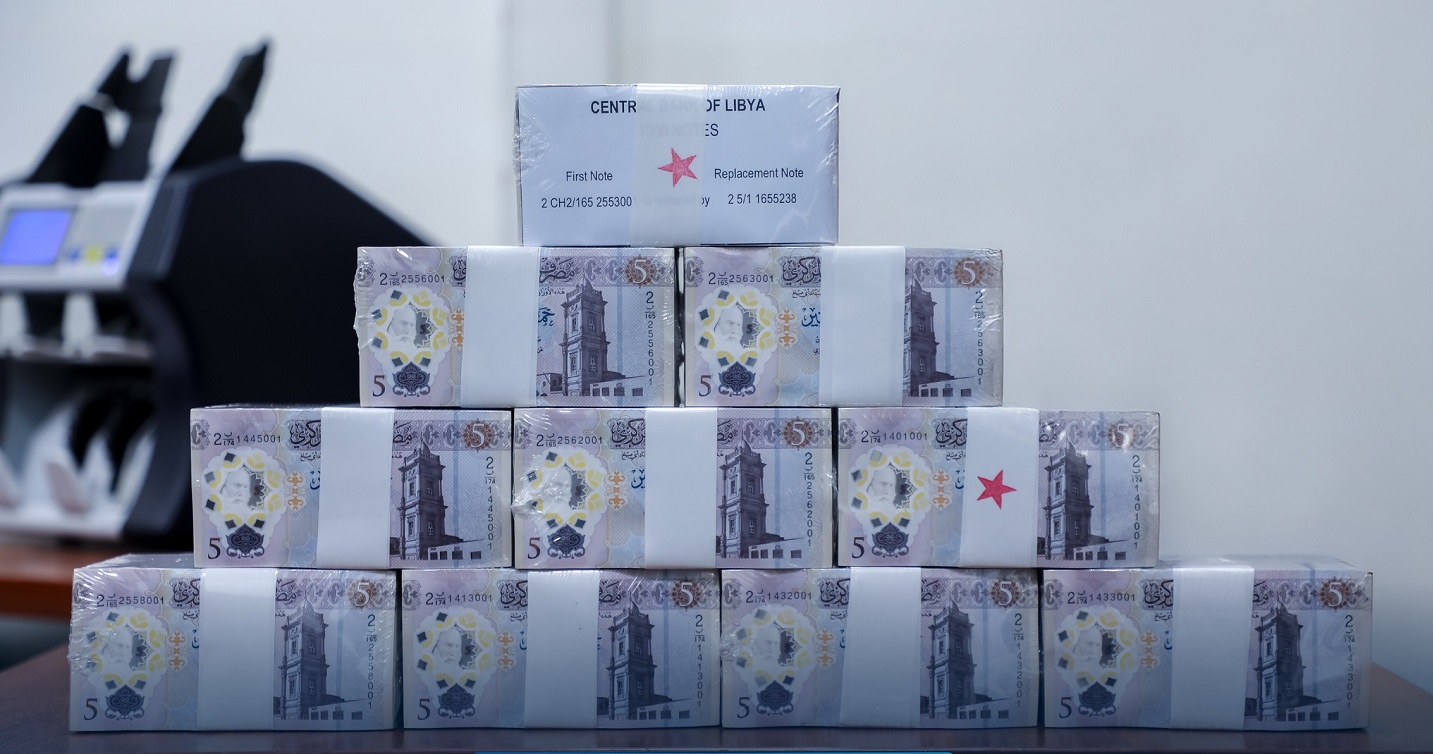
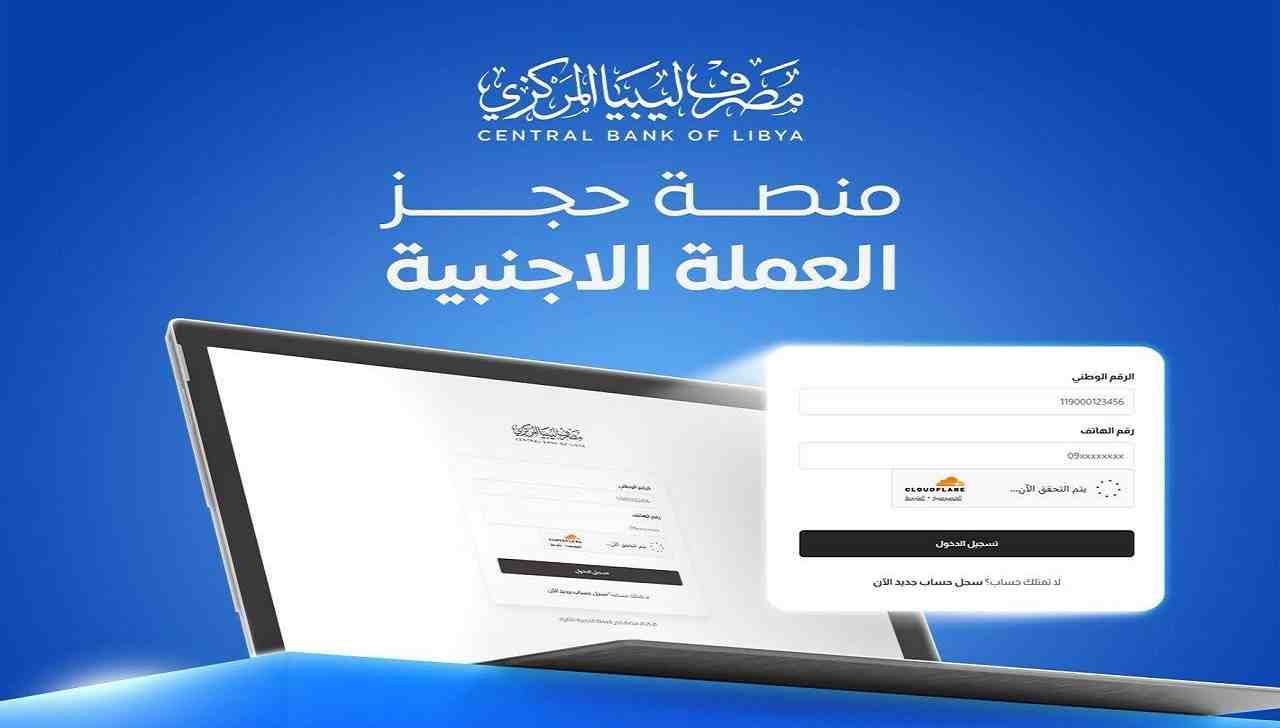
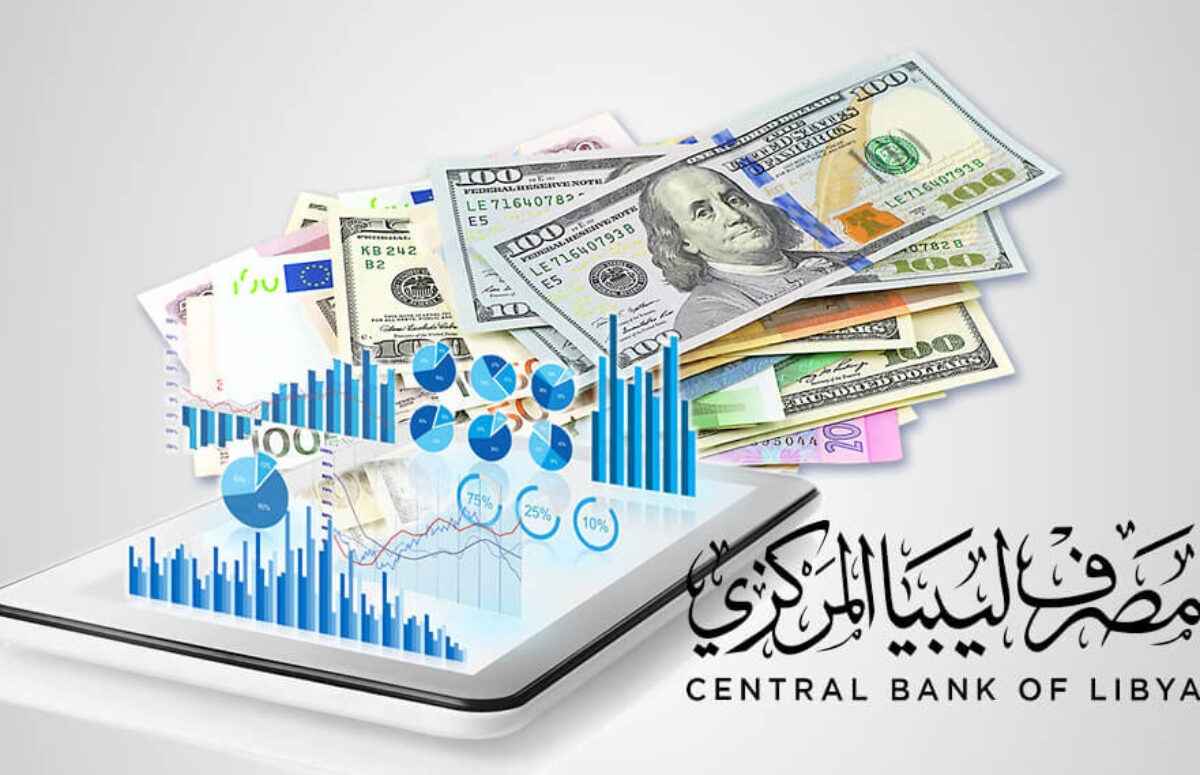
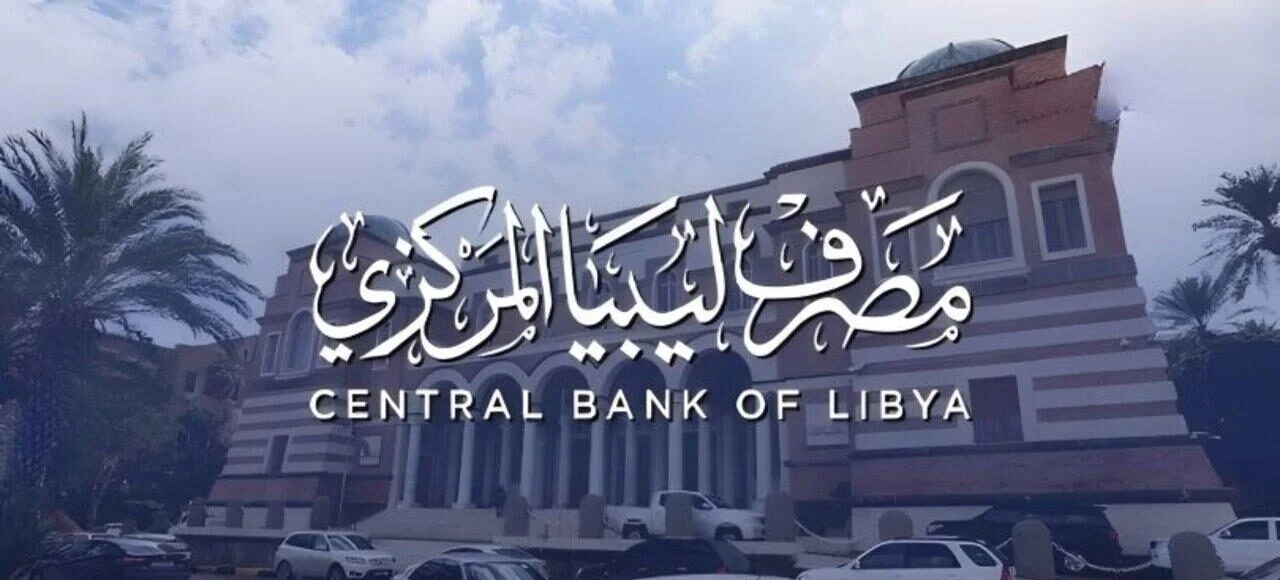
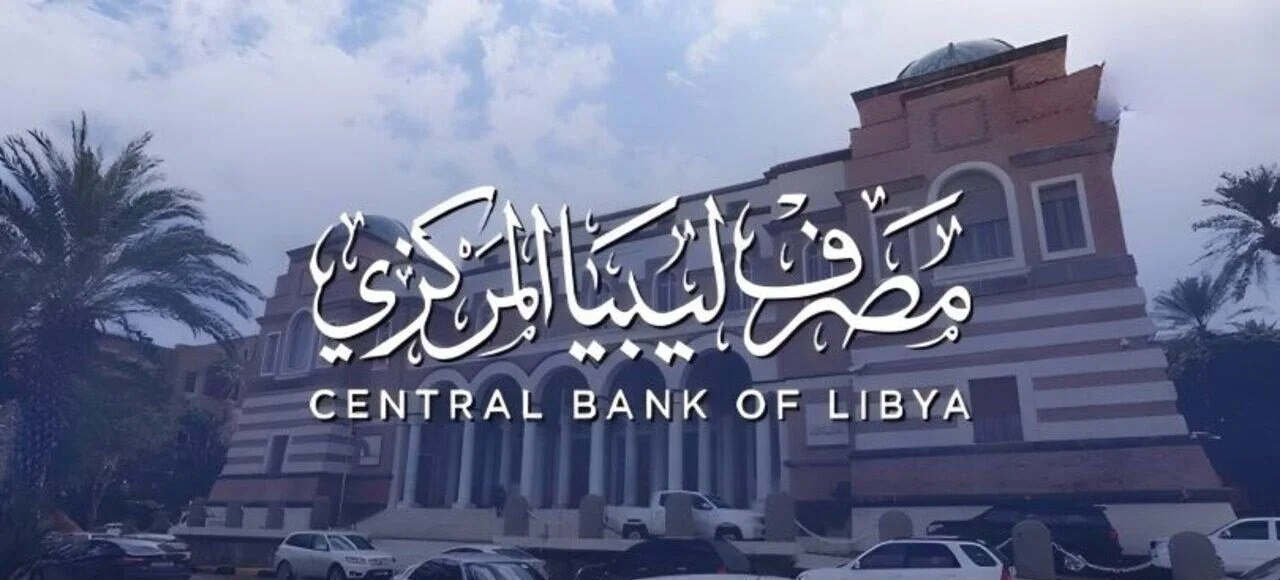
In the official market, the exchange rate for the US dollar rose to 6.32 dinars according to the new exchange rate bulletin issued by the Central Bank of Libya for Thursday. The Euro declined to 7.46 dinars, and the British Pound declined to 8.53 dinars.
US dollar
The US dollar is the official currency of the United States, established by the Coinage Act of 1792. It evolved from a system based on Spanish milled dollars and became the world’s primary reserve currency following the Bretton Woods Agreement in 1944.
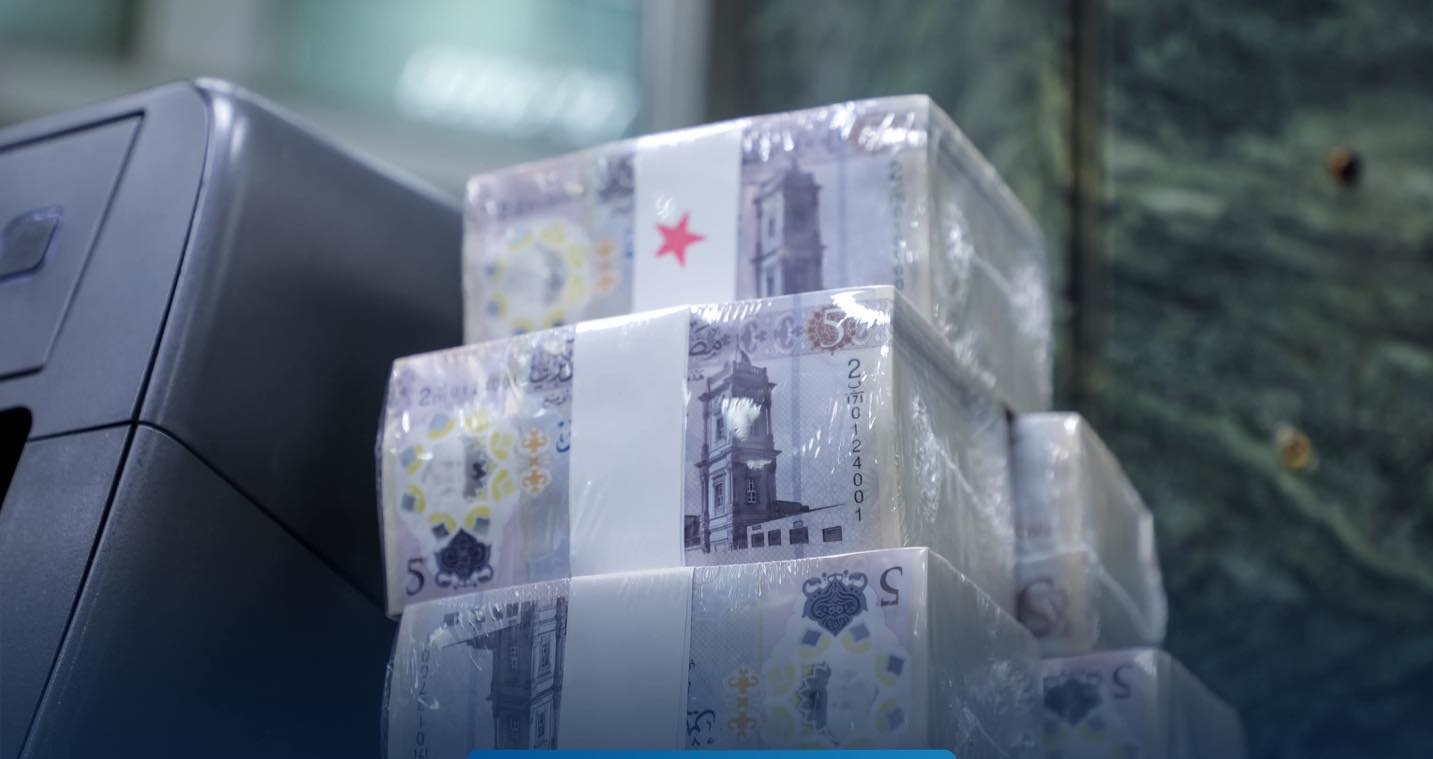
Libyan dinar
The Libyan dinar is the official currency of Libya, introduced in 1971 to replace the Libyan pound. It was established following the 1969 revolution that brought Muammar Gaddafi to power, symbolizing a move toward economic independence.
Euro
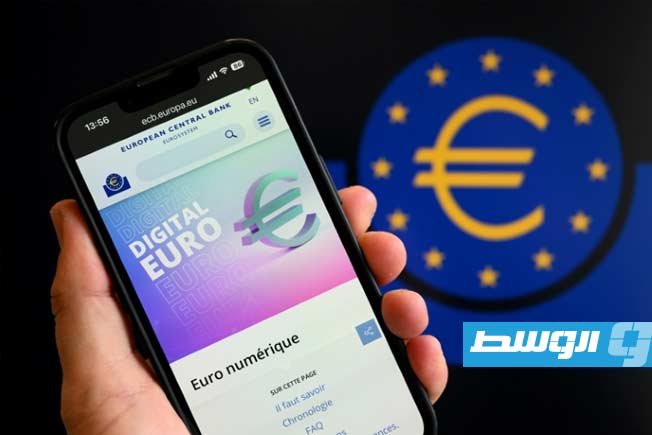
The Euro is the official currency of the Eurozone, which consists of 20 of the 27 member states of the European Union. It was introduced in non-physical form in 1999 and as physical banknotes and coins in 2002, marking a major step in European economic integration following the Maastricht Treaty.
British Pound
The British Pound, officially known as the pound sterling, is the world’s oldest currency still in use, with origins tracing back to Anglo-Saxon times. It became a major global reserve currency during the height of the British Empire and remains the official currency of the United Kingdom.
Turkish Lira
The Turkish Lira is the official currency of Turkey and the Turkish Republic of Northern Cyprus, introduced in 1923 to replace the Ottoman lira following the establishment of the Republic of Turkey. It has undergone significant revaluations, most notably in 2005 when a new lira removed six zeros from the old currency due to a history of high inflation.
Tunisian Dinar
The Tunisian dinar is the official currency of Tunisia, introduced in 1960 to replace the Tunisian franc as part of the country’s post-independence economic reforms. It is issued by the Central Bank of Tunisia and its banknotes often feature historical figures and landmarks, reflecting Tunisia’s cultural heritage.
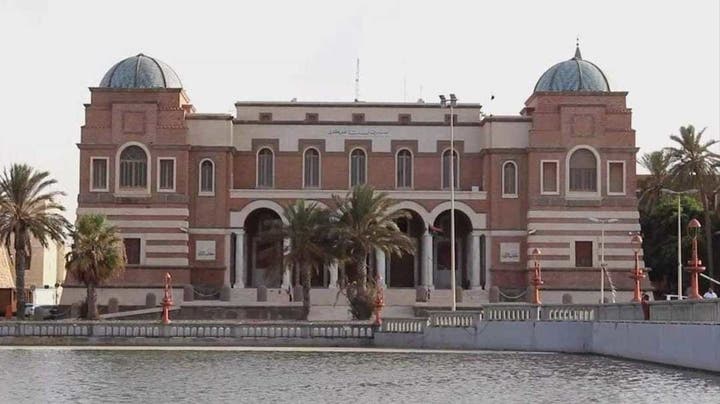
Central Bank of Libya
The Central Bank of Libya is the country’s primary monetary authority, established in 1956 to issue currency and manage monetary policy. It has played a critical and often divisive role in Libya’s recent history, notably functioning as a unified financial institution throughout the post-2011 civil conflicts despite the country’s political fragmentation.