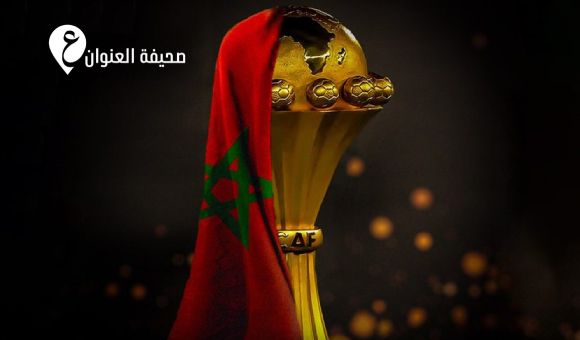
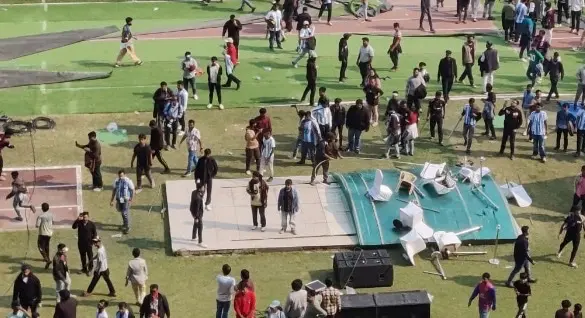
Moroccan public prosecutors demanded, on Thursday, prison sentences of up to two years for each of the 18 Senegalese fans accused of instigating riots, who have been detained since the controversial African Cup of Nations final in mid-January.
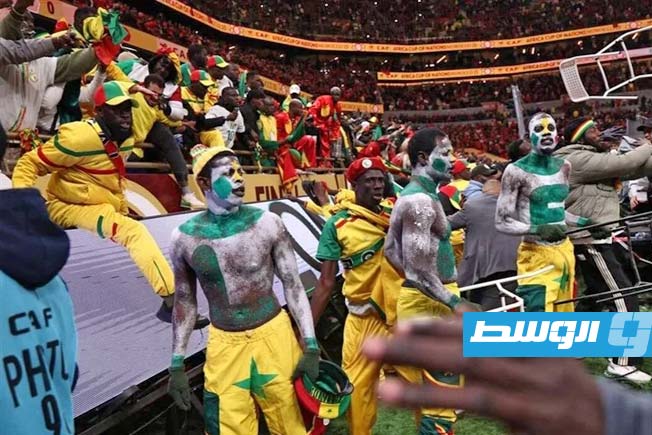
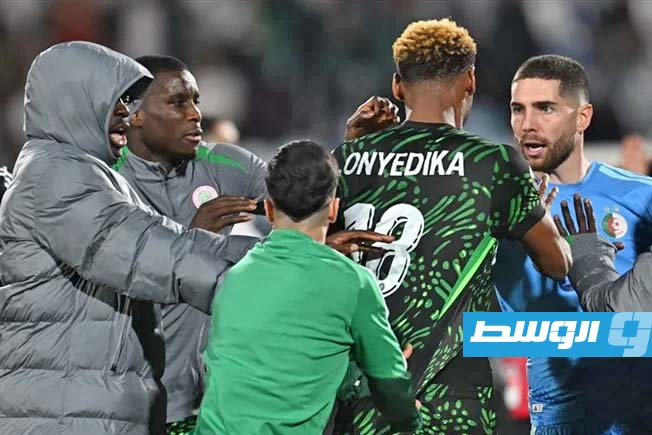
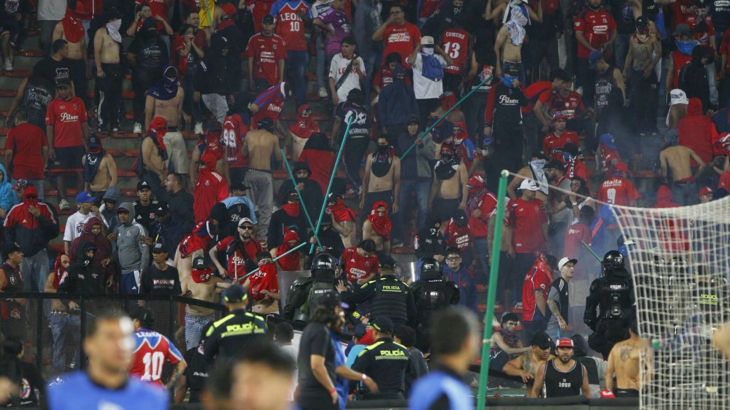
During a new hearing at the Rabat Court of First Instance, the public prosecutor stated that “the defendants deliberately disrupted the match” and “committed acts of violence that were broadcast live on television channels.”
The defendants are being tried on charges of “rioting,” a charge that includes acts of violence, particularly against security forces, damaging sports equipment, storming the pitch, and throwing projectiles. A two-year prison sentence is the maximum penalty for these crimes. For their part, the defendants denied committing any violations during the match.
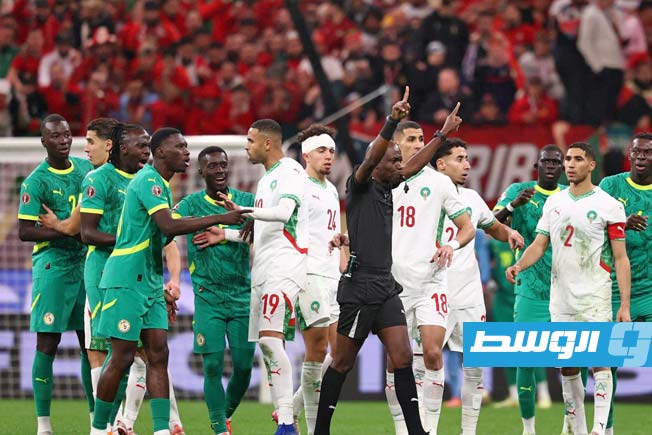
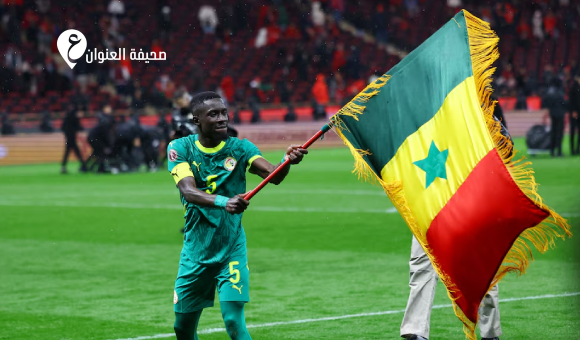
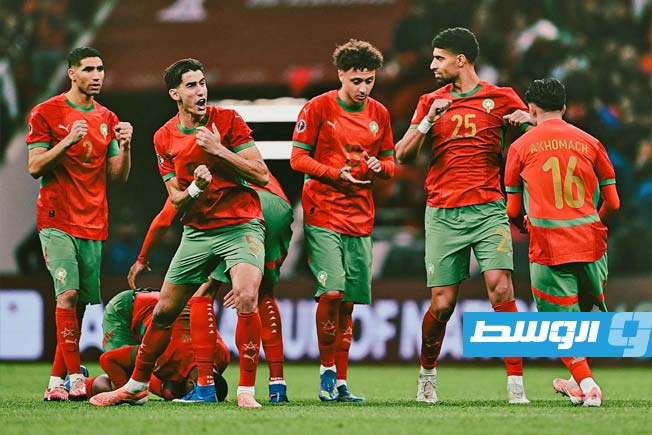
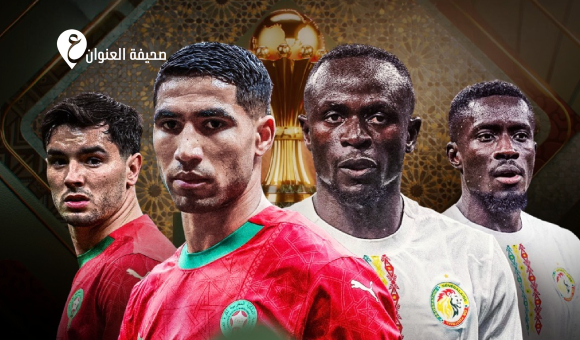
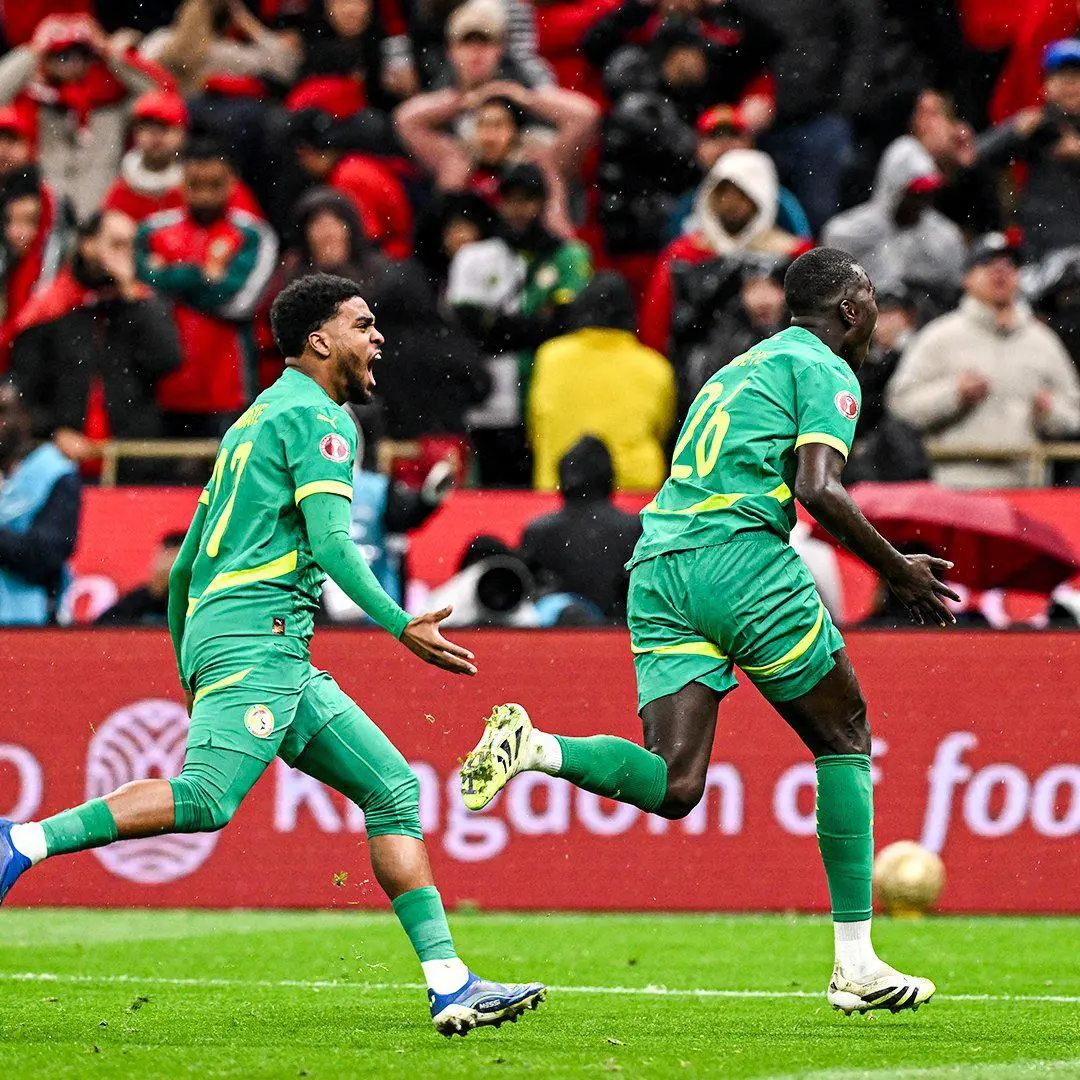
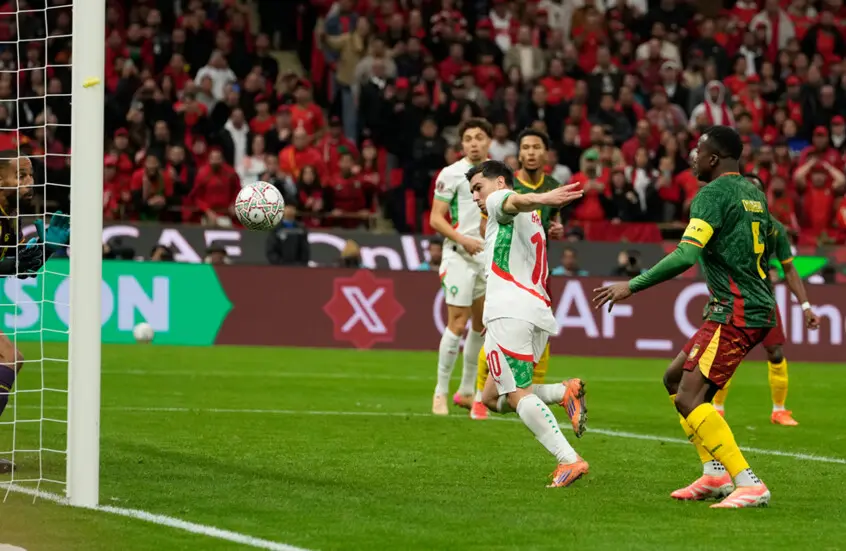
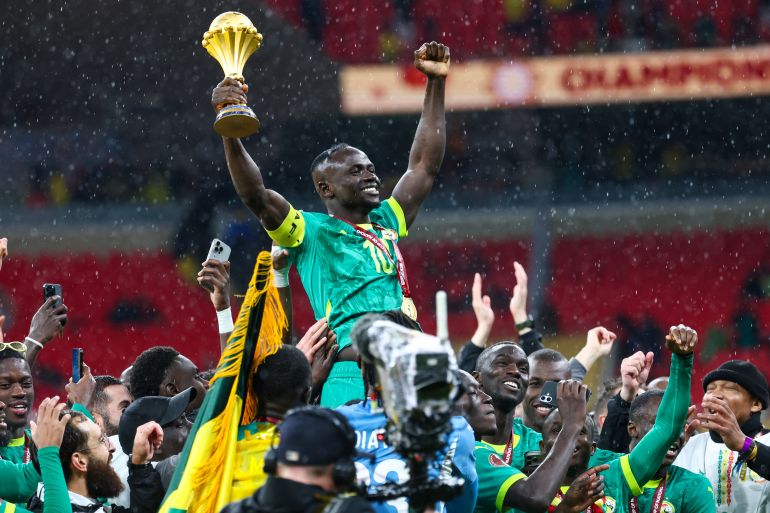
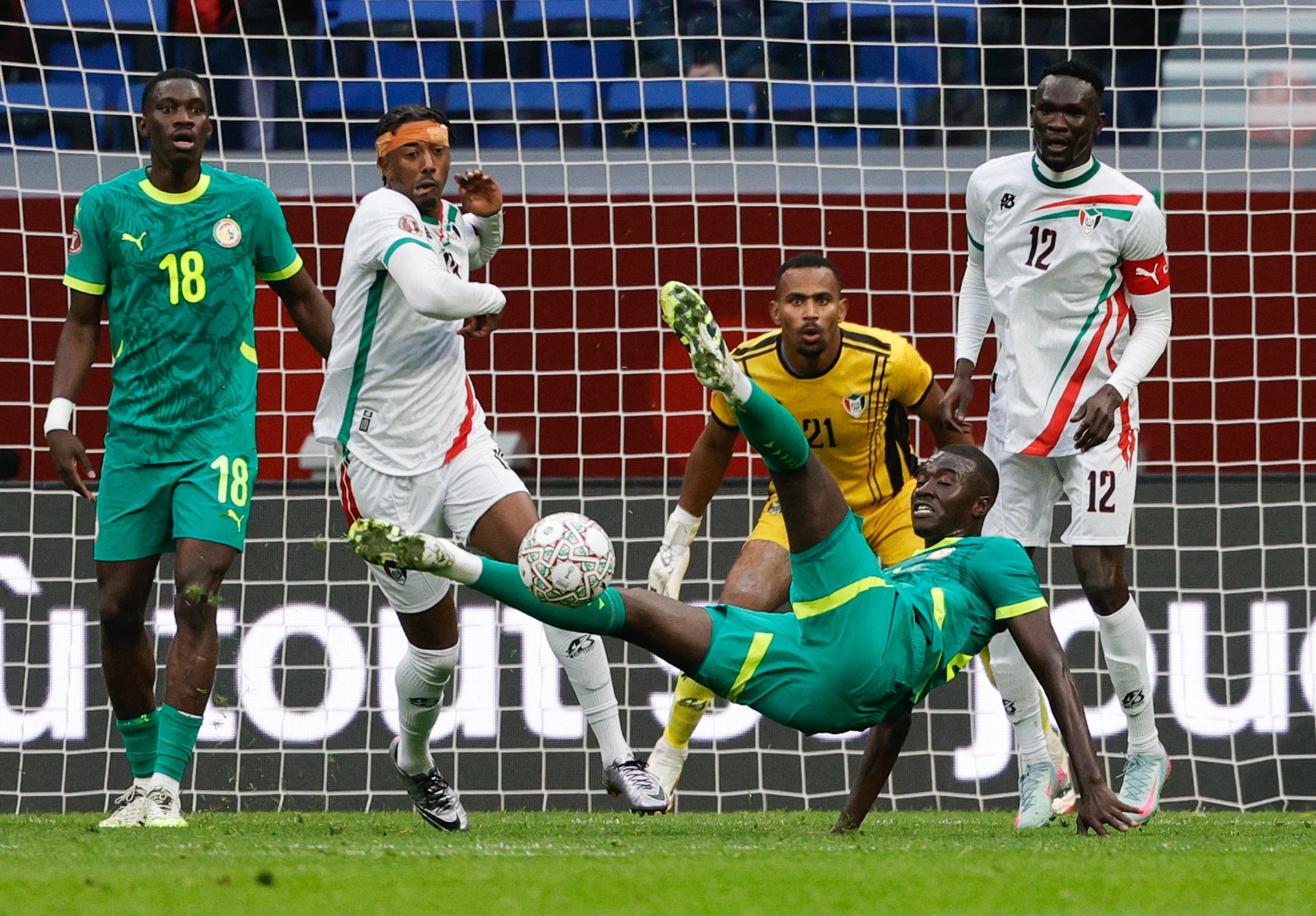
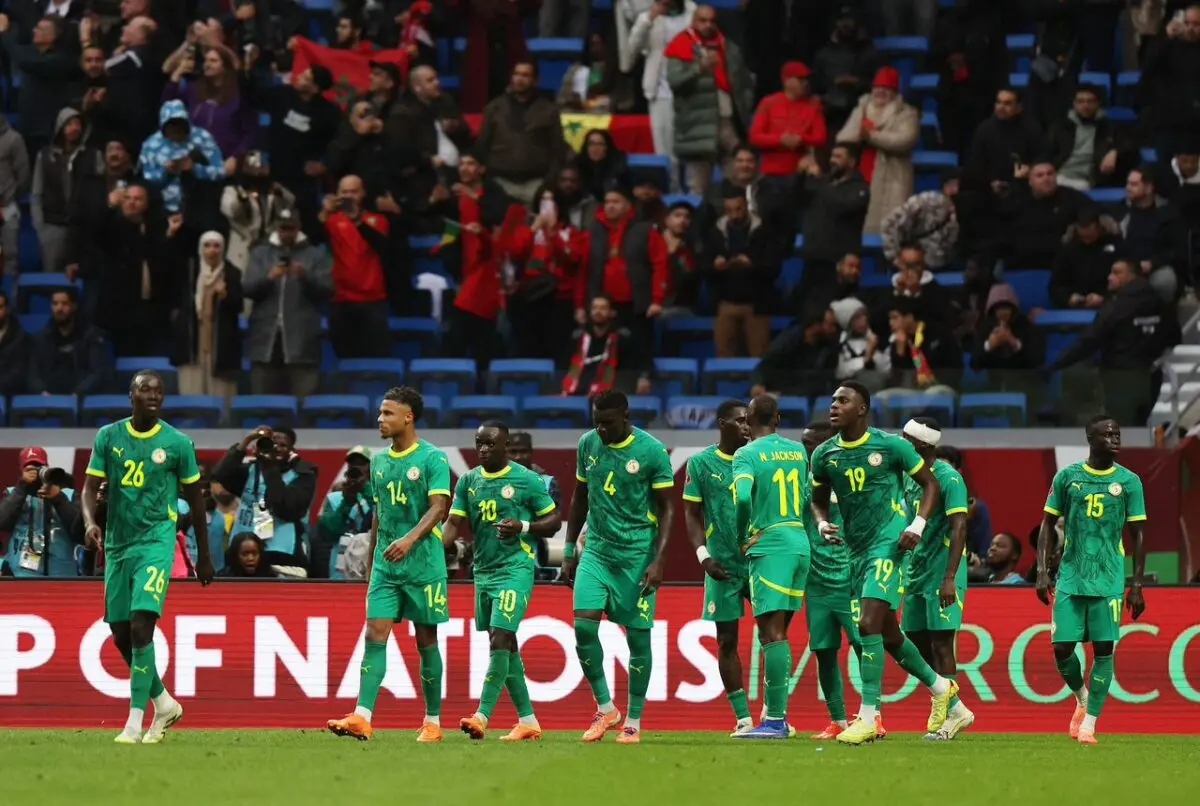
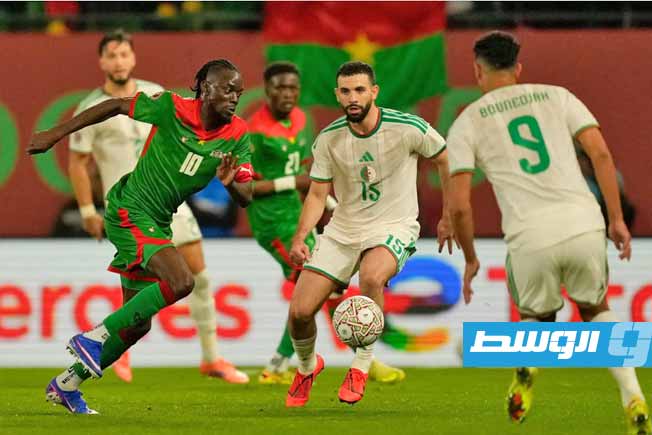
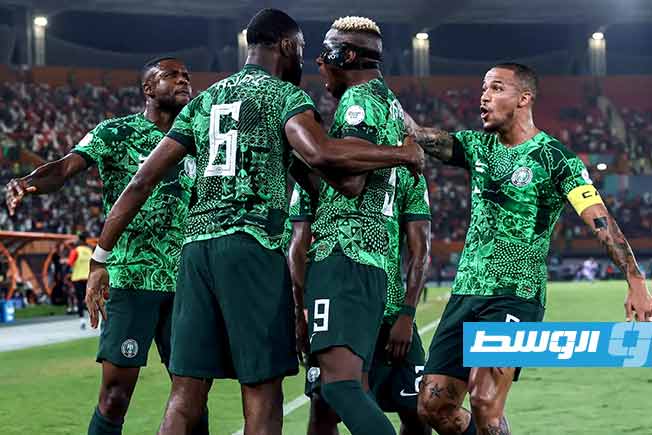
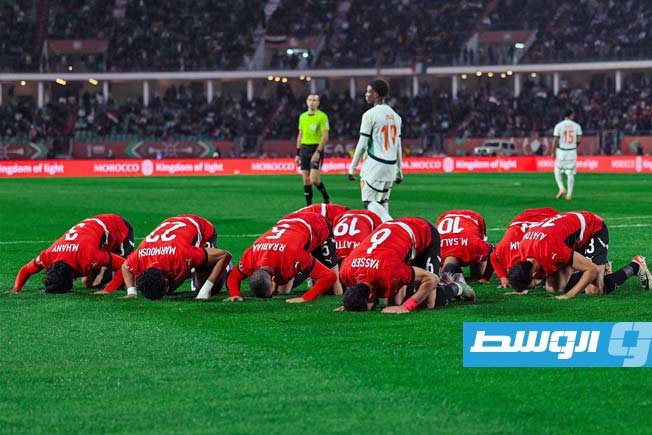
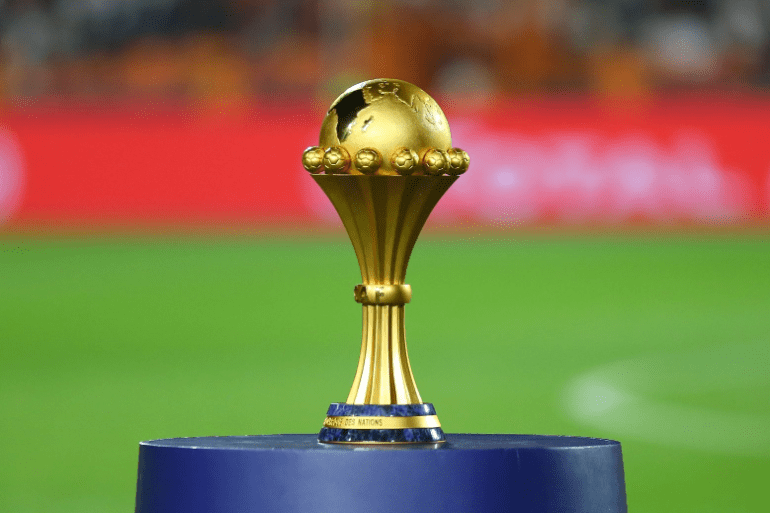
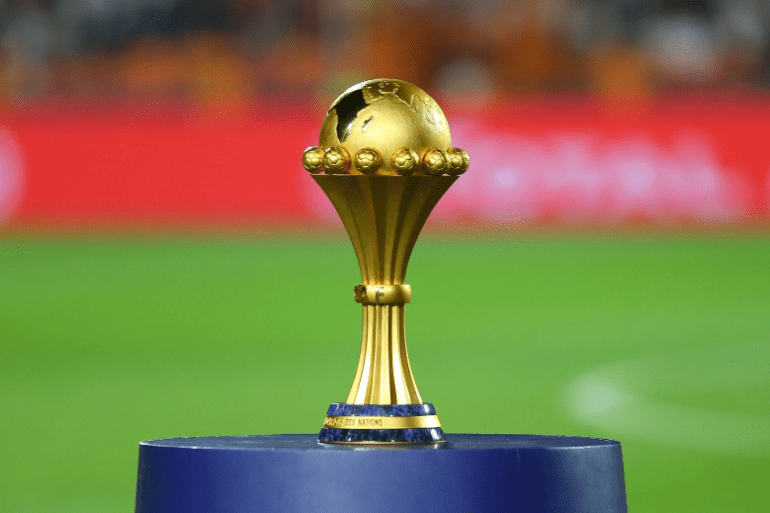
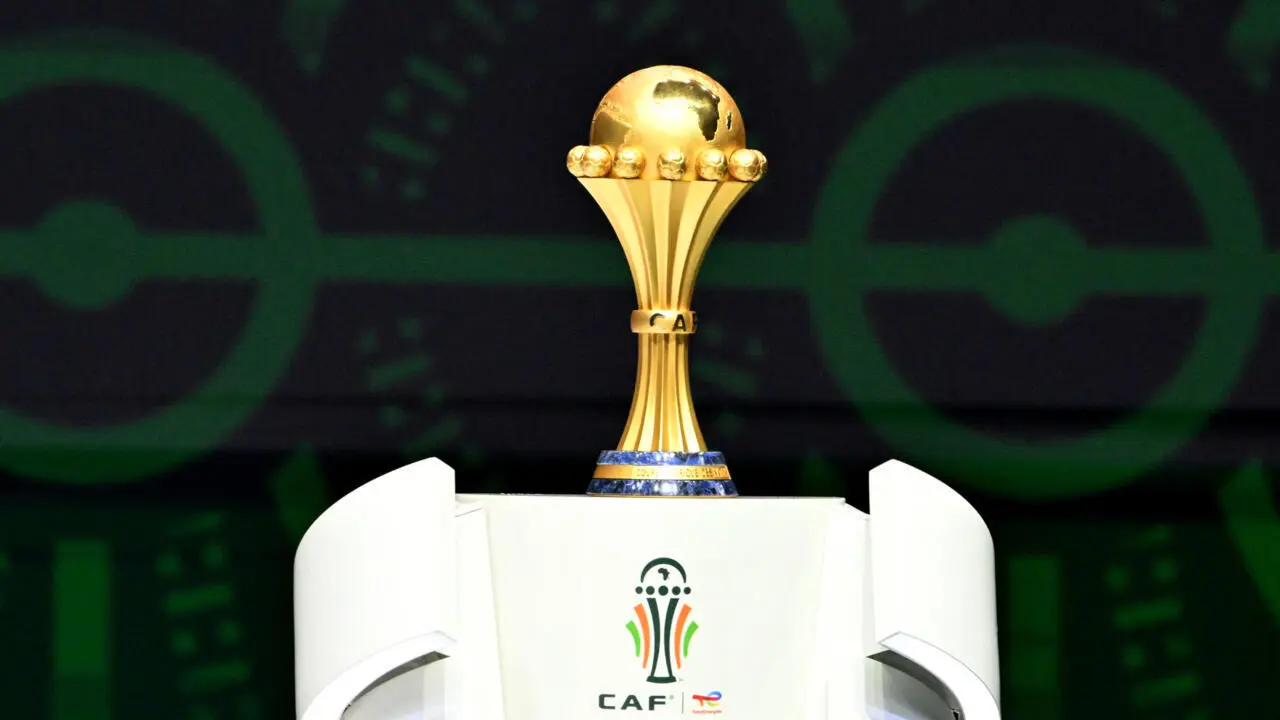
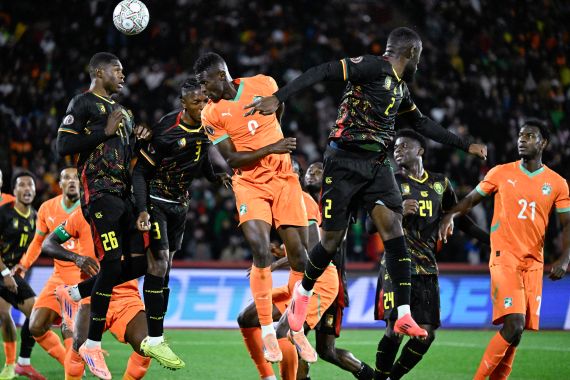
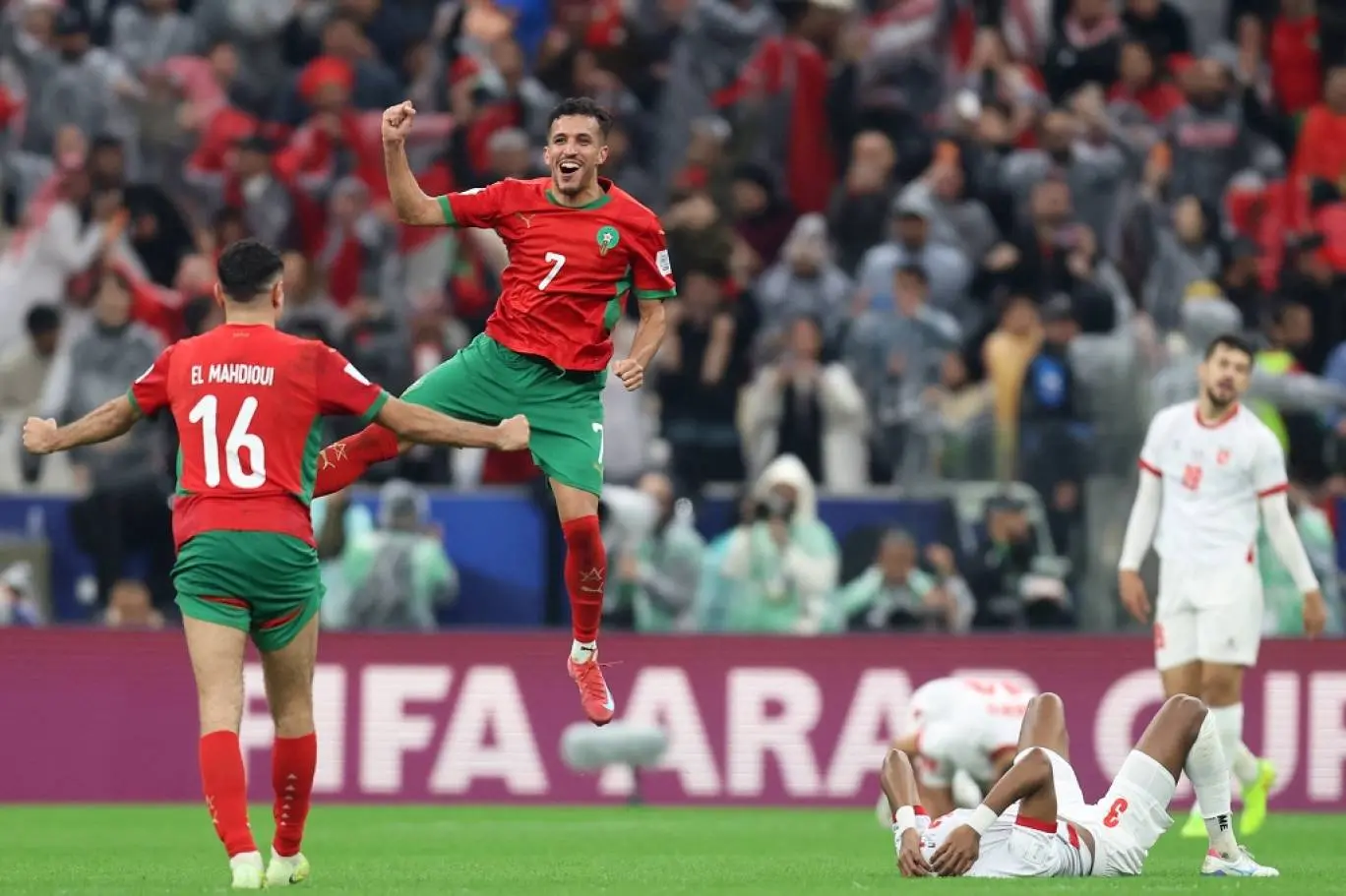
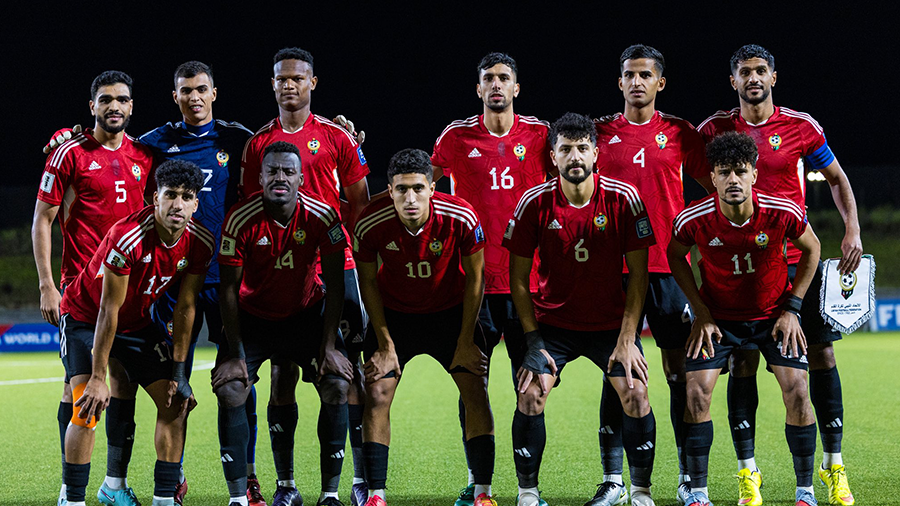
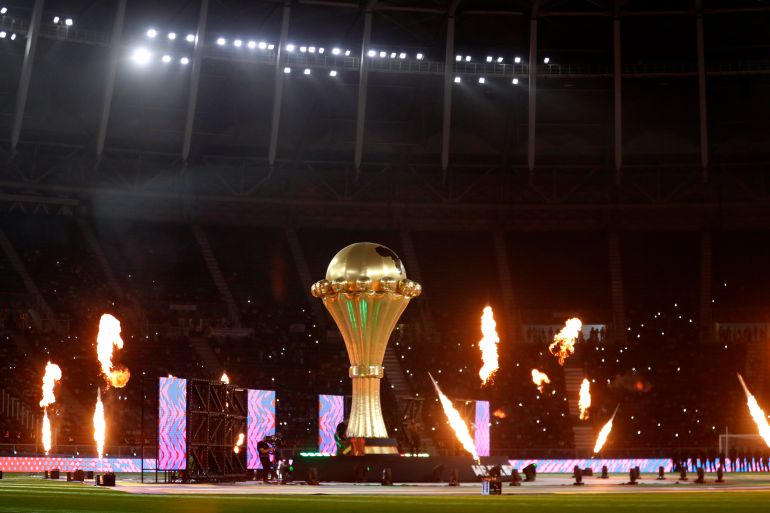
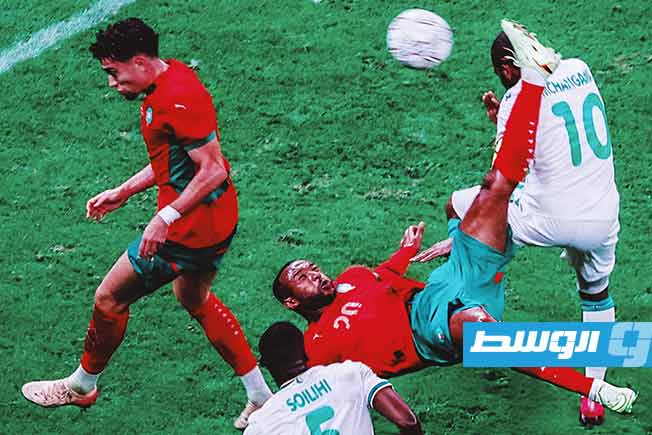
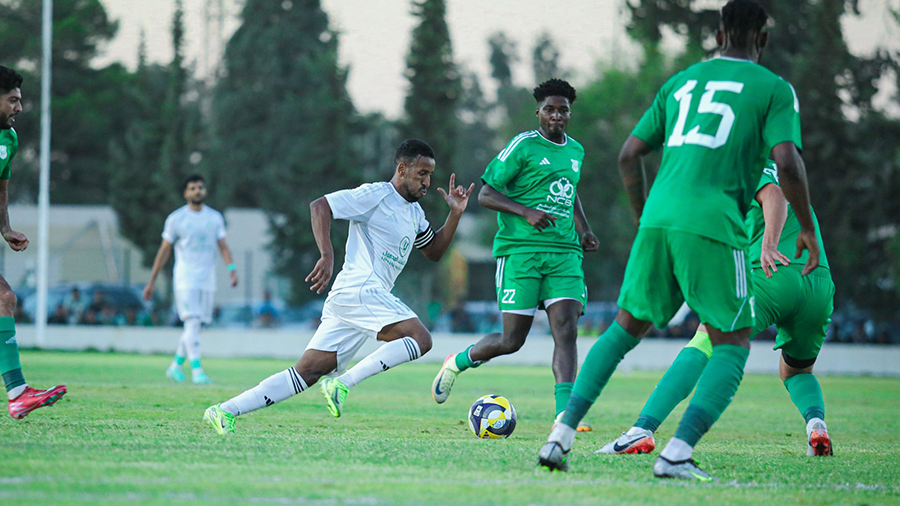
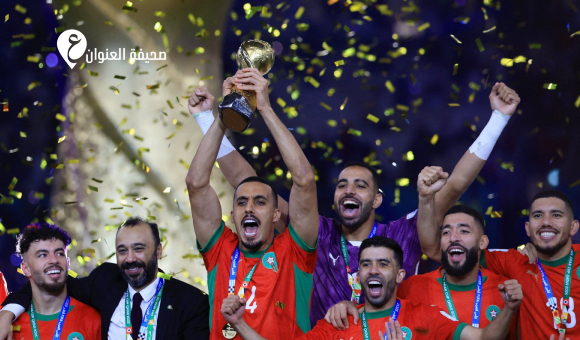
On January 18, during the African Cup of Nations final in Rabat, the Senegalese national team won 1-0 after extra time in a match characterized by chaos.
The prosecution’s case is based on surveillance camera footage
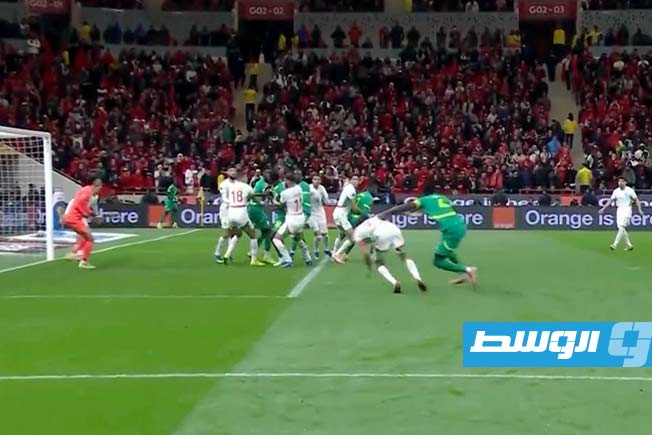
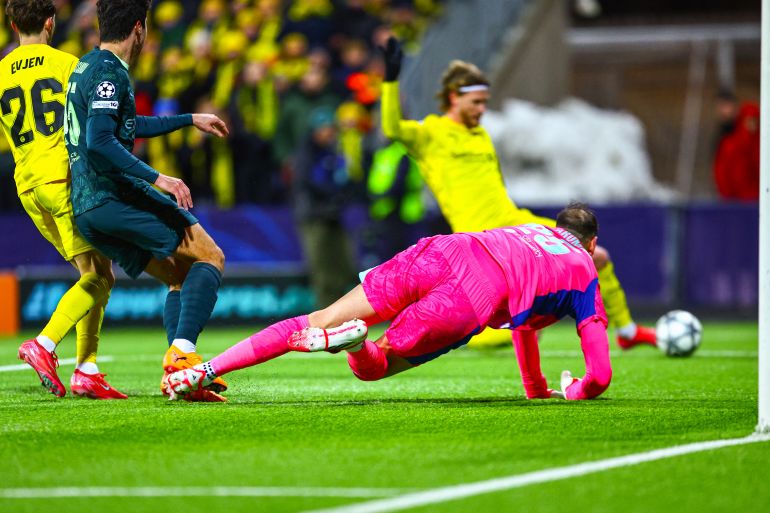
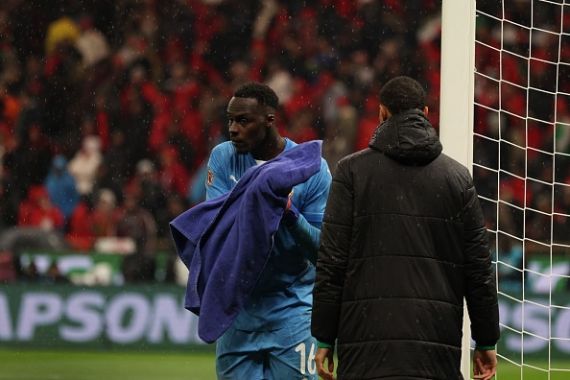
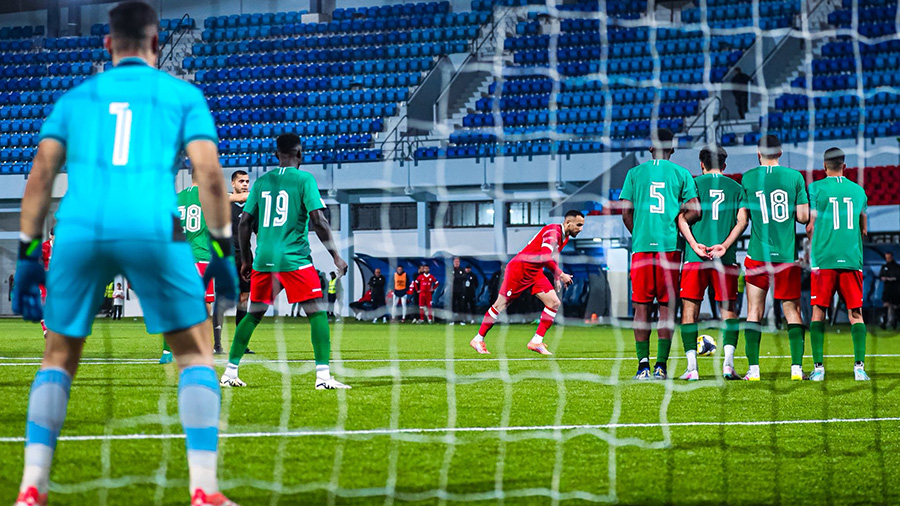
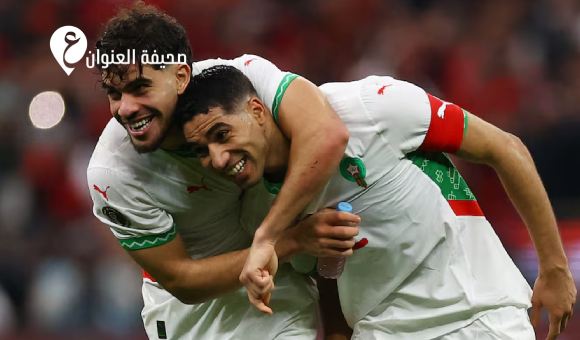
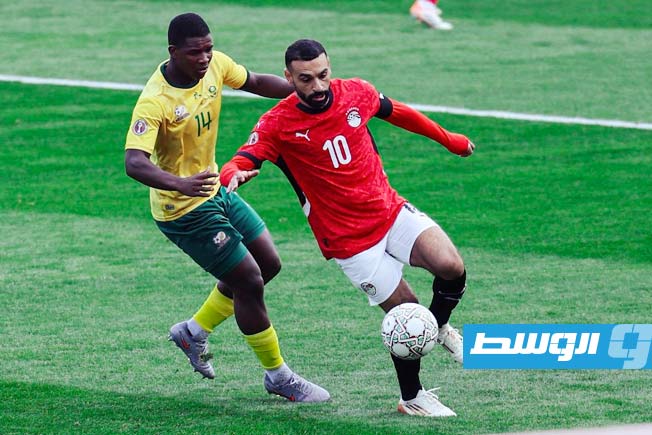
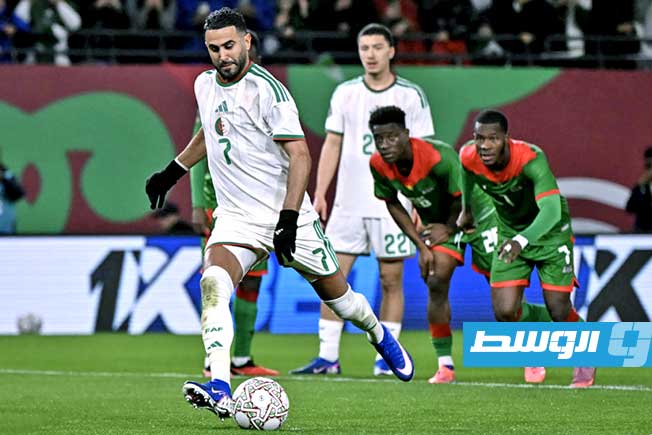
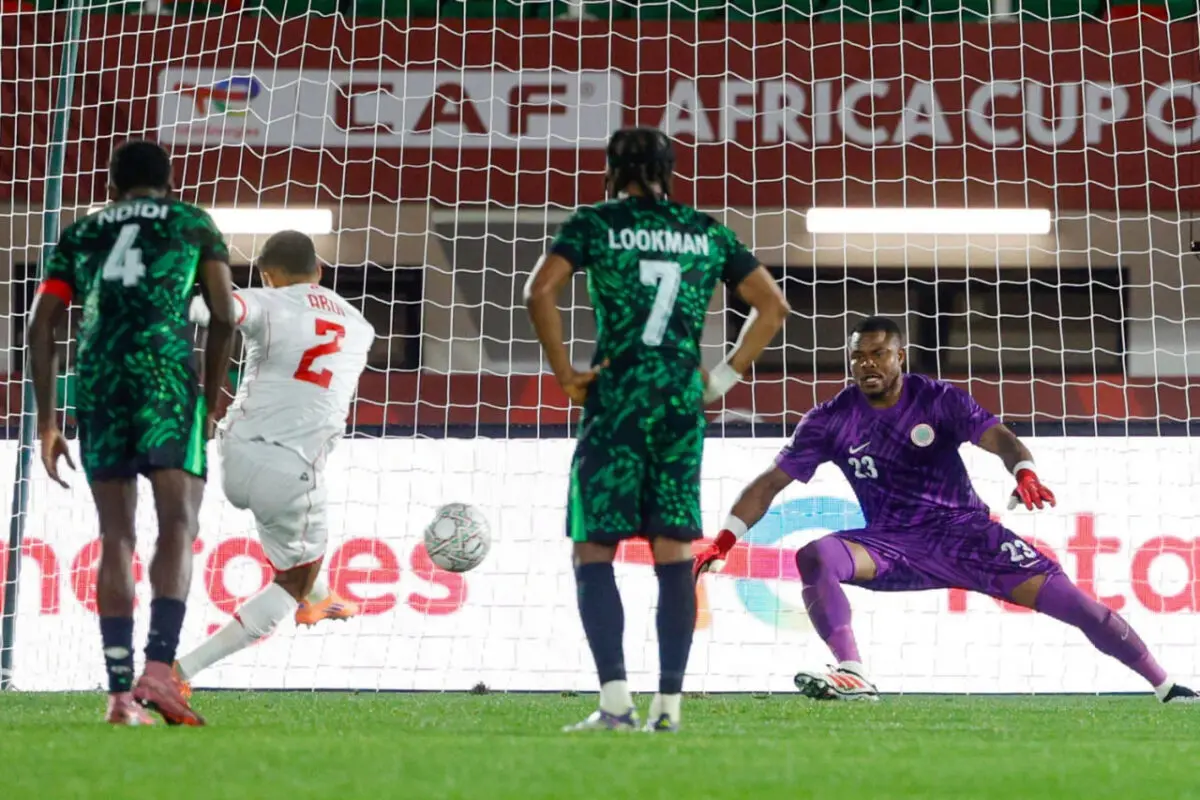
After a penalty was awarded to Morocco in stoppage time of the second half, following the disallowance of a Senegalese goal, fans of the “Lions of Teranga” attempted to storm the pitch for nearly 15 minutes, even during Ibrahim Dias’s preparation to take the penalty kick, which he ultimately missed. In extra time, Pape Gueye scored the winning goal for Senegal with a powerful shot.
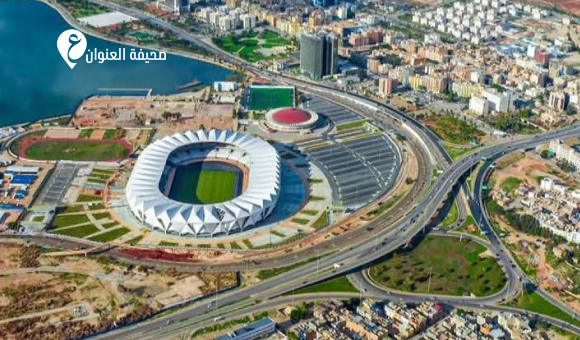
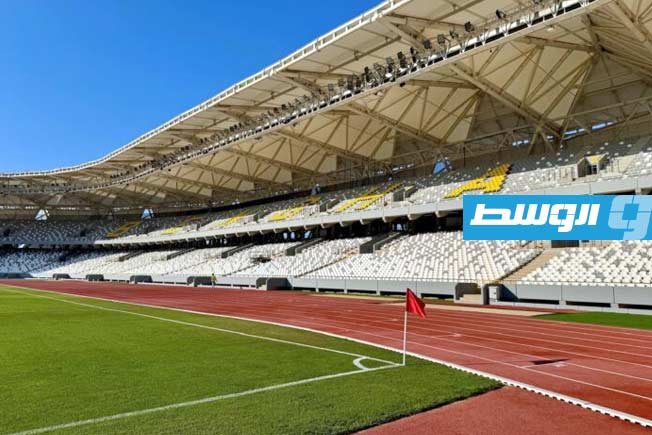
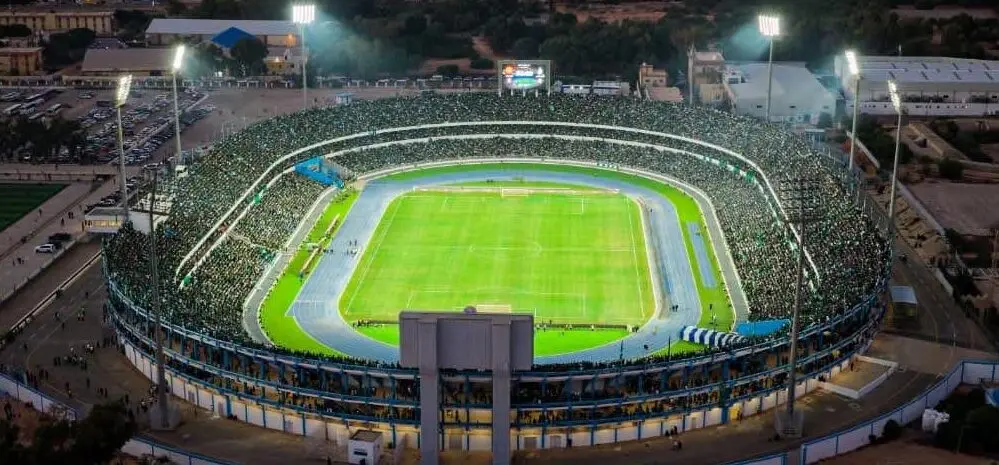
A representative of the public prosecution stated that the case is primarily based on surveillance camera footage from the Prince Moulay Abdellah Stadium in Rabat, in addition to medical reports documenting injuries among security personnel and stadium staff.
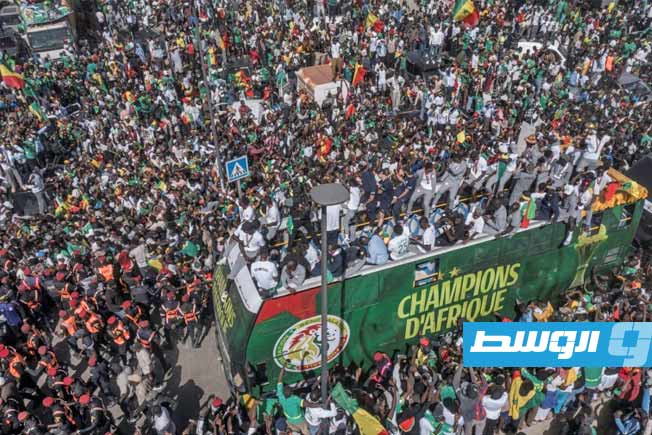
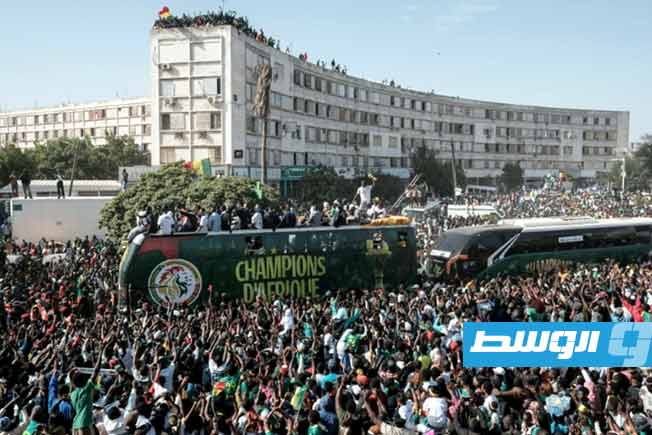
– Watch… Historic welcome for the “Lions of Teranga” after winning the African Cup of Nations
– CAF sanctions Senegal and Morocco… and refuses to revoke the African Cup of Nations title
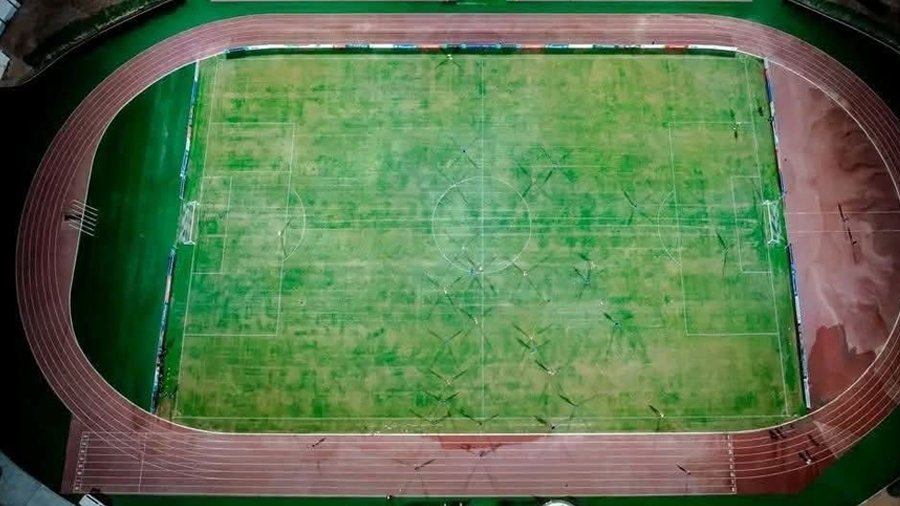
The public prosecution estimates the material damage to the stadium, which was completely rebuilt before the African Cup of Nations, at more than 370,000 euros.
Morocco hosted the 35th edition of the continental championship from December 21 to January 18, and will also co-host the 2030 FIFA World Cup finals with Spain and Portugal.
Morocco
Morocco is a North African country with a rich history shaped by indigenous Amazigh (Berber) cultures, Arab influence from the 7th century, and successive dynasties like the Almoravids and Almohads. Its cultural sites, such as the ancient city of Fez and the Koutoubia Mosque in Marrakech, reflect this blend of Arab, Islamic, and Amazigh heritage. The country’s historic medinas, kasbahs, and varied landscapes from the Sahara Desert to the Atlas Mountains are central to its identity.
Senegal
Senegal is a West African nation known for its rich cultural heritage and historical significance as a former center of European colonial trade and the heart of several pre-colonial empires like the Jolof. Its history is marked by the transatlantic slave trade, French colonization until independence in 1960, and its role as a hub for Islamic scholarship in the region. Today, it is celebrated for its vibrant arts, music, and cultural sites like Gorée Island, a UNESCO World Heritage site symbolizing the memory of the slave trade.
Rabat
Rabat is the capital city of Morocco, founded in the 12th century by the Almohad Caliphate as a ribat (fortified monastery). It is now a modern political and administrative center, recognized as a UNESCO World Heritage Site for its blend of historic and contemporary elements, including the Hassan Tower and the well-preserved Kasbah of the Udayas.
Rabat Court of First Instance
The Rabat Court of First Instance is a primary judicial body in Morocco’s capital, part of the country’s modern legal system established post-independence. It handles a wide range of civil, commercial, and minor criminal cases as the court of initial jurisdiction.
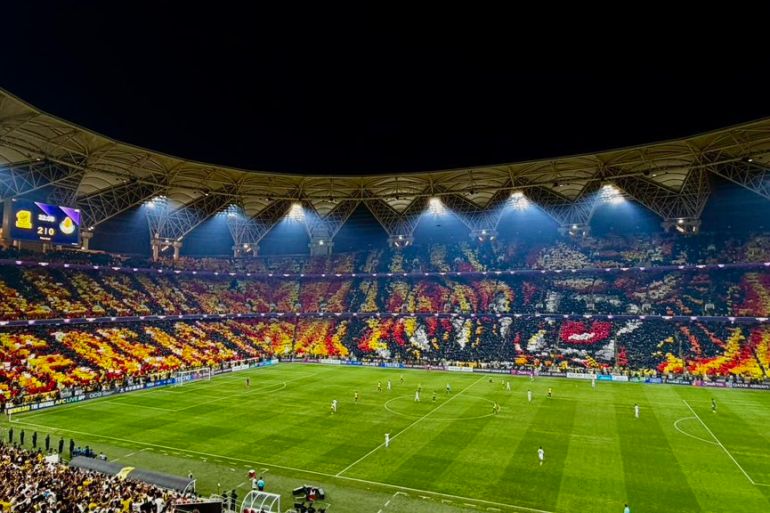
Prince Moulay Abdellah Stadium
Prince Moulay Abdellah Stadium is a major sports venue in Rabat, Morocco, named after Prince Moulay Abdellah, the brother of King Hassan II. It was originally constructed in 1983 and later renovated to host the 2019 African Games, serving as a key site for football matches and athletic competitions.
Spain
Spain is a country in southwestern Europe with a rich and diverse cultural history, shaped by Roman, Visigothic, and Moorish rule, particularly during the nearly 800-year period of Al-Andalus. Its unification under the Catholic Monarchs in the late 15th century led to a global empire, and its modern identity is marked by distinct regional cultures, languages, and traditions.
Portugal
Portugal is a country in southwestern Europe on the Iberian Peninsula, with a history deeply shaped by exploration. It established a vast maritime empire beginning in the 15th century and was a major global power during the Age of Discovery. Key cultural sites include the Jerónimos Monastery and the Tower of Belém in Lisbon, both UNESCO World Heritage sites that commemorate this era.