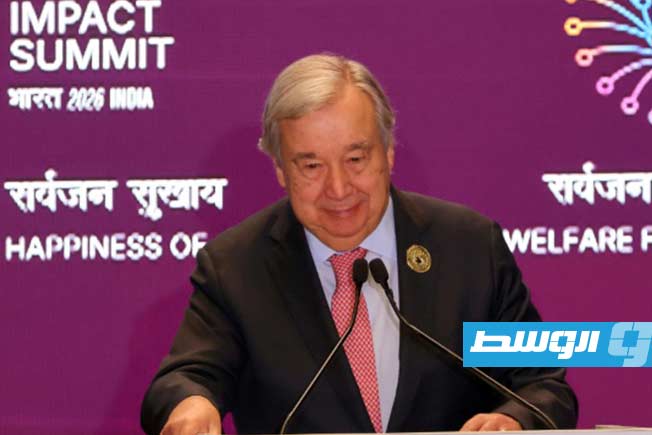
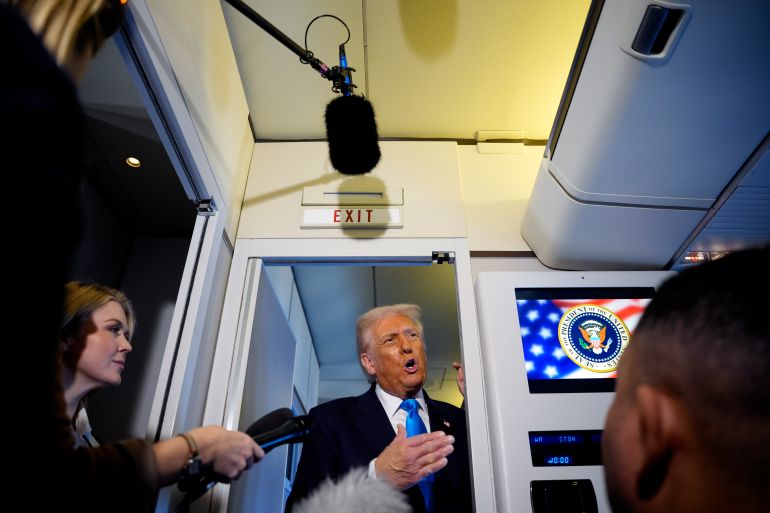
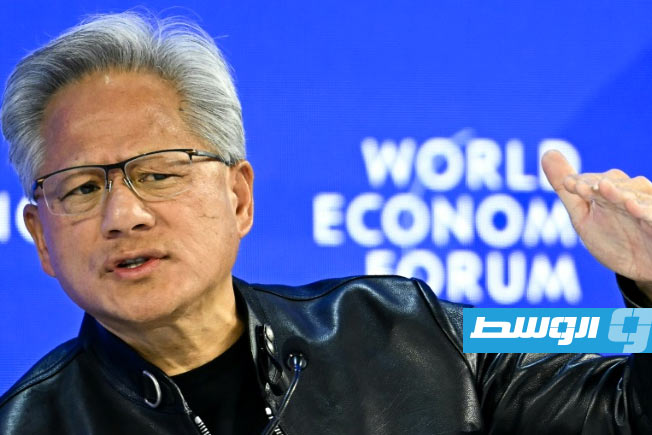
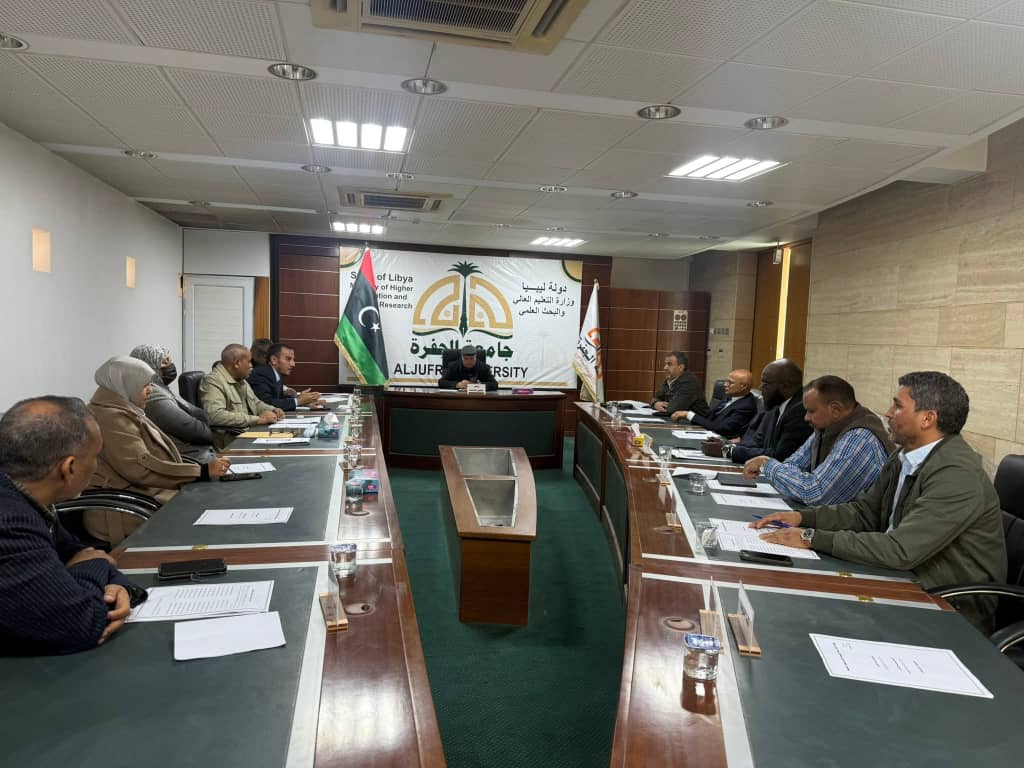
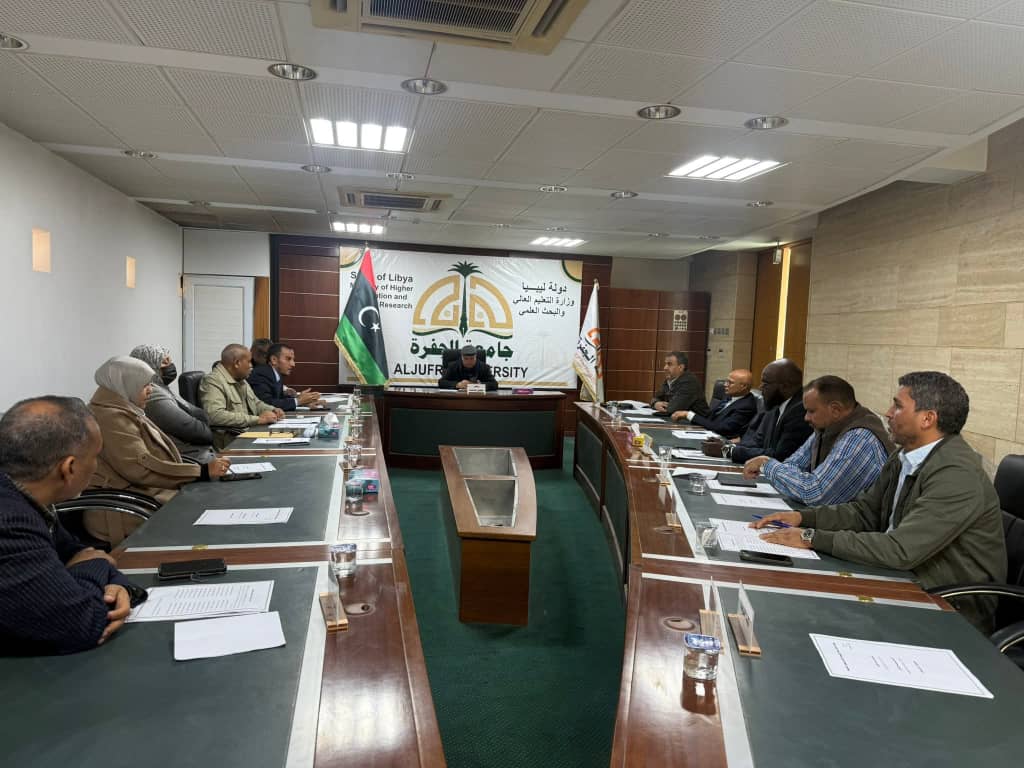
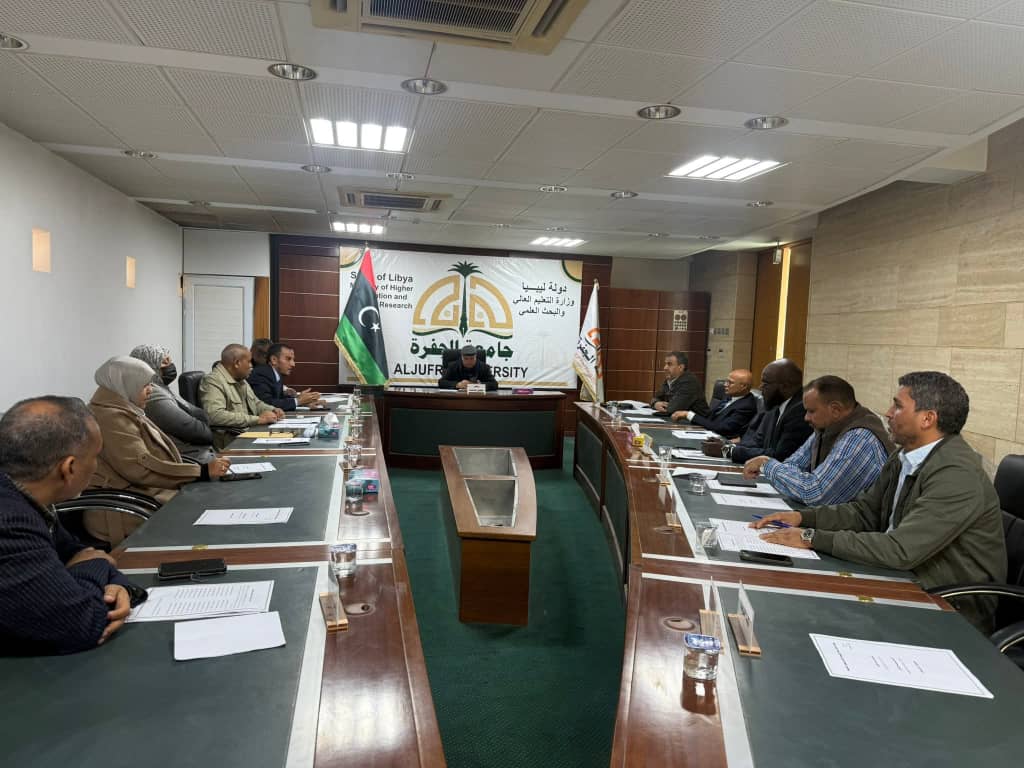
The UN Secretary-General delivers a speech at the AI Summit in New Delhi, February 19, 2026.
The UN Secretary-General called on Friday to “reduce hype and fear” regarding artificial intelligence, pointing to the formation of a new international expert committee that seeks to “make human control a technical reality.”
He explained that the UN General Assembly approved the appointment of 40 members to this group, called the “Independent International Scientific Panel on Artificial Intelligence.”
Speaking at the AI Summit in New Delhi, he said, “Science-based governance does not hinder progress,” but can make it “safer, fairer, and more widespread.”
He added, “The message is clear: reduce hype and fear, increase facts and evidence.”
Job losses, misinformation, and online abuse
This advisory body was established last August and seeks to be a reference in the field of AI, similar to the Intergovernmental Panel on Climate Change in the field of global warming.
It is expected to publish its first report concurrently with the convening of the UN Global Dialogue on AI Governance in July.
The body aims to help governments establish rules for AI, amid global concerns raised by this rapidly evolving technology regarding job losses, misinformation, online abuse, and other problems.
“Rushing into the unknown”
The Secretary-General stated that “AI innovations are evolving at a breakneck speed, surpassing our collective ability to fully understand them, let alone manage them,” adding, “We are rushing into the unknown.”
He continued, “When we understand what systems can and cannot do, we will be able to move from approximate measures to smarter, risk-based controls.”
This month, he presented a list of experts he proposed to join the UN AI committee.
Outlines of the global approach to AI
Among them are a Nobel Peace Prize-winning journalist from the Philippines and a Canadian AI pioneer.
The Secretary-General said, “Our goal is to make human control a technical reality, not just a slogan,” stressing that this “requires clear accountability, so that responsibility is never entrusted to an algorithm.”
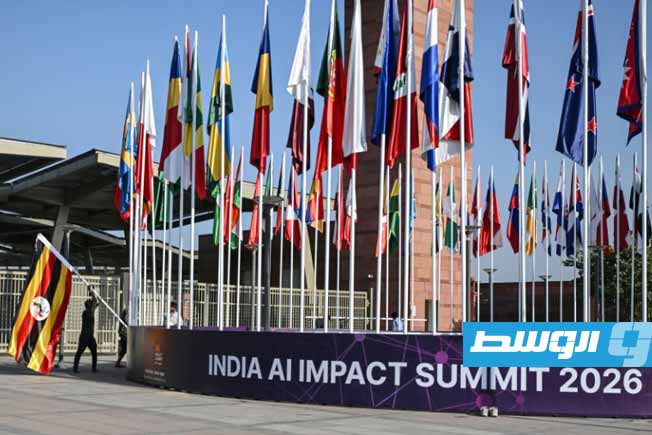
Dozens of world leaders and ministers are expected to issue a statement later on Friday outlining the global approach to AI, at the conclusion of a five-day summit focused on this technology.
UN
The United Nations (UN) is an international organization founded in 1945 after World War II to promote peace, security, and cooperation among nations. It replaced the League of Nations and is headquartered in New York City, with 193 member states working through bodies like the General Assembly and Security Council.
AI Summit
The AI Summit is a global conference series focused on artificial intelligence, launched in 2015 to bring together industry, government, and academia. It serves as a key networking and knowledge-sharing platform, exploring the practical applications, ethics, and future trajectory of AI technology across various sectors.
New Delhi
New Delhi is the capital city of India, officially inaugurated in 1931 as the new seat of the British Indian government, replacing Calcutta. It was designed by British architects Edwin Lutyens and Herbert Baker, featuring wide boulevards and grand colonial-era buildings like the Rashtrapati Bhavan and India Gate. Today, it serves as the political and administrative heart of the Republic of India.
UN General Assembly
The United Nations General Assembly is the main deliberative body of the UN, established in 1945 under the UN Charter. It serves as a forum where all 193 member states have equal representation to discuss and coordinate on international issues, including peace, security, and development.
Independent International Scientific Panel on Artificial Intelligence
The Independent International Scientific Panel on Artificial Intelligence (IISPAI) is a proposed expert body, modeled on the Intergovernmental Panel on Climate Change (IPCC), intended to provide authoritative, science-based assessments on the global impacts and governance of AI. Its history is as a conceptual framework advocated by researchers and policymakers to inform international cooperation and regulation by synthesizing objective research on AI’s risks and societal effects.
Intergovernmental Panel on Climate Change
The Intergovernmental Panel on Climate Change (IPCC) is a United Nations body, established in 1988, tasked with providing objective scientific assessments on climate change, its impacts, and potential future risks. It synthesizes research from thousands of scientists worldwide to inform policymakers, with its reports forming a key basis for international climate negotiations.
UN Global Dialogue on AI Governance
The UN Global Dialogue on AI Governance is a series of international forums convened by the United Nations to build consensus on the global governance of artificial intelligence. It was launched to address the urgent need for inclusive and cooperative frameworks to manage AI’s risks and harness its benefits for sustainable development.
Philippines
The Philippines is an archipelagic nation in Southeast Asia with a history shaped by indigenous kingdoms, Spanish colonization for over 300 years, and subsequent American administration. Its culture is a vibrant fusion of these influences, evident in its historic Catholic churches, festivals, and unique traditions. Key cultural sites include the Baroque Churches of the Philippines, the historic city of Vigan, and the breathtaking Banaue Rice Terraces, which were carved into mountains over 2,000 years ago.
Canada
Canada is a North American country formed in 1867 through Confederation, evolving from earlier British and French colonial territories. It is known for its vast landscapes, multicultural society, and a constitutional monarchy that recognizes both English and French as official languages.