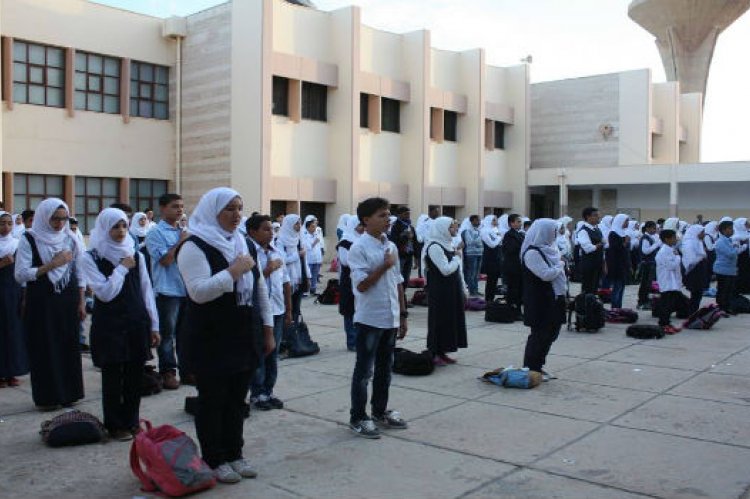
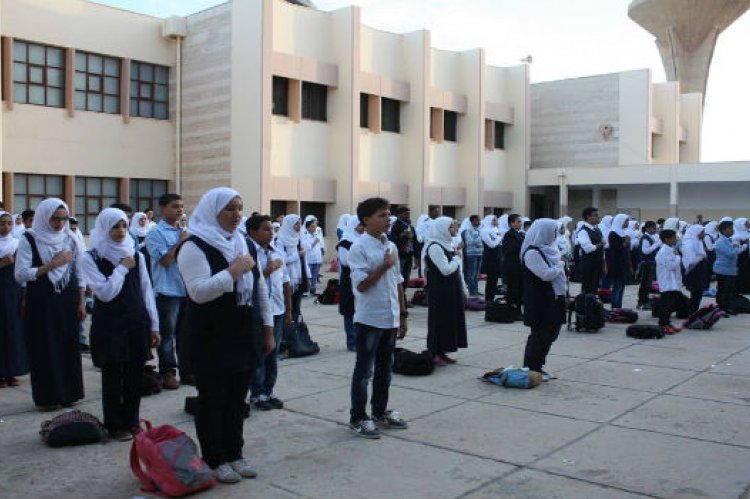
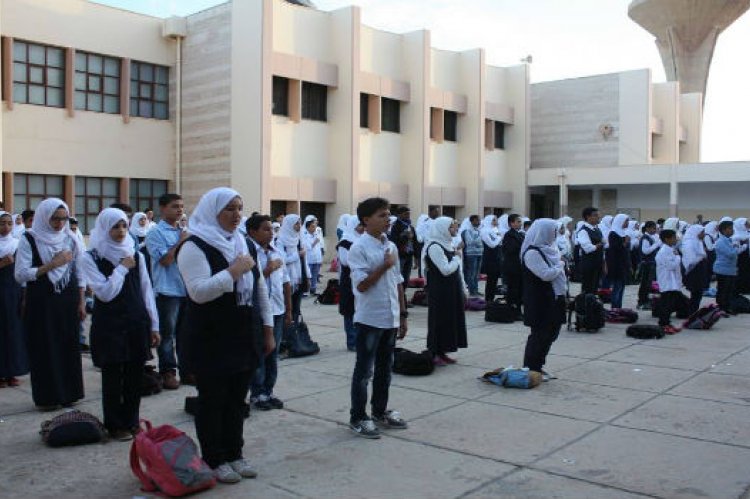
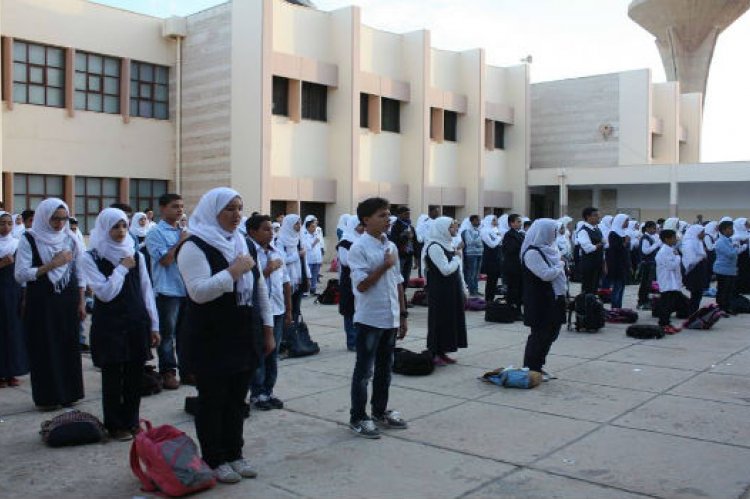
The National Examination Center publishes lists of approved and registered private schools in its system across several municipalities.
libyawire.org > News > Society > The National Examination Center publishes lists of approved and registered private schools in its system across several municipalities.
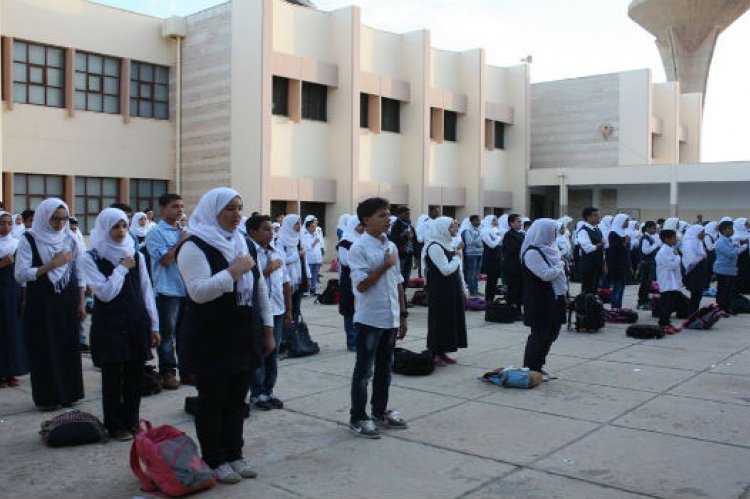
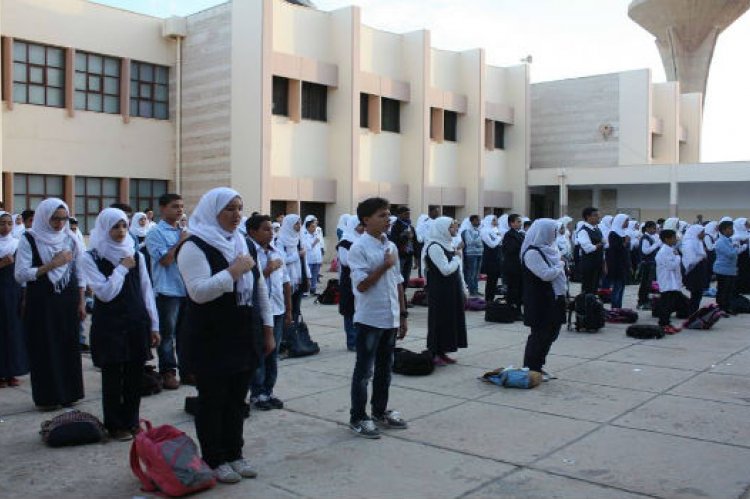
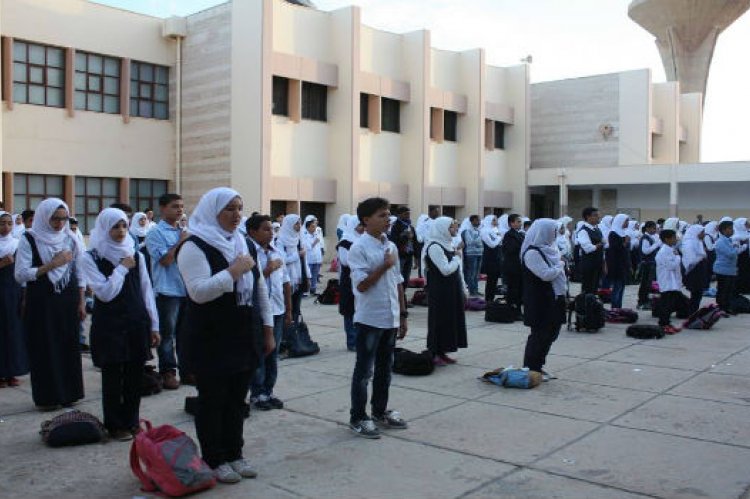
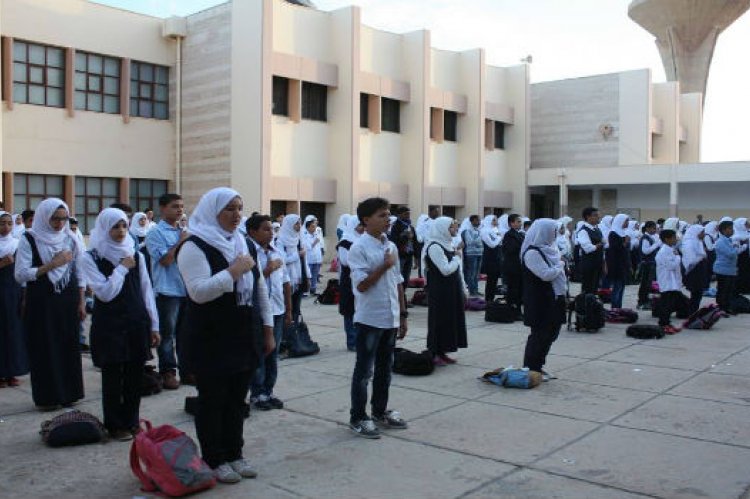
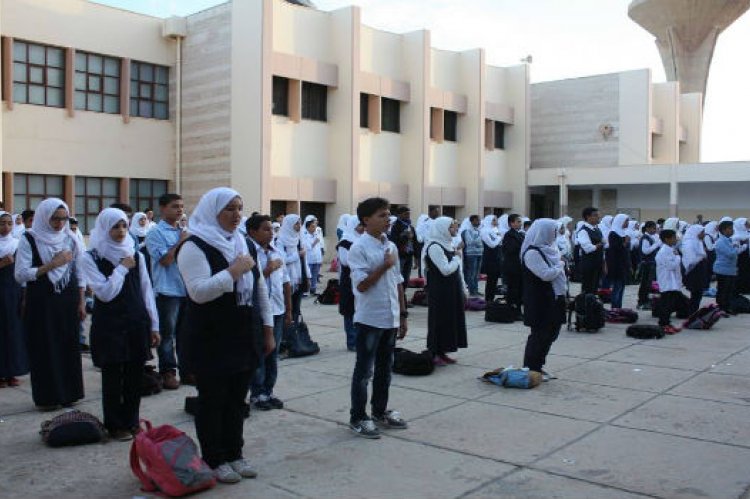
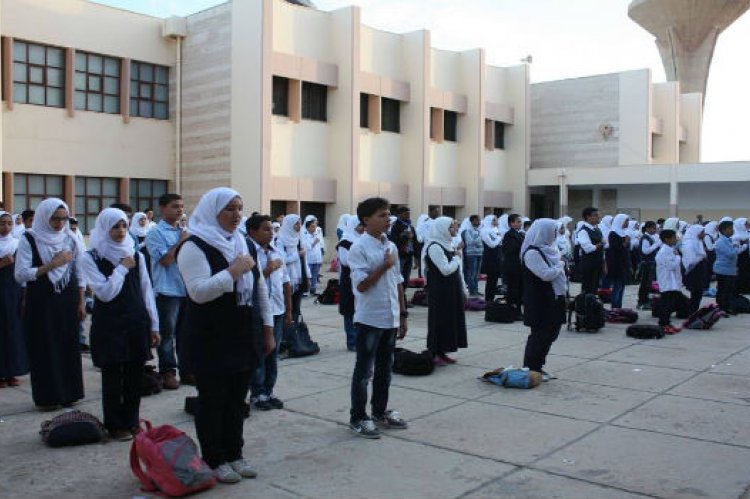
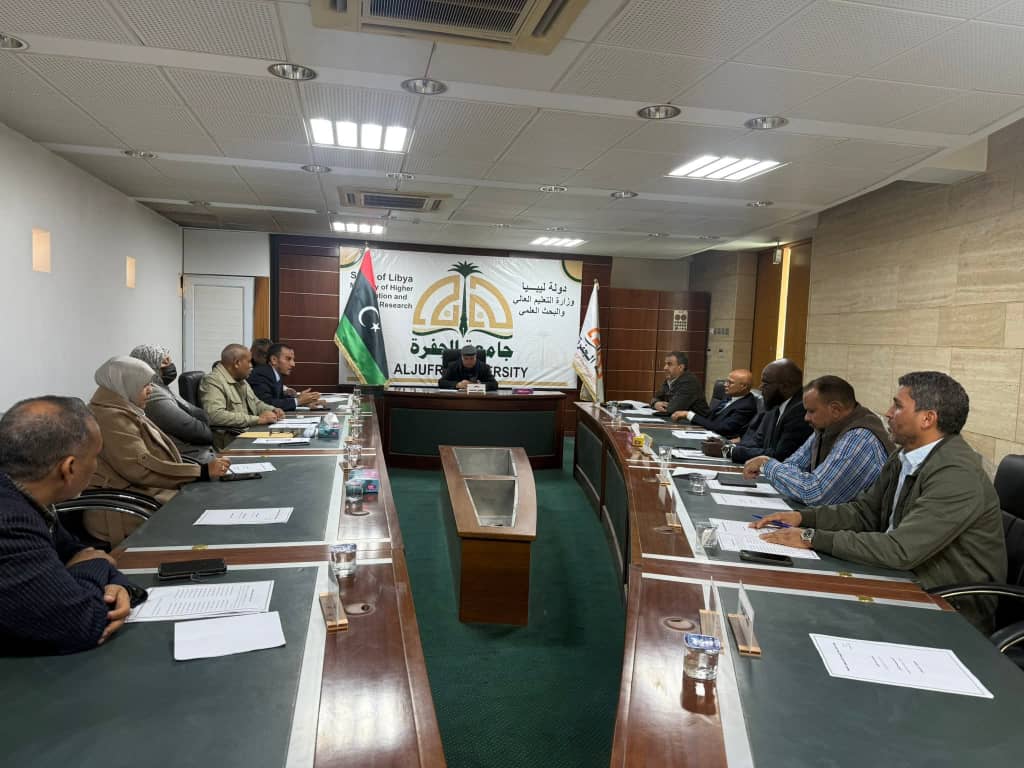
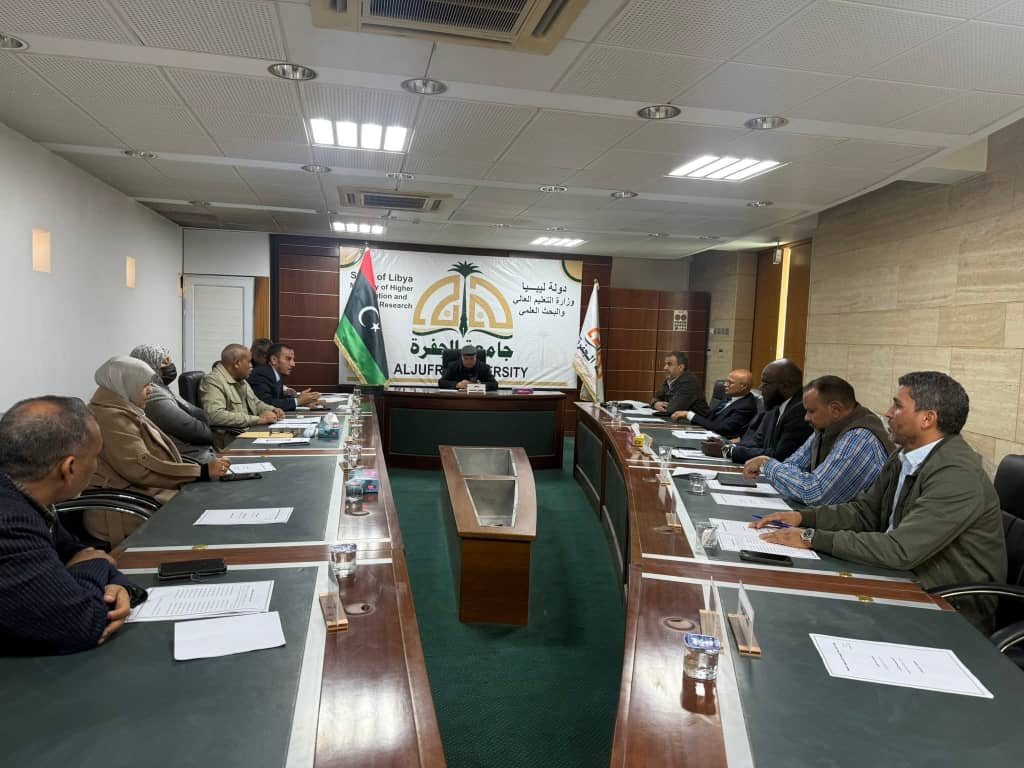
Tripoli, February 20, 2026 – The National Examinations Center announced the lists of approved and registered private schools within its system in several municipalities for the 2025–2026 academic year. It clarified the educational stages taught by each school according to the approved models referred by the Private Education Administration.
The announcements included the municipalities of “Al-Qubbah – Umm ar-Ruzum – Al-Qayqab – Derna – Wardamah al-Sahel – Al-Jaghbub – Shahat – Al-Bayda'”. The Center emphasized its commitment to providing accurate and transparent information for parents and those interested in educational affairs.
The Center explained that this step comes within the framework of the transparency principle it adopts, regulating the educational process, and ensuring the quality of education in private schools. This contributes to enabling students and parents to make informed decisions about education.
The Center invited interested parties to review the lists and results via the official link on the National Examinations Center’s page.
The National Examinations Center is the official body responsible for organizing and monitoring examinations in Libya, including both public and private schools.
…
Tripoli
Tripoli is the capital and largest city of Libya, located on the country’s Mediterranean coast. Historically, it was founded by the Phoenicians in the 7th century BC and has since been ruled by the Romans, Arabs, Ottomans, Italians, and others, serving as a major port and cultural crossroads. Its historic core, the medina of Old Tripoli, contains well-preserved examples of its diverse architectural heritage.
Al-Qubbah
Al-Qubbah is a historic palace located in Tripoli, Libya, originally constructed in the 19th century under Ottoman rule. It later served as a royal residence for the Libyan monarchy and is known for its distinctive architectural blend of Ottoman, Italian, and traditional Libyan styles.
Umm ar-Ruzum
Umm ar-Ruzum is an archaeological site in Jordan, known for its collection of ancient Nabataean rock inscriptions and carvings. These inscriptions provide valuable insights into the Nabataean civilization, which flourished in the region from around the 4th century BCE to the 1st century CE, prior to the Roman annexation.
Al-Qayqab
Al-Qayqab is a historical fortress located in Libya, believed to have been constructed during the Ottoman period to serve as a defensive stronghold. Its strategic position was used to control and monitor surrounding trade routes and movements in the region.
Derna
Derna is a historic port city in eastern Libya, situated in a fertile valley along the Mediterranean coast. It has a long history dating back to ancient Greek and Roman periods and was later a significant center under Ottoman rule, known for its distinctive architecture and cultural heritage. The city has faced significant challenges in recent years, particularly from catastrophic flooding in 2023.
Wardamah al-Sahel
Wardamah al-Sahel is a coastal archaeological site in Syria, located near the city of Jableh. It is historically significant for its well-preserved Roman-era ruins, which include a theater, baths, and residential buildings, reflecting its importance as a settlement during the classical period.
Al-Jaghbub
Al-Jaghbub is an oasis town in eastern Libya, historically significant as the location of the Senussi University and the tomb of Muhammad ibn Ali as-Senussi, the founder of the Senussi order. It served as a major religious and educational center for the Senussi movement in the 19th and early 20th centuries. The town’s isolation in the desert helped protect its scholarly and spiritual traditions.
Shahat
Shahat is the modern name for the ancient Greek city of Cyrene, located in present-day Libya. Founded in the 7th century BCE, it became a major center of the Hellenistic world and later a significant Roman city. Its extensive ruins, a UNESCO World Heritage site, include temples, tombs, and a well-preserved agora.
Al-Bayda’
Al-Bayda’ is a city in northeastern Libya, historically known as one of the country’s early modern capitals. It served as the seat of the Kingdom of Libya under King Idris I from 1963 until the 1969 coup. The city is also notable for its location in the Green Mountains and its University of Omar Al-Mukhtar.
Libya
Libya is a North African country with a rich history rooted in ancient civilizations like the Phoenicians and Romans, followed by centuries of Arab and Ottoman influence. In the modern era, it was an Italian colony before gaining independence in 1951, later becoming known for Muammar Gaddafi’s lengthy rule from 1969 until the 2011 revolution. Its cultural sites include the extensive Roman ruins at Leptis Magna, a UNESCO World Heritage site.
National Examinations Center
The National Examinations Center is an institution responsible for administering and overseeing standardized academic and professional examinations in its respective country. Its history is tied to the development of national education systems, often established to ensure fairness, uniformity, and quality control in student assessment and certification.
Private Education Administration
The Private Education Administration is a regulatory body in South Korea that oversees private schools and institutions, ensuring they comply with national education standards. It was established to manage the significant role of private education within the country’s system, historically evolving to address quality control and equitable access in a sector that has been both culturally and academically influential.