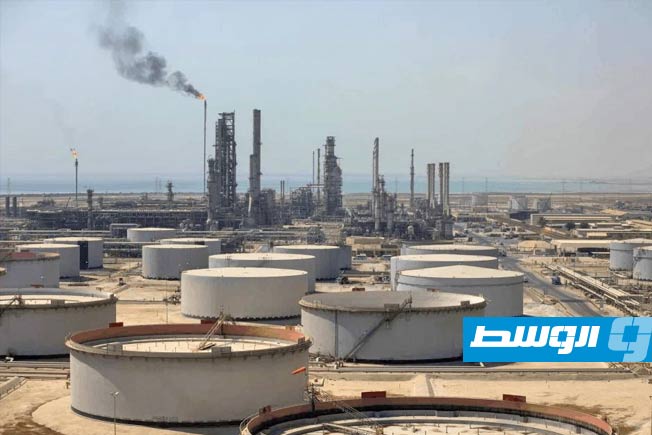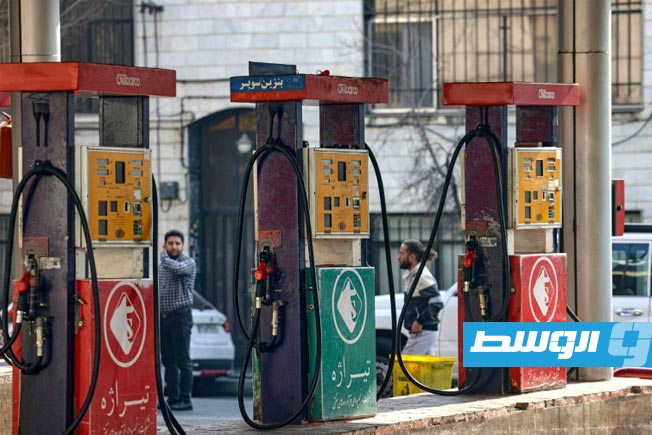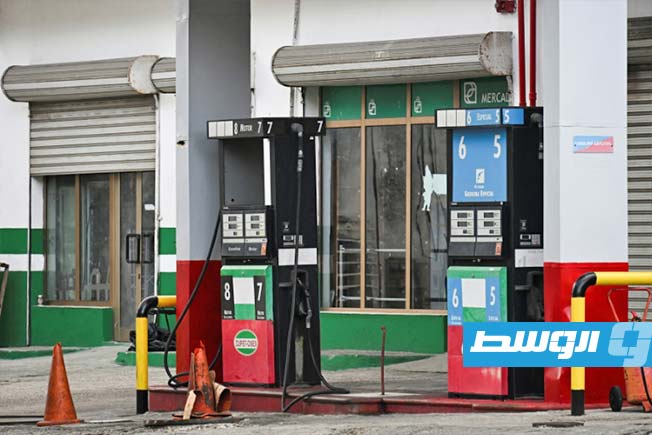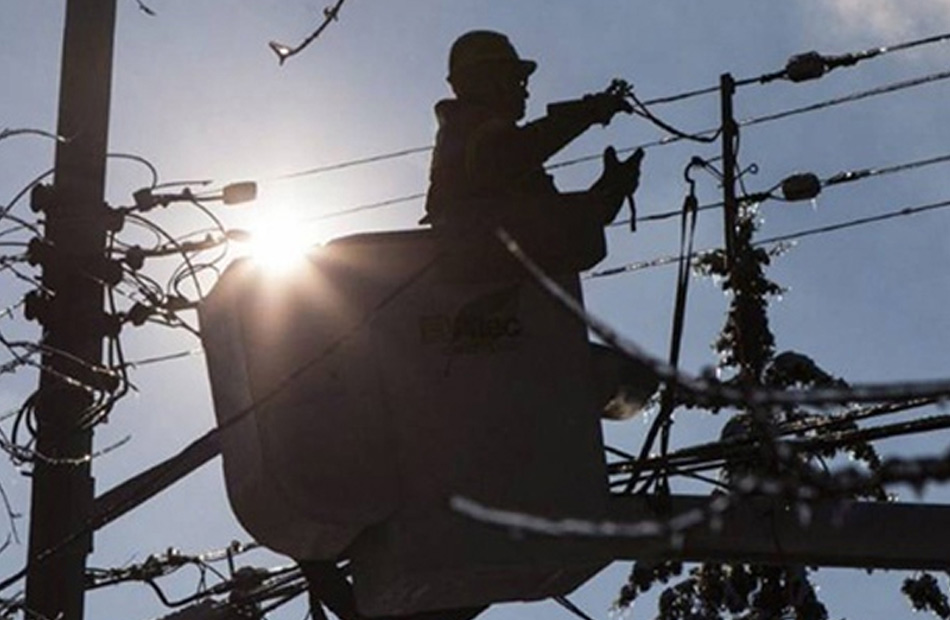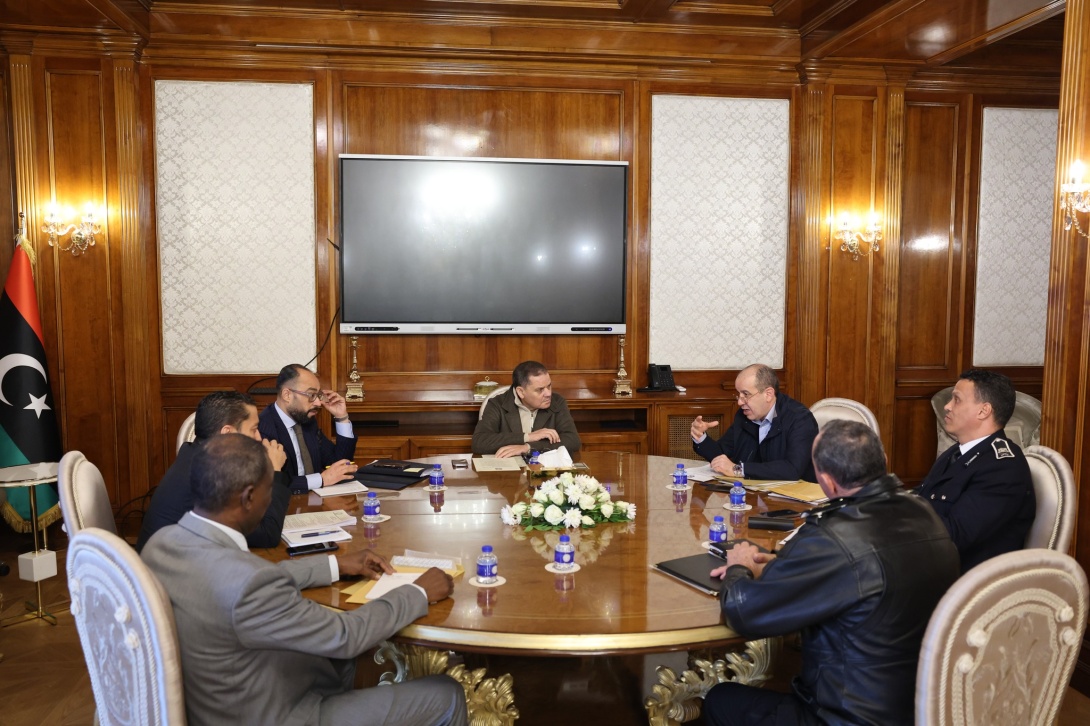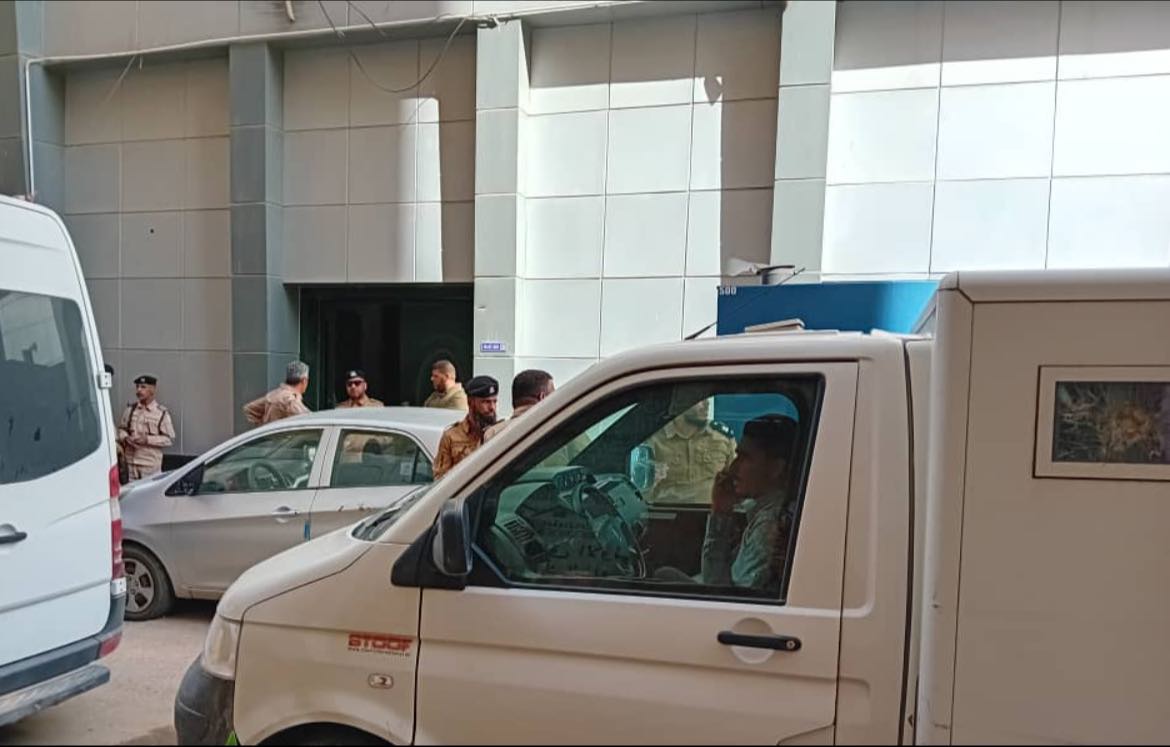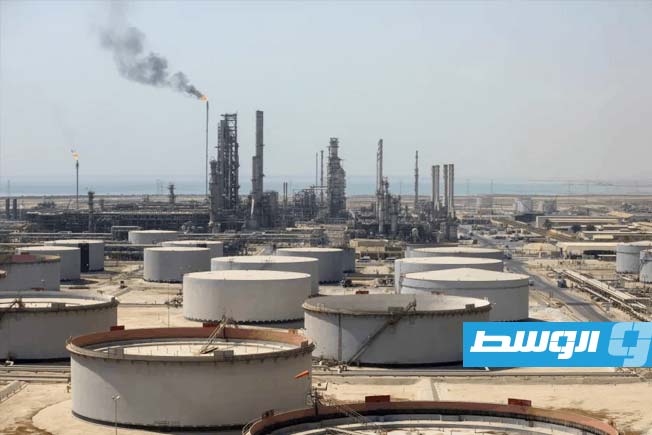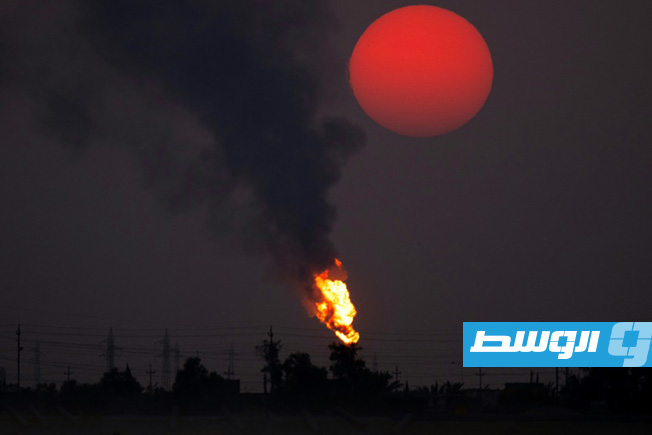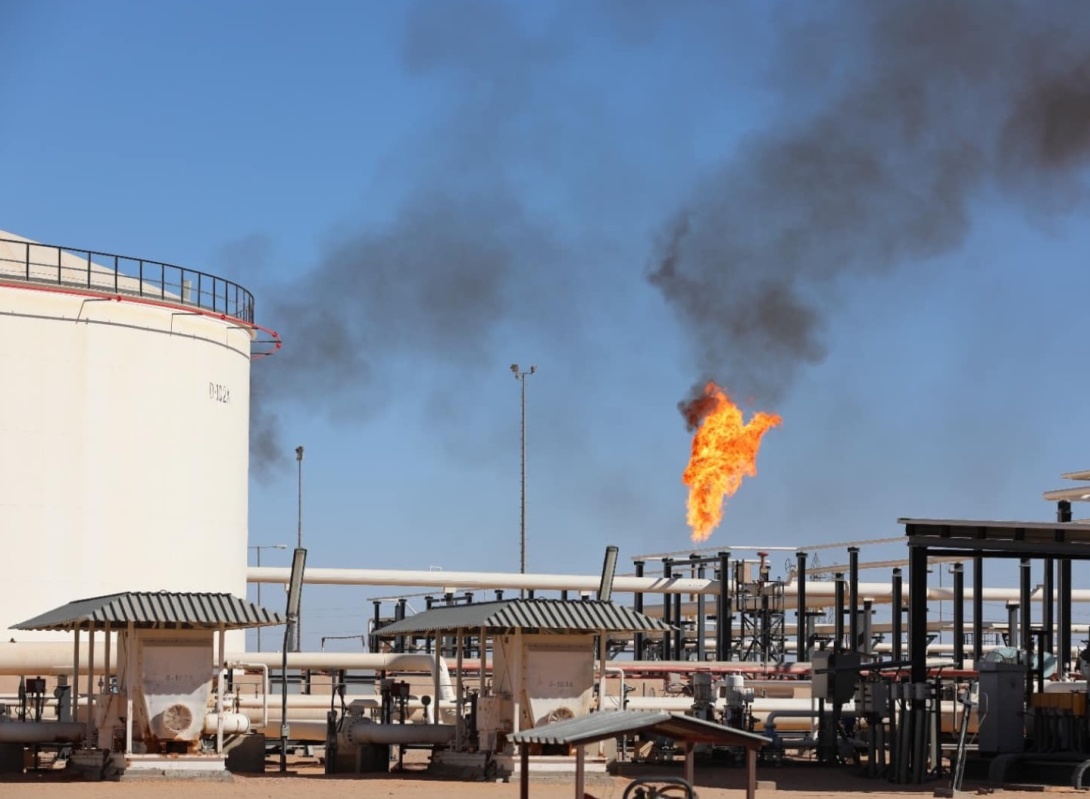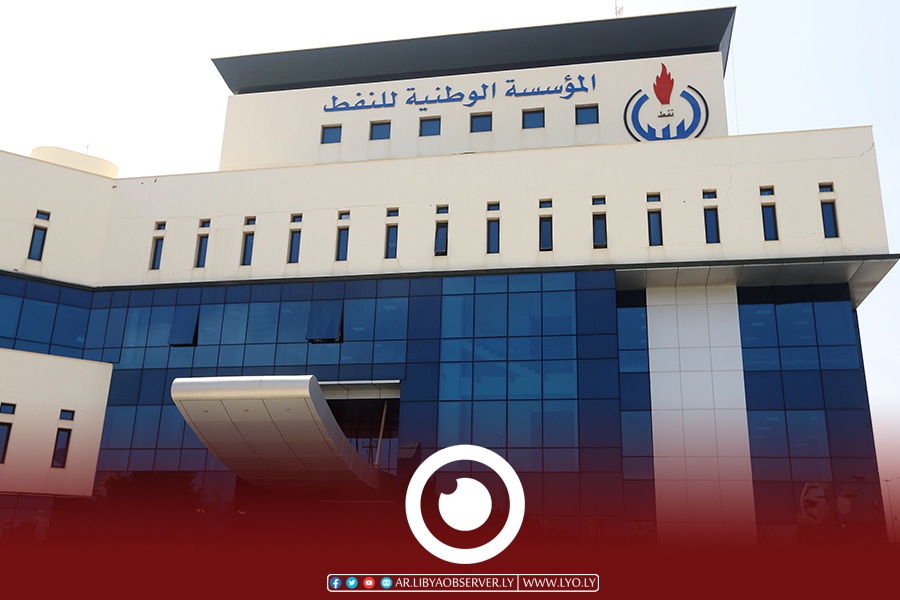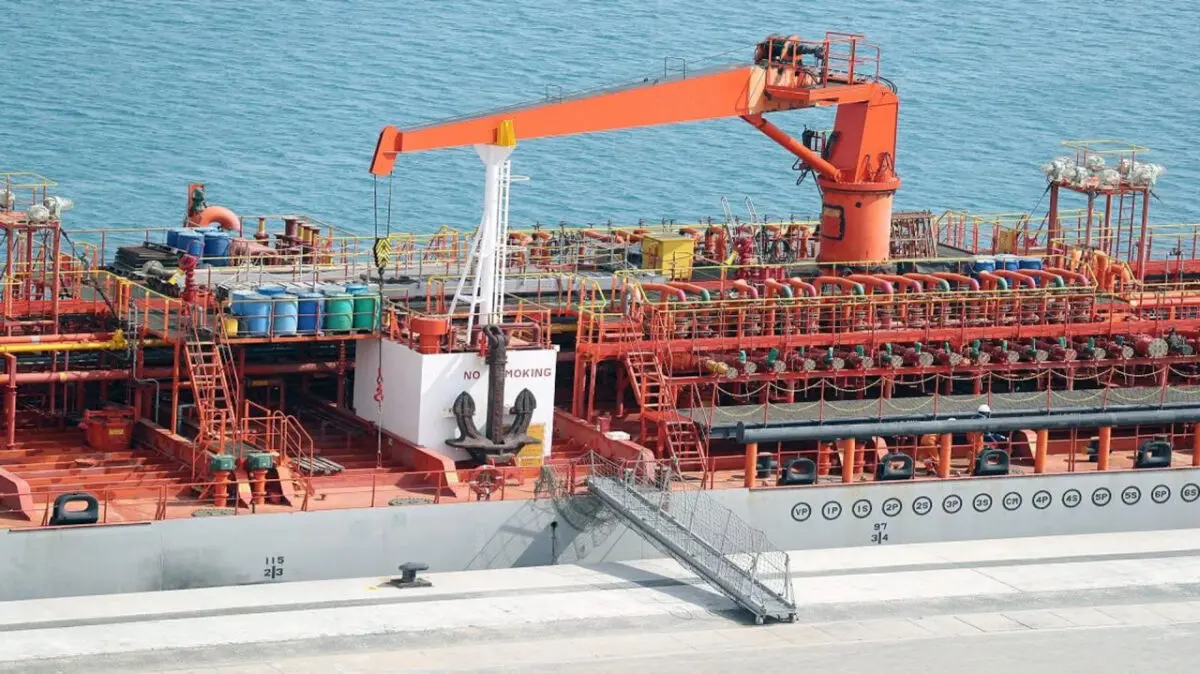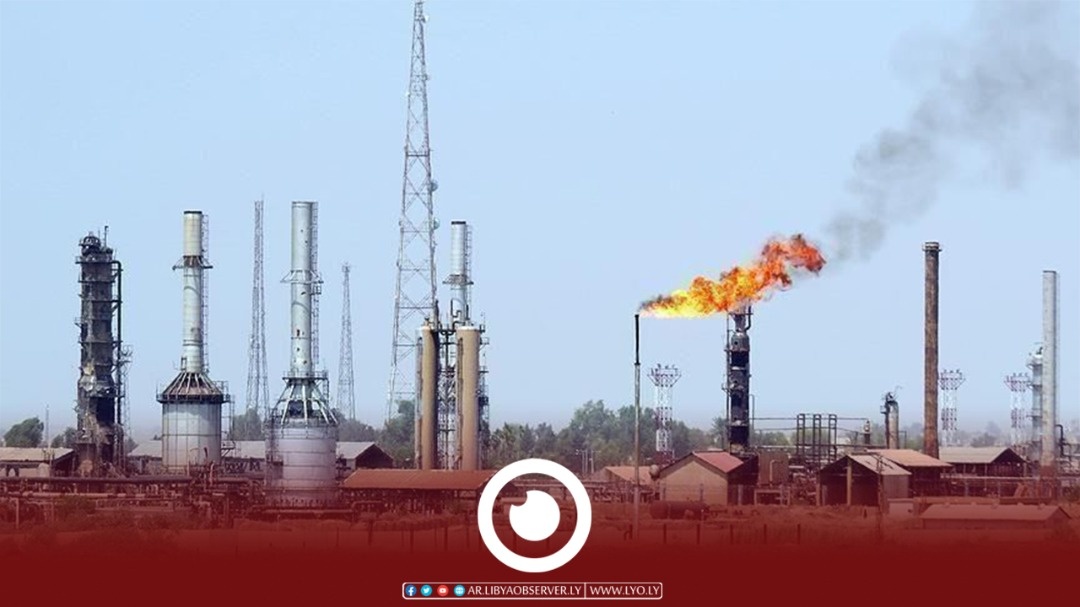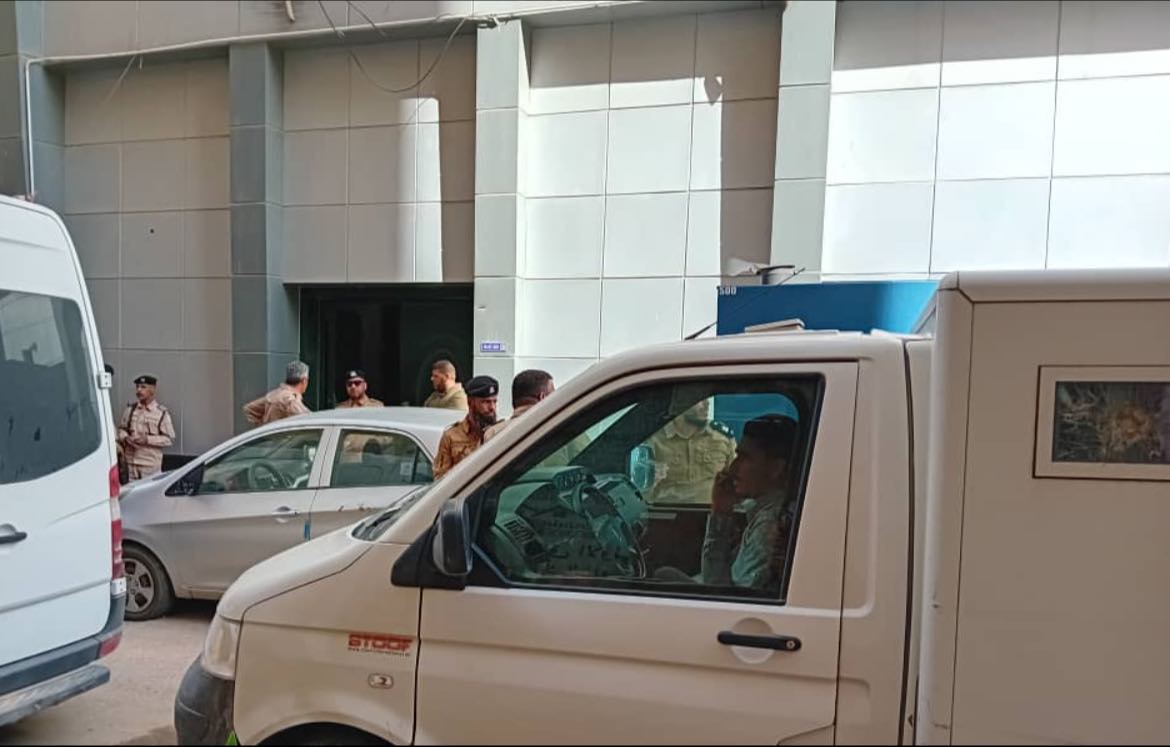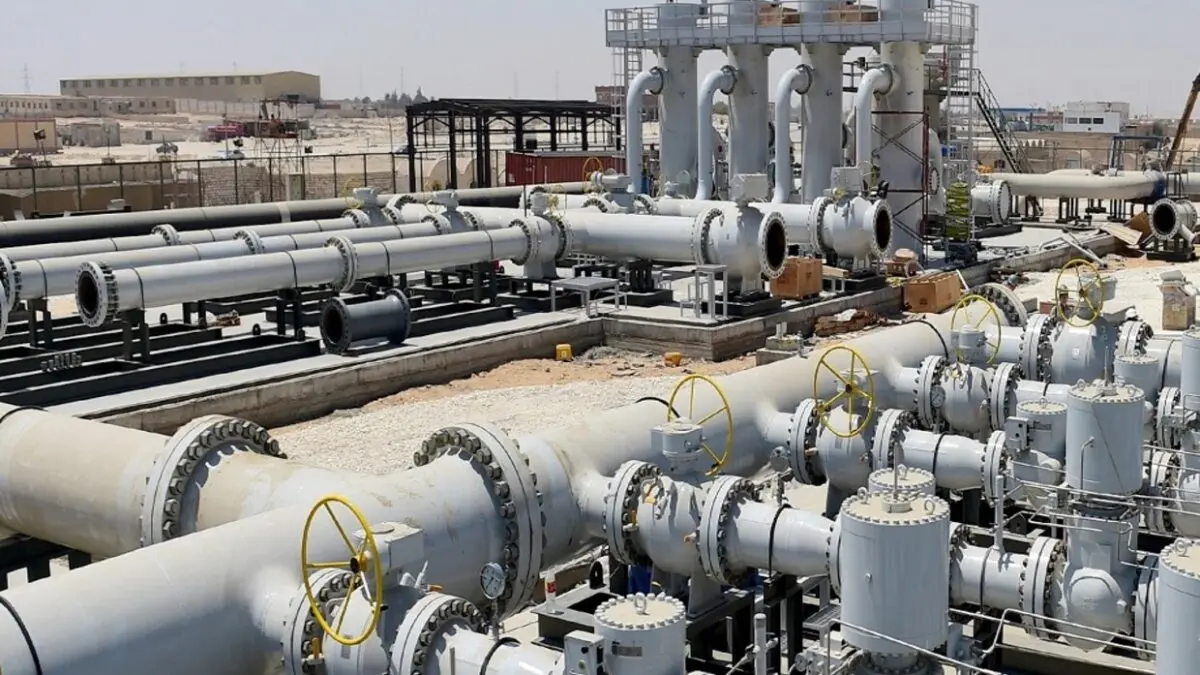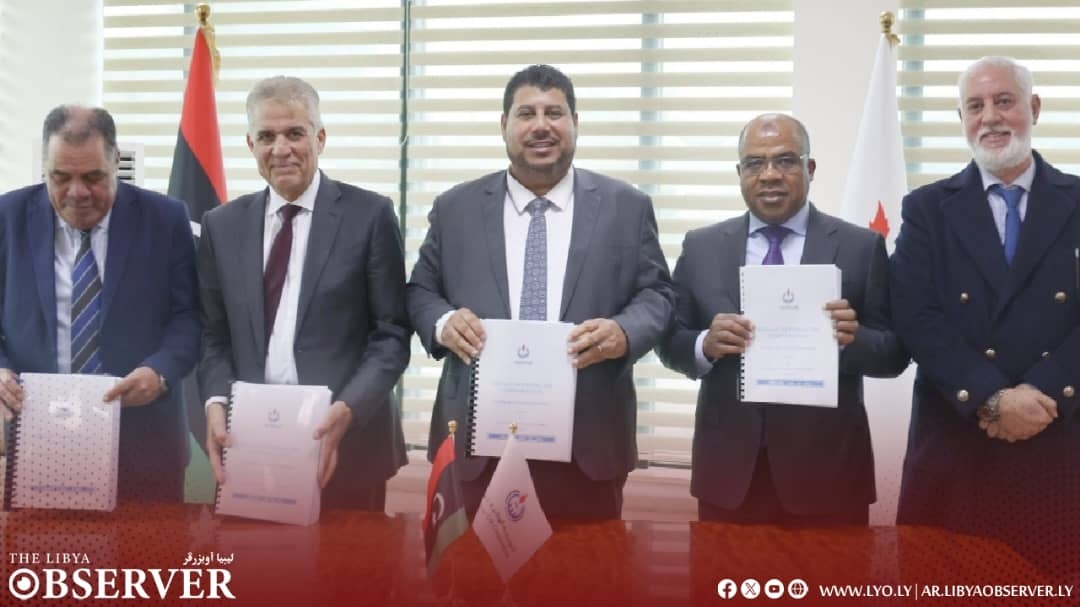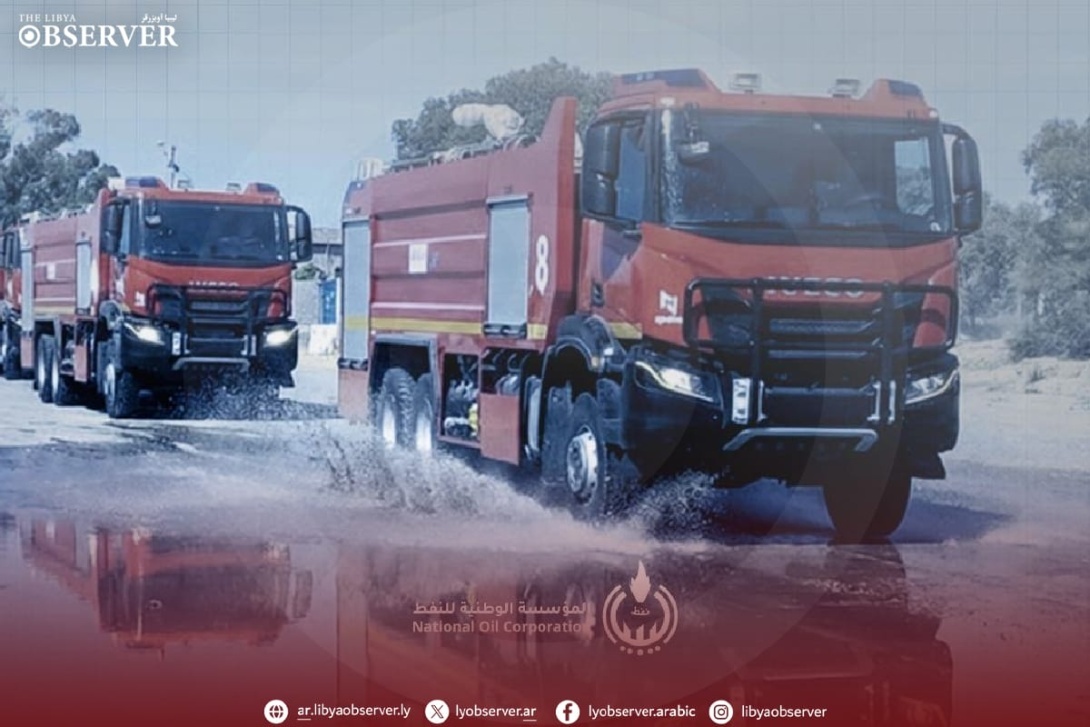
Brega Oil Marketing Company has received 20 modern fire engines to enhance safety measures at its facilities.
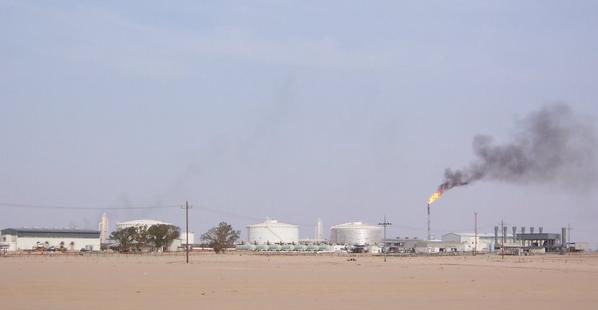
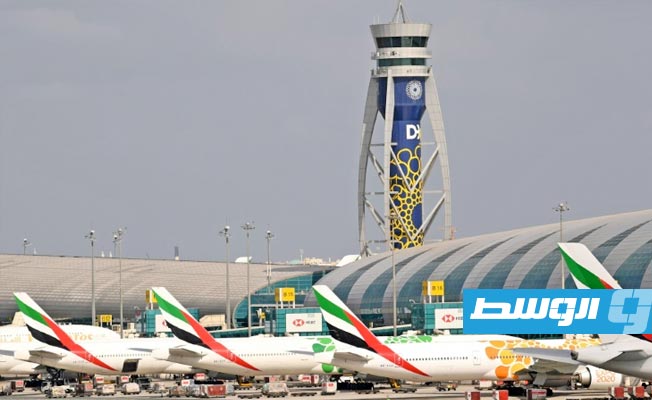
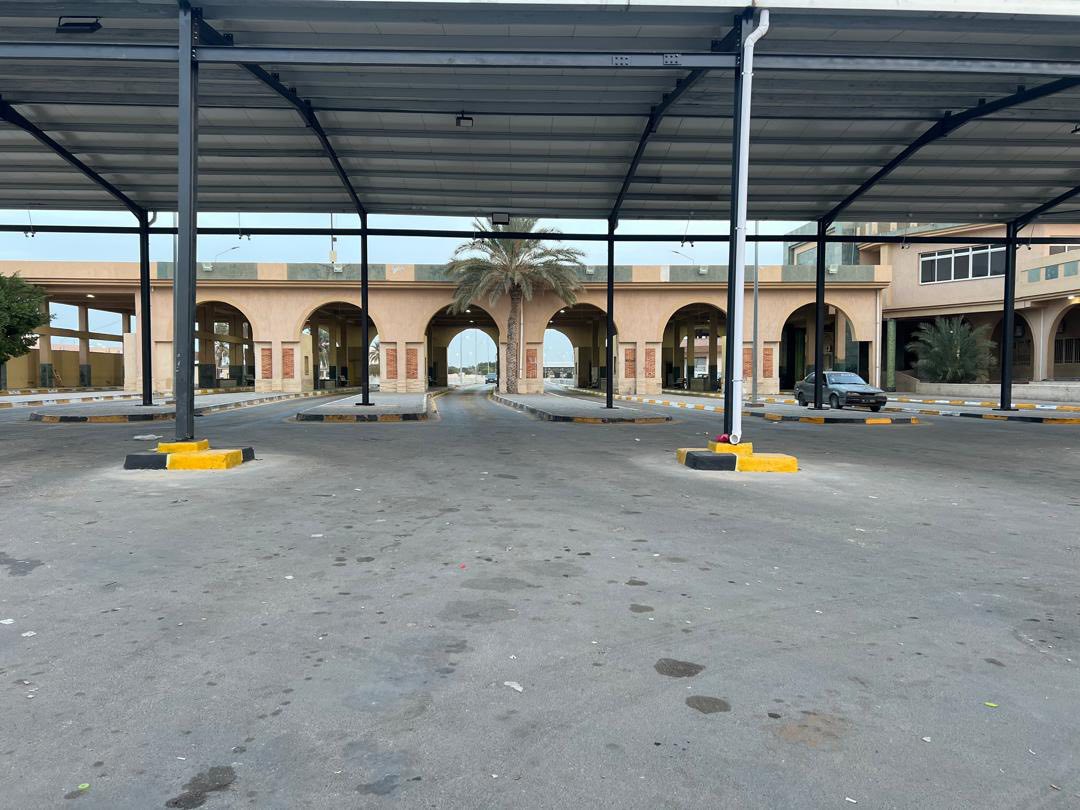
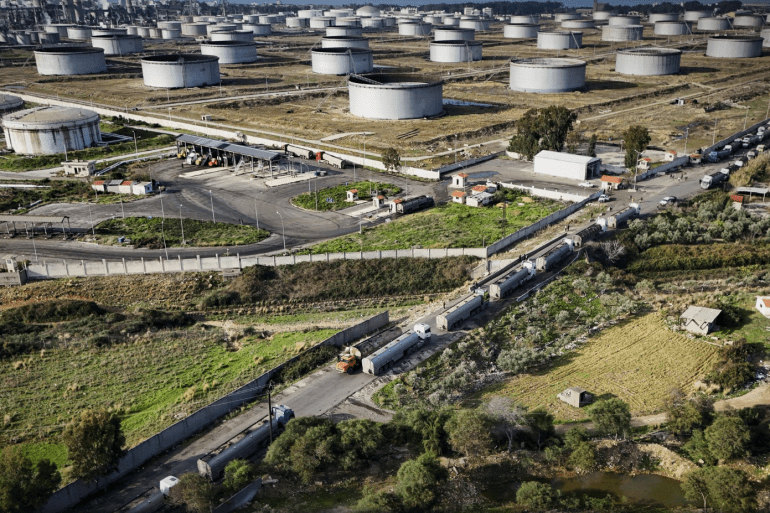
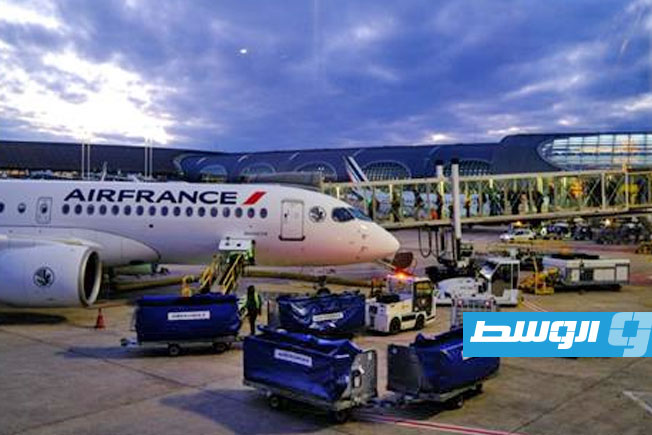
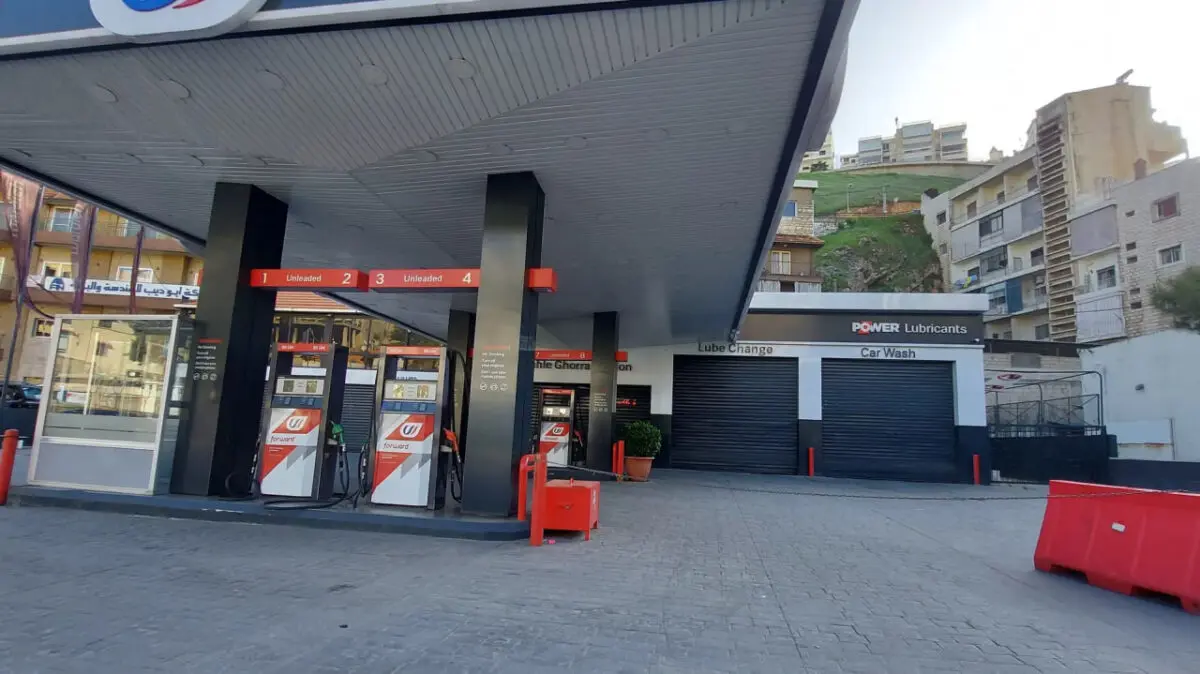
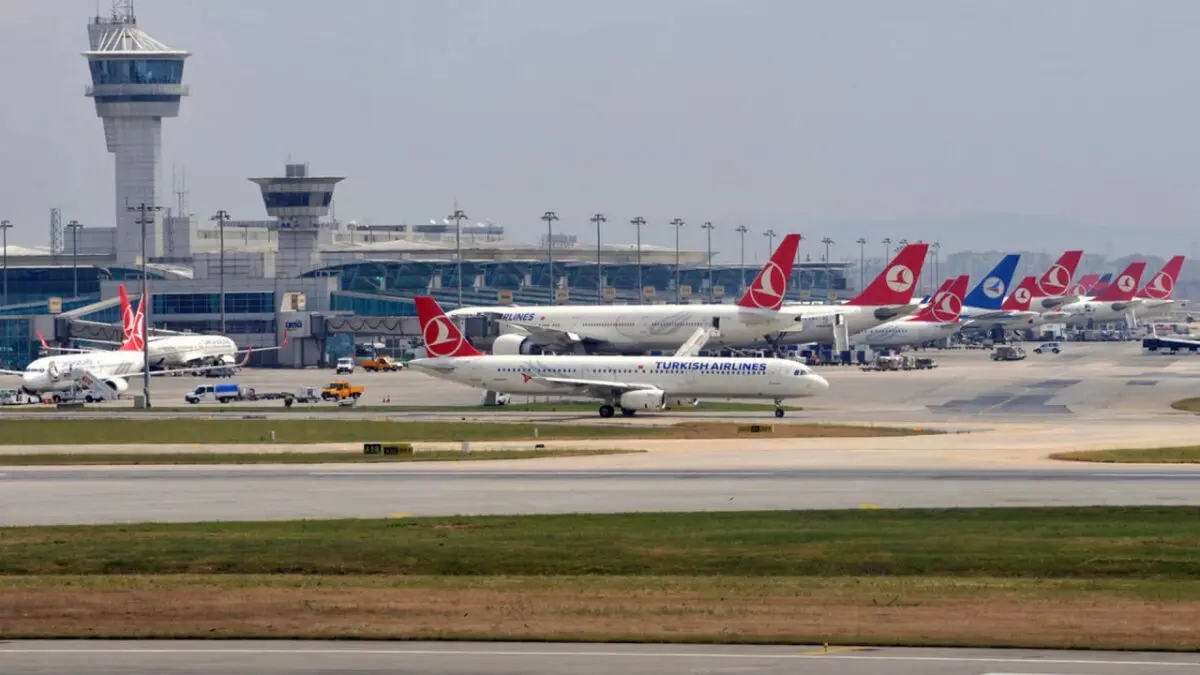
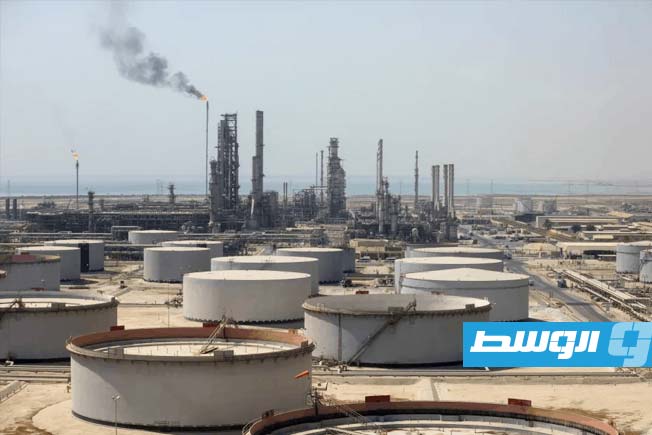
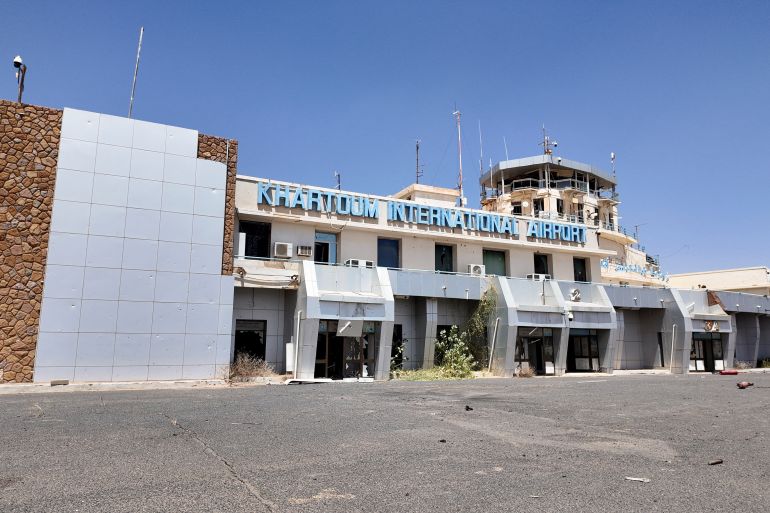
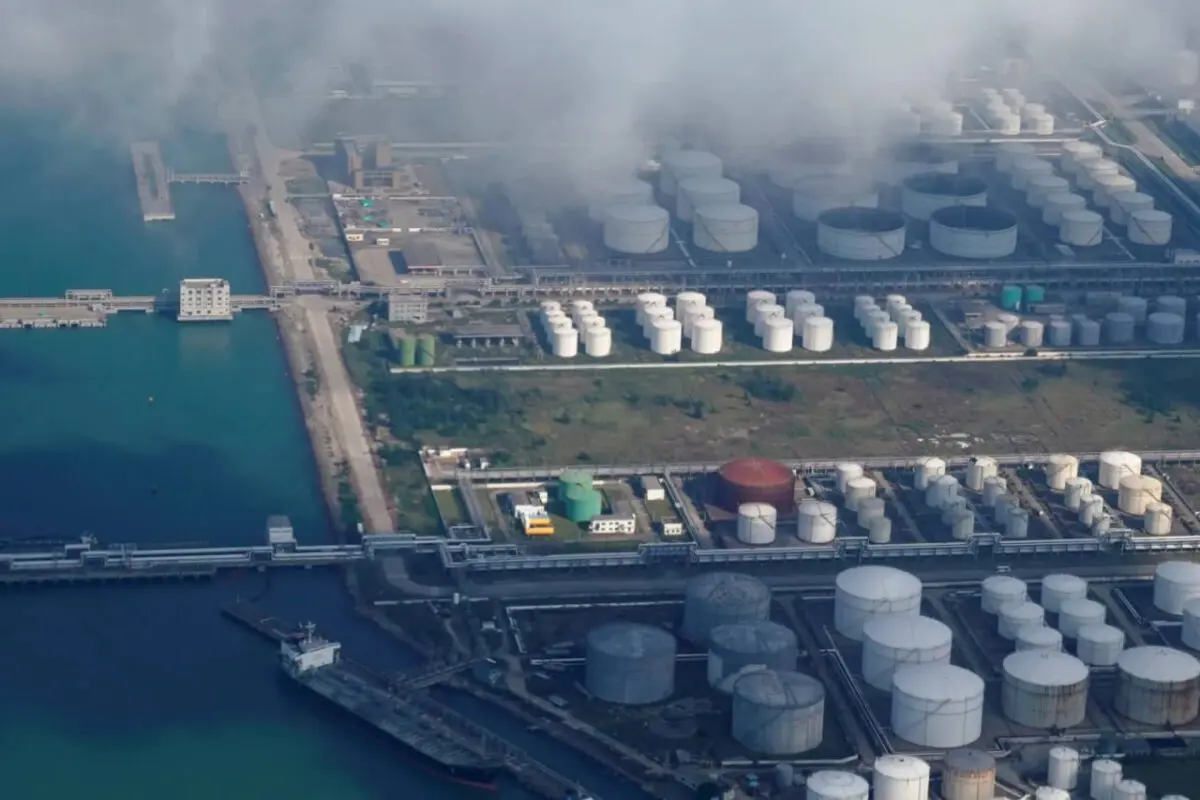
Seven of these vehicles have been allocated to airport fuel depots after completing registration with transport authorities. The remaining trucks will be distributed to depots in Tobruk, Ras al-Mangar, Misrata, Tripoli, Zawiya, Sebha, and Sarir.
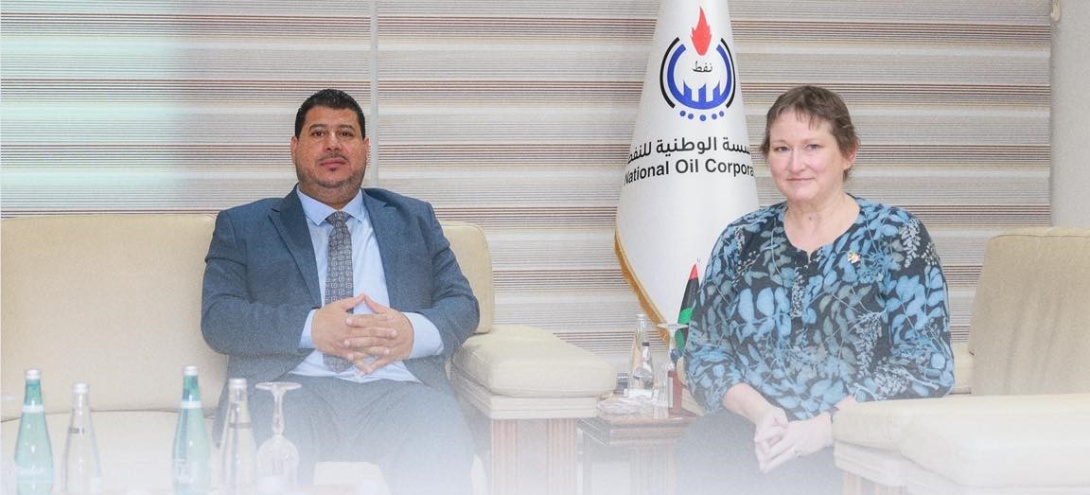
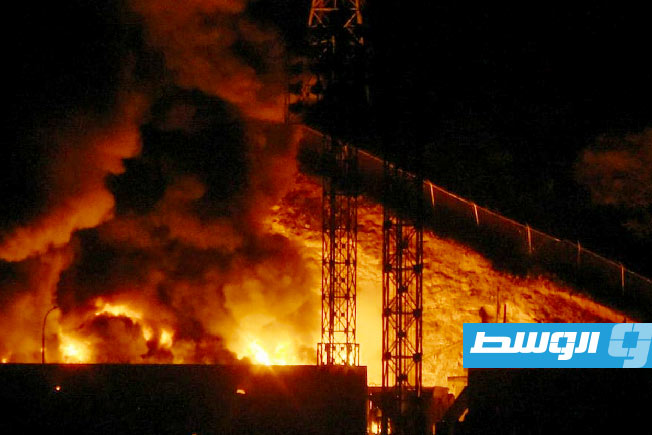
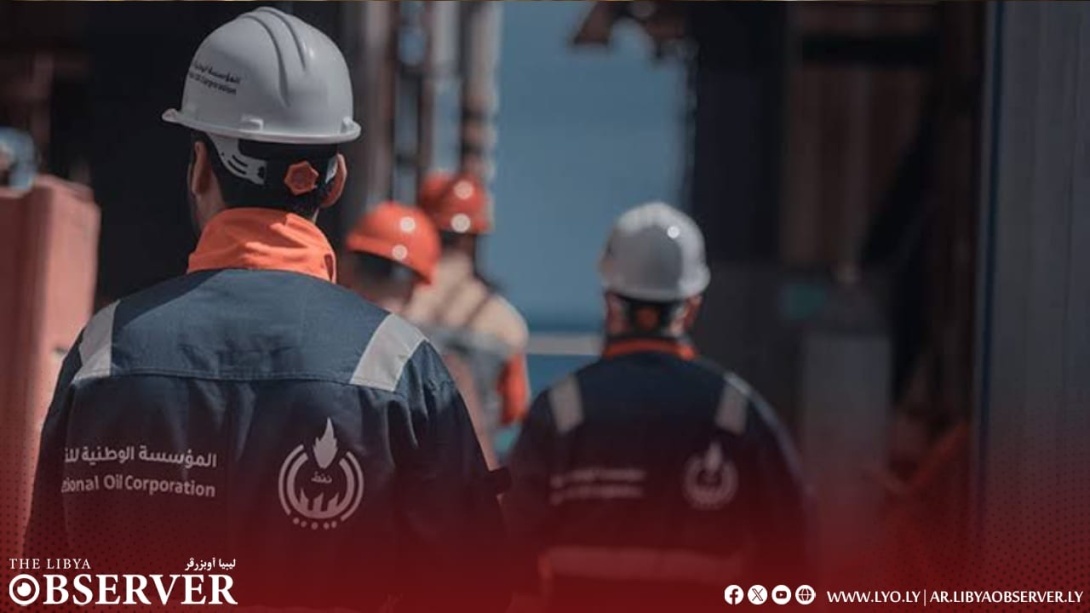
The company stated that the new additions will improve rapid response capabilities and protect lives and property from fire hazards. It added that safety remains a core priority for the National Oil Corporation, which oversees Libya’s oil sector.
Brega Oil Marketing Company
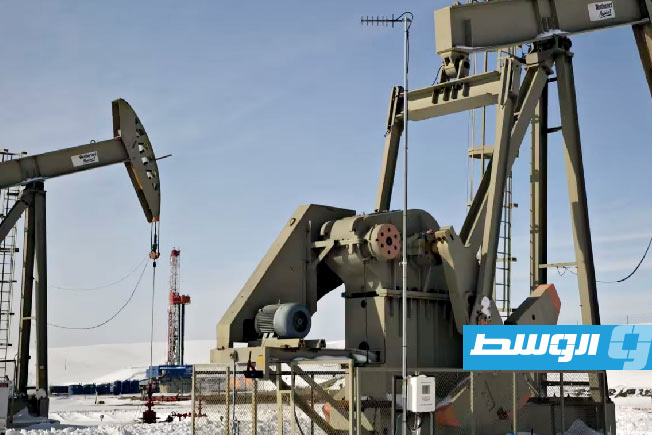
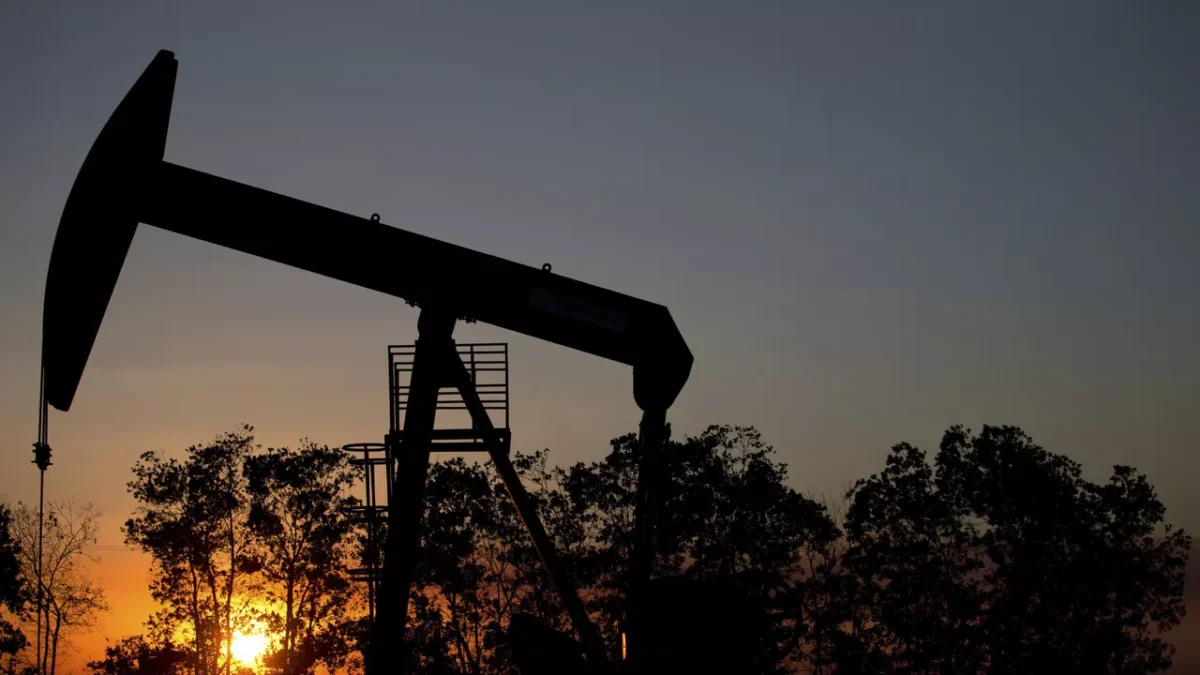
The Brega Oil Marketing Company is a major state-owned petroleum corporation in Libya, historically established in 1971 as part of the country’s nationalization of its oil industry. It plays a central role in the distribution, marketing, and export of refined petroleum products across Libya and internationally.
Tobruk
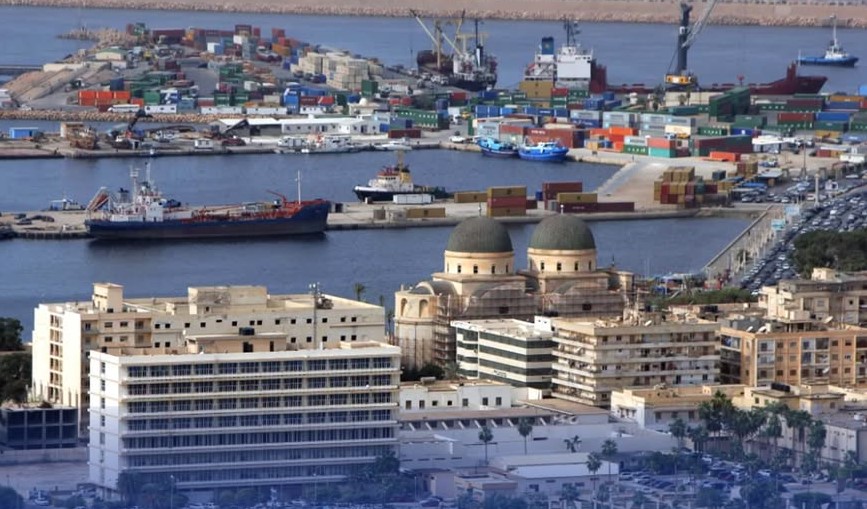
Tobruk is a port city in eastern Libya, historically significant for its natural harbor. It gained prominence during World War II as the site of a prolonged and pivotal siege between Allied and Axis forces from 1941 to 1942. The city’s history also includes its role as a capital for the Libyan government during the 2011 civil war.
Ras al-Mangar
Ras al-Mangar is a village in southern Lebanon, historically known for its significant Maronite Christian population and its ancient monastery, Deir al-Mangar. The area has been a longstanding center of Maronite religious and cultural life, with its history deeply intertwined with the broader narrative of Christian communities in the Mount Lebanon region.
Misrata
Misrata is a major port city on the Mediterranean coast of northwestern Libya, historically known as a key trading and commercial center since at least the 7th century. It gained significant modern prominence for its pivotal and prolonged resistance against siege during the 2011 Libyan Civil War, which cemented its reputation as a city of resilience. Today, it remains one of Libya’s most important economic hubs, with industries ranging from steel production to textiles.
Tripoli
Tripoli is the capital and largest city of Libya, located on the country’s Mediterranean coast. Historically, it was founded by the Phoenicians in the 7th century BC and has since been ruled by the Romans, Arabs, Ottomans, and Italians, serving as a major port and cultural crossroads. Its historic core, the medina of Old Tripoli, contains significant architecture from these various periods.
Zawiya
A zawiya is a North African Islamic religious complex, often serving as a mosque, school, and community center, historically associated with Sufi brotherhoods. These sites were founded around the tomb of a saintly scholar and became hubs for spiritual teaching, charity, and local governance. Many zawiyas date back to the medieval period and remain active centers of religious and social life.
Sebha
Sebha is a major city in southwestern Libya, historically serving as a key crossroads for trans-Saharan trade routes. It gained prominence in the 20th century as a central hub for the Fezzan region and was a significant base for the Libyan military under Muammar Gaddafi’s rule.
Sarir
Sarir was a medieval Christian kingdom located in the North Caucasus region, flourishing between the 9th and 12th centuries. It was known for its strategic position and its role as a buffer state between the Khazar Khaganate and the Arab Caliphates, with its history marked by complex political and religious interactions in the area.
National Oil Corporation
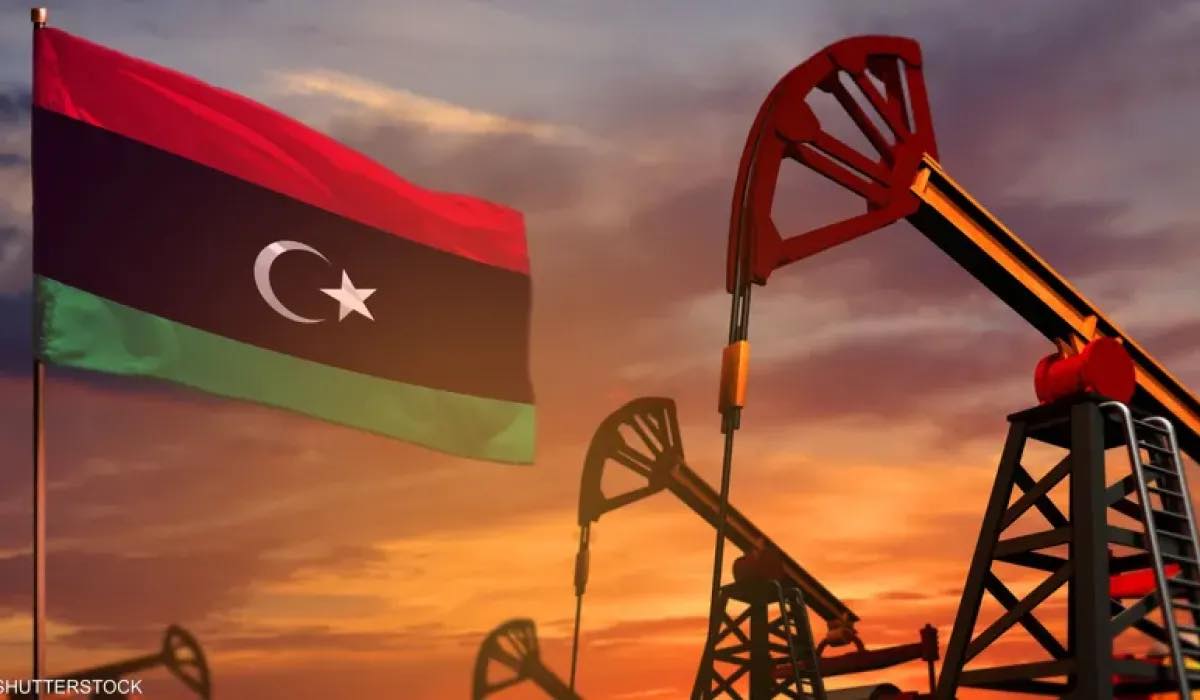
The National Oil Corporation (NOC) is the state-owned oil company of Libya, established in 1970 to manage the country’s hydrocarbon resources. It oversees all aspects of Libya’s oil and gas production, from exploration to export, and has been a central pillar of the national economy since its founding.
Libya
Libya is a North African country with a rich history rooted in ancient civilizations like the Phoenicians and Romans, followed by centuries of Arab and Ottoman influence. In the modern era, it was an Italian colony before gaining independence in 1951, later becoming known for Muammar Gaddafi’s lengthy rule from 1969 until the 2011 revolution. Its cultural sites include the well-preserved Roman ruins of Leptis Magna, a UNESCO World Heritage site.