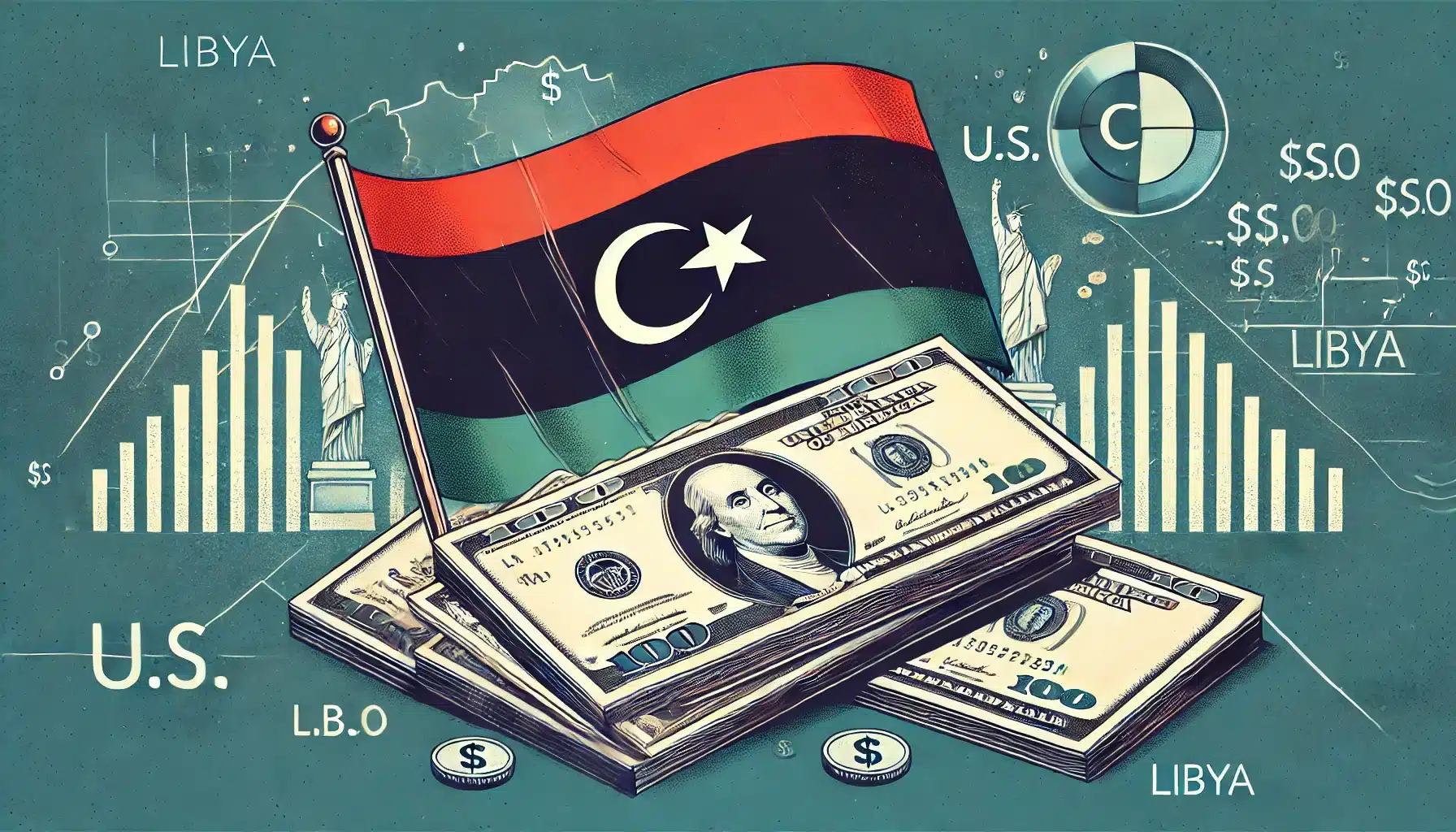
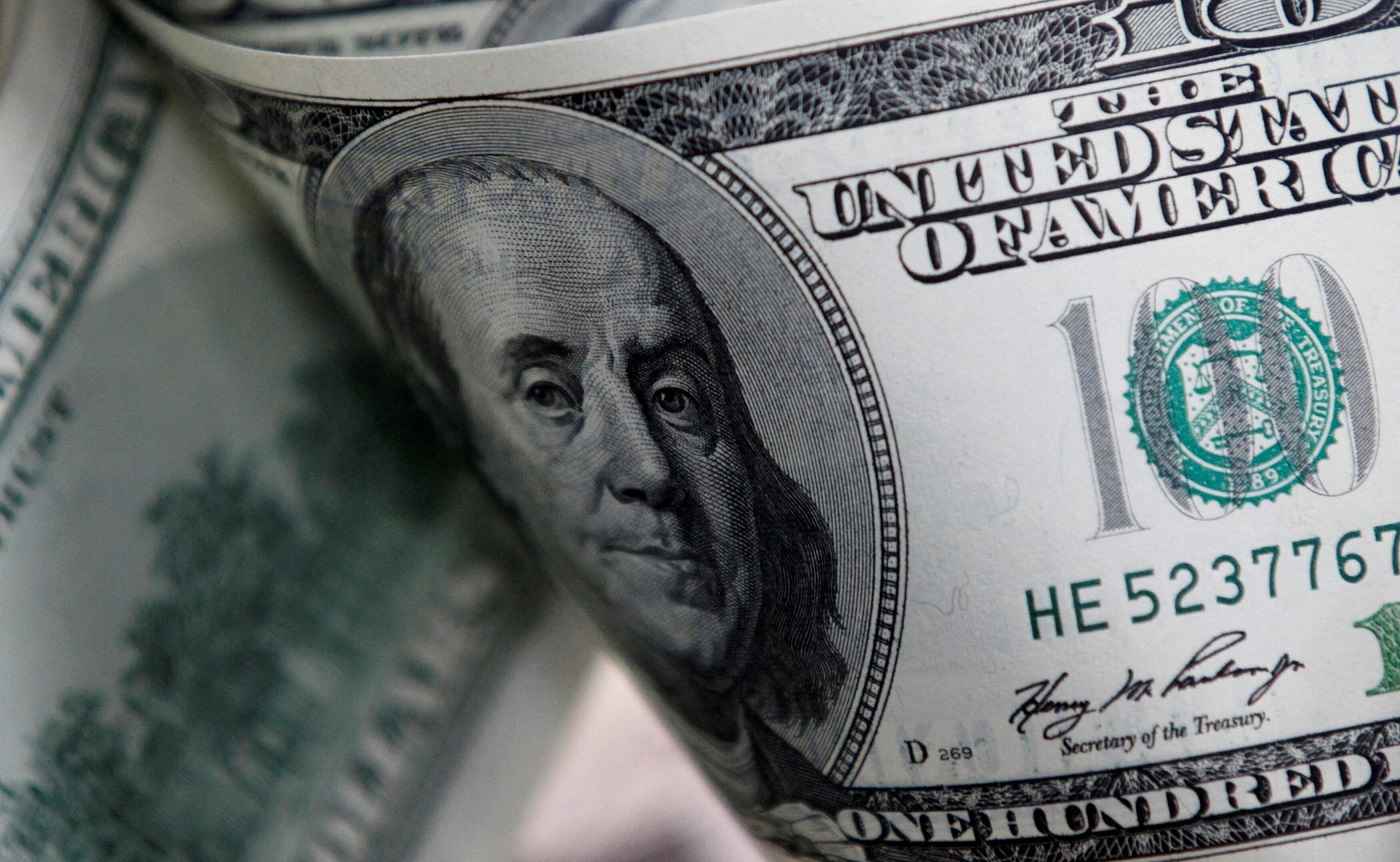
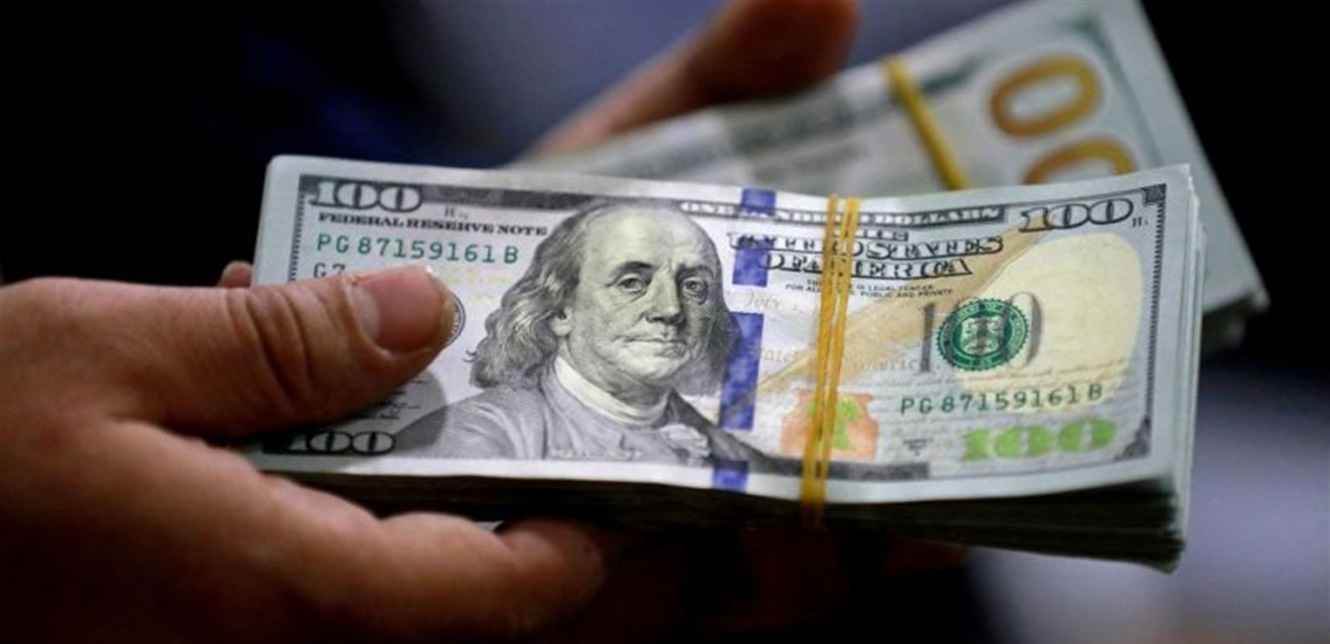
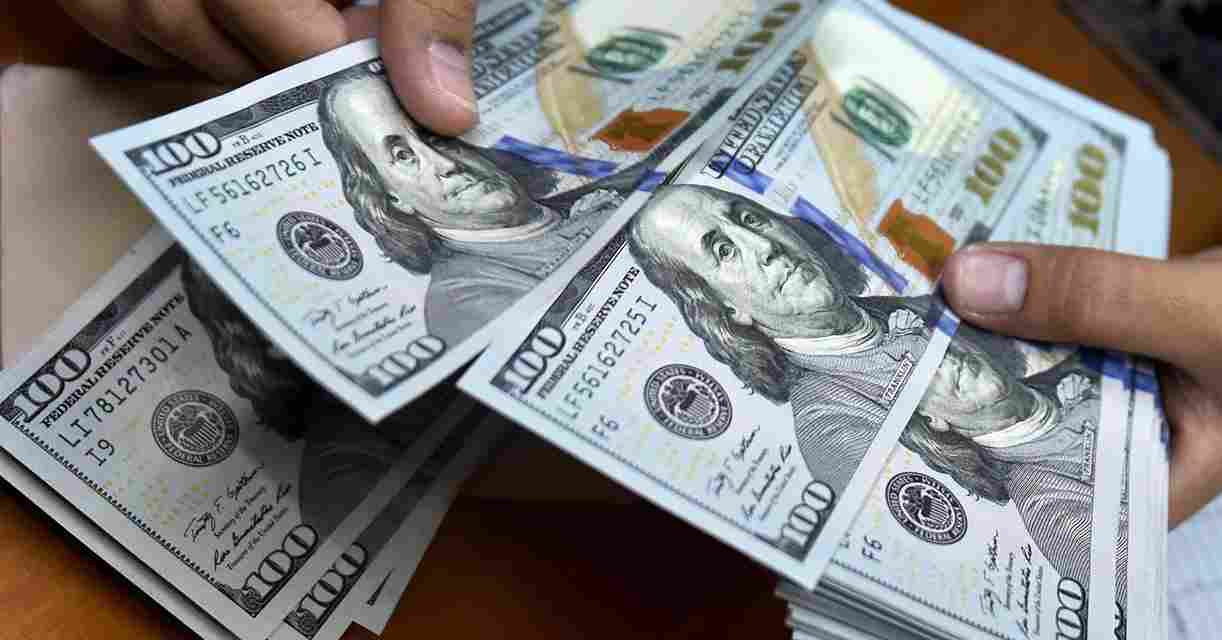
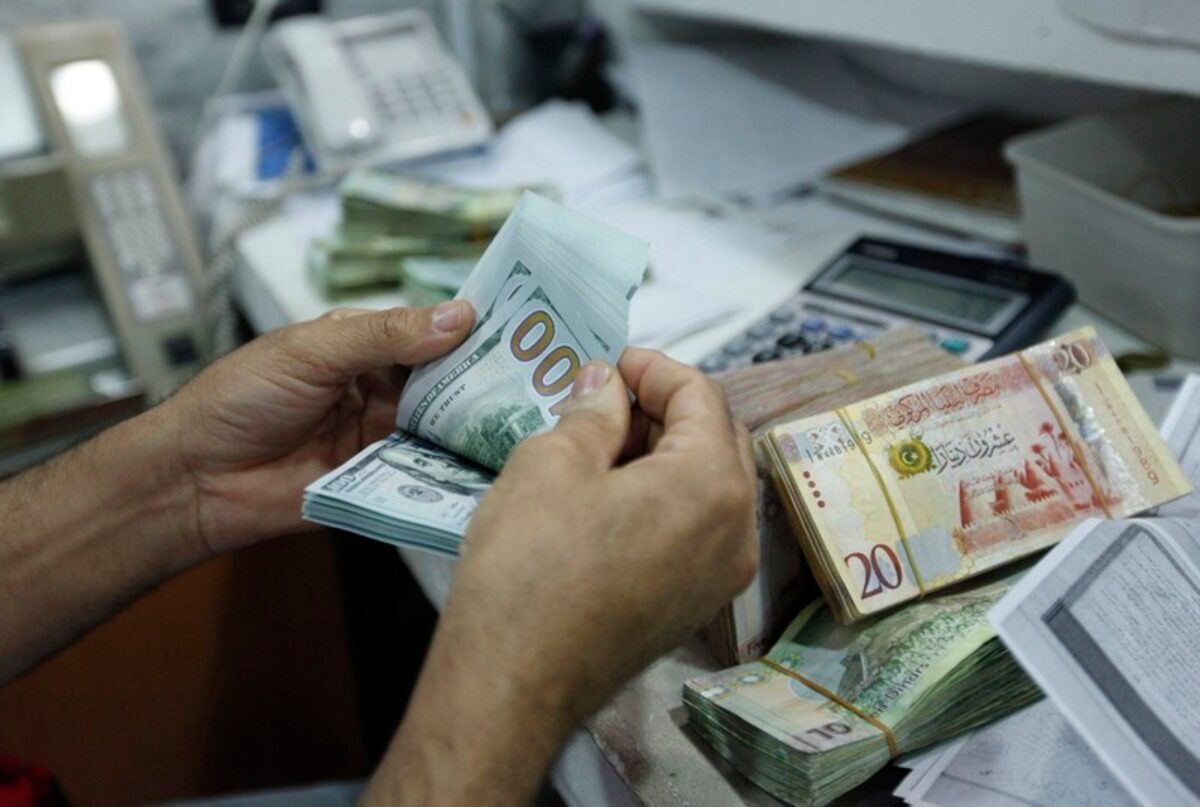
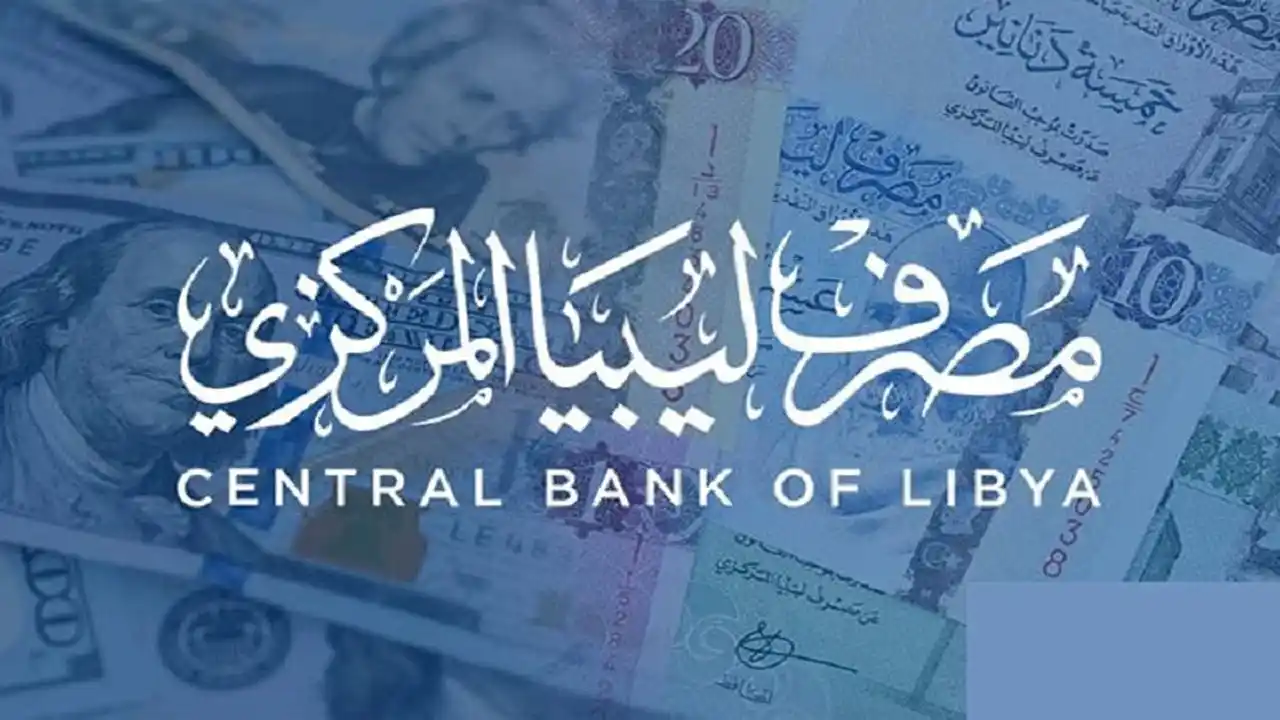
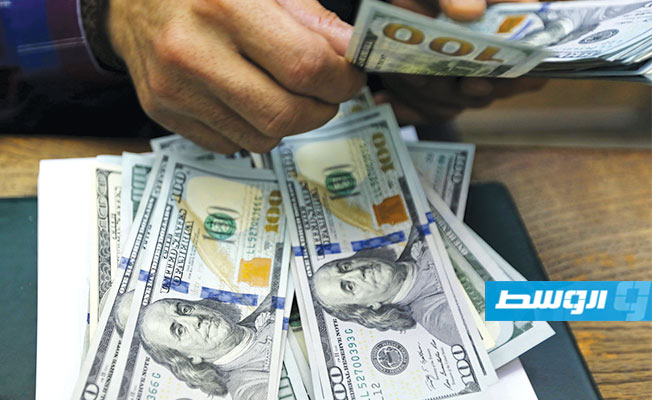
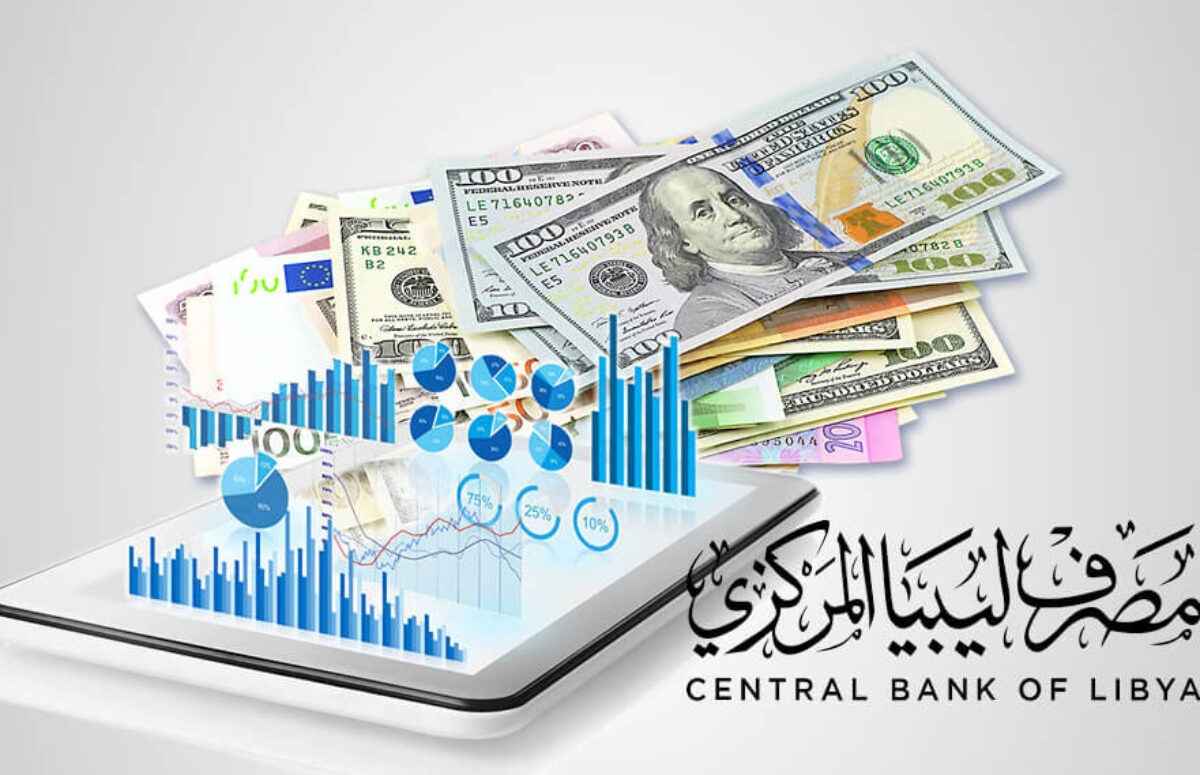
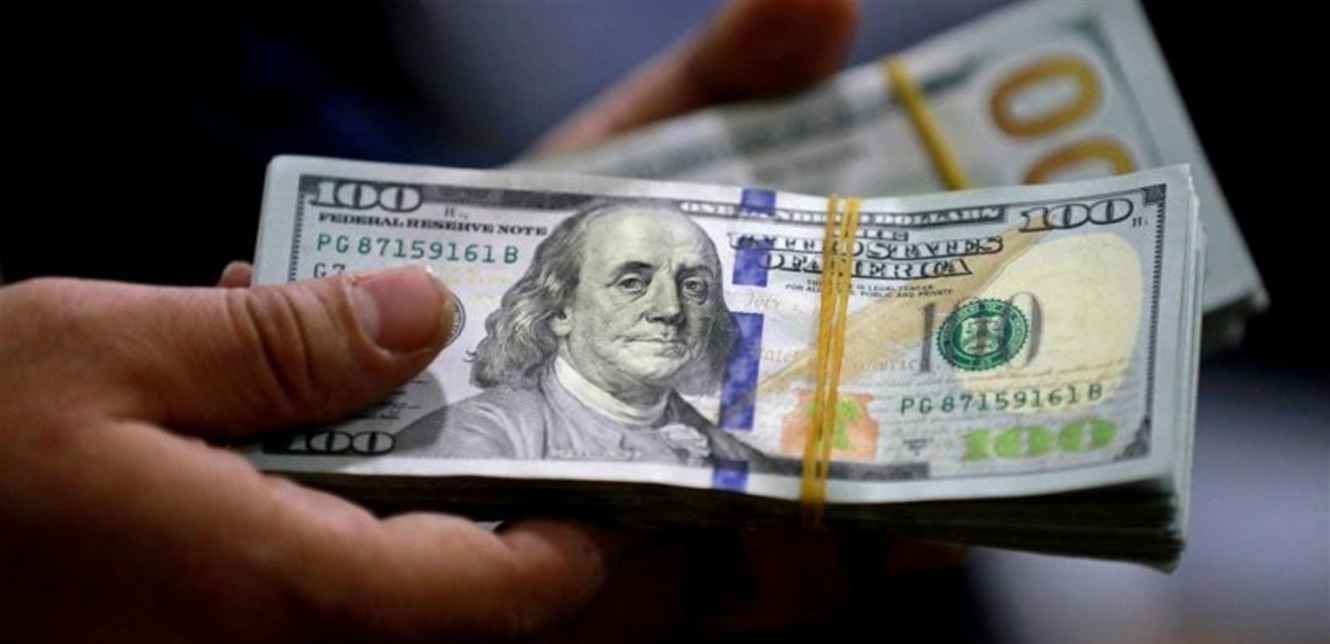
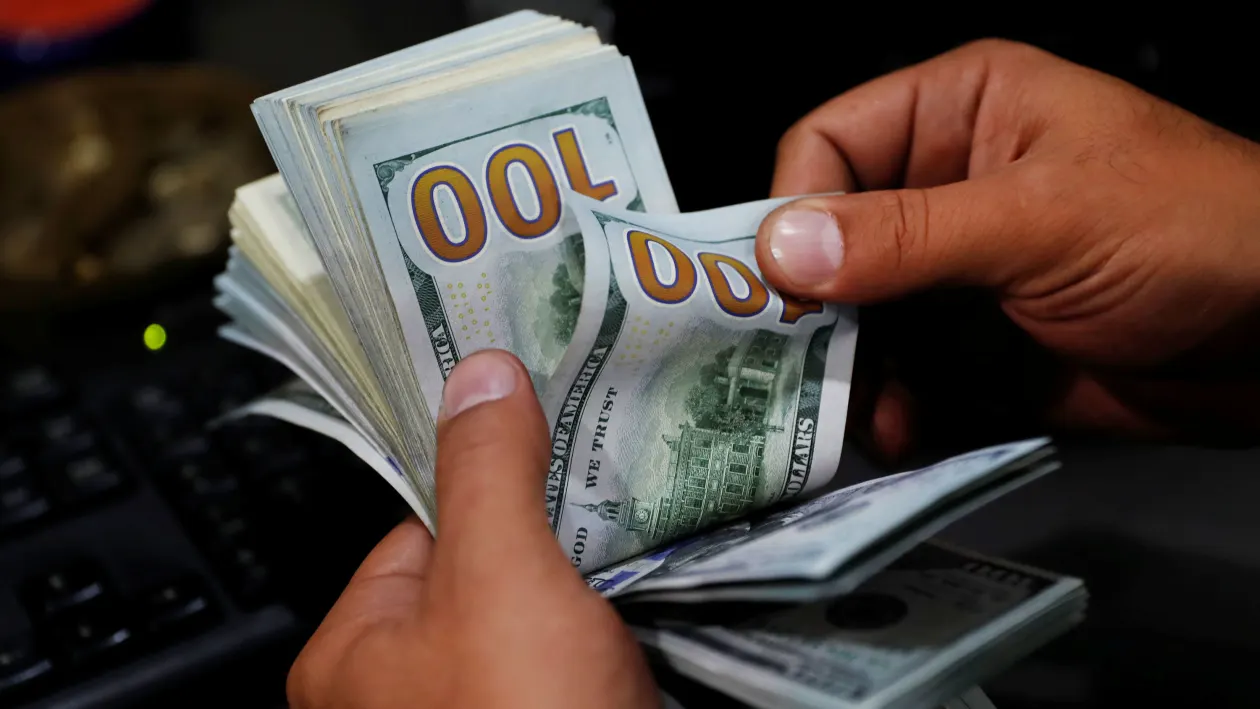
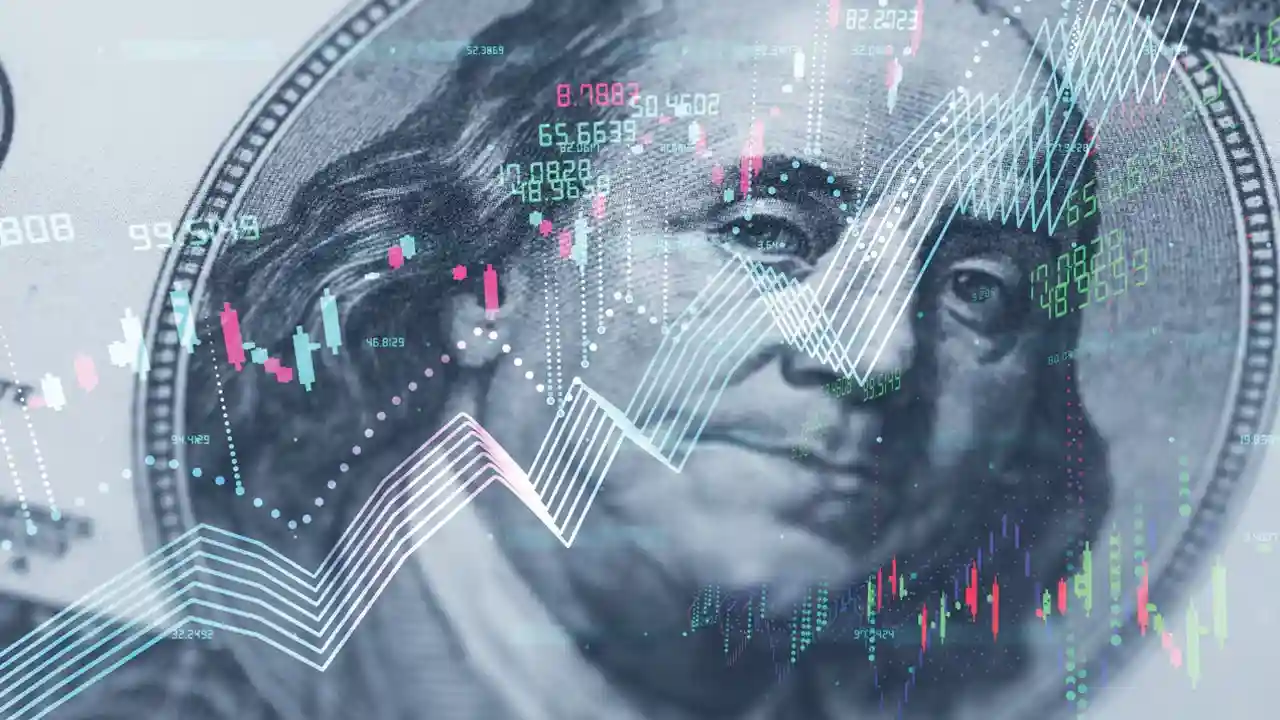
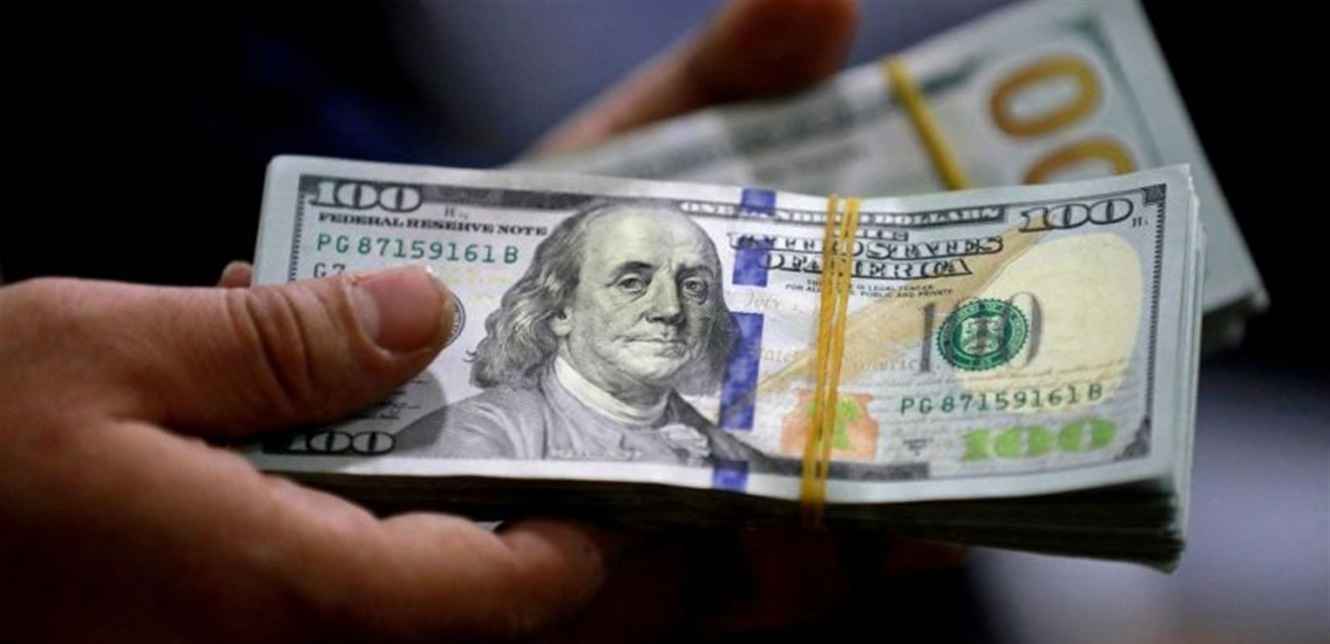
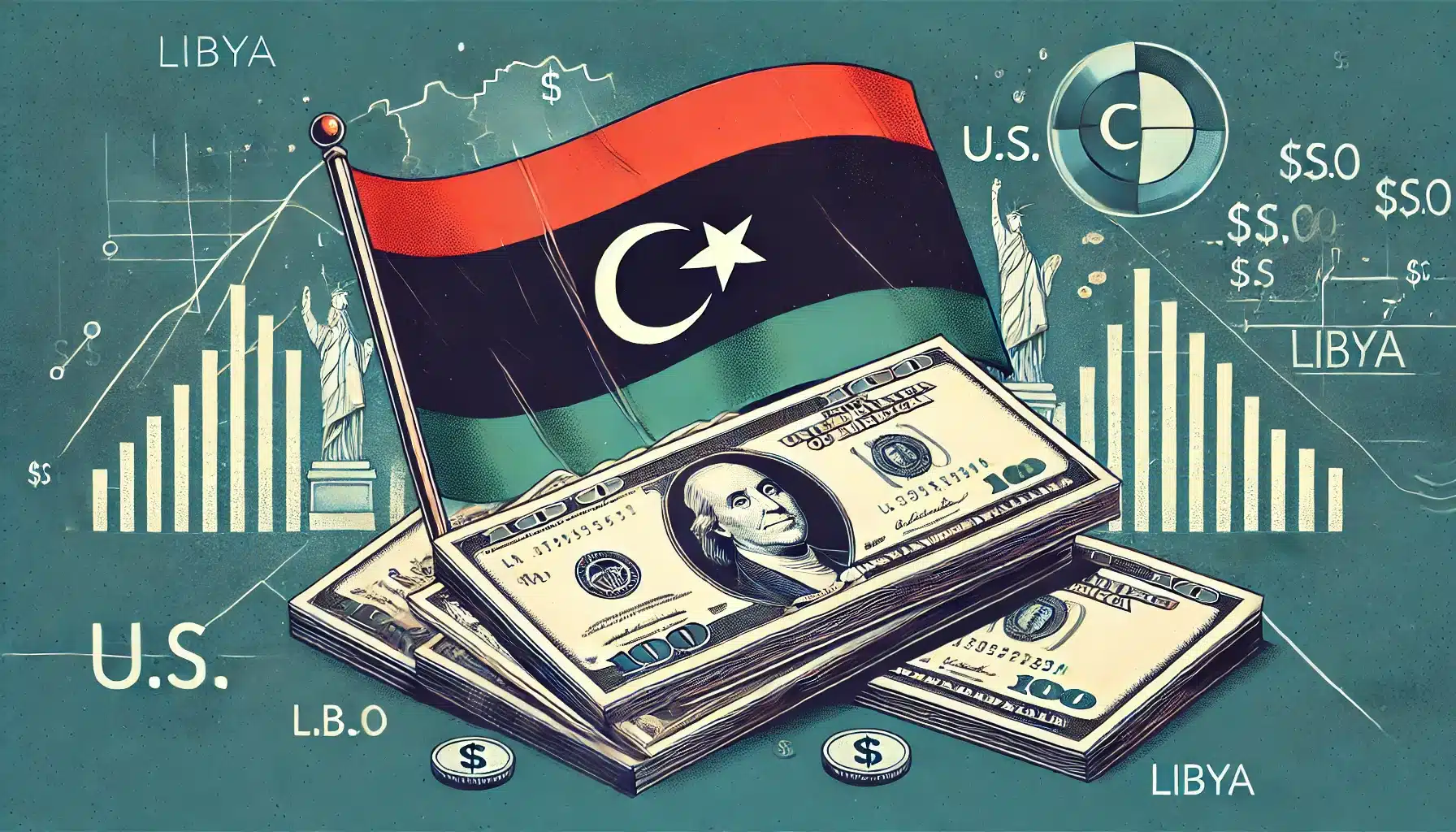
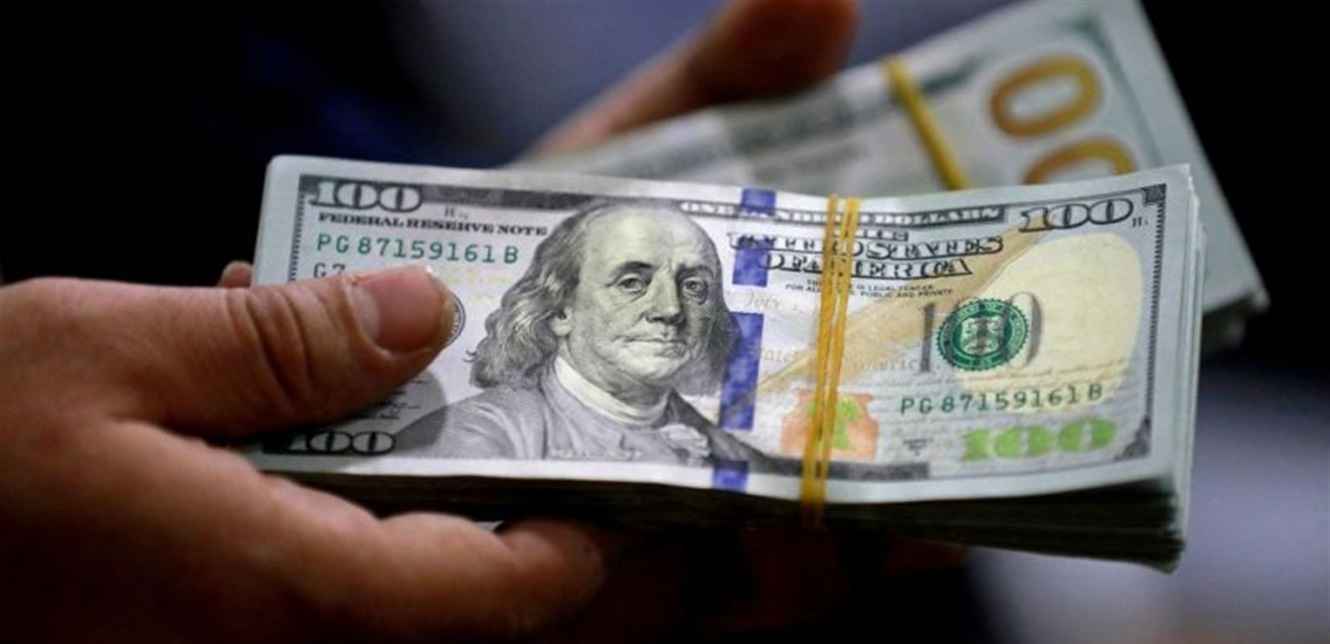
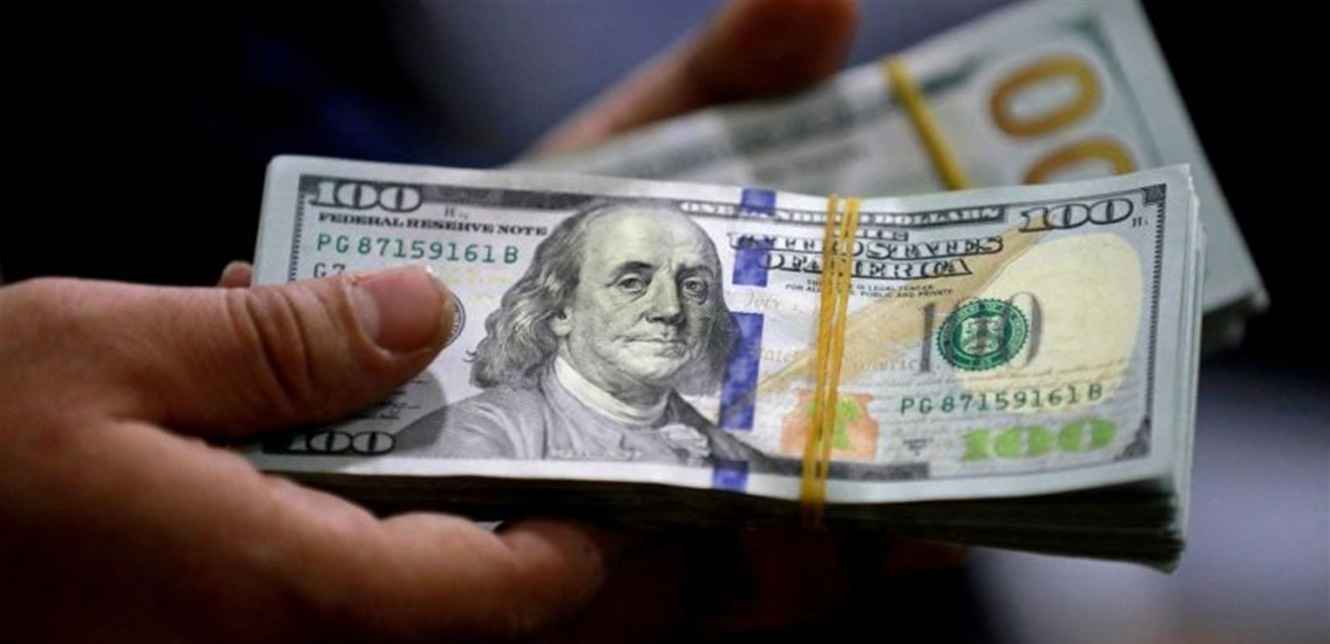
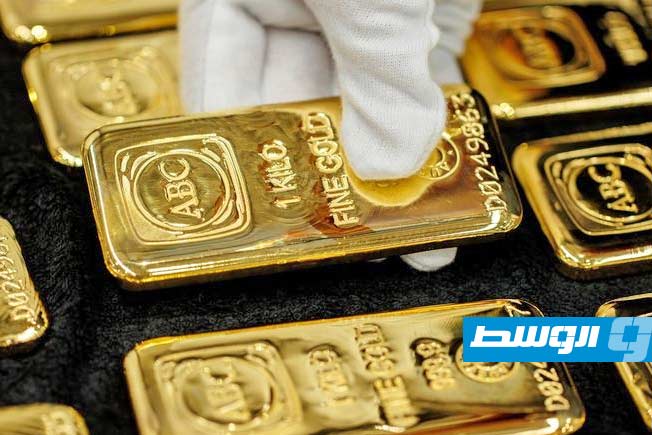
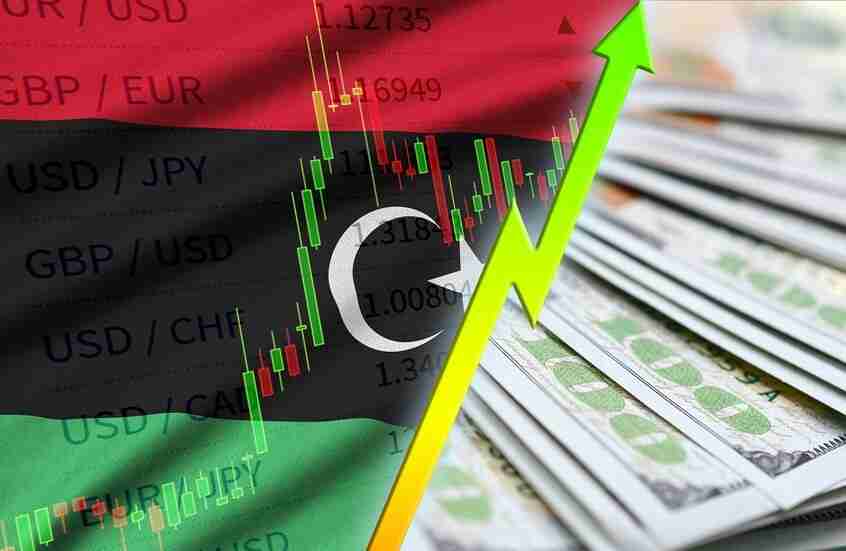
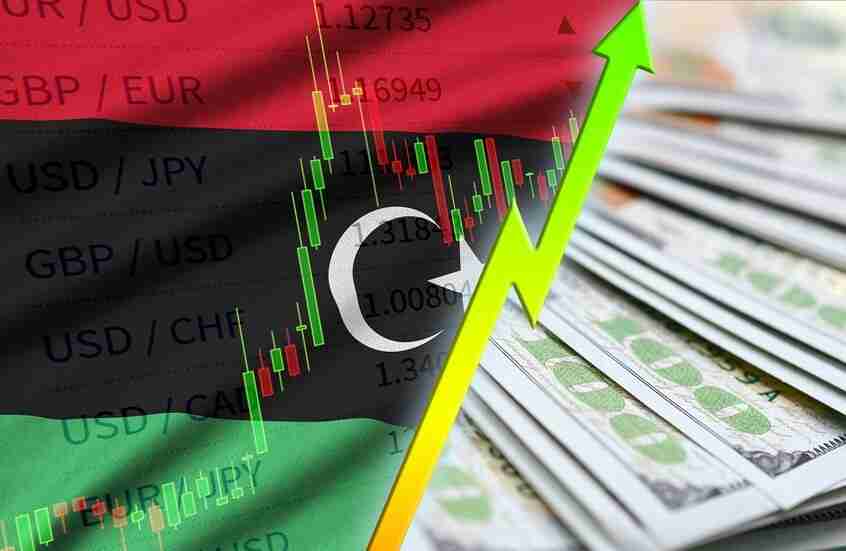
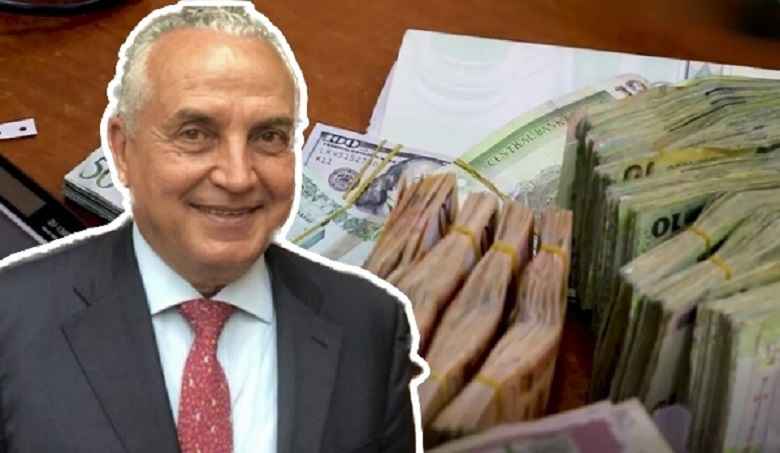
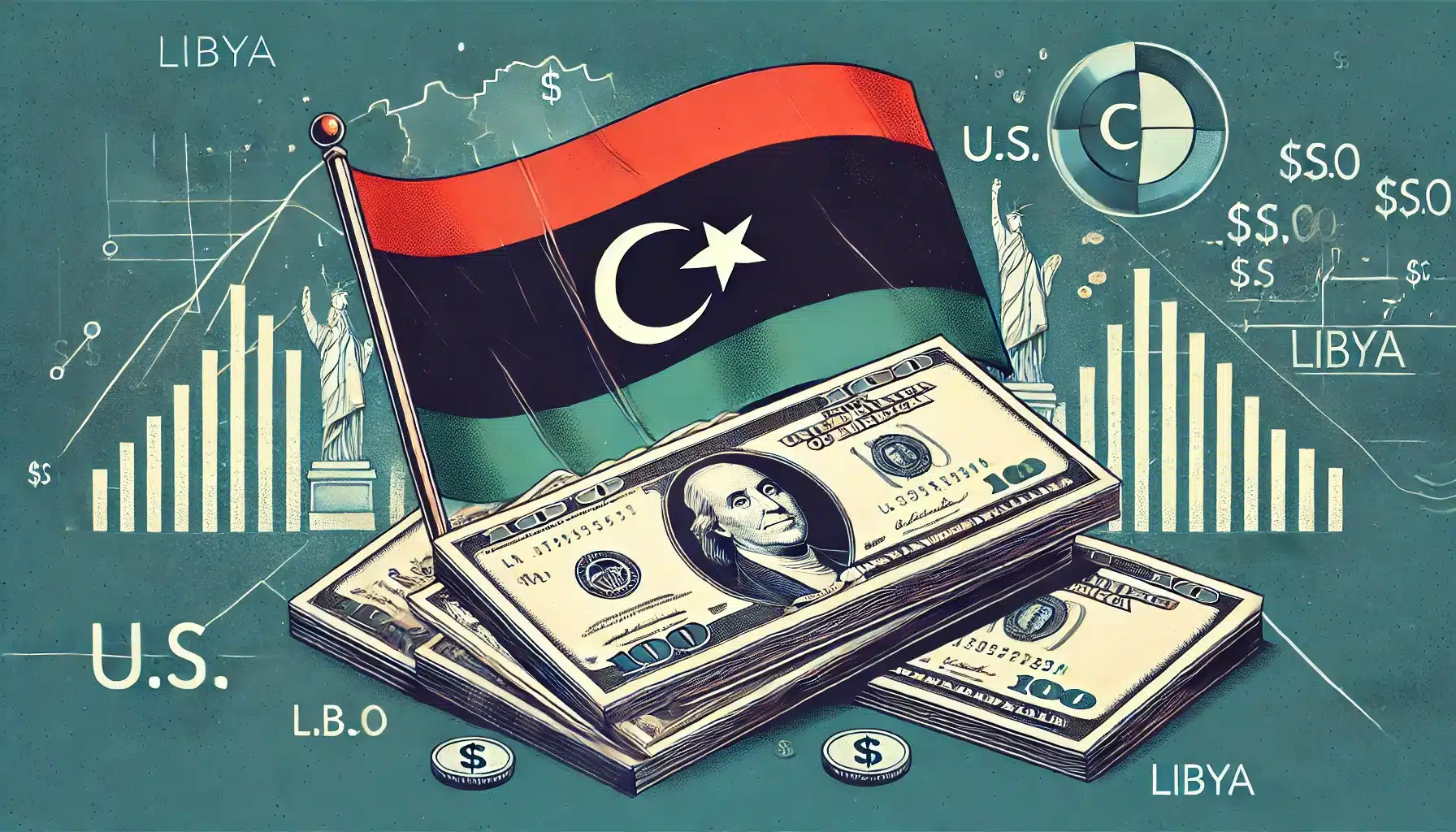
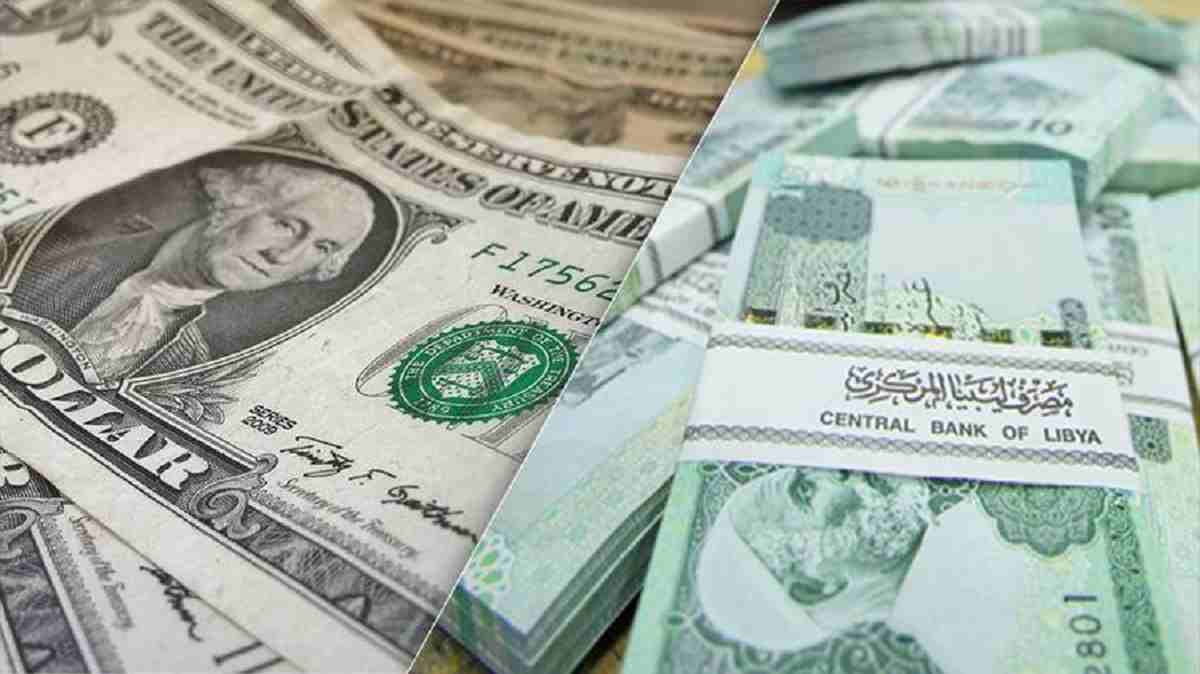
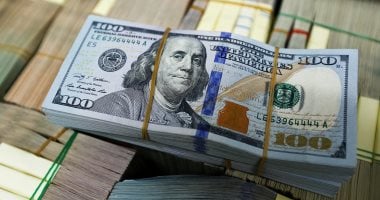
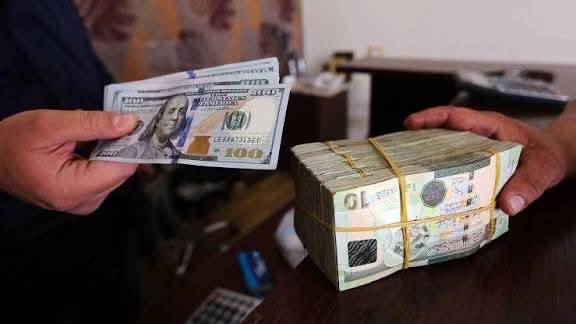
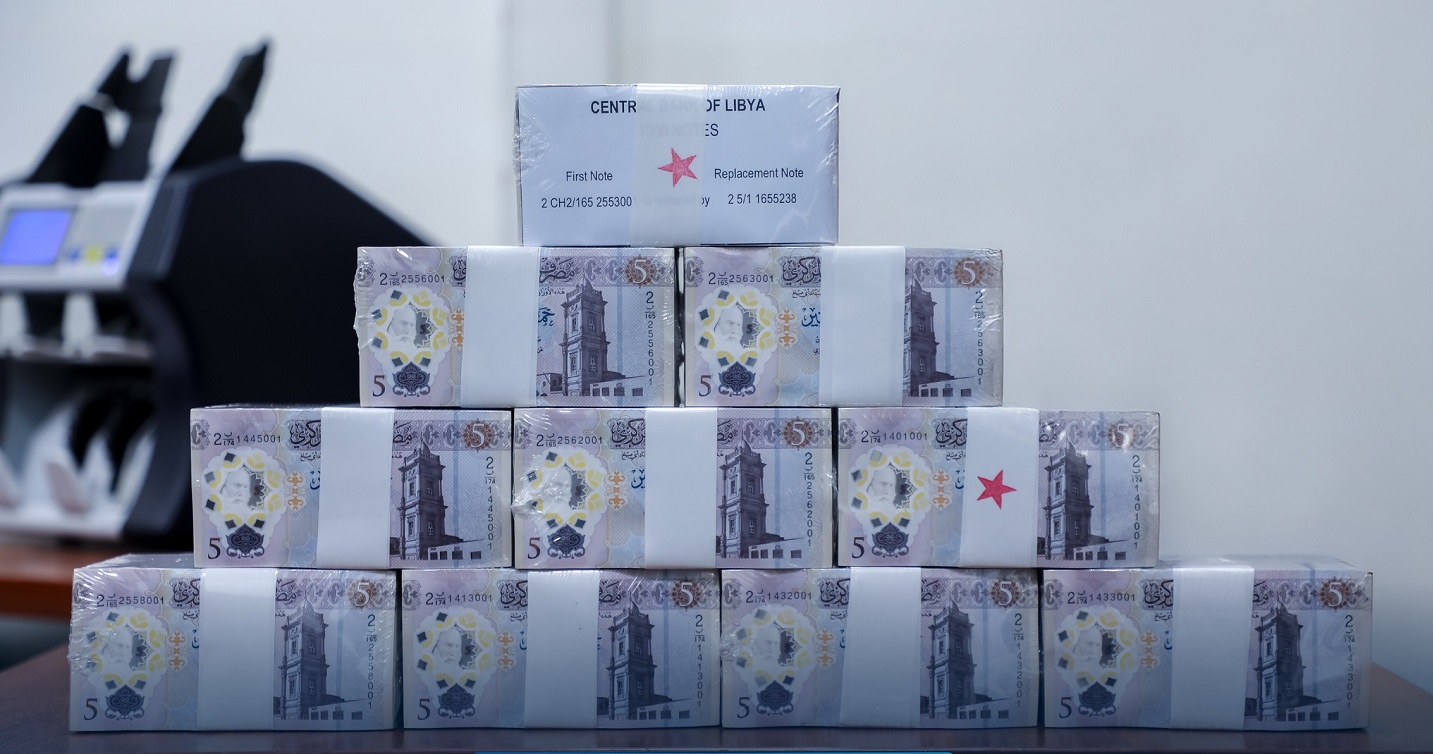
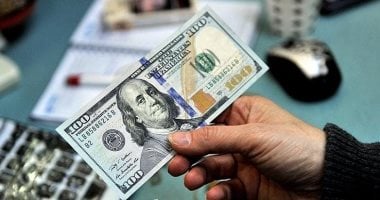
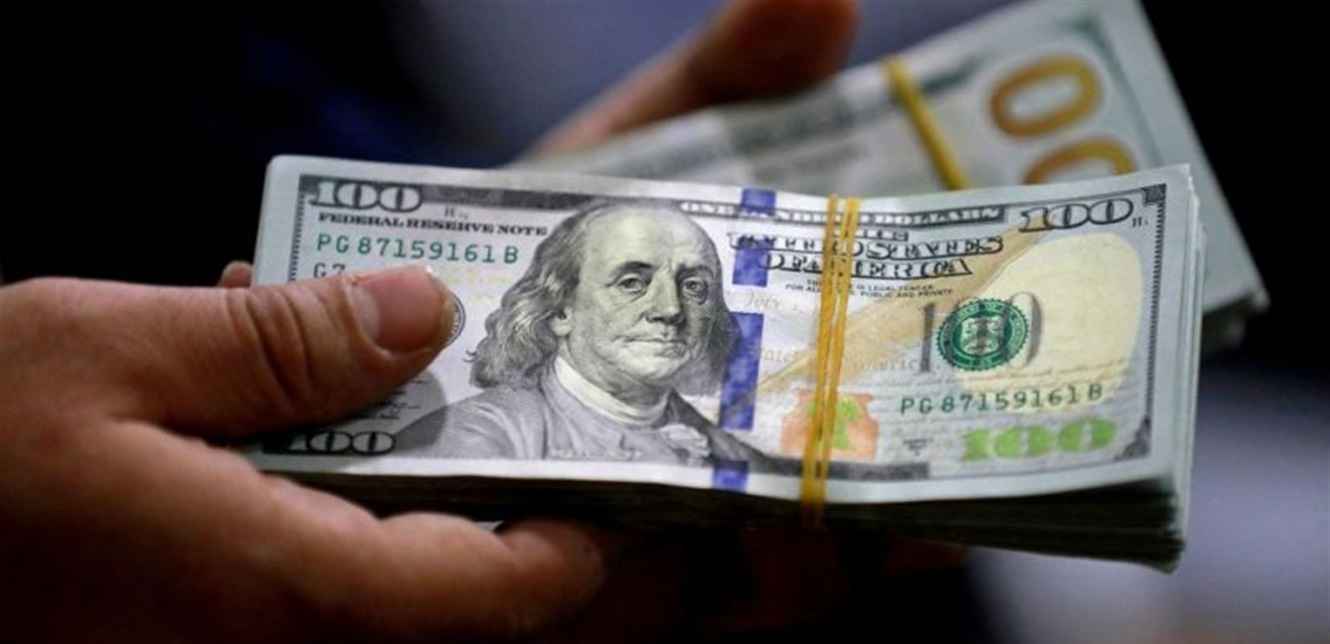
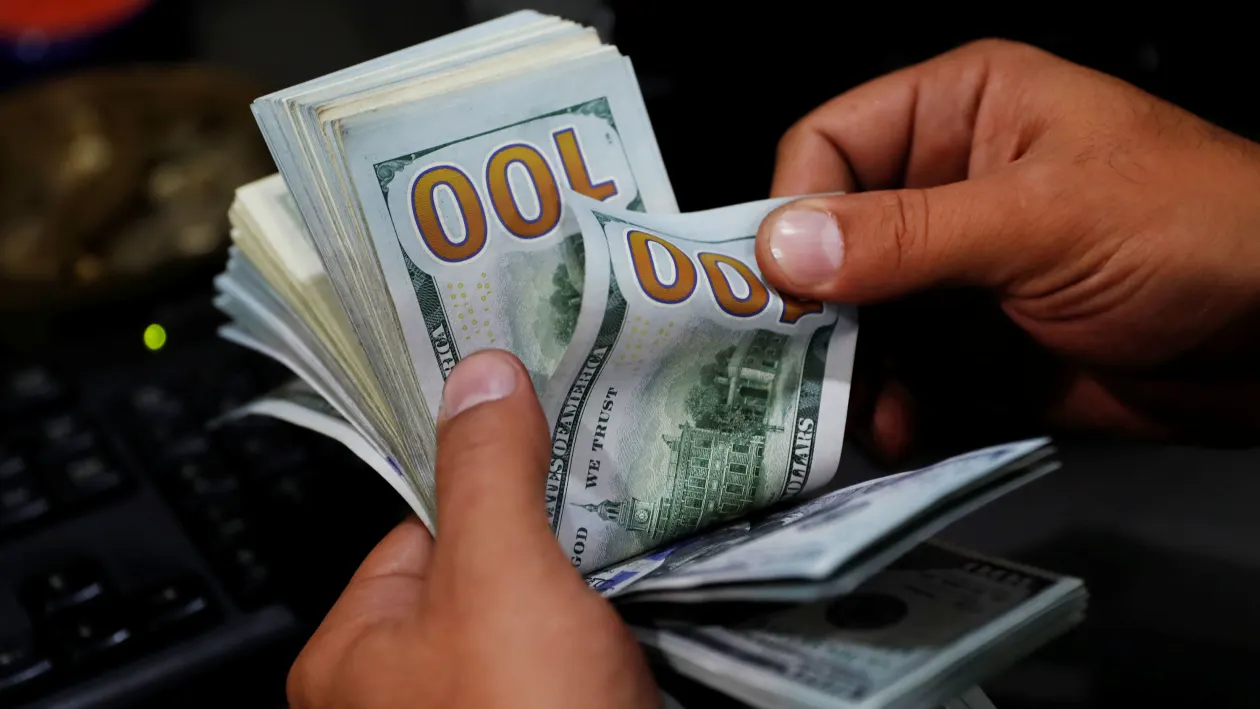
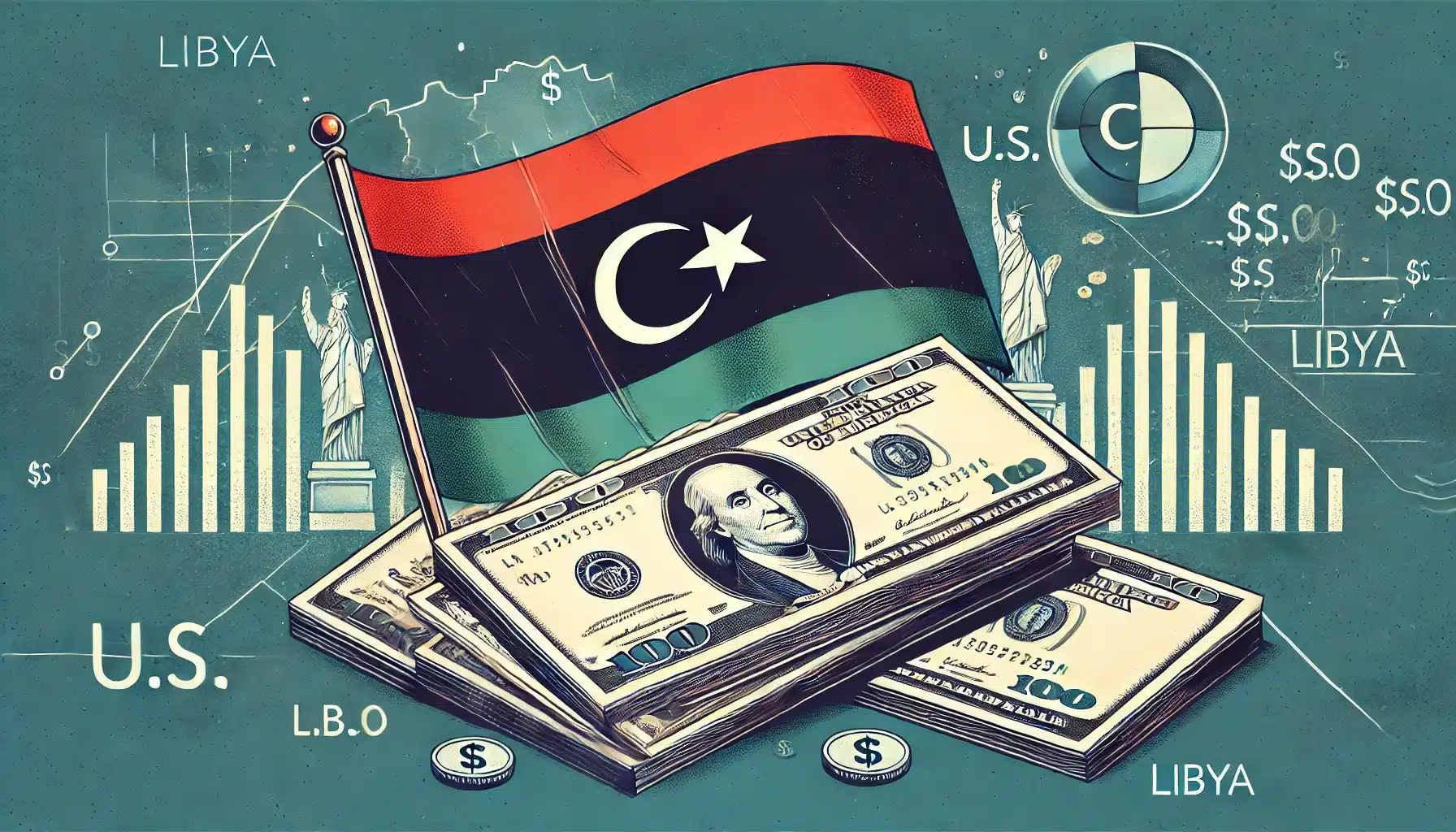
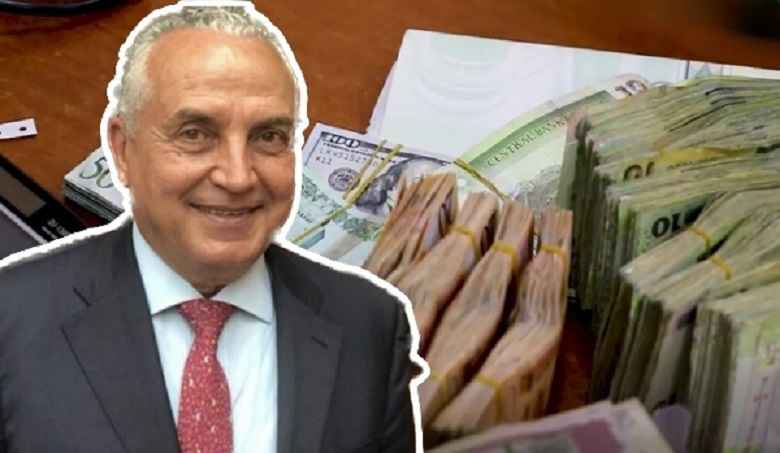
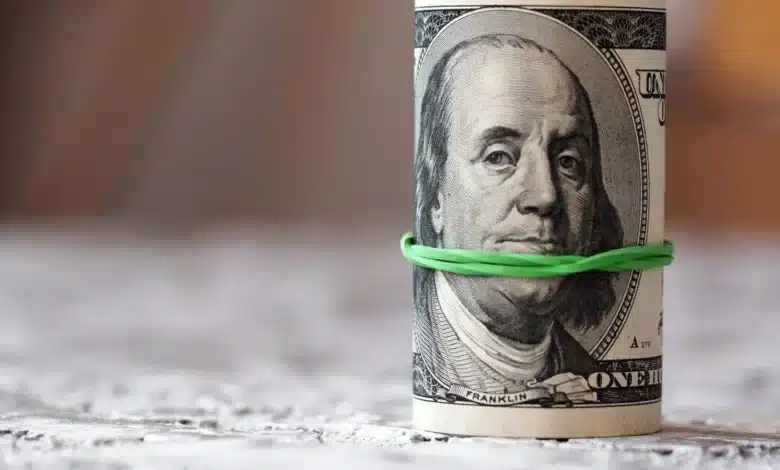
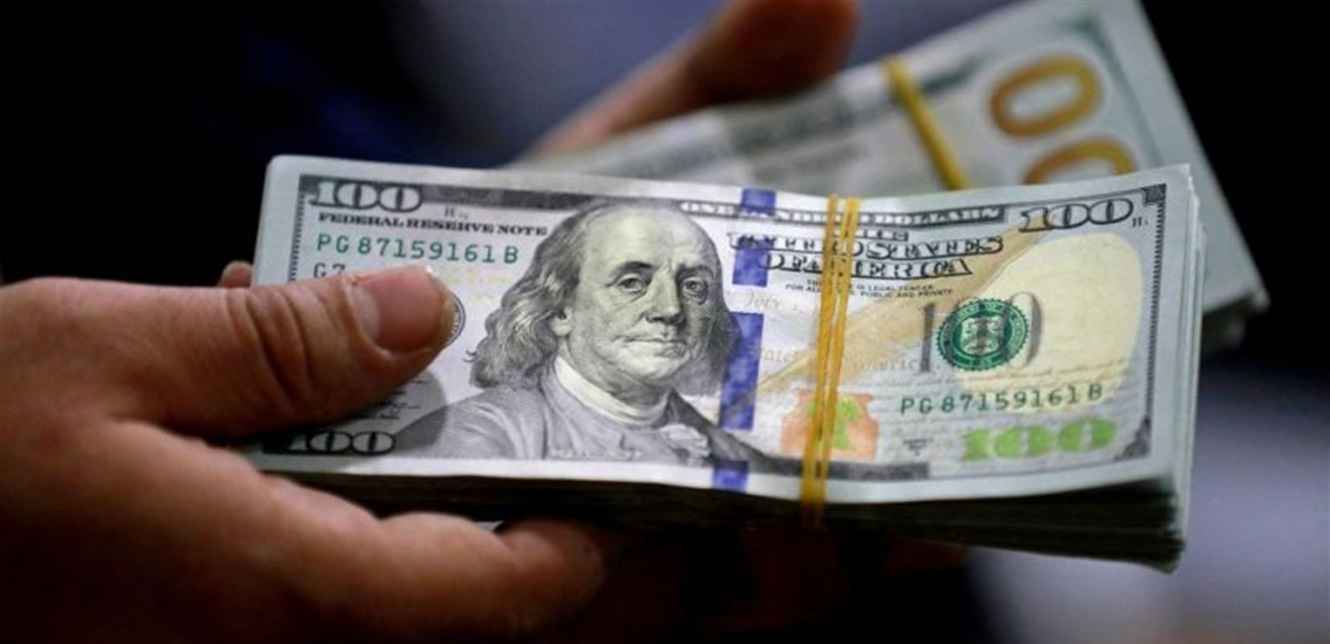
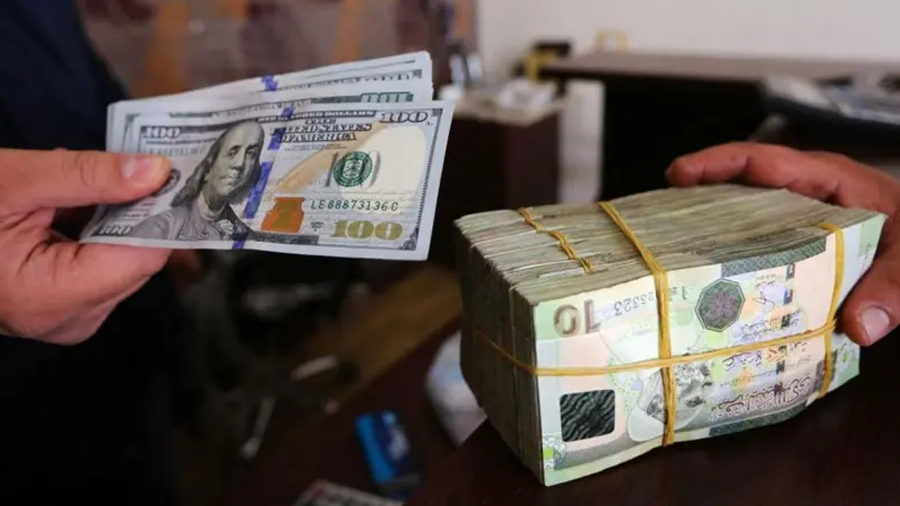
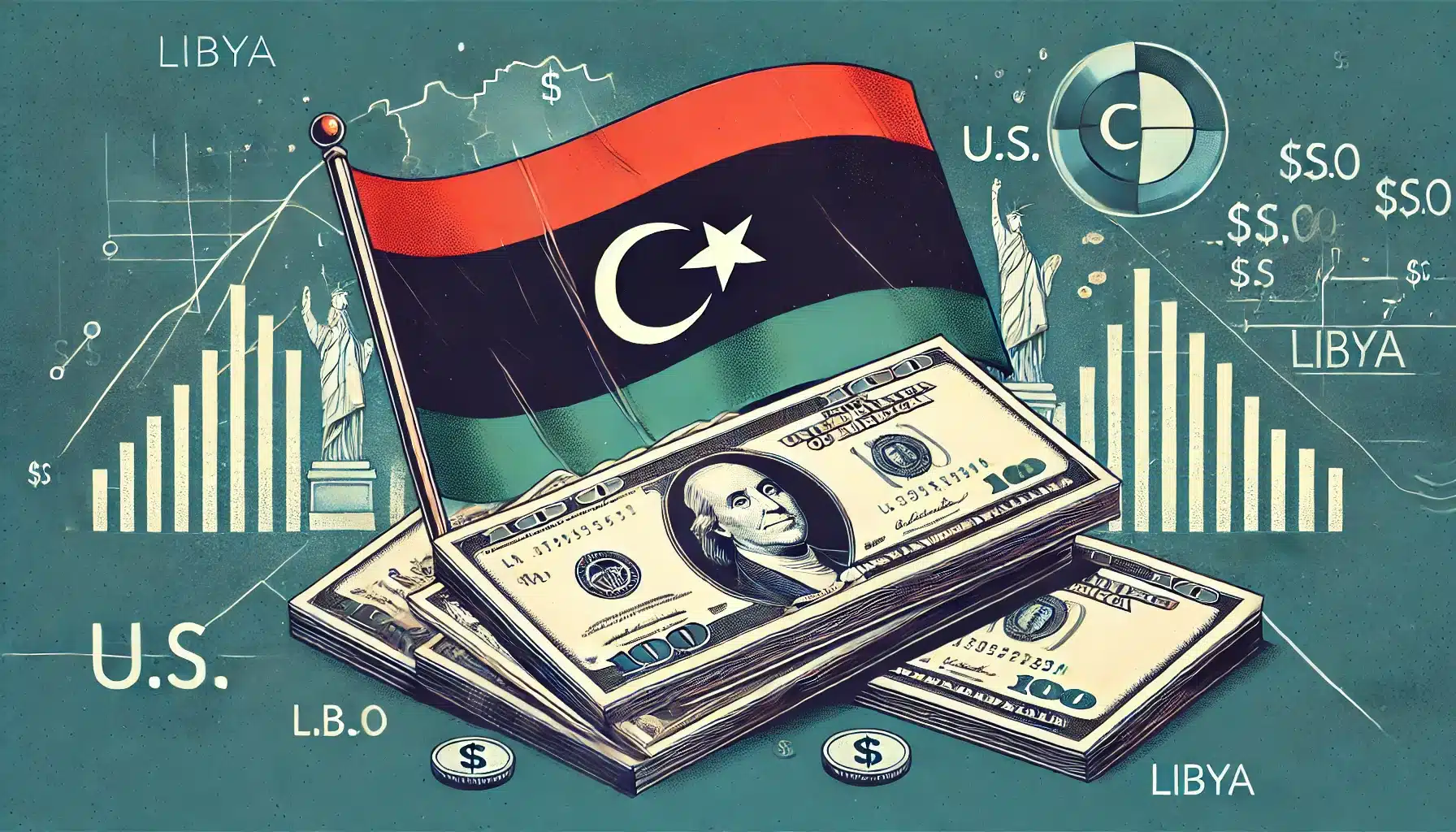
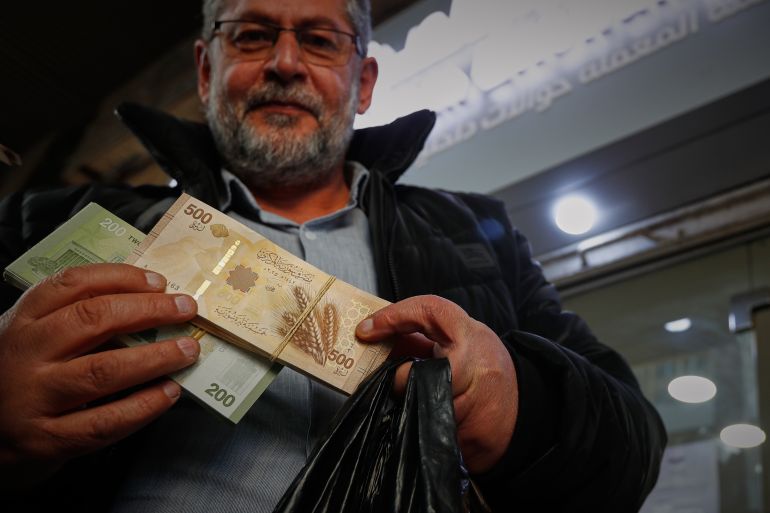
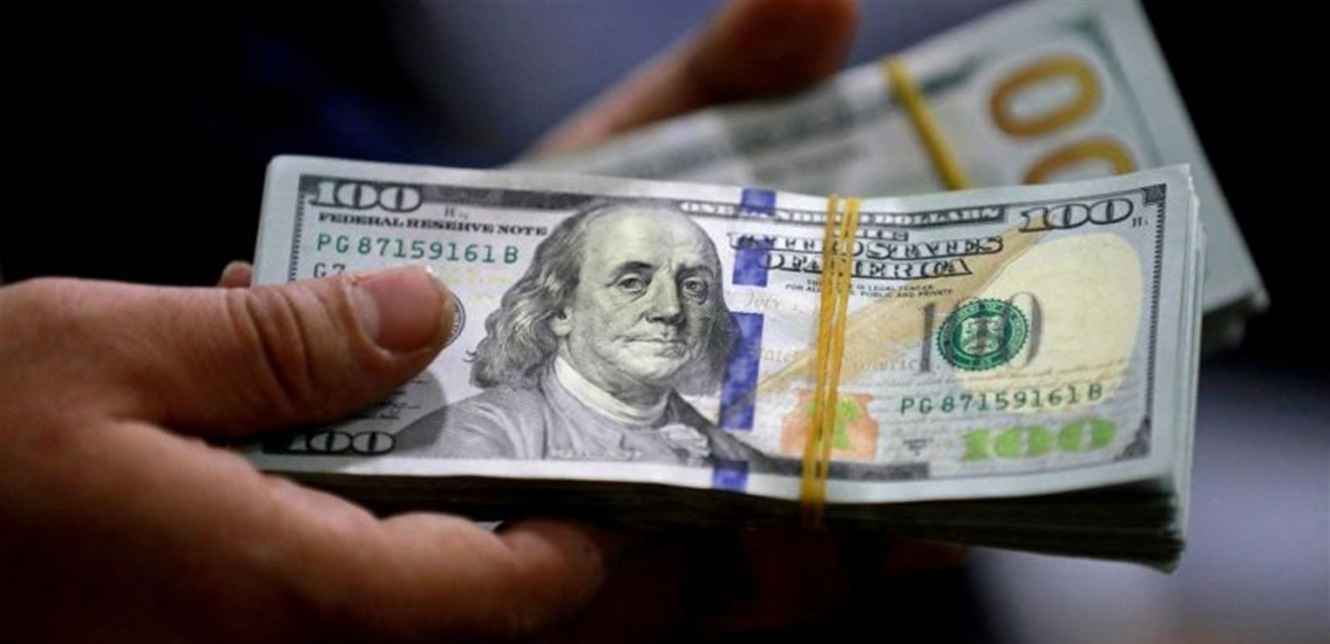
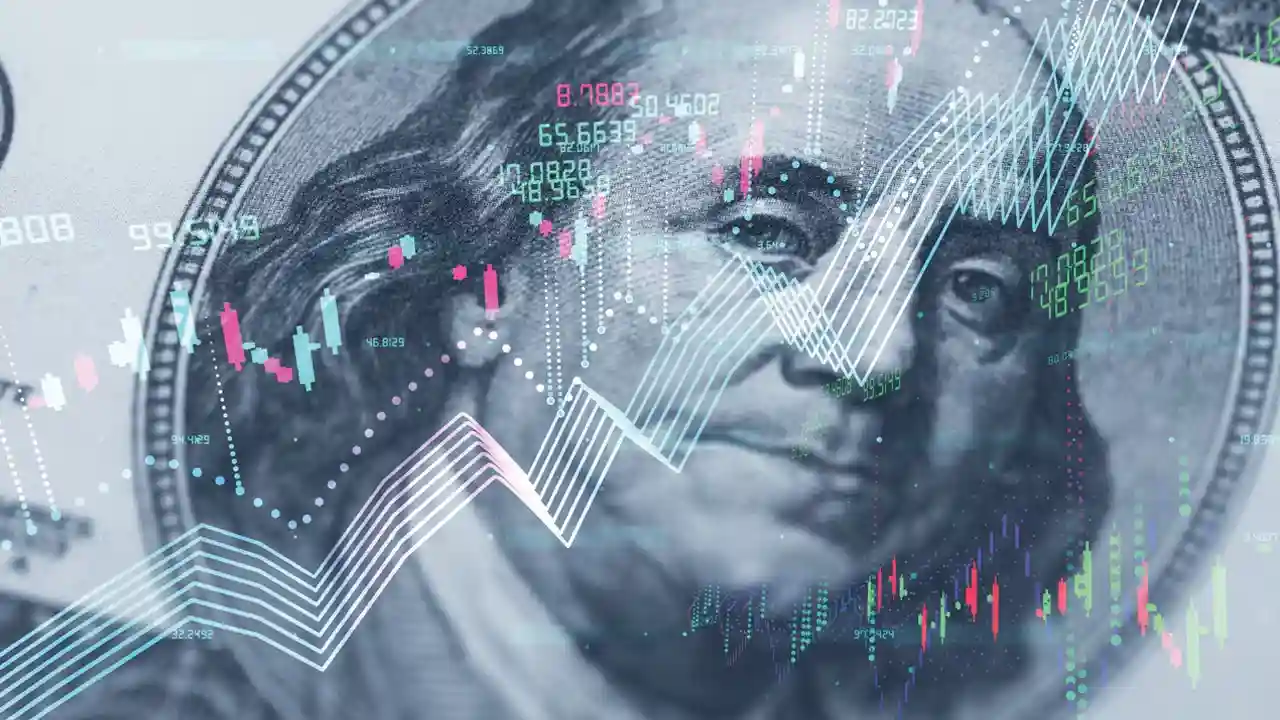
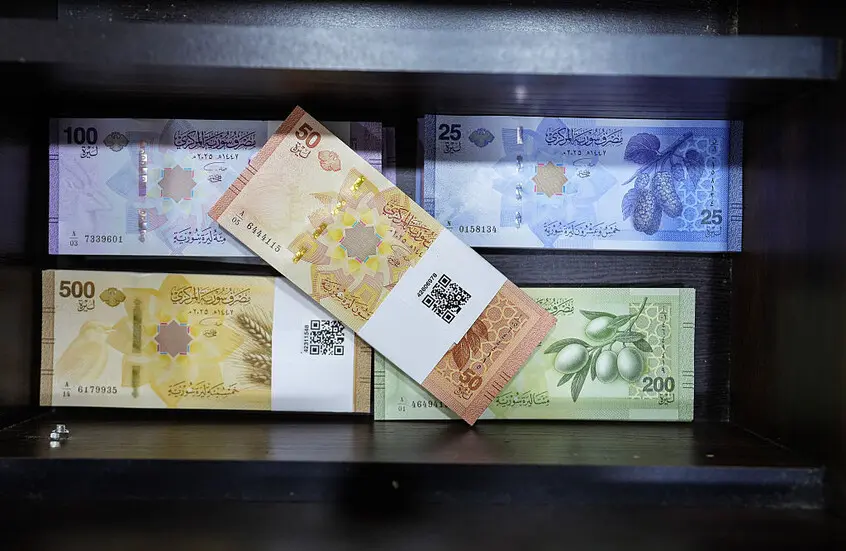
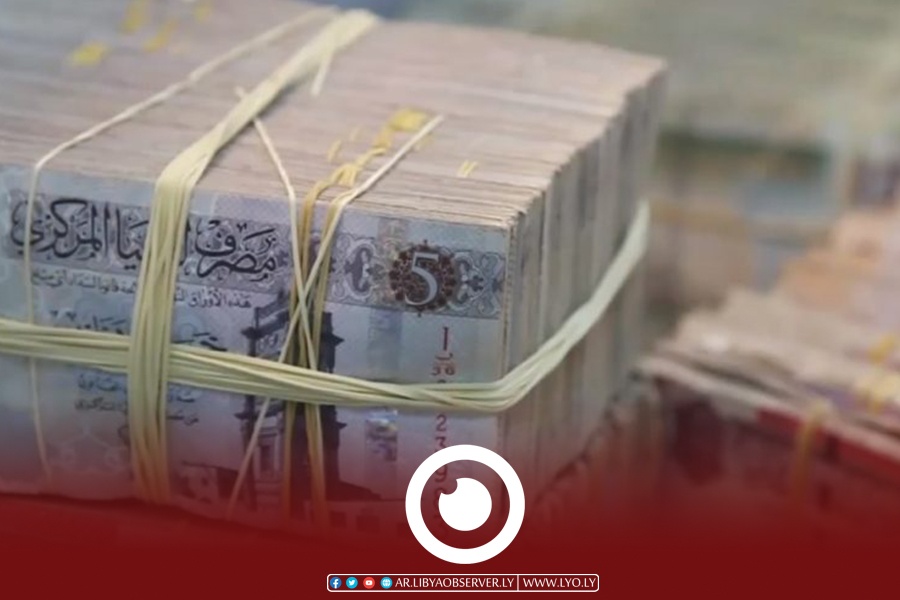
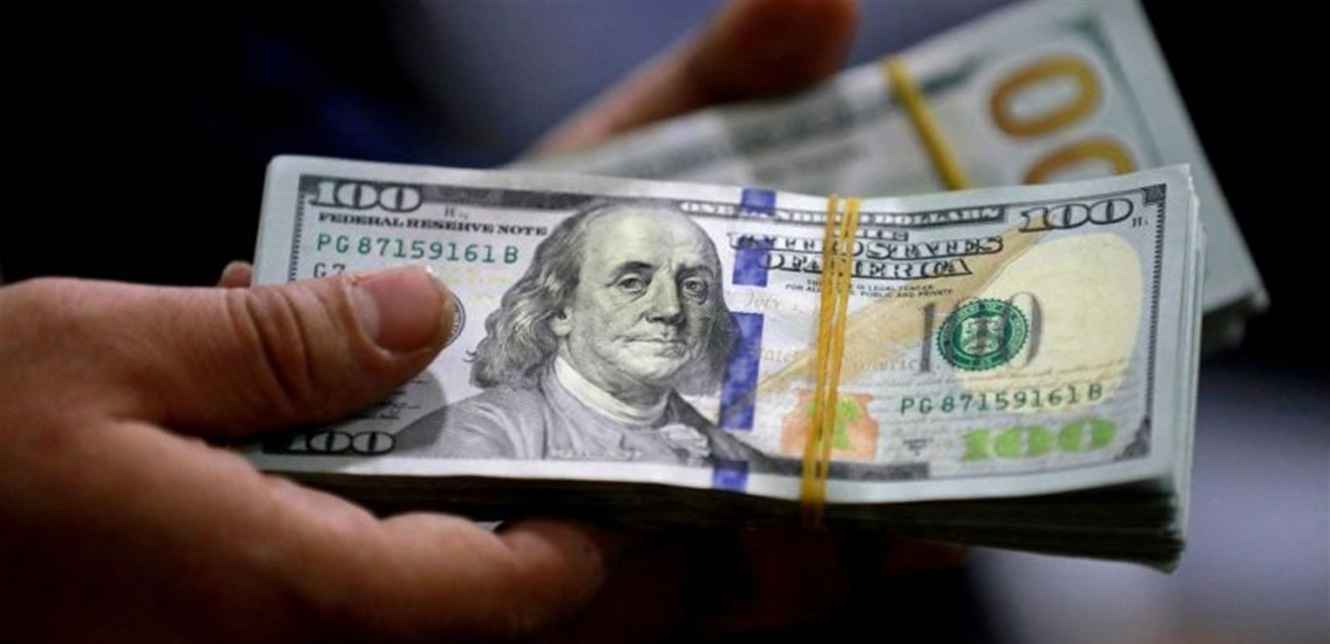
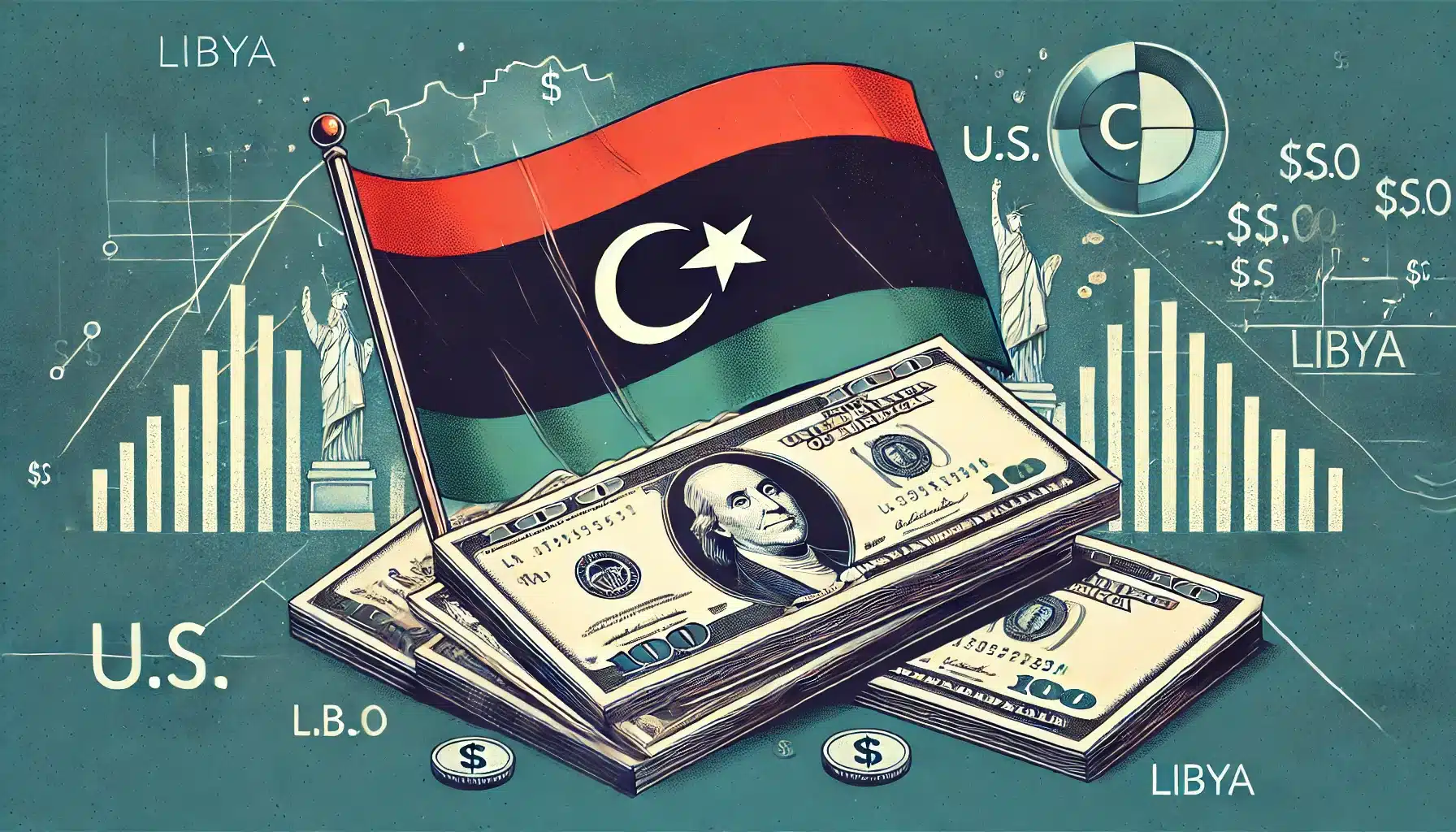
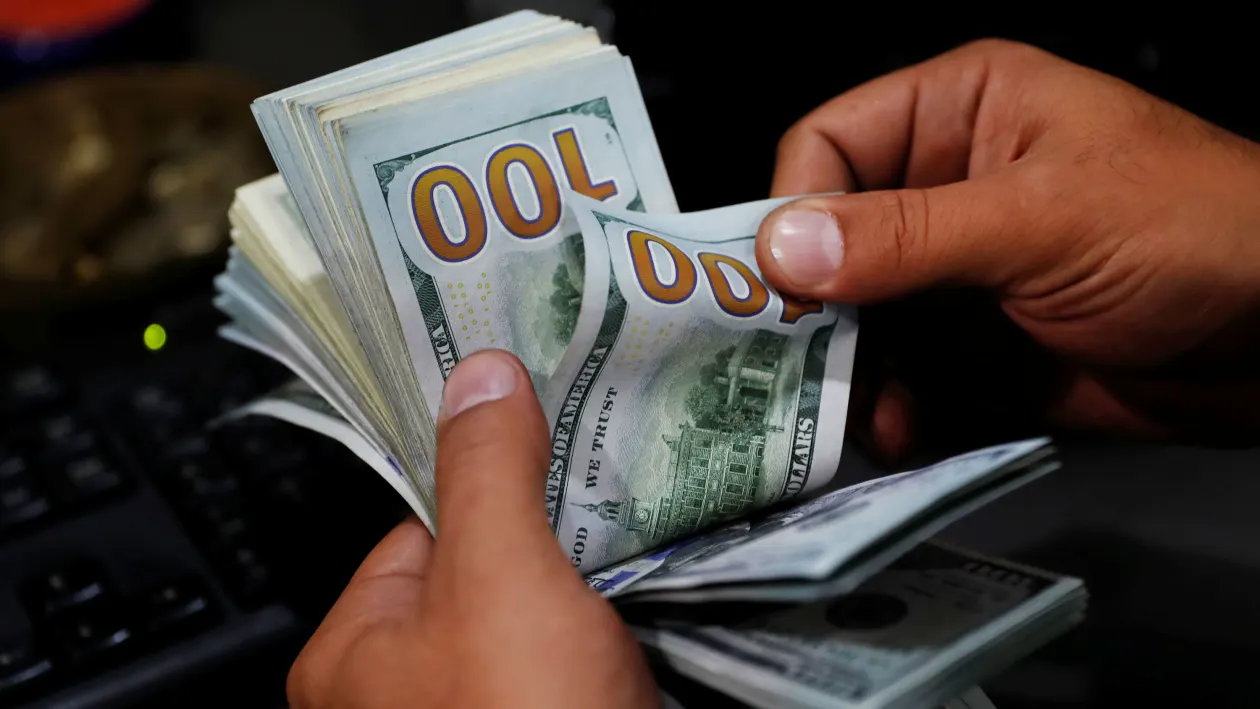
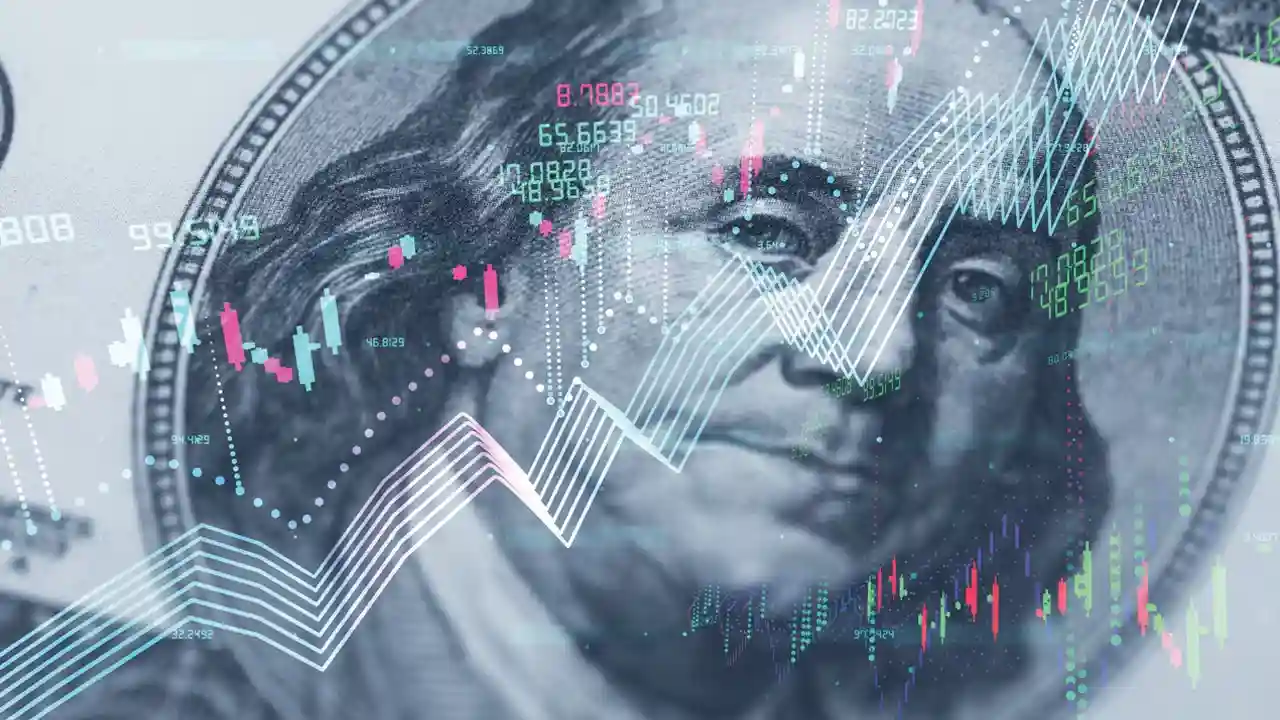
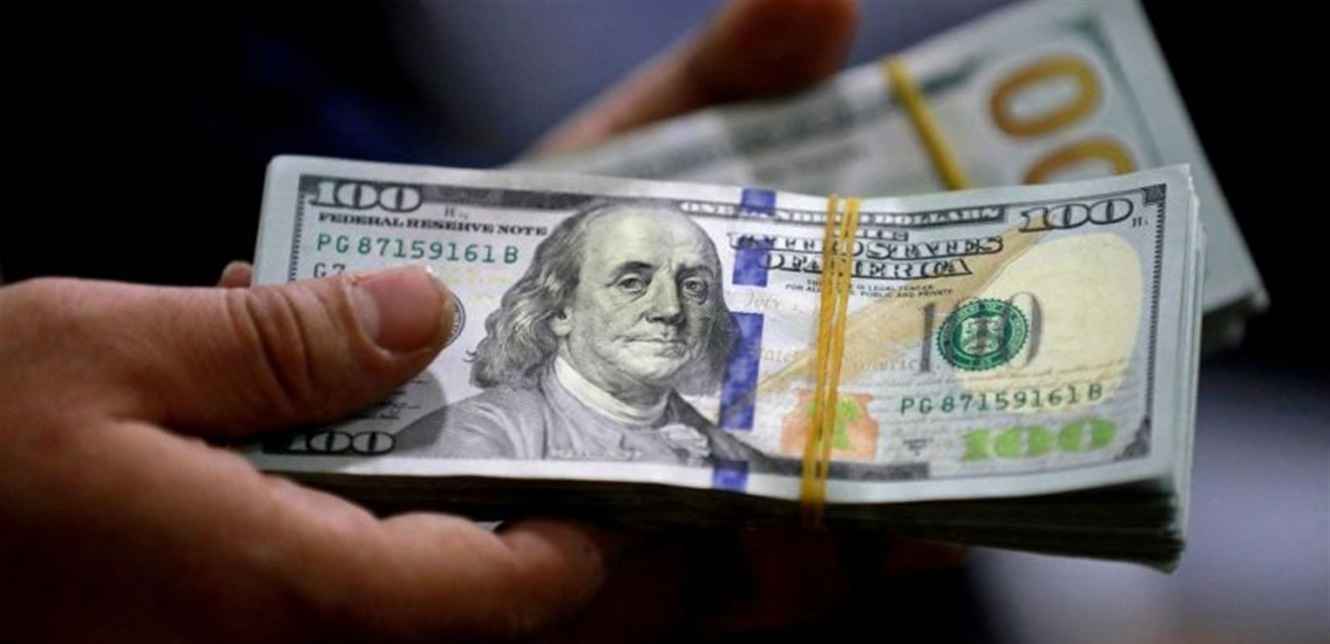
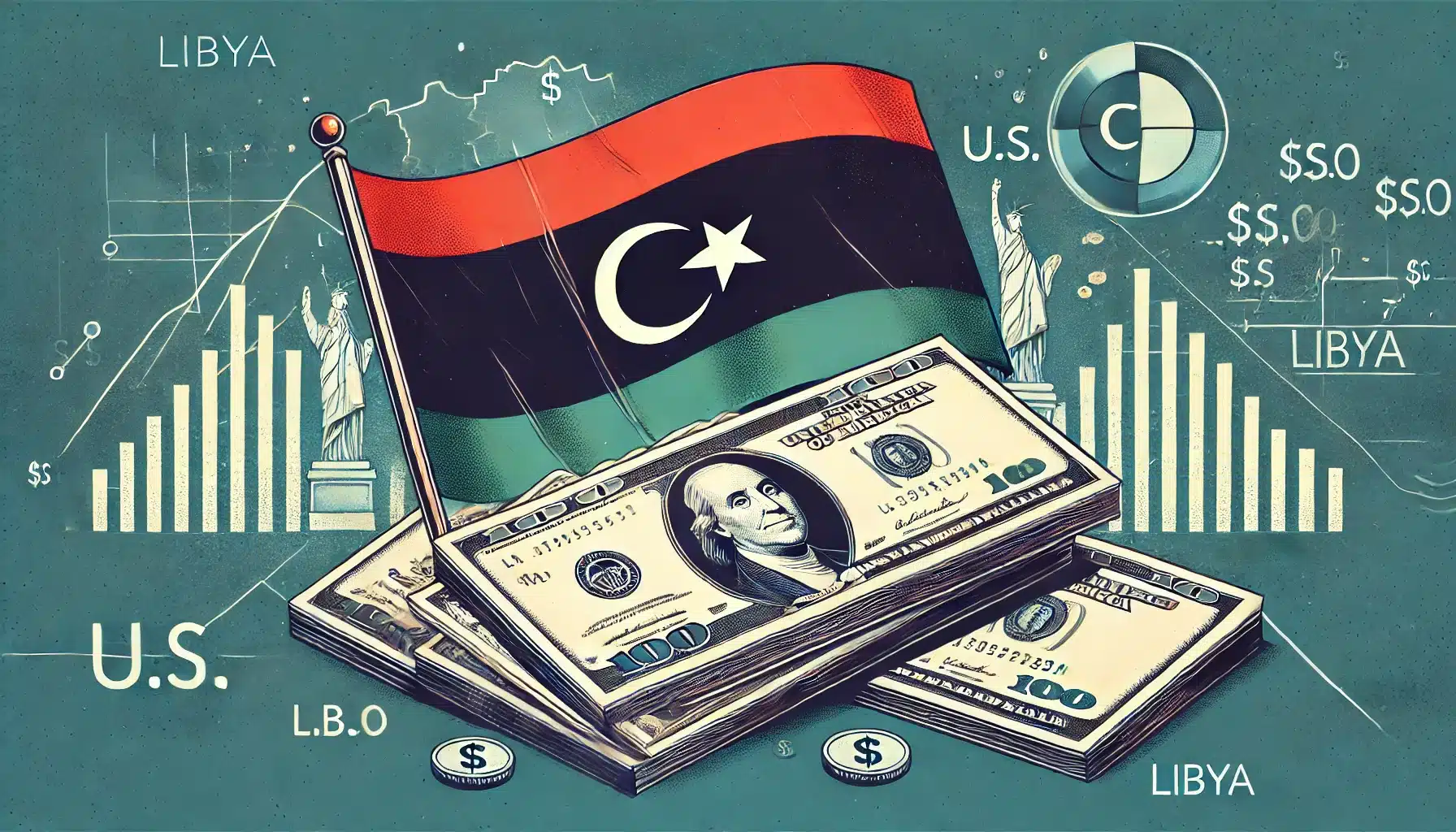
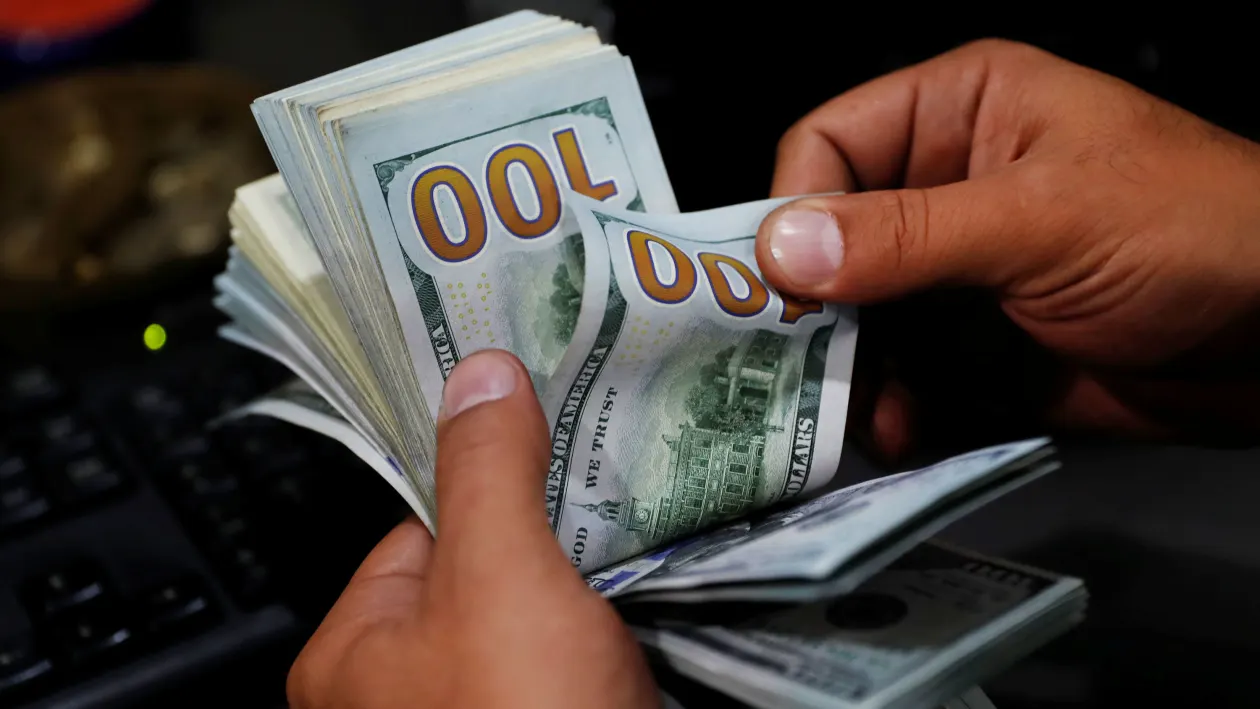
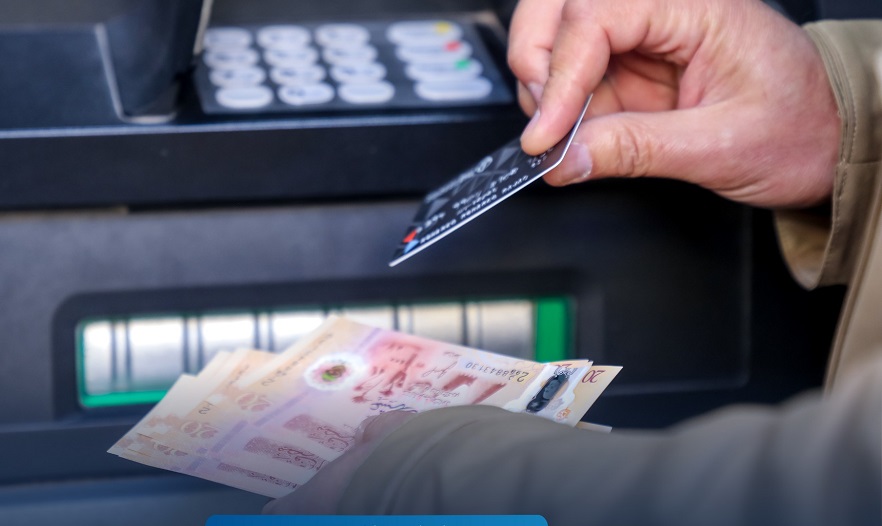
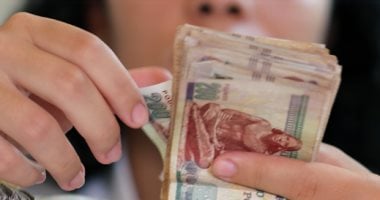
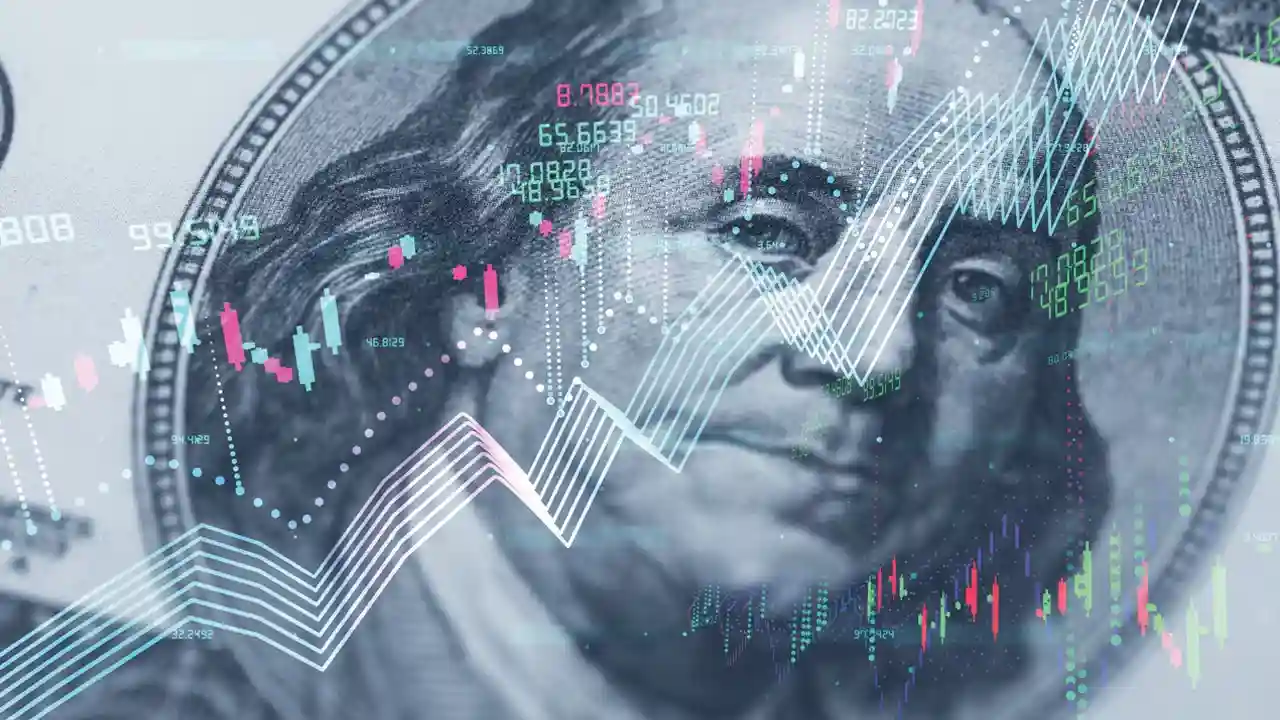
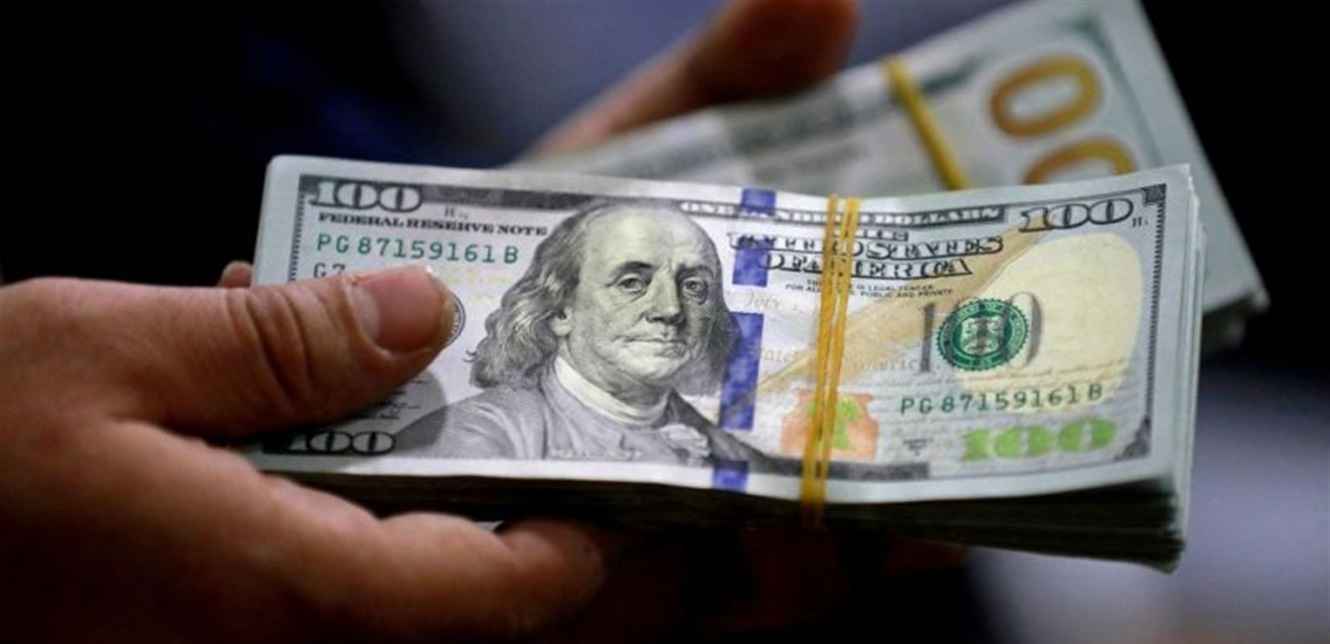
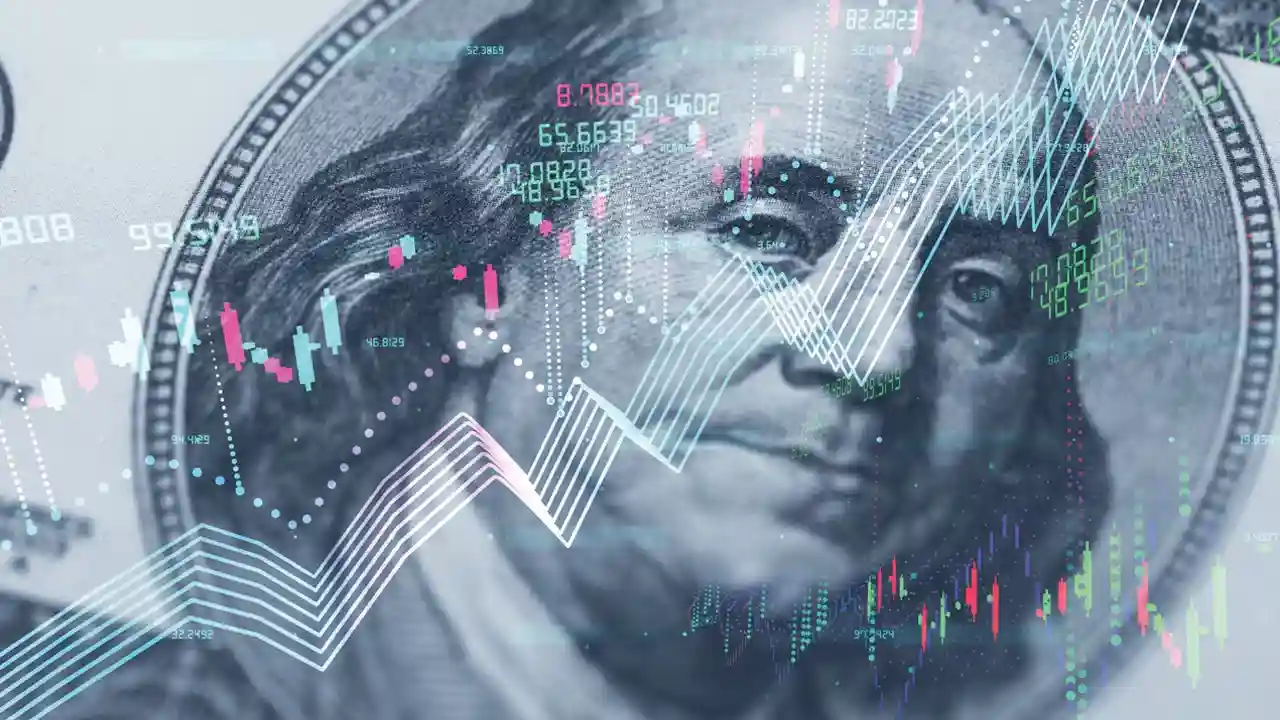
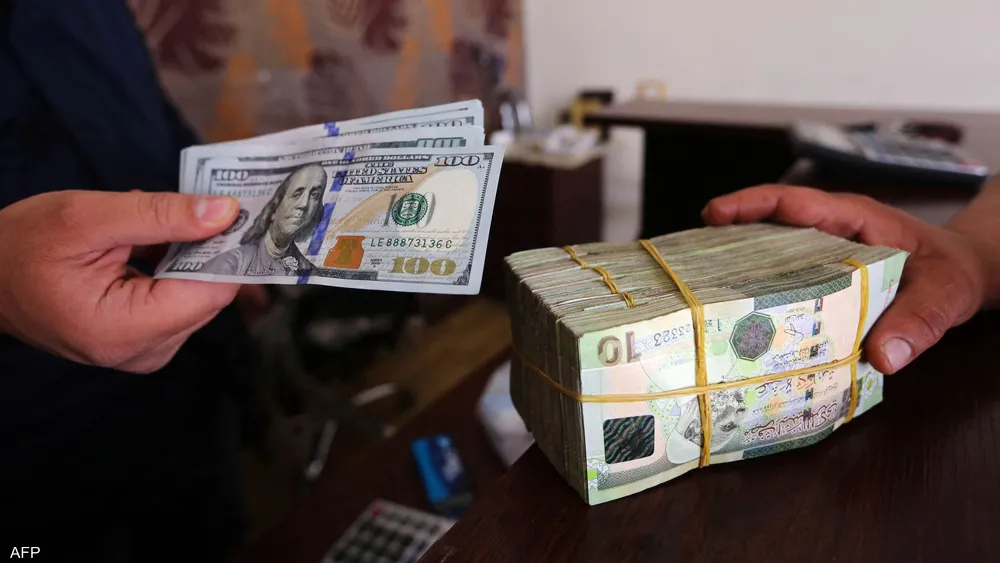
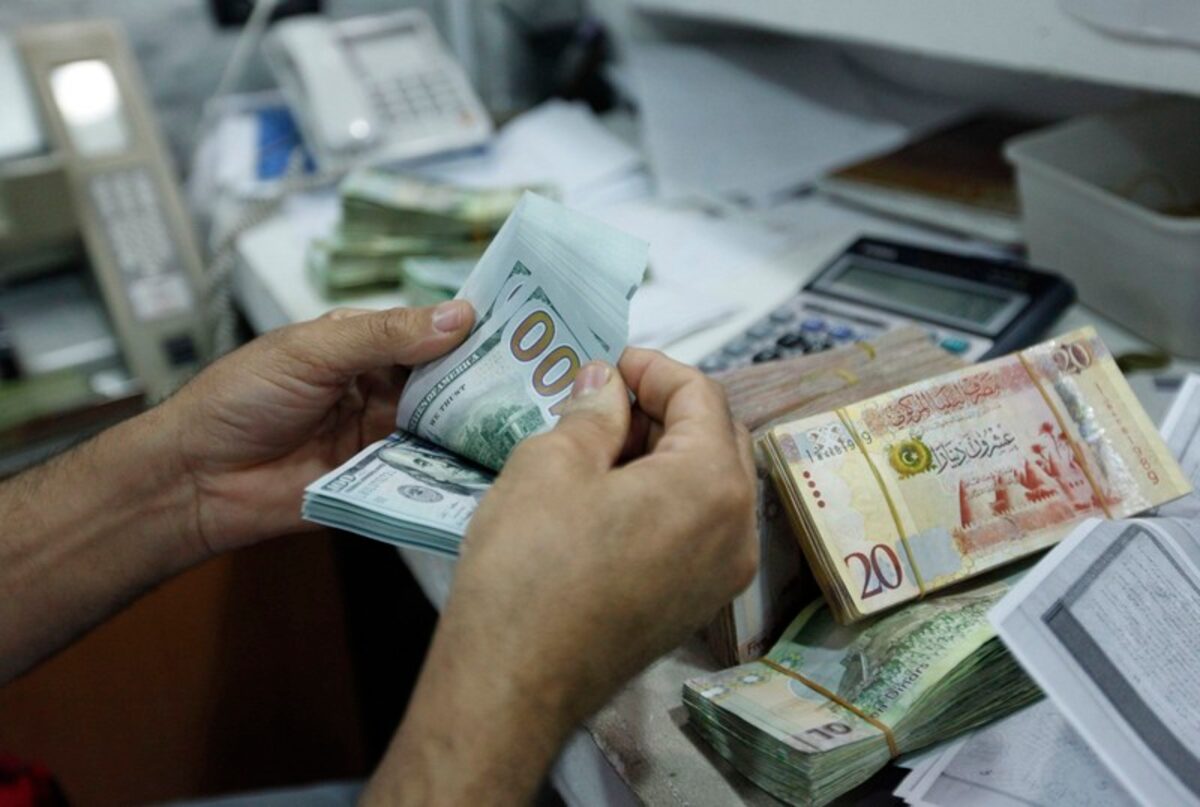
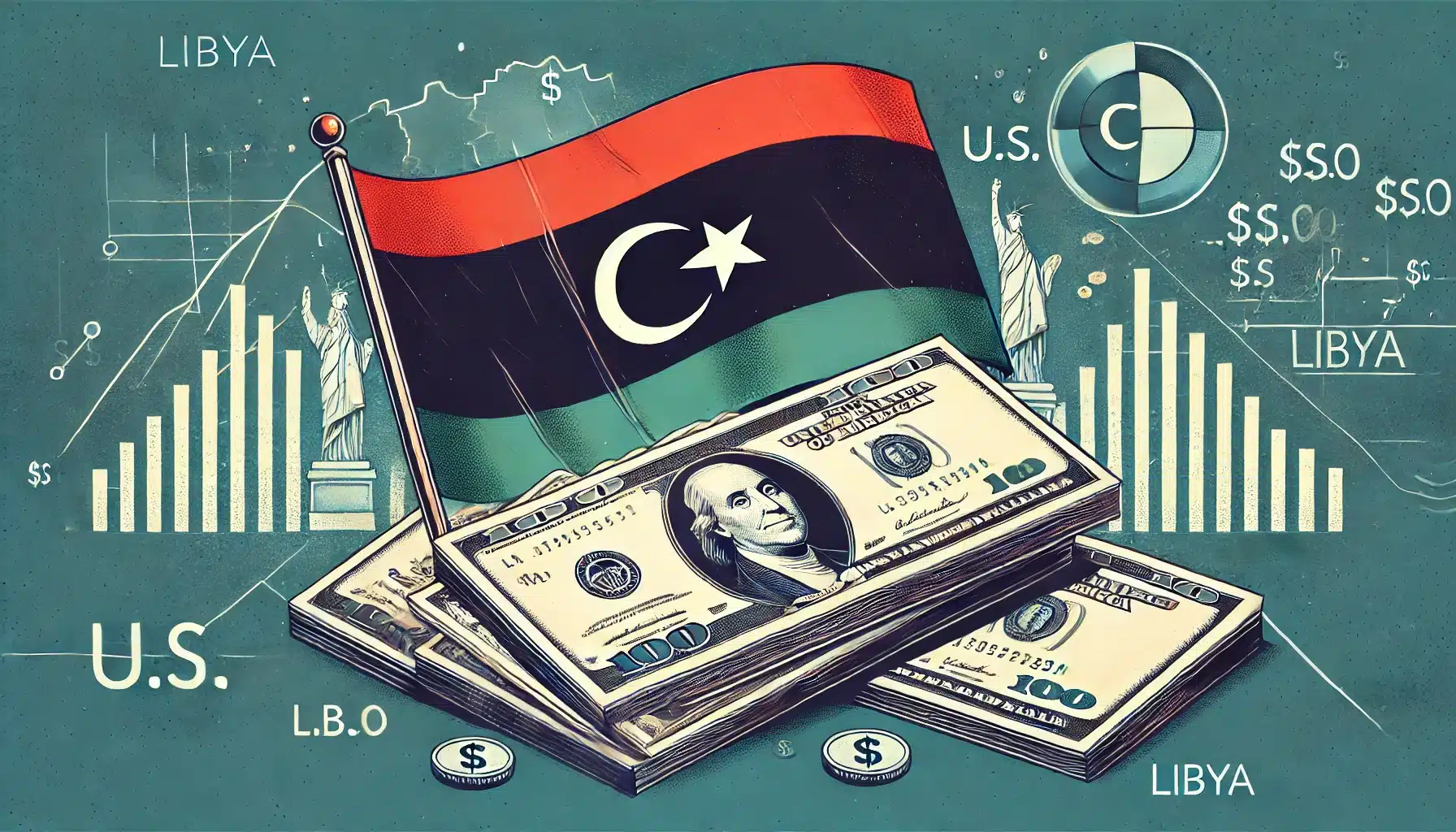
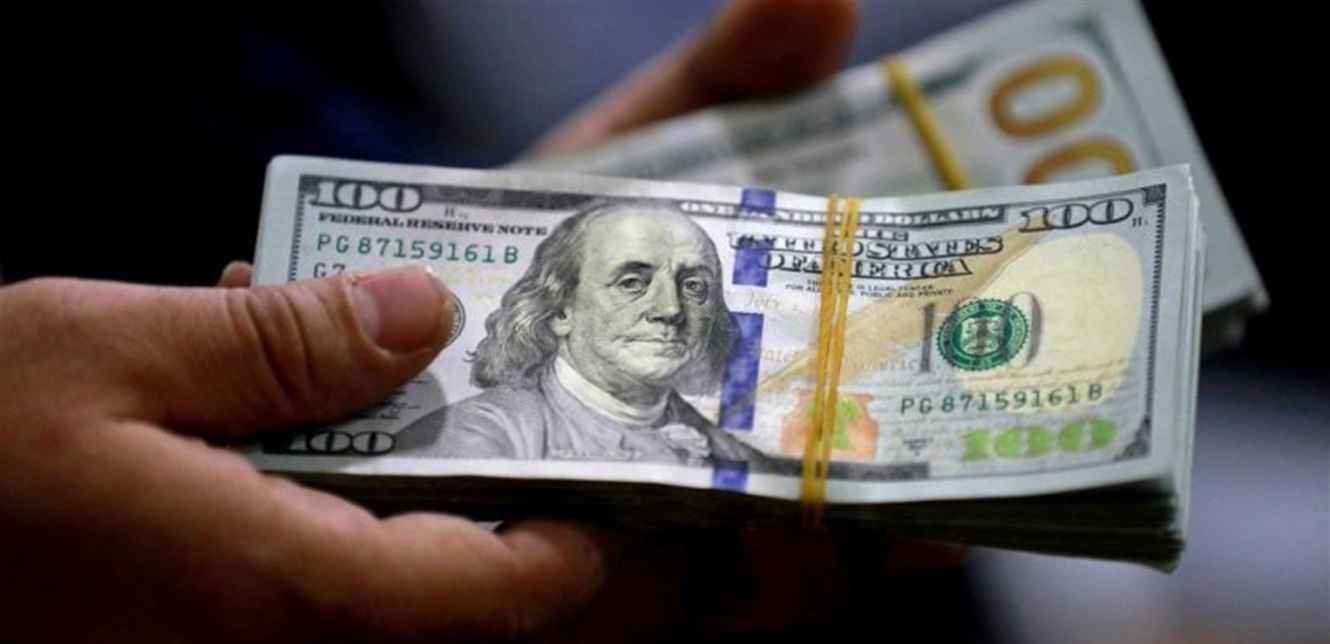
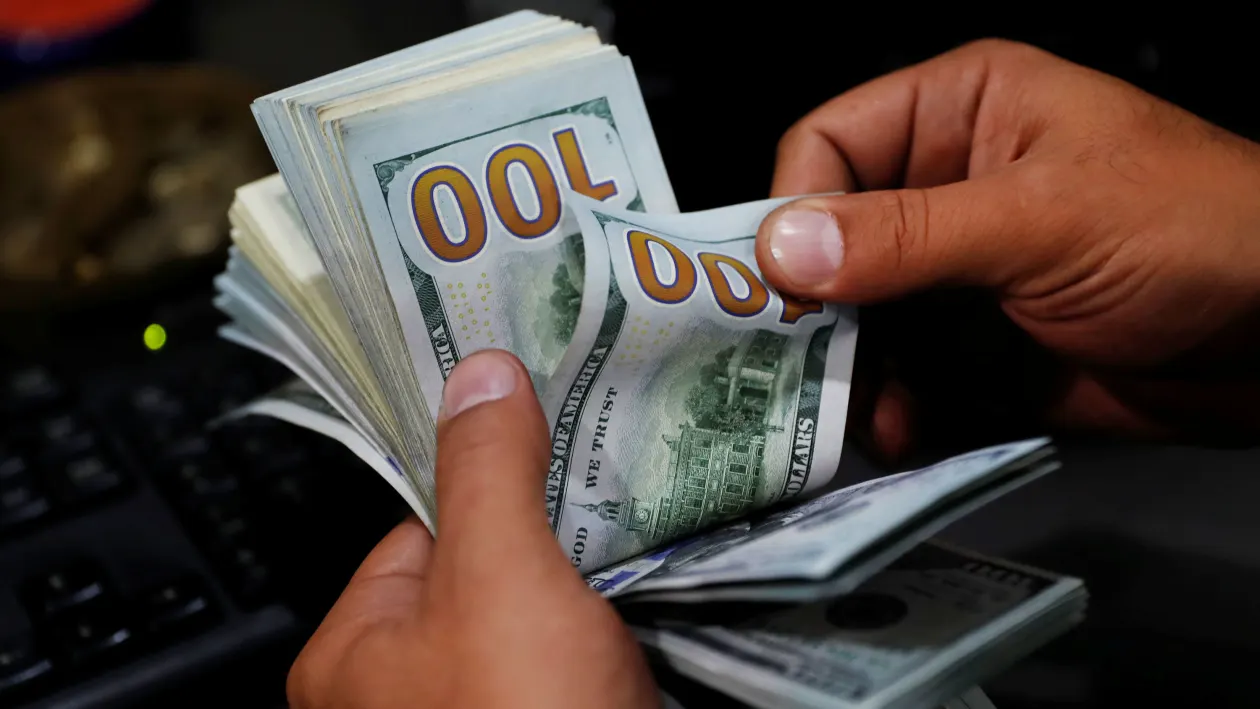
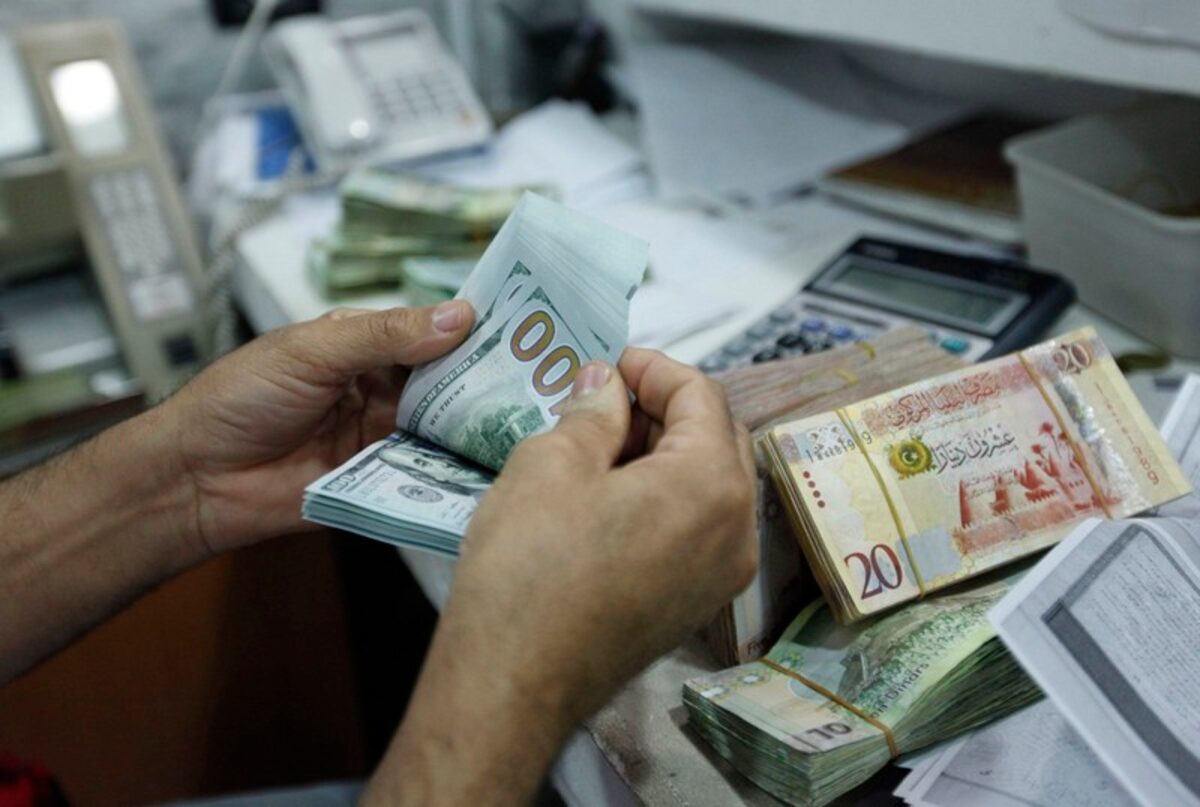
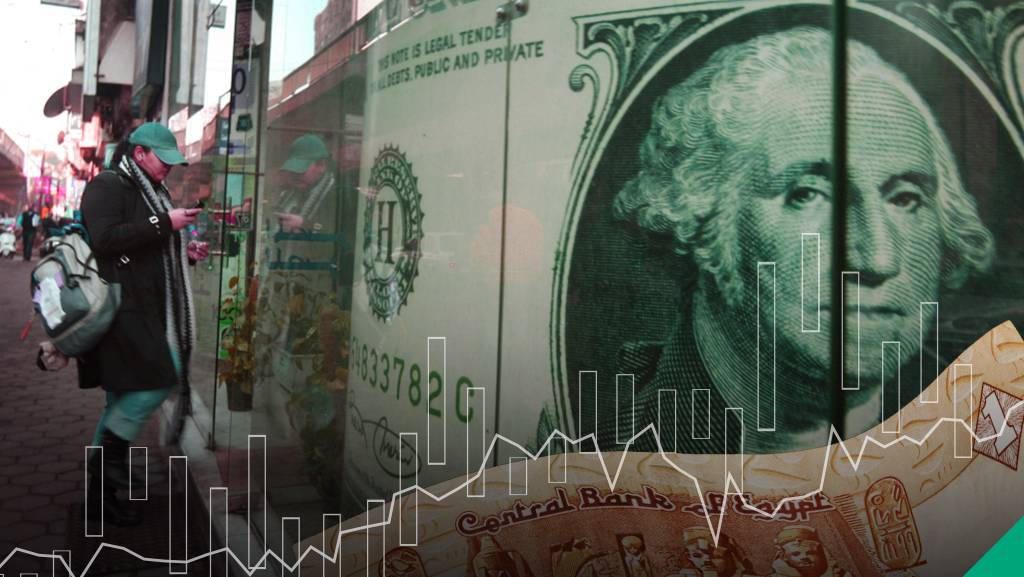
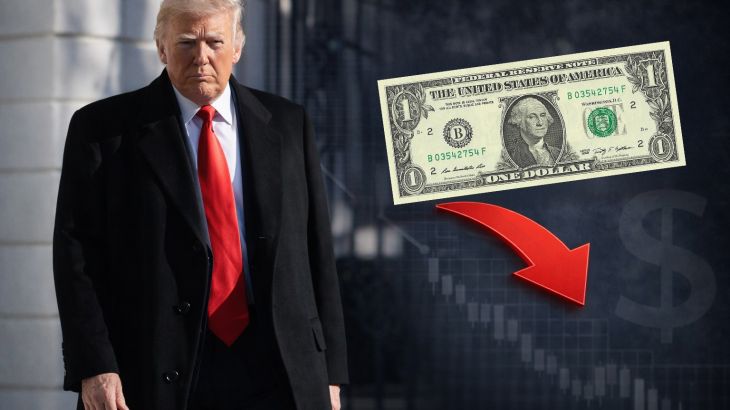
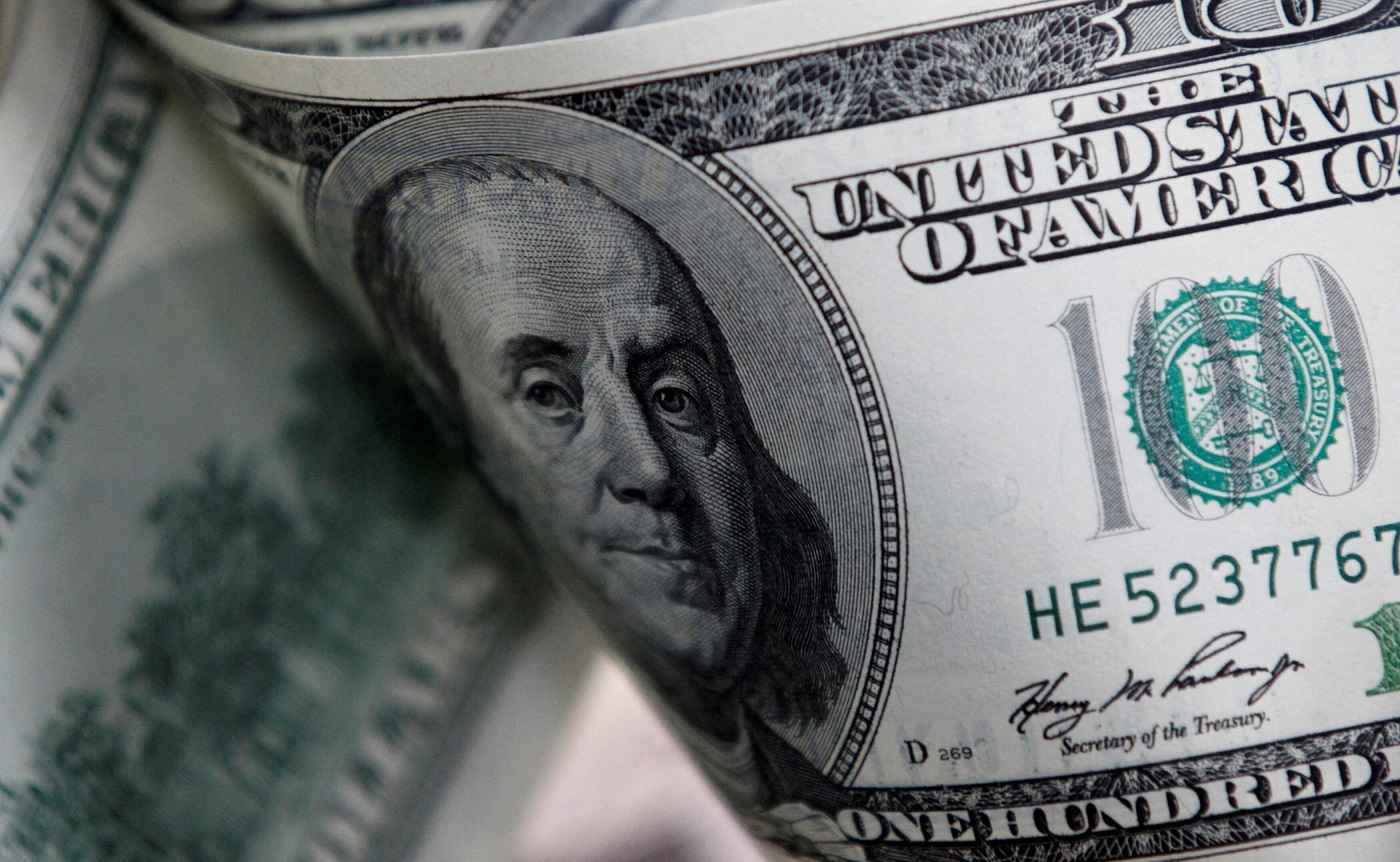
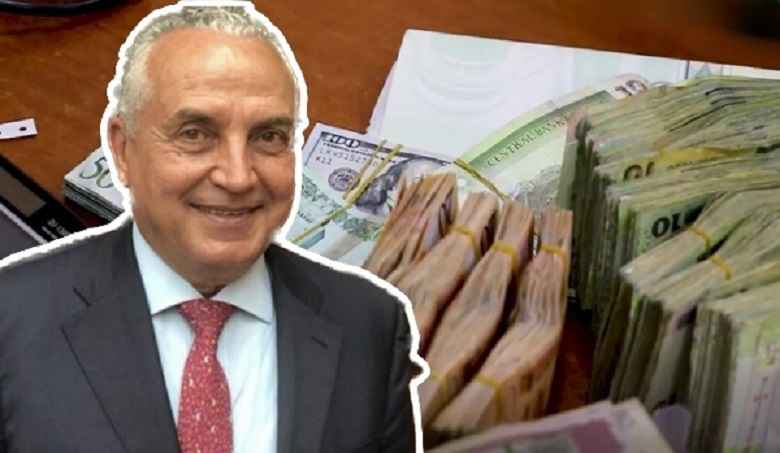
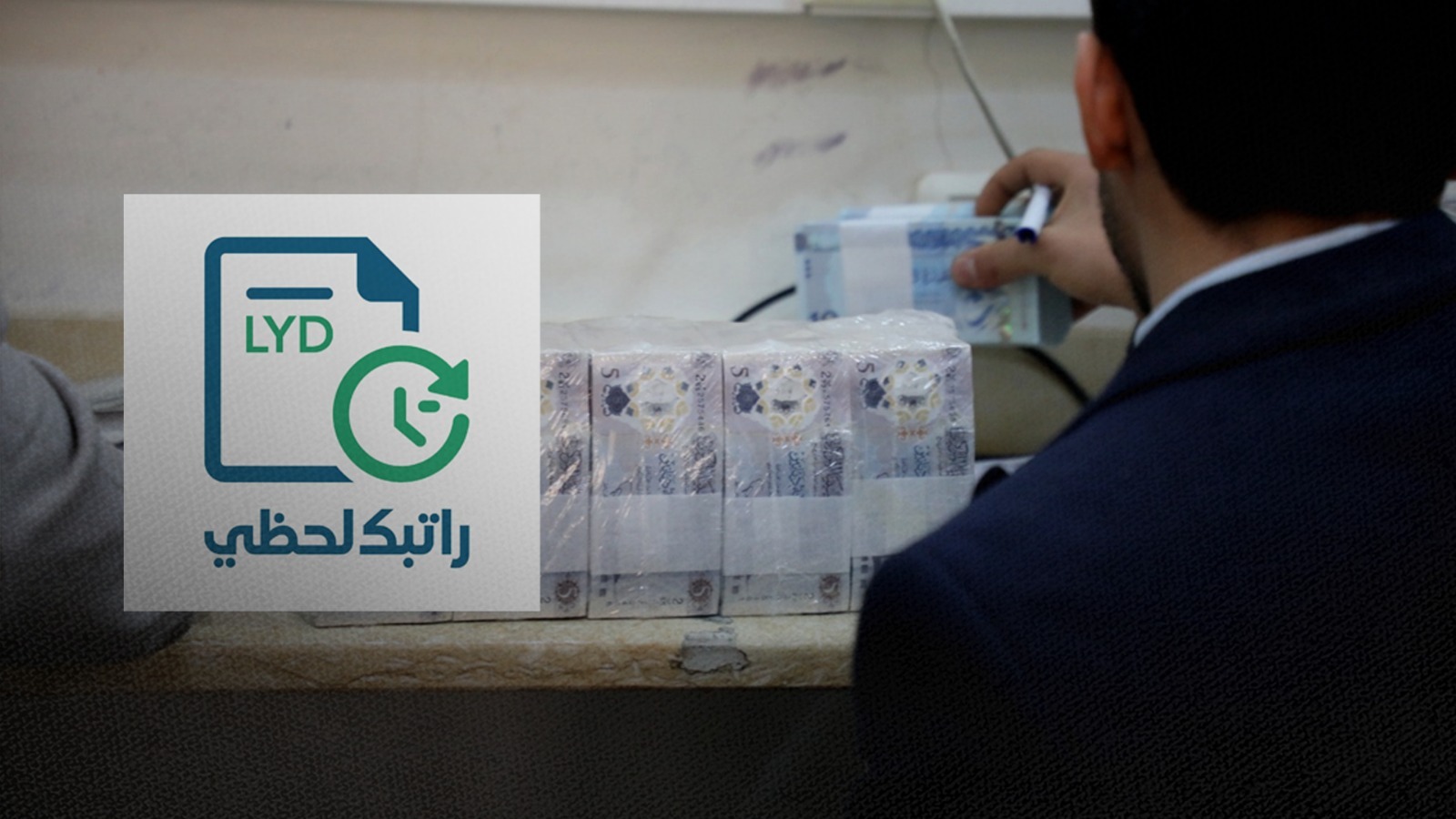
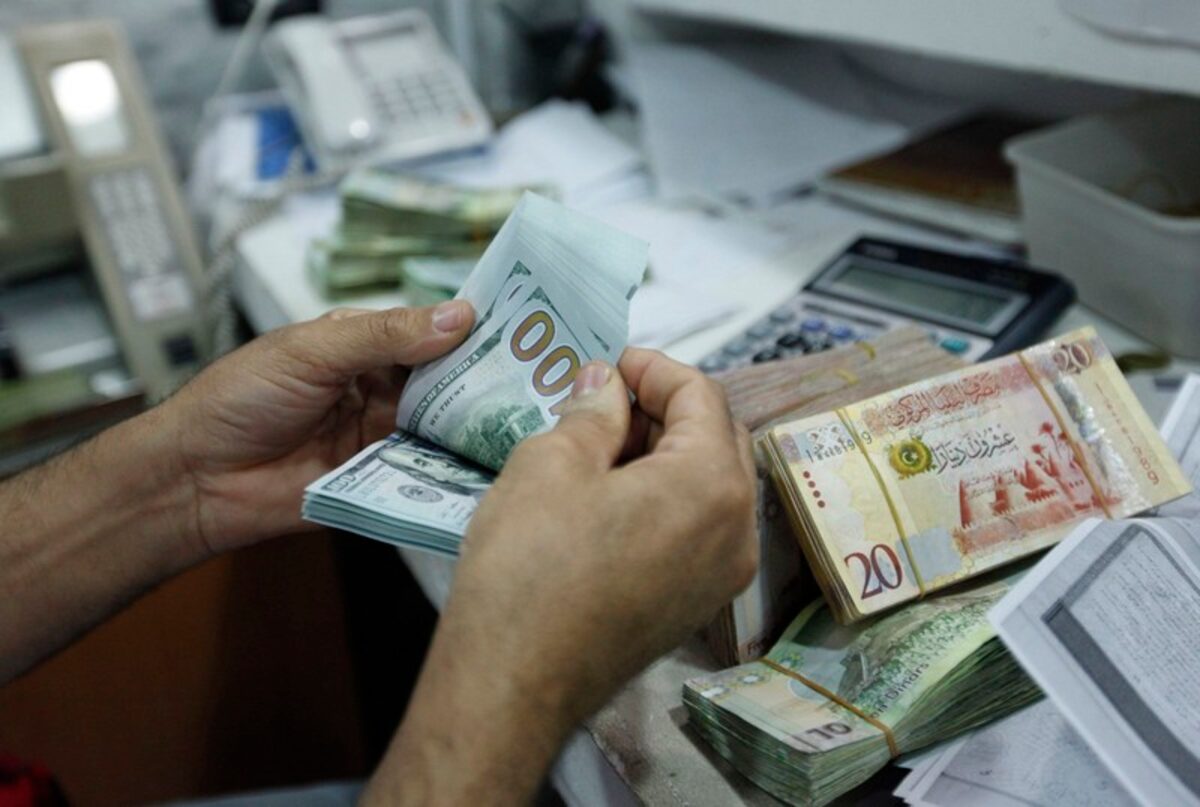
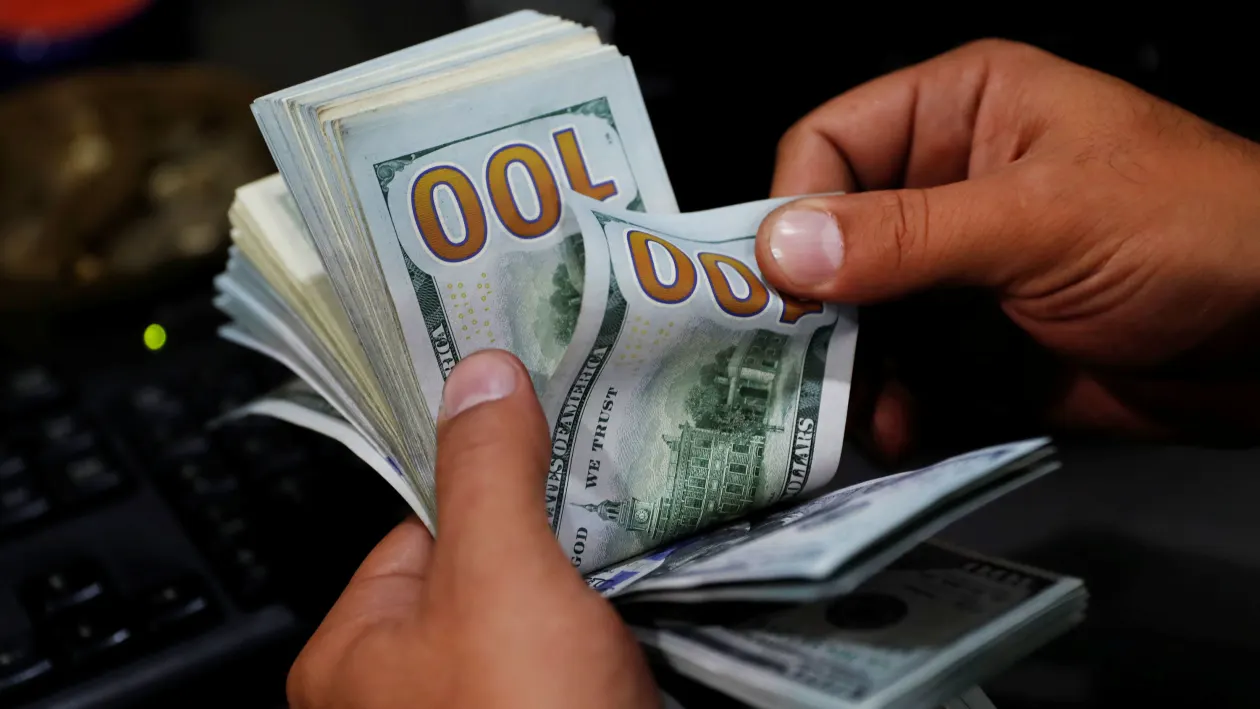
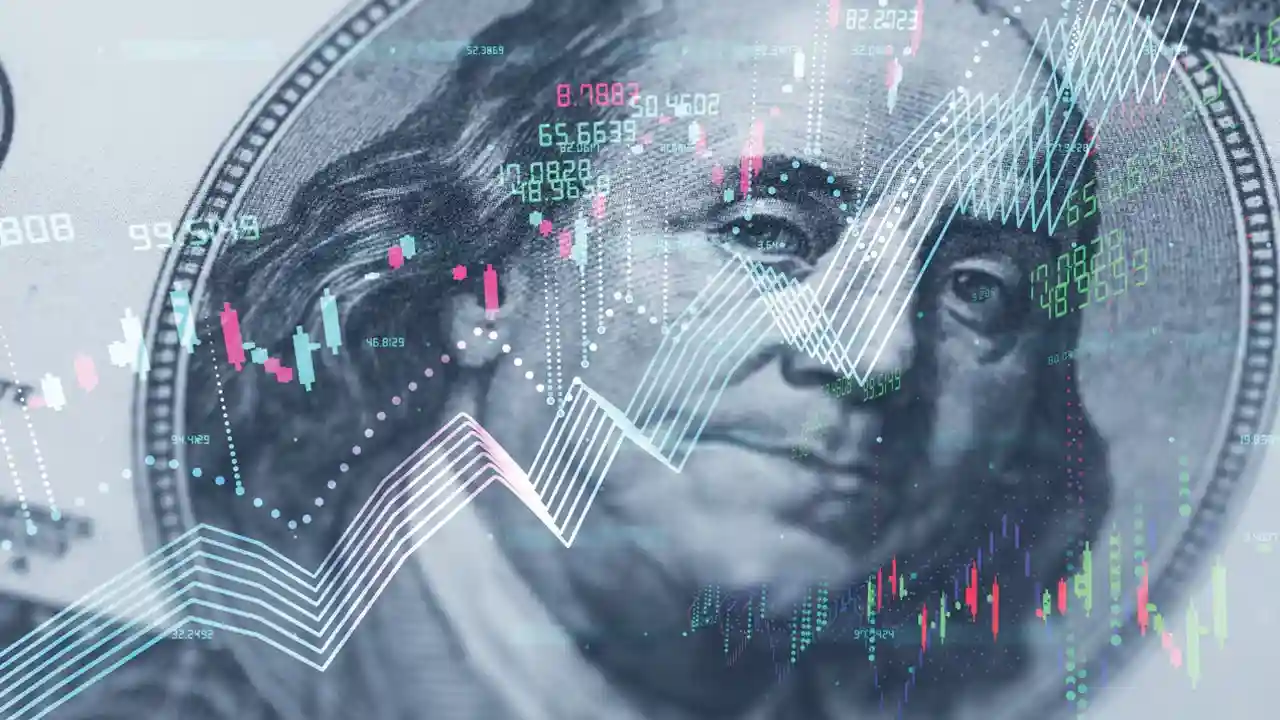
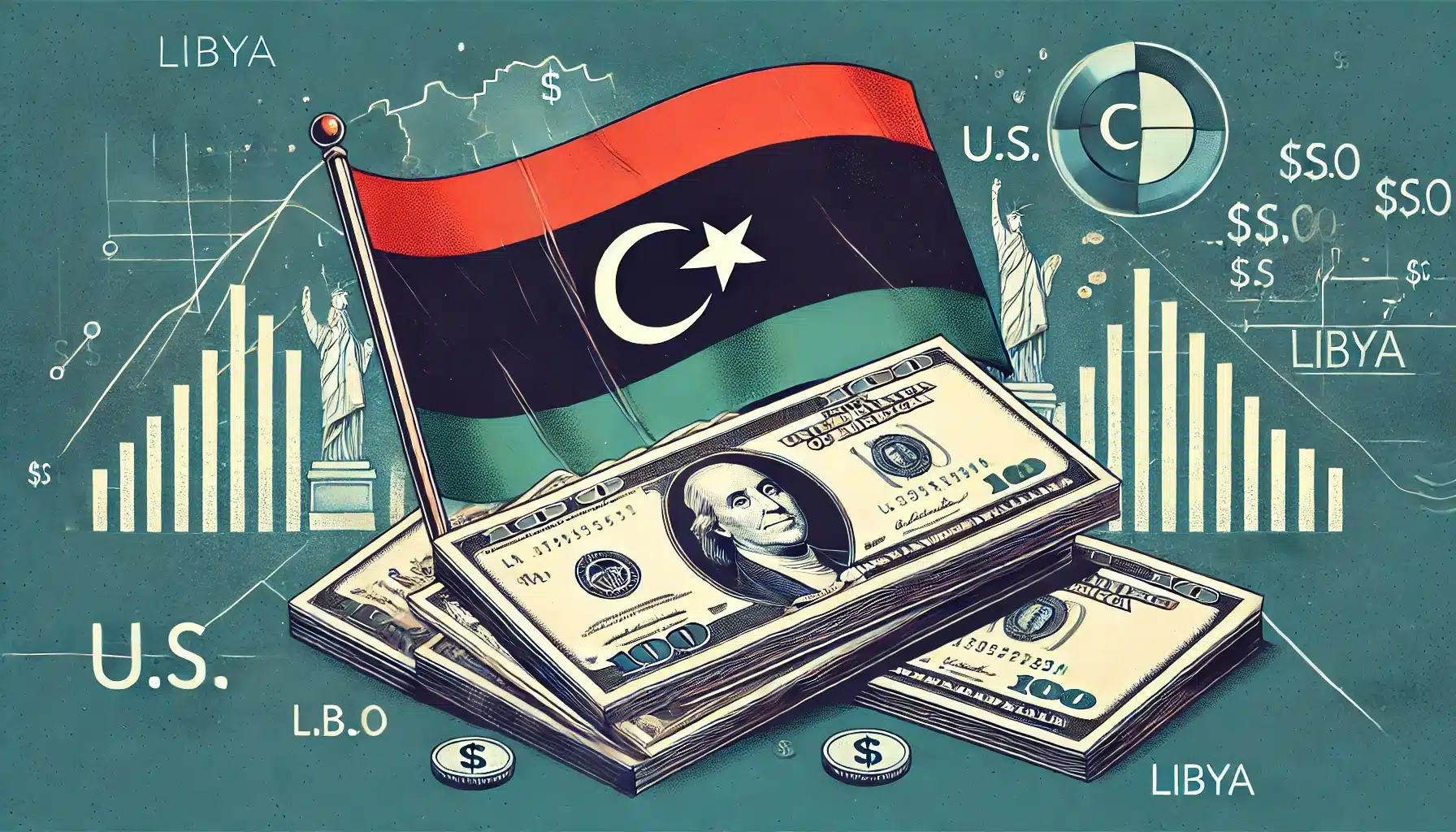
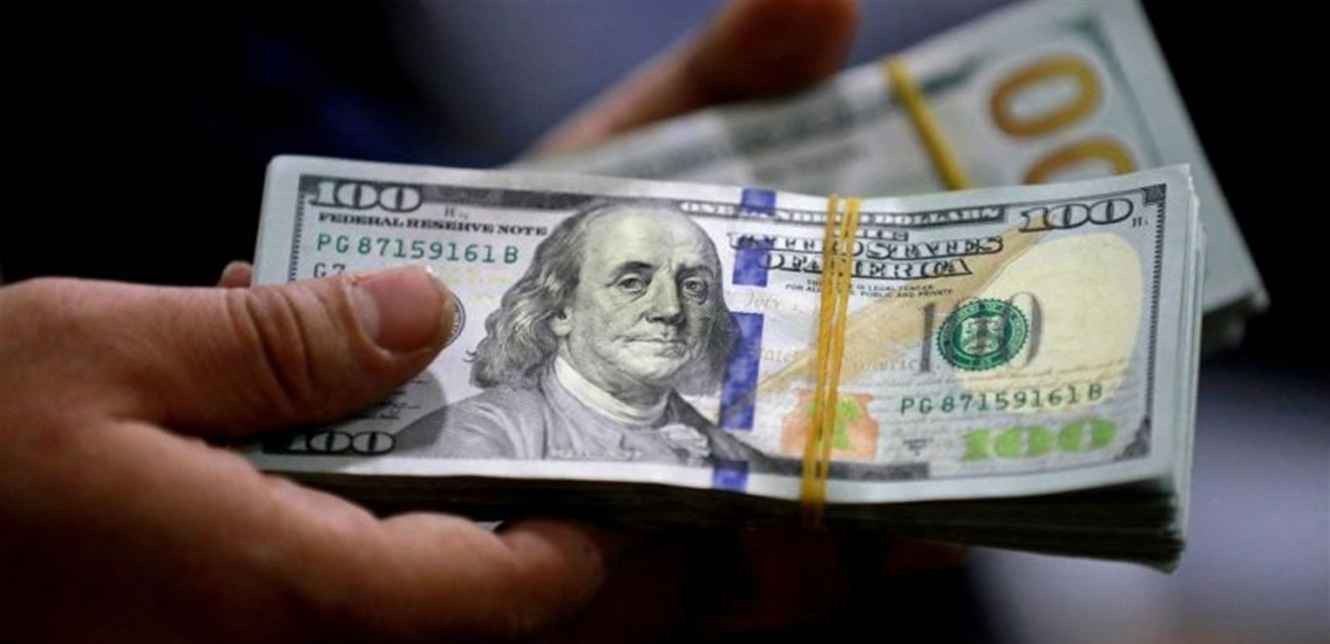
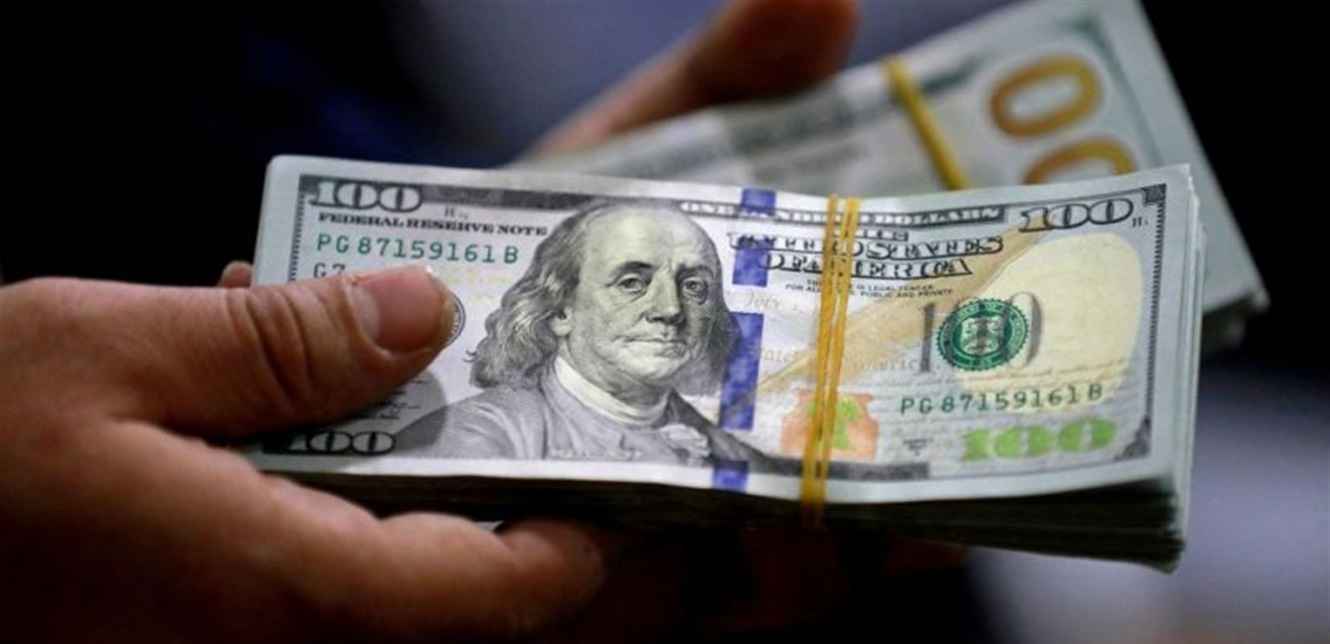
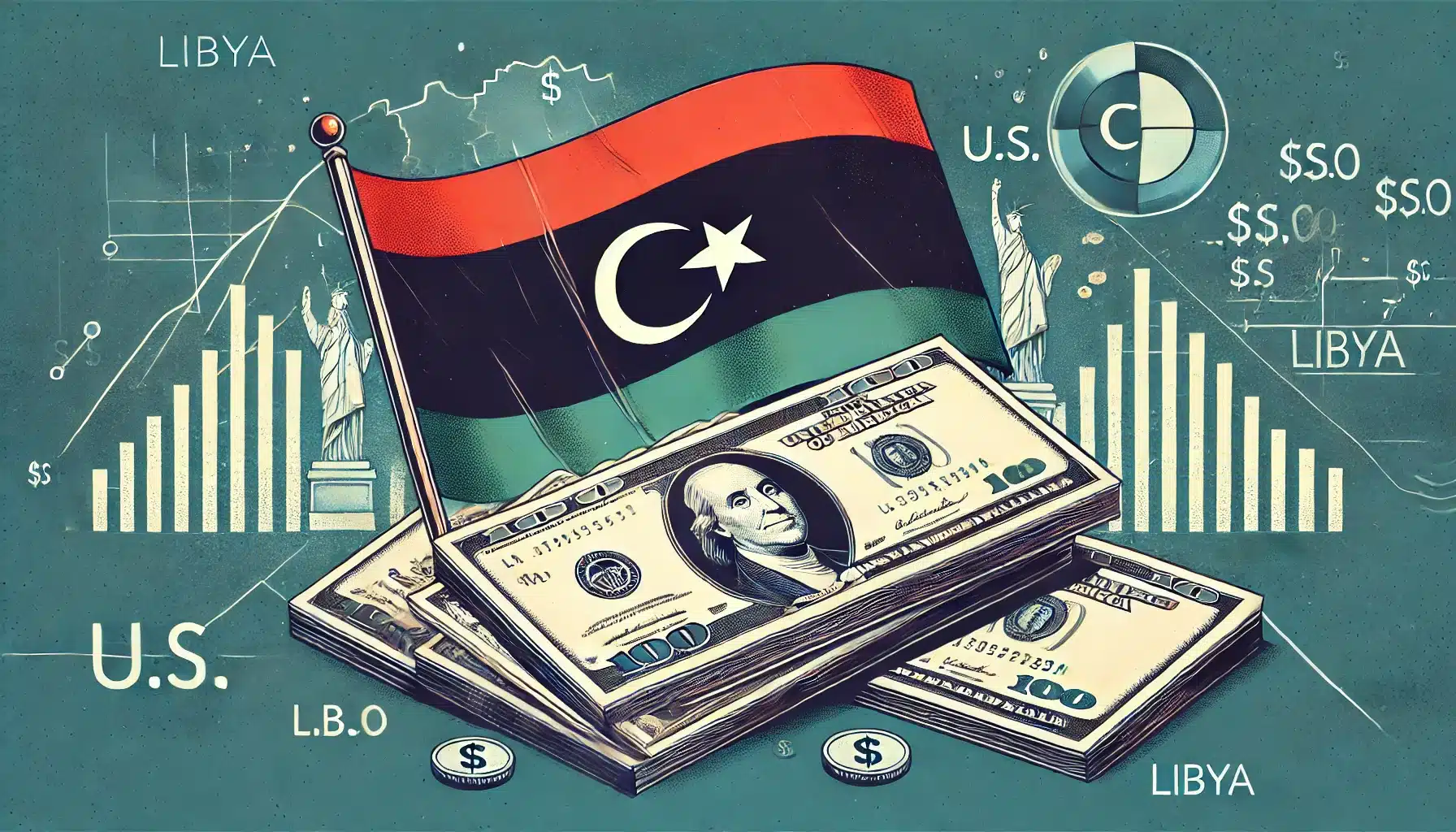
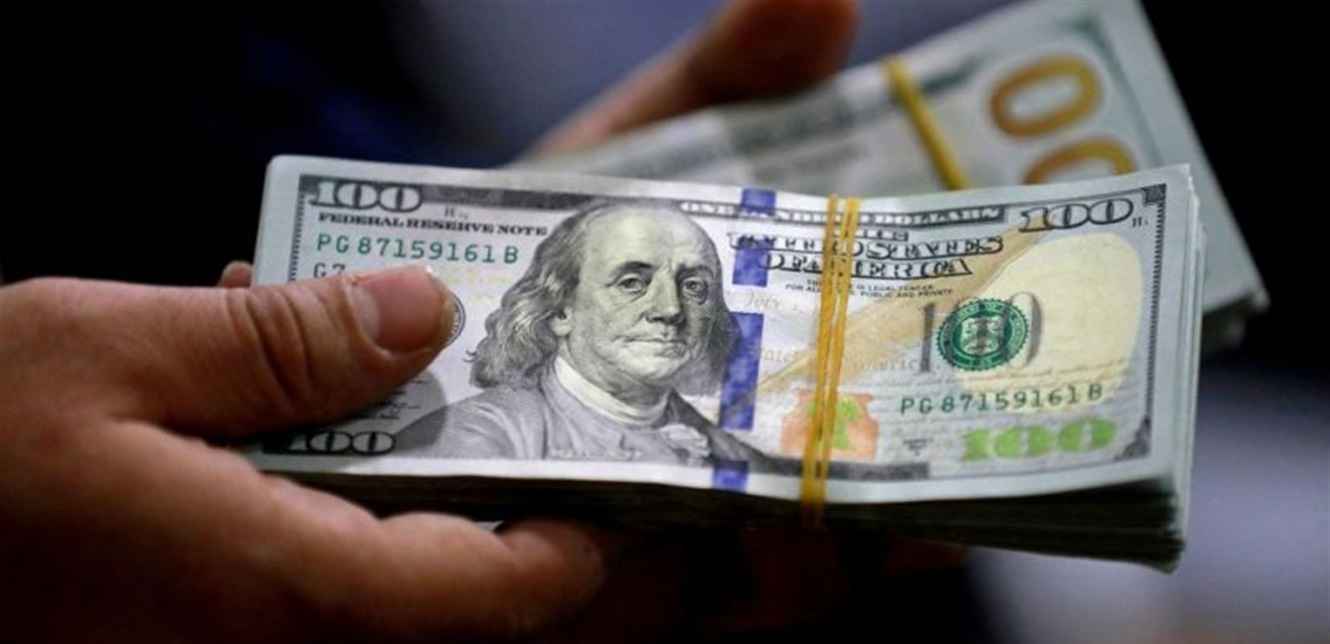
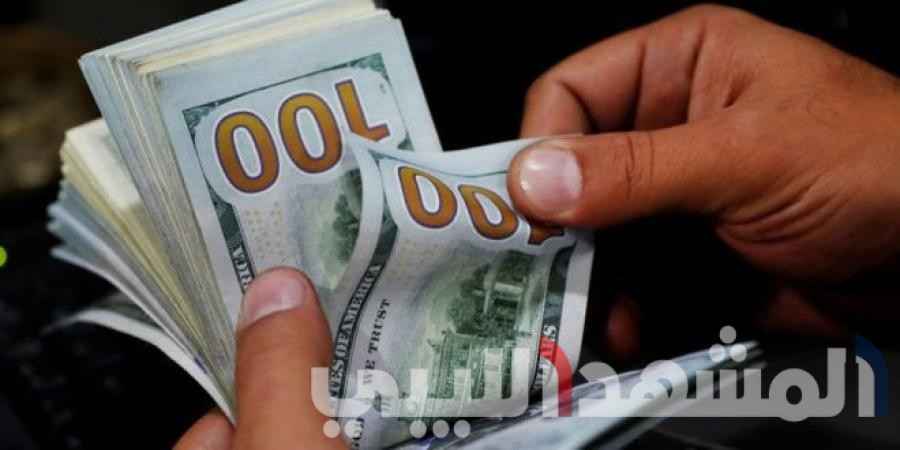
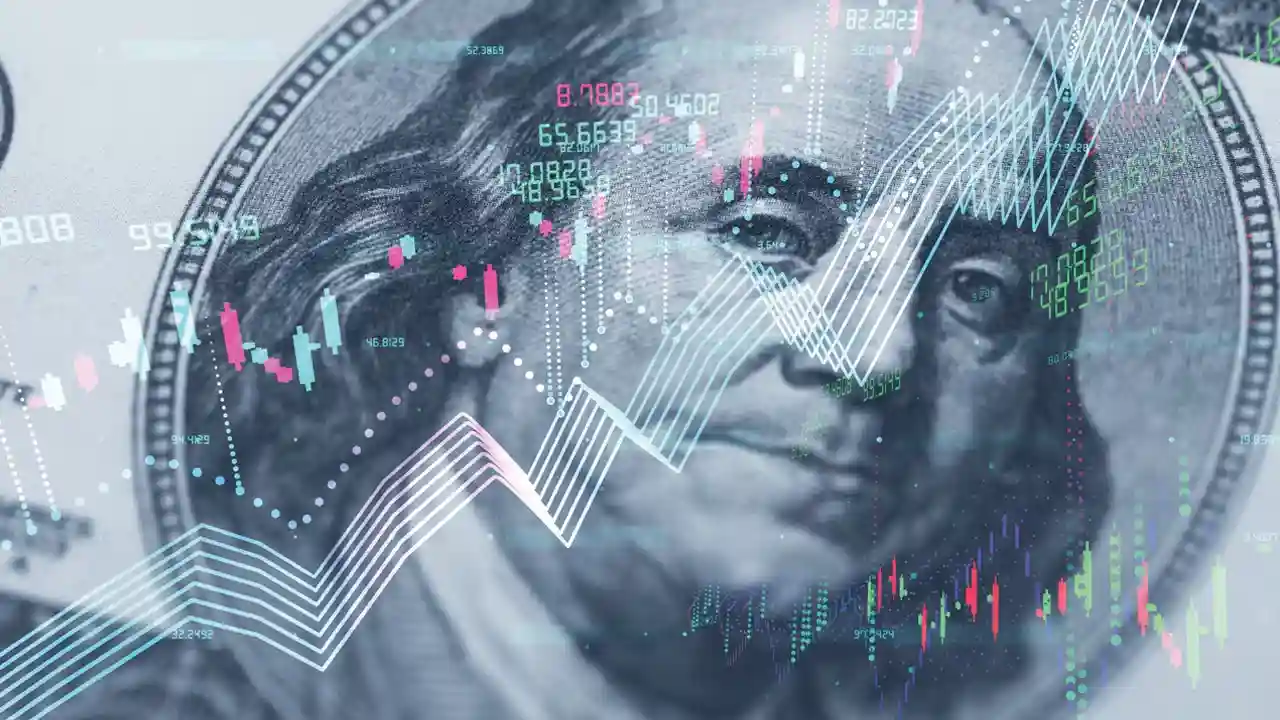
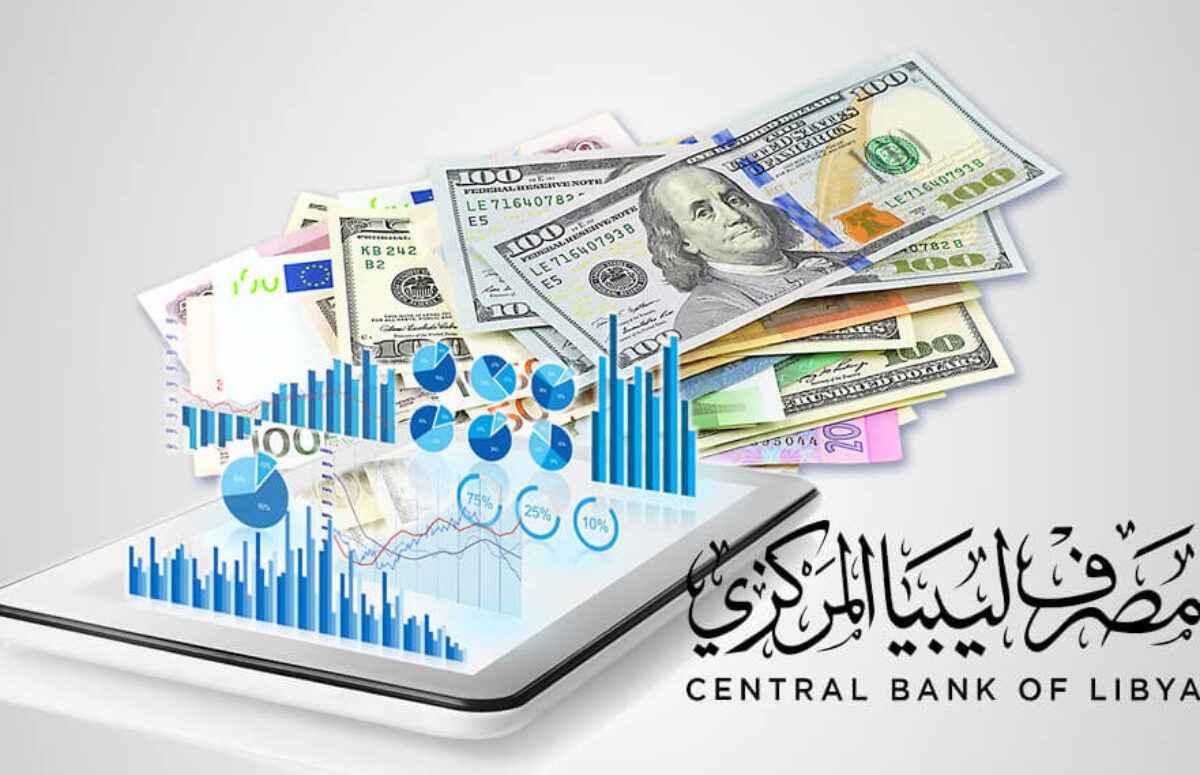
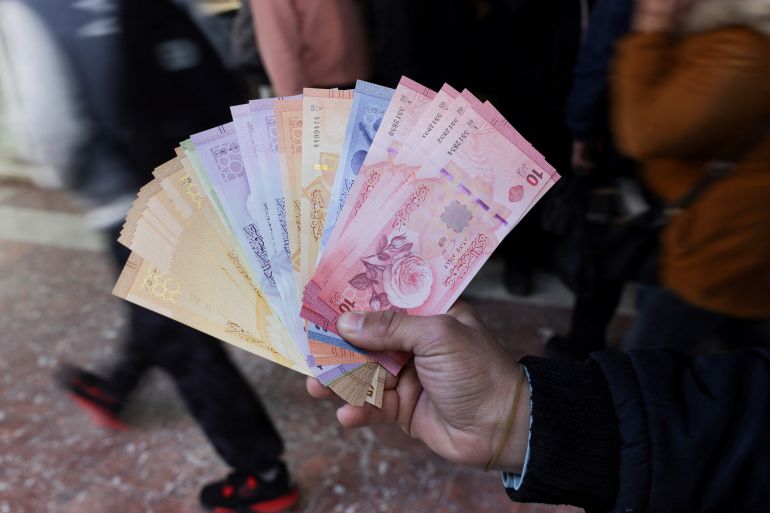
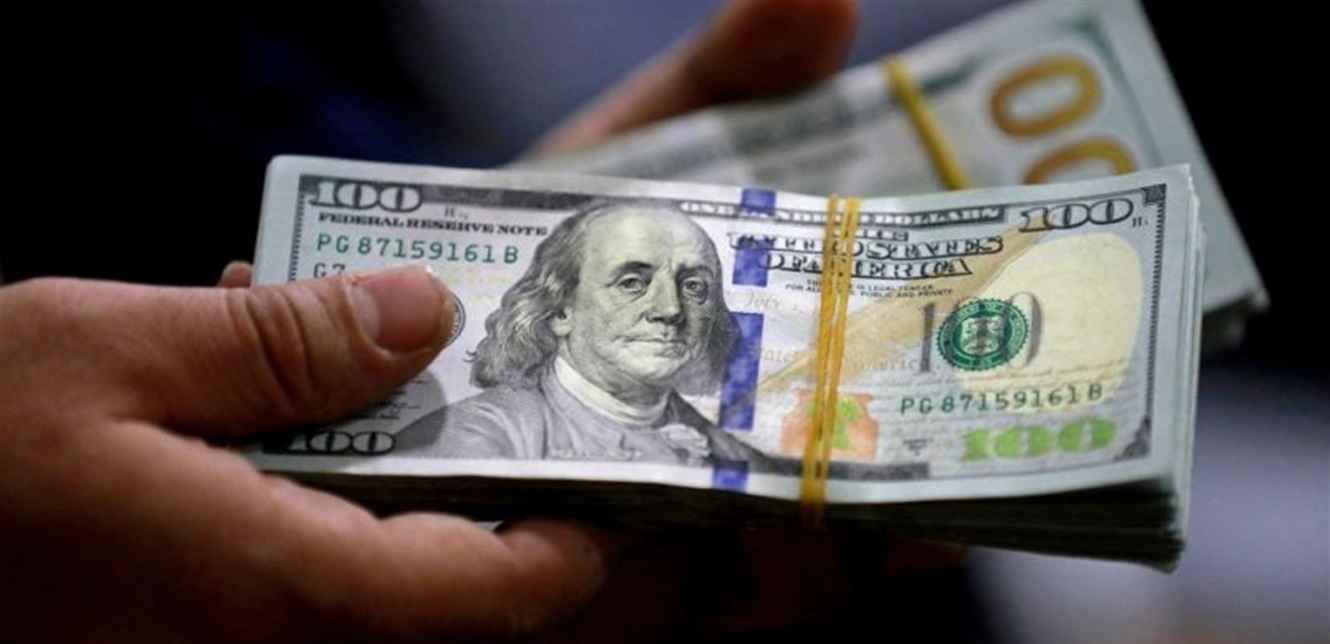
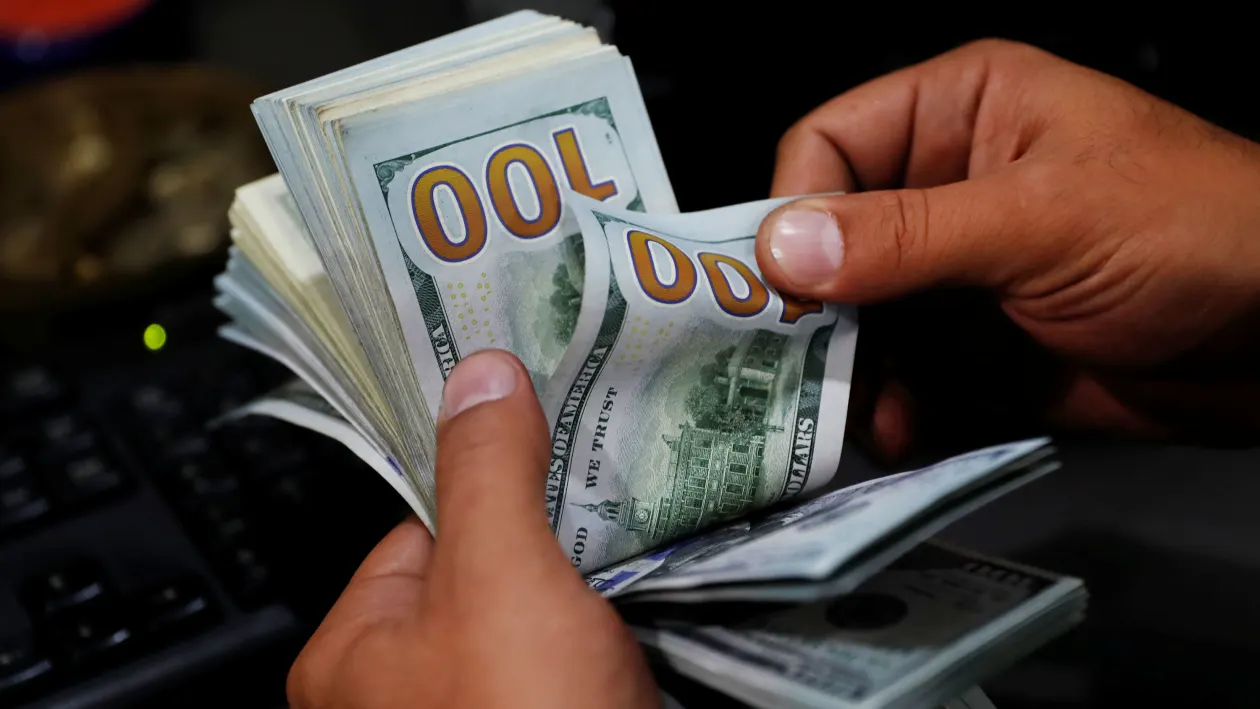
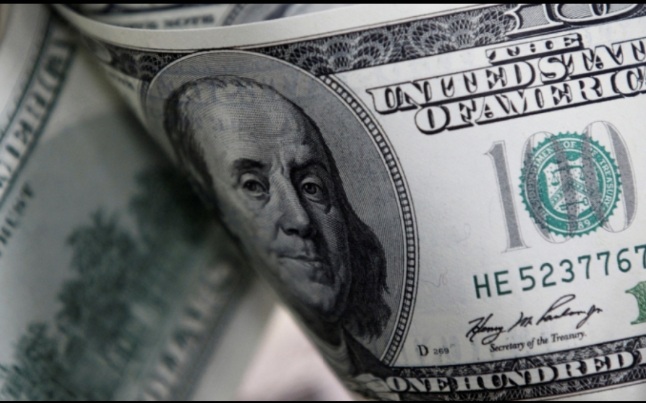
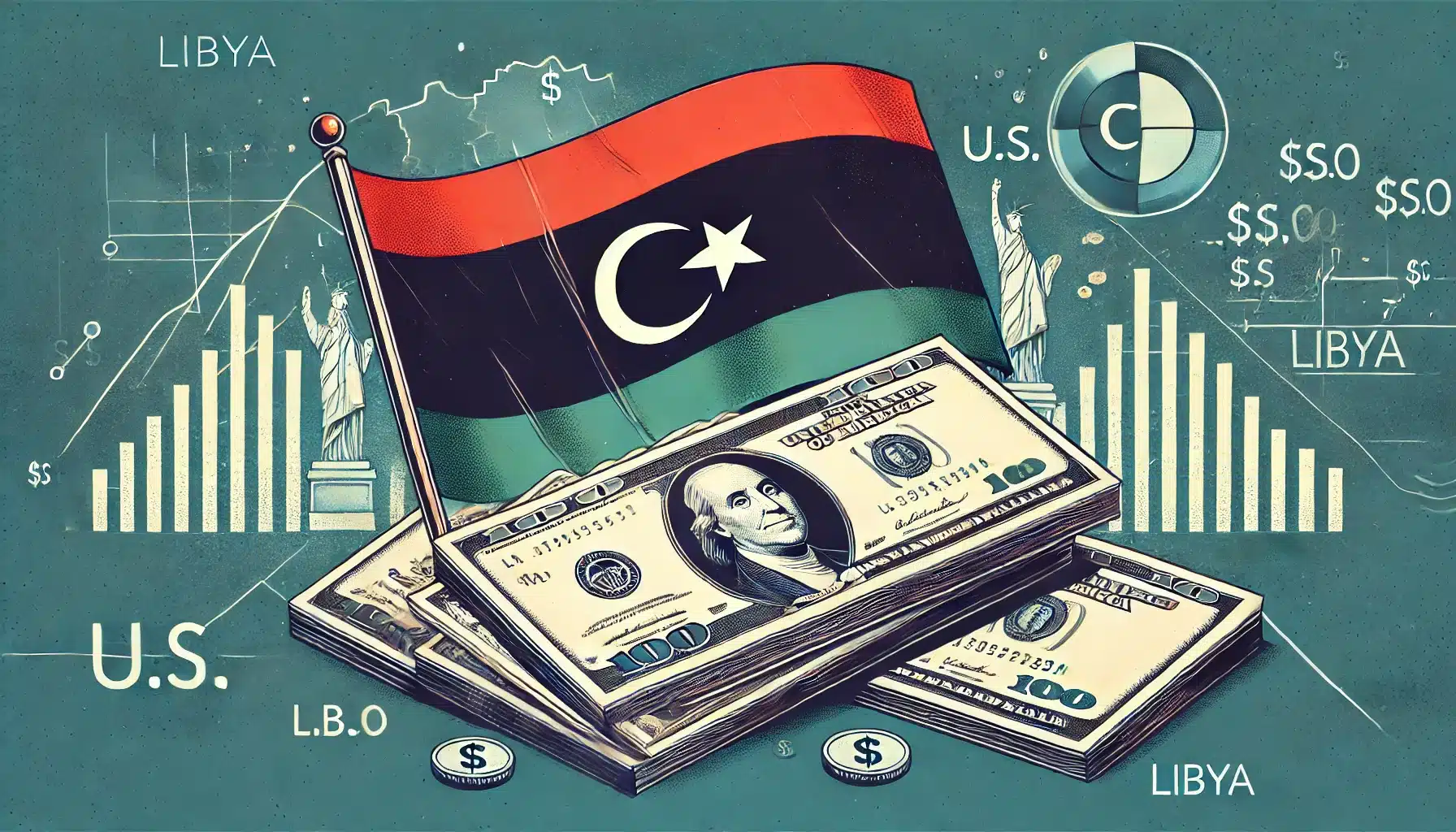
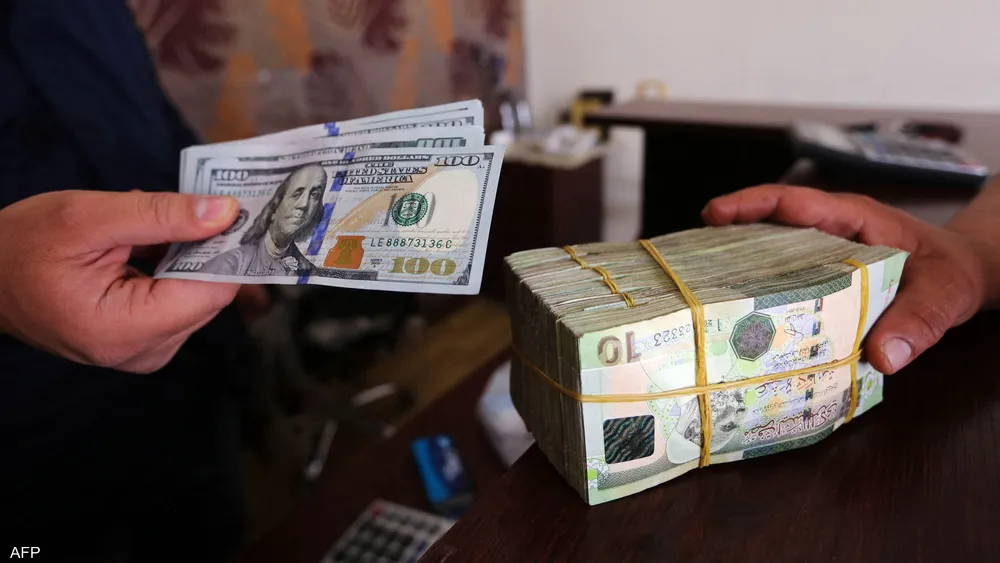
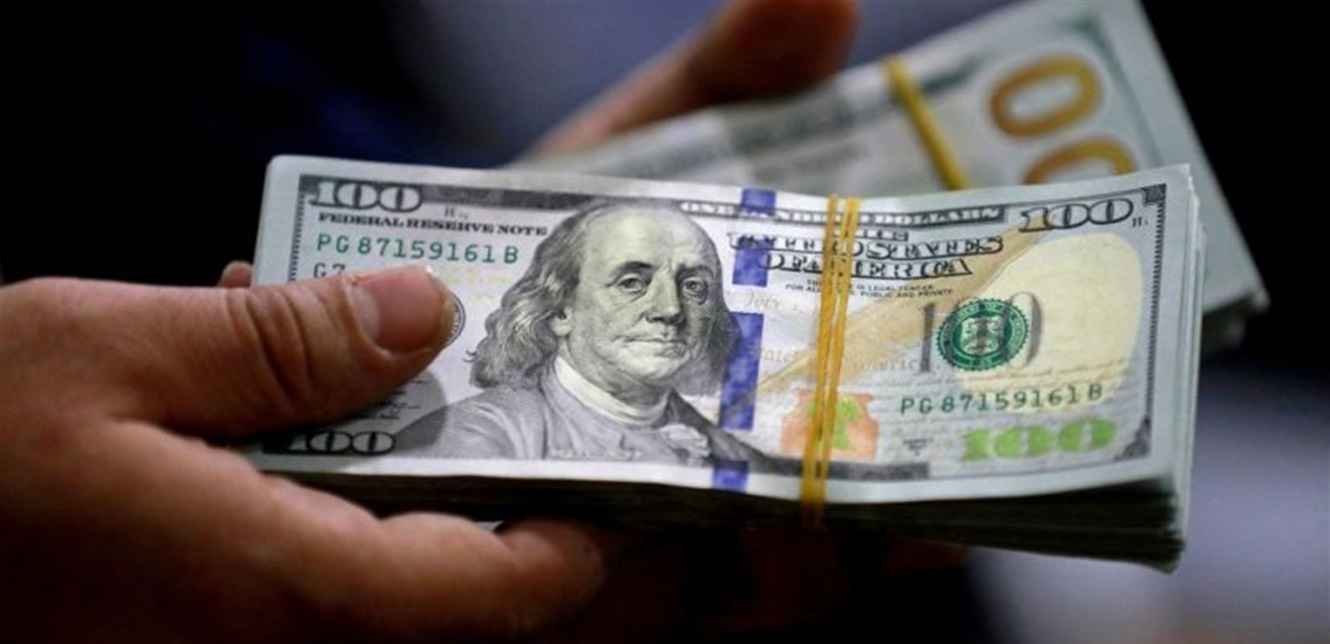
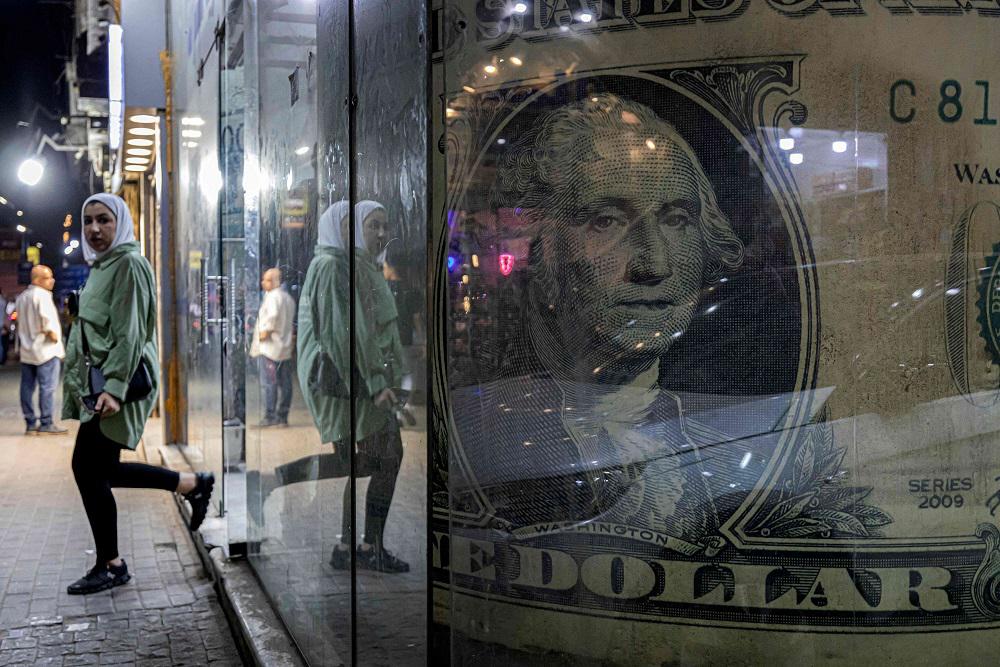
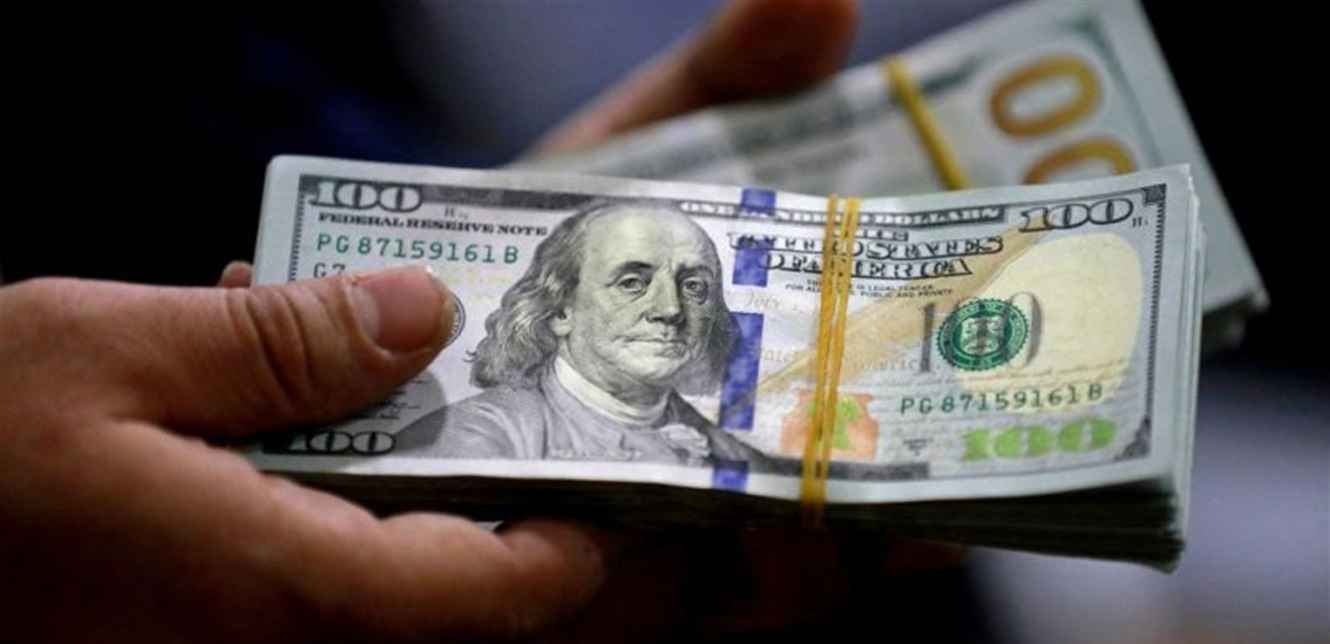
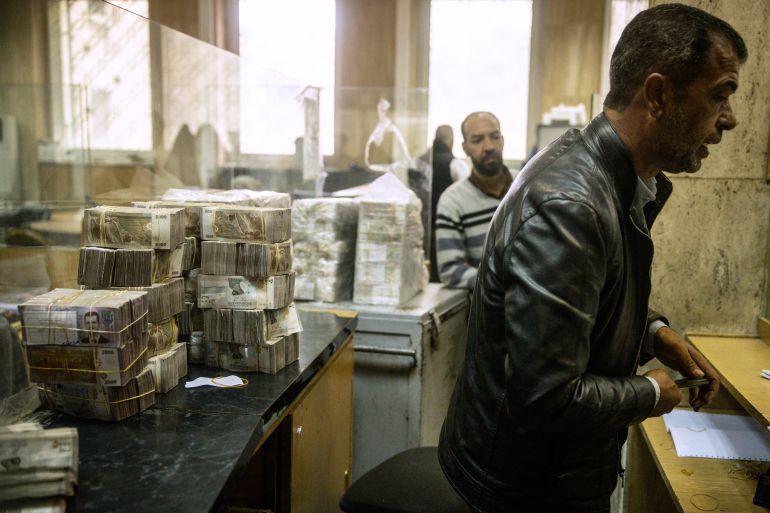
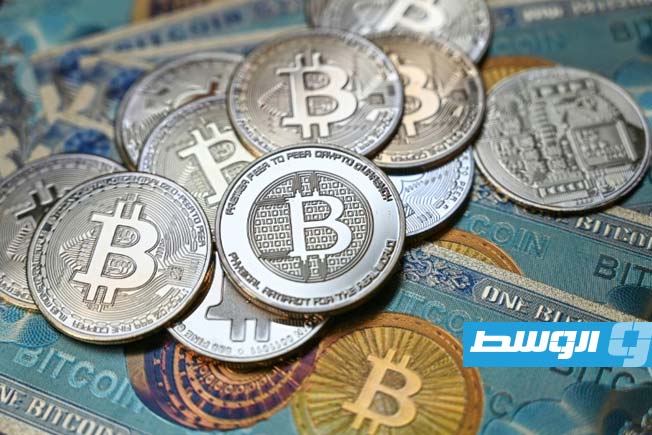
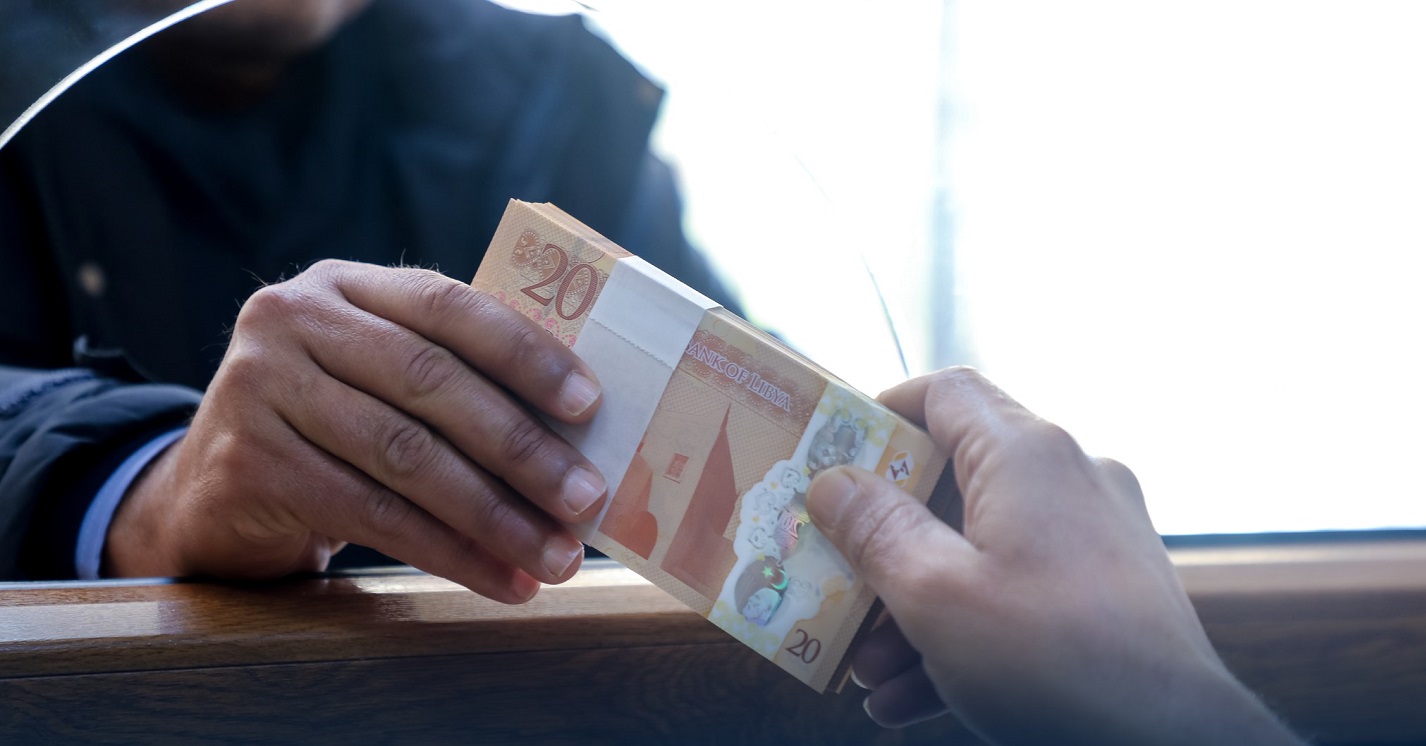
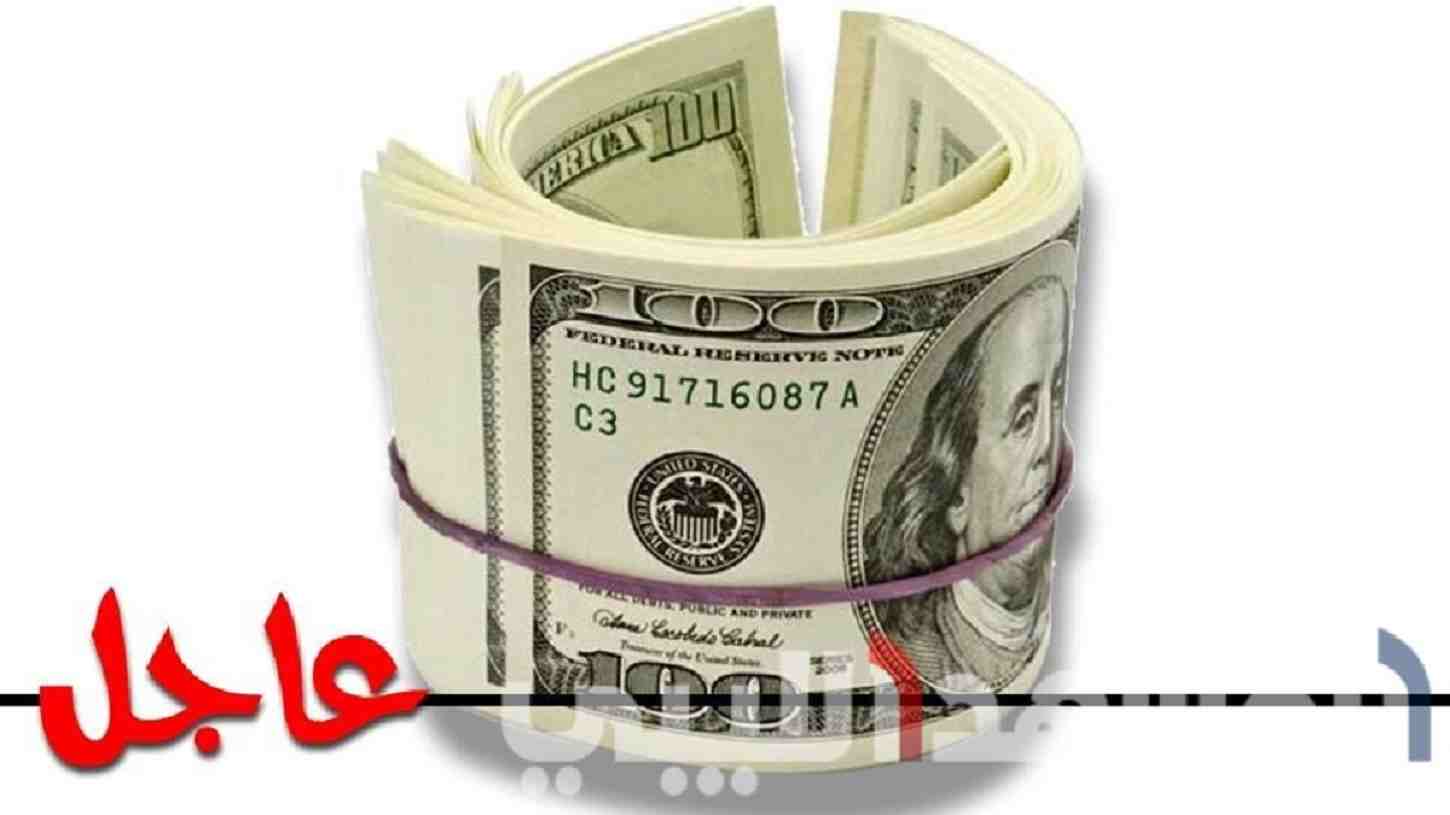
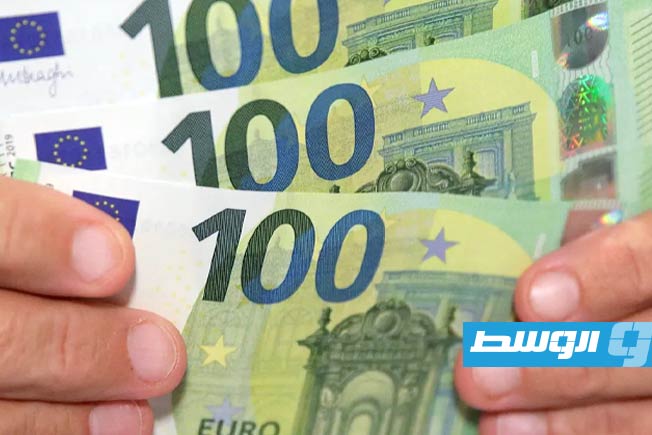
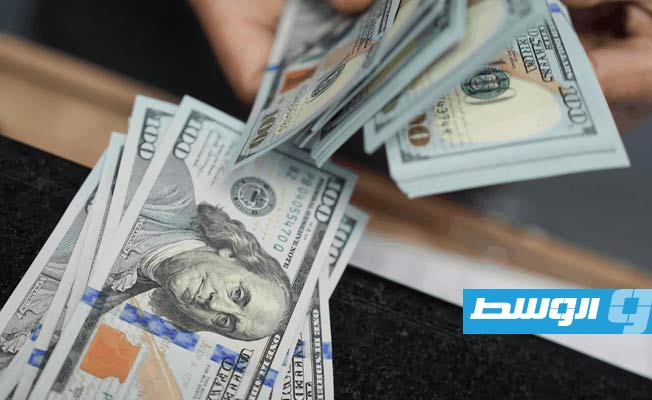
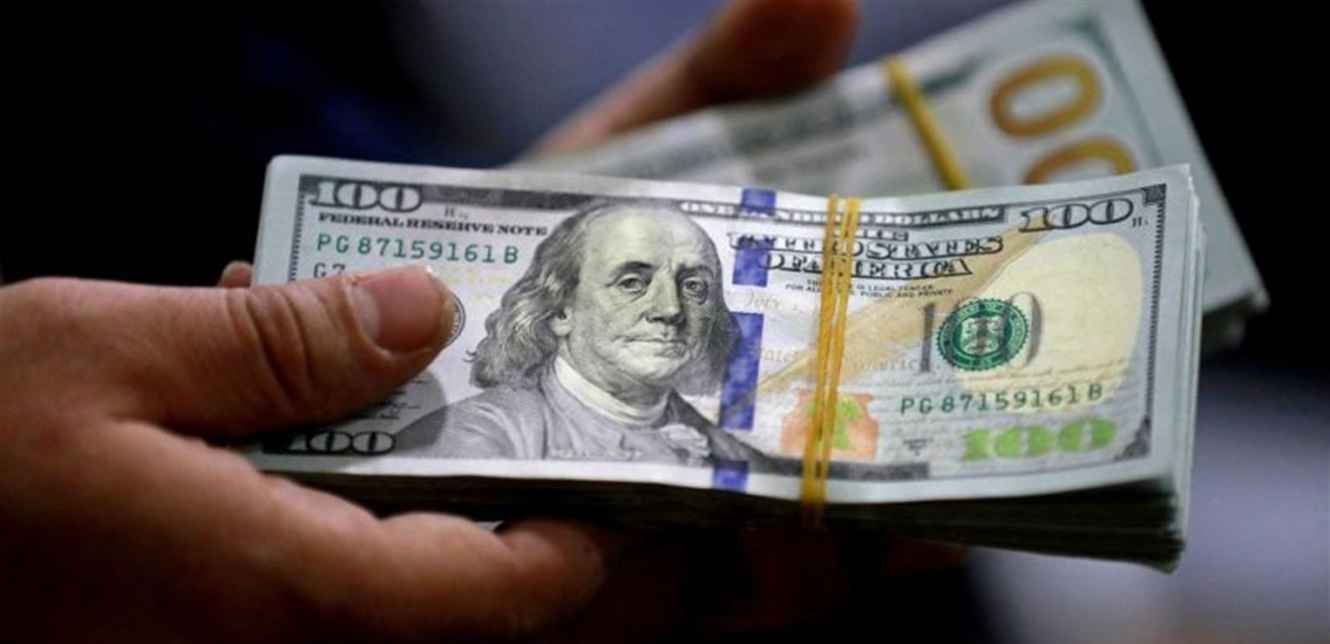
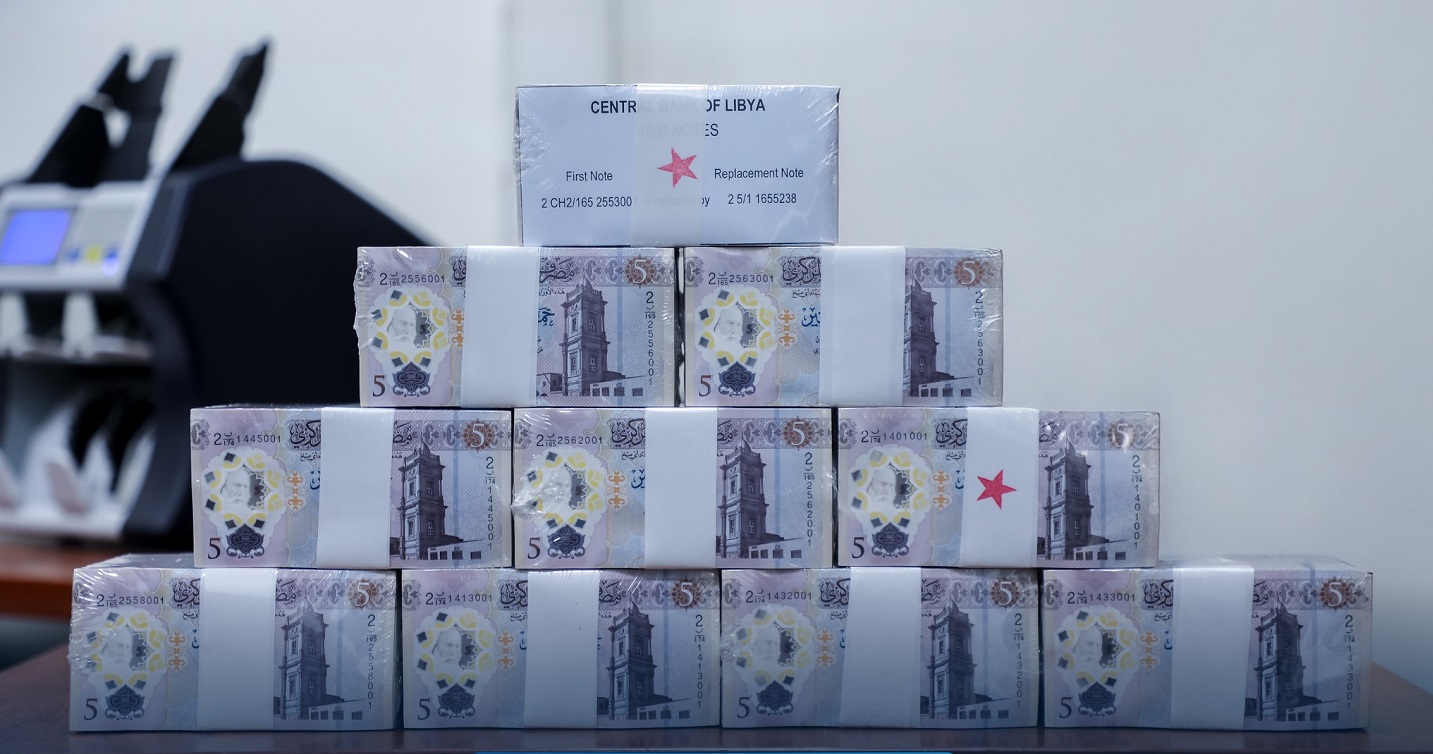
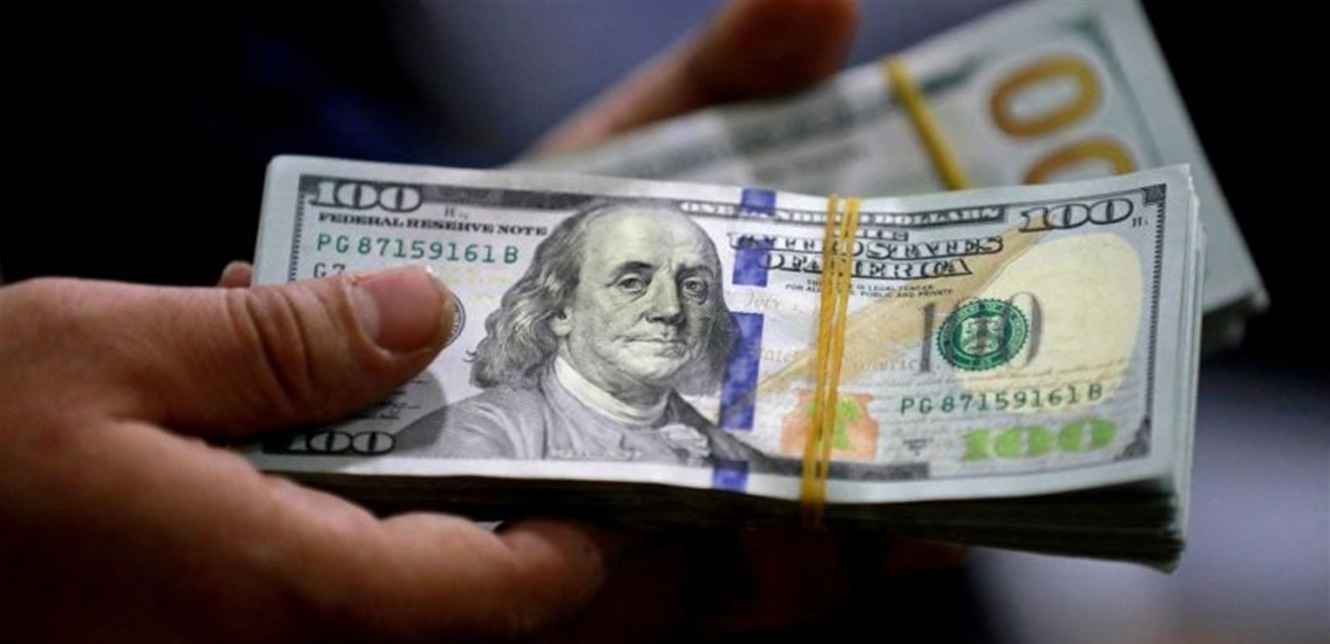
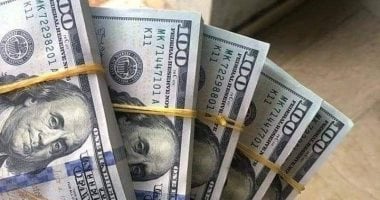
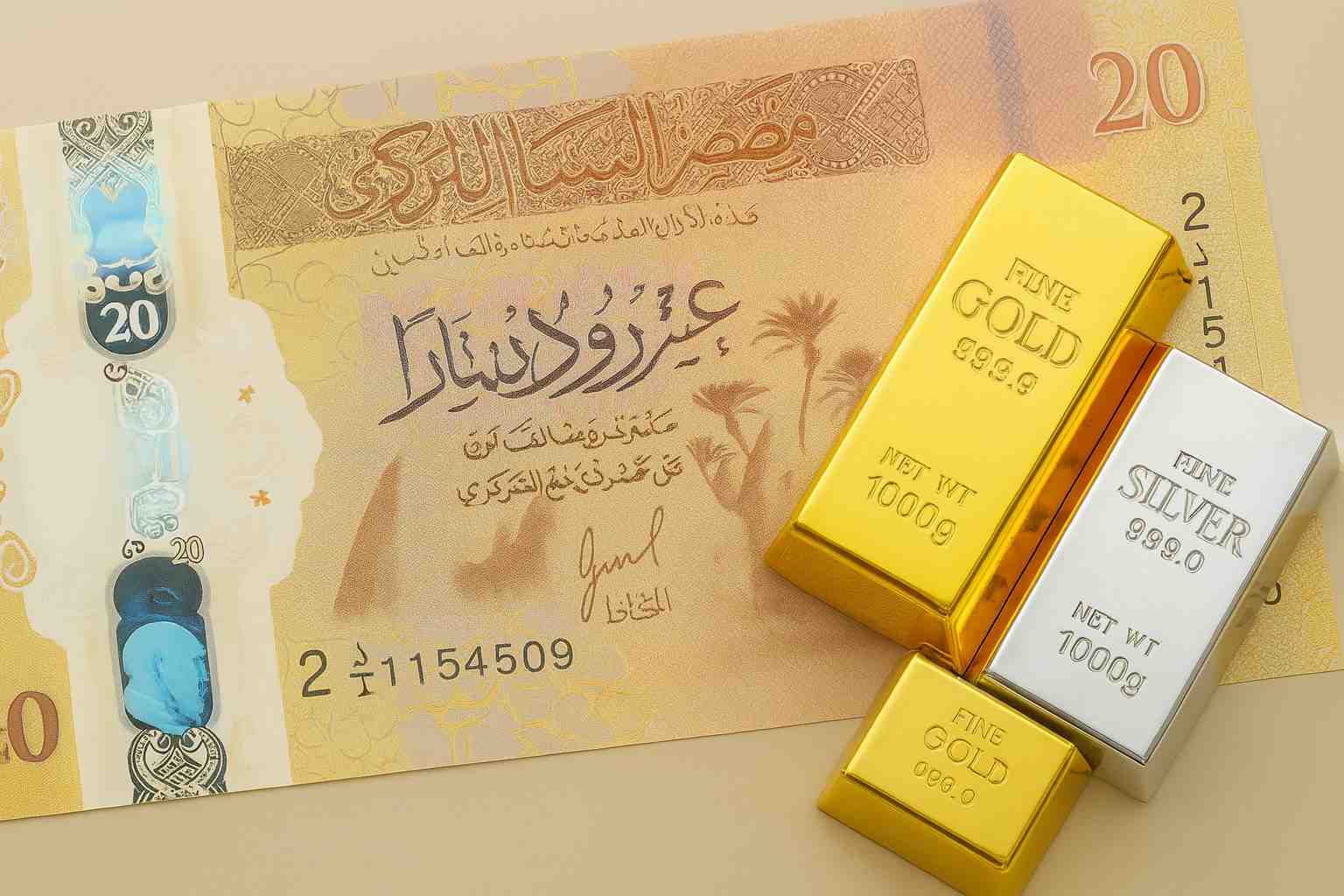
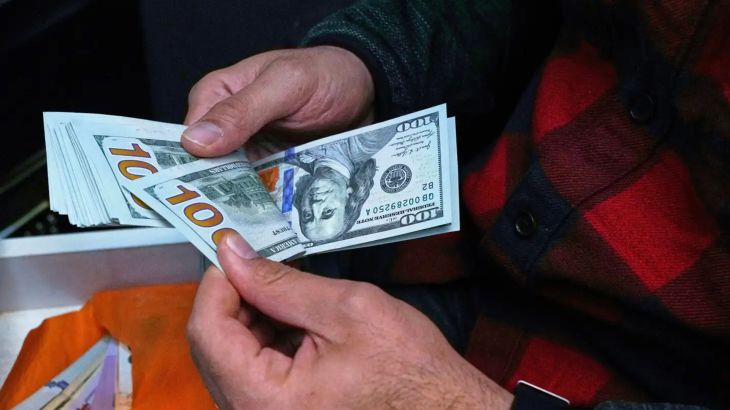
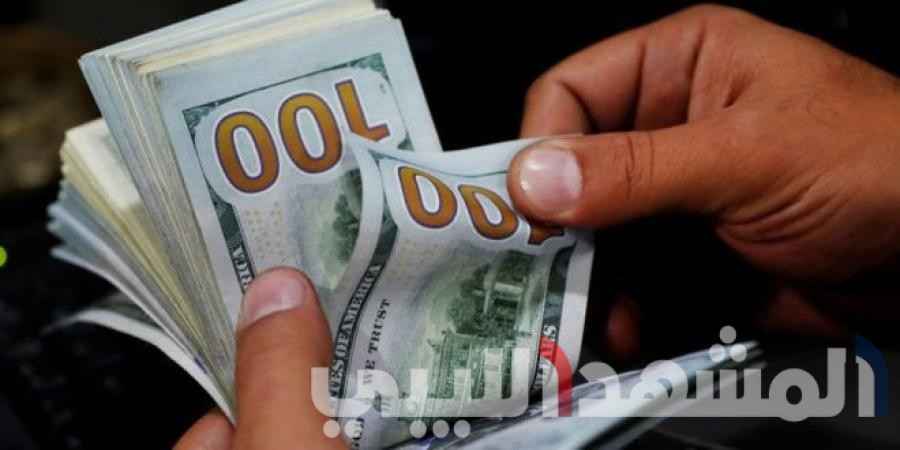
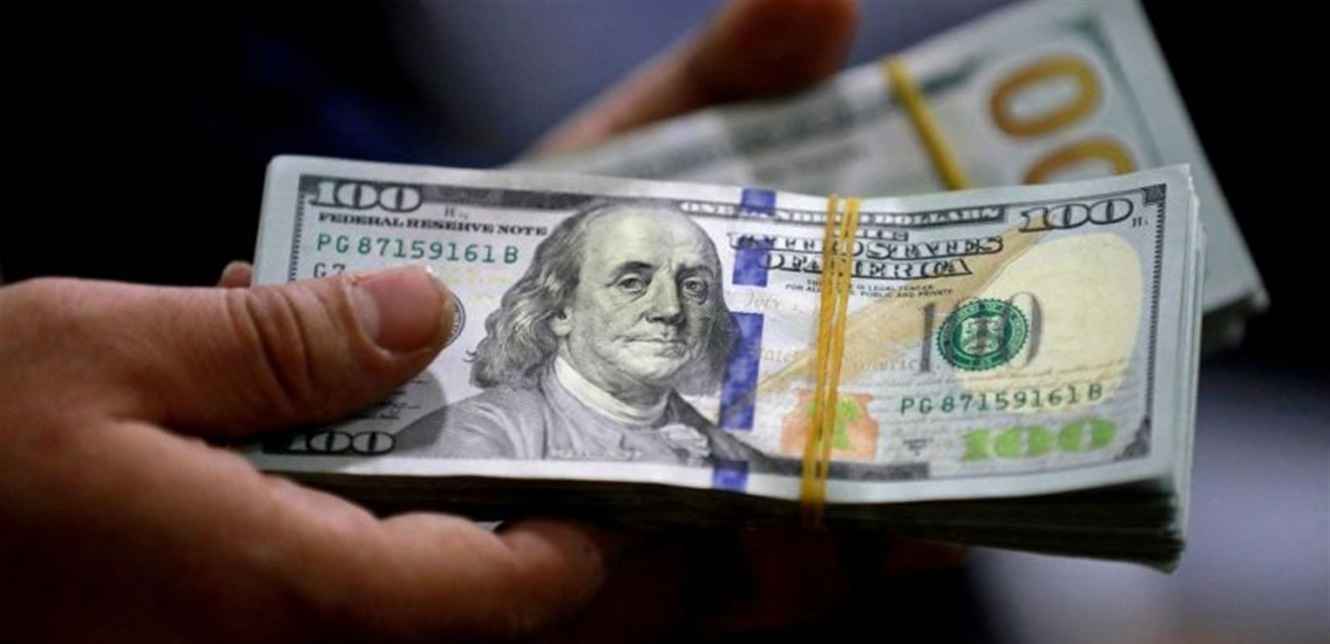
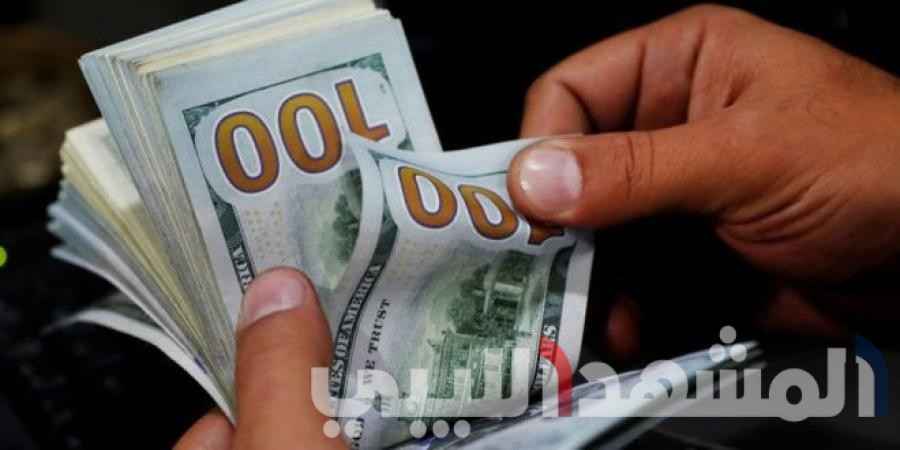
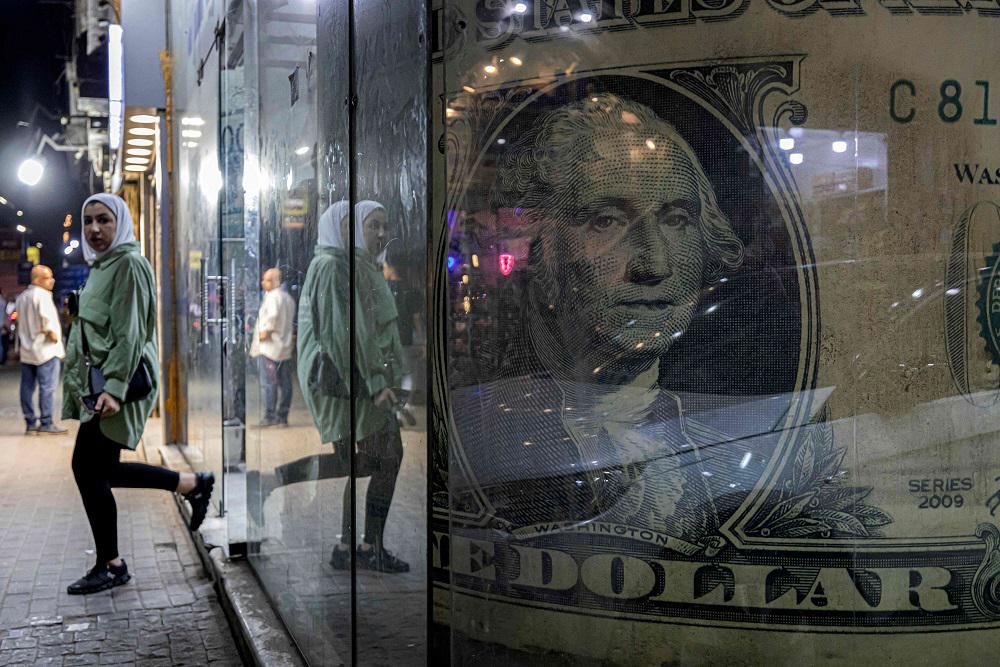
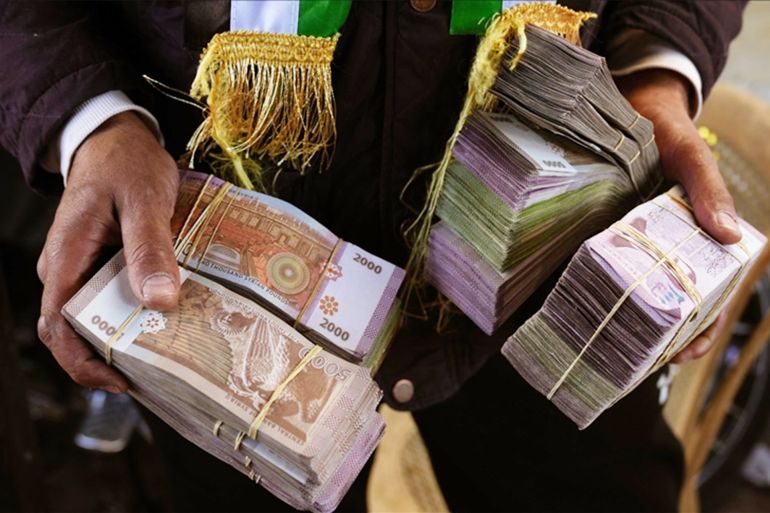
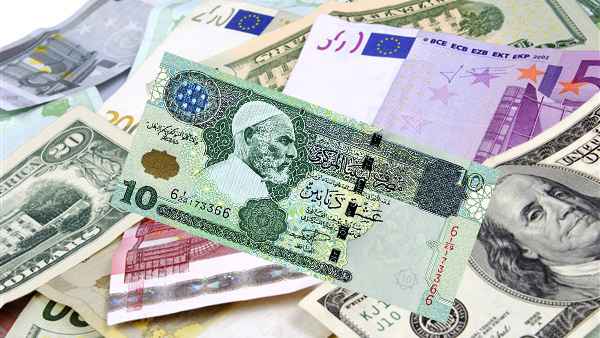
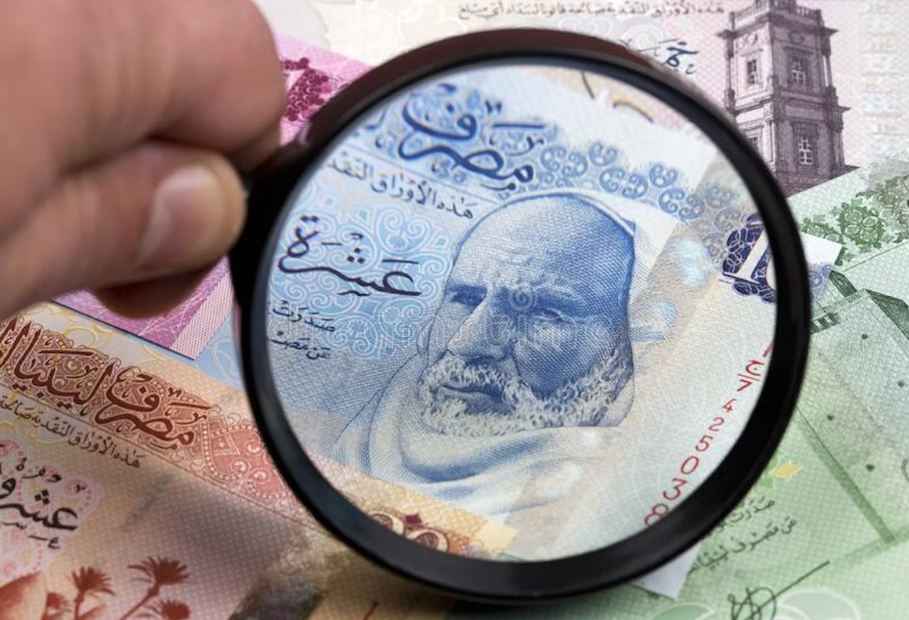
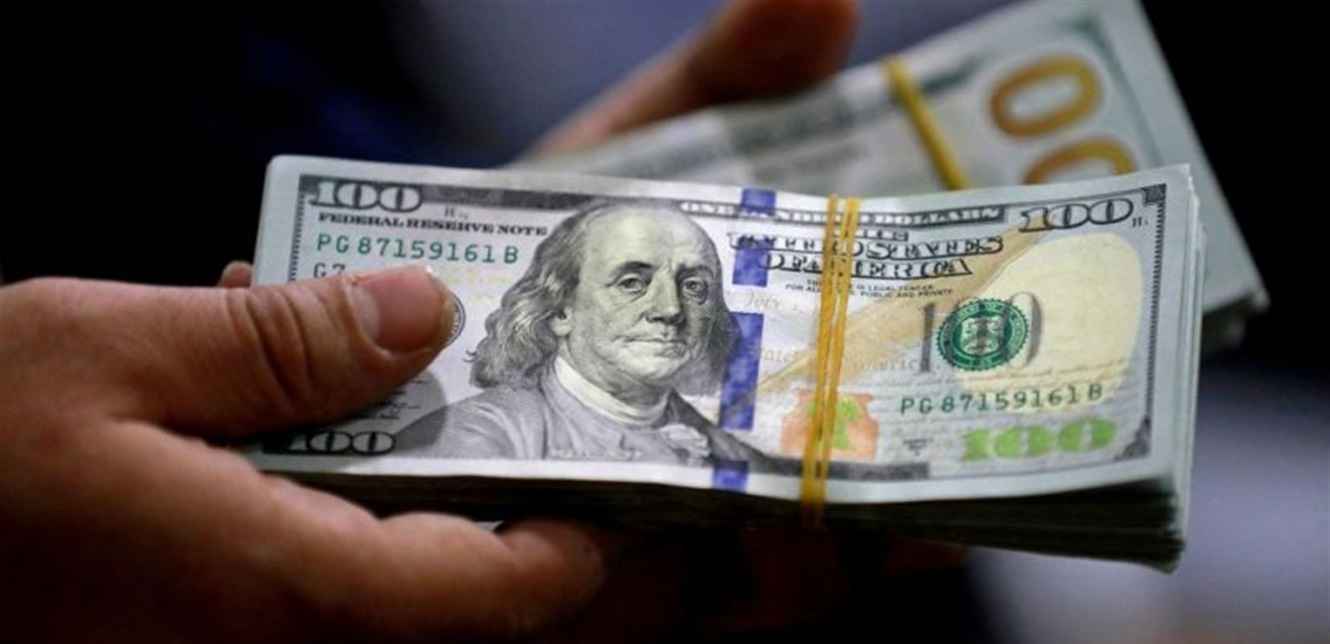
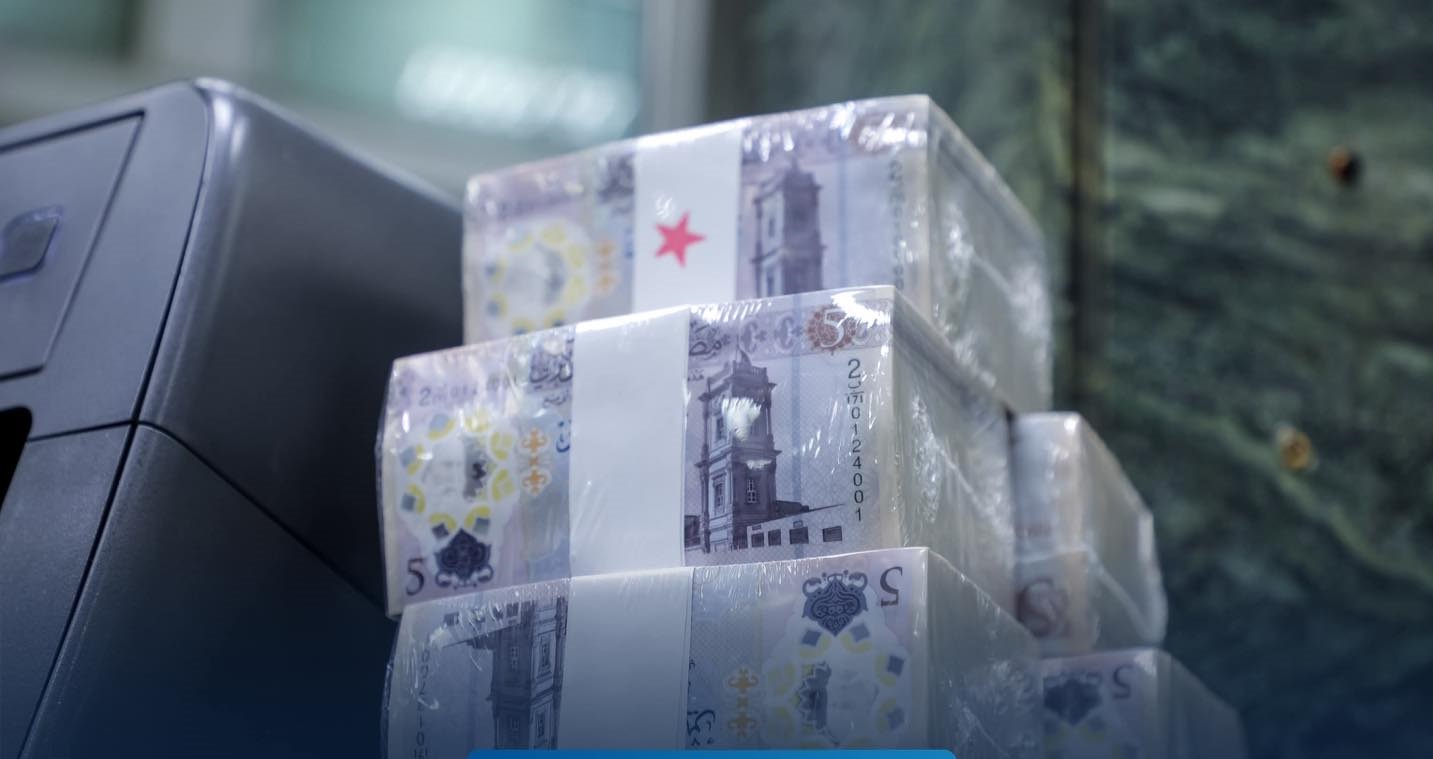
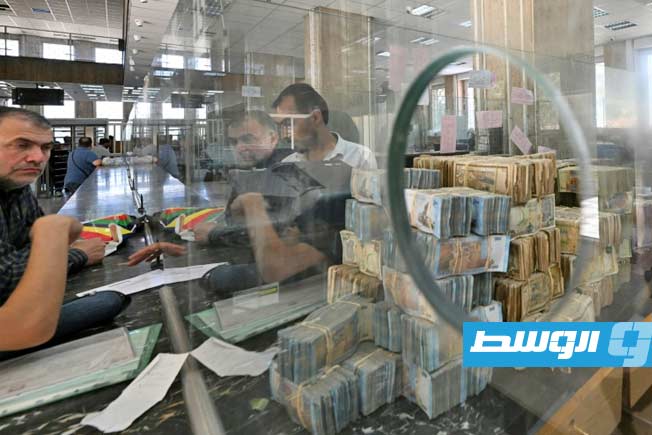
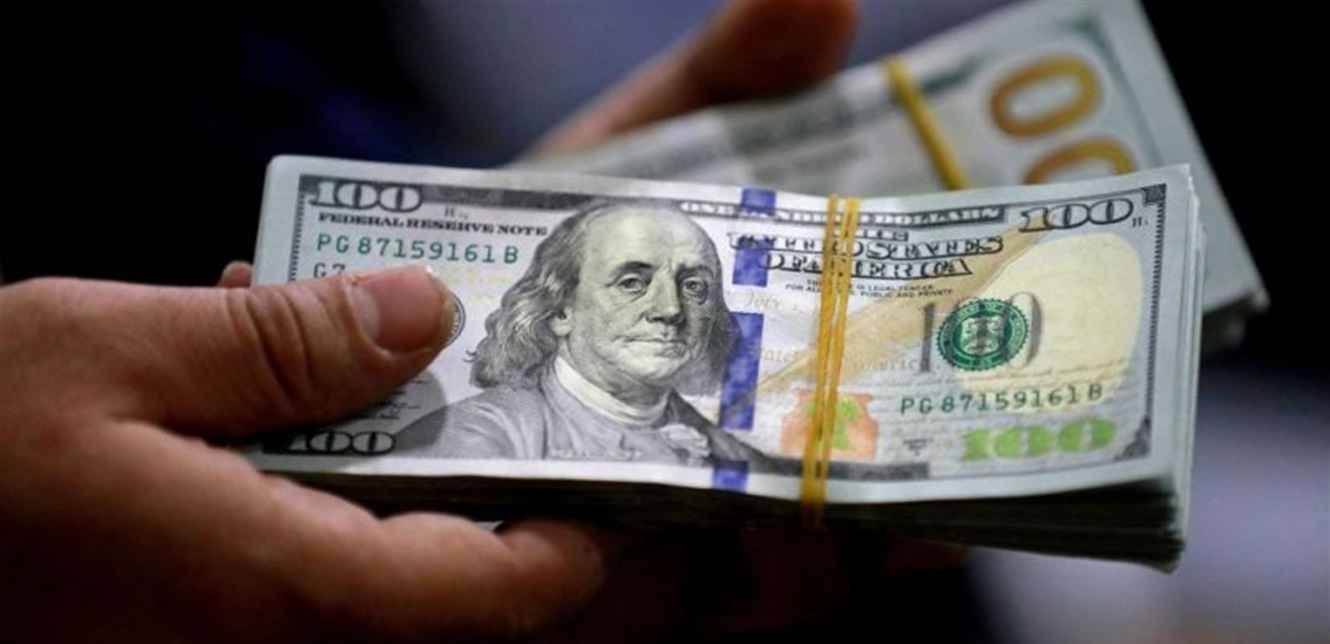
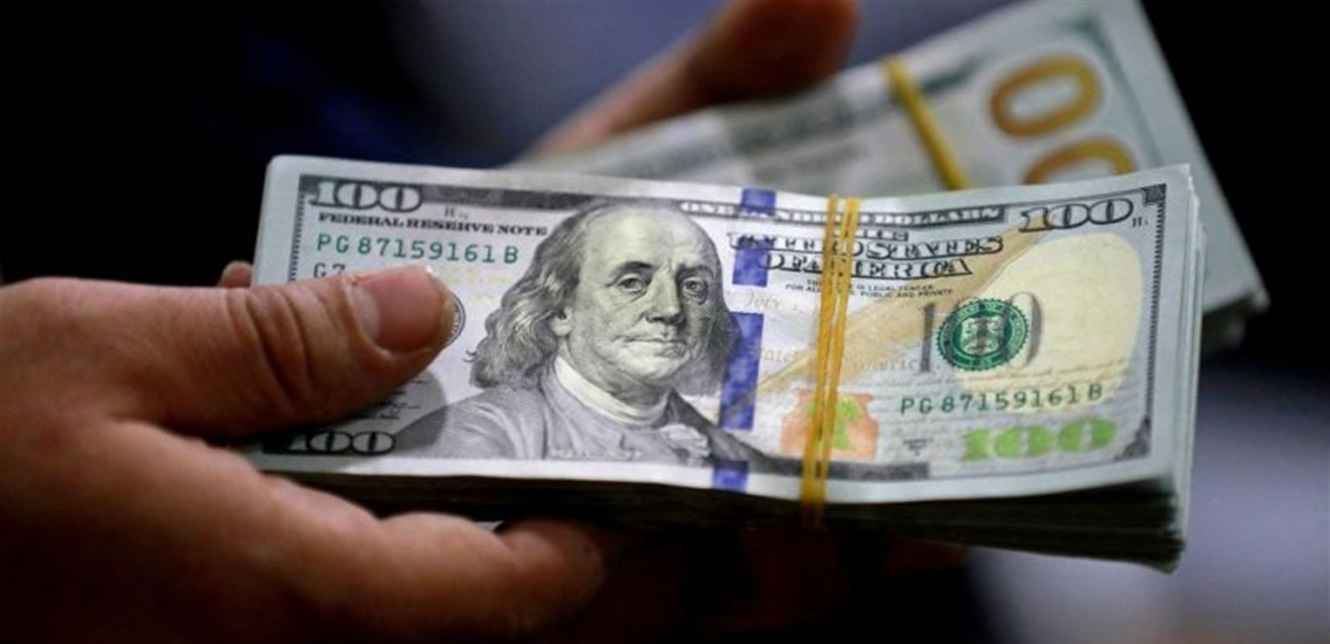
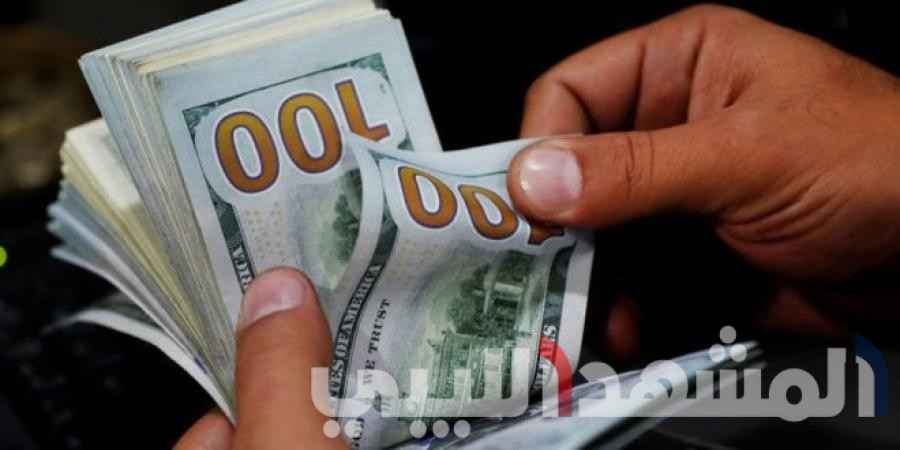
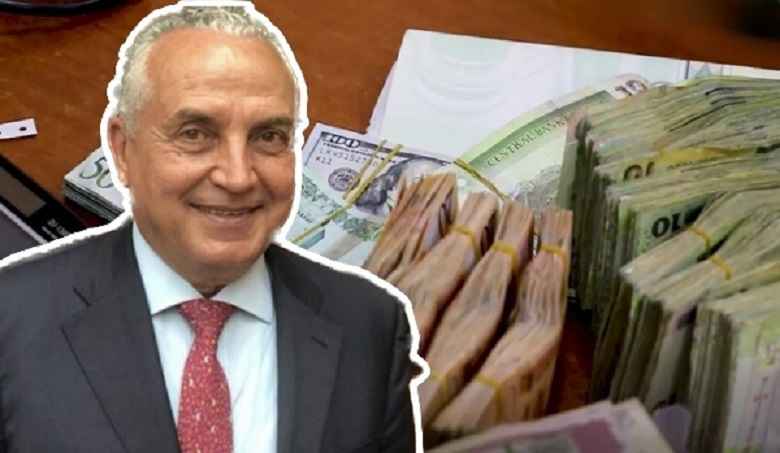
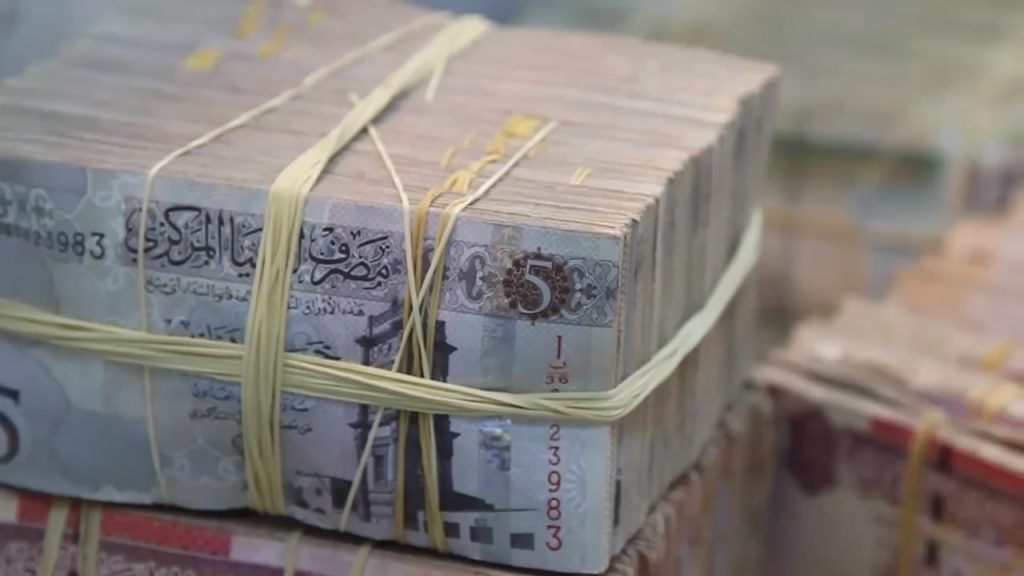
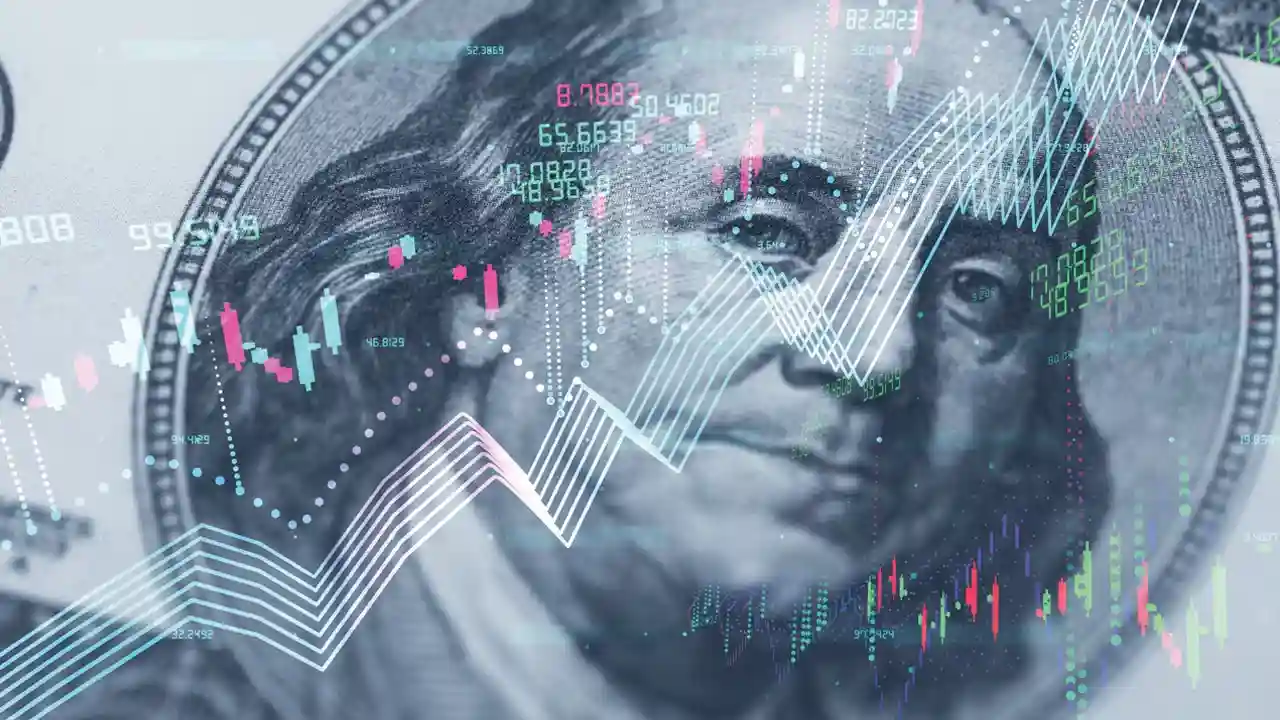
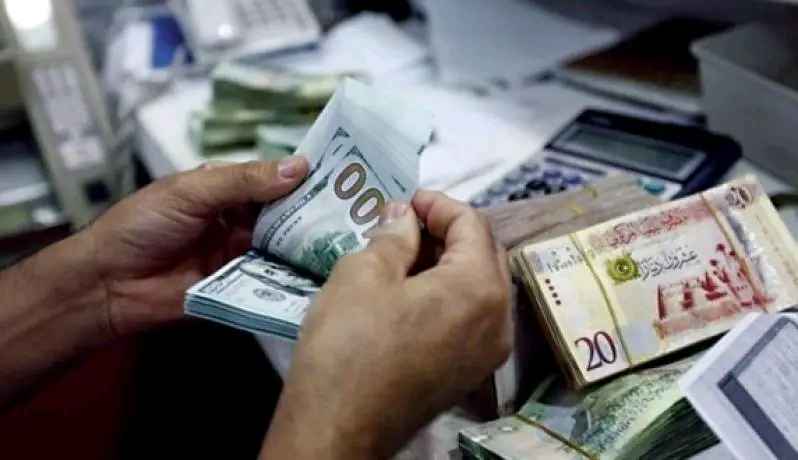
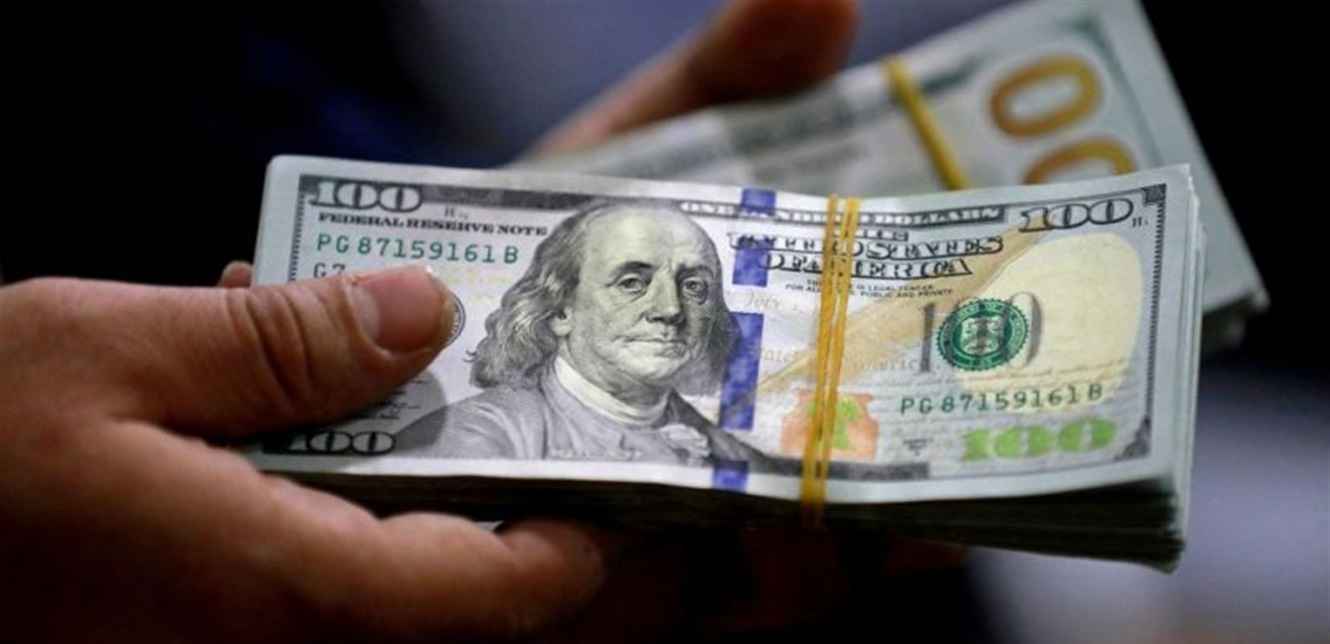
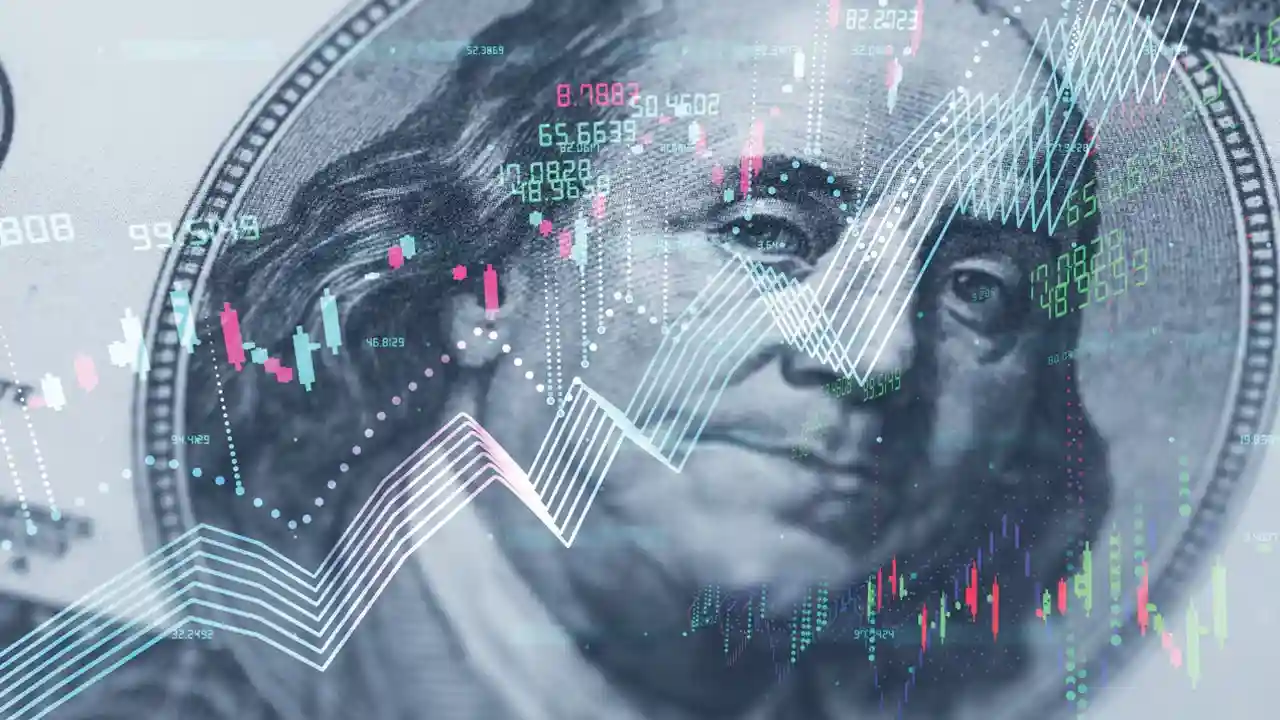
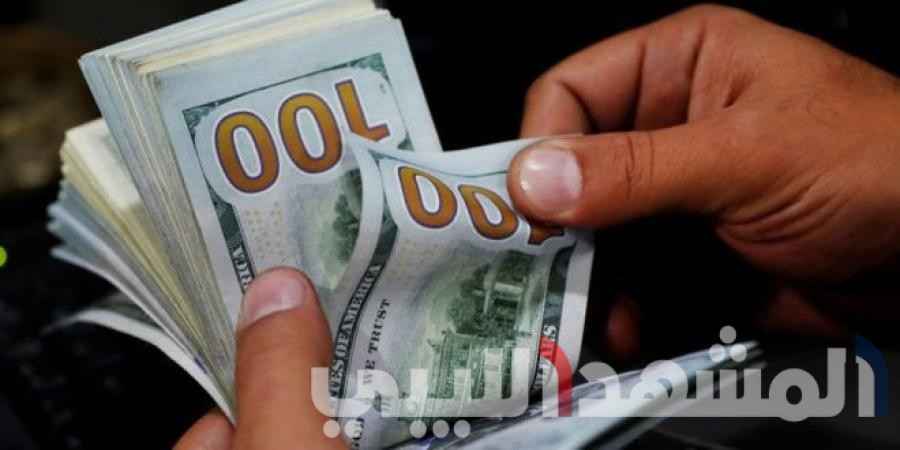
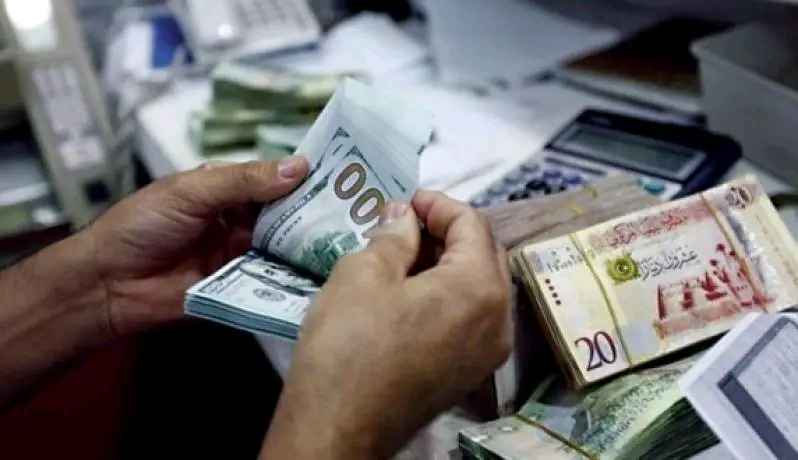
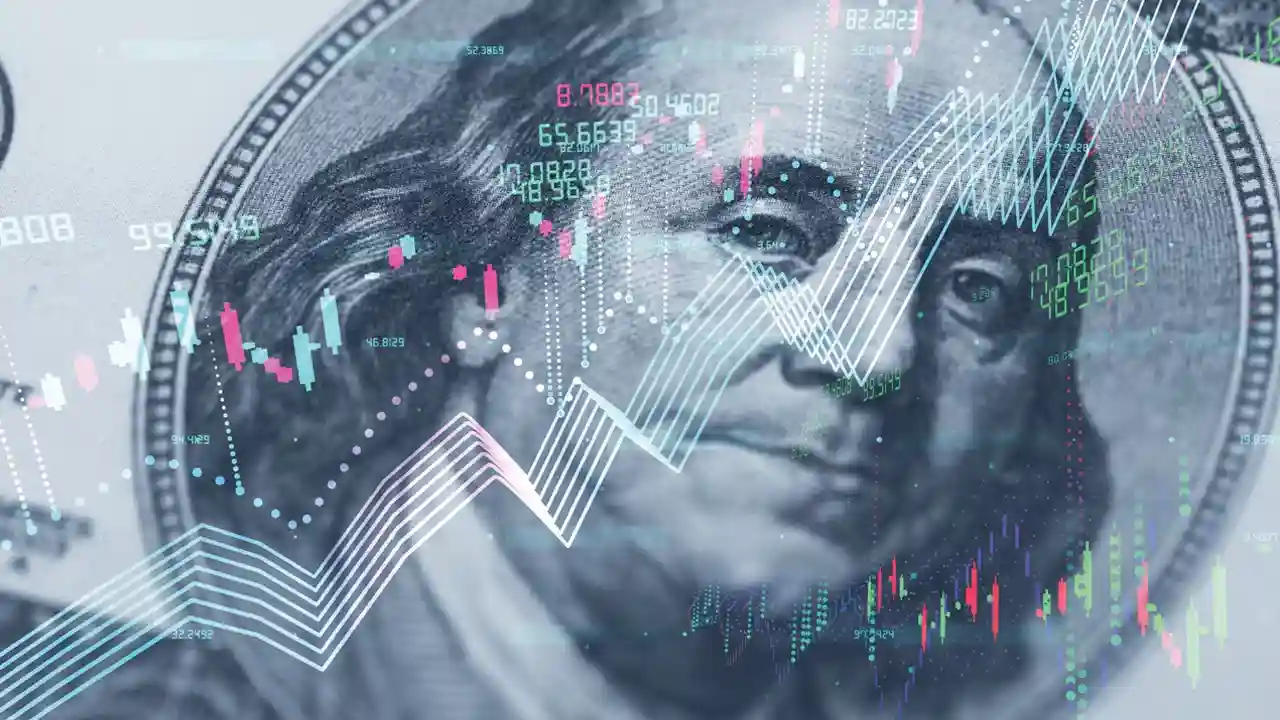
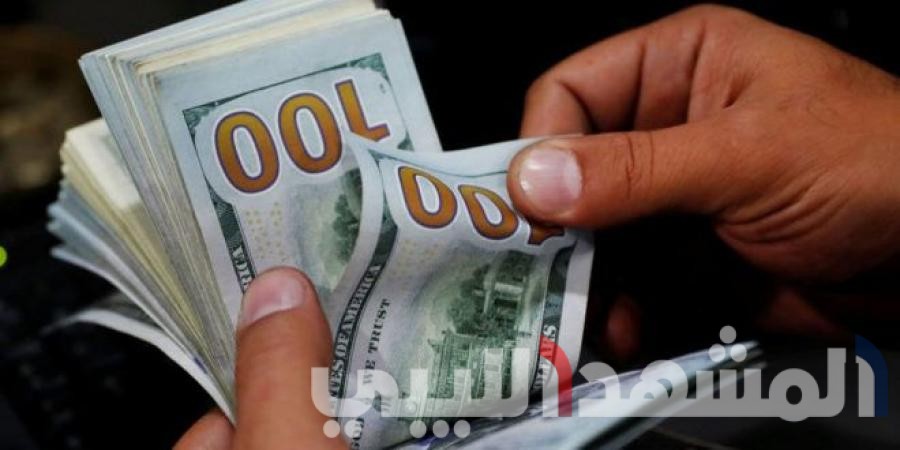
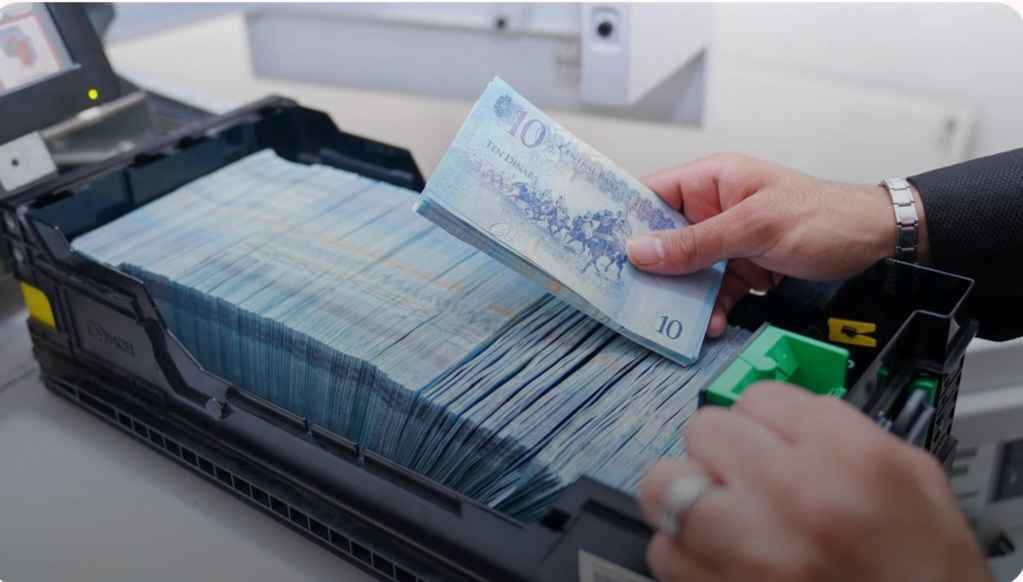
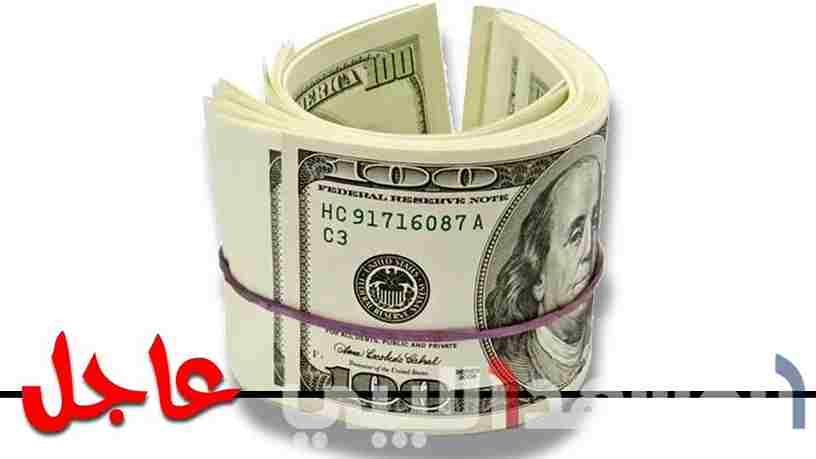
The parallel market in Libya witnessed notable fluctuations in the exchange rate of the US dollar against the Libyan dinar during the period from February 14 to 19, 2026.
Price movements showed volatility between the levels of 9.2 and 10 dinars per dollar, reflecting a state of instability in the market during those days.
Trading began on Saturday, February 14, at a level of approximately 9.3 dinars, before the price saw a gradual increase in the following days. The dollar reached its peak on Tuesday, February 17, at around 9.9 dinars, then continued to fluctuate until Thursday, February 19, when it recorded approximately 9.8 dinars.
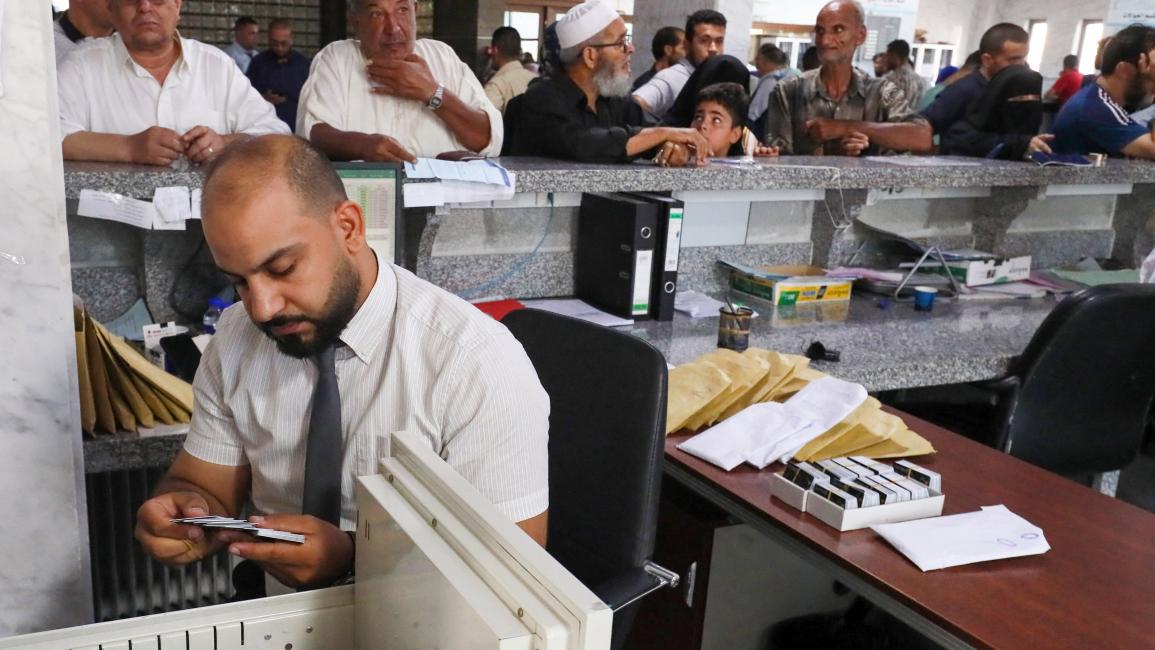
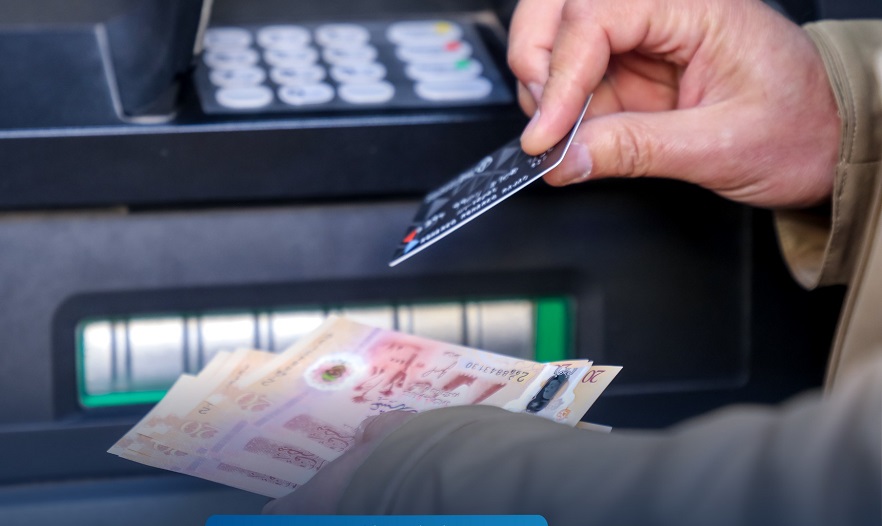
This movement comes amid the ongoing gap between the official rate and the parallel market rate, under close monitoring by traders and citizens who rely on the parallel market to meet their foreign currency needs.
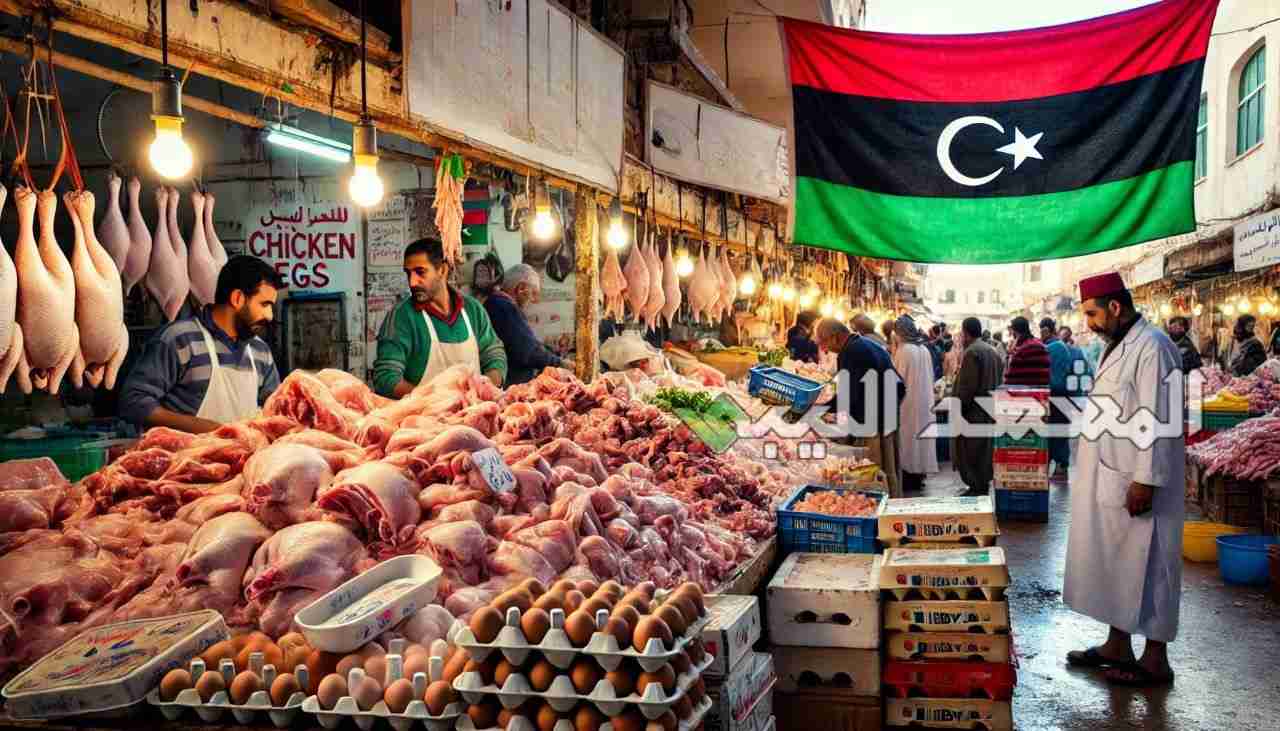
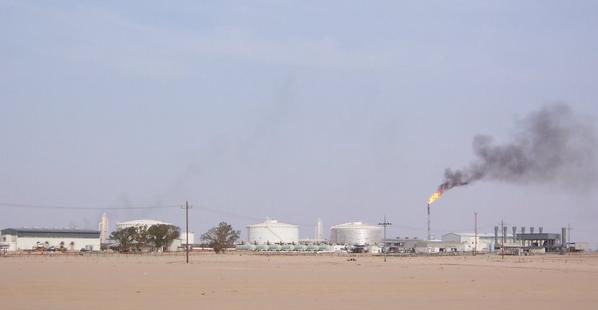
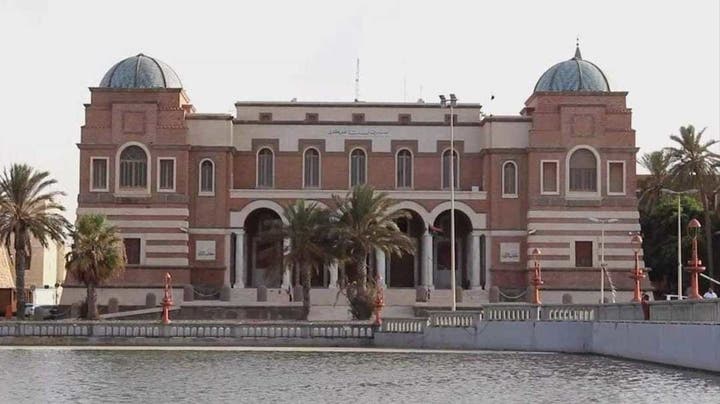
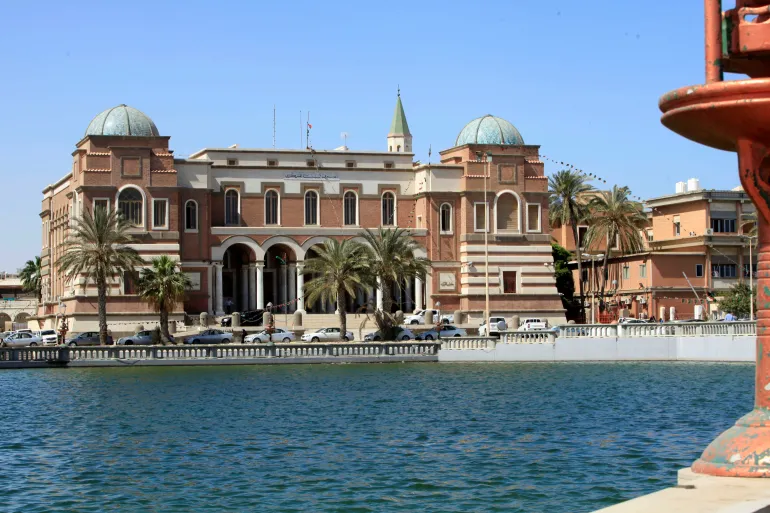
Libya
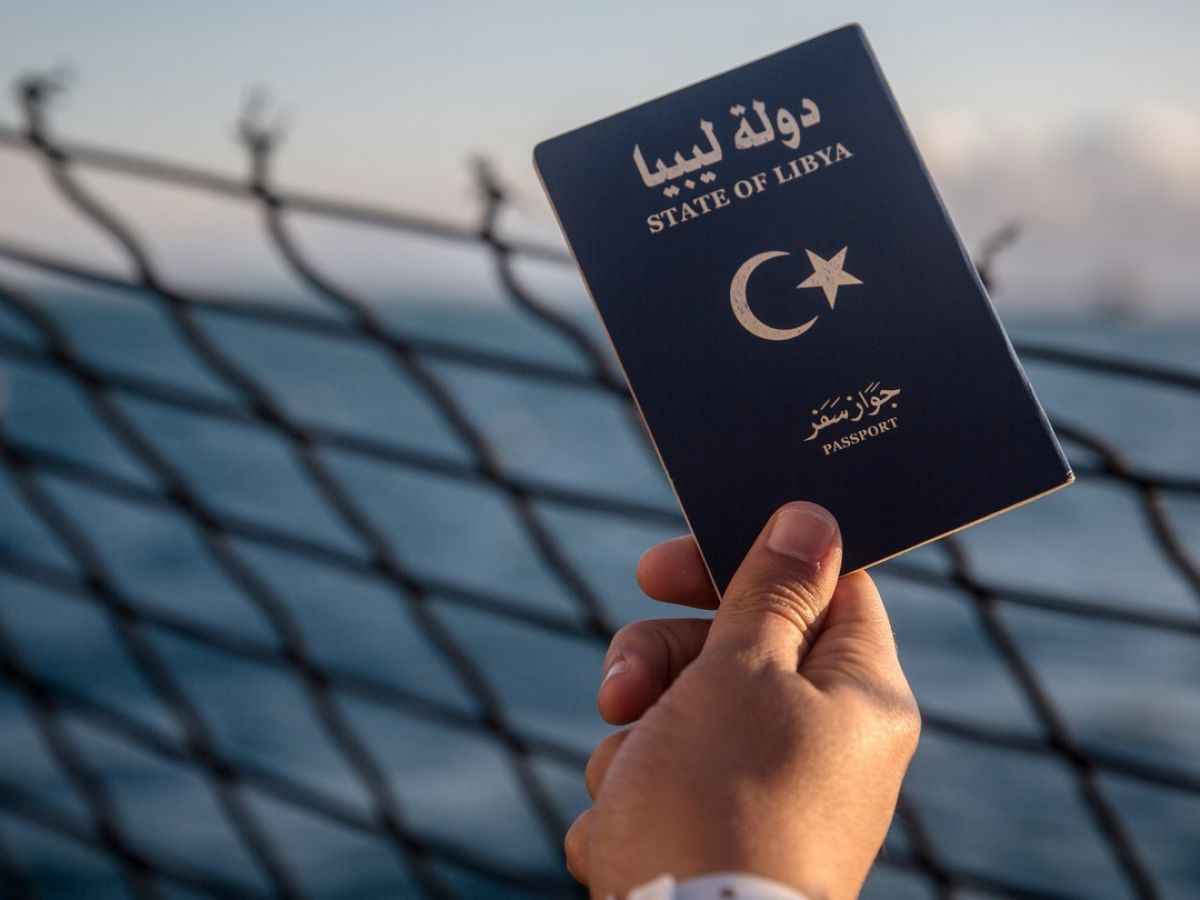
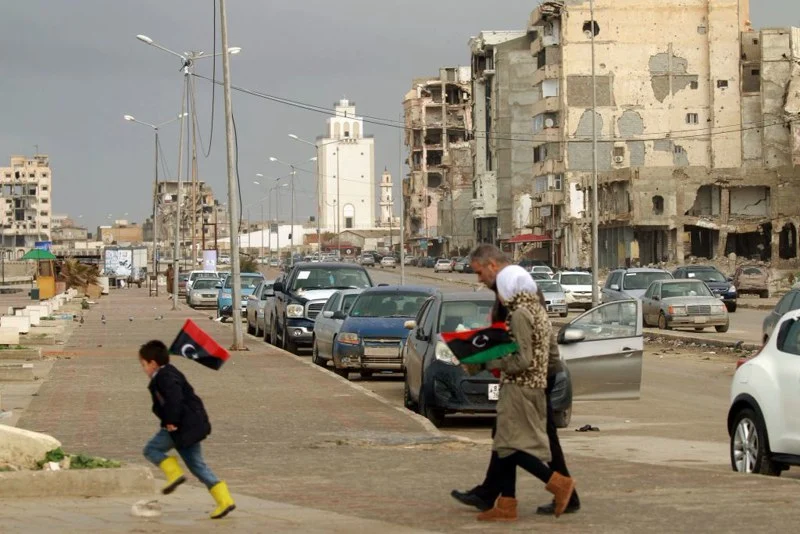
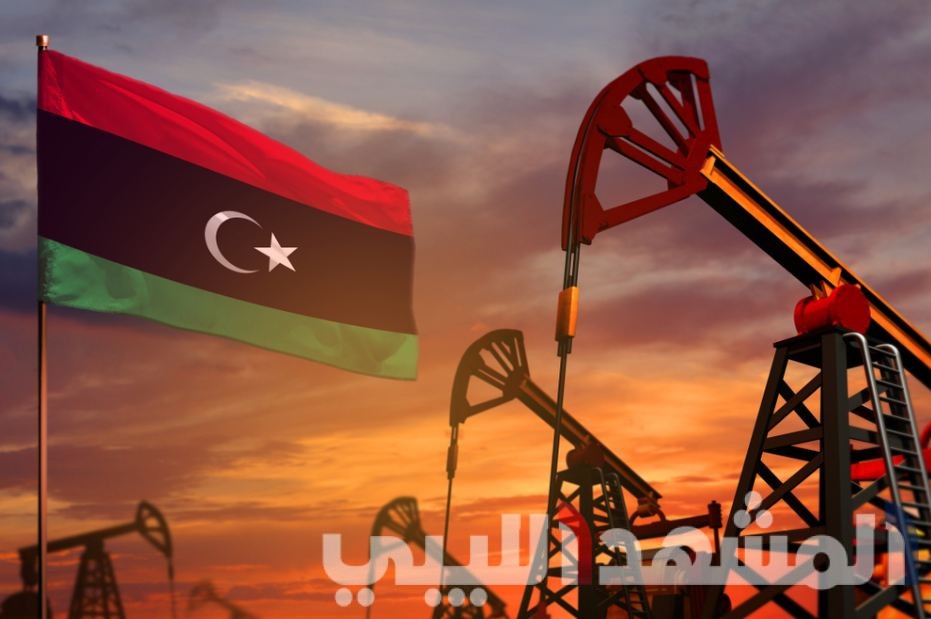
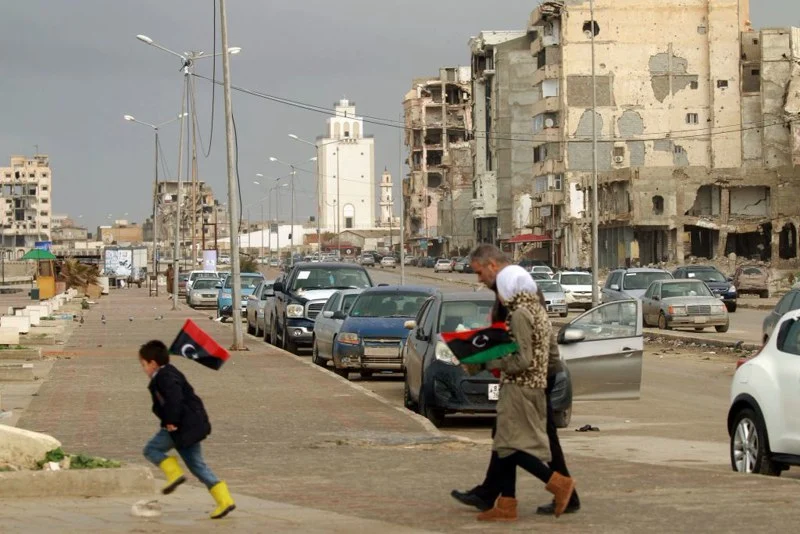
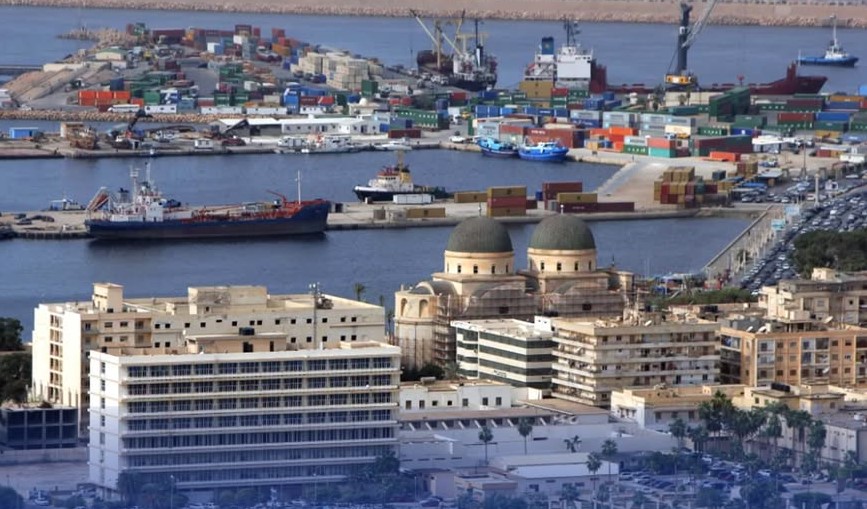
Libya is a North African country with a rich history rooted in ancient civilizations like the Phoenicians and Romans, followed by centuries of Arab and Ottoman influence. In the modern era, it was an Italian colony before gaining independence in 1951, later becoming known for Muammar Gaddafi’s lengthy rule from 1969 until the 2011 revolution. The country is home to UNESCO World Heritage sites, such as the ancient Greek city of Cyrene and the Roman ruins of Leptis Magna.
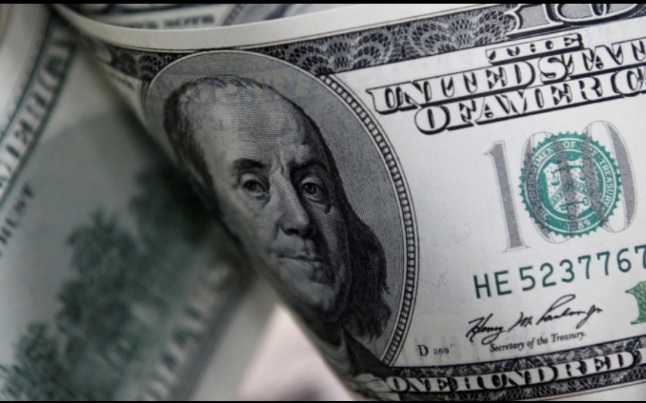
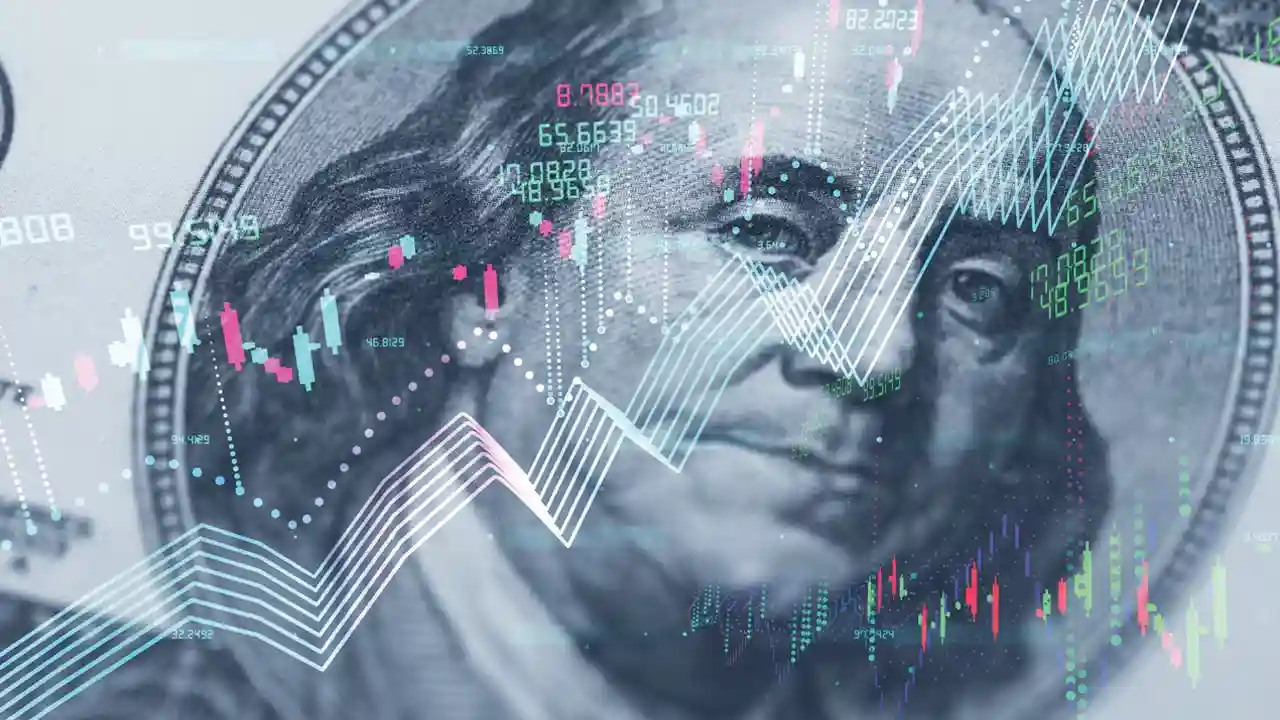
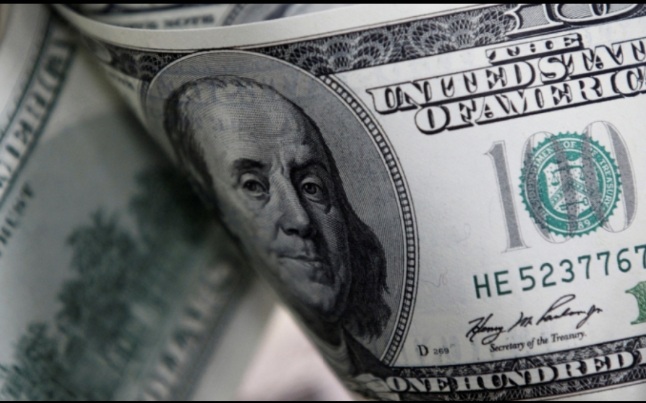
US dollar
The US dollar is the official currency of the United States, established by the Coinage Act of 1792. It evolved from a system based on Spanish milled dollars and became the world’s primary reserve currency following the Bretton Woods Agreement in 1944.
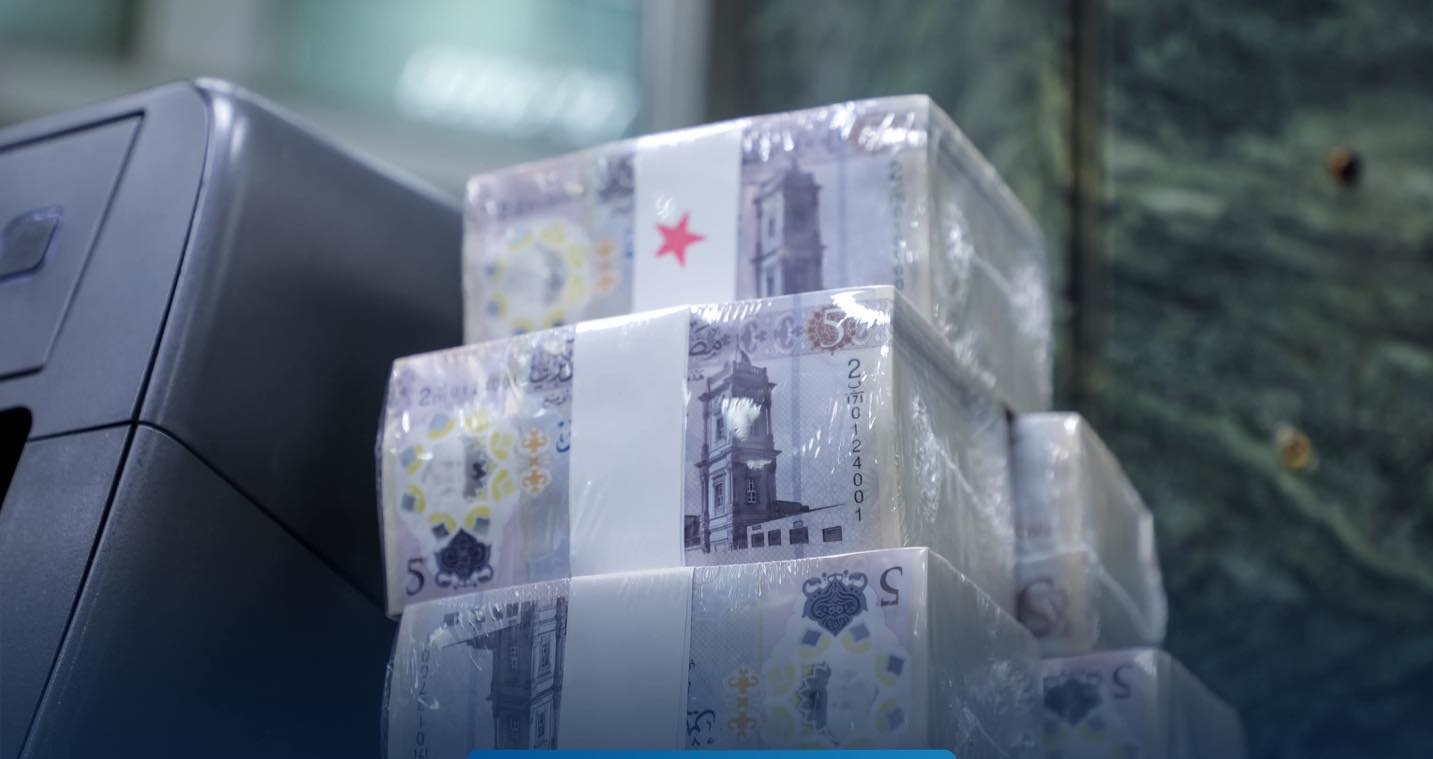
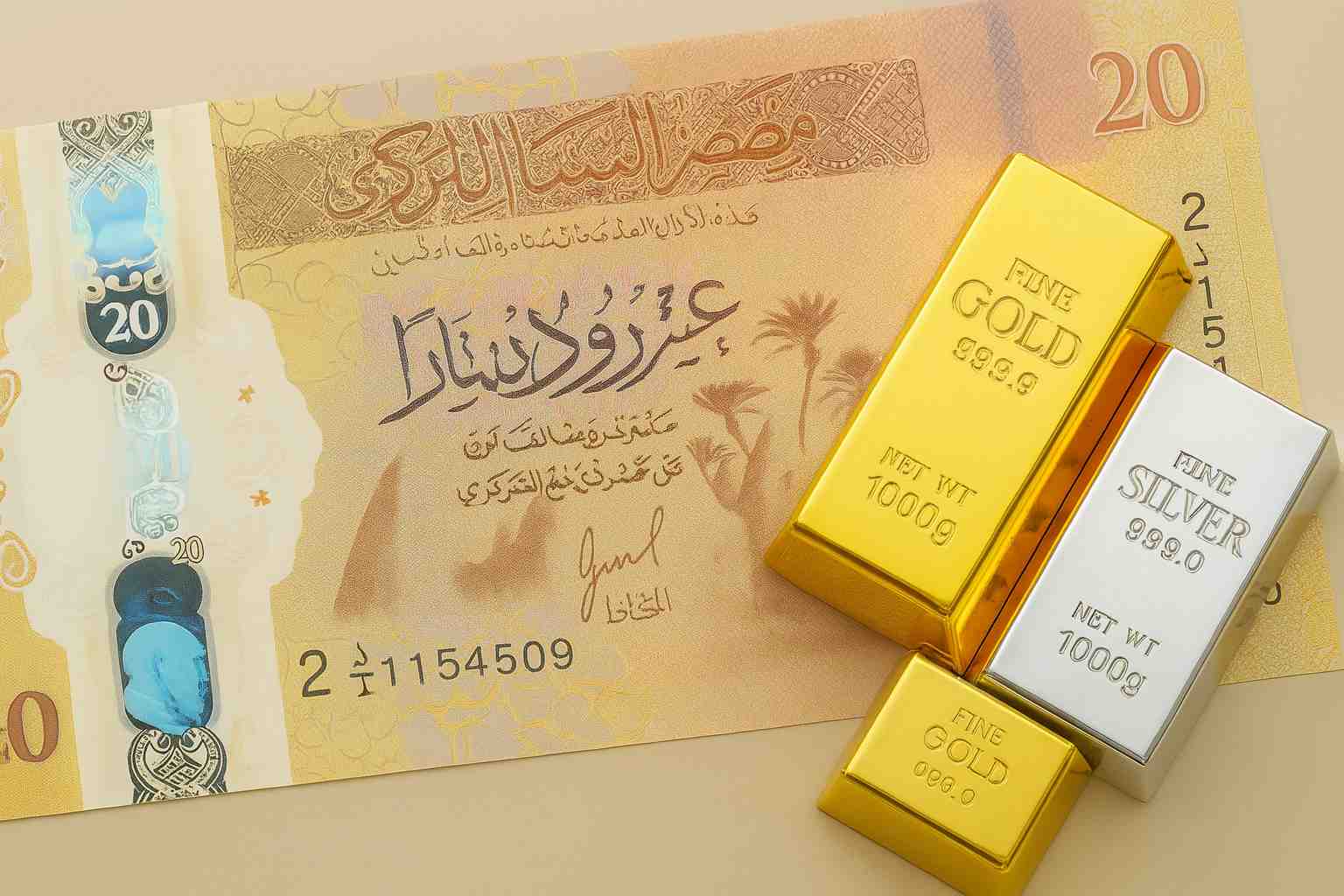
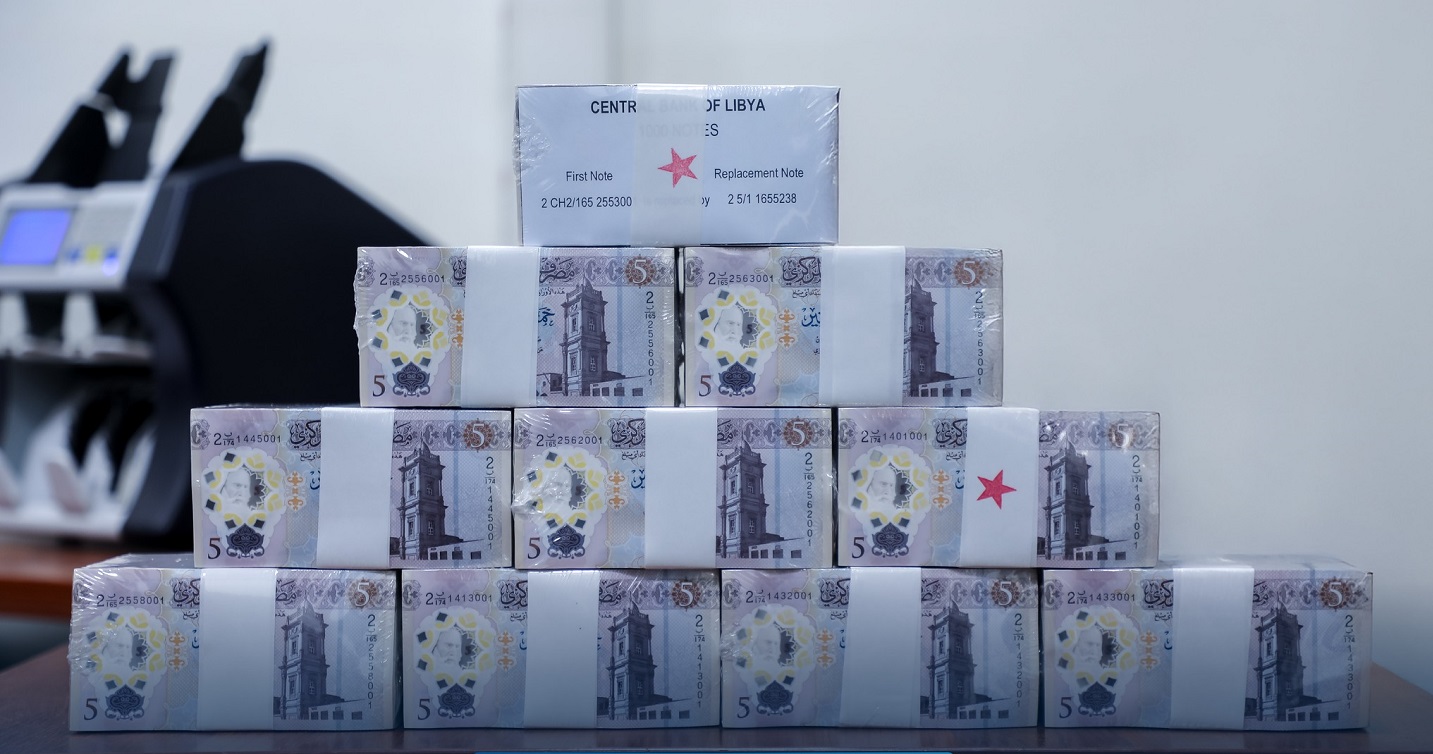
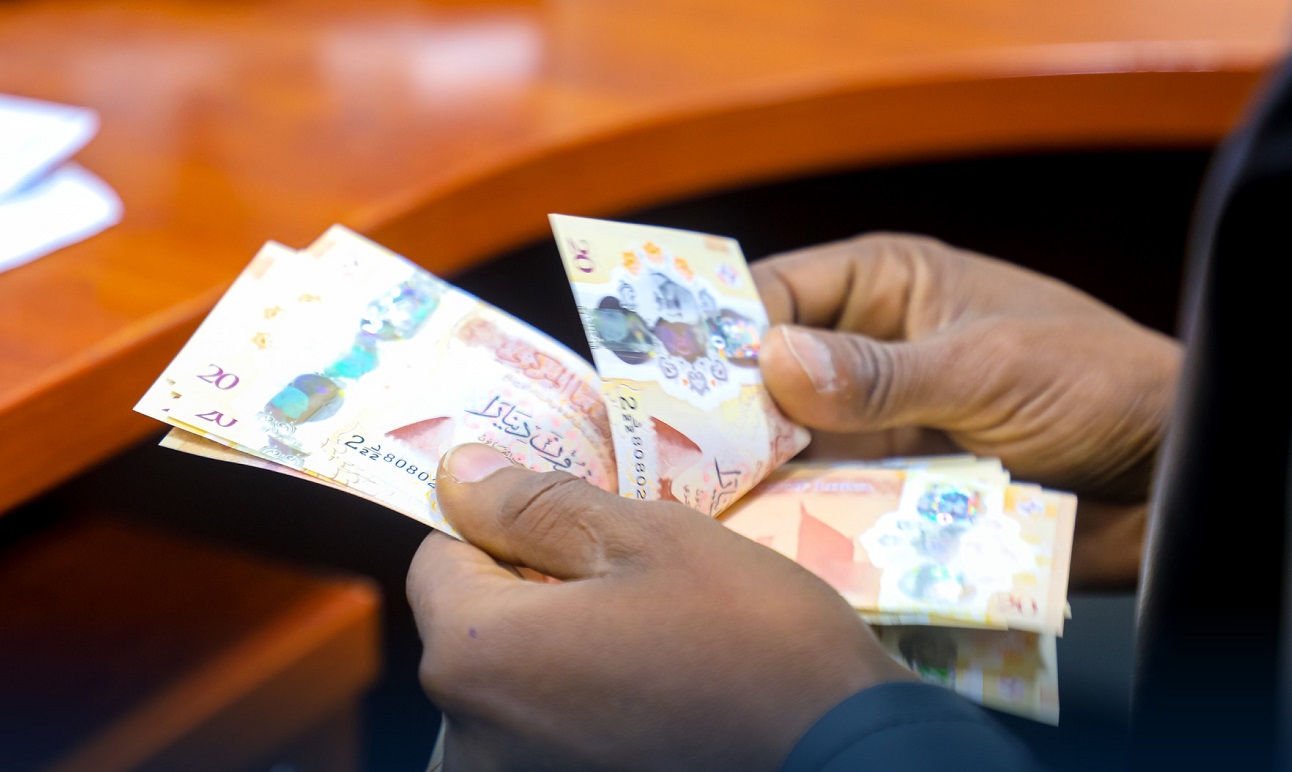
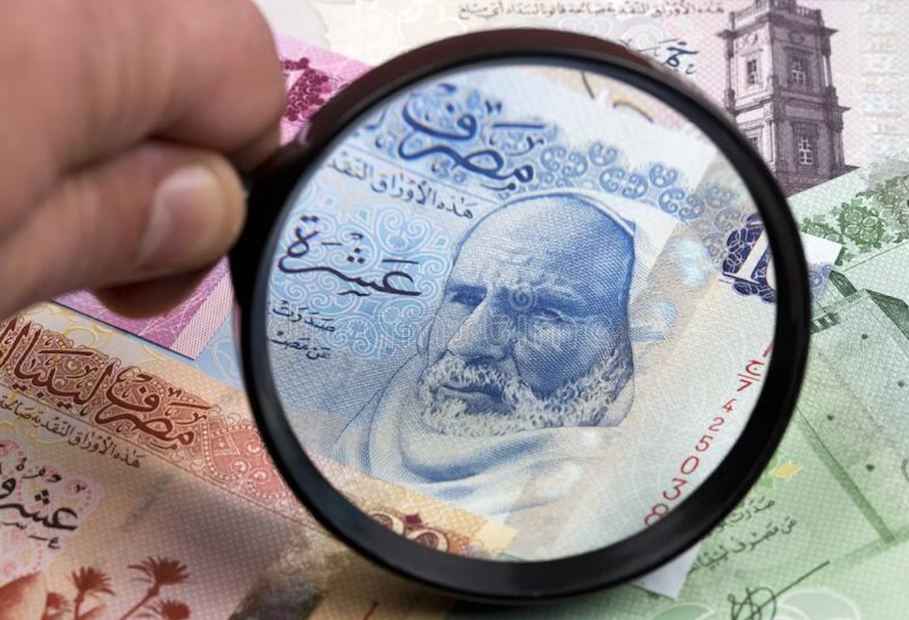
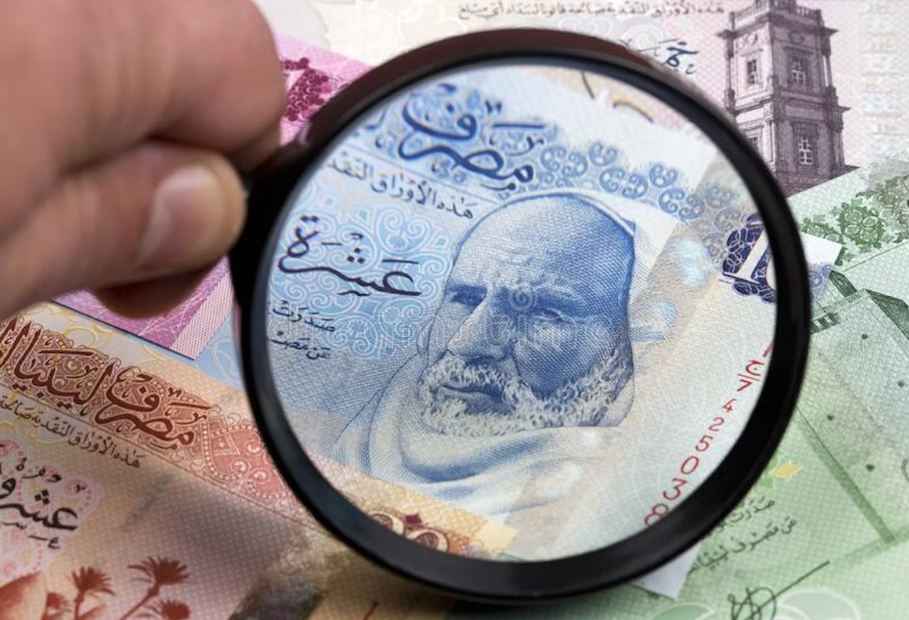
Libyan dinar
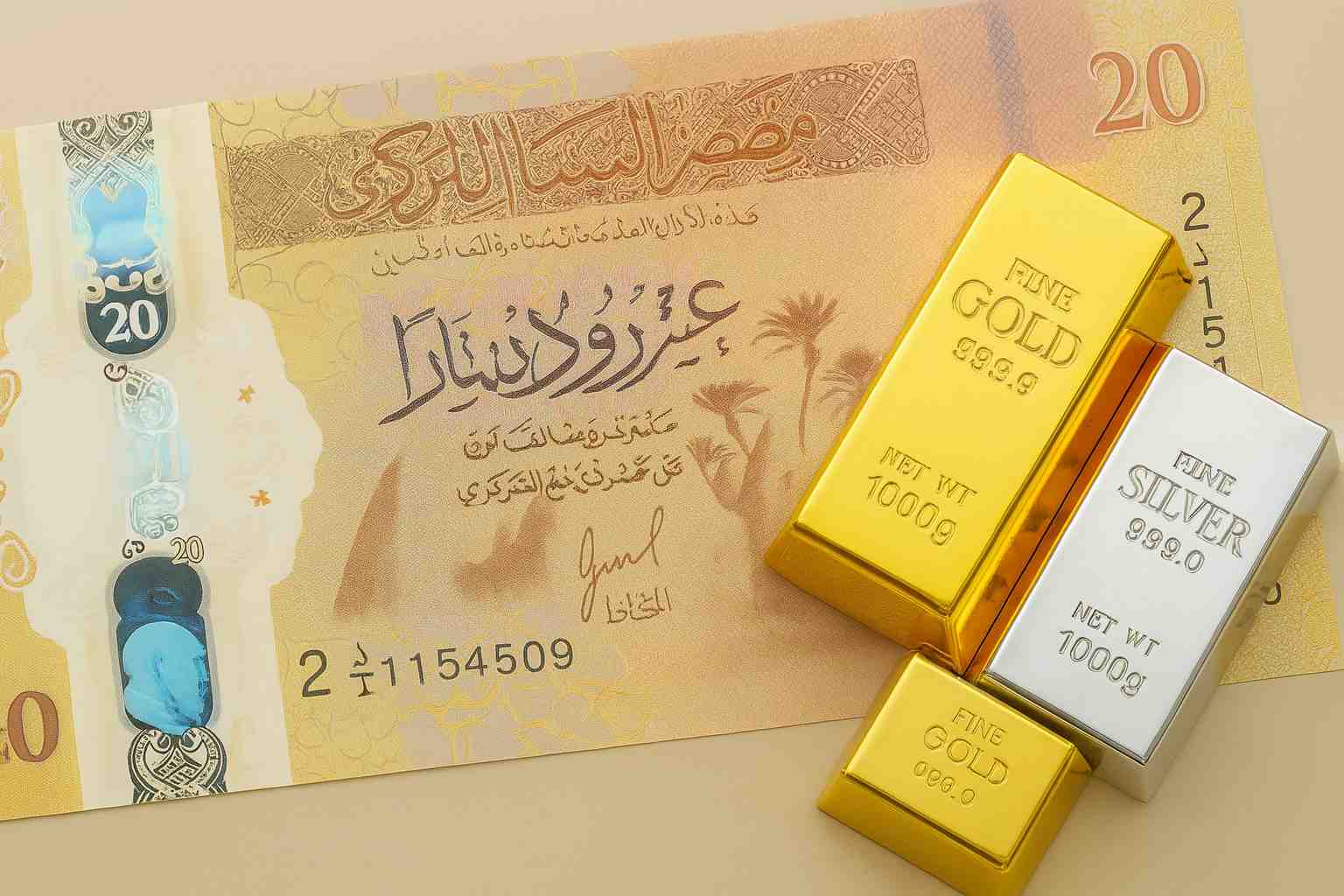
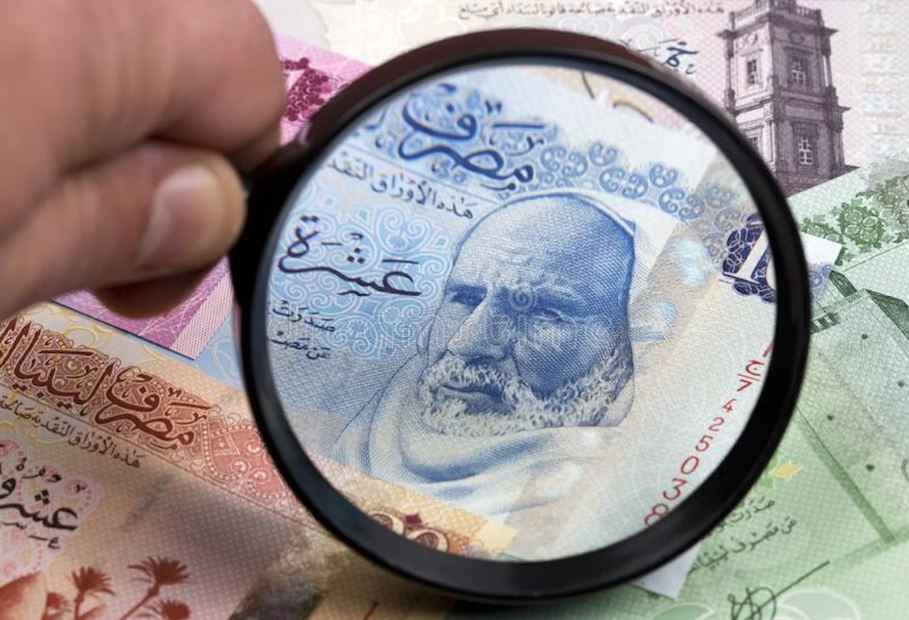
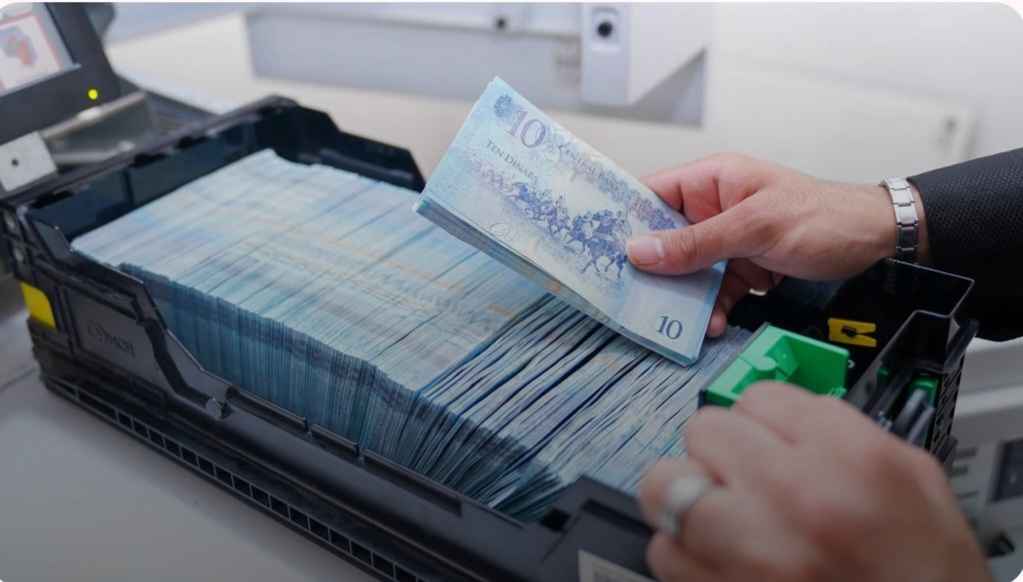
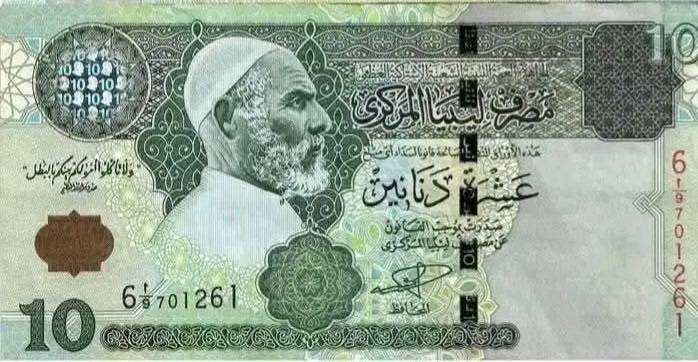
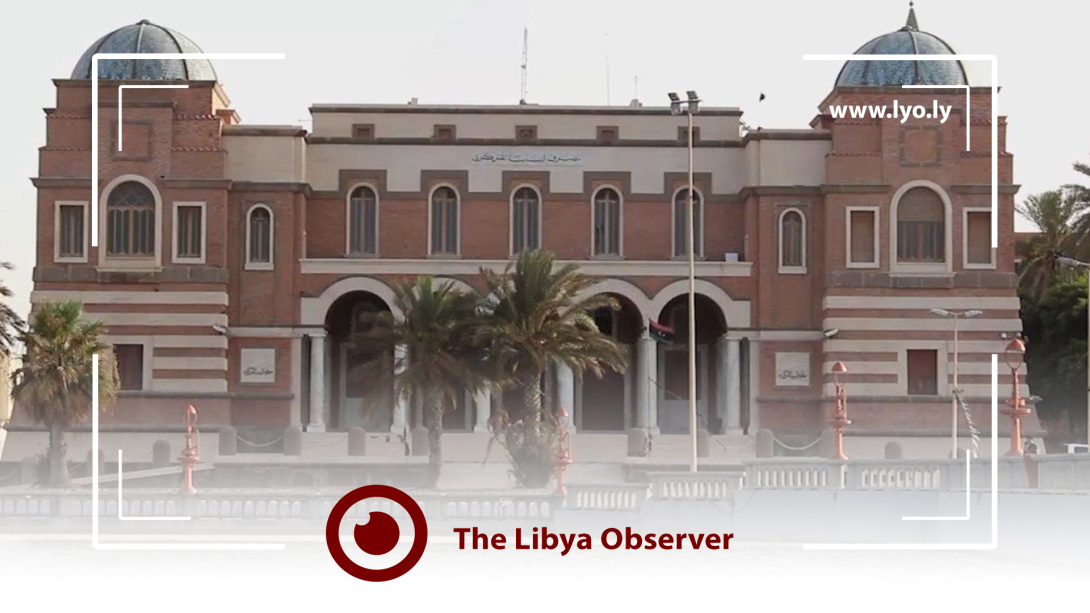
The Libyan dinar is the official currency of Libya, introduced in 1971 to replace the Libyan pound. It was established following the 1969 revolution that brought Muammar Gaddafi to power, symbolizing a move toward economic independence.