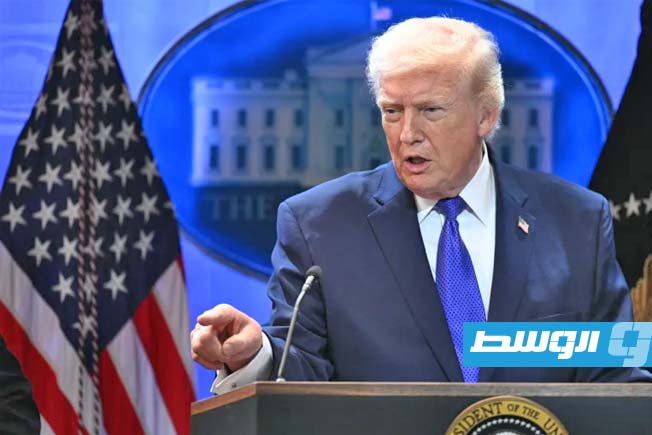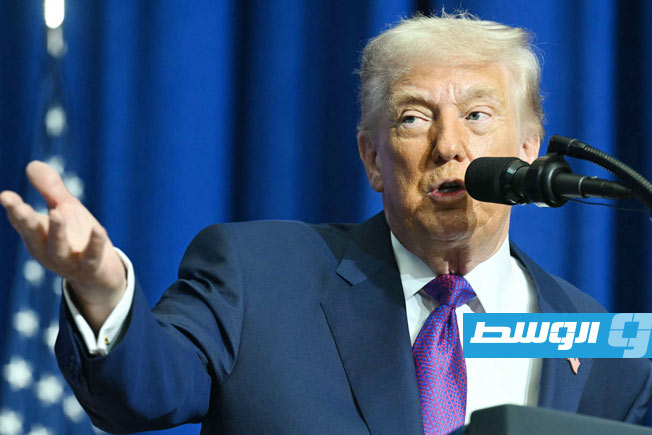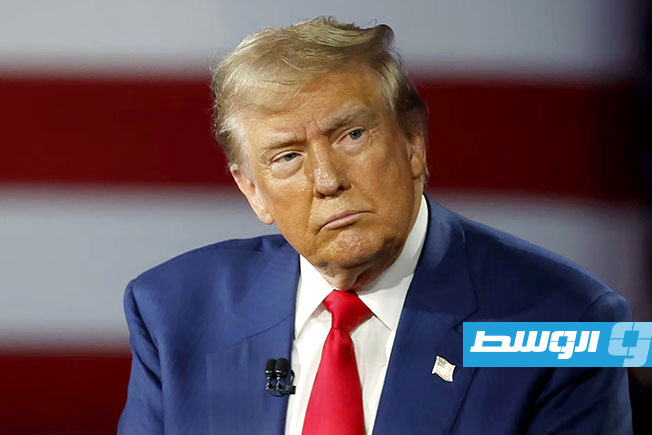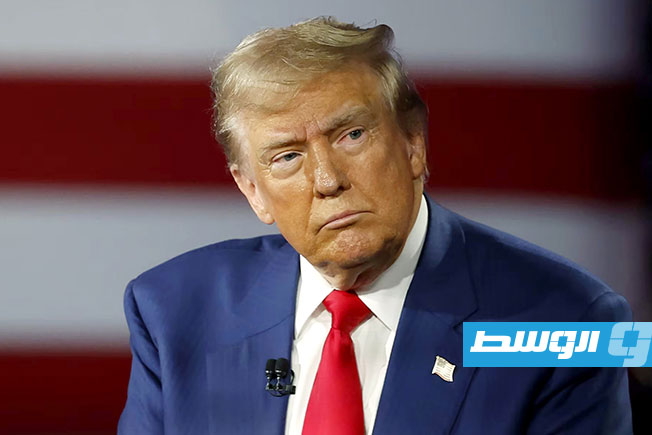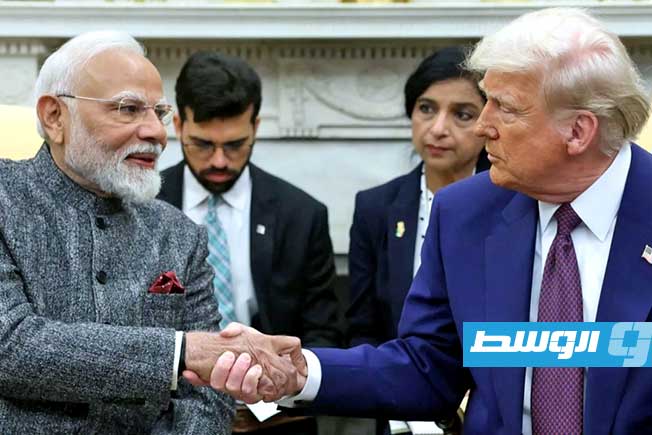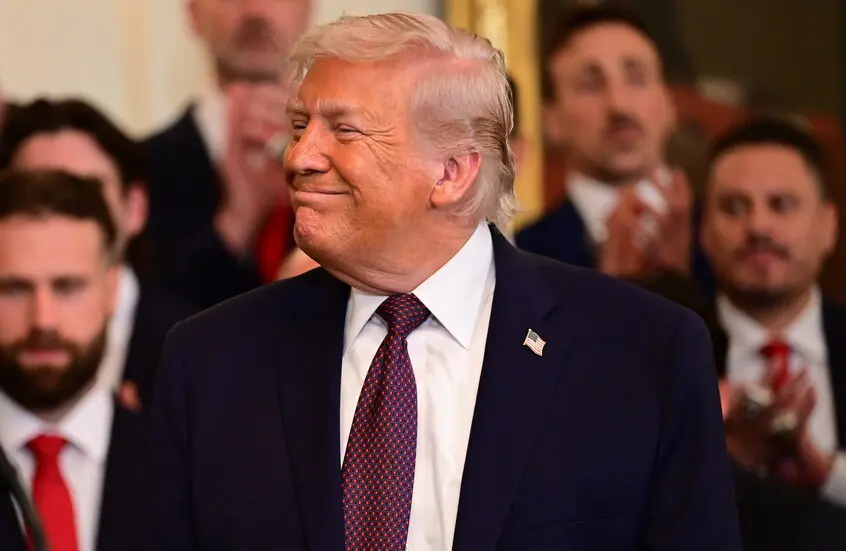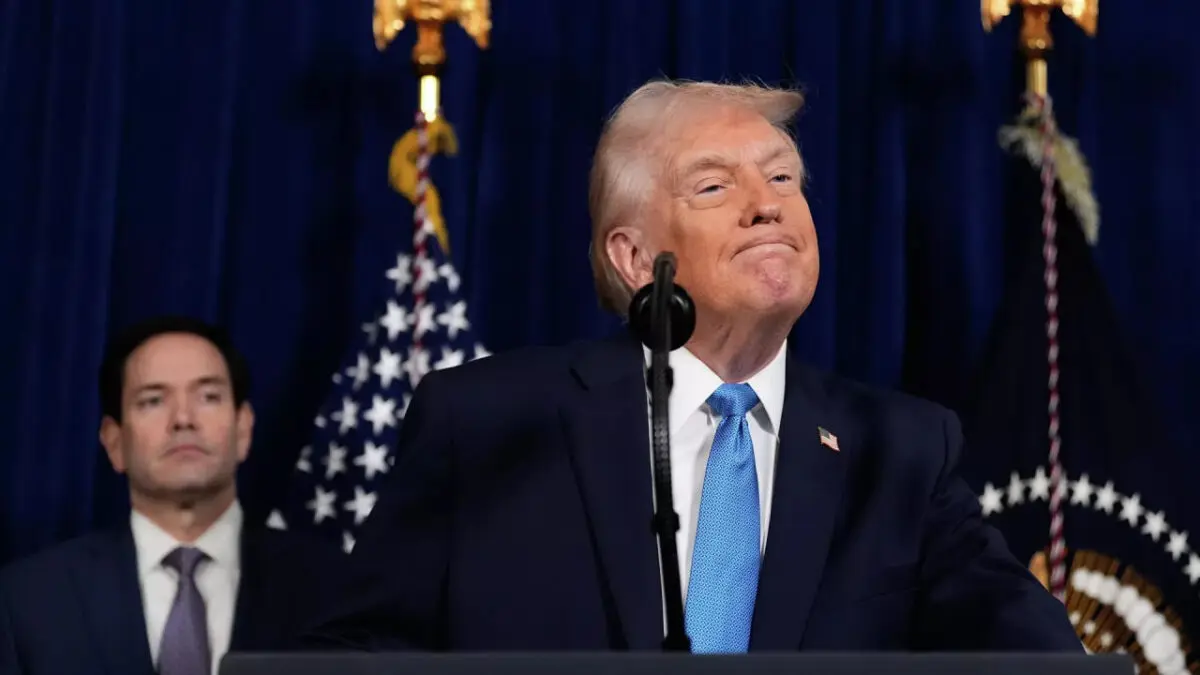
On Friday, the U.S. Supreme Court ruled that the comprehensive international tariffs imposed by President Donald Trump are illegal, representing a setback that hinders his economic agenda.
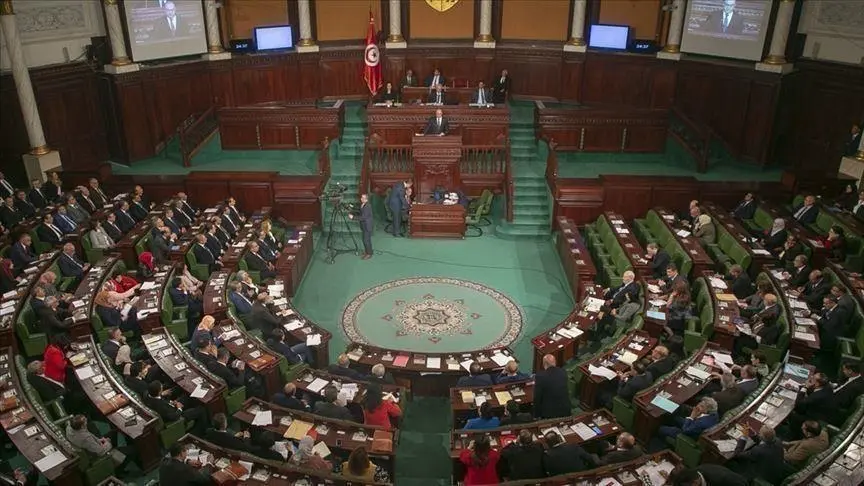
In its decision, supported by six members against three, the majority-conservative Court stated that the International Emergency Economic Powers Act “does not grant the President the authority to impose tariffs.”
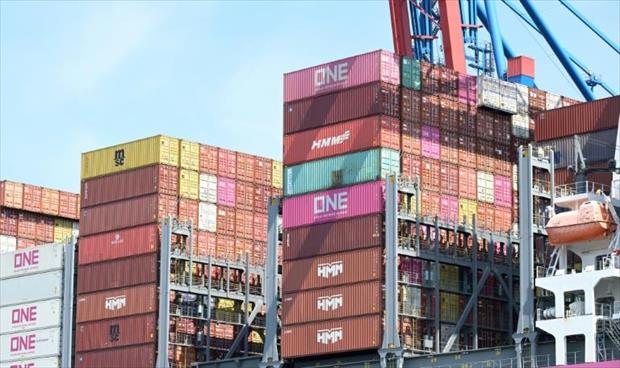
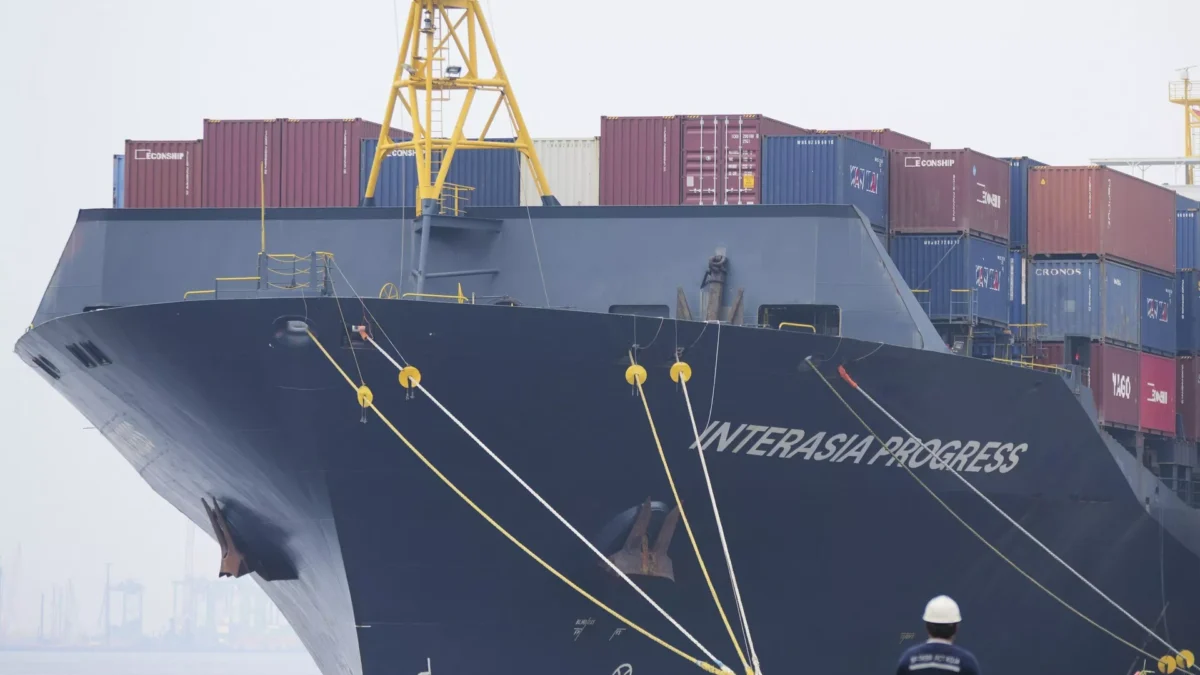
The ruling does not affect the sector-specific tariffs Trump imposed separately on steel, aluminum, and other goods imports, and there are still ongoing government investigations that could lead to further tariffs on specific sectors.
However, this decision is Trump’s biggest defeat before the Supreme Court since his return to the White House last year.
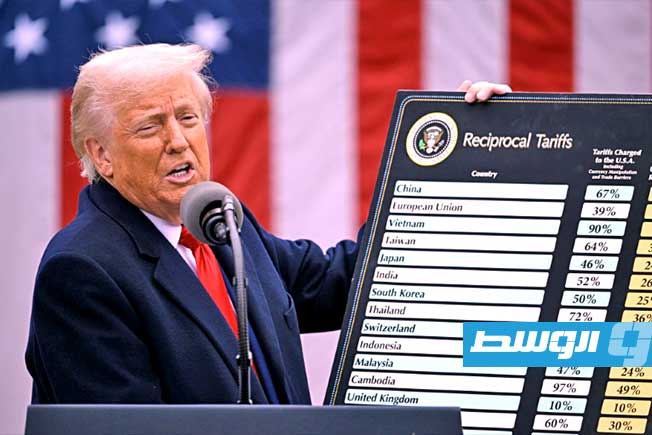
Trump has consistently used tariffs as a pressure tactic and in negotiations, and he unprecedentedly leveraged emergency economic powers upon his return to the presidency last year to impose new tariffs on almost all U.S. trading partners.
–
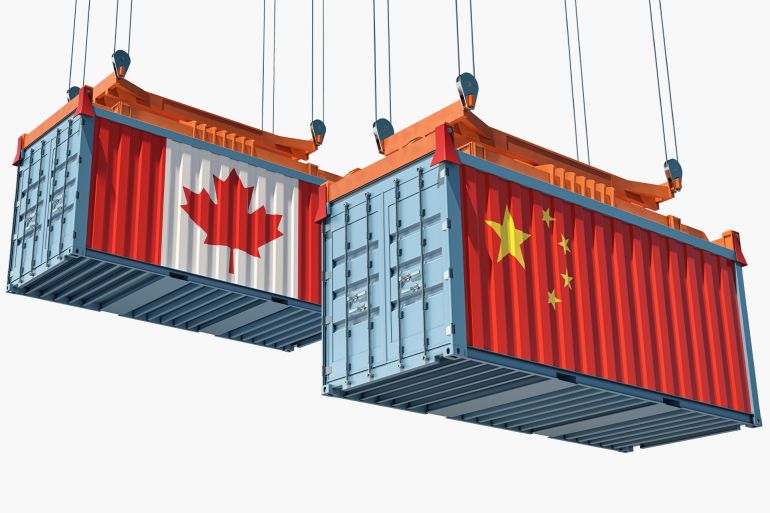
The measures included imposing tariffs in response to what Washington deemed unfair trade practices, along with separate tariff packages targeting major partners: Mexico, Canada, and China, citing drug trafficking and immigration flows.
The Court ruled on Friday that “if Congress had intended to grant a distinct and exceptional authority to impose tariffs” under the International Emergency Economic Powers Act, “it would have done so explicitly, as it has consistently done in other tariff laws.”
The Supreme Court’s decision affirms previous conclusions reached by lower courts, which found the tariffs Trump imposed under the International Emergency Economic Powers Act to be illegal.
Three liberal justices and three conservative justices voted in favor of the decision, while conservative justices Brett Kavanaugh, Clarence Thomas, and Samuel Alito opposed it.
In presenting his opinion, the Chief Justice noted that the “International Emergency Economic Powers Act contains no reference to tariffs or duties.”
In May, a lower trade court ruled that Trump overstepped his authority by imposing comprehensive tariffs and blocked the implementation of most of them, although this ruling was temporarily suspended pending appeal.
Certainty That Is Badly Needed
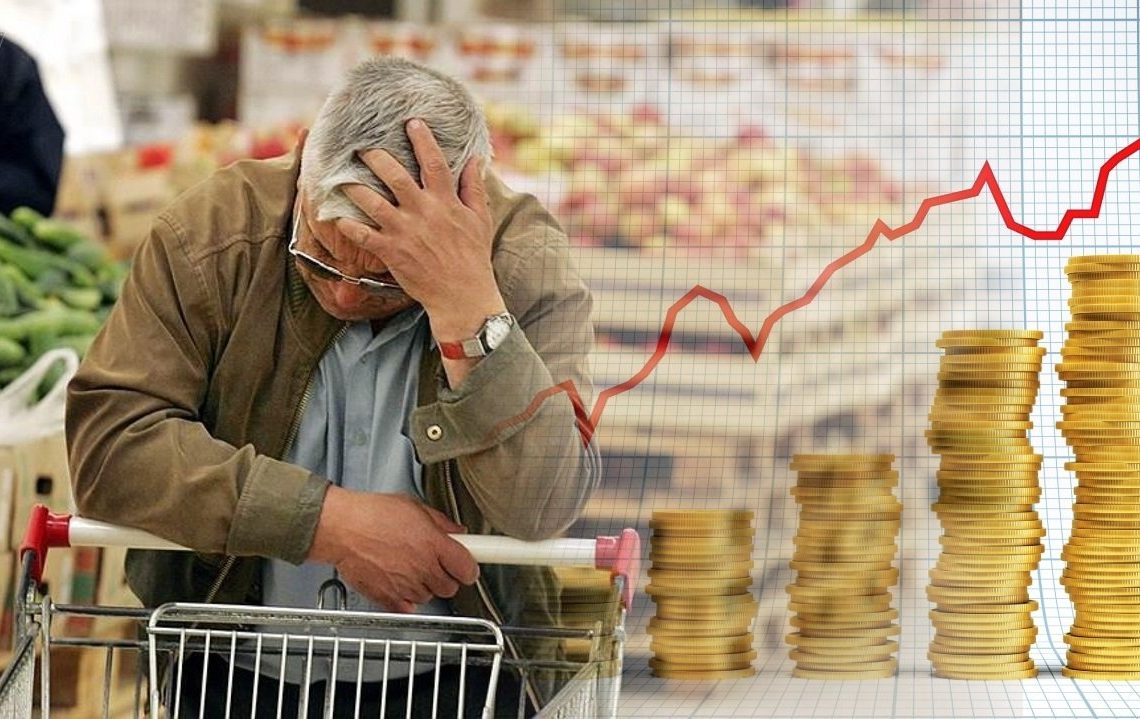
American business groups welcomed the ruling, with the National Retail Federation stating it “provides the certainty that is badly needed” for American businesses and manufacturers.
The Federation added: “We urge the lower court to ensure a smooth process for refunding the tariffs to American suppliers.”
The Supreme Court did not address the extent to which suppliers could recover the tariffs they paid, while one justice warned that this process could be “chaotic.”
A prominent Democratic member of the Senate Banking Committee pointed out that there is still “no legal mechanism for consumers and many small businesses to recover the money they paid.”
However, that did not prevent the Senate Democratic leader from praising the decision as “a victory for American consumers’ pockets.”
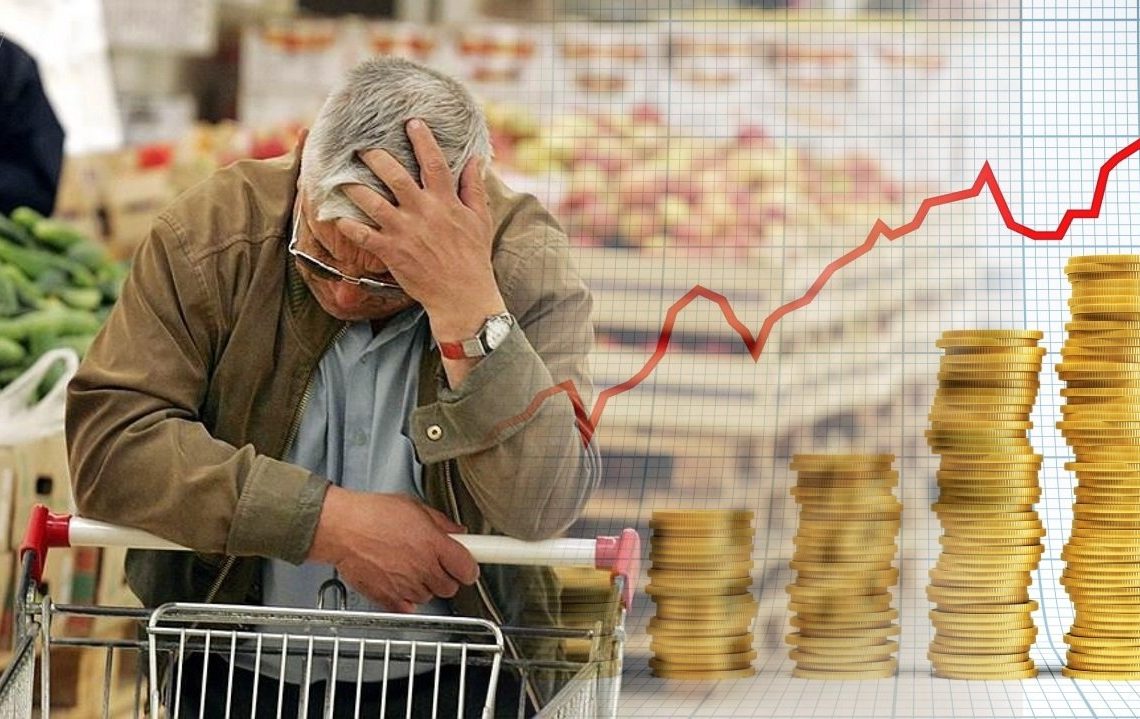
An economic expert stated that the loss of tariff revenue from the International Emergency Economic Powers Act for the U.S. government could reach approximately $140 billion.
He added, prior to the ruling, that the decision was likely to lower the average tariff rate from 16.8% to around 9.5%.
But he suggested the decrease might be temporary as the government seeks other ways to reimpose some comprehensive tariffs.
Estimates from a university budget lab indicate that consumers will face an effective tariff rate of 9.1% following Friday’s decision, down from 16.9%. However, the lab noted that this rate “is still the highest since 1946,” excluding the year 2025.
Preparing for New Mechanisms
International reactions to the ruling followed, with the European Union announcing it is “analyzing it carefully” and is in contact with the U.S. administration.
The United Kingdom indicated it would cooperate with Washington to examine the implications of the ruling, while Canada viewed the Court’s decision as confirming that Trump’s tariffs were “unjustified.”
The Canadian Minister of International Trade said that businesses harmed by these measures still need “support” and promised to continue working with the United States “to foster growth and opportunities on both sides of the border.”
However, a Canadian chamber of commerce warned against viewing the judicial ruling as a “reset of U.S. trade policy.”
The chamber’s president said in a statement: “Canada should prepare for new and more severe mechanisms to reimpose trade pressure, which could lead to broader effects and greater disruption.”