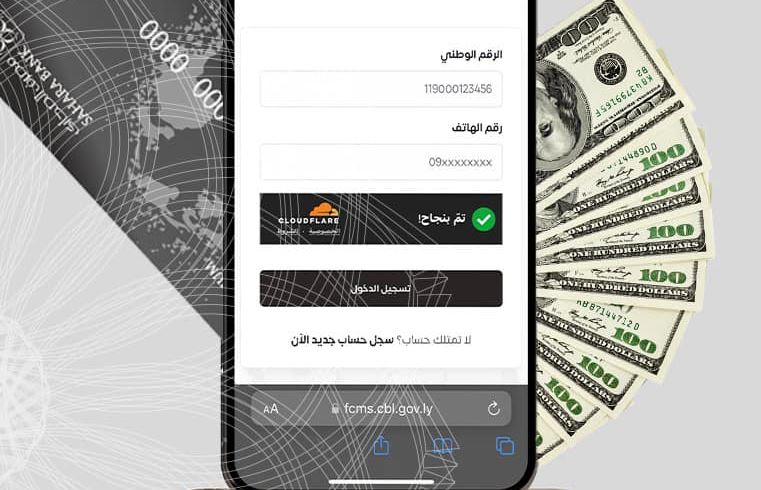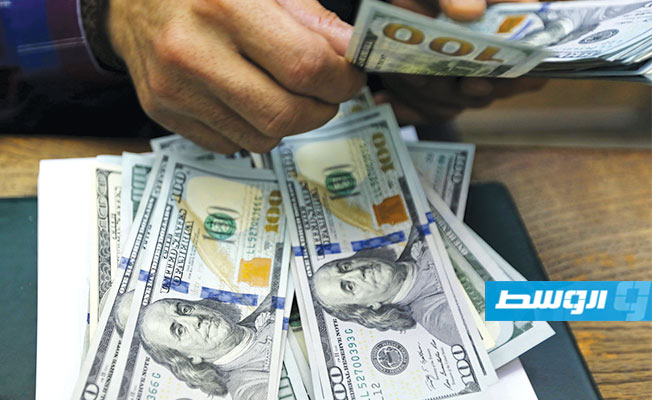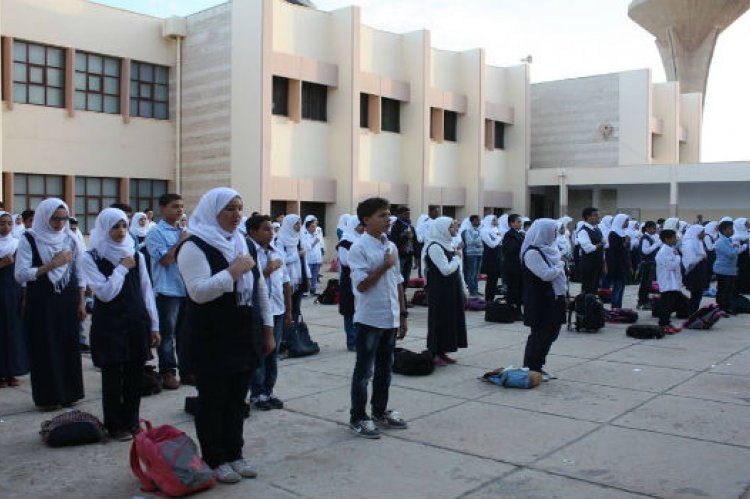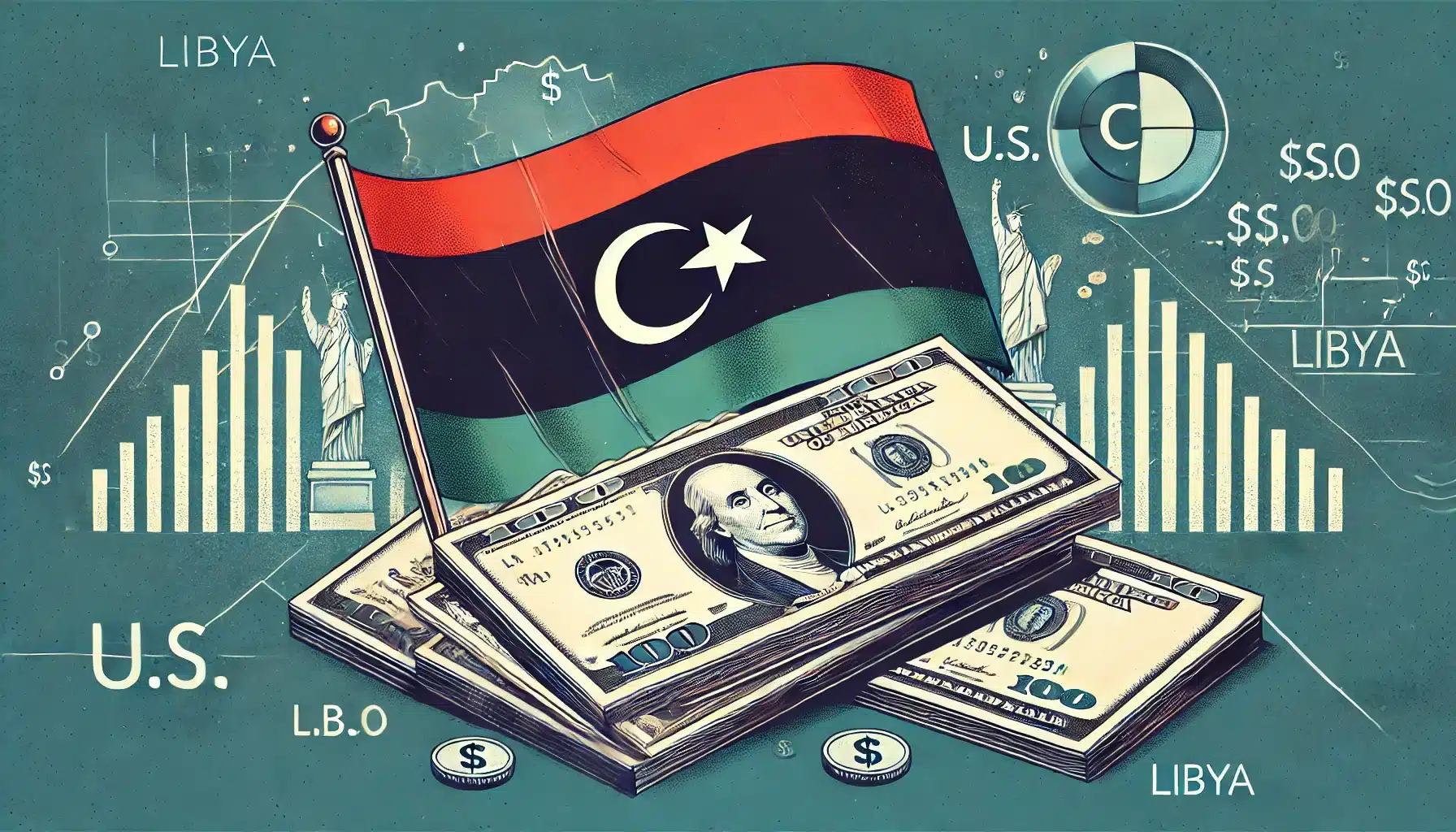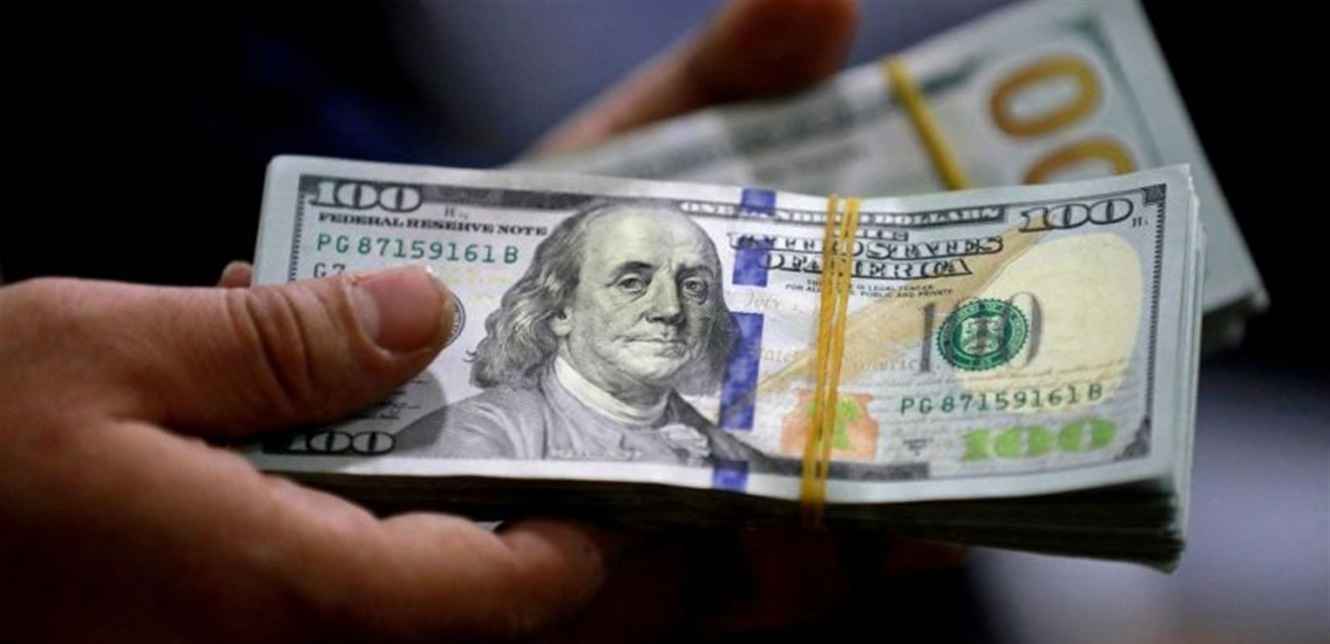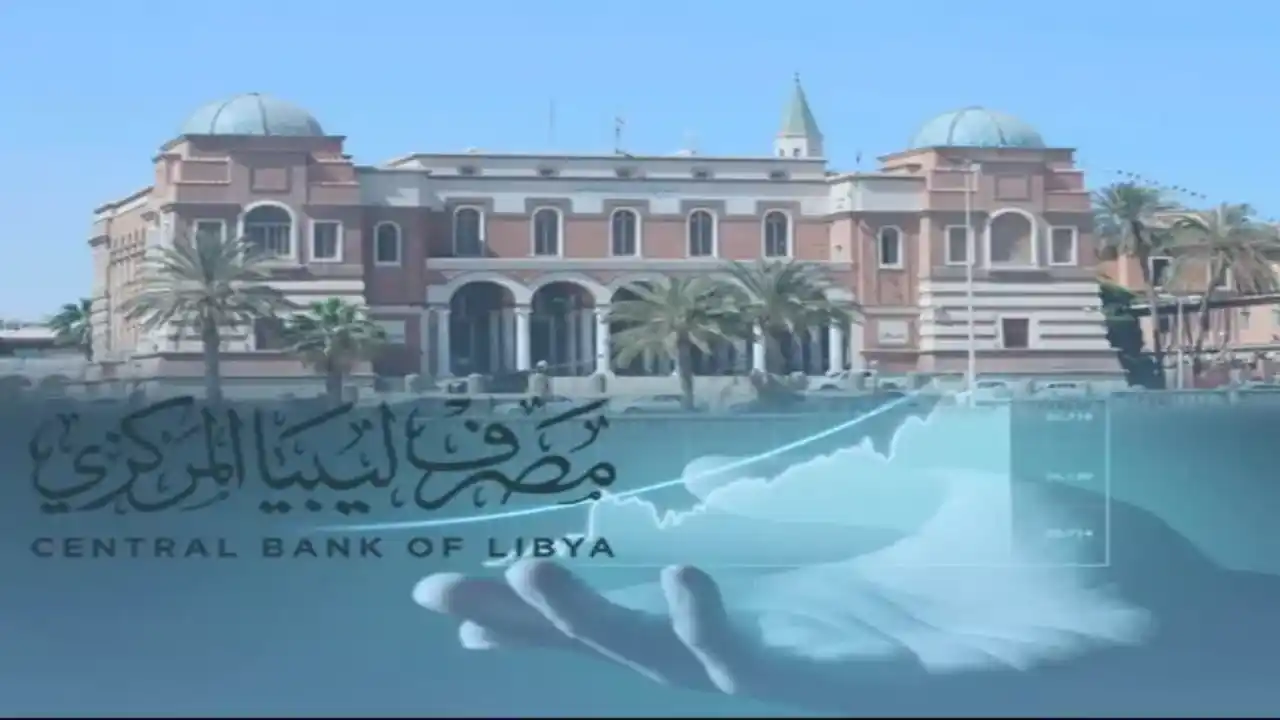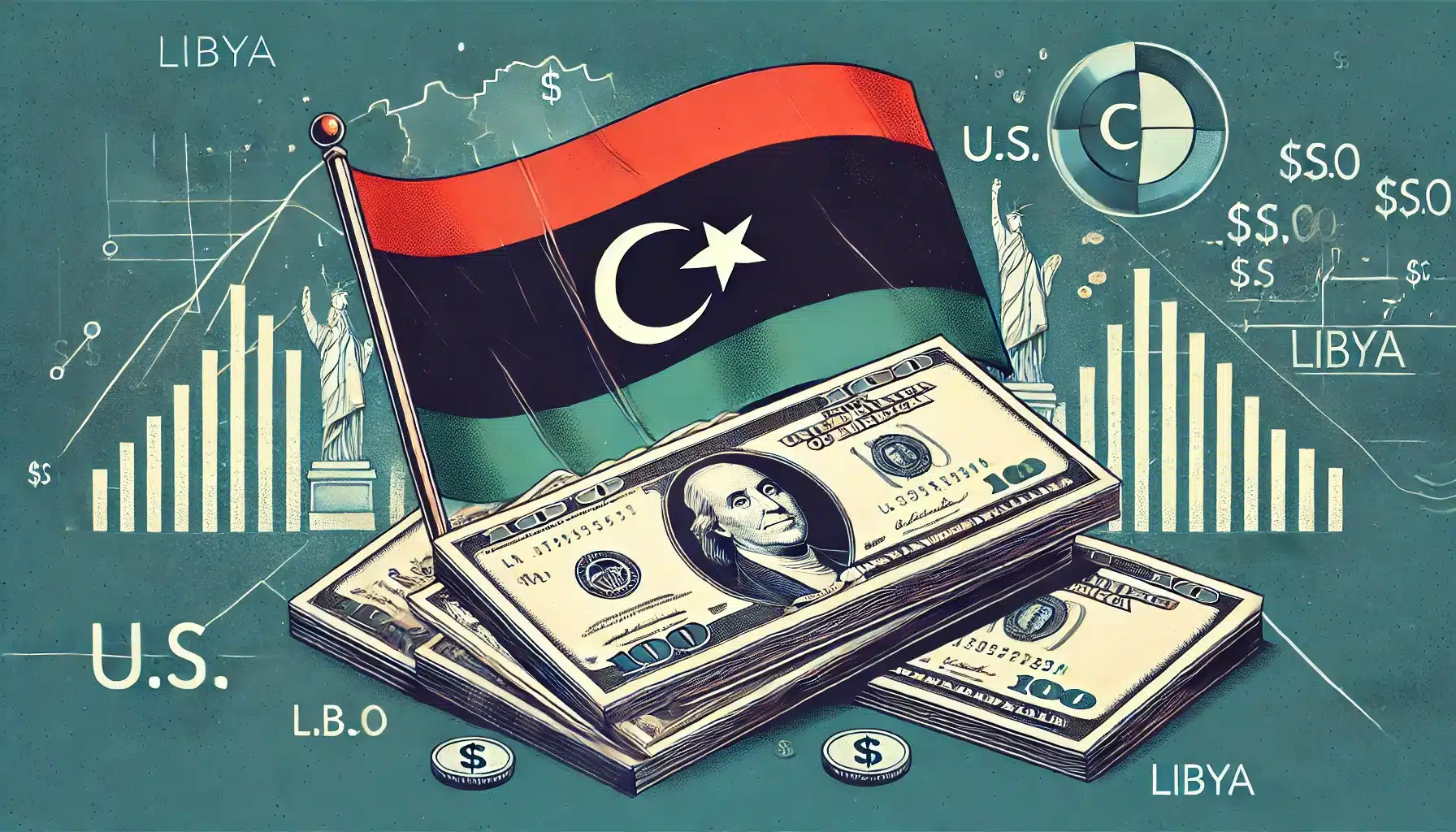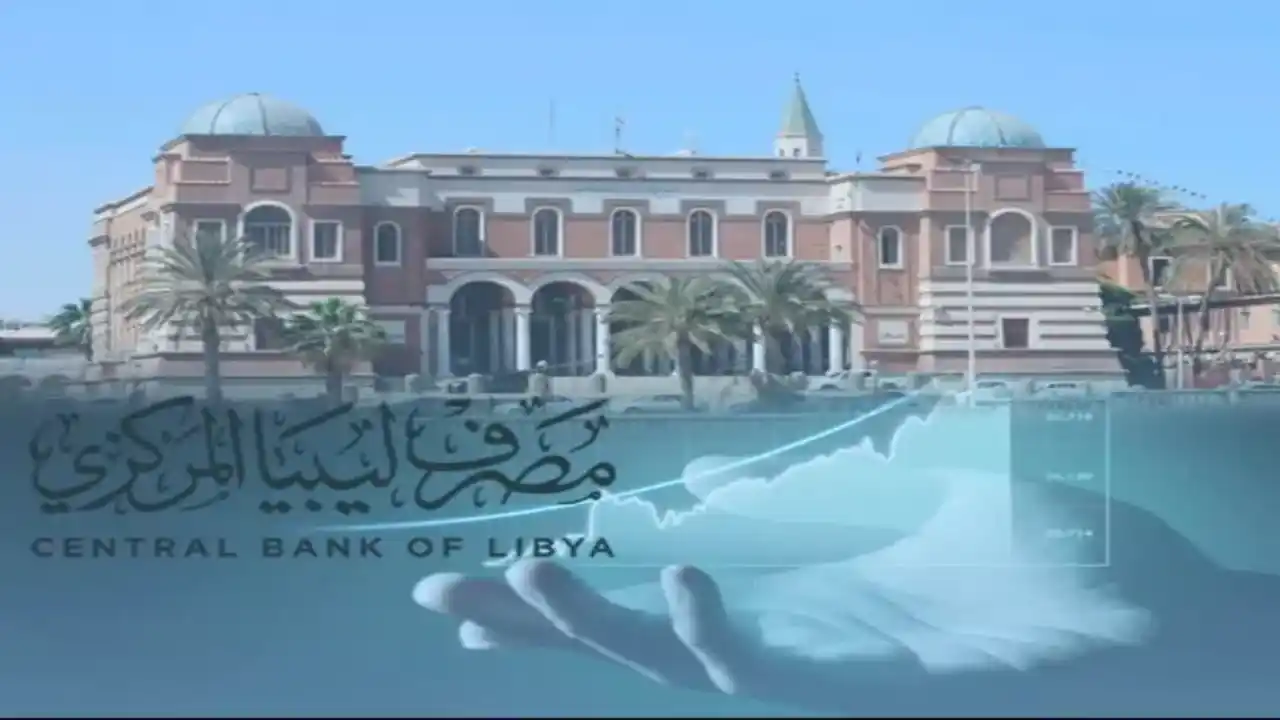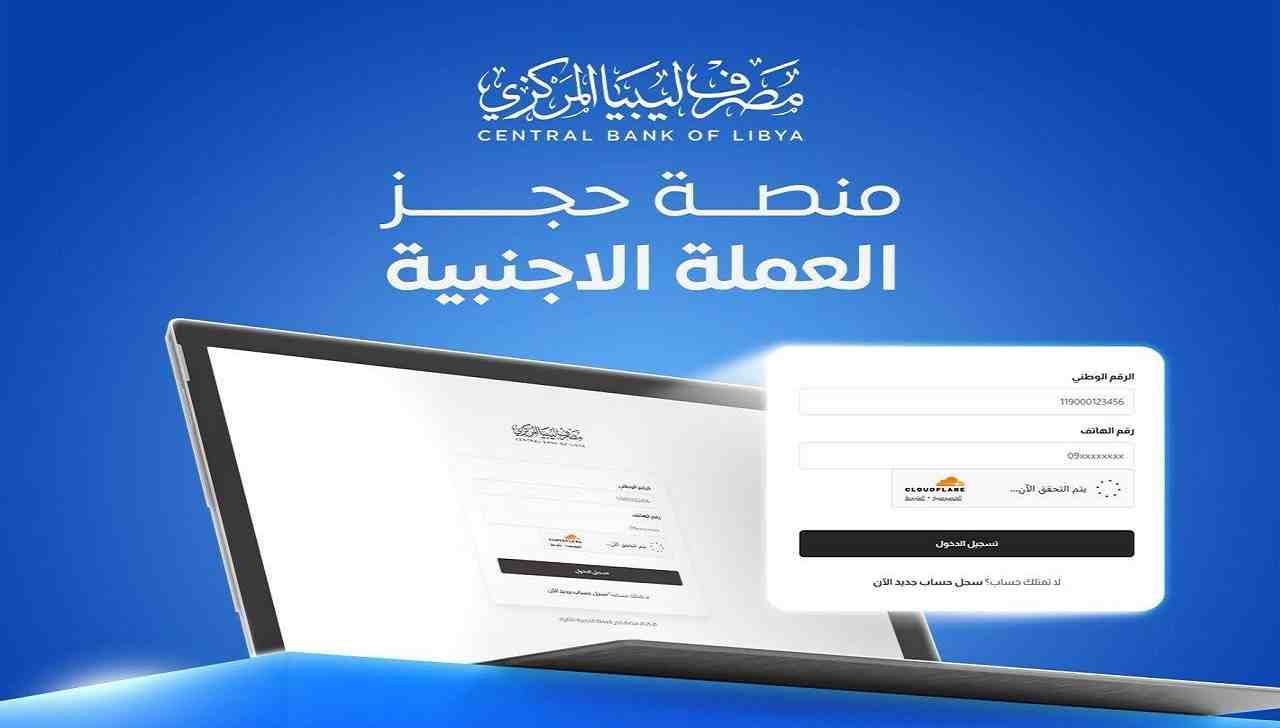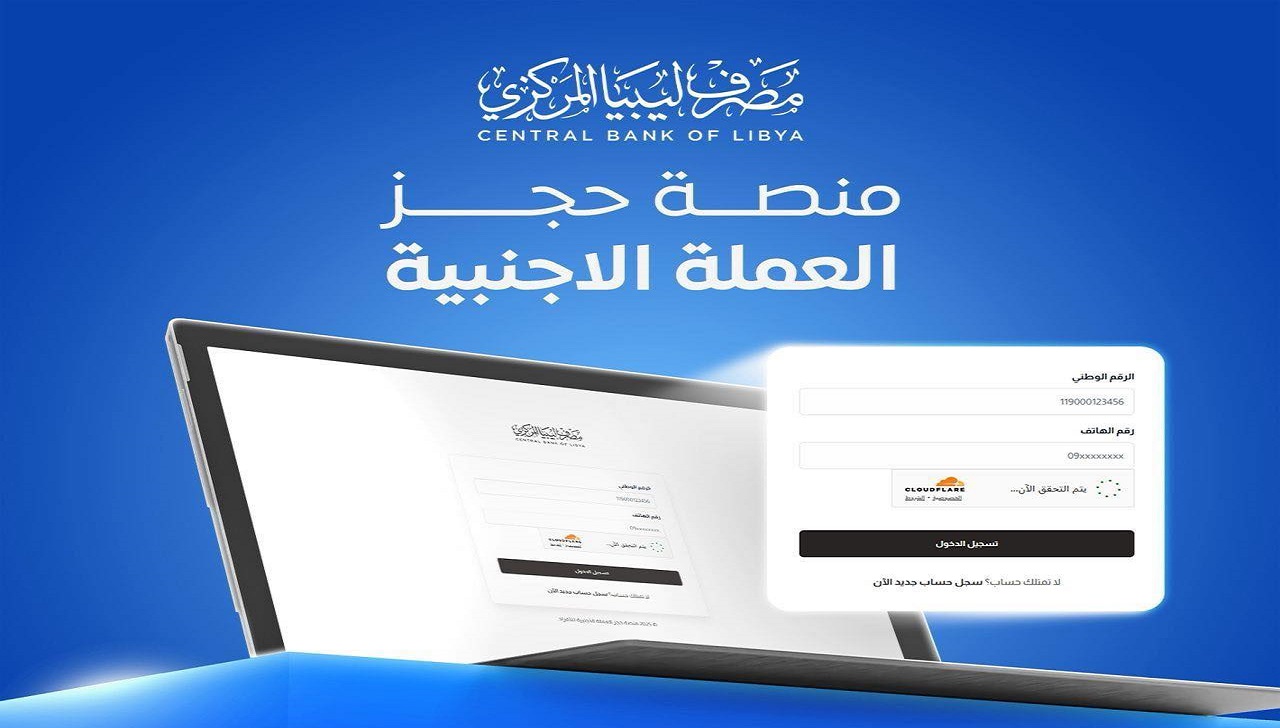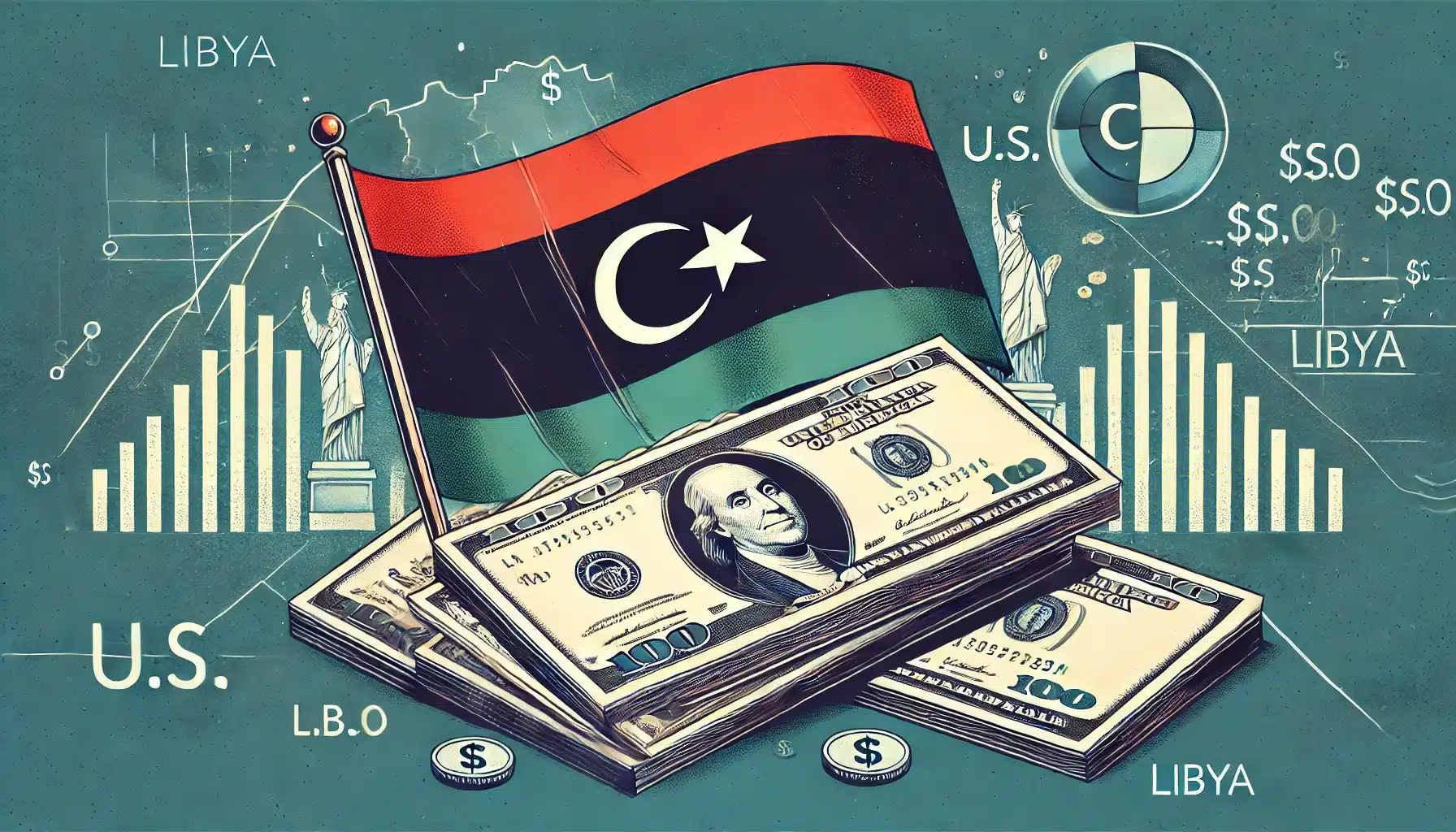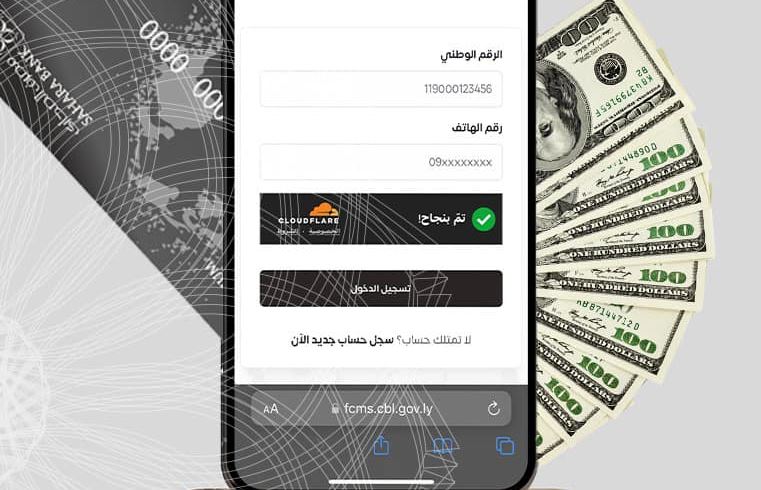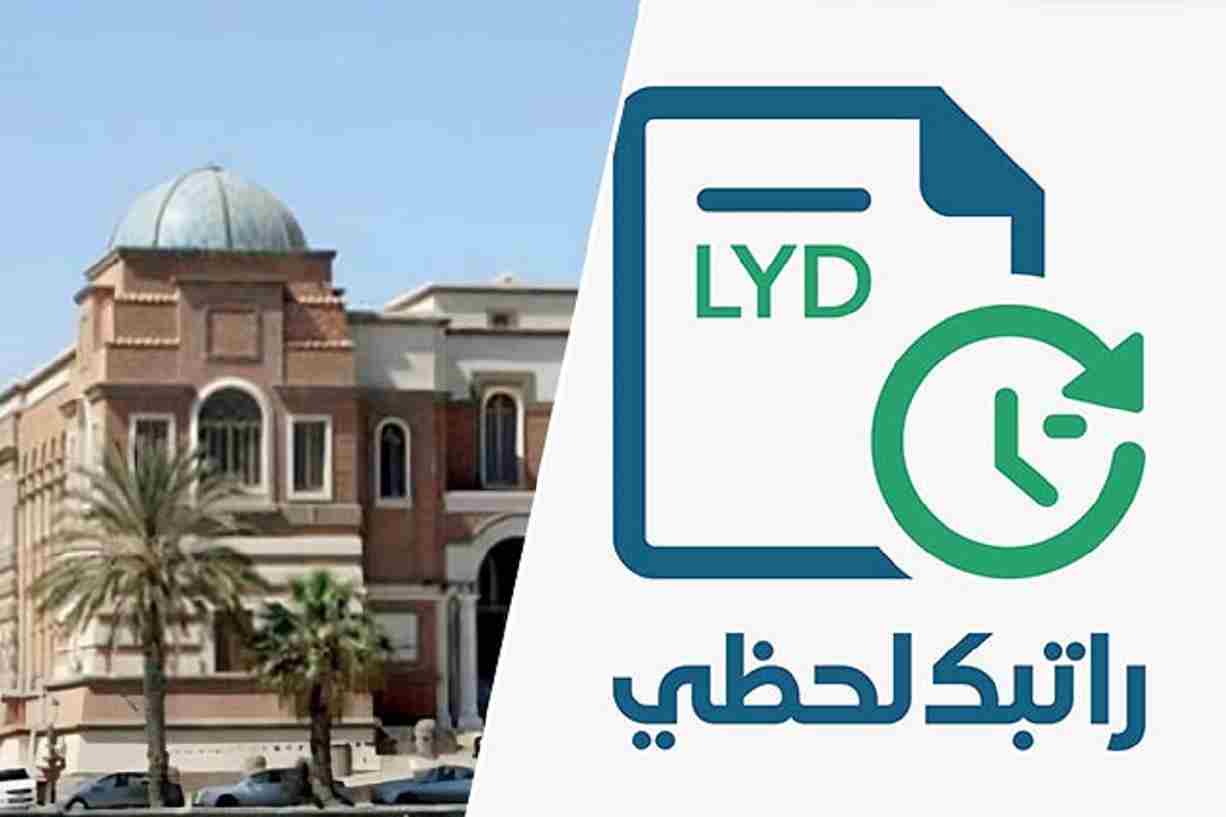
The Central Bank of Libya has issued a circular authorizing banks operating in the country to transfer foreign currency for individuals for the purpose of medical treatment and study abroad, through the designated system.
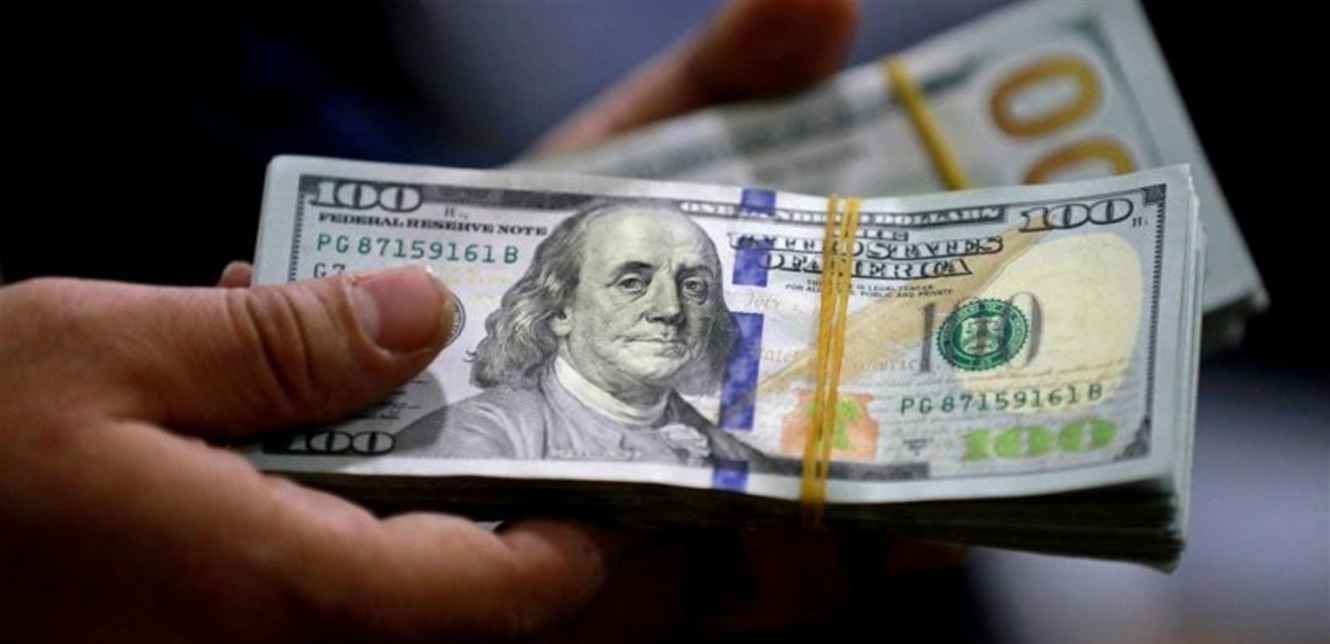
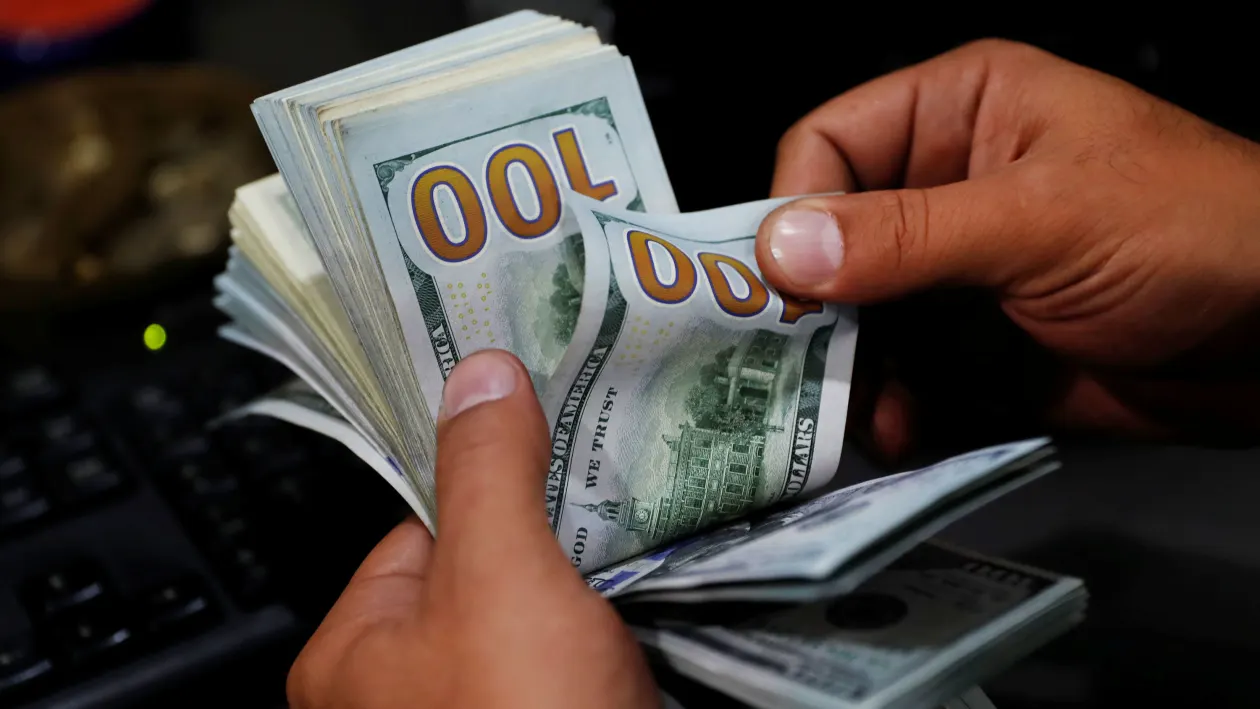
According to the instructions in the circular directed to bank general managers, the transfer ceiling for medical treatment abroad has been set at a maximum of $20,000 or its equivalent in other currencies per year. Meanwhile, a ceiling of $7,500 per year per student has been set for study abroad purposes or its equivalent in foreign currencies.
The circular indicated the necessity for banks to adhere to the regulatory controls and procedures and to verify the completion of supporting documents for the required purposes, in accordance with the previous Circular No. (2025/10) issued on April 6, 2025, concerning the regulation of foreign currency dealings.
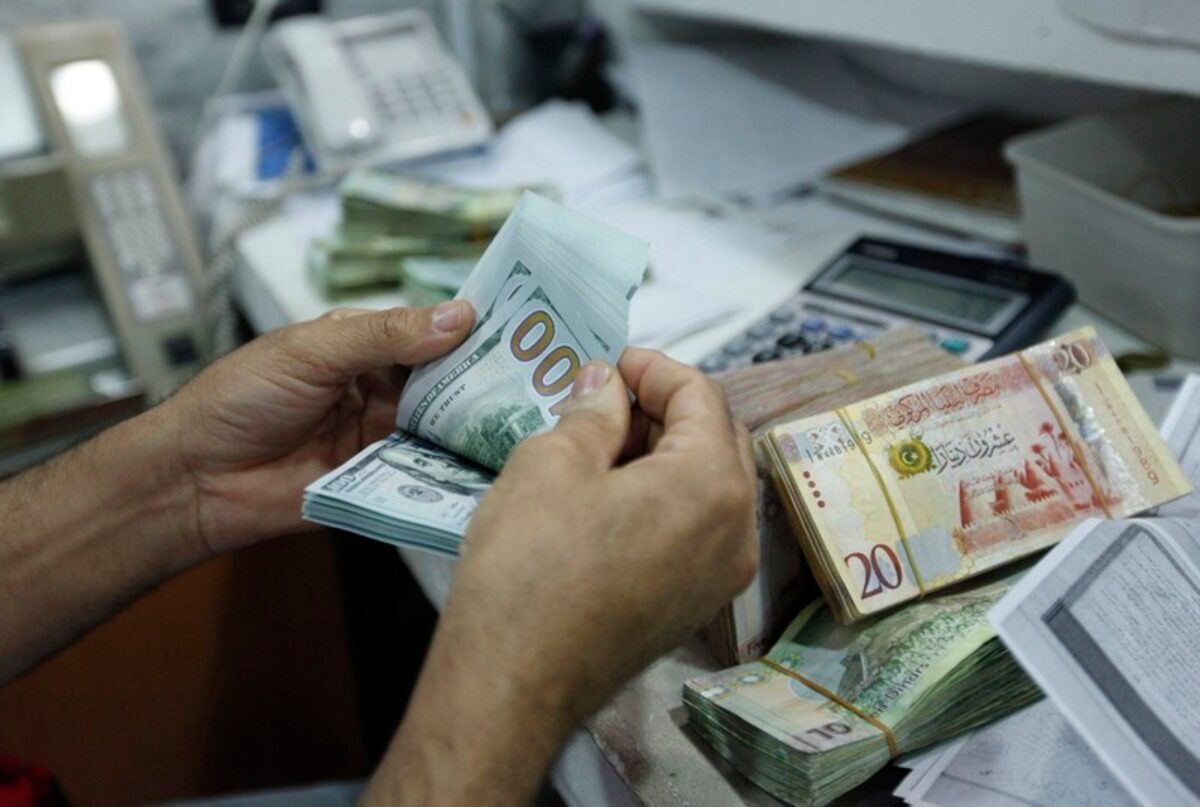
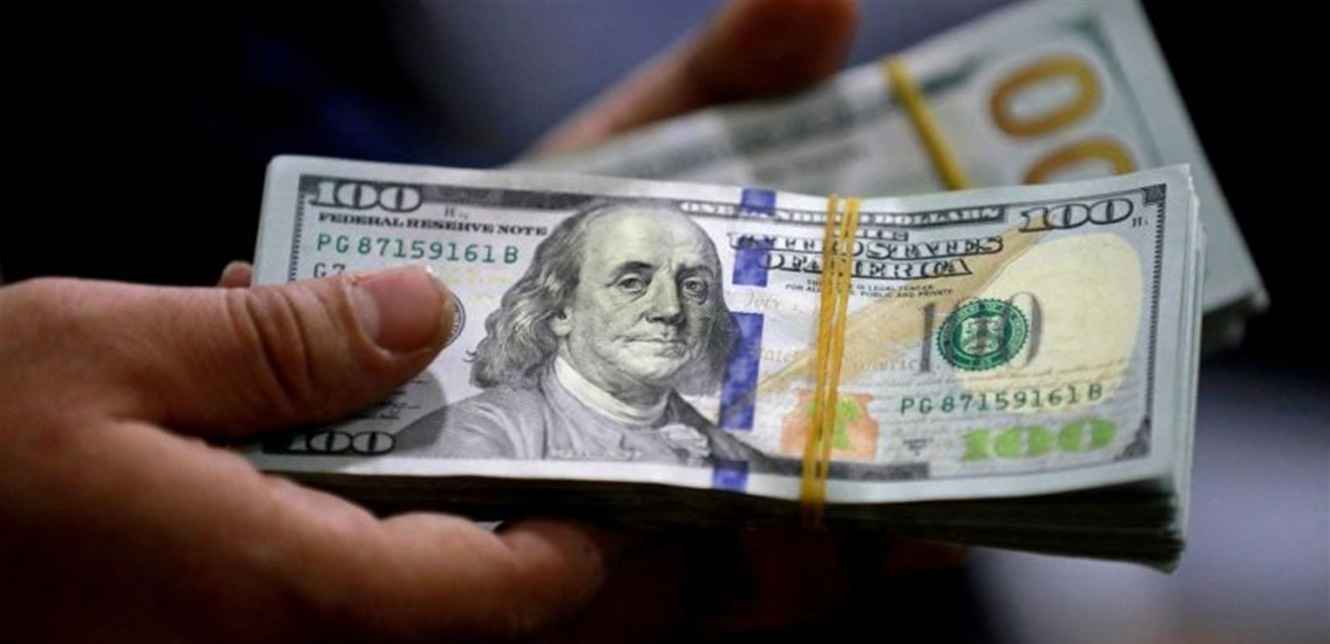
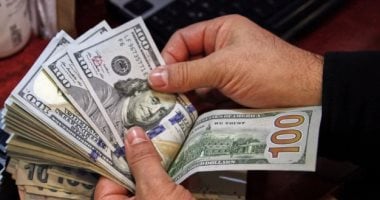
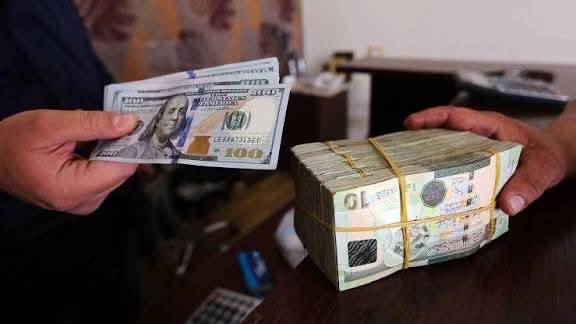
On February 2, 2026, the Central Bank of Libya issued new controls to regulate the buying and selling of foreign currency through exchange offices and companies, setting the annual ceiling for selling dollars to citizens at $8,000. This does not include the special allowances of $2,000 for personal purposes, $10,000 for medical treatment, and $7,500 for study.
It also set the ceiling for selling foreign currency to resident foreign workers in the public and private sectors at $3,000 annually, not exceeding $300 per month. It authorized exchange offices to purchase foreign currency, provided their daily purchase ceiling from the bank does not exceed 70% of their available dinar balance.
Regarding prices, the bank mandated selling according to the officially announced price, with a maximum profit margin set at 4% above the purchase price. Therefore, the selling price is increased by 4% for cash payments and 2.5% for payments via checks, transfers, or electronic payment methods. All transactions must be executed exclusively through the unified electronic platform.