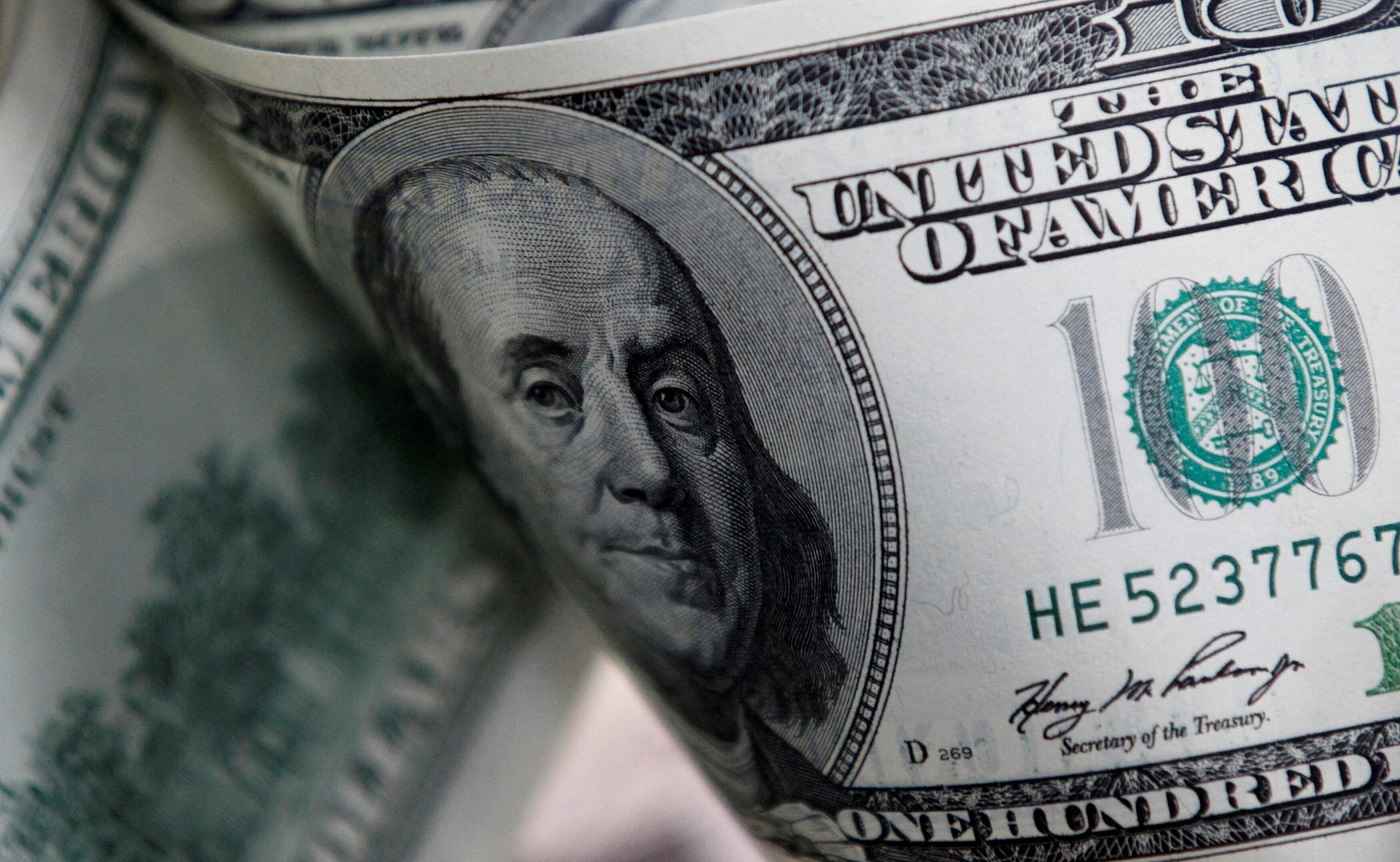
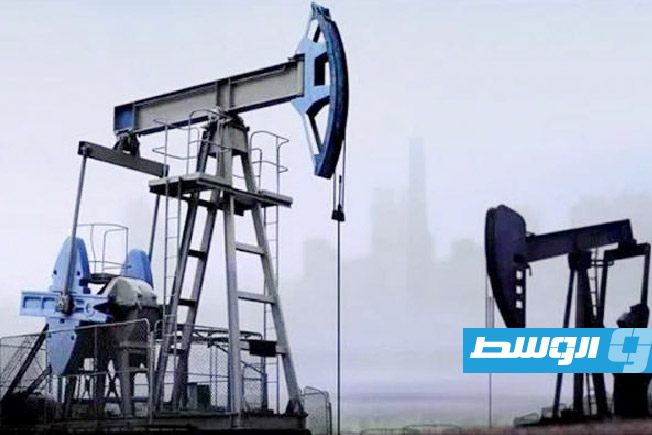
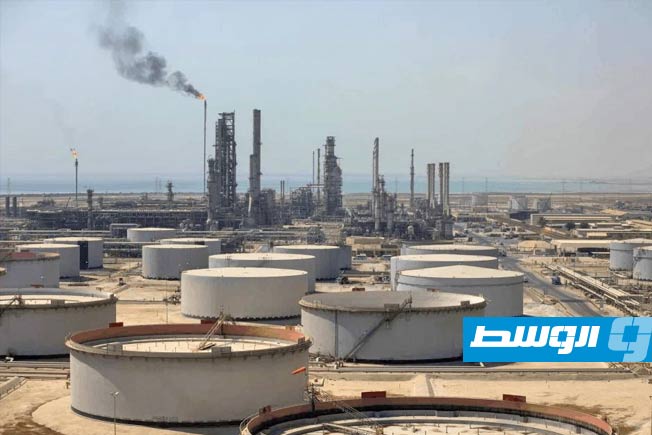
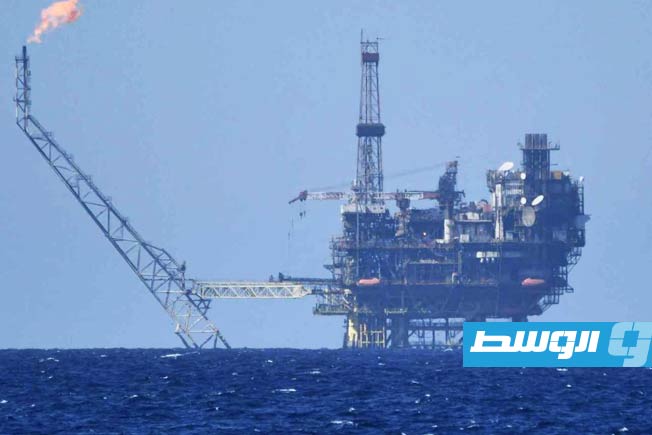
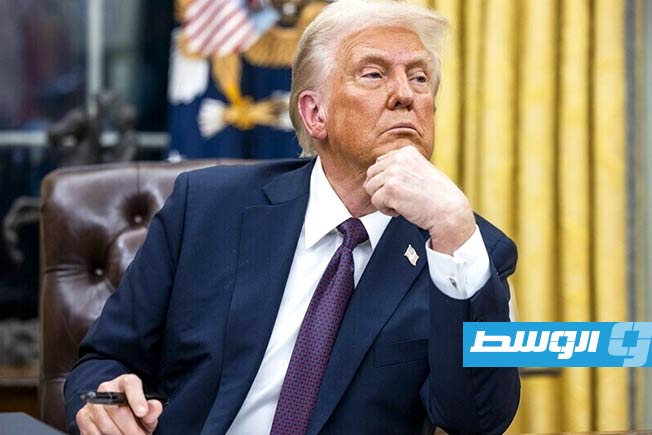
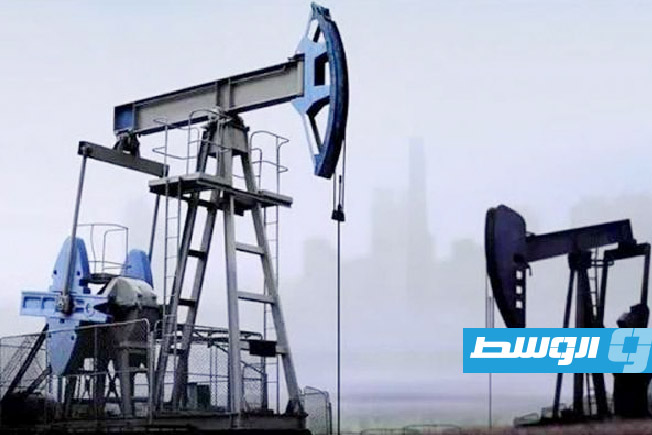
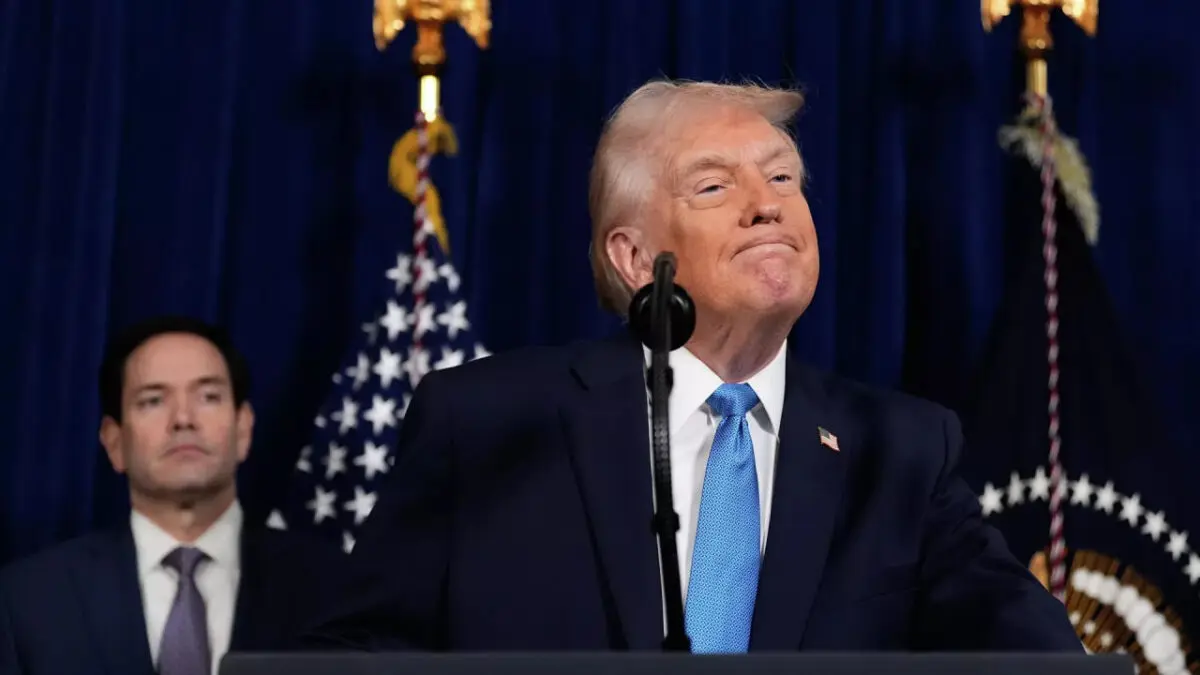
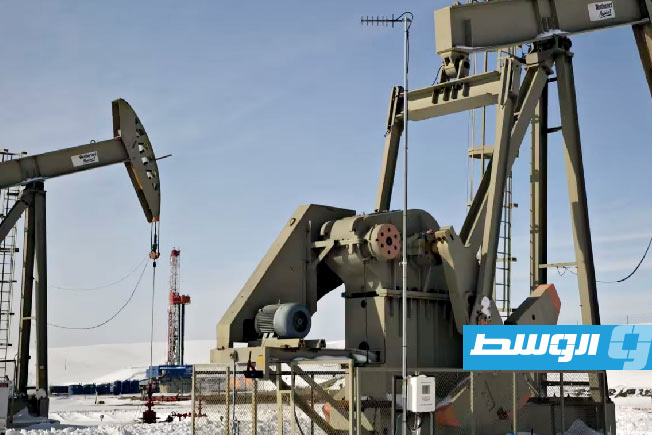
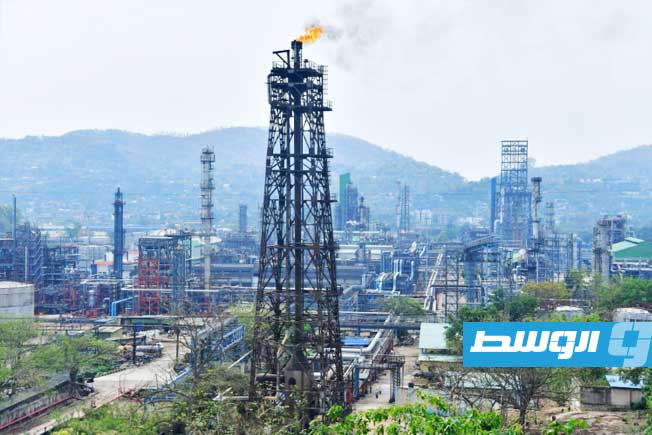
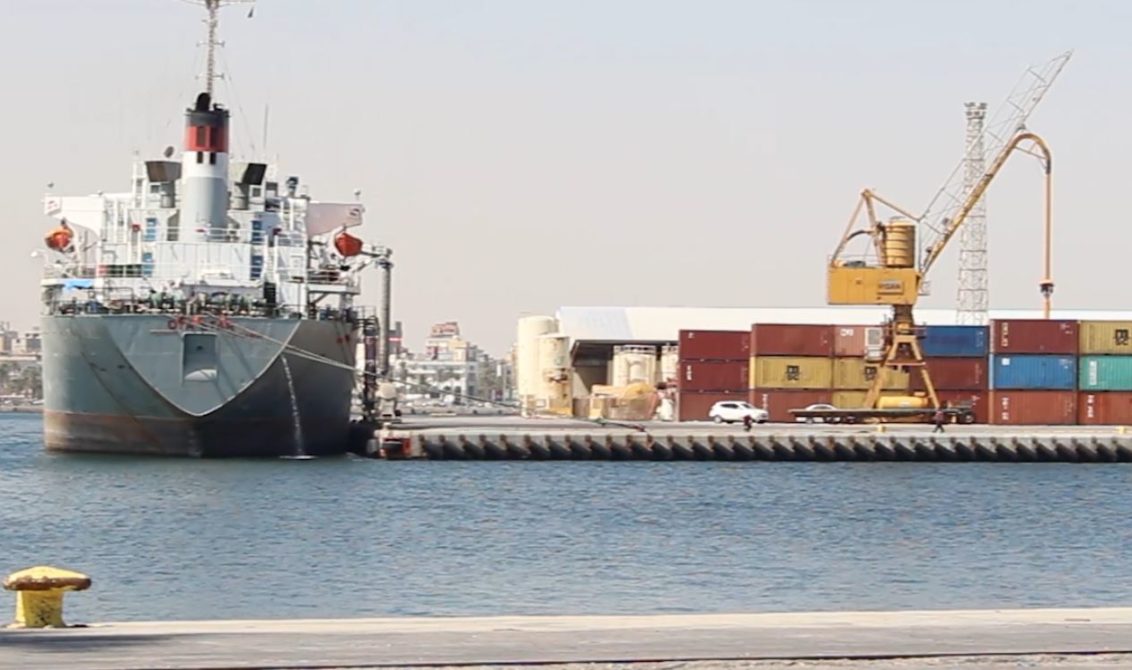
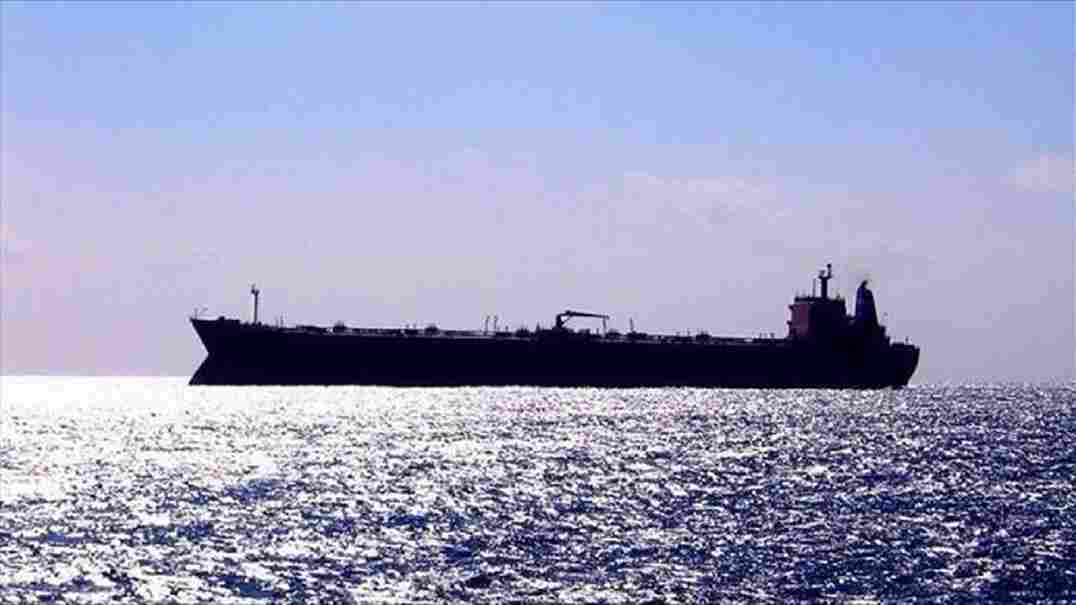
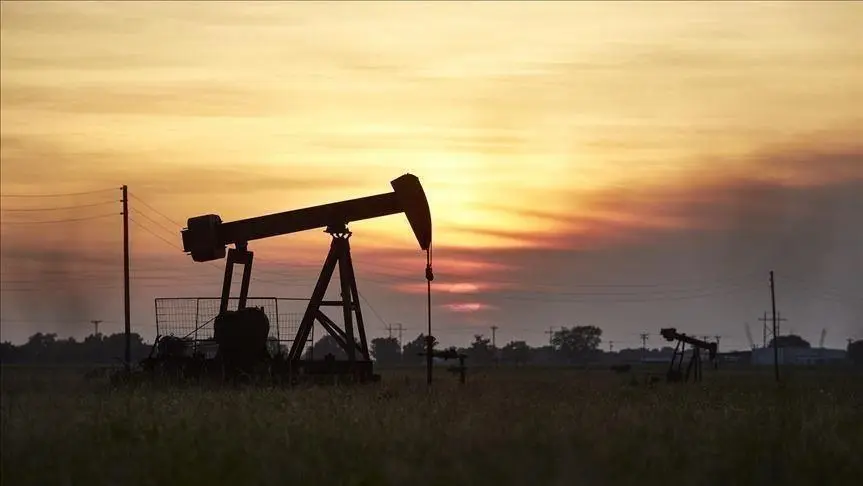
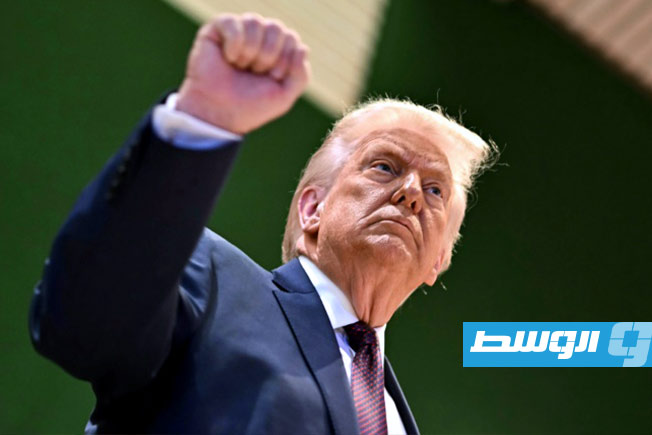
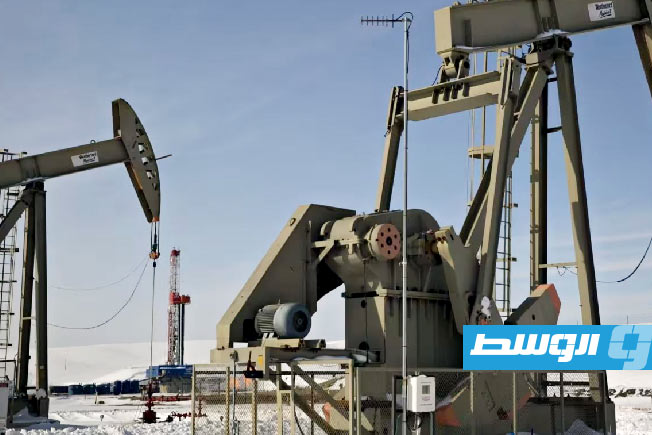
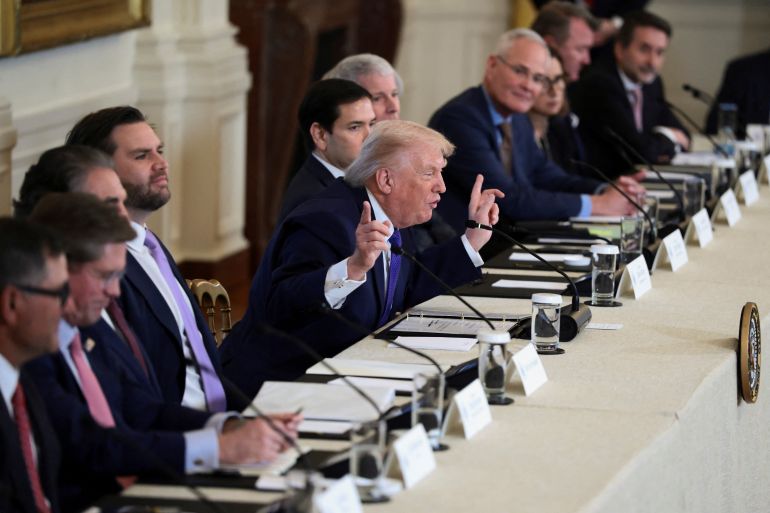
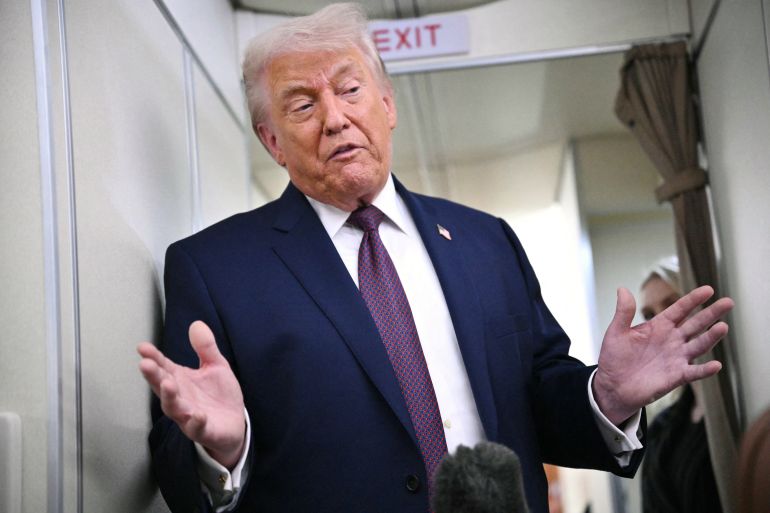
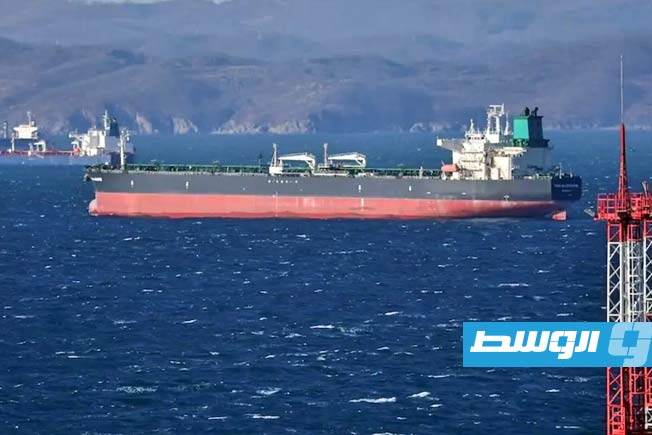
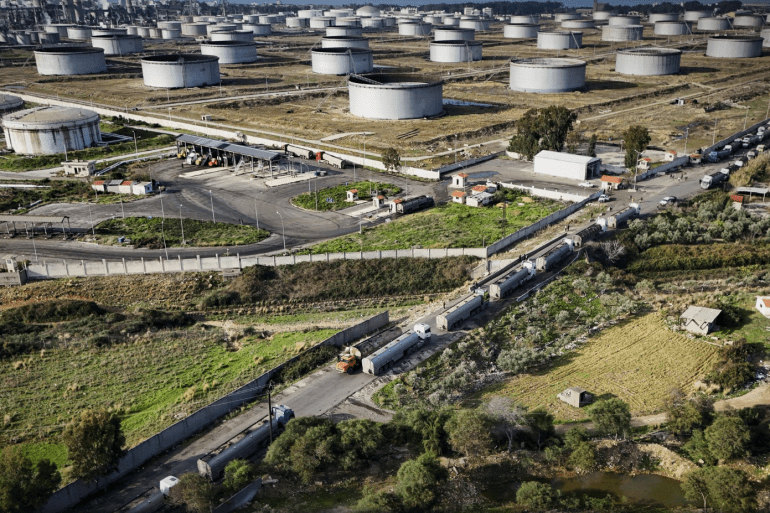
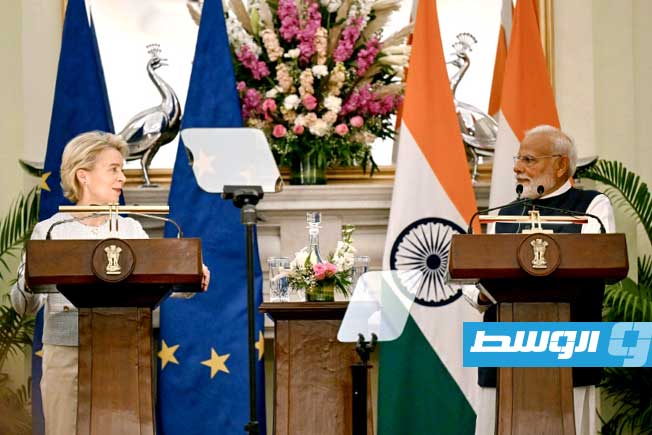
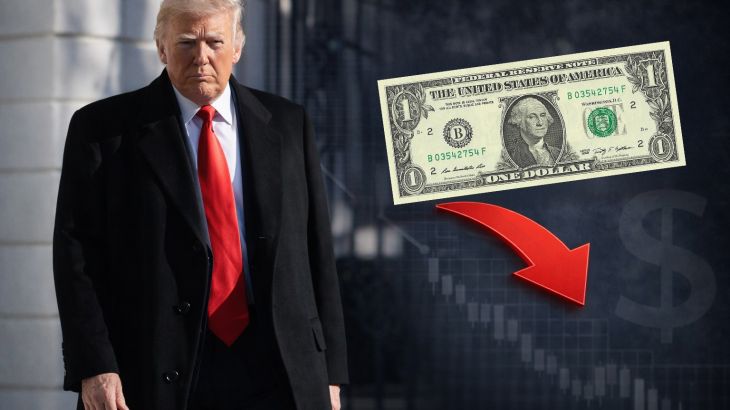
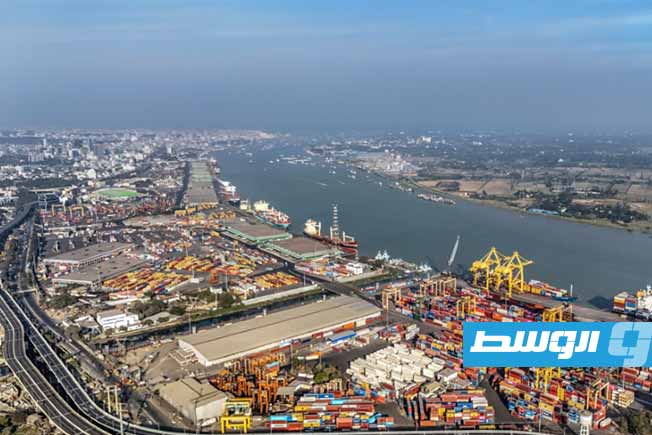
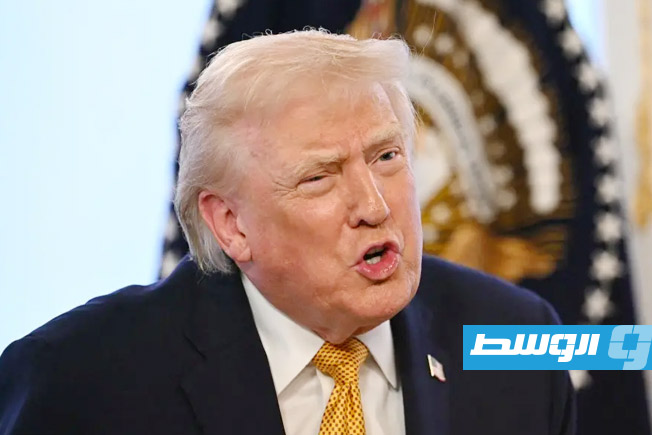
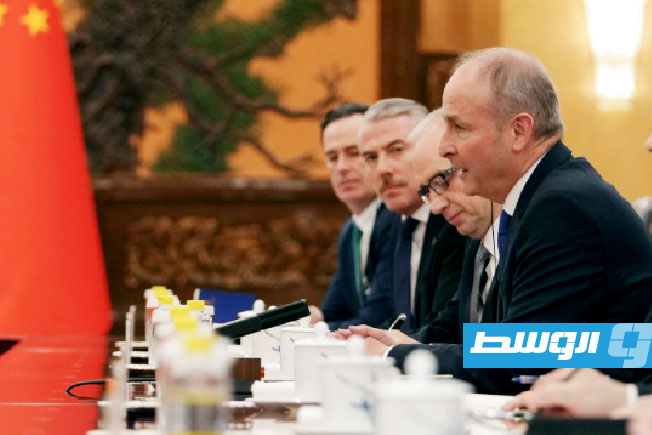
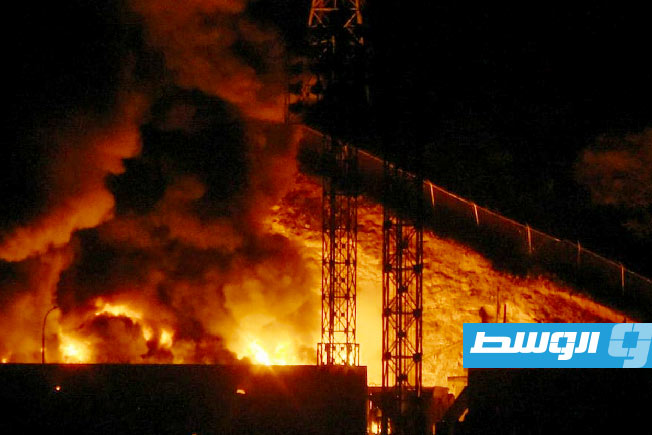
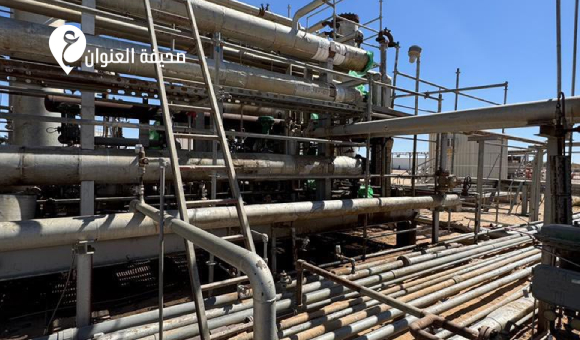
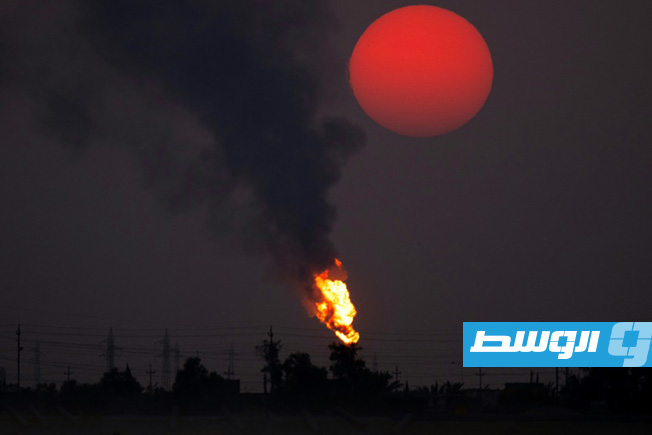
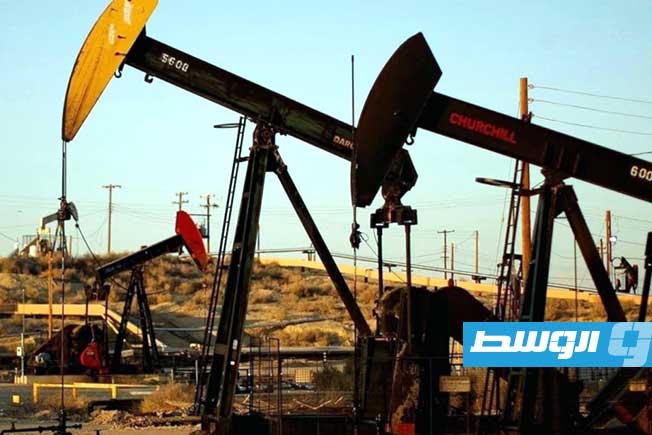
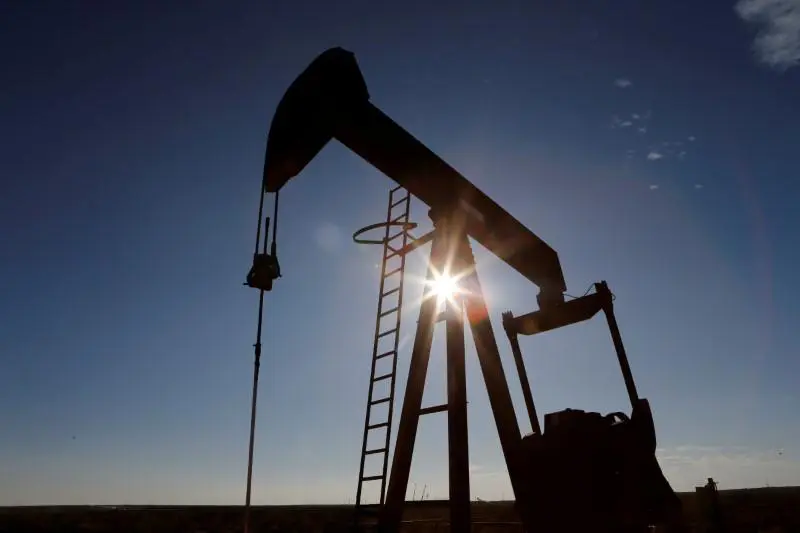
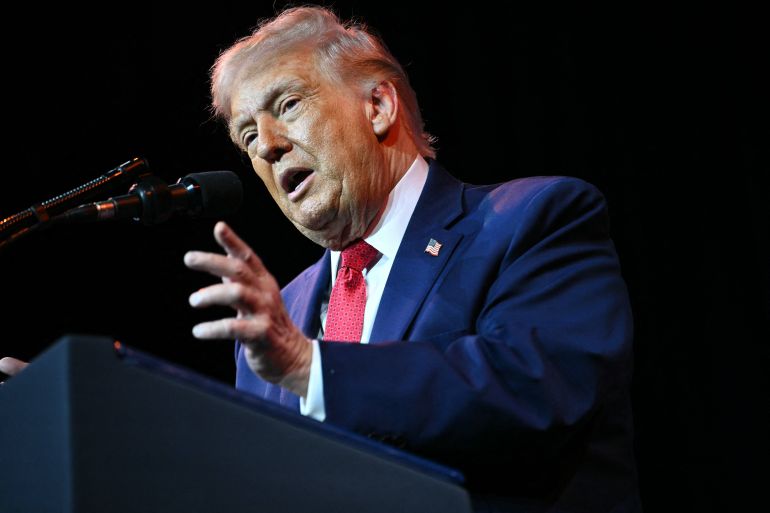
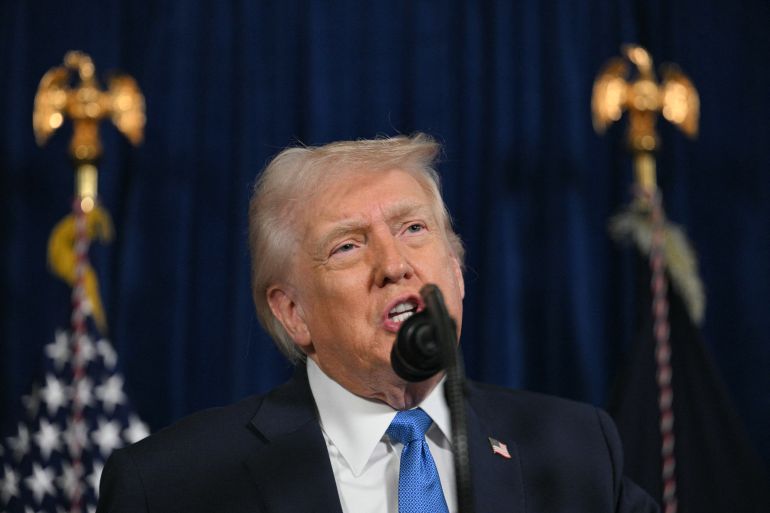
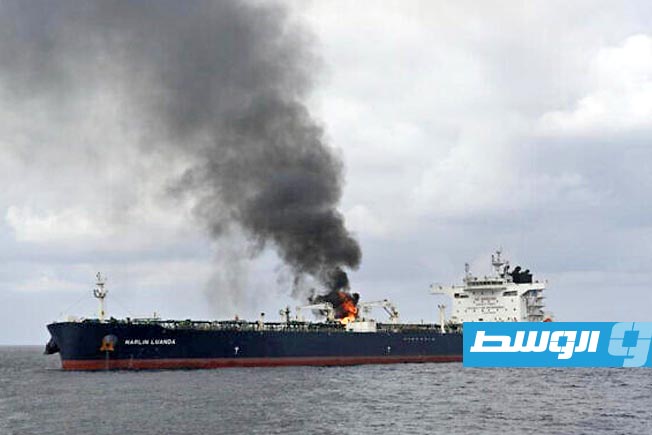
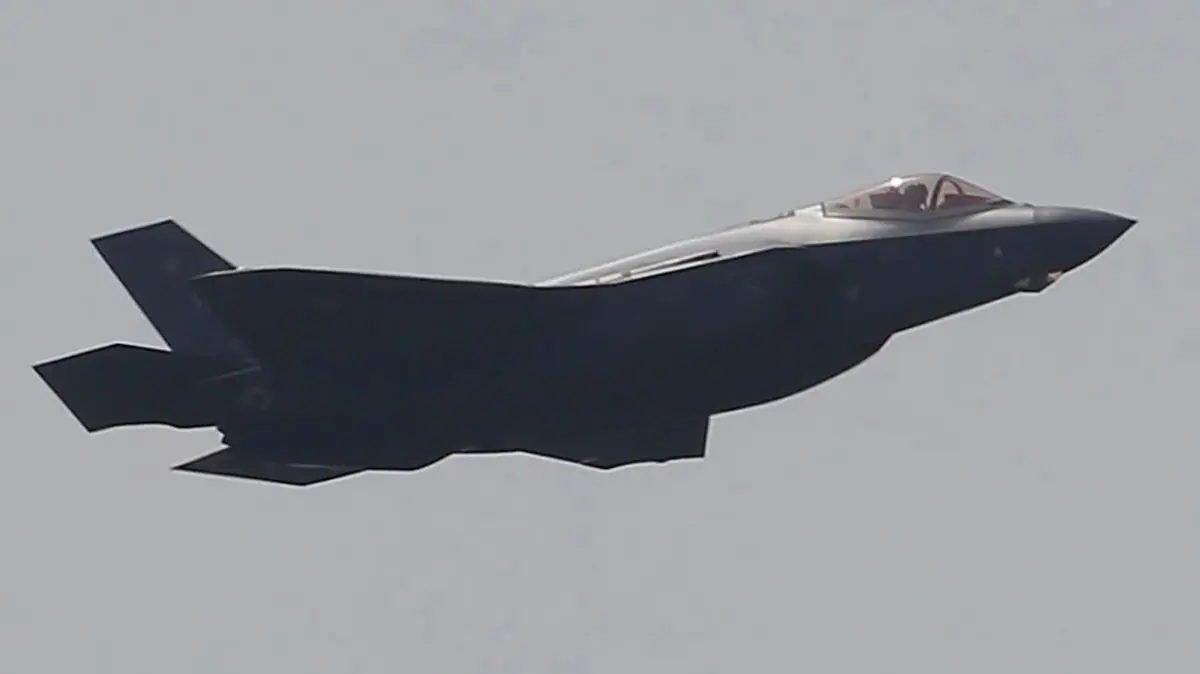
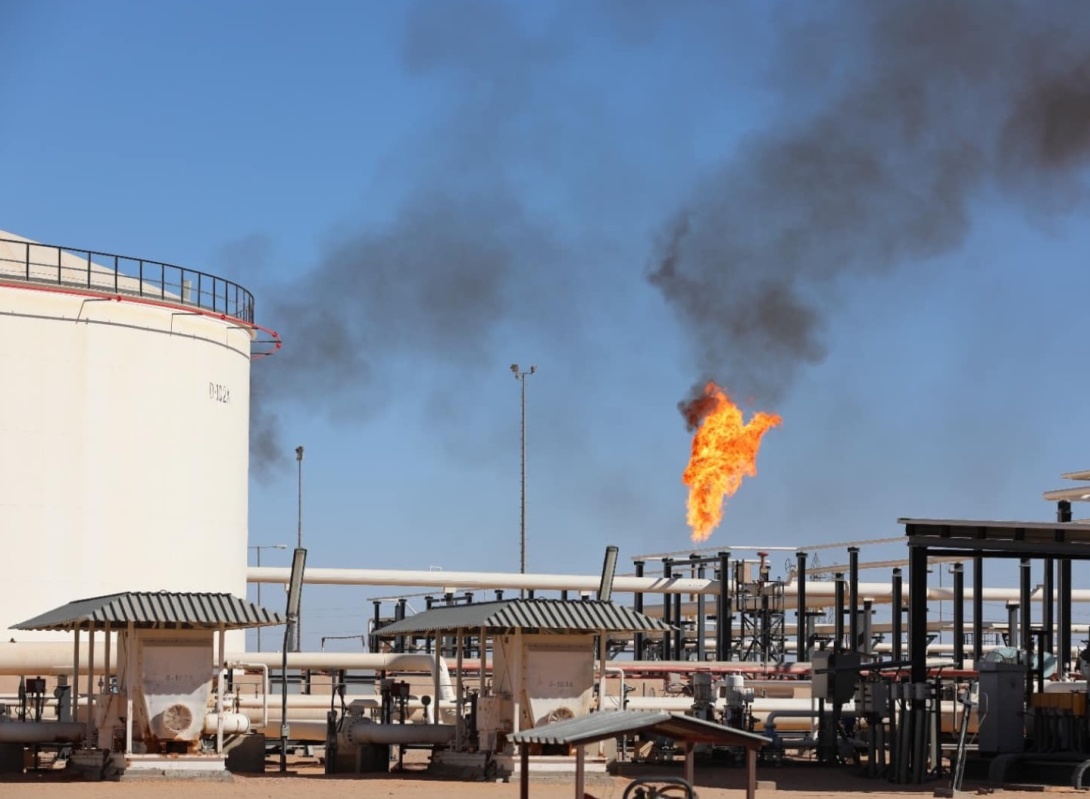
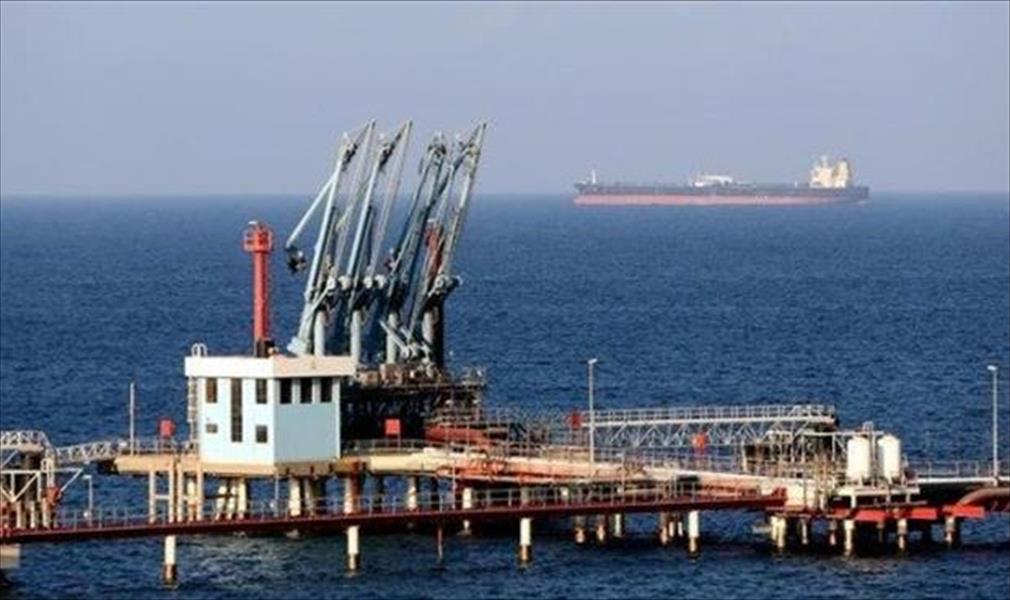
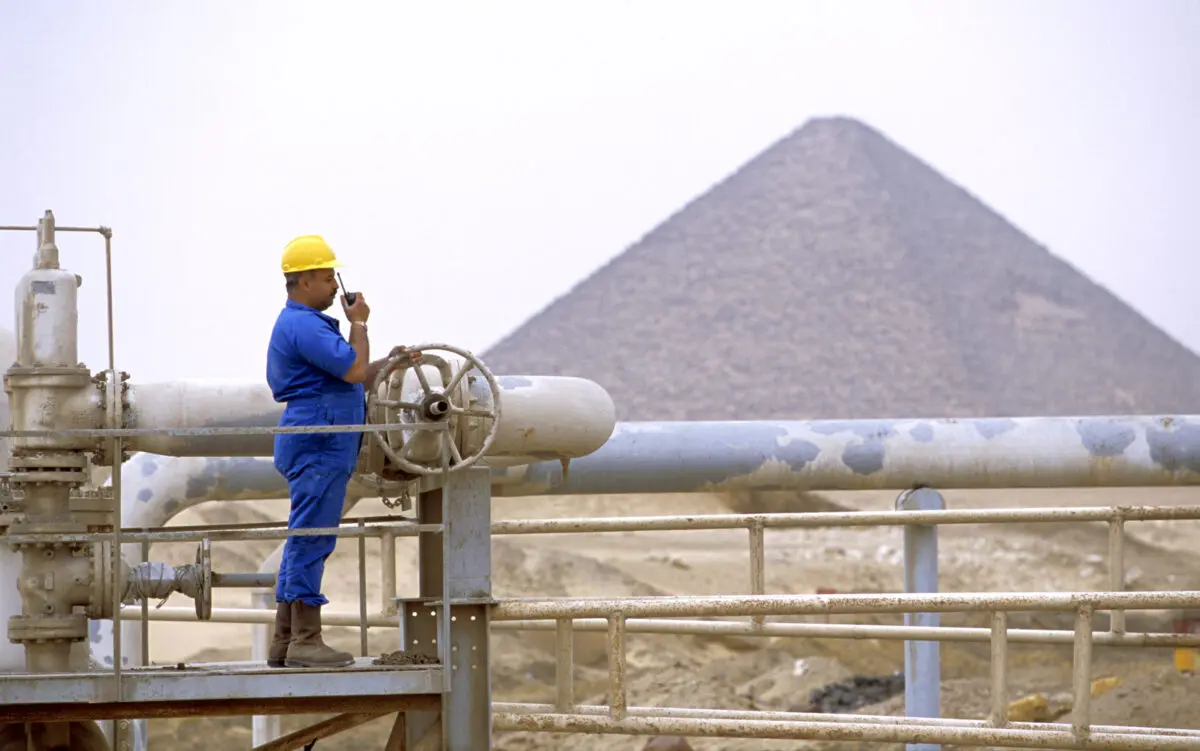
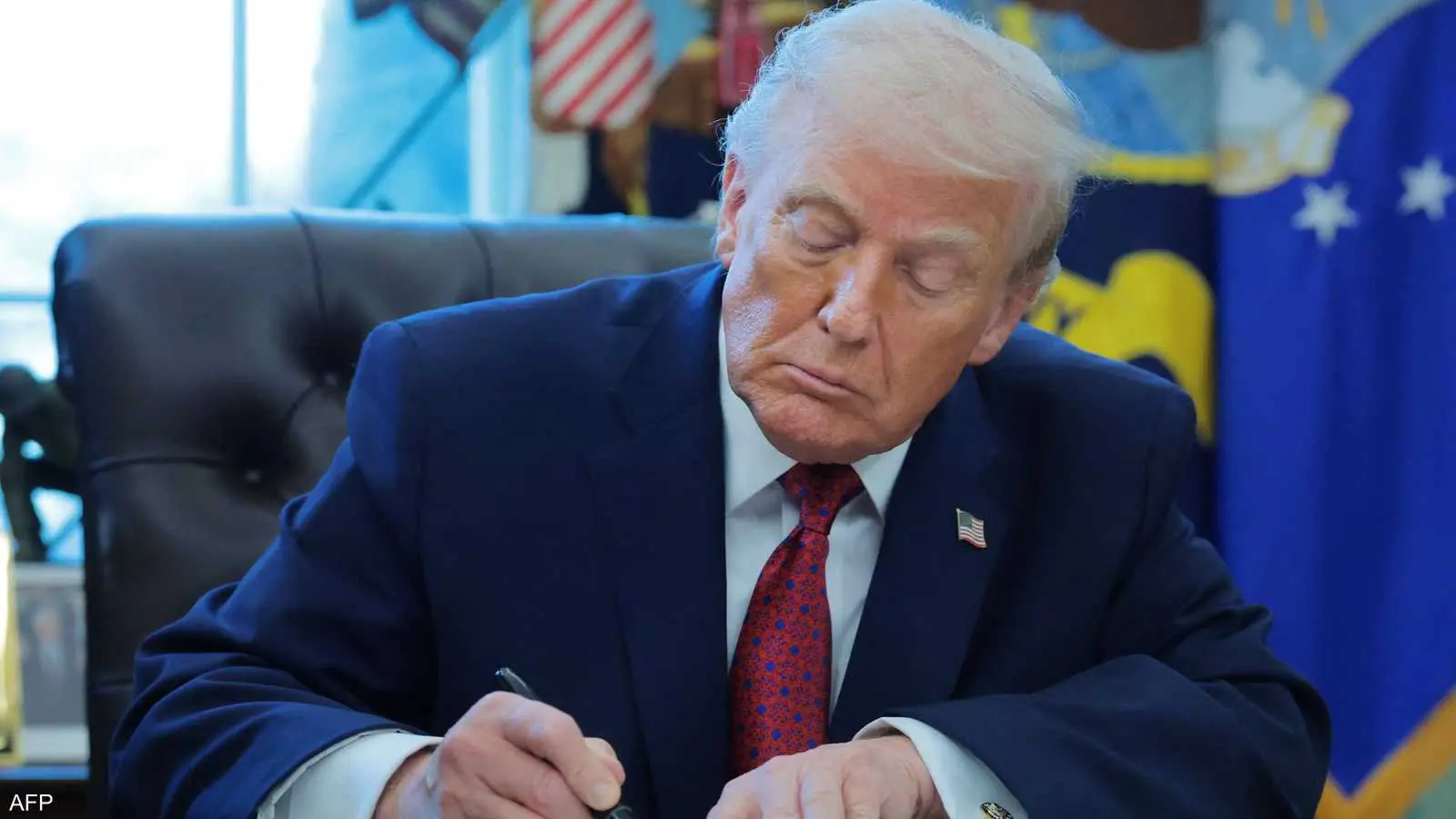
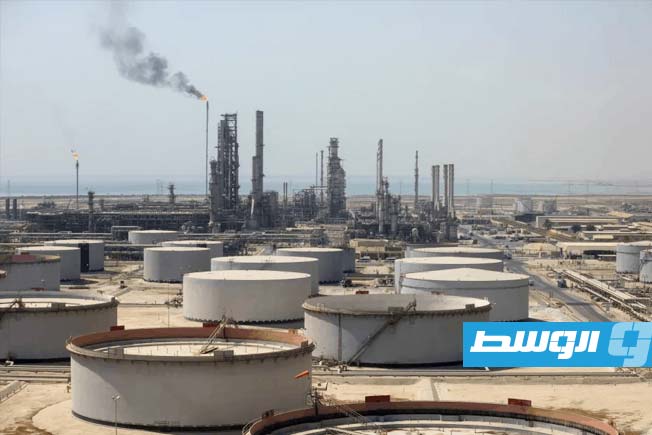
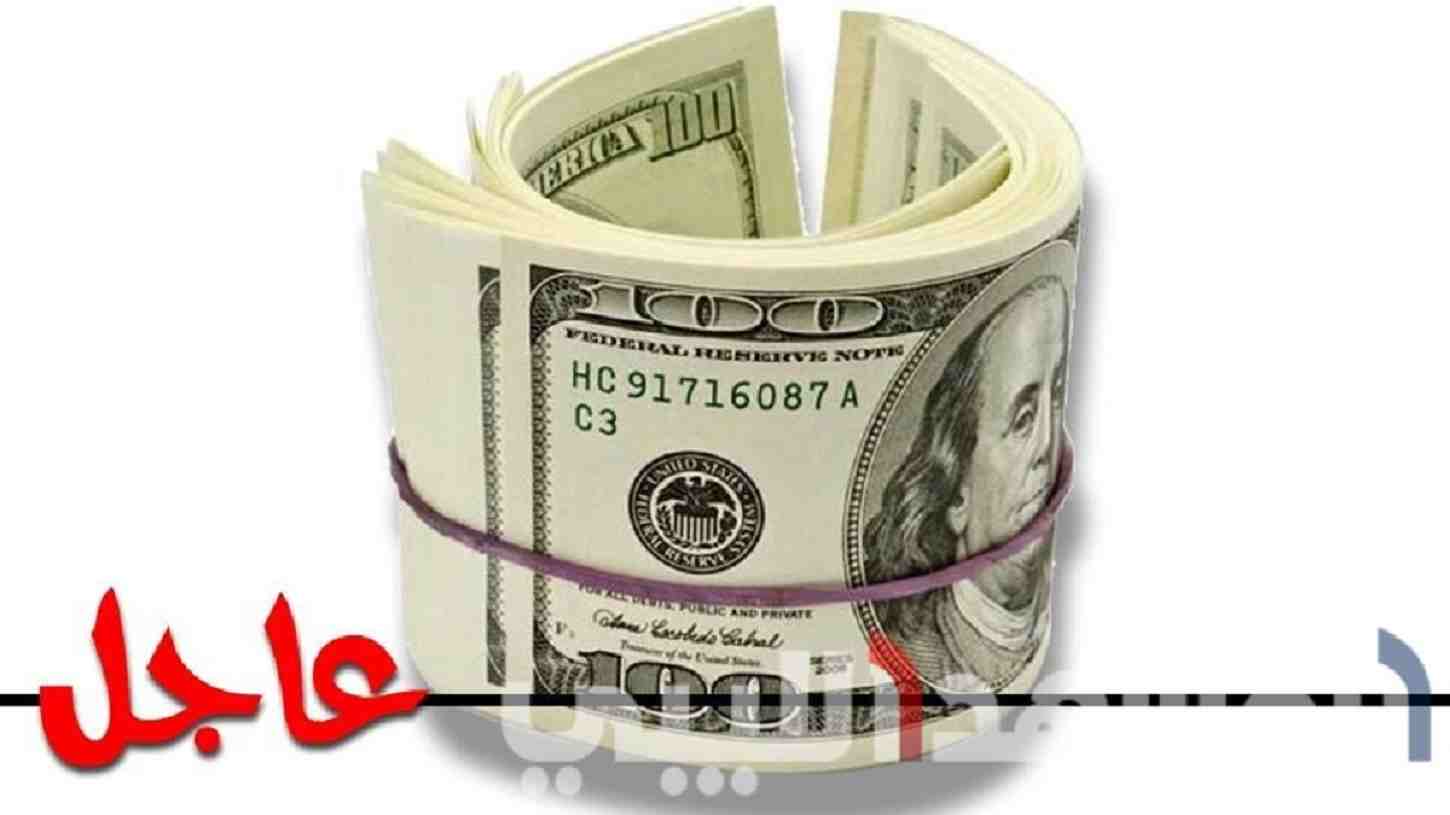
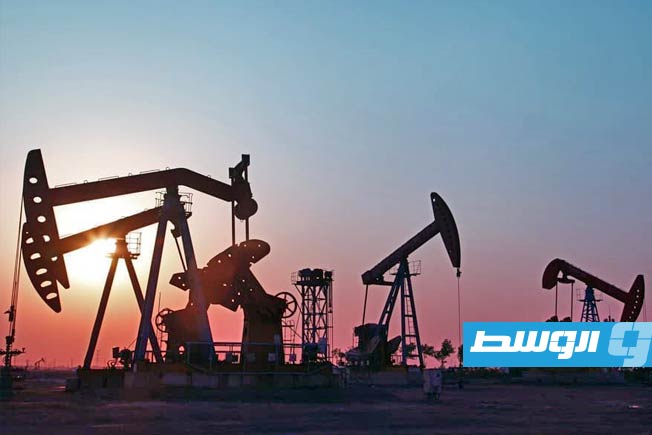
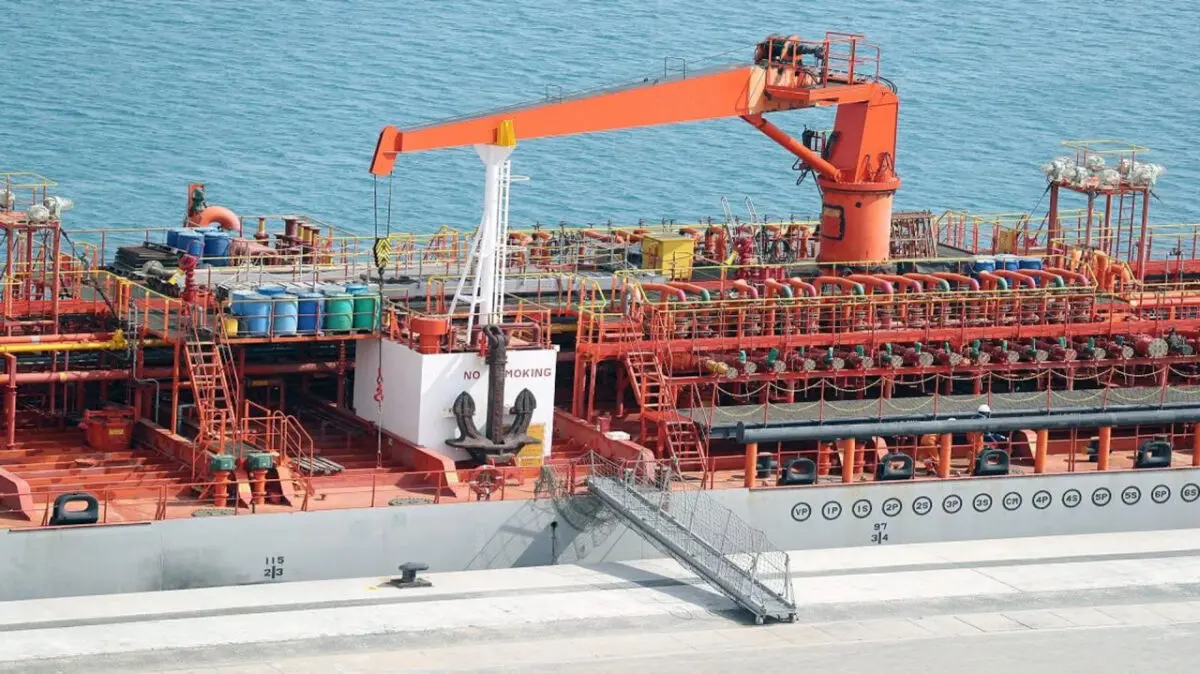
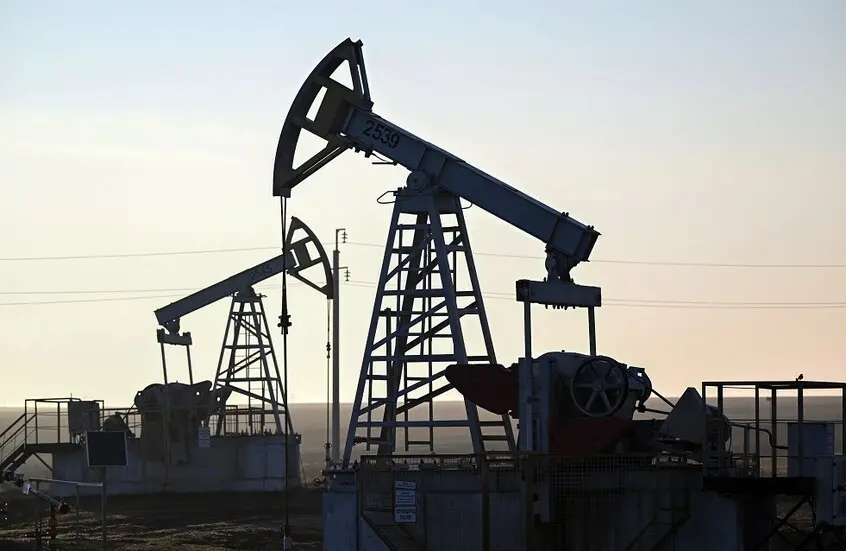
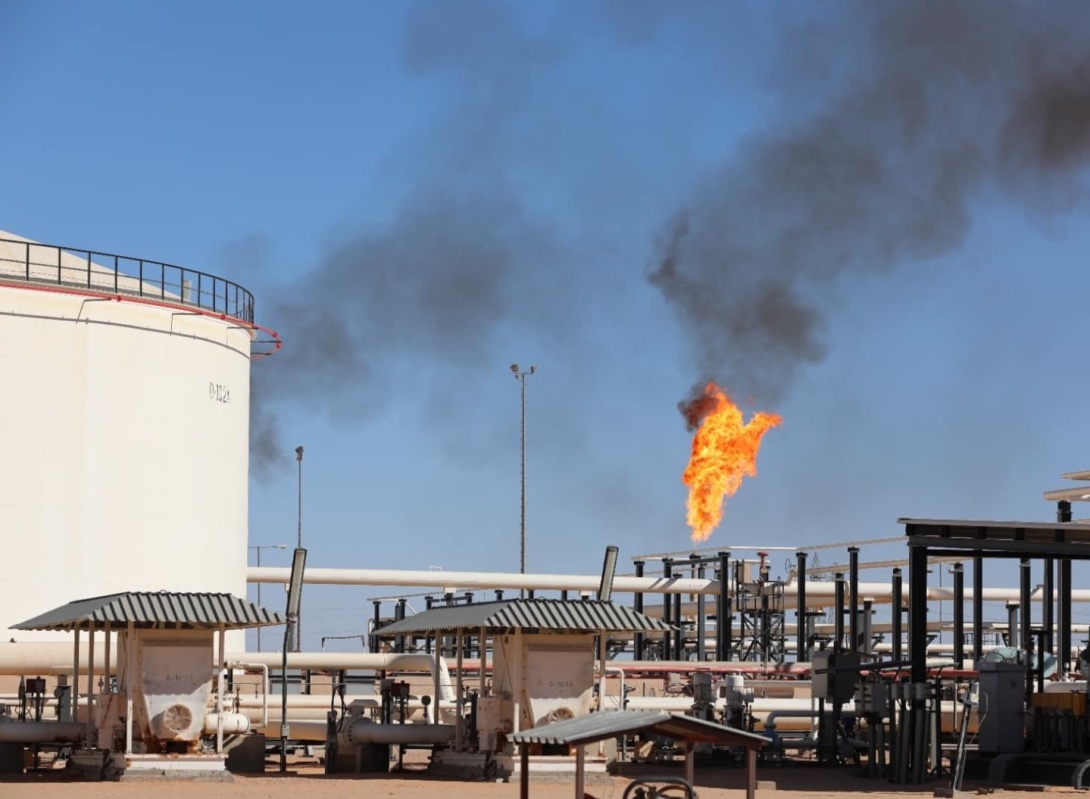
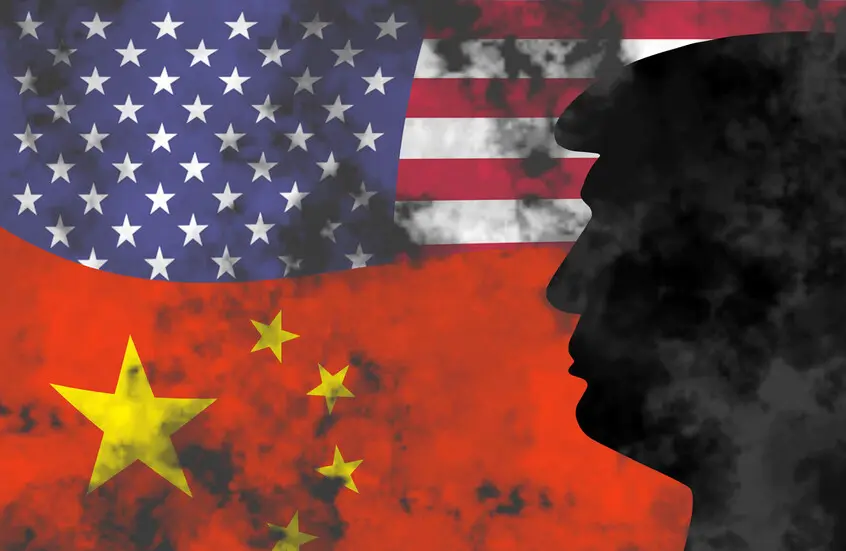
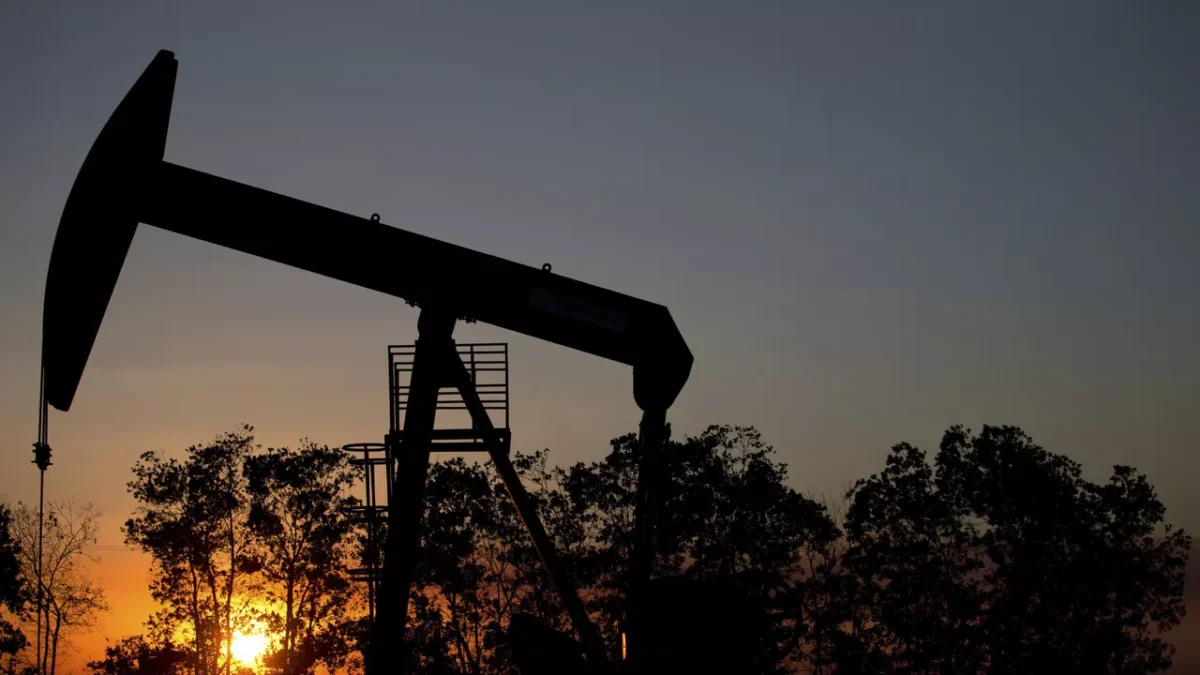
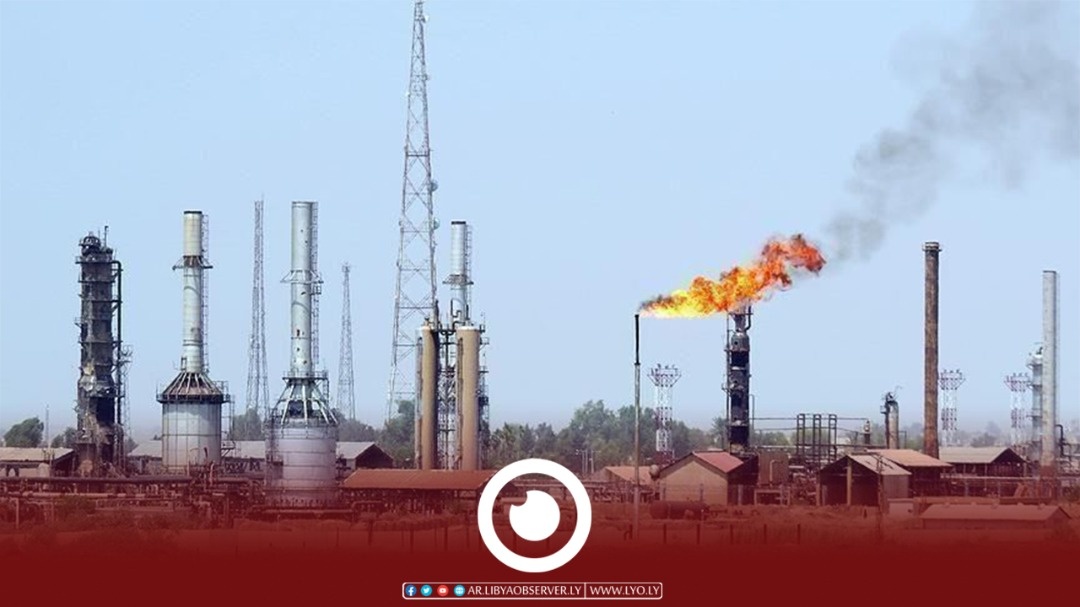
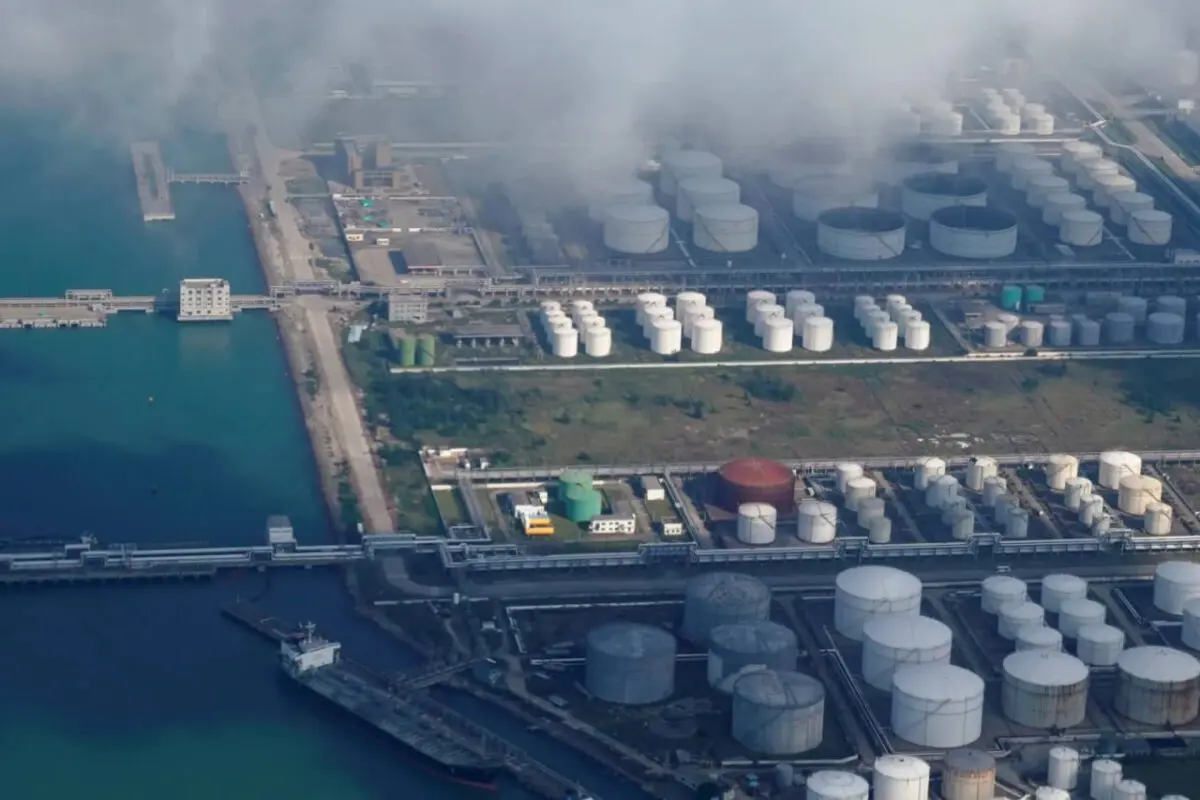
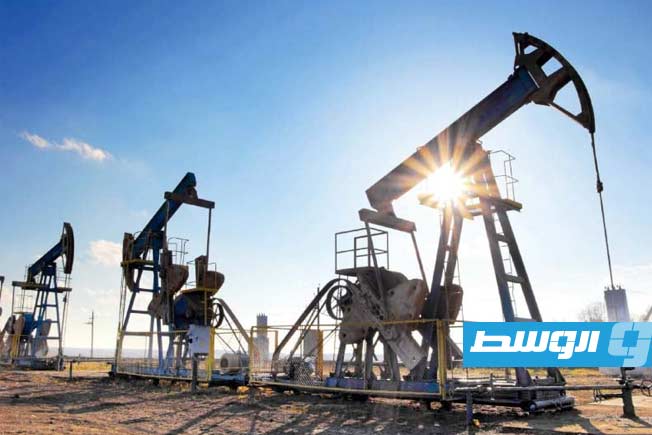
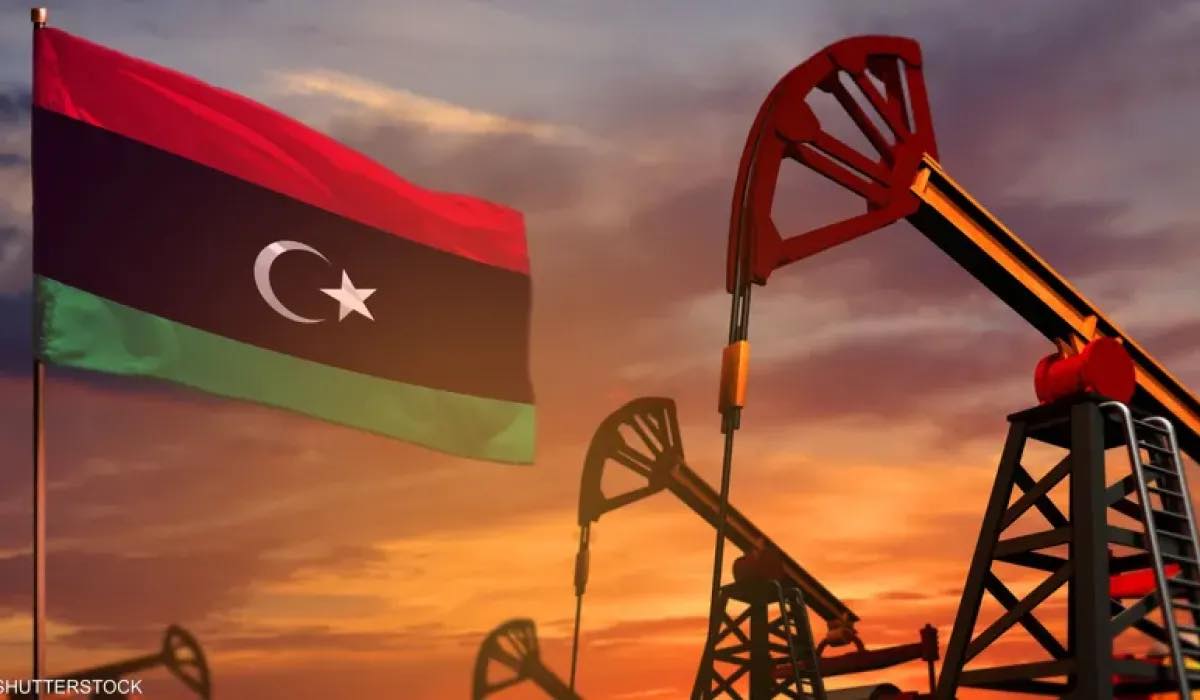
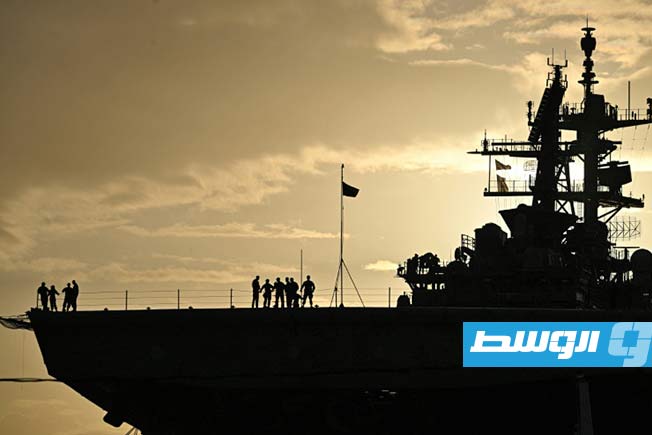
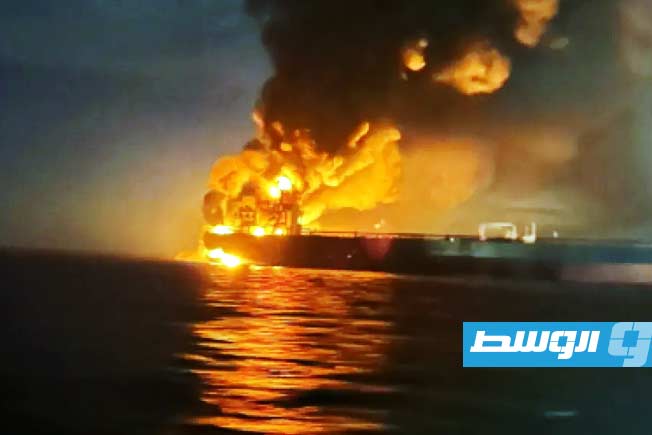
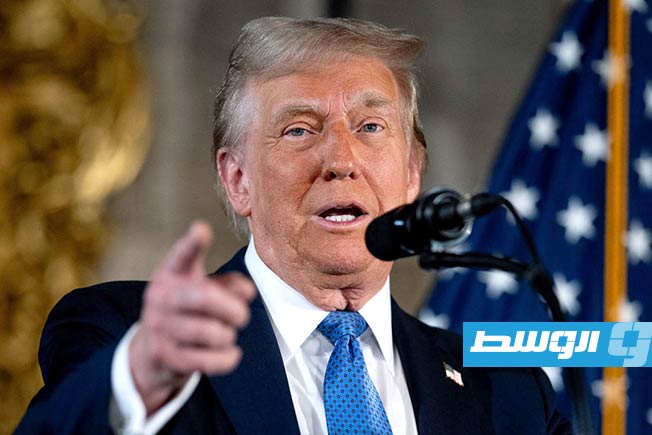
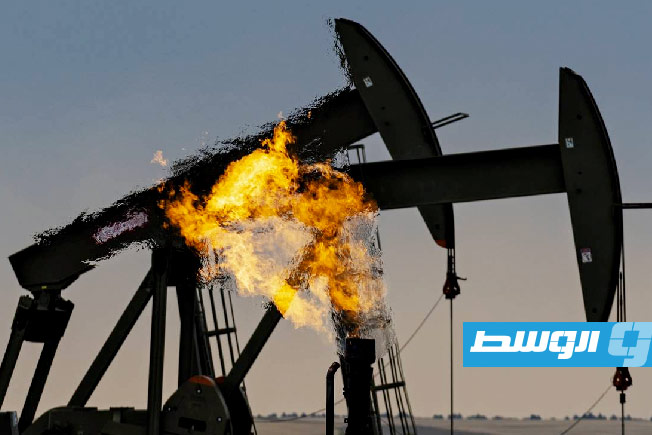
Oil prices rose on Friday, heading for their first weekly gain after three consecutive weeks of losses, amid escalating fears of a potential conflict between the United States and Iran, following Washington’s warnings to Tehran that it must reach an agreement on its nuclear activities within days.
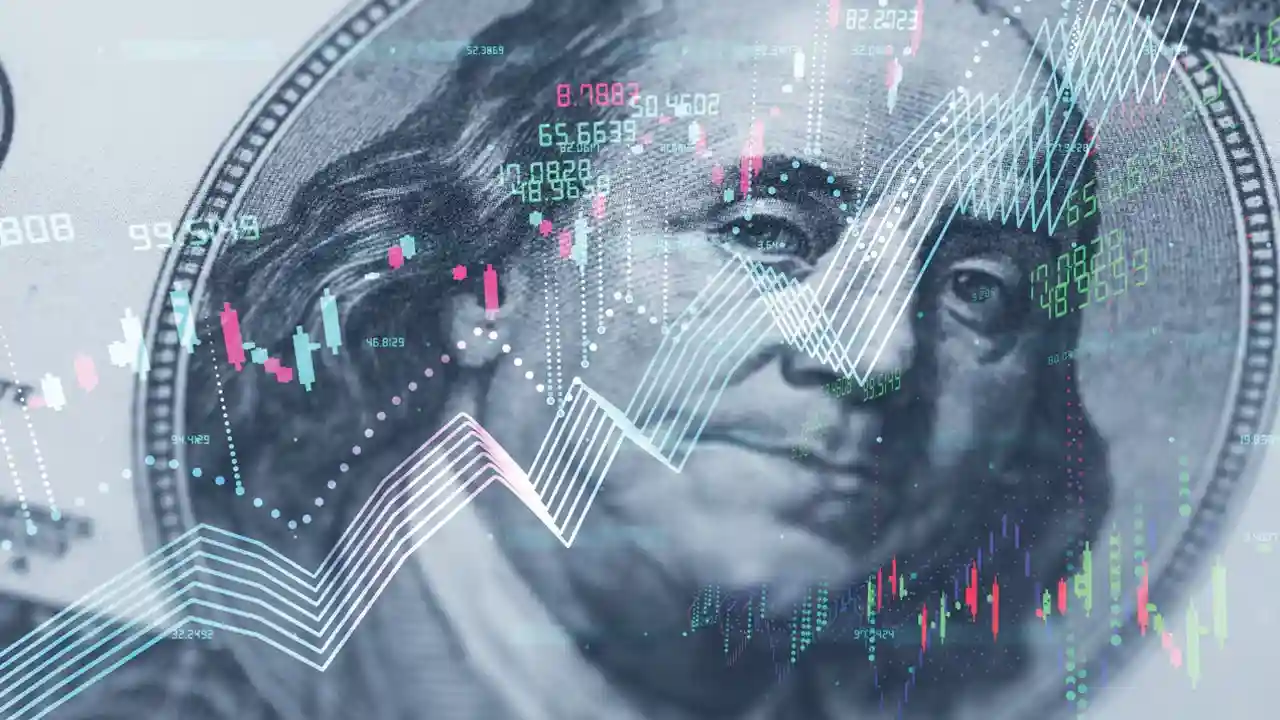
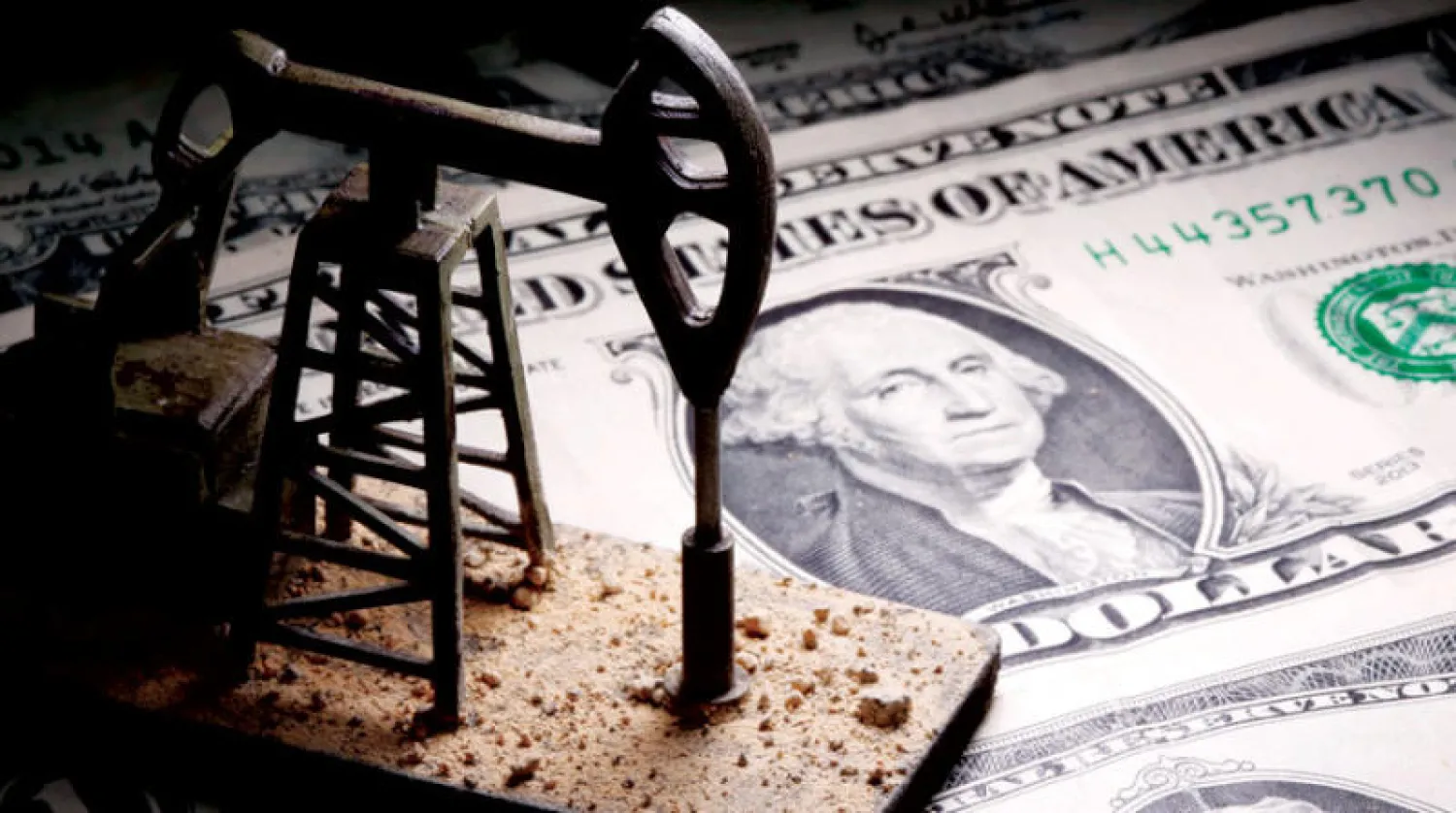
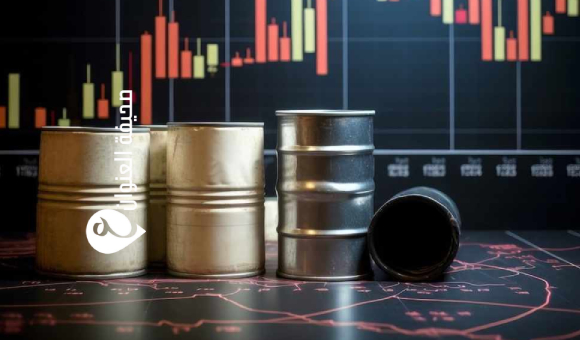
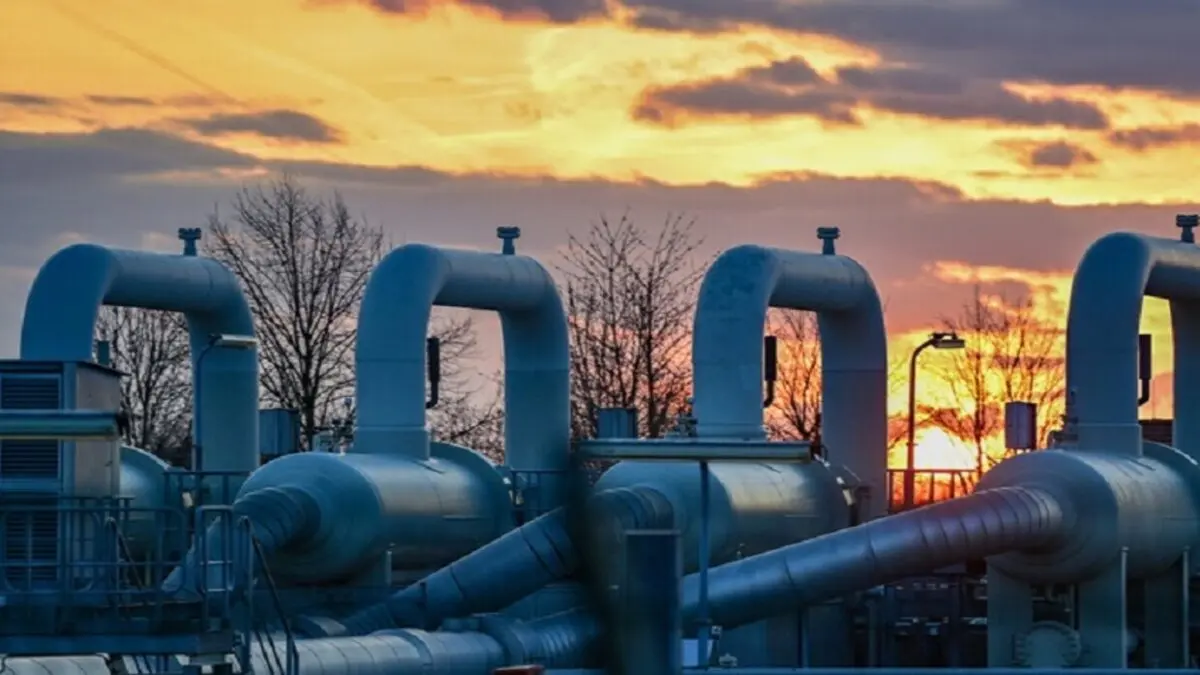
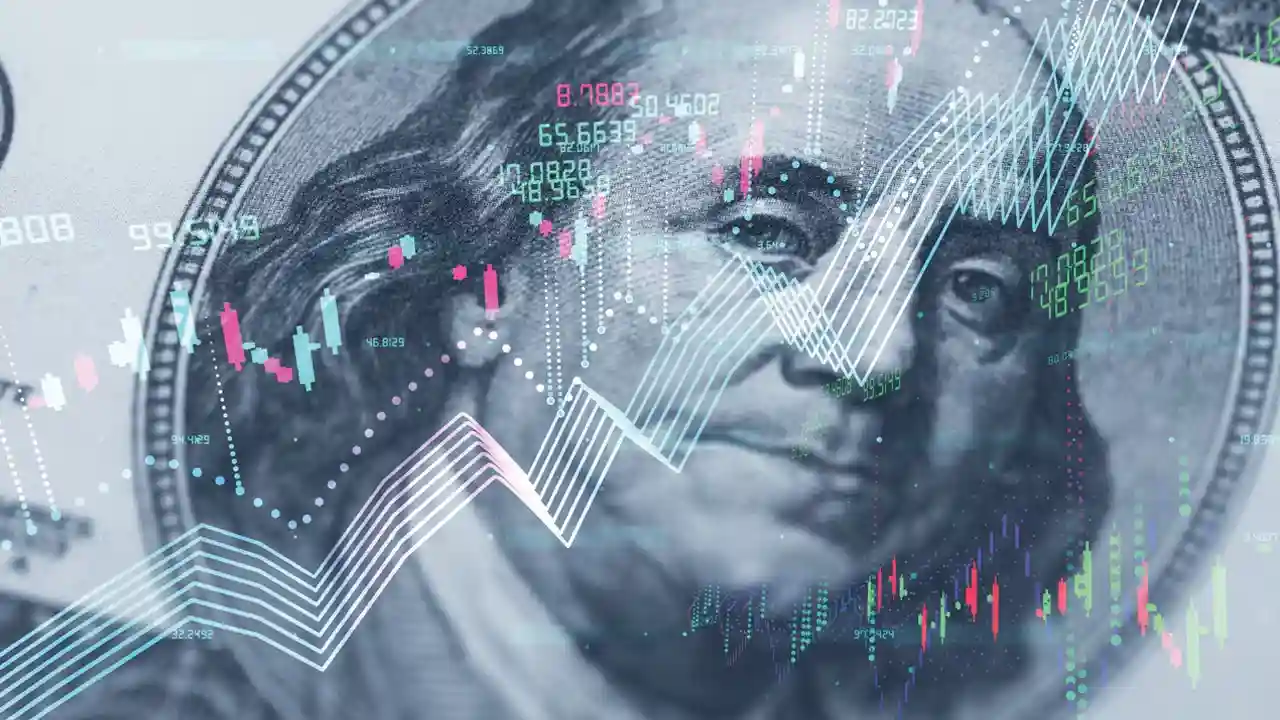
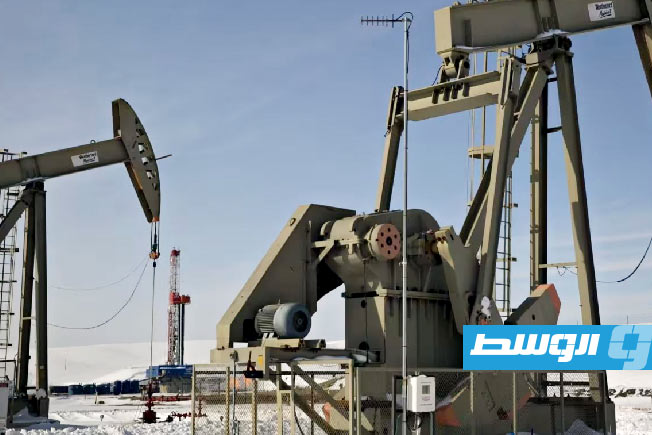
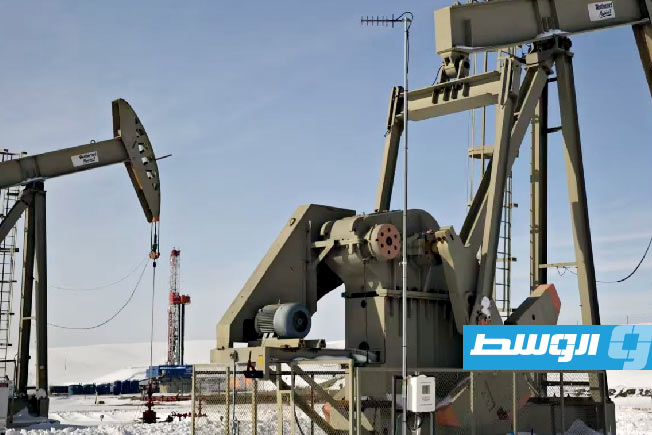
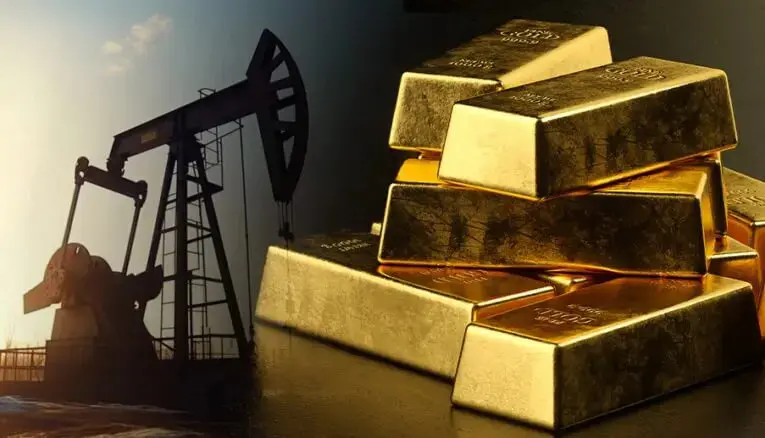
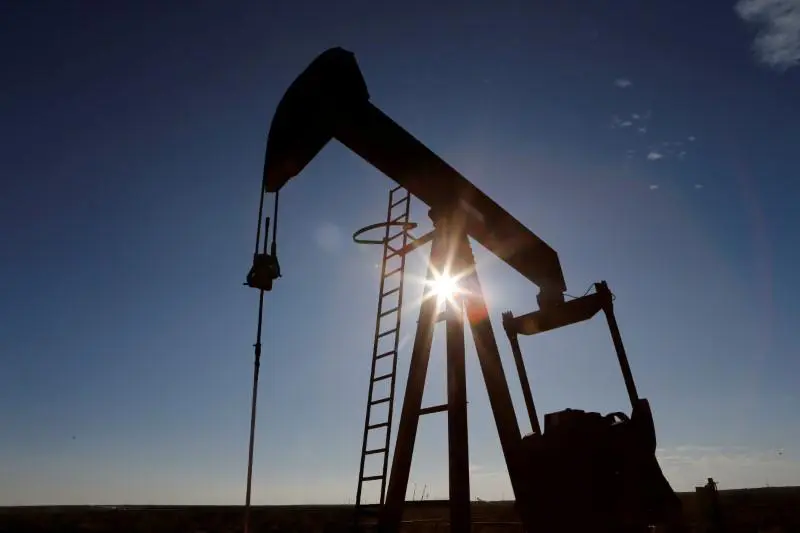
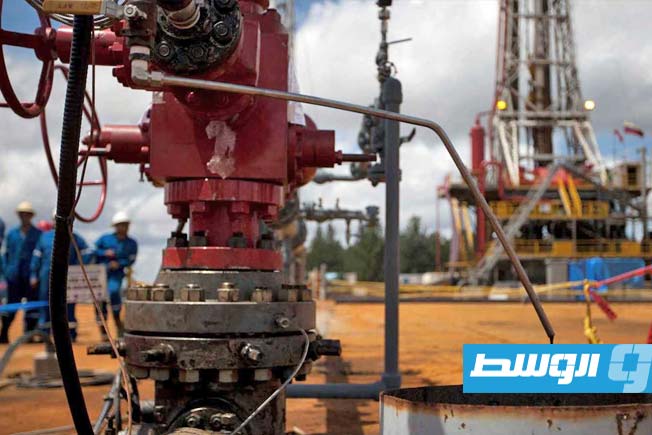
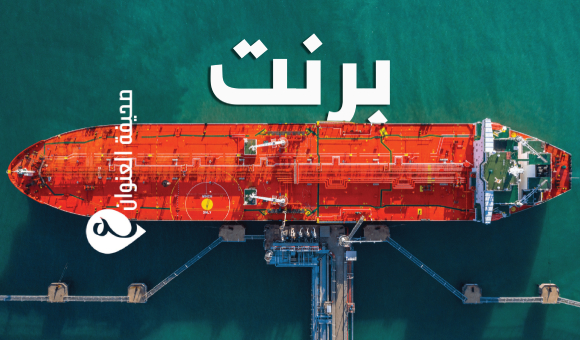
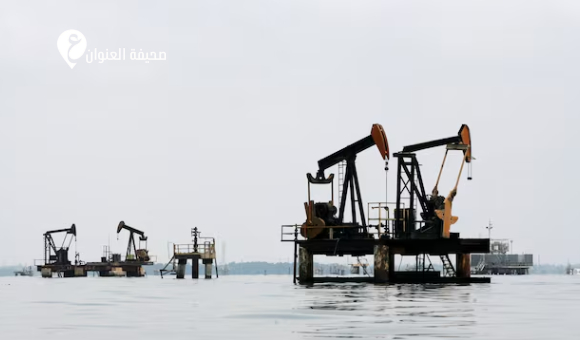
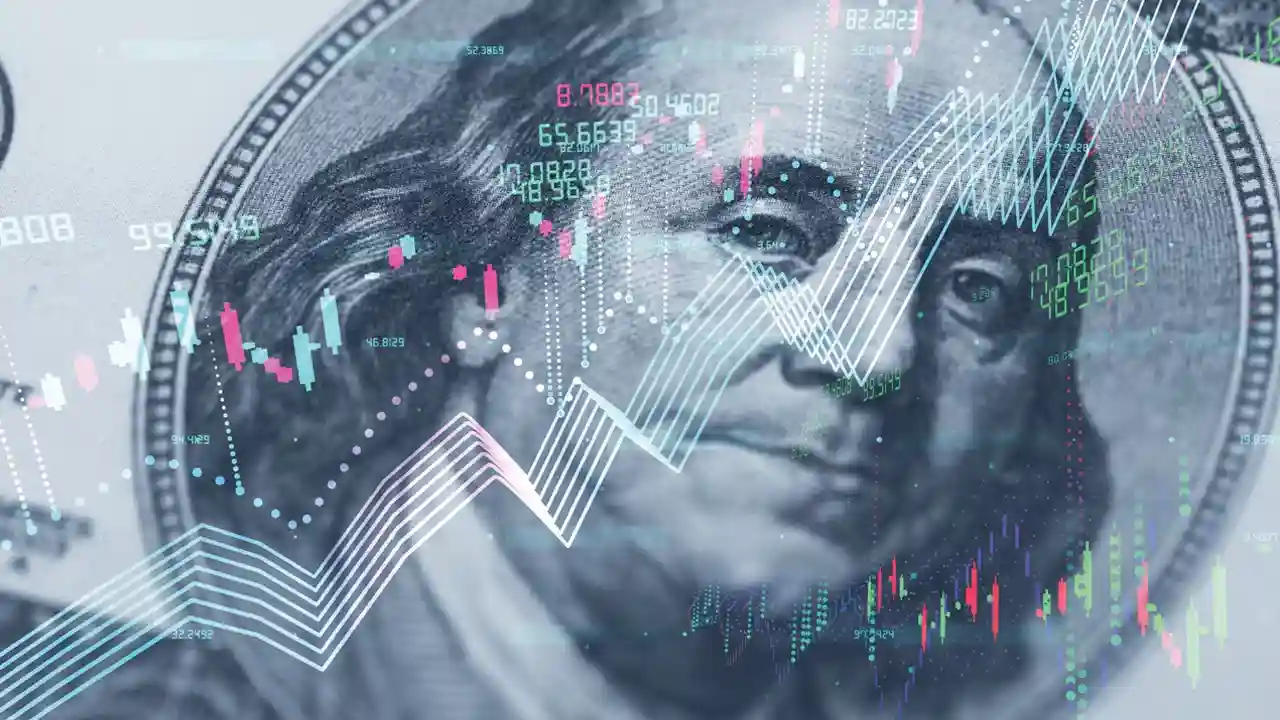
Brent crude futures climbed 33 cents, equivalent to 0.5%, to reach $71.99 per barrel by 07:15 GMT, while U.S. West Texas Intermediate crude rose 62 cents or 0.9% to $67.05 per barrel.
Prices also received support from the Energy Information Administration data released on Thursday, which showed U.S. crude oil inventories fell by approximately 9 million barrels, coinciding with higher refinery run rates and increased exports.
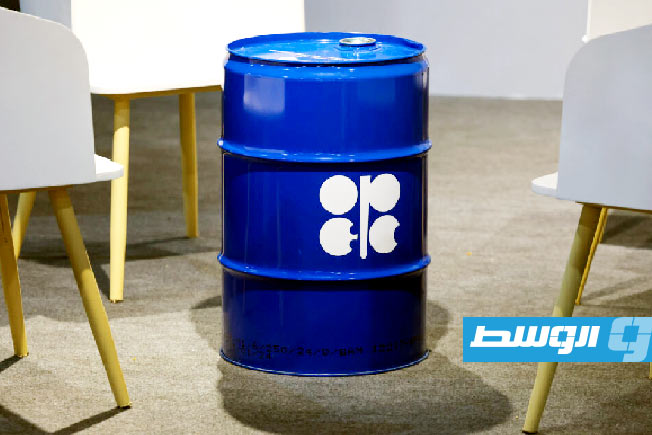
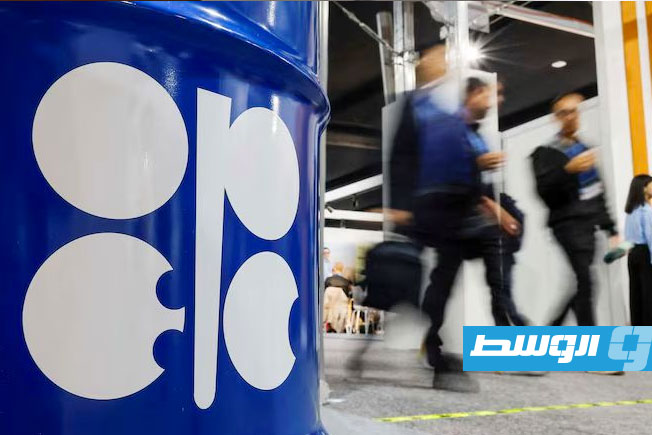
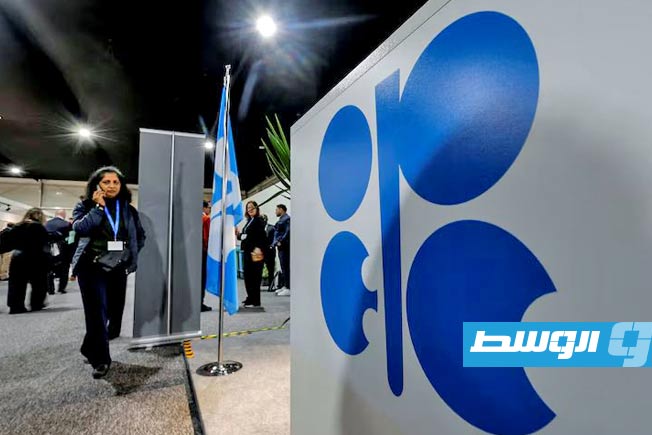
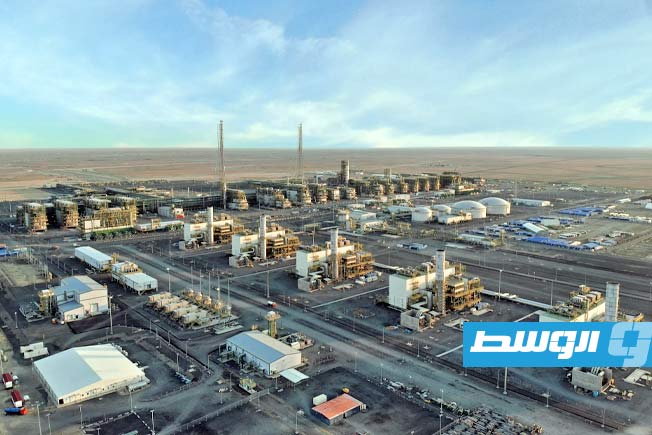
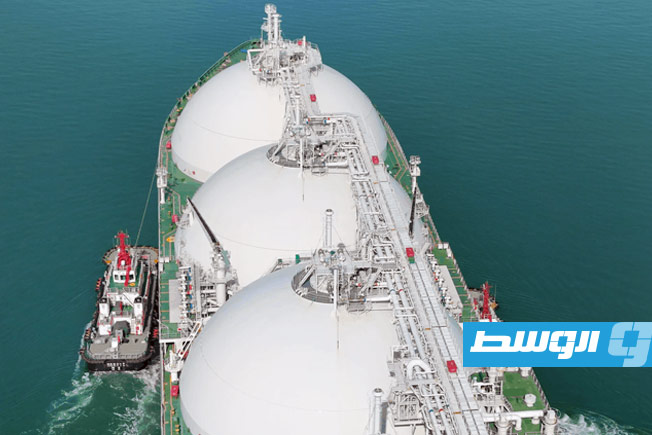
On the other hand, markets continue to assess the impact of ample supply on prices, especially as the OPEC+ alliance, which includes the Organization of the Petroleum Exporting Countries and its partners, moves to resume increasing production starting next April, which could limit the pace of gains.
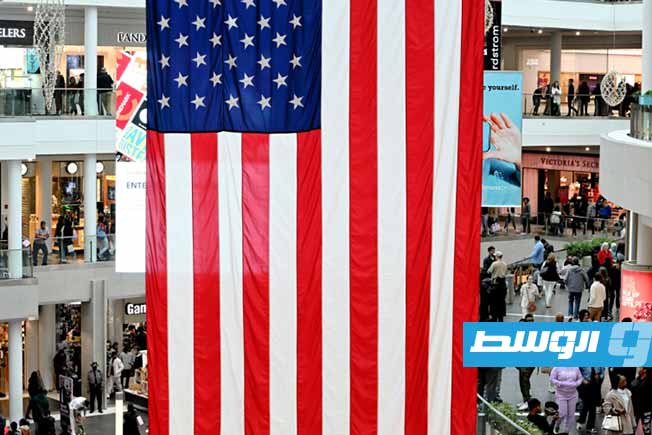
United States
The United States is a federal republic founded in 1776 following the American Revolution, which established its independence from Great Britain. Its history includes westward expansion, a civil war over slavery, and its emergence as a global superpower in the 20th century. The nation is defined by its diverse population, democratic institutions, and significant cultural influence worldwide.
Iran
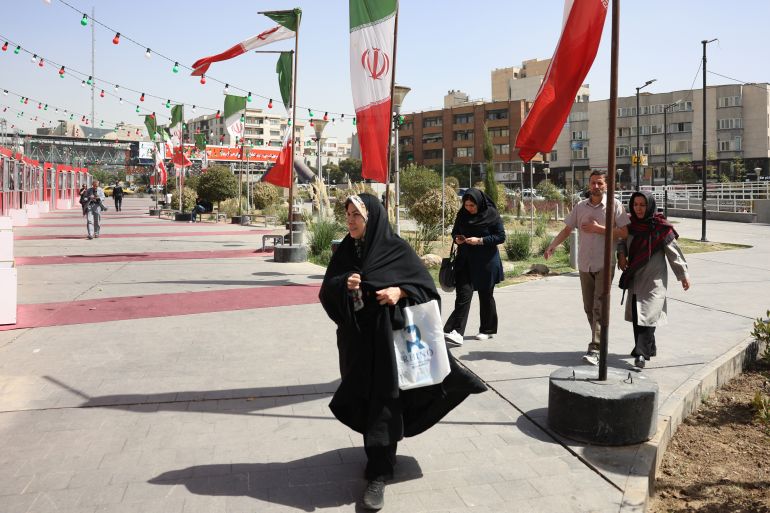
Iran, historically known as Persia, is home to one of the world’s oldest continuous major civilizations, with a history spanning thousands of years and influential empires such as the Achaemenid and Sassanian. Its rich cultural heritage is evident in iconic sites like the ancient ruins of Persepolis, the intricate architecture of Isfahan’s Naqsh-e Jahan Square, and its profound contributions to art, literature, and science.
Washington
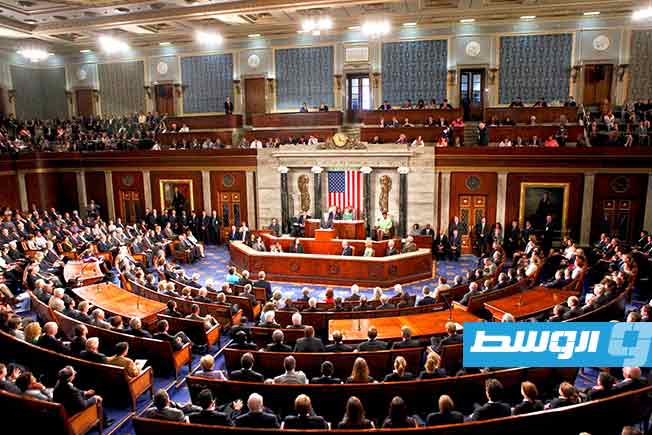
Washington, D.C., is the capital city of the United States, founded in 1790 following the ratification of the U.S. Constitution. It was established as a federal district to serve as the seat of the national government, distinct from any state, and was named after the first U.S. president, George Washington. The city is home to iconic landmarks such as the White House, the U.S. Capitol, and the Washington Monument, which symbolize the nation’s history and democratic ideals.
Tehran
Tehran is the capital and largest city of Iran, officially becoming the capital in 1786 under the Qajar dynasty. It serves as the country’s political, economic, and cultural center, home to significant historical sites like the Golestan Palace, a UNESCO World Heritage site from the 19th century.
Energy Information Administration
The Energy Information Administration (EIA) is a principal agency of the U.S. Federal Statistical System, created by Congress in 1977 in response to the energy crises of the 1970s. It provides official, independent statistics, data, and analysis on energy production, consumption, and markets to promote sound policymaking and public understanding.
OPEC+
OPEC+ is an expanded alliance of oil-producing nations, originally formed in 2016, which builds upon the foundation of the Organization of the Petroleum Exporting Countries (OPEC) established in 1960. It aims to coordinate and stabilize global oil markets through production agreements, with its membership including OPEC countries along with other major producers like Russia.
Organization of the Petroleum Exporting Countries
The Organization of the Petroleum Exporting Countries (OPEC) is an intergovernmental organization founded in 1960 by Iran, Iraq, Kuwait, Saudi Arabia, and Venezuela. Its primary purpose is to coordinate and unify petroleum policies among member countries to secure fair and stable prices for petroleum producers and a regular supply for consumers. Historically, OPEC has played a major role in the global oil market, notably influencing prices through production quotas.