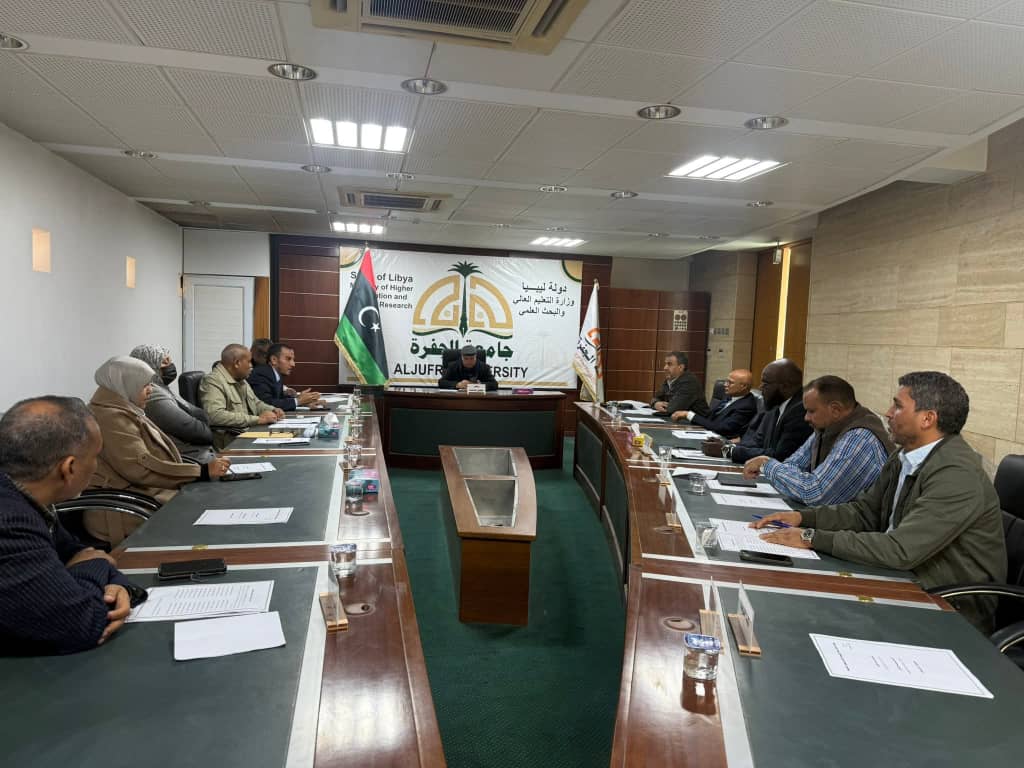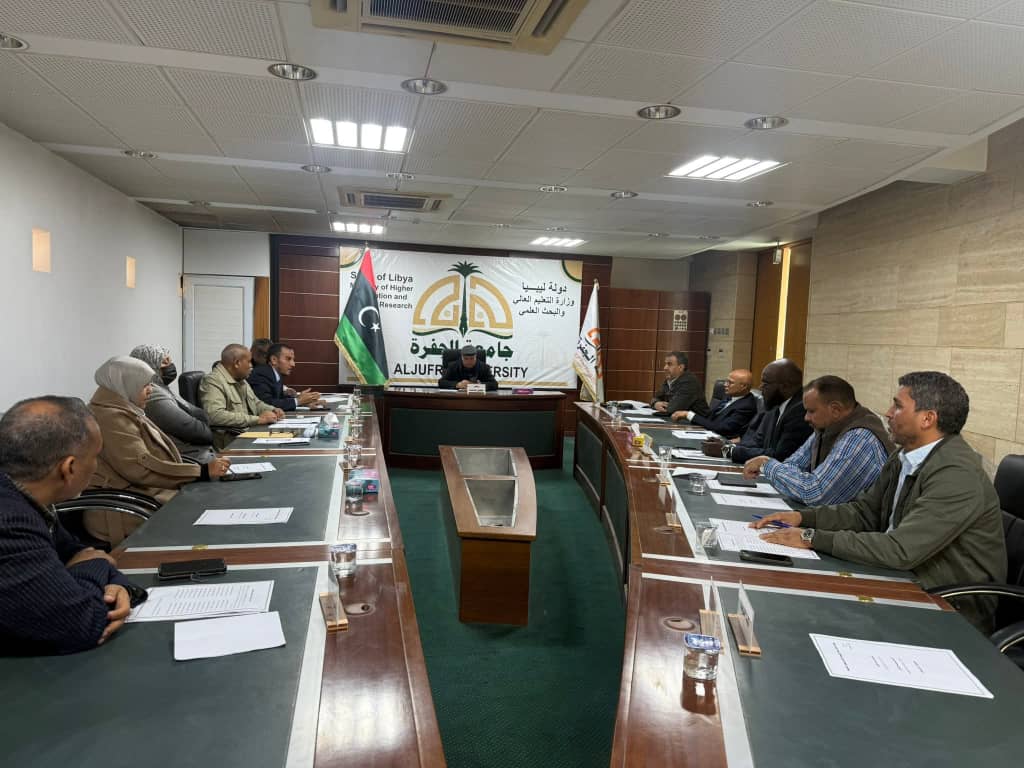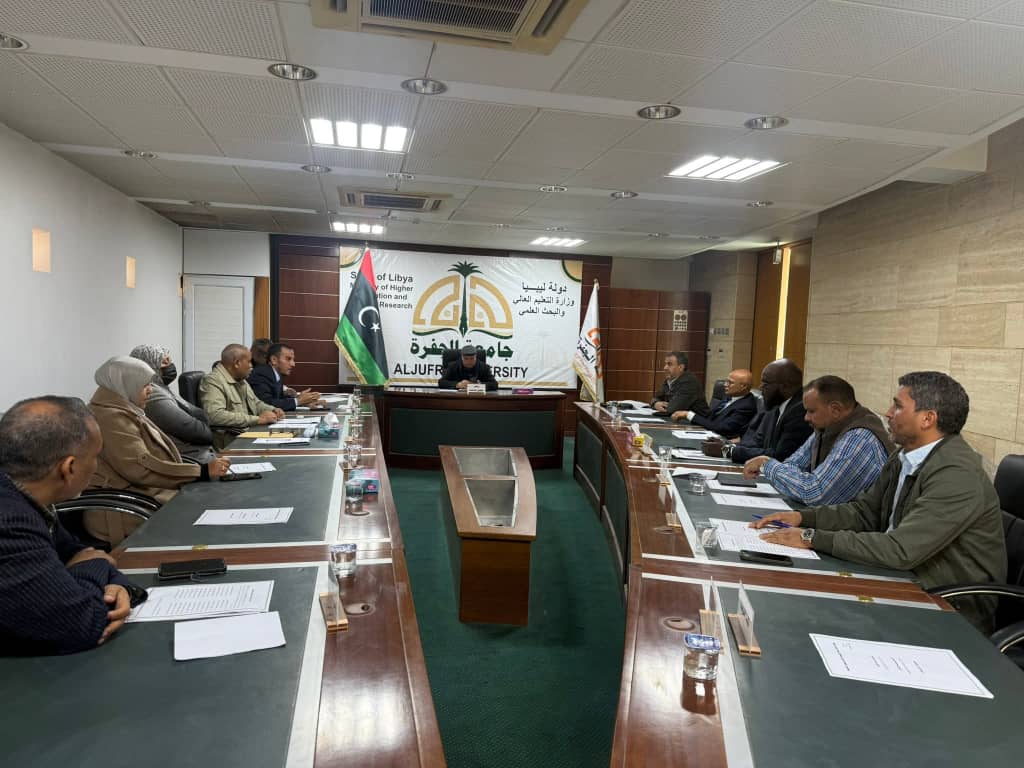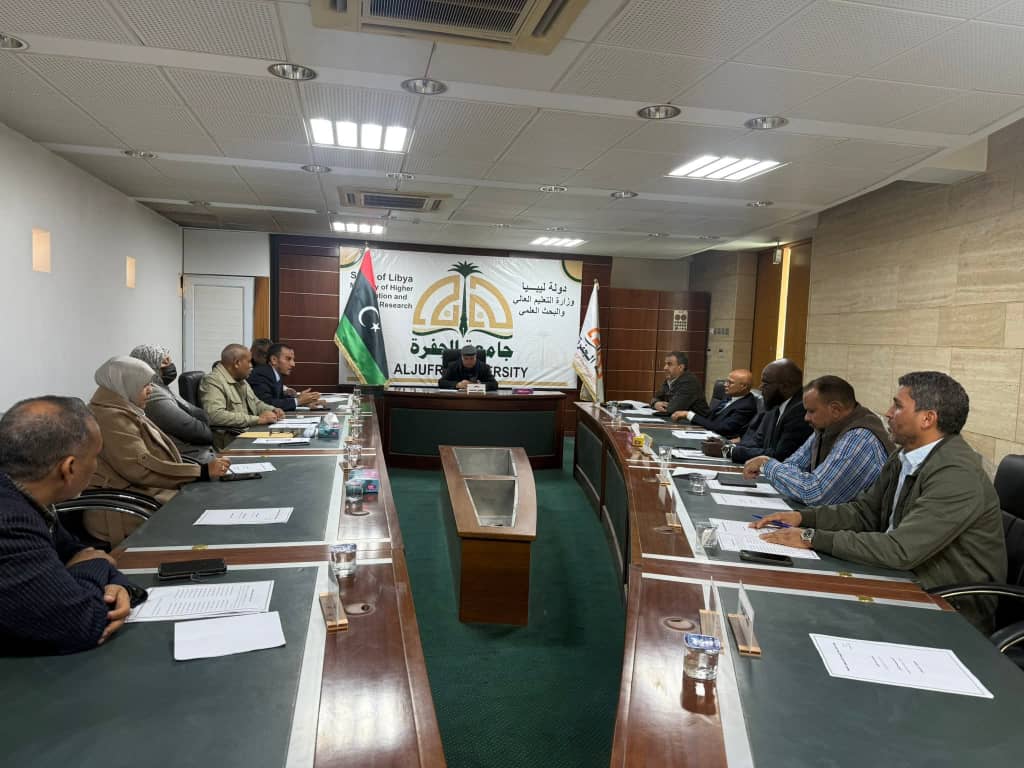
Tripoli, February 19, 2026 — The Competition and Anti-Monopoly Council has commenced the work of its committee tasked with monitoring the prices of essential goods within the Ain Zara municipality. This initiative is part of its efforts to regulate the local market, curb price increases, and protect consumers.
This step implements Decision No. (15) of 2026 issued by the Council’s President, which calls for the formation of a specialized committee to study the conditions of the Libyan market, identify the causes of rising prices for essential goods and materials, and monitor product quality and compliance with safety standards.
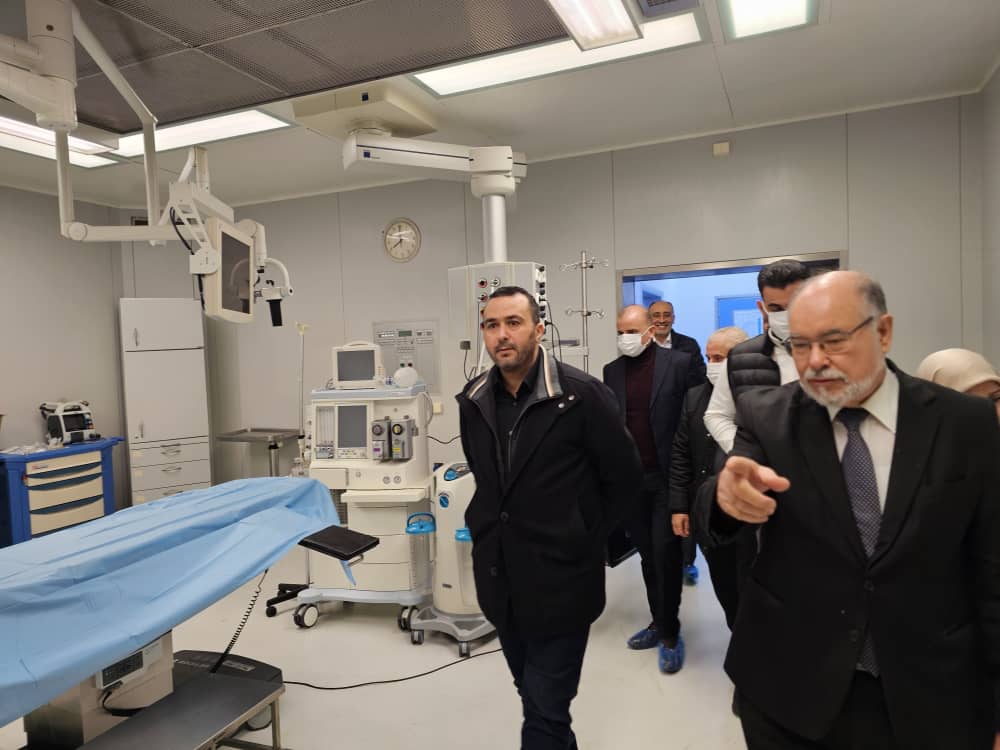
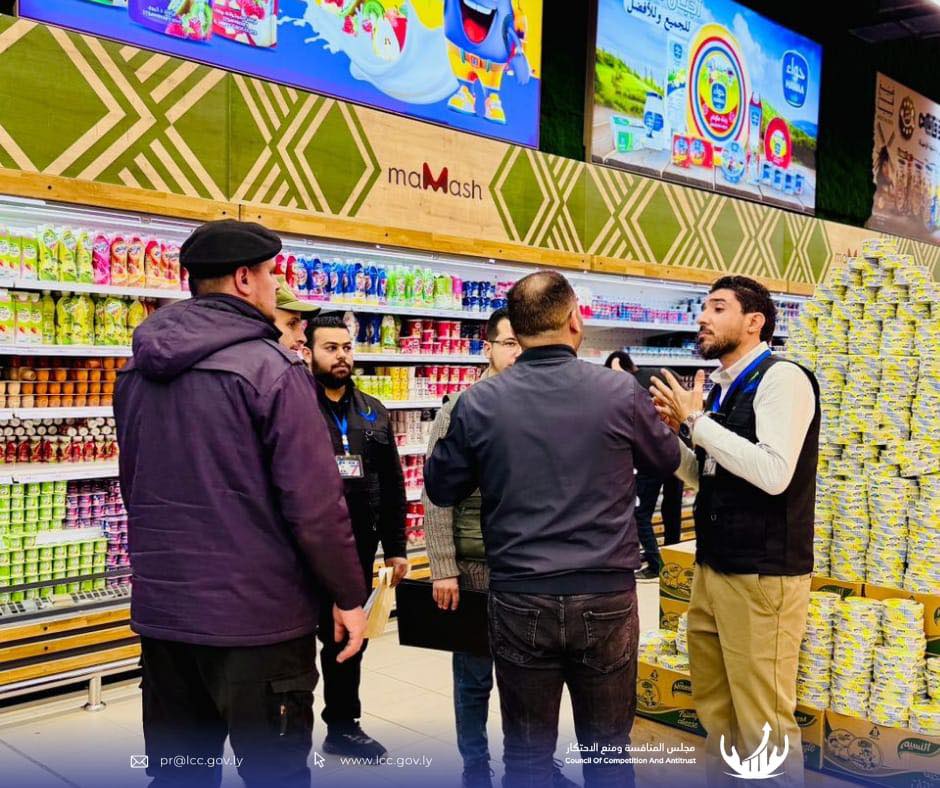
According to the official page of the Competition and Anti-Monopoly Council, the committee carried out a field inspection on Wednesday evening. Led by its chairman and comprising its members, the inspection covered a number of commercial establishments and food outlets. The committee was accompanied by members of the municipal guard and inspectors from the Environmental Sanitation Department of the Ain Zara municipality. The inspection focused on assessing supply conditions, pricing, and the level of compliance with health requirements.
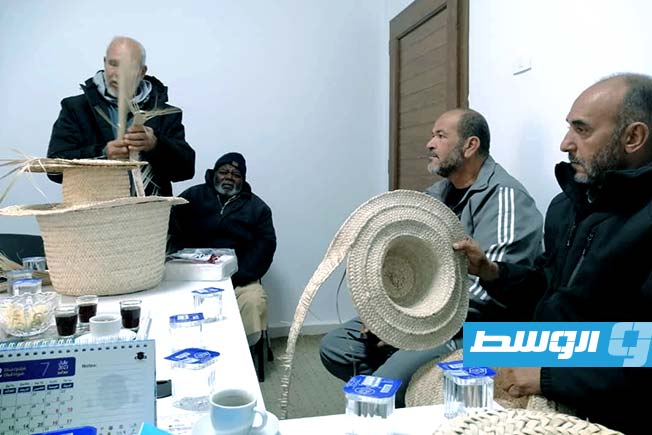
During the tour, the committee also held direct meetings with business owners, inquiring about pricing mechanisms and supply sources. It listened to citizens’ observations regarding prices and product quality, aiming to enhance transparency and clarify the Council’s role in promoting fair competition and preventing monopolistic practices.
The committee chairman confirmed, based on directives from the President of the Competition and Anti-Monopoly Council, that the Council places utmost importance on receiving and addressing complaints from citizens and relevant entities within legal frameworks. He emphasized that consumer protection is a shared responsibility requiring the cooperation of all concerned parties.
He indicated that the technical reports resulting from the field visits will be referred to the competent authorities, each according to its jurisdiction, to take the necessary measures to address the causes of market imbalances and control any monopolistic practices. This is intended to contribute to market stability and ensure the availability of goods with appropriate quality and fair prices, according to the same source.
…