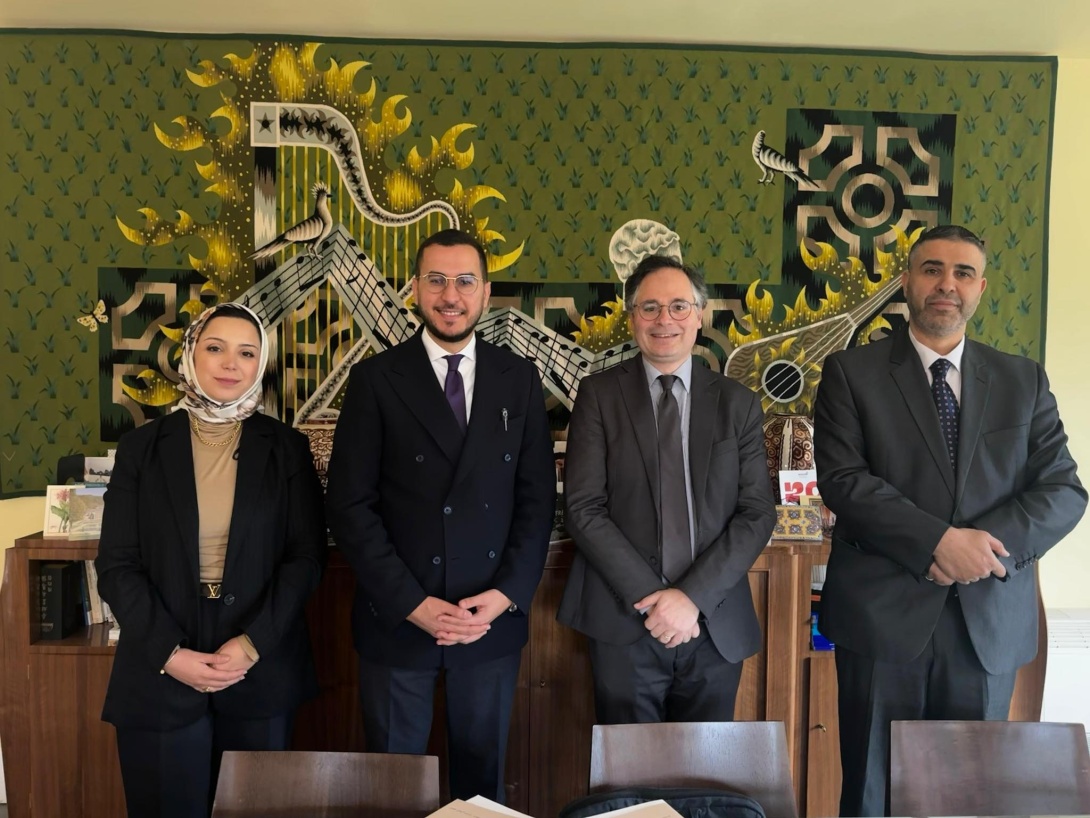
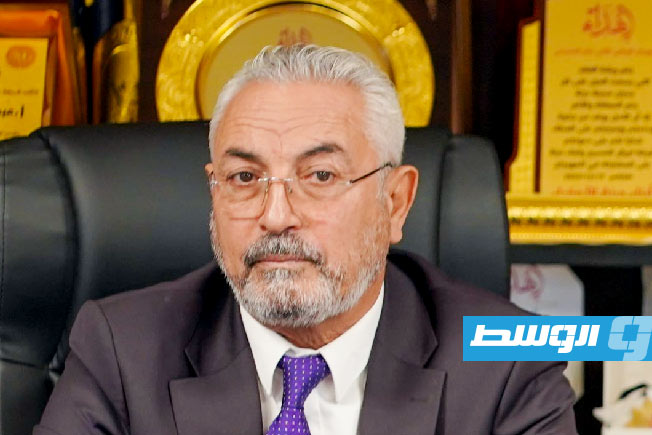
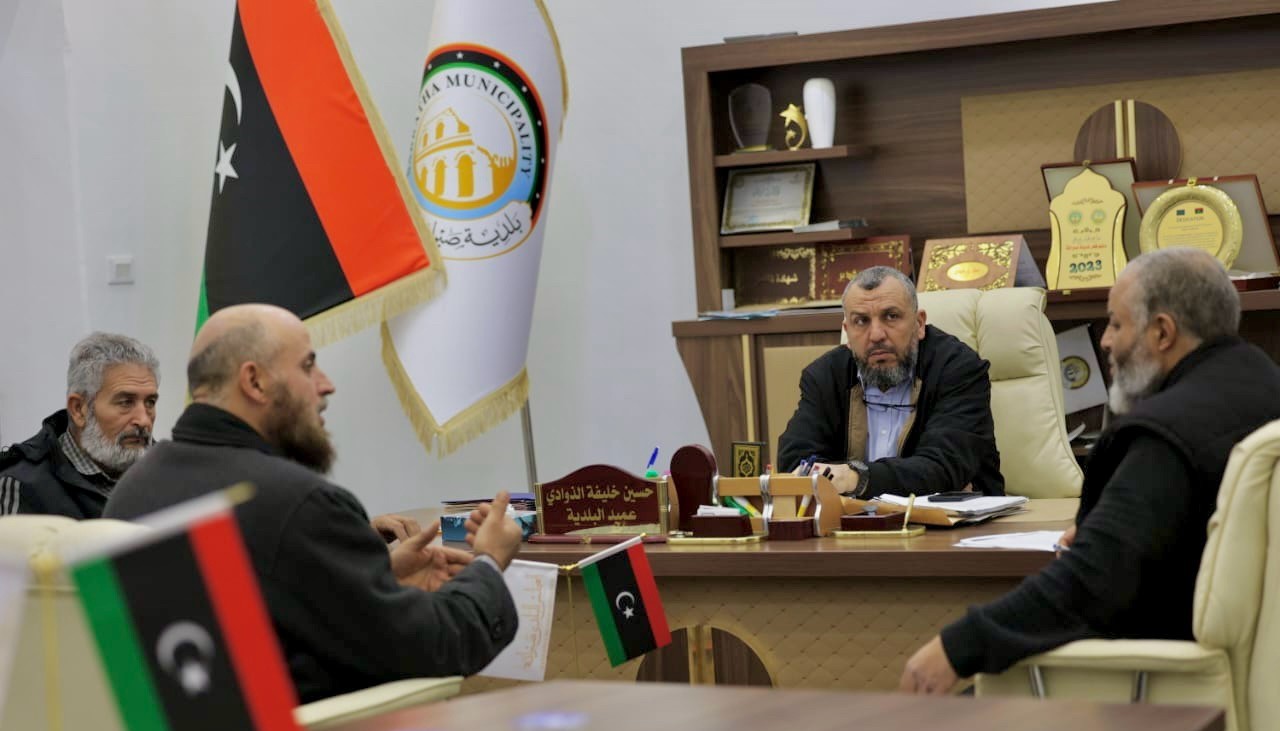
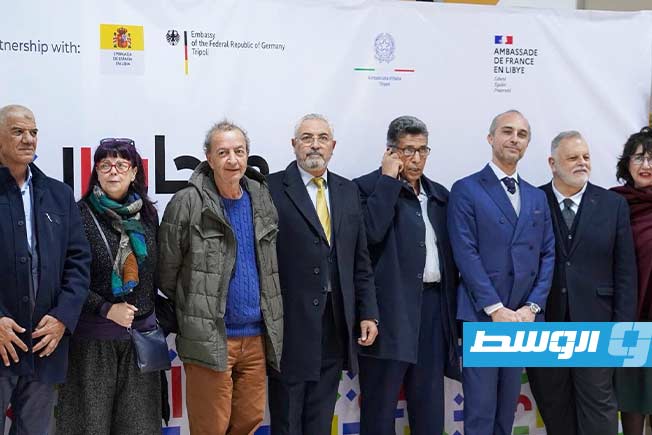
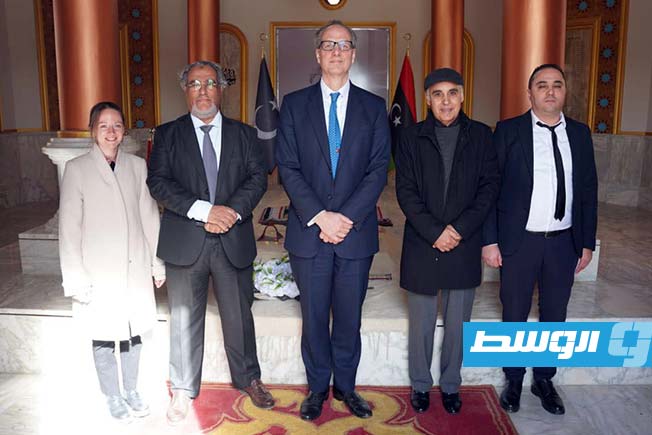
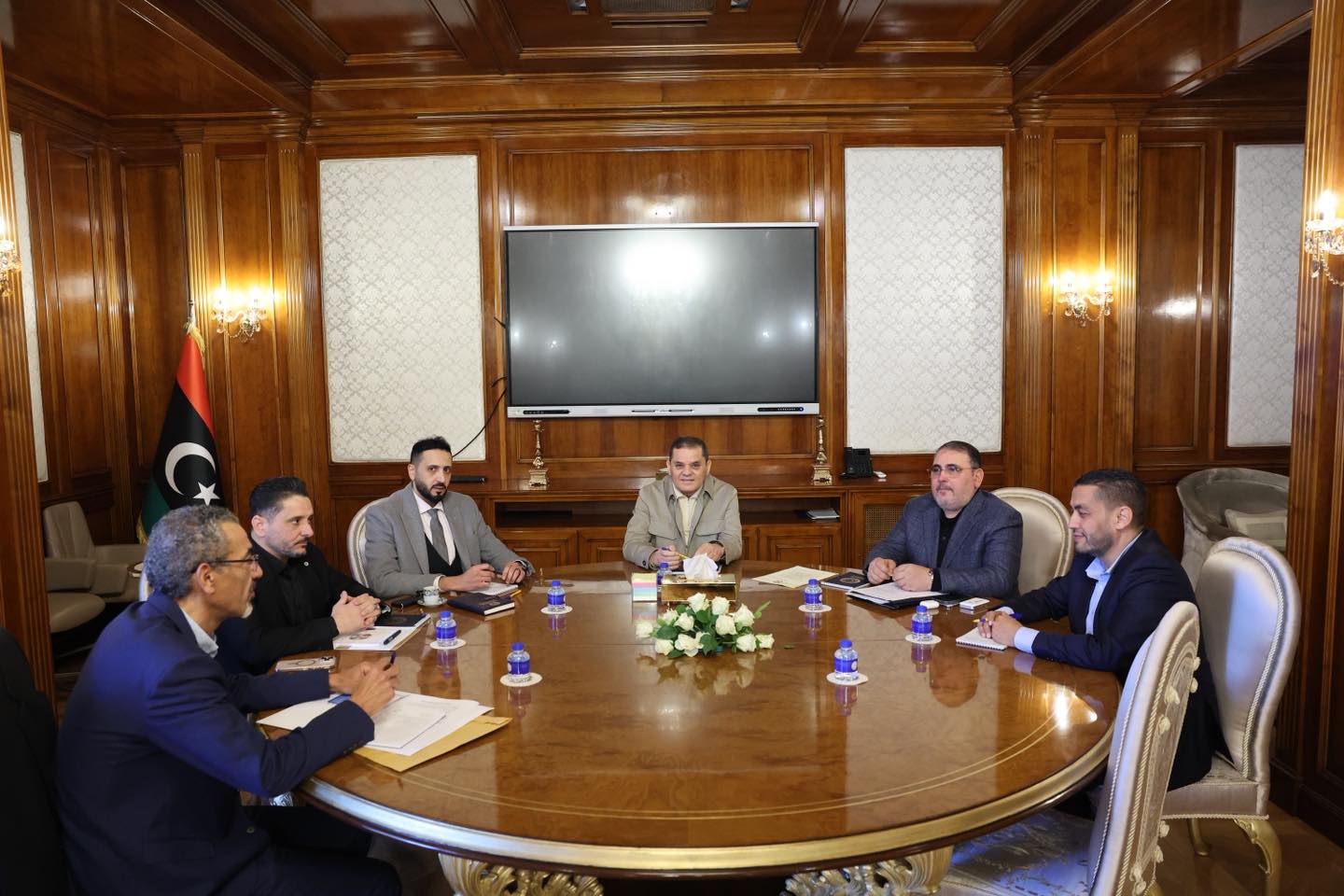
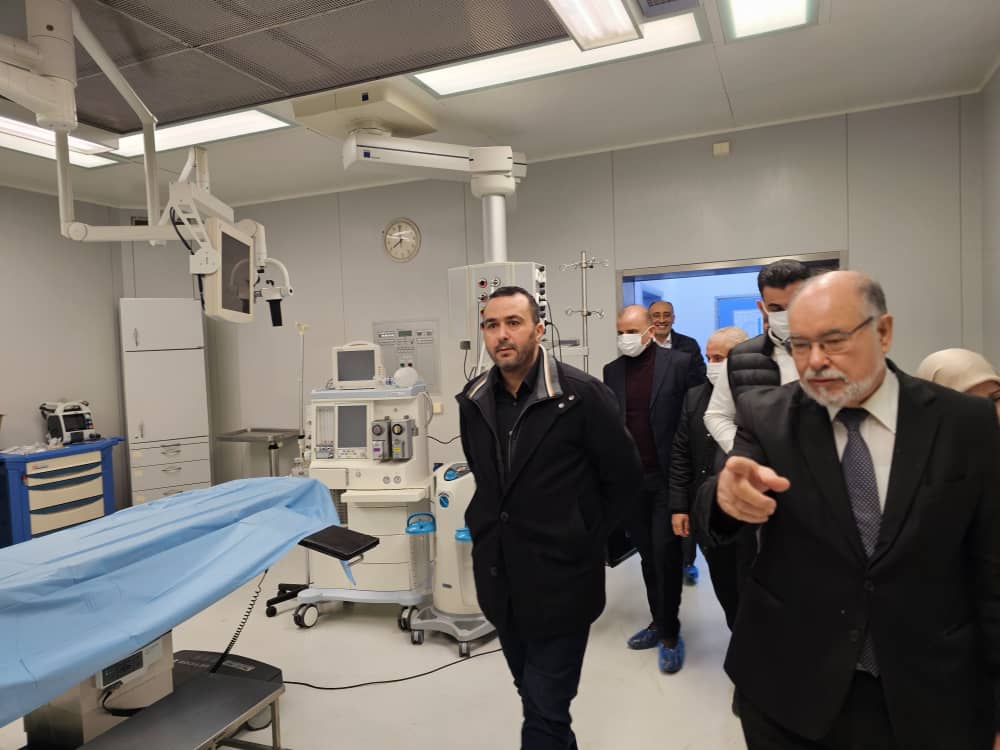
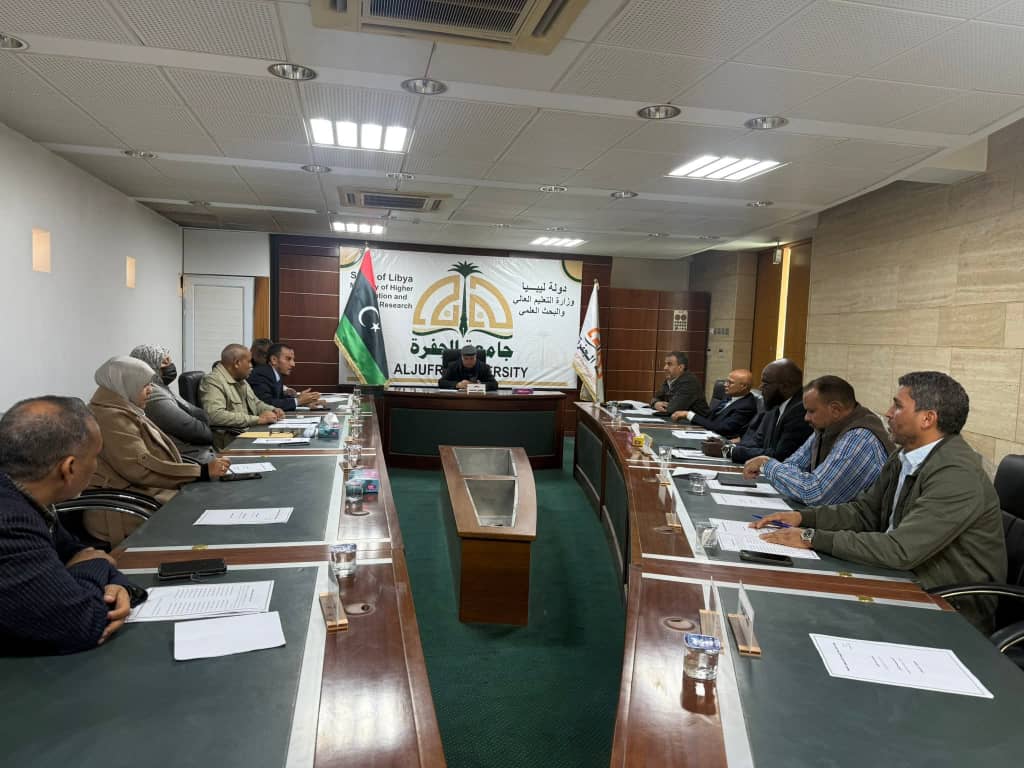
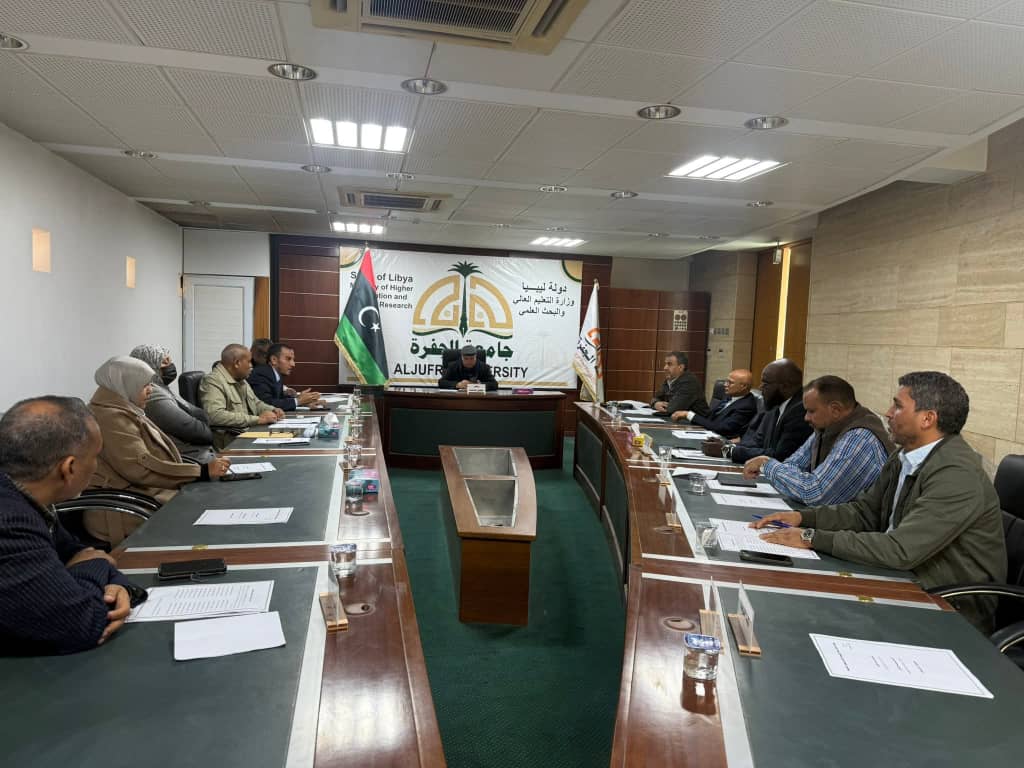
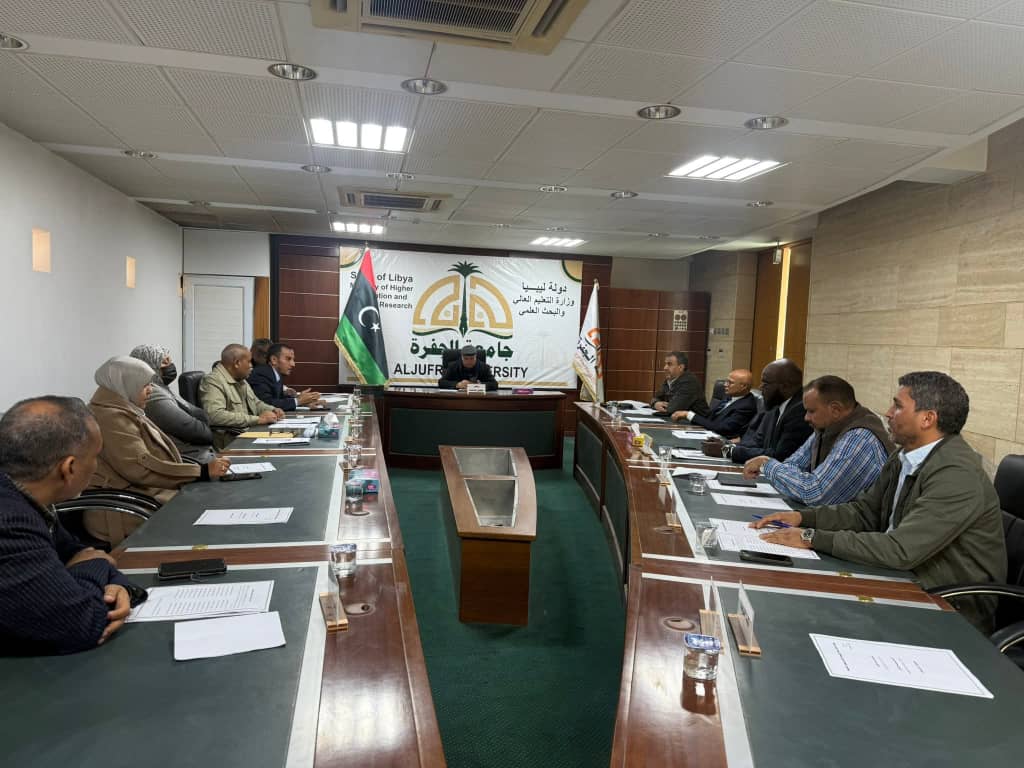
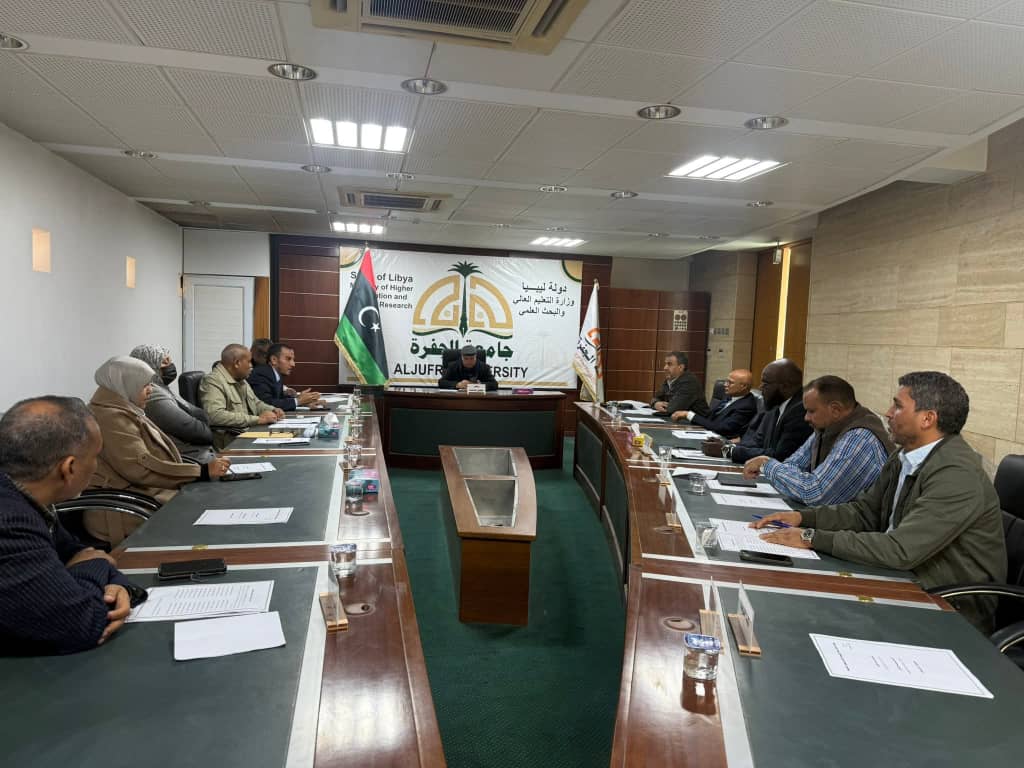
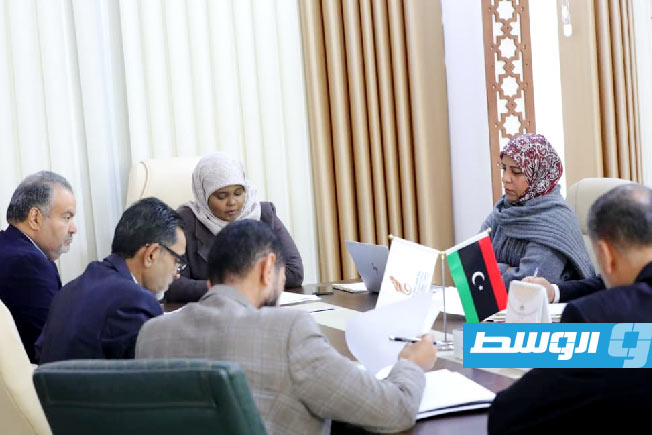
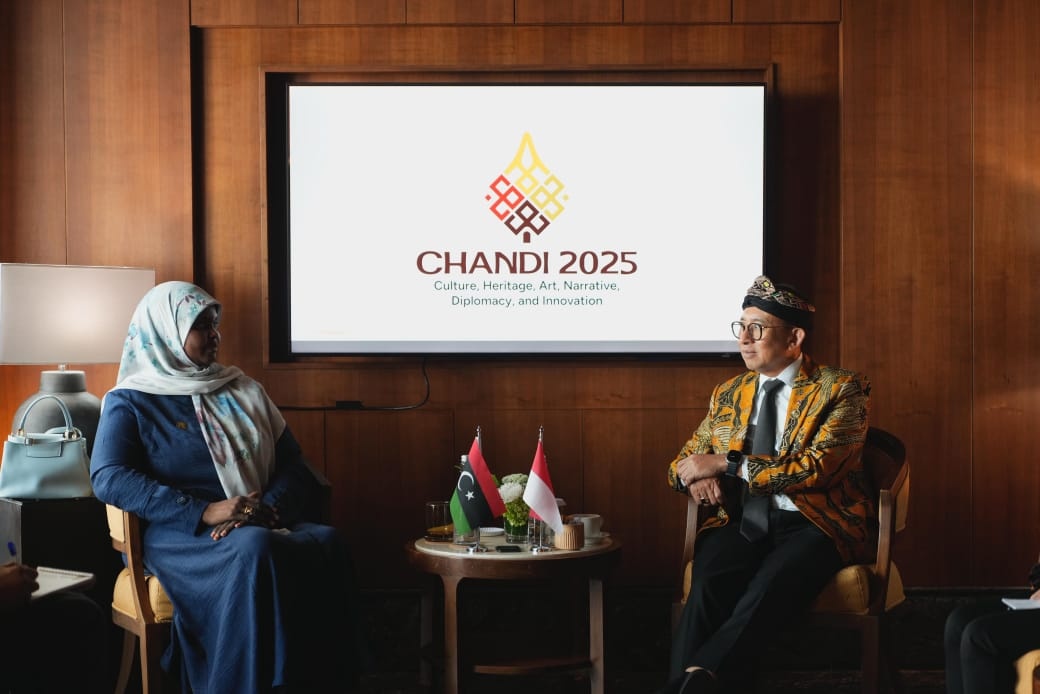
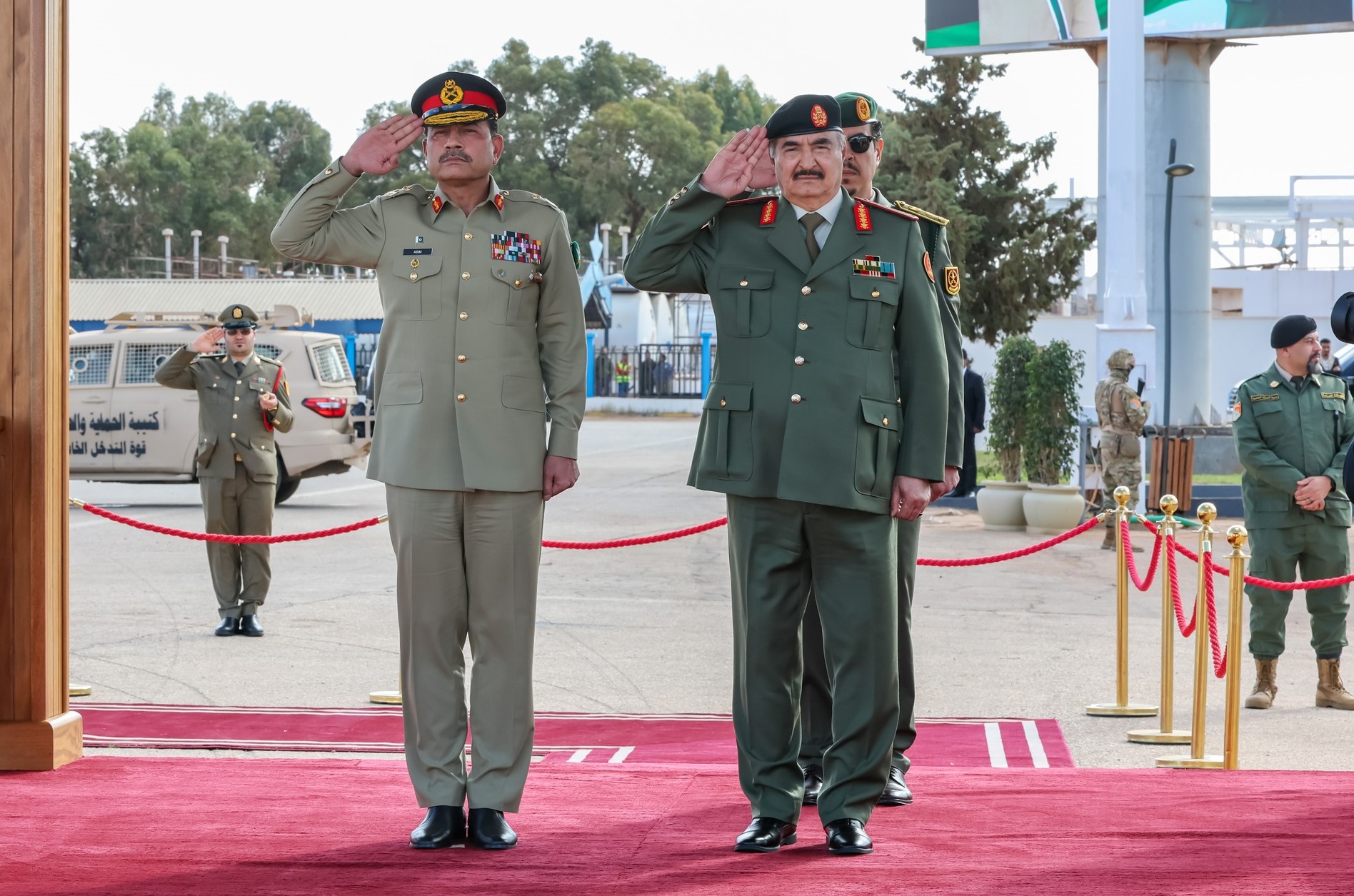
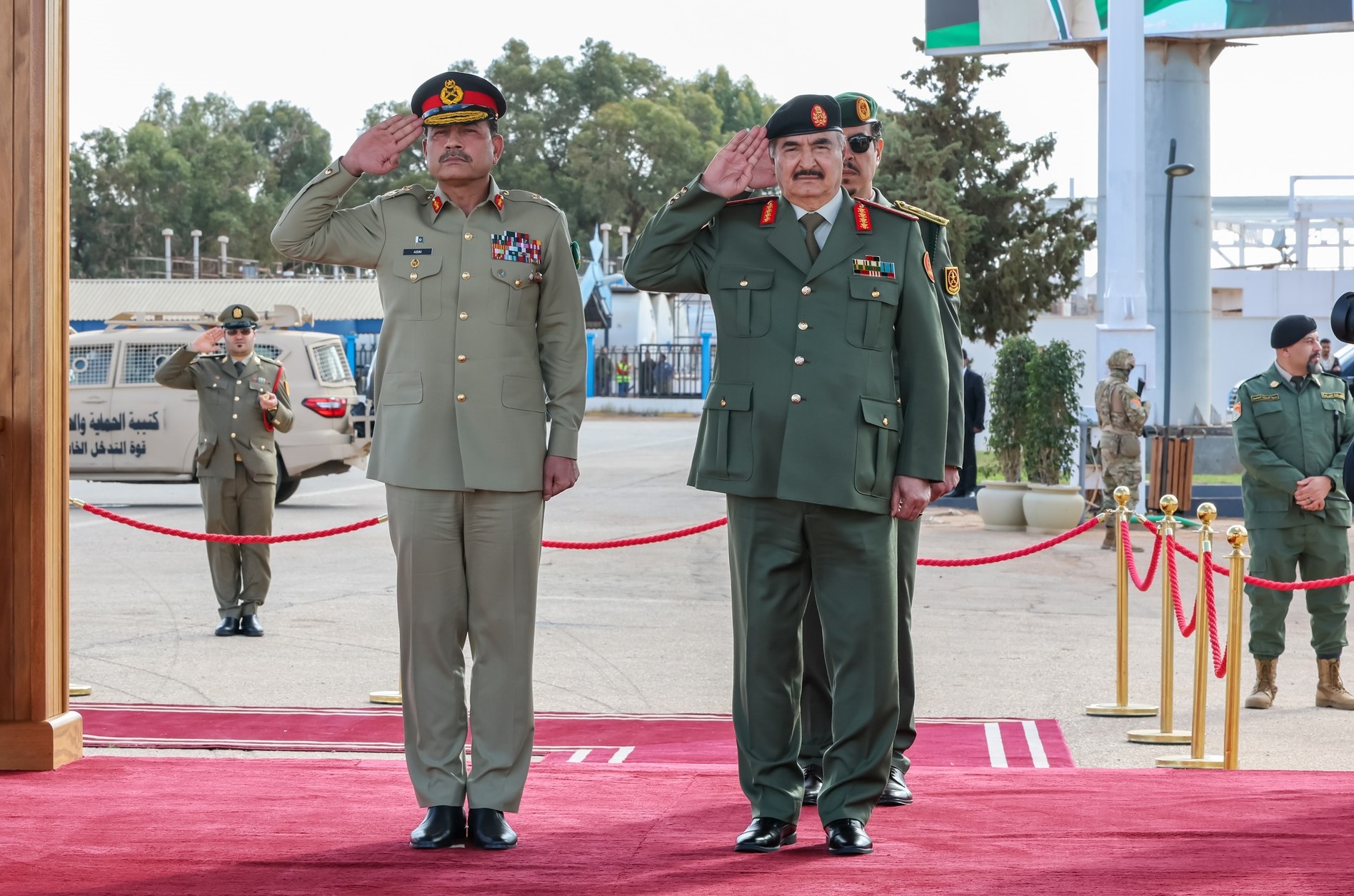
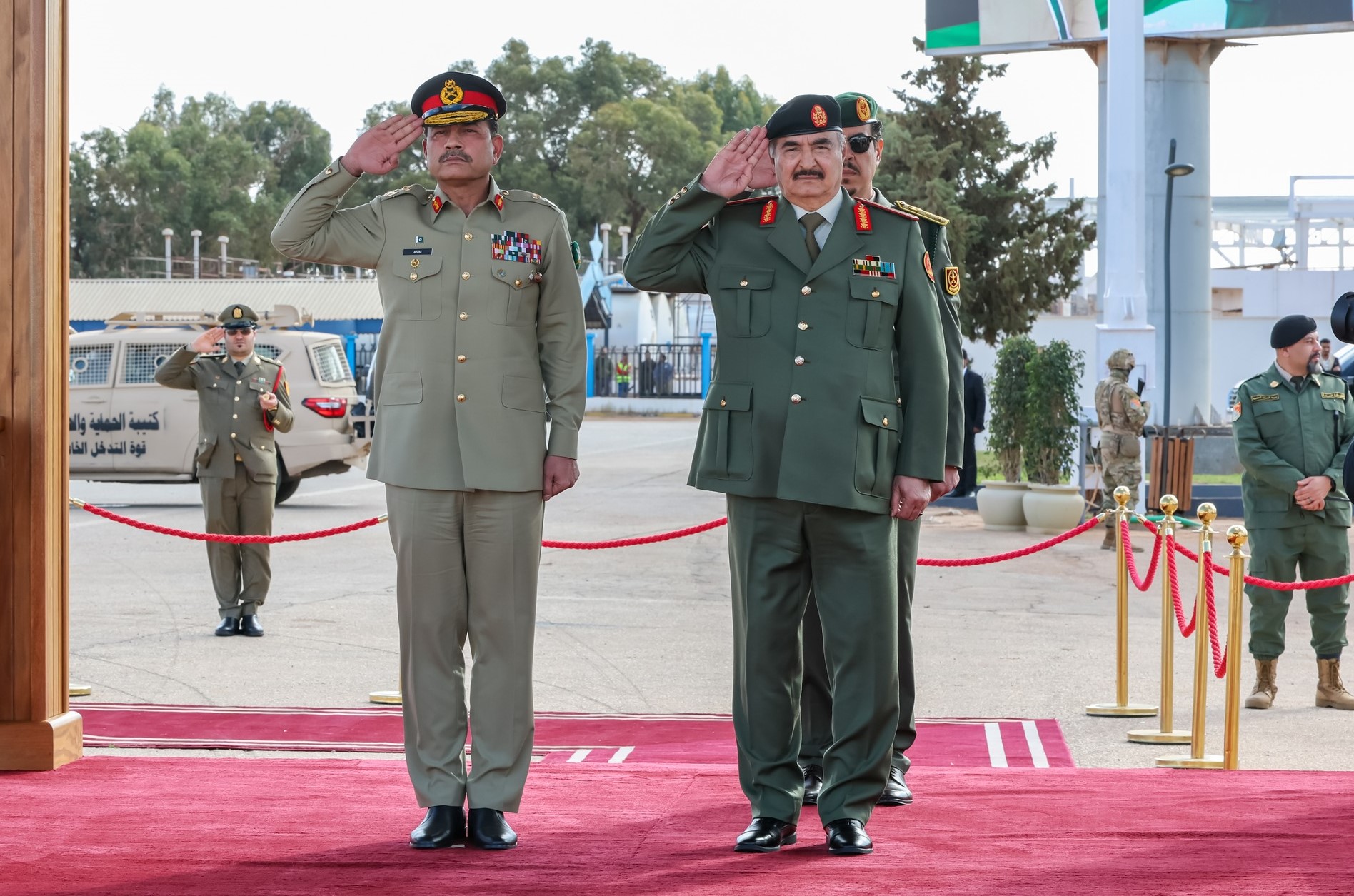
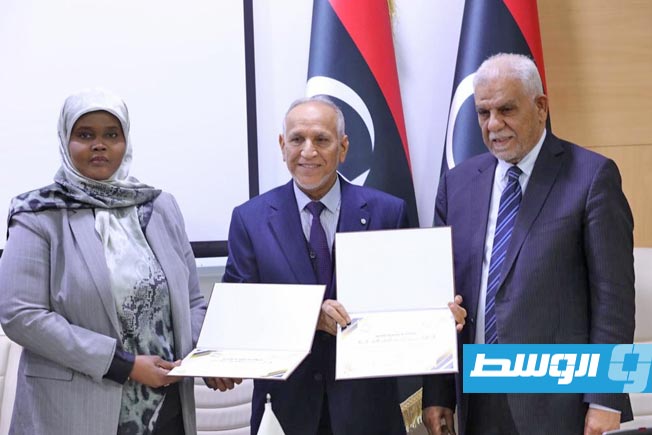
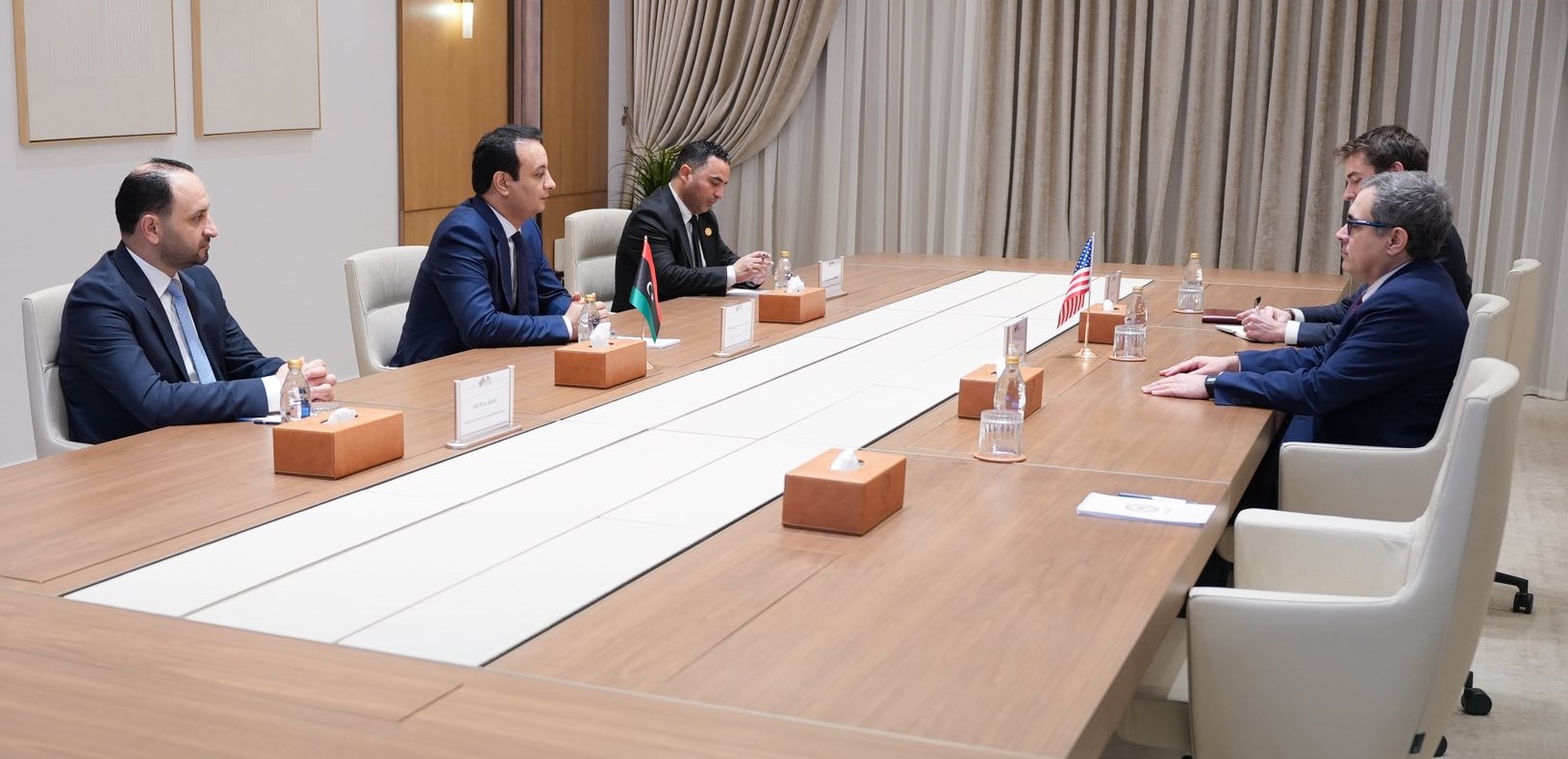
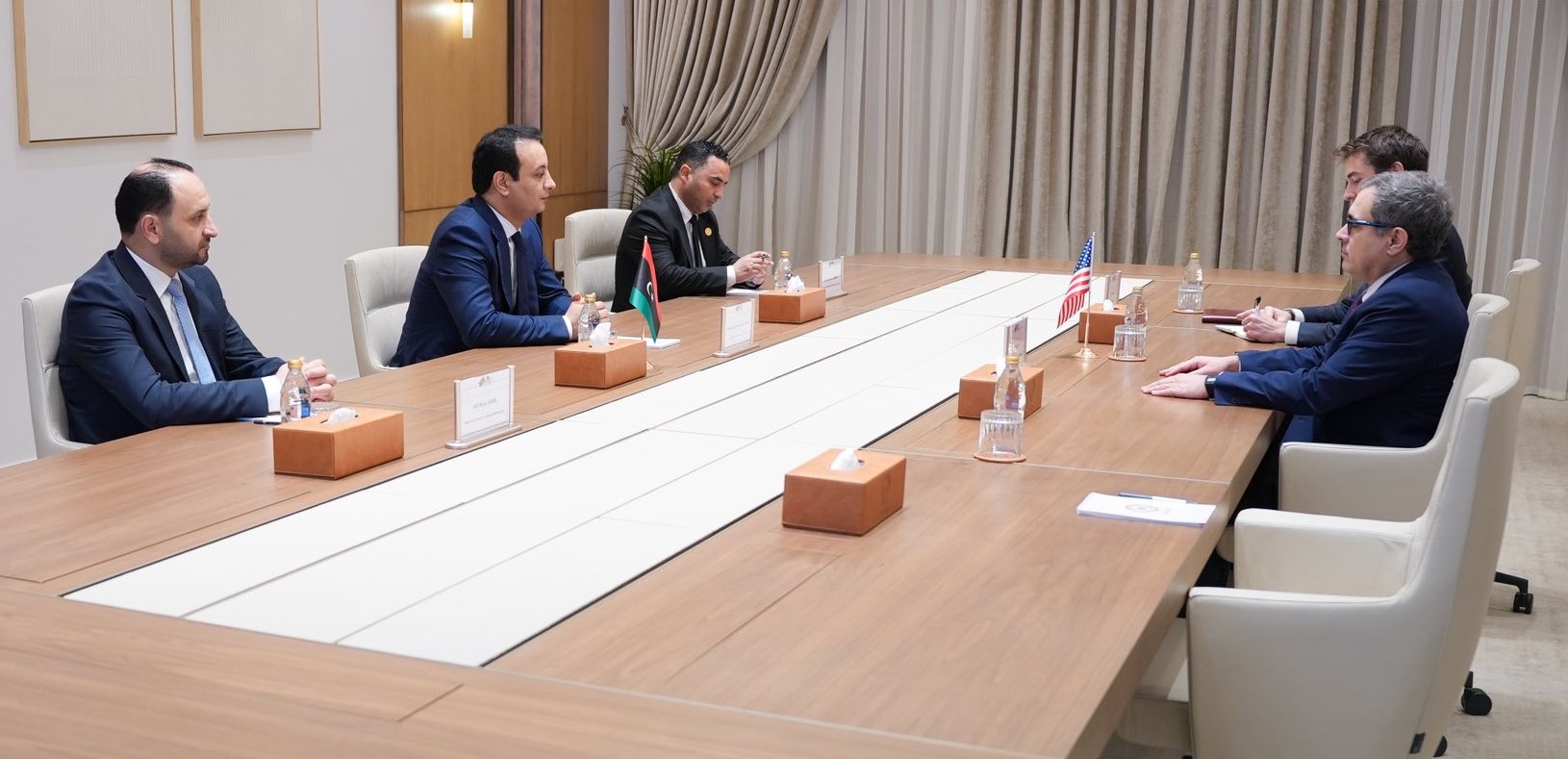
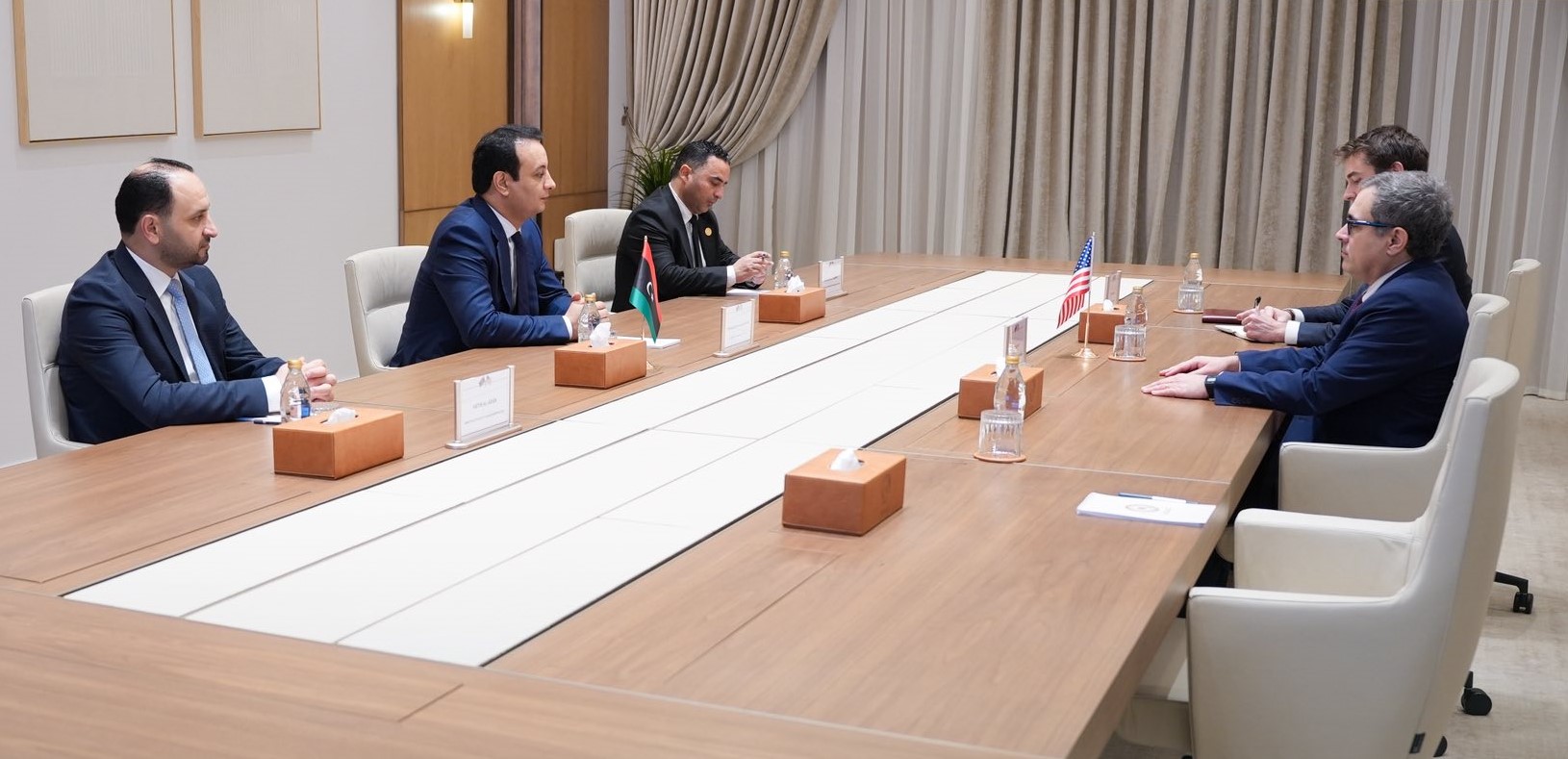
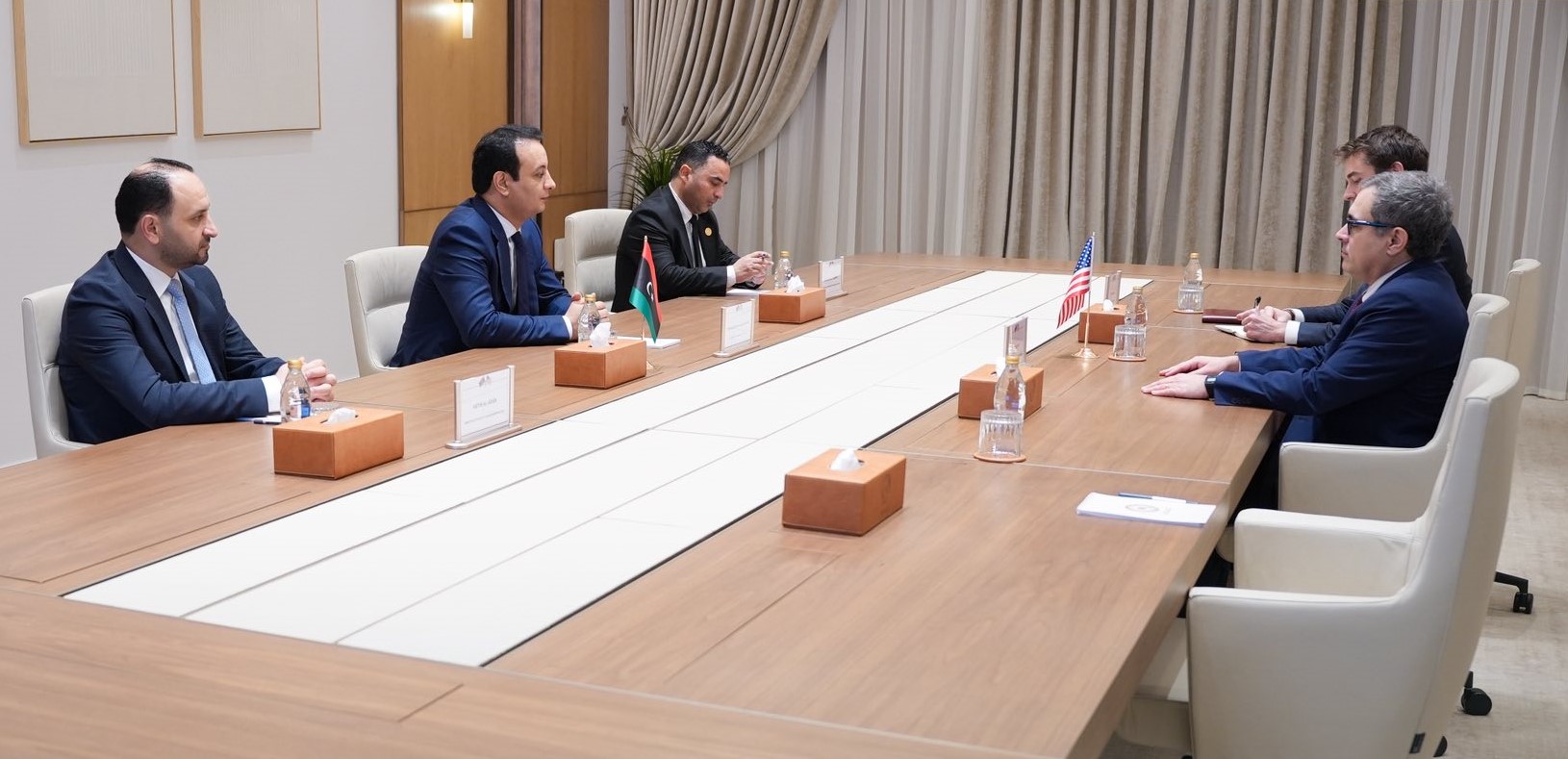
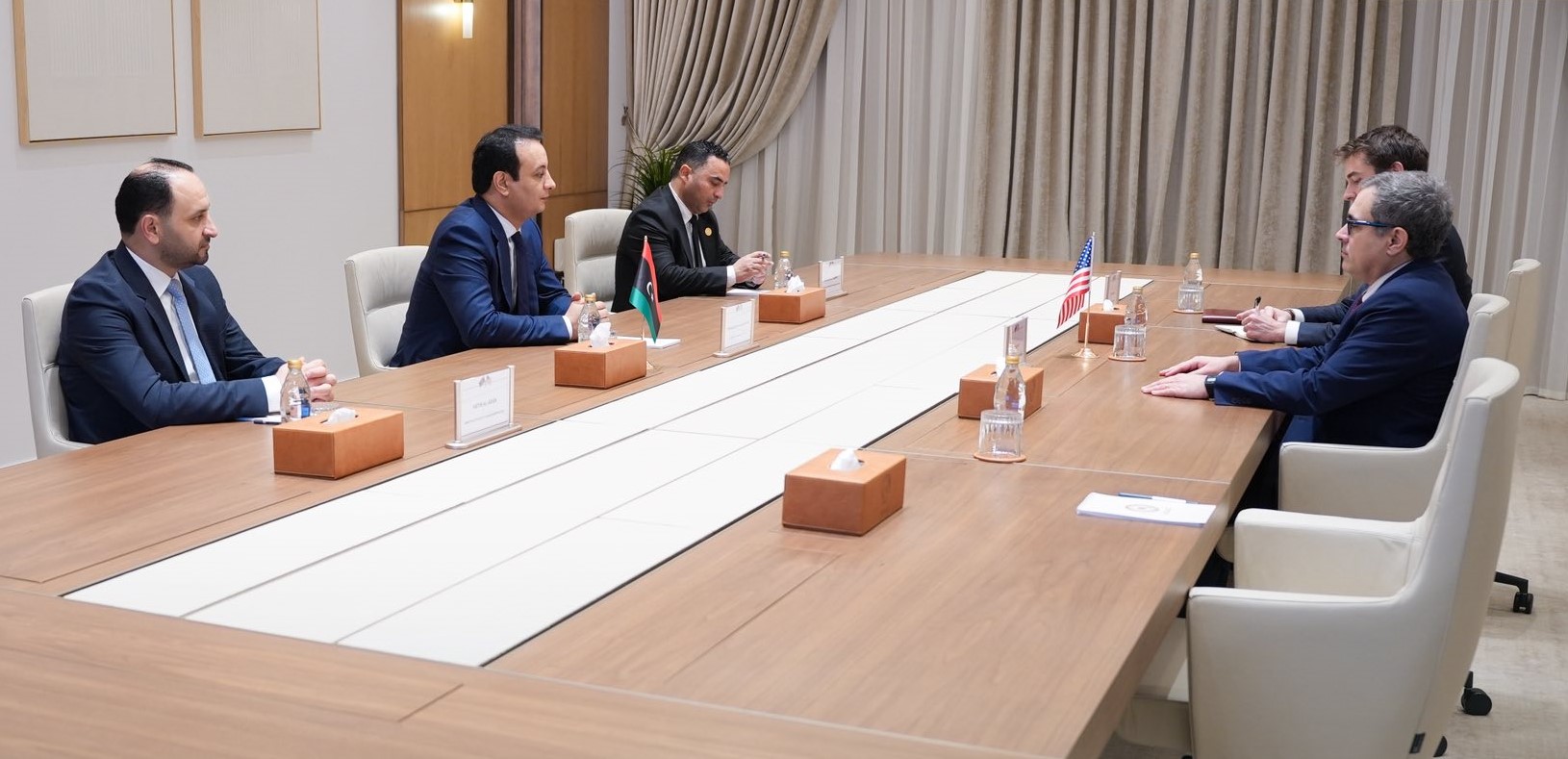
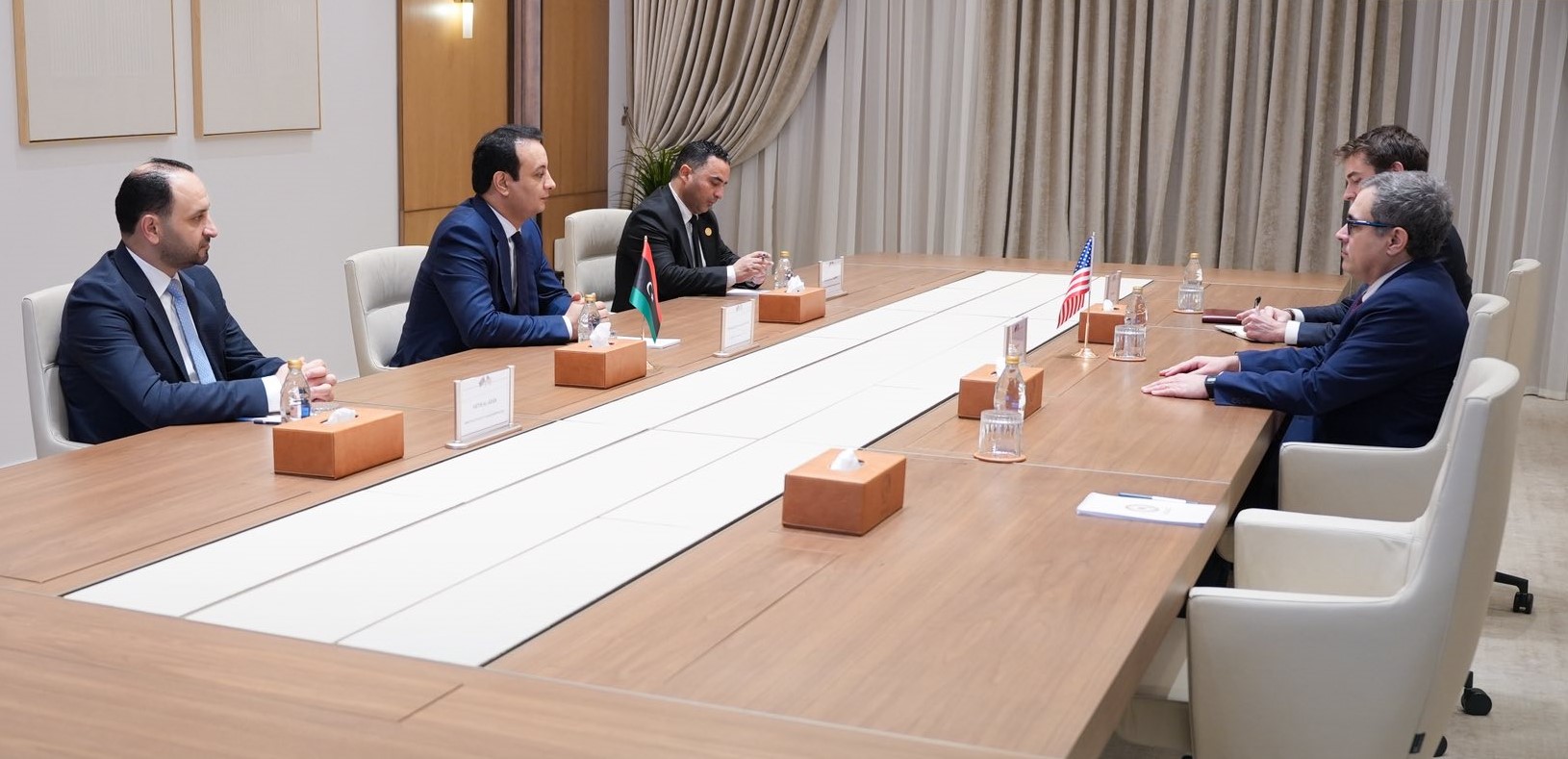
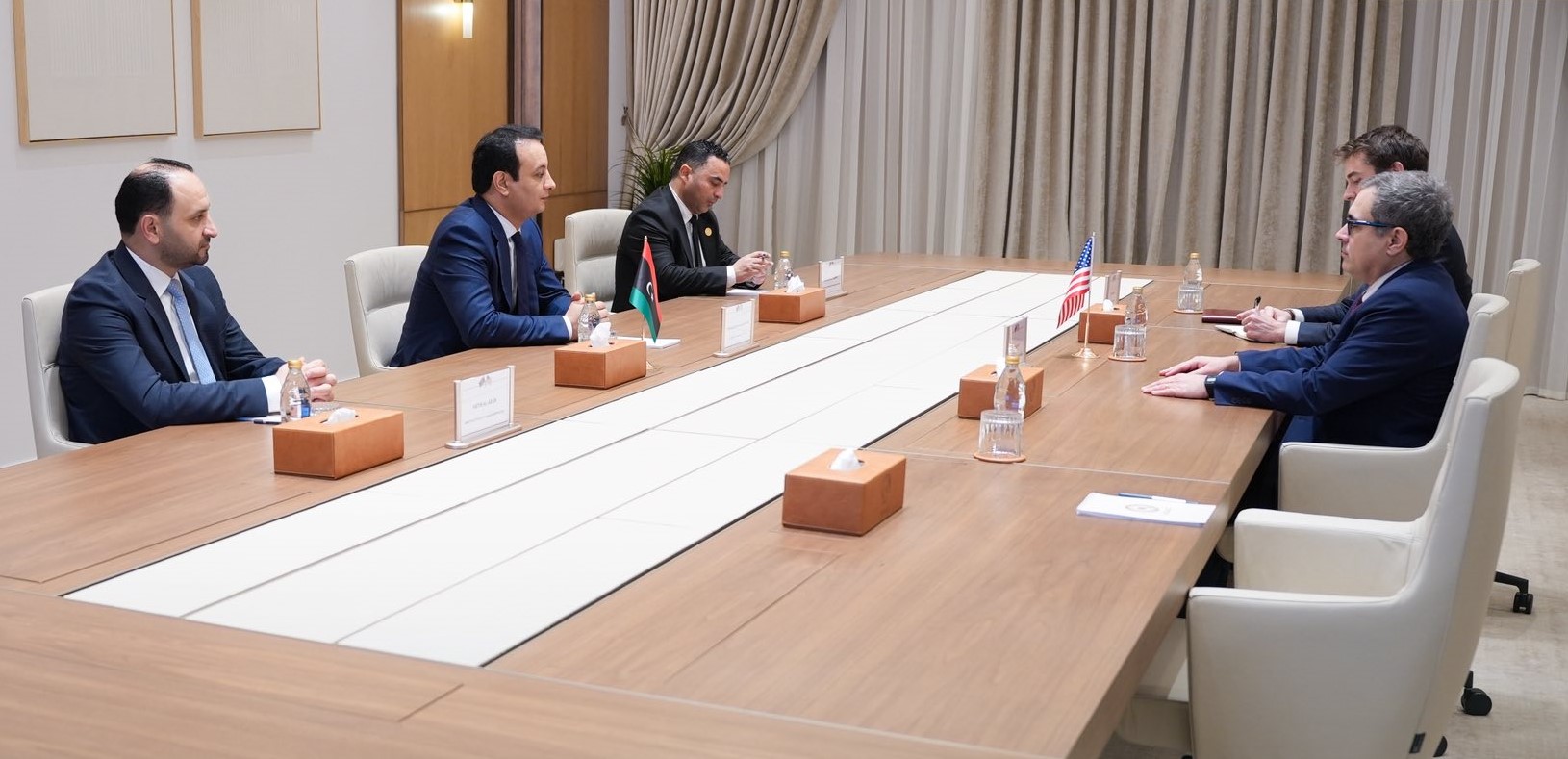
Tripoli – February 20, 2026 – The Director of the European Affairs Department met yesterday, Thursday, with the Italian Ambassador accredited to Libya to discuss enhancing and developing Libyan-Italian bilateral relations. The meeting was attended by the Head of the Italy Section in the European Affairs Department and a departmental advisor.
The Ministry of Foreign Affairs and International Cooperation of the Government of National Unity stated that the meeting discussed the arrangements and preparations being made by the European Affairs Department to hold two workshops. The first, titled “Review of the Results of Activities and Projects Funded by the European Union and European Countries in the Framework of Migration and Border Security,” is scheduled for the end of next March. The second, titled “Libyan-Italian Relations… Towards a Comprehensive and Sustainable Model of Cooperation,” is expected to be held at the end of April this year.
The meeting also reviewed the latest developments in the implementation of the Ras Ajdir – Msallata highway, specifically the fourth and first sectors, as part of the commitments outlined in the Treaty of Friendship, Partnership, and Cooperation signed between the two countries. Additionally, cooperation in the field of training Libyan diplomatic personnel was discussed, according to the ministry.
Tripoli
Tripoli is the capital and largest city of Libya, with a history dating back to the 7th century BCE when it was founded by the Phoenicians. It later became a significant part of the Roman Empire, the Ottoman Empire, and an Italian colony, which is reflected in its diverse architecture in the ancient medina. Today, it serves as the country’s major political, economic, and cultural center.
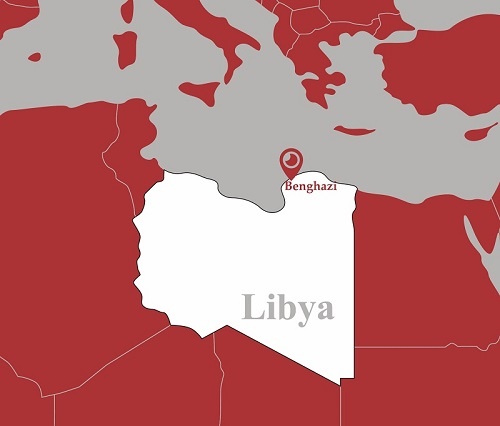
Libya
Libya is a North African country with a rich history rooted in ancient civilizations like the Phoenicians and Romans, followed by centuries of Arab and Ottoman influence. In the modern era, it was an Italian colony before gaining independence in 1951, later becoming known for Muammar Gaddafi’s lengthy rule from 1969 until the 2011 revolution. Its cultural sites include the well-preserved Roman ruins of Leptis Magna, a UNESCO World Heritage site.
Italy
Italy is a country in Southern Europe with a rich cultural history that dates back to the Roman Empire, which was one of the largest and most influential civilizations of antiquity. It is renowned as the birthplace of the Renaissance, a period of extraordinary artistic and intellectual achievement, and is home to numerous UNESCO World Heritage sites, including historic cities like Rome, Florence, and Venice.
European Union
The European Union (EU) is a political and economic union of 27 European countries, founded after World War II to foster economic cooperation and prevent future conflict. It has evolved from the European Coal and Steel Community in 1951 into a major supranational entity with its own currency (the euro, used by 20 members) and institutions that govern common policies on trade, agriculture, and regional development.
Ras Ajdir
Ras Ajdir is a border crossing town located on the Mediterranean coast between Libya and Tunisia. Historically, it has served as a key transit point for trade and migration, with its modern border post established following the independence of both nations in the mid-20th century.
Msallata
Msallata is a town in northwestern Libya known for its historical significance and natural beauty, including the nearby Msallata National Park. It holds importance in Libyan history as the site where the country’s independence was declared in 1951. The area also features ancient Roman and Byzantine archaeological remains.
Treaty of Friendship, Partnership, and Cooperation
The Treaty of Friendship, Partnership, and Cooperation is a bilateral agreement signed by Italy and Libya in 2008. It was designed to formally reconcile the two nations after Italy’s colonial rule of Libya, addressing historical grievances and promoting cooperation in areas like energy and immigration. The treaty included provisions for Italian investment in Libyan infrastructure as a form of compensation for the colonial period.