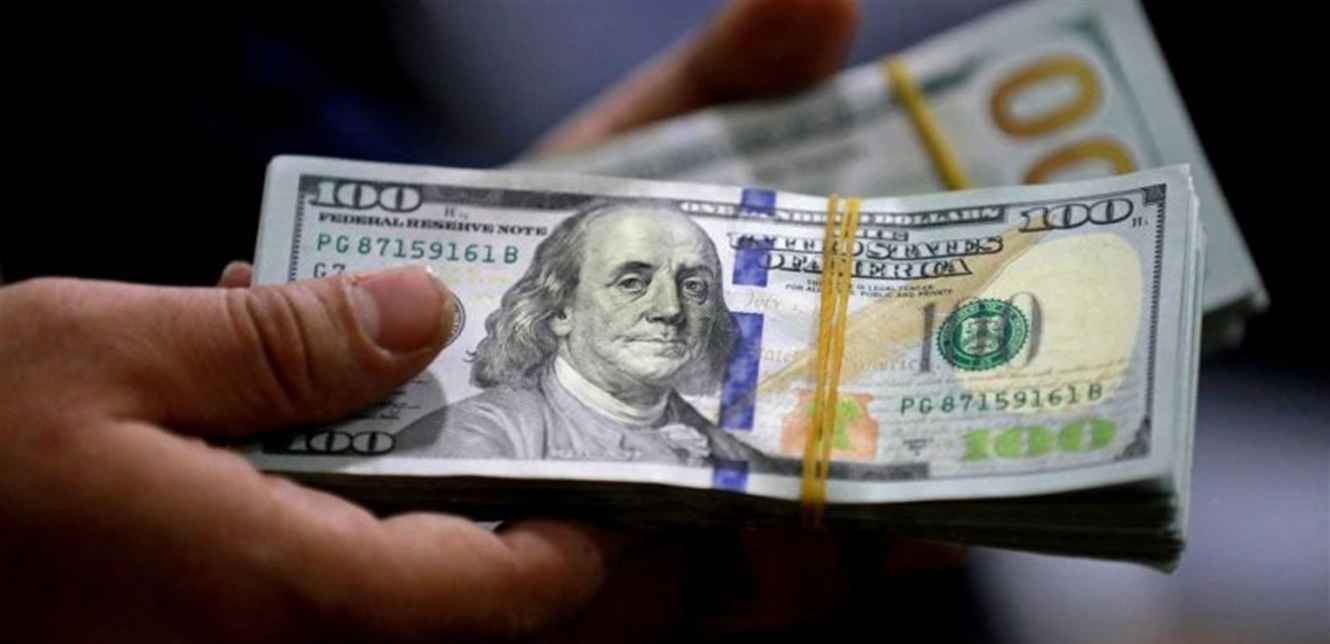
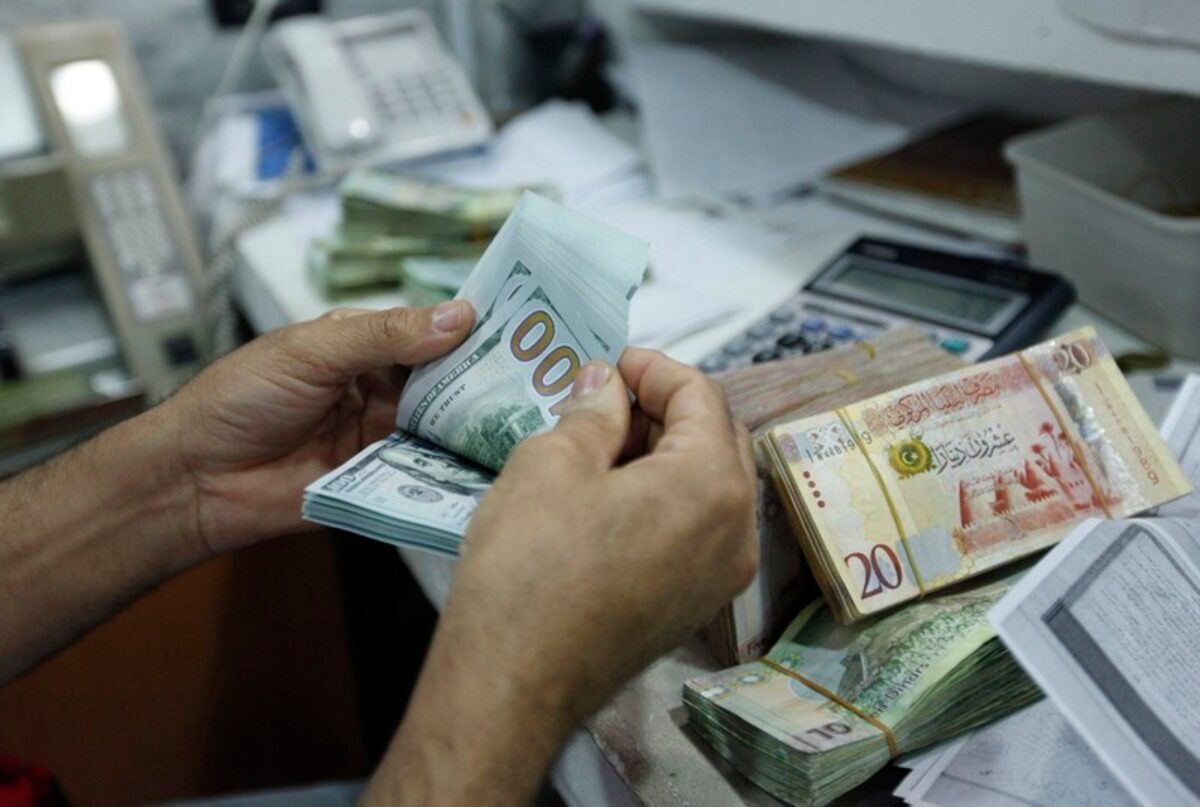
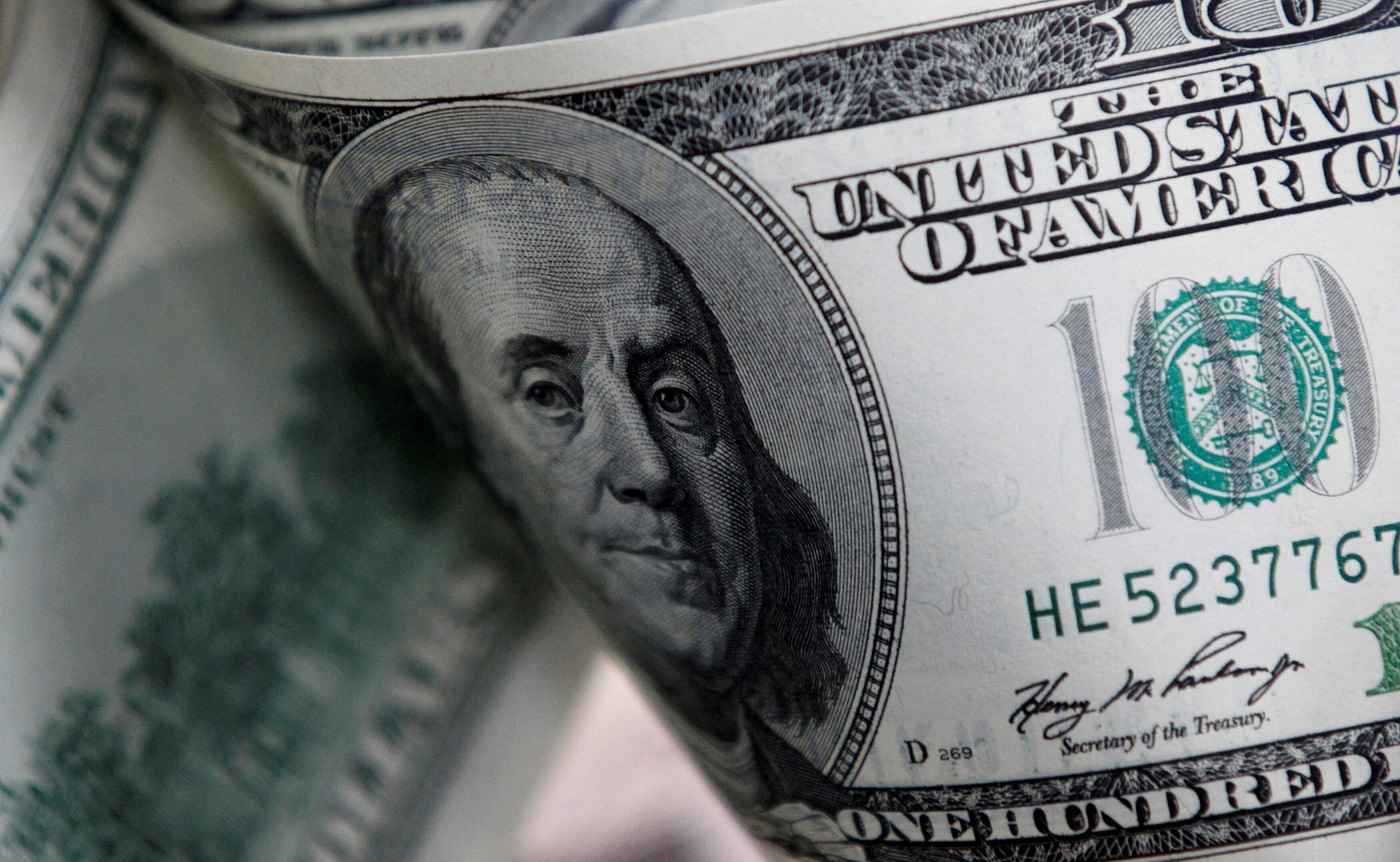
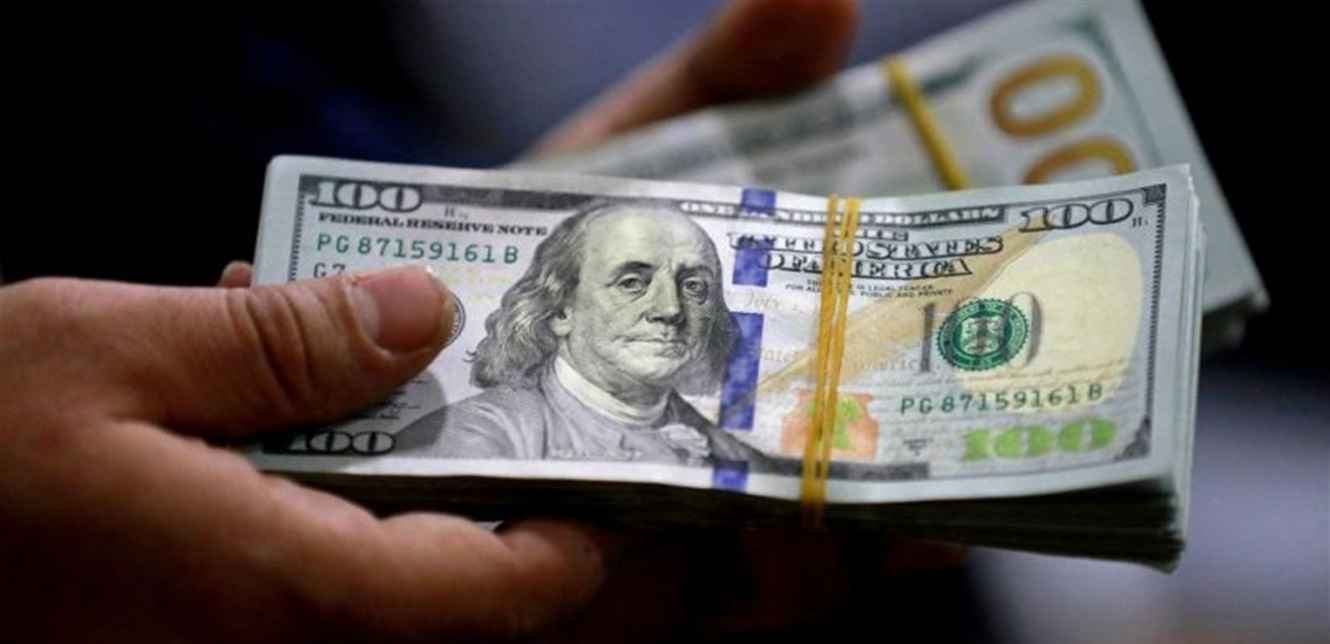
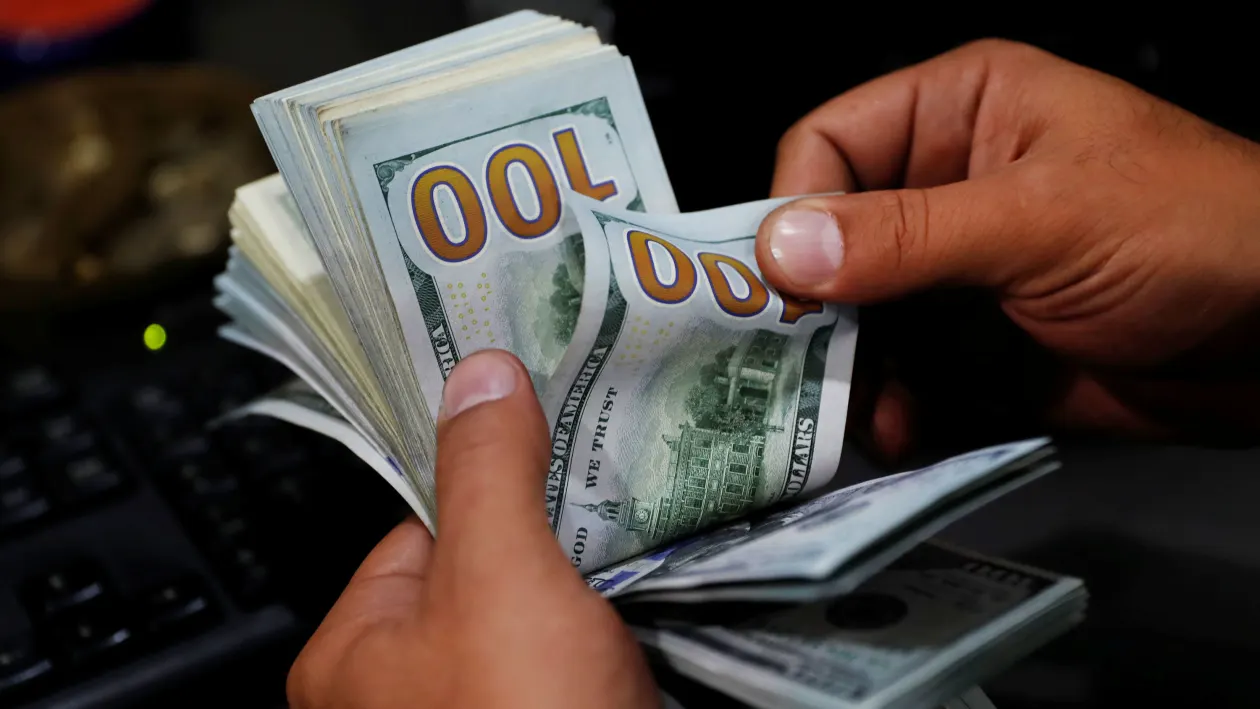
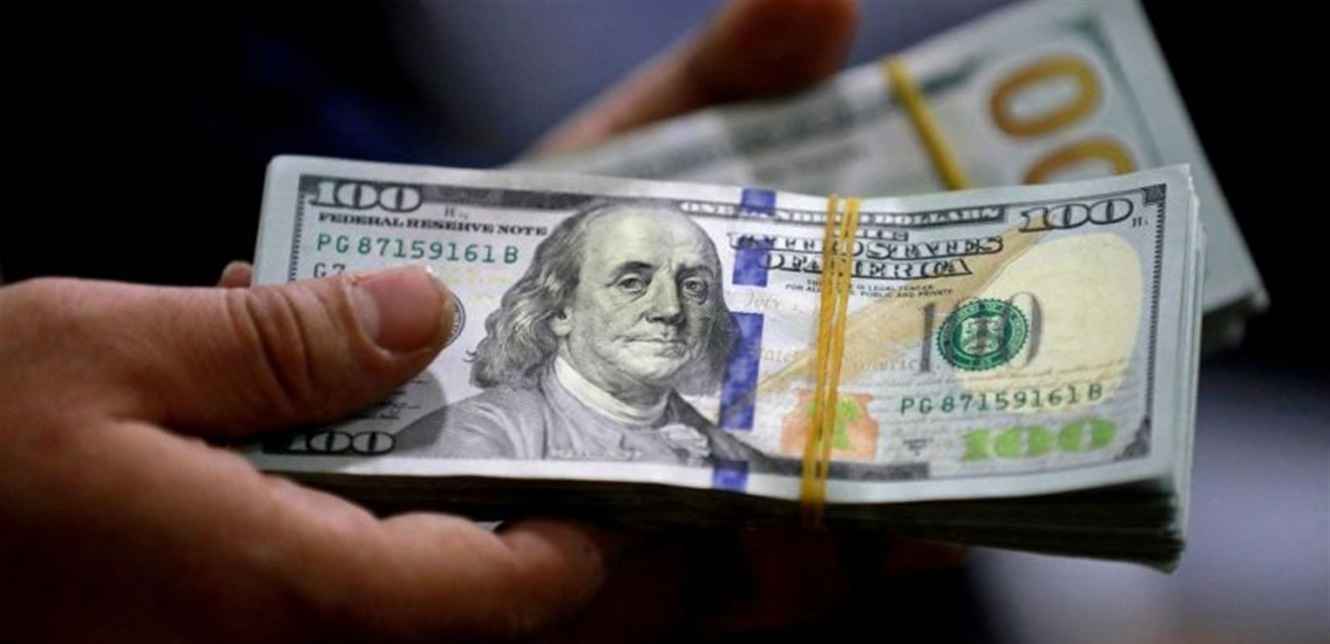
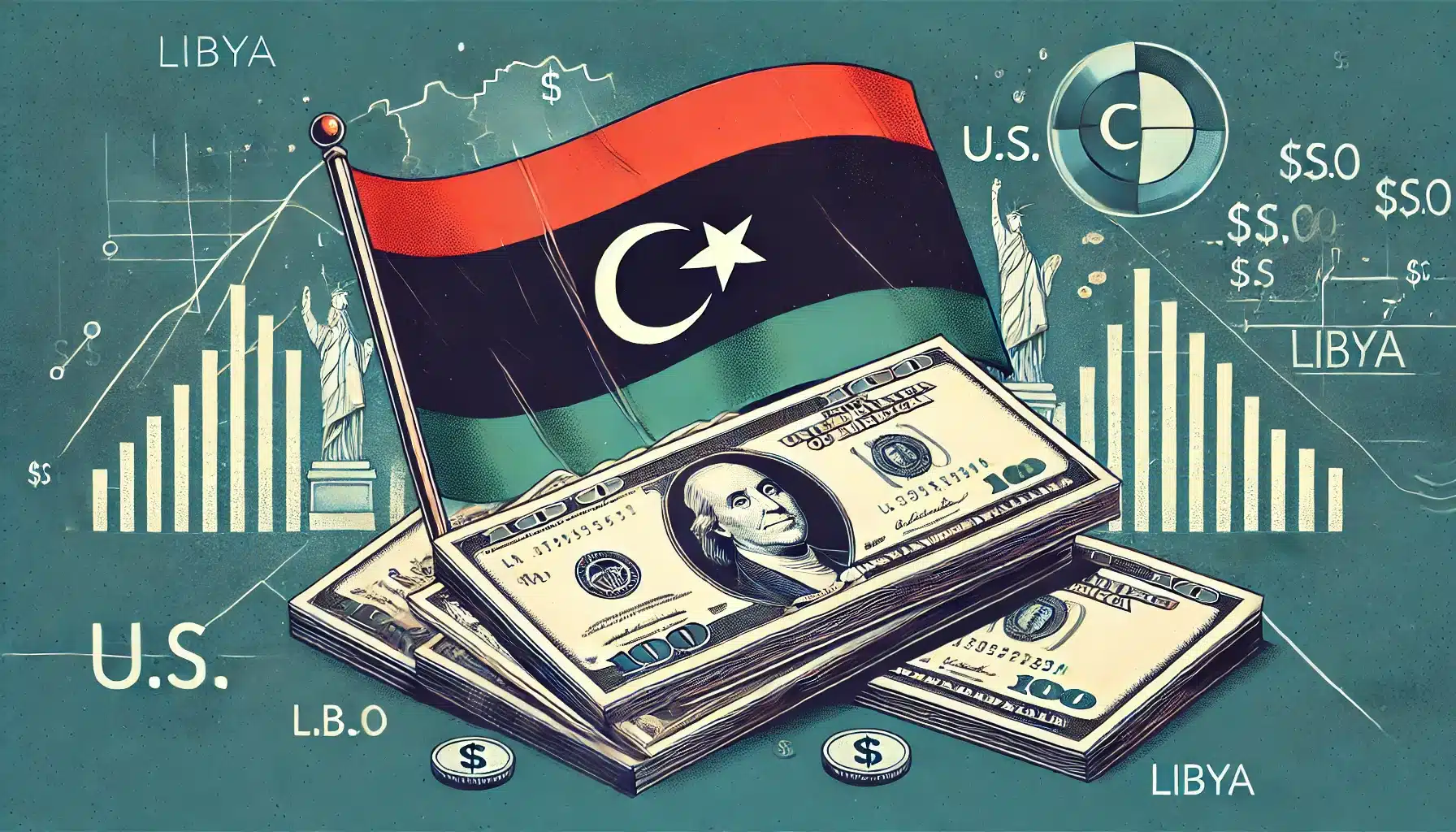
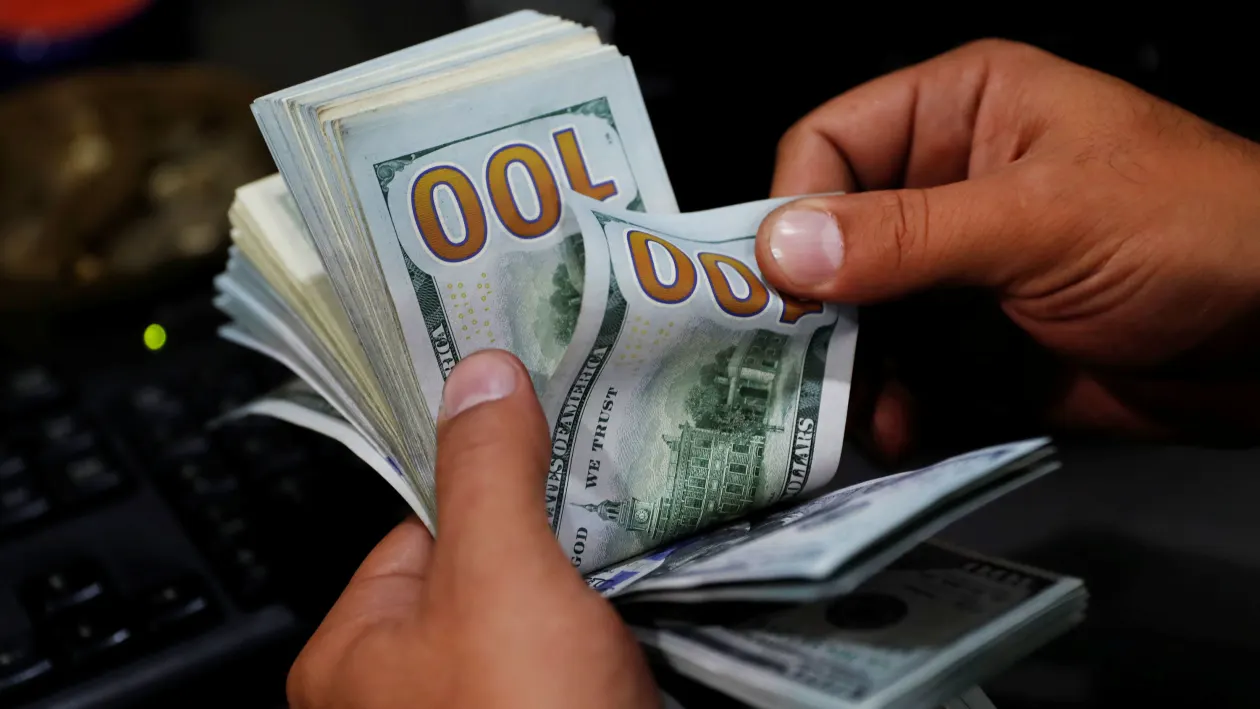
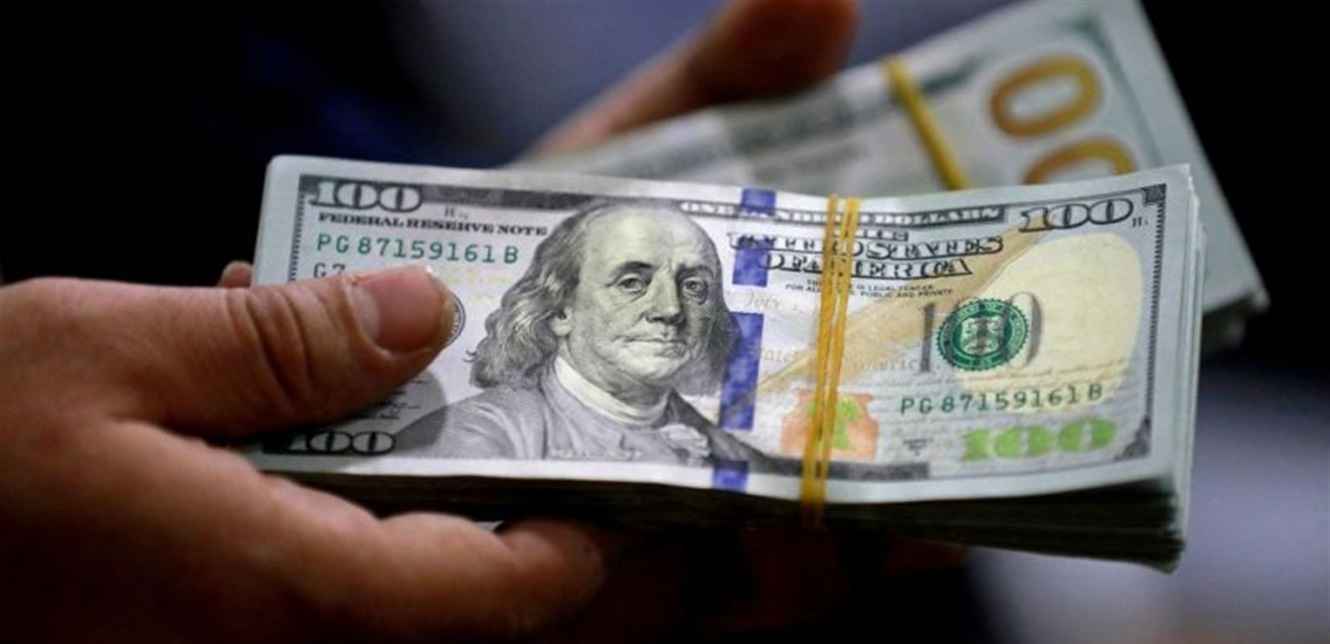
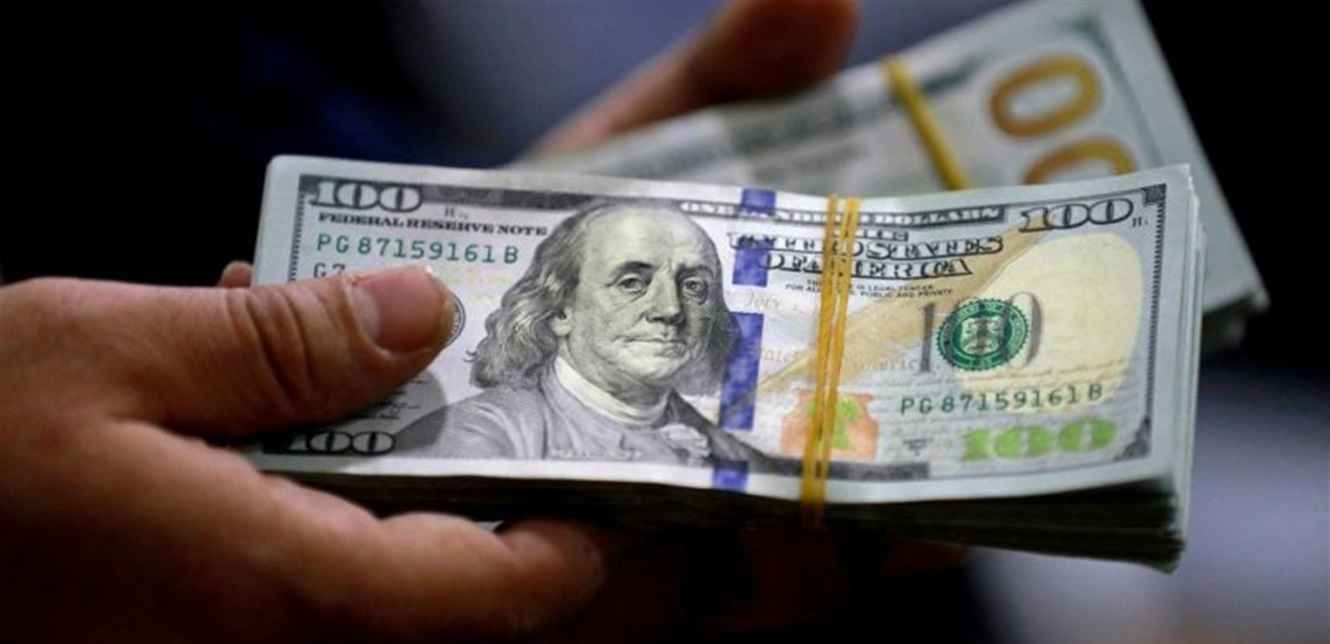
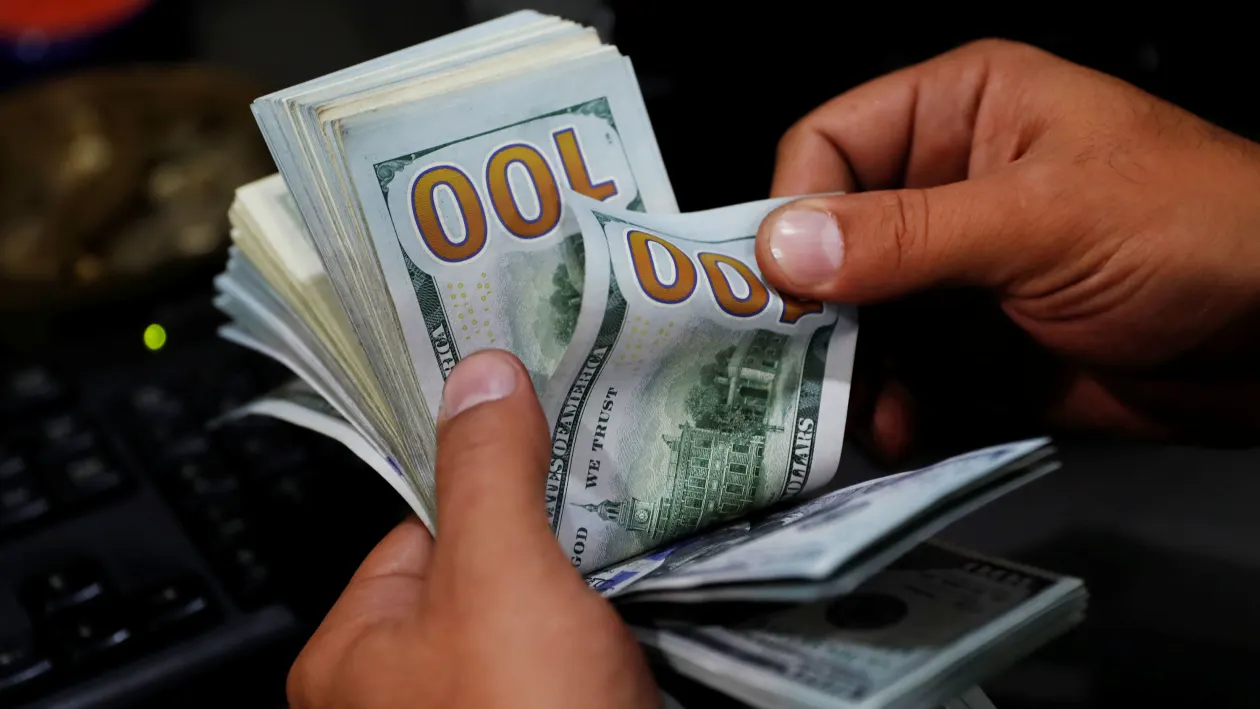
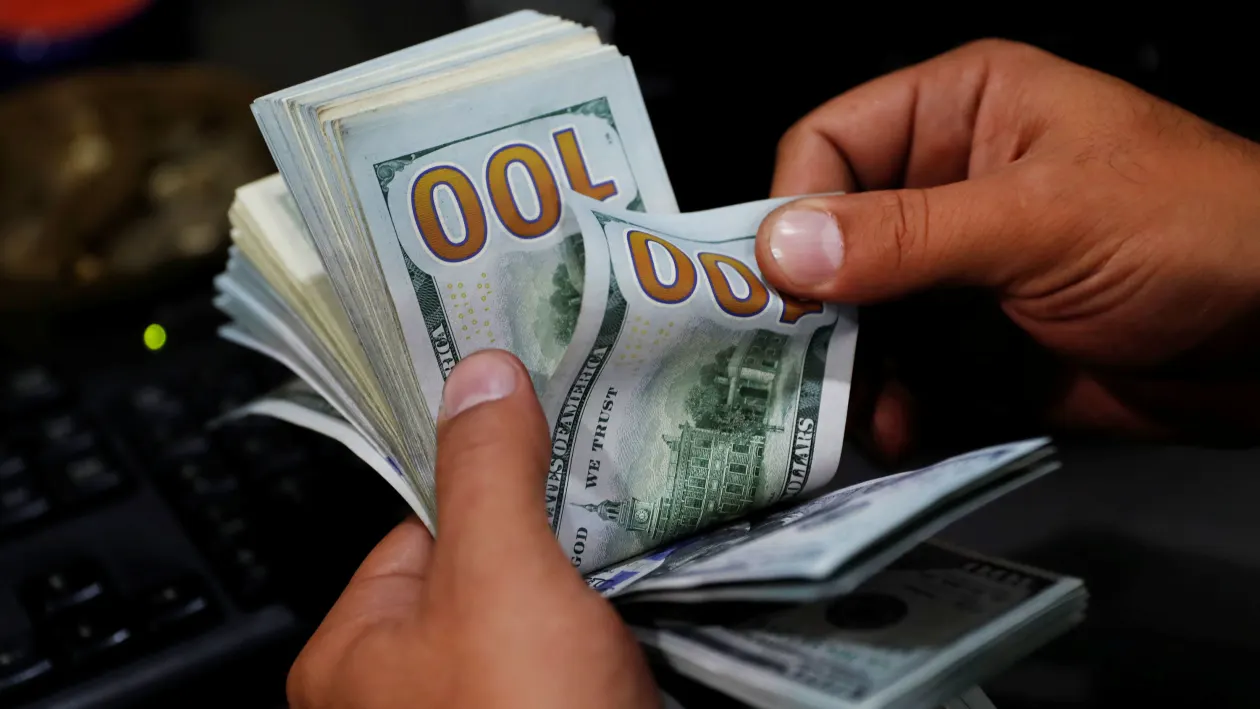
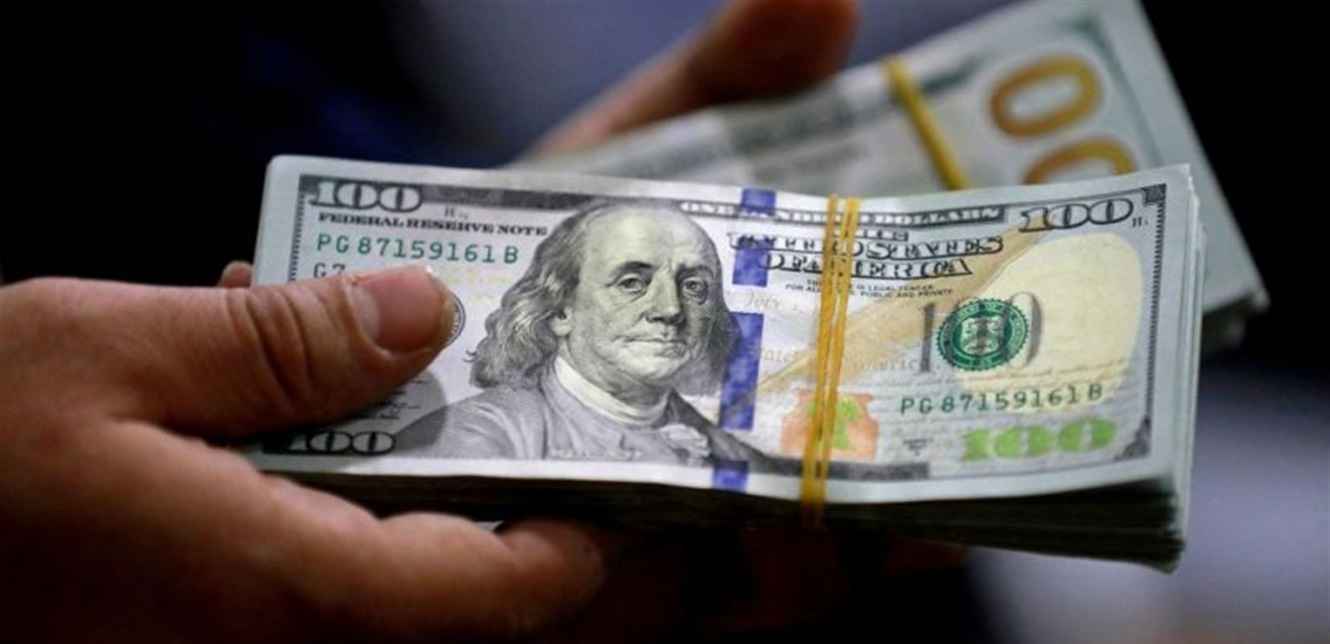
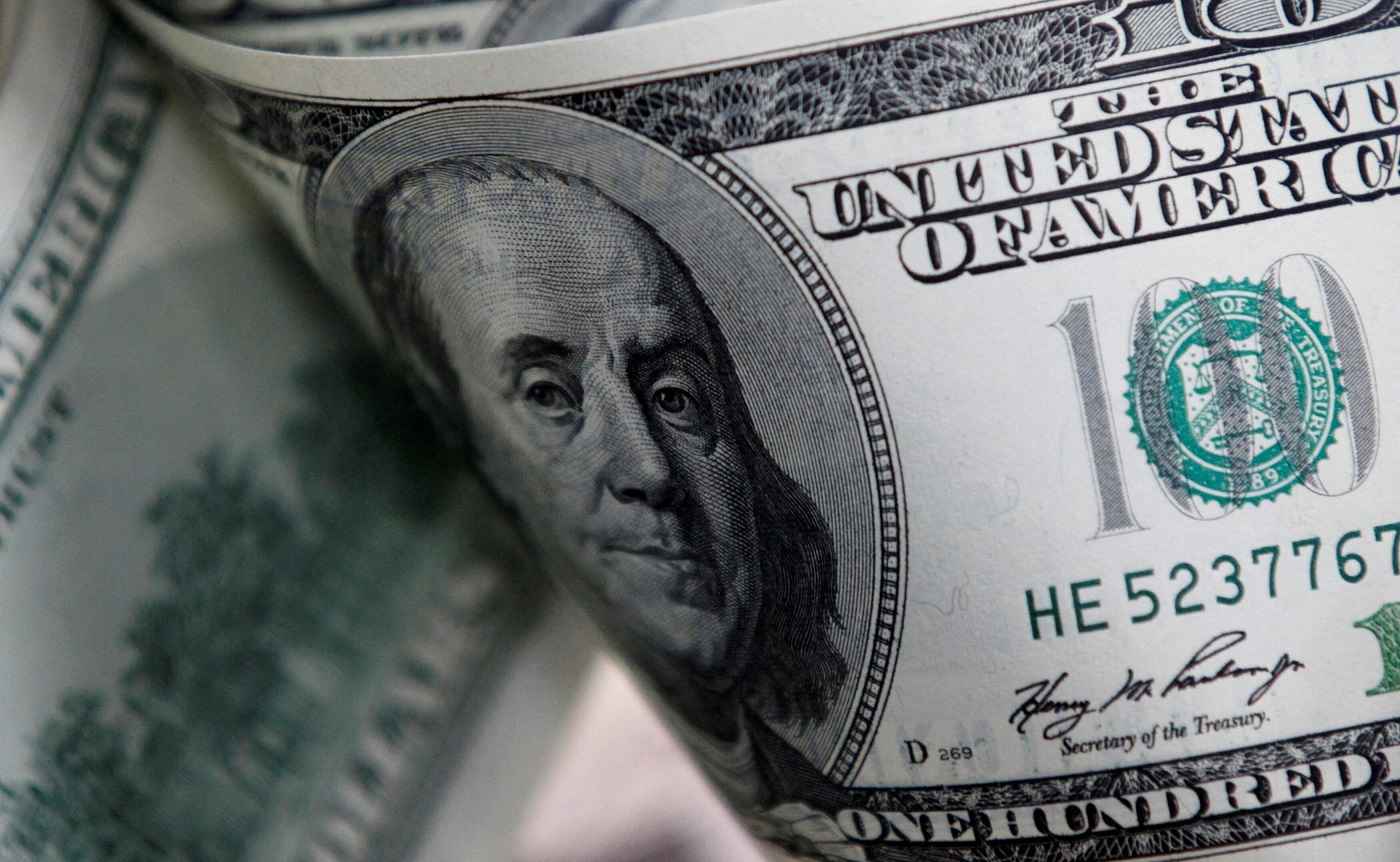
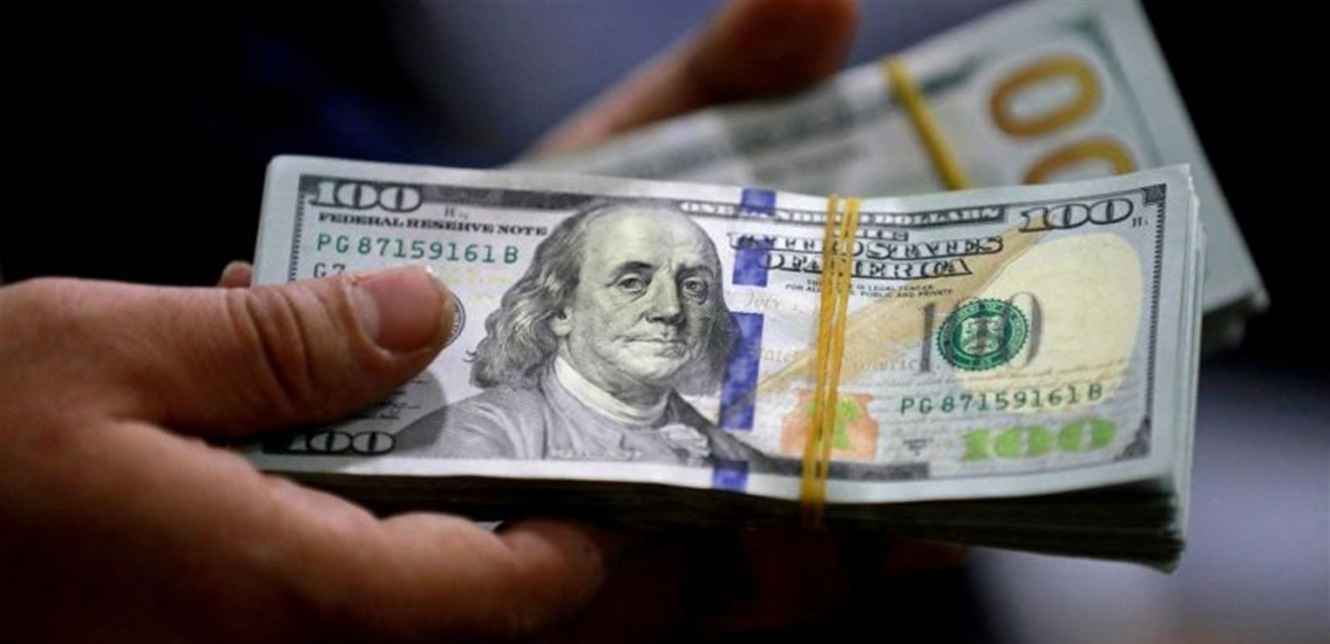
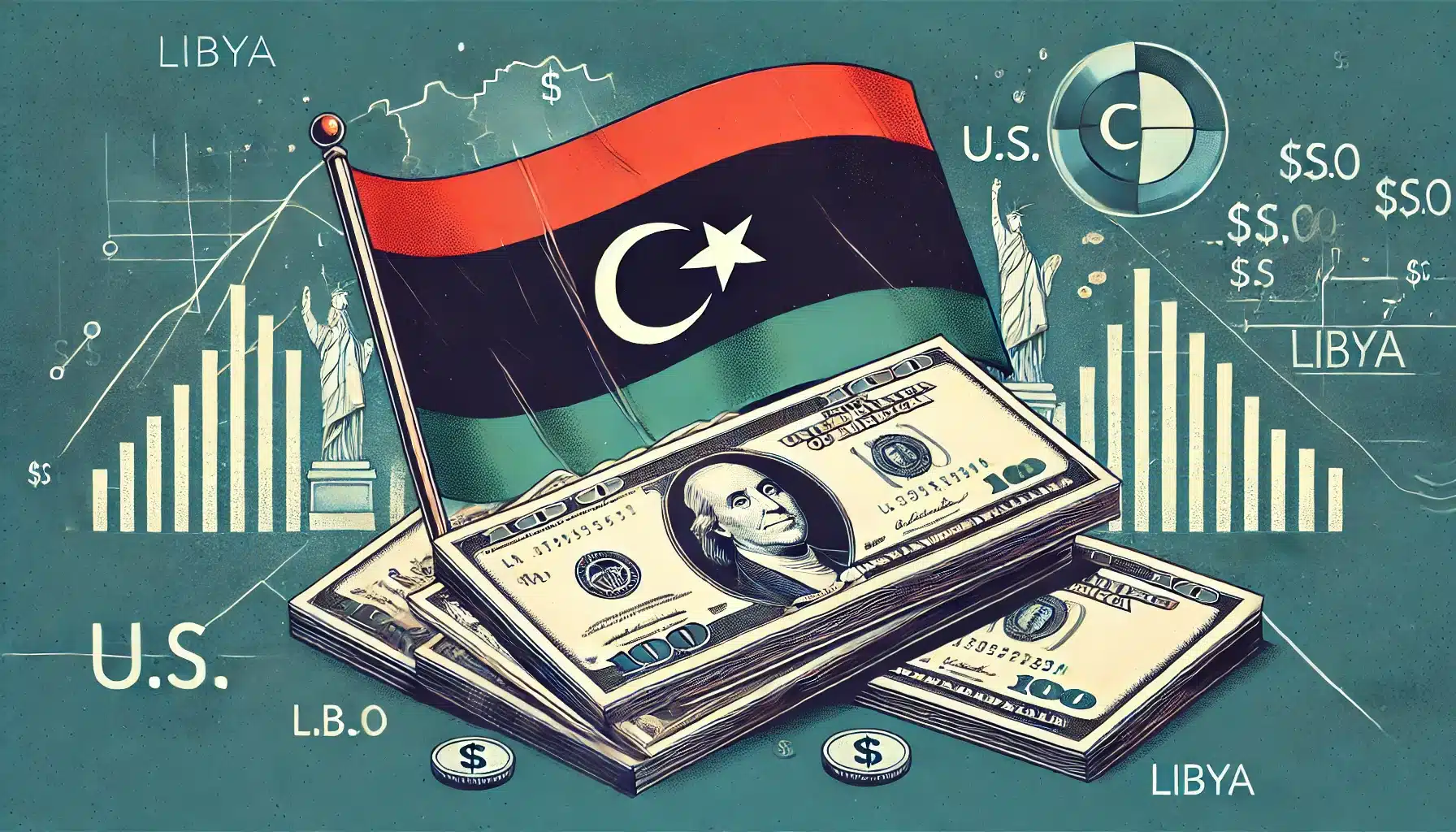
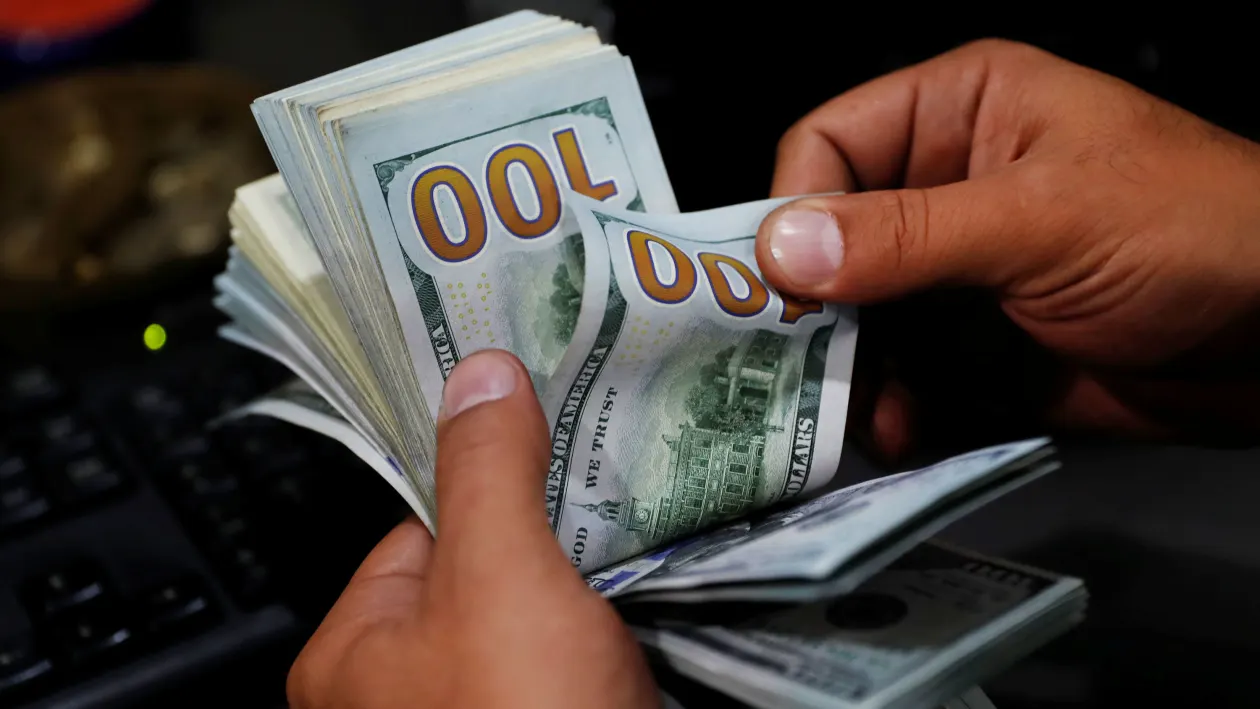
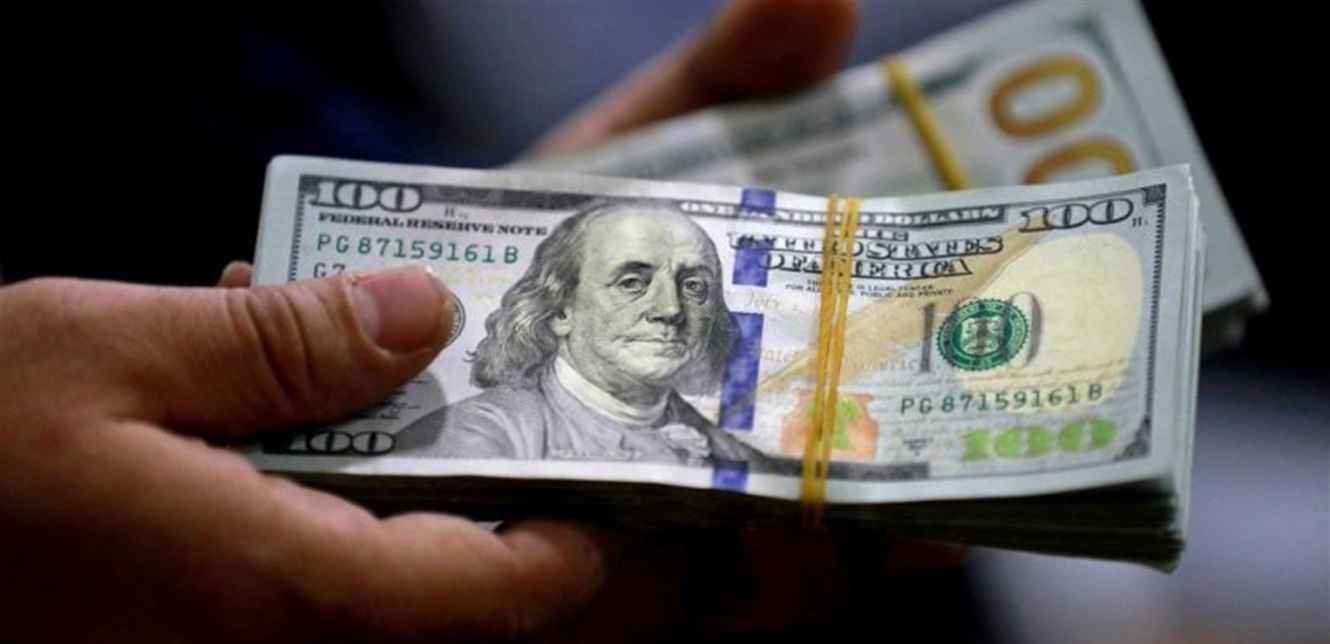
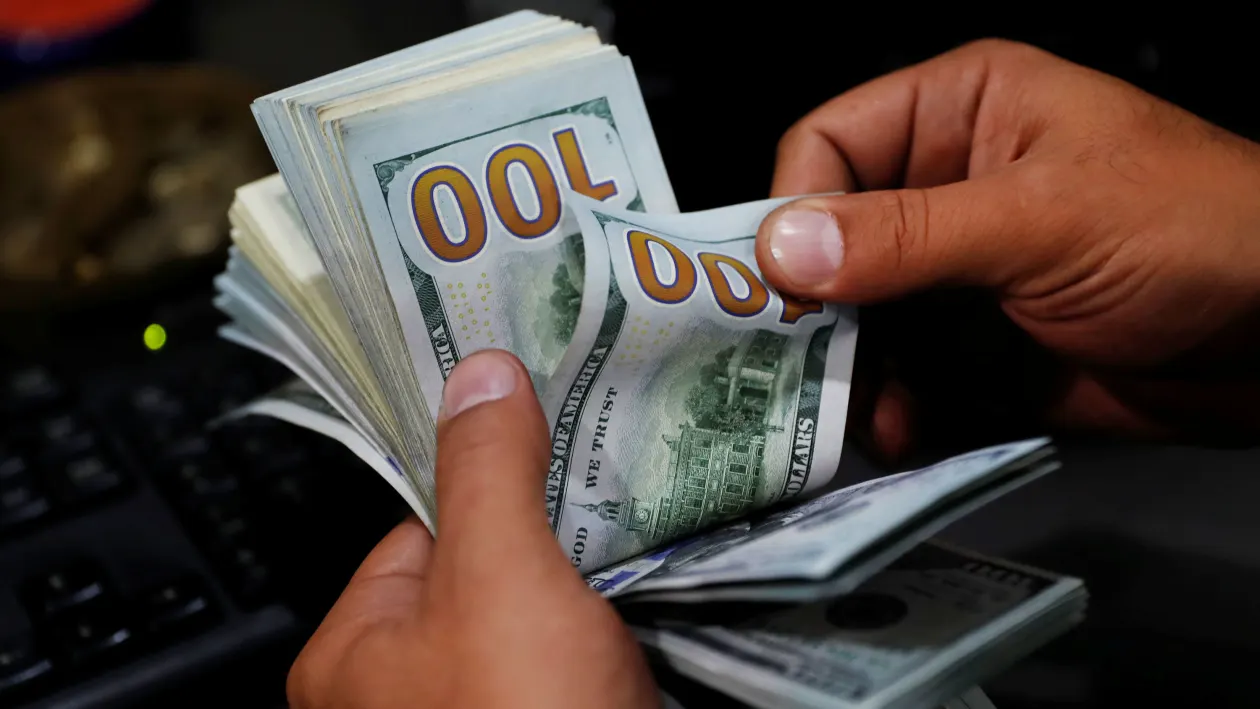
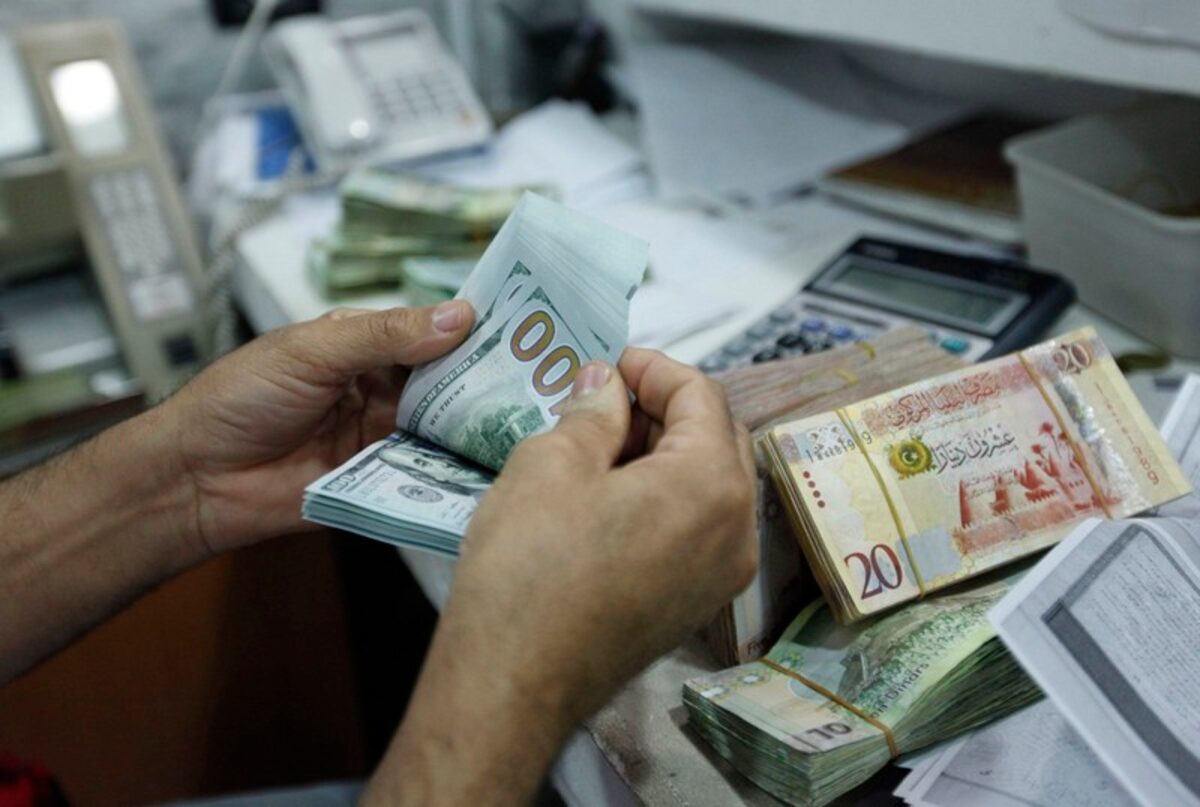
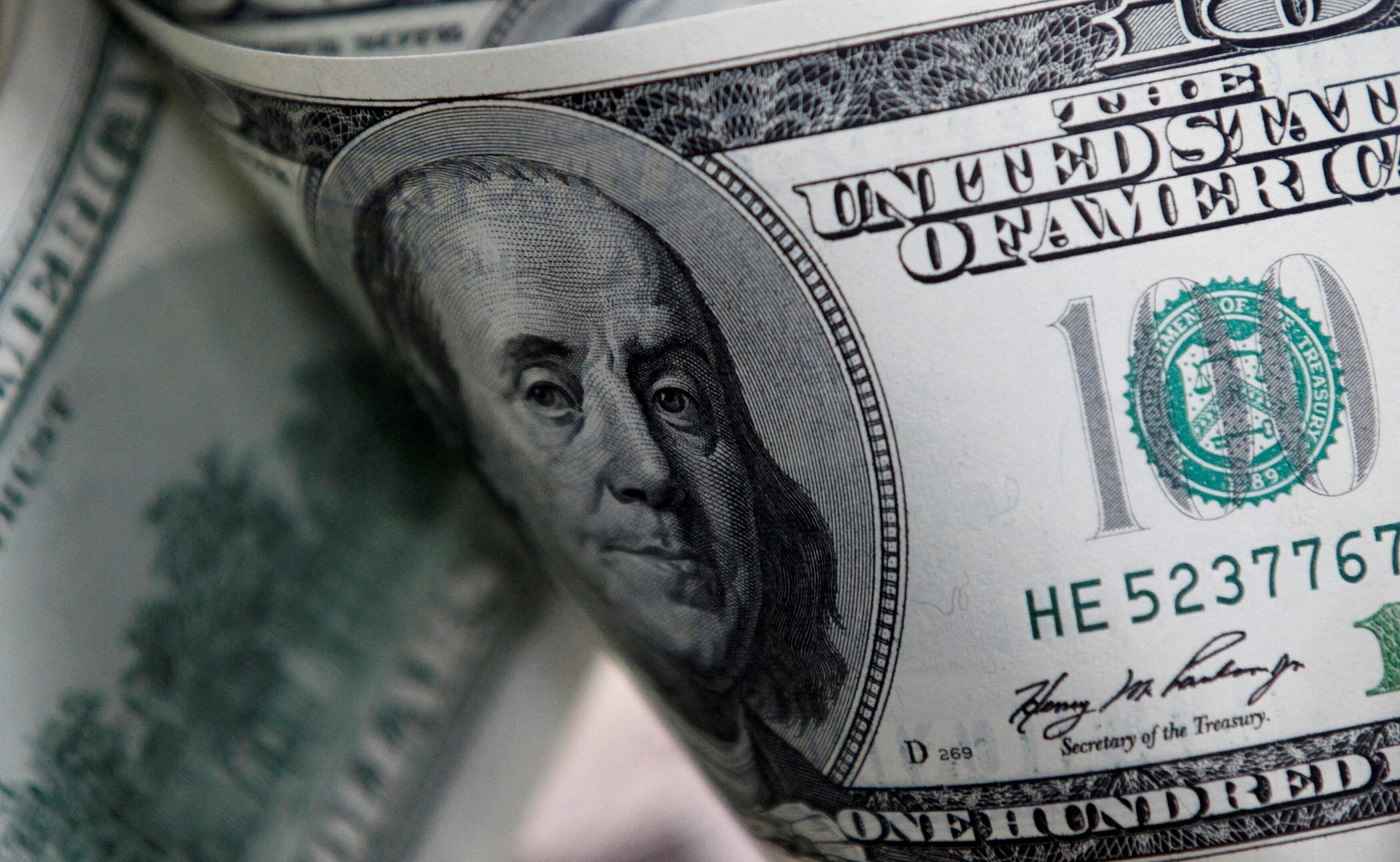
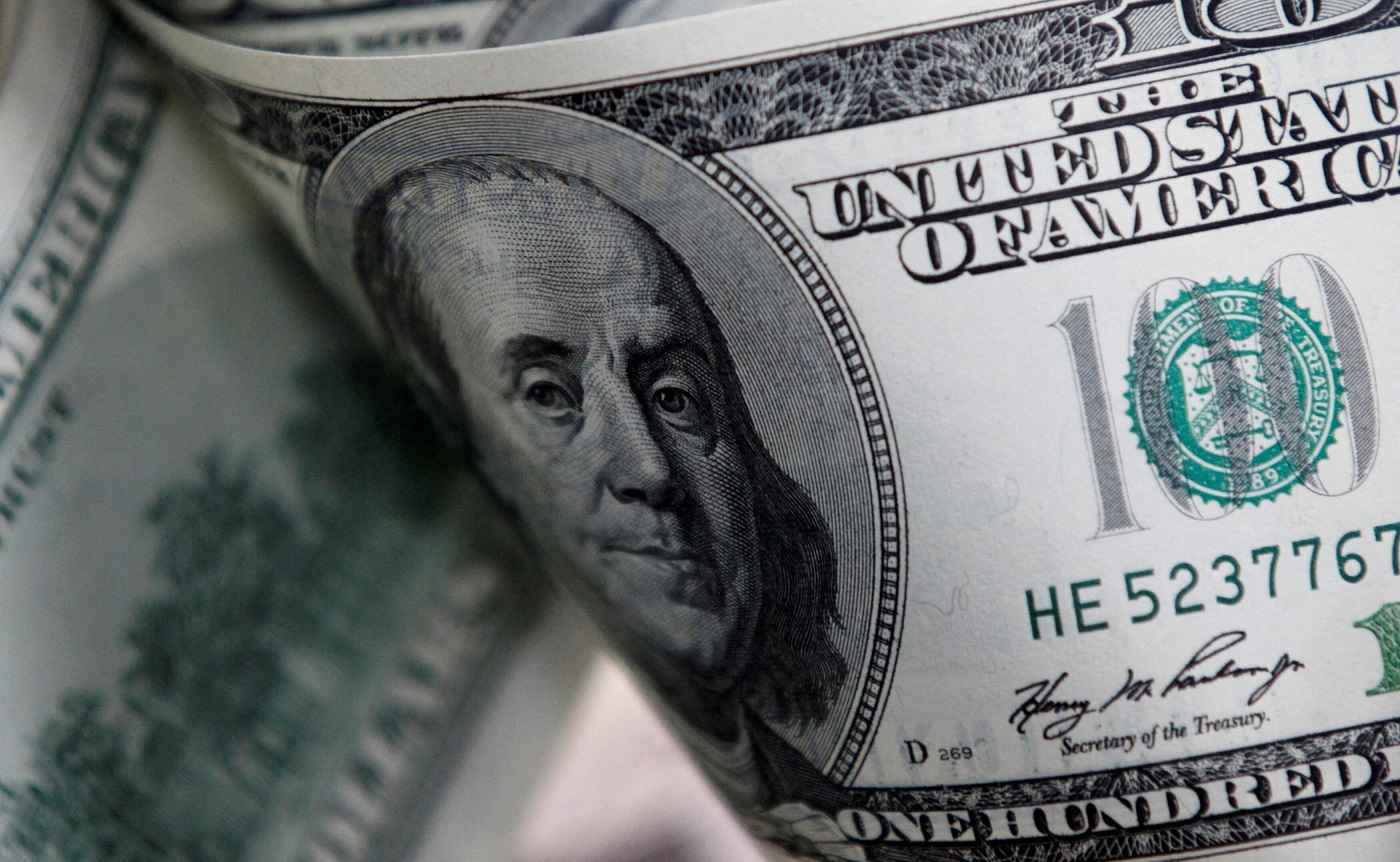
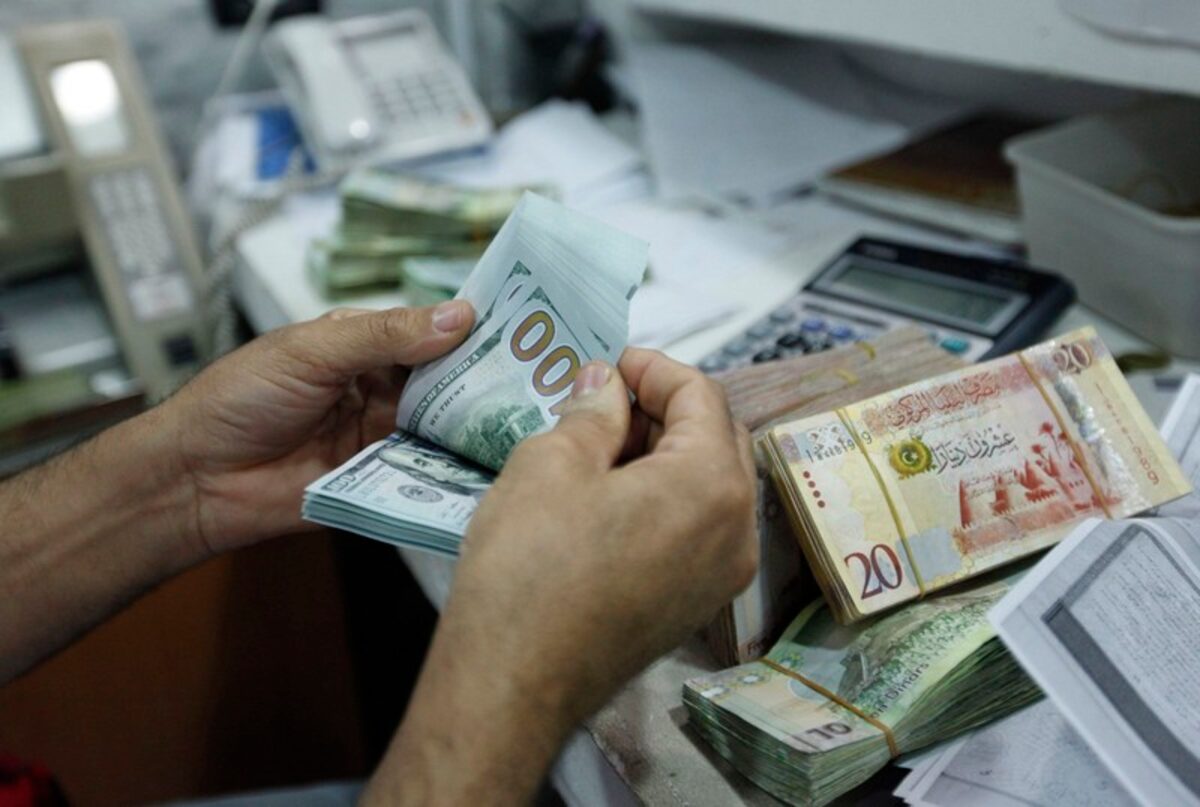
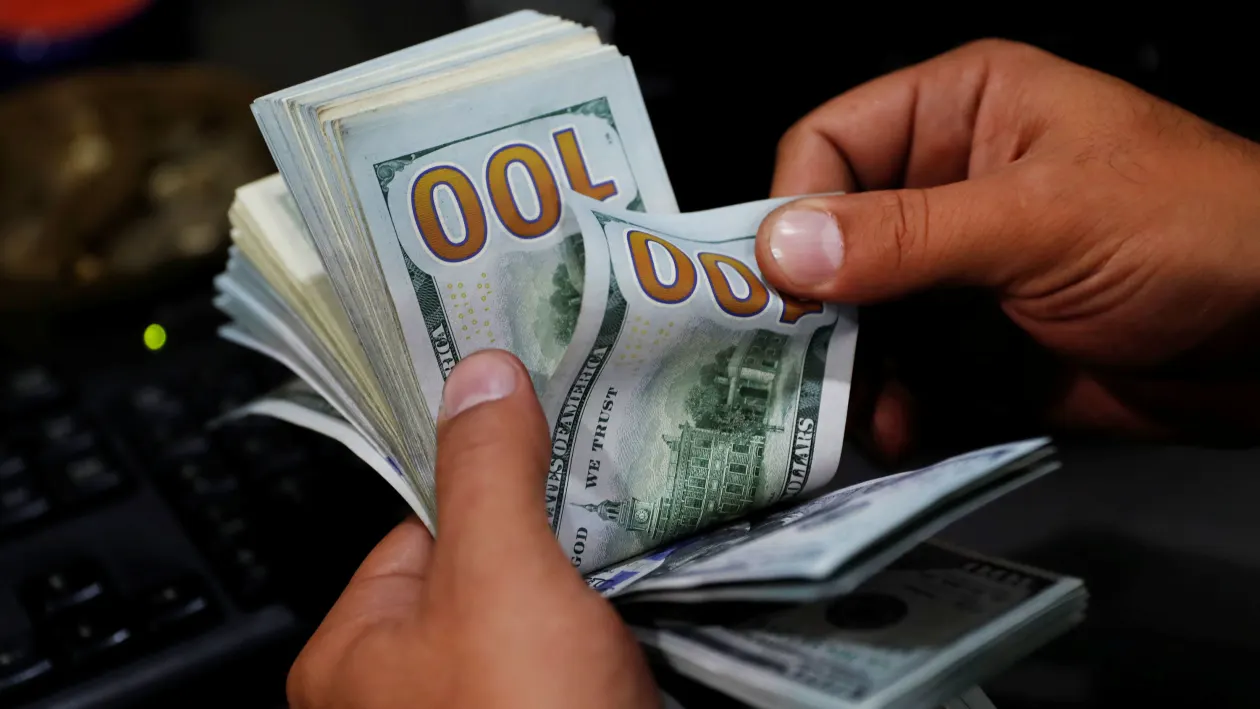
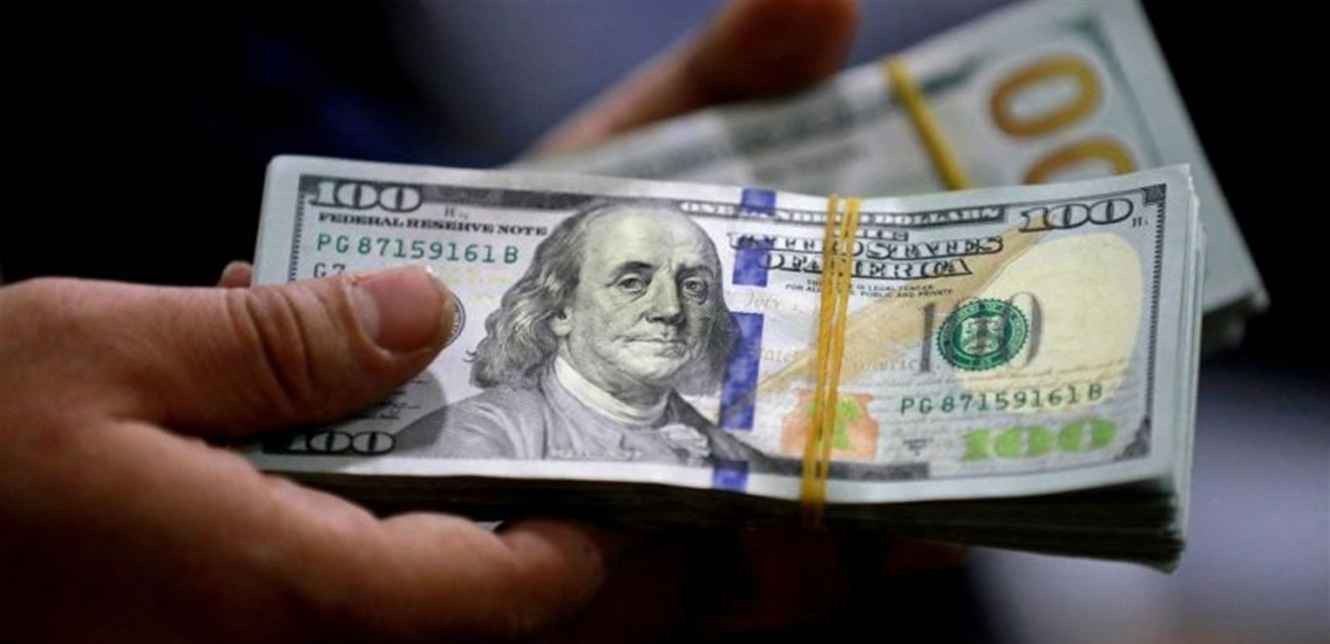
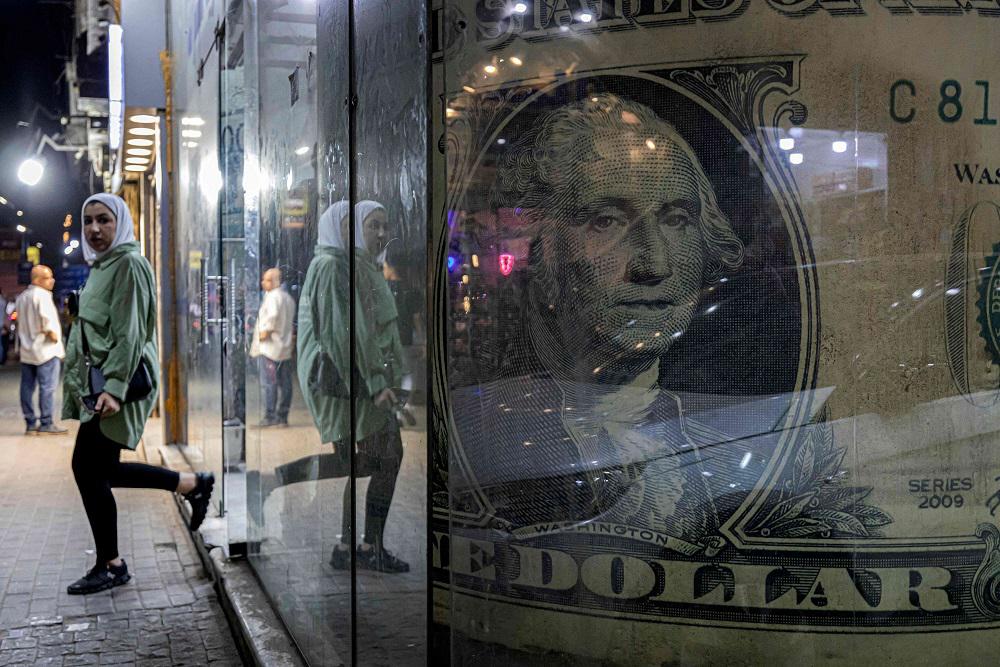
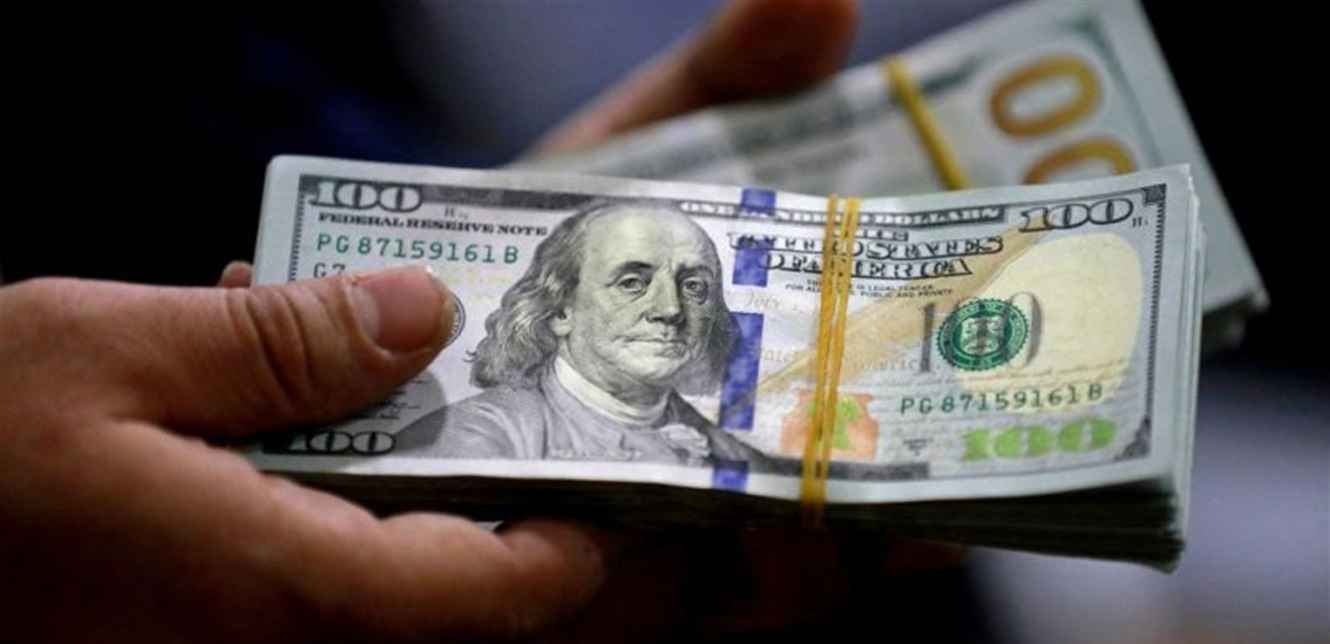
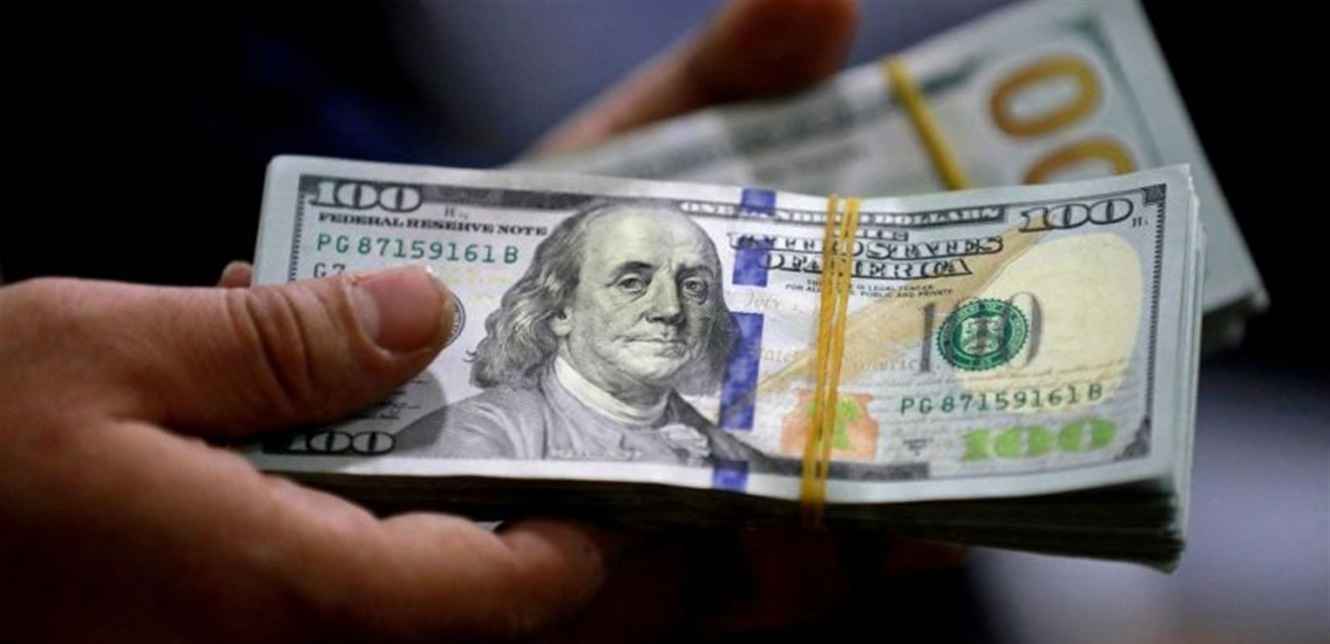
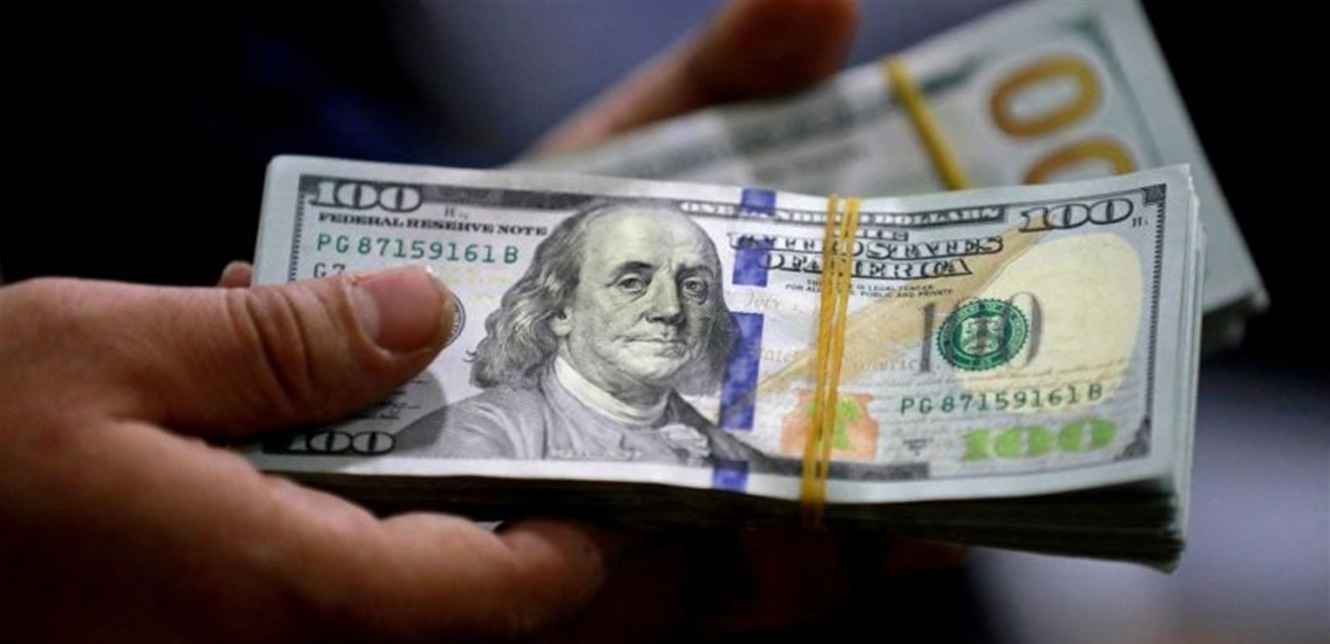
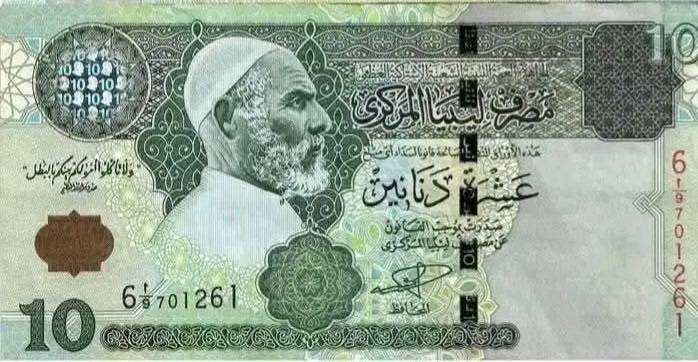
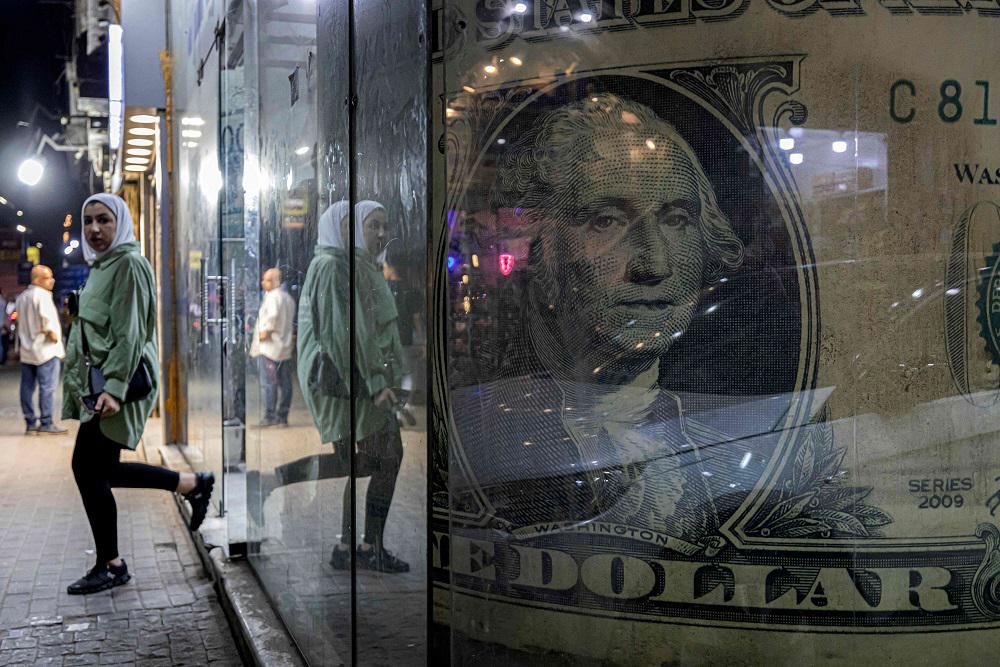
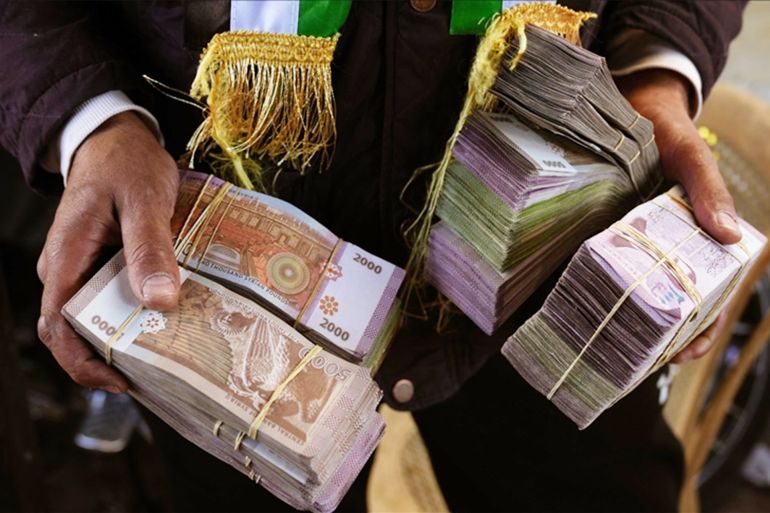
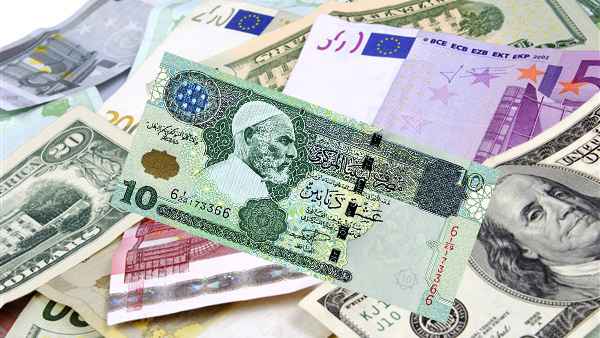
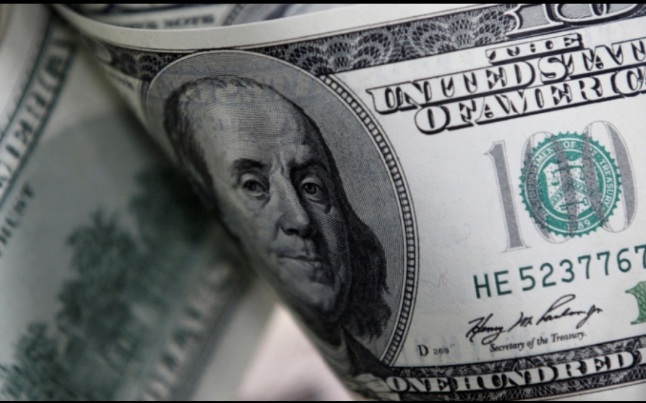
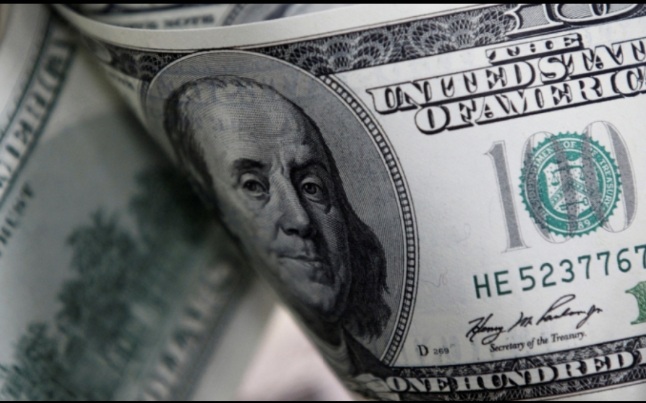
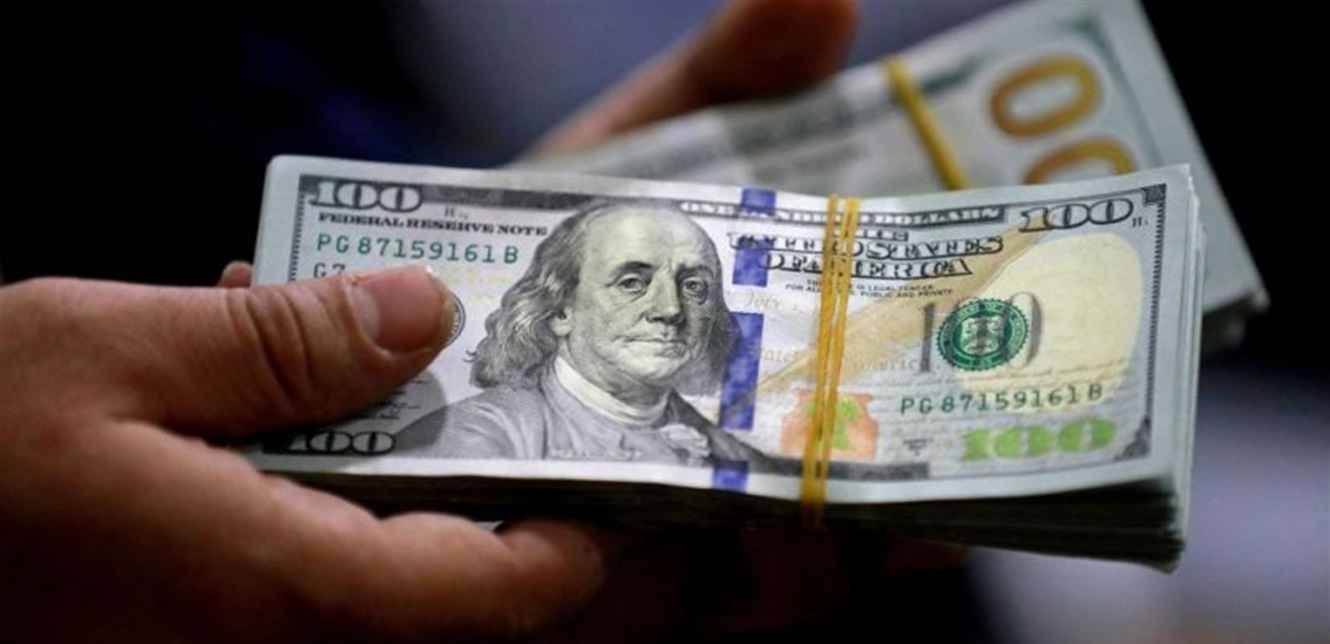
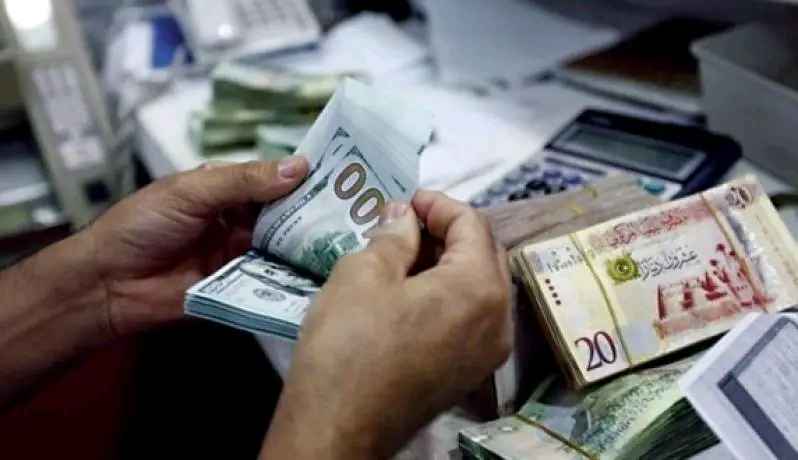
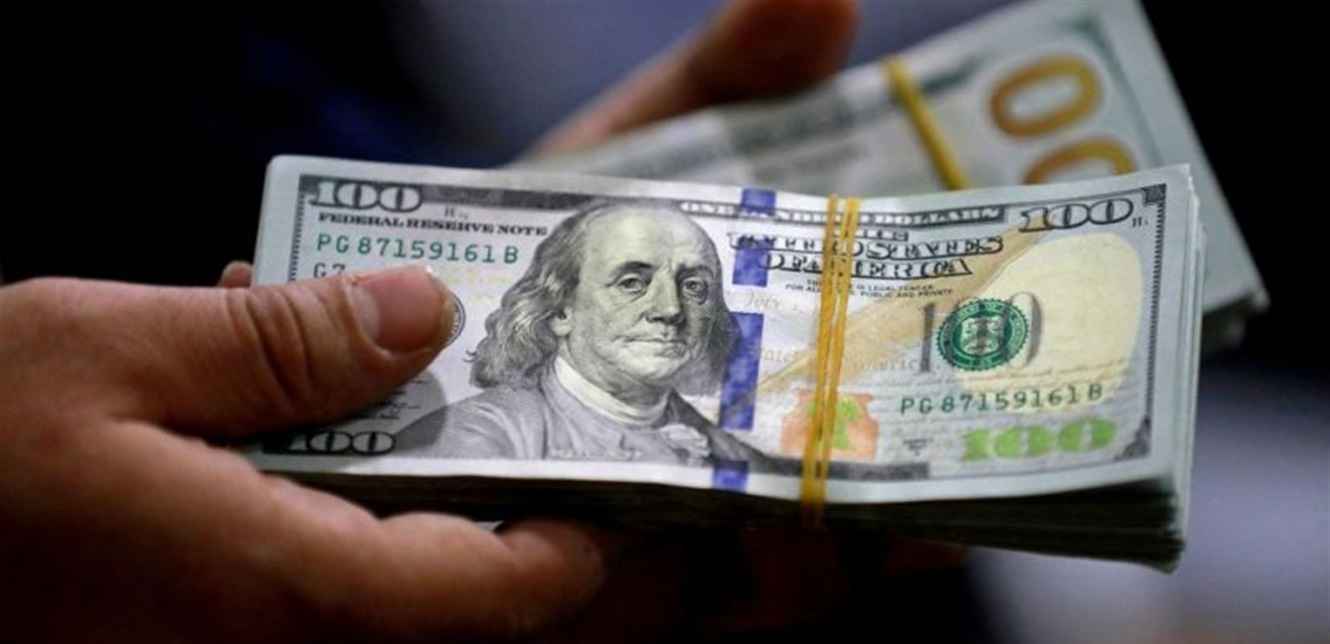
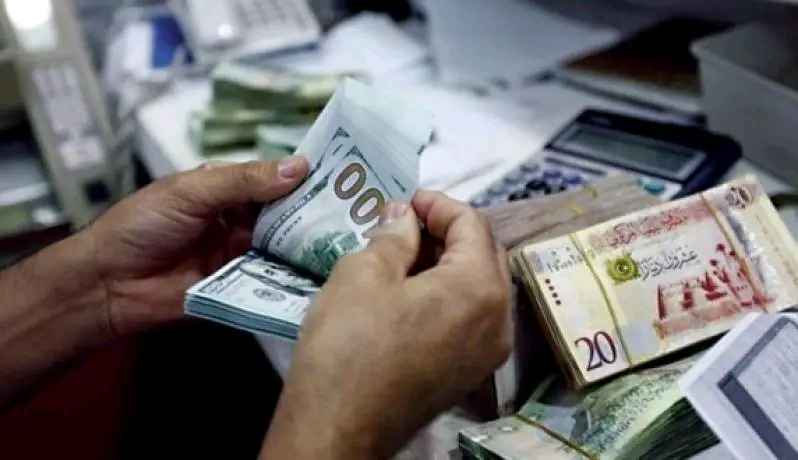
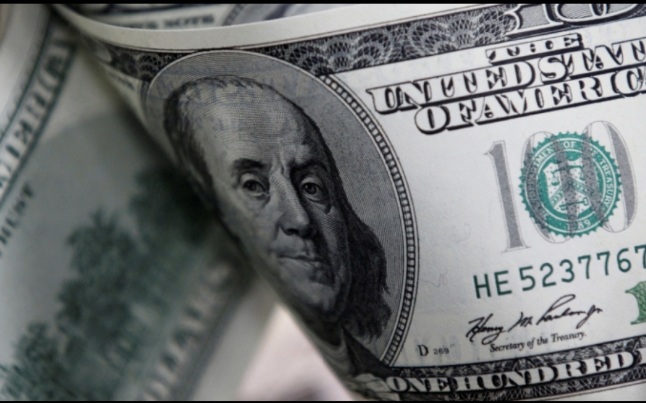
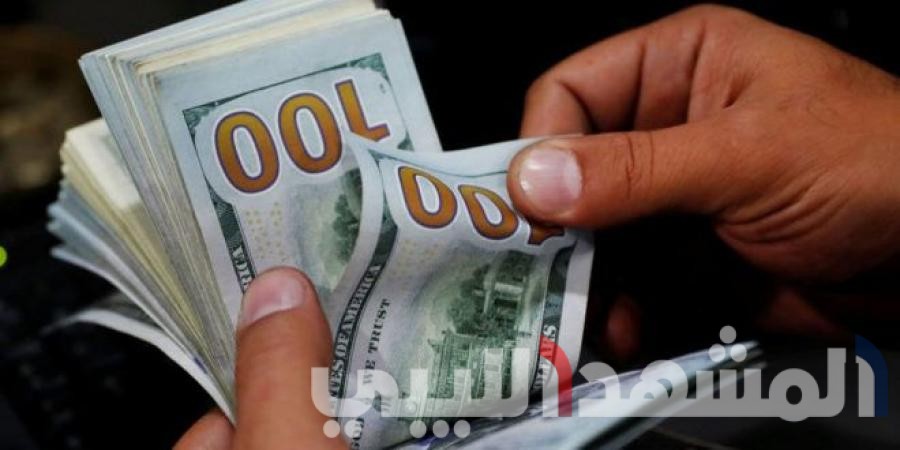
The dollar maintained its gains on Tuesday as markets anticipate a potential cut in US interest rates by the Federal Reserve.
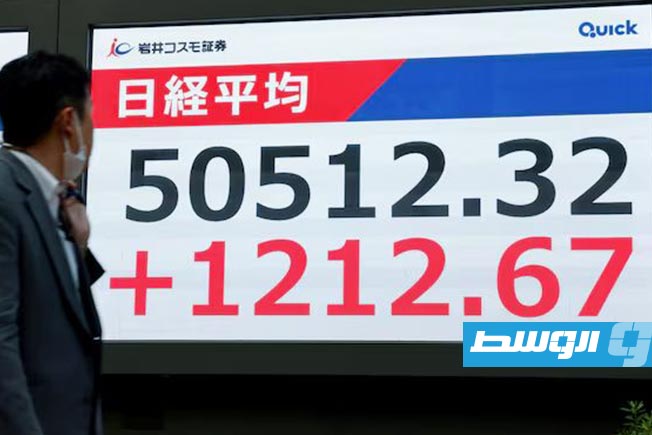
The yen pared its losses from yesterday after worse-than-expected Japanese economic data fueled expectations of increased government stimulus. The Australian dollar fell slightly after minutes from the Reserve Bank of Australia’s meeting showed policymakers are in no rush to raise interest rates.
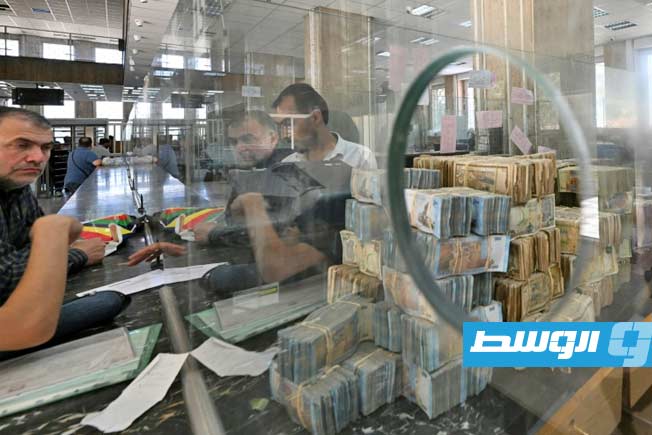
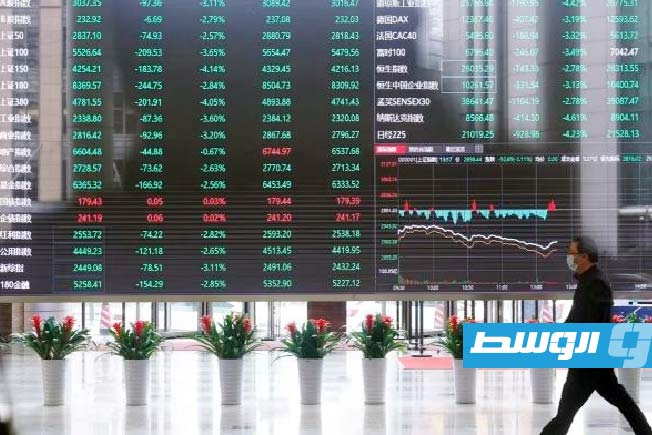
Trading was subdued today due to the closure of many Asian markets for the Lunar New Year holiday, following the Presidents’ Day holiday in the United States.
Dollar Index Rises
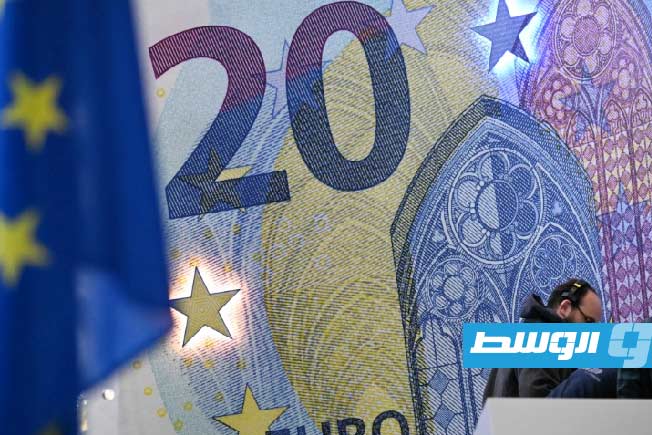
The dollar index, which measures the US currency against a basket of currencies, rose slightly to 97.12 after a 0.2% increase in the previous session. The euro fell 0.1% to $1.184.
The yen rose 0.3% to 153.04 yen per dollar, while the British pound fell 0.11% to $1.3607.
Data released on Friday showed US consumer prices rose less than expected in January, giving the Federal Reserve additional room to ease monetary policy this year. Money market traders anticipate easing of approximately 59 basis points for the remainder of the year.
United States
The United States is a federal republic founded in 1776 following its declaration of independence from Great Britain, establishing itself through a revolutionary war and the subsequent adoption of its Constitution in 1787. It grew from thirteen original colonies into a global superpower, with a history significantly shaped by westward expansion, industrialization, and pivotal events like the Civil War and the Civil Rights Movement. Its diverse cultural landscape is a product of immigration and its influential role in 20th and 21st-century geopolitics, economics, and popular culture.
Federal Reserve
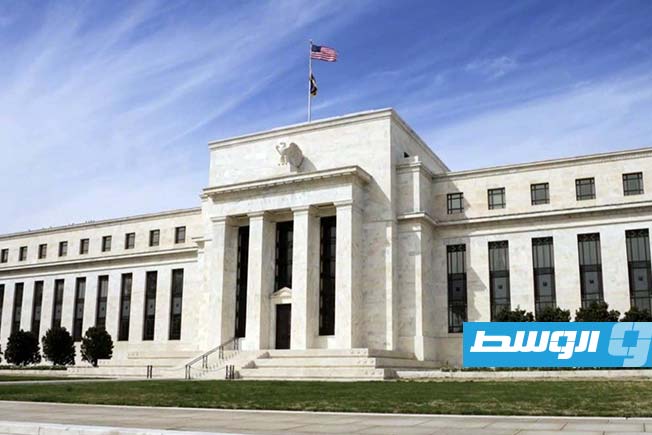
The Federal Reserve is the central banking system of the United States, established in 1913 by the Federal Reserve Act to provide the country with a safer, more flexible, and more stable monetary and financial system. It conducts national monetary policy, supervises and regulates banks, and works to maintain the stability of the financial system.
Japan
Japan is an island nation in East Asia with a rich cultural heritage spanning over two millennia, from its early imperial history and feudal samurai era to its rapid modernization following the Meiji Restoration. It is renowned for its unique traditions, such as Shinto and Buddhism, tea ceremonies, and classical arts, alongside globally influential modern contributions in technology and pop culture.
Australia
Australia is a continent and nation with a rich Indigenous history spanning over 65,000 years, followed by British colonization beginning in 1788. It is known for its unique ecosystems, iconic landmarks like Uluru and the Sydney Opera House, and a modern multicultural society shaped by waves of immigration.
Reserve Bank of Australia
The Reserve Bank of Australia (RBA) is the country’s central bank, established in 1960 to issue currency and set monetary policy. It succeeded the Commonwealth Bank of Australia, which had performed central banking functions since 1911.
Asian markets
Asian markets refer to the financial trading hubs across Asia, such as Tokyo, Hong Kong, and Singapore, which have grown significantly since the late 20th century. Their development has been closely tied to regional economic liberalization and globalization, transforming them into major centers for capital and investment. Today, they are integral to the global financial system, operating in different time zones to facilitate continuous worldwide trading.
Lunar New Year
The Lunar New Year is a major cultural festival celebrated across East and Southeast Asia, marking the beginning of a new year on the traditional lunisolar calendar. Its history dates back thousands of years to agrarian societies in ancient China, where it was a time to pray for good harvests and honor household and heavenly deities. The holiday is characterized by family reunions, symbolic foods, and customs like giving red envelopes to bring luck and prosperity in the coming year.
Presidents’ Day
Presidents’ Day is a federal holiday in the United States celebrated on the third Monday of February, originally established in 1885 to honor George Washington’s birthday. It has since evolved to commemorate all U.S. presidents, particularly Washington and Abraham Lincoln, and is often associated with retail sales and patriotic reflection.
Dollar Index
The Dollar Index, also known as DXY, is a financial measure that tracks the value of the United States dollar relative to a basket of six major world currencies. It was established in 1973, shortly after the collapse of the Bretton Woods system, to provide a benchmark for the dollar’s international strength.
US
The United States is a federal republic founded in 1776 after declaring independence from Great Britain. Its history is marked by westward expansion, a civil war over slavery, and its emergence as a global superpower in the 20th century. The nation is defined by its diverse population, democratic institutions, and significant cultural and economic influence worldwide.
euro
The Euro is the official currency of the Eurozone, which consists of 20 of the 27 member states of the European Union. It was introduced in non-physical form in 1999 and as physical banknotes and coins in 2002, representing a major step in European economic integration. Its creation was driven by the goal of fostering stability, economic cooperation, and a unified identity within the participating nations.
yen
The yen is the official currency of Japan, introduced by the Meiji government in 1871 as part of the modernization of the country’s monetary system. It replaced the complex feudal system of currency used during the Edo period and has since become one of the world’s major reserve currencies.
British pound
The British pound, officially known as pound sterling, is the world’s oldest currency still in use, with origins tracing back to Anglo-Saxon times. It was historically a unit of weight for silver, and its symbol (£) derives from the Latin word *libra*, meaning a unit of weight.