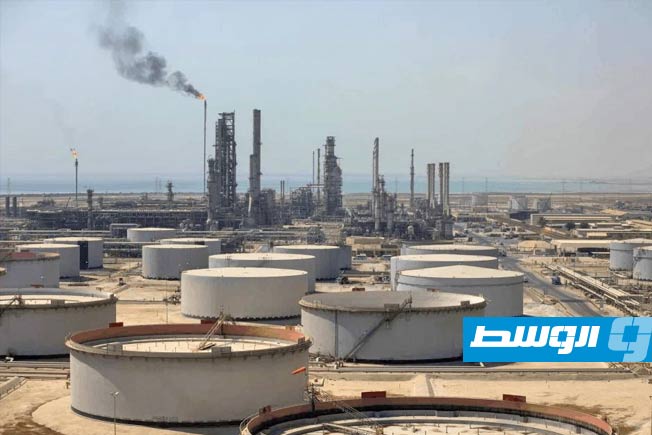
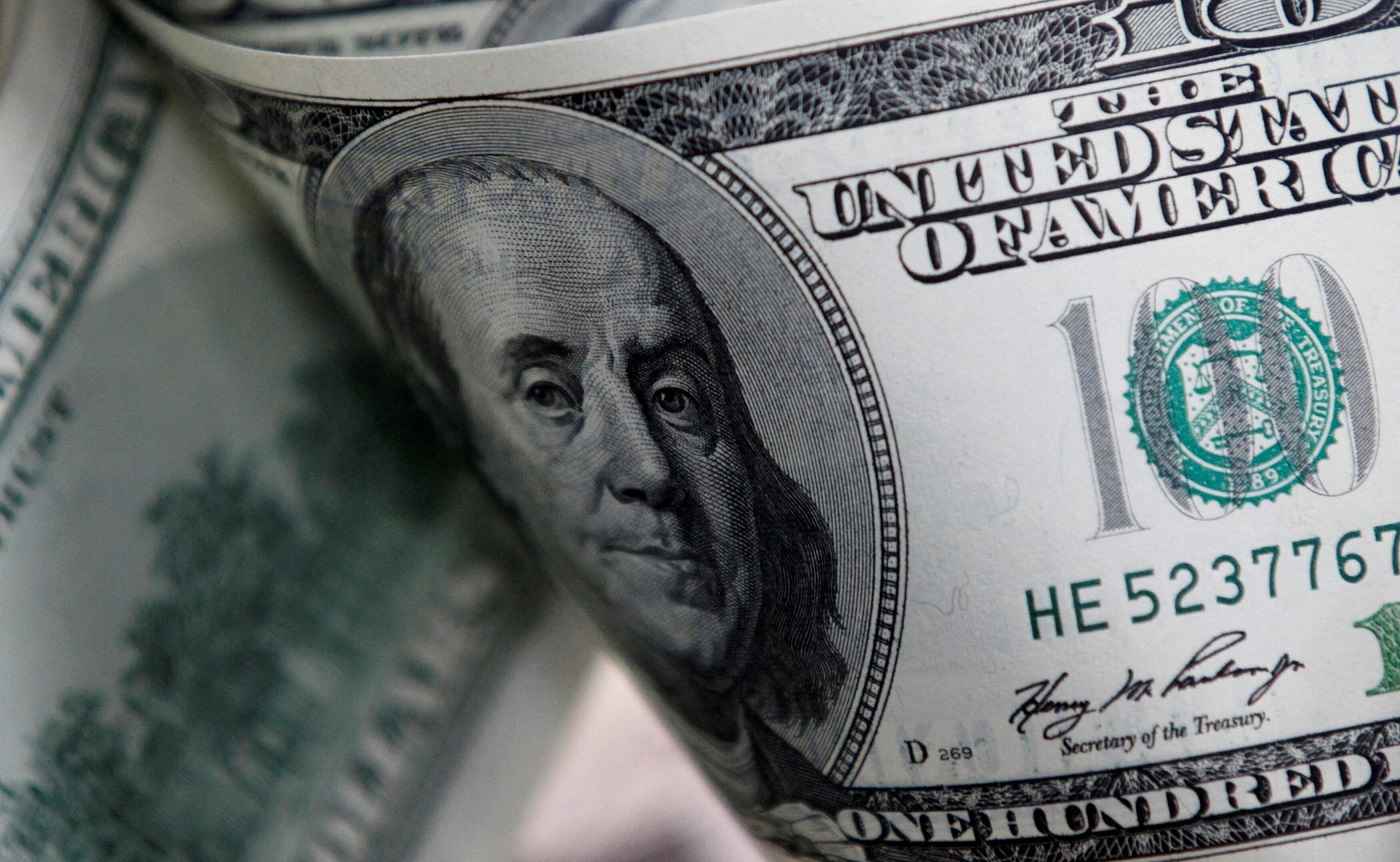
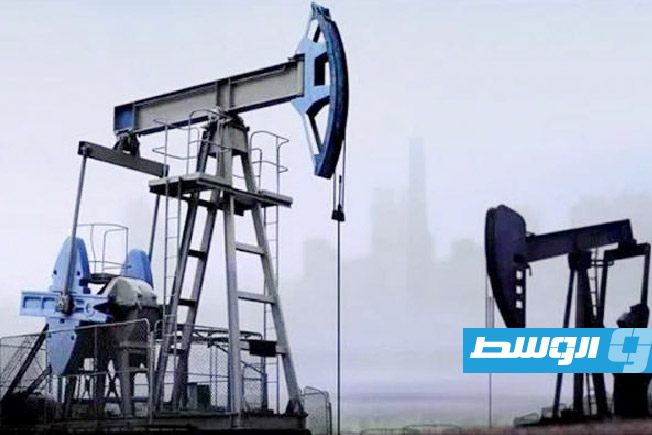
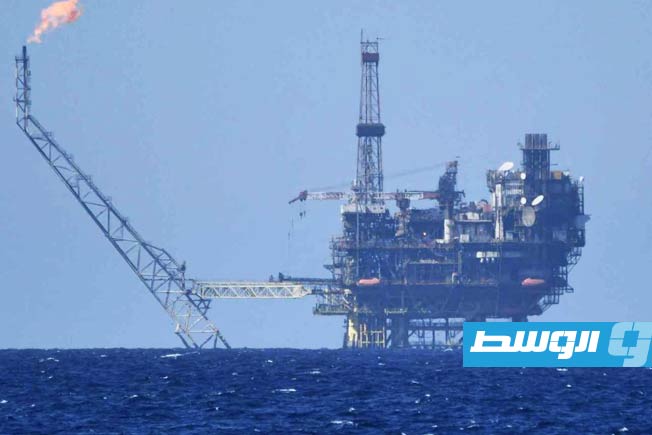
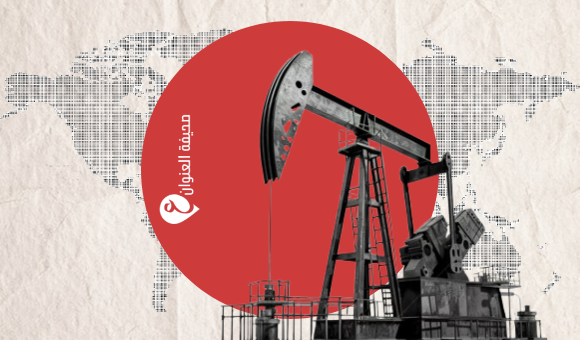
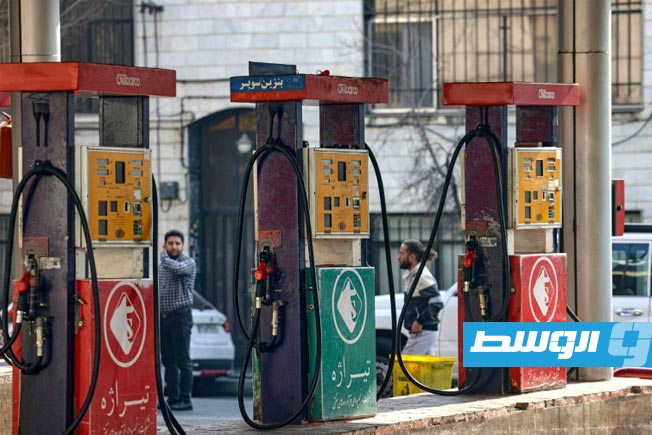
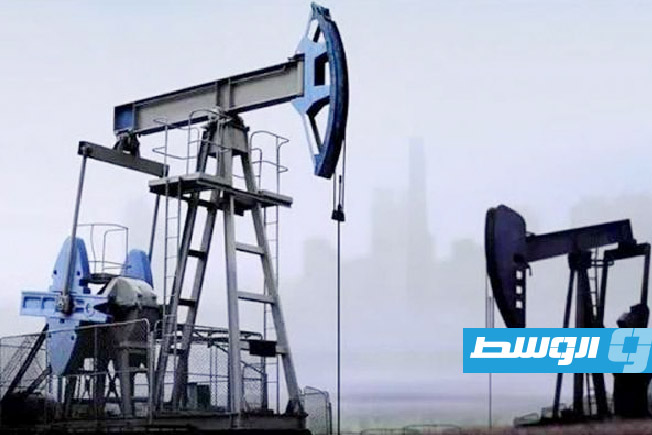
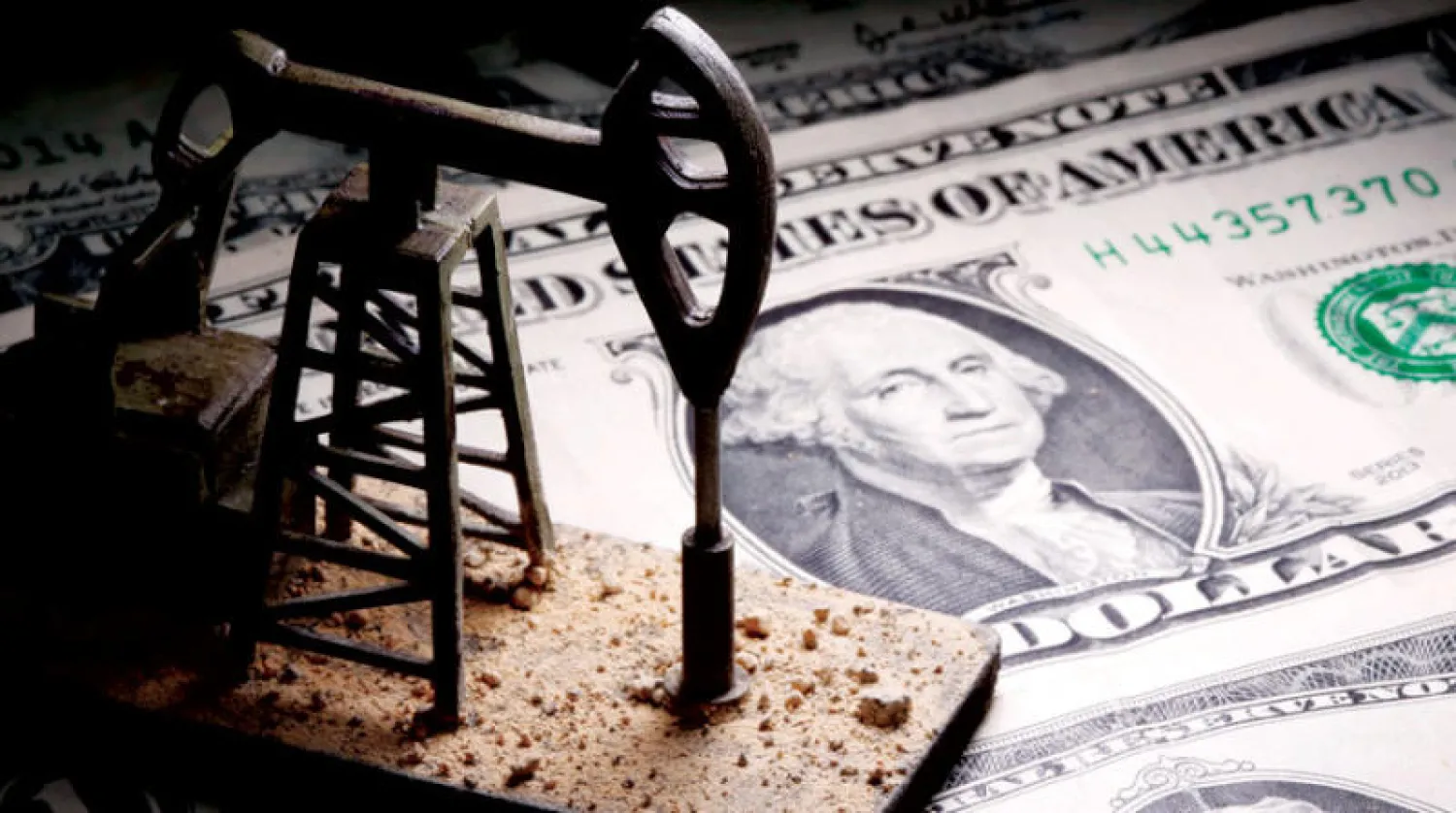
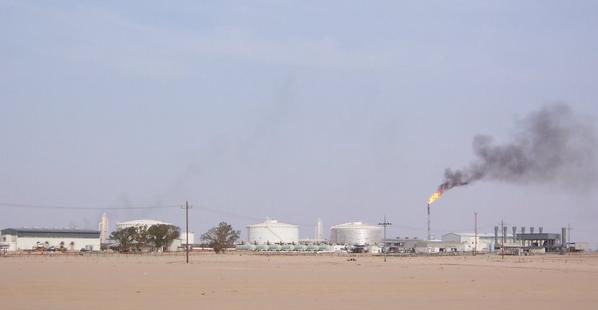
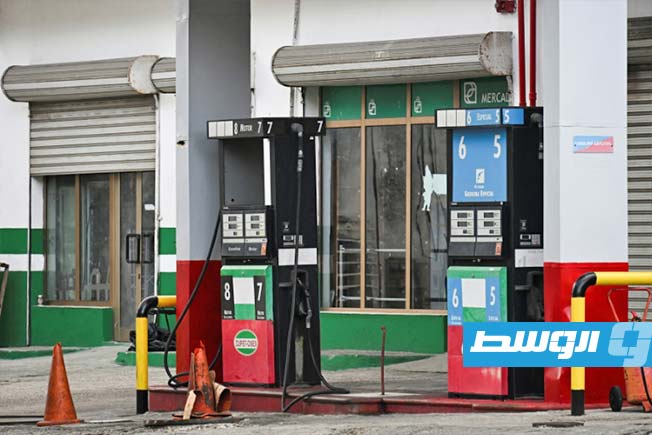
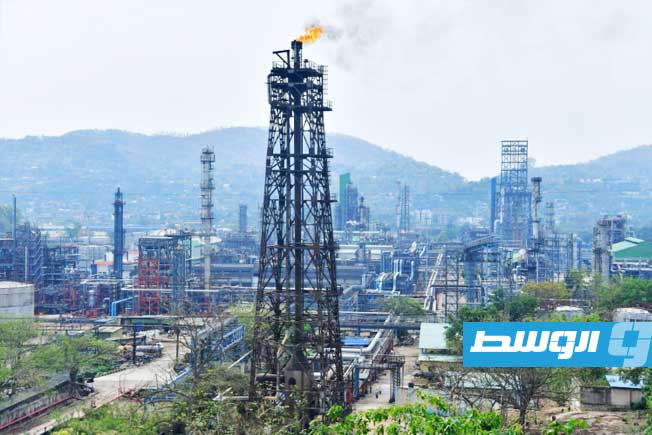
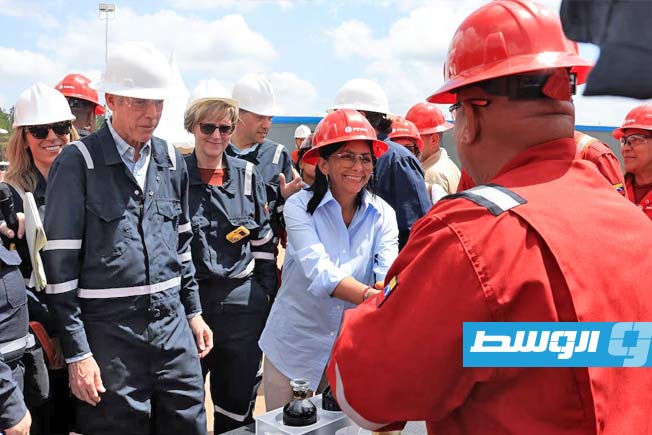
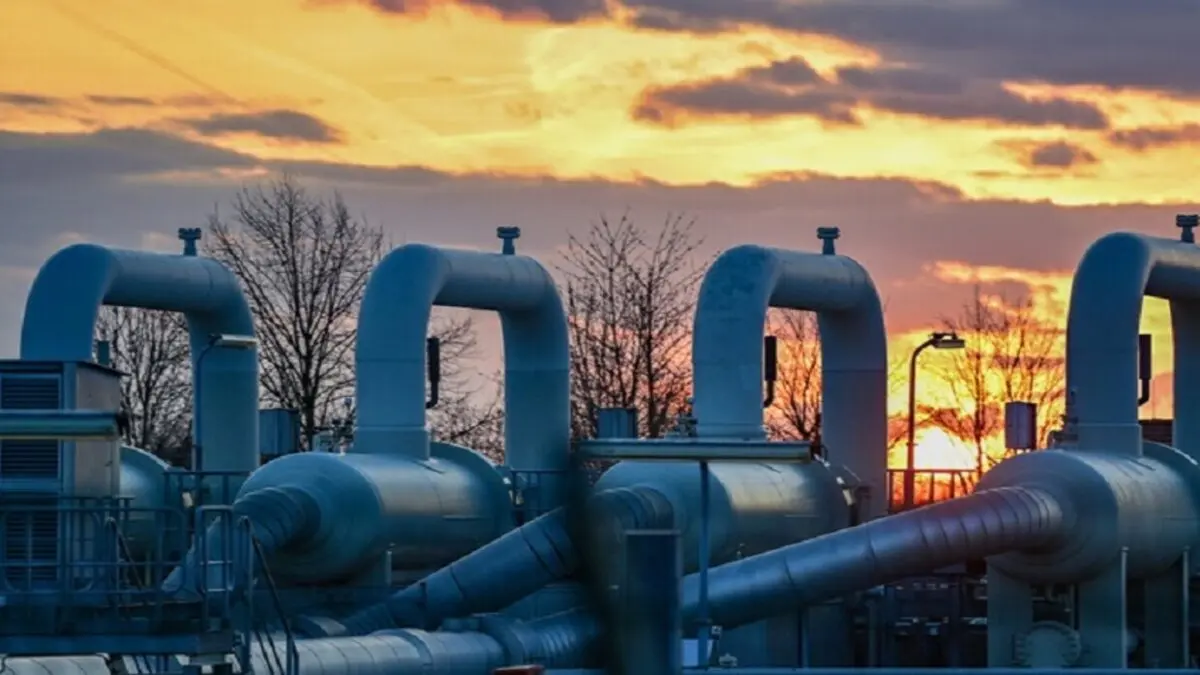
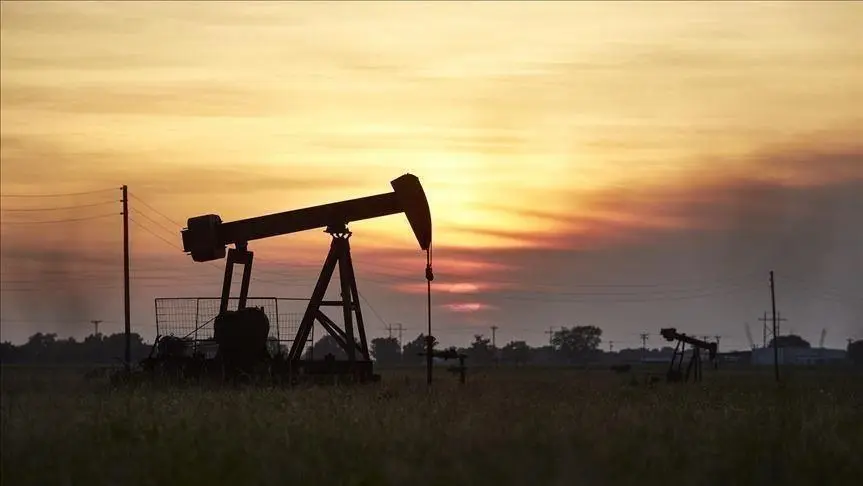
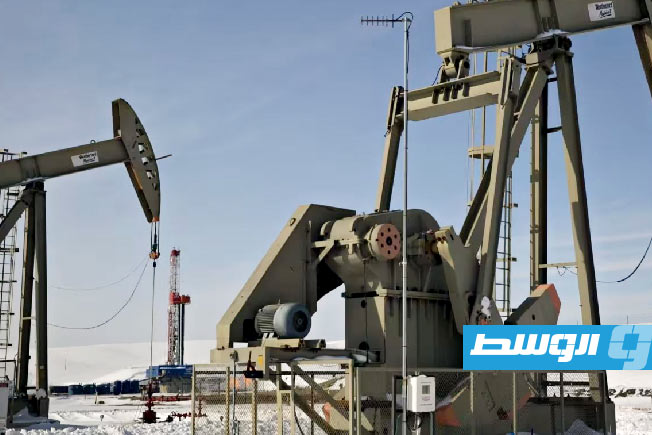
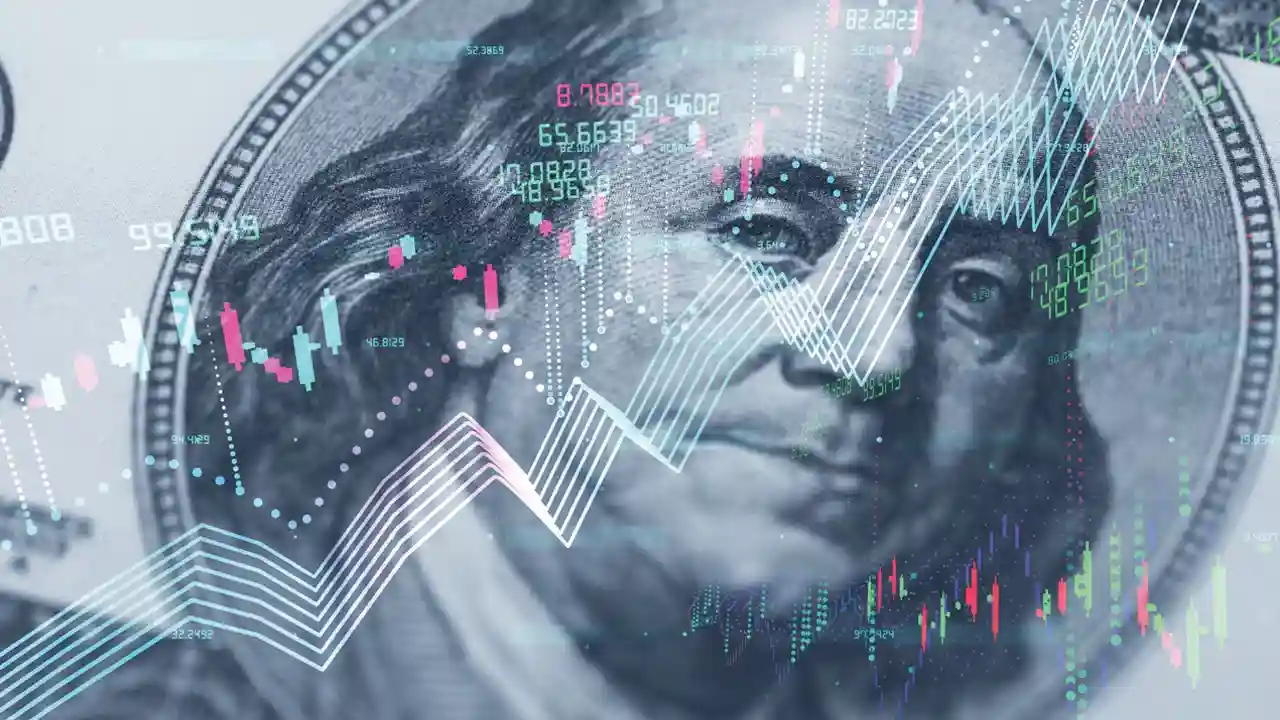
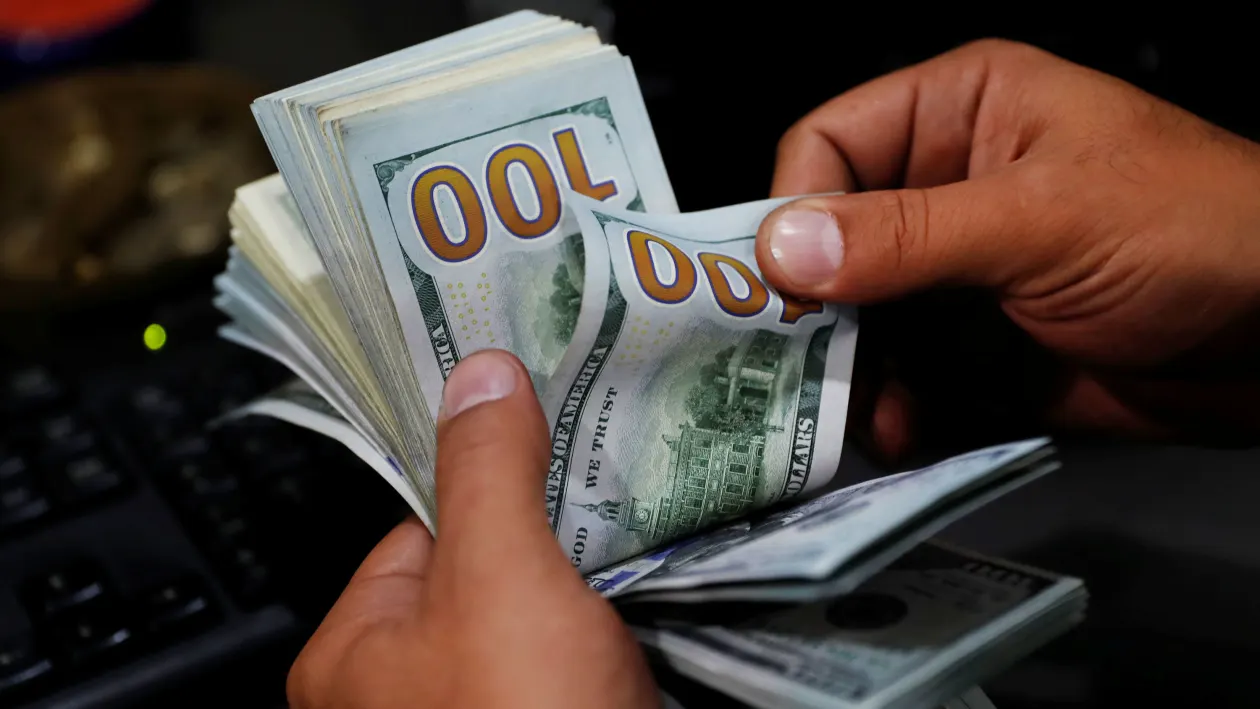
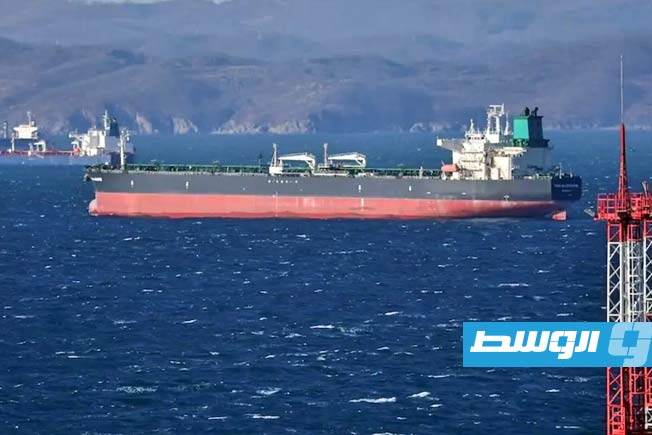
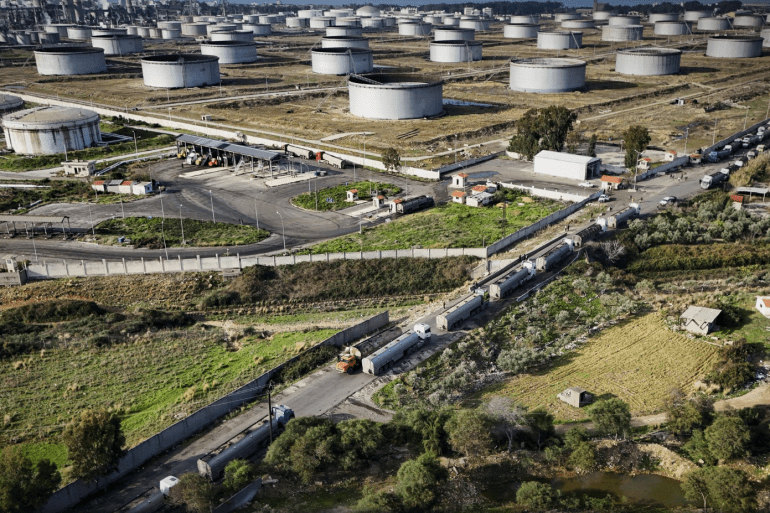
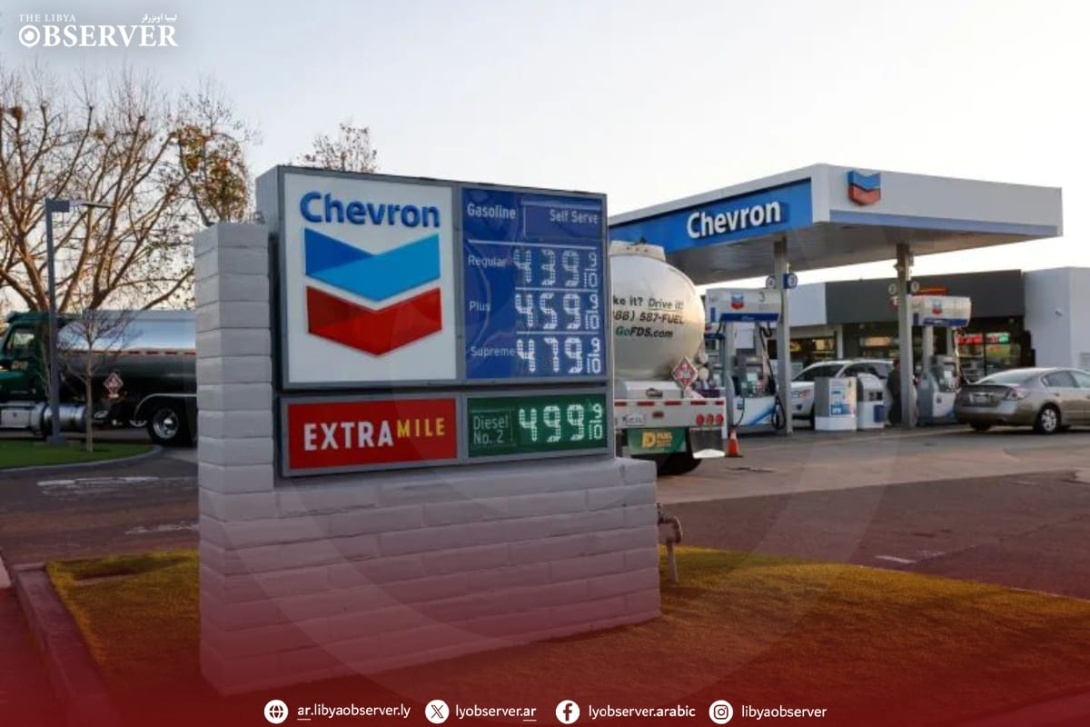
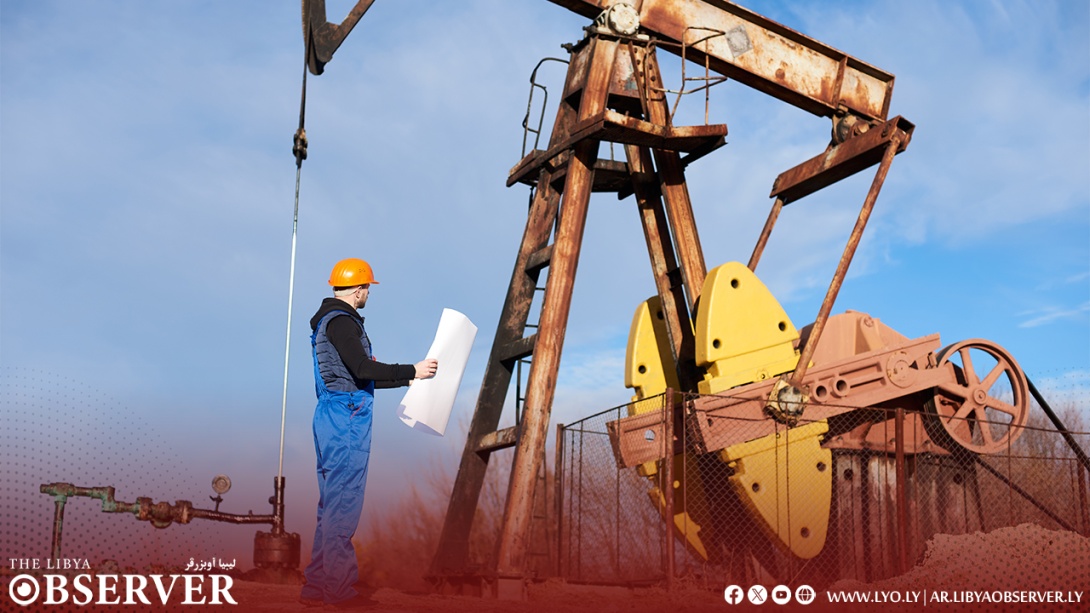
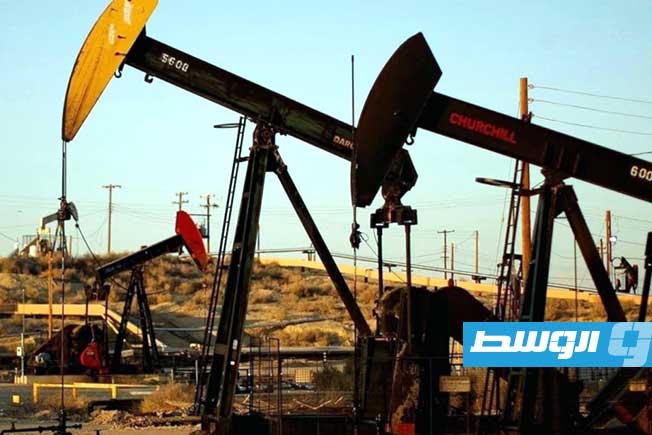
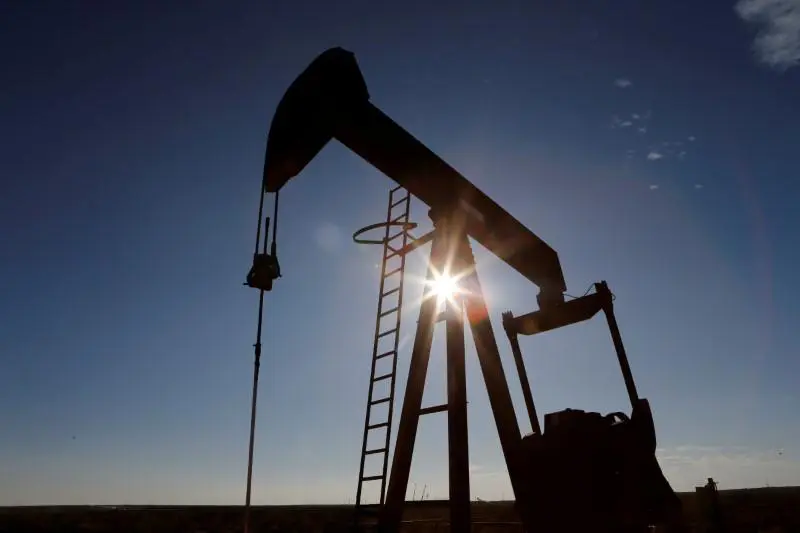
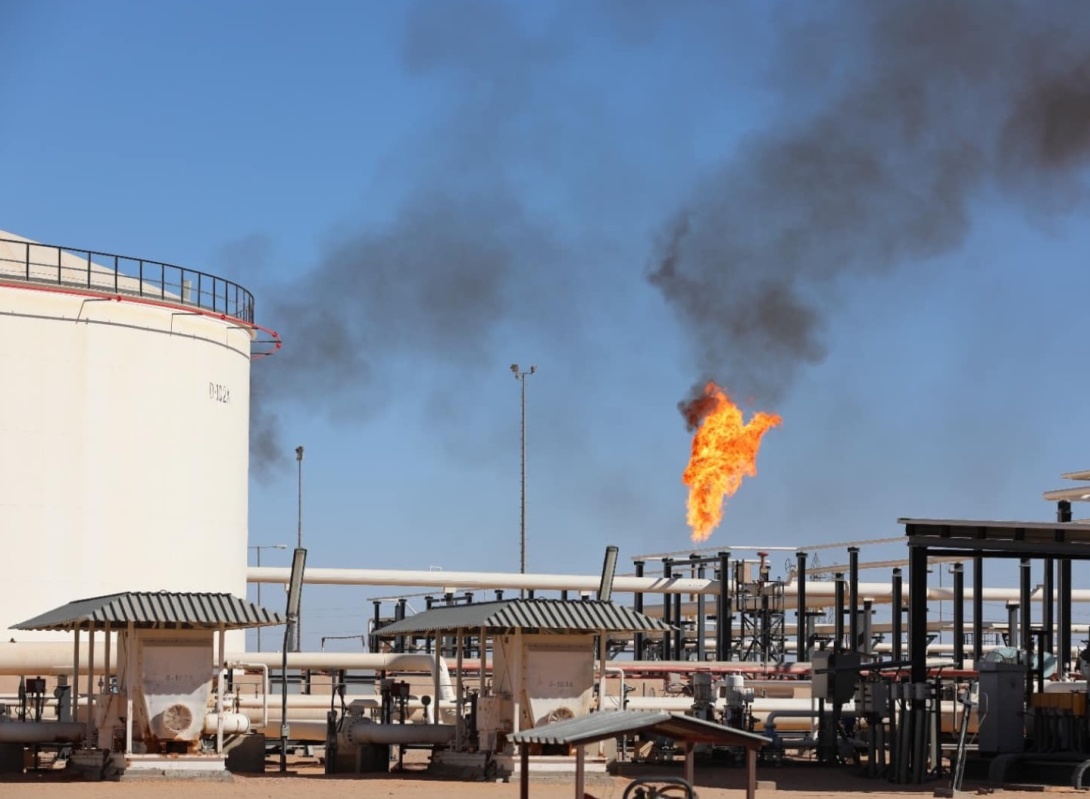
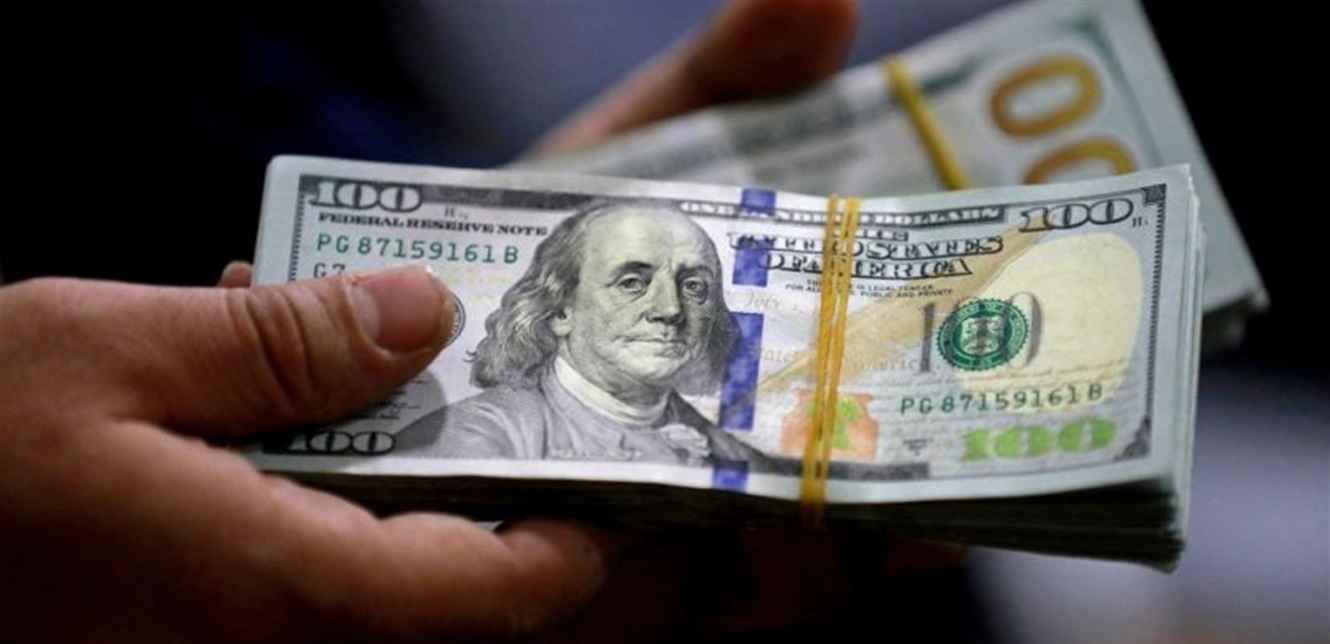
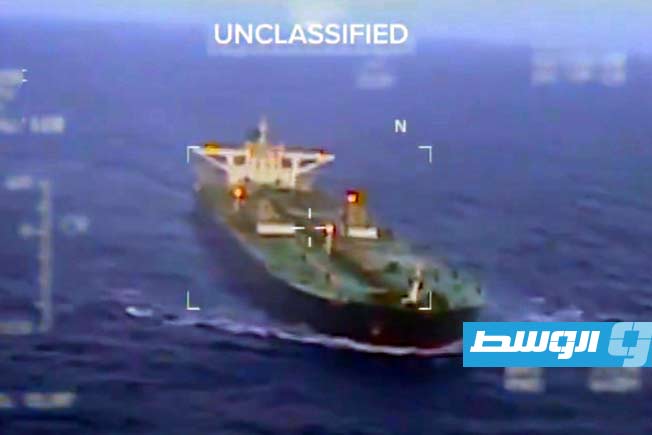
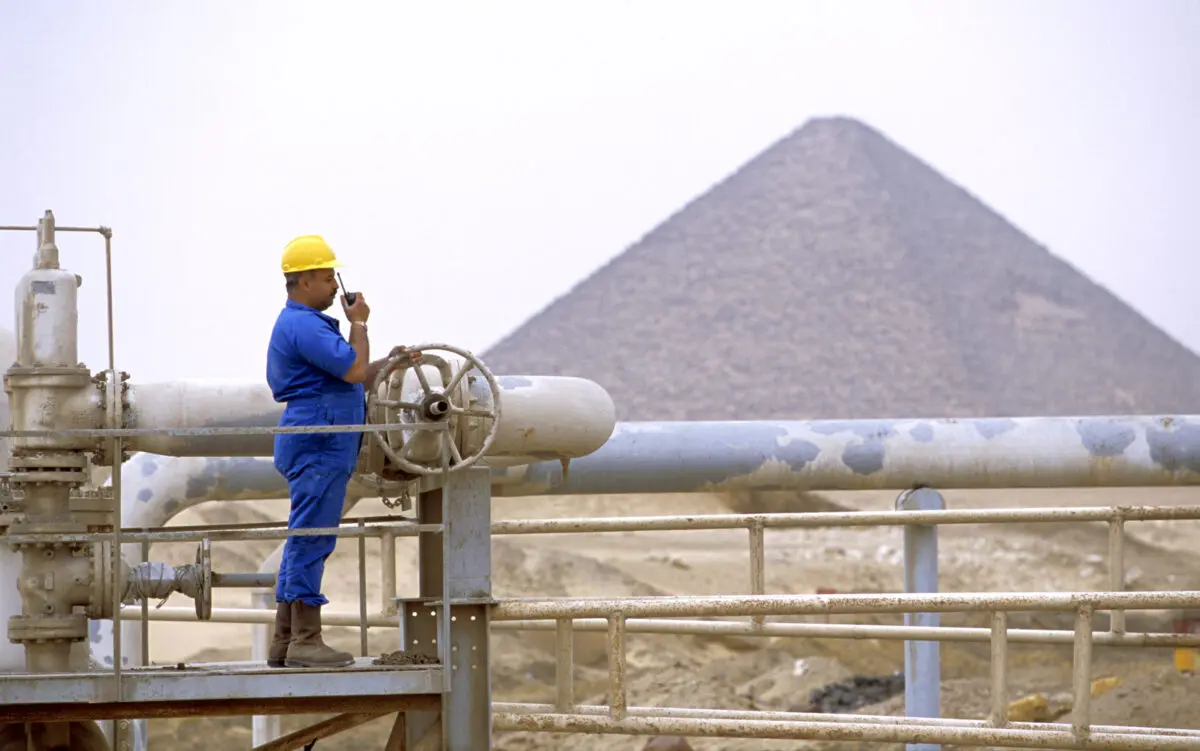
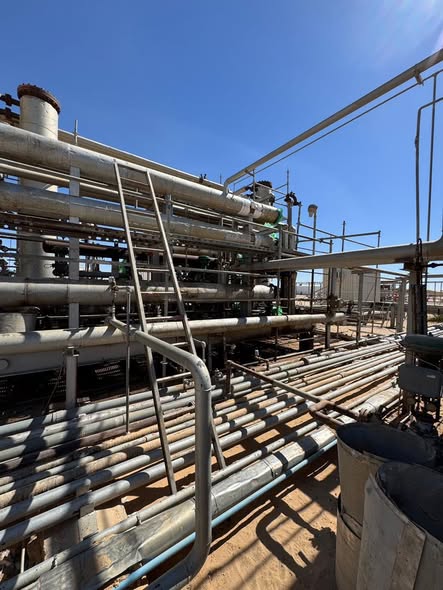
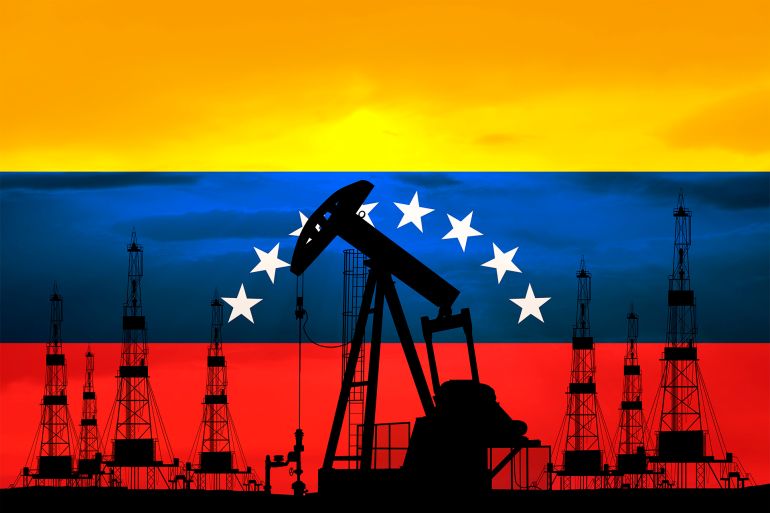
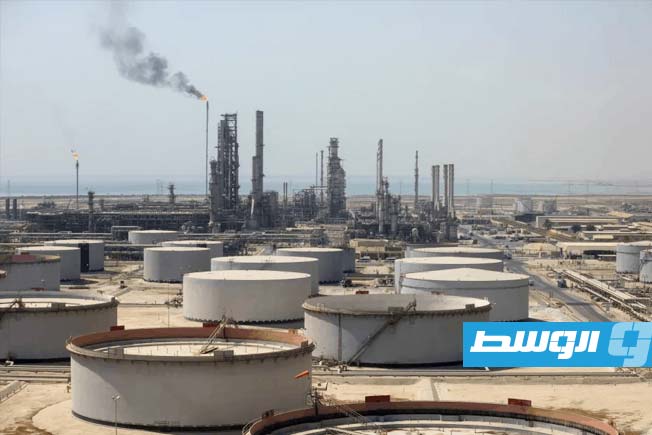
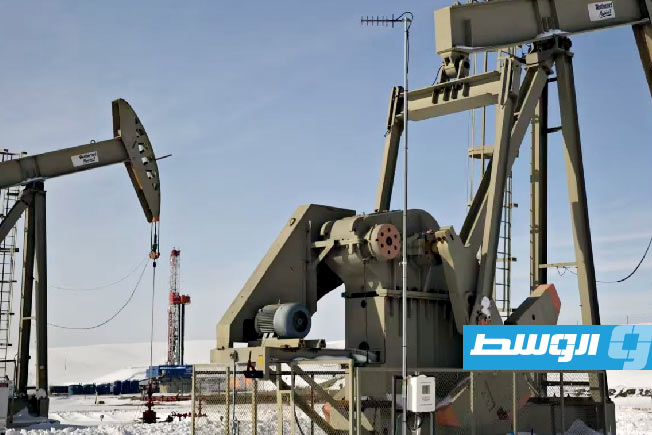
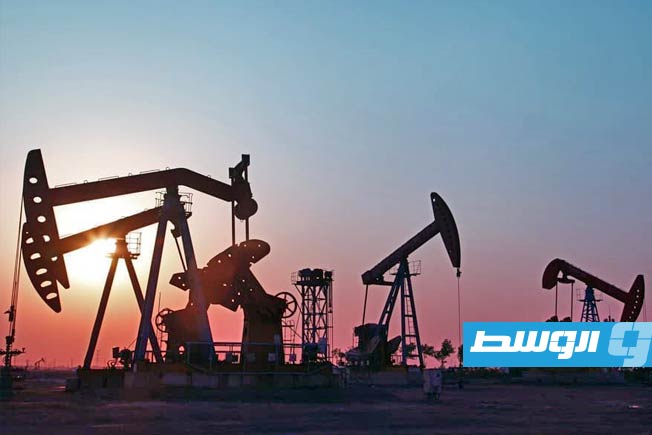
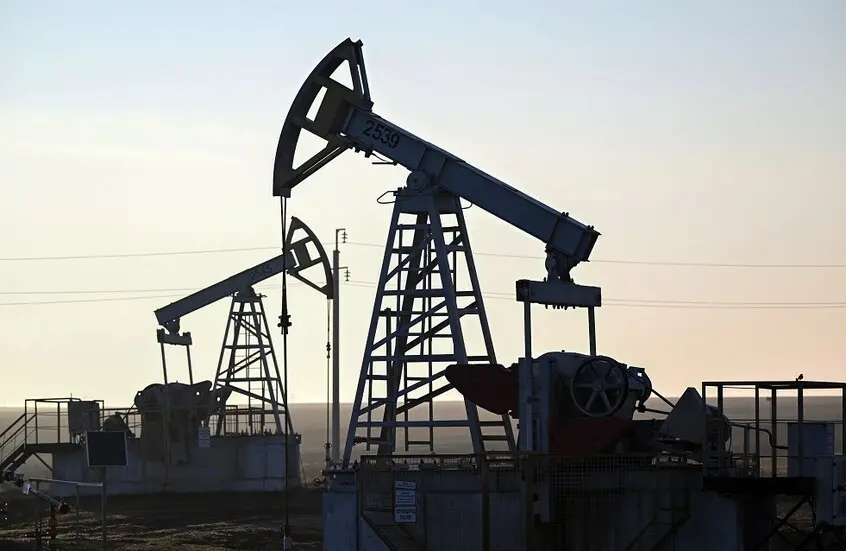
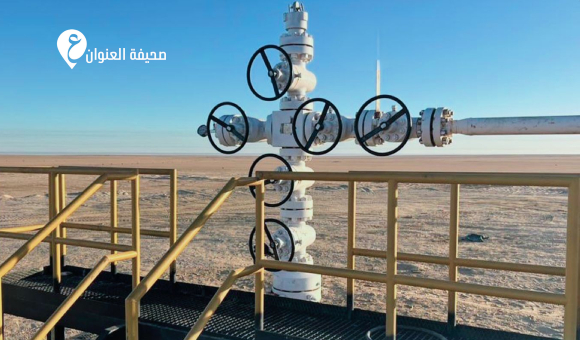
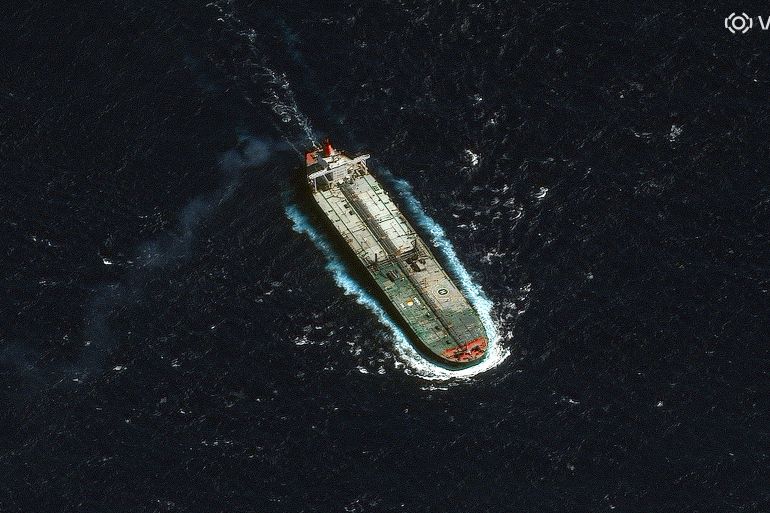
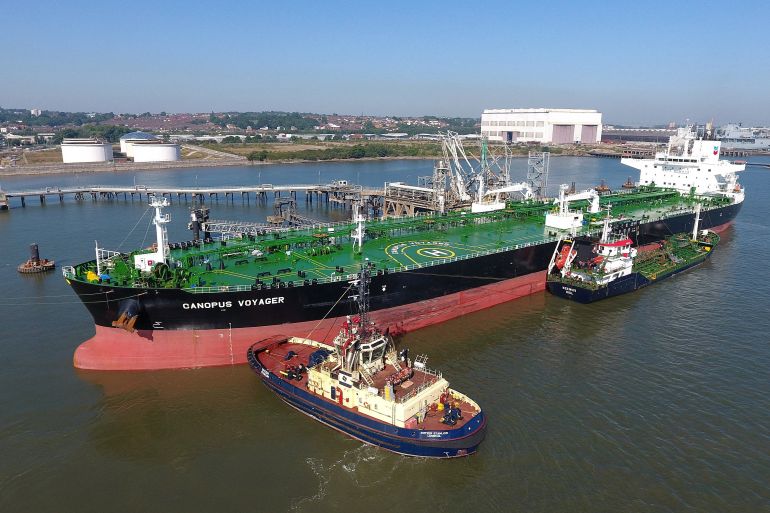
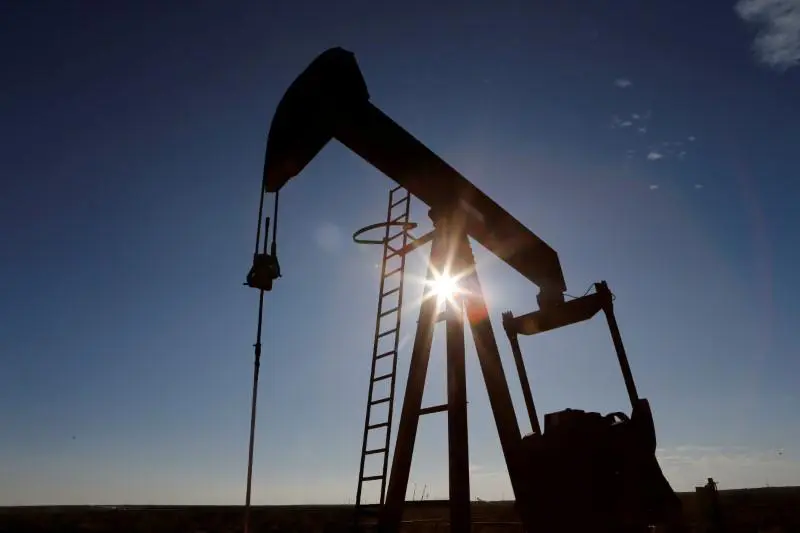
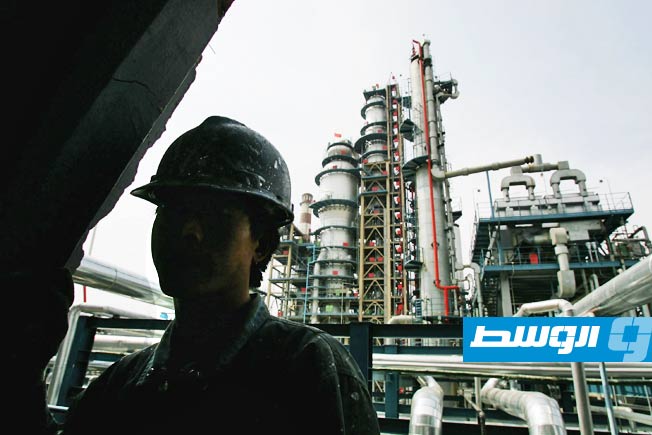
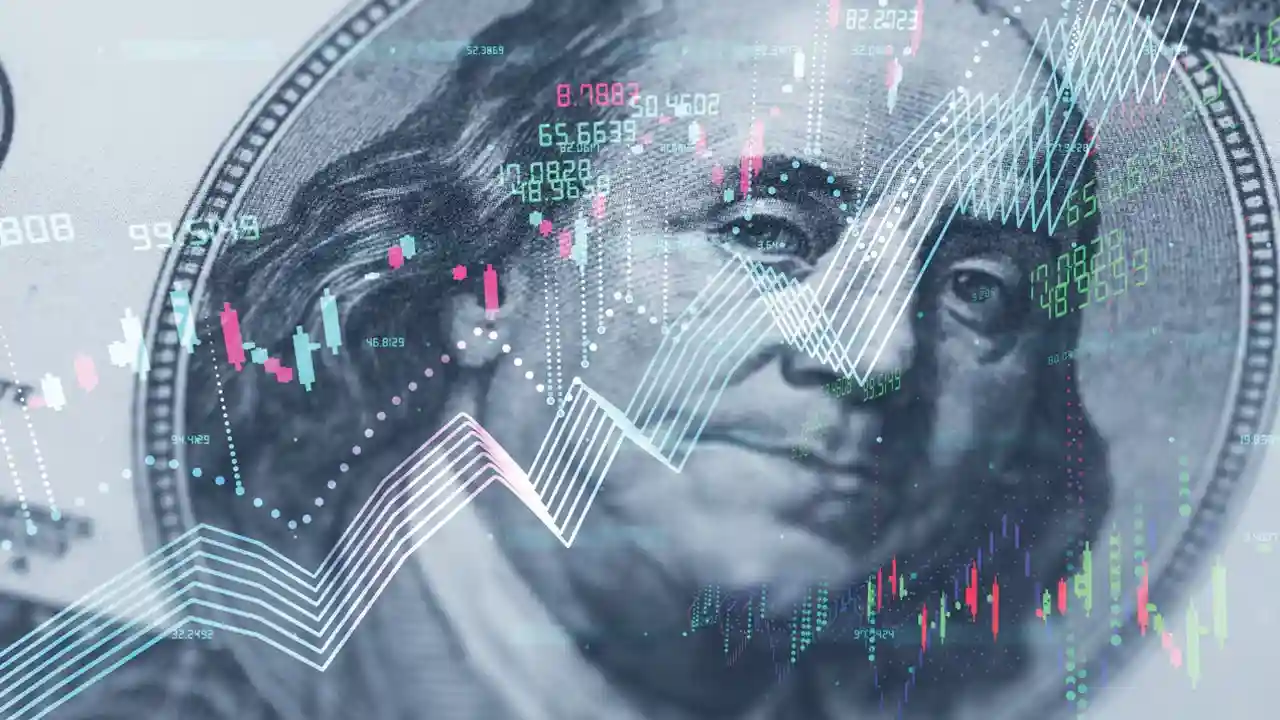
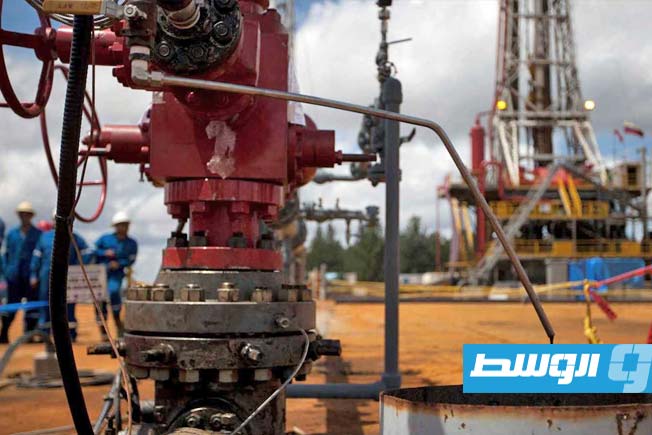
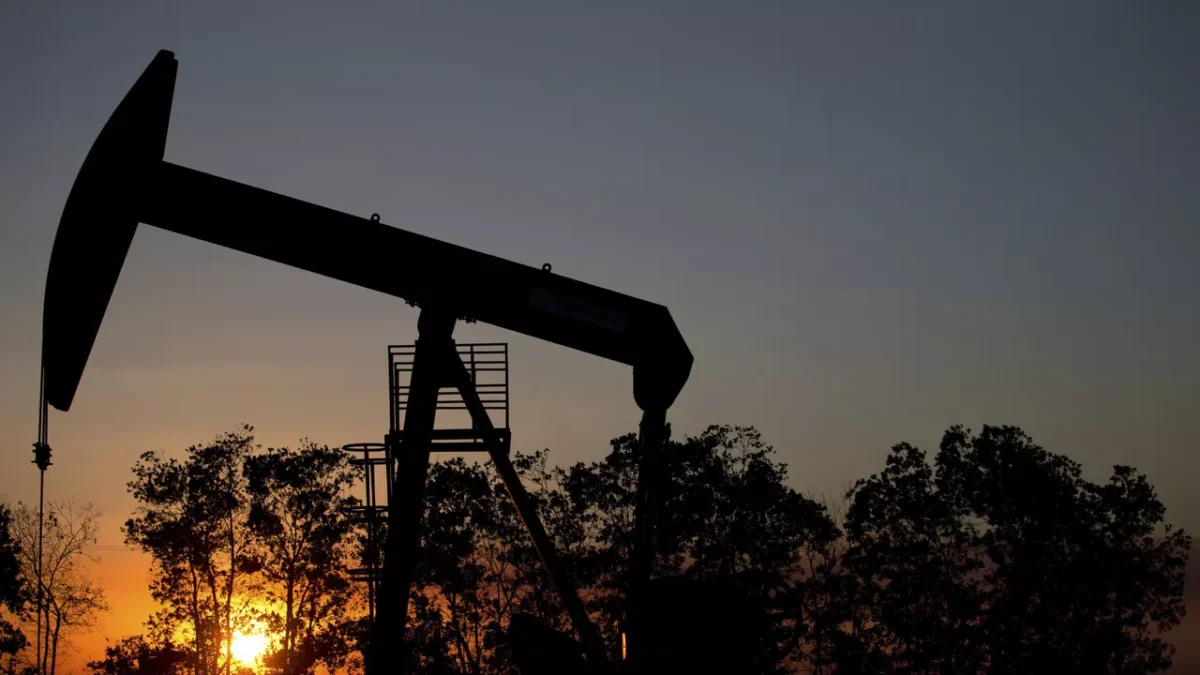
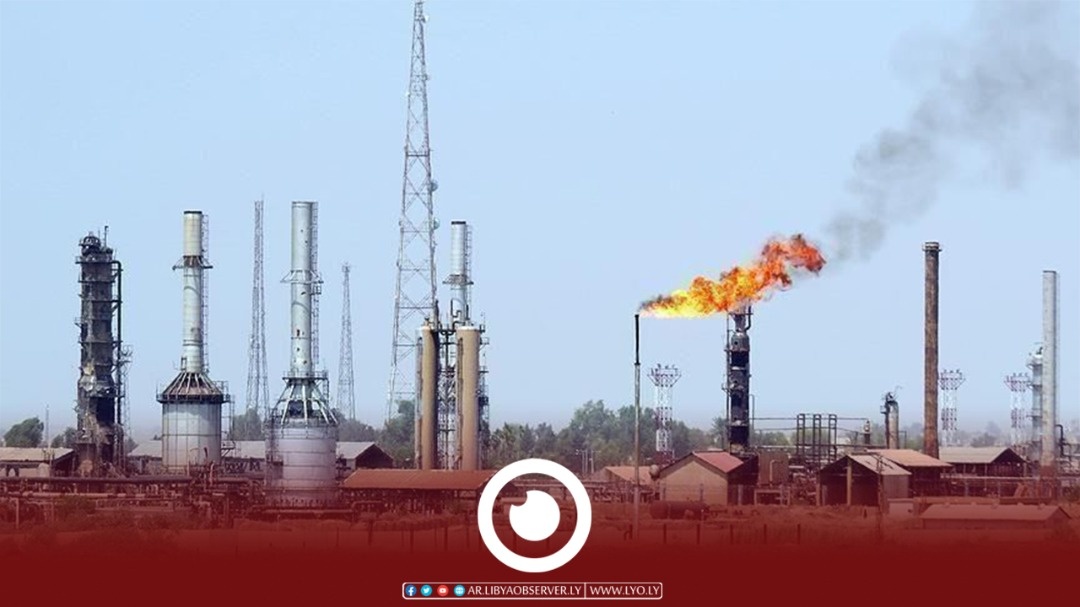
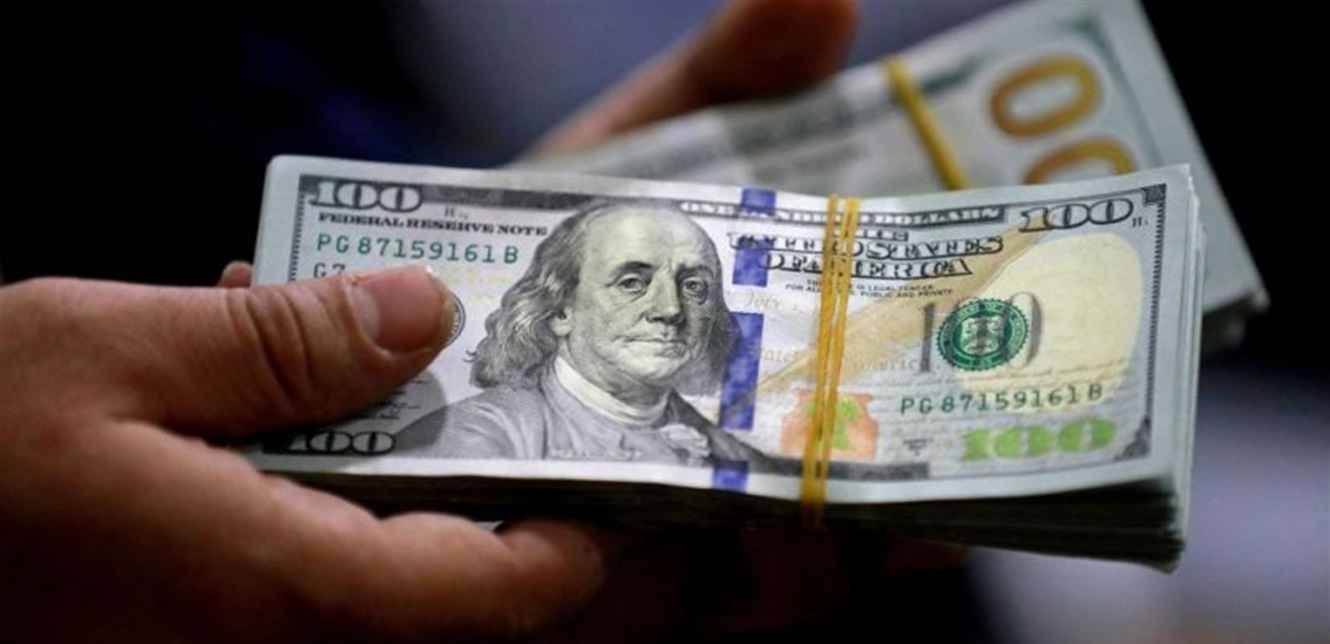
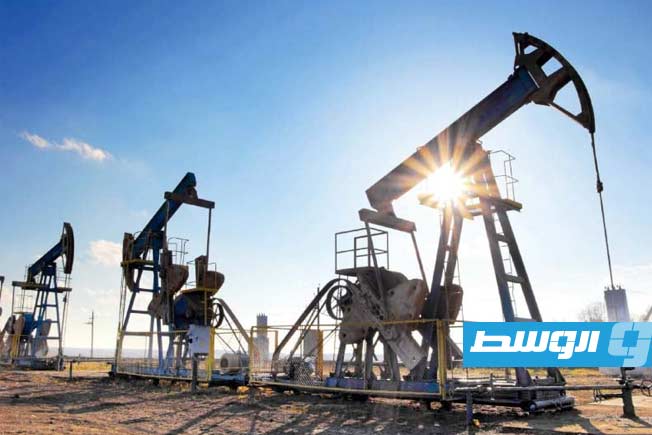
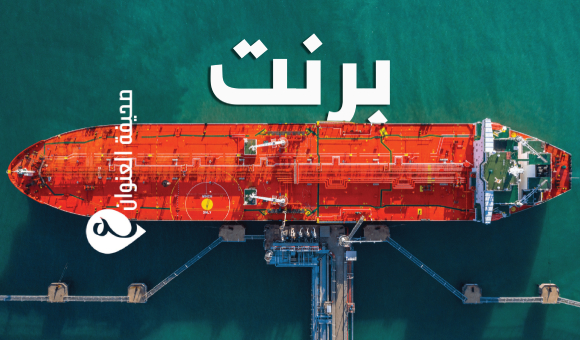
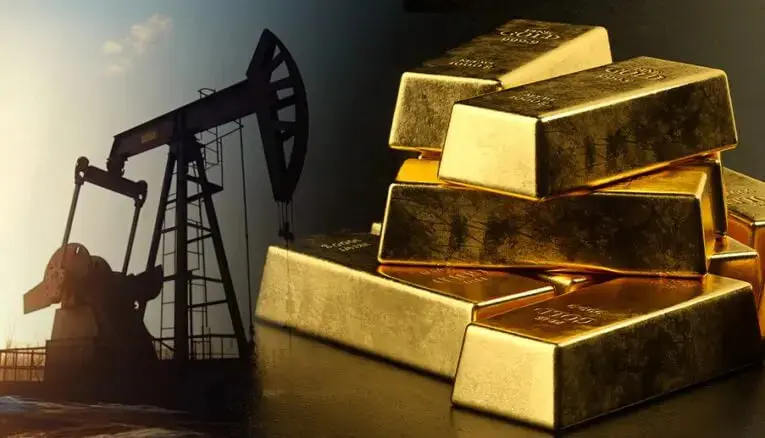
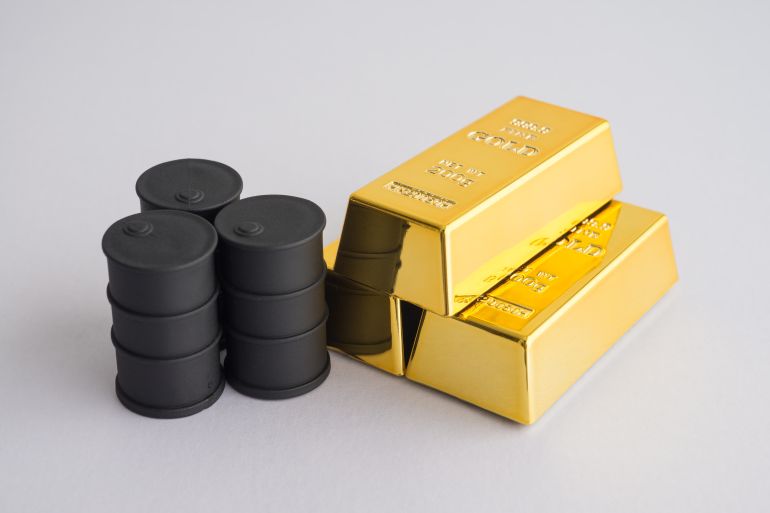
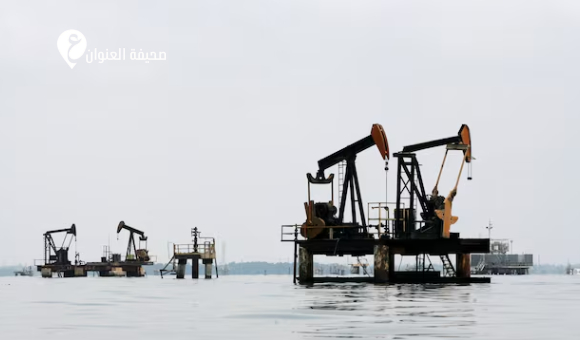
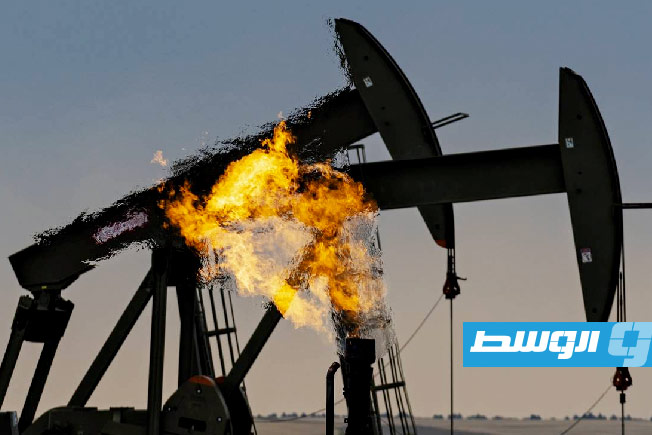
The price of a barrel of US West Texas Intermediate crude oil rose to its highest level in six months on Thursday, amid fears that talks between the United States and Iran may not prevent a new conflict that could threaten supplies.
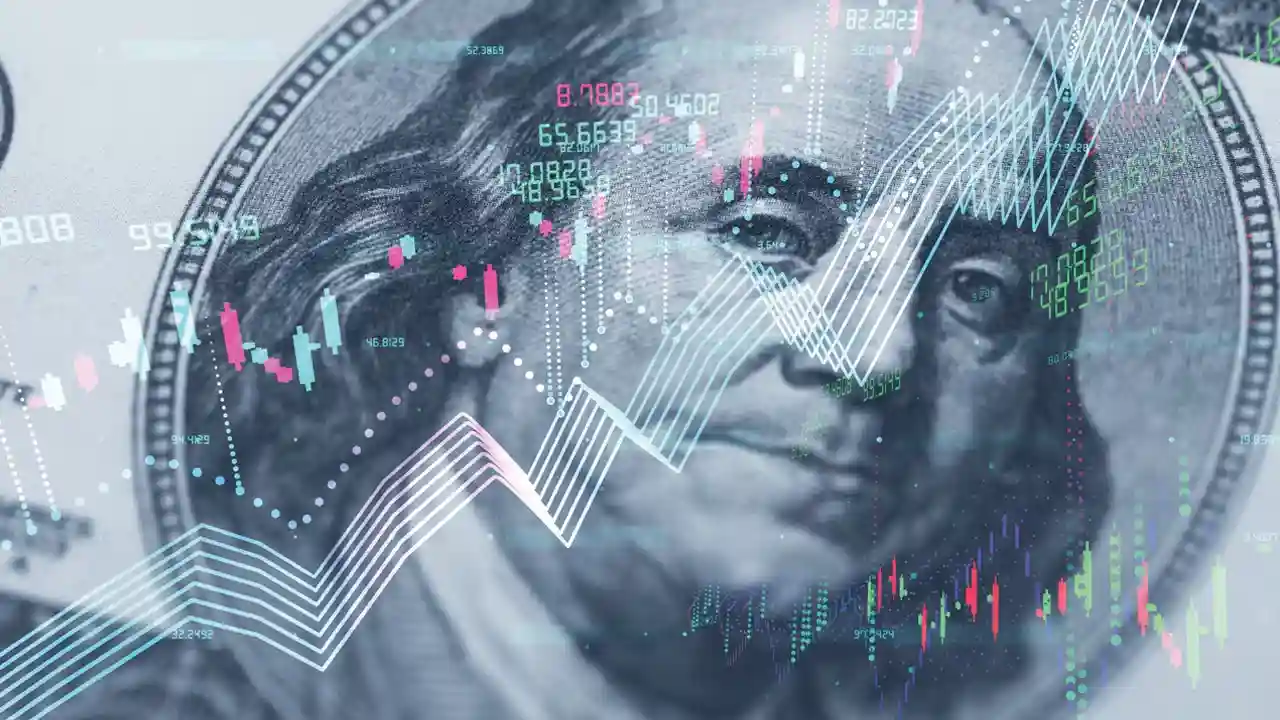
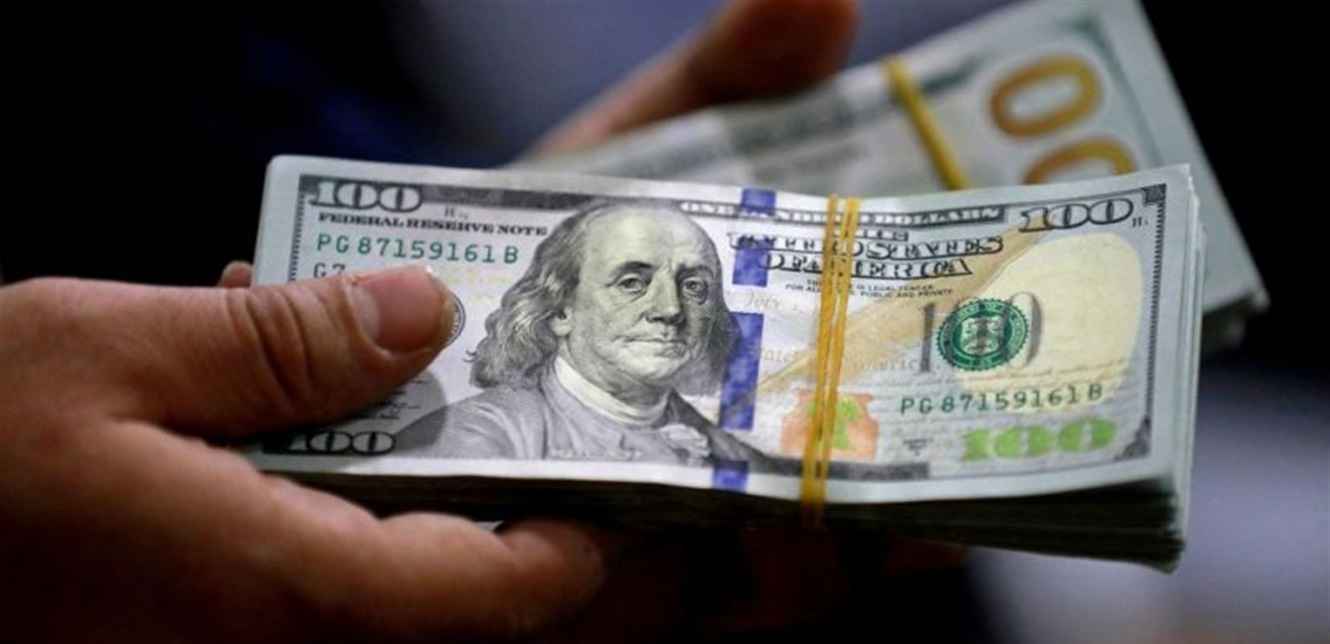
The price per barrel jumped 2.2% to reach $66.62, after briefly touching its highest level since August.
The price of Brent crude, the international benchmark, also rose by 2% to reach $71.76 per barrel.
Easing of Tensions Between the US and Iran
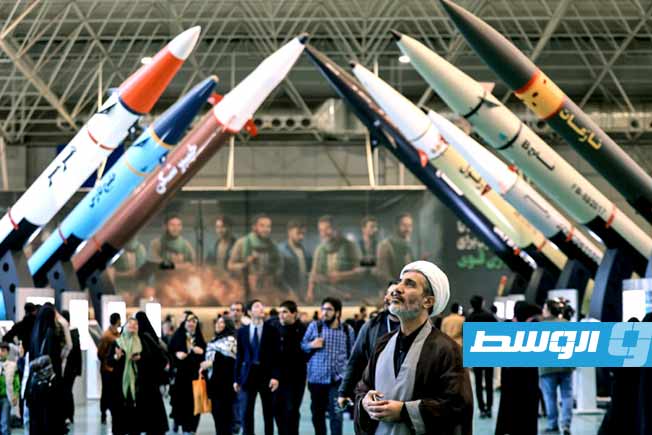
On Wednesday, oil prices fell by about 2% to their lowest level in two weeks, as hopes grew for an easing of tensions between the United States and Iran, following an announcement by the Iranian Foreign Minister about reaching an understanding on the main “guiding principles” for nuclear talks between the two countries.
Brent crude futures fell by $1.23, or 1.8%, to close at $67.42 per barrel, while US West Texas Intermediate crude fell by 56 cents, or 0.9%, to close at $62.33 per barrel.
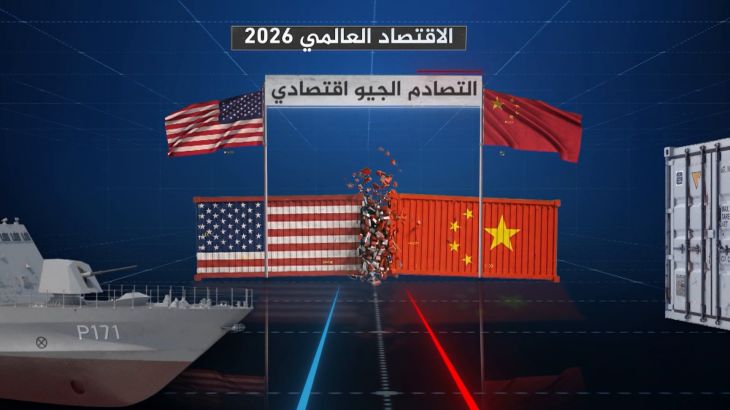
– Away from geopolitical tensions… Expectations of sharp fluctuations in oil markets during 2026
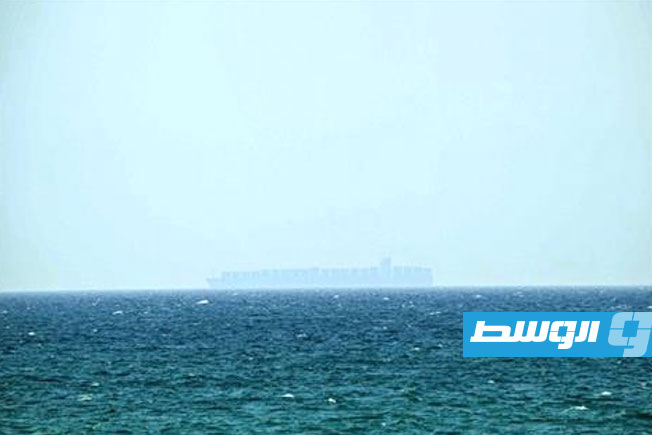
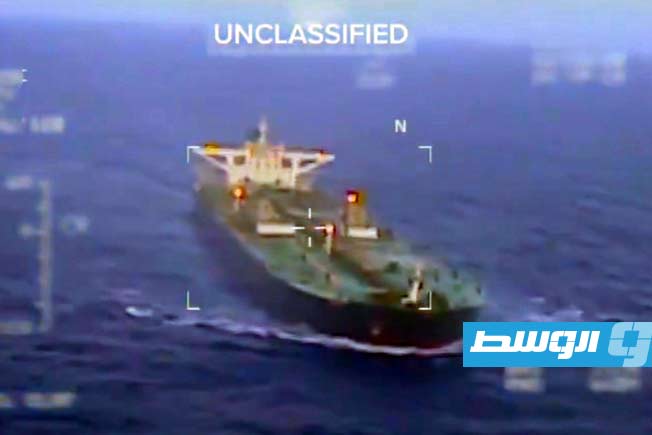
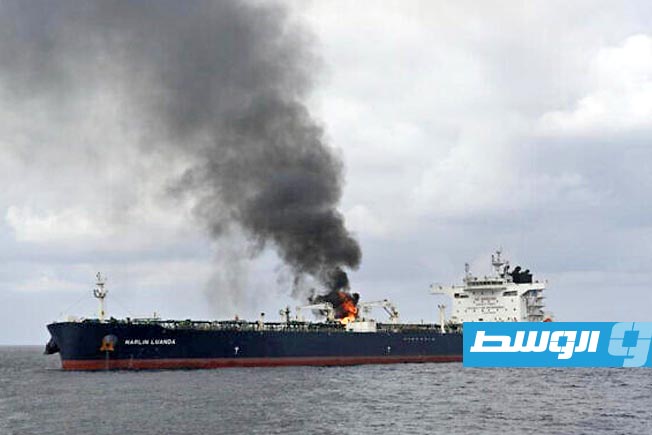
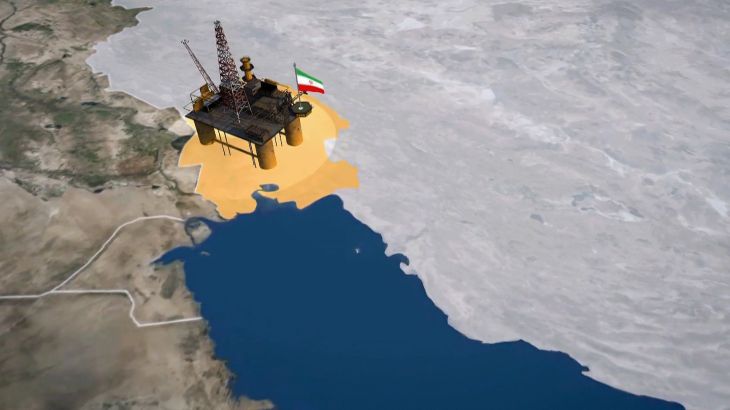
Investors are closely watching developments in US-Iranian relations, as any escalation could push Iran to close the Strait of Hormuz, through which about one-fifth of global oil consumption passes between Oman and Iran, making any disruption there a major threat to global energy supplies.
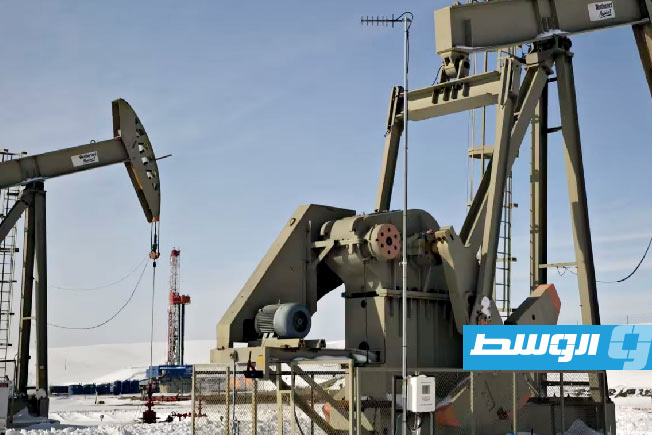
West Texas Intermediate crude oil
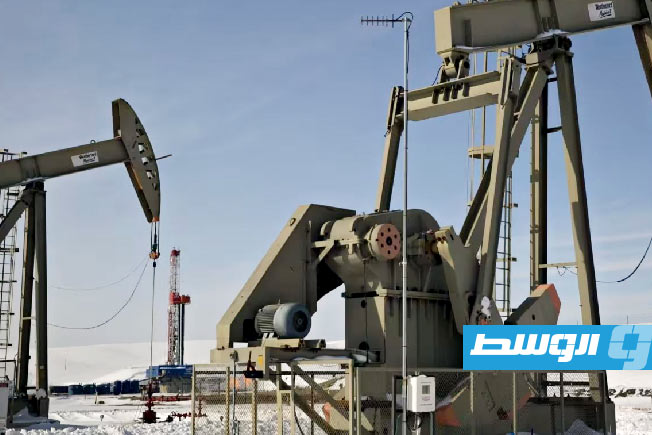
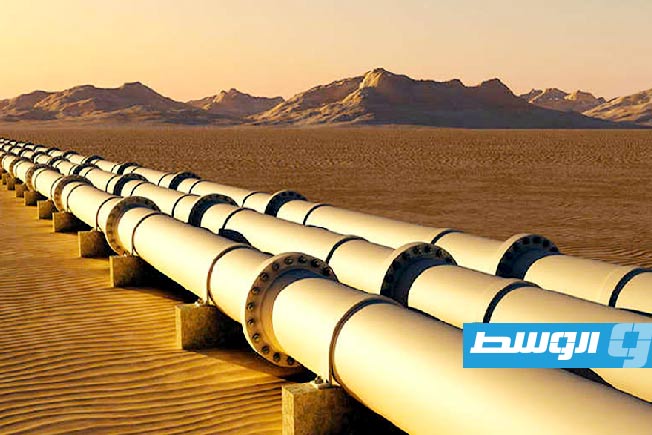
West Texas Intermediate (WTI) is a grade of crude oil used as a major global pricing benchmark, known for its relatively light weight and low sulfur content. It is primarily extracted from U.S. oil fields, notably in Texas and the surrounding region, and its pricing point is physically based at the pipeline hub in Cushing, Oklahoma.
United States
The United States is a federal republic founded in 1776 following the American Revolution, which established its independence from Great Britain. Its history includes westward expansion, a civil war over slavery, and its emergence as a global superpower in the 20th century.
Iran
Iran, historically known as Persia, is home to one of the world’s oldest continuous civilizations, with a rich cultural history spanning thousands of years. It features numerous UNESCO World Heritage sites, including the ancient ruins of Persepolis, which was the ceremonial capital of the Achaemenid Empire founded in the 6th century BCE. The country’s culture is deeply influenced by its pre-Islamic Zoroastrian heritage and its later role as a center of Islamic art, architecture, and scholarship.
Brent crude
Brent crude is a major trading classification of sweet light crude oil that serves as a key global price benchmark. It originates from the Brent oil field in the North Sea, which began production in the 1970s. The term “Brent” itself is named after the Brent goose, a bird found in the region.
Strait of Hormuz
The Strait of Hormuz is a strategically vital maritime chokepoint connecting the Persian Gulf with the Gulf of Oman and the Arabian Sea. Historically, it has been a key trade route for centuries and is now crucial for the global transit of oil and natural gas. Its geopolitical significance has made it a focal point of international tension and military presence for decades.
Oman
Oman is a country on the southeastern coast of the Arabian Peninsula with a rich maritime history as a powerful trading empire. Its historical and cultural identity is deeply tied to its role in the frankincense trade and its legacy of seafaring, with landmarks like the ancient Bahla Fort and the bustling port of Muscat reflecting this heritage.