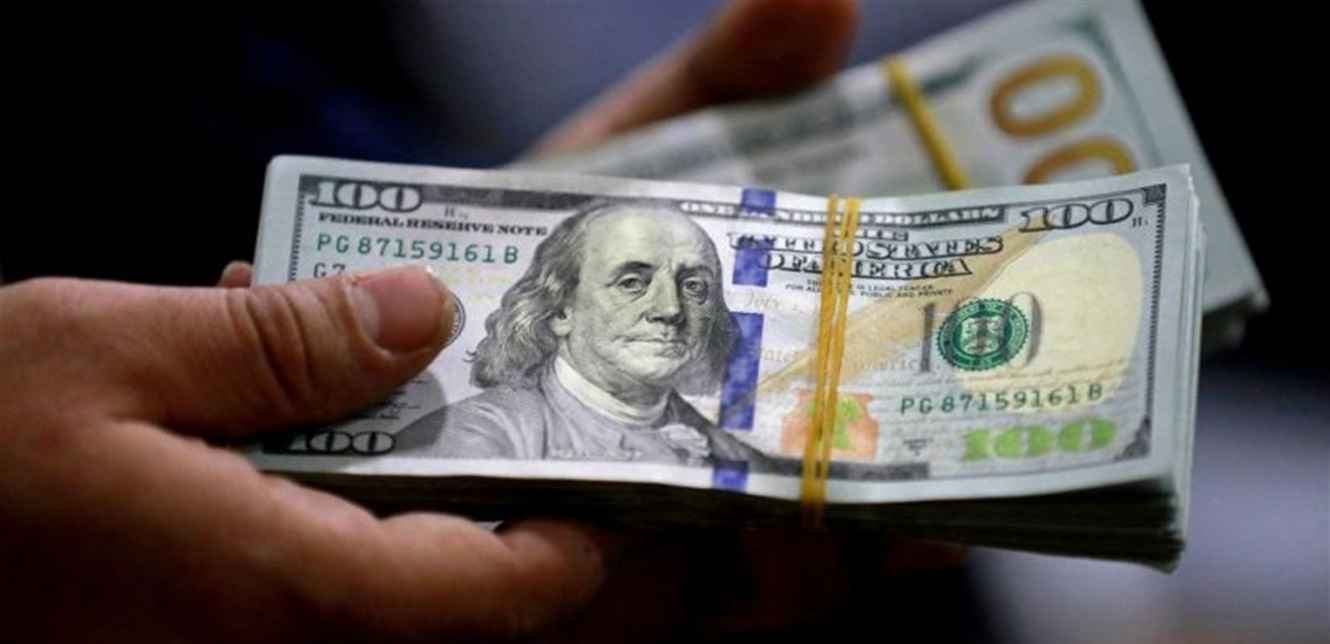
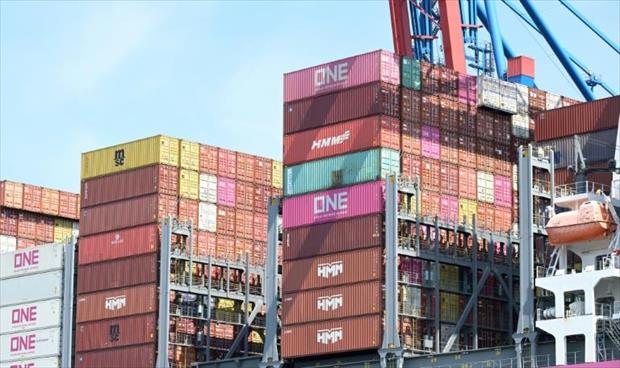
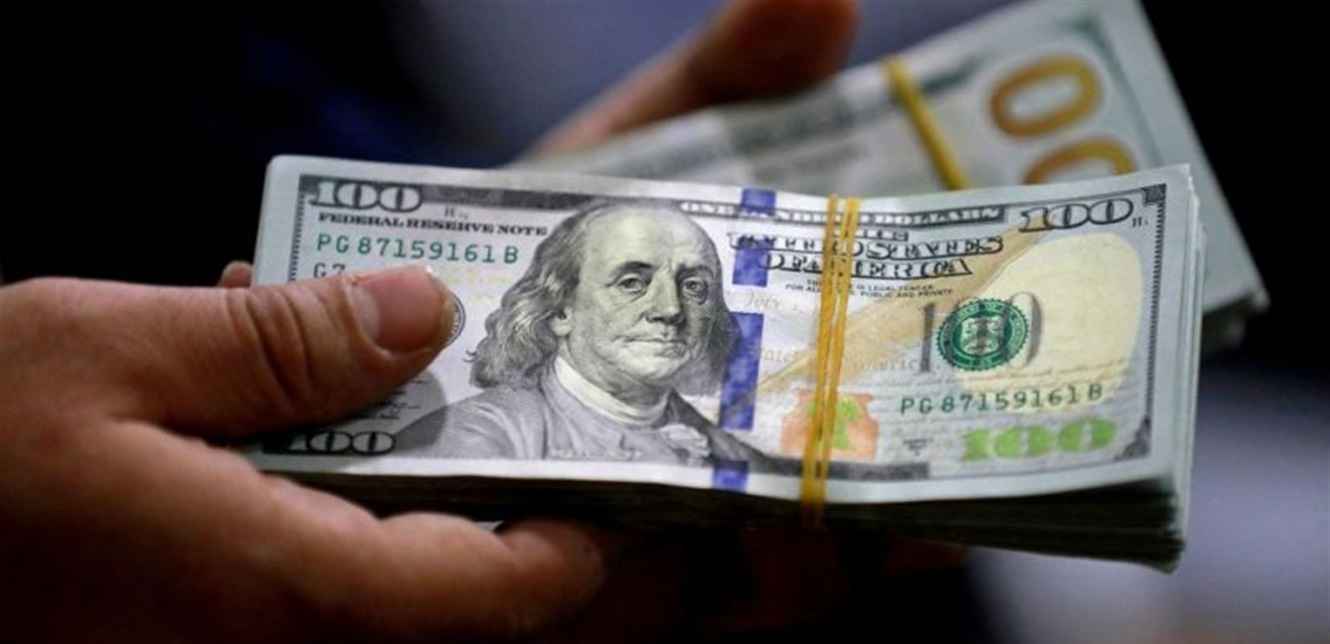
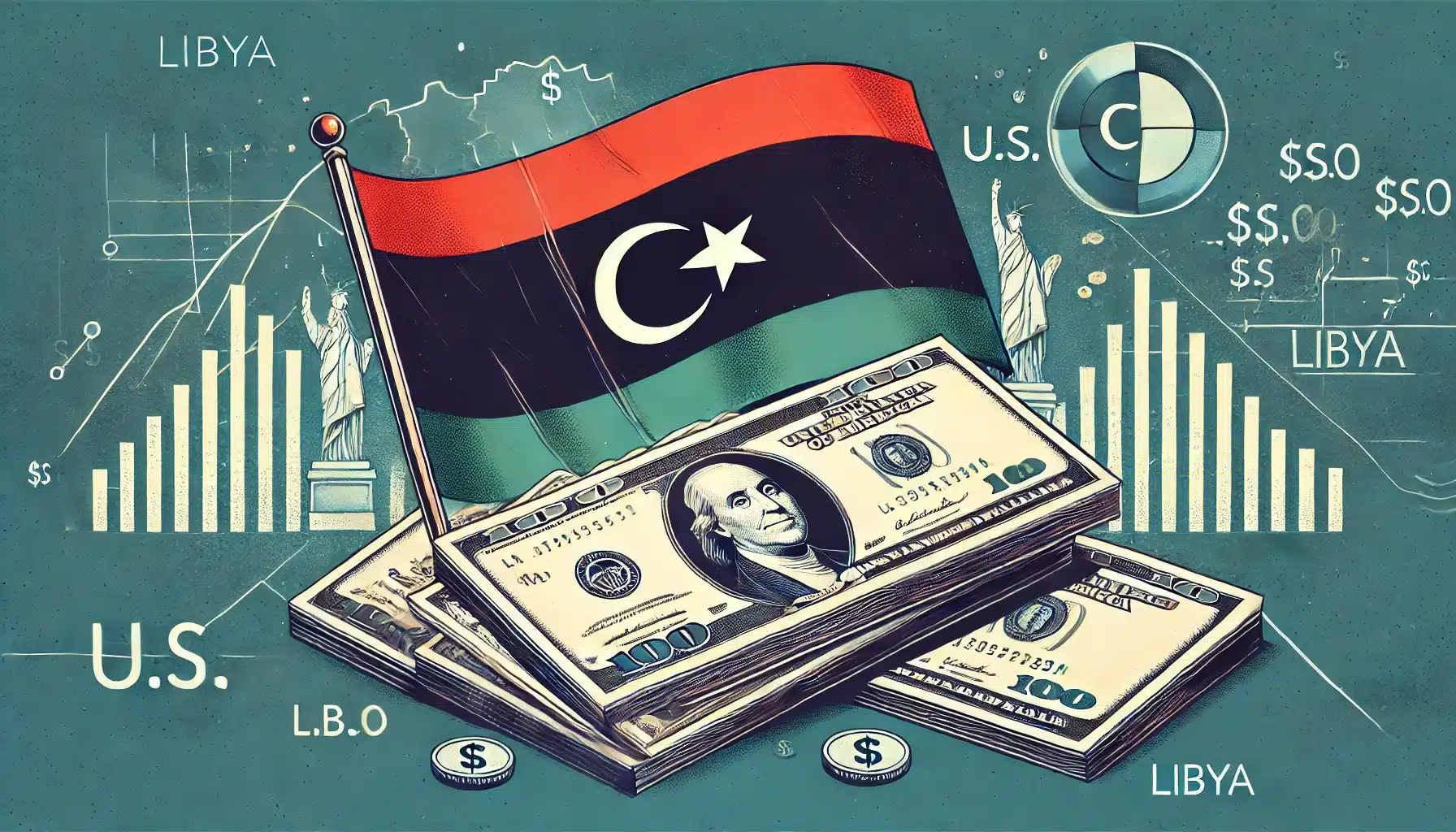
The United States recorded a trade deficit of $1.241 trillion during 2025, reaching a record level with a 2.1% increase from 2024, according to data published by the Commerce Department on Thursday.
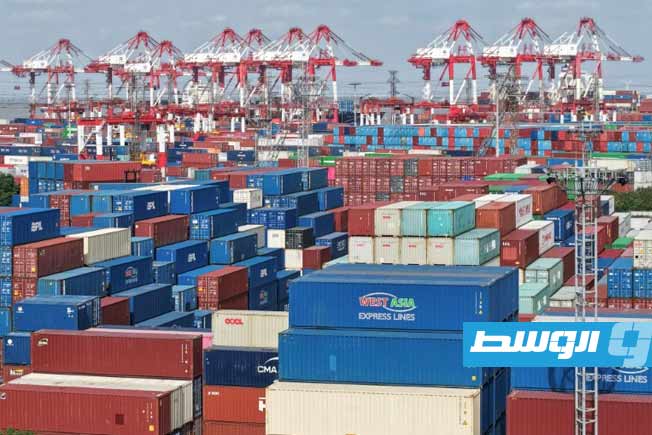
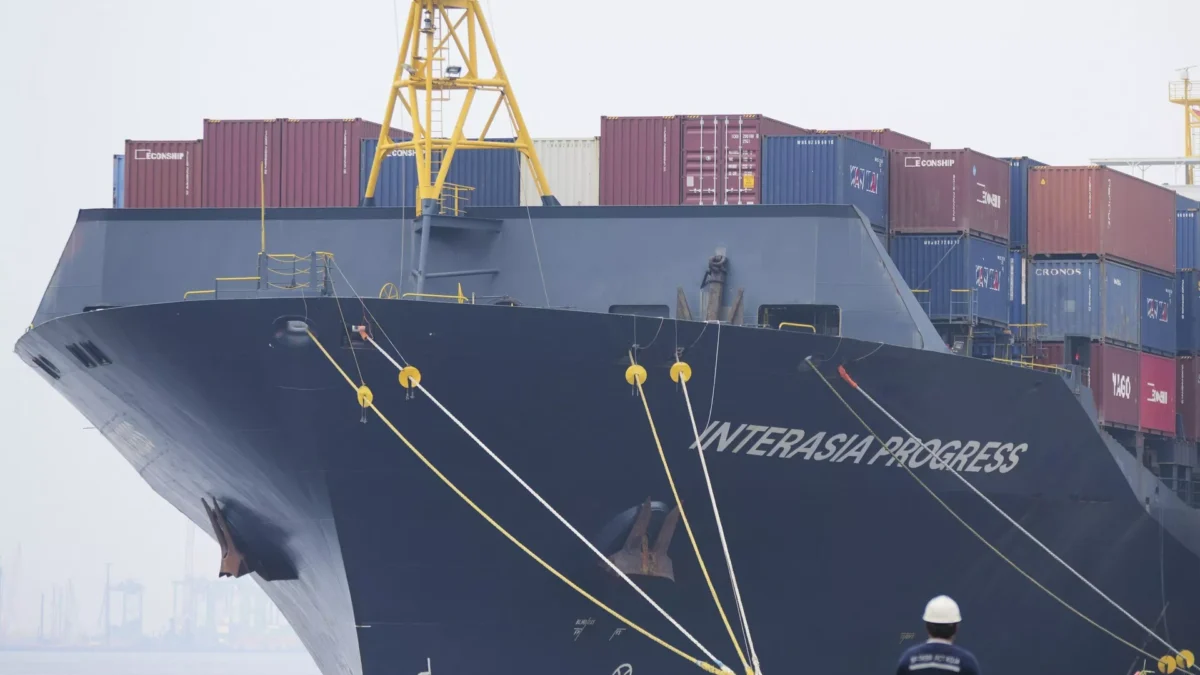
This is attributed to imports rising at a faster pace than exports over the past year, despite the imposition of tariffs on a large portion of imported goods.
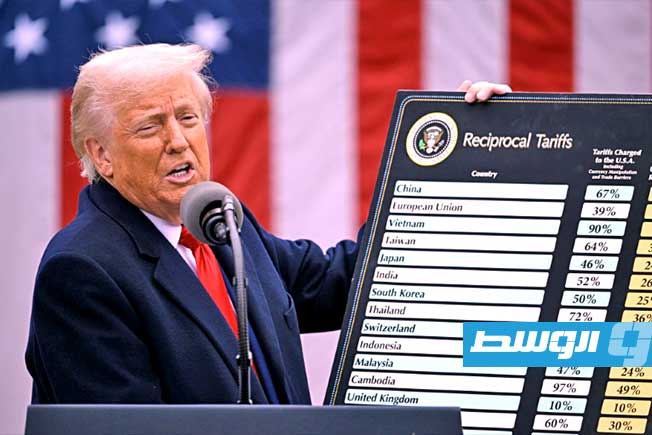
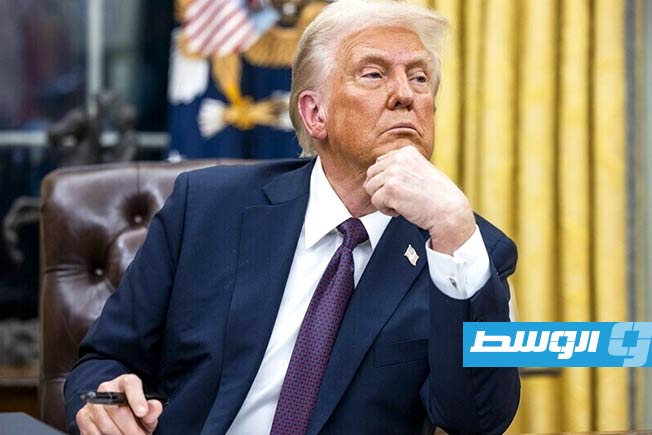
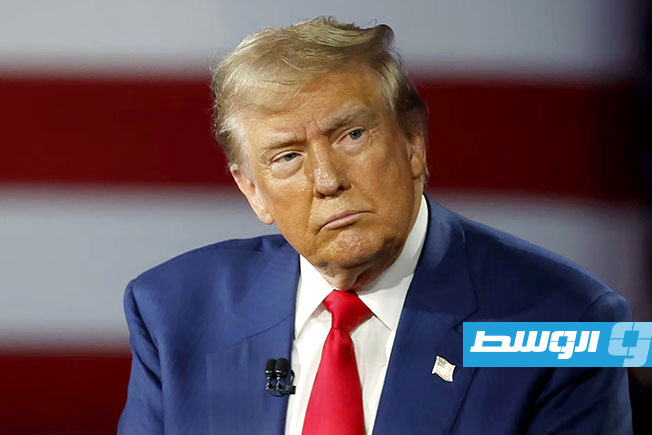
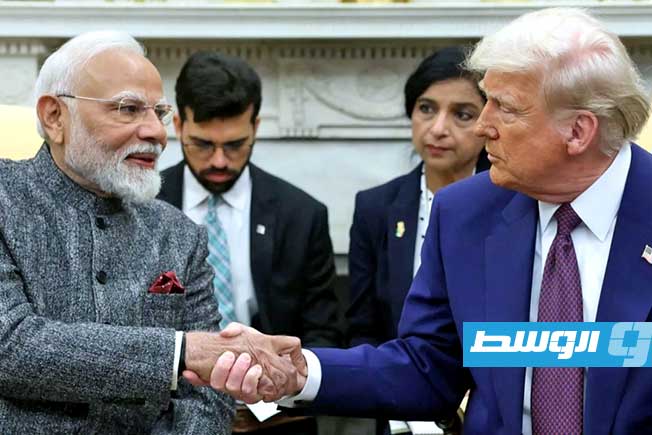
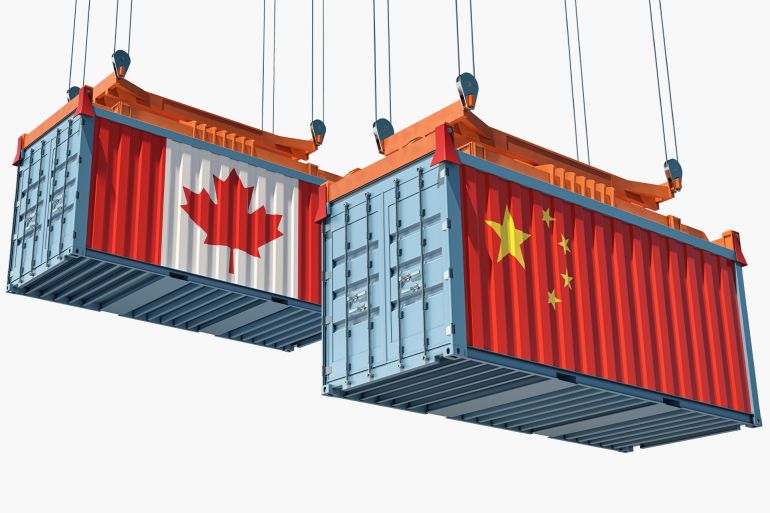
The tariffs were primarily justified by the need to rebalance trade exchanges between Washington and its major partners, with a particular focus, alongside China, on countries such as Canada and Mexico, as well as the European Union.
The value of goods imports rose to $3.438 trillion during 2025, and services imports reached $895 billion. Exports also increased but at lower rates, settling at $2.197 trillion for goods and $1.235 trillion for services.
Declining Exports and Rising Imports
In December, the deficit in the goods and services trade balance accelerated to reach $70.3 billion, an increase of 32.6% compared to November. This exceeded expectations, which had anticipated a trade deficit of around $56 billion in December.
The widening deficit in the last month of the past year is explained by declining exports and rising imports. This is primarily due to a decrease in non-monetary gold exports and an increase in imports of raw materials, metals, energy, as well as capital goods.
– <a>Due to ‘Trump’s tariffs’.. US trade deficit falls to its lowest level since 2009
Geographically, the United States records its largest trade deficits with the European Union, China, and Mexico. In the last month, the deficit was more pronounced in exchanges with Taiwan, Vietnam, and Mexico, confirming the evolution of trade routes heading towards Washington, a trend observed during the last quarter.
United States
The United States is a federal republic founded in 1776 after declaring independence from Great Britain, with its modern government established by the Constitution in 1789. Its history includes westward expansion, a civil war over slavery, and its emergence as a global superpower in the 20th century. The nation is defined by its diverse population, democratic ideals, and significant cultural and economic influence worldwide.
Commerce Department
The United States Department of Commerce is a Cabinet-level department of the federal government, established in 1903 as the Department of Commerce and Labor. It was later split in 1913, with its current form focusing on promoting economic growth, job creation, and technological competitiveness through various bureaus like the Census Bureau and NOAA.
Washington
Washington, D.C., is the capital city of the United States, founded in 1790 following the ratification of the U.S. Constitution. It was established as a federal district through the Residence Act, with its design largely planned by Pierre Charles L’Enfant, and it houses the nation’s key government institutions, including the White House, the U.S. Capitol, and the Supreme Court.
China
China is one of the world’s oldest continuous civilizations, with a recorded history spanning over four millennia. It is home to numerous UNESCO World Heritage sites, such as the Great Wall and the Forbidden City, which reflect its long imperial past and profound cultural achievements.
Canada
Canada is a North American country formed in 1867 through Confederation, evolving from earlier British and French colonial territories. It is known for its vast landscapes, multicultural society, and a constitutional monarchy that recognizes both English and French as official languages.
Mexico
Mexico, officially the United Mexican States, is a country with a rich history spanning from ancient Mesoamerican civilizations like the Aztecs and Maya to Spanish colonization in the 16th century and its eventual independence in 1821. It is renowned for its vibrant cultural heritage, including UNESCO World Heritage sites, distinctive cuisine, and traditions that blend indigenous and Spanish influences.
European Union
The European Union (EU) is a political and economic union of 27 European countries, founded after World War II to foster economic cooperation and prevent future conflict. It has evolved from the European Coal and Steel Community in 1951 into a major supranational entity with a single market, a common currency (the euro) used by 20 members, and shared policies on various issues.
Taiwan
Taiwan is an island off the southeastern coast of China, with a rich history shaped by indigenous cultures, periods of Dutch and Spanish colonial rule, and significant settlement by Han Chinese migrants, particularly from the 17th century onward. It was administered by Japan from 1895 to 1945 before coming under the administration of the Republic of China following World War II. The island is known for its vibrant democracy, technological industry, and distinct cultural traditions that blend these diverse historical influences.
Vietnam
Vietnam is a Southeast Asian country with a rich history shaped by millennia of indigenous cultures, Chinese imperial rule, and French colonization, culminating in its independence in the mid-20th century. It is renowned for its diverse cultural heritage, stunning landscapes like Ha Long Bay, and historic sites such as the Imperial City of Hue and the ancient town of Hoi An.