New York, February 21, 2026 – The time has come for the Security Council to correct its course in dealing with the Libyan file, either through positive and genuine support for the will of the Libyan people to regain control of their affairs, or by lifting its hand from Libya after fifteen years of placing it under Chapter VII and imposing sanctions.
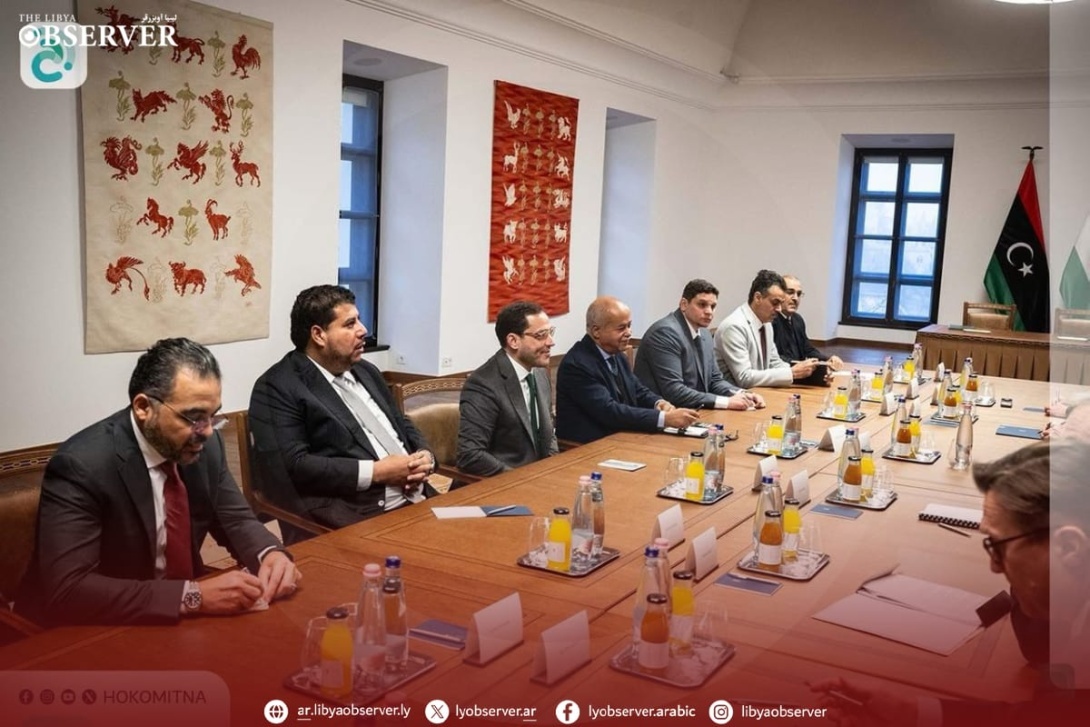
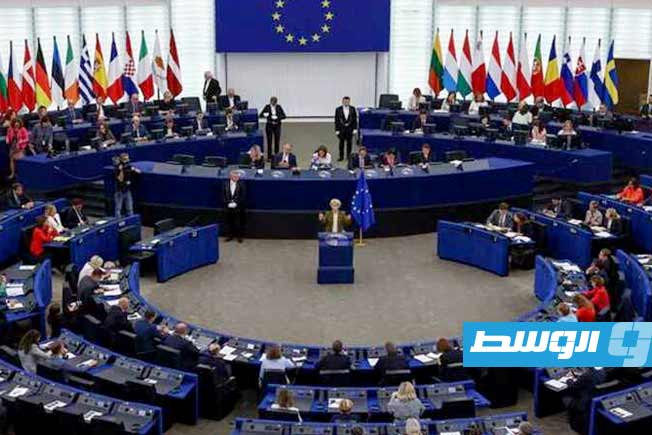
This came in a speech delivered yesterday, Wednesday, before the United Nations Security Council during its session dedicated to discussing the latest developments in the situation in Libya, coinciding with the fifteenth anniversary of the February 17 revolution.
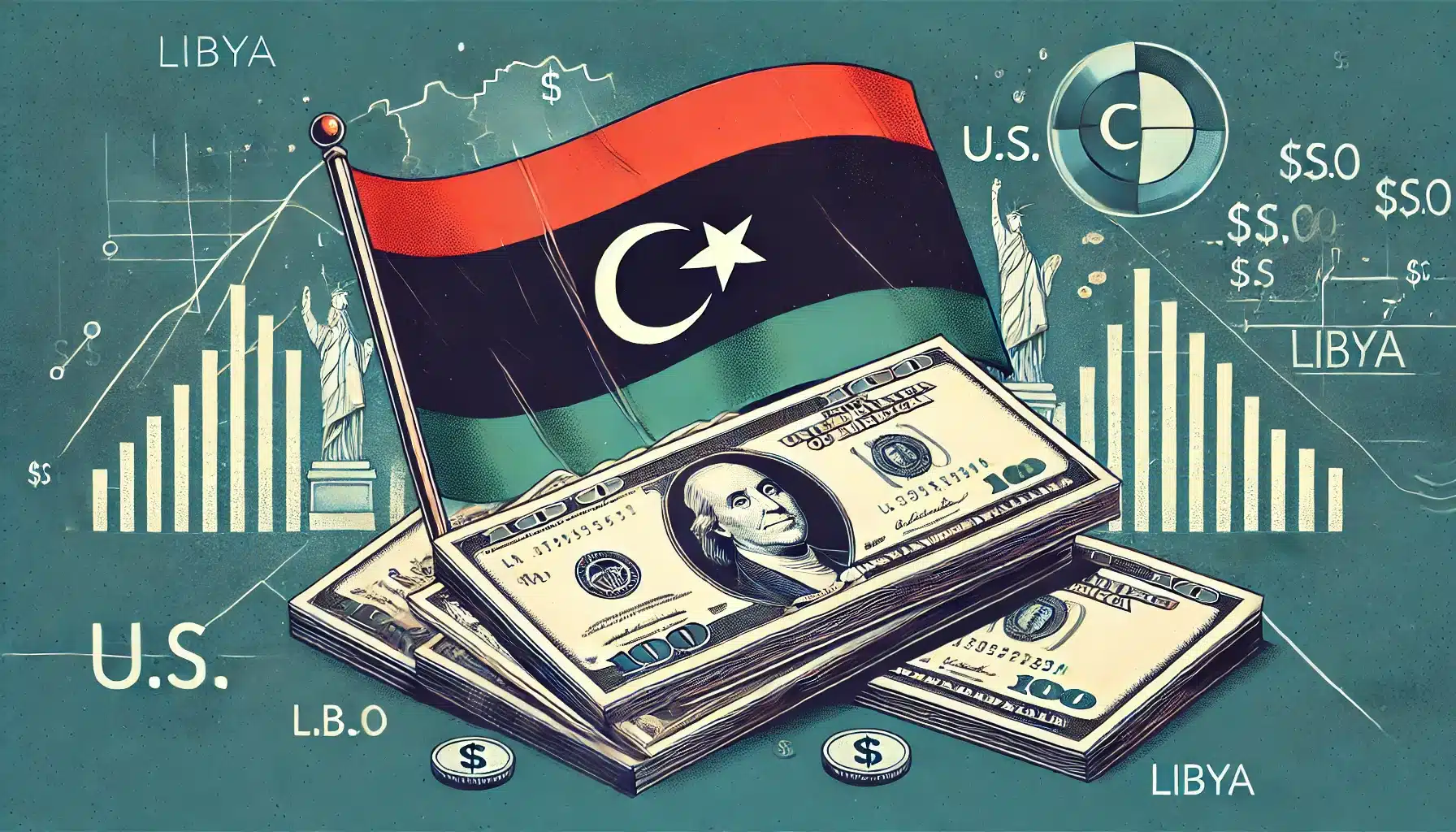
It was clarified that Libya remains stuck in a vicious cycle where external interventions and proxy wars have intensified, and initiatives and envoys have multiplied, while wealth is plundered and assets are frozen under the pretext of sanctions, despite the fact that the demand of the Libyans from the beginning was freedom, change, and a dignified life.
In commenting on the UN representative’s briefing, emphasis was placed on the necessity of transitioning from the stage of prolonged consultations to clear and binding results within a specific timeframe, leading to practical and tangible solutions.
The importance of involving all active political leaders and forces without exclusion was affirmed, which would enhance national ownership of the solution and ensure genuine commitment from the various parties.
It was also emphasized in the speech that any political path, including the ongoing dialogue, must end with the holding of general elections according to a specific timetable, without reproducing transitional stages, based on the Libyan Political Agreement, the outcomes of the Geneva track, and relevant Security Council resolutions.
It was noted that international community support for the electoral process could begin immediately through the formation of joint national committees between the concerned institutions across the country, under UN supervision and international support, to handle the logistical and security aspects to ensure the integrity and transparency of the elections.
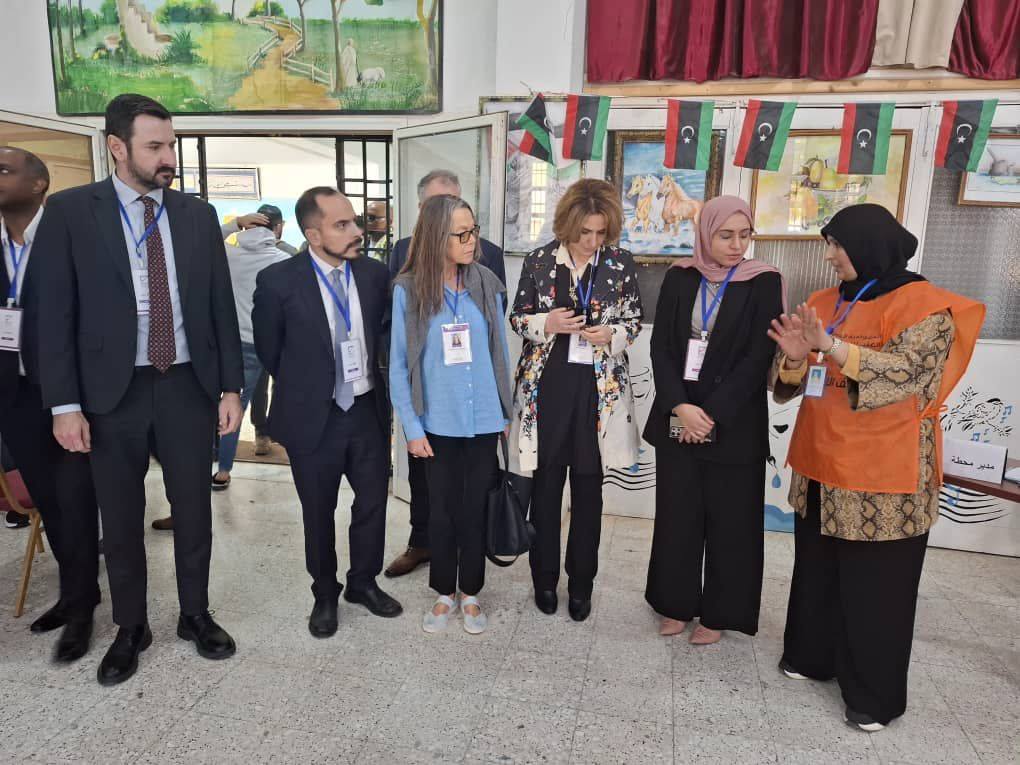
The recent success of the municipal elections was explained as a practical model confirming the ability of Libyans to accomplish electoral milestones whenever political will is available.
It was also pointed out that popular demands for holding elections have reached a level that has pushed some legislative parties to show flexibility regarding the oversight mechanism, which enhances the possibility of agreeing on a constitutional base or holding a referendum on the draft constitution, paving the way for the approval of consensual electoral laws.